
100-Night Risk-Free Trial
Free Nationwide Delivery
10 Years Warranty
Call us at: 020 4572 5122
0% APR Finance Available
best cooling mattress uk
June 27, 2025

Understanding Phase Change Materials (PCMs) in Mattresses and Their Role in Regulating Body Temperature

When it comes to getting a restful night’s sleep, body temperature plays a crucial role. Overheating or excessive sweating during the night can disrupt sleep cycles, reduce REM sleep, and leave you feeling tired and stiff in the morning. This is where Phase Change Materials (PCMs) come into play an innovative technology used in modern mattress design to improve sleep quality by regulating temperature.

What Are Phase Change Materials (PCMs)?

Phase Change Materials are substances that absorb, store, and release thermal energy during the process of melting and solidifying (changing from one phase to another). The most common example of a PCM is water, which absorbs a large amount of heat when it melts from ice to liquid.

In mattresses, PCMs are microencapsulated and embedded into fabrics or foam layers. These materials are engineered to remain in a solid form at room temperature but melt when exposed to excess body heat. As they melt, they absorb this heat cooling the sleeping surface. When the temperature drops again, they re-solidify and release the stored heat, maintaining a balanced temperature throughout the night.

to read Phase Change Materials (PCMs) in more details with scientific approaches you check read here.

How PCMs Help Regulate Body Temperature

  1. Absorption of Excess HeatWhen your body starts to overheat, the PCM layer absorbs and stores the excess thermal energy, preventing the mattress from becoming too warm. This helps maintain a cool sleeping surface.
  2. Release of Stored HeatIf your body cools down too much (such as in colder climates or during early morning hours), the PCMs re-solidify and release the stored heat, gently warming you back to a comfortable state.
  3. Thermal Regulation for Deeper SleepBy smoothing out temperature fluctuations, PCMs create a stable sleep environment. This minimises awakenings due to overheating or chills, allowing you to cycle more effectively through deeper, restorative sleep stages.

Scientific Backing for PCM Use in Sleep

Use of Phase Change Materials in mattress to regulate temperature is increasing rapidly, thermoregulation is a biological process deeply tied to circadian rhythms. Research indicates that the body naturally lowers its core temperature to signal the brain it’s time for sleep. However, traditional foam and memory foam mattresses can trap heat, interfering with this cooling process. This leads to disrupted sleep patterns, night sweats, and even chronic back discomfort due to poor sleep posture caused by tossing and turning.

PCMs work by assisting the body’s thermoregulatory process, aligning with the body’s natural circadian temperature cycle. Studies have shown that sleep products with PCMs can reduce skin temperature variability and improve overall sleep satisfaction.

Research in the field of thermal comfort and sleep architecture has highlighted the importance of temperature homeostasis for uninterrupted rest. A 2012 study in the Journal of Physiological Anthropology concluded that skin temperature stabilisation through PCMs improved overall sleep efficiency and comfort source.
PCMs vs. Conventional Cooling Features

While many mattresses claim to be “cooling,” not all are created equal. Traditional solutions like breathable fabrics or gel-infused foams offer passive cooling. They help a bit, but once they heat up, they stay hot.
PCMs, on the other hand, offer active temperature regulation by physically changing states to manage heat. This makes them especially effective for:
  • Hot sleepers
  • People living in warm climates
  • Individuals with night sweats or hormonal imbalances
  • Those who suffer from back pain due to heat-induced restlessness

Back Pain, Heat Retention & the Role of PCMs

A little-known contributor to back pain is overheating during sleep. When a mattress retains too much heat, the sleeper tends to toss, shift, or wake up in awkward positions. This lack of consistent, proper spinal alignment can strain the lower back and neck. Over time, it contributes to chronic discomfort.

Disrupted sleep also prevents proper muscle recovery, which is essential for pain relief. Poor sleep posture combined with heat retention can lead to morning stiffnesslower back tension, and even exacerbate chronic pain conditions source: Cleveland Clinic.

Orthopaedic mattresses for back pain that include PCM layers offer dual benefits:

  • Spinal support through firmer foam or zoned construction
  • Thermal comfort via phase change technology to reduce heat-related restlessness

This combination supports muscles, promotes better posture, and allows the body to heal during deeper sleep phases.

Best Cooling Practices & PCM Integration

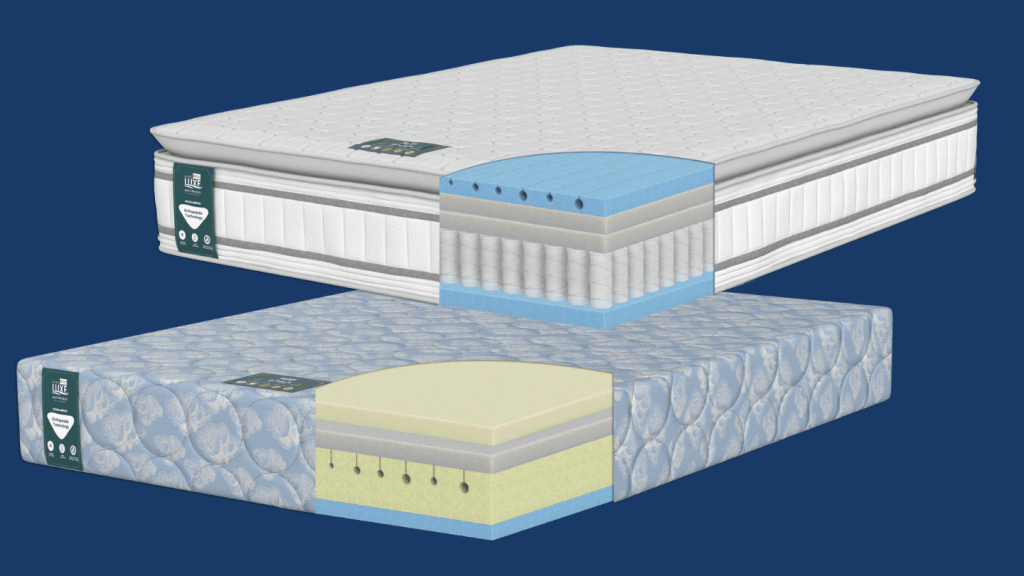
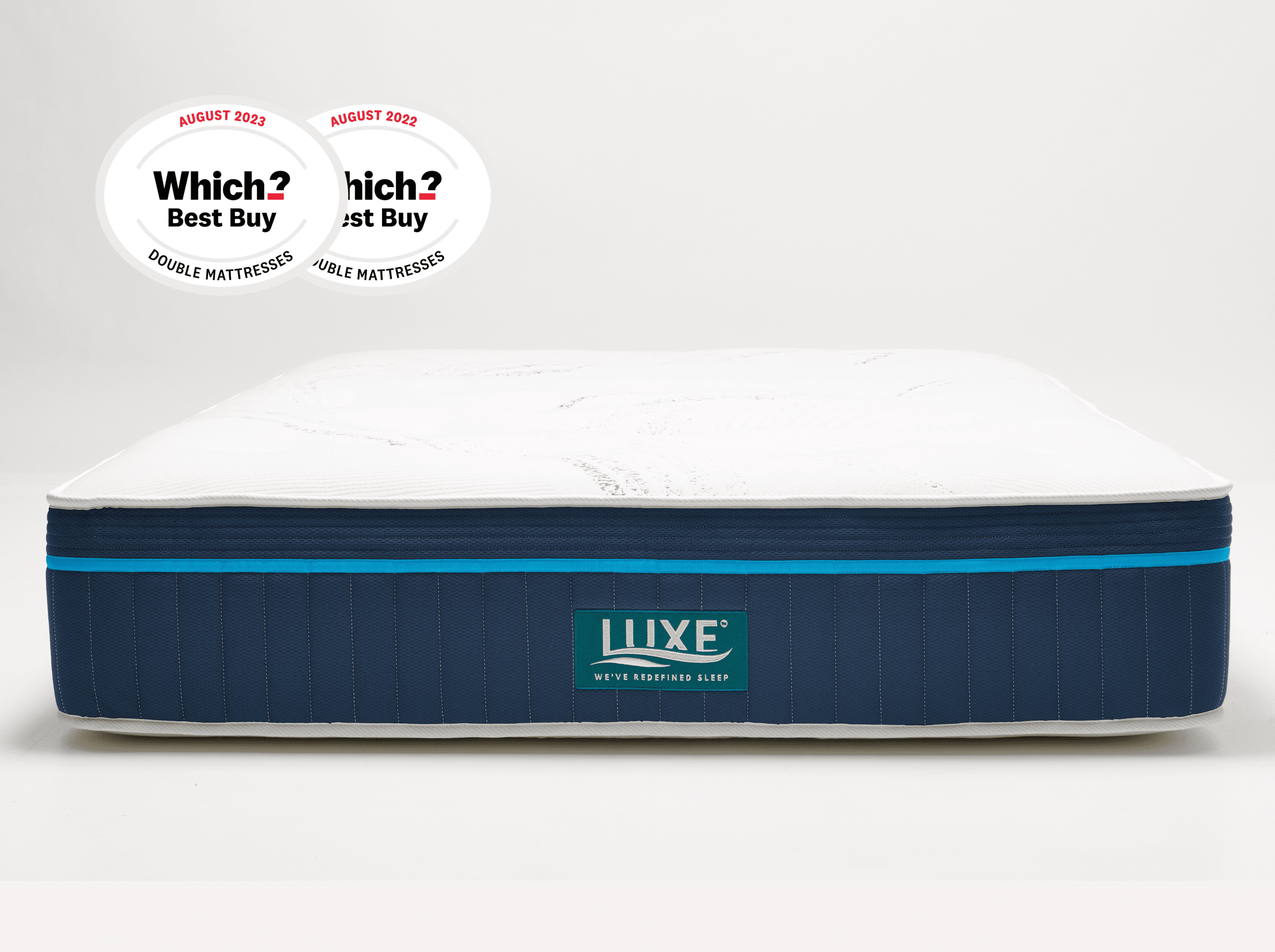
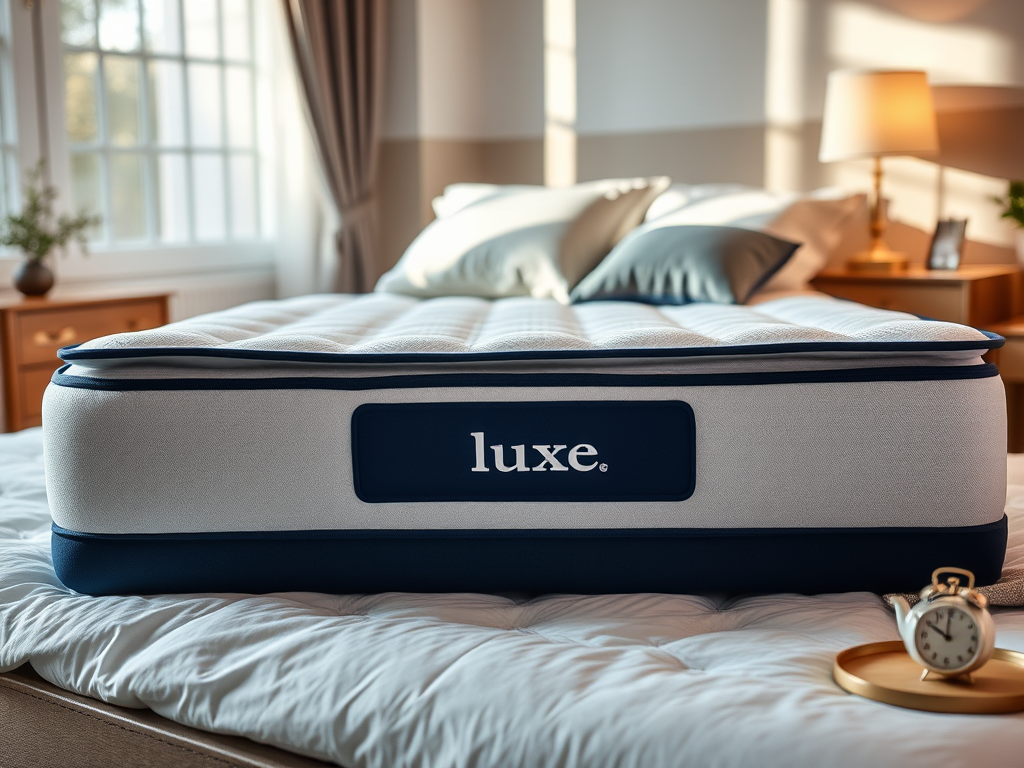
Many premium mattresses now incorporate PCMs under various branding terms. One standout known for this feature is the Luxe Therm Mattress, often recognised as one of the best cooling mattresses in the UK. It pairs high-quality support materials with advanced PCM technology to ensure consistent temperature regulation for sleepers prone to overheating or back issues.

Even without brand names, when shopping for a cooling or orthopaedic mattress, look for features such as:

  • PCM-infused covers or comfort layers
  • Gel memory foams with active thermal control
  • Zoned support cores for spinal alignment
  • Moisture-wicking and breathable textiles to enhance PCM performance

The Role of Luxe Cooling Mattress (Luxe Therm)

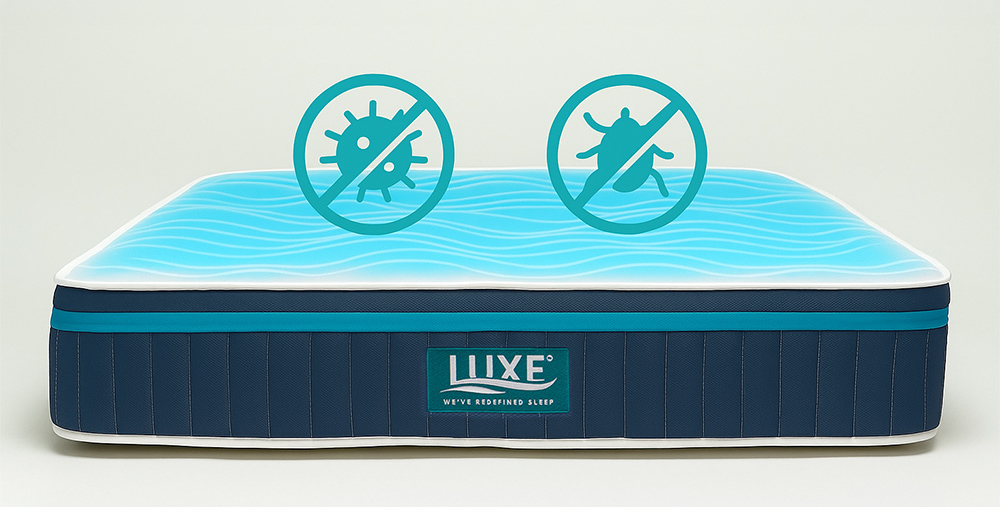
One example of a PCM-enhanced sleep surface is the Luxe Cooling Mattress, also awarded as the best cooling mattress in uk by Goodhouse Keeping Institute . It’s known for incorporating advanced thermal-regulating materials that actively manage temperature and moisture, making it ideal for hot sleepers and those with chronic pain.

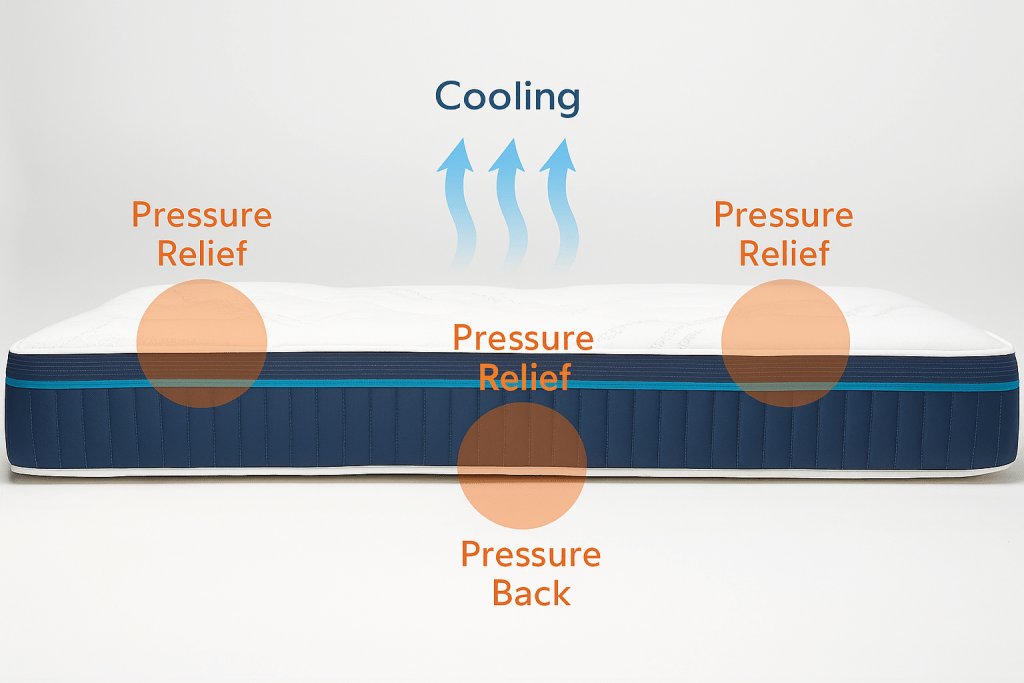
temperature regulation

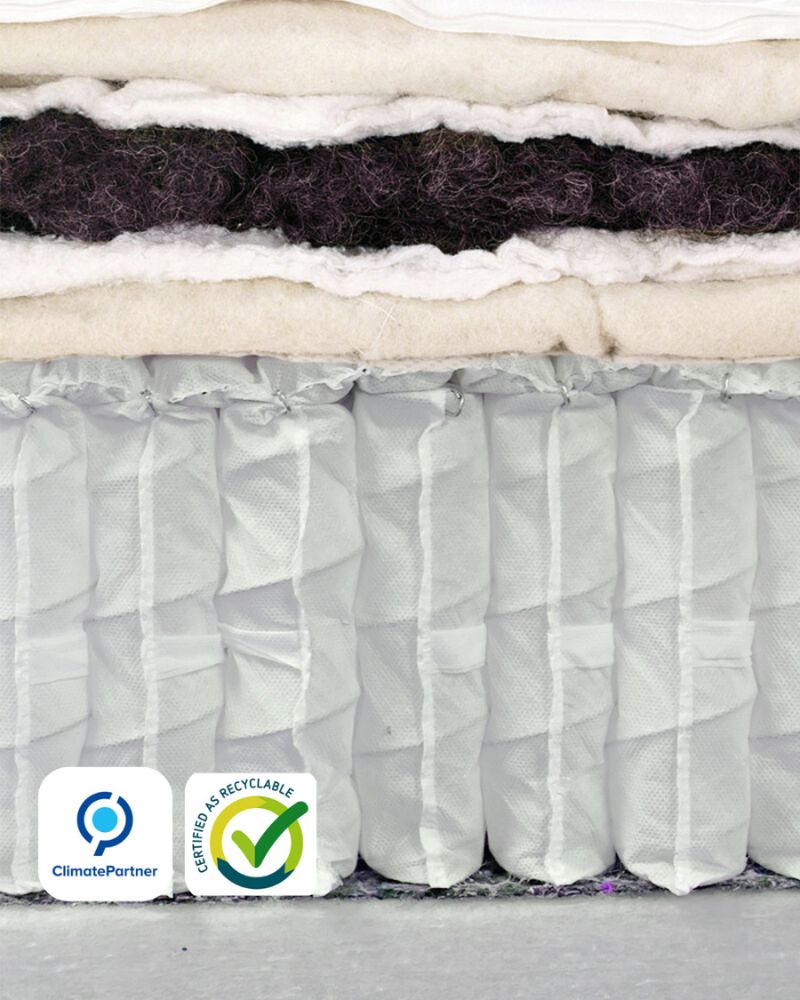
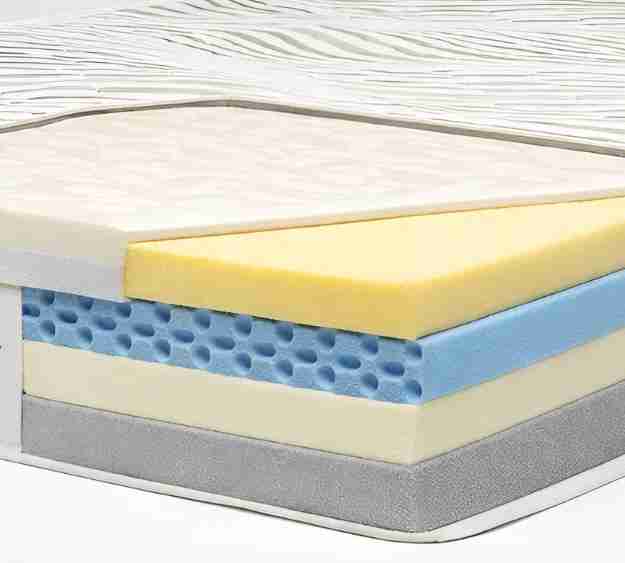
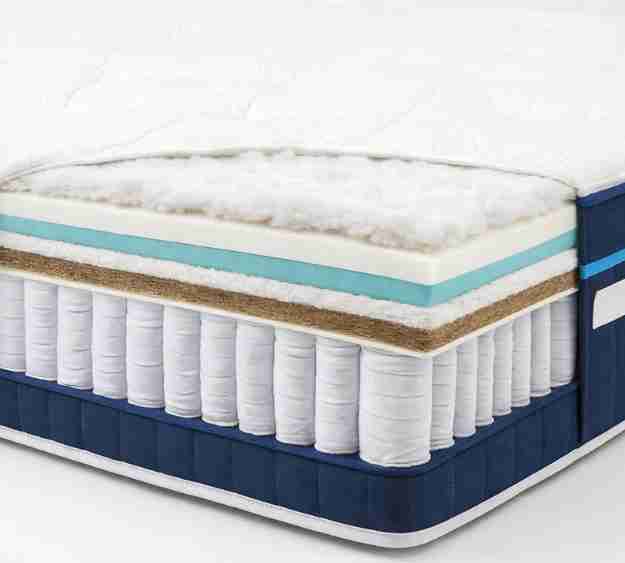
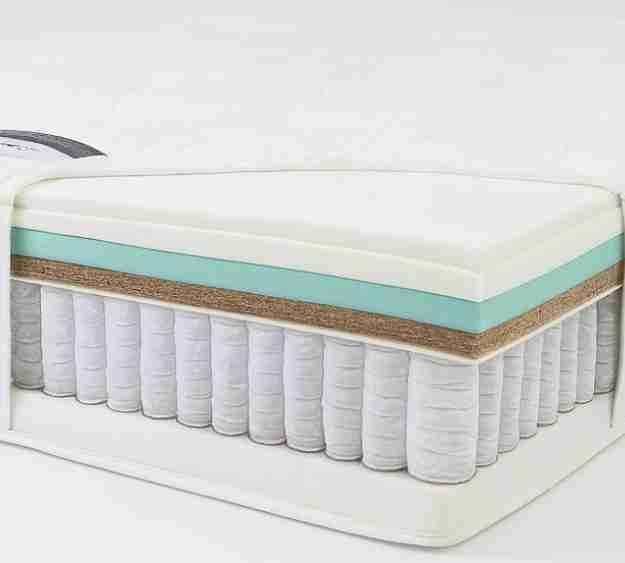
Its layered construction, combined with PCMs, helps reduce heat buildup and keeps the spine supported with orthopedic-grade firmness.

Note: This product is often highlighted in industry discussions, but we include it solely for its notable thermal performance. We do not link directly to commercial product pages.

Final Thoughts

Phase Change Materials have transformed how we approach mattress temperature control. By absorbing and releasing heat precisely when needed, PCMs create a sleep environment that’s not too hot, not too cold just right.

If you’re a hot sleeper, suffer from chronic back pain, or want to improve sleep quality overall, investing in a mattress with PCM technology is a smart, science-backed decision. Combine that with an orthopaedic design, and you have a solution that not only supports your spine but also soothes your body through every sleep stage.

Better temperature control leads to better posture, deeper rest, and fewer aches—and that’s a change worth sleeping on.

June 23, 2025

How the Right Mattress Can Help Alleviate Pregnancy Pain at Bedtime?

Pregnancy is a period of intense physical change — and often, interrupted sleep. From back pain and leg cramps to overheating and at least one urgent bathroom trip, sleep discomfort is one of the most common problems that plague expectant mothers. The good news?  â€‚ The best mattress can help minimize pregnancy-related pain while you sleep by providing targeted support, alleviating pressure, and incorporating body-friendly materials.

The Mattress’s Role in Pregnancy Sleep

During pregnancy, it’s not just about getting rest but also contributing to a mother’s immune function, psychological well-being, and fetas development, thanks to good sleep quality. According to Sleep Foundation, hormonal changes and discomfort that result from the physical changes of pregnancy can lead to disrupted sleep throughout all three trimesters.

An improperly designed mattress serves to aggravate these concerns, but the right mattress can help to combat these issues by:

  • Backing the spine and the hips
  • Pressure point reduction
  • Flexible Body Temperature Control
  • Improving circulation

Let’s take a closer look at how these three attributes — mattress support, pressure point relief, and material selection — can make or break one’s nights of sleep during pregnancy.

1.  Need for The Right Mattress Support to Reduce Pregnancy Pain

The expanding abdomen pulls the body’s center of gravity forward , and the back is often the part of the body to bear the brunt of this additional weight, while the hips and pelvic joints are also affected. This movement is most noticeable in the supine position. If a mattress does not provide adequate support to the back, the spine is likely to sink into the bed in an unnatural way, which will lead to morning stiffness and, in some cases, even sciatica.

It’s all about firmness here. When firm mattresses can cause pressure points, mattresses that are too soft don’t provide proper alignment. Pregnant sleepers are often recommended to use a medium-firm mattress with adaptive support.  They can explore the collection of orthopaedic mattresses  to find the options that best suit their needs.

According to NHS guidelines, good spinal health helps to reduce the likelihood of musculoskeletal problems,  and is paramount in ensuring correct spinal alignment. In fact, a mattress that supports the lumbar region (not too hard) can significantly alleviate nighttime discomfort.

2.  Relieve Pressure and Embrace Comfort

Soft spots, such as hips, shoulders, and knees, typically also ache during pregnancy. This is fairly typical as well, particularly towards the end. American College of Obstetricians and Gynecologists (ACOG) recommends sleeping on your side as well for your comfort and the baby’s well-being,” according to ACOG. But that position might directly stress smaller joints and parts of the body.

That’s where the pressure-relieving foam layers, including memory foam or latex, come in. This material conforms to the shape of your body, helping to evenly distribute your weight and eliminate pressure points that can cause pain. More things to try Many high-end mattresses, including some in our memory foam mattress range, have zoned support systems that target your pressure points.

And as with any support, relieving pressure is key to better blood flow and less swelling and numbness (of which you have plenty in the third trimester).

3.  Choice of material and temperature control

Body temperature naturally rises during pregnancy due to increased blood volume and hormonal changes. Consequently, many women complain of night sweats and waking up feeling hot. A cooling technology mattress, such as one made from breathable latex, gel-infused memory foam, or open-cell foams, can help regulate temperature, allowing you to stay asleep all night long.

There is also a safety and hygiene factor at play with the materials. Hypoallergenic, as well as chemical-free mattresses, are not only essential when it comes to dander, but off-gassing can also be extremely disturbing during pregnancy, when our senses and sensitivity to skin change as well.

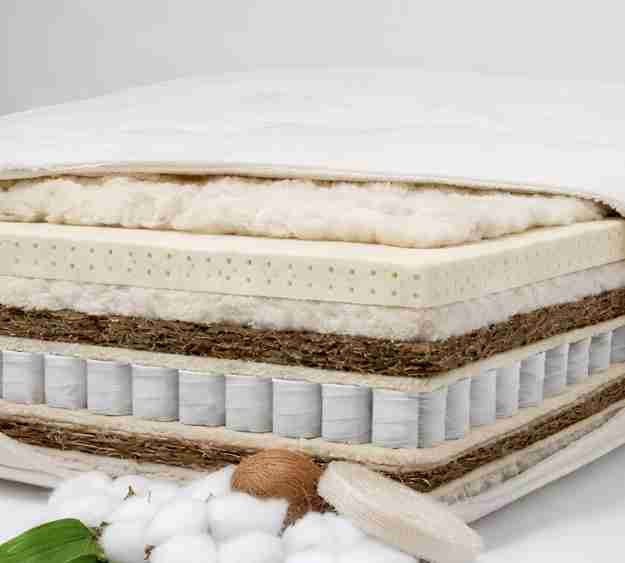
At Luxe mattresses, our natural mattress selection is crafted with organic cotton and breathable latex, two key elements that ensure comfort and airflow while you sleep.

More Sleep Tips to Reduce Pain During Pregnancy

Pregnant women must have a supportive mattress to prevent an unsupported angle in their spine since their growing stomach will pull them forward.

  • Sleep with a pregnancy pillow to place between your knees and belly for added support.
  • Sleep on your left side to help increase the baby’s blood flow.
  • Cut caffeine and screen time before bed. Minimizing the jitteriness.
  • Ensure the room is cool and well-ventilated to avoid overheating.

When combined with a mattress that is just right, these changes contribute to a perfect sleep environment during all three trimesters.

FAQs: Pregnancy and Mattresses

  1. What is the best type of mattress for alleviating back pain during pregnancy? 

A medium-firm mattress with orthopaedic support might be the most ideal for alleviating pregnancy-related back pain. It helps keep the spine in line and alleviates stress on the lower back, where most pain is typically concentrated.

  • Is memory foam safe during pregnancy? 

Yes! Good Memory Foam is Pregnancy-Safe Foam—Even Better when it’s CertiPUR-US® certified or All-Natural (because that generally means low chemical emissions and NO toxic off-gassing)!

  • How often should a mattress be replaced for good support during pregnancy? 

If your current mattress is more than 7–10 years old, or you’ve noticed sagging and feel discomfort from your bed, it’s probably time to replace it to ensure proper support during this physically challenging time.

Final Thoughts

Pregnancy and sleep discomfort don’t have to go hand in hand. Purchasing the best mattress for you – one that offers targeted support, pressure relief, and is breathable— can make a huge difference in the way you experience many of the more common symptoms of pregnancy and how comfortably you rest. If you’re early in your pregnancy or in the third trimester, a good mattress goes beyond Comfort – it’s a maternal health and wellness necessity.

For more recommendations, read out best mattresses for pregnancy guide’ collections, designed for various sleep preferences and body types.

how to choose right mattress for plus size people
June 22, 2025

How to Choose the Right Mattress for Plus-Size Sleepers

Standard mattresses often fail heavier sleepers within two years, leading to back pain, excessive sinkage, and poor spinal alignment. For plus size sleepers, finding the right mattress is crucial as the problem often lies in weak coils that bend permanently, low-density foam that compresses too easily, and thin base layers that can’t properly distribute weight. Heat builds up as materials flatten, while collapsing edges reduce usable space, turning the rest into discomfort.

how to choose right mattress for heavy people uk

The fix requires specific construction: 12-inch profiles with 6-8 inches of high-density (≥1.8 PCF) foam or reinforced coils. Medium-firm to firm surfaces (6-8/10) maintain spinal alignment while cushioning pressure points. Verified 500+ lb weight capacities ensure durability, not just comfort. These technical specs create proper weight distribution, temperature regulation, and edge support that ordinary mattresses lack. It’s not about finding a “stronger” bed, but one scientifically designed for heavier bodies.

Let’s discuss how to pick a mattress that supports heavier bodies.

What Plus-Size Sleepers Need in a Mattress

Choosing a mattress involves more than comfort. For plus-size sleepers in the UK, thicknessfirmnessmaterial recommendations, and weight capacity considerations directly address unique sleep challenges. These factors ensure proper support and durability.

what plus size people should look in mattress

How Body Weight Impacts Mattress Performance

Body weight significantly affects mattress support and longevity. Heavier individuals exert more pressure points on sleep surfaces thats why only buy mattresses which are specifically designed for best mattress for fat people uk. Standard mattresses often lack reinforced layers. This causes uneven weight distribution and accelerated wear. Most retail mattresses support only up to 18 stone (115kg), excluding many plus-size sleepers. 

Without adequate reinforcement, mattresses compress faster. This reduces their lifespan from 7-10 years to just 2-3 years for sleepers over 20 stone. Spine alignment also suffers. Inadequate support lets hips sink too deeply. This strains the lower back during sleep.

Common Challenges: Sagging, Heat Retention & Motion Transfer

Plus-size sleepers face three key issues. Sagging occurs when low-density foams or weak coils compress permanently. This creates body impressions that misalign the spine. Heat retention worsens with dense materials that trap body heat. Non-breathable memory foam or polyester layers increase night sweats. Hybrid designs with cooling gels or airflow-friendly coils improve temperature control. 

Motion transfer disrupts partners when one sleeper moves. Weak edge support or thin comfort layers amplify vibrations. Reinforced perimeters and pocketed coils isolate movement effectively. Most mattresses also lack sufficient edge support, causing a “roll-off” effect that reduces usable space.

Key Mattress Features for Heavy People.

Understanding what plus-size sleepers need will lead to the must-have mattress features. They affect comfort, support, and sturdiness for heavier people.

what are key features of mattress for heavy people

Optimal Firmness Level for Support and Comfort.

For big people, firmness is vital for mattress performance. Medium firm to firm mattresses offer the best support without sacrificing comfort. If your mattress sinks too much, it can lead to back pain. Zoned support systems provide specific areas for reinforcement, which is firmer under the hips and shoulders. You’ll maintain good spinal alignment during sleep. Side sleepers often prefer more cushioned comfort layers that help cradle pressure points while still having a firm base layer for support.

Material Recommendations for Durability.

Recommendations for material highlight high-resilient components for heavier loading. High-density foams (1.8 PCF or more) indent better than standard foams. Natural latex is highly durable and has a cooling effect along with a precise bounce back. Strong 12-15 gauge steel is used to construct our reinforced coil systems. Foam-based mattresses are made from synthetic materials like polyurethane. Don’t get low-density memory foam, as it breaks quickly with pressure and loses its support.

Thickness & Weight Capacity Considerations.

Thickness plays an important role in mattress life for heavier individuals. A minimum of 12 inches ensures sufficient support layers. To avoid sagging, the base layer should be made up of 6-8 star-quality hard foam or coils. Consider manufacturer specifications for weight capacities . Pick a mattress that is rated for at least 500 pounds, some of which are rated for 750 pounds or more. Split king beds can handle heavy weights for heavy couples. The edges that are strengthened stop the roll off and maximize the area utilized for sleep.

The Critical Role of Edge Support.

Edge support matters a lot for plus-size sleepers. Over time, weak edges present in the bed collapse & thus reduce the sleep area. To stop collapsing, reinforced perimeters use thicker foam or double coils. Sitting or sleeping right on the edge prevents the “roll-off” effect. With good edge support, it can extend the lifespan of the mattress because of no wear and tear in high-pressure areas. Some models may have full foam encasement while others may use reinforced coils—if designed properly, both can provide great edge support.

Mattress Types for Plus-Size Sleepers

Not all mattresses work well for heavier bodies. These three types offer the best support and durability for plus-size sleepers.

mattress types for heavy people

Hybrid Mattresses: Balanced Support & Pressure Relief

After years of experience and client feedbacks we concluded that, hybrid mattresses combine coils with foam for ideal support. The coil base provides strong lift, while foam layers cushion pressure points. Look for hybrids with 12-15 gauge coils and at least 2″ of high-density foam (1.8 PCF+). These prevent sagging while keeping the spine aligned. Many hybrids include cooling gel or breathable covers to reduce heat buildup. The best hybrids support 500- 750lbs and last 7+ years with proper care.

Durable Latex Mattresses: Cooling and Resilient

Natural latex mattresses excel at both support and temperature control. Latex bounces back quickly, maintaining its shape better than memory foam. It’s naturally breathable, helping sleepers stay cool. For plus-size sleepers, choose 100% natural latex with a firmness rating of 7-8/10. The mattress should be at least 10″ thick with a dense core layer. Latex lasts longer than foam – often 10+ years – but costs more upfront.

High-Density Memory Foam: Contouring Without Sagging

Not all memory foam suits heavy sleepers. You need high-density foam (4lbs/ft³ or more) that lasts. Look for mattresses with a firm base layer (6″+ of 2.0 PCF foam) and 3-4″ of comfort foam for good support without sinking too much. Some have reinforced edges to stop roll-off. While foam tends to sleep hotter than hybrids, newer options include cooling gels or airflow channels. The best foam mattresses for plus-size sleepers support over 500lbs and have warranties of 15 years or more. For more information on foam densities, you can read here.

Top Mattress Picks for Heavy People

Finding the right mattress is crucial for plus-size sleepers who need durable support. These Luxe mattresses combine strength with comfort, all backed by strong warranties.

Best Heavy-Duty Mattresses for Weight Capacity Over 500lbs

1. Majestic 9000â„¢ Mattress

  • Height: 9″
  • Materials: 3″ V58 Memory Foam + CP-C48â„¢ base
  • Springs: 9000 Pro-Pocket springs
  • Firmness: Extra Firm (best for 300+ lbs)
  • Features: Motion isolation, adaptive cushioning

2. LuxeErgoâ„¢ 3400 Hybrid

  • Height: 12″
  • Materials: Cooling gel foam + FortiCoilâ„¢ springs
  • Springs: 4000 pocket springs (2000 EnduraSpring + 2000 Micro)
  • Firmness: Extra Firm
  • Features: Advanced airflow, reinforced edges

3. Imperial 2000 Mattress

  • Height: 11.5″
  • Materials: Synthetic wool + C40® foam
  • Springs: 2000 Pro-Pocket springs
  • Firmness: Medium (good for 250-400 lbs)
  • Features: Temperature regulation, anti-gravity support

Affordable Plus-Size Mattresses with 15-Year Warranties

1. Luxe Novaâ„¢ Hybrid

  • Price: Â£599
  • Springs: 1000 EnduraSpringâ„¢
  • Materials: Coconut fiber base + British wool
  • Warranty: 15 years
  • Best For: Budget-friendly medium support

2. Pocket Reflex 1000

  • Price: Â£199 (sale)
  • Springs: 1000 pocket springs
  • Materials: Horsetail padding + C40 foam
  • Warranty: 15 years
  • Best For: Lightweight heavy sleepers

3. Reverso Memory Mattress

  • Price: Â£263
  • Materials: Dual-sided V50 memory foam
  • Support: CP-C52 base foam
  • Warranty: 10 years
  • Best For: Couples needing motion isolation

Mattress Care and Longevity Tips

Proper care extends mattress life, especially for plus-size sleepers. These practices maintain support and protect your investment.

Rotating Schedules & Foundation Pairings

Rotate your mattress every 3-6 months to prevent uneven wear. Heavy sleepers create deeper impressions that accelerate sagging. Flip double-sided models monthly for balanced compression. Pair your mattress with a sturdy foundation. Slatted bases need gaps under 3 inches to prevent bowing. Platform beds require center support legs for weights over 250 pounds. Avoid box springs with memory foam mattresses as they lack proper reinforcement.

Warranty Considerations for Heavy Sleepers

Check warranty terms for weight limits and sagging clauses. Many mattress warranties void coverage if visible indentations are less than 1.5 inches deep—this is considered normal wear. Heavier sleepers should pay close attention to stated weight capacity, as exceeding it can also invalidate claims. Always keep your proof of purchase and product tag, as these are required when filing a warranty claim. Before contacting customer service, document sagging with dated photos and a ruler, showing the depth and consistency of the indent.

It’s important to know that most warranties only cover structural defects, such as broken coils or deep, premature sagging. Gradual softening, decreased responsiveness, or changes in comfort feel are usually not covered. Additionally, many brands require a compatible base or foundation—such as a solid platform or slatted frame with minimal spacing—for the warranty to remain valid. Using an improper support base (like a box spring not meant for foam or hybrid mattresses) can void the coverage.

For a clearer breakdown of mattress warranties and what’s commonly covered, refer to this Sleep Foundation mattress warranty guide.

FAQs

1.    What firmness is best for plus-size side sleepers?

Medium-firm mattresses work best for plus-size side sleepers. This firmness level cushions shoulders and hips without allowing excessive sinkage. Look for mattresses with zoned support that offer slightly softer areas for shoulders. Memory foam or hybrid mattresses with a 6-7 firmness rating provide the right balance.

2.    How thick should a mattress be for 300+ lbs?

A mattress for someone over 300 lbs should be at least 12 inches thick. The base layer needs to be 6-8 inches of high-density foam or coils. Thinner mattresses lack the necessary support layers and will sag quickly. Look for models specifically designed for heavier weights.

3.    Do warranties cover sagging for heavy people?

Most warranties cover sagging over 1.5 inches deep. Check the terms for weight limits and approved foundations. Some warranties become void if used without proper support. Take photos of any sagging with a ruler for documentation.

Conclusion

It is essential to keep thickness, firmness, material recommendations, and weight capacity considerations in mind if you want your mattress to give you a lifetime of support. One more thing to mention when you are buying a mattress for a plus-size person is to keep in mind to have the same kind of bed, a bed for heavy people. A thick, high-density foam or coils of 12 inches prevent sagging. An option that is medium-firm or firm will ensure your spine is aligned as you sleep. Opting for durable materials such as latex or reinforced springs will extend the life of your mattress. Always verify that weight limits match your needs.

Take advantage of trial periods over 100 nights. This lets you test the mattress properly before committing. You’ll find many brands offer this option, which gives you time to feel comfortable and well supported.

Getting the proper mattress helps avoid pain and improve sleep quality. To keep your purchase safe, follow the care instructions and check the warranty terms. The right choice will bring years of restful sleep without replacements.

Claim your discount now at luxemattresses.co.uk, limited-time offers on supportive mattresses for heavier sleepers.

mattress for heavy people
June 22, 2025

Best Firm Mattresses for Heavy Sleepers – Support & Comfort Guide

Do Heavy Sleepers Need a Firmer Mattress? The Science of Support & Pressure Relief

If you’re a heavier person in the UK (over 230 lbs or BMI 30+), you know how hard it is to find the best firm mattress for heavy sleepers. Many mattresses sink under your weight, causing back pain and making you overheat at night. You need one that’s firm enough to support you but soft enough to be comfortable.

Some people think the hardest mattress is best, but that’s not true. A mattress that’s too firm can hurt your shoulders and hips. The best mattress for heavier people gives strong support where you need it and soft cushioning where you want it. It should also help keep you cool at night.

Keep reading to learn how to find your perfect mattress.

Body Weight & Type: The Foundation of Mattress Choice.

You need to understand how your body interacts with it to choose the right mattress. For heavier people, weight and body type can impact comfort, support, and durability.

what to consider before buying mattress

Here’s a simple breakdown of the relevance and priority of factors.

How Weight Impacts Mattress Performance.

A heavier body exerts pressure on the mattress which may lead to sagging, durability issues and loss of support. Mattresses standardly utilize materials with high compressive properties to improve surfaces and spinal alignment. A mattress suitable for heavier individuals should have an innerspring unit or high-density foams with a strong support system. If not built well, a firm mattress may still not be able to give you the support you need.

Why Durability is Non-Negotiable: Durable Mattress for Heavier Weights.

A tough mattress for heavier weights is a must since inferior materials wear down quickly when put under more pressure. Choose memory foam that has a high density of at least 4 lbs/ft³ and heavy-gauge pocketed coils that do not deform easily. Warranties under 10 years often indicate lower durability. A mattress that sags in a few years will further worsen back pain while also reducing sleep quality. A good design will last longer, require less replacement, and provide more support.

The Role of Body Type (Weight Distribution, Pressure Points).

Body shape determines where pressure concentrates. Side sleepers have broader hips and tend to require deeper cushioning to avoid shoulder and hip pain. Stomach sleepers with heavier midsections need firmer support to avoid back pain. A suitable mattress for a heavy person should feature zoned support or adaptable materials. Evenly distributed weights do not sink too deep and align your body.

How To Find The Right Mattress for Your Sleep Position

Your sleeping position alters your body’s mattress requirements. Those who weigh more than average should pay extra heed to this as their weight exerts higher pressure on the bed.

how to find right mattress for your sleeping postion

Let’s look at what works best for different sleepers, to read in more details click here.

Side Sleepers Need Extra Cushioning.

When you sleep on your side, the bulk of your weight is concentrated on your hips and shoulders. These areas need softness to prevent pain and numbness. Look for a mattress that’s medium-soft to medium firm. Mattresses like memory foam and hybrid do a good job of contouring to your body without sinking in too much. Make sure the soft top layer is at least 3 inches thick.

Back and Stomach Sleepers Require Firm Support.

A firmer mattress will suit you if you sleep on your back or belly. When your midsection falls down, it may also pull the lumbar spine which will aggravate your back. A mattress that has a firmness score of 6 to 8 over 10 is the most suitable. Flat surfaces are necessary for or stomach sleepers to maintain spinal posture.

Combination Sleepers Should Choose Responsive Materials.

If you toss and turn throughout the night, then you need a mattress that will too. Choosing latex or mattresses with pocket springs allows you to change positions easily Memory foam that’s too soft can make this harder. Medium-firm firmness (6-7) is considered good for all sleeping positions.

Understanding Mattress Firmness for Heavier Sleepers.

Choosing the right firmness of the mattress is the key. It’s not just a comfort thing; in fact, you need to comfortable, supported without pressure pain. Here’s all you need to know about how to choose firmness.

understanding mattress firmness levels

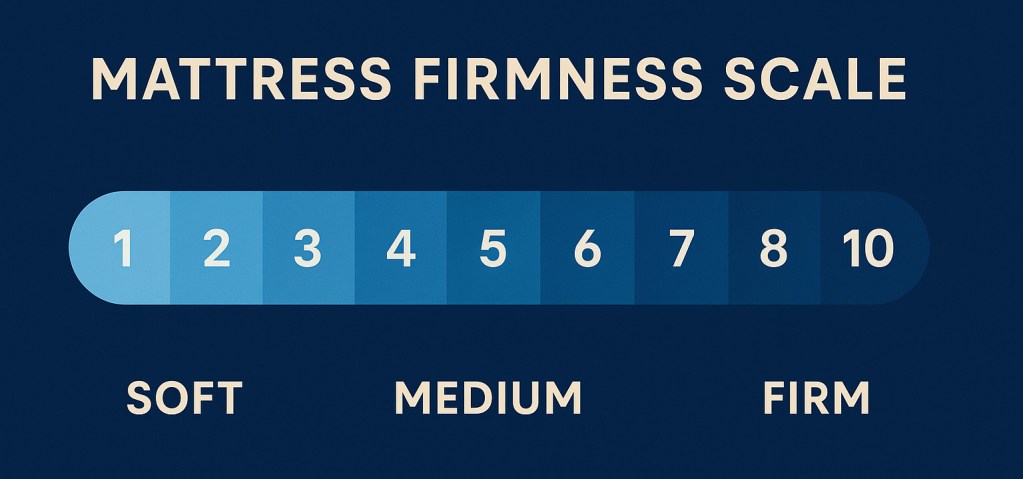
The Firmness Scale Explained.

Mattresses are rated from 1 (very soft) to 10 (very firm). For most heavier sleepers.

  • Too much sinking happens with soft mattresses.
  • A medium soft (4-5) could be convenient for some side sleepers
  • A medium-firm mattress is the best choice (6)
  • A firm mattress (7-8) is ideal for back and stomach sleepers.
  • Usually too hard extra firm (9-10).

Why Medium Firm Works Best.

A medium firm mattress (level 6) gives the right balance.

  • Prevents you from going down too far.
  • Supports your spine properly.
  • Still feels comfortable.
  • Can be used for all sleeping positions

These mattresses are made of resilient material with heavy-duty foam or springs that won’t sag under your weight.

When to Choose Firmer Options.

Heavier people may need a firmer mattress according to their weight.

  • Sleep on their stomach.
  • Have back pain.
  • Weigh over 300 pounds.

A rigid mattress (9 or 10 on the firmness scale) is required in a few cases only – when you weigh over 350 pounds or have certain medical problems. Most people find them too hard and uncomfortable.

Support vs. Pressure Relief: Finding the Critical Balance.

The ideal mattress for heavy people should be firm, sure. But more importantly, it should offer just the right support and pressure relief. When this balance is well managed, it stops pain and helps sleep quality. This section discusses how these features work for heavier bodies.

support vs pressure

Why Support Matters Most

Support is how well a mattress keeps heavy sleepers’ spines aligned under the pressure of weight. The ideal mattress will keep the spine in a neutral position. This take strong core materials such as high-density foams or reinforced coils that resist compression. When you lack proper support, your body will sink unevenly into the mattress, which could lead to misalignment of the spine and back pain.

The Importance of Pressure Relief

Cushioning which relieves the pressure of your heavier areas — like hips and shoulders. Memory foam or latex comfort layers distribute weight evenly. Too little pressure relief creates painful pressure points. Too much causes excessive sinkage. An excellent mattress offers ample cushioning and good support.

How the Best Mattresses Do Both

The mattress support a plus-size sleeper chooses will consist of a strong but soft material. That’s where a specifically designed firm mattress for heavy sleepers comes in. The core that supports the body helps stop sagging but the layer that comforts does the opposite, comforting the pressure points. Hybrid mattresses usually perform this balancing act best, by pairing coils with foam or latex.

Don’t Forget the Edges

Heavier folks may roll off the bed without edge support as they shift. With reinforced edges, you can sit or sleep nearer the side without being at risk of instability. A mattress with poor edge support will feel less spacious. Choose dense foam encasement or reinforced coils around the bed’s perimeter.

Comfort, Preferences & Other Deciding Factors

Everybody sleeps uniquely. The comfort can be significantly different when you carry more weight. Examine how your personal circumstances will help you find your perfect mattress.

Your Comfort Preferences Matter.

What feels good to you is important. While some like the “hugged” feeling of memory foam, others prefer solid support from springs. How you sleep also helps decide this – a side sleeper usually needs more cushioning to their hips and shoulders while a back sleeper tends to want firmer support. The best way to know? Test out different mattresses to see what feels good for you.

Staying Cool at Night.

Watch out for mattress materials if you are a hot sleeper. Heavier bodies naturally retain more heat, so look for.

  • Foams infused with gel eliminate heat.
  • Latex that allows air flow and does not trap heat in your bed.
  • Coil systems that allow air to flow.
    Your sleep quality can change drastically with these cooling features.

Why Hybrid Mattresses Shine.

Because they hit the sweet spot, many heavier sleepers like hybrid mattresses.

  • Use sturdy coils for strong support that won’t sag.
  • Including layers of foam or latex can help to add delightful cushioning.
  • Let air flow better than foam ones.
    Heavier bodies often find the ideal balance of support and comfort from this combination of materials.

The mattress that suits you well will have a firm enough support and yet feel comfortable, regulate temperature well and let you sleep as you usually do. Try various options fearlessly; you deserve to find your perfect choice!

How to Choose Your Ideal Mattress: Key Features Checklist.

If you have extra weight, not all mattresses will work for you. To help you sleep soundly, here’s everything you should look for – and avoid.

Non-Negotiable Features for Heavy Sleepers.

A mattress designed for people with a larger body must be firm and durable. The support core must be made of high-density foam material (a density of 4+ lbs/ft³) or heavy-gauge coils for spinal alignment. Having a strong edge support system can prevent roll-off and increase the usable sleep space. These elements ensure optimal comfort and no back pain.

Cooling layers like gel-infused foam or breathable latex are designed to help temperature control for hot sleepers. It is easier to reposition when the latex or pocketed coils are responsive materials. Zoned support is a firmer reinforcement in places where heavier sleepers need it most, typically around the hips and shoulders. Other areas are still cushioned properly.

What to Avoid.

Low-cost all-foam beds often do not have the density to support heavier weights and sag quickly. Pillowy-soft toppers may seem comfy at first but usually sink too deep under pressure causing misalignment. For heavier people, thin comfort layers and low-density memory foam can lack sufficient long-term support.

Best Luxe Mattresses for Heavy Sleepers.

The Luxe mattress is designed specifically for heavier people. It ensures support with great comfort at the same time. These are the models with high-quality, pressure-relieving materials that promote healthy spinal alignment.

LuxeErgo™ 3400 Hybrid – Ideal Medium-Firm Support.

LuxeErgoâ„¢ 3400 Hybrid is ideal for heavier sleepers who need a good balance of pressure relief and support for a comfortable night’s sleep. The firmness of the mattress (6-7 out of 10 level) relieves pressure and does not sink in too much. This mattress features a dual-layer spring system, comprising 2000 EnduraSpringâ„¢ and 1400 FortiCoilâ„¢ micro springs, which provide excellent support. It consists of a layer of Zero Gravityâ„¢ memory foam with cooling gel that regulates body temperature. It would do well for back and stomach sleepers who weigh more than 230 pounds.

Majestic 9000™ – Extra Firm Orthopedic Support.

The Majestic 9000™ is ideal for heavy weight sleepers. Its extra-firm construction (8-9 firmness) features a 3″ V58 high-density memory foam layer over a reinforced base, providing exceptional spinal alignment for back and stomach sleepers. The motion isolation technology makes it ideal for couples, while the adaptive cushioning prevents pressure points. This model works best for individuals over 250 lbs who prefer a solid sleep surface.

LuxeTherm® Hybrid – Cooling Comfort for Heavy Sleepers

Hot sleepers will appreciate the LuxeTherm® Hybrid, which combines medium-soft comfort with advanced cooling technology. The LTX Cooling Gel™ foam and airflow-promoting 1000 EnduraSpring™ coils prevent overheating, while the Zero Gravity™ foam layer offers contouring support. Though slightly softer, its high-density materials prevent excessive sinkage for sleepers up to 275 lbs, especially side sleepers needing pressure relief.

Frequently Asked Questions (FAQs)

1.    Is a firm mattress always better for heavy people?

No. While firmness helps prevent sagging, excessive firmness creates pressure points. Medium-firm (6-7) often provides the best balance of support and comfort for most heavy sleepers.

2.    Can a soft mattress work if I’m heavy?

Rarely. Soft mattresses typically lack the density to properly support heavier weights, leading to excessive sinkage and spinal misalignment. Some plus-size side sleepers may benefit from medium-soft comfort layers over a firm support base.

3.    How long should a mattress last for a heavy sleeper?

Look for mattresses with 10+ year warranties and high-density materials (4+ lb memory foam, 13+ gauge coils). With proper care, a quality mattress should maintain support for 7-10 years for sleepers over 230 lbs.

4.    Do I need special sheets or a foundation?

Possibly. Check that your foundation has center support legs and can handle your weight (typically 600+ lb capacity). Deep-pocket sheets (15″+ depth) often work better for thicker mattresses. Some brands offer reinforced foundations specifically for heavier individuals.

Conclusion

People who sleep heavily need medium-firm to firm mattresses (5-8 on the scale). But just being firm is not enough; it should also provide adequate pressure relief to hips and shoulders. When you buy a proper firmer mattress for heavy sleepers that hase durable construction, reinforced edge support, cooling technologies, and responsive materials, then you will get more quality sleep and improve your spine health.

When choosing your mattress, prioritize these key factors:

  1. Your weight and body type
  2. Primary sleep position
  3. Need for pressure relief versus support
  4. Temperature regulation requirements

The right balance prevents pain, reduces overheating, and extends mattress longevity.

how temperature affects sleep
June 20, 2025

How Sleep Temperature Affects REM Cycles and Deep Rest?

A good night’s sleep is about more than simply hitting the hay, it’s about getting sleep that works for you. You need enough deep sleep and REM sleep to restore your mind and body. Something you might not think about when it comes to low sleep quality is your physical temperature. Your body is unable to reach those crucial stages of sleep if it is too warm or too cold while you sleep at night.

In this article, we’ll delve into the science behind thermoregulation, exploring how temperature affects both REM sleep and deep sleep, and how mattress materials can help you sleep cooler and achieve better rest. If you’re considering swapping out your mattress or adding a topper for better sleep, opt for a mattress that helps with thermal regulation.

The Importance of Thermoregulation for Sleep

Thermoregulation is the body’s natural defense mechanism to maintain the core at an optimal temperature. As you prepare to sleep, your core body temperature naturally decreases by 1–2°C,” Sleep Foundation explains. This drop is your body’s way of saying it’s time to rest.

However, if the sleep environment is too hot, your body’s cooling mechanism is hindered. This interference can complicate:

  • Fall asleep quickly
  • DIVE into deep (slow wave) sleep
  • REM sleep which is important for cognitive functions and emotional processing

The bottom line is that Heat interferes with your brain’s ability to complete a healthy sleep cycle, and you wake up tired after a night spent between the sheets.

The Relationship Between Room Temperature and REM Sleep

REM (Rapid Eye Movement) Sleep is a crucial stage during which dreaming occurs, as well as memory and mood regulation. It typically starts 90 minutes after you fall asleep and increases later in the night.

However, REM is more vulnerable to disturbances because heat sensitivity increases during this stage of sleep. Even a small increase in room or mattress temperature can shorten REM duration and lead to broken and early-morning sleep, according to studies published in the Journal of Physiological Anthropology.

It is also difficult at low temperatures in stage 3 non-REM sleep. This is the time when your body undergoes cellular repair and enhances its immune function. A stable, low temperature is crucial for facilitating the recovery of the body and brain during sleep.

What Factors Affect the Temperature of a Mattress?

Room temperature, bedding, and sleepwear all play a role, yes, but your mattress is the largest single surface area in contact with your body for 6–9 hours at night. If it’s holding on to Heat, you’re going to overheat. If it encourages airflow, you’re more likely to reach deeper sleep stages.

Here’s how mattress technology plays a role in regulating sleep temperature:

1.    Gel-Infused Foam to Reduce Heat

Gel memory foam helps distribute body temperature and dissipate it throughout the night. While traditional memory foam can retain Heat, gel infusion makes this mattress foam a cooler sleeping surface. Cooler temperatures facilitate sleep onset and continuity, according to experts at Johns Hopkins Medicine.

2.    Open-Cell Foam Structure

Foams utilising open-cell technology permit maximum breathability when air circulates freely through the foam. The pass-through airflow serves as a natural cooling system, eliminating heat buildup below your body. It also enables moisture to evaporate more effectively, contributing to a more fresh sleep environment.

3.    All-Natural Latex Brings the Sleep

Each layer of the mattress is made from an all-natural comfort layer of latex for pure comfort and an eco-friendly rubber-based latex for incredible support.

It also features natural latex for one of the most breathable sleeping experiences available. It has a cushy and bouncy feel and already comes with ventilation holes that maximize airflow. Unlike synthetic foams, natural latex does not retain Heat and is cool to the touch, even in warm surroundings.

4.    Coil and Hybrid Construction

Coils or pockets of springs — common in hybrid beds — will really provide a nice bit of circulation to your bed if you need it. The coils are spread out to encourage airflow from the bottom up, preventing Heat from getting trapped in the comfort layers.

Explore our breathable hybrid mattress collection at LuxeMattresses.co.uk

Picking a Mattress That Allows for Temperature Regulation

To enhance your REM sleep and ensure you’re getting deeper rest, pick a mattress with the following:

Best mattress for pregnant
  • Cooling foams: like gel-infused or graphite-infused memory foam
  • Ventilation layers: open cell designs and pinhole latex enhance breathability
  • Base Layers Specifically Designed for Airflow: This includes any bases that offer special technology, such as individually wrapped coil systems
  • Moisture-wicking covers: fabric technologies that assist in regulating temperature and sweat

Your mattress should also accommodate your sleep position—and if you sleep on your side, know that they tend to be heat-retentive because there is less surface area for the Heat of your body to disperse.

More Sleep Hacks For Regulating Temperature

In addition to selecting a mattress that regulates temperature with technology, make some of these easy adjustments:

  • Keep room temperature in the bedroom 16–19°C
  • The bedding should be of a natural fiber and breathable.
  • Eat lightly and avoid late exercise, which will heat you from within
  • Taking a warm bath before bed will initiate the cooling process for your body when you get out

When combined with the proper mattress, these techniques help you maintain thermoregulation and achieve a more balanced rest.

FAQs

What temperature is too cold for deep sleep?

Ideally, the temperature in the bedroom should be between 16 °C and 19°C for the best quality of sleep. This aids the body in cooling down more quickly and entering deep sleep more efficiently.

Could it be that overheating actually suppresses REM sleep?

Yes. Research also suggests that minor increases in heat can compress or delay REM cycles, resulting in shallower and more fragmented sleep.

How can I tell if my mattress is too hot for me?

If you wake up sweaty a lot, or if you toss and turn like a rotisserie chicken on a spit, your mattress could be trapping Heat. A breathable, cooling mattress can be the solution to this problem.

Final Thoughts

If you sleep hot, here’s why you need a bamboo mattress and pillow: Thermoregulation (it’s not just about comfort; it’s a biological necessity for quality sleep). If your mattress is trapping Heat and is not breathable, it may be disrupting your REM cycles and the deep rest that you may not even know you need. The difference can be made by a cooling mattress made from the right materials.

Or check out other LuxeMattresses collections for customised cool comfort and better, deeper sleep support.

softness and support
June 19, 2025

What Makes a Mattress Feel Soft Without Sacrificing Support?

Discovering the right mattress for you, whether you are pregnant, recovering from an injury, or simply seeking a better night’s sleep, can raise a lot of questions: Can a mattress be both soft and supportive at the same time? Yes, for sure, it is, and this all begins with how the mattress is constructed from the inside out.

Support and comfort don’t have to be mutually exclusive. Actually, the proper mattress provides a plush, cradling surface that those pressure points would enjoy lying on while keeping the spine in line below. This model provides an excellent combination that reduces restlessness at night while decreasing back pain, thereby contributing to improved overall sleep quality.

In this guide, we explore how softness and firmness can coexist, the materials that enable this, and what to look for when shopping for a mattress that achieves both.

And if you’re already looking for comfort-first options, head over to our luxury hybrid mattresses, which are the right option.

What Is The Difference Between Softness And Support?

Some terminology before we delve into what exactly is inside a mattress:

Softness (Comfort):

The level of comfort you initially feel when you lie down, often described as plush or fluffy. This comes from top layers such as memory foam or quilted cushioning.

Support (Spinal Alignment):

How well the mattress helps maintain a neutral spine position, particularly under your hips and lower back. This is typically provided by the base layer or coil system.

Too much softness without adequate support can cause the body to sink too far, placing strain on the spine. On the flip side, excessive firmness without sufficient cushioning can create pressure points—especially around the shoulders and hips, which is problematic for side sleepers and pregnant women.

For a deeper explanation of the difference between comfort and support in mattresses, see this helpful guide from the Sleep Foundation..

How Supportive and Soft Mattresses Can Coexist?

1.    Zoned Support Systems

Orthopaedic mattress layers

Some mattresses feature zoned coil or foam support, with firmer materials positioned under heavier parts (the hips) of the body, and softer sections cradle the shoulders and legs. As a graduate of the Department of Orthopaedic Surgery, this style also maintains spine alignment from a foam standpoint, but makes the mattress itself not too hard.

Consider zoned hybrid mattresses at Luxe Mattresses, which focus on lumbar support with soft contouring for an ideal compromise.

2.    High-Density Base Foam

The support core of a mattress is essential for durability and shape. High-density polyurethane foam or encased coil bases provide support throughout the mattress’s lifespan, preventing sagging. These types of materials will hold the body “on” the mattress, as opposed to allowing it to sink in too much.

3.    Cushy Top Layers for Immediate Pressure Relief

What to Expect from the Top Layers of Comfort?

  • Memory foam – molds to the shape of your body for soft and comfortable support.
  • Latex – natural, breathable and durable
  • Pillow tops or Euro tops – lines of stitching sewn into the top of the mattress and outer attached for a soft initial feel

These are cloud-like with the firmness of a pillow, yet plush, without the pillow top.

Importance of Material Selection

There are many different types of mattress construction, each with different properties – all of which can help achieve this balance between softness and support:

  • Memory Foam: Provides body-confirming comfort and pressure relief, perfect for those that suffer from joint pain.
  • Latex: Get a more responsive bounce and breathable experience with latex while still enjoying cushioning and support.
  • Pocketed Coils: These provide the bounce and motion isolation found in some foams, but can offer even better support as they conform to your shape without sinking. 
  • Hybrid Designs: These feature a coil layer, as well as foam or latex layers, to provide you with the best of both worlds.

The perfect mattress provides what Harvard Health describes as “firm support with a soft top,” or flat support that won’t allow your spine to curve, while a soft cover provides comfort.

What to Consider When Shopping?

As you choose a mattress that is both plush and supportive, consider the following:

  • Medium-firm feel: Studies show that it’s optimal for back health.
  • Several comfort layers: A mattress with more than one foam or latex comfort layer will offer seamless contouring.
  • Supportive core: At the bottom, this may feature high-density foam or coil systems.
  • Zoning or lumbar support: Vitally important if you suffer from back pain or if you’re pregnant.
  • Edge Support: Supported edges provide roll-off prevention, making it easier to get in and out of bed.

For premium options that tick all these boxes, explore our our  recommended mattresses for pressure relief.

Why It’s Important to Be in Balance for the First Few Weeks of Pregnancy?

During pregnancy, softness can alleviate hip and back pain, and support can help keep the baby’s weight from throwing the mother’s spine out of alignment. A too-soft mattress can cause low back pain, especially during the second and third trimesters.

After giving birth, breastfeeding helps the body heal from the strains of delivery. This balance also benefits non-pregnant individuals: “Improved” sleep time means reduced joint stress, increased circulation, and a lower risk of chronic pain.

FAQs

Can a soft mattress alleviate back pain? 

Yes, with a supportive core of the mattress. Seek out options that pair plush comfort layers atop zoned or firm lower support, which helps keep your spine in alignment.

What is the best firmness level for pregnant ladies? 

Often, the best choice is a medium-firm mattress. It has just enough give to take pressure off the hips and tummy without sacrificing support for the lower back.

Are hybrid mattresses more comfortable than foam-only mattresses for balanced comfort? 

In many cases, yes. Hybrid mattress: A hybrid mattress combines contouring top layers with a coil base for enhanced spring, breathability, and robust support.

Final Thoughts

But you don’t have to sacrifice comfort to let the stable in. ​Today’s high-tech mattresses, made with quality materials, can give you the cloud-like comfort at the same time ensuring the support your back requires. Whether you’re pregnant, need a better night’s sleep, or require zoned support, consider these key features.

Explore our soft-yet supportive mattresses that are able to offer the night’s sleep you long for, without any pain.

mistakes to avoid for better sleep
June 18, 2025

7 Sleep Mistakes That Are Ruining Your Rest (And How to Fix Them)

Estimated reading time: 7 minutes

Struggling to get a decent night’s sleep? You’re certainly not alone. In the UK, millions of people wrestle with restlessness, early waking, or simply feeling exhausted despite going to bed at a reasonable hour. Often, it’s not one major issue but a handful of seemingly small sleep mistakes that, over time, chip away at the quality of your rest. The good news? Most of them are fixable, and you can start tonight.

Let’s take a look at seven common habits that may be sabotaging your sleep, along with practical steps to turn things around.

1. Letting Your Sleep Schedule Drift

Sleep Calculator

Plan your optimal bedtime and wake-up times based on your body’s natural sleep cycles. Wake up refreshed and energized every morning.

Why Use This Calculator?

  • Calculate the ideal bedtime based on when you need to wake up
  • Find the optimal wake-up time based on when you go to bed
  • Work with your body’s natural 90-minute sleep cycles
  • Minimize grogginess and maximize morning energy
  • Based on sleep science research
Use Sleep Calculator

It might feel harmless to stay up late on weekends or sleep in to “catch up” but this inconsistency can throw your body clock into disarray. The human circadian rhythm thrives on routine, and disrupting it regularly can make it harder to fall asleep or feel refreshed in the morning.

What’s the issue?

Inconsistent sleeping and waking times can lead to something similar to jet lag, without ever leaving your postcode. It disrupts your internal rhythm, which in turn affects everything from energy levels to digestion and mood.

How to fix it

  • Choose a wake-up time and stick to it every day — yes, even on weekends.
  • Wind down around the same time each night, allowing your body to anticipate rest.
  • Let natural daylight into your bedroom in the morning to reinforce your internal clock.

As noted on NHS.uk, maintaining a consistent sleep schedule is one of the most reliable ways to improve overall sleep hygiene.

2. Too Much Screen Time Before Bed

It is important to understand that how light regulate & impact your sleep cycle, between phones, laptops, and TVs, it’s simple to get into the routine of “just one more scroll” before sleep. However, using screens too close to bedtime can disrupt melatonin production, which is the hormone that tells your body it’s time to sleep. For more details, read this article: Can Blue Light Actually Delay Your Sleep? Here’s What the Science Says.

Why it matters

Blue light, in particular, sends a signal to the brain to stay alert. Combine that with mentally stimulating content (news, work emails, or even exciting series), and you’ve created the perfect storm for poor sleep.

What to do instead

  • Shut down screens at least an hour before bed.
  • Switch to amber or night mode settings on devices in the evening.
  • Swap screen time for something soothing: a warm bath, journaling, or light reading can help.

Organizations like Mind.org.uk recommend reducing screen time before bed to improve both mental health and sleep quality.

3. Caffeine or Alcohol Too Close to Bedtime

Think your late-afternoon cup of coffee isn’t doing any harm? Think again. Caffeine can stay in your system for up to 10 hours, meaning your 4 pm coffee could still be affecting you come bedtime. Meanwhile, alcohol, often mistaken for a sleep aid, can disrupt sleep cycles and lead to early waking.

How it affects you

You might fall asleep easily enough after a nightcap, but alcohol reduces the amount of deep sleep you get and increases the likelihood of waking during the night.

How to fix it

  • Keep caffeine consumption to the early part of the day, ideally before 2 pm.
  • Avoid alcohol in the two to three hours leading up to bedtime.
  • Try calming alternatives in the evening, such as valerian tea or a soothing sleep mist with lavender.

The more you reduce these stimulants near bedtime, the better your sleep will become over time.

4. Turning Your Bed Into an Office (or Entertainment Centre)

Working, watching telly, and eating snacks might all happen in bed on a lazy Sunday. But over time, your brain stops associating your bed with rest, and that can make falling asleep much harder.

Why this matters

Sleep experts call this “stimulus control.” The more things you associate your bed with, especially non-sleep activities, the weaker the sleep signal becomes when your head hits the pillow. You can also get a custom bed to make sure it fits your comfort needs

Solution

  • Keep your bed for sleep and intimacy only.
  • Do your work, scrolling, or eating somewhere else, ideally in a separate room.
  • If you can’t fall asleep after 20 minutes, get up and do something relaxing in low light until you feel sleepy.

Over time, this mental reset helps your body associate your bed with rest again.

5. Daytime Naps That Drag On

A quick nap can be incredibly refreshing, but if you’re dozing off too late in the afternoon or sleeping too long, you might find yourself wide awake at 2 am.

The science bit

Naps longer than 30 minutes can cause sleep inertia — that groggy, heavy feeling afterwards- and they reduce your natural sleep drive for the evening.

A better way to nap

  • Limit naps to 20–30 minutes and take them earlier in the day (before 3 pm).
  • If you feel drowsy later, try getting outside for some light activity or fresh air.
  • Assess whether your sleep quality at night is forcing you to rely on naps; it may be time to re-evaluate your mattress or sleep setup.

In many cases, frequent naps are a symptom of poor nighttime rest, not a solution.

6. Ignoring the Importance of the Sleep Environment

It’s easy to overlook the space you sleep in, but from noise to light to mattress quality, your sleep environment has a powerful effect on how well you rest.

What makes a good sleep setting?

A quiet, cool, dark room with minimal disruptions is ideal. Add to that a comfortable, supportive mattress, and you’ve laid the foundation for great sleep.

Improvements to consider

  • Use blackout curtains or an eye mask to block light.
  • Try white noise or earplugs to manage disturbances.
  • Maintain a cool room temperature (around 16–18°C).
  • Upgrade your bed: LuxeMattresses offers premium-quality mattresses tailored to UK sleepers, designed for ergonomic support and maximum comfort.

For more detailed advice, you can also browse their sleep hygiene tips — they cover everything from bedding choices to temperature control.

7. Skipping a Wind-Down Routine

Rushing straight from your day into bed rarely works well. Your mind needs space to slow down and prepare for rest, and skipping this step often leads to tossing, turning, or lying awake for hours.

Why routines work

Our brains respond well to patterns. A relaxing sequence of events before bed sends a powerful signal that it’s time to switch off.

Try this routine

  • Dim the lights 60–90 minutes before bed.
  • Do something calming: gentle stretching, meditation, or reading.
  • Avoid high-stimulation tasks like emails, scrolling, or intense conversations.

The NHS recommends having a consistent bedtime routine as a cornerstone of good sleep hygiene.

Final Thoughts

Better sleep isn’t out of reach, but it does require a closer look at the habits and environment you’ve grown used to. By addressing these common sleep mistakes, making small behavioural adjustments, and investing in the right sleep setup, you can shift from restless nights to truly restorative sleep.

Want to take the next step? Discover LuxeMattresses‘ expertly engineered sleep solutions and learn more about transforming your nightly routine on our blog.

FAQs

What are the biggest sleep mistakes to avoid?

Inconsistent sleep schedules, too much screen time, and using your bed for non-sleep activities are some of the most common culprits.

How do I improve my sleep environment?

Start with a quality mattress, eliminate light and noise, and keep the room comfortably cool. Explore LuxeMattresses’ collection for sleep-supportive options.

Does a sleep routine really help?

Absolutely. Even a short wind-down period signals to your brain that it’s time to rest, helping you fall asleep faster and stay asleep longer.

Are natural remedies effective?

In many cases, yes. Herbal teas, calming scents, and apps that guide relaxation can be helpful. Just be sure to test what works best for you.

Is it normal to wake up at night?

Waking briefly during the night is common, but frequent or prolonged wakefulness can indicate an underlying issue, often linked to stress, environment, or comfort.

When should I consider changing my mattress?

If your mattress is over 7–8 years old, sags, or causes discomfort, it may be time to replace it. A high-quality mattress can dramatically improve sleep quality and reduce aches.

June 15, 2025

Sleep vs. Rest: Why Lying Down Isn’t Always Enough

You’ve had a long day. You finally sit or lie down, maybe even nod off for a bit, yet somehow, you still feel wrung out. It’s a familiar scenario for many of us. When considering sleep vs rest, while it’s tempting to equate stillness with recovery, the truth is that not all rest is created equal. And not all of it is sleep.

Estimated reading time: 8 minutes

In this article, we’ll look at the real difference between sleep and rest, explore the types of rest most people don’t realise they need, and explain why, sometimes, a lie-down isn’t enough to truly feel restored.

What is actually meant by sleep?

Sleep is a biological necessity, an active, restorative process that allows your body and brain to recover, repair, and reset. True sleep consists of cycles through REM (Rapid Eye Movement) and non-REM stages, which perform vital tasks like:

  • Strengthening your immune system
  • Balancing hormones
  • Healing muscles and tissues
  • Enhancing learning and memory
  • Regulating mood and stress response

If you don’t get enough sleep, your body will let you know: through fatigue, brain fog, irritability, and even long-term health problems like heart disease or weakened immunity.

sleep and rest difference

What is meant by rest?

Rest, by contrast, is any intentional pause from mental or physical exertion. Unlike sleep, it doesn’t involve full unconsciousness or the complex sleep cycles. But that doesn’t make it less important. Rest can take many forms:

  • Lying down without sleeping
  • Meditating or practicing mindfulness
  • Breathing exercises
  • Gentle stretching or yoga
  • Listening to calming music
  • Simply sitting in silence without stimulation

Rest gives your brain and body a chance to slow down, lower cortisol levels (the stress hormone), and regain emotional and mental balance.

Sleep and Rest: Not the Same Thing

Let’s get this clear from the start: sleep is a form of rest, but rest is not limited to sleep. While both are essential, they serve different purposes, and understanding the distinction could be the key to unlocking better energy, mental clarity, and emotional balance.

So, what’s the difference?

  • Sleep is a physical state, a cycle your body moves through, usually involving deep rest, brainwave shifts, and cell regeneration.
  • Rest is broader; it can be physical, mental, emotional, or even creative. It doesn’t always mean closing your eyes or drifting off.

Put simply, you can rest without sleeping, and sleep without feeling rested. The trick is knowing what kind of recovery you actually need.

Detailed Difference Between Sleep and Rest
Aspect Sleep Rest
Definition A natural state of unconsciousness where the body and mind undergo vital recovery processes. A conscious state of relaxation where the body is not actively engaged in physical or mental tasks.
Consciousness Unconscious Conscious or semi-conscious
Purpose Cellular repair, memory consolidation, hormone regulation, physical and mental restoration. Reduces fatigue, lowers stress, provides mental clarity and emotional reset.
Duration Typically 7–9 hours for adults Can range from a few minutes to an hour or more
Stages Includes REM and non-REM cycles No defined stages or cycles
Physical Recovery Essential for muscle repair, immune function, and organ maintenance Minimal, mostly for short-term physical relief
Examples Night sleep, naps Meditation, quiet sitting, lying down without sleeping
Can Replace Sleep? No – sleep is essential No – but it helps when sleep isn’t possible
Overall Importance Vital for survival and long-term health Important for daily balance and short-term recovery

Why You Might Still Feel Drained After Sleeping

If you’ve ever woken up groggy after eight hours in bed, you’ll understand this straight away. That sense of being tired despite technically “resting” is your body’s way of saying, sleep wasn’t enough.It could be that:

  • Your brain never switched off before bed.
  • You were overstimulated from screens or stress.
  • Your memory foam needs to be replaced.
  • You’re physically rested, but emotionally depleted.

According to guidance from Mind.org.uk, these non-physical factors can seriously affect how refreshed you feel, even after sleep.

The Different Types of Rest (And Which You Might Be Missing)

Modern life demands far more than just physical effort. Our attention is constantly pulled, our senses overstimulated, and our emotions taxed. That’s why experts have identified several types of rest, each designed to target a different kind of fatigue.

Here are the most recognised:

1. Physical Rest

This is the one we all know: sleep, lying down, or stretching out aching limbs. But even here, there are two variations:

  • Passive rest: sleeping or sitting still
  • Active rest: slow, restorative movement like yoga or a walk that helps the body relax

2. Mental Rest

Endless decision-making, multitasking, or focus-heavy work wears down the brain. If you find yourself lying in bed mentally wired, this is probably where you’re lacking.

3. Emotional Rest

This is the quiet relief that comes when you no longer have to “perform.” If you’ve been holding it together for others, hiding stress, or over-extending emotionally, chances are your mood won’t lift, no matter how many hours you sleep.

type of rests

4. Sensory Rest

We’re bombarded with screens, traffic noise, background music, and constant notifications. Sensory fatigue can leave you agitated, even without doing much physically.

5. Creative Rest

When ideas stop flowing, and everything feels stale, it’s often not burnout, it’s creative depletion. You don’t necessarily need more sleep. You need inspiration without pressure.

6. Social Rest

Surrounded by people, yet feeling drained? You may be missing social rest, the kind that comes from either solitude or choosing relationships that feel effortless, not demanding.

7. Spiritual Rest

This has less to do with religion and more with purpose. Whether it’s through community, reflection, or mindfulness, spiritual rest helps you reconnect with something bigger than your to-do list.

Sleep Is Only One Piece of the Puzzle

Let’s not downplay sleep, it’s vital. But if you’re mentally overextended or emotionally wrung out, sleep can only do so much. Your body might shut down at night, but if your nervous system doesn’t feel safe or settled, deep rest will remain elusive.

This is where mental recovery becomes essential. You might not need more sleep; you might just need a break from thinking, pleasing, pushing, or scrolling.

Passive Rest: Helpful, but Not a Cure-All

It’s tempting to think a lie-down or a Netflix marathon equals recovery. And yes, sometimes passive rest (doing nothing) helps. But if it’s paired with overstimulation, like bingeing on intense TV, eating junk food, or scrolling endlessly, your mind and senses are still engaged. You’re not actually restoring anything.

Instead, try:

  • Switching to soft lighting
  • Choosing silence or nature sounds
  • Putting your phone in another room
  • Stretching while breathing slowly

Your nervous system notices the difference. These cues, not just stillness, tell your body it’s safe to slow down.

What Role Does Your Sleep Setup Play?

A high-quality mattress can dramatically improve your physical rest. But there’s more to it than avoiding aches and pains. When your body is properly supported, your nervous system relaxes. That’s why comfort matters, not just for sleep quality, but for mental and emotional recovery too.

LuxeMattresses designs mattresses specifically to reduce pressure points, regulate temperature, and promote uninterrupted sleep, the kind that genuinely helps your body reset.

If you’re looking to deepen your rest, not just your sleep, a proper mattress is a smart place to start. For more tips, see our guide to restorative sleep.

A Real-World Example: Emily’s Story

Emily, a 36-year-old teacher from Norwich, was sleeping 7–8 hours per night. Yet, she often felt foggy and snappy by lunchtime. After discovering the concept of different types of rest, she realised she was emotionally and mentally burnt out, not just tired.

Here’s what changed:

  • She paused phone use 45 minutes before bed
  • Started walking in silence after work
  • Switched her lumpy old mattress for a LuxeMattresses comfort model

Within a month, her sleep felt deeper. But more importantly, her brain wasn’t “buzzing” the way it used to. The combination of true rest and sleep changed everything.

Final Takeaway

If you’re worn out, it doesn’t always mean you need more hours in bed. It may mean you need a different kind of break. Sleep vs rest isn’t a debate; it’s a reminder that true recovery is multi-layered.

Look at your daily life. Are you overstimulated? Overcommitted? Running on autopilot? Start there. Build in moments that feel soft, slow, and quiet. Choose people and spaces that don’t require effort. And yes, ensure that when you do sleep, you’re supported by a mattress that invites deep, uninterrupted rest.

Visit the LuxeMattresses blog for more on restorative living, or browse our mattress collection to start building a sleep and rest routine that actually works.

FAQs

Can you rest without sleeping?

Absolutely. Rest includes activities that ease your mind, calm your emotions, or reduce sensory input, not just sleep.

Why do I still feel tired after a full night’s sleep?

You might be missing other forms of rest, particularly mental or emotional. Sleep can’t replace those.

What’s passive rest?

It’s low-effort, low-engagement rest, like lying down or watching something relaxing. It has value, but isn’t enough on its own.

Can a mattress really affect mental recovery?

Yes. Physical discomfort disrupts deep sleep stages, which your brain needs for emotional regulation. A supportive bed helps more than you’d think.

How do I know what type of rest I’m missing?

Notice what exhausts you the most. If being around others leaves you drained, you may need social rest. If bright lights or constant noise overwhelm you, it’s likely sensory rest you’re lacking. And if you’re feeling unmotivated or disconnected, it could be a sign you need spiritual rest.

What’s one small way to get better rest today?

Turn off notifications, step outside without headphones, and breathe deeply for 3 minutes. It’s a reset, not a full shutdown.

Is it possible to oversleep but still be tired?

Yes, especially if your sleep is poor quality or your brain’s still fatigued in other ways. Sleep more isn’t always the answer. Rest better is.

June 15, 2025

What Time Should You Go to Bed? The Best Bedtime by Age & Lifestyle

Estimated reading time: 7 minutes

We’ve all asked it, sometimes aloud, often while still staring at a screen long past what we know is sensible: â€œWhat time should I really go to bed?” The answer isn’t quite as simple as a single hour on the clock. Your best bedtime depends on a few things: your age, your daily responsibilities, and what your body naturally responds to.

In this guide, we’ll walk through what the science says about bedtime by age, how different lifestyles shift that timing, and what you can do to find your own version of an ideal sleep schedule, even if your life isn’t exactly predictable.

Is There Such a Thing as the “Perfect” Bedtime?

Not quite, though there are definitely better (and worse) windows for winding down, our bodies follow a 24-hour rhythm, known as the circadian rhythm, which helps regulate when we feel sleepy and when we feel alert. That rhythm responds most strongly to light and dark, meaning what time you fall asleep matters just as much as how long you sleep for.

As the NHS explains, going to bed and waking up at roughly the same time each day is one of the most effective ways to improve your sleep, boost energy, and protect mental health, regardless of your age.

Let’s start with the basics: how much sleep do different age groups need, and when should they ideally be heading to bed?

Children (6–12 years)

Sleep needed: 9–12 hours

Suggested bedtime: 7:30–9:00pm

Younger children need a good block of sleep to support growth and brain development. Earlier bedtimes help them wake up refreshed for school without needing to hit snooze. Also, invest in a good mattress for kids to support their sleep

recommended sleep times by age

Teenagers (13–18 years)

Sleep needed: 8–10 hours

Suggested bedtime: 9:30–10:30pm

Teens naturally fall asleep later due to shifts in melatonin. Still, encouraging a calming routine around 9 pm can help bring sleep forward, especially during school terms.

Adults (19–64 years)

Sleep needed: 7–9 hours

Suggested bedtime: 10:00–11:30 pm

For most adults, the best bedtime is between 10 and 11 pm, with a wake-up window around 6:30 to 7:30 am. Consistency matters more than precision, though. If your schedule allows it, just try to stick within an hour’s difference on weekends.

Older Adults (65+)

Sleep needed: 7–8 hours

Suggested bedtime: 9:30–11:00 pm

As people age, they tend to go to bed and wake earlier. While this isn’t necessarily bad, fragmented sleep can become more common. A structured routine, including reduced evening light exposure, can make a big difference.

What About People With Non-Traditional Routines?

Let’s be honest, not everyone can follow textbook timing. Whether you work shifts, have young children, or just don’t sleep well, a lot of people live outside the 10-to-6 framework. So, let’s talk real life.

Shift Workers

Challenge: Sleeping during daylight or on irregular cycles

Best approach: Sleep within an hour of your shift ending, and try to stick to that schedule, even on days off.

Helpful tips:

  • Use blackout curtains and a white noise machine
  • Avoid caffeine 4–6 hours before sleeping
  • Opt for a mattress that reduces motion and supports pressure points, like those from LuxeMattresses, to help you fall asleep faster during non-standard hours

Parents With Young Kids

Challenge: Broken sleep and unpredictable wake-ups

Best approach: Head to bed as soon as realistically possible, even if that’s 9:15pm. It may feel early, but it helps cover for night wake-ups.

Helpful tips:

  • Keep your room dark, cool, and quiet
  • Invest in a supportive mattress that allows you to fall back asleep quickly between interruptions
  • Try to nap when your child naps, easier said than done, but it works

Students or Night Owls

Challenge: Staying up too late or sleeping too little

Best approach: Aim for at least 7.5 hours and reduce blue light in the hour before bed.

Helpful tips:

  • Wind down around 10:30 pm with no screens
  • Don’t sleep past 9 am regularly, it confuses your internal clock
  • Use natural light in the morning to reset your rhythm

Health-Conscious Adults

Challenge: Finding an ideal sleep timing that supports performance

Best approach: Aim to sleep by 10:00–10:30 pm consistently

Helpful tips:

  • Try a warm shower, dim lighting, and a calming scent (lavender or a natural sleep mist)
  • Consider a mattress designed for sleep health, pressure relief, and airflow that contributes directly to better quality rest

Why Sleep Timing Is as Important as Sleep Length

We often hear we should get “8 hours,” but that’s only part of the picture. Your body’s repair systems, like tissue recovery, memory processing, and hormone regulation, are timed to happen in certain phases of the night, especially between 10 pm and 2 am.

If you regularly go to bed at 1 am and wake at 9 am, you might miss some of the deepest, most restorative stages of sleep, even if your total time in bed looks fine on paper.

Finding Your Own Ideal Sleep Schedule

finding your own ideal sleep schedule

Creating an ideal sleep schedule means knowing what works for your life and sticking to it with as few interruptions as possible. Here’s how to build yours:

Step 1: Start With Wake Time

Decide when you need to be up. Count back 7.5 to 8 hours, that’s your bedtime target.

Step 2: Make Evenings Predictable

Switch to low lighting, avoid major stressors or screens after 9 pm, and keep bedtime rituals simple and repeatable.

Step 3: Be Consistent

Even if your bedtime shifts a little, keep your wake time the same, even on weekends. This helps lock in your body’s rhythm.

Step 4: Upgrade Your Sleep Environment

Even the best routine won’t help if you’re tossing and turning. Your mattress matters. Browse LuxeMattresses’ expert-crafted range, each one is made to support restorative, undisturbed sleep.

Final Words

There’s no one-size-fits-all answer, but there is a right answer for you. Whether you’re raising kids, working shifts, or simply looking to feel more energized, your best bedtime is the one that lets you sleep deeply, regularly, and in sync with your lifestyle.

Just remember: when you sleep matters, how you sleep matters. And what do you sleep on? That matters, too.

To discover more about building a sleep routine that actually supports your goals, visit the LuxeMattresses blog or explore our expert-designed mattresses to create a foundation for deeper, healthier rest.

FAQs

What’s the best bedtime for energy the next day?

Generally, between 10 pm and 11 pm, assuming you wake around 6:30–7:30 am. That allows full sleep cycles and aligns with natural circadian signals.

Can I catch up on sleep at the weekend?

To a point, yes. But sleeping in more than 1–1.5 hours past your usual wake time can throw off your rhythm. It’s better to aim for steady sleep all week.

Is 2 am–10 am just as good as 10 pm–6 am?

Not usually. Sleeping before midnight tends to include more deep sleep. Night owls often miss key phases that impact memory, metabolism, and mood.

Should I go to bed if I’m not tired?

Try relaxing outside of bed until you’re drowsy; forcing sleep doesn’t work. Just don’t stay up under bright lights or with screens.

Does the quality of your mattress affect bedtime?

Yes. If your bed causes discomfort, you’re more likely to delay sleep or wake frequently. LuxeMattresses mattresses are designed to reduce these disruptions.

What’s the best bedtime for teens?

Most teens benefit from sleeping between 10:30 pm and 7:30 am. Unfortunately, early school starts don’t always support this, so an early, screen-free wind-down helps.

How soon before bed should I stop using screens?

At least one hour. Blue light from screens delays melatonin release, making it harder to fall asleep on time.

Hybrid mattress spine aligbment
June 4, 2025

Choosing the Right Mattress for Side Sleepers: 2025 Expert Tips

Are you a side sleeper who finds sleeping uncomfortable? You might be sleeping on the wrong mattress. Choosing the right mattress for side sleeper habits can make all the difference. 

Research has shown that side sleepers are more likely to experience shoulder pain and discomfort when sleeping with the wrong mattress.

Hence, if you are experiencing body pains, especially around your shoulders, you might be able to fix it by picking the right mattress. Choosing the right mattress lets you enjoy your sleep without experiencing pain. 

Choosing the right mattress for a side sleeper can be challenging. We created a quick 60-second quiz to help you find the best mattress for you.

Smart Mattress Quiz

Find your perfect mattress match with our personalized recommendation system. Based on your sleep style, health needs, and comfort preferences.

Why Take This Quiz?

  • Get tailored mattress recommendations for your specific needs
  • Save time researching – we’ve done the analysis for you
  • Compare mattresses that match your sleep style and budget
  • Understand which mattress features matter for your comfort
  • Exclusive discounts on recommended mattresses
Take the Mattress Quiz

When it comes to picking the most comfortable mattress for side sleepers, pressure relief is the most well-rounded tip to consider, as it addresses major issues faced by side sleepers, such as body pain or discomfort.

This article provides simple expert tips that will help you pick the right mattress for side sleeping comfort. 

Expert Tips for Picking the Best Mattress for Side Sleepers 2025

Material Texture and Firmness

Like every good thing in life, you need to find the right balance when picking a mattress, and texture and firmness work in tandem on this front. 

Texture ensures that you enjoy that soft feel while firmness offers the right amount of contouring to support key joints. With the right mattress, proper firmness gives you the feeling of floating on air or clouds, if you may.

Side sleepers are advised to choose medium-firm beds. With the right amount of firmness, you can enjoy the feeling of having important body parts and sensitive joints cradled. Plus, with soft material texture, you can enjoy quality sleep without enduring any rough feeling on your skin.

Proper Cooling

As humans, we constantly generate heat, a telltale sign that we are alive. However, as side sleepers, when matched with the wrong mattress, our body heat becomes a problem.

temperature cooling in mattress

As you sleep, heat tends to be trapped between your body and the mattress you lie on, and this is more apparent for side sleepers. Hence, sleeping becomes quite uncomfortable due to excessive sweating.

To this end, it is essential that you pick a mattress with good cooling properties with excellent airflow. A good side sleeper mattress will be made with quality memory gel foam, copper particles, or other materials that regulate temperature.

Did you know?

“Side sleeping, particularly on the left side, has been shown to improve lymphatic drainage and may enhance brain toxin clearance, potentially lowering the risk of neurological diseases like Alzheimer’s.”

Source: Journal of Neuroscience, 2015

Trial Period and Warranty

Before getting a mattress, you need to understand the company’s return policy. You should also know if the company will offer you a full refund if you discover that the bed isn’t a good fit.

Most Mattress brands, especially those that sell and deliver online, like Luxe Mattresses, allow customers to use mattresses for months and return them if they aren’t satisfied. 

No matter the mattress you get, it is important to get the best possible value for your money. 

Pressure Relief 

Considering Pressure relief is indispensable when picking the right mattress for side sleepers, and many factors come together on this front. 

Adequate pressure relief caters to the proper cradling of areas like your shoulders, arms, and hips. Without proper relief and support, you will feel uncomfortable and eventually develop body pains over time.

To prevent testing different mattresses in an endless loop of trial and error, you will get better results by focusing on mattresses that address pressure relief from the get-go.

Did you know?

“Side sleepers are more likely to experience shoulder pain, with studies showing that up to 67% of side sleepers report shoulder discomfort linked to their sleep position.”

Source: Journal of Manipulative and Physiological Therapeutics, 2017.

Delivery and Installation

This is one part of the whole acquisition process that is often overlooked. Most mattresses, especially those ordered online, come compressed in a box.

Let’s say you have finally settled on a product you like, the last thing you want is to be stuck on unpacking and installing the package. 

To fix this issue before it even becomes one, all you need to do is choose a product with the right delivery and installation support. With this option, the company will help you install your new mattress and dispose of the old one for you.

Side Sleeper Mattress Recommendations: Luxe Nova Hybrid 

While the market is full of mattresses parading themselves as the best option for side sleepers, Luxe Nova Hybrid is an excellent option you should consider. It is a medium-firm mattress that promises unmatched comfort to side sleepers. 

The mattress pays keen focus on three major factors, among many, that make it appealing for side sleepers. They are:

  • Spinal alignment 
  • Pressure point relief
  • Material composition 

Spinal alignment and pressure point relief are indispensable components of the ideal mattress for side sleepers. Thanks to quality mattress materials, quality reflex foam, and top pocket spring system, Luxe Nova stands out from the crowd.

What’s more? Because Luxe is confident in its product, it offers a whopping 100-day trial period. When purchasing this mattress, LUXE also provides a 10-year warranty. Hence, the decision to buy this product will not be one to regret. 

Conclusion 

Choosing the right mattress is never an easy task for anyone, especially for side sleepers, but this doesn’t mean you can have the right mattress that supports your sleep pattern and position. This article has provided you with experts tips on how to choose the right mattress for side sleepers. 

When choosing a mattress for side sleeping comfort, consider the level of comfort offered, such as the materials used, cooling level, pressure relief, and firmness level. You also want to factor in the warranty and delivery method. 

Regardless, choose a mattress that supports your lifestyle without compromising comfort. 

With these factors, you can confidentially hit the market and choose a mattress that suits you as a side sleeper. 

Check our catalog of Luxe Mattresses to find the right mattress for you.

Product has been added to your cart