
100-Night Risk-Free Trial
Free Nationwide Delivery
10 Years Warranty
Call us at: 020 4572 5122
0% APR Finance Available
how to choose right mattress for plus size people
June 22, 2025

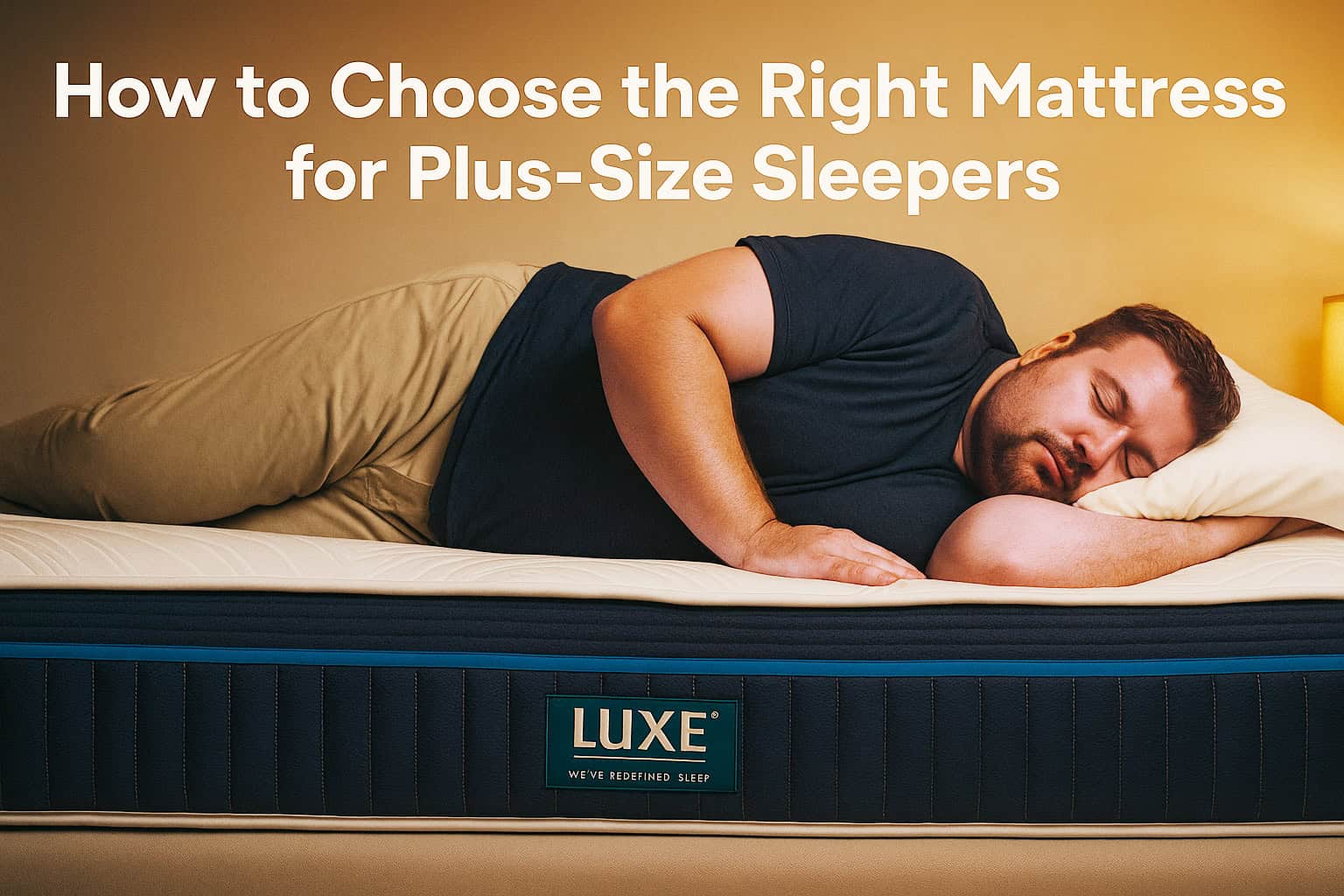
How to Choose the Right Mattress for Plus-Size Sleepers

Standard mattresses often fail heavier sleepers within two years, leading to back pain, excessive sinkage, and poor spinal alignment. For plus size sleepers, finding the right mattress is crucial as the problem often lies in weak coils that bend permanently, low-density foam that compresses too easily, and thin base layers that can’t properly distribute weight. Heat builds up as materials flatten, while collapsing edges reduce usable space, turning the rest into discomfort.

how to choose right mattress for heavy people uk

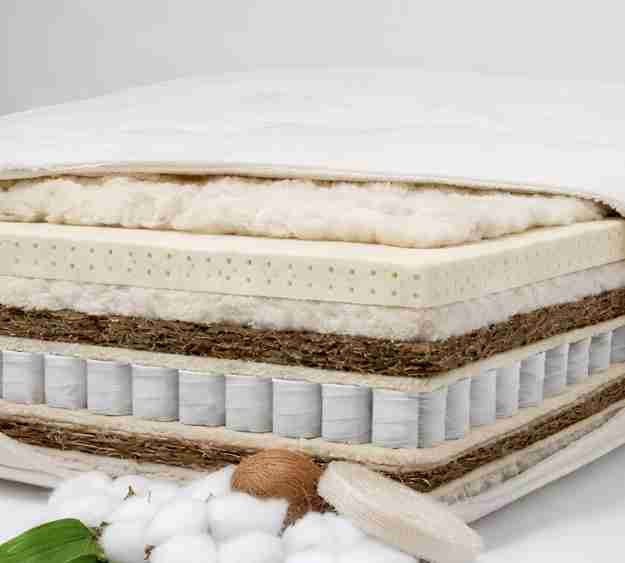
The fix requires specific construction: 12-inch profiles with 6-8 inches of high-density (≥1.8 PCF) foam or reinforced coils. Medium-firm to firm surfaces (6-8/10) maintain spinal alignment while cushioning pressure points. Verified 500+ lb weight capacities ensure durability, not just comfort. These technical specs create proper weight distribution, temperature regulation, and edge support that ordinary mattresses lack. It’s not about finding a “stronger” bed, but one scientifically designed for heavier bodies.

Let’s discuss how to pick a mattress that supports heavier bodies.

What Plus-Size Sleepers Need in a Mattress

Choosing a mattress involves more than comfort. For plus-size sleepers in the UK, thicknessfirmnessmaterial recommendations, and weight capacity considerations directly address unique sleep challenges. These factors ensure proper support and durability.

what plus size people should look in mattress

How Body Weight Impacts Mattress Performance

Body weight significantly affects mattress support and longevity. Heavier individuals exert more pressure points on sleep surfaces thats why only buy mattresses which are specifically designed for best mattress for fat people uk. Standard mattresses often lack reinforced layers. This causes uneven weight distribution and accelerated wear. Most retail mattresses support only up to 18 stone (115kg), excluding many plus-size sleepers. 

Without adequate reinforcement, mattresses compress faster. This reduces their lifespan from 7-10 years to just 2-3 years for sleepers over 20 stone. Spine alignment also suffers. Inadequate support lets hips sink too deeply. This strains the lower back during sleep.

Common Challenges: Sagging, Heat Retention & Motion Transfer

Plus-size sleepers face three key issues. Sagging occurs when low-density foams or weak coils compress permanently. This creates body impressions that misalign the spine. Heat retention worsens with dense materials that trap body heat. Non-breathable memory foam or polyester layers increase night sweats. Hybrid designs with cooling gels or airflow-friendly coils improve temperature control. 

Motion transfer disrupts partners when one sleeper moves. Weak edge support or thin comfort layers amplify vibrations. Reinforced perimeters and pocketed coils isolate movement effectively. Most mattresses also lack sufficient edge support, causing a “roll-off” effect that reduces usable space.

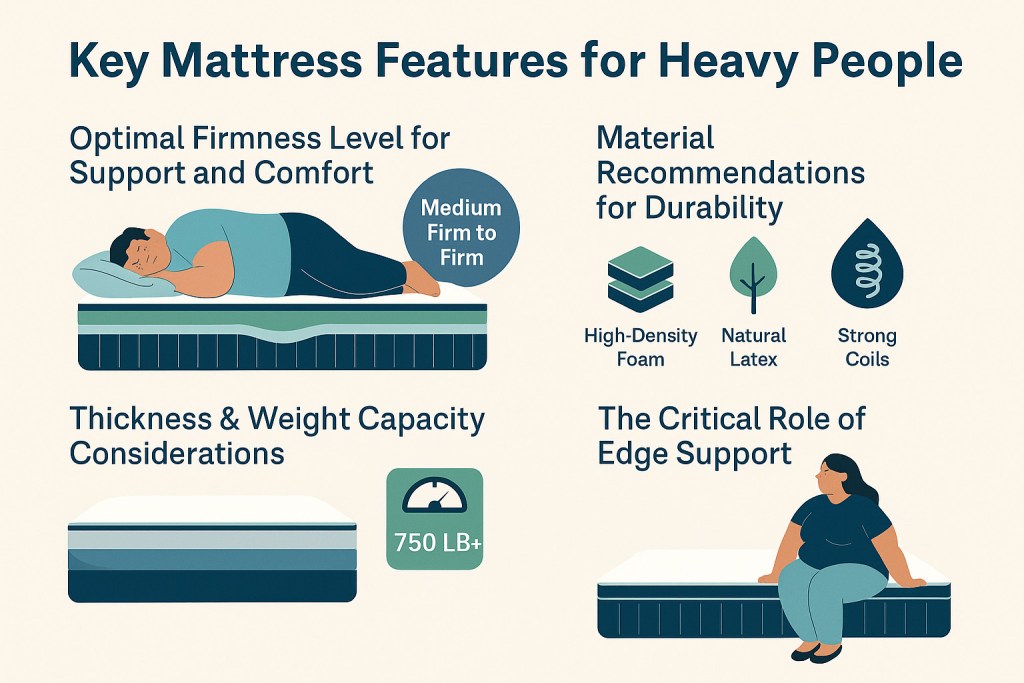
Key Mattress Features for Heavy People.

Understanding what plus-size sleepers need will lead to the must-have mattress features. They affect comfort, support, and sturdiness for heavier people.
what are key features of mattress for heavy people

Optimal Firmness Level for Support and Comfort.

For big people, firmness is vital for mattress performance. Medium firm to firm mattresses offer the best support without sacrificing comfort. If your mattress sinks too much, it can lead to back pain. Zoned support systems provide specific areas for reinforcement, which is firmer under the hips and shoulders. You’ll maintain good spinal alignment during sleep. Side sleepers often prefer more cushioned comfort layers that help cradle pressure points while still having a firm base layer for support.

Material Recommendations for Durability.

Recommendations for material highlight high-resilient components for heavier loading. High-density foams (1.8 PCF or more) indent better than standard foams. Natural latex is highly durable and has a cooling effect along with a precise bounce back. Strong 12-15 gauge steel is used to construct our reinforced coil systems. Foam-based mattresses are made from synthetic materials like polyurethane. Don’t get low-density memory foam, as it breaks quickly with pressure and loses its support.

Thickness & Weight Capacity Considerations.

Thickness plays an important role in mattress life for heavier individuals. A minimum of 12 inches ensures sufficient support layers. To avoid sagging, the base layer should be made up of 6-8 star-quality hard foam or coils. Consider manufacturer specifications for weight capacities . Pick a mattress that is rated for at least 500 pounds, some of which are rated for 750 pounds or more. Split king beds can handle heavy weights for heavy couples. The edges that are strengthened stop the roll off and maximize the area utilized for sleep.

The Critical Role of Edge Support.

Edge support matters a lot for plus-size sleepers. Over time, weak edges present in the bed collapse & thus reduce the sleep area. To stop collapsing, reinforced perimeters use thicker foam or double coils. Sitting or sleeping right on the edge prevents the “roll-off” effect. With good edge support, it can extend the lifespan of the mattress because of no wear and tear in high-pressure areas. Some models may have full foam encasement while others may use reinforced coils—if designed properly, both can provide great edge support.

Mattress Types for Plus-Size Sleepers

Not all mattresses work well for heavier bodies. These three types offer the best support and durability for plus-size sleepers.

mattress types for heavy people

Hybrid Mattresses: Balanced Support & Pressure Relief

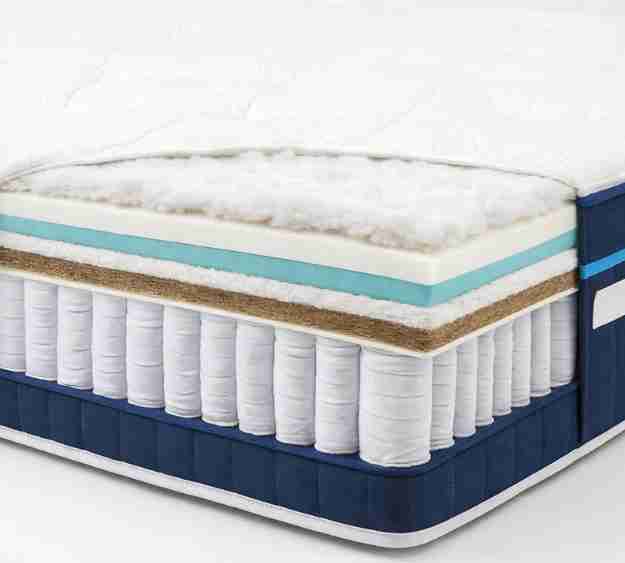
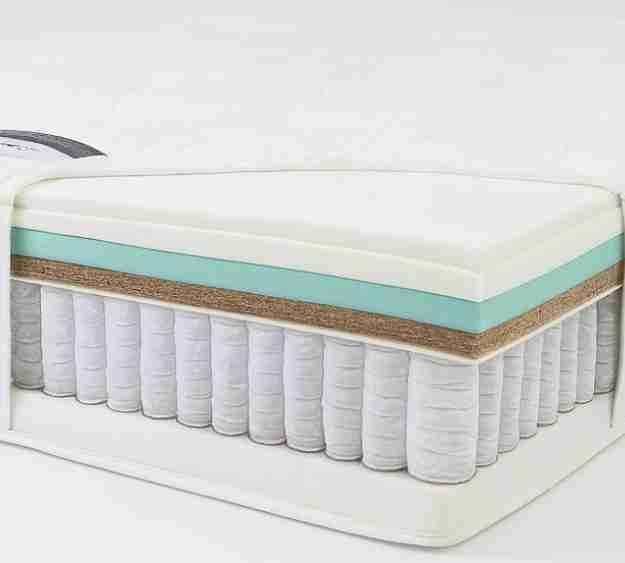
After years of experience and client feedbacks we concluded that, hybrid mattresses combine coils with foam for ideal support. The coil base provides strong lift, while foam layers cushion pressure points. Look for hybrids with 12-15 gauge coils and at least 2″ of high-density foam (1.8 PCF+). These prevent sagging while keeping the spine aligned. Many hybrids include cooling gel or breathable covers to reduce heat buildup. The best hybrids support 500- 750lbs and last 7+ years with proper care.

Durable Latex Mattresses: Cooling and Resilient

Natural latex mattresses excel at both support and temperature control. Latex bounces back quickly, maintaining its shape better than memory foam. It’s naturally breathable, helping sleepers stay cool. For plus-size sleepers, choose 100% natural latex with a firmness rating of 7-8/10. The mattress should be at least 10″ thick with a dense core layer. Latex lasts longer than foam – often 10+ years – but costs more upfront.

High-Density Memory Foam: Contouring Without Sagging

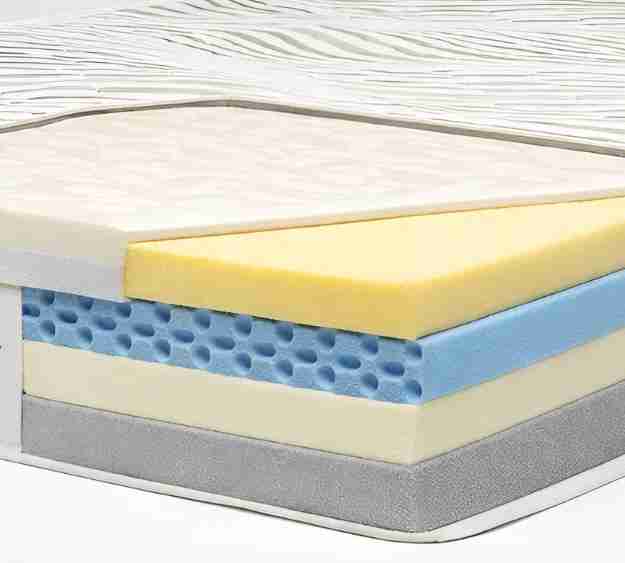
Not all memory foam suits heavy sleepers. You need high-density foam (4lbs/ft³ or more) that lasts. Look for mattresses with a firm base layer (6″+ of 2.0 PCF foam) and 3-4″ of comfort foam for good support without sinking too much. Some have reinforced edges to stop roll-off. While foam tends to sleep hotter than hybrids, newer options include cooling gels or airflow channels. The best foam mattresses for plus-size sleepers support over 500lbs and have warranties of 15 years or more. For more information on foam densities, you can read here.

Top Mattress Picks for Heavy People

Finding the right mattress is crucial for plus-size sleepers who need durable support. These Luxe mattresses combine strength with comfort, all backed by strong warranties.

Best Heavy-Duty Mattresses for Weight Capacity Over 500lbs

1. Majestic 9000â„¢ Mattress

  • Height: 9″
  • Materials: 3″ V58 Memory Foam + CP-C48â„¢ base
  • Springs: 9000 Pro-Pocket springs
  • Firmness: Extra Firm (best for 300+ lbs)
  • Features: Motion isolation, adaptive cushioning

2. LuxeErgoâ„¢ 3400 Hybrid

  • Height: 12″
  • Materials: Cooling gel foam + FortiCoilâ„¢ springs
  • Springs: 4000 pocket springs (2000 EnduraSpring + 2000 Micro)
  • Firmness: Extra Firm
  • Features: Advanced airflow, reinforced edges

3. Imperial 2000 Mattress

  • Height: 11.5″
  • Materials: Synthetic wool + C40® foam
  • Springs: 2000 Pro-Pocket springs
  • Firmness: Medium (good for 250-400 lbs)
  • Features: Temperature regulation, anti-gravity support

Affordable Plus-Size Mattresses with 15-Year Warranties

1. Luxe Novaâ„¢ Hybrid

  • Price: Â£599
  • Springs: 1000 EnduraSpringâ„¢
  • Materials: Coconut fiber base + British wool
  • Warranty: 15 years
  • Best For: Budget-friendly medium support

2. Pocket Reflex 1000

  • Price: Â£199 (sale)
  • Springs: 1000 pocket springs
  • Materials: Horsetail padding + C40 foam
  • Warranty: 15 years
  • Best For: Lightweight heavy sleepers

3. Reverso Memory Mattress

  • Price: Â£263
  • Materials: Dual-sided V50 memory foam
  • Support: CP-C52 base foam
  • Warranty: 10 years
  • Best For: Couples needing motion isolation

Mattress Care and Longevity Tips

Proper care extends mattress life, especially for plus-size sleepers. These practices maintain support and protect your investment.

Rotating Schedules & Foundation Pairings

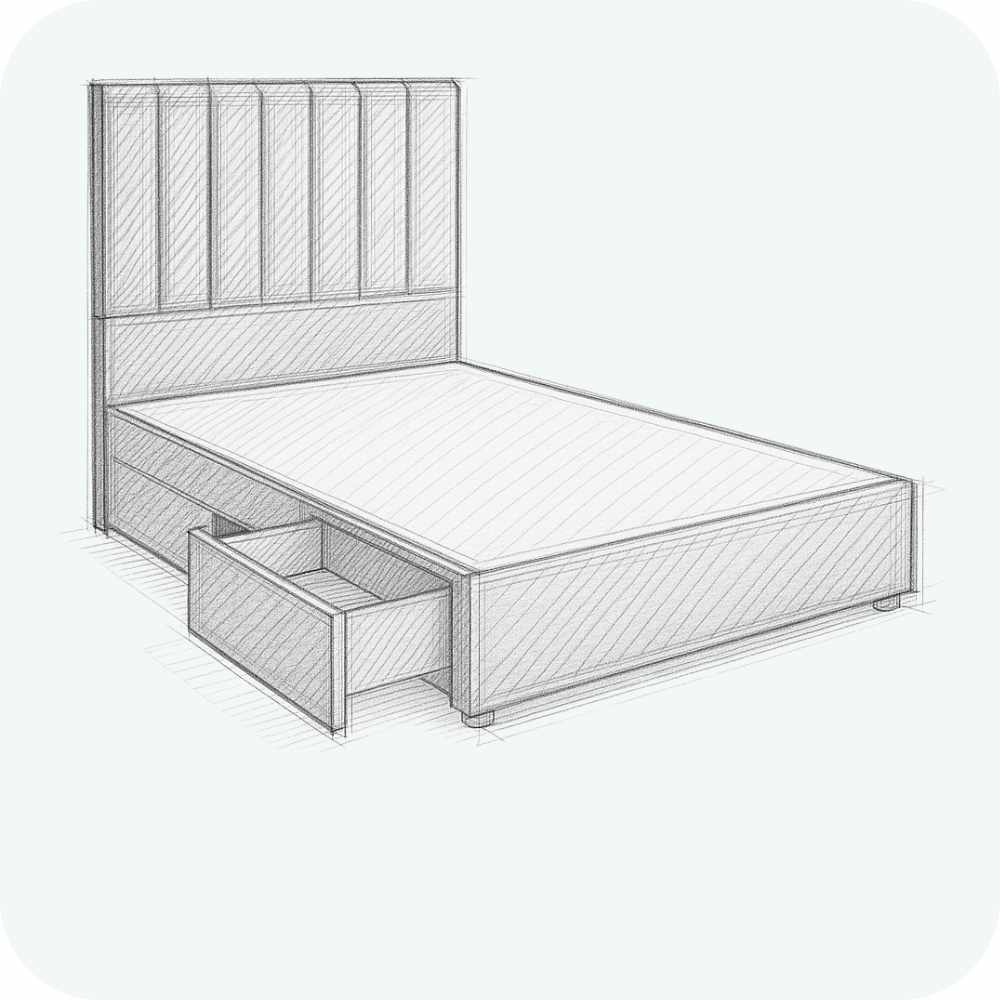
Rotate your mattress every 3-6 months to prevent uneven wear. Heavy sleepers create deeper impressions that accelerate sagging. Flip double-sided models monthly for balanced compression. Pair your mattress with a sturdy foundation. Slatted bases need gaps under 3 inches to prevent bowing. Platform beds require center support legs for weights over 250 pounds. Avoid box springs with memory foam mattresses as they lack proper reinforcement.

Warranty Considerations for Heavy Sleepers

Check warranty terms for weight limits and sagging clauses. Many mattress warranties void coverage if visible indentations are less than 1.5 inches deep—this is considered normal wear. Heavier sleepers should pay close attention to stated weight capacity, as exceeding it can also invalidate claims. Always keep your proof of purchase and product tag, as these are required when filing a warranty claim. Before contacting customer service, document sagging with dated photos and a ruler, showing the depth and consistency of the indent.

It’s important to know that most warranties only cover structural defects, such as broken coils or deep, premature sagging. Gradual softening, decreased responsiveness, or changes in comfort feel are usually not covered. Additionally, many brands require a compatible base or foundation—such as a solid platform or slatted frame with minimal spacing—for the warranty to remain valid. Using an improper support base (like a box spring not meant for foam or hybrid mattresses) can void the coverage.

For a clearer breakdown of mattress warranties and what’s commonly covered, refer to this Sleep Foundation mattress warranty guide.

FAQs

1.    What firmness is best for plus-size side sleepers?

Medium-firm mattresses work best for plus-size side sleepers. This firmness level cushions shoulders and hips without allowing excessive sinkage. Look for mattresses with zoned support that offer slightly softer areas for shoulders. Memory foam or hybrid mattresses with a 6-7 firmness rating provide the right balance.

2.    How thick should a mattress be for 300+ lbs?

A mattress for someone over 300 lbs should be at least 12 inches thick. The base layer needs to be 6-8 inches of high-density foam or coils. Thinner mattresses lack the necessary support layers and will sag quickly. Look for models specifically designed for heavier weights.

3.    Do warranties cover sagging for heavy people?

Most warranties cover sagging over 1.5 inches deep. Check the terms for weight limits and approved foundations. Some warranties become void if used without proper support. Take photos of any sagging with a ruler for documentation.

Conclusion

It is essential to keep thickness, firmness, material recommendations, and weight capacity considerations in mind if you want your mattress to give you a lifetime of support. One more thing to mention when you are buying a mattress for a plus-size person is to keep in mind to have the same kind of bed, a bed for heavy people. A thick, high-density foam or coils of 12 inches prevent sagging. An option that is medium-firm or firm will ensure your spine is aligned as you sleep. Opting for durable materials such as latex or reinforced springs will extend the life of your mattress. Always verify that weight limits match your needs.

Take advantage of trial periods over 100 nights. This lets you test the mattress properly before committing. You’ll find many brands offer this option, which gives you time to feel comfortable and well supported.

Getting the proper mattress helps avoid pain and improve sleep quality. To keep your purchase safe, follow the care instructions and check the warranty terms. The right choice will bring years of restful sleep without replacements.

Claim your discount now at luxemattresses.co.uk, limited-time offers on supportive mattresses for heavier sleepers.
mattress for heavy people
June 22, 2025

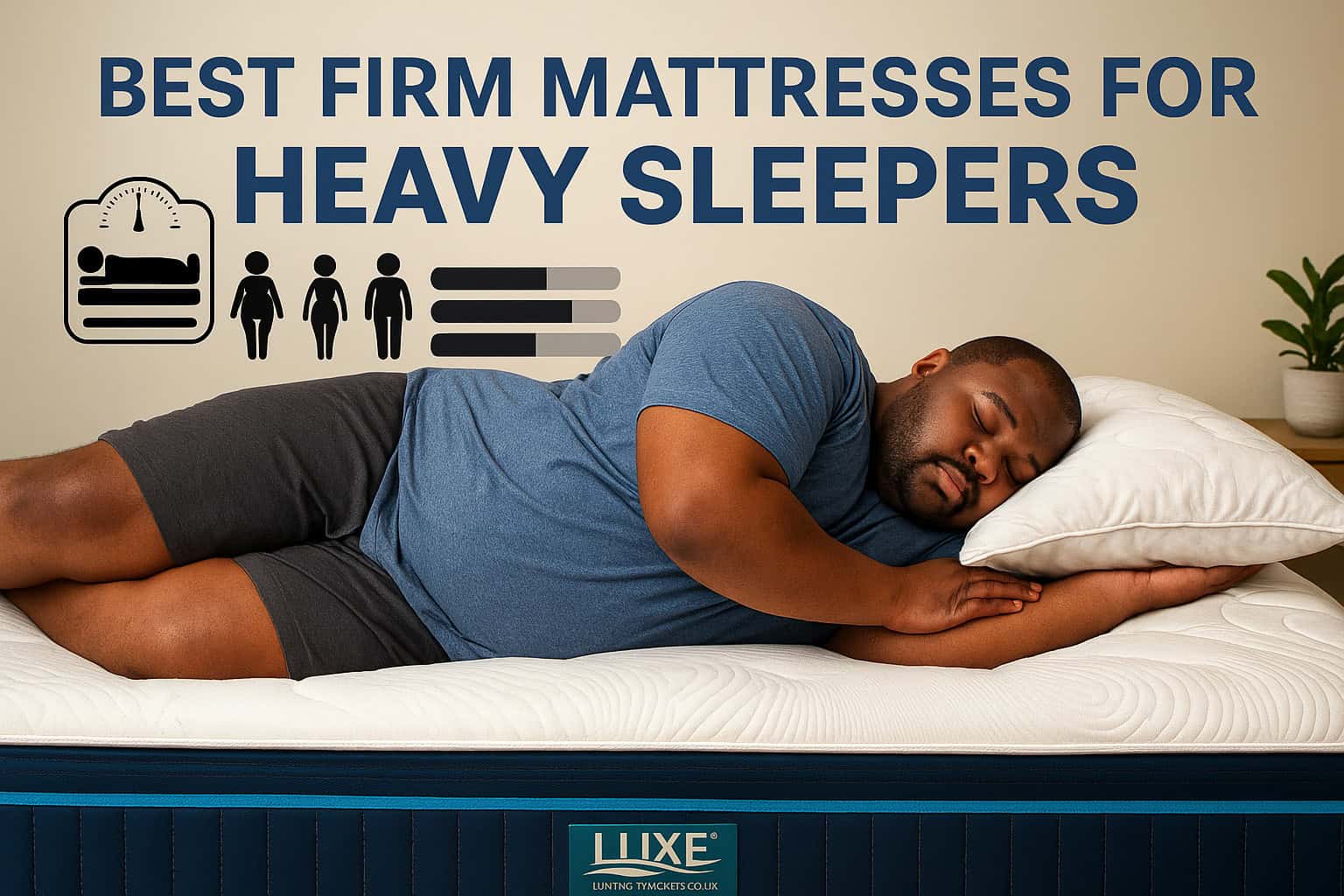
Best Firm Mattresses for Heavy Sleepers – Support & Comfort Guide

Do Heavy Sleepers Need a Firmer Mattress? The Science of Support & Pressure Relief

If you’re a heavier person in the UK (over 230 lbs or BMI 30+), you know how hard it is to find the best firm mattress for heavy sleepers. Many mattresses sink under your weight, causing back pain and making you overheat at night. You need one that’s firm enough to support you but soft enough to be comfortable.

Some people think the hardest mattress is best, but that’s not true. A mattress that’s too firm can hurt your shoulders and hips. The best mattress for heavier people gives strong support where you need it and soft cushioning where you want it. It should also help keep you cool at night.

Keep reading to learn how to find your perfect mattress.

Body Weight & Type: The Foundation of Mattress Choice.

You need to understand how your body interacts with it to choose the right mattress. For heavier people, weight and body type can impact comfort, support, and durability.

what to consider before buying mattress

Here’s a simple breakdown of the relevance and priority of factors.

How Weight Impacts Mattress Performance.

A heavier body exerts pressure on the mattress which may lead to sagging, durability issues and loss of support. Mattresses standardly utilize materials with high compressive properties to improve surfaces and spinal alignment. A mattress suitable for heavier individuals should have an innerspring unit or high-density foams with a strong support system. If not built well, a firm mattress may still not be able to give you the support you need.

Why Durability is Non-Negotiable: Durable Mattress for Heavier Weights.

A tough mattress for heavier weights is a must since inferior materials wear down quickly when put under more pressure. Choose memory foam that has a high density of at least 4 lbs/ft³ and heavy-gauge pocketed coils that do not deform easily. Warranties under 10 years often indicate lower durability. A mattress that sags in a few years will further worsen back pain while also reducing sleep quality. A good design will last longer, require less replacement, and provide more support.

The Role of Body Type (Weight Distribution, Pressure Points).

Body shape determines where pressure concentrates. Side sleepers have broader hips and tend to require deeper cushioning to avoid shoulder and hip pain. Stomach sleepers with heavier midsections need firmer support to avoid back pain. A suitable mattress for a heavy person should feature zoned support or adaptable materials. Evenly distributed weights do not sink too deep and align your body.

How To Find The Right Mattress for Your Sleep Position

Your sleeping position alters your body’s mattress requirements. Those who weigh more than average should pay extra heed to this as their weight exerts higher pressure on the bed.

how to find right mattress for your sleeping postion

Let’s look at what works best for different sleepers, to read in more details click here.

Side Sleepers Need Extra Cushioning.

When you sleep on your side, the bulk of your weight is concentrated on your hips and shoulders. These areas need softness to prevent pain and numbness. Look for a mattress that’s medium-soft to medium firm. Mattresses like memory foam and hybrid do a good job of contouring to your body without sinking in too much. Make sure the soft top layer is at least 3 inches thick.

Back and Stomach Sleepers Require Firm Support.

A firmer mattress will suit you if you sleep on your back or belly. When your midsection falls down, it may also pull the lumbar spine which will aggravate your back. A mattress that has a firmness score of 6 to 8 over 10 is the most suitable. Flat surfaces are necessary for or stomach sleepers to maintain spinal posture.

Combination Sleepers Should Choose Responsive Materials.

If you toss and turn throughout the night, then you need a mattress that will too. Choosing latex or mattresses with pocket springs allows you to change positions easily Memory foam that’s too soft can make this harder. Medium-firm firmness (6-7) is considered good for all sleeping positions.

Understanding Mattress Firmness for Heavier Sleepers.

Choosing the right firmness of the mattress is the key. It’s not just a comfort thing; in fact, you need to comfortable, supported without pressure pain. Here’s all you need to know about how to choose firmness.

understanding mattress firmness levels

The Firmness Scale Explained.

Mattresses are rated from 1 (very soft) to 10 (very firm). For most heavier sleepers.

  • Too much sinking happens with soft mattresses.
  • A medium soft (4-5) could be convenient for some side sleepers
  • A medium-firm mattress is the best choice (6)
  • A firm mattress (7-8) is ideal for back and stomach sleepers.
  • Usually too hard extra firm (9-10).

Why Medium Firm Works Best.

A medium firm mattress (level 6) gives the right balance.

  • Prevents you from going down too far.
  • Supports your spine properly.
  • Still feels comfortable.
  • Can be used for all sleeping positions

These mattresses are made of resilient material with heavy-duty foam or springs that won’t sag under your weight.

When to Choose Firmer Options.

Heavier people may need a firmer mattress according to their weight.

  • Sleep on their stomach.
  • Have back pain.
  • Weigh over 300 pounds.

A rigid mattress (9 or 10 on the firmness scale) is required in a few cases only – when you weigh over 350 pounds or have certain medical problems. Most people find them too hard and uncomfortable.

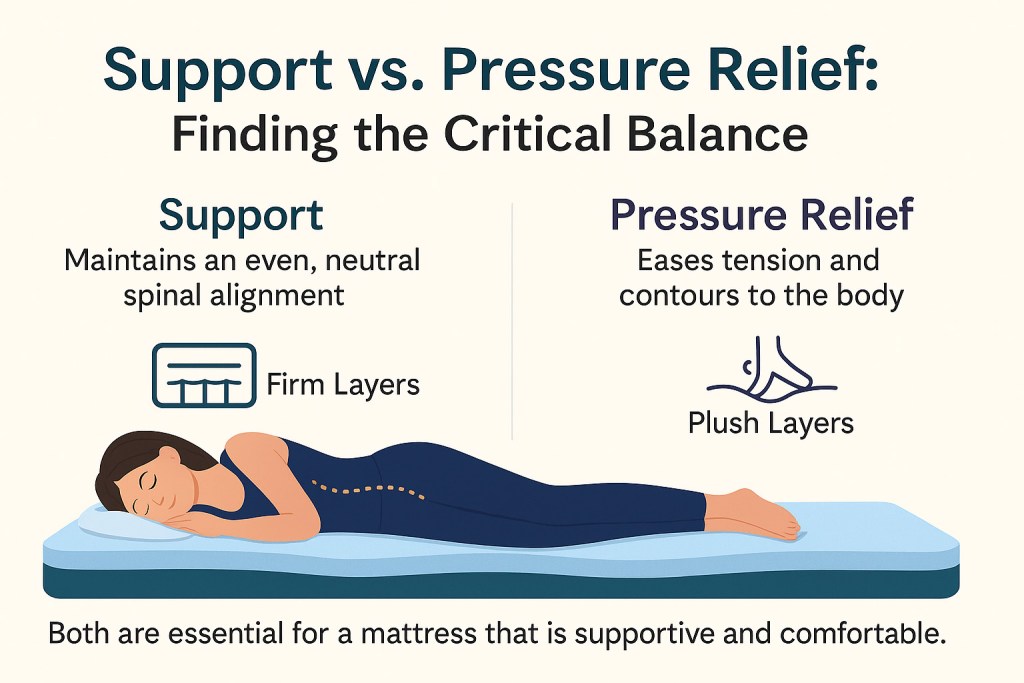
Support vs. Pressure Relief: Finding the Critical Balance.

The ideal mattress for heavy people should be firm, sure. But more importantly, it should offer just the right support and pressure relief. When this balance is well managed, it stops pain and helps sleep quality. This section discusses how these features work for heavier bodies.

support vs pressure

Why Support Matters Most

Support is how well a mattress keeps heavy sleepers’ spines aligned under the pressure of weight. The ideal mattress will keep the spine in a neutral position. This take strong core materials such as high-density foams or reinforced coils that resist compression. When you lack proper support, your body will sink unevenly into the mattress, which could lead to misalignment of the spine and back pain.

The Importance of Pressure Relief

Cushioning which relieves the pressure of your heavier areas — like hips and shoulders. Memory foam or latex comfort layers distribute weight evenly. Too little pressure relief creates painful pressure points. Too much causes excessive sinkage. An excellent mattress offers ample cushioning and good support.

How the Best Mattresses Do Both

The mattress support a plus-size sleeper chooses will consist of a strong but soft material. That’s where a specifically designed firm mattress for heavy sleepers comes in. The core that supports the body helps stop sagging but the layer that comforts does the opposite, comforting the pressure points. Hybrid mattresses usually perform this balancing act best, by pairing coils with foam or latex.

Don’t Forget the Edges

Heavier folks may roll off the bed without edge support as they shift. With reinforced edges, you can sit or sleep nearer the side without being at risk of instability. A mattress with poor edge support will feel less spacious. Choose dense foam encasement or reinforced coils around the bed’s perimeter.

Comfort, Preferences & Other Deciding Factors

Everybody sleeps uniquely. The comfort can be significantly different when you carry more weight. Examine how your personal circumstances will help you find your perfect mattress.

Your Comfort Preferences Matter.

What feels good to you is important. While some like the “hugged” feeling of memory foam, others prefer solid support from springs. How you sleep also helps decide this – a side sleeper usually needs more cushioning to their hips and shoulders while a back sleeper tends to want firmer support. The best way to know? Test out different mattresses to see what feels good for you.

Staying Cool at Night.

Watch out for mattress materials if you are a hot sleeper. Heavier bodies naturally retain more heat, so look for.

  • Foams infused with gel eliminate heat.
  • Latex that allows air flow and does not trap heat in your bed.
  • Coil systems that allow air to flow.
    Your sleep quality can change drastically with these cooling features.

Why Hybrid Mattresses Shine.

Because they hit the sweet spot, many heavier sleepers like hybrid mattresses.

  • Use sturdy coils for strong support that won’t sag.
  • Including layers of foam or latex can help to add delightful cushioning.
  • Let air flow better than foam ones.
    Heavier bodies often find the ideal balance of support and comfort from this combination of materials.

The mattress that suits you well will have a firm enough support and yet feel comfortable, regulate temperature well and let you sleep as you usually do. Try various options fearlessly; you deserve to find your perfect choice!

How to Choose Your Ideal Mattress: Key Features Checklist.

If you have extra weight, not all mattresses will work for you. To help you sleep soundly, here’s everything you should look for – and avoid.

Non-Negotiable Features for Heavy Sleepers.

A mattress designed for people with a larger body must be firm and durable. The support core must be made of high-density foam material (a density of 4+ lbs/ft³) or heavy-gauge coils for spinal alignment. Having a strong edge support system can prevent roll-off and increase the usable sleep space. These elements ensure optimal comfort and no back pain.

Cooling layers like gel-infused foam or breathable latex are designed to help temperature control for hot sleepers. It is easier to reposition when the latex or pocketed coils are responsive materials. Zoned support is a firmer reinforcement in places where heavier sleepers need it most, typically around the hips and shoulders. Other areas are still cushioned properly.

What to Avoid.

Low-cost all-foam beds often do not have the density to support heavier weights and sag quickly. Pillowy-soft toppers may seem comfy at first but usually sink too deep under pressure causing misalignment. For heavier people, thin comfort layers and low-density memory foam can lack sufficient long-term support.

Best Luxe Mattresses for Heavy Sleepers.

The Luxe mattress is designed specifically for heavier people. It ensures support with great comfort at the same time. These are the models with high-quality, pressure-relieving materials that promote healthy spinal alignment.

LuxeErgo™ 3400 Hybrid – Ideal Medium-Firm Support.

LuxeErgoâ„¢ 3400 Hybrid is ideal for heavier sleepers who need a good balance of pressure relief and support for a comfortable night’s sleep. The firmness of the mattress (6-7 out of 10 level) relieves pressure and does not sink in too much. This mattress features a dual-layer spring system, comprising 2000 EnduraSpringâ„¢ and 1400 FortiCoilâ„¢ micro springs, which provide excellent support. It consists of a layer of Zero Gravityâ„¢ memory foam with cooling gel that regulates body temperature. It would do well for back and stomach sleepers who weigh more than 230 pounds.

Majestic 9000™ – Extra Firm Orthopedic Support.

The Majestic 9000™ is ideal for heavy weight sleepers. Its extra-firm construction (8-9 firmness) features a 3″ V58 high-density memory foam layer over a reinforced base, providing exceptional spinal alignment for back and stomach sleepers. The motion isolation technology makes it ideal for couples, while the adaptive cushioning prevents pressure points. This model works best for individuals over 250 lbs who prefer a solid sleep surface.

LuxeTherm® Hybrid – Cooling Comfort for Heavy Sleepers

Hot sleepers will appreciate the LuxeTherm® Hybrid, which combines medium-soft comfort with advanced cooling technology. The LTX Cooling Gel™ foam and airflow-promoting 1000 EnduraSpring™ coils prevent overheating, while the Zero Gravity™ foam layer offers contouring support. Though slightly softer, its high-density materials prevent excessive sinkage for sleepers up to 275 lbs, especially side sleepers needing pressure relief.

Frequently Asked Questions (FAQs)

1.    Is a firm mattress always better for heavy people?

No. While firmness helps prevent sagging, excessive firmness creates pressure points. Medium-firm (6-7) often provides the best balance of support and comfort for most heavy sleepers.

2.    Can a soft mattress work if I’m heavy?

Rarely. Soft mattresses typically lack the density to properly support heavier weights, leading to excessive sinkage and spinal misalignment. Some plus-size side sleepers may benefit from medium-soft comfort layers over a firm support base.

3.    How long should a mattress last for a heavy sleeper?

Look for mattresses with 10+ year warranties and high-density materials (4+ lb memory foam, 13+ gauge coils). With proper care, a quality mattress should maintain support for 7-10 years for sleepers over 230 lbs.

4.    Do I need special sheets or a foundation?

Possibly. Check that your foundation has center support legs and can handle your weight (typically 600+ lb capacity). Deep-pocket sheets (15″+ depth) often work better for thicker mattresses. Some brands offer reinforced foundations specifically for heavier individuals.

Conclusion

People who sleep heavily need medium-firm to firm mattresses (5-8 on the scale). But just being firm is not enough; it should also provide adequate pressure relief to hips and shoulders. When you buy a proper firmer mattress for heavy sleepers that hase durable construction, reinforced edge support, cooling technologies, and responsive materials, then you will get more quality sleep and improve your spine health.

When choosing your mattress, prioritize these key factors:

  1. Your weight and body type
  2. Primary sleep position
  3. Need for pressure relief versus support
  4. Temperature regulation requirements

The right balance prevents pain, reduces overheating, and extends mattress longevity.

Product has been added to your cart