

100-Night Risk-Free Trial
Free Nationwide Delivery
10 Years Warranty
Call us at: 020 4572 5122
0% APR Finance Available
How mattress regulate temperature when you sleep
June 25, 2025

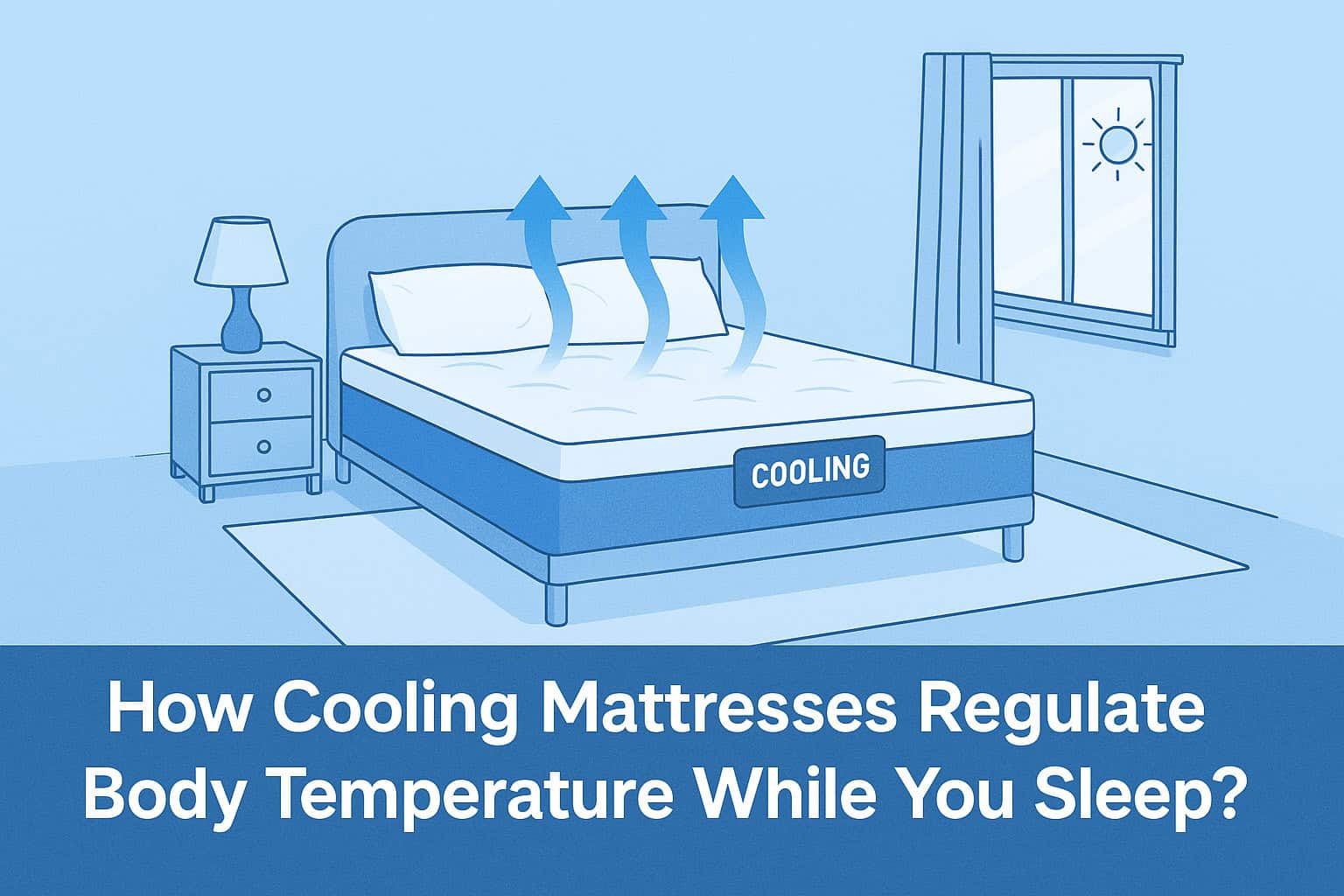
How Cooling Mattresses Regulate Body Temperature While You Sleep?

If you often find yourself waking up in the middle of the night feeling overheated and sweaty, your mattress might be the culprit. Our body temperature naturally fluctuates during sleep, and without the right support and breathability from your mattress, staying cool can be a challenge. Fortunately, cooling mattresses are engineered with smart technologies, like phase-change fabrics, gel-infused foams, and enhanced airflow systems, to help regulate body temperature and improve comfort.

To understand how these materials work and why investing in a cooling mattress could transform your sleep, check out this in-depth article: Why You Wake Up Sweaty (And the Best Cooling Mattresses That Fix It).

Why Sleep Is So Important for Your Body Temperature?

As you sleep, your core body temperature dips a bit as part of the body’s sleep-wake cycle. “During your sleep, the body’s core temperature drops to levels much lower than when you are awake, so a cooler room [around 16-19°C (60-67°F) is ideal] will bring on that deeper sleep,” says Sleep Foundation. However, conventional mattresses (especially those made of dense foam) retain body heat, disrupting REM sleep and interrupting sleep, a concept known as sleep hygiene, which those of you who do this unconsciously would benefit from.

Explore our cooling mattresses. With thermal-regulating materials that help maintain a comfortable temperature, you can toss and turn less. 

How Do Cooling Mattresses Work? Understanding Key Technologies?

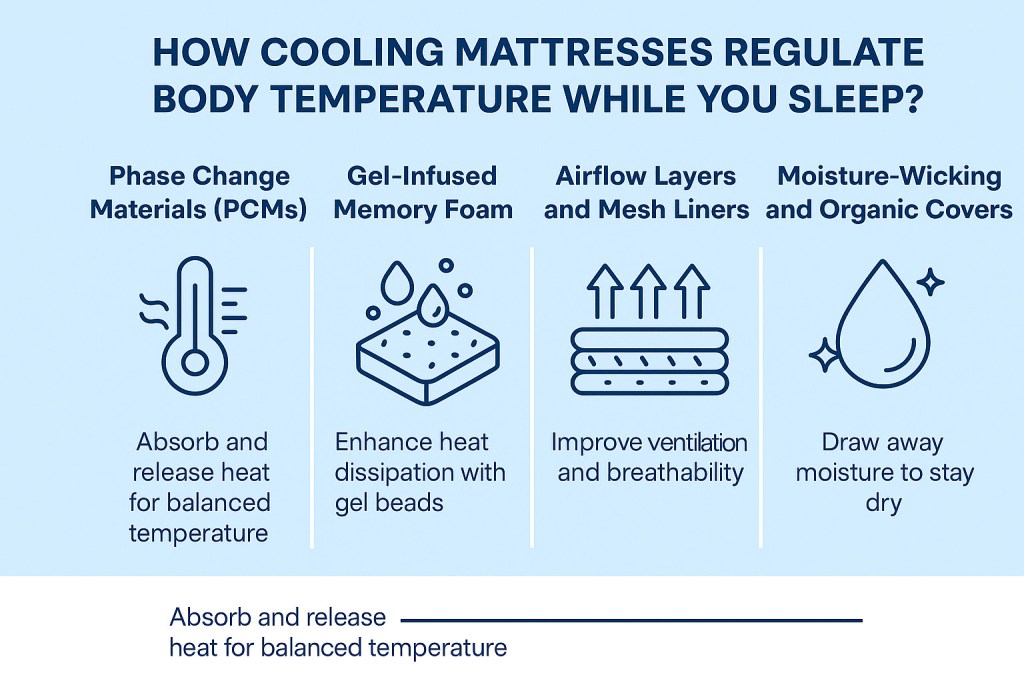
1.    Phase Change Materials (PCMs)

One of the latest innovations in cooling technology for mattresses is Phase Change Material (PCM). These materials naturally engage with body heat, absorbing and storing warmth when you’re hot and releasing heat when you’re cold so you can maintain a balanced surface temperature.

PCMs are particularly effective at avoiding the “heat trap” often associated with traditional foam beds, according to the National Library of Medicine. Commonly found in mattress toppers or mattress covers, phase change materials (PCMs) are cool to the touch and offer long-lasting temperature regulation.

You’ll find it in all LuxeMattresses’ cooling mattresses, so you can remain smart-cool, even if you’re a hot sleeper.

2.    Gel-Infused Memory Foam

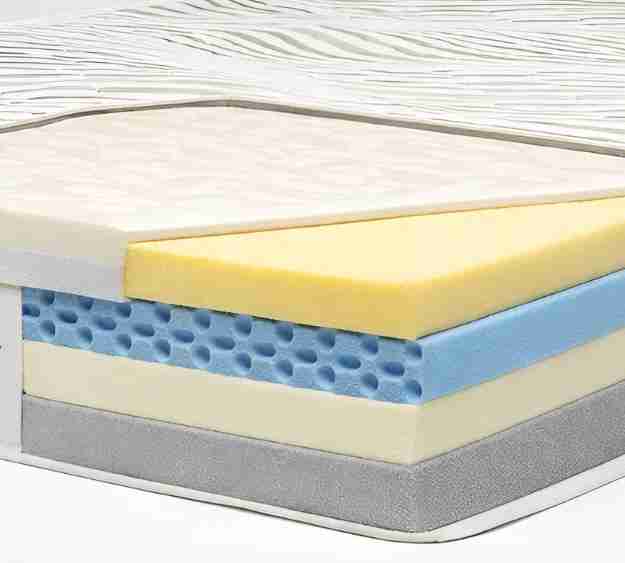
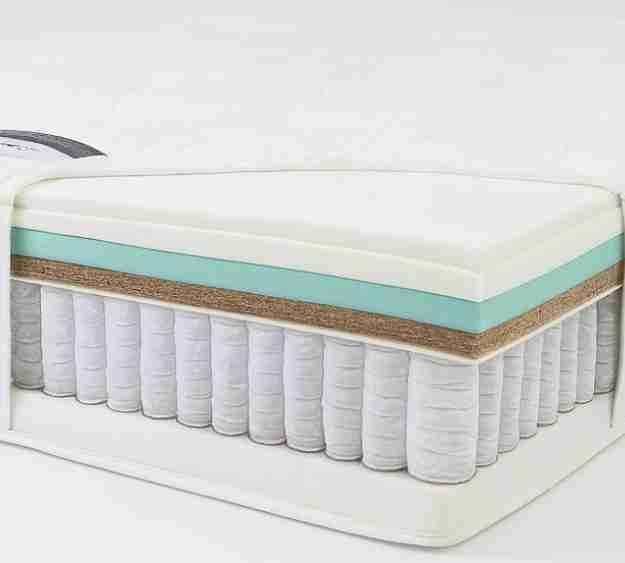
Memory foam contours to your body, but traditional styles can sleep hot. To combat this, many cooling mattresses now incorporate gel-infused foam layers.

Gel micro-beads or swirls are inserted in the foam matrix to enhance thermal conductivity, causing the heat to disperse more rapidly. Some gel foams are also open-cell designs, featuring more air channels, which help keep you cool and add breathability.

A cooler sleep environment, as suggested by Harvard Health, helps with labelling for sleep while minimising nocturnal disruptions. LuxeMattresses’ gel foam mattress  ensures you get the perfect balance of comfort and temperature control.
3.    Airflow Layers and Mesh Liners

Apart from materials, the mattress design is another key factor in determining how well it can keep you cool. Many of the top cooling mattresses with ventilation feature primarily ventilated support cores, perforated foam layers, or air channels throughout to maximise airflow across the entire mattress.

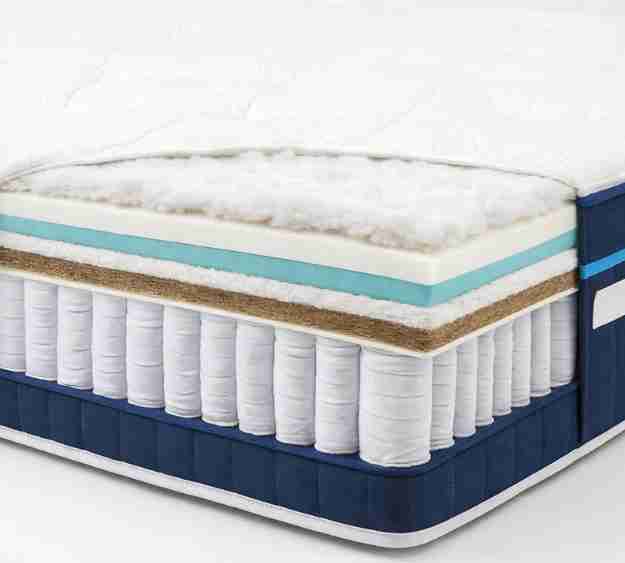
Moreover, hybrid mattresses (those with a combination of foam layers and innerspring coils) allow for better airflow due to the space between the coils. This will prevent heat from accumulating under you and, with it, reduce your overall cooling capability.

Discover LuxeMattresses’ hybrid mattresses – the perfect blend of gel foam and open coil to maximise airflow and regulate temperature, regardless of the weather.

4.    Moisture-wicking and Organic Covers

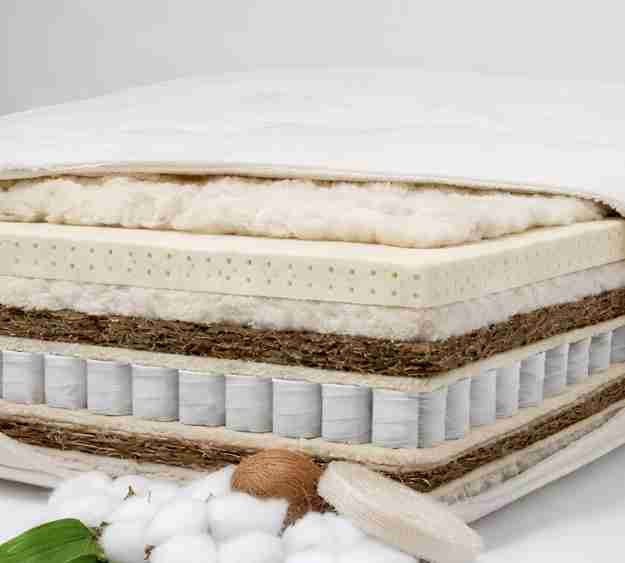
Cooling is more than just temperature, it’s also about managing moisture and humidity. Moisture-wicking covers: Many luxury mattresses feature covers designed to absorb moisture, such as those made from Tencel, organic cotton, or bamboo fibres. These materials whisk away moisture from the skin and dry quickly, so you stay dry and comfortable throughout the night.

Our natural mattresses also feature covers that are breathable and antimicrobial, resisting moisture to keep your sleep environment fresh.

Who will benefit the most from cooling mattresses?

Nearly everyone could use a cooling mattress, and particularly:

  • Hot sleepers whose bodies run hot throughout the night
  • Couples, because of the easier pooling of the body heat of two people
  • Pregnant women are affected by hormonal changes and high temperatures.
  • Menopausal Women who suffer from night sweats and hot flashes
  • Individuals with certain medical conditions, for example, those who produce excess sweat (hyperhidrosis) and those with autoimmune diseases that elevate body temperature

Advantages of Using a Cooling Mattress

  • Sounder sleep because you experience less waking up overheated
  • Total Quality of Sleep Improved  â€“Based on Better Mood and Focus
  • Less moisture buildup to reduce the risk of skin irritation or allergies.
  • Longer mattress life span with cooling materials reducing heat destruction in foam

For a customised cooling experience, consider pairing your mattress with one of our cool mattress toppers or a breathable pillow from our bedding range.

What to Do If You Got Stuck with a Hot Mattress?

If you’re stuck with a hot mattress that traps heat and leaves you tossing and turning all night, don’t worry, there’s a cost-effective solution that doesn’t involve replacing your entire bed. If you have a standard memory foam mattress, it’s likely retaining heat due to its dense, contouring nature. This common issue often leads to restless and sweaty nights, especially in warmer seasons. If you’ve already invested a significant amount in your mattress and don’t want to buy a new one just yet, consider adding a cooling gel mattress topper. These toppers are specifically designed to regulate body temperature, providing a much cooler and more breathable sleep surface.

When choosing a topper, look for features like gel-infused memory foambreathable covers, and ventilation channelsfor improved airflow. Thickness and firmness also matter—thicker toppers typically provide better temperature control and support. For a deeper dive into how cooling technology has evolved and why gel-infused materials are so effective, read The History of Cooling Gel: Infusion into Luxe Mattresses. This will help you make an informed decision and bring comfort back to your sleep without breaking the bank.

FAQs: Cooling Mattresses

Do cooling mattresses really work? 

Yes. If you tend to sleep hot or live in a hot climate, a cooling mattress can significantly contribute to better sleep by minimising heat retention and moisture.

What is the coolest material for mattresses? 

Phase change materials and gel-infused memory foams are great for managing temperature. Hybrid models with coil layers will also enhance airflow and cooling.

Does a cooling mattress help alleviate night sweats? 

Yes. For those who deal with night sweats or hormonal changes, cooling mattresses offer an added benefit: breathable covers and moisture-wicking materials keep hot sleepers cool.

Final Thoughts

Quality sleep comes from the right temperature, and your mattress is a central part of that formula. Featuring cutting-edge materials such as phase change fabrics, gel-infused foam, and open airflow systems, cooling mattresses provide the relief that hot sleepers need to fall asleep more quickly and sleep more soundly.

Cooling Sleep Solutions for All of Life’s Stages; At LuxeMattresses, we offer cooling sleep solutions that cater to your needs—whether you’re pregnant, recovering from illness, or simply looking for a restful night’s sleep.
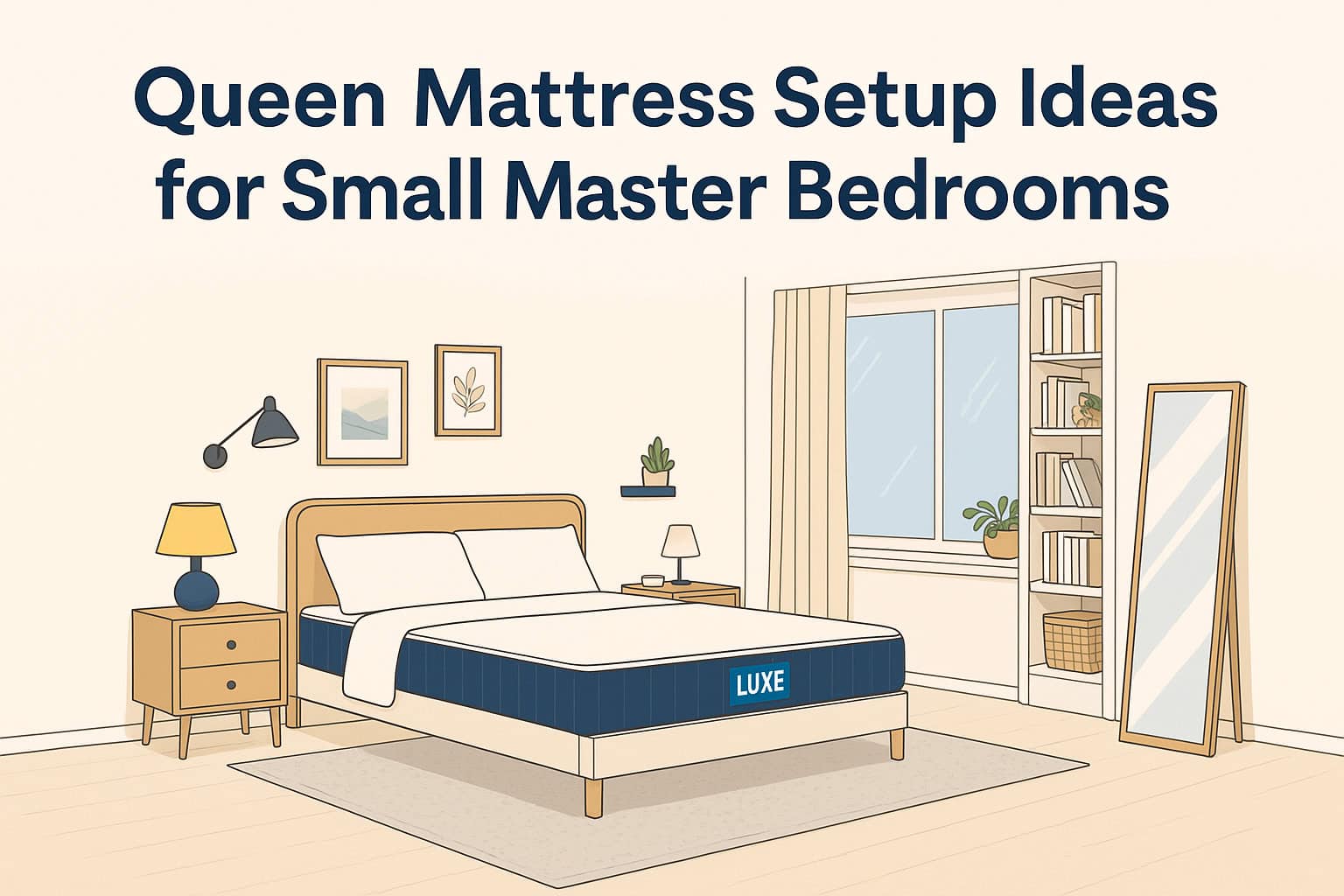
queen size mattress for small bed room
June 25, 2025

Queen Mattress Setup Ideas for Small Master Bedrooms

Fitting a queen mattress into a small master bedroom feels impossible for most homeowners—especially in tight 10’x10’ spaces where every inch counts . You’re not alone if you’ve sacrificed closet space, ditched nightstands, or debated downsizing your bed just to walk freely. Designers confirm this struggle stems from conflicting needs: wanting spacious comfort without sacrificing storage or style .

Your queen bed can work beautifully. Start with strategic queen mattress room layout tweaks—like centering it on the longest wall or testing corner alignment—to unlock hidden floor space . Combine this with vertical storage and low-profile frames, and you’ll gain breathing room and keep essentials like bedside tables .

Let’s discuss eight designer-proven solutions curated from top space-saving experts.

Strategic Bed Placement for Optimal Flow

Low-profile frames help, but placement determines true functionality in tight spaces.

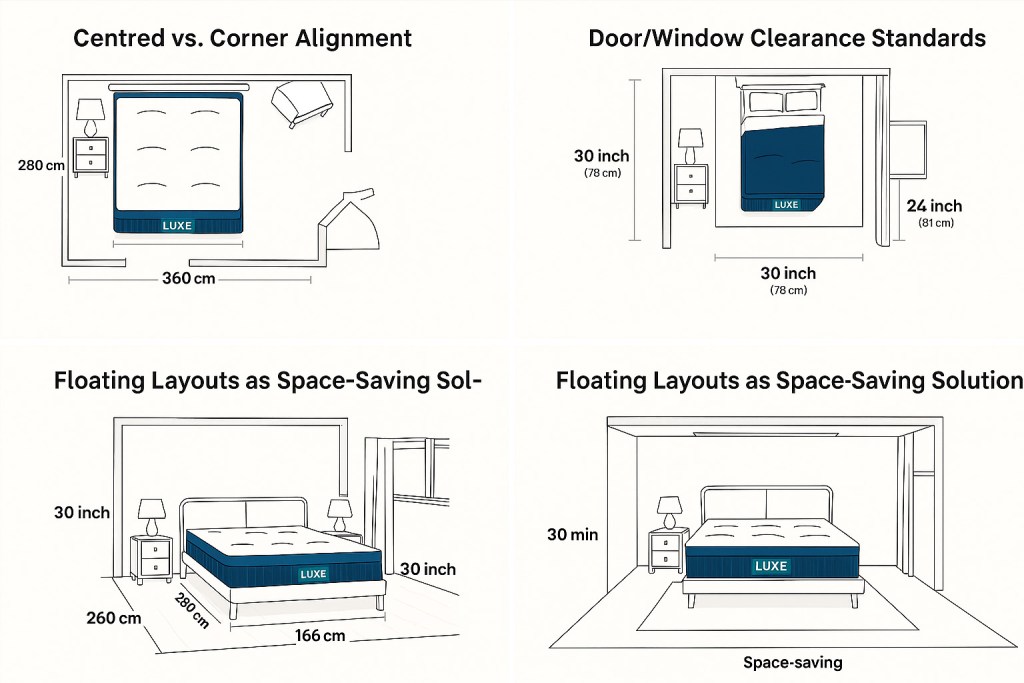
Centred vs. Corner Alignment Pros/Cons

Centring your queen mattress room layout against the longest wall creates balance. This traditional approach leaves equal walking space on both sides. It works well for couples needing dual nightstand access. However, it consumes more floor space. Corner placement frees up central area for other furniture. This angled position maximises corner dead zones. But it may limit one partner’s bedside storage access. Measure your room before choosing.

how to place bed in for maximum space

Door/Window Clearance Standards

Maintain 30-inch pathways around your queen bed frame. This clearance prevents cramped movement. Doors must open fully without hitting the mattress edge. Position the bed at least 24 inches from windows. This avoids blocked light and ventilation issues. Avoid placing under air vents. Proper clearance ensures comfortable daily use.

Floating Layouts as Space-Saving Solutions

Floating bed arrangements mean centering the mattress away from all walls. This creates walkways on every side. It visually opens small master bedrooms. Combine with narrow platform beds for best results. This layout improves air circulation and cleaning access. Use area rugs to anchor the space. Floating designs prevent that boxed-in feeling.

Low-Profile Bed Frame Selection

Proper bed placement sets the foundation, but your frame choice determines usable space, before selecting the bed frame make sure to measure your room properly, here is our guide to measure your room.

Platform Beds vs. Box Springs

Platform beds sit lower than traditional setups. They provide solid support without box springs. This reduces total bed height by 8-12 inches. Lower frames create more air space above the bed. This makes small master bedrooms feel less crowded. Platform beds also offer built-in slat systems. These eliminate the need for extra foundations. Box springs add unnecessary height in tight rooms. They make under-bed storage harder to access.

which bed frame to select box vs platform

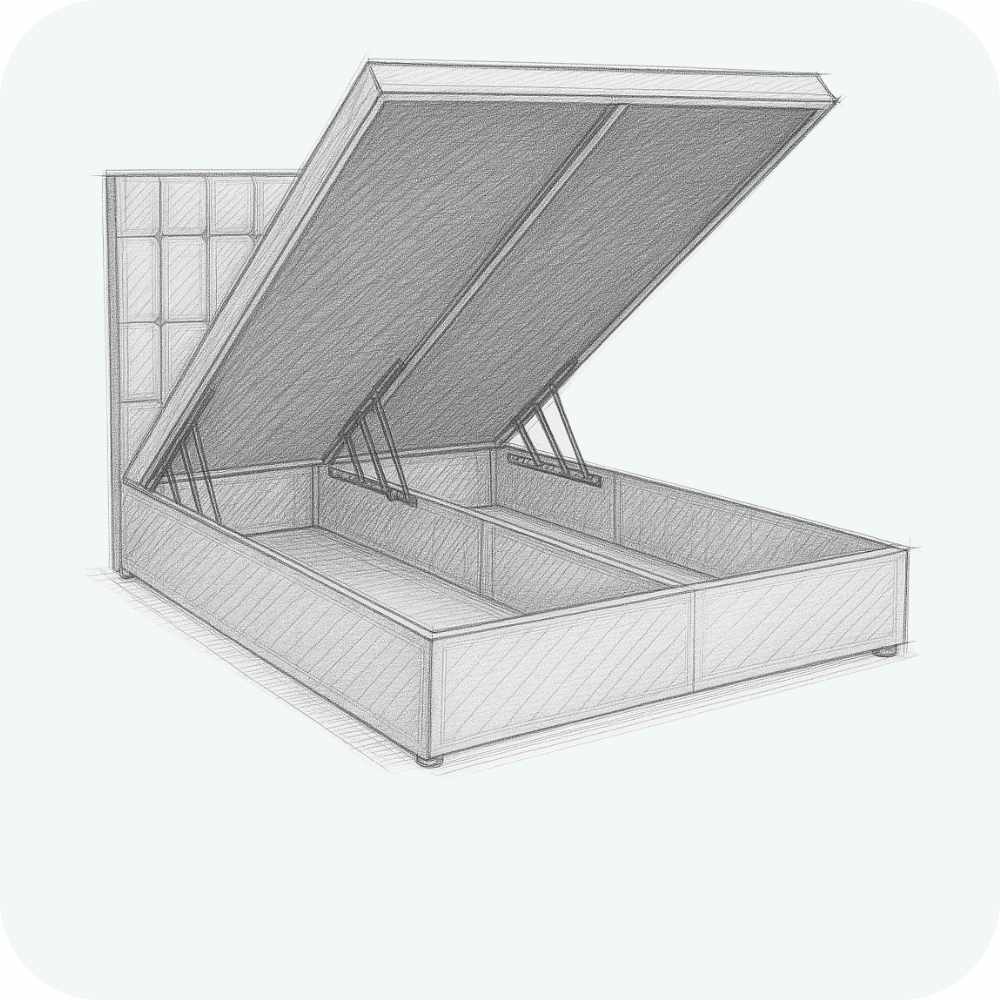
12″ Clearance Storage Solutions

Aim for 12 inches of clearance beneath your frame. This height allows standard storage containers to slide underneath. Use low-profile plastic bins for seasonal clothes. Vacuum-sealed bags maximize space for bulky items. Measure your storage containers before choosing a frame. Ensure they fit the available floor space. Roll-out drawers offer easy access without bending. Avoid overcrowding to maintain ventilation. A bed skirt hides items while reducing dust accumulation. Regular cleaning maintains air quality.

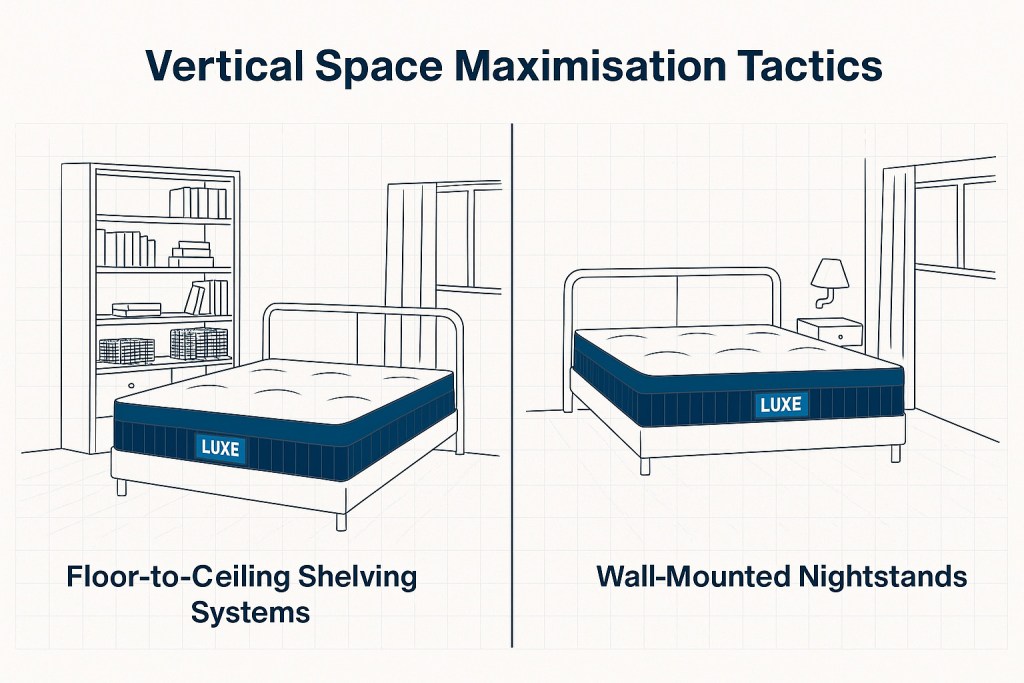
Vertical Space Maximisation Tactics

Low frames save height, but walls unlock true storage potential in cramped master bedrooms.

Floor-to-Ceiling Shelving Systems

Install floor-to-ceiling shelving beside your queen bed frame. This uses vertical space that normally stays empty. Choose units under 12 inches deep to avoid blocking pathways. Adjustable shelves fit both books and storage baskets. Place rarely used items higher up. Keep daily essentials at arm level. These systems prevent floor clutter better than dressers. They maintain clear walking paths in tight layouts.

Vertical space maximisation tactics

Wall-Mounted Nightstands

Wall-mounted nightstands replace bulky furniture. They provide bedside storage without eating floor space. Look for models with cord management for clean charging. Consider these space-saving options:

  • Floating shelves with under-shelf baskets
  • Swing-arm designs that pivot over the bed
  • Slim drawers with built-in USB ports
  • Magnetic ledges for glasses and remotes
  • Fold-down tables that disappear when not used

Install them 24-28 inches above the mattress top. This ensures easy accessibility while lying down. Measure before mounting to avoid ventilation issues near HVAC units.

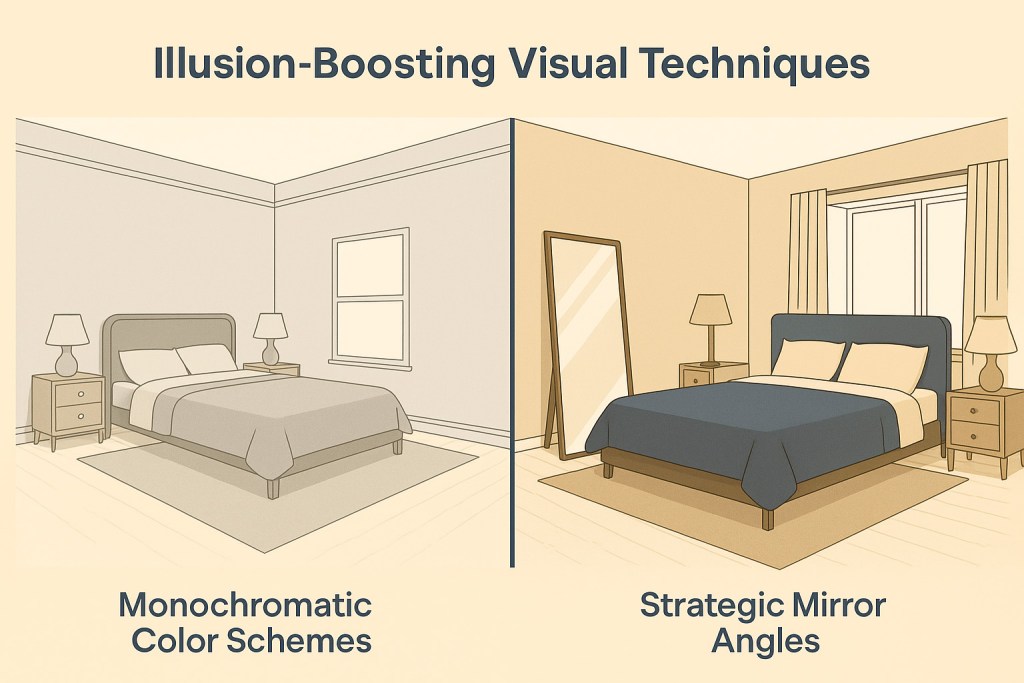
Illusion-Boosting Visual Techniques

Vertical storage clears floors, but visual tricks make small bedrooms feel instantly larger.

Monochromatic Color Schemes

Using a monochromatic colour scheme creates seamless visual continuity. This bedroom styling tip eliminates harsh visual breaks. Choose light paint colours like soft greys or warm ivories. These hues reflect more natural light, helping rooms feel brighter and larger. Paint walls, trim, and ceilings the same colour. Extend this palette to bedding and curtains. The effect stretches perceived boundaries. Avoid contrasting accents that chop up space. This approach simplifies colour coordination and enhances a cohesive, spacious atmosphere.

how to make room look big

Strategic Mirror Angles

Place mirrors opposite natural light sources. This doubles sunlight penetration for brighter rooms. Try mirror placement tricks like leaning tall mirrors against walls. Angle them slightly toward windows. Position at eye level for maximum impact. Avoid facing beds directly to prevent sleep disruption. Corner mirrors capture light from two directions. They create depth perception in narrow spaces. Pair with light paint colours for amplified brightness.

Multifunctional Furniture Integration

Visual tricks expand space optically, but dual-purpose furniture delivers actual square footage savings—critical for small master bedrooms.

Storage Ottomans vs. Benches

Storage ottomans work as footstools, seats, or makeshift coffee tables while hiding bedding or off-season clothes inside. Their lightweight design allows easy relocation to clear pathways . Unlike fixed benches, ottomans fit beneath desks or beds when unused . Footboard benches, like the Cape Cod’s upholstered design with drawers, offer permanent seating and concealed storage without extra furniture. These built-in units maximize floor space efficiency but lack mobility . Choose ottomans for flexibility; opt for integrated benches for streamlined aesthetics in layouts tighter than 10’x10’ .

Fold-Desk Nightstand Combos

Wall-mounted desks fold down from Murphy bed units, creating instant workspaces without dedicated rooms. Models like Resource Furniture’s Italian-crafted systems include integrated lighting and cable management, converting bedrooms to offices in seconds . For smaller footprints, loft beds elevate the mattress, freeing floor space for desks below. The WARMMUSE queen loft includes LED lighting and USB ports, ideal for work-from-home setups . Fold-down nightstands attach to bed frames or walls, featuring slide-out desks for laptops. These combos eliminate separate furniture purchases, crucial when floor area is under 100 sq ft .

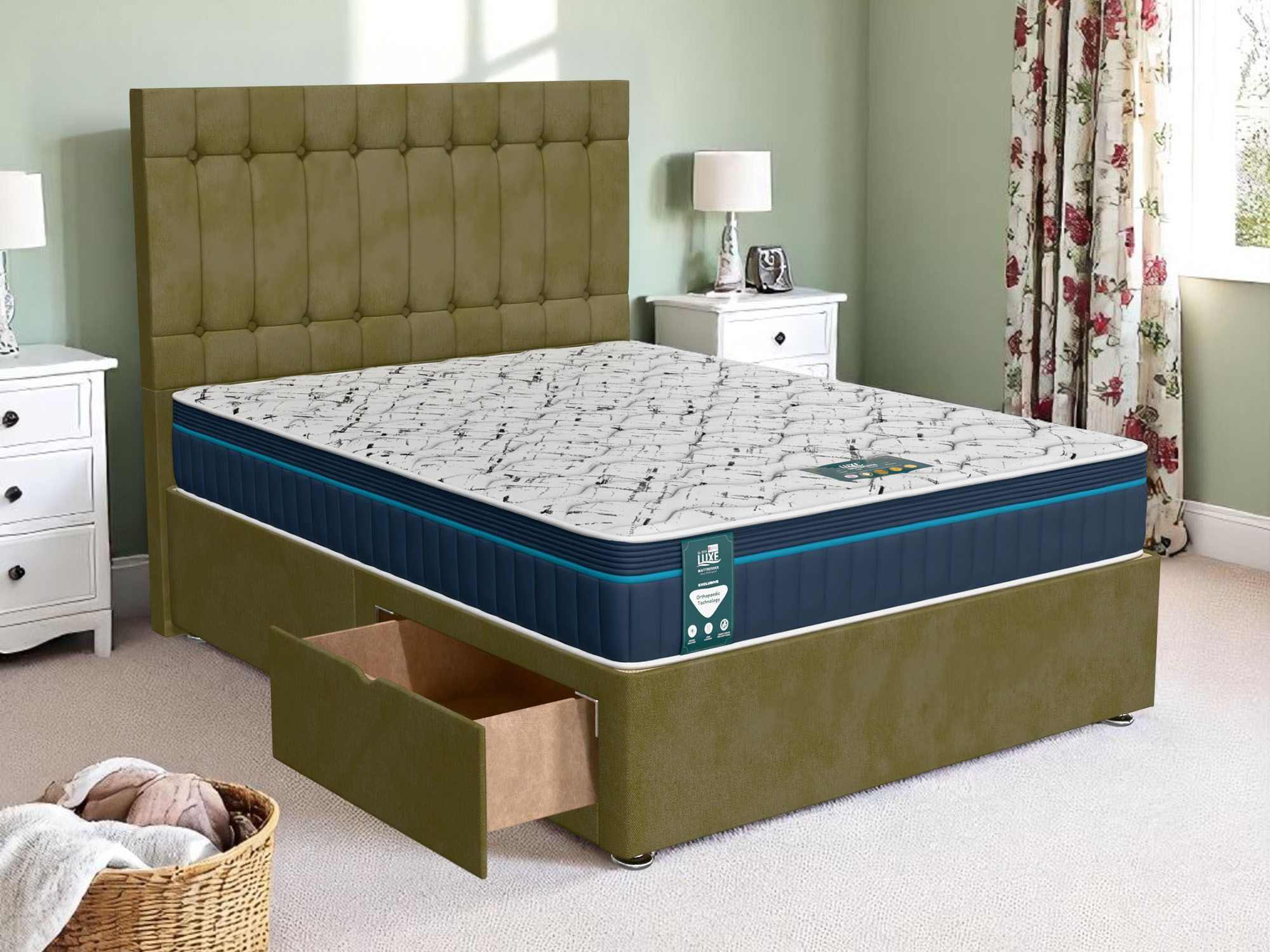
Queen Beds with Built-In Drawers

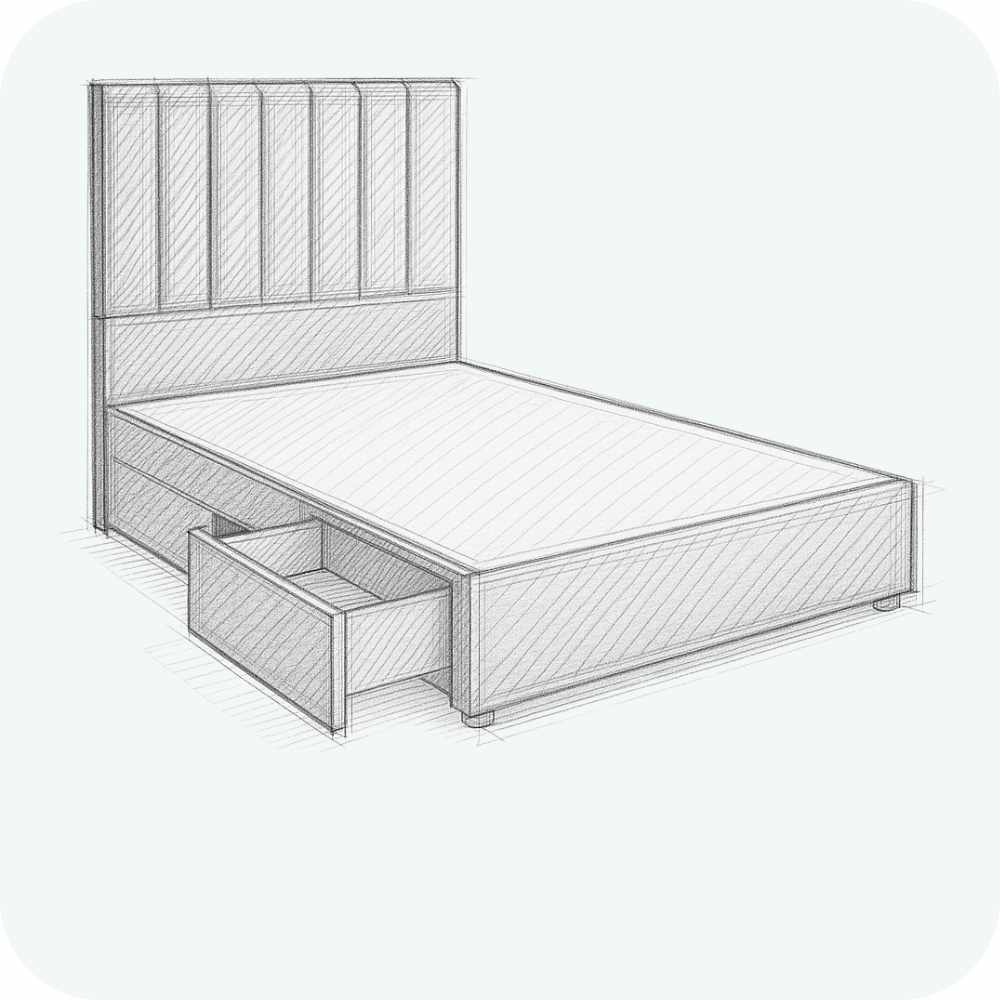
Low-profile platform beds with integrated drawers, like IKEA’s MALM series, offer under-bed storage depths of 12–18 inches. These eliminate bulky dressers, fitting storage containers for seasonal items directly beneath the mattress .

Venice_Olive_Classic
Olive Luxe Divan Beds

For greater capacity, consider Murphy beds like the TIRSMIAUBEST, combining fold-down desks, closets, and drawers in one unit. This design consolidates storage, sleeping, and work zones—perfect for studios under 300 Square ft .

Decluttering & Zone Definition

Multifunctional furniture saves space, but intentional organization prevents recurring clutter in compact layouts.

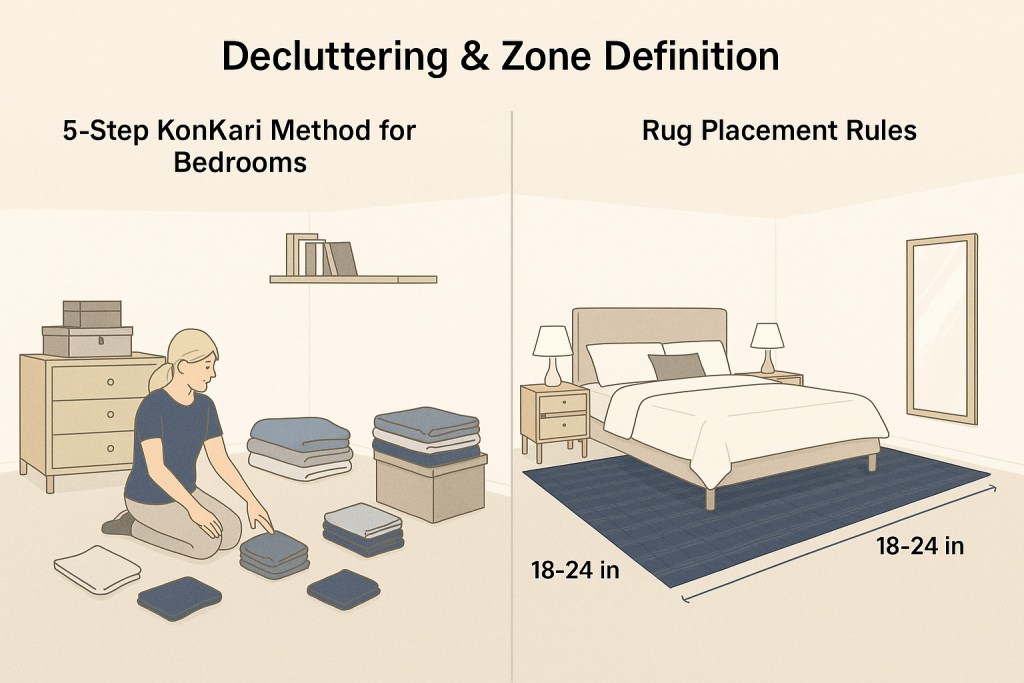
5-Step KonMari Method for Bedrooms

Start by gathering every bedroom item onto your floor space. Keep only possessions sparking joy—discard the rest immediately. Sort clothes using the vertical folding technique. This minimalist approach fits more into drawers while maintaining clutter-free surfaces. Store categories like books or accessories in designated zones. Finish by thanking unused items before donating them. This creates lasting bedroom organization systems focused on function.

how to place rug in room

Rug Placement Rules

Use large area rugs (8’x10’ or 9’x12’) to unify small master bedrooms. Center the rug under the lower two-thirds of your queen bed frame, extending 18-24 inches beyond its sides. This proportion guideline creates walkable borders around the bed. Ensure all key furniture legs sit on the rug. This defines a cohesive design while anchoring the sleeping zone. For tight spaces, position a runner along one side of the bed. This adds texture without blocking walking paths. These space-saving queen bed ideas visually expand rooms through smart zone definition.

Lighting & Colour Psychology

Defined zones organise space, but strategic lighting and finishes amplify perceived dimensions in cramped quarters.

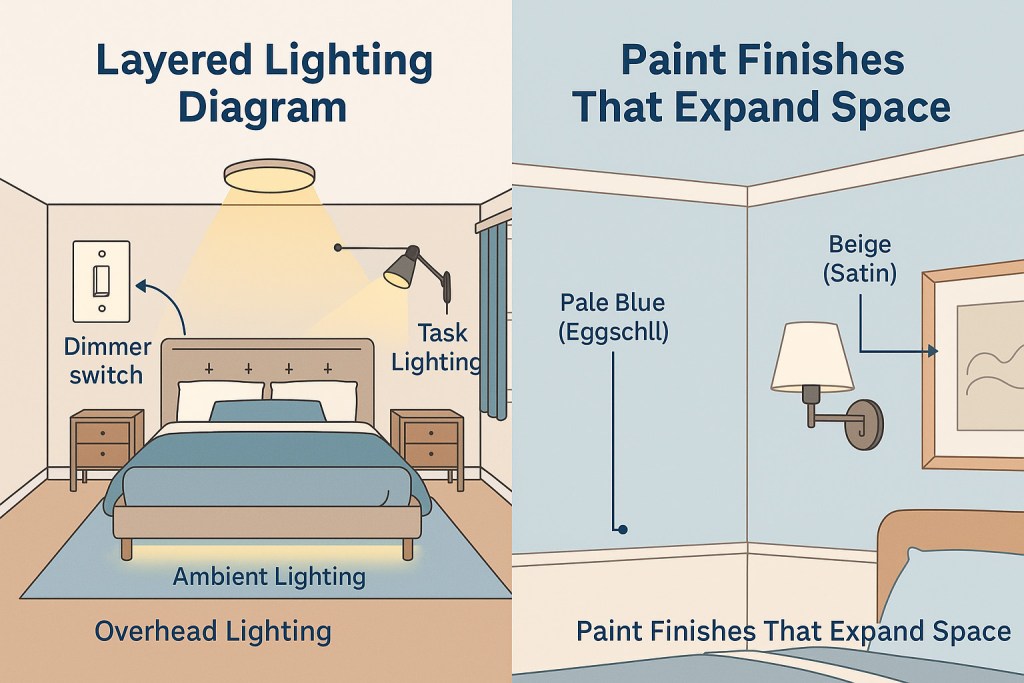
Layered Lighting Diagram

Implement a layered lighting system to conquer shadows in tight master bedrooms. Start with overhead lighting flushed ceiling fixtures save ceiling height better than hanging lights. Add task lighting like swing-arm sconces for reading in bed without nightstand space. Complete the setup with ambient lighting: LED strips under beds create soft glows. Use dimmer switches to adjust colour temperature from bright white (morning) to warm amber (evening). This flexibility maintains a cozy atmosphere while serving different needs as well as play crucial part in your sleep health.

which lights to choose for small room

Paint Finishes That Expand Space

Paint sheen levels dramatically impact spatial perception. Matte finishes hide wall flaws but absorb light. Choose satin or eggshell for better light reflection. These wall paint finishes bounce artificial and natural light around the room. Pair with light paint colours like pale blues or warm beiges for maximum effect. Maintain colour continuity on trim and ceilings. This eliminates visual breaks that shrink visual space. A monochromatic scheme with varying sheens adds depth without clutter.

Conclusion

Transforming a cramped master bedroom around a queen mattress demands smart compromises. Prioritizing strategic bed placement creates essential walkways, while low-profile frames reclaim precious vertical inches. Vertical storage systems and multifunctional furniture like loft beds with desks eliminate clutter without sacrificing function. Remember: visual expansion techniques—monochromatic palettes, layered lighting, and mirror placement tricks—work with your room’s architecture to dissolve boundaries.

These queen mattress room layout principles prove that bedroom styling tips like multifunctional furniture turn cramped spaces into sanctuaries. Consistent decluttering maintains hard-won space, and properly scaled area rugs anchor your sleep zone with intention.

The result? A bedroom that feels 30% larger without renovations. You’ll gain:

  • Unobstructed pathways for easy movement
  • Dedicated zones for sleeping, dressing, and working
  • Reduced visual noise for true relaxation
  • Storage that disappears into walls and under beds

Ready to optimize? Start with our #1 space-saving queen bed idea: vertical storage solutions at Luxe Mattresses. Explore space-smart platforms, loft designs, and modular systems tailored for UK bedrooms under 100 sq ft.

Product has been added to your cart