
100-Night Risk-Free Trial
Free Nationwide Delivery
10 Years Warranty
Call us at: 020 4572 5122
0% APR Finance Available
seasonal
August 26, 2025

Seasonal Mattress Care Guide: Year-Round Tips & Tricks

Seasonal Mattress Care: Preparing Your Bed for Weather Changes
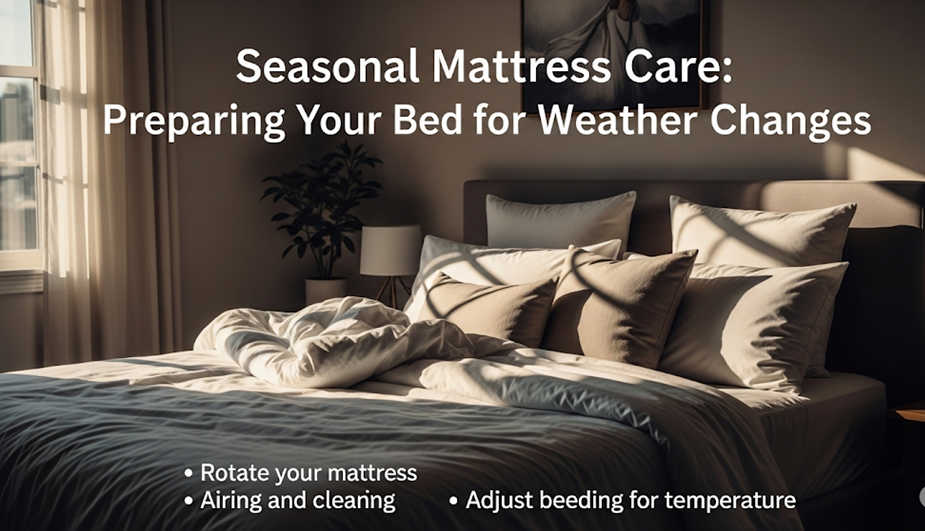
The temperature change does affect the clothes we wear. But one surprising impact of temperature change is on your sleep. A mattress ideal for winter can trap heat in summer, while neglecting humidity can cause mold or odour issues. The secret to year-round comfort? Ensuring you care for your mattress seasonally is an easy yet often neglected task which ensures that your mattress remains supportive, fresh and free from allergies, irrespective of the season.

Find out how to turn the mattress to prevent sagging, pick the right protector for humidity, and the quickest fix to remedy any spill or sweat situation; keep reading.

1. How Often Should You Rotate Your Mattress Seasonally?

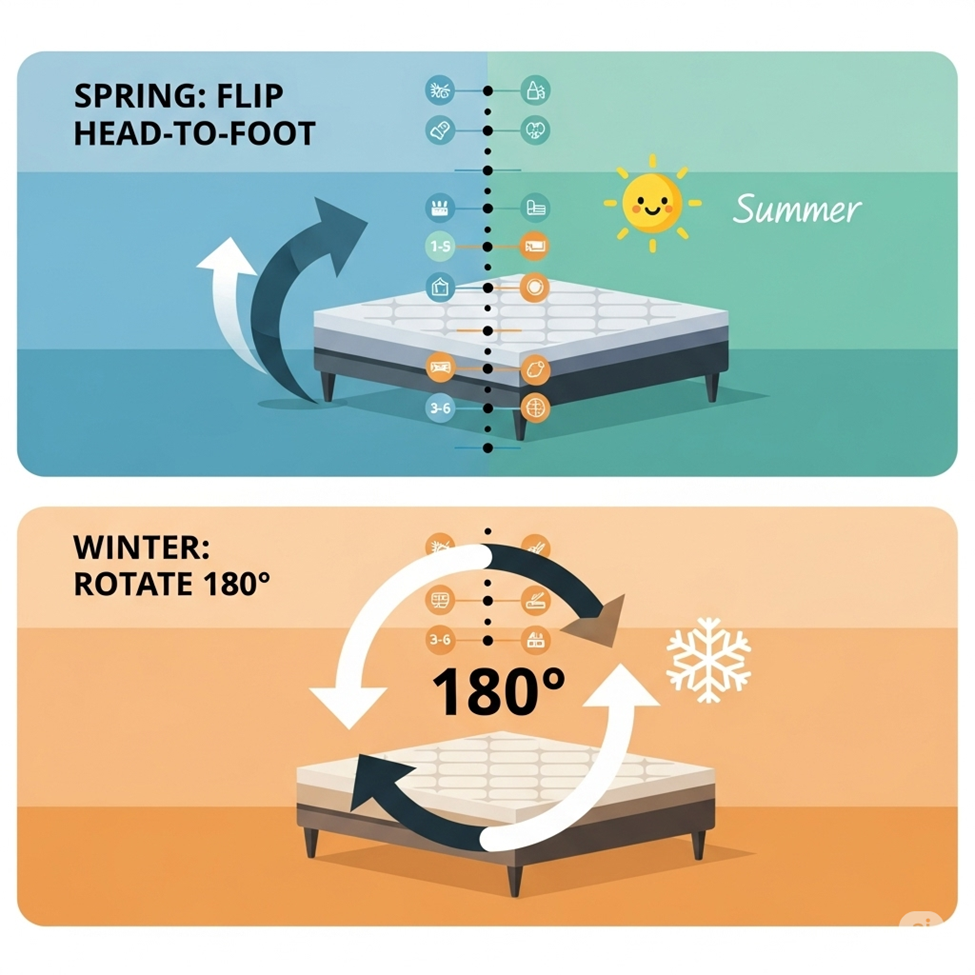
On the other hand, you should also be rotating your mattress seasonally to prevent wear. Make sure to rotate your mattress once every 3 months to every 6 months. This simple habit prevents sagging and prolongs mattress life considerably.
Why Seasonal Rotation Matters.

First of all, regular rotating prevents body impressions from forming in the same area. Over time dips will form that can become permanent, especially in memory foam or hybrid. It also evenly distributes the compression which prevents any one area from bearing repeated weight. Like a tire rotation, even mattress wear means consistent mattress support for 7+ years.

Best Rotation Schedule for Each Season.

Next, tailor rotations to weather changes. In spring/summer, to help absorb sweat, flip mattress head-to-foot. When it’s fall/winter, a 180° turn will not make cold spots in foam layers and also overall heat retention will be improved. Pro tip: Combine your mattress rotation with your deep cleaning for extra freshness.

2. What’s the Best Mattress Protector for Seasonal Changes?
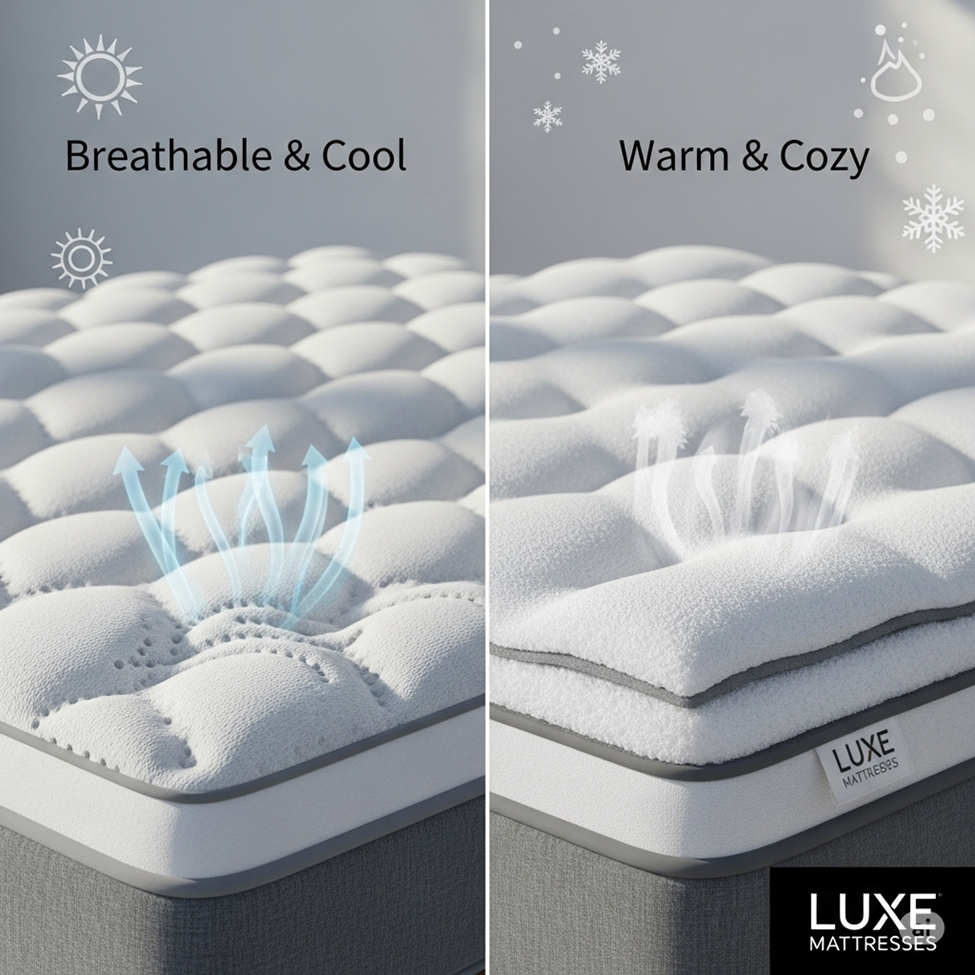
Now, we come to mattress protectors, your first line of defense against seasonal wear. An ideal shield must be waterproof and breathable for year-round use, with specialized versions for extreme temperatures. It doesn’t matter if it’s hot or cold outside, with a proper mattress protector the temperature always remains normal and allergen and spill can be blocked out from your mattress.

Moisture-wicking covers prevent sweat build-up.

In hot weather, you need breathable protective clothing that pulls moisture away from your body. Choose the bamboo or Tercel resembling fabric since they are cooler and drier textiles. These materials don’t allow sweat build up and also resist mold and mildew. This is important since memory foam mattresses trap heat.

Winter: Thermal-Lined Protectors Retain Heat.

During the colder months, thermally lined protectors would provide insulation. These trap body heat without making the bed feel stuffy. The best materials for your mattress protector are fleece or a wool-blend. Fleece is a good insulator, which regulates temperature naturally and wool-blends keep out pesky winter allergens like dust mites.

If you’re looking for a one-protector-for-every-season solution, opt for a hypoallergenic option. These block dust mites, pet dander, and pollen year-round. The ideal form of protection is waterproof yet breathable protectors with tightly-woven strands.

3. How Do You Deep Clean a Mattress Each Season?

Let us deep clean your mattress, because this is seasonal task that needs to be done. You should vacuum the couch once a month to get rid of dust and allergens. You should spot-clean stains from the couch seasonally. For instance, you can use baking soda and vinegar. By keeping your mattress clean, you will also prevent stains and other damage that can’t be removed.

Spring/Summer: Focus on Deodorizing.

First, warm weather brings sweat and odors. Evenly distribute baking soda all over the mattress and leave it overnight for 24 hours to soak the smells. Need help removing stubborn stains? Mix one part—the vinegar and one part water into a spray bottle. The acid in vinegar breaks down the residue without the use of damaging chemicals. Always finish by vacuuming thoroughly to remove all powder.

Fall/Winter: Sanitize with Light Steam.

Meanwhile, cooler months require a different approach. Use the hand-held steamer on low heat to sterilize and get rid of dust mites and bacteria trapped inside the fabric layers. Be quick and do not wet the mattress as the cold weather will mildew it, use rubbing alcohol instead of a water-based solution for spot cleaning to prevent dampness.

4. How Should Bedding Change with the Seasons?

Once the mattress is protected and cleaned, it’s now time to shift seasonal bedding. Change your fabric according to temperature. Which will keep you comfortable all year, as linen will keep you cool during summer nights, while flannel will keep you warm during winter months. The right materials help regulate your body temperature and sleep quality as the weather changes.

Summer: Bamboo, Tencel (Breathable).

To prevent sweating, pick light materials that give your skin support. Bamboo sheets remain surprisingly cool and odor repellent, while Tencel has great breathable properties for humid nights. These natural fibers feel soft against skin and quickly dry if you sweat. Choose a weave that enhances breathability, like percale, for the best results.

Winter: Flannel, Fleece (Insulating).

When it gets cold, insulation materials help make the sleep space warm. Flannel traps heat with its brushed surface, and fleece adds weightless warmth. Choose cotton blends so you don’t sweat a lot and won’t get cold. Add an extra layer with a down alternative comforter for extra warmth during cold snaps.

5. How Can You Prevent Mold in Humid Seasons?

While seasonal bedding makes you comfortable, humidity control will prevent your mattress from growing molds. Putting a dehumidifier in your bedroom and placing the mattress on top of a slatted base ensure proper air circulation and prevent moisture build-up during risky times.

Summer Monsoons and Wet Winters.

First, understand when mold thrives. Two problems result from the summer monsoons that create muggy, spore-perfect conditions and the cold wintery when heaters work round the clock, trapping moisture. Municipalities in coastal zones are likely to have humidity spikes of above sixty percent, a definite danger zone for mold on mattresses. Check corners and underside weekly during these periods.

Quick Fixes for Your Home: Silica Gel Packs Under the Bed

You can also use a silica gel pack and place it between the mattress and the bed frame to keep your mattress protected. These discreetly absorb any unwanted moisture and are effective in small spaces. Turn them every month and refresh in direct sunlight when saturated. Mattress pads that draw moisture prevent all dampness.

6. What’s the Right Mattress Support for Year-Round Comfort?

The right support system helps you sleep comfortably in all seasons, besides protecting your mattress from moisture. Seasonally altering your bed frame makes you more comfortable than you might expect. Those with a slatted base or open base can improve the airflow in the summer, while those with a solid base can help retain the warmth in the winter.

Summer: Slatted Bases for Airflow.

First, combat heat and humidity with proper ventilation. Using a slatted bed frame allows air to flow underneath your mattress, allowing heat to escape from your mattress rather than becoming trapped. To allow maximum air flow, choose wooden slats 2–3 inches apart. Moreover, this setup will minimize moisture retention and in conjunction with your summer mattress protector.

Winter: Solid Foundations for Warmth.

A solid platform bed will provide warmth when the temperature drops, or lay down a sheet of plywood over slats. As a result, a barrier is created that traps body heat. Place a fitted wool or thermal pad between your mattress and foundation for extra warmth. It gives snug insulation but does not lose its support.

Adjustable Bases: The Year-Round Solution.

For ultimate versatility, consider an adjustable bed frame. In summer, raise the head slightly for better air movement. In winter, flatten it to distribute the heat evenly. Today, you can find many models with climate control, making seasonal changes a breeze and the comfort much easier.

7. How Do You Remove Odors from a Mattress Naturally?

With seasonal care, your mattress will develop an odor over time. One of the best natural solutions utilizes the sun’s rays along with baking soda. The UV rays aid in killing bacteria that create odors. And baking soda helps in neutralizing the smell. It is an effective way of removal, without using strong chemicals.

Sun Exposure: Nature’s Disinfectant.

Use Sunny Days To Air-Out Your Mattress Outdoors. UV light serve to kill bacteria and dust mites that causes odors naturally. For the best results, place the mattress in direct sunlight for 4-6 hours, turning halfway. After humid seasons, it works particularly well for organic mattresses.

Baking Soda: The Ultimate Deodorizer.

Sprinkling a thick layer of baking soda for a deep clean should work. The powder absorbs oils and odors trapped in the fabric. Allow it to sit for a minimum of eight hours (overnight for really bad smells) and then vacuum it off thoroughly. You can always add 5–10 drops of essential oils to the baking soda for a light scent.

Vinegar Solutions for Tough Stains.

Equal parts water and white vinegar in a spray bottle can help you deal with urine or sweat stains. Lightly mist the area, then blot with a clean cloth. The acid breaks down odor molecules while disinfecting. Use baking soda to get rid of lingering vinegar odors.

8. How Frequently Should You Wash Bedding in Different Seasons?

Just as important as your mattress hygiene is the bedding. In the summer, sweat, and oil buildup in your bed can occur quicker, so you should wash your sheets every 1-2 weeks. In the winter, however, sheets may be able to last longer (2-3 weeks) as moisture levels drop.
It stops the build-up of allergens and keeps your sleeping surface fresh.

Summer: Weekly Washes for Hygiene.

During the hot months, wash your covers more often to remove the sweat and body oils that dirty dust mites, which will attract them. Use hot water (60 °C/140 °F) to kill bacteria and natural detergents to avoid skin irritations from too frequent washing. Don’t forget to wash mattress protectors monthly.

Winter: Extended Wash Cycles.

In cold weather, you can stretch the time between washes a bit, but not more than 3 weeks. Bedding made from flannel or fleece can be easily washed on a gentle cold cycle. Always dry completely to prevent mildew in damp winter air.

9. Should Pets Sleep on Your Mattress During Seasonal Shifts?

Pet habits need seasonal adjustment too. During summer (pollen) and winter (moisture) peaks, limit your pet’s access to your mattress. Fur and dander may affect your sleep quality and hygiene of your mattress.

Summer: Allergen Control.

The warmer months bring more dander and pollen into bedding. Make a separate pet bed with cooling gel mats so that the animals are comfortable without disturbing your sleep.

Winter: Moisture Management.

Moisture will be trapped against the mattress because of pet fur in winter. Thus, there are chances of mold formation. It doesn’t hurt if your pets are allowed on the bed, but be sure to use a waterproof mattress protector and brush your pet regularly to cut down on shedding.

10. What Are the Biggest Seasonal Mattress Care Mistakes?

Avoiding common errors ensures your mattress lasts longer. The worst mistakes are not seasonal rotation, cleaning the mattress using harsh chemicals and not monitoring humidity which can affect the material.

Rotation Neglect.

Failing to rotate leads to permanent body impressions. To avoid uneven wear, memory foam and hybrid mattresses should be turned over on a quarterly basis.

Improper Cleaning Methods.

Chemical cleaners break down mattress fibers. Use baking soda, vinegar and other natural solutions to prevent damaging materials of your home with deep cleaning every season.

Humidity Ignorance.

Humidity issues cause mold in the summer and overfrying in the winter. Check the levels using a hygrometer and use dehumidifiers or humidifiers as needed.

Why Luxe Mattresses UK Simplifies Seasonal Care

A good mattress also remains fluffy without much seasonal adjustment. A premium mattress snatches all that away from you. Plus, it promises you 365 days of comfort. Luxe’s temperature-regulating designs and high-quality materials respond to changes in the weather automatically, making them low-maintenance when compared to budget options that require a lot of rotating, deep cleaning and swapping of the protector.

Built-In Climate Control for Every Season.

Luxe’s Organic Hybrid Mattress combines natural latex with breathable microcoils for effortless maintenance of perfect sleeping temperature.

  • The summer open-cell latex design of this mattress draws heat away from the body, while the airflow coils prevent overheating. There’s no need for a cooling topper or for the mattress to be turned regularly.
  • In winter, wool layers retain body heat without trapping moisture, so heavy thermal protectors are not required.
  • During months when it’s humid, GOLS-certified latex does not grow mold and we can use it without dehumidifiers

Durable Construction = Less Maintenance.

  • The Lumbar mattress, cutting rotation frequency down by 50% with High-density foams and reinforced edges which resist sagging.
  • OEKO-TEX® certified fabrics helped to repel stains and allergens, resulting in less deep cleaning.

Smart Support for Longevity.

Luxe’s zoned pocket springs automatically adjust to changing body weights throughout the year without you having to touch them!

  • You don’t have to flip this mattress over .
  • Your investment is protected with a lifetime warranty that covers wear and tear.

Upgrade to Effortless Care.

Check out Luxe’s Climate-Adaptive Collection of luxurious mattresses that require minimal seasonal care. You really can’t get easier than free UK delivery and 100-night trials for smarter sleep.

Conclusion: Smart Care for Year-Round Comfort

Seasonal mattress upkeep is not just about maintenance; it’s also means better sleep and savings. By simply rotating your mattress once every 3-6 months, using breathable protectors and changing the bedding according to the season will not only add years to your mattress but also help in giving you added comfort.

Luxe Mattresses UK provides engineered solutions for those who wish to simplify seasonal care.

  • Using fan systems, summer hybrids are made with built-in airflow.
  • A layer of natural rubber that resists dampness.
  • Sturdy buildings that require little upkeep.

For more expert tips, read Luxe’s Ultimate Care Guide or shop their Climate-Adaptive Collection, which helps high-quality fabrics deal with the seasons for you.
pillows
August 26, 2025

Best Pillows for Sleep Quality: Expert Buying Guide

The Role of Pillows and Bedding in Sleep Quality

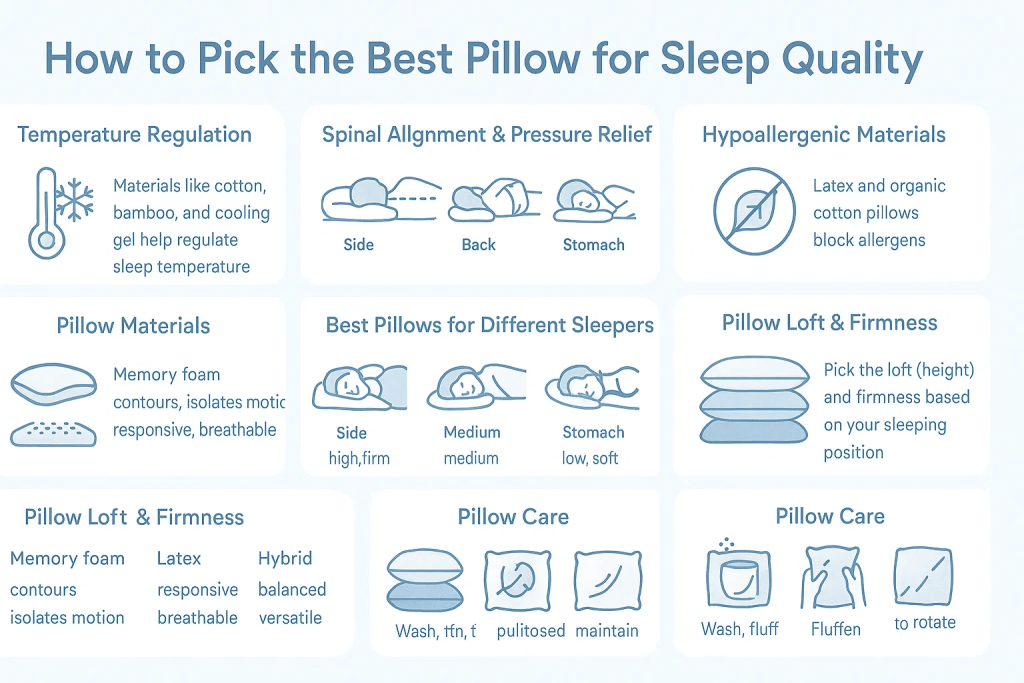
Struggling to sleep through the night? Your pillow could be the culprit. The right bedding doesn’t only make you more comfortable, it also impacts your sleep by aligning your spine, keeping you cool and stopping you waking up frequently during the night. Actually, 72% of people sleep better after getting a properly supporting pillow to sleep on. With the choices available, from cooling gel memory foam to hypoallergenic latex, how do you pick the best pillows for improved sleep quality?

Let’s go on to learn how pillow materials, loft height, and sleep position affect rest.

1. How Does Bedding Affect Sleep Quality?

To start, your bed isn’t simply for comfort – it’s science. The best pillows for sleep quality and mattress toppers improve rest through temperature regulation, spinal alignment support, and allergen blocking. Let’s break down how each factor works.

Temperature Regulation.

On the other hand, fabrics like cotton, bamboo, or Tencel breathes moisture to cool down. Materials like polyester, that retain heat, can mess with sleep. For those who sleep hot, the surface temperature will remain constant thanks to cooling gel pillows or phase-change fabrics. Research reveals that we sleep best when the temperature is kept between 60 and 67 degrees Fahrenheit (15–19 degrees Celsius). As airflow is vital to bedding, make sure your beddings allow for optimal airflow.

Spinal Alignment & Pressure Relief.

Next, firmness dictates posture. A too-soft pillow collapses under your weight, straining your neck. An too-firm one pushes back, creating pressure points on your head. Memory foam ease the curves of the body whereas latexes supports in a buoyant way. If you sleep on the side, you need a higher loft (4 – 6 inches) so that the neck-shoulder gap can be filled up. A back sleeper is good on a medium support. Having your spine aligned prevents morning stiffness and long-term stress on your joints.

Hypoallergenic Materials.

Lastly, your bedding can be home to dust mites and mold. This may trigger your allergies. Hypoallergenic pillows use tightly woven organic cotton to obstruct any particles getting into the pillow. Covers that can be washed to 130° F are deadly to mites. And latex will not grow mold. Waking up congested? Try sleeping on antimicrobial bedding.

2. How Do You Choose the Right Pillow for Better Sleep?

Finding the best pillows for sleep quality isn’t one-size-fits-all. Your perfect mattress is determined by your sleeping position, preferred material, and firmness requirements. Whether you’re a side sleeper with neck issues or a stomach sleeper who needs little to no lift, the right pillow can determine sleep success.

Best Pillows for Side Sleepers.

Due to the spinal alignment requirement of side sleepers, a higher loft pillow with a height of 4 to 6 inches ensures filling up of the space between the neck and the shoulder. Pillows made from memory foam or latex that contour to the head while maintaining proper elevation are best. Don’t go for the pillow that collapses under weight, as it can leave you stiff in the morning and misaligned.

Best Pillows for Back Sleepers.

Meanwhile, side sleepers are best with medium loft pillows (3-5 inches) that help to fill the space between our shoulder and neck. The ideal pillow for stomach sleepers is a hybrid pillow with shredded memory foam or a medium-firm latex option that doesn’t let the head tilt too much forward or backward. When you sleep with a proper alignment, it reduces the pressure on the low back and minimizes the tossing and turning.

Best Pillows for Stomach Sleepers.

Stomach sleepers should use soft, thin pillows that are less than 3 inches to avoid neck strain. One can keep the spine neutral without forcing the head upward with a down alternative or thin memory foam pillow. Using thick pillows for a long time can do more harm than good for your sleep.

3. What Are the Best Pillow Materials for Sleep Quality?

Let’s see how pillows can impact sleep differently. There are four types of pillows that will help you improve your quality of sleep: memory foam, latex, down, and hybrid. All are excellent choices from the point of view of support, temperature regulation and comfort. Your perfect choice is based on your sleep needs, allergies, and preferences

Memory Foam Pillows.

Memory foam pillows are great for contouring your head and neck. The material will slowly adapt to your shape to relieve pressure while supporting your spine. The side and sleeper makes them perfect for those with neck pain. Some memory foam traps heat. Therefore, look for gel-infused or ventilated designs if you sleep hot.

Latex Pillows.

Latex pillows which are durable, are responsive and cooling too. Latex rebounds right away instead of collapsing like memory foam, and stays cooler. Natural latex is also resistant to dust mites and mold, making it great for allergies. Because of the material’s medium-firm feel, back and combination sleepers will have no trouble sleeping on this mattress.

Down vs. Down-Alternative Pillows.

After all, down pillows are soft and adjustable, but they may cause allergies. Down-alternative pillows have a soft feel, made of synthetic fill which is hypoallergenic. Though not quite as breathable as actual down, they are easier to clean. Both work well for stomach sleepers who need minimal loft.

4. Does Pillow Height Impact Sleep Comfort?

After you select the appropriate material, pillow height (or loft) is essential for support. The best pillows for sleep quality support the head and neck at a neutral alignment. If a pillow is too high, it strains the neck. If a pillow is too low, it leaves the shoulders unsupported. Finding your perfect loft avoids stiffness in the morning and improves sleep continuity.

Pillows with Low, Medium, and High Loft

In general, stomach sleepers benefit from low-loft (under 3 inches) pillows to maintain neck alignment. Back sleepers should go for a medium-loft pillow, typically three to five inches. The medium-loft pillow will cradle the cervical curve. A flat pillow with a combined loft of four to six inches completes the neck-shoulder gap of side sleepers. Your body shape is important too: someone with petite frames often needs lower lofts.

Adjustable Pillows for Custom Support.

Adjustable pillows give you the option to add or remove fill. Versions made with shredded memory foam will mold to you and let you customize loft. Dual-layer designs consist of a stiff base and a soft layer. You can use any of these options regardless of your sleeping position.

5. How Often Should You Replace Your Pillow?

Over time, the best pillows for sleep quality lose their support and attract allergens. The Manufacturer and Experts Recommend Replacing Your Pillow Every 1-2 Years Memory foam is generally more durable than down while latex is the most durable. Having frequent changes keeps the mattress level for sleep.

Signs You Need a New Pillow.

Notice persistent neck pain or frequent tossing? These often signal it’s time for a change. Other warning signs include lumps you can see, smells that make it through the wash, or flattened areas that don’t go back up. If you have an allergy, be particularly vigilant about old pillows. They can be full of dust mites that exacerbate your condition.

How to Extend Pillow Lifespan.

Proper care can add months to your pillow’s usefulness. Use a protective cover to shield against oils and sweat. Wash as per the fabric guide; a wash twice a year will do a lot of good. When storing pillows, use breathable bags and do not compress them long-term. Fluffing it out every day will keep the loft constant while redistributing filling evenly.

6. Can the Right Bedding Help with Allergies?

Absolutely. Choosing hypoallergenic bedding makes a huge difference for allergy sufferers. The best pillows for sleep quality tend to be dust mite resistant with proper care to limit sneezing, congestions and more at night. Regularly clean and specialized material shall form a barrier.

Best Fabrics for Allergy Sufferers.

When you buy bedsheets, consider choosing sheets made of natural fibers like Tencel or bamboo. It is because these sheets resist dust mites and do not go against your breathing. Pillow covers with a pore size of less than 10 microns will physically block allergens.

Make sure your pillows are filled with synthetic fillings which are guaranteed not to cause any allergy. Dust mites and molds can easily be repelled by synthetic latex pillows.

Washing & Maintenance Tips.

Dust mites in washable covers can be killed by weekly hot water washes. Put non-washable pillows in the freezer overnight every month to get rid of mites. Make sure to place allergen-proof encasings on both pillows and mattresses. Swap out your pillows every 1-2 years to ensure that allergens don’t build up too badly.

7. What’s the Best Bedding for Temperature Regulation?

After that you will require breathable fibre, one that is preferably made of cotton or linen that can keep your body cool at night. These materials prevent the buildup of heat to allow for airflow to keep your body at the ideal temperature for sleep. If you sleep hot or reside in a warm climate, then the right bed linens make all the difference.

Cooling Pillow Technologies.

First, innovative materials such as gel-infused foam and phase-change materials (PCM) help dissipate heat. Foam pillows infused with gel absorb heat from the body. Another material called PCM (phase change material) was invented by NASA. It shifts from solid to liquid and vice versa in order to balance temperature. To boost ventilation, other companies utilize ventilated constructions or perforated latex. If you want the coolest pillow, you need to buy pillows with ghost ice fabric or similar technologies.

Best Bedding for Hot Sleepers.

On the other hand, tried to steer clear of polyester and other synthetic fabrics which trap heat and moisture. Instead, opt for.

Cotton percale: A light and breezy weave that is more breathable than sateen.
Tencel/Lyocell is made from eucalyptus trees and has a silky feel that’s great at moisture wicking.
Bamboo Fabric is Temperature Controller Softer than Cotton Fabric.
Linen is an airy loose weave fabric with some roughness.
When choosing sheets, we recommend moisture-wicking claims and deep pockets so they fit snug without trapping heat.

8. How Does Pillow Firmness Affect Sleep?

You must get the firmness of your pillow right. Otherwise, the pillow will be too soft, which will not support your neck. Moreover, if the pillow is too firm, it will create pressure points. The perfect firmness helps the spine stay aligned and relieve pressure. It is based on one’s sleeping position and body shape.

Soft, Medium, and Firm Pillows – What’s The Difference?

Usually, stomach sleepers benefit from soft pillows under their heads that do not elevate their heads and keeps it in a neutral position. Back sleepers do well with a medium-firm pillow that keeps the neck’s curve. A firm pillow can be useful for side sleepers as it fills the gap between your head and shoulder. Shredded memory foam is an adjustable option that may appeal to combination sleepers.

The Role of Pillow Loft in Comfort.

Keep in mind that loft (height) and firmness interact. A high-loft pillow must also be firm enough to hold its shape (not compress) while a low-loft pillow should compress minimally. For instance, side sleepers typically need a higher, firmer pillow while back sleepers require one of medium loft with medium give. Always consider both factors when choosing.

9. What’s the Best Way to Care for Pillows?

Taking good care of your pillow can help it last longer. Plus, it helps keep it hygienic. Although the specifics can be different in regard to the mattress material, most pillows require you to fluff them on a weekly basis and wash them at least twice a year to prevent allergens’ build-up and maintain their support. Always check the manufacturer tag first, as some materials require special handling.

Washing Different Pillow Types.

Do spot clean for memory foam. You may also handwash it gently, but never machine wash it, as the agitation will break the foam down. For cleaning down pillows, use a gentle cycle with mild detergent in a front-loading washer. Latex pillows tolerate machine washing but avoid bleach. You can wash synthetic fills using the washing machine on warm.

Drying & Fluffing Techniques.

After washing, dry pillows thoroughly to prevent mildew. Place down pillows in the dryer on low with tennis balls to fluff them. Memory foam must air-dry flat (never in direct sunlight). You should be fluffing daily by hand to move the fill around to avoid flatness. Rotate pillows weekly to ensure even wear.

10. How Can Luxe Mattresses UK Help Improve Your Sleep?

The right support is finally what upgrades your sleep. Luxe Mattresses UK manufactures ergonomic pillows to ensure a correct spinal posture and maintain temperature while being hypoallergenic. Their premium designs target key sleep disruptors and help a lot whether you’re a side sleeper needing pressure relief or a hot sleeper needing cooling technology.

Premium Memory Foam & Latex Options.

Check out Luxe’s pillow collection, made of certified memory foam and natural latex. Their hybrid designs combine foam with cooling gels. The hypoallergenic fills will help resist dust mites, great for sensitive sleepers. Each pillow is tested for durability and comfort, reflecting Luxe commitment to orthopedic wellness.

Expert Sleep Consultations.

Luxe goes beyond providing products to offer personalized sleep consultations customized to suit your posture, firmness and health needs. The group will look at the nature of your sleep; even the height and choices of material. Invest in pillows that’ll actually help you sleep soundly with this service with a 100 night trial to test risk-free.

Why Choose Luxe?

The pillows use LTX Cooling Tech to allow the pillow to ventilate heat and perspiration, is durable and soft to the touch, all while offering FortiCoil support for a boost in comfort. Eco Conscious- manufactured from sustainable, non-toxic material in carbon-neutral production in U.K.
Our focus is you. We offer free delivery, longer warranty coverage, and easy returns.
For further details, do check out Luxe Mattresses UK or their sleep guides on bedtime hygiene.

Conclusion: Elevate Your Sleep with the Right Pillow

Best Pillows For Sleep Quality – Choosing the best pillows for sleep quality involves balancing three factors. These are best pillows material, best pillow sleep position, and best pillow’s personal comfort needs. As already discussed, bedding supports comfort and regulates temperature, while also aligning the spine and minimizing microorganisms for a deep sleep.

If you’re a sleeper who is ready to invest in their wellness as you sleep, Luxe Mattresses UK has some pillows that have been scientifically designed to make sure such issues are taken care of. Their memory foam and latex options offer both pressure relief and breathability, and their sleep consultations will help you find the best fit.

Check out Luxe Mattresses UK for pillows with a 100 night trial because you shouldn’t guess when it comes to sleep quality.

FAQ’s

How regularly must I change my pillow?

Every 1–2 years. Check for drips and cracks.

What pillow material is ideal for neck pain?

A medium-firm memory foam or latex will contour your neck while still providing support.

Can pillows help with night sweats?

Absolutely. Mattresses that have gel-infused foam or phase-change materials keep you cool at night while you sleep.

Will using a down pillow worsen allergies?

Not typically. Pillow Hypoallergenic Down-alternative or Latex Pillow Is Better Safe Option.

How do I properly clean my pillow?

Look at the label most of them benefit from bi-annual washing in hot water 130F or hotter to destroy dust mites.

custom vs standard
August 26, 2025

Custom vs Standard Mattress: Key Differences Explained

Custom vs. Standard Mattress: Key Differences to Help You Choose

Can’t choose between a custom or a standard mattress? A study from the Sleep Foundation found that stiff mattresses cause discomfort to 65% of sleepers. Selecting the best mattress makes a big difference from back pain to sleep quality to your energy levels each day.

Custom mattresses give you support that fits your body. However, conventional mattresses are the economical ones that are kept.

Let’s compare materials, costs, and health benefits.

What Are the Different Types of Mattresses?

Knowing the different types of mattress will help you narrow down your choice, of custom vs standard mattress. Memory foam, latex, hybrid and innerspring are the four main types, Each caters to specific sleep needs. Let’s explore which works best for your sleep style.

Memory foam is best for pressure relief.

At the same time, memory foam adjusts finely to your body, with pressure relief to shoulders, hips, and back.
Best for side sleepers or those in need of joint pain relief, it reduces movement transfer, so couples don’t wake each other up. Nevertheless, some people believe it traps heat, so newer gels strive to cool down. Custom mattresses can have different levels of firmness in the memory foam layers.

Latex: Cooler and More Durable.

Latex has a great bounce and airflow and lasts more than 15 years. It outlasts other materials. This adaptable material doesn’t accumulate dust mites, making it ideal for allergy sufferers and hot sleepers. Although this mattress is on the expensive side, it is worth the cost because it lasts a long while. Custom latex mattresses can be done into any thickness.

Hybrid: Balanced Support for Couples.

In the end, hybrids mix coils with foam and latex. Foam layers relieve pressure, while coils offer support at the edge. Hybrids are perfect for combo sleepers or couples who feel they both have different firmness needs between custom and standard mattresses. Some brands let you customize each side’s foam density.

2. How Does a Custom Mattress Differ from a Standard One?

Let us now look at the major differences in custom vs standard mattress. Custom mattresses are designed precisely for your body, whereas standard mattresses are offered in bulk because of their mass-market appeal. Support level, longevity and comfort all depend upon an important distinction.

Tailored Firmness vs. Generic Support.

Custom mattresses are made to fit your specific needs instead of standard ones that have one firmness. The cushiony yet supportive nature is modified based upon your weight, sleeping position, and comfort needs. These are done through density of foam, number of coils and different support layers. Sleepers who sleep on their side and experience shoulder pain will benefit from softer shoulder zones and firm lumbar support, Our scientific mattresses get rid of the pressure points a normal mattress doesn’t cover.

Additionally, customized mattresses have the remedy for problems standard options can’t fix. If you need a mattress for an RV that has a custom size, or a new mattress for an old bed, custom builders make to your specifications. Custom mattresses can be designed in odd lengths, odd widths, as well as odd shapes, whereas standard mattresses normally only come in 6 to 8 mattress size variations. Custom mattresses are ideal for old homes, boats, or strange bedroom setups that won’t fit stock mattresses.

3. Which Mattress Type Offers the Best Comfort?

When it comes to custom vs standard mattresses, comfort is a personal choice that relates to how you sleep. Mattresses made up of memory foam, latex and hybrids offer different levels of comforts, but your sleeping position mostly decides which one feels best. Side sleepers usually need a softer surface. Back and stomach sleepers need extra firmness for spinal alignment.

Firmness Guide by Sleeping Position.

A softer version of the mattress (medium-soft to medium) helps cushion a sleeper’s shoulders and hips while keeping the spine neutral. Mattresses with plush top layers often work best; memory foam or hybrid. Mostly, back sleepers want medium-firm support to keep lumbar aligned without sinking too low. Latex or hybrids with zoned support achieve this balance well.

Stomach sleepers benefit from sleeping on a firm surface (medium-firm to firm) as it prevents sinking in of hips which would strain the lower back. They generally do best with innerspring or firm hybrid mattresses. Hybrids that are medium-firm fit well with sleepers that switch positions. Don’t forget, body weight also affects firmness needs – heavier people tend to need firmer support regardless of sleep position.

4. What Materials Make Mattresses Last the Longest?

When investing in a custom vs standard mattress, the durability of the mattress matters. Natural latex is the longest-lasting material at 15–20 years of use, and high-density foams will last you 10+ years. On the other hand, budget polyfoam mattresses tend to show indents after 5–7 years. So, they are not economical in the long run despite their cheaper price.

Durability Comparison Chart.

Mattress materials can be compared for longevity. Natural latex foam is very “bouncy”. This means that your mattress does not sag, even after a long time. High-density memory foam comes next, though it may lose some firmness over time but still provides adequate support. Innerspring mattresses typically last between 7 and 10 years as their coils begin to lose tension.

Meanwhile, hybrid mattresses get their durability from their springs as well as their foam and/or latex layers. Polyfoam and low-density memory foam are at the bottom of the list when it comes to lifespan. You can expect to see permanent body impressions in these foams in only a few years.

To achieve maximum longevity of a mattress, be it custom mattress or standard mattress, they should be built of materials with density rating greater than 4 lbs/cubic foot for foam or 100% natural latex.

5. Is a Custom Mattress Worth the Extra Cost?

The short answer?If your a constant pain sufferer or have a bed that’s not a standard size (an antique frame for example, or an RV), the answer is yes. Custom mattresses can solve problems mass-produced options can’t. For buyers who do not care much for specifications and are on a budget, a good quality standard mattress will do just fine. Let’s break down the long-term value.

Cost Breakdown Over 10 Years.

Although a custom mattress has a higher upfront cost ($800 – $4,000) than a standard mattress ($500 – $1,500), it often proves cheaper for you in terms of price per year because of its durability. For example.

  • Standard Mattress – $700 Average Replacement Cycle – 5–7 years $100–$140/year
  • A custom mattress costs about several hundred dollars a year but can last a decade.

Key factors influencing cost-effectiveness.

  1. Quality of Material – Natural latex or high-density foams used in custom mattresses resist sagging and last long.
  2. Support that is made just for you can lessen the disruption that pain causes in sleep patterns. This can lead to lower healthcare costs as time goes by.
  3. Suitable for special needs: Saves you from spending on odd sized beds (e.g RVs, antique frames).

Verdict. If you value long-lasting comfort, durability, or have unique requirements, splurge on higher price. For a short-term situation or a budget setup, a standard mattress might do just fine.

6. How Do Mattresses Affect Back Pain and Sleep Quality?

More than comfort, your custom vs standard mattress choice can affect spine health and sleep cycles. Unaligned positions of the body cause strain in your body’s muscles and joints. Also, heat retention will disturb your deep sleep.

If you find out about these effects, and you will be able to choose memory foam, latex or hybrid options to have good sleep.

Orthopedic Benefits of Customization.

Custom mattresses relieve pressure by providing appropriate firmness levels for the shoulders, hips, and lower back. They have layers of support that work for scoliosis, arthritis, etc., unlike a generic mattress. Reinforced center third support, for example, eliminates sagging that amplifies lower back pain.

Temperature Regulation & Sleep Stages.

In the meantime, materials that breathe like latex or gel-infused foam help cut sweating at night that disrupts REM cycles. Sleep studies show that standard mattresses trap heat and cause three to four more wake-ups.
Special designs add cooling tubes or moisture-wicking covers for steady sleep.

Motion Transfer & Partner Disturbance.

Also, couples benefit from customized motion isolation in hybrid or foam mattress. Regular innerspring mattresses transmit movement 4 times greater than other models. A partner shifting in bed will disrupt sleep due to this. Split-firmness or reinforced edges are common custom options to combat this issue.

Long-Term Posture Correction.

With time, properly aligned sleep surfaces help correct daytime postural imbalances. A Journal of Orthopedic Research study this year found customized support decreased reports of chronic back pain by 62% versus flat-firm mattresses.

7. What Are the Latest Mattress Innovations?

There has been tremendous technological innovation to mattresses to resolve sleep problems recently. In the custom vs standard mattress fray, you will find smart cooling gel, eco-friendly materials and adjustable firmness layers. These technological breakthroughs aim to support a good night’s sleep with sustainable options.

Smart Cooling Gel Technology.

Unlike memory foam, the new phase-change cooling are gel-based and absorb heat while releasing it. These materials that regulate temperature reduce sweating at night by 50% as against foams. This is being offered as an upgrade for hot sleepers by many custom mattress makers.

Sustainable and Organic Materials.

More and more, manufacturers are using plant-based foams, organic cotton and natural latex. These environmentally friendly materials don’t contain nasty chemicals and give better breathability. Some brands even use recycled steel coils and wool fire barriers that do not harm the environment.

Adjustable Firmness Systems.

Sleepers can switch their firmness at night using air chambers and foam layers. Couples could adjust the firmness on each side of their hybrid mattress, while individuals could easily adjust the support to accommodate injuries. These systems are available for customized and standard mattresses.

AI Sleep Tracking Integration.

Smart mattresses can now be connected to an application for sleep pattern analysis and recommendations. With the ability to measure your movement, heart rate and breathing, sensors recommend the right firmness and temperature.

Anti-Microbial Fabric Treatments.

New fabrics use copper and silver to fight off bacteria and mites. These inventions help allergy sufferers and increase the length of time between cleanings.

8. How Do I Choose Between Custom and Standard Mattresses?

Deciding between a custom mattress and an off-the-shelf version depends on what you want versus what works. For the most part, you can access a standard custom-built option which can take care of most sleep issues. Here’s how to determine which approach fits your situation.

When to choose a Custom Mattress.

Custom design beds are useful for those people with chronic pain, weird bed sizes or materials. People that suffer from allergies may decide on hypoallergenic latex, while couples can choose both firmness. To measure your bed frame to fit a non-standard space, like an RV or an antique bed.

When a Standard Mattress Works Best.

On the other hand, standard mattresses work well for dorms. Fast delivery and low prices make them useful for sleepovers and college dorms. There are now many great quality memory foam and hybrid options that are affordable.

Key Decision Factors.

When buying a mattress, keep in mind your budget and your health needs, and how long you will keep the mattress. Though custom costs more at first, it often ends up being cheaper per year in use. People with back pain usually find the investment worthwhile. Whereas, occasional sleepers might opt for the standard convenience.

9. What’s the Best Way to Care for Your Mattress?

Taking good care of custom and standard mattresses makes them last longer. Choosing quality material is important but regular maintenance avoids early wear and tear and also helps with its maintenance. Take necessary steps to safeguard your investment and enjoy many years of restful sleep.

Rotation Schedule for Even Wear.

You should ideally rotate your mattress from head to foot every 3–4 months. This easy move can easily add 2-3 years to its life by avoiding permanent sagging in high-pressure areas. If you have a double-sided model, then flip it over during rotation to make it last longer.

Protective Barriers Are Essential.

Always use a waterproof, breathable mattress protector. The layers let air move through and also act as a barrier against sweat, spillage and dust-mites. If you sleep warm, then look for mattress pads and protectors with cooling technology.

Regular Cleaning Routine.

Vacuuming with an upholstery attachment monthly helps remove dead skin cells and allergens. Mix a mild detergent with cold water and use it to spot clean. Never saturate or soak the mattress. Using baking soda is a natural and chemical-free way to deodorize carpet. Simply bake soda in sprinkle form, wait for 30 minutes and vacuum your Capet.

Proper Foundation Support.

Check that your bed frame or foundation is sturdy and even. Weak slats and unsuitable box springs create pressure points that speed up deterioration. Some modern mattresses need a specific base to maintain the warranty from the manufacturer.

Climate Control Considerations.

Maintain consistent indoor humidity in the bedroom between 30 % and 50 % to prevent growth of mold inside the mattress.
In humid places, use a wicking protector or sometimes use a dehumidifier near the bed.

10. Can I Test a Mattress Before Committing?.

Absolutely! Most mattress brands now offer a 100+ night sleep trial, so you can try the mattress in your home before you commit to it. Most sleep trials last for anywhere from about 30 – 365 nights. Along with this, many companies also require a minimum 30 night adjustment period to give your body time to adjust to the new support level. Some brands even provide in-home testing options, which allow you to test out the mattress in your bedroom.

How Sleep Trials Work.

  • Risk-Free Testing: Luxe Mattresses UK offers full refunds if you’re unsatisfied within the trial period, with free pickup for returns.
  • Adjustment Period: It normally takes your body 3–4 weeks on the whole to get used to a different mattress. Do not judge too early on.
  • The mattresses should not have any stains, smell or damage to qualify for return.

In-Store vs. At-Home Testing.

  • When choosing a mattress, experts advise spending 10–15 minutes lying in your usual sleep positions. Bring your own pillow for accurate spinal alignment checks.
  • At-home trials are more reliable for judging long-term comfort, as they simulate long-term sleep in real-world conditions.

How Luxe Mattresses UK Simplifies Custom Sleep Solutions.

Choosing a mattress doesn’t have to be hard. At Luxe Mattresses UK a combination of 3D body mapping technology and old-fashioned UK craftsmanship goes into the precision-built sleep cushion that suits you best. If you need orthopedic support, cooling properties, or a non-standard size, our process will deliver a mattress designed specifically for you.

Free Consultations with Sleep Experts.

To begin with, our certified sleep specialists take you through a detailed 15-point assessment of your sleep habits, body type, and comfort preferences. Next, we offer a no-obligation consultation to learn more about your ideal firmness level, pressure relief needs, and materials preferences.

3D Body Mapping Technology.

Next, we scan your body’s pressure points and alignment of the spine in three dimensions. Different mattress quizzes use medically-obtained technology to identify where you need more or less support to create a digital map for your custom build.

Handcrafted in the UK.

Every Luxe mattress is crafted by expert hands using UK eco-friendly materials. A wide range of personalized options is available for the materials used and the feel of the bed. With local production, you get faster time to market (3-4 weeks) and easier quality control.

120-Night Comfort Guarantee.

At last we offer an industry-best trial period on this product. If your tailor-made mattress isn’t offering the right comfort within 120 nights, we will adjust the firmness level or get it rebuilt free of charge.

Geared up to experience a truly personalized sleep?**.
→ Explore Luxe’s Custom Design Process.
Get Your Free Consultation Today!

FAQ: Custom vs. Standard Mattresses

1. How Long Does a Custom Mattress Take to Deliver?

It takes a quality mattress 3 to 5 weeks at least to be handmade and delivered to you. Standard mattresses, by contrast, are often shipped out from warehouse stock within 1–3 business days.

2. Do Custom Mattresses Come with Warranties?

Yes, premium custom mattresses usually come with 10-20 years warranty for materials and workmanship. Most often, these warranties are longer than traditional mattress warranties (which is 5-10 years).

3. Can I Return a Custom Mattress If It Doesn’t Fit?

Because they are made to order, returns are not that common; however, custom makers usually give you a sleep trial of 100+ nights for firmness. Usually you can get substitutions (like foam layer swaps) during the trial period.

4. Are Custom Mattresses Better for Back Pain?

When it comes to chronic pain, yes, custom zoned support systems do align spines more accurately than firmness levels that are generic. 13 words 71% reduction in back pain experienced by use of a custom mattress

5. How Much More Expensive Are Custom Mattresses?

Expect to pay more upfront versus quality standard mattresses. (20-50% more) However, their longevity of 15 to 20 years (as opposed to 7 to 10 years for standards) often makes them cost-equivalent in the long run.

Conclusion: Finding Your Perfect Mattress Match

When it comes to custom vs standard mattress, your budget, health and sleeping needs are a deciding factor. Despite the fact that ready-made mattresses could be easier to buy and cheaper, a custom solution is always the best choice for certain problems. These problems could involve chronic back pain, odd bed sizes, or personalized comfort preferences.

Luxe Mattresses UK help you enjoy perfectly fitted support for years to come, thanks to our combination of 3D body mapping and expert craftsmanship, designing a mattress that suits your particular body. Every detail from pressure-relieving zones to temperature control is custom designed.

Ready to transform your sleep?
→ Discover how Luxe builds mattresses for your body type
→ Experience the difference of truly personalized support

hybrid vs memory
August 26, 2025

Memory Foam vs Hybrid Mattress UK: Which Is Better for British Sleepers in 2025?

Memory Foam vs Hybrid: What UK Sleepers Need to Know

Choosing the right mattress is more than just about comfort, as it directly impacts your sleep quality, spinal health, and overall well-being. Among the most popular mattress types today are memory foam mattresses and hybrid mattresses. Both options come with unique benefits, but the best choice depends on your sleep position, body type, and preferences.

In this detailed guide, we will explore the differences between memory foam and hybrid mattresses, their pros and cons, and help you make the right decision for your sleep needs.

What is a Memory Foam Mattress?

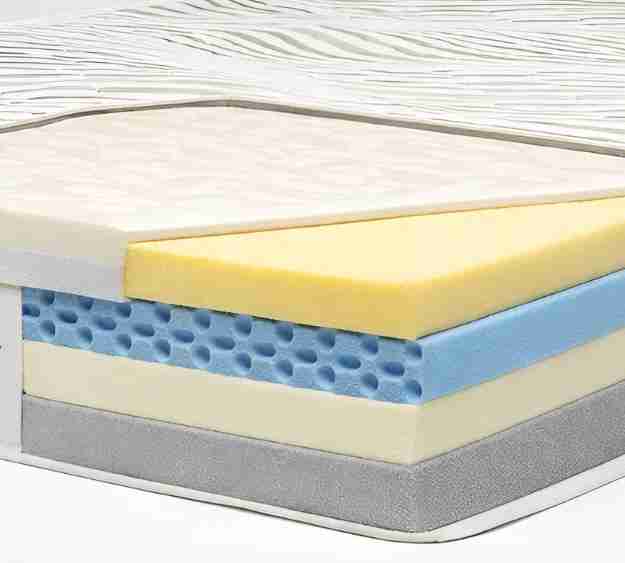
A memory foam mattress is designed to contour around your body. Made from viscoelastic foam, it responds to heat and pressure, allowing your body to sink into the mattress slightly. This creates a “hugging” feel and helps distribute weight evenly.

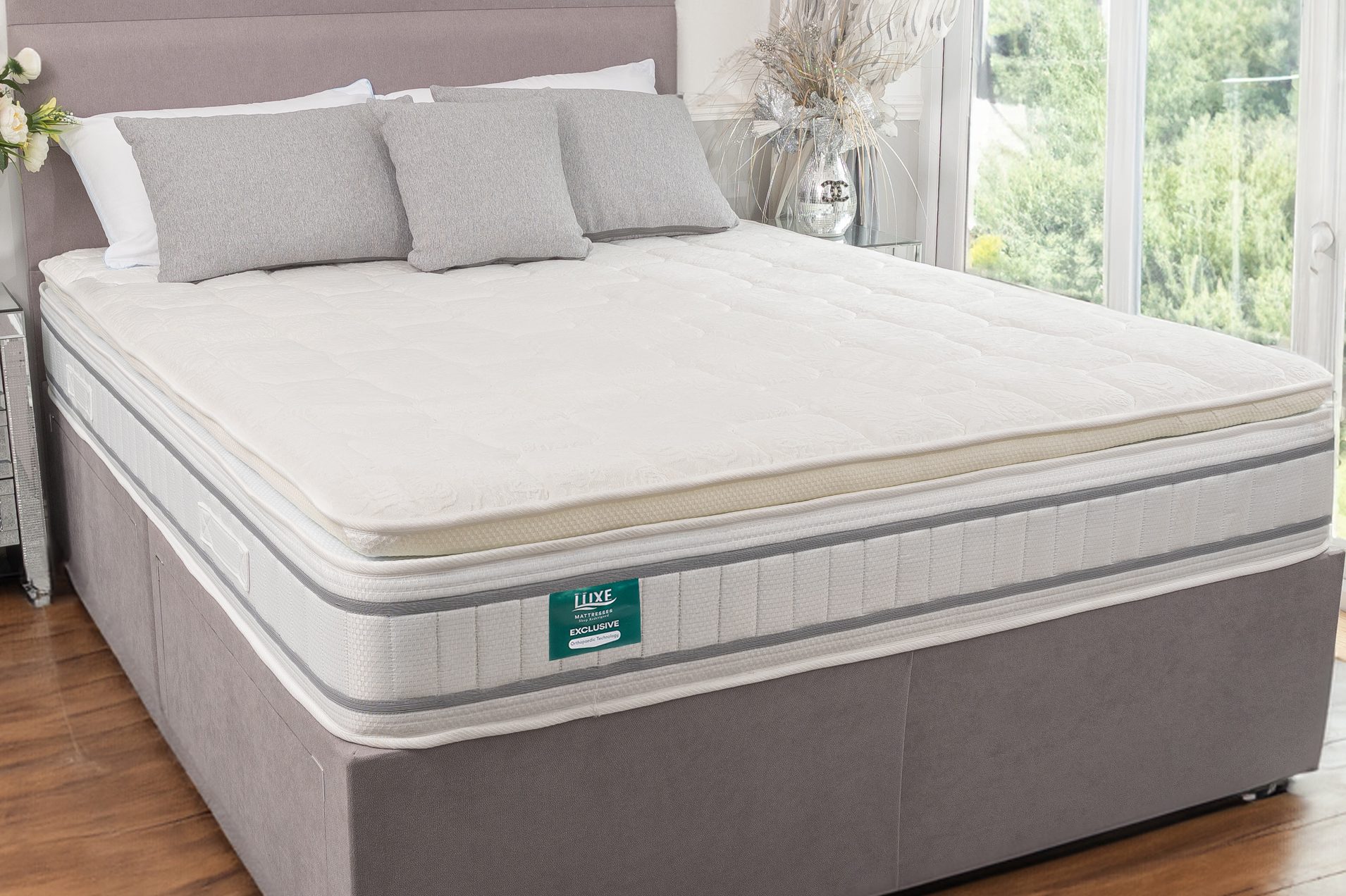
mattress with memory foam topper

One of the main benefits of memory foam is pressure relief. It cushions sensitive areas like the shoulders, hips, and back, making it an excellent choice for people with joint pain or arthritis. However, memory foam tends to trap heat, so hot sleepers may sometimes feel uncomfortable without proper cooling technology.

What is a Hybrid Mattress?

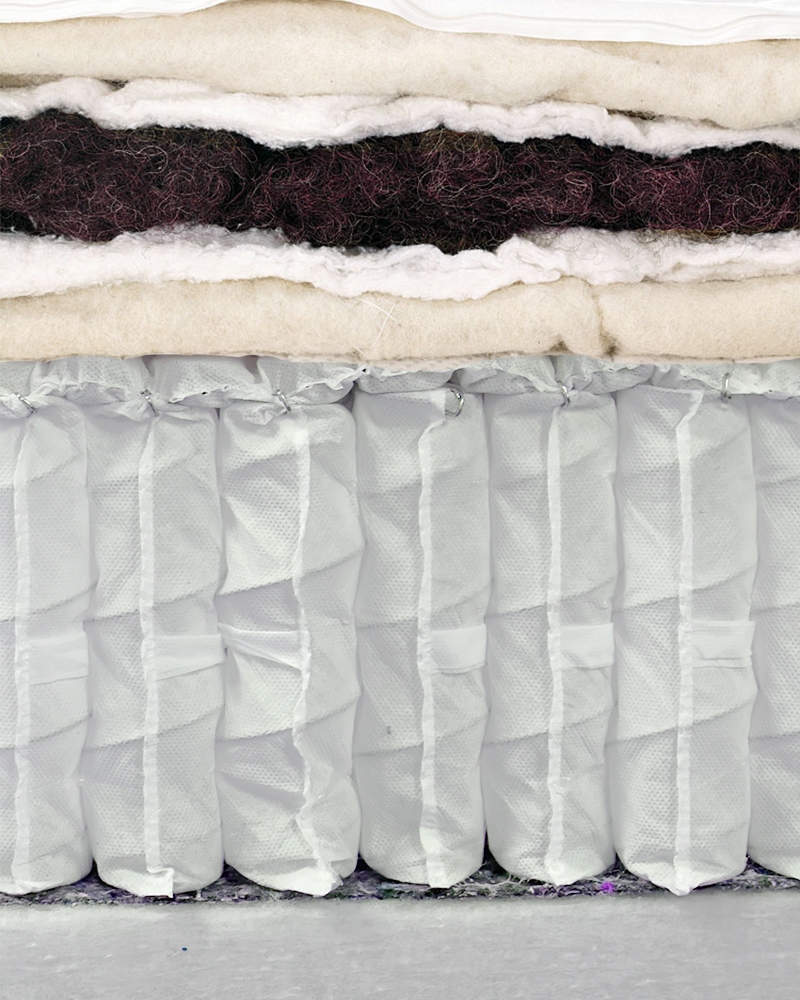
A hybrid mattress combines the best of both worlds: the contouring comfort of foam layers with the bounce and support of an innerspring coil system. This combination makes hybrid mattresses more versatile than memory foam alone.

The coil layer provides breathability and support, while the foam on top ensures comfort and pressure relief. Hybrid mattresses are ideal for people who want both cushioning and responsiveness in their bed. They are also great for couples because the coils reduce motion transfer while still offering a supportive surface.

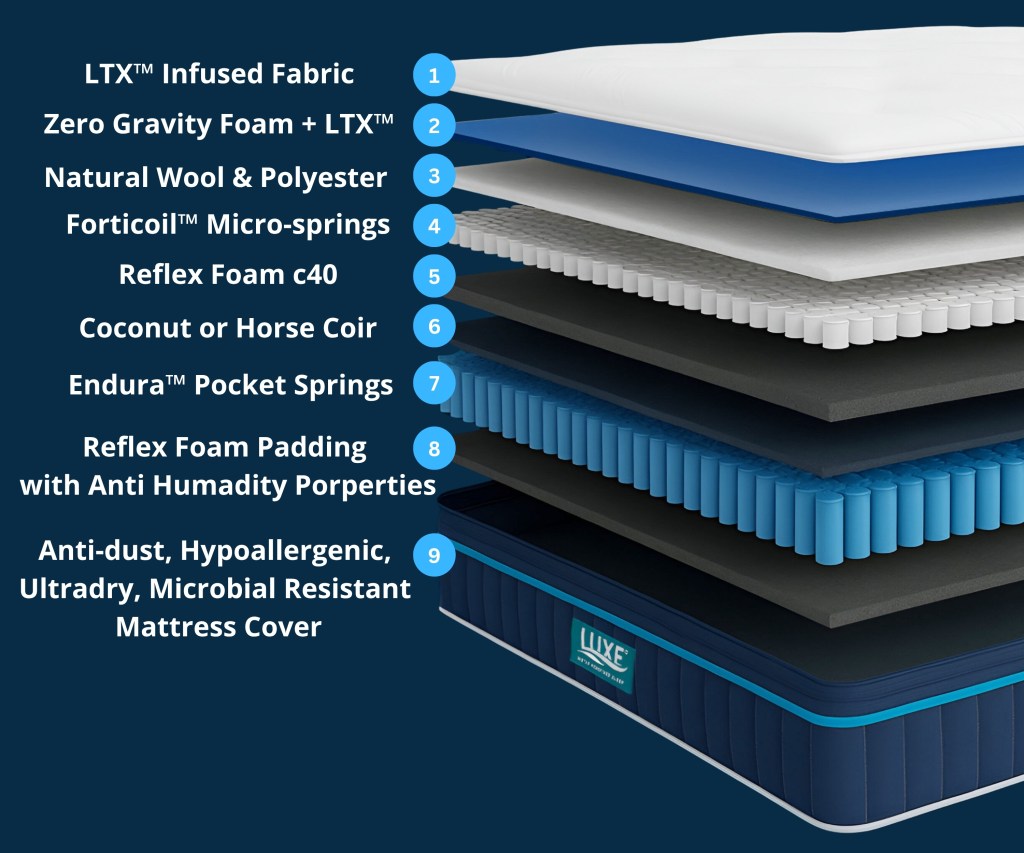
Example of Hybrid Mattress (Luxe Ergoâ„¢ 3400 )

The Luxe Ergoâ„¢ 3400 is a perfect example of a high-quality hybrid mattress, combining advanced engineering with premium materials to deliver exceptional comfort and support. With its dual-layer spring system (2000 EnduraSpringâ„¢ coils + 1400 Micro Pocket Springs), Zero Gravityâ„¢ memory foam, and LTX Cooling Gel technology, it offers precise pressure relief while maintaining outstanding structural integrity. Designed for durability, breathability, and long-term spinal alignment, the Luxe Ergoâ„¢ 3400 stands out as a mattress built for those who demand both luxury and performance.


Support and Back Care for UK Sleepers:
Memory Foam vs Hybrid

When it comes to comfort and support, memory foam excels in pressure relief. Side sleepers often love memory foam because it cradles their shoulders and hips, reducing pain and stiffness.

Hybrids, on the other hand, are better for people who prefer a slightly firmer surface with more bounce. The coil layer keeps your spine aligned, making hybrids a good option for back and stomach sleepers.

If you want a soft, body-hugging feel, memory foam is ideal. But if you prefer a balanced mix of cushioning and firmness, a hybrid is the better choice.


Temperature Control in UK Climate (Very Important)

One common complaint about memory foam mattresses is that they trap heat. Traditional foam absorbs body heat, which can make hot sleepers uncomfortable at night. However, modern designs often include gel-infused foam or open-cell technology to improve airflow.

Hybrid mattresses naturally sleep cooler because the coils allow air to circulate through the mattress. This makes hybrids a great option for people living in warmer climates or anyone who tends to overheat while sleeping.

Durability and Longevity

Both memory foam and hybrid mattresses can last for years, but their lifespan depends on material quality.

  • A high-quality memory foam mattress usually lasts between 7–10 years. Over time, cheaper foam may sag or lose its responsiveness.
  • A hybrid mattress can last 8–12 years, thanks to the supportive coil system. However, hybrids may wear out faster if the coil quality is poor.

In general, hybrid mattresses offer slightly better durability due to the combination of coils and foam.

Motion Isolation

For couples, motion isolation is an important factor. Nobody wants to be disturbed every time their partner moves at night.

Memory foam is excellent at absorbing movement, making it the clear winner in this category. Hybrid mattresses also do a good job, but the coil system can sometimes transfer a bit of motion compared to all-foam designs.

memory vs hybrid


Price Comparison for UK Buyers (2025)

Price is another factor when comparing memory foam vs hybrid mattresses.

  • Memory Foam: Usually more budget-friendly. A good quality memory foam mattress can range from £300–£800 in the UK.
  • Hybrid: Generally more expensive because they combine multiple materials. Hybrid mattresses can range from £600 to £1500, depending on brand and quality.

If you are on a tight budget, memory foam may be the smarter choice. But if you are willing to invest in long-term comfort and durability, hybrids are worth the extra cost.

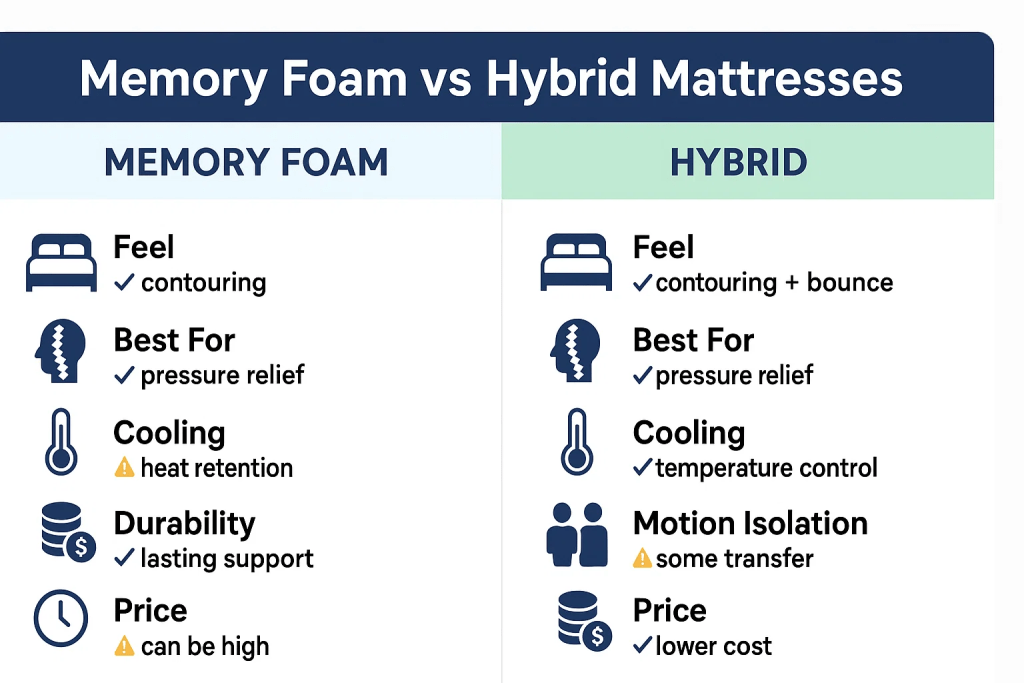
Feature Memory Foam Mattress Hybrid Mattress
Feel Body-hugging, contouring, reduces pressure points. Balanced feel with cushioning and bounce.
Best For Side sleepers, joint pain, couples needing motion isolation. Back & stomach sleepers, hot sleepers, couples wanting support.
Cooling Can trap heat unless infused with gel/open-cell design. Naturally cooler due to coil airflow.
Durability 7–10 years (depending on foam density). 8–12 years (quality coils + foam layers).
Motion Isolation Excellent – absorbs movement fully. Good, but coils may transfer slight motion.
Price Range (UK) £300 – £800 £600 – £1,500
Overall Choice Budget-friendly, great for pain relief & couples. More versatile, durable, and breathable – worth extra cost.


Which Mattress Is Better for UK Homes With Cold Winters & Warm Summers?

A memory foam mattress is best suited for:

  • Perfect for side sleepers who enjoy a little extra cushioning and gentle pressure relief
  • Ideal for those experiencing chronic back or joint discomfort
  • A lovely choice for couples wanting peaceful, motion-free sleep
  • Great for shoppers looking for comfort and quality without overspending

Who Should Choose Hybrid?

A hybrid mattress is ideal for:

  • Great for back and stomach sleepers who prefer firm, steady support
  • Ideal for hot sleepers who want cooler airflow throughout the night
  • Perfect for those who enjoy a bouncy, responsive feel in their mattress
  • Excellent for anyone seeking strong, long-lasting durability

Conclusion

When it comes to memory foam vs hybrid mattresses, there is no one-size-fits-all answer. If you prefer a body-hugging, pressure-relieving feel, memory foam is the right choice. But if you want a mattress that balances comfort, support, and breathability, a hybrid is worth the investment.

Ultimately, the best mattress for you depends on your sleeping style, health needs, and budget. Choosing the right one can make a huge difference in your sleep quality and overall health.

FAQ’s

Is a memory foam or hybrid mattress better?

While memory foam mattresses typically contain a high-density polyfoam core, hybrids use a coil system. Polyfoam cores usually perform better in motion isolation and noise control, but coil systems tend to earn higher marks for bounce, breathability, and edge support

Do hybrids last longer than memory foam?

They’re durable – The mix of foam and coils makes for a long-lasting mattress. The best hybrid mattress will usually outlast full memory foam mattresses, which have a tendency to start sagging over time

Why are people no longer buying memory foam?

Retention of Heat. One of the most common complaints about memory foam mattresses is that they trap heat and become uncomfortably warm. Memory foam, particularly traditional memory foam, can become quite warm due to its design to respond to body heat and the density of the material.


Is a hybrid mattress better than memory foam for UK sleepers?

Generally yes – hybrids allow more airflow, which suits the UK’s mix of warm summers and cooler winters.


Do UK hybrid mattresses sleep cooler?

Yes. The coils improve breathability, making hybrids better for hot sleepers in the UK.


Are UK mattress sizes different from US ones?

Yes – UK mattresses use UK sizing (Single, Small Double, King, Super King), not US sizes.

10 question
August 26, 2025

Your Ultimate Guide to Memory Foam Mattress: 10 Common Questions Answered

Memory foam mattresses have become one of the most popular choices for people seeking comfort and support during sleep. Known for their ability to contour the body, relieve pressure, and reduce tossing and turning, these mattresses are often recommended for better rest. But with so many options available, buyers are often left with several questions. This guide covers the ten most common queries about memory foam mattresses, helping you make an informed decision.

1. What is a memory foam mattress?

A memory foam mattress is made from viscoelastic material that reacts to body heat and pressure. It molds around the body to provide personalized support and comfort. Unlike traditional spring mattresses, memory foam minimizes motion transfer, making it a great choice for couples.

2. Is a memory foam mattress good for back pain?

Yes, memory foam is often recommended for people with back pain. Its ability to align the spine and relieve pressure points can reduce discomfort. However, the firmness level should match your sleeping style for the best results.

3. Do memory foam mattresses get too hot?

Older versions of memory foam mattresses were known for heat retention. Modern designs now include cooling gels, breathable layers, or open-cell technology to promote airflow and regulate temperature throughout the night.

4. How long does a memory foam mattress last?

A high-quality memory foam mattress usually lasts between 7 and 10 years. Proper care, such as rotating the mattress and using a protector, can extend its lifespan.

5. Are memory foam mattresses safe?

Yes, most modern memory foam mattresses are made with CertiPUR-US® certified foam, ensuring they are free from harmful chemicals like formaldehyde or heavy metals. Always check for certifications before purchasing.

10 feature

6. Do memory foam mattresses sag over time?

Like any mattress, memory foam can sag if it’s of poor quality or not properly maintained. Choosing a dense foam mattress and rotating it regularly can help prevent this issue.

7. Can memory foam mattresses help with allergies?

Yes, memory foam is resistant to dust mites and allergens, making it a good option for people with allergies. Pairing it with a hypoallergenic mattress cover provides even better protection.

8. Is a memory foam mattress suitable for all sleepers?

Memory foam works well for most sleeping positions, but side sleepers usually benefit the most due to pressure relief on the shoulders and hips. Back and stomach sleepers should opt for medium to firm options for better support.

9. Can you use a memory foam mattress on any bed frame?

Memory foam mattresses require a solid or slatted base for proper support. Using a weak or uneven frame can reduce mattress lifespan and comfort. Adjustable bases also pair well with memory foam.

10. Are memory foam mattresses expensive?

Prices vary depending on thickness, density, and brand. While they can be more costly than spring mattresses, their durability and comfort often make them a worthwhile investment.

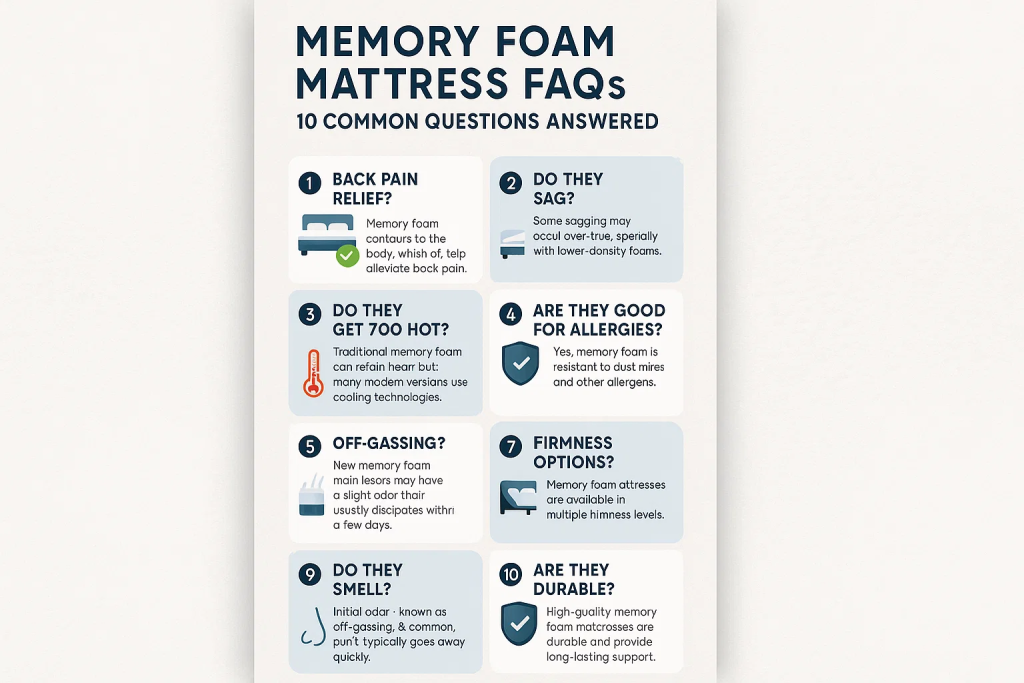
Question Quick Answer What to Look For Pro Tip
What is a memory foam mattress? Viscoelastic foam that contours to body heat and pressure; great motion isolation. Quality foams, supportive base layer, breathable cover. Choose reputable brands with clear specs and warranty.
Is it good for back pain? Yes, when firmness matches your body and sleep position. Medium‑firm feel, zoned support, good lumbar alignment. Trial periods help verify relief within 2–4 weeks.
Do they get too hot? Modern models add cooling gels, open‑cell foams, or airflow channels. Perforated/ventilated foams, breathable covers, phase‑change fabrics. Use a breathable protector; avoid plastic-y toppers.
How long do they last? Typically 7–10 years with proper care. High foam density and robust base (≥1.8 lb/ft³ polyfoam core). Rotate quarterly and use a protector to extend life.
Are they safe? Yes, when certified and low‑VOC. CertiPUR‑US®, OEKO‑TEX® textiles. Check certifications on the issuer’s website, not just the box.
Do they sag over time? Low‑quality foam can; high density resists sagging. Comfort foam density ~3–5 lb/ft³; sturdy support core. Rotate every 3 months; ensure proper base support.
Good for allergies? Yes—naturally resistant to dust mites and common allergens. Hypoallergenic covers, zipped encasements. Wash bedding hot weekly; vacuum mattress surface monthly.
Suitable for all sleepers? Side: medium/soft; Back: medium‑firm; Stomach: firmer. Firmness options matched to sleep position. Couples: consider medium hybrid or split firmness.
Works on any bed frame? Needs solid or slatted base; adjustable bases work well. Slat gaps ≤3″ and center support on larger sizes. Weak frames shorten mattress lifespan—upgrade if needed.
Are they expensive? Prices vary by density, thickness, and brand; value can be excellent. Transparent specs, trial/warranty length (≥10 years). Prioritize foam quality over “gimmick” layers.

Conclusion

Memory foam mattresses have revolutionized the way people sleep by offering comfort, pressure relief, and better spinal alignment. They are especially beneficial for those dealing with back pain or sleep disturbances. By understanding the most common questions, you can choose a mattress that matches your needs and ensures quality rest for years to come.

Q1. How often should I replace a memory foam mattress?

On average, every 8 to 10 years, depending on wear and comfort.

Q2. Is a thicker memory foam mattress always better?

Not always. The ideal thickness depends on body weight and sleeping style.

Q3. Do memory foam mattresses need flipping?

No, most are one-sided. Rotating them every few months is recommended instead.

Q4. Can memory foam mattresses be compressed for storage?

Yes, they can be compressed and vacuum-sealed, but repeated compression may damage the foam.

Q5. Is off-gassing harmful in memory foam mattresses?

Off-gassing is usually temporary and harmless. Choosing a certified mattress minimizes any risks.

Product has been added to your cart