
100-Night Trial · Refund to night 60 · Exchange to night 100
Free Nationwide Delivery
Covered by Our Own Warranty
Call us at: 020 4572 5122
0% APR Finance Available
can sleep apnea kill you
July 11, 2025

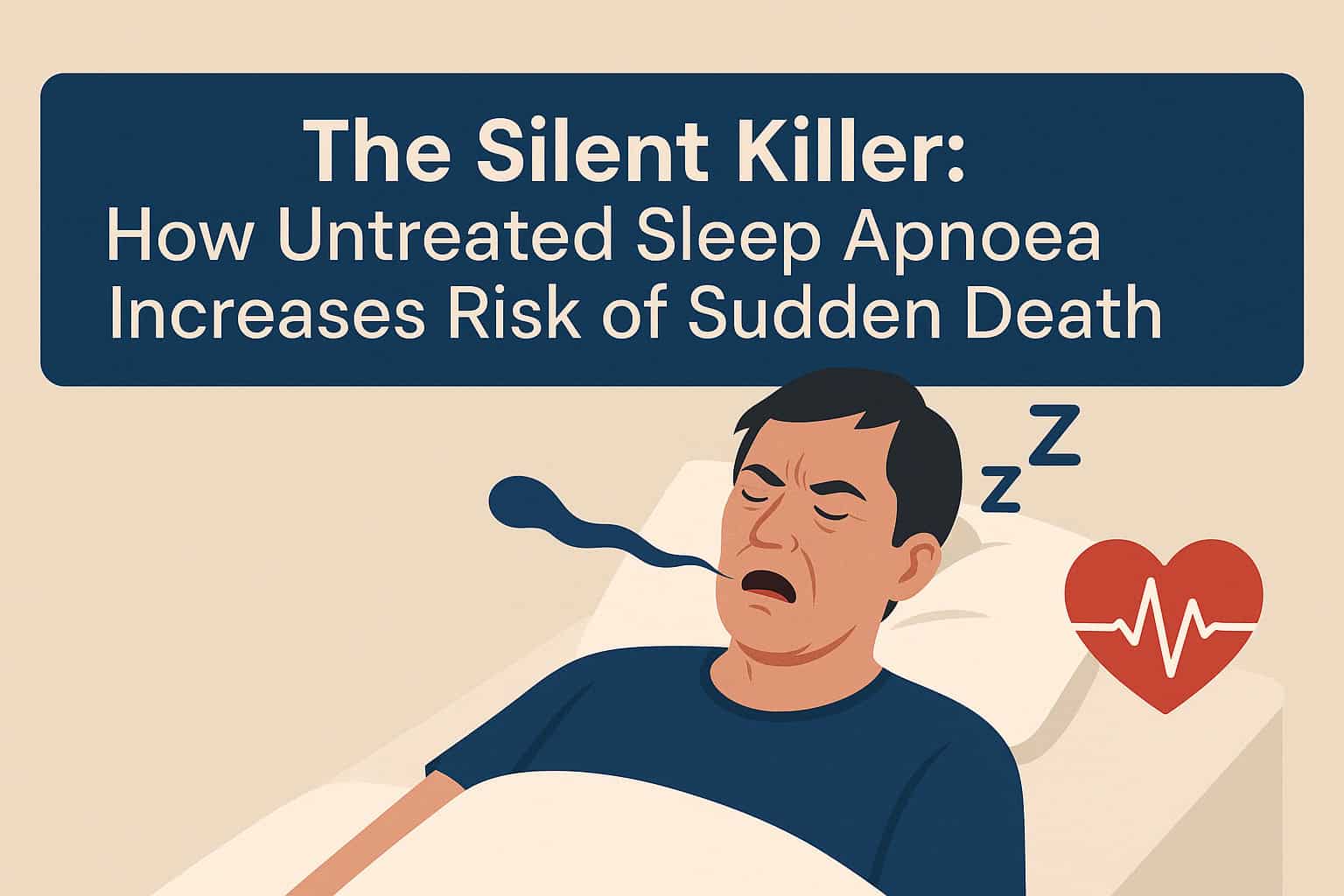
The Silent Killer: How Untreated Sleep Apnoea Increases Risk of Sudden Death

Imagine your body suffocating while you sleep. You wake up gasping for air, your heart racing. Yet, you don’t remember any of it in the morning. This isn’t a horror film; it’s a nightly reality for millions with obstructive sleep apnoea (OSA), often without their awareness. But can sleep apnea kill you? The potential dangers of untreated sleep apnea are serious and should not be ignored.

OSA is one of the most underdiagnosed and dangerous sleep disorders. While it may begin with nothing more than loud snoring and daytime tiredness, its long-term effects on the heart and brain can be deadly.

Understanding Obstructive Sleep Apnoea

Obstructive sleep apnoea occurs when the muscles at the back of the throat relax too much during sleep, causing the airway to collapse. This blocks airflow, reducing oxygen levels and forcing the brain to wake up partially to reopen the airway. These events can happen anywhere from a few times to hundreds of times a night.
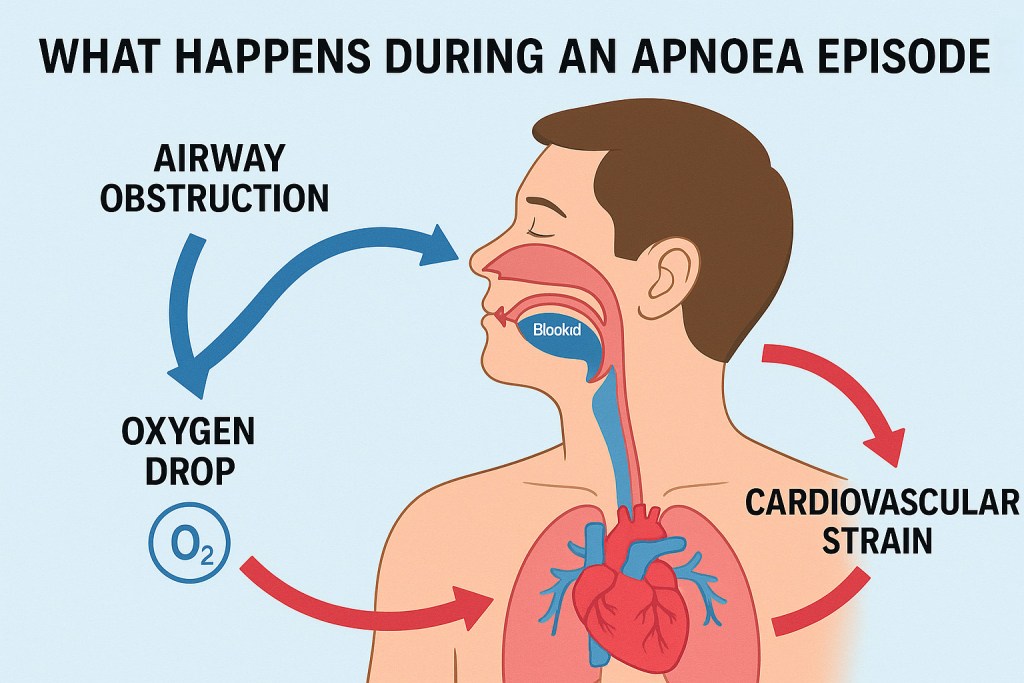
what happens during sleep apnea attach

People with moderate to severe OSA often wake up feeling unrested despite sleeping for 7 to 8 hours. Symptoms like daytime fatigue, difficulty concentrating, morning headaches, or mood changes are common. But beneath these relatively minor symptoms, serious damage may be unfolding inside the body.

The Hidden Cardiovascular Toll

Each time breathing stops, the oxygen level in the blood drops. This drop triggers the brain to send emergency signals that increase heart rate and blood pressure. This repeated cycle — oxygen deprivation followed by a surge of adrenaline, creates a state of chronic stress in the body.

Over time, these nightly stress responses damage the blood vessels, promote inflammation, and lead to high blood pressure. The heart, constantly jolted awake from its normal rhythm, becomes strained and overworked. These effects increase the risk of several life-threatening conditions including:

  • Hypertension
  • Coronary artery disease
  • Heart failure
  • Stroke
  • Sudden cardiac death

Sudden cardiac death (SCD) refers to an unexpected death due to cardiac causes, occurring within one hour of the onset of symptoms. In many cases, there are no early warning signs. A person may go to sleep seemingly healthy and never wake up.

Health Risk Description Supporting Study / Statistic
Hypertension Increased sympathetic activity leads to sustained high blood pressure. Peppard et al., NEJM 2000: 2-3x increased risk
Stroke OSA increases risk of ischemic stroke due to intermittent hypoxia. Yaggi et al., NEJM 2005: 2x increased risk
Sudden Cardiac Death (SCD) Risk increases by 2.5 times, especially during sleep. Gami et al., NEJM 2005: 2.57x risk during sleep
Atrial Fibrillation (AFib) AFib incidence is 4 times higher in OSA patients. Gami et al., Circulation 2004: 4x risk of AFib
Type 2 Diabetes Intermittent hypoxia contributes to insulin resistance. Punjabi et al., AJRCCM 2004: Elevated fasting glucose levels
Heart Failure Left ventricular dysfunction and fluid retention are common. Redline et al., Circulation 2010: Higher rates of HF

Over the past decade, multiple large-scale studies have revealed a strong association between untreated obstructive sleep apnoea and sudden cardiac death. One of the most influential studies, published in the journal Sleep in 2013, followed over 10,000 adults and found that individuals with severe untreated OSA had a 2.5 times greater risk of sudden cardiac death than those without OSA (source).

Another key finding is that deaths in individuals with sleep apnoea are more likely to occur during the night. While sudden cardiac death in the general population tends to peak in the early morning hours (typically between 6 a.m. and noon), people with OSA are more likely to die between midnight and 6 a.m. This inversion of the usual pattern highlights the role of apnoea-related events, especially oxygen desaturation and arrhythmias — as critical triggers during sleep (source).

Atrial Fibrillation and Irregular Heartbeats

One of the clearest pathways from obstructive sleep apnoea to sudden cardiac death is through arrhythmias, which are abnormal heart rhythms that disrupt the heart’s normal electrical signals. Episodes of apnoea cause dramatic fluctuations in oxygen and carbon dioxide levels during sleep, placing acute stress on the cardiovascular system.

Atrial fibrillation (AF), the most common type of arrhythmia, is significantly more prevalent in people with OSA. Research published in the Journal of the American College of Cardiology has shown that up to 50 percent of patients with AF also have undiagnosed sleep apnoea, particularly among older adults and those with preexisting heart conditions (source).

If left untreated, AF increases the risk of stroke and heart failure. Moreover, OSA undermines the effectiveness of common AF treatments like catheter ablation and medication. A review from the American Heart Association emphasizes that treating sleep apnoea in tandem with AF significantly improves long-term outcomes and reduces recurrence rates. As a result, many cardiologists now routinely recommend sleep studies for patients diagnosed with atrial fibrillation.

Real-Life Impact: Case Examples ( Sleep Apnea Nearly Killed Michael)

Consider the case of 42-year-old Michael, a New Jersey firefighter. For months, he had been waking up with pounding headaches and feeling exhausted despite getting full nights of sleep. His wife noticed he would stop breathing repeatedly during the night.
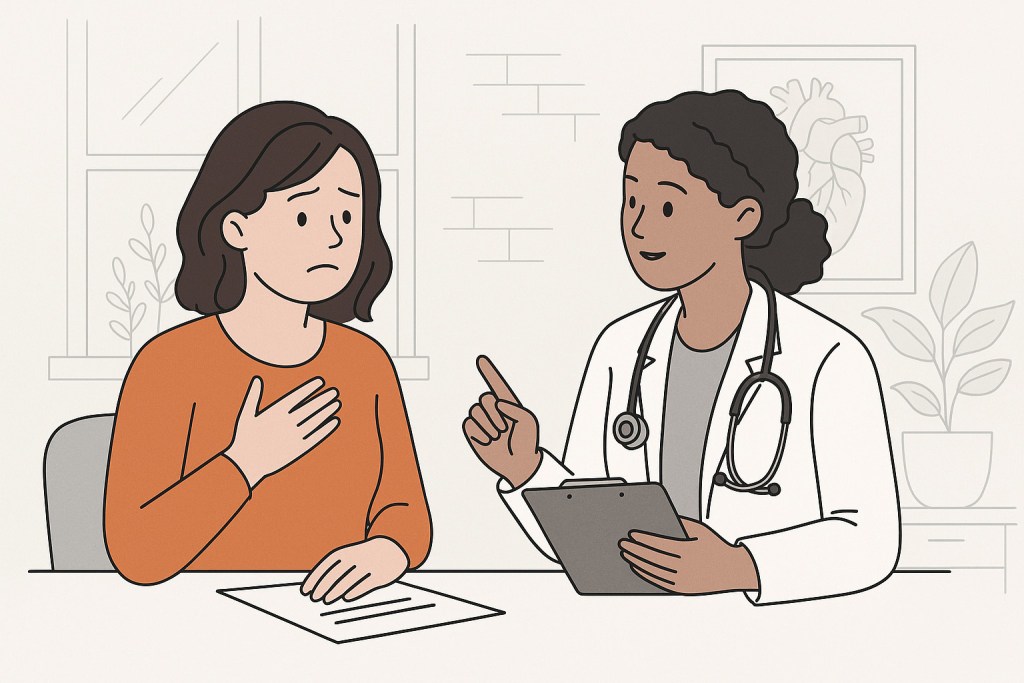
sleep apnea consultation

After a sleep study, he was diagnosed with severe OSA, experiencing more than 70 breathing interruptions per hour. His cardiologist was alarmed to discover early signs of cardiac remodeling and irregular heartbeat. Once Michael began using CPAP therapy, his heart rate stabilized and his blood pressure dropped to a healthy level, aligning with findings from studies that show CPAP significantly reduces cardiovascular risk.

Another example is Angela, a 55-year-old teacher who suffered a stroke in her sleep. Doctors later found she had undiagnosed OSA, which had gone unnoticed for years. Angela had always assumed her snoring and fatigue were just part of getting older. This mirrors research showing that sleep apnoea increases stroke risk independently of other factors.

These cases are not rare. Stories like these are becoming increasingly common as awareness of sleep apnoea grows.

Sleep Apnoea and Other Health Risks

Beyond the heart, OSA affects nearly every major system in the body.

  • Stroke: OSA triples the risk of stroke. The nightly swings in blood pressure and oxygen strain the brain’s blood vessels, making them more likely to rupture or clot.
  • Metabolic Disorders: People with sleep apnoea are more likely to develop type 2 diabetes and metabolic syndrome, even if they are not overweight. The inflammation and insulin resistance caused by poor sleep play a major role.
  • Cognitive Decline: Chronic sleep fragmentation from apnoea is linked to memory loss, depression, and even early Alzheimer’s disease.

The Role of CPAP Therapy

The good news is that sleep apnoea is treatable. The gold standard of treatment is CPAP therapy — short for Continuous Positive Airway Pressure. A CPAP machine uses a gentle stream of air to keep the airway open during sleep.

Studies have shown that regular CPAP use:

  • Reduces apnoea events to nearly zero
  • Lowers blood pressure
  • Improves heart function
  • Reduces the risk of stroke and heart attacks
  • Enhances mood, memory, and daytime energy

Patients often report dramatic improvements within just a few days of starting treatment.

However, CPAP is not a cure. It only works if it is used consistently every night. That is why comfort, support, and education are key to long-term success.

Alternative Treatments

For people who cannot tolerate CPAP, other options include:

  • Oral appliances: These custom-fit devices reposition the jaw to keep the airway open.
  • Surgical procedures: In some cases, surgery to remove excess tissue in the airway is recommended.
  • Inspire therapy: An implantable device that stimulates the airway muscles during sleep.

In addition, certain lifestyle adjustments can help improve sleep quality and reduce apnoea episodes. These include weight loss, reducing alcohol use, quitting smoking, and changing sleep position. Even your mattress and sleep posture may play a role in worsening or relieving symptoms of sleep apnoea. Choosing the right mattress can support proper airway alignment and reduce positional apnoea. For more on this, see “Is Your Mattress Worsening Your Sleep Apnea?”.

Improving Sleep Quality and Addressing Comorbidities

Managing obstructive sleep apnoea effectively often requires more than just treating airway obstruction. Many patients with OSA also struggle with insomnia, anxiety, or poor sleep habits that reduce sleep quality even when apnoea events are controlled.

Optimizing your sleep environment and addressing these coexisting issues can significantly improve both treatment adherence and how rested you feel. Practicing better sleep hygiene, reducing screen time before bed, and learning to calm an overactive mind are all part of a holistic approach.

For those struggling with insomnia alongside OSA, consider this science-backed guide to managing insomnia without medication. It covers evidence-based techniques such as CBT-I, relaxation methods, and other holistic strategies that complement OSA treatment.

Public Health and Economic Impact

Sleep apnoea is not just a personal health issue. It is also a growing public health concern.

Untreated OSA is associated with increased healthcare costs due to frequent doctor visits, hospitalizations, and complications like stroke and heart failure. It also contributes to lost productivity, workplace accidents, and drowsy driving incidents.
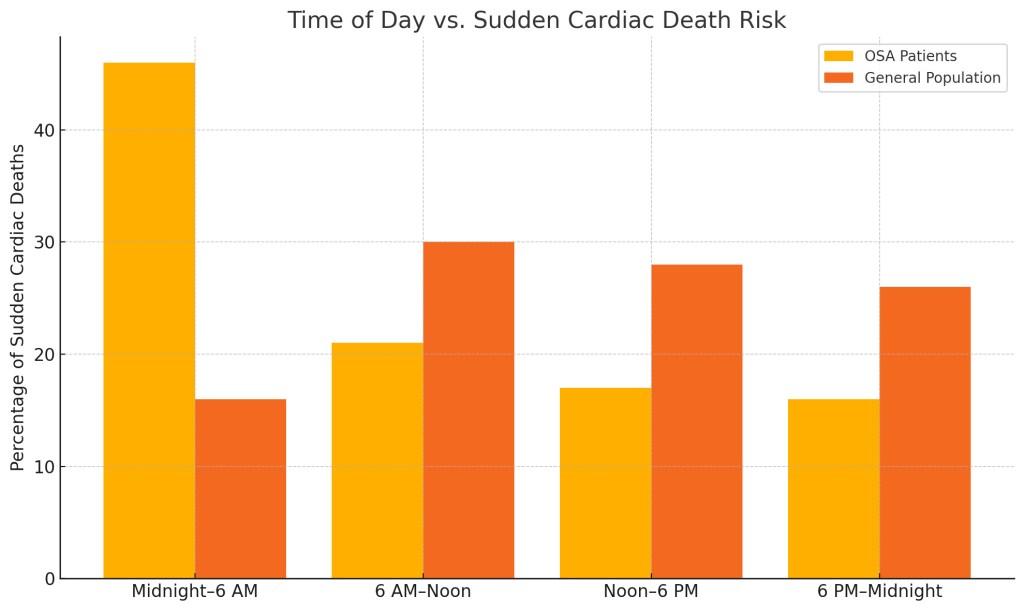
time of day vs sudden cardiac death risk due to sleep apnea

According to the American Academy of Sleep Medicine, undiagnosed OSA costs the U.S. economy more than $150 billion per year.

Take Action: What You Should Do

If you suspect you or a loved one has sleep apnoea, do not wait. Talk to your primary care doctor or a sleep specialist. A simple overnight sleep study can diagnose the condition.

Look out for these warning signs:

  • Loud snoring
  • Pauses in breathing during sleep
  • Gasping or choking sounds at night
  • Morning headaches
  • Excessive daytime sleepiness
  • Trouble concentrating or memory problems
  • High blood pressure that is hard to control

Sleep apnoea is not a condition to ignore or push aside. Early diagnosis and consistent treatment can save your life, literally.

Conclusion: Silence Can Be Deadly

Sleep apnoea may be silent, but its effects are anything but harmless. It puts immense pressure on the heart, disrupts your body’s natural rhythms, and dramatically increases the risk of sudden death, particularly in the quiet hours of the night.

Fortunately, with greater awareness, better diagnostics, and effective treatments like CPAP, we now have the tools to fight back. Do not sleep on your symptoms. If something feels off, take it seriously. It might be the first step toward protecting your heart, your health, and your future.
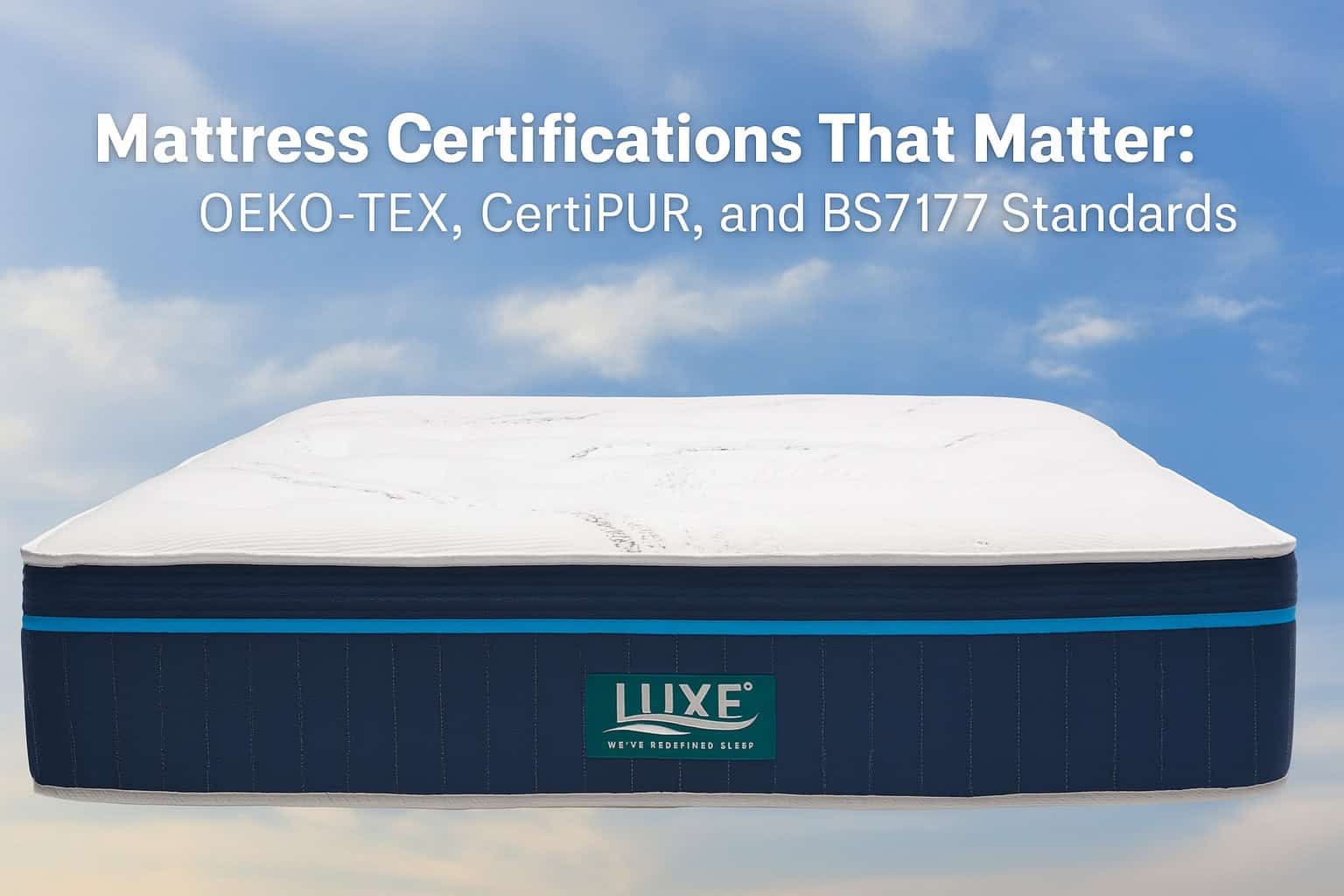
luxe mattress quality certificates
July 11, 2025

Mattress Certifications That Matter: Understanding OEKO-TEX, CertiPUR, and BS7177 Standards

It is essential to ensure that the mattress is free from harmful materials. For UK customers, understanding certifications such as OEKO-TEX, CertiPUR, and BS 7177 is necessary, and having a mattress certificate can provide assurance. These certifications guarantee that the mattress has been manufactured under strict rules and regulations designed to promote better sleep and overall health. They confirm that the mattresses are made with high-quality materials, prioritising the customer’s health and well-being. This article offers brief insights into Mattress Certifications That Matter: Understanding OEKO-TEX, CertiPUR-US, and BS 7177 Standards.

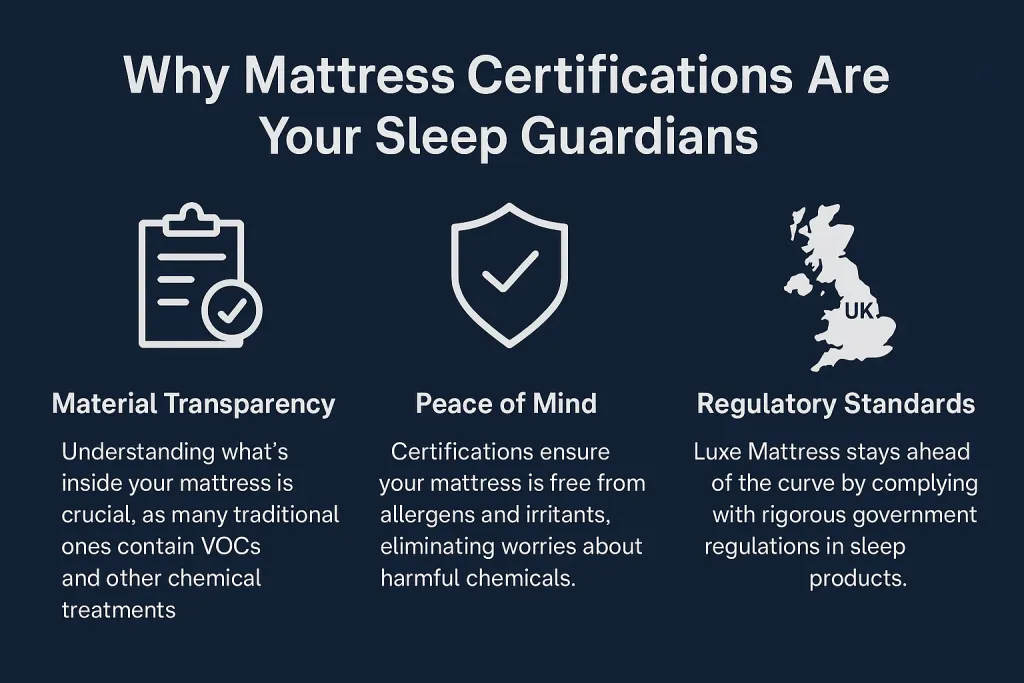
Why Mattress Certifications Are Your Sleep Guardians

Understanding mattress certifications is vital for ensuring quality sleep and peace of mind. These certifications offer insight into the materials used in the mattress. Many traditional mattresses contain Volatile Organic Compounds (VOCs) and various chemical treatments, making material transparency essential for consumer health. Knowing the materials used in a mattress allows consumers to breathe easier and feel more confident in their choices.

luxe mattresses mattress certificates

Certifications offer peace of mind and build trust in the quality and safety of the sleep environment. They also help consumers avoid common allergens and irritants, which are crucial factors in a space where you spend one-third of your day. A certified mattress eliminates worries about harmful chemicals that could affect your health.

The physical and mental health of UK citizens is a top priority for the UK government. With the growing demand for sleep products nationwide, the government has implemented stringent regulations to ensure that people receive the highest-quality materials for their rest. In this competitive landscape, Luxe Mattress is ahead of the curve. Luxe Mattress adheres to all rules and regulations, ensuring that its products meet the highest safety and quality standards.

OEKO-TEX Standard 100: Tested for Harmful Substances

The OEKO-TEX Standard 100 is a globally recognised certification that serves as an independent testing and certification system. It covers all products at every stage of production to maintain the quality and safety of mattresses, including raw materials, intermediate materials, and finished goods. This ultra-careful testing ensures safety by checking for harmful substances.

The standard conducts various tests to detect hazardous substances, including banned azo dyes, formaldehyde, phthalates, and heavy metals. These tests ensure that the textile used is free from harmful levels of these substances, ensuring the product is safe for human contact.

OEKO-TEX certification is essential for minimising the adverse effects on human health. It reduces exposure to irritants and potential toxins, particularly for individuals with sensitive skin. Additionally, this certification helps improve indoor air quality, a key factor in maintaining respiratory health, as emphasised by NHS.uk.

CertiPUR-US® / CertiPUR™: Foam You Can Trust

This certification focuses on the safety standards for flexible polyurethane foam, commonly used in mattresses and upholstered furniture. CertiPUR-US is recognized primarily in the United States, while CertiPUR is its European counterpart. Both certifications ensure that foam products are safe and environmentally responsible.

The certification confirms that the foam used in mattresses is free from harmful substances, including those that deplete the ozone layer. It also ensures the foam contains no PBDEs, mercury, lead, or other heavy metals while maintaining low levels of VOC emissions.

Furthermore, CertiPUR foam contains no formaldehyde or phthalates, chemicals regulated by consumer safety commissions. The use of this foam contributes to a healthier home environment, reducing sleep-related anxiety and improving overall well-being.

which are important certificates for good mattress

BS7177: UK Flammability Standards Explained

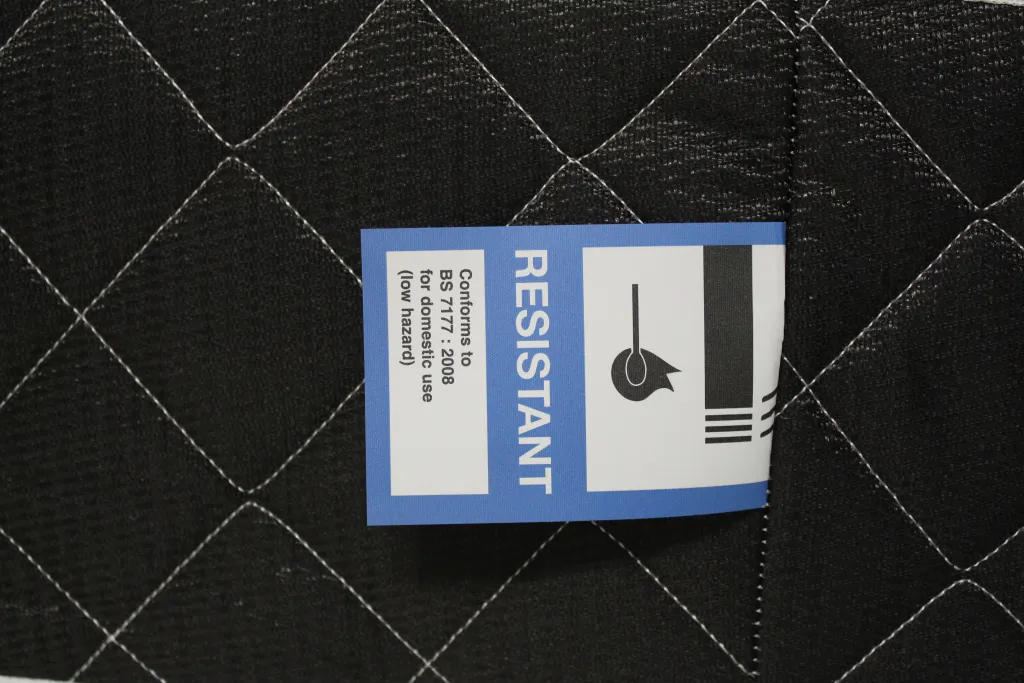
The BS7177 standard is a crucial legal requirement for fire safety in homes across the UK. It applies to the ignitability of mattresses, divans, and bed bases. This legal standard ensures that sleep products undergo rigorous fire safety tests within a domestic environment, making it an essential component of household safety.

fire resistance in mattress material in luxe mattresses

BS7177 defines resistance levels as low, medium, or high hazard, depending on how easily a mattress can ignite and how quickly fire may spread. Strict tests are applied to mattresses according to these levels, simulating various ignition sources to assess their resistance to fire.

Overall, BS 7177 ensures that homes in the UK are protected from fire hazards originating from the bedroom. It plays a vital role in safeguarding families by reducing the risk of ignition and flame spread. Compliance with this standard gives customers peace of mind, knowing that the mattresses they purchase are safe.

Beyond Certifications: What Else Defines a Quality Mattress

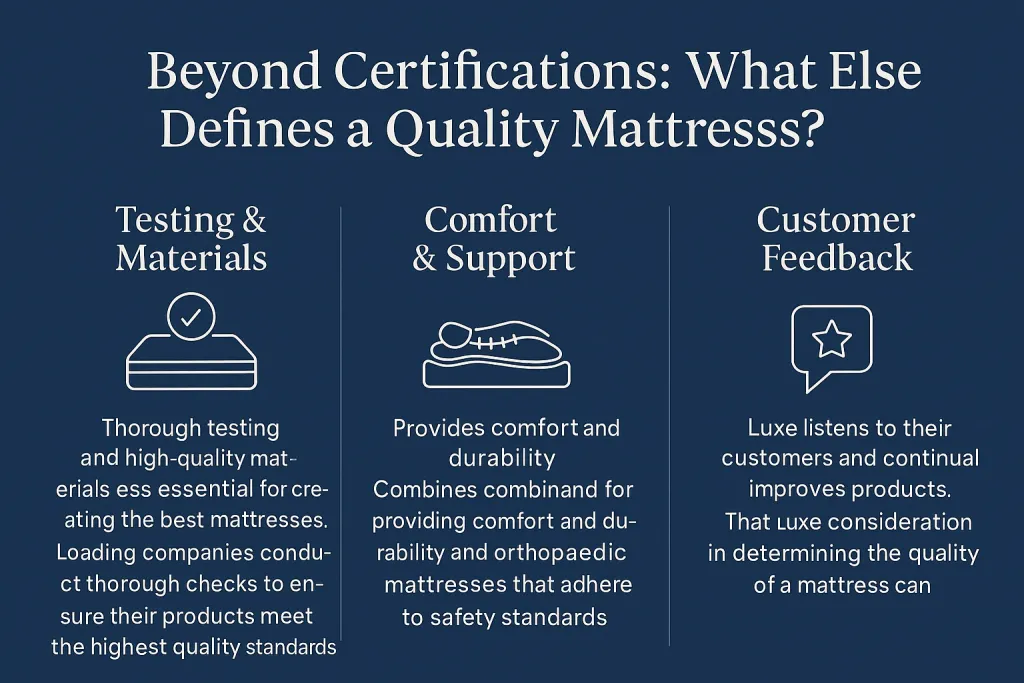
Certifications are necessary, but they are not the only thing that makes a mattress great. Thorough testing and high-quality materials are also essential for creating the best mattress. Leading companies conduct thorough checks to ensure their products meet the highest quality standards. A mattress must meet safety and environmental standards. It should also provide comfort and durability. A well-made mattress can significantly enhance sleep quality, which is essential for overall health and well-being.

what to check to ensure mattress quality

Luxe Mattress is a company that stands out in the mattress industry. They conduct a variety of tests and verifications to ensure their products are of the highest quality. Luxe focuses on using high-grade materials that enhance comfort and support. Their orthopaedic mattresses demonstrate their commitment to providing superior support while adhering to safety standards. By prioritizing both quality and safety, Luxe ensures that customers receive a product that feels good and promotes better sleep posture.

Customer feedback is also crucial in determining the quality of a mattress. Companies like Luxe listen to their customers to continuously improve their products. This feedback helps them understand what features are most important to sleepers. Features like firmness levels and temperature regulation can make a big difference. By combining certifications, rigorous testing, and customer insights, a quality mattress can be created. This ensures that it meets the diverse needs of individuals, helping everyone enjoy a restful night’s sleep.

Conclusion

Understanding mattress certifications can be challenging, but recognizing standards like OEKO-TEX, CertiPUR-US, and BS 7177 will help you make informed decisions. These certifications indicate that the mattress is safe, healthy, and environmentally friendly. Always opt for certified products, preferably from reputable manufacturers like Luxe Mattresses, who perform rigorous testing and use top-tier materials. By choosing such mattresses, you invest in healthier, safer sleep for years to come.

Although understanding all the certifications a mattress holds can be complicated, wise consumers can greatly benefit from recognizing standards such as OEKO-TEX, CertiPUR, and BS 7177. These certifications offer essential insights into the quality of the mattress, ensuring a safer and more informed purchasing decision.

FAQs for Mattress Certifications

What are mattress certifications for?

Certifications demonstrate that a mattress has been tested for harmful chemicals, minimal emissions, and fire safety, resulting in a healthier home and added assurance.

What exactly does OEKO-TEX Standard 100 mean for a mattress?

It means that all parts of the mattress have been tested for harmful substances and are safe for human use.

Is CertiPUR-US significant for foam mattresses?

Yes, it certifies that the foam is made without toxic chemicals or heavy metals and has low emissions, improving indoor air quality.

What is BS7177, and what is its significance in the UK?

BS 7177 is a UK specification for fire safety in mattresses, designed to prevent ignition and ensure the safety of homes.

Are there any mandatory mattress certification programs in place?

Not all certifications are mandatory, but the UK enforces some, such as BS7177. Voluntary certifications provide additional assurance, particularly regarding health and environmental factors.

How do I check a mattress’s certifications?

You can usually find a label on the product or check the certification number on the certifying body’s website.

Are Luxe Mattresses compliant with safety standards?

Yes, Luxe Mattresses complies with all UK safety standards and fire regulations.

Back Pain in Your 30s? Here’s Why Your Mattress Might Be to Blame
July 10, 2025

Back Pain in Your 30s? Here’s Why Your Mattress Might Be to Blame

Back pain is one of the most common health problems with people over 30s. Sitting on chair for long hours, unhealthy eating habits, lack of active lifestyle and many other factors might be causing back pain. But have you ever thought about role of your mattress in the back pain issue? You spend 7-8 hours on the mattress, what if your mattress is the main culprit here?

take this spine alignment & firmness test to find out about your mattress and sleep health, so be aware of your sleeping health.

Can a mattress cause back pain? Yes, a worn-out, or bad mattress can lead to back pain, shoulder pain and many similar health problems. Waking up sore or stiff isn’t just part of getting older; it could be your mattress. Switching to a better and orthopaedic mattress can solve the issue for you. 

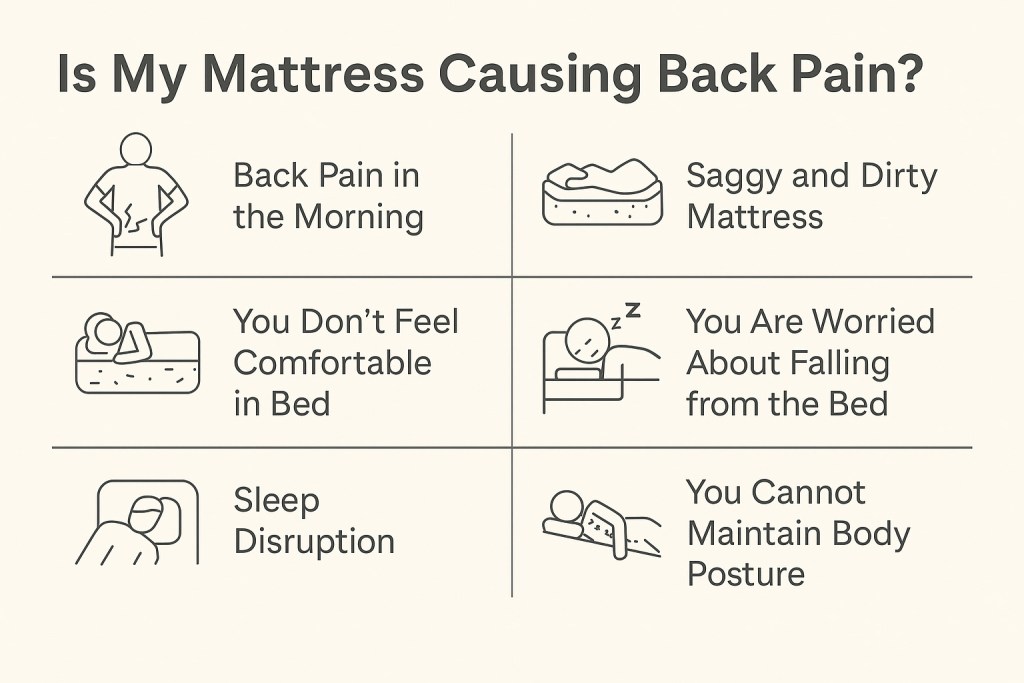
Is My Mattress Causing Back Pain? 

Even a new mattress may cause back pain because the goal is not to buy the new mattress, but to buy the right mattress. If you are experiencing serious pain, visiting your doctor might be a good idea. But here are some checks that will help you determine if your issue is related to the mattress. 

Back Pain in the Morning 

Morning pain is the very first sign of a bad mattress. Quality sleep is supposed to make you feel energetic and fresh. Sleeping on a bad mattress will make things even worse for you. Did you feel fine before going to bed, and now woke up with back pain? It is clear that the mattress is the contributing factor here. 

You don’t Feel Comfortable in Bed 

Even after a hectic day at the office, you don’t feel comfortable in bed. In reality, you are supposed to fall asleep instantly, but you are struggling with finding the comfortable sleeping position. Changing sides and tossing around for the most part of the night means that mattress needs replacement. 

is your mattress causing you back pain

Saggy and Dirty Mattress 

A good mattress is supposed to last 8-10 years, but if you have purchased a cheap mattress, you should not expect this extended lifespan. Poor usage and lack of care can also result in a saggy mattress. 

As a result, you don’t get the support where you need it most. For better sleep experience, support and comfort, choose Luxe Nova Hybrid mattress and you will see significant improvements in back pain within few weeks. 

Sleep Disruption 

Peaceful sleep means drifting off easily at night and waking up in the morning with a clear mind and a body that feels rested. Unfortunately, a poor-quality mattress can prevent this from happening.

Over 25% of people report waking up at least once during the night, while many others experience multiple disruptions. Choosing the right mattress, one that offers proper support and comfort, significantly increases your chances of enjoying deep, uninterrupted rest. For more insights, check out Sleep Foundation’s guide to healthy sleep habits.

You are Worried about Falling from the Bed

A worn out mattress will not provide edge support. After changing side, you feel like rolling off the edges of the mattress. Edge support not only makes it easier for you to get in or out of bed but also indicates the structural integrity of your mattress. 

You cannot Maintain Body Posture. 

For back pain relief, your body must maintain a good spinal curve. Sleeping like a folded taco will make your back hurt in the morning and your mattress is the reason behind this poor sleeping position. A too soft surface fails at supporting the spinal alignment, eventually causing back pain. 

How to Ease Back Pain with the Right Mattress?

You need to make healthy changes for better physical health. Start by including some physical activities in your routine. Next, consider getting an orthopaedic mattress designed to help with back pain, which can improve your sleep at night.

how to ease back pain

Majestic 9000 mattress by Luxe is one of the best mattresses in the UK with orthopaedic-level support and comfort. This mattress reduces pressure points and evenly distributes the body weight across the mattress. If you are in your 30s and dealing with a bad back, get the right Luxe mattress. Here are some unique benefits of switching to an orthopaedic luxury mattress:

  • Targeted support for the lower back
  • Even weight distribution
  • Improved posture during sleep
  • Reduced tossing and turning
  • Better muscle recovery and joint relief

Medium-firm and firm mattresses perform well for sleepers with bad back. You cannot expect the back pain to go away overnight. Adjusting to the new mattress will take some and that’s why all mattresses by Luxe come with 100-night trial period. Take your time and within a few weeks, you will see improvements in your sleep quality. 

Other Tips to Ease Back Pain in Your 30s

Changing your mattress and getting good sleep are important, but there are some other changes that you must make for a fit lifestyle. Most of the issues causing back pain are related to your sleeping habits. Here are some other changes that can help you get rid of back pain in your 30s:

  • Replace your mattress if it’s over 8 years old
  • Use a pillow that matches your sleep position
  • Stretch gently before bed
  • Keep your sleep space cool and quiet
  • Avoid slouching or working in bed during the day

Final Words 

Good night’s sleep is not a luxury; it is an essential part of a healthy lifestyle. Your age has an important role to play in your health but with the right approach, you can ease different health problems. 

Switching to an orthopedic mattress is easy as Luxe Mattresses in the UK offers a wide range of premium and luxury sleep accessories. Mattresses with orthopedic-level support and medium-firmness are ideal fit for sleepers in their 30s experiencing back pain. 

FAQs

Can a bad mattress cause back pain in your 30s?

A bad mattress can lead to back pain and other challenges for sleepers of any age. You are more likely to notice the level of pain in your 30s, but a bad mattress is bad for every sleeper. 

What is the right mattress firmness for back pain relief?

Mattresses with medium-firm or firm surfaces perform well for sleepers with back pain. Luxe is the perfect luxury mattress brand in the UK, with firm and medium-firm mattresses. 

How can I tell if my mattress is causing my back pain?

If you wake up with stiffness or pain that improves throughout the day, your mattress could be the culprit. A sagging, overly soft, or uneven surface often fails to support your spine properly while you sleep.

What type of mattress is best for back pain?

Medium-firm or orthopaedic mattresses tend to offer the best balance of support and comfort. These help keep the spine aligned and reduce pressure on joints and muscles.

How long should a mattress last before it starts causing problems?

Most mattresses should be replaced every 7 to 10 years. However, signs of wear such as sagging, lumps, or a noticeable dip can lead to discomfort much sooner.

Can a luxury mattress really help with back pain?

Yes, if it combines supportive structure with quality materials. A luxury mattress that includes memory foam or zoned support can improve posture during sleep and help reduce chronic discomfort.

is queen size bigger than king
July 9, 2025

Understanding Mattress Sizes: Is a Queen Bigger Than a King?

When shopping for a new mattress, you can come across different terms that brands use for size measurement. Queen, king, small double, single and double are a few mattress sizes that are available in the UK. 

For a British customer with a small family, queen and king-size mattresses are good options. Do you think a queen-size mattress is bigger than a king mattress? The simple answer is no, because in almost all regions, king beds are bigger than queen-size beds. 

Is Queen Size Bigger Than King Size?

No, in the UK, the mattress often referred to as “Queen size” is not bigger than a King size. In fact, the confusion largely comes down to terminology. Let’s break it down properly.

Queen vs King Mattress Size Comparison

UK Mattress Size Comparison

Mattress Name Dimensions (cm) Also Known As
Single 90 x 190
Small Double 120 x 190 Often called “Queen” (UK)
Double 135 x 190
King 150 x 200 Standard UK King
Euro Queen 160 x 200 European Queen
Super King 180 x 200

Euro Queen vs King: Direct Size Comparison

Size Width x Length (cm)
UK King 150 x 200
Euro Queen 160 x 200
Small Double 120 x 190

Conclusion

  • The UK “Queen size” is actually smaller than a King (often a Small Double).
  • The Euro Queen is wider than a UK King.
  • Always check mattress dimensions, especially when shopping online or with European brands.
  • Euro sizes may not match UK bed frames or bedding—check compatibility first.

Queen and King-Size Mattresses 

Both queen and king-size mattresses are good enough for a couple. Queen Mattress setup offers enough space for two people to sleep comfortably. King-size mattresses are spacious enough if you need more space in bed or if your kid or pet sleeps with you. 

queen size mattress vs king size mattress

A queen bed is not bigger than a king bed, but there are many other factors that help to determine the best mattress for you. 

In this guide, we will discuss UK vs EU bed sizing and the dimensions of queen and king-size mattresses in the UK. If you are looking forward to buying a new mattress and cannot decide whether a queen or king mattress is good for your bedroom, give this guide a read. 

Euro Queen vs King Size Mattress

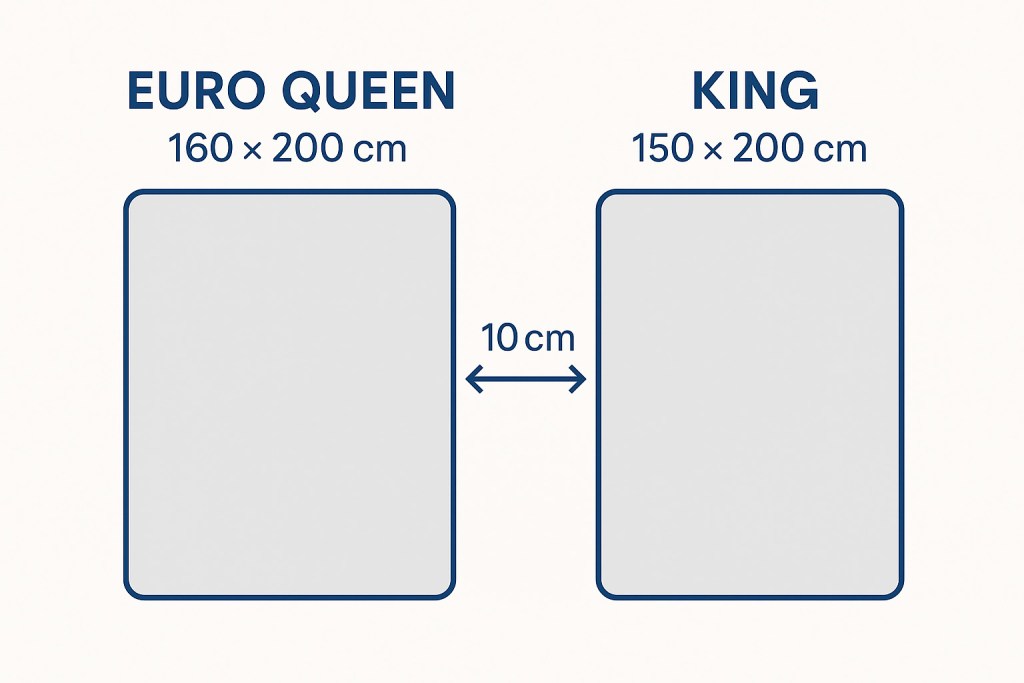
The Euro Queen size mattress (160 x 200 cm) is 10 cm wider than the UK King size mattress (150 x 200 cm), though both are the same length. Despite the name, the Euro Queen actually offers more sleeping space than the UK King, making it ideal for couples who prefer extra width.

euro queen size vs king size mattress

UK and EU Sizing 

In both the UK and Europe, a king-size mattress is bigger than a queen or Small Double mattress. There are slight differences between the sizes. 

Queen is not an official term for bed sizing in the UK, as most retailers refer to this size as Small Double. For a better understanding of the sizes, let’s have a look at the size comparison of different mattress sizes in the UK and the EU.

Mattress SizeUK DimensionsEU Dimensions
Single 90 cm x 190 cm90 cm x 200 cm
Small Double (Queen)120 cm x 190 cm120 cm x 200 cm
Double 135 cm x 190 cm140 cm x 200 cm
King150 cm x 200 cm160 cm x 200 cm (Euro Queen)
Super King180 cm x 200 cm180 cm x 200 cm

Queen vs King Mattresses- Pros and Cons 

Is a queen-size bed bigger than a king? You probably have a clear answer to this question. Once you are clear about the dimensions of the mattress, there are some other factors that must be considered. First of all, let’s explore the benefits and cons of both mattress sizes. 

Queen Mattress 

ProsCons
Queen mattresses are usually more affordable Might feel cramped for couples with kids
The most popular mattress size for couples, your bedding accessories are usually suitable for queen beds.You might want a bigger mattress if your partner takes up too much space in bed.
Comfortable and spacious enough for two people 
Easier to fit in the room, easy to move  

King Mattress 

ProsCons
Quite spacious for couples and sleepers who require extra space in bedKing mattresses cost more than queen beds
Best for couples with kids or petsAccessories are also expensive 
Looks beautiful in bigger bedroomsThey weigh more and are harder to move
 Not suitable for smaller bedrooms

Both mattresses have unique benefits and disadvantages. What’s the best mattress for you? Well, the right mattress depends on your personal needs and preferences. 

For the ease of customers, every product at Luxe Mattresses has exact dimensions in the description section. These details offer clarity for the customers, and they can also determine if the mattress is suitable for them. 

How to Choose the Right Mattress Size?

With different size options available for mattresses in the UK, how do you determine the right size for your room? Here are some points that can help you in the decision-making process.

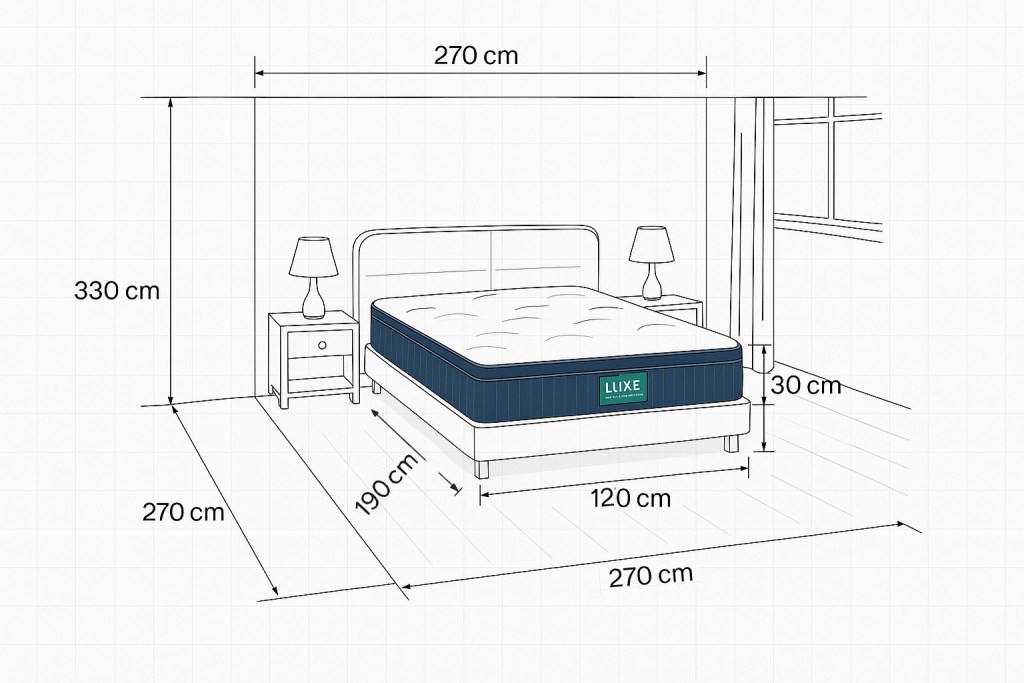
queen size mattress room Dimensions

1.    Room Measurements 

Bedroom size is one of the most important factors in deciding the right size for a new mattress. For a smaller room, a king-size mattress may be too big. Queen mattress is the ideal size option for smaller rooms. Placing a king bed will look good in bigger rooms only. 

2.    Budget 

Looking for the right bed without setting a budget will make the purchase process confusing for you. First things first, set a budget for the mattress, then start analysing the options. 

UK Mattress Price Ranges by Mattress Type (Average Highlighted)

A king mattress is more expensive than a queen mattress. Can you afford more money on a bigger mattress? For customers on a tight budget, queen mattresses may be a more affordable option. 

3.    Sleeping Partner

Are you a solo sleeper? Or do you sleep with your partner and kid? A queen mattress is good enough for a couple. Actually, most couples in the UK prefer queen-size mattresses. The king mattress is only needed if your kid or pet sleeps with you in the bed, or your partner takes up too much space in the bed. 

4.    Sleeping Habits and Body Features

The physical size of the sleepers is also an important factor in the process. For two bulky and oversized sleepers, a queen mattress may feel cramped. If your partner is a combination sleeper and keeps changing sides, you need a king-size mattress. 

Conclusion 

In the UK and Europe, a queen-size mattress is smaller than a king-size mattress. There are slight differences in the dimensions of beds in the UK and the EU. Make sure to confirm the size of the mattress before making the purchase. 

FAQs


What’s the main difference between a queen and king size mattress?

The main difference is width. A king mattress is 30 cm (about 1 foot) wider than a queen, providing more space for couples or those who move a lot during sleep.


Which size is better for couples?

Both work for couples, but a king size offers more personal space, which is ideal for restless sleepers or couples with children or pets who occasionally share the bed.


Will a king size mattress fit in my bedroom?

King size beds require a larger room, ideally at least 12×12 feet (3.6 x 3.6 m), to avoid a cramped feel. Always measure your space before buying.


Is there a big price difference between queen and king size mattresses?

Yes. King size mattresses are typically 10–20% more expensive than queen size, including bedding and frame costs.


Do I need special bedding for a king size mattress?

Yes, king size mattresses need king-specific sheets, duvets, and frames. These are widely available but can be slightly more expensive than queen bedding.

July 8, 2025

How Mattress Firmness Affects Couples: The Pros and Cons of Extra Firm Beds 

Sleeping with a partner is nice. But it can also be tricky, especially when it comes to the mattress. You both want good sleep, but what if one likes soft beds and the other likes a firm mattress?

Many couples look at the idea of an extra firm mattress. It’s strong, flat, and doesn’t sink much. But is it the right choice for two people?

In this blog, we’ll talk about how firmness affects couples, what makes an extra firm mattress helpful, and what things to watch out for. We’ll also help you choose the best firm mattress for two people.

What Is Mattress Firmness?

Let’s start with the basics.

Firmness means how soft or hard a mattress feels when you lie on it.

  • A soft mattress feels cushiony. You sink into it.
  • A firm mattress feels solid. You don’t sink as much.
  • An extra firm mattress feels very solid. You stay on top of it. Some people call it a rock hard mattress.

It’s not good or bad, it just depends on what your body needs to sleep well.

Why Mattress Firmness Matters for Couples

When two people sleep in one bed, their needs might not match. Firmness becomes more important than you might think. Here’s why:

1. Different Body Weights

If one person is heavier than the other, they might sink more on a soft mattress. This can make the bed feel uneven. One person might feel like they’re rolling toward the other. That’s not fun.A hard mattress gives better support and keeps both people on the same level. It stays flat, even if you’re heavier.

2. Different Sleep Styles

People sleep in different ways:

  • Back sleepers and stomach sleepers often need a firm or extra firm mattress. It helps keep the back straight.
  • Side sleepers may want a softer top layer so their shoulders and hips don’t hurt.

If you and your partner sleep differently, it can be hard to agree on what feels best.

3. Movement During Sleep

Some people toss and turn a lot. On a soft bed, this movement shakes the whole mattress. If your partner moves at night, it can wake you up. A firm mattress moves less. That means more peaceful sleep for both of you.

Pros of Extra Firm Mattresses for Couples

Here’s why many couples try an extra firm mattress:

1. Strong Support

A firm mattress gives strong support. It helps keep your spine straight while you sleep. If both people have back pain or want better posture during sleep, a back support mattress can really help. In addition, these mattresses help correct your posture, which is important for couples who do desk jobs. 

2. Helps with Weight Balance

A soft mattress might sag in the middle when two people lie on it. But a hard mattress stays firm. It doesn’t bend or sink much, even with more weight. This helps both partners feel steady and comfortable.

3. Less Bouncing

On a soft bed, every move is felt. A firm mattress absorbs those movements. You won’t feel it much if your partner gets up or rolls over. This means better sleep and fewer wake-ups.

4. Cooler Sleep

Extra firm beds don’t hug the body too much. That means air can move around your body better. If you or your partner gets hot at night, this is a big plus.

Cons of Extra Firm Mattresses for Couples

Not every couple loves a rock hard mattress. Here are a few things to think about before you decide:

1. Might Feel Too Hard

If you’re used to a soft bed, switching to an extra firm mattress may be uncomfortable at first. Your body may need time to get used to it, so don’t get frustrated because the first few nights might be tough. 

2. May Not Work for Side Sleepers

If one of you sleeps on your side, a very hard mattress might cause pressure on your hips and shoulders. It can feel stiff or painful. You might need to add a soft mattress topper to fix this. If that’s the case, don’t hesitate to invest in a topper.

3. One-Size-Does-Not-Fit-All

Sometimes one person loves the firm feel, but the other doesn’t. That can lead to arguments and poor sleep. You’ll need to find a middle ground or look at custom options.

Tips to Choose the Best Firm Mattress for Couples

Choosing a mattress together doesn’t have to be hard. Here are some simple tips:

1. Talk to Each Other

Start by sharing what each of you likes. Do you have back pain? Do you get hot at night? Does one of you move a lot? These things matter. Understanding each other helps you find a good match.

2. Choose a Mattress That Fits Both

Some mattresses are made just for couples. These beds offer strong edges, firm support, and better motion control. Look for these features if you’re buying a firm mattress.

3. Try Medium-Firm First

If one of you likes soft and the other likes extra firm, try a medium-firm mattress. It’s a safe middle choice. You can always make it feel firmer with a topper.

4. Test Before You Buy

Many companies let you test the mattress at home for 30, 60, or 100 nights. If it doesn’t work for both of you, you can return it. This helps you buy with confidence.

5. Split Firmness Option

Some beds come with two sides, one firm, one soft. This is perfect if your sleep styles are very different. It costs a bit more, but you both sleep better.

Common Questions Couples Ask About Firm Mattresses

Q: Will an extra firm mattress hurt my back?

A: Not usually. In fact, many people find it helps. A back support mattress keeps your spine in line. But it should still feel comfortable, not like sleeping on the floor.

Q: Can a firm bed be cozy?

A: Yes. Some firm mattresses have soft top layers. You get comfort plus support. You can also add a soft mattress topper for extra cushion.

Q: What if only one of us likes firm beds?

A: Try a split bed or compromise with a medium-firm mattress. You can also adjust one side with a topper. There are many ways to make both people happy.

Final Thoughts

good mattress is important, especially when you share it with someone. If you’re both looking for more support, better posture, or fewer sleep disruptions, an extra firm mattress might be a great option. Here’s a quick reminder of the good and not-so-good things:

Pros

  • Great support for your back and body
  • Helps with movement control
  • Lasts longer and holds shape better
  • Stays cooler at night

Cons

  • May feel too hard at first
  • Might not be soft enough for side sleepers
  • One partner might not like it

The best firm mattress is the one that works for both of you. It doesn’t have to be perfect; it just has to help you sleep well together.

Take your time, try different options, and remember: better sleep leads to a better relationship.

is refurbished mattress safe
July 8, 2025

Is a Refurbished Mattress Worth the Risk? What to Know Before You Buy 

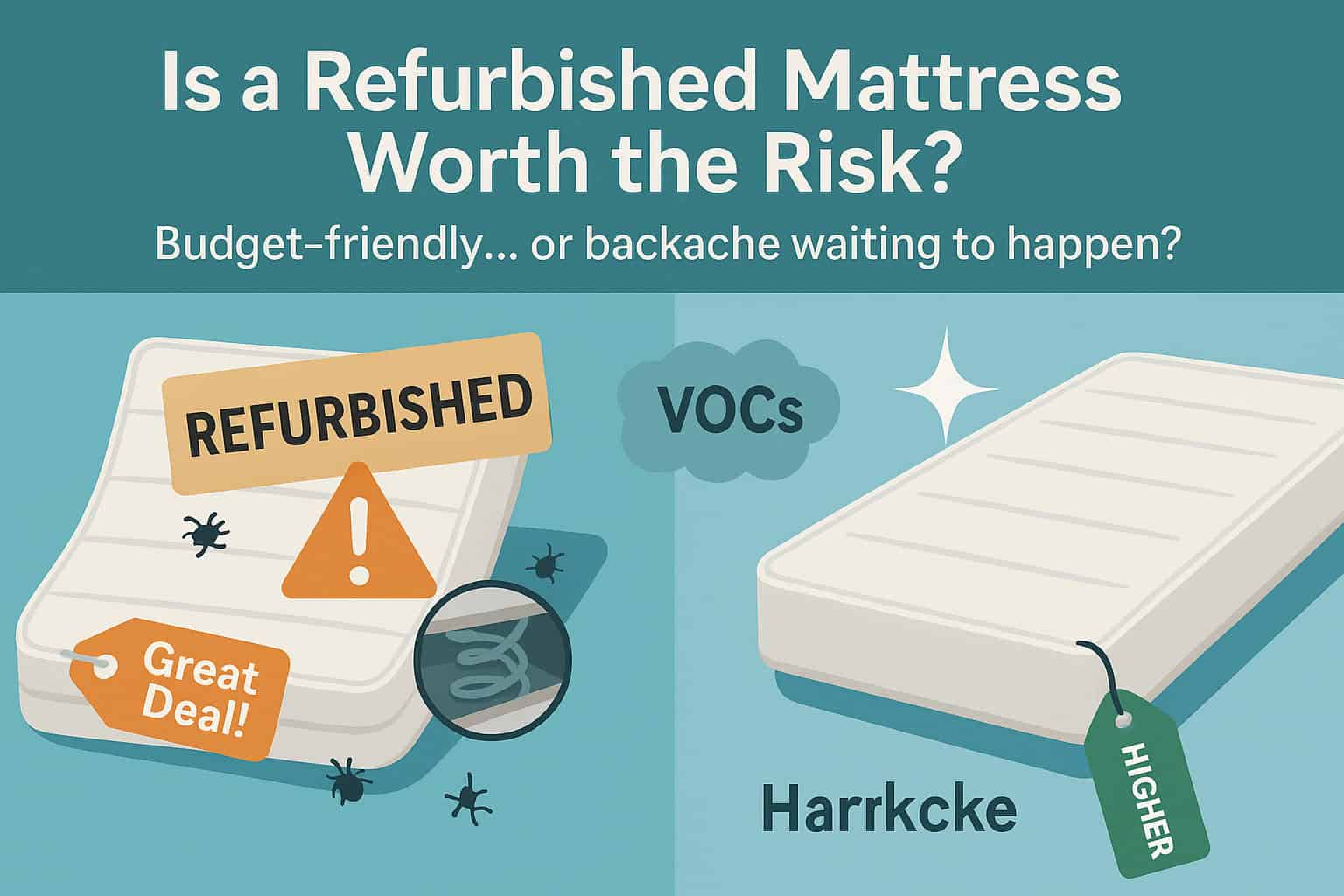
A refurbished or reconditioned mattress at a tempting price may attract your attention instantly. These mattresses look nice, and they cost less than a New mattress. Refurbished mattresses may seem a good grab, but there is always a catch; there are risks involved. 

In this article, we will review the pros and cons of a refurbished mattress. If you are a budget buyer, we have some amazing options that are better than reconditioned mattresses and offer better value for money. Instead of risking your health, invest in good quality new mattress and enjoy peaceful sleep every night. 

What is a Refurbished Mattress? 

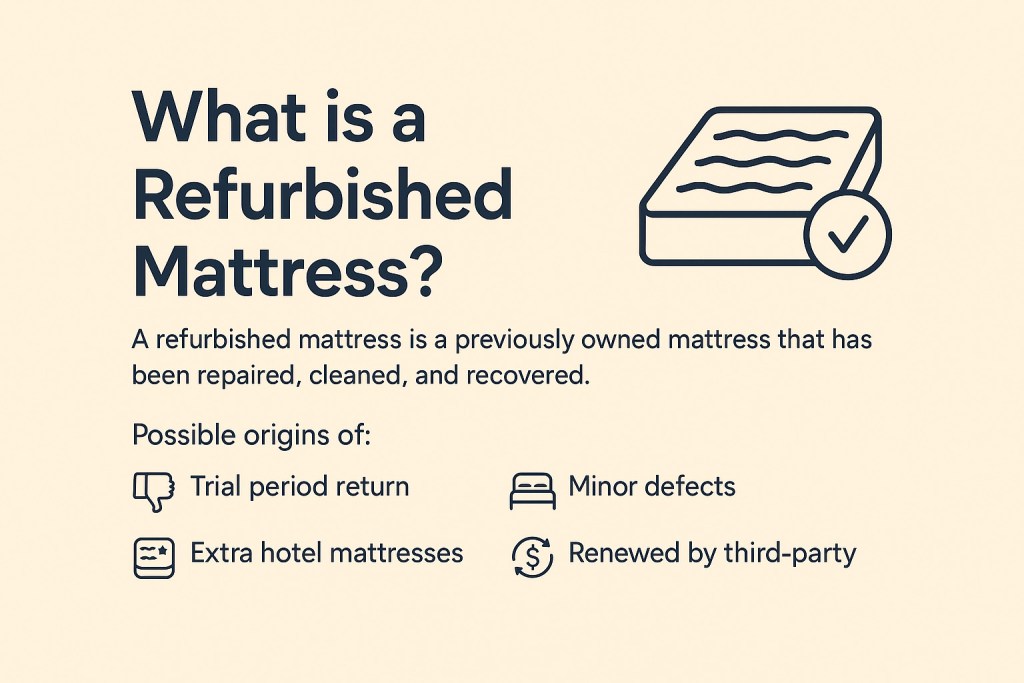
A refurbished mattress is previously owned or returned mattress. These are not second-hand or used products and most of the time, owners return almost new mattresses due to some minor faults. But can a refurbished mattress compete with a new luxury mattress? 

what is refurbished mattress

Brand repair, clean and recover these previously owned mattresses and then resell them as refurbished or reconditioned mattresses. Here are some possible origins of refurbished mattresses:

  • The customer did not like the mattress during the trial period
  • Hotels and guestrooms returned extra mattresses
  • Mattresses with minor defects
  • Used mattresses renewed and refurbished by 3rd party sellers

Not every refurbished mattress is worth buying. The level of repair may vary and if you end up with a bad product, your money and wasted and your sleep too. Are these refurbished mattresses worth the risk when you can buy a new mattress for a competitive price?

Risks of Refurbished Mattresses 

When buying a refurbished mattress, you don’t know the previous history of the product. Who has used the mattress, and how was it maintained and for how long? You may not find answers to these questions.

 Buyers need to understand that buying a reconditioned mattress in the UK is a blind bet. Here are some potential risks involved with buying a reconditioned mattress in the UK.

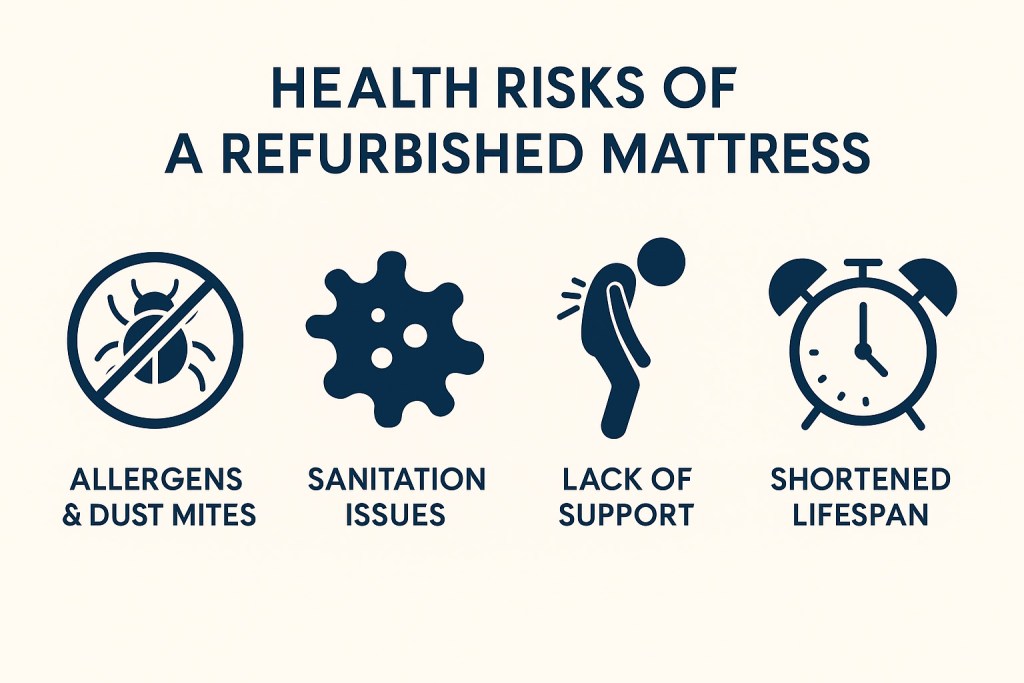
1. The Hidden Health Risks of Refurbished Mattresses

While refurbished mattresses may appear clean and cost-effective on the surface, they can harbor invisible health threats, especially for individuals with allergies, asthma, or compromised immune systems.

Hygiene & Allergen Exposure:

Refurbished mattresses often retain traces of sweat, skin cells, dust mites, pet dander, and bacteria from previous users. Even with surface-level sanitisation or new covers, these contaminants can remain embedded deep in the mattress layers. these are the main risks associated with refurbished mattress:

  • Respiratory irritation (due to dust mites or mold spores)
  • Skin reactions and rashes (from residual irritants or cleaning chemicals)
  • Aggravation of asthma or eczema, particularly in children or sensitive sleepers
health risks of using refurbishment mattress

Bed Bug and Mold Contamination:

Unlike new mattresses, refurbished ones may have been exposed to pests or water damage, both of which are difficult to detect without internal inspection. Bed bugs can survive inside crevices and seams, while mold thrives in foam layers if the mattress was stored in damp conditions.

Structural Integrity and Back Pain:

Reused springs and foam may lack the support needed for spinal alignment, especially if the previous owner’s body impression remains in the structure. This can result in chronic back, neck, and hip pain, or disturbed sleep due to uneven pressure points.

Real case: A 2022 investigation by consumer protection group Which? in the UK found that some “renewed” mattresses failed hygiene tests, showing elevated levels of allergens and irregularities in spring support even after supposed refurbishment.

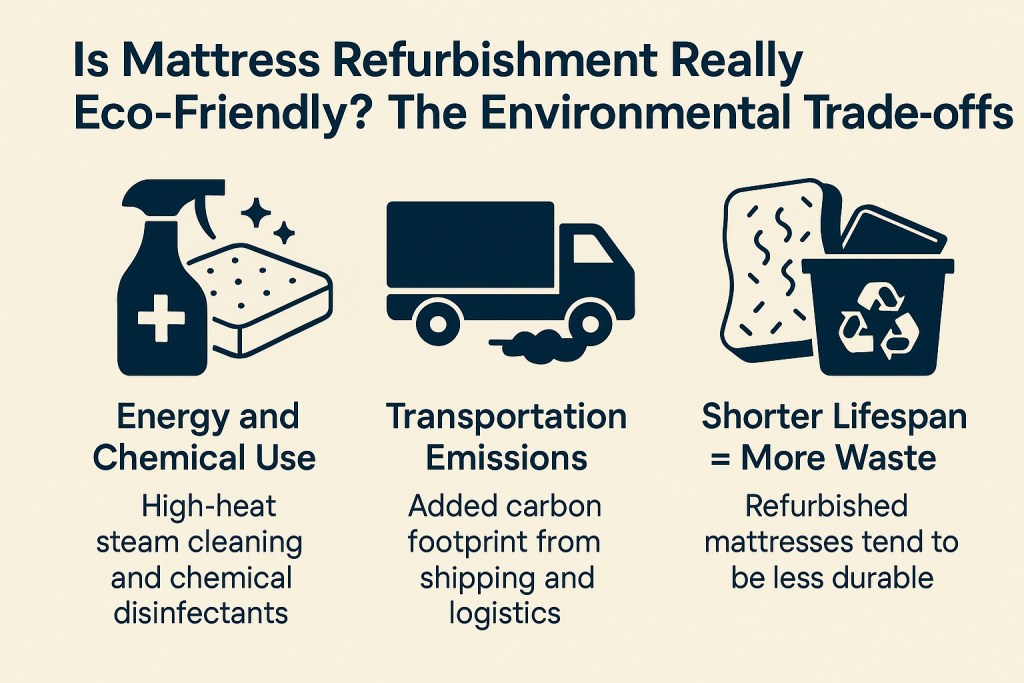
2. Is Mattress Refurbishment Really Eco-Friendly? The Environmental Trade-offs

Mattress refurbishment is often marketed as a sustainable solution and often considered as eco friendly mattress production approach, but its actual environmental footprint is more complex than it appears.

Energy and Chemical Use:

The cleaning and restoration of mattresses typically involve high-heat steam cleaningchemical disinfectants, and new textile materials (such as foam and fabric). These processes consume significant energy and may introduce volatile organic compounds (VOCs) or bleach-based substances into the waste stream.

Transportation Emissions:

Refurbished mattresses are often shipped back and forth between collection, cleaning, and reselling centres. This added transport increases the carbon footprint, particularly if the refurbishing company lacks local facilities.

Shorter Lifespan = More Waste:

Most refurbished mattresses do not last as long as new ones due to compromised internal materials. This means consumers often discard them sooner, leading to double the landfill contribution over time. Instead of reducing waste, it can delay it temporarily, resulting in circular inefficiency.

Conclusion: While mattress refurbishment reduces immediate landfill volume, the process still involves energy, chemicals, and emissions. It is only truly sustainable when strict standards and high-quality restoration are maintained, which is not always the case.

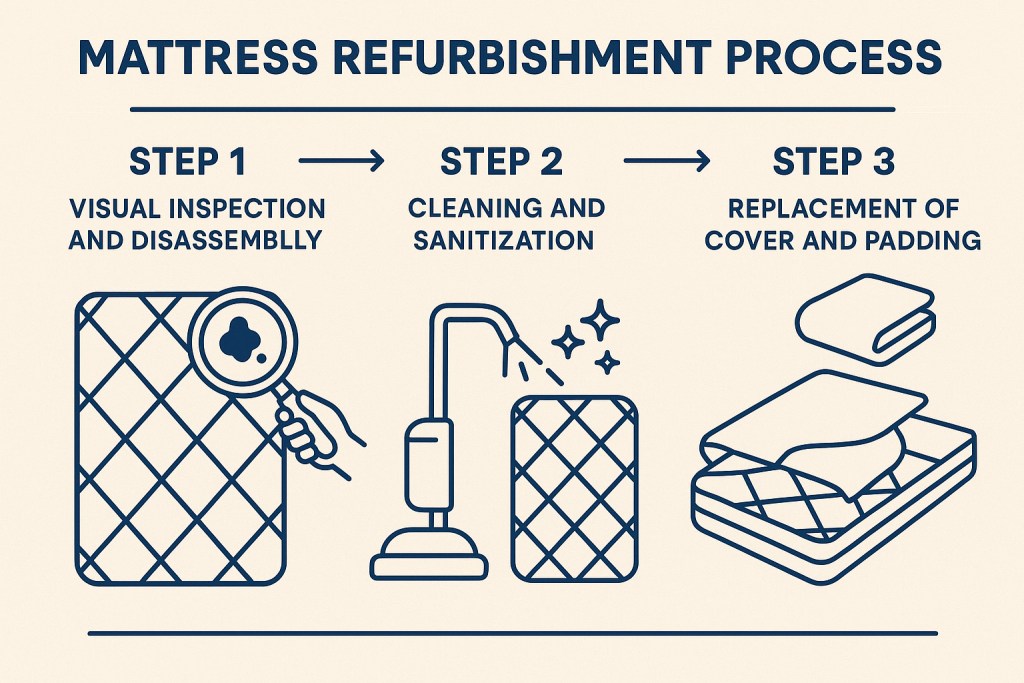
3. What Really Happens During the Mattress Refurbishment Process?

The process of refurbishing a mattress is not universally standardised and can vary widely depending on the company, region, and type of mattress. However, most refurbishment operations follow a general sequence that includes inspection, cleaning, cosmetic improvements, and resale. Here’s a closer look at what typically happens behind the scenes:

Step 1: Visual Inspection and Disassembly

Once a mattress is returned, collected, or discarded, it undergoes an initial visual inspection. Trained workers look for visible damage such as stains, tears, sagging, or broken springs. If the mattress appears too degraded or unhygienic for reuse, it is often rejected and either sent for partial material recycling (e.g., metal springs) or disposed of entirely.

If it passes inspection, the mattress is partially disassembled. This usually involves removing the outer cover to assess the integrity of the internal components, particularly the foam layers, support cores, and spring systems. The goal is to determine whether the structure can be salvaged or requires replacement.

Step 2: Cleaning and Sanitisation

For mattresses that are deemed salvageable, a cleaning process begins. Most refurbishers use steam cleaningultraviolet (UV) treatment, or chemical disinfectants to sanitize the surface and immediate inner layers. While these methods can eliminate surface-level contaminants such as dust, bacteria, or minor odors, they rarely penetrate the deep core of the mattress, where mold, allergens, and microscopic debris may still exist.

In many cases, companies focus on restoring a mattress to look and smell fresh rather than ensuring full hygienic integrity. This step is also where the greatest variation occurs, some companies go through rigorous sanitation, while others perform minimal cleaning.

Step 3: Replacement of Cover and Padding

After cleaning, the mattress is cosmetically improved. This usually means applying a new outer fabric cover, often branded or styled to mimic the original. In some cases, the top layer of foam or padding, the “comfort layer” is also replaced to improve appearance and feel.

However, it is important to note that the support core (springs or base foam) is often retained, even if it has been compressed or structurally weakened from prior use. This is where refurbished mattresses can underperform compared to new ones, as the internal components may have already undergone significant wear.

Step 4: Basic Functionality Testing and Repackaging

Once reassembled, the mattress is subjected to basic mechanical testing, such as compression or bounce response checks. These tests are typically superficial and do not include the comprehensive pressure mapping, durability trials, or material stress tests that are performed on new mattresses during manufacturing.

After testing, the mattress is re-covered, sealed, and repackaged for resale. At this stage, it is often labeled as â€œrenewed,” “refurbished,” or “like new,” but the description may not disclose the exact extent of the refurbishment. Consumers are rarely informed about which components were replaced, how the mattress was cleaned, or how old the internal materials are.

4.    Poor Comfort and Support System

A quality mattress can easily last for years but the support system may not remain efficient. When you buy a refurbished mattress, there is no proper way to verify the structural integrity of the mattress. A saggy mattress is not worth buying, even at the cheapest rates. 

Luxury mattresses by Luxe are praised for optimal support and comfort. If you compare the prices of refurbished mattresses with those of Luxe mattresses, new ones seem a better purchase. There is no point in risking the comfort and support for a cheaper mattress. 

5.    No Warranty or Trial Period 

Every new mattress by Luxe Mattresses UK comes with a 100-night trial period and a 10-year warranty. For a decent investment, you are getting a reliable product and peace of mind. On the other hand, refurbished products usually don’t come with any warranty or trial period. Once you have made the purchase, the mattress is yours. 

What Mattress Brands Don’t Tell You About Refurbished Beds

Many large mattress companies market refurbished or “renewed” mattresses as sustainable alternatives, but what’s often left out is how inconsistent the refurbishment process can be. While some may sanitise and re-cover the mattress properly, others merely patch up surface damage and sell it as nearly new.

Refurbished Mattress Companies (UK)
⚠️ Warning: While refurbished mattresses may seem budget-friendly and eco-conscious, they can pose hidden hygiene, durability, and safety risks. Always verify what “refurbished” means—some may simply be cleaned returns with unknown wear or damage. You deserve full transparency and peace of mind when it comes to your sleep and health.

Refurbished Mattress Companies in the UK

Company Client Type Highlight
Green Sleep Ltd Consumer & Retailers Eco-conscious refurbishment of unused/returned mattresses
TFR Group Retail & Local Authorities Large-scale refurbishment and recycling for partners
Simba Sleep Consumers Returned mattresses inspected, refurbished & discounted
Eve Sleep Consumers Premium refurbished mattresses with new covers
Bensons for Beds Consumers 22-point check, UV sterilised, 1-year guarantee
Emma (Second Life) Consumers Sanitised, refitted, ~35–40% lower cost
Dormeo UK Consumers Certified rejuvenated memory foam & hybrids
OTTY Consumers Eco-refurbished, re-covered, deep-cleaned
Naturalmat Consumers Full refurbishment or recycling with TFR
TEMPUR UK Outlet Consumers Factory outlet refurbished TEMPUR mattresses

For instance, in a widely reported UK case, cot death researcher Dr. Jim Sprott raised concerns that second-hand or inadequately refurbished mattresses may contribute to sudden infant death syndrome (SIDS). His investigation found that reused baby mattresses, especially those with unknown histories, can harbor harmful bacteria, fungi, or chemical byproducts. Since there is no strict regulation for refurbishing or reselling mattresses in many regions, terms like “refurbished” or “pre-owned” can mean anything from light surface cleaning to complete structural overhaul. Crucially, parents are often not told what level of cleaning was performed or whether the inner materials were replaced, making it difficult to judge the real safety of the product.

In short, the transparency around refurbishment processes is limited, and what you get might be far from what’s promised.

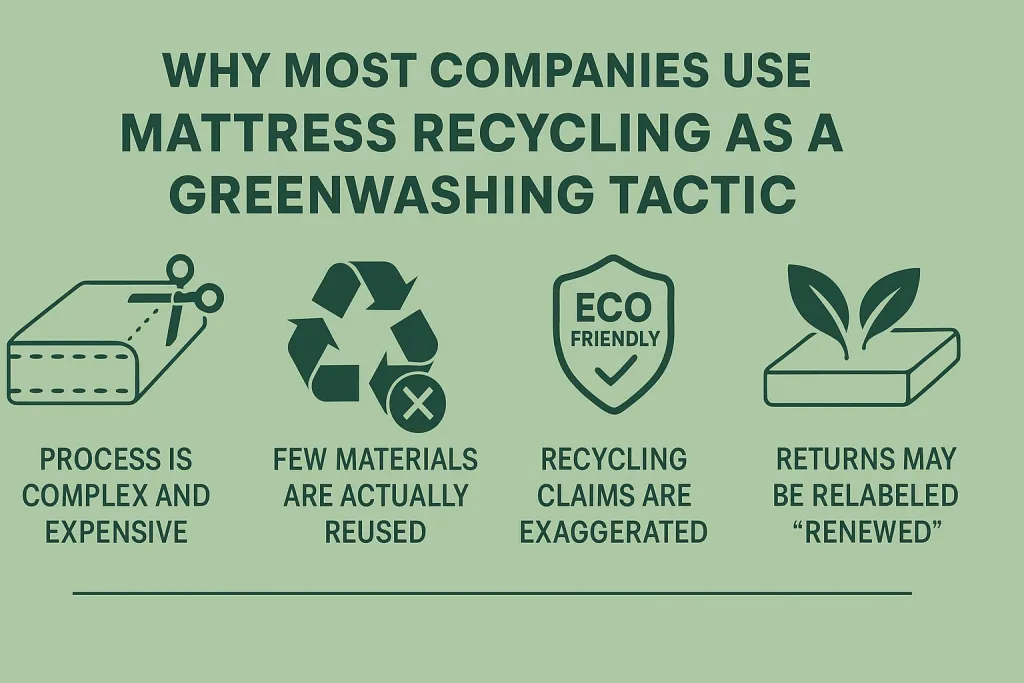
Why Most Companies Use Mattress Recycling as a Greenwashing Tactic

Mattress recycling sounds like a win for the planet. Less waste, fewer landfills, and a smaller carbon footprint. But in reality, for many companies, it is little more than a marketing strategy. Beneath the surface, mattress recycling often becomes a case of greenwashing, a way to appear eco-conscious without making meaningful changes.

The truth is that mattress recycling is complex and expensive. It requires taking apart layers of foam, springs, textiles, adhesives, and covers. In most cases, only a small portion of these materials, usually metal and some foam, can actually be reused. The rest is still discarded, just delayed before reaching the landfill.

One clear example comes from California’s state-run mattress recycling program. Although advertised as fully recyclable, reports revealed that only 45 percent of the materials were actually reused. The rest ended up in incinerators or landfills.

Even more concerning, some companies resell lightly used or returned mattresses under labels like “renewed” or “recycled” without explaining how much of the mattress was truly restored.

In the end, the eco-friendly image often hides cost-cutting tactics or a way to profit from returned inventory. The promise of sustainability becomes a selling point, not a real commitment.

Should You Buy a Refurbished Mattress? The Hidden Risks You Must Know

Buying a refurbished mattress might save you money, but it comes with serious trade-offs â€” especially regarding hygiene, durability, and health.

  • Hygiene Risks: Even with steam cleaning, it’s hard to eliminate dust mites, bacteria, or mold from inner layers of used mattresses. For allergy sufferers or those with sensitive skin, this can be a real issue.
  • Lack of Warranty or Return Options: Refurbished mattresses often come with no or limited warranty, and returns may not be accepted. That’s a big gamble if the mattress turns out uncomfortable or faulty.
  • Unknown Wear and Tear: The inner support (springs, foam density) might have already degraded, leading to poor spinal support or early sagging. It’s like buying used shoes — they’re shaped to someone else’s body, not yours.

Real-life case: A UK customer shared on Trustpilot that a refurbished mattress they purchased online developed a significant dip within 3 months, only to discover the internal foam had not been replaced — only a new outer cover was added. They ended up replacing it with a new one, doubling their cost and stress.

When a Refurbished Mattress May Be Acceptable 

If you have the budget and want to invest in premium products only, a new mattress is always the best decision. For some users, affordability may be a serious factor, and even then, there are some rare scenarios where a refurbished mattress may be acceptable:

  • A trusted reseller has listed the mattress, and a detailed previous history is available
  • The refurbished mattress is clearly labelled as a lightly used product
  • You are using the mattress for commercial use 

Orthopaedic Mattress for Back Pain- Better Alternative 

Back pain is a common and serious issue, and your mattress plays a major role in this health problem. Sleepers don’t realise the importance of a quality mattress. They end up sleeping on a worn-out mattress for years, and when they realise the issue, the damage is already beyond repair. 

Instead of risking your health and quality of sleep, get a brand-new orthopaedic mattress for back pain. The price tag for a new mattress might be higher than a reconditioned mattress, but you won’t regret your decision. 

Benefits of Orthopaedic Mattresses 

As the name suggests, these mattresses are specially designed to offer optimal support to ease back pain. At Luxe, we partner with renowned sleep experts and chiropractors to develop luxury orthopaedic mattresses that can help with back pain relief and pressure point relief. 

Switching from a refurbished or worn-out mattress can make a huge difference in the quality of your sleep. Here are some potential benefits that you can enjoy with a new orthopaedic mattress for back pain from a trusted brand like Luxe Mattresses in the UK:

  • Targeted spinal support to help the body maintain the natural curve of the spine
  • Body weight is distributed evenly across the mattress so that no points build pressure 
  • You have peace of mind because you are getting a hygienic and clean mattress 
  • Luxe products come with a generous trial period and warranty 
  • A premium orthopaedic mattress by Luxe can easily last for 10 years
  • Customer-friendly return and exchange policy 

Final Verdict 

In most cases, buying a refurbished mattress is not worth the risk. If you have allergies and any type of body pain, a refurbished mattress is a BIG NO for you. Buying a used mattress may seem like a budget-friendly deal, but you will be paying the real price in terms of back pain, allergies, restless nights and other potential issues. 

Invest in quality products only a buy a brand new orthopedic mattress for back pain. Luxe Mattresses is a renowned luxury mattress brand in the UK. Stay connected for latest deal and product releases by Luxe. 

FAQs


Are refurbished mattresses safe to sleep on?

Not always. While some companies follow proper cleaning and sanitisation protocols, others may only do surface-level refurbishing, replacing the cover without addressing internal hygiene or wear. Without transparency or certifications, there’s a risk of exposure to allergens, bacteria, mold, or even bed bugs. If you have allergies, asthma, or sensitive skin, a refurbished mattress may pose health risks.


How can I tell if a refurbished mattress is truly clean and hygienic?

Ask for documentation of the refurbishment process. Reputable sellers should provide details about what was cleaned, replaced, or inspected. Look for certifications like CertiPUR-US, OEKO-TEX, or local sanitation compliance. If a mattress is sold “as-is” with vague terms like “renewed,” it’s best to be cautious.


Do refurbished mattresses come with a warranty or return policy?

In most cases, warranties are limited or nonexistent. Some sellers may offer a 30-day trial or limited coverage, but it’s far less than the 5–10 years you might get with a new mattress. Always check the return and warranty terms before purchasing, many refurbished options are final sale.


Are refurbished mattresses really eco-friendly?

Only partially. While they reduce immediate waste and keep some materials out of landfills, the refurbishment process often uses chemicals, electricity, and packaging materials, which can offset those environmental gains. Additionally, because refurbished mattresses tend to wear out faster, they may end up being replaced and discarded sooner than a new mattress, leading to more waste in the long run.


Is it worth buying a refurbished mattress to save money?

It depends on your budget, risk tolerance, and health needs. If the seller is transparent and offers proper hygiene certification, a refurbished mattress can be a budget-friendly option. However, for most people, especially those with back issues, allergies, or higher expectations, spending a bit more on a new, entry-level mattress with a warranty is usually the safer, longer-lasting investment.

May 26, 2025

Is an Extra Firm Mattress Right for Kids or Teens? Pediatric Advice Insider

Mattress shopping for kids or teens isn’t always easy. Especially when it comes to firmness. Considering whether an extra firm mattress might be suitable can add another layer of complexity to the decision-making process.

Many parents wonder,

  • “Should kids sleep on a firm mattress?”
  • “Is an extra firm mattress good for growing bones?”
  • “Will a hard mattress help with posture?”

These questions are important. Sleep plays a big role in healthy growth. The right mattress can make a big difference.

Let’s clear up the confusion with real advice from pediatricians and sleep experts. Here’s what to know before choosing a mattress for a child or teenager.

What Does “Extra Firm” Mean?

An extra firm mattress is very stiff. It has almost no “give.” When someone lies down, the mattress stays flat. There’s little or no sinking in. This can be okay for some adults, especially those with more weight or who sleep on their backs. But kids are different.

Children are lighter. Their bodies are still developing. Their bones and joints need some cushioning. Lying on a rock hard mattress can feel uncomfortable to a young child or teenager. It can cause pressure on the hips, shoulders, or back.

So no, extra firm doesn’t always mean “better.”

Is a Firm Mattress Good for Kids?

Yes, in most cases, a firm mattress is good for children. But there’s a difference between firm and extra firm.

  • Firm means strong support, but still with some comfort.
  • Extra firm means very little softness, almost none.


Mattress Comparison of Firmness for Kids & Teens: Soft vs. Firm vs. Extra Firm

Feature Soft Mattress Firm Mattress Extra Firm Mattress
Spinal Alignment May lack proper support; can cause misalignment Good alignment for most body types Excellent support for spine (if body weight is high)
Comfort Level Very high comfort for lightweight or side sleepers Balanced comfort and support Can feel too rigid or hard for many
Pressure Relief Excellent for pressure relief on shoulders & hips Moderate – some pressure on joints possible Low – may cause discomfort in pressure points
Blood Flow Promotes good blood flow by reducing pressure points Neutral – less sinking, moderate flow Can reduce blood flow due to firmness
Best For Sleep Position Side sleepers, lightweight individuals Back sleepers, some side and stomach sleepers Stomach sleepers, heavier individuals
Support for Heavier Individuals Not ideal – may cause excessive sinking Ideal – prevents excessive sinking Best – strong resistance to sinkage
Motion Isolation Good, especially in foam mattresses Very good Good if foam-based, average if coil-based
Body Contouring High – conforms easily to body curves Moderate body contouring Minimal – designed for flat support
Temperature Regulation Retains more heat unless specially ventilated Better airflow than soft mattresses Good airflow, stays cooler
Durability Moderate – soft foams may degrade faster High – supportive and longer lasting Very high – extremely durable materials

Doctors often recommend firm or medium-firm mattresses for young children. These help keep the spine straight during sleep.

A back support mattress should keep the body level, not bent or curved. But it should also be soft enough to avoid pressure pain.

What About Babies?

Babies are different. Infants need a very firm mattress. This is for safety. Soft mattresses can raise the risk of suffocation or SIDS (Sudden Infant Death Syndrome). That’s why crib mattresses are hard and flat. For newborns:

  • Always use a firm, flat surface
  • Never use a soft or squishy bed
  • Make sure the mattress fits tightly in the crib

After age 1, as the baby grows into a toddler, mattress options can start to change.

What Works for Toddlers and Young Kids?

Toddlers and young kids (ages 2–7) still need support. A firm or medium-firm mattress is usually best. At this age:

  • Their bones are soft but growing fast
  • Sleep posture matters
  • A little cushioning helps with comfort

hard mattress that’s too stiff may cause them to toss and turn. It might also create soreness in the morning. So, skip the extra firm mattress for this age group unless a doctor says otherwise.

What About Preteens and Teens?

This is where things get more personal. As kids grow into teens, their bodies change a lot. Some grow taller quickly. Others gain muscle. Some are very active, while others are not. So, their mattress needs change, too. In general:

  • Back and stomach sleepers often like a firm mattress
  • Side sleepers usually need more softness on top
  • Active teens might need more support for recovery

For this age group, a medium-firm or firm back support mattress is often a great choice. It gives structure but still feels comfortable.

Too much firmness, like a rock hard mattress, can cause shoulder or hip pain, especially if the teen sleeps on their side.

When Is an Extra Firm Mattress Okay?

In most cases, it’s not the best choice for kids or teens.

But there are a few exceptions:

  • If a doctor recommends it
  • If the child is very heavy and needs extra support
  • If the teen strongly prefers a hard surface

Even then, it’s a good idea to test the mattress first. Many stores or online brands offer trial periods. Let the child or teen try it out and see how they feel after a few nights.

Signs the Mattress Is Too Firm

Watch for these red flags:

  • Complains the bed feels “hard” or “like the floor”
  • Wakes up with stiff shoulders or hips
  • Tosses and turns at night
  • Seems tired in the morning even after a full night’s sleep

These signs may mean the mattress is too firm for their size or sleep style.

Adding a soft mattress topper can helpwithout needing to replace the entire bed.

Mattress Material Matters Too

Not all firm mattresses feel the same. The material inside matters.Some back support mattresses use memory foam. These feel soft on top, but still hold the spine in place. Others use innerspring or hybrid designs.Look for these things:

  • Foam or layers that contour to the body
  • Breathable materials (helps prevent overheating)
  • Strong edges, so kids don’t roll off
  • Long-term durability

The best firm mattress for a kid or teen is one that balances support with comfort. It should help them sleep deeply, without pain or pressure.

Tips for Picking the Right Mattress for Kids or Teens

  • Choose firm or medium-firm, not extra firm
  • Think about how they sleep (back, side, stomach)
  • Let them try the mattress first if possible
  • Check if there’s a trial period
  • Look for quality materials
  • Make sure it fits the bed frame properly
  • Watch how they sleep after a few nights

1. Prioritize Spinal Support for Growing Bodies

Children and teenagers experience rapid growth. A mattress that supports spinal alignment helps prevent posture issues and promotes healthier bone and muscle development. Look for medium-firm mattresses with responsive foam or coil support.

2. Choose the Right Size for Growth

Kids outgrow toddler beds fast. Instead of replacing mattresses frequently, consider starting with a twin XL or full-size mattress to give them space to grow—especially during teenage years.

3. Opt for Hypoallergenic Materials

Young sleepers can be sensitive to dust, mites, and allergens. Choose mattresses made with hypoallergenic or organic materials such as bamboo, organic cotton, or latex to reduce the risk of allergies and asthma.

4. Breathability and Temperature Control Matter

Children can overheat more easily than adults. Choose a mattress with good airflow, breathable fabric covers, or cooling gel layers to help regulate body temperature throughout the night.

5. Balance Comfort and Firmness

Kids need softness for comfort and firmness for support. For most children and teens, a medium or medium-firm mattress is ideal — it cushions their body without letting them sink in too deeply.

6. Consider Sleep Position and Weight

  • Side sleepers need a slightly softer surface for shoulders and hips.
  • Back and stomach sleepers benefit from firmer surfaces to keep their spine aligned.
  • Heavier teens may require more support than lighter ones — opt for a mattress that won’t sag quickly.

7. Look for Certified Safe Materials

Ensure the mattress is CertiPUR-US® or GOLS/GOTS certified, indicating it’s free from harmful chemicals, heavy metals, and formaldehyde.

8. Durability is Key

A quality kid’s mattress should last 7–10 years. Choose one with high-density foam or pocketed coils that won’t lose shape over time.

9. Check for a Removable, Washable Cover

Accidents, spills, and allergies are common. A removable, machine-washable cover helps keep the mattress clean and extends its lifespan.

10. Choose a Trial Period for Flexibility

Kids and teens can be picky or need time to adjust. Choose a mattress brand that offers a risk-free sleep trial (90–100 nights) and a solid warranty.

Conclusion 

An extra firm mattress might sound like the healthy choice, but it’s not the best fit for most kids or teens. Children need support, yes, but also comfort. The spine should stay straight, but the mattress shouldn’t feel like sleeping on the ground.

In most cases, a firm or medium-firm mattress gives the right balance. A good back support mattresshelps with growth, posture, and peaceful sleep. Always pick based on the child’s age, weight, and sleep habits. Not every “firm” mattress works for every kid. When in doubt, skip the rock hard mattress and go with something that feels firm, but still friendly.

FAQs

Can kids sleep on an extra firm mattress?

Not recommended for most kids. It’s usually too hard and can cause discomfort.

What firmness is best for growing kids?

A firm or medium-firm mattress is ideal. It supports their back but isn’t too stiff.

Is a hard mattress good for teenagers?

Sometimes. If they sleep on their back or stomach, it can work. But too much firmness can cause pain for side sleepers.

What’s the best firm mattress for kids?

One that offers support, has breathable materials, and is comfy to lie on. Not too soft. Not too hard.

Can a mattress be too firm for a child?

Yes. If they complain of pain, stiffness, or trouble sleeping, the mattress may be too hard.

References

https://www.saatva.com/blog/kids-mattress

https://www.idealhome.co.uk/all-rooms/mattresses-and-bedding/what-is-the-difference-between-a-kids-and-an-adults-mattress

https://www.maxtrixkids.com/blogs/inspo/how-to-shop-for-a-kids-or-toddler-mattress?srsltid=AfmBOopXeqd15rcOQX60m8SRGTNZiA3uxefMfcSG5wO352SAY502YBha

https://www.bedshed.com.au/blog/best-type-of-mattress-for-children

https://forum.mattressunderground.com/t/selecting-firmness-for-children/722

Product has been added to your cart