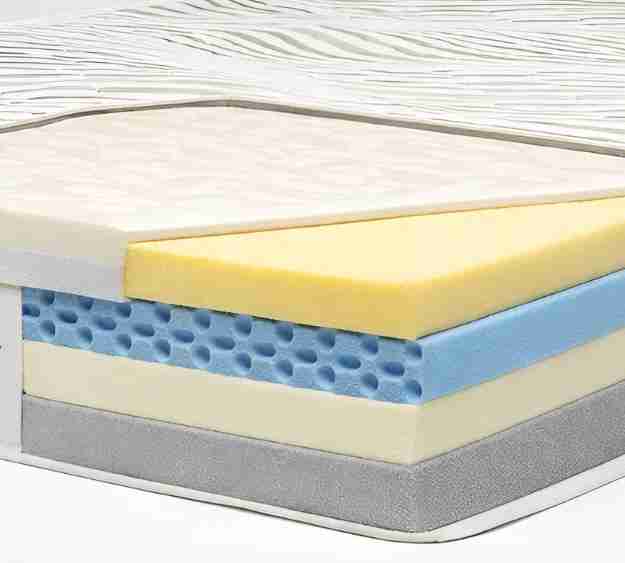
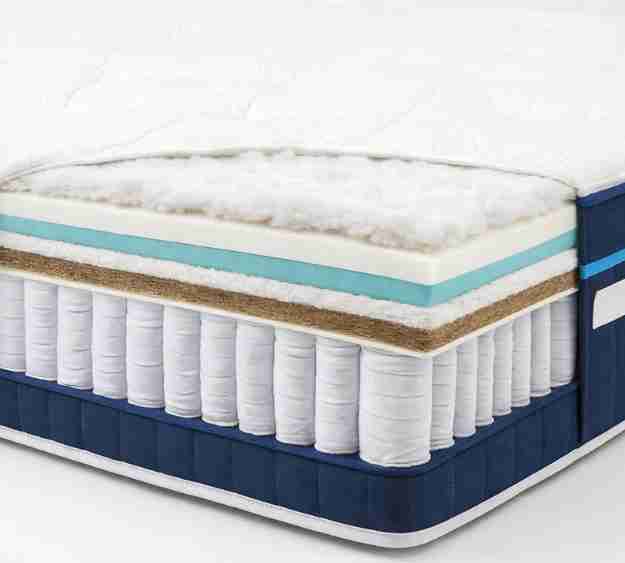
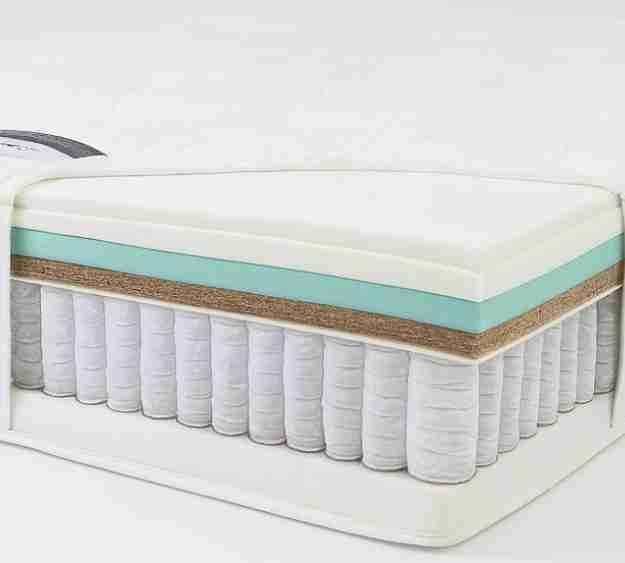
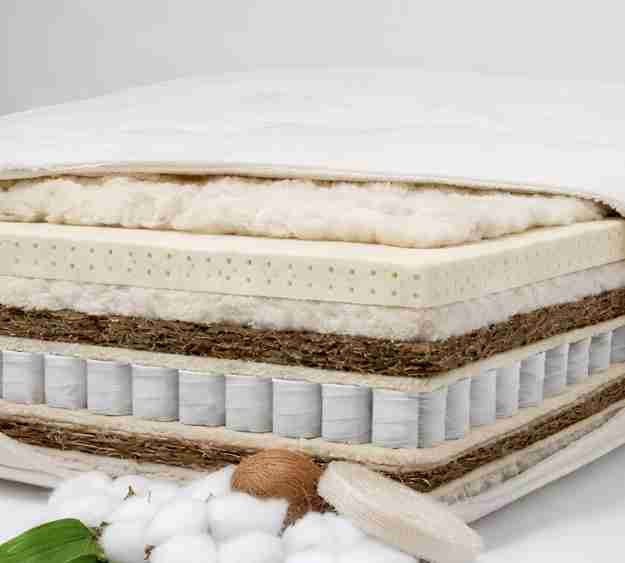
If you’re waking up sore, tired or tossing more than usual, your mattress might be to blame. Over time, even the highest quality beds start to wear down unevenly. Flipping your mattress at regular intervals isn’t just a cleaning ritual; it’s a strategy to extend its lifespan and protect your spine. Let’s explore why this often-overlooked habit matters more than you think.
What Happens When You Don’t Flip Your Mattress?
Mattresses absorb weight pressure and heat night after night. Without flipping, certain areas, especially the ones under your hips and shoulders, start to sag. That leads to poor posture, muscle tension, and uneven sleep quality. According to the Sleep Foundation, regular flipping can reduce wear and keep your sleep surface level and supportive.
How Flipping Helps Your Mattress Last Longer
Most mattresses are a long-term investment and flipping can protect that investment. By rotating or flipping it regularly, you help distribute weight more evenly, preventing lumps or dips from forming too soon. It also slows foam compression and spring fatigue. For more care tips, read our mattress longevity guide.
Which Mattresses Should Be Flipped?
Not all mattresses are made to be flipped hybrid mattresses, and most memory foam mattresses are often one-sided. However, if your bed is double-sided (check the label or manufacturer guide), flipping every 3“6 months can dramatically extend its life. Consumer Reports outlines which mattress types benefit most from flipping.
What If You Can’t Flip? Try Rotating Instead
If your mattress isn’t designed to be flipped, rotation is your next best move. Spinning it 180° ensures even wear, especially if one sleeper is heavier than the other. This small action can reduce sagging and motion imbalance. Learn more in our article: Firm vs Soft Mattresses for Couples.
Signs It’s Time to Flip or Rotate Your Mattress
Notice one side of the bed feeling firmer or flatter than the other? Seeing visible body impressions? Those are signs your mattress needs flipping or rotating. Other clues include frequent waking aches in your lower back or feeling like you are œrolling off the bed. Please don’t wait for it to worsen. Schedule a flip before the damage sets in.
Tips to Flip Your Mattress Safely
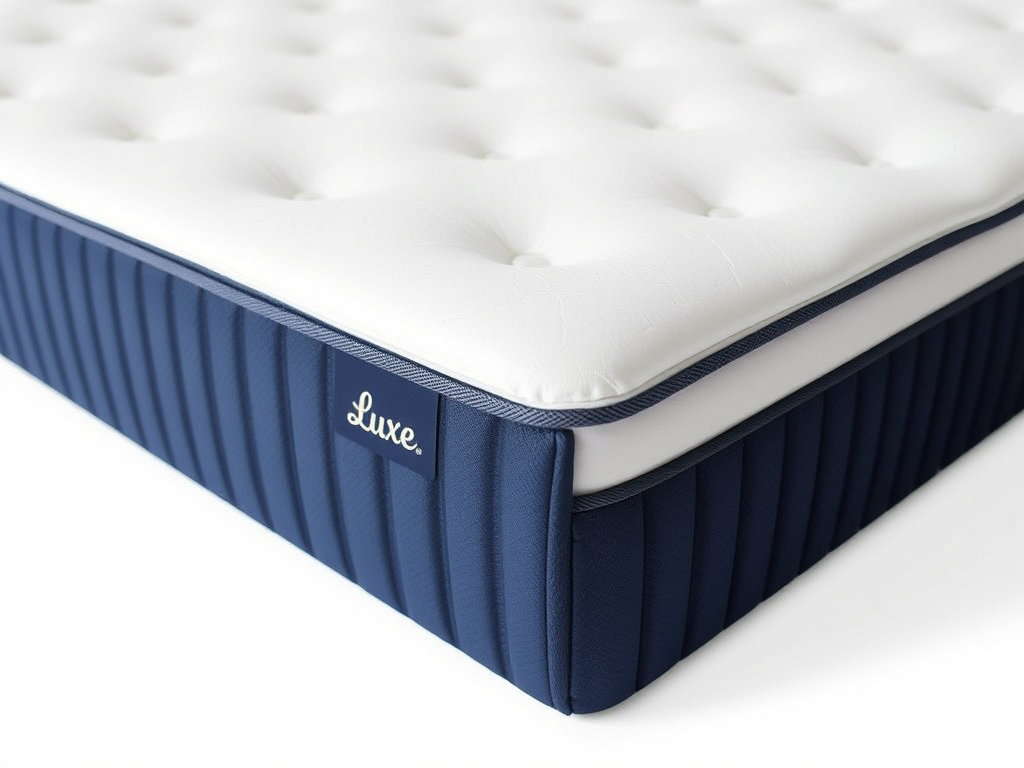
Flipping a mattress isn’t easy if you are doing it solo. Use the bed frame for support and don’t twist awkwardly. Get help if needed. It’s worth the effort. Some people find marking the calendar helpful to stay on track every three to six months. If flipping sounds like too much work consider investing in a low-maintenance, one-sided luxe mattress that only requires rotation.
Upgrade to a Mattress That Doesn’t Need Flipping
Some modern mattresses are designed with multi-layered support zones and reinforced edges, so flipping isn’t necessary. These one-sided designs are more common inhybrid or luxury foam mattresses and offer long-term durability with simpler care routines. Explore our Luxe Mattress Collection to see no-flip models built for aging bodies, better sleep, and lower maintenance.
Conclusion:
Flipping or rotating your mattress isn’t just about comfort, it’s about health, hygiene and longevity. Regular rotation prevents sagging, protects your posture and keeps your mattress in peak condition. If your sleep has felt off lately, don’t rush to replace your mattress just yet. Flip it first. Then, feel the difference!
You don’t always need to throw out your mattress to get better sleep. Sometimes the solution isn’t buying new, it’s upgrading what you already have. That’s where a mattress topper comes in.
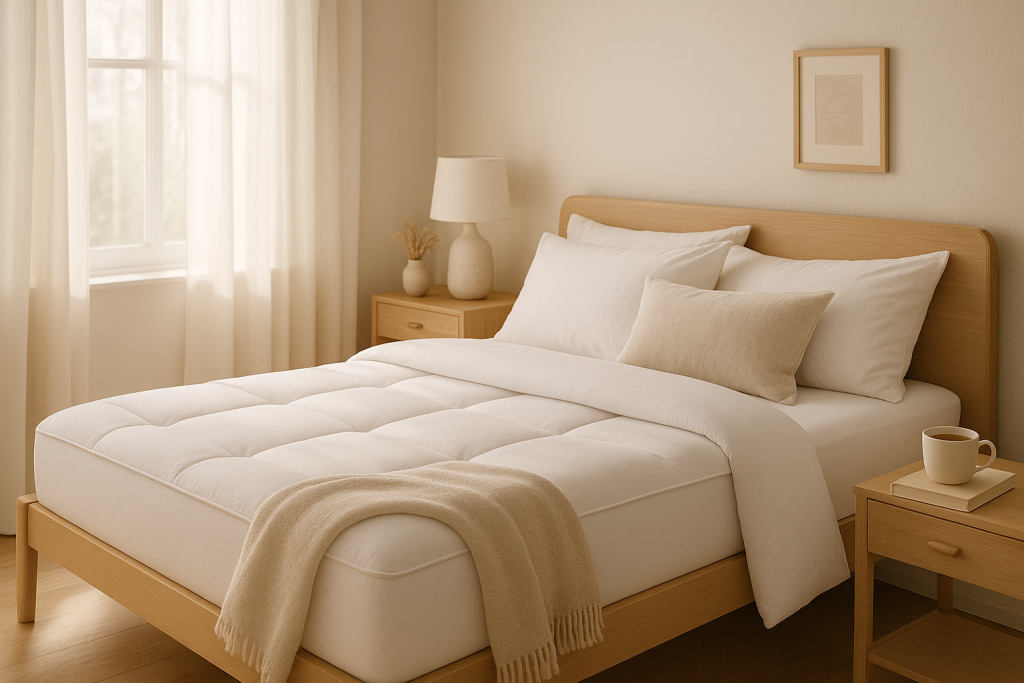
It’s a slime layer that sits on top of your mattress, but don’t let the size fool you. This small addition can make a huge difference softening hard spots, easing pressure, cooling you down and giving your old mattress a second wind. It’s the kind of upgrade you dont realise you need until you wake up actually feeling rested.
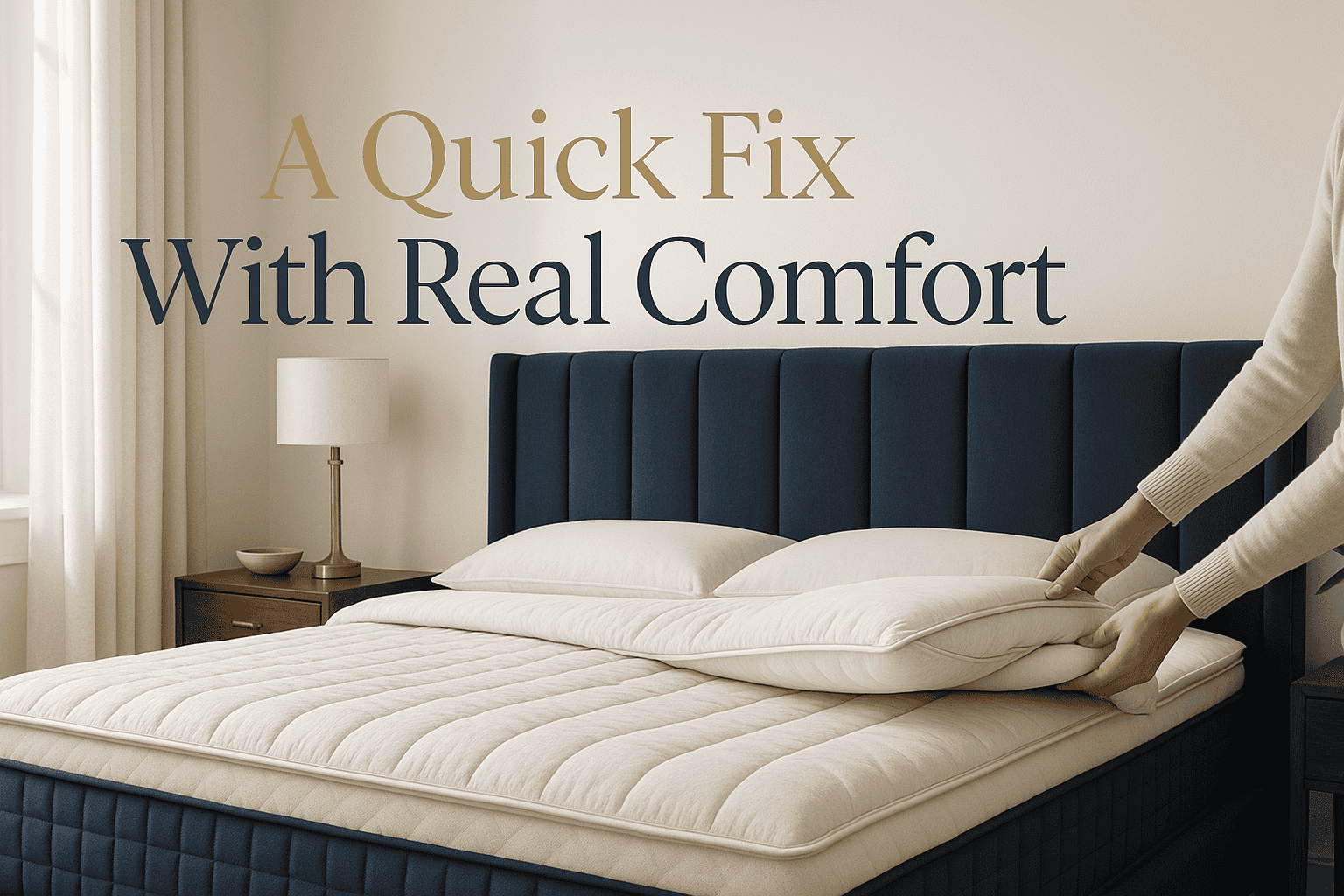
A Quick Fix With Real Comfort
You know when your bed just doesn’t feel right? Not awful but just… off? Maybe it’s too firm, lost its bounce. Maybe it was never that great to begin with. A mattress topper is a fast no-fuss way to fix that. Just roll it out and boom instant comfort.Â
Whether you want that slow-sink memory foam feel or a little spring from latex, a topper lets you customise your bed without spending a fortune.
Helping Your Back (And Neck And Hips) Feel Better
Waking up stiff? Lower back aching? You’re not alone. Mattresses age, losing support and forming dips that mess with your spine. Over time, that adds up.
But a topper can level things out. A firm one gives your back proper alignment. A softer one cushions your hips and shoulders. Together they reduce pressure points and improve posture. As Harvard Health says, your spine needs to stay aligned while you sleep otherwise pain follows.
Cooler Nights Deeper Sleep
Let’s talk about heat. You fall asleep cozy and then bam! It’s 2am and you’re sweating like it’s August in a tent.
Most mattresses hold onto body heat, especially memory foam. Toppers with cooling gel, open-cell foam or breathable bamboo covers change that. They keep the air flowing and the surface cool. The Sleep Foundation explains how airflow makes or breaks sleep. A good topper won’t just feel cool to the touch, it’ll stay that way all night.
Saving Your Mattress (And Your Wallet)
Mattresses are expensive and the good ones cost even more. So if yours is sagging, stained or just showing its age, a topper can buy you time. It absorbs daily wear shields against spills and sweat and adds a fresh layer between you and the damage.
Consumer Reports says the right topper can extend a mattress’s lifespan by a couple of years. That’s money you don’t have to spend yet.
Sleep Through the Tossing and Turning
Sharing a bed? Then you know the struggle. One person rolls over and suddenly the other’s wide awake. Toppers made from memory foam or latex are great at absorbing movement. They dampen the ripple effect. So if your partner moves you are less likely to notice and more likely to stay asleep.
A Cleaner Healthier Sleep Especially for Allergy Sufferers
Old mattresses are breeding grounds for dust mites, mold and allergens. Not a fun thought, right? A hypoallergenic topper forms a barrier helping reduce exposure. Many come with washable covers too, making cleanup easy.
For anyone with asthma, eczema or seasonal allergies, that’s a game-changer. The NHS recommends allergen barriers for exactly this reason they are a simple way to breathe easier at night.
A Budget-Friendly Way to Upgrade Your Bed
Not everyone can spend £1,000 on a new mattress. And, honestly, you don’t always need to. A quality topper starts around £50 and even the high-end options usually stay under £200. It’s a smart choice if you are renting out a guest room or just not ready to commit to something permanent. Think of it as your mattress makeover without the commitment.
Handy for Guests Travel or Short-Term Use
Toppers are light, portable and surprisingly versatile. They are perfect for pull-out sofas, dorm beds, holiday rentals, caravans, you name it. If the surface you’re sleeping on isn’t ideal (and let’s be honest, it often isn’t) a topper can make it feel 10x better. Plus they roll up and store easily when you don’t need them. Convenience meets comfort.
Picking the Right Topper for You
There’s no one-size-fits-all here. If you like to sink in and feel hugged go with memory foam. Need a bit more bounce and airflow? Latex is probably your best bet. Sleep hot? Gel foam or natural materials like wool and bamboo can help.
And thickness matters¦ a 2″ topper adds a little plushness while 3-4″ can make your bed feel entirely different. (Our buying guide is coming soon to help you decide.)
Real Reviews Real Results
This isn’t just hype. People who buy mattress toppers often say the same thing: “I wish I’d done this sooner.” The reviews are full of stories about better sleep, fewer aches and delayed mattress replacements.
Good Housekeeping backs this up especially for people dealing with pain overheating or just an old tired bed. And with most brands offering return windows there’s little to lose in trying one out.
Conclusion
A mattress topper may not look like much. It’s thin, light, easy to overlook. But don’t be fooled, this simple layer has the power to transform your nights. Better support fewer wake-ups, cooler temperatures and a mattress that lasts longer.
Whether you’re solving a problem or just craving better rest this small step could be the turning point. Explore our Luxe Mattress Add-Ons and find out what better sleep really feels like.
Memory foam has revolutionized sleep comfort, offering unmatched contouring and support. Originally developed by NASA, this unique foam adapts to your body’s curves, relieving pressure and improving spinal alignment. But not all memory foam is the same differences in cell structure, density, ILD (Indentation Load Deflection), and material composition affect comfort, durability, and safety.
From open-cell vs. closed-cell foams to high vs. low density and off-gassing concerns, understanding these factors is key to choosing a mattress that enhances sleep quality and protects your health. This guide breaks down everything you need to know to make an informed memory foam choice.
What Makes Memory Foam Unique?
Memory foam, specially developed by NASA, contours to the body’s curves, making it an ideal option for personal support and pressure relief. In mattresses, pillows, and mattress toppers, it’s well-regarded for helping support spinal alignment and reducing motion transfer. However, not all memory foam is created equal; there are differences hidden within its structure and composition.
Why the Materials Matter for Your Sleep and Health?
The memory foam material (cell structure, density, and chemical makeup) is very important if you want to take your sleep to the next level! Not only does this influence how comfortable or supportive your mattress is, but also how long it will last and how safe it is for you to sleep on. From how the material responds to heat and airflow, to whether it releases harmful chemicals (also known as off-gassing), the materials that go into making memory foam can have a significant impact on your sleep quality and long-term health.
Open-Cell and Closed-Cell Memory Foam
What are open and closed cells?
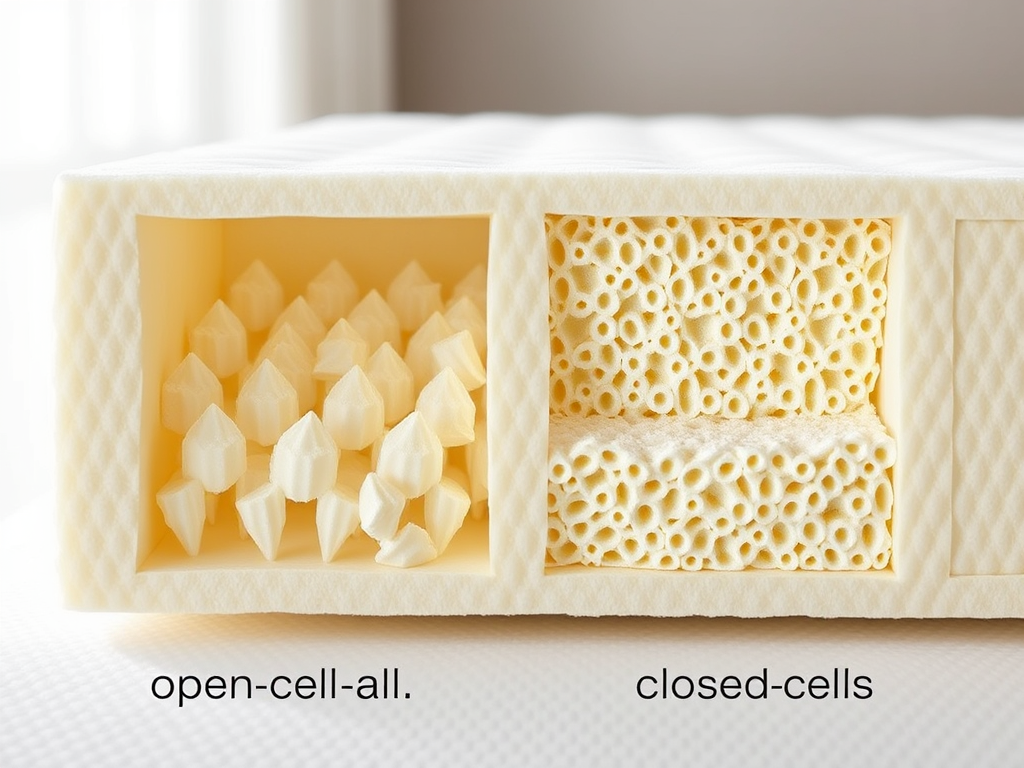
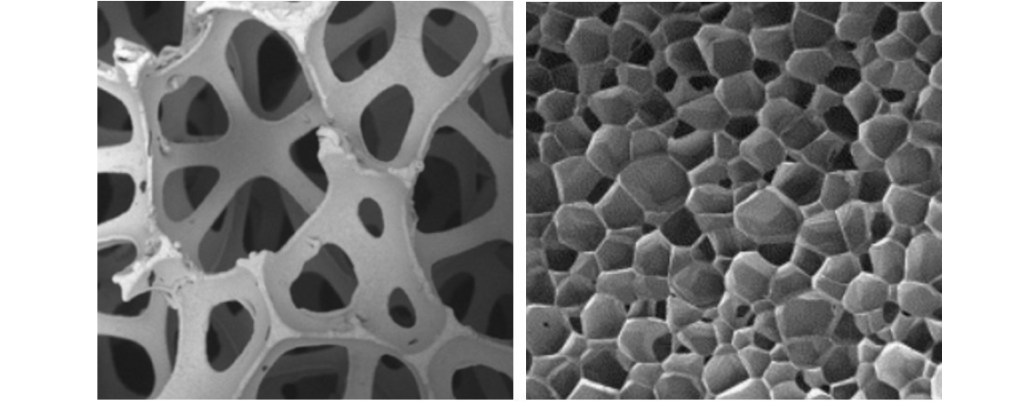
The memory foam cell structure consists of millions of tiny air pockets within the foam. These can be open-cell or closed-cell.
Open-cell memory foam includes interconnected cells that allow the air to flow through more easily.
Closed-cell memory foam is filled with sealed pockets of air, which turns the foam into a denser material and reduces ventilation.
How Cellular construction impacts breathability, firmness, and durability
Cell structure has a direct influence on how a mattress performs:
Breathability: Open-cell foam allows for air circulation and regulates?temperature. Closed cell foam has a tendency to?trap in heat.
Firmness: Closed-cell foam feels firmer because of its part structure. Open-cell foam provides a softer, more cushioning sensation.
Durability: Closed-cell memory foam tends to be more durable, but it may feel less responsive. Open-cell foam?may break down faster, but it is generally more comfortable at first.
Which Style Is Best for Sleepers?
Which is the better end depends on your preferences:
Hot sleepers may appreciate open-cell foam for its breathability.
Back or stomach sleepers who require firm support could prefer closed-cell foam.
Most contemporary mattresses are a hybrid, which combines the two in varying proportions to achieve a balance of comfort and support.
Memory Foam Density and ILD: What the Numbers Mean
Memory foam density explained:
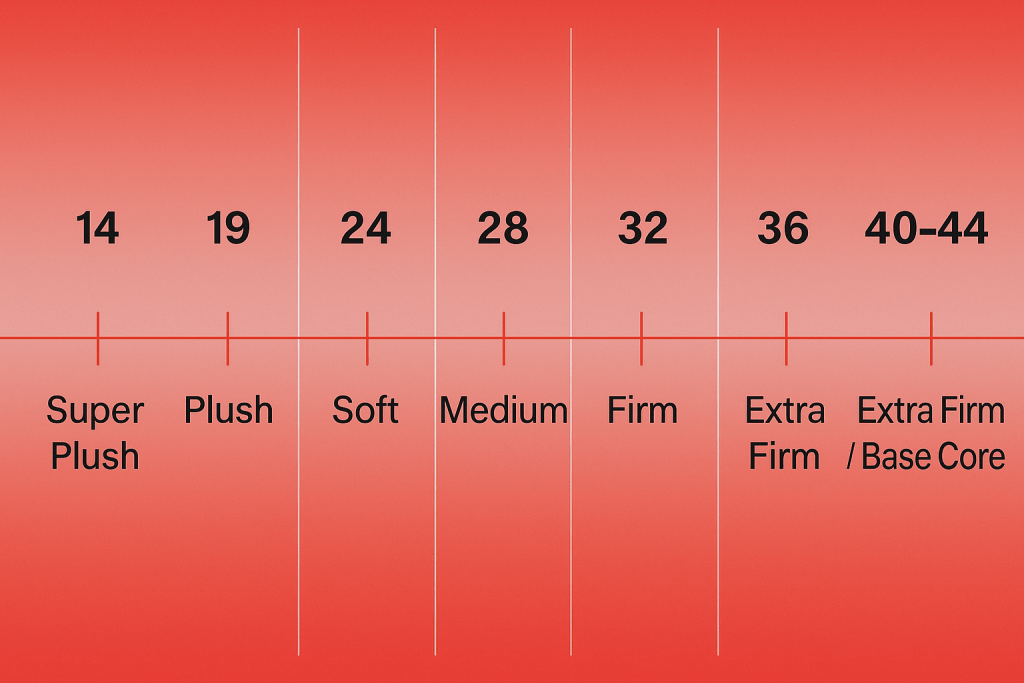
Memory foam density is expressed as the weight of one cubic foot of foam, where the end number represents the weight in pounds per cubic foot (lbs/ft³). It influences durability, ?support, and cost.
Low density (2.5 – 3.5 lbs/ft³): This type of foam is softer and less durable.
Medium density (3.5?– 5 lbs/ft³): The best of both worlds, comfort and support
High density (5+ lbs/ft³): Even more supportive and long-lasting, these are great for heavy-duty use
That being said, denser foams will provide even more contouring and support, but they also tend to trap more heat.
The ILD rating is a measurement and evaluation that measures the firmness of a mattress.
Firmness rating
ILD memory foam is an abbreviation for Indentation Load Deflection, which measures the firmness or softness of a foam. A higher ILD indicates a firmer mattress.
ILD 8–12: Soft
ILD 13–16: Medium
ILD 17+: Firm
ILD provides information about how much “give” the foam has when pressure is applied, which is crucial for determining whether side or back sleepers are better suited.
The Impact of Density and ILD on Comfort, Support, and Longevity
Comfort: The lower ILD and density make it soft and perfect for side sleepers.
Support: High-density and ILD foam provides strong support suitable for back or stomach sleepers.
Longevity: Higher density is often representative of a better lifespan.
Side sleepers: Soft to medium low density (3–4 lbs) with soft ILD
Back sleepers: Medium-firm (4–5 lbs) and medium?ILD
Sleep position: Stomach Sleeper: High density (5+ lbs) and firm ILD
Knowing these numbers can help you pick a mattress that works well for your body, so you’re not relying on trial and error.
Memory Foam Off-Gassing: What is it and Should You be Concerned?
What Is Off-Gassing And Why Does It Occur?
Memory foam off-gassing is the emission of volatile organic compounds (VOCs) from the?foam when it’s unpacked. That “new mattress smell” comes from the breakdown of chemical components and release of gases into the air.
Common VOCs in Memory?Foam
Types of?VOCs that may be emitted:
Benzene
Formaldehyde
Toluene
Acetone
Not all VOCs are harmful in?low doses, but long-term exposure, particularly in poorly ventilated spaces, can lead to headaches, nausea or respiratory irritation.
Is Off-Gassing Harmful? Health and Safety Insights
So, is memory foam safe? For the most part, yes especially if it’s CertiPUR-US® certified, which indicates it meets the following requirements:
Made with less ozone substances
Low levels of VOC’s (below 0.5 ppm)
No toxic materials lead?or mercury
Free of formaldehyde and phthalates
Those that are?not certified may present a greater health risk, especially for children and people with sensitivities.
How to Reduce and Remove Off-Gassing in Your Home?
Unbox?in a ventilated area
Please allow 48-72?hours for this mattress to expand and take its proper shape.
Try an air purifier to accelerate the elimination of VOCs
Purchase certified foams, which should be third-party safety?tested
By following these basic measures, your exposure?can greatly diminish and the mattress will become safe to use.
Tips for Evaluating Mattress Specs and Certifications
Check off-gassing allegations and consumer comments
Consider a trial period to evaluate comfort and sensitivity to odor
With the correct information, you can make an educated decision that promotes restful sleep, supports your health, and lasts for years to come.
Conclusion
There’s more to love about the?right memory foam mattress than just its softness (or firmness). You have to know the memory foam?cell structure, the density, ILD and the way it acts over time. Also, think about other factors,?such as memory foam off-gassing or if the foam is made from safe materials.
Check thiere’ss as well as open-cell vs closed-cell memory foam so that you continue to sleep at comfortable temperatures, and look for density levels?based on the position you sleep in. Don’t forget?to consider certifications for safety.
FAQs
What is memory foam made of?
Memory foam is primarily made from polyurethane and various added chemicals that increase its viscosity and density. These ingredients create the foam’s signature “slow sinking” and contouring feel.
What’s the difference between open-cell and closed-cell memory foam?
Open-cell foam has tiny interconnected air pockets, allowing for better airflow and cooling. Closed-cell foam traps air in sealed pockets, making it firmer and more durable, but also less breathable.
What does memory foam density mean?
Density refers to how much one cubic foot of foam weighs. It affects: Durability (higher density = longer lasting), Support (higher density offers more), Heat retention (denser foam may trap more heat).
ILD stands for Indentation Load Deflection—a measure of a foam’s firmness. Low ILD (8–12): Soft Medium ILD (13–16): Balanced High ILD (17+): Firm ILD helps determine how the mattress will feel under pressure and is important for sleep position compatibility.
Which density and ILD should I choose based on my sleeping position?
Side sleepers: Medium-low density (3–4 lbs) and soft ILD Back sleepers: Medium-high density (4–5 lbs) and medium ILD Stomach sleepers: High density (5+ lbs) and firm ILD
Is off-gassing from memory foam harmful?
Not usually. If the mattress is CertiPUR-US® certified, it meets standards for low VOC emissions. Still, those sensitive to odors or chemicals may want to air out the mattress in a ventilated room.
How do I get rid of the new mattress smell faster?
Unbox in a well-ventilated area Let it air out for 48–72 hours Use an air purifier Avoid using sheets or covers until the smell subsides
Are memory foam mattresses hot to sleep on?
Some can be, especially high-density or closed-cell foams. To avoid this, choose open-cell memory foam or mattresses with cooling gel infusions or breathable covers.