

100-Night Risk-Free Trial
Free Nationwide Delivery
10 Years Warranty
Call us at: 020 4572 5122
0% APR Finance Available
Memory Foam
April 26, 2026

Inside Memory Foam: Open vs. Closed Cells, Density, and What That Smell Means

Estimated reading time: 8 minutes

Memory foam has revolutionized sleep comfort, offering unmatched contouring and support. Originally developed by NASA, this unique foam adapts to your body’s curves, relieving pressure and improving spinal alignment. But not all memory foam is the same differences in cell structure, density, ILD (Indentation Load Deflection), and material composition affect comfort, durability, and safety.

From open-cell vs. closed-cell foams to high vs. low density and off-gassing concerns, understanding these factors is key to choosing a mattress that enhances sleep quality and protects your health. This guide breaks down everything you need to know to make an informed memory foam choice.

What Makes Memory Foam Unique?

Memory foam, specially developed by NASA, contours to the body’s curves, making it an ideal option for personal support and pressure relief. In mattresses, pillows, and mattress toppers, it’s well-regarded for helping support spinal alignment and reducing motion transfer. However, not all memory foam is created equal; there are differences hidden within its structure and composition.

Why the Materials Matter for Your Sleep and Health?

The memory foam material (cell structure, density, and chemical makeup) is very important if you want to take your sleep to the next level! Not only does this influence how comfortable or supportive your mattress is, but also how long it will last and how safe it is for you to sleep on. From how the material responds to heat and airflow, to whether it releases harmful chemicals (also known as off-gassing), the materials that go into making memory foam can have a significant impact on your sleep quality and long-term health.

Open-Cell and Closed-Cell Memory Foam

What are open and closed cells?

The memory foam cell structure consists of millions of tiny air pockets within the foam. These can be open-cell or closed-cell.

What are open and closed cells?
  • Open-cell memory foam includes interconnected cells that allow the air to flow through more easily.
  • Closed-cell memory foam is filled with sealed pockets of air, which turns the foam into a denser material and reduces ventilation.

How Cellular construction impacts breathability, firmness, and durability

Cell structure has a direct influence on how a mattress performs:

  • Breathability: Open-cell foam allows for air circulation and regulates?temperature. Closed cell foam has a tendency to?trap in heat.
  • Firmness: Closed-cell foam feels firmer because of its part structure. Open-cell foam provides a softer, more cushioning sensation.
  • Durability: Closed-cell memory foam tends to be more durable, but it may feel less responsive. Open-cell foam?may break down faster, but it is generally more comfortable at first.
How Cellular construction impacts breathability, firmness, and durability

Which Style Is Best for Sleepers? 

Which is the better end depends on your preferences:

Hot sleepers may appreciate open-cell foam for its breathability.

Back or stomach sleepers who require firm support could prefer closed-cell foam.

Most contemporary mattresses are a hybrid, which combines the two in varying proportions to achieve a balance of comfort and support.

Memory Foam Density and ILD: What the Numbers Mean

Memory foam density explained: 

Memory foam density is expressed as the weight of one cubic foot of foam, where the end number represents the weight in pounds per cubic foot (lbs/ft³). It influences durability, ?support, and cost.

  • Low density (2.5 – 3.5 lbs/ft³): This type of foam is softer and less durable.
  • Medium density (3.5?– 5 lbs/ft³): The best of both worlds, comfort and support
  • High density (5+ lbs/ft³): Even more supportive and long-lasting, these are great for heavy-duty use

That being said, denser foams will provide even more contouring and support, but they also tend to trap more heat.

ILD (Indentation Load Deflection): Measuring Firmness

The ILD rating is a measurement and evaluation that measures the firmness of a mattress.

luxe mattress firmness rating scale
Firmness rating

ILD memory foam is an abbreviation for Indentation Load Deflection, which measures the firmness or softness of a foam. A higher ILD indicates a firmer mattress.

  • ILD 8–12: Soft
  • ILD 13–16: Medium
  • ILD 17+: Firm

ILD provides information about how much “give” the foam has when pressure is applied, which is crucial for determining whether side or back sleepers are better suited.

The Impact of Density and ILD on Comfort, Support, and Longevity

  • Comfort: The lower ILD and density make it soft and perfect for side sleepers.
  • Support: High-density and ILD foam provides strong support suitable for back or stomach sleepers.
  • Longevity: Higher density is often representative of a better lifespan.

Picking the Perfect Density for How You Sleep:

how to find the Perfect mattress based on your sleeping preference,

Side sleepers: Soft to medium low density (3–4 lbs) with soft ILD

Back sleepers: Medium-firm (4–5 lbs) and medium?ILD

Sleep position: Stomach Sleeper: High density (5+ lbs) and firm ILD

Knowing these numbers can help you pick a mattress that works well for your body, so you’re not relying on trial and error.

Memory Foam Off-Gassing: What is it and Should You be Concerned?

memory-foam-mattress-releasing-green-colour-smoky-gas

What Is Off-Gassing And Why Does It Occur? 

Memory foam off-gassing is the emission of volatile organic compounds (VOCs) from the?foam when it’s unpacked. That “new mattress smell” comes from the breakdown of chemical components and release of gases into the air.

Common VOCs in Memory?Foam

Types of?VOCs that may be emitted:

  • Benzene
  • Formaldehyde
  • Toluene
  • Acetone

Not all VOCs are harmful in?low doses, but long-term exposure, particularly in poorly ventilated spaces, can lead to headaches, nausea or respiratory irritation.

Is Off-Gassing Harmful? Health and Safety Insights

So, is memory foam safe? For the most part, yes especially if it’s CertiPUR-US® certified, which indicates it meets the following requirements:

  • Made with less ozone substances
  • Low levels of VOC’s (below 0.5 ppm)
  • No toxic materials lead?or mercury
  • Free of formaldehyde and phthalates

Those that are?not certified may present a greater health risk, especially for children and people with sensitivities.

How to Reduce and Remove Off-Gassing in Your Home?

  • Unbox?in a ventilated area
  • Please allow 48-72?hours for this mattress to expand and take its proper shape.
  • Try an air purifier to accelerate the elimination of VOCs
  • Purchase certified foams, which should be third-party safety?tested

By following these basic measures, your exposure?can greatly diminish and the mattress will become safe to use.

Tips for Evaluating Mattress Specs and Certifications

  • Look for CertiPUR-US®, OEKO-TEX®, or Greenguard Gold certifications
  • Inquire about foam density and ILD numbers
  • Opt for open-cell foams if you tend to sleep hot
  • Check off-gassing allegations and consumer comments
  • Consider a trial period to evaluate comfort and sensitivity to odor

With the correct information, you can make an educated decision that promotes restful sleep, supports your health, and lasts for years to come.

Conclusion

There’s more to love about the?right memory foam mattress than just its softness (or firmness). You have to know the memory foam?cell structure, the density, ILD and the way it acts over time. Also, think about other factors,?such as memory foam off-gassing or if the foam is made from safe materials.

Check thiere’ss as well as open-cell vs closed-cell memory foam so that you continue to sleep at comfortable temperatures, and look for density levels?based on the position you sleep in. Don’t forget?to consider certifications for safety.

FAQs

What is memory foam made of?

Memory foam is primarily made from polyurethane and various added chemicals that increase its viscosity and density. These ingredients create the foam’s signature “slow sinking” and contouring feel.


What’s the difference between open-cell and closed-cell memory foam?


Open-cell foam has tiny interconnected air pockets, allowing for better airflow and cooling.
Closed-cell foam traps air in sealed pockets, making it firmer and more durable, but also less breathable.


What does memory foam density mean?

Density refers to how much one cubic foot of foam weighs. It affects:
Durability (higher density = longer lasting),
Support (higher density offers more),
Heat retention (denser foam may trap more heat).

Typical ranges:
Low: 2.5–3.5 lbs/ft³
Medium: 3.5–5 lbs/ft³
High: 5+ lbs/ft³


What is ILD, and why does it matter?

ILD stands for Indentation Load Deflection—a measure of a foam’s firmness.
Low ILD (8–12): Soft
Medium ILD (13–16): Balanced
High ILD (17+): Firm
ILD helps determine how the mattress will feel under pressure and is important for sleep position compatibility.


Which density and ILD should I choose based on my sleeping position?


Side sleepers: Medium-low density (3–4 lbs) and soft ILD
Back sleepers: Medium-high density (4–5 lbs) and medium ILD
Stomach sleepers: High density (5+ lbs) and firm ILD


Is off-gassing from memory foam harmful?

Not usually. If the mattress is CertiPUR-US® certified, it meets standards for low VOC emissions. Still, those sensitive to odors or chemicals may want to air out the mattress in a ventilated room.


How do I get rid of the new mattress smell faster?


Unbox in a well-ventilated area
Let it air out for 48–72 hours
Use an air purifier
Avoid using sheets or covers until the smell subsides


Are memory foam mattresses hot to sleep on?

Some can be, especially high-density or closed-cell foams. To avoid this, choose open-cell memory foam or mattresses with cooling gel infusions or breathable covers.

What Is a Mattress Cover? Benefits, Types, and How to Choose
February 16, 2026

What Is a Mattress Cover? Benefits, Types, and How to Choose

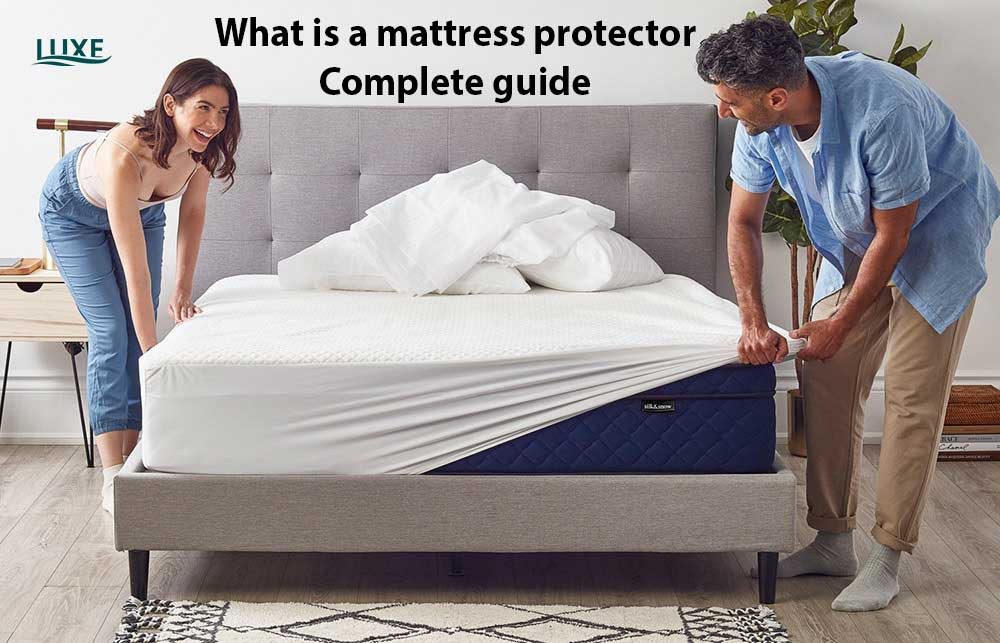
A mattress cover is a protective layer placed over your mattress to enhance hygiene, comfort, and durability. It acts as a shield against spills, stains, allergens, and dust mites, ensuring your mattress stays fresh for years. Many homeowners underestimate its importance, but a high-quality mattress cover can extend the life of your mattress and improve sleep quality. Brands like Luxe Mattresses offer premium mattress covers that combine durability, comfort, and style, making them an essential addition to any bedroom.

What Is a Mattress Cover?

A mattress cover is different from a mattress pad or protector. While a pad adds comfort and a protector focuses mainly on water resistance, a mattress cover offers both protection and hygiene. It fully encases your mattress or fits snugly over it, preventing dirt, dust, sweat, and allergens from penetrating the mattress surface. Over time, this not only maintains the mattress’s appearance but also ensures a healthier sleeping environment.

Benefits of Using a Mattress Cover

Using a mattress cover comes with multiple benefits:

  • Protects Against Spills and Stains: Accidental spills from drinks or food can ruin a mattress. A cover acts as a waterproof barrier.
  • Allergen and Dust Mite Protection: Mattress covers reduce exposure to allergens, making them ideal for allergy sufferers.
  • Improves Comfort: Some covers add a soft, padded layer, enhancing sleep quality.
  • Cost-Effective Protection: Extends the lifespan of your mattress, saving money in the long run.

A quality mattress cover from Luxe Mattresses ensures all these benefits, combining protective functionality with premium comfort.

Types of Mattress Covers

There are several types of mattress covers designed for different needs:

  • Waterproof Mattress Covers Perfect for kids, pets, or anyone prone to spills.
  • Allergy-Protective Covers Designed to block dust mites, pollen, and other allergens.
  • Padded or Quilted Covers Adds extra comfort and cushioning for a better sleep experience.
  • Fitted vs. Encasement Covers Fitted covers slip over the mattress like a sheet, while encasement covers fully seal the mattress.
  • Material Differences Cotton, bamboo, polyester, or memory foam options cater to varying comfort and temperature preferences.

Choosing the right type ensures you get maximum protection while improving sleep comfort.

How to Choose the Right Mattress Cover

When selecting a mattress cover, consider:

  • Size and Fit: Ensure the cover matches your mattress’s dimensions and thickness.
  • Material and Breathability: Cotton or bamboo covers allow airflow, while synthetic materials can trap heat.
  • Protection Level: Decide if you need waterproof, allergen-proof, or padded protection.
  • Maintenance: Opt for machine-washable and durable covers to simplify cleaning.
  • Budget and Durability: Investing in a long-lasting cover saves money and protects your mattress over time.

A thoughtfully chosen mattress cover ensures both comfort and long-term protection.

Mattress Cover Maintenance Tips

Maintaining your mattress cover is essential for hygiene, durability, and overall sleep comfort. Regular care prevents dust, allergens, and stains from affecting your mattress while extending the life of your bedding. With proper maintenance, your Luxe Mattresses cover stays fresh and supportive for years.

Key Tips for Mattress Cover Maintenance:

  • Wash regularly: Follow care label instructions; most covers are machine washable in cold water.
  • Spot clean spills: Use mild detergent and a soft cloth immediately to prevent stains.
  • Vacuum weekly: Remove dust, allergens, and debris to maintain cleanliness.
  • Rotate or flip: Prevent uneven wear and maintain consistent comfort.
  • Avoid harsh chemicals: Bleach or strong detergents can damage the fabric fibers.

Common Mistakes to Avoid

Using a mattress cover incorrectly can reduce its effectiveness, shorten its lifespan, and compromise sleep hygiene. Many people unknowingly make errors that can damage the cover or allow allergens and spills to affect their mattress. By avoiding these mistakes, your Luxe Mattresses cover will stay protective and comfortable for years.

Mistakes to Avoid:

  • Not washing regularly: Skipping washes allows dust mites, sweat, and allergens to accumulate.
  • Using hot water or bleach: Harsh cleaning can weaken the fabric and reduce waterproofing.
  • Ignoring spills: Delayed cleaning can cause permanent stains and odors.
  • Overstretching or improper fitting: Using the wrong size can damage elastic or seams.
  • Placing the cover under a fitted sheet: This can trap moisture and prevent proper protection.
  • Not rotating or flipping the mattress: Uneven wear may affect both mattress and cover longevity.

FAQs

What is the point of a mattress cover?

A mattress cover protects against spills, stains, dust mites, allergens, and wear, extending mattress life while maintaining hygiene and warranty validity.

What is the mattress cover called?

It’s commonly called a mattress protector, mattress encasement, or mattress pad, terms often used interchangeably for waterproof barrier layers.

What’s the best way to protect a mattress from chronic bedwetting?

Use a fully waterproof zippered mattress protector with multiple layers, paired with absorbent bed pads, for complete liquid-proofing and easy machine washing.

Is there a difference between a mattress cover and a mattress protector?

Mattress covers are thin, breathable toppers for comfort; protectors are waterproof barriers against spills/allergens, protectors offer superior defense.

Do you put bedsheets on top of a mattress protector?

Yes, fitted bedsheets go directly over the mattress protector for a smooth sleep surface, ensuring protection without bulk.

Do zippered mattress covers prevent bed bugs?

Zippered encasements fully enclose and block bed bugs from entering/exiting, starving infestations while allowing breathability.

Conclusion

A mattress cover is an essential investment for anyone seeking cleaner, more comfortable, and longer-lasting sleep. It protects against spills, allergens, and daily wear while adding comfort and peace of mind. With premium options from Luxe Mattresses, you can ensure both durability and comfort, making your mattress feel like new for years. Choosing the right cover, maintaining it properly, and understanding its benefits helps you maximize your mattress’s lifespan while improving overall sleep quality.

Is Your Mattress Worsening Your Sleep Apnea
January 27, 2026

Is Your Mattress Worsening Your Sleep Apnea?

Your mattress choice can significantly worsen sleep apnea symptoms by disrupting spinal alignment and airway positioning, with soft sagging models causing throat collapse while overly firm ones strain neck posture reducing airflow up to 50% per studies.

Medium-firm memory foam or hybrid mattresses promote neutral spine support, optimal head elevation, and side/stomach sleeping (proven to cut apnea events), unlike 7-10-year-old beds that lose firmness and trap heat, exacerbating snoring and awakenings.

Understanding the Hidden Connection

Sleep apnea, especially the most widespread form of obstructive sleep apnea, extends far beyond the stereotype of loud snoring or feeling drowsy during the day. It is a serious chronic health condition where the airway collapses intermittently through the night, interrupting breathing and robbing the body of essential oxygen.

Although continuous positive airway pressure (CPAP) machines are widely recognised as the frontline defense, there’s an equally critical yet often overlooked player in the battle for better sleep: your sleep environment. Surprisingly one of the biggest influences may be lying right beneath your mattress.

How Mattresses Can Affect Sleep Apnea

1. The Critical Role of Sleeping Position

How you sleep, not just how long can be the difference between restful slumber and a night of restless shallow breathing.When you lie flat on your back, gravity does its worst: the tongue and soft tissues drift backwards, obstructing your airway and intensifying apneic episodes. Side sleeping, however, offers a natural advantage by keeping airways more open and stable.

Investing in a mattress designed to support lateral sleeping like a medium-firm memory foam can significantly ease the burden.

2. Why Elevation and Adjustable Bases Matter

Think about how propping yourself up with an extra pillow eases congestion during a cold. The same principle applies to sleep apnea.

Elevating the head while sleeping can dramatically reduce airway blockages. An adjustable bed base, when paired with a responsive mattress, offers personalised elevation that can enhance breathing quality, lower apneic incidents and provide all-around comfort .

3. Mattress Firmness: The Unsung Hero of Better Sleep

Soft plush mattresses may feel indulgent at first but they often fail to provide the structural support your body needs through the night.

When the spine falls out of alignment, which happens easily on a mattress that’s too soft, airway collapse becomes more likely, compounding sleep apnea symptoms.

Medium-firm mattresses tend to hit the sweet spot, balancing support with comfort to encourage better posture and easier breathing.

How to Choose the Right Mattress: Practical Tips

Finding the right mattress isn’t just about luxury; it could be a serious health decision if you’re managing sleep apnea. Keep these priorities in mind:

  • Opt for Medium-Firm Support: Critical for spinal alignment and airway stability.
  • Consider Adjustable Bases: Allow flexible elevation adjustments to find your ideal breathing position.
  • Ensure Compatibility with CPAP Equipment: Some mattress and bed setups integrate better with CPAP machines making nightly use more convenient and effective.

Curious about creating the ultimate sleep environment? Check out this full guide on improving your sleep hygiene on the Sleep Foundation website.

Consultation and Personalised Advice

Of course, even the perfect mattress can’t replace expert medical guidance. Consulting with a sleep specialist can help diagnose the severity of your condition, tailor treatments like CPAP therapy and finetune lifestyle changes that support better rest.

When combined, the right sleep surface and professional advice can transform not only how you sleep but how you live every day.

Conclusion

Your mattress plays a far bigger role in managing sleep apnea than most people realise. Poor support, sagging surfaces, and improper firmness can worsen airway collapse, disrupt spinal alignment, and intensify snoring and breathing interruptions throughout the night. Choosing a medium-firm mattress, ideally paired with elevation or an adjustable base, helps maintain a neutral spine, supports side sleeping, and promotes better airflow. While medical treatments remain essential, upgrading your sleep surface is a powerful, often overlooked step toward fewer apnea events, deeper rest, and healthier sleep overall.

FAQs

Can a mattress affect sleep apnea?

Yes, mattresses impact sleep apnea by influencing spinal alignment and airway position soft ones cause sinking that collapses airways, while medium-firm hybrids reduce obstruction by 50% in studies.

What causes sleep apnea to suddenly worsen?

Sudden worsening stems from weight gain, alcohol use, allergies, aging, or mattress degradation (sagging after 7 years), all narrowing airways and spiking AHI events overnight.​

Can your bed cause sleep apnea?

Your bed doesn’t cause apnea but worsens it via poor support too-soft surfaces misalign the neck, increasing collapse risk by 30-40%; firm hybrids promote open airways.

Is a firm mattress better for sleep apnea?

Medium-firm is optimal over extreme firmness, providing contouring without sinkage; memory foam or latex hybrids cut symptoms best by maintaining neutral spine and breathability.

What is the 3% rule for sleep apnea?

The 3% rule defines apnea severity: AHI under 5 (normal), 5-15 (mild), 15-30 (moderate), 30+ (severe), measuring hourly breathing pauses with 3-4% oxygen drops.

How Social Media Use Before Bed Affects Sleep
January 23, 2026

How Social Media Use Before Bed Affects Sleep

Using social media before bed can disrupt your sleep quality by exposing you to blue light, which suppresses melatonin production and delays sleep onset. Scrolling through feeds also triggers mental stimulation, increasing stress and anxiety, which can lead to insomnia and restless nights. This habit often causes sleep deprivation, reducing REM sleep and weakening your circadian rhythm over time. To improve sleep hygiene, experts recommend limiting screen time and creating a digital bedtime routine that supports better rest.

The Subtle Threat of Blue Light Exposure

At first glance, a few minutes of scrolling through Instagram reels or catching up on TikTok dance trends seems harmless, even comforting. Yet lurking beneath these casual routines is an invisible threat to your sleep. In today’s hyper-connected always-on world, understanding the hidden consequences of social media use before bed has never been more important.

Modern research paints a clear cautionary tale: the blue light radiating from smartphones tablets and other screens interferes with your body’s melatonin production, the hormone that whispers “It’s time to sleep”. 

When melatonin levels drop, falling asleep becomes a frustrating battle and the body’s natural sleep-wake cycle, the circadian rhythm, spirals out of balance. The result? Restless nights and groggy mornings that feel endless.

Why Anxiety Keeps You Awake at Night

But it’s not just biology at play. Social media can stir emotions like excitement, anger , envy, even joy emotions powerful enough to keep your mind buzzing when it should be drifting into slumber.

A lively debate on Twitter, a shocking headline on Facebook or even a heartwarming story on Instagram can all jolt your system, raising cortisol levels, the notorious stress hormone. Elevated cortisol makes your mind race, keeping sleep at bay.

And the trap deepens. According to the Sleep Research Society, those who engage with social media within 30 minutes before bed are far more likely to suffer sleep disruptions. It’s not hard to see why: the “just one more post” cycle becomes an irresistible lure stretching bedtimes later and later until sleep becomes a casualty of your feed.

Doom scrolling: The New Digital Danger

Enter doom scrolling, a term that sounds dramatic because it is. Doom scrolling refers to the compulsive act of consuming negative news online, often late into the night. It’s a modern phenomenon and it’s wreaking havoc on mental health worldwide.

A striking study from Norway revealed that just one hour of screen time before bed can spike the risk of insomnia and poor sleep by a whopping 59 per cent. Beyond ruining your night’s rest, doom scrolling fuels anxiety, drains your optimism and magnifies fears, a toxic combination for both the mind and body.

How To Get A Good Night’s Sleep

Breaking free doesn’t have to require dramatic life changes. Small deliberate shifts can lead to powerful improvements.

Set a social media curfew , a firm no-screens rule at least an hour before bed. Activate the night mode on your devices to reduce blue light exposure. Better yet, replace endless scrolling with a calming ritual: reading a physical book, stretching lightly or practising mindfulness. These soothing activities signal your brain that it’s time to slow down, not speed up.

Conclusion 

Reliable sources like the Sleep Foundation offer a treasure trove of tips on cultivating better sleep habits and managing screen time wisely. 

In an era where constant connectivity feels like survival, choosing to protect your sleep is a revolutionary act. By mindfully cutting down nighttime screen time you’re not just investing in better rest, you’re choosing clearer thoughts, sharper focus and a healthier life. And it all begins tonight.

FAQs

Does social media before bed really affect sleep?

Yes, using social media before bed can reduce sleep quality by delaying sleep onset and increasing mental stimulation.

How does blue light from phones impact sleep?

Blue light suppresses melatonin production, making it harder to fall asleep and disrupting the body’s natural sleep cycle.

Can social media cause insomnia?

Yes, constant scrolling and emotional content can increase stress and anxiety, leading to difficulty falling or staying asleep.

How long before bed should I stop using social media?

Experts recommend avoiding screens at least 30“60 minutes before bedtime for better sleep quality.

What are healthier alternatives to using social media at night?

Try reading a book, listening to calming music, practicing meditation, or journaling to relax before sleep.

FAQs About Memory Foam Mattresses
January 22, 2026

10 FAQs About Memory Foam Mattresses

1. What Is A Memory Foam Mattress?


A memory foam mattress is made from viscoelastic polyurethane, offering personalized comfort. It responds to body heat and pressure, molding to your shape and relieving stress points. 

Originally developed by NASA, it’s now popular for its supportive, contouring design. It evenly distributes body weight, helping to reduce motion transfer and partner disturbance, ideal for side sleepers and those seeking pressure relief.

Learn more on Sleep Foundation.

2. Are Memory Foam Mattresses Good for Back Pain?


Yes, memory foam promotes spinal alignment by cushioning pressure zones like hips and shoulders. Medium-firm models are especially effective for back pain relief and sleep quality.

The adaptive support reduces tension, stiffness, and morning discomfort. It’s recommended by health professionals for chronic pain and orthopedic support. Consistent use may reduce nighttime pain over time.

Harvard Health backs this claim.

3. Do Memory Foam Mattresses Sleep Hot?


Traditional memory foam retains heat, but modern versions include cooling features.
Gel infusions, breathable foams, and phase-change covers reduce heat buildup. 

These improvements help regulate body temperature during the night. Some brands use graphite or copper infusions for added thermal control. Check for cooling certifications and breathable fabric covers.

4. How Long Do Memory Foam Mattresses Last?


Quality memory foam beds typically last between seven and ten years. Durability depends on density, usage, and overall material quality. 

Rotating the mattress regularly helps minimize wear and sagging. Proper support and care can extend the lifespan up to 15 years. Investing in a high-density model can increase longevity.

5. Are Memory Foam Mattresses Safe?


Most memory foam beds are safe, especially if CertiPUR-US certified. Some budget models may use fiberglass, so avoid removing covers. Look for certification and non-toxic materials for added reassurance. Certifications ensure low VOC emissions and flame retardant safety.

Always read product tags and descriptions for safety labels.

6. Do Memory Foam Mattresses Sag or Need Flipping?


Over time, some foam beds may show body impressions from use. Rotate the mattress periodically to distribute pressure evenly. 

Flipping isn’t recommended unless it’s a double-sided model. Use a firm, flat base to reduce premature sagging and wear. Check warranty details for coverage on sagging issues.

7. Are Memory Foam Mattresses Good for Allergies?


Yes, the dense foam resists dust mites and common allergens. Many are hypoallergenic and offer washable protective covers, making them deal for allergy or asthma sufferers seeking cleaner sleep. 

The foam’s closed-cell structure limits microbial growth and allergen buildup. Pairing with an allergen-proof cover enhances benefits.

8. How Much Do Memory Foam Mattresses Cost?


Prices range from budget ($300) to luxury ($2,000+) depending on features. Cooling tech, foam quality, and brand name affect the cost. Holiday deals and trials often help reduce the price point. 

Longer warranties and better materials increase long-term value. You often get what you pay for with foam quality.

9. Do Memory Foam Mattresses Smell?


New memory foam may emit a light odor called off-gassing. This is temporary and fades within a few days of ventilation. Choose CertiPUR-US models for low VOC emissions. Proper ventilation and time typically eliminate the smell completely. Let the mattress breathe in a well-ventilated room before use.

10. How Do I Choose the Right Memory Foam Mattress?


Match mattress firmness with your sleeping position and weight. Look for cooling features, warranty terms, and foam certifications. A trial period ensures comfort before full commitment.
Consider edge support, motion isolation, and pressure relief as well. Review return policies and trial periods for flexibility.

Conclusion

Memory foam mattresses offer personalized comfort by molding to your body, relieving pressure points, and promoting better spinal alignment, making them a popular choice for side sleepers and those with back pain. While traditional foam can sleep warm, modern cooling technologies like gel infusions and breathable covers help regulate temperature.

With proper care and quality materials, these mattresses typically last 7“10 years and can be hypoallergenic, resisting dust mites and allergens. Overall, choosing the right memory foam mattress depends on firmness, cooling features, certifications, and trial options, ensuring you get long-lasting support and improved sleep quality.

memory foam vs latex foam comparison
January 12, 2026

7 Reasons Why a Latex Mattress Is Better Than Memory Foam

Estimated reading time: 8 minutes

If you’ve ever woken up feeling sore, overheated, or just plain exhausted, your mattress could be to blame. With countless options on the market, choosing the right one is overwhelming. Among the most debated contenders are latex mattresses and memory foam mattresses.

While memory foam has long been a favourite due to its contouring properties, latex mattresses are gaining attention for their natural materials, breathability, and durability.

This guide aims to demystify the latex vs. memory foam debate and show you 7 compelling reasons why latex is the smarter, healthier, and more sustainable choice for your sleep sanctuary.

If you do not want to read the whole article, then here is a detailed comparison of Latex and Memory Foam features to give you a better understanding.

FeatureLatex MattressMemory Foam Mattress
Material OriginNatural (from rubber tree sap); also available in synthetic versionsFully synthetic (petroleum-based polyurethane foam)
SustainabilityHighly sustainable & biodegradable (natural latex)Non-renewable and not biodegradable
Temperature RegulationExcellent “ naturally breathable and coolPoor “ tends to trap heat
Feel / ResponsivenessBuoyant, supportive, and responsiveSlow response,sink-in feel
Motion IsolationGood (moderate bounce)Excellent (absorbs movement well)
Durability / Lifespan15 20+ years (natural latex)7-10 years
Spinal SupportConsistent support with good pushbackConforms closely, but may lack resilience for spinal support
Allergen ResistanceNaturally hypoallergenic, resists dust mites and moldProne to trapping moisture and allergens without proper care
Off-Gassing / VOC EmissionsMinimal (especially GOLS or OEKO-TEX certified)Common due to chemical components
Environmental ImpactLow (especially with organic materials)High due to petrochemical content
Weight / PortabilityHeavier (denser and more durable)Lighter (but may degrade faster)
MaintenanceRequires less frequent rotation; naturally antimicrobialNeeds regular maintenance to avoid sagging and allergens
Price RangeHigher upfront cost, better long-term valueGenerally more affordable upfront
Best ForEco-conscious, hot sleepers, back pain, allergies, longevity seekersBudget-conscious buyers, side sleepers, motion-sensitive couples

Mattress Shopping Confusion: The Core Problem

Today’s mattress industry is a minefield of buzzword’s pressure-relieving,cooling gel,zoned support, orthopedic that make decision-making difficult. As a buyer, you want a mattress that will improve your sleep qualitysupport your body, and last for years. Unfortunately, aggressive marketing often clouds real performance.

Let’s cut through the fluff and get to the foundation: What truly differentiates latex from memory foam, and why might latex be the better choice?

latex vs memory comparison chart

Memory Foam vs. Latex: What‘s the Real Difference?

Before we compare benefits, it’s crucial to understand what you’re lying on.

Memory Foam

memory foam mattress

Developed by NASA, memory foam is a viscoelastic polyurethane foam that softens with heat and pressure, molding to the sleeper’s shape. It’s often touted for pressure relief and motion isolation, making it popular among couples.

Drawbacks include:

  • Heat retention
  • Chemical off-gassing
  • Shorter lifespan
  • A sinking feel that can make movement difficult

Latex

Latex can be naturalsynthetic, or a blend. Natural latex comes from the sap of the rubber tree (Hevea brasiliensis) and is processed into foam via the Dunlop or Talalay method.

Advantages include: read the detailed version of latex mattress; see the top 10 health benefits of latex mattress.

  • Natural, eco-friendly source
  • High breathability
  • Resilient and bouncy
  • Excellent spinal support
  • Hypoallergenic

Now let’s explore these advantages in depth.

What Is a Latex Mattress?

latex mattress is composed of one or more layers of latex foam, which may be combined with other materials like organic cotton, wool, or coils. Natural latex mattresses are especially valued for their health and environmental benefits.

Types of Latex: Natural vs. Synthetic

  1. Natural Latex: Harvested sustainably from rubber trees; biodegradable, non-toxic, and long-lasting.
  2. Synthetic Latex: Made from petrochemicals to mimic latex’s properties but lacks durability and health benefits.
  3. Blended Latex: A mix of natural and synthetic latex, often used to lower costs.

Processing Methods: Dunlop vs. Talalay

  1. Dunlop Latex: Denser, more supportive. Ideal for base or firm layers.
  2. Talalay Latex: Softer, more breathable, consistent feel. Often used in comfort layers.

7 Reasons Latex Outperforms Memory Foam

1. Natural Origin and Sustainability

A standout advantage of latex mattresses is their eco-conscious construction. Natural latex is tapped from rubber trees without harming them, making it a renewable and biodegradable resource. Many latex mattresses are paired with organic wool and cotton, free from toxic adhesives or flame retardants.

In contrast, memory foam is derived from petrochemicals, a non-renewable resource, and often treated with synthetic additives.

Why It Matters:

  • Reduces your environmental footprint
  • Healthier indoor air quality
  • Safer for families and pets

Latex mattresses = better for you, better for the planet.

2. Better Temperature Regulation

Sleep hot? Memory foam has a notorious downside: it traps heat. This happens because memory foam has a dense structure with limited airflow, and it retains body heat to mold more deeply.

Latex, on the other hand, has a naturally open-cell structure that enhances ventilation. Talalay latex especially is filled with tiny air pockets that encourage airflow and heat dispersion. Some latex mattresses go a step further with pinhole perforations and breathable covers made from organic cotton and wool.

Why It Matters:

  • Cooler, drier sleep
  • Less night sweating
  • Fewer sleep disturbances

For hot sleepers, latex is the obvious winner, but if you really want a foam-based cool mattress, then you can check our Luxe Therm mattress; it hasLTX cooling gel with a 10-year warranty on the mattress and gel.

3. Responsive Feel Without the Sink-In

Memory foam’s deep contouring may feel like a hug to some but restrictive to others. Many people complain about feeling stuck in memory foam, especially if they shift positions at night.

Latex delivers a buoyant, springy response that supports your body without letting you sink in. This makes it easier to move and reposition, which is ideal for combination sleepers or those with mobility issues.

Why It Matters:

  • More freedom to move
  • No quicksand sensation
  • Maintains energy and reduces grogginess

4. Longer Lifespan

Latex is widely recognized for its superior durability. A high-quality natural latex mattress can last 15 to 20 years or longer with minimal sagging. Memory foam, in comparison, typically lasts 7 to 10 years before it starts to develop permanent body impressions or lose support.

Why It Matters:

  • Better return on investment
  • Less frequent replacements = less waste
  • Long-term comfort and performance

When it comes to longevity, latex easily outlasts memory foam.

5. Non-Toxic and No Off-Gassing

Memory foam mattresses often emit VOCs (volatile organic compounds) during the first few days after unboxing a process called off-gassing.These compounds can cause respiratory irritation, headaches, and allergic reactions.

Natural latex is inherently low-VOC and chemical-free. Look for certifications like:

  • GOLS (Global Organic Latex Standard)
  • OEKO-TEX®
  • eco-INSTITUT

Why It Matters:

  • Cleaner indoor air
  • No unpleasant smells
  • Safe for sensitive individuals

If health and air quality are priorities, latex is the clear choice.

6. Superior Support for Spinal Alignment

While memory foam conforms closely, it lacks resilience. This means your spine might not get the support it needs, especially in the lower back and hips.

Latex provides a more balanced combination of contouring and pushback, ensuring your spine stays in a neutral position regardless of sleeping posture.

Why It Matters:

  • Reduced risk of chronic back pain
  • Improved posture and muscle recovery
  • Consistent support throughout the night

Latex supports the body without compromising alignment.

7. Hypoallergenic Qualities

Natural latex is naturally resistant to dust mites, mold, mildew, and bacteria, making it a safe option for allergy sufferers. Its dense, inhospitable structure deters allergens from settling in.

Memory foam, especially when not ventilated well, can trap moisture and warmth ideal conditions for allergens to thrive.

Why It Matters:

  • Cleaner, healthier sleep environment
  • Fewer allergy triggers
  • Less need for chemical-based cleaning solutions

Latex promotes wellness by reducing exposure to common allergens.

Final Verdict: Which Is Right for You?

Choose a Latex Mattress If You:

  • Prefer natural, non-toxic materials
  • Sleep hot and want better airflow
  • Need lasting durability and bounce
  • Have allergies or chemical sensitivities
  • Want long-term back support

Choose Memory Foam If You:

  • Prefer deep contouring and motion isolation
  • Sleep cold or live in a cooler climate
  • Are budget-constrained (short term)

However, when you consider long-term comfort, health benefits, and environmental responsibility, latex emerges as the superior choice in most categories.

Call to Action: Shop LuxeMattresses Latex Collection

Ready to elevate your sleep experience? Explore the premium latex mattress collection from LuxeMattresses, designed for ultimate comfort, durability, and sustainability.

  • 100% natural and certified latex
  • Temperature-regulating organic wool and cotton
  • Zoned support for optimal spine alignment
  • Zero toxic off-gassing
  • Hypoallergenic and eco-conscious

Shop now to discover why more and more sleepers are switching to latex and never looking back.

6-Signs-that-Your-Mattress-is-Causing-Your-Back-Pain
January 9, 2026

6 Signs that Your Mattress is Causing Your Back Pain

We agree that people commonly complain about back pain when they buy a new mattress. On average, a person spends 2900 hours a year sleeping. So if the mattress is not suitable, you will feel it. This is a critical issue that cannot be investigated instantly. There are a plethora of reasons to explore whether it is a soft bed or a firm mattress.

No one can deny the importance of healthy sleep without pain in the morning. If you also experience the same issue, for instance, you wake up thinking, Oh, my mattress hurts my back, stay here. In this article, we are going to discuss signs that your mattress is causing you Back Pain. We will talk about how orthopedic mattresses can help.

Can A Mattress Cause Back Pain?

Several reasons cause back pain. Some of them are working at a desk for the whole day, being seated for long hours, leading a sedentary life, and constantly looking at a screen. A bad mattress can add insult to injury. According to an estimate, there are 50-80% of adults who experience back pain once in their life.

Signs that Your Mattress is Causing Your Back Pain

While a sore back may have a wide range of causes, few signs tell your mattress is not helping the situation.

1.   You Wake Up with Back Pain

Morning pain is the first sign telling you that you and your mattress are no longer good friends. When you go to bed you feel fine, but waking up clutching your back means your mattress is a contributing factor. Keep in mind that a problematic mattress can contribute to spine misalignment which leads you to morning pain.

2.   You Feel Like Sleeping on an Ironing Board

An extremely hard mattress forces your spine into an unnatural position. It adds extra pressure to certain points like shoulders and hips. Moreover, if your mattress creates space underneath the lumbar area, it means it does not support your back.

3.   You Wake Up Often at Night

Over 35% of adults reported walking at least 3 nights per week, and 23% were awake at least once a night. There is no need to be surprised because night waking is a common issue. However, if this issue is new and creates a problem for you it indicates that your mattress is not giving the support you need.

4.   You Roll into the Middle

Cozying up a bit too much to the partner or ending up back-to-back with a fellow? It is harder for the mattress to sink in the middle to support two people. It might leave you stuck sleeping in a narrow position or holding on to the edge to stay level.

5.   Your Mattress Sags

A sagging mattress is the next sign because sagging happens with time, you can’t notice it right away. When your bed sags, it dips below the lower back and does not provide needed support to avoid back pain. As a result, it causes spine misalignment, which further increases back pain.

6.    You Have Got Things that Go Lump in the Night

Remember, if you sleep on a lumpy mattress, it can hurt your back. However, you can rotate the mattress or add a good mattress topper to fix things for a short period. Lumps are a sign that indicates the time to upgrade the mattress.

How to Choose the Right Mattress for Your Back

Purchasing a suitable mattress is not an issue if you know what to look for. Here are some factors to consider while buying orthopedic mattresses.

  • Firmness level: Soft feel and support
  • Material: Specialized material like Memory foam.
  • Resilience: Mattress that has longevity
  • Warranty: Mattress with generous warranties,
  • Expert advice: Get help from in-store experts.

Best Mattress for Back Pain

Have read the signs that your mattress is causing you back pain and want to change your mattress? We recommend going for orthopedic mattresses for back support. The Luxe Ergo 3400 is designed keeping in mind the different types of support the body needs while sleeping and is the best mattress for back pain. A back relief orthopedic mattress tested and suggested by the doctors is best for optimum back support.

In a nutshell, back pain is a very critical problem that leads to more severe health issues. We have provided signs that your mattress is causing you back pain so you can realize and do something about it.

Science Behind Memory Foam Mattresses
January 8, 2026

The Science Behind Memory Foam Mattresses: Benefits, Features, and Buying Guide

Estimated reading time: 3 minutes

memory foam mattress is made from viscoelastic material known for its unique ability to conform to the body’s shape in response to heat and pressure. As you lie down, the foam softens and molds to your body’s curves, distributing weight evenly across the surface. When you get up, it slowly returns to its original shape.

This cradle-like effect is what makes memory foam mattresses ideal for promoting spinal alignment, reducing joint strain, and delivering a more customised, supportive sleep experience.

Key Benefits of Memory Foam Mattresses

Pressure Relief and Body Contouring

One of the standout benefits of a memory foam mattress is its exceptional pressure relief. By responding to body heat and weight, memory foam reduces pressure on sensitive areas like the shoulders, hips, and lower back.

  1. Helps alleviate joint pain and arthritis symptoms
  2. Improve overall spinal health 
  3. reduce the likelihood of waking up with aches and stiffness
  4. Promotes deeper, more restful sleep

Motion Isolation for Undisturbed Sleep

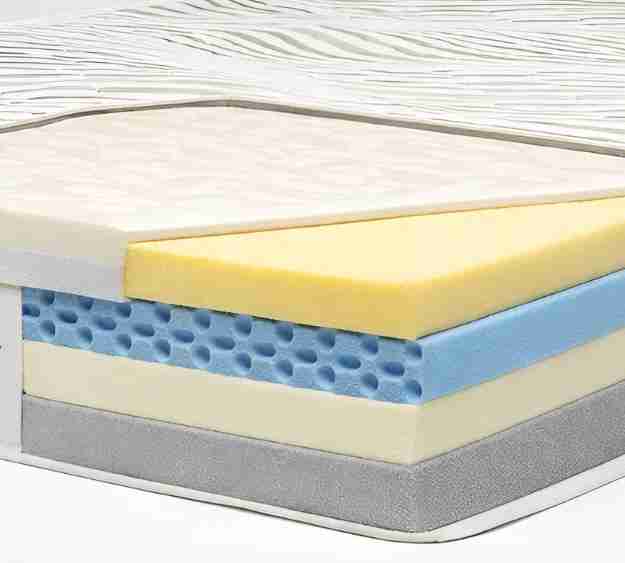
Unlike traditional spring mattresses that use coils for support, memory foam mattresses are constructed from multiple dense foam layers. This design absorbs motion effectively, making them excellent for couples.

With a memory foam mattress, you’ll experience minimal disturbance from your partner’s movements allowing for more continuous, restful sleep.

Allergy Resistance

Memory foam mattresses are also naturally resistant to dust mites and allergens due to their dense structure. This makes them a healthier sleep choice for people who suffer from allergies or respiratory sensitivities compared to many innerspring options.

Cooling Gel and Breathability Innovations

Early memory foam designs were notorious for retaining body heat. However, today’s cooling memory foam mattresses incorporate advanced technologies such as:

 Gel infusions

 Breathable, perforated foam layers

 Temperature-regulating covers

These innovations promote better airflow, wick away body heat, and help maintain a cooler, more comfortable sleep environment ideal for hot sleepers.

Who Should (and Shouldn’t) Buy a Memory Foam Mattress?

Best for:

 Sleepers seeking personalized contouring and excellent pressure relief

 Individuals with back painjoint pain, or arthritis

 Couples wanting motion isolation

 Allergy sufferers needing a sanitary sleep surface

Might Not Be Ideal for:

 Very hot sleepers (unless opting for gel-infused memory foam)

 Heavier individuals (who may prefer a firmer hybrid mattress)

 Those who prefer the bounce and feel of traditional spring beds

Final Thoughts: Why Memory Foam Mattresses Are a Smart Investment

From pressure relief and motion isolation to customized support and hypoallergenic benefitsmemory foam mattresses offer incredible value for a wide range of sleepers. Thanks to advances like cooling gels and breathable designs, today’s memory foam beds are more comfortable and versatile than ever.

Choosing the right memory foam mattress can transform your sleep quality and your health for years to come.

FAQs

Are memory foam mattresses good for back pain?

Yes. Their contouring and pressure-relieving nature helps maintain spinal alignment, easing or preventing back pain.

Do memory foam mattresses trap heat?

Older memory foam could retain heat, but most modern memory foam mattresses use cooling technologies to enhance breathability.

How long do memory foam mattresses last?

A high-quality memory foam mattress typically lasts 7 to 10 years, offering excellent durability and value.

Are memory foam mattresses suitable for heavier people?

Memory foam can accommodate heavier weights, but firmer or hybrid models may offer better long-term support and less sagging.

Do I need a special bed frame for a memory foam mattress?

Not necessarily, but using solid or slatted bed frame with strong support will help maintain the mattress’s shape and lifespan.

10 Mattress Care Tips for Long-Lasting Comfort
January 7, 2026

10 Mattress Care Tips for Long-Lasting Comfort

A mattress is more than just a place to sleep, it’s the foundation of your rest, your recovery and your overall wellbeing. But even the most comfortable mattress won’t last forever without good care. Over time, daily use introduces sweat dust and pressure that can damage support and comfort. The good news? A little maintenance goes a long way.

Follow these ten mattress care tips to preserve your bed’s structure hygiene and feel for years of deep uninterrupted sleep.

1. Rotate Your Mattress Every 3 to 6 Month

Mattresses, especially foam and hybrid styles, can form body impressions with time. Rotating your mattress every three to six months ensures the wear is evenly distributed. This simple habit prevents sagging, maintains support and extends the life of your bed.

Set a seasonal reminder and either rotate it 180° or flip if your mattress is double-sided. Even wear equals longer-lasting comfort.

2. Use a Mattress Protector

A waterproof breathable mattress protector is your mattress’s best defense. It shields against spills, sweat, dust mites and bacteria without affecting breathability. Ideal for allergy sufferers, it also keeps the surface fresher between cleanings.

Wash it every two to four weeks to maintain peak hygiene and extend your mattress’s life. It’s an invisible upgrade that makes a massive difference.

3. Clean Your Bedding Regularly

Your sheets are the barrier between your body and the mattress, so if they’re dirty your mattress is too. Sweat, skin oils and bacteria soak through over time. Wash pillowcases and sheets weekly in hot water to kill mites and allergens. Don’t forget duvets and toppers every few weeks. Clean bedding means a cleaner bed underneath.

4. Vacuum the Mattress Surface

Dust and dander build up even under clean sheets. Using your vacuum’s upholstery tool monthly helps remove invisible irritants from the surface. Focus on crevices and edges where debris tends to collect. This habit keeps your mattress fresh, reduces allergens and can even help with skin sensitivities or respiratory issues.

5. Spot Clean Stains Promptly

From spilled drinks to night sweats, stains happen. Blot stains immediately with a clean dry cloth, but don’t scrub or you’ll spread it. Use a mild detergent mixed with cold water to lift marks gently. Always let the area dry fully to avoid mold. Fast action preserves the look and smell of your mattress. 

6. Avoid Sitting on the Edge

The edge of your mattress wasn’t made to support your body weight long-term. Sitting there daily compresses the foam or springs unevenly leading to sagging. Try to spread your weight evenly when getting in and out of bed. Protecting the perimeter helps maintain structure and support where it matters most.

7. Keep Pets Off the Bed

We love our pets but their fur, claws and dirt don’t belong in your mattress. Dander can trigger allergies and embed deep into the fabric, making cleaning harder. If your pet insists on joining you use a washable throw as a barrier. Better yet, give them their own cozy bed nearby. They’ll love it and so will your mattress.

8. Let It Breathe

Your mattress needs airflow to stay dry and fresh. Strip the bed down every few months and open the windows to allow ventilation. If safe and possible, expose it to a few hours of sunlight, as UV rays naturally eliminate moisture and bacteria. This refreshes the material and neutralizes odors, leaving your bed feeling brand new.

9. Follow the Manufacturer’s Guidelines

Not all mattresses are created equal. Some should never be flipped, others need rotating and care instructions can vary by material. Always read the tag or check the brand’s website to avoid mistakes. Proper care ensures you are not voiding warranties or damaging your mattress unknowingly.

10. Replace When It’s Time

Even the best mattresses don’t last forever. Signs it’s time to upgrade include sagging aches upon waking or worsening allergies. Most mattresses last seven to ten years depending on quality and usage. When your bed no longer supports restful sleep, consider switching to a Luxe Mattress crafted for lasting comfort cooling and spine-aligned support.

Care More Sleep Better

Mattress maintenance isn’t complicated but it is essential. These simple habits can protect your investment, improve your health and elevate the quality of your rest.

Include these tips in your seasonal routine and your mattress will repay you with clean supportive sleep for years. After all, better care means better nights and better mornings.

Conclusion

A mattress is more than just a place to sleep, it’s an investment in your health, comfort, and overall wellbeing. By following simple care routines like rotating your mattress, using a protector, keeping it clean, and following the manufacturer’s guidelines, you can significantly extend its lifespan and maintain its support and hygiene. 

Remember, even with the best care, every mattress has a lifespan, so replacing it when needed ensures you continue to enjoy deep, restorative sleep. Consistent maintenance isn’t just about preserving your mattress it’s about preserving your quality of rest.

FAQs

How often should I rotate my mattress?

Rotate your mattress every 3 to 6 months to ensure even wear, prevent sagging, and maintain support. Double-sided mattresses can also be flipped according to manufacturer instructions.

Do I really need a mattress protector?

Yes. A breathable, waterproof mattress protector shields your mattress from spills, sweat, dust mites, and allergens, keeping it cleaner and prolonging its life.

Can I clean my mattress myself?

Absolutely. Regular vacuuming, prompt spot cleaning with mild detergent, and letting your mattress breathe in sunlight or fresh air helps maintain hygiene and freshness.

Is it bad to sit on the edge of my mattress?

Frequent sitting on the edge can compress foam or springs unevenly, causing sagging over time. Always try to distribute your weight evenly when using the bed.

How do I know it’s time to replace my mattress?

If you notice sagging, waking up with aches, worsening allergies, or general discomfort, it’s likely time to upgrade. Most mattresses last 7 to 10 years, depending on quality and care.

10 Bad Habits Ruining Your Sleep
January 6, 2026

10 Bad Habits Ruining Your Sleep

Tired of tossing and turning? You are not alone. While many blame stress or schedules, the truth is: your own habits might be sabotaging your rest. Even seemingly harmless routines like late-night snacking or scrolling can throw your sleep into chaos. Studies show that nearly 60 per cent of people suffer from sleep issues triggered by daily lifestyle choices.

Let’s break down ten common habits that might be keeping you up and what to do instead.

1. Scrolling Before Bed

We get it checking Instagram or watching a quick show feels like a harmless way to wind down. But blue light from phones and screens suppresses melatonin, the hormone that signals to your brain that it’s time to sleep. Worse, digital content keeps your mind alert when it should be easing into stillness.

Put your screens away at least 30 to 60 minutes before bed. Try reading a book, journaling your thoughts or meditating instead. Unplug to unwind.

2. Irregular Sleep Schedule

Sleeping in on weekends and staying up late during the week disrupts your circadian rhythm. Your body clock gets confused, making it harder to fall and stay asleep. The result? Shallow rest, groggy mornings and social jetlag come Monday. Stick to a consistent schedule even on weekends. Regularity helps your body anticipate rest, leading to deeper, more refreshing sleep.

3. Late Caffeine Intake

That 4pm latte might feel necessary but caffeine lingers. It can remain in your bloodstream for up to eight hours, keeping your brain stimulated long after sunset. Coffee, tea, soda or even dark chocolate can all sabotage your ability to drift off. To play it safe, cut off caffeine after 2pm. Go for caffeine-free herbal teas like chamomile or peppermint in the evening.

4. Overeating at Night

A heavy meal right before bed may satisfy cravings but it wreaks havoc on digestion. Greasy or spicy foods trigger bloating, acid reflux and interrupted sleep. Your body needs rest, not a midnight shift digesting a three-course dinner. Aim to finish eating at least two to three hours before bed.

5. Using Alcohol as a Sleep Aid

Sure, a glass of wine might make you feel tired. But alcohol disturbs your sleep cycle, especially REM, which is serious for memory and mood. It can cause you to wake up repeatedly, sweat excessively or feel groggy the next day.

Instead of using alcohol to wind down, try relaxing teas like lemon balm or magnesium supplements. Sleep that’s alcohol-free is far more restorative.

6. Exercising Too Late

Exercise is excellent for sleep but not if it’s right before bed. Intense evening workouts elevate your heart rate and stimulate adrenaline and cortisol, both of which keep your body alert.

Try to finish workouts at least two to three hours before bedtime. If you crave movement in the evening go for light stretching or restorative yoga.

7. Long or Late Naps

A nap can feel heavenly but too much or too late backfires. Oversleeping in the afternoon reduces your body’s sleep pressure, the biological need that builds throughout the day to help you fall asleep at night.

Keep naps short 20 to 30 minutes max and always before 3pm. This way, you recharge without sabotaging your nighttime rest.

8. Poor Sleep Environment

A noisy, cluttered or overly warm bedroom makes it nearly impossible to unwind. Your brain associates the environment around you with how safe and calm you feel.

Use blackout curtains and/or white noise machines, and keep the room cool (ideally around 65°F or 18°C). And invest in a high-quality mattress like something from our Luxe Mattress Collection for breathable supportive comfort night after night.

9. Stressing in Bed

Lying awake ruminating over your to-do list? You are not alone. But this habit teaches your brain that bed = worry. Elevated cortisol, the stress hormone, blocks melatonin and delays sleep onset.

Instead of overthinking, practise calming habits: deep breathing, gratitude journaling or calming audio. If you can’t sleep after 20 minutes, get up, move to another room and return when sleepy.

10. No Bedtime Routine

Without a wind-down ritual your brain has no signal that it’s time to shut down. Jumping straight from stimulation to bed leaves your nervous system in go-mode.

Build a gentle evening routine: lower the lights, brush your teeth, stretch and read. Repetition trains your brain to associate these actions with sleep, easing the transition into rest.

Better Habits = Better Sleep

Great sleep doesn’t happen by accident, it’s built through small conscious habits. By identifying and replacing bad sleep behaviors with healthier alternatives you’ll notice big changes in your energy focus and mood.

Start with one shift then another. Soon restful nights will become your new normal. Want a real upgrade? Try a Luxe Mattress. Your best sleep begins with the right foundation.

Conclusion

Better sleep starts with awareness. Many of the habits we think are harmless like scrolling on our phones, late-night snacks, or inconsistent schedules can quietly sabotage our rest. By identifying these habits and replacing them with healthier routines, you can improve your sleep quality, boost your energy, and feel more focused during the day. 

Start small, pick one habit to change at a time, create a calming bedtime routine, and make your sleep environment a peaceful retreat. With consistent effort, restful nights won’t just be a dream they’ll become your new normal.

FAQs

What are the most common habits that ruin sleep?

Common sleep-disrupting habits include late-night screen time, irregular sleep schedules, caffeine or alcohol before bed, late-night meals, and high stress levels.

How does scrolling before bed affect sleep?

Using phones or screens before bed exposes you to blue light, which suppresses melatonin and keeps your brain alert, making it harder to fall asleep.

Can caffeine or alcohol really disrupt sleep?

Yes. Caffeine can stay in your system for up to 8 hours, while alcohol may make you drowsy initially but disrupts REM sleep, leading to grogginess and night awakenings.

What are some better habits for a good night’s sleep?

Try keeping a consistent sleep schedule, limiting screen time before bed, creating a calm sleep environment, practicing stress-reduction techniques, and following a gentle bedtime routine.

How can I improve sleep if I’ve been tossing and turning for years?

Start by identifying which habits are harming your rest. Gradually replace them with healthier routines like meditation, light evening stretches, early dinners, and limiting naps, plus investing in a supportive mattress.

Product has been added to your cart