
100-Night Risk-Free Trial
Free Nationwide Delivery
10 Years Warranty
Call us at: 020 4572 5122
0% APR Finance Available
Mattress Should you Choose
October 13, 2025

Which Mattress Should You Choose? A Complete Guide
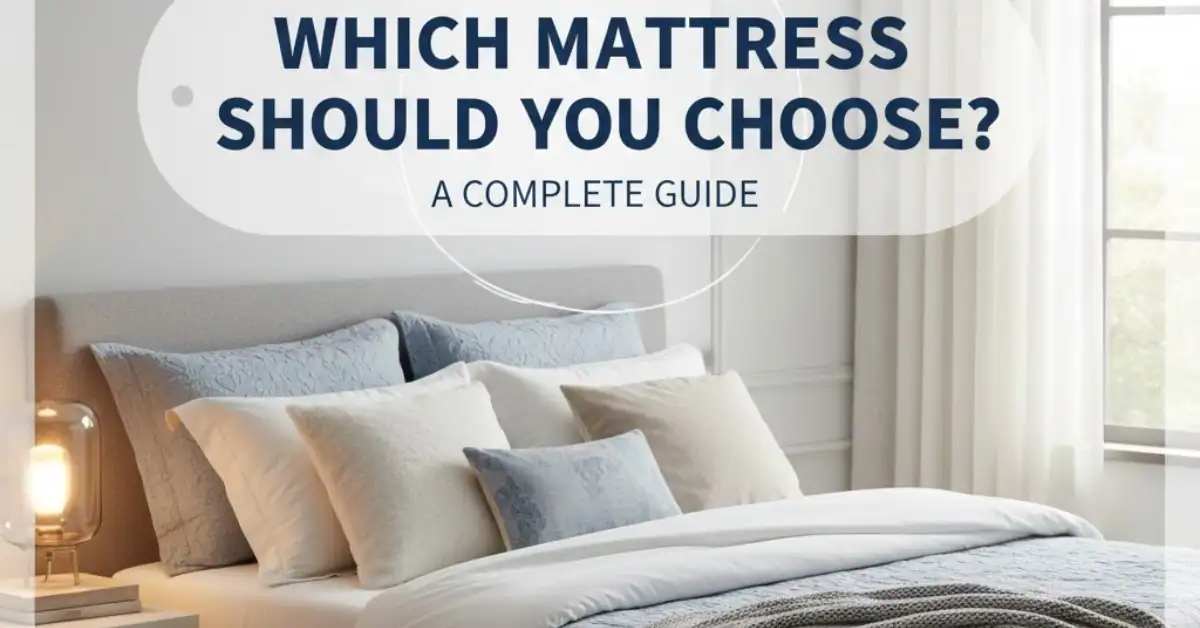
A mattress isn’t just about comfort it’s about health, energy, and quality of life. Since we spend nearly one-third of our lives sleeping, the right choice can mean the difference between waking up refreshed or sore. A good mattress supports the spine, improves sleep quality, and lasts for years without losing shape.

Why it matters:

  • Better sleep quality – deeper rest with less tossing and turning.
  • Health & posture – reduces back pain and supports alignment.
  • Value for money – a durable mattress saves you from replacing it too soon.

Still, many buyers fall into common mistakes:

  • Picking a size too small (feeling cramped at night).
  • Choosing the wrong material for their body type or sleeping style.
  • Ignoring natural luxe options, which offer eco-friendly, long-lasting comfort.

This guide will help you avoid those mistakes. We’ll look at three common choices small single beds, 2′6″ memory foam mattresses, and king-size options while also highlighting the growing appeal of natural luxe mattresses made with organic, breathable materials. How to Choose the Best Sleeping Foam Mattress for Your Sleep Style. By the end, you’ll understand the right size, the best materials, and how to balance comfort, health, and cost in your next mattress.

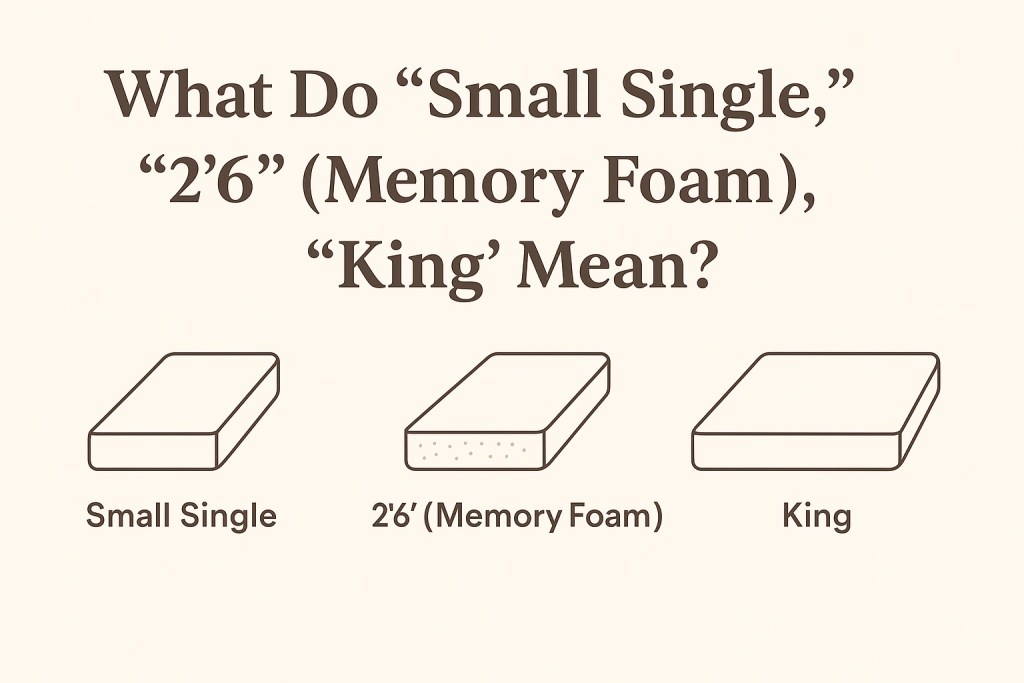
 What Do “Small Single,” “2′6″ (Memory Foam), “King” Mean?

Mattress sizes can be confusing, especially since terms like small single, 2′6″, or king may vary across regions. Understanding the dimensions and use-cases helps ensure you choose a mattress that fits both your body and your bedroom.
Definitions / Typical Dimensions

  • Small Single – About 75cm x 190cm (30″ x 75″), narrower than a standard single or twin.
  • 2′6″ Memory Foam – Refers to a 30″ width; often sold in memory foam for compact comfort.
  • King Size – UK: 150cm x 200cm (60″ x 78″). US: 193cm x 203cm (76″ x 80″). Very spacious. here

Advantages & Constraints

  • Small Single: Saves space, good for kids or guest rooms, but too narrow for most adults.
  • 2′6″ Memory Foam: More width than a small single, contouring support, but not suitable for two people.
  • King Size: Offers maximum space, ideal for couples or families, but more expensive and needs a large room.

When to Choose Which Size

  • Match with room size, budget, and number of sleepers.
  • Plan for the future: children may outgrow a small single, while couples and pet owners benefit from a king.

Which Size + Material for Which Person?

For single sleepers in small rooms, a compact option like a small single works best. Even though the width is limited, memory foam or hybrid mattresses can make the bed feel more supportive and comfortable. Those who prefer a little extra room and comfort can choose a 2′6″ or wider mattress, ideally made with premium materials such as natural latex or luxury foam for a more durable and indulgent sleep.

Couples generally need at least a queen or king size to sleep comfortably without disturbance. Motion isolation and strong edge support become important here, and hybrid or latex + coil designs often provide the best balance of comfort, durability, and space. Taller or heavier sleepers should also look for wider sizes with thicker cores or denser foams to maintain proper support and prevent sagging.

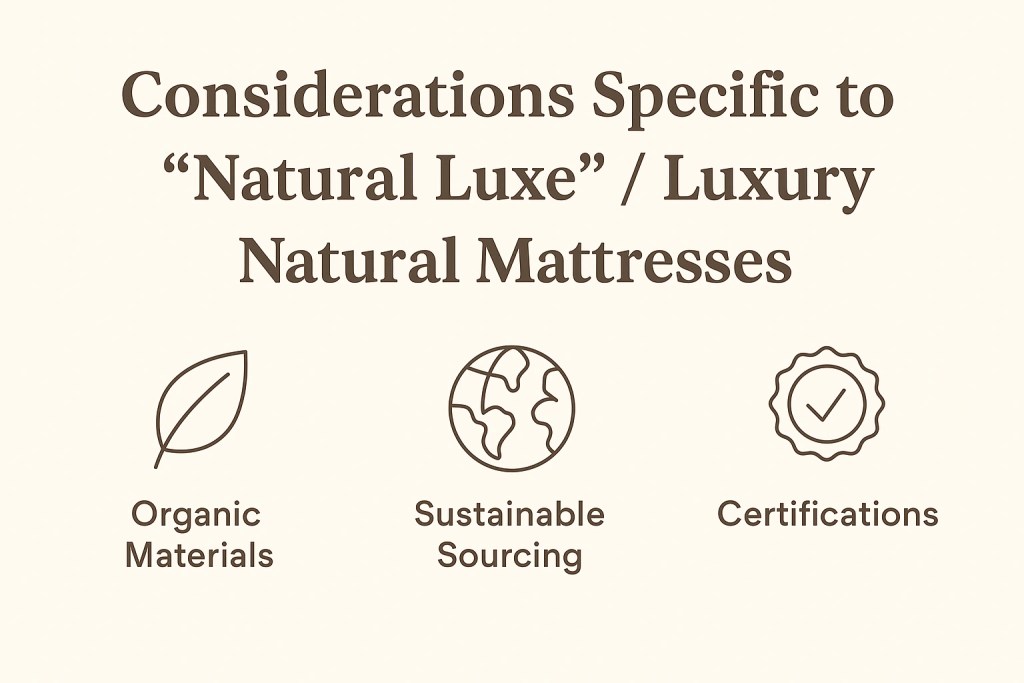
Considerations Specific to “Natural Luxe” / Luxury Natural Mattresses

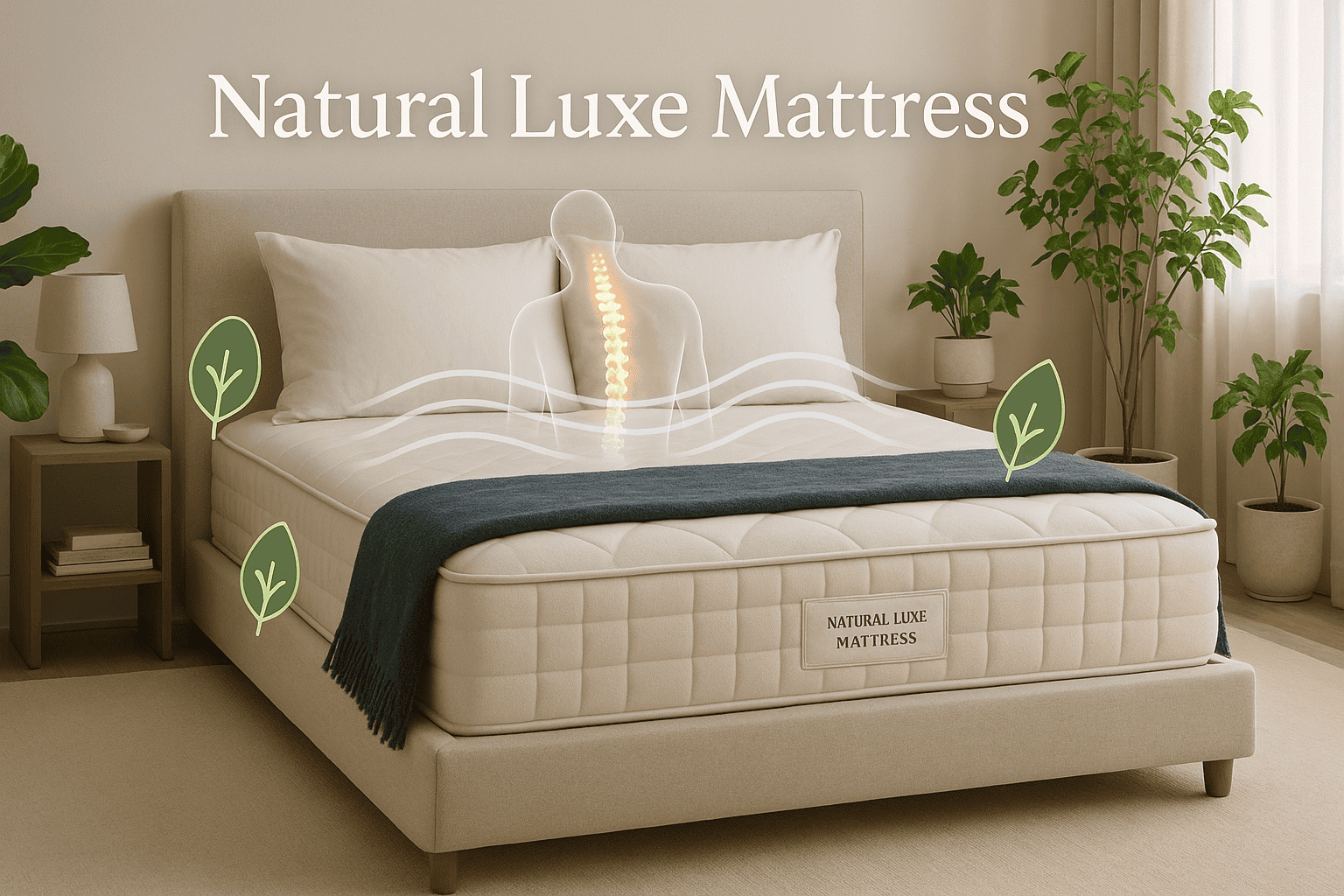
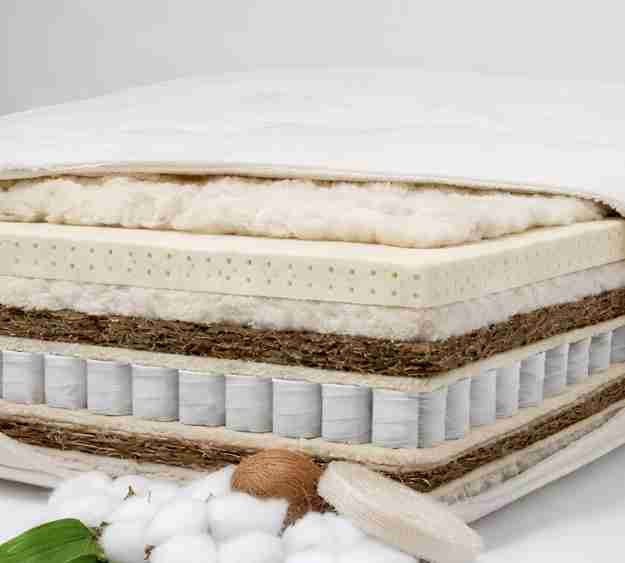
Luxury natural, or “natural luxe,” mattresses stand apart because they combine organic, eco-conscious materials with refined craftsmanship. Unlike standard foam or innerspring models, these beds often use plant-based or naturally sourced components, along with artisanal detailing such as hand quilting, layered stitching, and premium trims. They also carry certifications like GOTS, GOLS, or Greenguard that verify safety, low emissions, and environmental responsibility.

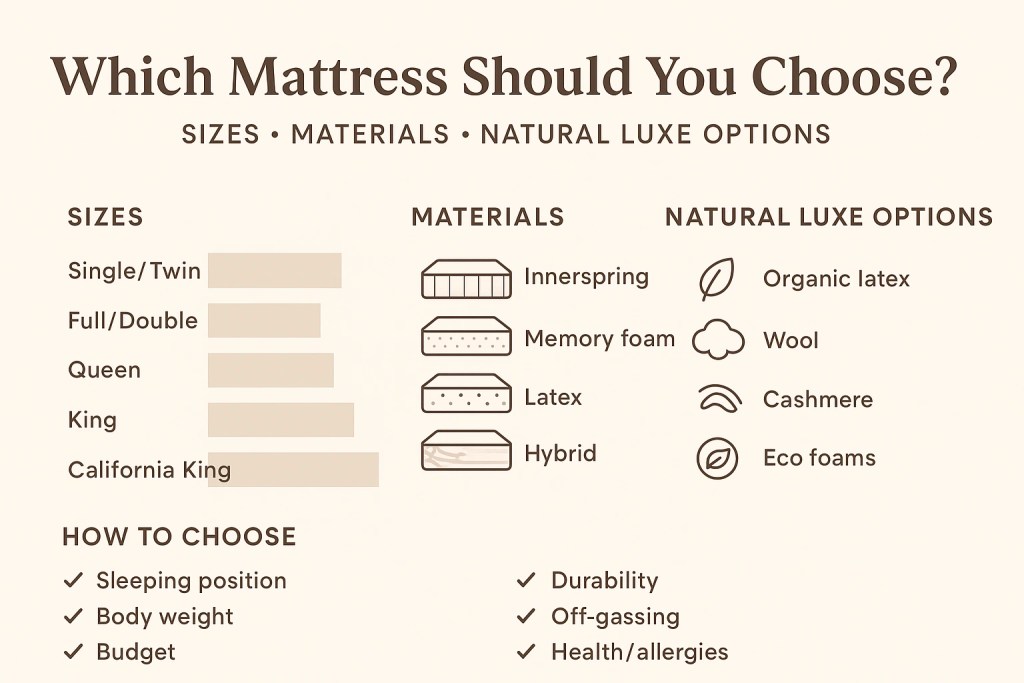
Materials Common in Natural Luxe Mattresses

  • Organic latex for durability and responsive comfort
  • Natural wool and organic cotton for breathability and softness
  • Silk, bamboo fibers, or cashmere blends for a truly plush finish
  • Wool or silk used as natural fire barriers instead of chemical retardants
  • High-threadcount, quilted covers with fine stitching for an elegant look

Design Features and Performance

  • Multi-layered builds with zoned support for spinal alignment
  • Edge reinforcement and hybrid coil systems for durability
  • Natural cooling layers such as wool and breathable latex to regulate temperature
  • Strong support cores paired with plush natural comfort layers

What to Scrutinize Before Buying

  • Confirm real certifications rather than marketing claims
  • Watch for off-gassing or VOCs even in blended “natural” foams
  • Consider long-term sagging and durability risks
  • Evaluate pricing: luxury materials cost more, but only some features add real value here

Examples of Luxe Mattresses

  • Birch Luxe Natural Mattress: blends organic cotton, wool, latex, and pocket coils with a plush Euro top.
  • Helix Luxe line: focuses on enhanced cooling, zoned support, and premium finishing.

While natural luxe mattresses are priced higher, they deliver lasting comfort, healthier sleep, and a sustainable choice making them worthwhile for those who see their bed as a long-term investment.

How to Analyze / Compare Options

Buying a mattress is a long-term decision, and with so many choices on the market, it helps to break the process into clear steps. Hybrid Mattress vs Memory Foam: Which Is Best for Your Sleep? A structured checklist ensures you don’t overlook important factors like fit, comfort, and durability.

Size & Fit to Room

  • Measure your bedroom before buying. Always leave enough walk space around the bed.
  • Check if your bed frame or base is compatible with the chosen mattress size.

Material & Feel Preferences

  • Decide between soft vs firm and bounce vs contour.
  • Match the mattress to your sleeping position side sleepers often need softer contouring, while back or stomach sleepers may prefer firmer support.

Temperature & Breathability

  • Look for cooling layers, airflow designs, or breathable natural materials like wool and cotton to avoid overheating.

Support & Spinal Alignment

  • Consider core strength, edge support, and zoned construction for proper posture.

Motion Isolation (for Couples)

  • Choose designs that minimize movement transfer so one partner isn’t disturbed by the other.

Durability & Warranty

  • High-density foams and thicker coils usually last longer.
  • Review the warranty and trial period to protect your purchase.

Certifications & Safety

  • Prioritize mattresses certified as low-VOC, formaldehyde-free, and compliant with safe fire standards.

Cost vs Value

  • Don’t focus only on upfront price. A more durable mattress with natural or premium materials often offers better value over its lifetime.

By running through this checklist, you’ll be able to balance comfort, health, and budget, making your choice both confident and future-proof.

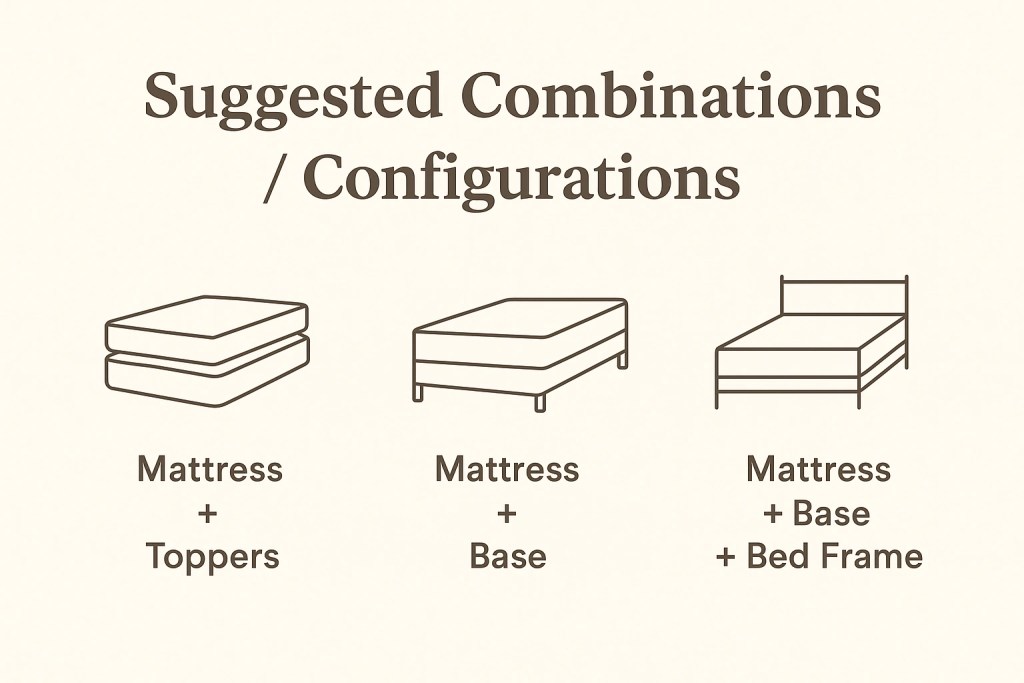
Suggested Combinations / Configurations

Sometimes the perfect mattress isn’t about a single material or size, but about combining features for the best comfort and long-term value. What’s Inside a High-End Luxury Mattress? Depending on your space and budget, there are several smart ways to configure your bed.
Best Small or Narrow Single with Luxury Layers

  • A compact mattress doesn’t have to feel basic. A narrow coil core topped with natural latex or wool can give a child’s bed or guest room setup the same cozy comfort found in larger models.

Memory Foam 2′6″ Options

  • A 2′6″ memory foam mattress works well for single sleepers who want contouring comfort in a compact size.
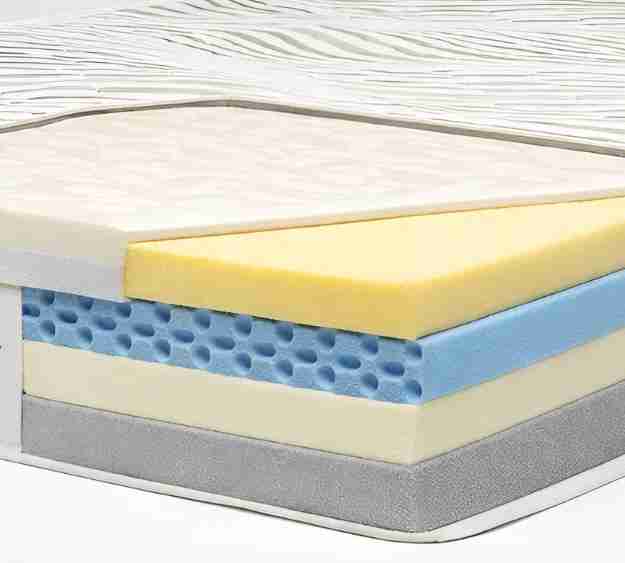
  • Look for high-resilience foam or cooling variations like gel-infused, open-cell, or ventilated foam.
  • Adding a thin natural latex or wool topper can improve breathability and reduce heat retention.

King and High-End Natural Luxe Options

  • For couples, a king-size hybrid that combines pocket coils with latex or wool layers offers spacious comfort and durability.
  • A luxury natural king mattress can elevate sleep with organic cotton covers, natural fire barriers, and plush Euro tops.

Hybrid Strategies and Upgrading Layers

  • Mix eco-friendly comfort materials (like natural latex or wool at the surface) with a reliable engineered core for balanced cost and performance.
  • Upgrade a standard mattress using natural-luxe toppers, which add plushness and breathability.
  • For king sizes, a split design makes handling, transport, and rotation easier while allowing different firmness preferences on each side.

These combinations let you enjoy the benefits of natural luxe features without always paying for a full high-end build, giving you flexibility to balance comfort, health, and budget.

Conclusion 

Choosing the right mattress is about balancing size, material, cost, and durability. Smaller beds save space but may compromise comfort, while larger options like king-size mattresses offer room and support at a higher price. Material matters too memory foam, latex, hybrids, and natural luxe layers each provide different levels of comfort and longevity. Cost should be considered in terms of long-term value rather than just upfront price.

A simple decision flow helps: first pick the right size for your room and sleepers, then select material and comfort based on firmness, support, and breathability. Finally, consider premium features like natural luxe layers, organic materials, and certifications to decide if the added investment is worth it.

What is the difference between a king size and a super king size mattress?

A king size mattress measures 150 cm — 200 cm, while a super king is larger at 180 cm — 200 cm, offering more width and sleeping space.

Is a double bed big enough for two adults?

Yes, a double bed (135 cm × 190 cm) fits two adults, but it may feel compact compared to a king size bed.

What mattress size is best for one person?

A single mattress (90 cm × 190 cm) is suitable for one person, while a small double (120 cm × 190 cm) offers extra space.

Are mattress sizes the same in every country?

No, mattress sizes vary by region. UK sizes differ from US and European sizes, so it’s important to check measurements before buying.
Mattress Brands
October 13, 2025

Mattress Brands Best Options for Comfort and Support

A good mattress brand is more than just a place to sleep it directly impacts sleep quality, spinal alignment, and overall health. The right choice can ease pressure points, improve posture, and promote deeper rest, while the wrong one may lead to discomfort and long-term back issues. Since we spend nearly a third of our lives in bed, choosing wisely becomes an essential investment in wellbeing.

Today’s buyers also face new priorities. Best Luxury Mattress Brands to Know in the UK Beyond the classic tradeoff between comfort and support, there’s a rising demand for “natural luxe” mattresses eco-friendly, organic, and sustainably made options that combine luxury with health-conscious design. In this article, we’ll explore the main mattress types, materials, and key features to look for, along with premium natural options for a healthier, more restorative sleep experience.

Here’s what this article will cover:

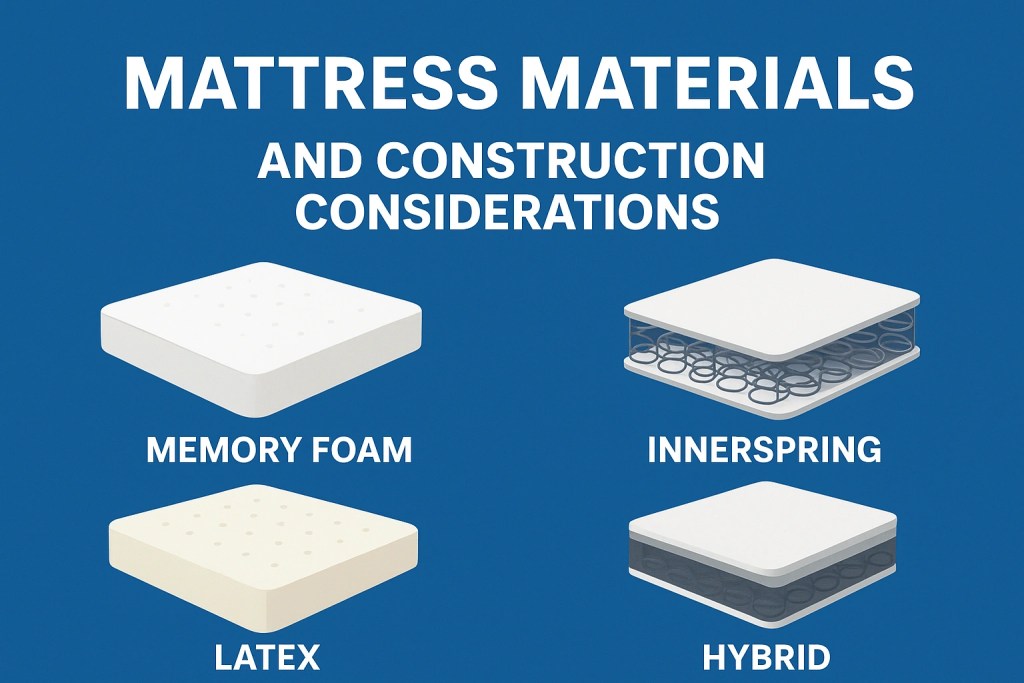
  • Types of mattresses: memory foam, innerspring, latex, hybrid, and more.
  • Materials that matter: natural vs. synthetic, breathable fabrics, hypoallergenic options.
  • Key factors to look for: firmness levels, durability, sleep position compatibility.
  • Natural luxe picks: leading brands offering eco-conscious, luxury sleep solutions.

With the right knowledge, you can confidently choose a mattress that enhances both your comfort and your long-term health.

Types of Mattresses: Pros & Cons

When it comes to choosing the right mattress, understanding the different types can make your decision much easier. Inside the World of the Best Luxury Mattress Brands: What UK Buyers Should Know Each style comes with its own construction, feel, and advantages what works for one sleeper may not suit another. Let’s break down the most common types.

1. Innerspring / Coil Mattresses
The classic mattress design, innersprings feature a core of steel coils topped with layers of padding.

  • Pros: Excellent support, strong edge stability, better airflow (cooler sleep), and a familiar feel many sleepers prefer.
  • Cons: Less body-contouring than foam, potential for coil noise, and may sag with time.

2. Foam / Memory Foam
Made from viscoelastic polyurethane, memory foam softens with heat and pressure to contour the body.

  • Pros: Outstanding pressure relief, minimizes motion transfer (great for couples).
  • Cons: Can trap heat, has a “sinking” sensation, and some models emit off-gassing odors initially.

3. Latex Mattresses
Natural latex is sourced from rubber trees, while synthetic or blended versions are also available.

  • Pros: Bouncy and responsive, highly durable, breathable, and naturally hypoallergenic.
  • Cons: Higher price point, heavy to move, and may trigger latex sensitivity in rare cases.

4. Hybrid Mattresses
Blending coils with foam or latex comfort layers, hybrids aim to offer the best of both worlds.

  • Pros: Balanced support plus contouring, versatile for many sleep styles.
  • Considerations: Some models may have uneven transitions between layers or rely on complex zoning. here

5. Airbeds & Waterbeds (Specialty Options)
Airbeds allow firmness adjustment through inflatable chambers, while waterbeds use water as the support core.

  • Pros: Adjustable comfort, unique feel, tailored support.
  • Cons: Less common, can require more maintenance, and waterbeds may be prone to leaks.

By weighing these pros and cons, you’ll be better equipped to match your mattress choice with your sleep style, comfort needs, and lifestyle.

Mattress Materials and Construction Considerations

The comfort, durability, and overall feel of a mattress brands depend heavily on its materials and construction. Beyond the type of mattress, the density, firmness, and internal layering all play a major role in shaping the sleep experience. Metrics like ILD (Indentation Load Deflection) and IFD (Indentation Force Deflection) help measure how firm or soft a foam feels, giving buyers a clearer idea of what to expect.

Layers & Zoning
Most modern mattresses are built with multiple layers, each designed to serve a purpose:

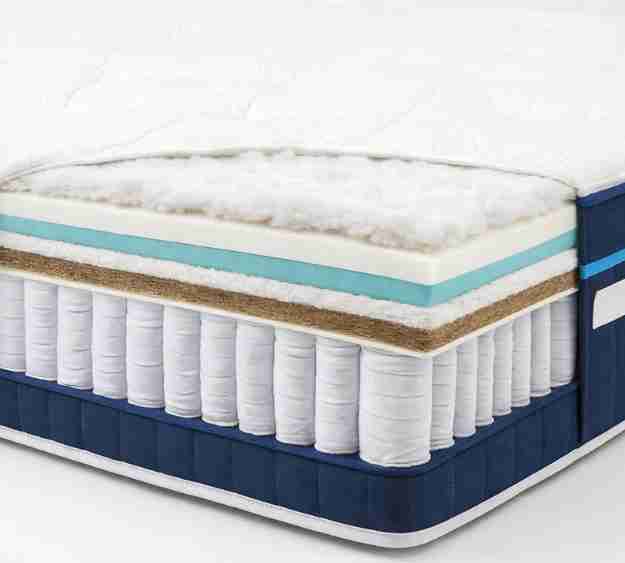
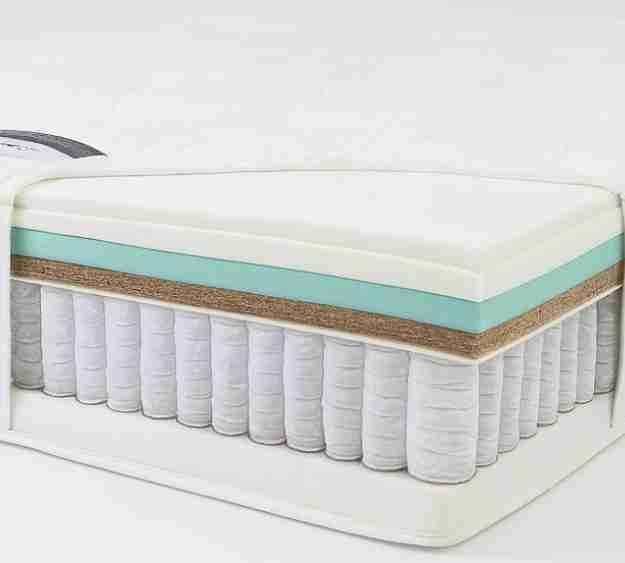
  • Comfort layer(s): The top surface that provides cushioning and pressure relief.
  • Transition layers: Help with contouring and gradual support, preventing a “bottoming out” feel.
  • Support core: Often coils, high-density foam, or latex that form the mattress’s backbone. here
  • Edge supports: Reinforced perimeters add stability and prevent sagging when sitting or sleeping near the edge.

Cooling & Temperature Regulation
Heat buildup is a common concern, which is why brands integrate cooling features:

  • Open-cell foams for airflow.
  • Gel infusions and phase-change materials to draw away heat.
  • Air channels, perforations, or conductive inserts (like copper or graphite) for temperature balance.

Durability & Sag Resistance

  • Coil gauge and spring count affect support and longevity.
  • High-density foams and resilient latex hold up better over time.
  • Material fatigue is minimized in premium models, ensuring longer performance.

Safety & Certifications
To avoid harmful emissions, look for mattresses tested for chemical safety:

  • CertiPUR-US, OEKO-TEX, GREENGUARD Gold for foams.
    GOLS (latex) & GOTS (fabrics) for organic certification.

Covers & Quilting
Mattress covers enhance comfort and breathability:

  • Organic cotton, Tencel, wool, or bamboo for natural softness and cooling.
  • Stretch knit fabrics for flexibility.
  • Pillow-top or Euro-top designs for an added plush layer. here

By understanding these construction elements, shoppers can choose a mattress that balances comfort, cooling, durability, and health-conscious materials.

Matching Mattress Type to Sleep Needs

No single mattress brands works for everyone because sleep needs vary by body type, weight, and preferred sleeping position. Matching the mattress to your sleep style ensures both comfort and healthy spinal alignment.

Side Sleepers
Side sleepers typically need more contouring and pressure relief. A softer comfort layer helps cushion the shoulders and hips, preventing tension build-up. Memory foam and latex hybrids often excel here.

Back Sleepers
For those who sleep on their backs, medium-firm mattresses brands are ideal. The goal is to keep the spine aligned while still offering enough softness to support the natural curve of the lower back.

Stomach Sleepers
This position requires extra firmness to stop the hips from sinking too deeply, which can otherwise strain the lower back. A firmer mattress with strong core support is recommended.

Combination Sleepers
Switching positions during the night calls for a responsive mattress. Hybrids or latex models provide a balance of contouring, support, and quick rebound, making movement easier.

Body Weight & Firmness

  • Heavier sleepers often need firmer support cores to prevent sagging.here
  • Lightweight sleepers may prefer softer surfaces that allow gentle contouring.

Partners & Special Needs
Couples should consider motion isolation to avoid sleep disruption, along with strong edge support for shared space. Hot sleepers benefit from cooling technologies like gel foam or breathable latex, while those with back pain may need zoned support systems. Allergy sufferers should look for hypoallergenic materials such as organic latex or certified foams.

Choosing a mattress based on your unique sleep style and personal needs ensures better rest and long-term health.

Natural Luxe / Premium Organic Mattress Options

Defining “Natural Luxe”
Natural luxe mattresses are crafted from organic, non-toxic, and sustainably sourced materials such as latex, wool, and cotton. Beyond comfort, these beds emphasize superior craftsmanship, elegant finishes, and eco-conscious branding. They are designed not only for restorative sleep but also as long-term investments in health and sustainability. Certifications such as GOTS, GOLS, GREENGUARD Gold, and OEKO-TEX highlight low emissions and ethical sourcing, giving buyers peace of mind.

Key Features

  • Multi-layered latex combined with coils, or full-latex cores for responsive support.
  • Quilting with wool or silk for natural temperature control.
  • Organic cotton covers that feel soft, breathable, and chemical-free.
  • Zoned support, lumbar reinforcement, and pillow-top enhancements for ergonomic comfort.
  • Durability-focused builds with reinforced edges and minimal synthetic adhesives.

Example: Birch Luxe Natural Mattress
The Birch Luxe from BirchLiving.com embodies these qualities: an organic cotton cover, natural wool layers, and two sheets of organic latex atop steel coils. It offers a medium-firm feel with natural cooling, GREENGUARD Gold certification, and a plush quilted finish. What makes it “luxe” is the attention to detail extra layers, premium materials, and a soft yet supportive hand-crafted build. here

Other Premium Organic Options

  • Avocado Green & Avocado Luxury Plush
  • Saatva Latex Hybrid
  • WinkBeds Eco
  • PlushBeds Botanical Bliss

Pros & Tradeoffs
Natural luxe mattresses brands deliver unmatched sustainability, comfort, and durability. However, they often come at higher price points, can be heavy to move, and may have limited availability in local showrooms.

How to Evaluate a Natural Luxe Mattress

  • Verify certifications and material transparency (percentages, sourcing).
  • Check trial periods, warranties, and return policies for peace of mind.
  • Assess firmness options to match sleep style.
  • Consider service perks like white-glove delivery and old mattress removal.

Investing in a natural luxe mattress ensures healthier sleep, a reduced environmental footprint, and timeless comfort crafted to last.

How to Choose Among Brands & Models

Finding the perfect mattress is as much about knowing your priorities as it is about comparing features. With countless brands and models on the market, having a clear checklist helps you make a confident decision.

Define Your Must-Haves
Before browsing, outline what matters most support for spinal health, cooling for hot sleepers, eco-friendly materials, or a specific budget. This ensures you don’t get swayed by marketing and instead focus on essentials.

Test in Person vs. Online Trials

  • If possible, visit a showroom to get a feel for firmness and responsiveness.
  • If buying online, prioritize brands with generous trial periods (100+ nights) and hassle-free returns.

Evaluate the Specs
Look beyond fancy descriptions and check measurable details:

  • Foam densities and ILD ratings for durability.
  • Coil counts and gauge for innerspring or hybrid strength.
  • Comfort layer thickness to understand how plush or supportive the bed will feel.

Policies & Protection

  • A solid warranty should include sag protection.
  • Clear return policies and exchanges ensure peace of mind.
  • Consider cost per year of use rather than just sticker price it’s an investment in long-term health. here

Reputation & Compatibility
Check customer reviews, brand reputation, and durability reports. Also, make sure your base or foundation matches the mattress type; for example, latex and memory foam often require solid platforms.

By combining personal needs with careful research, you can choose a mattress brands that delivers both comfort and value for years to come.

Potential Pitfalls and Myths

Buying a mattress can feel overwhelming, especially with so many claims and marketing buzzwords. To make a truly informed choice, it helps to be aware of the most common pitfalls and myths that trip up shoppers.

“More Layers = Better”
A frequent misconception is that a mattress with more layers is automatically higher quality. In reality, it’s the materials and construction that matter most. Extra layers can sometimes add unnecessary cost without improving comfort or durability.

Firmness Mistakes
Choosing a mattress that’s too soft or too firm is one of the most common errors. Side sleepers often need more contouring, while stomach sleepers require firmer support. Ignoring your body’s needs can lead to restless nights or back pain.

Brand vs. Specs
Many buyers overvalue brand reputation while overlooking measurable specifications like foam density, coil count, or latex type. A well-known name doesn’t always guarantee the right fit for your sleep style.

The Break-In Period
Another myth is that a mattress feels “wrong” immediately if it isn’t perfect on night one. Most new mattresses need a few weeks to break in and adjust to your body before reaching their true comfort level.

Warranty & Sag Clauses
Beware of short warranties or hidden clauses that don’t cover sagging unless it’s extreme. A good mattress warranty should protect against early material failure.

Off-Gassing Concerns
Synthetic foams can emit odors when new a process called off-gassing. While often temporary, this can be bothersome, especially for sensitive sleepers. Opting for certified low-VOC or natural materials can ease this concern.

By knowing these pitfalls and myths, you can cut through the noise and choose a mattress that truly matches your needs instead of marketing promises.

Conclusion

The best mattress is the one that balances comfort and support while matching your sleep style, body weight, and health needs. Side, back, and stomach sleepers all require different firmness levels, and factors like cooling, durability, and motion isolation should guide your choice. For those exploring natural luxe mattresses, focus on certified organic materials (latex, cotton, wool) and trusted labels like GOTS, GOLS, or GREENGUARD Gold to ensure safety, sustainability, and craftsmanship.

When buying, use a structured approach: test in-store if you can, or take full advantage of online trial periods; study the specs, not just the brand name; and check warranties for real protection. A mattress is a long-term investment in your sleep and overall wellbeing so compare carefully, invest smartly, and ultimately trust how your body feels once you try it.

Which mattress brand offers the best comfort for side sleepers?

Side sleepers often benefit from memory foam or hybrid mattresses, which provide pressure relief for shoulders and hips.

Are expensive mattresses always better for support?

Not necessarily. While high-end mattresses may offer premium materials, comfort and support depend on personal preference and sleep style.

How do I choose a mattress for back pain?

Look for medium-firm mattresses that support spinal alignment and relieve pressure points. Memory foam or hybrid options are usually recommended.

What types of mattresses are best for couples?

Hybrid or memory foam mattresses with motion isolation reduce disturbance, making them ideal for couples with different sleep patterns.

How often should I replace my mattress for optimal support?

Most mattresses last 7–10 years. Signs like sagging, lumps, or poor sleep quality indicate it’s time for a replacement.

stomach sleeper
September 4, 2025

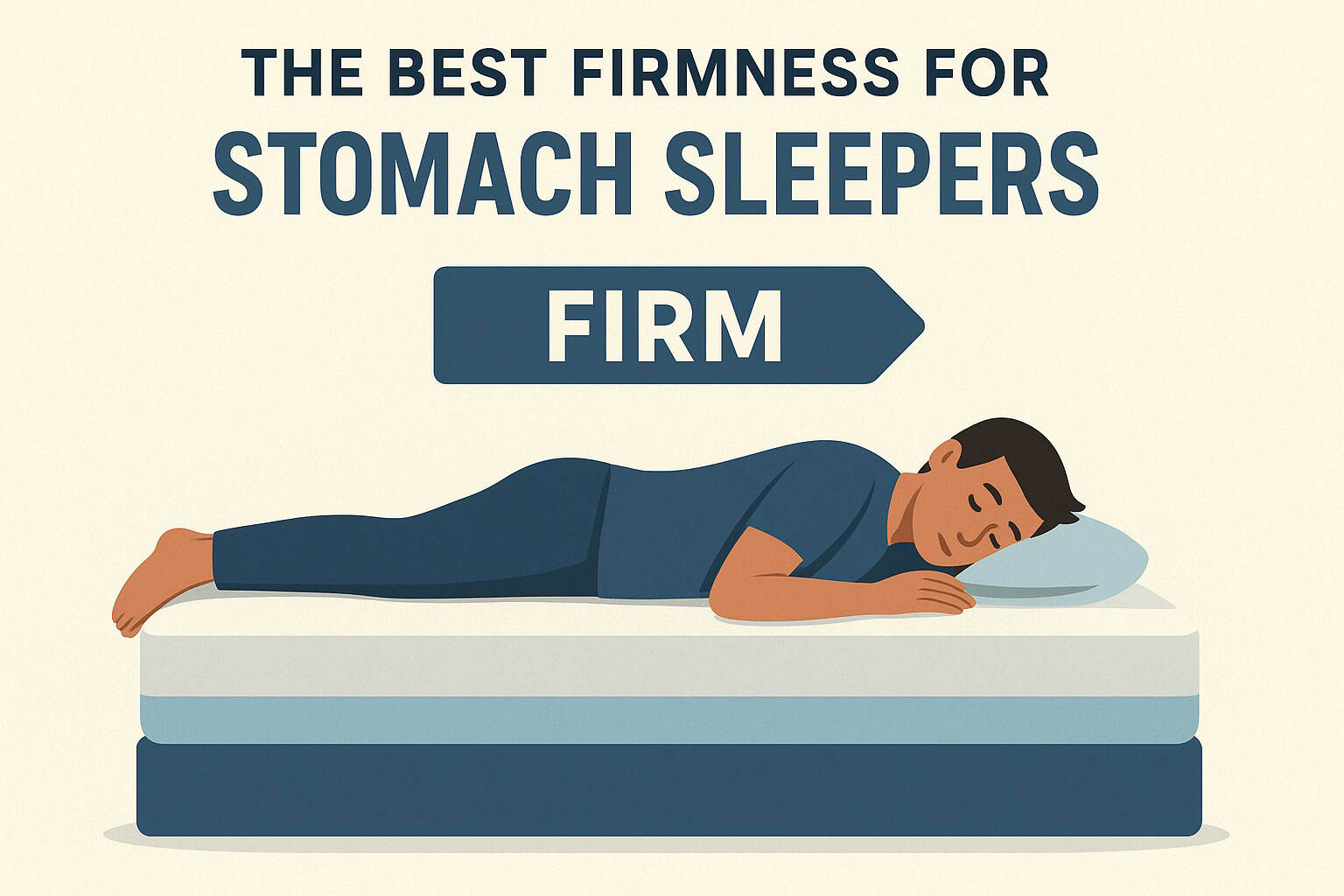
The Best Firmness for Stomach Sleepers

Sleeping on your stomach can feel cozy, but it’s actually the trickiest position for spinal alignment. The core goal for stomach sleepers is to keep the spine neutral and prevent the hips from sinking too far into the mattress.

Stomach Sleepers

When the midsection bows down, it puts stress on the lower back and can lead to pain over time. That’s why mattress firmness is such a key factor.

  • Ideal firmness range: Most stomach sleepers find comfort on a medium-firm to firm bed (around 6.5–8/10 on the firmness scale). This sweet spot helps keep the body lifted without feeling like you’re lying on a rock.
  • Body weight matters: Lighter sleepers may prefer slightly softer within this range, while heavier sleepers often need the firmer end for proper support.

According to both Sleepopolis and the Sleep Foundation, extra mattress features can make a big difference:

  • Zoned support under the hips and torso helps maintain alignment while easing pressure in lighter areas.
  • A responsive surface ensures you don’t feel “stuck” when turning over during the night.
  • Solid edge support keeps the entire sleep surface usable, which is especially helpful if you share the bed.

The bottom line: stomach sleepers thrive on a supportive, balanced mattress that prevents sagging while still offering a touch of cushioning for comfort. Why Back & Stomach Sleepers Sleep Better with Hard Mattresses.

Why Firmness Matters for Face-Down Sleeping

When you sleep on your stomach, your body is already working against natural bio mechanics. Lying face-down increases lumbar extension in other words, your lower back curves more than it should.

On a mattress that’s too soft, the hips sink deeply into the bed, creating a pronounced swayback posture that stresses spinal discs and muscles. This is why firmness isn’t just a matter of preference for stomach sleepers it’s a safeguard for long-term comfort. Firm mattress for stomach and side sleeper.

  • Bio mechanics 101: A firmer surface minimises the dip under the hips, helping to maintain a more neutral spine.
  • Too soft trouble: Excessive sink age worsens swayback and strains the lower back.
  • Too hard tension: On the flip side, ultra-firm beds can feel rigid, creating pressure points and limiting natural curves.

An evidence snapshot backs this up. According to research cited in PMC and insights from Modern Chiropractic Chicago, medium-firm mattresses consistently show better outcomes in spinal alignment, comfort, and reduced back pain compared to extremes on either end of the spectrum.

Translation for shoppers: Think “supportive comfort.” You want a mattress firm enough to keep your hips elevated, but not so stiff that it feels unforgiving. The goal is balance let the surface gently fill in small gaps, cradle the chest and knees, and keep your spine in a healthier line. Ultimately, the right firmness turns a tricky sleep position into a manageable, restful one.

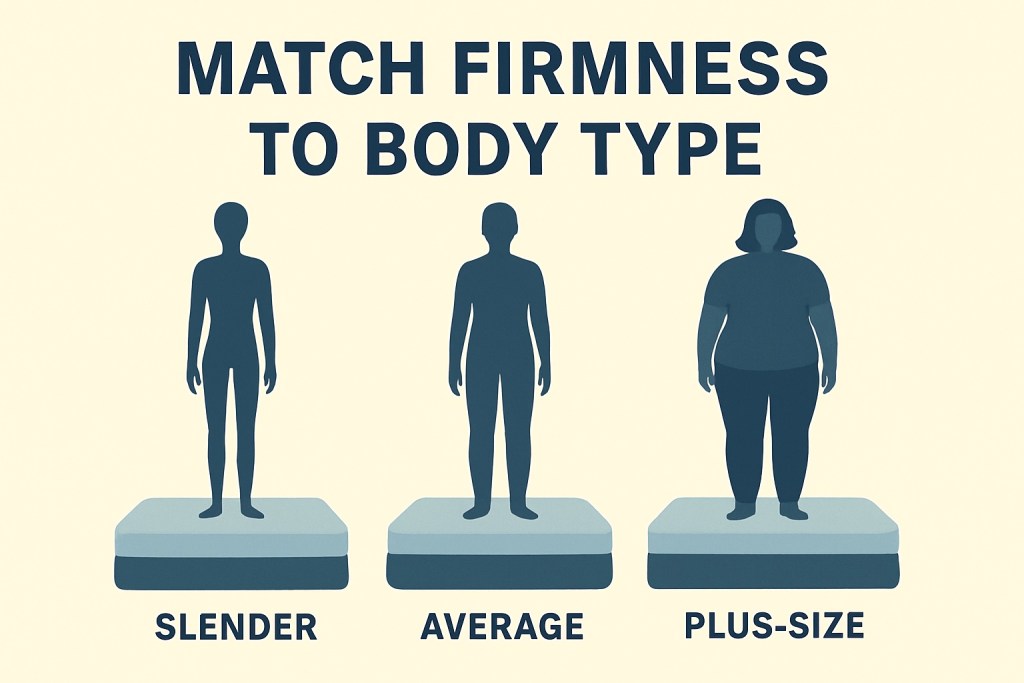
Match Firmness to Body Type

Not every stomach sleeper needs the exact same mattress feel your body weight plays a big role in how firm (or soft) a bed feels beneath you.

What registers as “just right” for one person might feel too stiff or too soft for another. That’s why matching firmness to body type is essential for keeping the spine aligned and preventing long-term discomfort. Firm Mattresses for Side, Back, and Stomach Sleepers.

  • Under 130 lb (≈<60 kg): Medium-firm often feels firmer to lighter sleepers, so a 6–7/10 firmness with some added cushioning on top can provide balance. This way, the mattress supports the hips without feeling uncomfortably rigid. Extra Firm Mattresses for Heavy or overweight Sleepers: Do They Really Work? 
  • 130–230 lb (≈60–105 kg): This group tends to hit the “sweet spot.” A 6.5–8/10 firmness usually delivers the right mix of support and comfort, preventing sag while still offering some pressure relief.
  • 230+ lb (≈>105 kg): Heavier sleepers need sturdier construction. A 7.5–8.5/10 firmness with denser foams or reinforced coils helps resist sagging and keeps the hips elevated.

A bonus feature across all weight ranges is zoned construction firmer support under the hips and softer zones elsewhere. This design fine-tunes alignment so each sleeper gets a more balanced feel, regardless of body type.

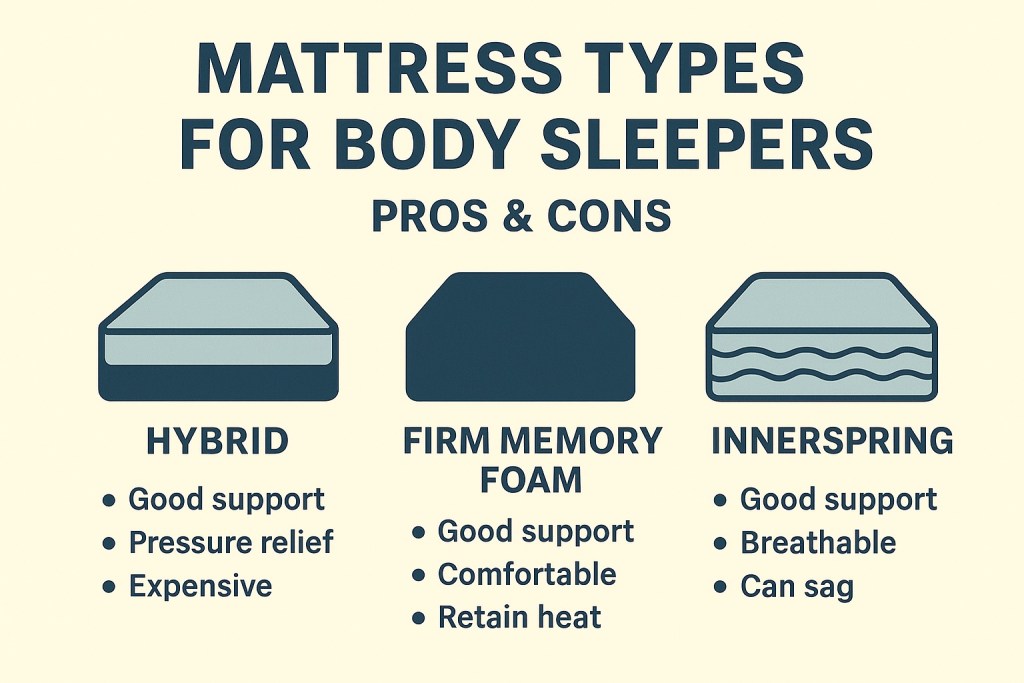
Mattress Types for Stomach Sleepers: Pros & Cons

Choosing the right mattress type is just as important as picking the right firmness. Each material behaves differently under the hips, shoulders, and chest so the right choice can make the difference between waking refreshed or stiff.

  • Hybrid (coils + comfort layers): Hybrids are a popular choice for stomach sleepers because they offer buoyant support, great airflow, and easy repositioning. However, be cautious with plush pillow-tops if the hips sink too much, it can throw the spine out of alignment.
  • Latex / Latex Hybrid: According to the Sleep Foundation latex beds provide natural springiness, support, and temperature neutrality. They’re excellent for keeping the hips elevated and make turning over at night nearly effortless.
  • Innerspring (modern): Today’s innersprings aren’t the squeaky mattresses of old. They deliver strong support and reinforced edges, and when paired with a thin, firm Euro-top, they balance durability with surface comfort. Best Mattress for Side Sleepers with Shoulder and Hip Pain
  • Memory Foam: Known for pressure relief, memory foam can be tricky for stomach sleepers since it’s often too pliant. The solution? Opt for firmer densities with thinner comfort layers, which cushion without allowing the midsection to sag.
  • Air / Adjustable: Adjustable air beds shine with customizable firmness. Add zoned layering for targeted hip support to minimise midsection dip.

Finally, a note on “luxury” models: features like higher coil counts, stronger perimeters, and premium natural materials enhance not just comfort but also long-term spinal alignment and durability a smart investment for dedicated stomach sleepers.

Materials That Help (and Hurt) Stomach Sleepers

When it comes to mattress construction, the right materials can make or break comfort for stomach sleepers. The challenge is finding layers that support the hips without letting them sag while still offering enough cushioning to keep the rest of the body at ease.

  • Support core: A strong foundation is essential. Sleep Foundation notes that tempered pocketed coils with a firmer gauge in the centre third are excellent for holding up the midsection. Alternatively, high-LID latex offers dense, springy support that resists sagging.
  • Comfort layers: Thin to moderate comfort layers are best for face-down sleepers. Prioritise latex or firmer high-density foams, which prevent hips from sinking too deeply while still softening the surface.
  • Natural latex: According to both latex is a standout for stomach sleepers. It’s resilient, breathable, moisture-wicking, and highly durable, meaning it resists body impressions while keeping the spine more neutral.
  • Wool & cotton: Natural fibres like wool and cotton, highlighted , enhance temperature regulation and also act as natural flame-retardant barriers. They’re ideal for sleepers who run warm.
  • What to avoid:Thick pillow-tops, and low-density foams that compress quickly under the hips. These materials may feel cosy at first but often worsen spinal misalignment over time.

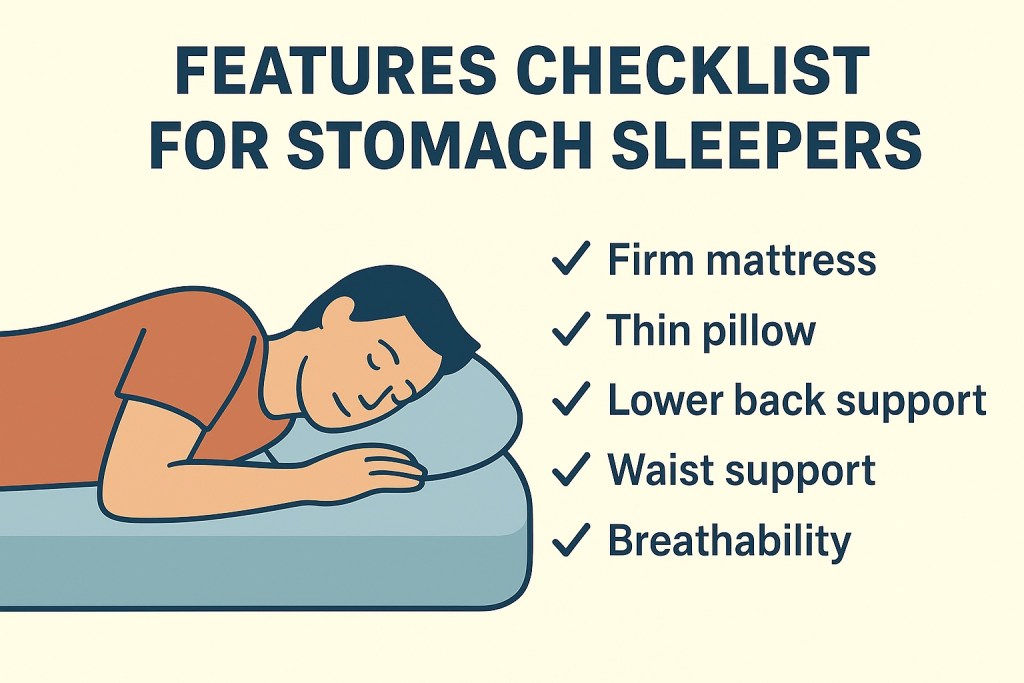
Feature Checklist for Stomach Sleepers

Shopping for a mattress as a stomach sleeper means looking beyond just comfort you need a design that actively supports spinal health while still letting you rest easily. The right combination of features can prevent sagging, overheating, and long-term back issues. Here’s what to prioritise:

  • Firmness rating: Aim for 6.5–8/10 firmness, the sweet spot that balances lift with comfort. According to Sleepopolis, this range is most effective for keeping hips and lumbar areas aligned.
  • Zoned support: A firmer center third, as recommended by the Sleep Foundation, prevents the pelvis from dipping, which helps maintain a neutral spine.
  • Responsive feel: Materials like latex or hybrids provide a springy, breathable surface. This makes breathing easier when lying face-down and allows effortless repositioning during the night (Sleep Foundation).
  • Edge support: If you shift toward the perimeter, solid edge reinforcement keeps your posture consistent. Tom’s Guide suggests looking for coil perimeters or reinforced foams.
  • Cooling: Overheating can be an issue for stomach sleepers. Look for breathable covers (cotton or Tencel), latex, coil-based airflow, or phase-change fabrics for active cooling. Extra Firm Mattresses for Heavy or overweight Sleepers: Do They Really Work? 
  • Durability: To keep support intact over years, opt for high-density foams, premium latex, and robust coil counts. These prevent sagging and preserve firmness.

With this checklist, stomach sleepers can filter out flashy extras and zero in on the features that truly protect their sleep and spine.

Final Checklist Before You Click “Buy”

Before committing to a new mattress, stomach sleepers should pause and run through a quick checklist. The right features can make the difference between waking refreshed and waking with aches.

The Best Firmness for Stomach Sleepers

The Best Firmness for Stomach Sleepers

Body Weight Recommended Firmness (1–10) Best Mattress Types Why It Works Pillow Advice
< 130 lb (≤ 60 kg) 6–7 (Medium-Firm) Latex, Firm Memory Foam, Hybrid with thin top Prevents hips from sinking while offering comfort Thin pillow or no pillow
130–230 lb (60–104 kg) 7–8 (Firm) Firm Latex, Firm Hybrid, Firm Innerspring Keeps pelvis aligned and maintains neutral spine Thin, flat pillow
> 230 lb (≥ 104 kg) 8–9 (Extra Firm) Extra-Firm Hybrid, High-Density Latex, Firm Innerspring Provides strong support and prevents midsection sagging Low-loft pillow or arm support
Hot Sleepers (Any Weight) Prefer Firmer Side Breathable Latex, Hybrid with coils Less sink = better airflow, cooler sleep Breathable pillow (latex, wool, or cotton fill)
  • Target firmness: Stay within the 6.5–8/10 range, ideally with zoned midsection support to prevent the hips from dipping.
  • Surface feel: Responsive designs like latex or hybrids keep hips elevated and make it easy to change positions without feeling stuck.
  • Materials check: If you prefer a more natural build, look for latex, wool, and cotton, which add breathability and durability while enhancing comfort.
  • Policies matter: Double-check the trial period, warranty, and exchange options. Even pillow-top models can work just ensure they still hit the firmness and support benchmarks you need.

A quick review of these essentials ensures you’re not just buying a mattress you’re investing in healthier, more restorative sleep.

Conclusion

For stomach sleepers, the right mattress isn’t just about comfort it’s about protecting spinal health night after night. Because lying face-down naturally increases strain on the lower back, the key is choosing a bed that keeps the hips from sinking while still offering enough cushioning for overall ease. Medium-firm to firm surfaces (6.5–8/10) consistently prove best, especially when paired with features like zoned support, responsive materials, and solid edge reinforcement.

Latex, hybrids, and quality coil systems tend to shine here, offering buoyant support and breathability, while natural materials like cotton, wool, and latex elevate both comfort and durability. On the flip side, ultra-plush foams and thick pillow-tops can compromise alignment and should be approached with caution.

FAQ’s

What firmness level is best for stomach sleepers?

Most experts, including Sleep Foundation , recommend a medium-firm to firm mattress (6.5–8/10). This range supports the hips and spine without feeling uncomfortably hard.

Are memory foam mattresses good for stomach sleeping?

Memory foam can work, but only if it’s firm and not too thick. Plush memory foam often allows the hips to sink, which can strain the lower back. Look for high-density foams with thinner comfort layers if you prefer foam.

Why do stomach sleepers need zoned support?

Zoned support offers a firmer center third under the hips and softer zones elsewhere. This prevents the pelvis from dipping while still giving comfort to lighter areas like the shoulders.

Which mattress types are best for stomach sleepers?

Hybrids and latex: buoyant, supportive, and breathable.
Modern innersprings: great edge support with a firm Euro-top.
Adjustable air beds: customizable firmness, especially with zoned layering.

What materials should stomach sleepers avoid?

Avoid ultra-plush memory foam toppers, very thick pillow-tops, and low-density foams, as these can cause hips to sink and throw off spinal alignment.

August 29, 2025

What Makes a Mattress Truly ‘Luxury’?

When we think of “luxury,” we often imagine indulgence and comfort, but in the context of mattresses, luxury extends far beyond softness. A truly luxurious mattress is an investment in your health, sleep quality, and overall well-being.

It’s about waking up refreshed, with proper support for your body, and enjoying restful sleep night after night for years to come. Luxury in mattresses isn’t just about price it’s about durability, innovation, and how well it supports a healthier lifestyle.

This is where natural luxe mattresses come in a modern evolution of what luxury should mean. Why High Quality Mattress Materials Make a Difference? These mattresses merge the elegance of premium craftsmanship with the purity of natural materials, offering a sleep experience that’s both opulent and Eco-conscious. Imagine a bed built with:

  • Organic materials like natural latex, cotton, or wool free from harmful chemicals.
  • Exquisite craftsmanship ensuring long-lasting comfort and support.
  • Sustainability at its core, so you can indulge without compromising the planet.

Natural luxe mattresses redefine comfort by prioritising wellness and responsibility. They provide a perfect blend of sophistication, sustainability, and science-backed design, creating a sleep sanctuary that benefits both you and the environment. Investing in one is more than a purchase it’s a commitment to better living.

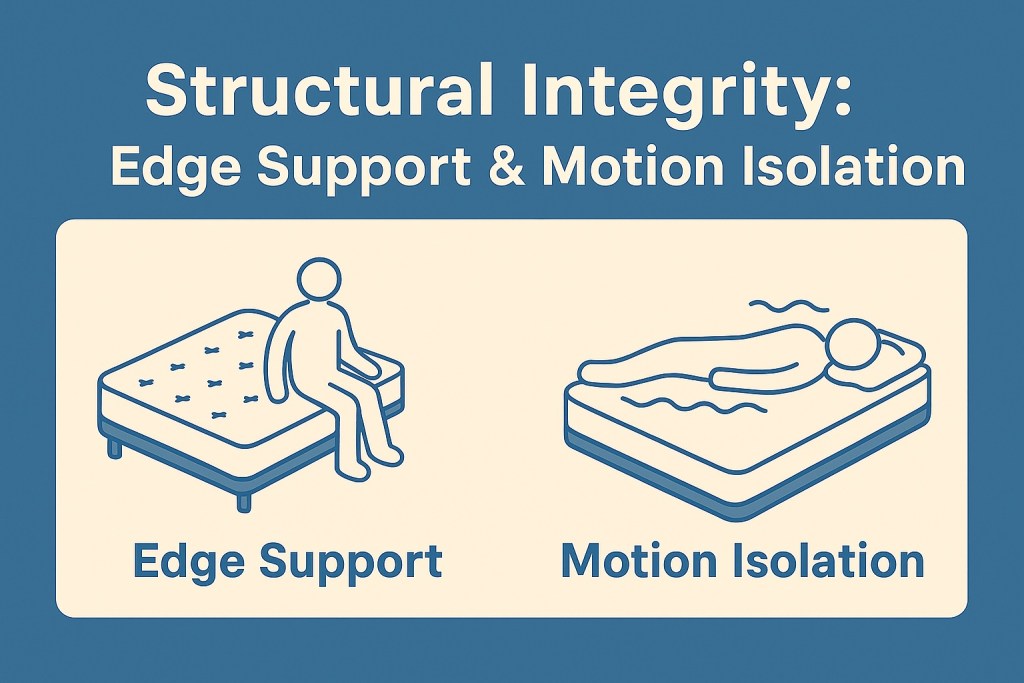
Structural Integrity: Edge Support & Motion Isolation

A true luxury mattress isn’t just about what’s on the surface it’s about how well it holds up over time. Edge support plays a vital role in this.

Fortified edges, like those found in innovations such as Extra Edge™ technology, prevent sagging and maintain shape, ensuring that you can use the entire mattress surface comfortably. Whether you’re sitting on the side to put on shoes or sleeping close to the edge, superior edge support guarantees lasting stability and maximizes space.

Equally important is motion isolation, especially for couples. High-quality natural luxe mattresses often feature individually pocketed coils combined with responsive, premium foams. This design absorbs movement at its source, meaning if your partner tosses, turns, or gets out of bed, you remain undisturbed.

Together, these features ensure your mattress not only feels luxurious but performs like one delivering consistent support, peace, and uninterrupted rest every single night.

Choosing the Right Type for Your Needs

Selecting the perfect natural luxe mattress is about understanding how different types meet your unique sleep needs. Each offers a distinct balance of comfort, support, and sustainability.

  • Memory Foam: Known for its exceptional pressure relief and body-contouring ability, memory foam molds to your shape, reducing stress on joints and enhancing spinal alignment. Its superior motion isolation ensures minimal disturbance, making it ideal for light sleepers or couples.
  • Hybrid: For those who want the best of both worlds, hybrids combine supportive coils with layers of foam or natural latex. This creates a mattress that is responsive, breathable, and durable. Enhanced edge support also makes hybrids a great option for maximising usable sleep space perfect for premium sleep seekers in the Luxe Mattresses and Beds UK market.
  • Pocket-Sprung / Natural: Crafted with organic cotton, wool, and natural latex, these mattresses prioritize eco-friendliness and breathability. Individually wrapped springs provide targeted support, while natural fibers regulate temperature for a cool, refreshing sleep.

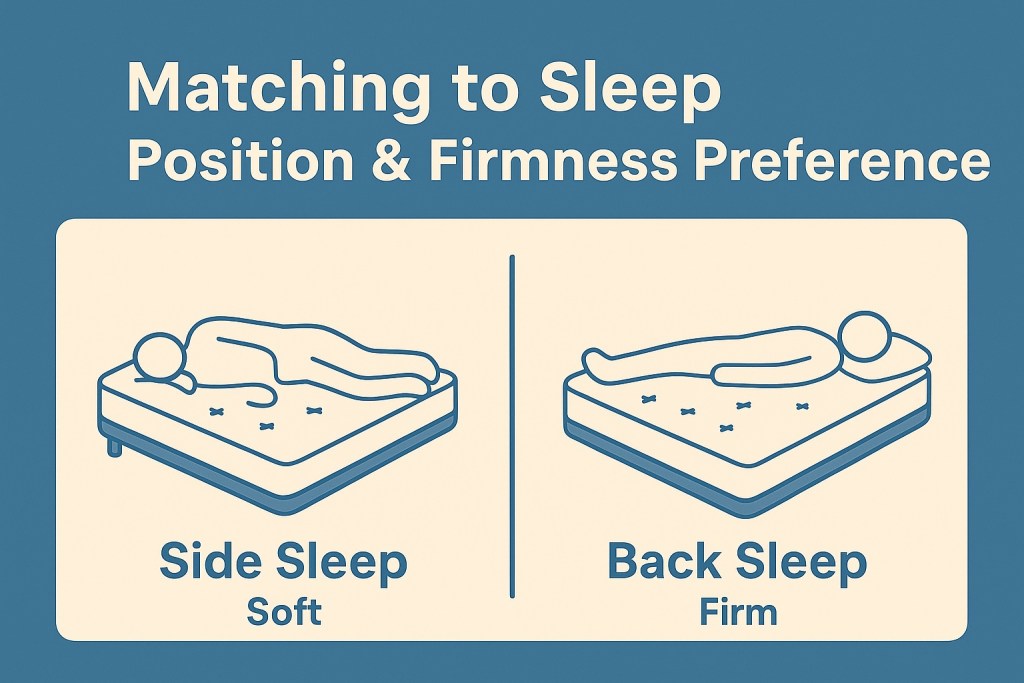
Matching to Sleep Position & Firmness Preferences

Finding the right natural luxe mattress isn’t just about material it’s about matching it to how you sleep. Your sleeping position greatly influences the ideal firmness level for optimal comfort and spinal alignment. Luxe Mattresses and Beds UK offers tailored guidance to ensure every sleeper finds their perfect fit:

  • Side Sleepers A medium-soft mattress, often memory foam, provides deep contouring around shoulders and hips, reducing pressure points and enhancing comfort.
  • Back Sleepers A medium-firm or luxury firm option keeps the spine properly aligned, preventing lower back pain while maintaining plush comfort.
  • Stomach Sleepers A firm innerspring or hybrid mattress offers the necessary support to keep the hips from sinking, ensuring a neutral spine position.
  • Combo Sleepers A medium-firm hybrid is versatile enough to adapt to different positions, providing balanced support and responsiveness.

Choosing a mattress aligned with your sleep style transforms rest into a restorative experience. By understanding your needs and pairing them with Luxe’s expert recommendations, you’ll enjoy unmatched comfort, durability, and wellness-driven design creating a sleep environment that feels truly personalised.

Enhancing Luxury: Toppers & Accessories

True luxury goes beyond the mattress itself it’s about refining your sleep experience to perfection. Luxury mattress toppers offer an easy way to customise comfort without investing in a whole new bed. Want extra softness?

Need to stay cool? Gel-infused toppers regulate temperature, preventing overheating during the night. For couples with different preferences

Beyond toppers, premium accessories elevate the entire sleep environment. High-thread-count organic cotton sheets, temperature-balancing duvets, and ergonomically designed pillows from Luxe Mattresses and Beds UK ensure every detail supports deep, restorative rest.

By layering thoughtful additions, you can transform even the finest mattress into a truly personalised sleep sanctuary one that adapts to your comfort needs, enhances durability, and delivers the ultimate in luxury living.

Additional Considerations: Trials, Warranty & Transparency

When investing in a luxury mattress, peace of mind is just as important as comfort. Transparent material disclosure is key avoid brands that use vague terms like “premium foam” without specifying what it actually is. Clear details about materials, certifications, and sourcing show that a company values honesty and quality.

Equally important are trial periods and warranties. Reputable brands, like Luxe Mattresses and Beds UK, often provide 100-night sleep trials and 10–15-year warranties, demonstrating confidence in their products’ durability and performance.

Lastly, consider the manufacturing origin. There’s a big difference between genuine craftsmanship and basic assembly. Mattresses crafted with care, using high-quality natural materials, ensure superior longevity and comfort.

By focusing on transparency, trial assurances, and authentic manufacturing, you can invest wisely choosing a mattress that delivers lasting luxury, uncompromising quality, and complete trust in what you’re bringing into your home.

Conclusion

A true luxury mattress is more than a place to sleep it’s a thoughtful combination of natural, high-quality materials, engineered support, handcrafted precision, comfort innovations, Eco-consciousness, and lasting value. Choosing wisely means investing in better sleep and long-term well-being. Assess your personal needs sleep position, preferred firmness, and sustainability values to find a mattress that perfectly aligns with your lifestyle.

With the right natural luxe mattress, you’re not just buying comfort; you’re securing years of restorative rest, improved health, and a product that reflects both quality and conscience. Sleep should be your ultimate luxury make sure your mattress delivers it.

FAQ’s

What makes a mattress “luxury”?

A luxury mattress is defined by more than just comfort it combines premium natural materials, advanced support systems, artisan craftsmanship, and long-lasting durability. Unlike mass-produced beds, luxury models focus on breath ability, sustainability, and meticulous hand-finishing.

What materials should I look for in a luxury mattress?

The finest luxury mattresses use natural and sustainable materials such as:
Organic cotton and GOTS-certified wool (soft, breathable, and non-toxic)
Natural latex (resilient, hypoallergenic, and Eco-friendly)
Horsehair, alpaca, silk, or cashmere (temperature regulating and durable)
These materials ensure both comfort and sustainability.

Are natural mattresses better than synthetic ones?

Yes, natural luxe mattresses tend to outperform synthetic ones in breath ability, temperature control, and lifespan. They are also healthier, being free from toxic chemicals and petroleum-based foams, while offering superior eco-credentials.

How long does a luxury mattress last?

With proper care, a genuine luxury mattress can last 10–20 years or more, thanks to higher-quality fillings, stronger coil systems, and hand-tufted construction. This longevity makes them more cost-effective than cheaper beds that need replacing every 5–7 years.

What is the difference between a luxury mattress and a standard one?

Standard mattresses often use low-density foams and basic spring systems that wear out quickly. Luxury mattresses, on the other hand, use denser foams, natural fillings, multi-zoned pocket coils, and handmade tufting for superior comfort and durability.

the evolution of mattress manufacturing in uk
August 23, 2025

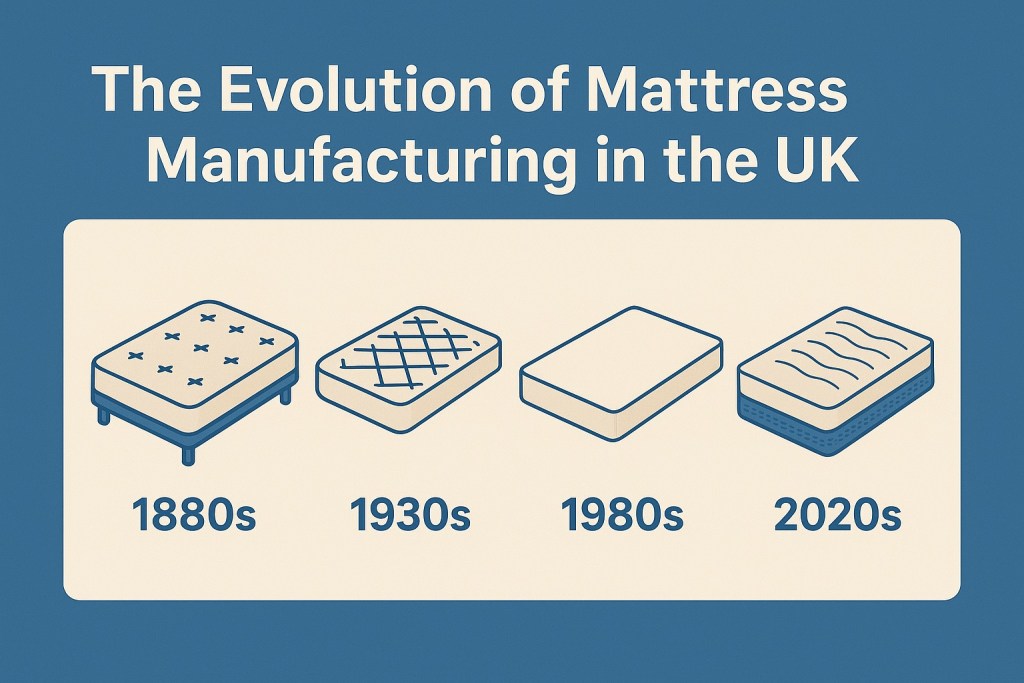
The Evolution of Mattress Manufacturing in the UK

A good night’s sleep is more than just a luxury it’s essential for our health, mood, and overall well-being. And at the heart of that rest lies the mattress. Over centuries, mattresses have evolved from simple piles of straw to advanced sleep systems designed to support every curve of the human body.

evolution of mattress manufacturing in uk

This evolution matters because the right mattress doesn’t just provide comfort; it plays a critical role in spinal alignment, pressure relief, and even long-term health. Moreover, as we grow increasingly conscious of our planet’s well-being, mattress innovation has also turned toward sustainability, reducing environmental impact while enhancing sleep quality.

Today’s journey takes us through:

  • Early Craftsmanship – where mattresses were handmade from natural materials like hay, wool, and cotton, reflecting necessity over comfort.
  • Modern Manufacturing – the industrial revolution of sleep, introducing mass production, springs, and memory foam innovations.
  • Natural Luxe Trends – a return to nature, blending luxury with eco-consciousness through organic latex, sustainable fabrics, and toxin-free designs.

The Rise of Natural Luxe Mattresses in the UK

In recent years, the UK has witnessed a significant shift toward natural latex mattresses, driven by growing awareness of health, sustainability, and superior comfort. These mattresses use premium natural fibres such as organic latex (Dunlop and Talalay), horsehair, British fleece wool, cashmere, silk, cotton, and alpaca fibre.

rise of natural luxe mattresses in the uk

Each material offers unique benefits: latex delivers contouring support while remaining breathable, horsehair ensures resilience and moisture control, wool regulates temperature, and cashmere and silk add an indulgent softness. Together, they create a sleep surface that is luxurious, hypoallergenic, and exceptionally durable.

Sustainability is a core focus. Leading brands seek eco-certifications like OEKO-TEX®, GOTS (Global Organic Textile Standard), GOLS (Global Organic Latex Standard), , guaranteeing that their mattresses are free from harmful chemicals and ethically produced. This commitment resonates with eco-conscious consumers seeking healthier products for themselves and the planet.

Another hallmark of this movement is craftsmanship. Many of these mattresses are handmade, featuring techniques such as hand-tufting to secure layers without adhesives, resulting in exceptional longevity some lasting up to 50 years. This artisanal approach ensures every mattress is a work of precision and comfort.

mattress certificates

Take LuxeMattresses’ Natural Collection as an example. Their products incorporate certified organic latex, British wool, organic cotton, coir, hypoallergenic plant-based materials, and breathable fire-resistant covers.

Advanced engineering elements like cores, technology, combine to deliver unmatched support. Their Luxe-Organic Natural Pillow Top exemplifies innovation, blending organic latex, coir, wool, cotton, reflex foam, and Zero Gravityâ„¢ layers for cloud-like comfort backed by an impressive 30-year warranty.

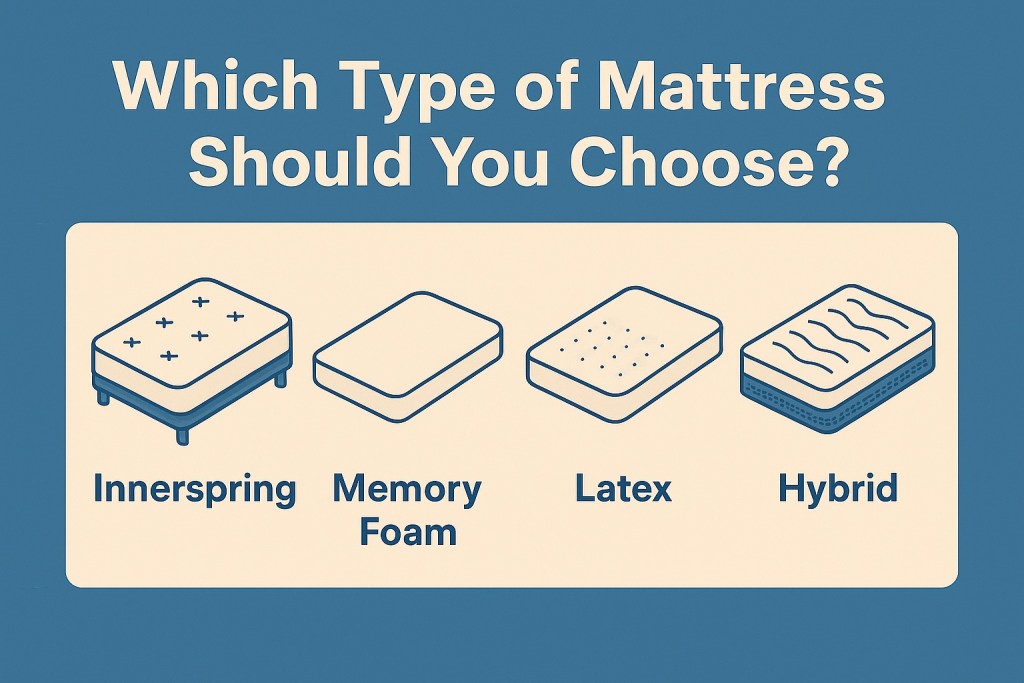
Which Type of Mattress Should You Choose?

Choosing the right mattress isn’t just about comfort it’s about finding a sleep solution that matches your lifestyle, health needs, and long-term priorities. In today’s market, three major types dominate: Hybrid, Memory Foam, and Natural, each with unique benefits.

which type of mattress should you choose
  • Hybrid Mattresses – Known for their balance of comfort, support, and cooling, hybrids combine pocketed coils with layers of foam or latex. This design provides responsive support for back and stomach sleepers while maintaining airflow to prevent overheating. Example: Luxe Hybrid.
  • Memory Foam – If you want deep pressure relief and body-contouring comfort, memory foam is ideal. It’s particularly beneficial for side sleepers or those with joint pain. However, traditional memory foam can retain heat, so look for cooling-infused foams if you sleep hot.
  • Natural Mattresses – Perfect for Eco-conscious individuals, allergy sufferers, and hot sleepers, these use organic latex, wool, and cotton for breath ability, durability, and a toxin-free sleep surface. They’re an investment in long-term comfort.

Your Priorities Matter:

  • Cooling: Natural latex, breathable fibres, or hybrid coil systems.
  • Support/Back Pain: Zoned hybrids with firm cores like LuxeErgoâ„¢ 3400.
  • Chemical Sensitivity: Certified natural options (GOTS/GOLS).
  • Longevity vs. Budget: Natural luxe lasts decades; synthetics are affordable but wear faster.

Quick Decision Guide:

  • Best All-Rounder: Hybrid
  • Best for Pressure Relief: Memory Foam
  • Best for Health & Sustainability: Natural

Selecting the right mattress is an investment in better sleep, better health, and a better future.

Conclusion

The story of mattresses is a fascinating evolution from the horsehair-stuffed beds of 18th-century Europe to the opulent designs crafted by early UK artisans, and now to the era of sustainable luxury. What started as a necessity for rest has become a symbol of comfort, innovation, and conscious living.

Today, consumers have more choices than ever, but the goal remains the same: better sleep, better health. Selecting the right mattress isn’t just about softness or firmness it’s about finding the perfect balance of support, breath ability, and Eco-friendliness to suit your lifestyle. The rise of organic eco-friendly mattress.

  • For ultimate comfort: hybrids and memory foam deliver tailored support.
  • For eco-conscious living: natural luxe mattresses set the gold standard with organic materials and decades-long durability.
  • For long-term value: premium natural options outlast synthetics by years, making them an investment rather than an expense.

Choosing wisely matters because your mattress impacts your spinal health, sleep quality, and environmental footprint. Natural luxe is more than just a bed it’s a commitment to well-being and sustainability. So, when you upgrade your sleep, think beyond the price tag and consider what truly defines luxury: comfort that cares for you and the planet.

FAQs

When did mattress manufacturing begin in the UK?

Mattress-making in the UK dates back to the 18th and 19th centuries when mattresses were filled with straw, wool, and horsehair. True industrial-scale mattress manufacturing took off in the late 1800s and early 1900s with the introduction of steel springs and mechanised textile production.

What were traditional mattresses in the UK made from?

Traditional UK mattresses were stuffed with horsehair, wool, straw, and feathers. Horsehair was especially valued for its resilience, ventilation, and durability making it a preferred choice in luxury beds for centuries.

Who are the pioneers of luxury mattress manufacturing in the UK?

Two of the earliest pioneers are:
Vispring (1901): Licensed James Marshall’s pocket spring design and became known for luxury pocketed coil mattresses used in prestigious ships and hotels.
Savoir Beds (1905): Crafted bespoke mattresses for The Savoy Hotel, using natural fibres like horsetail hair, lamb’s wool, and cashmere.

How did mattress manufacturing change after WWII?

Post-WWII, manufacturers focused on affordability and accessibility. Foam rubbers and coil systems became standard. Large-scale production made mattresses widely available, and retailers offered affordable options for the mass market.

What are modern mattress innovations in the UK?

Key innovations include:
Memory foam: Popular from the 1980s onward, offering pressure relief and contouring.
Bed-in-a-box: Introduced in the 2010s, where mattresses are compressed, rolled, and shipped directly to customers.

Product has been added to your cart