
100-Night Risk-Free Trial
Free Nationwide Delivery
10 Years Warranty
Call us at: 020 4572 5122
0% APR Finance Available
Pocket Spring vs Open Coil Mattress
October 25, 2025

Pocket Spring vs Open Coil Mattress: What’s the Real Difference and Which Is Better for You?

Choosing the right mattress is a crucial decision for ensuring a good night’s sleep. A mattress significantly affects your sleep quality, comfort, and overall well-being. Among the most popular options are pocket spring and open coil mattresses, both offering different types of support and comfort. 

In this article, we will compare pocket spring vs open coil mattresses, exploring their construction, benefits, comfort levels, and more. This comparison will help you make an informed decision based on your needs.

Understanding Pocket Spring and Open Coil Mattresses

Understanding Pocket Spring and Open Coil Mattresses

What is a Pocket Spring Mattress?

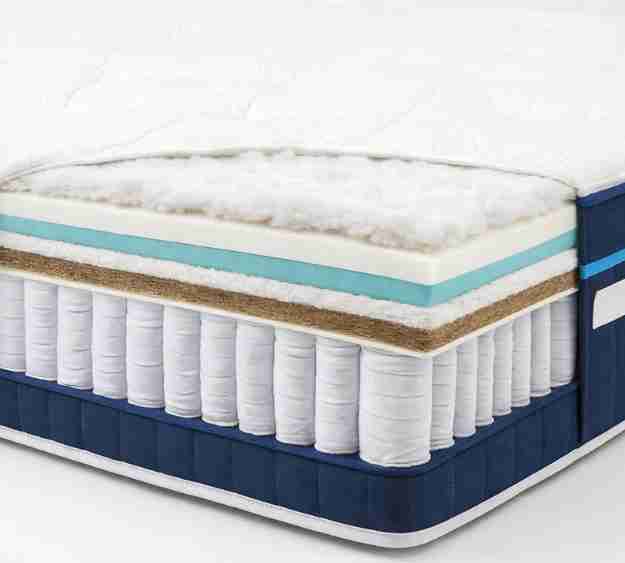
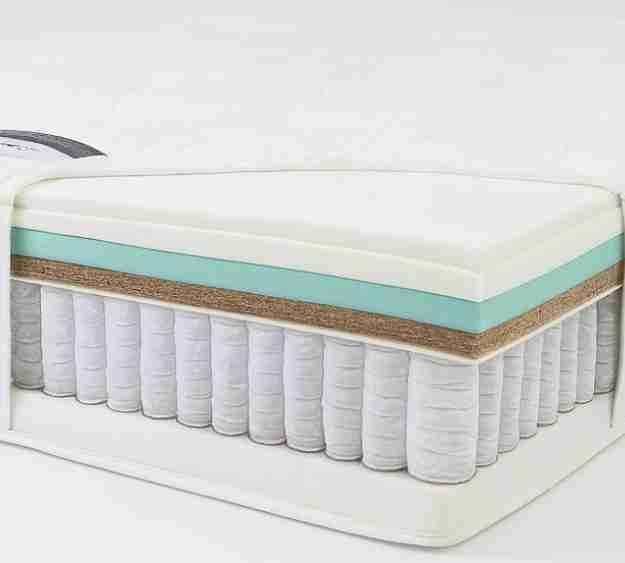
A pocket spring mattress is made of individual springs encased in fabric pockets. Each spring works independently, which allows the mattress to conform to the shape of your body. This system offers targeted support and minimizes motion transfer, making it a great choice for couples. The structure ensures that the weight is evenly distributed, promoting spinal alignment and pressure relief, which are crucial for a restful sleep.

What is an Open Coil Mattress?

An open coil mattress features springs connected by a single wire system. This traditional construction is more affordable but less flexible compared to pocket spring mattresses. The connected design can cause motion transfer, meaning that if one person moves, the other might feel it. Open coil mattresses typically offer firmer support and are more common in budget-friendly options. While they are less personalized in terms of support, they can still provide good overall comfort.

Key Differences Between Pocket Spring and Open Coil Mattresses

Spring Construction

The primary difference between pocket spring vs open coil mattresses lies in the construction of the springs. Pocket springs are individually wrapped, providing better support and comfort as each spring adapts to the pressure applied. This makes them great for maintaining spinal alignment. On the other hand, open coil mattresses use a continuous wire system, leading to less independent support and potentially less pressure relief.

Motion Transfer

When it comes to motion transfer, pocket spring mattresses excel due to the individual springs that move independently. This means that motion from one side of the bed won’t disturb the other side, making it ideal for couples. In contrast, open coil mattresses tend to have higher motion transfer, as the springs are interconnected, making movement more noticeable.

Pocket Spring Mattress Benefits

Pocket Spring Mattress Benefits

Individual Support and Alignment

One of the standout benefits of pocket spring mattresses is their ability to provide individualized support. Each spring adjusts to the body’s contours, offering spine health benefits and contributing to better posture. The independent springs ensure that pressure points, particularly in the back, hips, and shoulders, are alleviated, making it a popular choice for those with back pain.

Long-Lasting Durability

Pocket spring mattresses tend to last longer than open coil mattresses due to their individual spring encasement. This construction ensures that no single spring bears too much weight, reducing wear and tear. On average, a well-maintained pocket spring mattress can last up to 10 years or more, making it a great long-term investment.

Comfort Levels

Pocket spring mattresses offer a variety of firmness levels, from soft to medium to firm, allowing sleepers to choose based on their comfort preferences. Whether you need a firm support mattress for back issues or a softer one for comfort, pocket springs provide flexibility in how the mattress supports your body.

Open Coil Mattress Pros and Cons

Advantages of Open Coil Mattresses

  • Affordable: Open coil mattresses are generally cheaper, making them an ideal option for budget-conscious shoppers.
  • Firm Support: Open coil mattresses provide a firmer feel, which can be ideal for those who prefer less contouring and more structure in their sleep surface.

Disadvantages of Open Coil Mattresses

  • Less Individual Support: The interconnected spring system offers less customisation in terms of support. It can result in uneven support and pressure points for the sleeper.
  • Motion Transfer: Due to the continuous wire system, movement on one side of the bed will likely be felt on the other side.
  • Less Durability: Open coil mattresses tend to wear out quicker than pocket spring mattresses, losing their shape and support over time.

Spring Count Comparison: Does It Really Matter?

Spring Count Comparison

What is Spring Count?

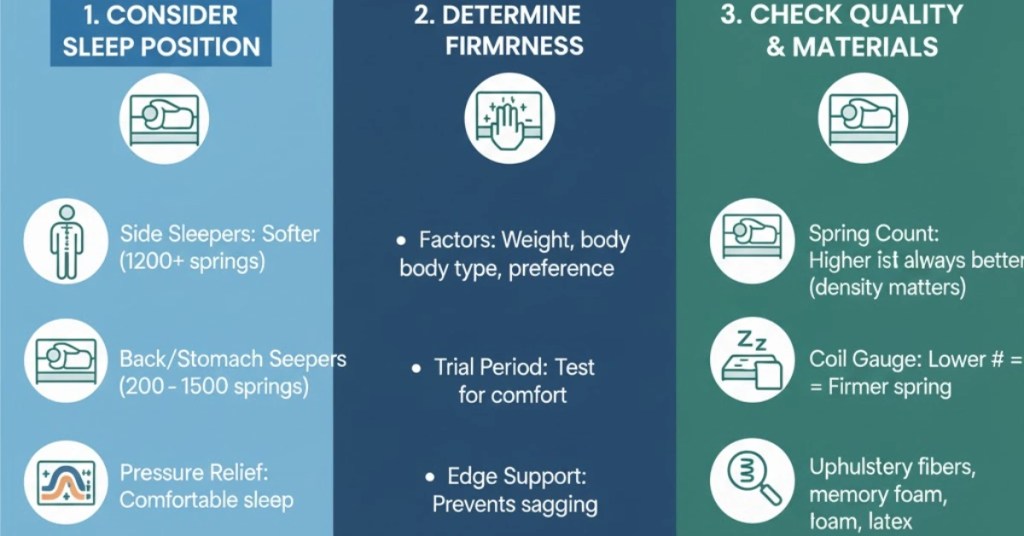
Spring count refers to the number of individual springs in a mattress. A higher spring count generally means more support and a more responsive feel, but it is important to note that quality and construction matter more than quantity. In a pocket spring mattress, a higher spring count allows for more targeted support. For open coil mattresses, a higher spring count can still offer firmness but doesn’t provide the same level of individualized support.

Is More Springs Always Better?

Not necessarily. While more springs might suggest better support, it’s the quality of the springs and their construction that make a significant difference. A 1000 pocket spring mattress offers great balance, whereas a higher spring count in open coil mattresses may not offer much improvement in comfort or durability. Expert recommendations suggest that a balance between spring count and quality construction offers the best results for sleep quality.

Which Mattress Is Better for Your Sleep Needs?

Best Mattress for Side Sleepers

For side sleepers, pocket spring mattresses are ideal because the individual springs contour to the body’s natural curves, offering support where it’s needed most. This is especially beneficial for reducing pressure on the shoulders and hips, common areas of discomfort for side sleepers.

Best Mattress for Back Sleepers and Stomach Sleepers

Back sleepers and stomach sleepers may prefer the firmer feel of open coil mattresses. However, a medium-firm pocket spring mattress can also be a good option as it provides support for the lower back while maintaining proper spinal alignment.

Best Mattress for Couples

For couples, pocket spring mattresses are the better choice due to their motion isolation properties. This means that movement on one side of the bed won’t disturb the other side, ensuring that both partners enjoy an undisturbed night’s sleep.

Durability and Maintenance: Which Mattress Lasts Longer?

Durability of Pocket Spring Mattresses

Due to their individual spring construction, pocket spring mattresses tend to last longer than open coil mattresses. The independent movement of each spring reduces wear and tear, maintaining their shape and support for longer periods.

Durability of Open Coil Mattresses

While open coil mattresses are generally more affordable, they tend to wear out faster due to the interconnected spring system. Over time, the springs can lose their shape and provide less support.

Care and Maintenance

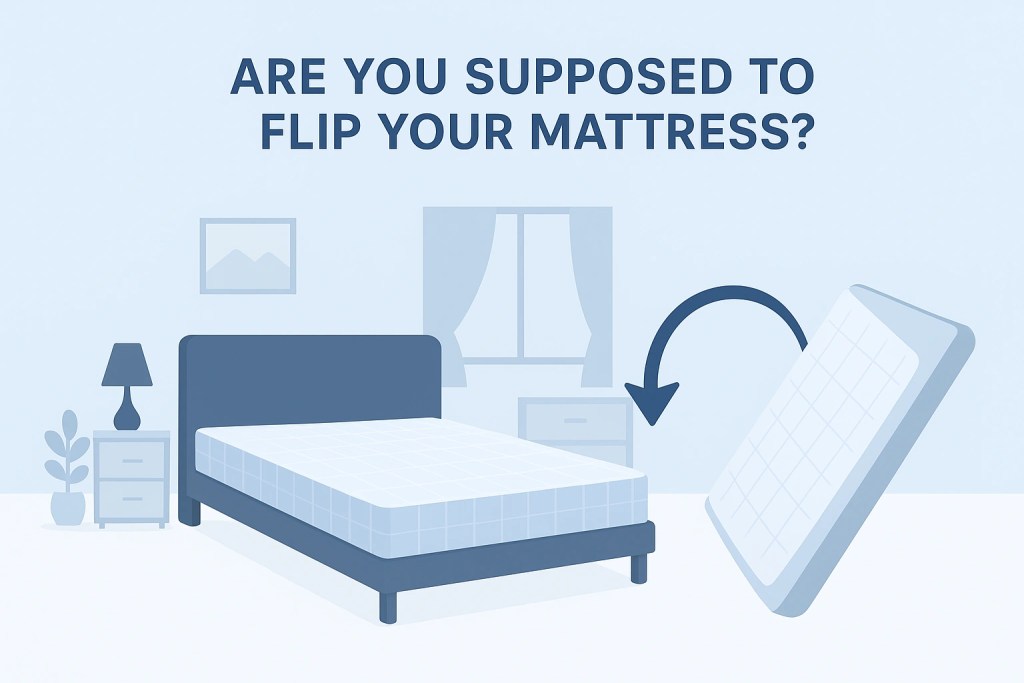
To extend the lifespan of both mattress types, it is important to rotate them regularly and ensure they have adequate support beneath them. Proper maintenance can keep both pocket spring and open coil mattresses in good condition for years.

Choosing the Right Mattress: Pocket Spring vs Open Coil

Choosing the Right Mattress

Budget Considerations

Open coil mattresses are generally more affordable, making them a good choice for those on a budget. However, if you’re looking for long-term durability and comfort, investing in a pocket spring mattress can be a better value over time.

Your Sleeping Style

Consider your sleeping position when choosing between pocket spring vs open coil mattresses. Side sleepers and couples will benefit from the superior support and motion isolation of pocket springs, while those seeking a firmer, more budget-friendly mattress may prefer open coil.

Personal Preferences and Needs

Ultimately, your personal comfort and health needs should guide your decision. Whether you prioritize spinal alignment, durability, or affordability, understanding the pros and cons of each mattress type will help you make the best choice for your sleep needs.

Conclusion

In summary, pocket spring vs open coil mattresses offer different benefits depending on your comfort preferences, budget, and sleep needs. Pocket spring mattresses excel in spinal alignment, durability, and motion isolation, making them ideal for those seeking long-term comfort and support. On the other hand, open coil mattresses are an affordable option that still provides firm support but may not offer the same level of comfort or longevity. By considering your specific sleep style, budget, and comfort needs, you can choose the mattress that will give you the best sleep quality.

FAQs

Which is better for back pain: pocket spring or open coil?

Pocket spring mattresses are better for back pain as they provide targeted support and pressure relief.

Do pocket spring mattresses last longer than open coil mattresses?

Yes, pocket spring mattresses are generally more durable and last longer than open coil mattresses.

Is a higher spring count always better?

Not necessarily; quality and construction are more important than just having more springs.

Can an open coil mattress be as comfortable as a pocket spring mattress?

An open coil mattress can be comfortable, but it may not offer the same level of support, comfort, or durability as a pocket spring mattress.
mattress for small single bed
October 25, 2025

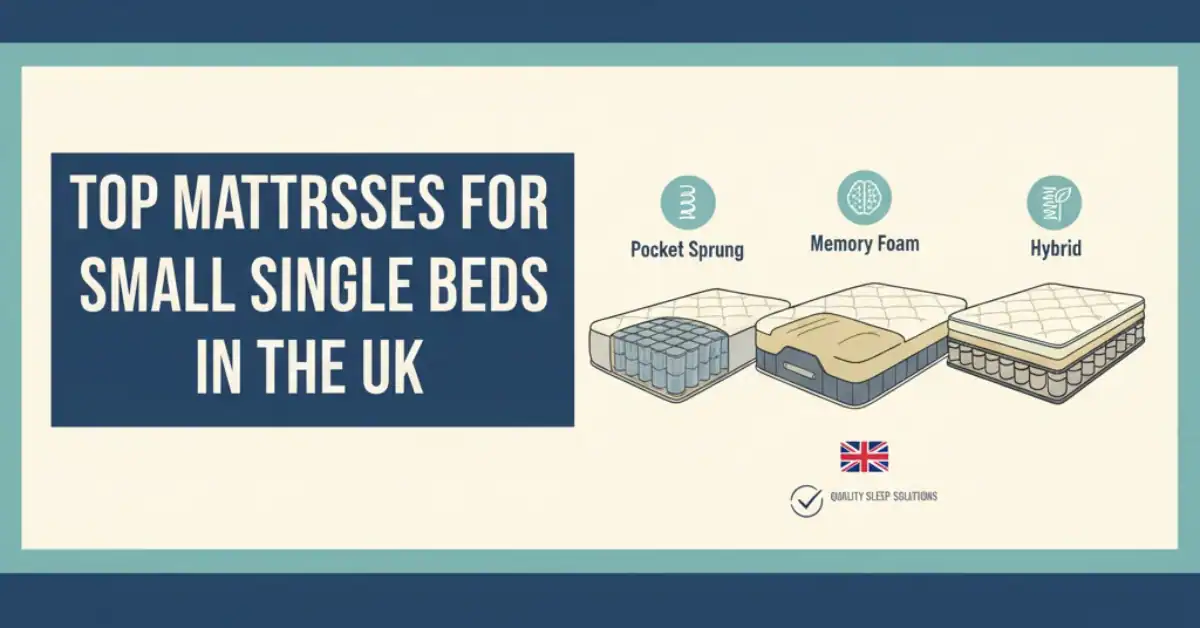
Top Mattresses for Small Single Beds in the UK

Mattress for small single bed is essential for ensuring a comfortable and restful night’s sleep, even in limited spaces. The right mattress supports proper posture, reduces pressure points, and enhances overall sleep quality. Choosing wisely can make a big difference in daily comfort and well-being.

Luxe mattresses offer well-crafted options designed specifically for small single beds, combining durability and support. They maximise space efficiency while providing the comfort you need for uninterrupted rest. Investing in the right mattress ensures both better sleep and long-lasting value.

Why Choosing the Right Mattress Matters

Choosing the Right Mattress

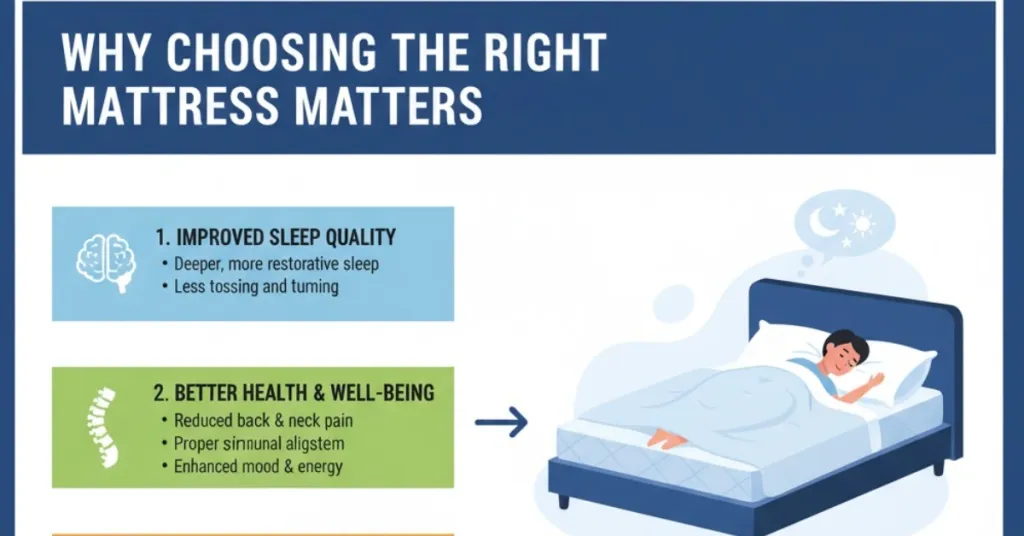
Mattress for small single bed is crucial for improving sleep quality and supporting proper posture, even in compact spaces. Moreover, the right mattress provides ergonomic support, helping reduce discomfort and enhance overall rest. As a result, it transforms small sleeping areas into comfortable, restorative spaces.

In addition, Luxe mattresses are designed to maximise comfort and durability while fitting perfectly in limited rooms. Therefore, choosing the right mattress ensures better sleep, improved posture, and a healthier, more energised start to your day.

Types of Mattress for Small Single Bed

Mattress for small single bed comes in different types to suit various comfort and support needs. Luxe mattresses offer options designed to maximize rest even in compact spaces.

  • Memory Foam: Adapts to body shape, provides pressure relief, ideal for restful sleep.
  • Pocket Sprung: Offers targeted support and reduces motion transfer, perfect for small single beds.
  • Hybrid: Combines foam and springs for balanced comfort and durability. here

Choosing the right type depends on your sleep preference, ensuring maximum comfort and long-lasting support. Luxe mattresses cover all these types, designed specifically for small single beds.

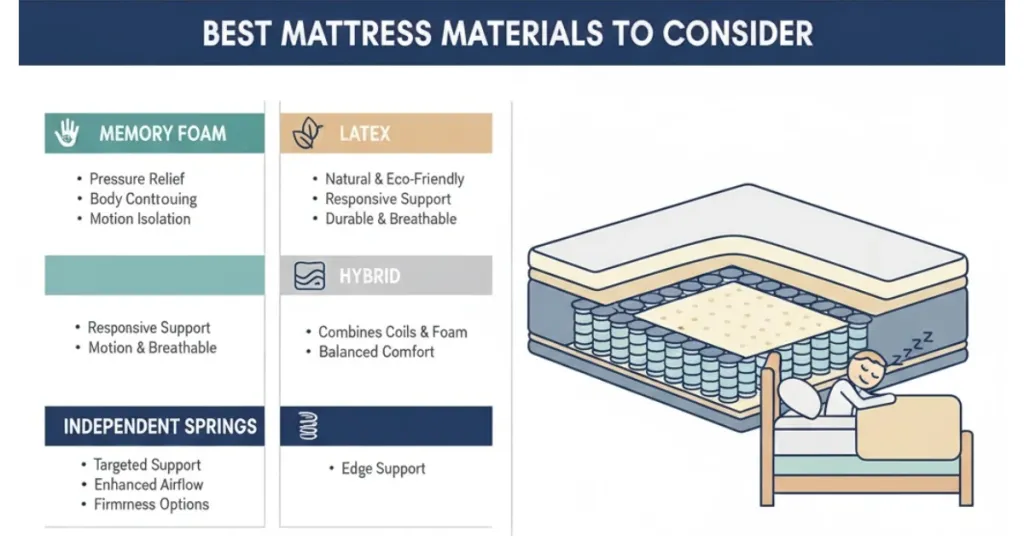
Best Materials to Consider

Best Materials to Consider

Mattress for small single bed should be made from materials that enhance comfort, support, and durability. Additionally, the right materials help maintain hygiene and a cooler sleep environment. Luxe mattresses use carefully selected materials to maximize both comfort and longevity.

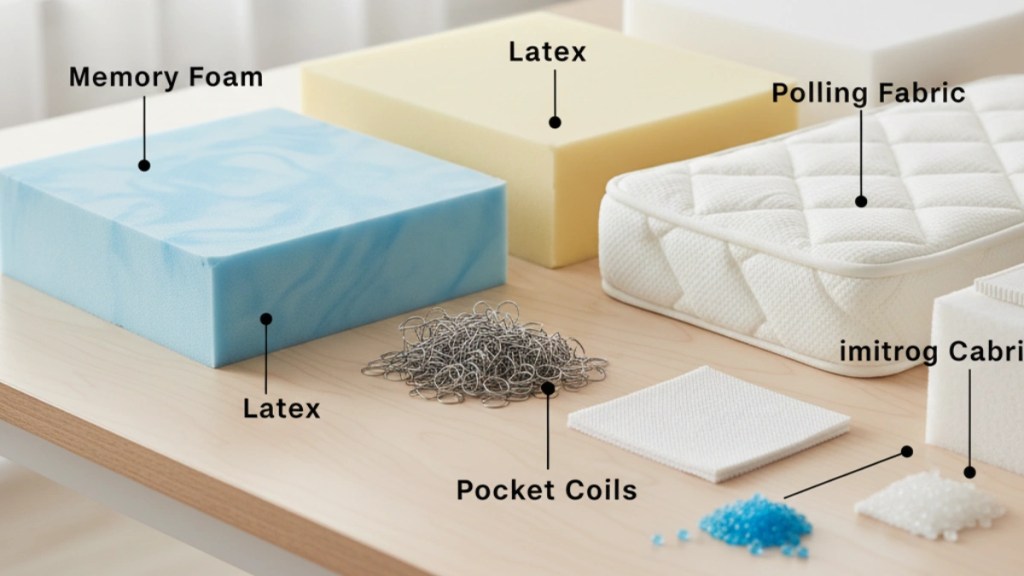
  • Latex: Naturally resilient, provides firm support and durability. here
  • Gel-Infused Foam: Regulates temperature and offers excellent pressure relief.
  • Breathable Fabrics: Improve airflow and keep the mattress fresh.
  • Hypoallergenic Options: Protect against dust mites and allergens for healthier sleep.

Therefore, choosing the best material ensures long-lasting comfort and a mattress that performs well in small single beds. Luxe mattresses offer all these materials to meet diverse sleep needs.

Features to Look For

Mattress for small single bed should have key features that ensure comfort, support, and long-lasting performance. Moreover, selecting a mattress with the right features can make a significant difference in sleep quality. Luxe mattresses are designed to incorporate these essential features for small single beds.

  • Firmness: Provides proper support for posture and spinal alignment. here
  • Breathability: Enhances airflow to maintain a cooler, more comfortable sleep.
  • Durability: Ensures the mattress retains its shape and comfort over time.

Therefore, focusing on these features helps you choose a mattress that offers both comfort and longevity. Luxe mattresses combine all these elements to deliver the ideal sleep experience for small single beds.

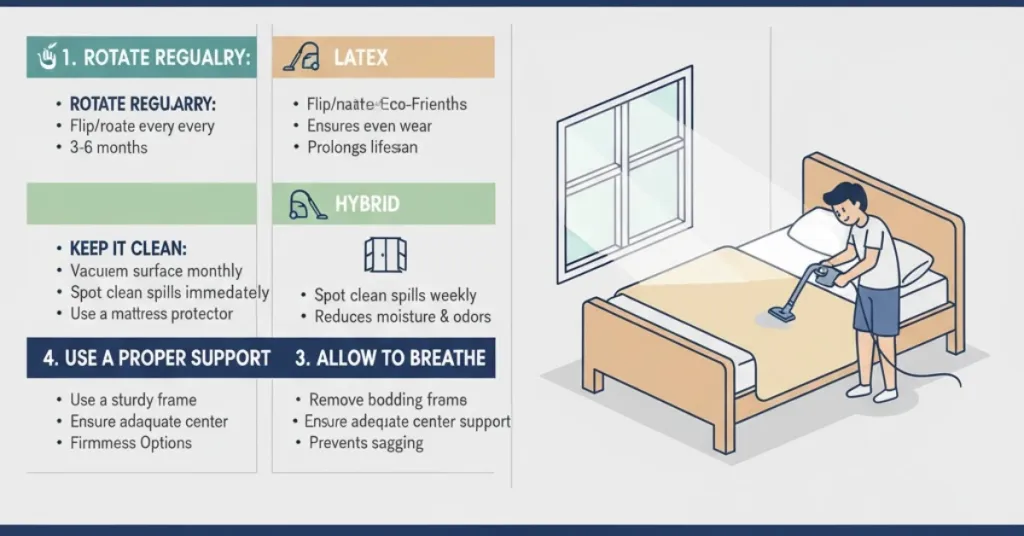
Tips for Maintaining Your Mattress

Tips for Maintaining Your Mattress

Mattress for small single bed requires proper care to maintain comfort, hygiene, and durability. Additionally, regular maintenance can extend its lifespan and ensure consistent sleep quality. Luxe mattresses are designed to be easy to care for while maintaining long-lasting support.

  • Cleaning: Wipe and vacuum regularly to remove dust and allergens.
  • Rotating: Rotate your mattress every few months for even wear.
  • Mattress Protectors: Use protectors to prevent stains, spills, and dust buildup.

Therefore, following these simple tips ensures your mattress stays fresh and comfortable. Luxe mattresses also provide care guides to help you maintain your small single bed mattress in top condition.

Conclusion

Mattress for small single bed ensures comfort, better posture, and improved sleep quality, even in compact spaces. Moreover, choosing the right mattress can transform your nightly rest and overall well-being. Luxe mattresses offer a range of options designed for small single beds, combining durability, support, and comfort.

Therefore, exploring Luxe mattresses can help you find the ideal mattress for a small single bed, making every night more restful and enjoyable.

What size is a small single bed mattress?

75cm wide and 190cm long (2ft 6ins wide and 6ft 3ins long).

What type of mattress is best for a single bed?

A firm mattress single is often recommended for back and stomach sleepers, as it helps maintain proper spinal alignment and minimizes pressure points.

Is a 4 inch mattress good?

You can sleep comfortably on a 4-inch mattress every day, especially if you prefer a firmer surface.

Is there a small single bed?

A small single bed is around 2ft 6in in width and 6ft 3in in length, which is why it is often referred to as a 2 ft 6 bed.

How Many Pocket Springs Is Good for Back Support? Understanding the Right Balance for Better Sleep

A good night’s sleep is essential for overall health and well-being. The right mattress plays a significant role in ensuring quality sleep, and choosing one that provides optimal support for your back is crucial. Pocket spring mattresses have gained popularity for their ability to offer individual support to different areas of the body. This article explores how many pocket spring are ideal for back support, helping you make an informed choice for your next mattress.
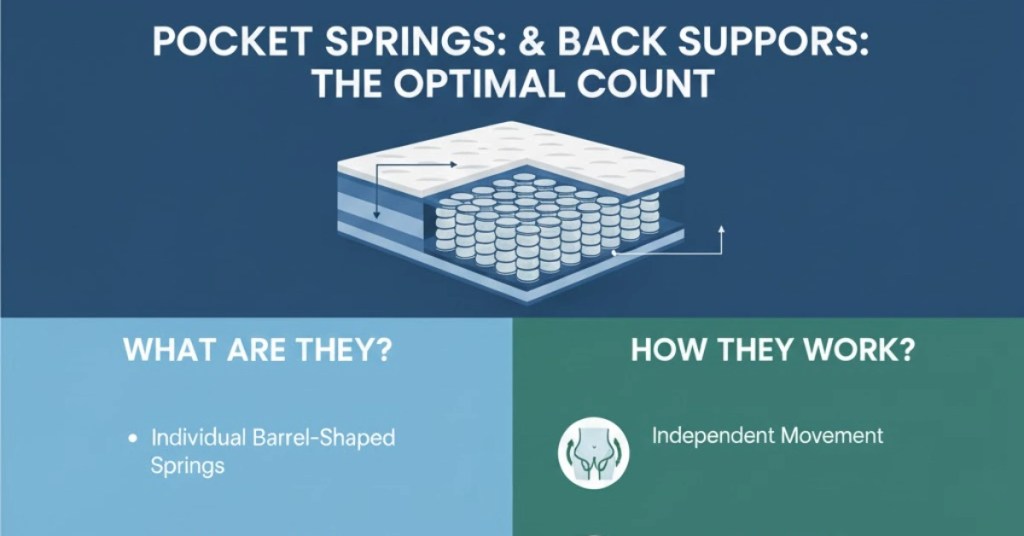
What Are Pocket Springs and How Do They Work?

What Are Pocket Springs

Pocket Springs Defined
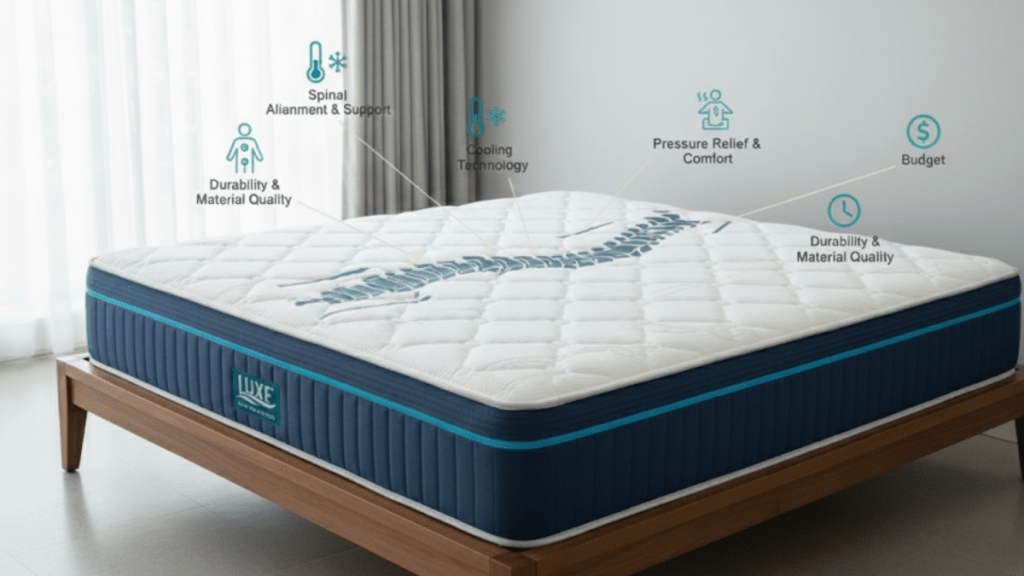
Pocket springs
are individual coils that are wrapped in fabric pockets, allowing them to move independently. This design allows the springs to adapt to your body’s shape, offering personalized support for different areas.

Benefits of Pocket Springs
Unlike traditional spring mattresses, pocket spring reduce motion transfer, making them ideal for couples. Each spring responds to pressure independently, ensuring that the sleeper gets support where needed without disturbing others.

Connection to Back Support
Pocket springs play a vital role in enhancing spinal alignment. By providing independent support, they relieve pressure on different points of the body, particularly the back. The ability to contour to your body’s shape helps maintain the natural curve of your spine while you sleep.

The Role of Pocket Springs in Back Support

Orthopedic Support
Pocket spring are known for their orthopedic benefits. By providing uniform support across the mattress, they help in aligning the spine, which reduces discomfort and back pain over time. The independent movement of the springs ensures that your body gets the support it needs, minimizing pressure points.

Spinal Alignment
Proper spinal alignment is essential for a restful sleep, and pocket spring mattresses are designed to maintain this alignment. With the right number of pocket spring, the mattress conforms to your body’s natural curves, encouraging proper posture throughout the night.

Pressure Relief
Pocket spring are great for relieving pressure on key areas like the shoulders, hips, and lower back. A mattress with an adequate number of pocket spring can distribute weight evenly, alleviating discomfort from prolonged pressure on certain areas.

Body Contouring
Thanks to their individual responsiveness, pocket spring contour to your body’s unique shape. This feature supports natural curves and ensures that no area of the body is left unsupported, which is especially beneficial for back sleepers and side sleepers alike.

How Many Pocket Springs Are Needed for Optimal Back Support?

Optimal Back Support

The Importance of the Right Number of Springs
The number of pocket springs in a mattress directly affects how well it supports your back. A mattress with too few springs may not provide adequate support, while one with an excessive number of springs may become overly firm, reducing comfort.

Factors to Consider

  • Body Weight: Heavier individuals may require a mattress with more pocket spring for enhanced support, while lighter individuals may find fewer springs sufficient.
  • Sleeping Position: Your sleeping posture influences the amount of support needed. Side sleepers may require more springs for proper contouring, while back sleepers may need a balanced level of support.
  • Personal Preferences: Some prefer a firmer mattress, while others enjoy a softer feel. The spring count plays a key role in achieving the desired comfort level.

Recommended Range of Pocket Springs
For a queen-size mattress, 800-2000 pocket springs are commonly recommended. Here’s a breakdown:

  • 800-1000 springs: Suitable for lighter individuals or those who prefer a firmer mattress.
  • 1000-1500 springs: Offers a good balance of comfort and support for most people.
  • 1500-2000 springs: Ideal for heavier individuals or side sleepers who need more contouring and spinal support.

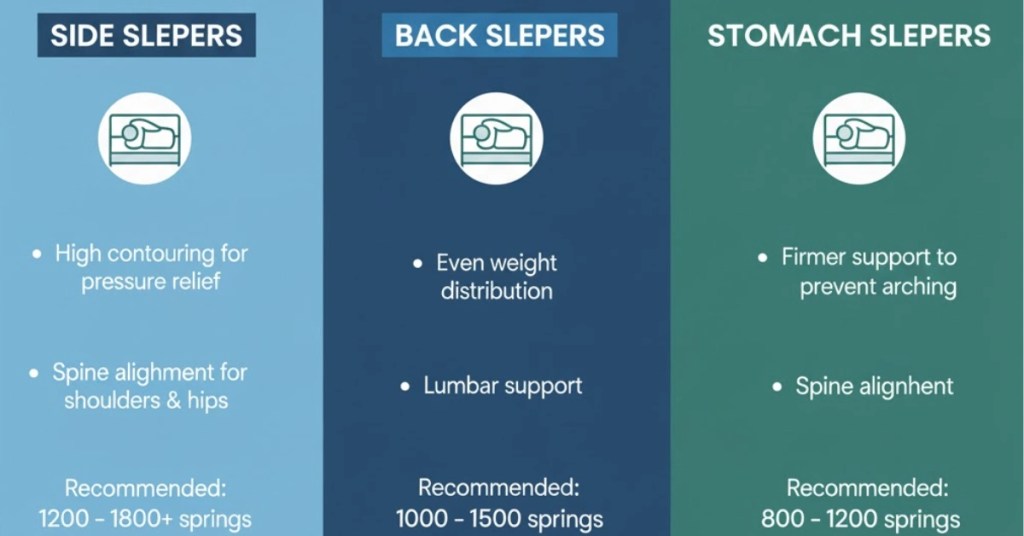
What’s the Ideal Pocket Spring Count for Different Sleeping Positions?

Different Sleeping Positions

Side Sleepers
Side sleepers need extra support for their shoulders and hips. A higher spring count (e.g., 1500-2000 springs) provides better contouring and alignment, preventing the body from sinking too deeply into the mattress.
Back Sleepers
Back sleepers require a medium level of support, which is typically offered by a spring count of 1000-1500 springs. This range provides sufficient support to maintain spinal alignment without compromising comfort.

Stomach Sleepers
Stomach sleepers tend to benefit from a lower spring count (e.g., 800-1000 springs), as this helps prevent the spine from arching excessively. A firmer mattress is usually preferred to reduce the risk of lower back pain.

Combination Sleepers
For those who switch positions throughout the night, a mattress with a higher pocket spring count (1500-2000 springs) offers versatility and ensures adequate support regardless of the sleeping position.

Comparing Pocket Springs with Other Mattress Types

Memory Foam vs. Pocket Springs
Memory foam mattresses contour to the body and relieve pressure, but they do not provide the same level of independent support as pocket springs. Pocket spring offer a bouncier feel, while memory foam is more cushioning. However, for those with back issues, pocket spring may provide superior spinal alignment.

Latex Mattresses
Latex mattresses are known for their durability and natural materials. While they offer good support, pocket springs provide more individualized support and pressure relief, making them ideal for those with specific back support needs.

Hybrid Mattresses
Hybrid mattresses combine pocket spring with other materials like memory foam. This combination offers the benefits of both worlds, pressure relief from the foam and support from the springs, making them suitable for a wider range of sleep preferences.

Pocket Springs and Their Impact on Sleep Quality

Impact on Sleep Quality

Sleep Quality and Back Pain
A mattress with the right number of pocket spring can significantly improve sleep quality by reducing back pain. Proper support promotes restful sleep, allowing your muscles and spine to relax and rejuvenate during the night.

Studies and Expert Opinions
Experts agree that pocket spring mattresses help improve sleep quality by offering better spinal support. Studies show that individuals who switched to pocket spring mattresses experienced a reduction in back pain and reported better sleep.

User Testimonials
Many users have shared their positive experiences after switching to a pocket spring mattress, noting improvements in both comfort and sleep quality. They report feeling less stiff and more rested after a night’s sleep.

Factors to Consider When Choosing Pocket Spring Mattresses

Mattress Firmness
The number of pocket spring works in tandem with the mattress’s firmness level. A higher spring count in a firmer mattress may provide better support for individuals with back pain.

Mattress Size and Spring Density
The density of pocket springs should match the size of the mattress. Larger mattresses may require more springs to ensure even support across the entire surface.
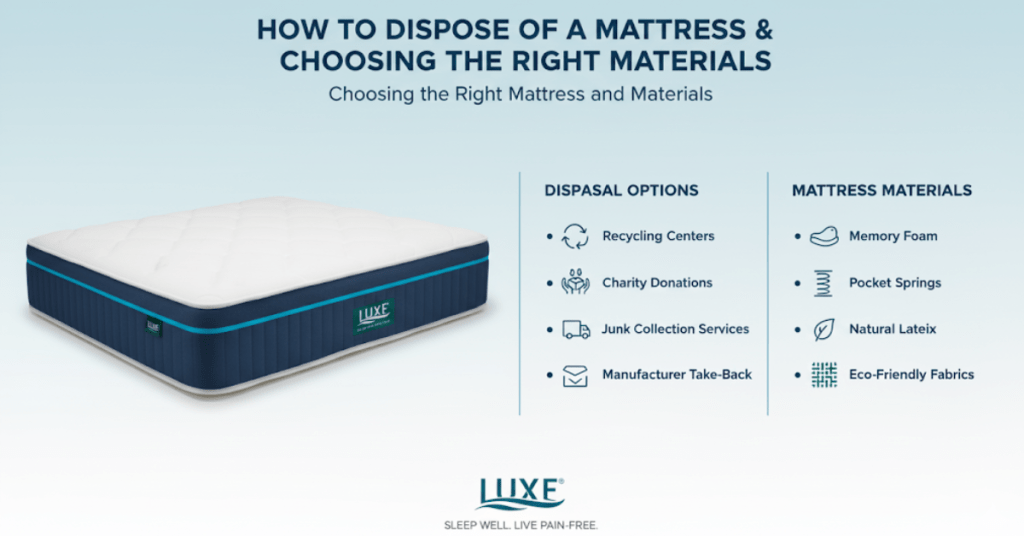
Quality of the Pocket Springs
High-quality pocket spring, made from durable materials like tempered steel, provide long-lasting support and maintain their shape over time.

Durability
A well-made pocket spring mattress can last for years, providing consistent support. Higher spring counts often correlate with longer-lasting mattresses, as they distribute weight more evenly.

Common Myths About Pocket Springs and Back Support

Myth 1: More Pocket Springs Always Means Better Support
An excessively high number of springs can lead to a mattress that is too firm and uncomfortable. The key is finding the right balance for your specific needs.

Myth 2: Pocket Springs Are Only for People with Back Pain
Anyone can benefit from pocket springs, not just those with back pain. They provide excellent support and comfort for people of all body types and sleeping positions.

Myth 3: Pocket Spring Mattresses Are Too Firm for Comfort
Spring count and mattress firmness are adjustable. With the right number of pocket springs, a mattress can provide both comfort and support.

Expert Tips for Choosing the Right Pocket Spring Mattress for You

Tips for Choosing the Right Pocket Spring Mattress

Consulting with a Sleep Expert
It’s helpful to consult with a sleep expert to understand your specific needs based on your body type, sleeping position, and any existing back issues.

Test Before You Buy
If possible, test different mattresses in-store to find one that provides the right level of support. Many mattress stores offer trial periods that allow you to test at home.

Read Reviews and Ratings
Look for consumer reviews and expert ratings to gauge the quality and longevity of a pocket spring mattress before making a purchase.

Conclusion

Choosing the right number of pocket springs is crucial for back support and overall sleep quality. Consider your body type, sleeping position, and personal preferences when selecting a mattress. With the right balance of support and comfort, a pocket spring mattress can improve your sleep and alleviate back pain.
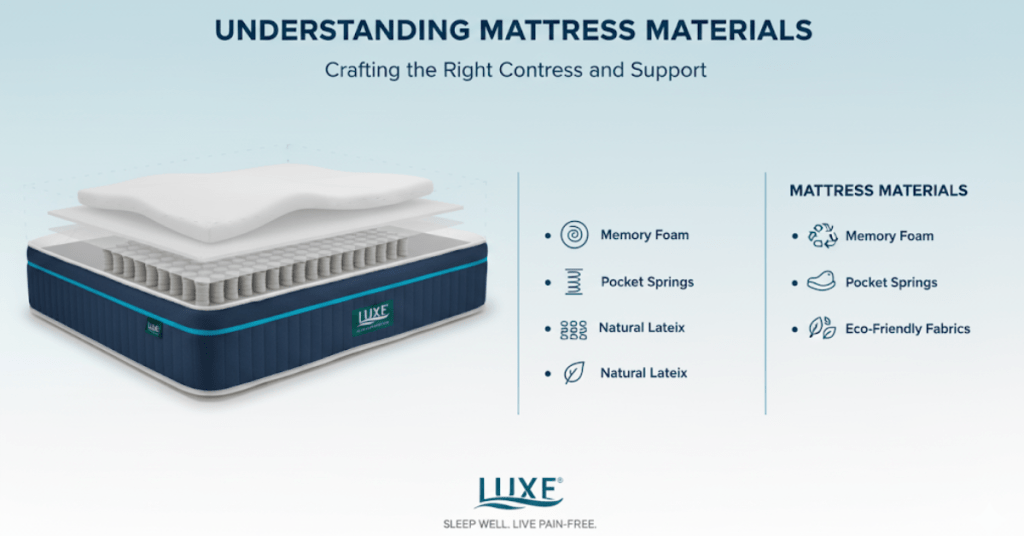
FAQ’s 

What is the average number of pocket springs in a mattress?

Most pocket spring mattresses have between 800 and 2000 springs, depending on the size and design.

Can pocket springs help with chronic back pain?

Yes, pocket spring mattresses are designed to provide proper spinal alignment, which can alleviate back pain.

What’s the difference between pocket springs and innerspring mattresses?

Innerspring mattresses use a connected coil system, while pocket springs are individually wrapped, offering more personalised support.

How long do pocket spring mattresses last?

A well-made pocket spring mattress can last between 8-10 years with proper care.

Are pocket springs better than memory foam for back support?

Pocket springs offer better spinal alignment and support, especially for those with specific back issues, while memory foam is better for pressure relief and comfort.

Mattress Support and Posture
October 24, 2025

The Connection Between Mattress Support and Posture

A good night’s sleep isn’t just about how many hours you spend in bed it’s about the quality of rest your body actually receives. One of the most important factors that determines this quality is the mattress you sleep on.

Proper mattress support plays a crucial role in maintaining a healthy spinal posture while you sleep, preventing unnecessary strain on your back, neck, and hips. When your spine is aligned naturally, your muscles can fully relax, leading to deeper rest and less stiffness in the morning. On the other hand, poor support often results in restless nights, chronic pain, and long-term posture issues.

In this guide, we’ll explore:

  • How mattress support impacts posture – and why alignment is essential for both comfort and long-term health.
  • Recommended mattress types and materials – with insights into which options provide optimal balance between comfort and firmness.
  • The benefits of natural luxe mattresses – highlighting why they’re becoming a top choice for people seeking both wellness and sustainability.

By the end, you’ll not only understand why the right mattress matters but also gain clarity on how to choose one that supports your health and lifestyle.

Understanding Mattress Support and Spinal Alignment

When shopping for a mattress, people often confuse support with comfort. While both are essential, they serve very different purposes. Mattress support refers to how well a mattress holds up your body and keeps your spine in a neutral position.

Comfort, on the other hand, is about the plushness and cushioning that help you feel cosy and relaxed. Without proper support, even the softest mattress can leave you waking up sore, while a supportive but uncomfortable bed may make it hard to fall asleep. The best mattresses strike the perfect balance between the two.

Proper support keeps the spine’s natural curve, letting your back rest without strain. A mattress that’s too soft or too firm can cause misalignment and discomfort.

Here’s why correct alignment matters:

Poor posture during sleep can gradually lead to chronic back issues, persistent aches, and disrupted rest. That’s why premium options, such as Luxe mattresses and beds in the UK, are designed to deliver both firm support and luxurious comfort helping you wake up refreshed, pain-free, and ready for the day.

How Sleep Position Influences Support Needs

The way you sleep has a huge impact on the type of mattress support you need. Each sleep position puts different pressure on the spine and joints, which is why choosing the right firmness is key to waking up comfortable and aligned.

  • Back Sleepers: Sleeping on your back is often recommended by health experts because it naturally supports spinal alignment. However, it requires a mattress that offers medium to firm support. Too soft, and your hips sink; too firm, and your lower back won’t get the gentle cushioning it needs.
  • Side Sleepers: This position is the most common, but it can create pressure points in the shoulders and hips. A mattress with responsive cushioning, often in the medium to medium-firm range, helps cradle these areas while still keeping the spine straight.
  • Stomach Sleepers: This position is generally tough on the back and neck, but if it’s your go-to, a firmer mattress is essential. It prevents your torso from sinking too deep, which can otherwise strain the lower back.

According to LuxeMattresses UK, selecting firmness based on your sleep posture is one of the most effective ways to maintain spinal health. For individuals who need extra stability, luxury firm or natural firm mattresses provide enhanced support, ensuring posture is preserved throughout the night without sacrificing comfort.

Ideal Mattress Types for Support and Posture

Not all mattresses are created equal, especially when it comes to promoting healthy spinal alignment. The right choice depends on both the materials used and the level of firmness. Some mattress types stand out for their ability to provide balanced support and comfort, making them excellent for posture and overall sleep health.

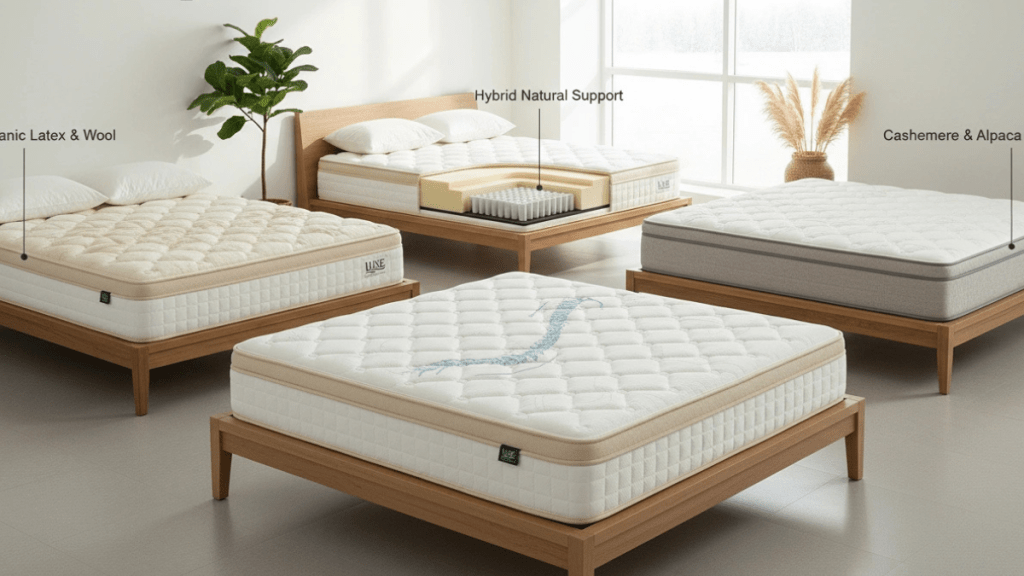
  • Hybrid Mattresses: Combine supportive coils with layers of latex, wool, or memory foam. Coils keep the spine aligned, while comfort layers relieve pressure on shoulders, hips, and joints. Suitable for various sleep positions and body types.
  • Latex Mattresses: Natural latex is durable and responsive, gently contouring the body without excessive sinkage. It supports the back, neck, and shoulders while offering excellent breathability for cooler sleep.
  • Firm-to-Medium-Firm Density: Firmer mattresses help back and stomach sleepers maintain proper lumbar support. Side sleepers may prefer slightly softer options to ease pressure points.

Ultimately, choosing a mattress with strong yet adaptive support like a hybrid or natural latex design can significantly improve posture, reduce pain, and ensure restorative rest.

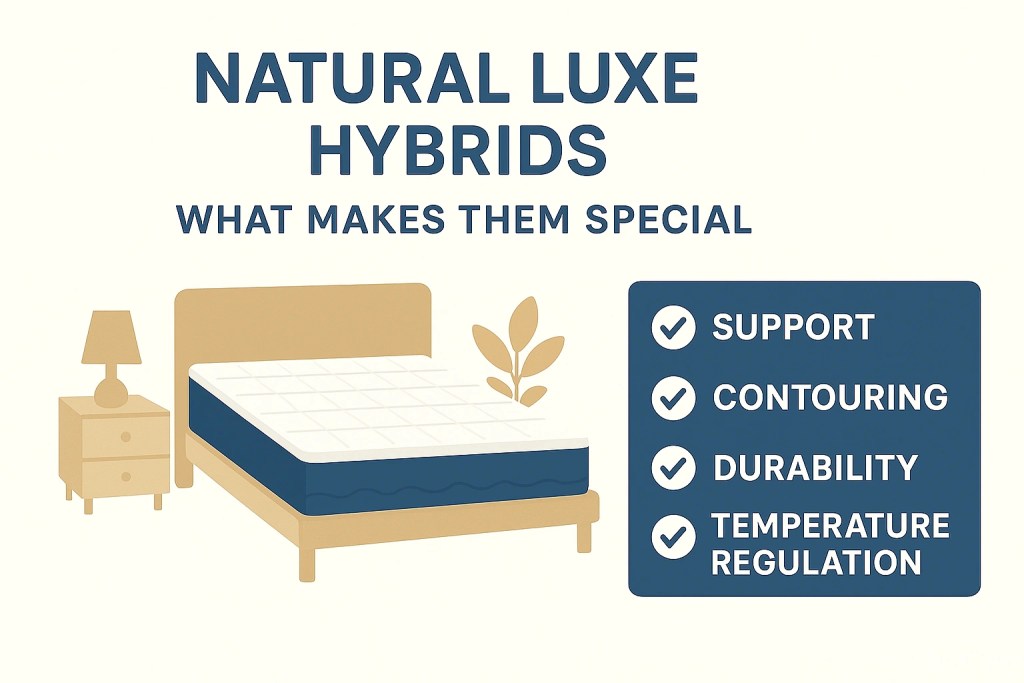
Natural Luxe Mattresses: What Makes Them Special

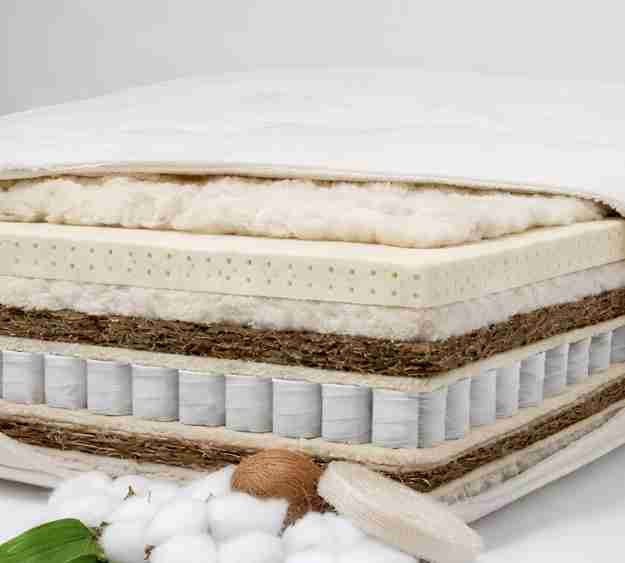
When it comes to choosing a mattress that supports both your body and your health, Natural Luxe mattresses stand out for their unique blend of premium, eco-friendly materials and ergonomic design. Crafted from high-quality natural components such as latex, wool, and cotton, these mattresses are built not only for comfort but also for long-term spinal health.

Unlike conventional beds that rely heavily on synthetic foams, Natural Luxe models prioritize breathability, durability, and balanced support.

Luxury firm mattresses align the spine and relieve pressure on key areas. Dunlop latex adds balanced support and comfort for restful sleep. luxury firm mattresses offer the right balance: firm enough to maintain posture, but cushioned enough for comfort.

Tips for Eco-friendly practice

  • Targeted support for different sleeping positions
  • Long-lasting comfort without sagging
  • A balance between firmness and softness that protects spinal health

Recommended Materials for Supportive, Natural Luxe Mattresses

The strength of a Natural Luxe mattress lies in its carefully chosen materials, each designed to enhance support, comfort, and long-term durability. Unlike conventional mattresses that often rely on synthetic foams, Natural Luxe models use organic, eco-friendly components that prioritize both spinal health and sustainable living.

  • Natural Latex (Dunlop or GOLS-Certified): Latex contours the body, relieves pressure, and prevents sagging. Dunlop is firmer, while GOLS-certified latex is sustainably sourced and chemical-free.GOLS-certified latex guarantees.
  • Organic Wool and Cotton: These fibers add soft cushioning and breathability. Wool regulates temperature, and cotton provides durability and comfort.
  • Hybrid with Pocketed Coils:Pocketed coils offer zoned support and reduce motion transfer. Combined with latex and fibers, they suit different body areas and sleeping positions. here

These materials combine to provide balanced posture support and luxurious comfort. Latex aligns the spine, wool and cotton regulate temperature, and pocketed coils offer targeted reinforcement for restorative sleep.

Conclusion

Healthy posture continues even during sleep, depending on your mattress quality. Proper support keeps the spine aligned, reducing aches, stiffness, and long-term back problems. Natural Luxe mattresses combine latex, wool, cotton, and coils for firm support and comfortable rest.

By choosing a mattress tailored to your sleep style and health needs, you’re investing in better posture, deeper rest, and improved overall well-being. Sleep should restore you, and the right mattress makes that possible.

FAQs

Why does mattress support matter for posture?

A well-supported mattress from Luxe Mattresses helps keep your spine in a neutral alignment, reducing back pain and improving posture while you sleep.

Can the wrong mattress cause posture problems?

Yes. An unsupportive mattress can cause your body to sink or stiffen, disrupting spinal alignment. Luxe mattresses are designed to balance comfort and support to prevent this.

What type of Luxe mattress is best for posture?

Our medium-firm collections are most popular for posture support, though the ideal mattress depends on your body type and sleeping position.

Does mattress quality affect long-term posture?

Absolutely. Luxe mattresses are built to maintain structural support over the years, preventing sagging that can harm your posture.

How often should I replace my mattress?

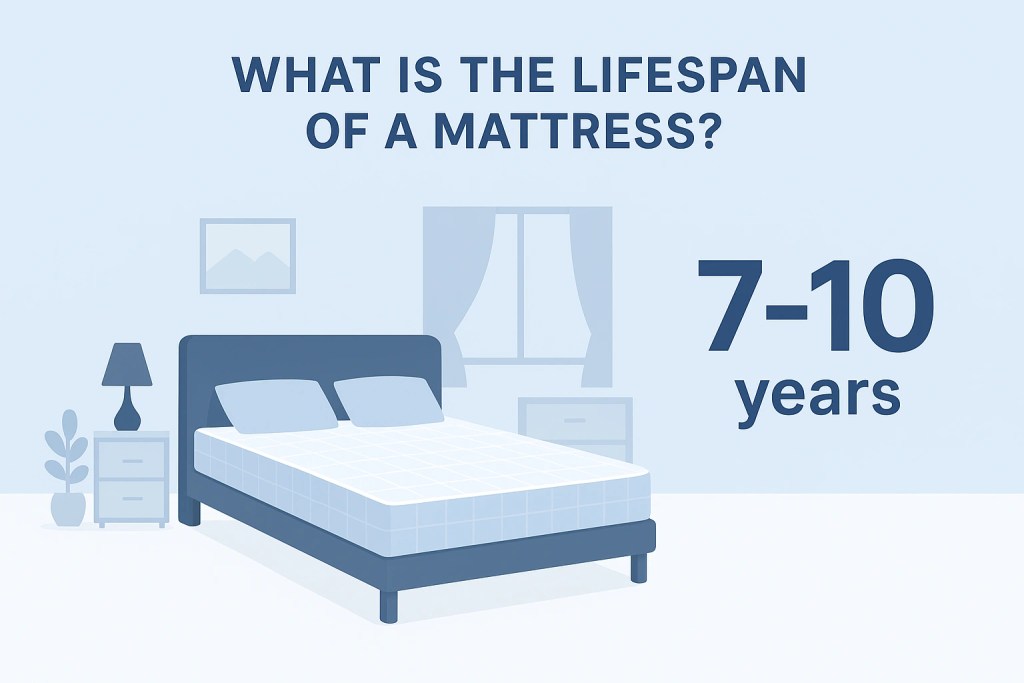
We recommend every 7–10 years, or sooner if you notice sagging or wake up with aches. Luxe mattresses are crafted for durability to extend this lifespan.

Mattress Types
October 23, 2025

Best Mattress Types for Seasonal Allergies

Mattress Types

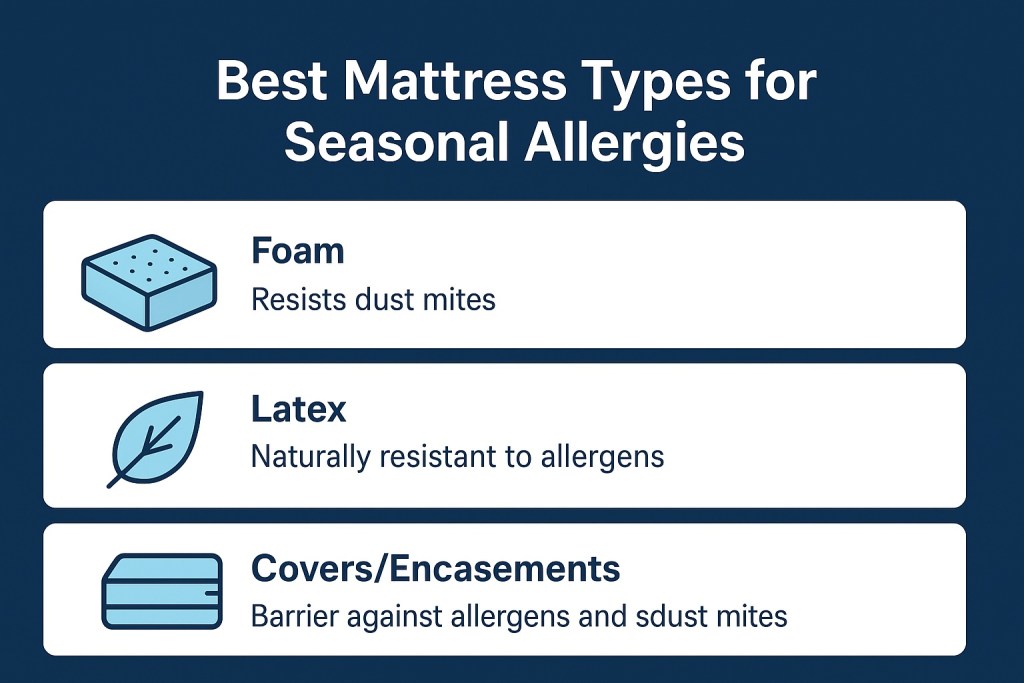
Mattress Types can play a surprising role in how well you sleep, especially for those with seasonal allergies. Sneezing, congestion, itchy eyes, and irritated airways often worsen at night, leaving many allergy sufferers tossing and turning. What many don’t realise is that their mattress may be part of the problem.

Dust mites, pollen, mold spores, and other allergens can accumulate in bedding materials, amplifying nighttime discomfort. Choosing the right mattress crafted from hypoallergenic materials and designed to resist allergen buildup can dramatically improve both sleep quality and overall health.

By understanding how mattress materials affect allergen exposure, sleepers can create a sanctuary that promotes deeper, cleaner rest. In this guide, we’ll explore the importance of hypoallergenic mattress options, the benefits of versatile mattress types, and why luxury natural mattresses are becoming a top choice for allergy-conscious sleepers.

Hypoallergenic Materials: Your First Line of Defense

The right materials can make all the difference in minimizing allergens. Mattresses that resist dust mites, mold, and pollen provide a healthier sleep surface.

  • Natural latex: Resistant to dust mites and mold, offering a breathable surface that reduces allergen buildup.
  • Organic cotton and wool: Naturally hypoallergenic, moisture-wicking, and temperature regulating.

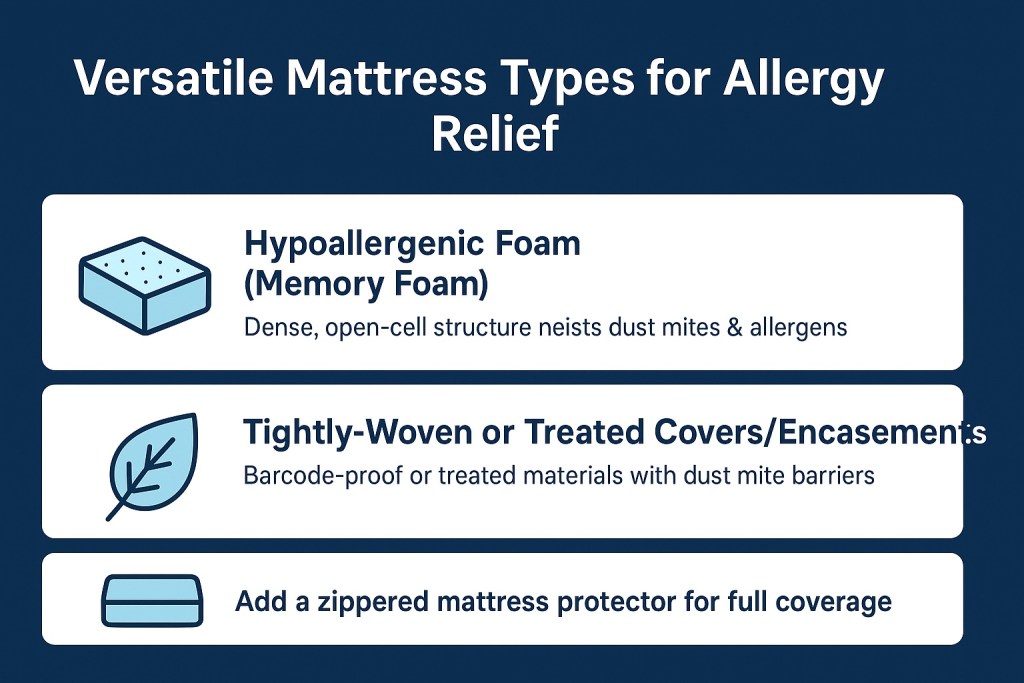
Versatile Mattress Types for Allergy Relief

Mattress Types for Allergy Relief

Not every sleeper has the same needs, which is why versatile mattress types are important:

  • Latex mattresses: Highly durable, breathable, and naturally allergen-resistant.
  • Hybrid mattresses: Combine the supportive benefits of innerspring with the hypoallergenic nature of latex or organic foam.
  • Adjustable firmness designs: Help ensure optimal spinal support while reducing allergen retention.

The Role of Luxury Natural Mattresses

For those seeking both wellness and comfort, luxury natural mattresses are an ideal solution. These premium beds combine eco-friendly craftsmanship with allergy-safe sleep environments.

  • Sustainably sourced natural latex, cotton, and wool.
  • Free from synthetic chemicals that can trigger allergic reactions.
  • Long-lasting durability with luxurious comfort.

Choosing a luxury natural mattress isn’t just about sleep it’s about investing in long-term health.

Why Mattress Choice Matters for Allergy Sufferers

Matters for Allergy Sufferers

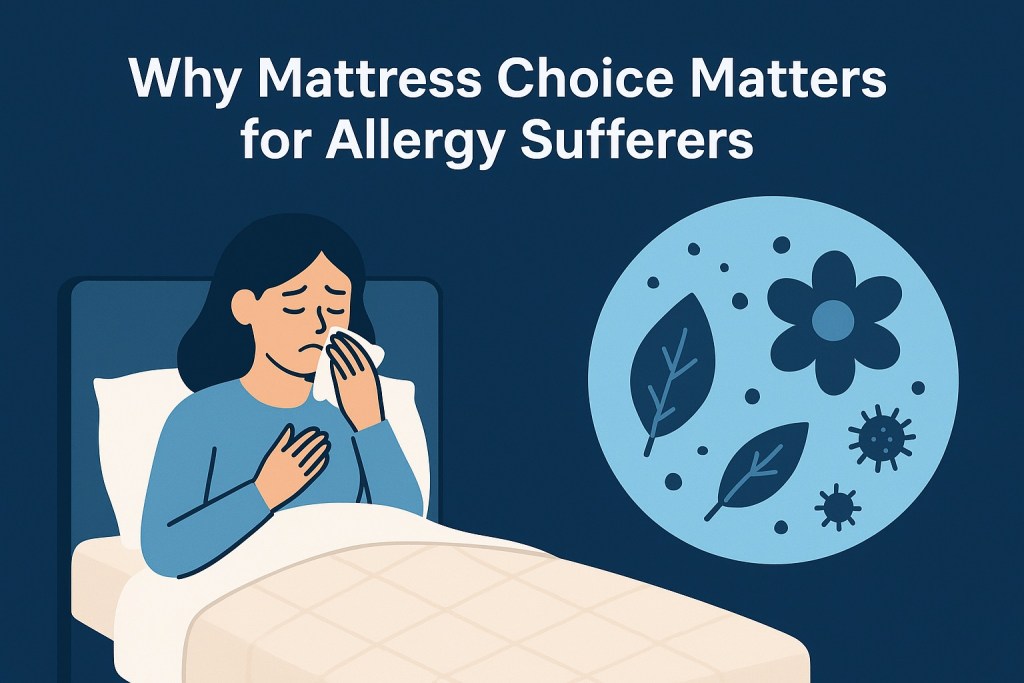
For those who struggle with seasonal or year-round allergies, the mattress you sleep on plays a bigger role than you might think. According to insights from Sleepopolis and Sleep Advisor, warm, humid mattress interiors often become the perfect breeding ground for dust mites, mold spores, and pet dander.

These allergens thrive in the dark, insulated layers of traditional mattresses, triggering symptoms like sneezing, congestion, itchy eyes, and restless sleep. Over time, this hidden allergen buildup can make even the coziest bed feel like an allergy trap.

The good news is that mattress technology and materials have evolved. By choosing hypoallergenic designs, sleepers can create a much healthier rest environment. Guide to choosing the best king size mattress for better sleep.

Hypoallergenic Materials That Help Protect Against Allergens:

  • Dense Memory Foam: Its tightly packed structure naturally resists dust mites and prevents allergen penetration.
  • Natural Latex: Breathable, antimicrobial, and mold-resistant, making it one of the best options for allergy sufferers.
  • Organic Cotton & Wool: Naturally moisture-wicking and chemical-free, helping reduce humidity levels inside the mattress.
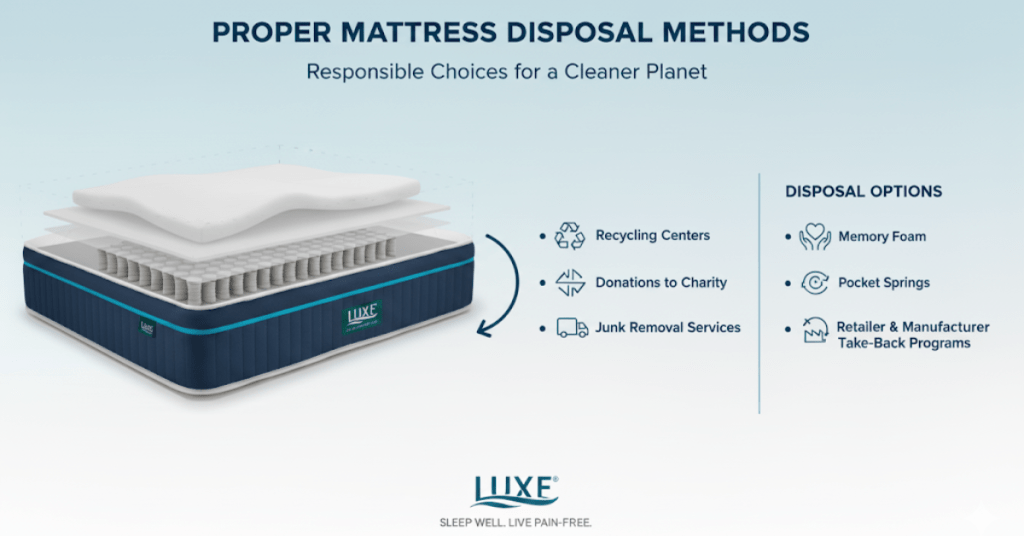
Investing in a mattress designed for allergy prevention not only promotes better rest but also improves long-term health. Luxury natural mattresses, in particular, offer the perfect blend of comfort, durability, and allergen protection.

Best Mattress Types for Allergy Sufferers

Best Mattress Types for Allergy Sufferers

Mattress Type matters greatly when it comes to allergy prevention. The material and construction play a major role in how well a bed resists dust mites, mold, pollen, and other common irritants. Drawing on insights from Sleep Advisor, Sleepopolis, Tom’s Guide, and the Sleep Foundation, here’s how popular mattress types compare:

Memory Foam

Memory foam earns high marks for allergy resistance. Its dense, non-porous structure makes it difficult for dust mites and other allergens to penetrate, while also offering superior motion isolation for couples. For hot sleepers, cooling-infused foams can counteract heat retention without compromising allergen protection (Tom’s Guide, Sleep Foundation).

Natural Latex (Dunlop/Talalay)

Latex is widely regarded as one of the best materials for allergy sufferers. It is naturally breathable, moisture-resistant, and antimicrobial, offering long-lasting defense against mold and dust mites. Dunlop latex tends to be denser, making it slightly better for allergen defense, while Talalay provides a softer, buoyant feel.

Hybrid (Innerspring + Foam/Latex)

Hybrids balance the airflow benefits of coils with the protective layers of foam or latex. While innerspring coils alone may trap allergens, the addition of a hypoallergenic top layer helps mitigate risks.

Innerspring

Traditional innerspring mattresses are the least ideal for allergy sufferers. Their open coil structure allows dust mites and allergens to accumulate more easily, leading to higher exposure (Sleep Advisor)here

Airbeds

Airbeds aren’t often discussed in allergy contexts, but their easy-to-clean surfaces can offer some benefits. However, they still require allergen-resistant covers or latex/foam toppers for reliable protection.

Natural Luxe Mattress Options: Allergen Benefits & Luxury Appeal

Natural Luxe Mattress Options

When it comes to mattresses, luxury often means more than comfort it can also mean better protection against allergens. Many high-end brands incorporate natural fibers like horsehair, wool, silk, and cashmere to deliver a healthier and more breathable sleep surface.

  • Horsehair: Naturally breathable and moisture-wicking, horsehair also resists dust mites and mold, making it a rare but effective material in niche luxury mattresses.
  • Cashmere, Wool, Silk, and Cotton: These fibers are commonly used by premium makers like Savoir Beds and Vispring, who craft mattresses with combinations of lamb’s wool, cotton, horsetail, silk, and cashmere for both luxury feel and allergen defense .

Architectural Digest highlights several standout luxury picks:

  • Birch Luxe: Made with all-natural latex, organic wool, and firm eco-friendly support, it’s particularly appealing for eco-conscious, allergy-sensitive shoppers.
  • Saatva Solaire & Tempur-Pedic ProAdapt: Feature luxury construction with cooling and supportive designs, though their allergen resistance varies.
  • Birch Luxe is praised again for its breathability and natural, allergy-friendly build.

Memory Foam vs. Latex in Luxury Models

  • Birch Luxe (Latex): Firmer, cooler, highly breathable, and naturally allergen-resistant.
  • Nectar Luxe (Memory Foam): Plush contouring comfort but may retain more heat.

Additional Tips for Reducing Allergens Around the Mattress

Tips for Reducing

Even the most hypoallergenic mattress benefits from a clean, allergen-free environment. According to the Sleep Foundation and Sleep Advisor, simple lifestyle adjustments can make a big difference in keeping your sleep space healthy and comfortable.

  • Use Hypoallergenic Encasements: A dust-mite-proof mattress encasement and pillow covers create a protective barrier that blocks allergens from settling into your bedding.
  • Wash Bedding Weekly: Launder sheets, pillowcases, and blankets in hot water at least once a week to remove dust mites, pollen, and other allergens.
  • Control Humidity Levels: Dust mites and mold thrive in damp environments. Using a dehumidifier (or humidifier in dry climates) keeps bedroom humidity in the optimal 30–50% range.
  • Invest in a HEPA Air Purifier: These devices capture fine airborne particles such as pollen, dust, and pet dander, helping maintain cleaner air quality.
  • Manage Pet Dander: Keeping pets out of the bedroom or at least off the bed significantly reduces allergen buildup from fur and skin particles.

By combining these steps with a hypoallergenic mattress, allergy sufferers can create a true sleep sanctuary that supports deeper, healthier rest. Best mattress type for seasonal allergens.

Conclusion

The right mattress can make a world of difference for allergy sufferers. By focusing on dense, hypoallergenic materials such as memory foam, latex, and natural luxury fibers like wool, silk, and cashmere, sleepers can create a healthier environment that resists dust mites, mold, and dander.

Choosing natural luxe options not only enhances allergen protection but also elevates comfort and durability. For the best results, pair your mattress with smart sleep hygiene: use dust-mite-proof covers, wash bedding weekly, and control bedroom air quality. Together, these steps support cleaner rest and better health during allergy season and beyond.

FAQs

1. What type of mattress is best for allergies?

Natural latex and high-density memory foam are considered the best options. Their dense structure makes it hard for dust mites, pollen, and other allergens to accumulate. Organic latex also resists mold and mildew naturally.

2. Are innerspring mattresses bad for allergies?

Traditional innerspring mattresses can trap dust and allergens inside the open coil system. Unless paired with protective covers or latex/foam layers, they’re usually not the best choice for allergy sufferers.

3. Are natural and organic mattresses better for allergies?

Yes. Organic latex, cotton, and wool are hypoallergenic, breathable, and moisture-resistant. They also avoid chemical flame retardants and synthetic adhesives that can irritate sensitive individuals.

4. What certifications should I look for in a hypoallergenic mattress?

Look for:
CertiPUR-US® (safe foams, low VOC emissions)here
GOTS (Global Organic Textile Standard for cotton, wool)
GOLS (Global Organic Latex Standard)
OEKO-TEX (tested for harmful substances)here

5. How often should I replace a mattress if I have allergies?

Most mattresses last 7–10 years, but if you suffer from allergies and notice worsening symptoms, consider replacing sooner. Over time, even hypoallergenic mattresses can accumulate allergens.

Eco Friendly Mattress Disposal
October 20, 2025

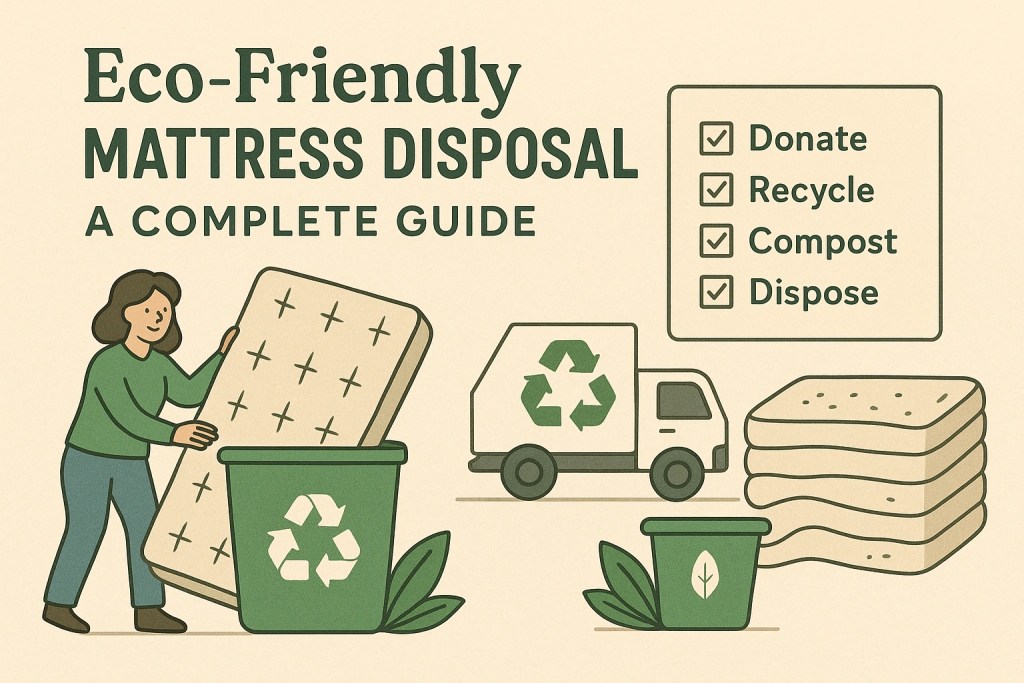
Eco-Friendly Mattress Disposal: A Complete Guide

Eco-Friendly Mattress Disposal

Eco-Friendly Mattress Disposal is an important step toward protecting the planet from growing waste and pollution. Traditional mattresses often end up in landfills, taking decades to decompose and harming the environment. Choosing sustainable disposal methods helps reduce waste while giving materials like steel and fabric a second life.

The careless dumping of mattresses not only pollutes soil and air but also wastes valuable resources. This guide will help you choose eco-conscious materials, maintain your mattress properly, and dispose of it responsibly. With mindful actions, Eco-Friendly Mattress Disposal becomes an easy way to support a cleaner, greener future.

2. Which Type of Mattress Should You Choose?

Eco-Friendly Mattress Disposal starts with making the right choice at the time of purchase. When choosing a mattress, look for eco-friendly materials like organic cotton, natural latex, and wool that are durable and recyclable. These materials not only provide comfort but also ensure that your mattress can be safely reused or recycled in the future.

Conventional mattresses often contain synthetic foams and chemical adhesives that are difficult to recycle and harmful to the environment. In contrast, natural luxe mattresses are made from sustainable, biodegradable materials that simplify the recycling process. By choosing wisely today, you make future Eco-Friendly Mattress Disposal effortless while supporting a healthier planet.
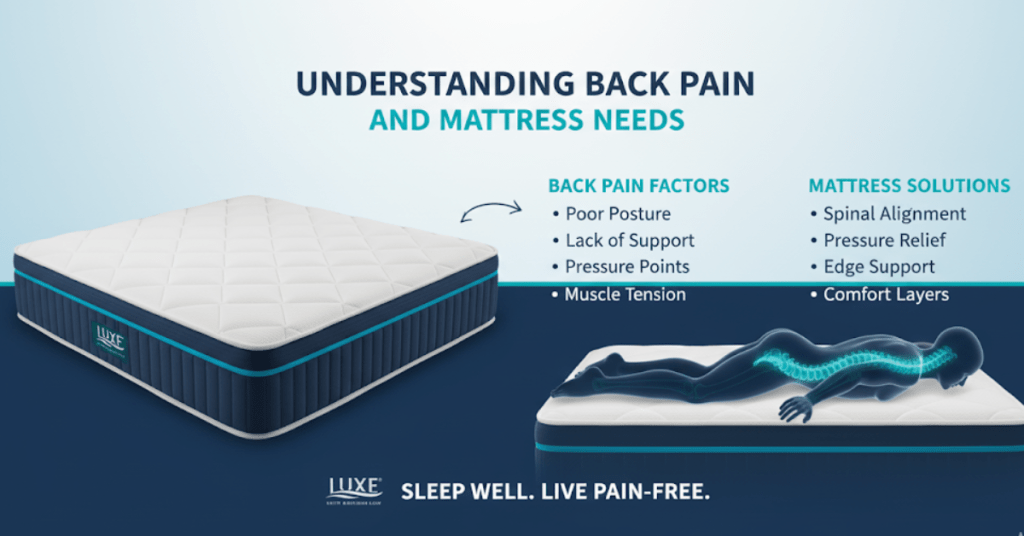
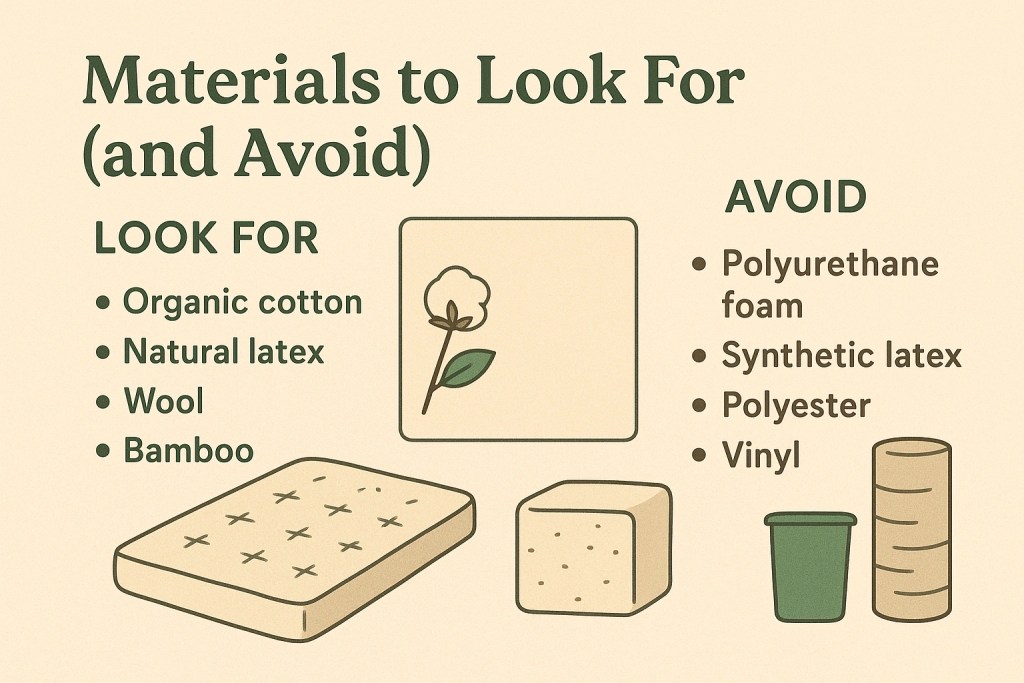
3. Materials to Look For (and Avoid) in the Context of Eco-Friendly Mattress Disposal

Recyclable mattress components

Choosing the right materials is the foundation of Mattress Disposal, as it determines how easily your mattress can be recycled or safely decomposed. Opt for sustainable, natural materials that ensure comfort, longevity, and a cleaner environmental impact.

Materials that support Eco-Friendly Mattress Disposal:

  • Natural Latex: A renewable, biodegradable material derived from rubber trees, offering both comfort and sustainability.
  • Organic Cotton: Grown without harmful pesticides, this fabric is breathable, soft, and completely compostable.
  • Wool: Naturally flame-resistant and temperature-regulating, wool breaks down easily without releasing toxins. here
  • Recyclable Steel Springs: Metal coils can be melted and reused in new manufacturing, reducing landfill waste.

4. Natural Luxe Mattresses & Eco-Friendly Mattress Disposal

Eco-Friendly Mattress Disposal becomes simpler with natural luxe mattresses made from sustainable materials like organic cotton, natural wool, and GOLS-certified latex. These eco-conscious components reduce chemical use, enhance durability, and make recycling or biodegrading much easier. Choosing such mattresses supports both comfort and environmental health.

Natural luxe options perfectly align with Eco-Friendly Mattress Disposal by offering longevity, low toxicity, and easy recyclability. Though they may have a higher upfront cost, their sustainability and take-back programs make them worth it. Investing in them ensures a greener and more responsible sleep solution.

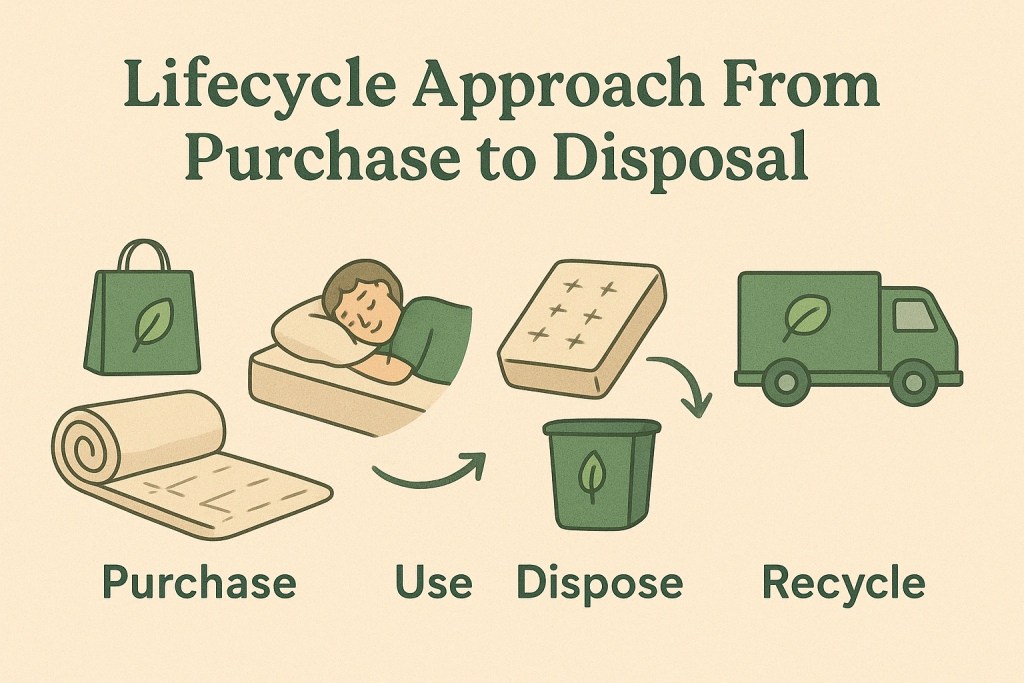
5. Lifecycle Approach From Purchase to Disposal with Eco-Friendly Mattress Disposal in Mind

Eco-conscious mattress care

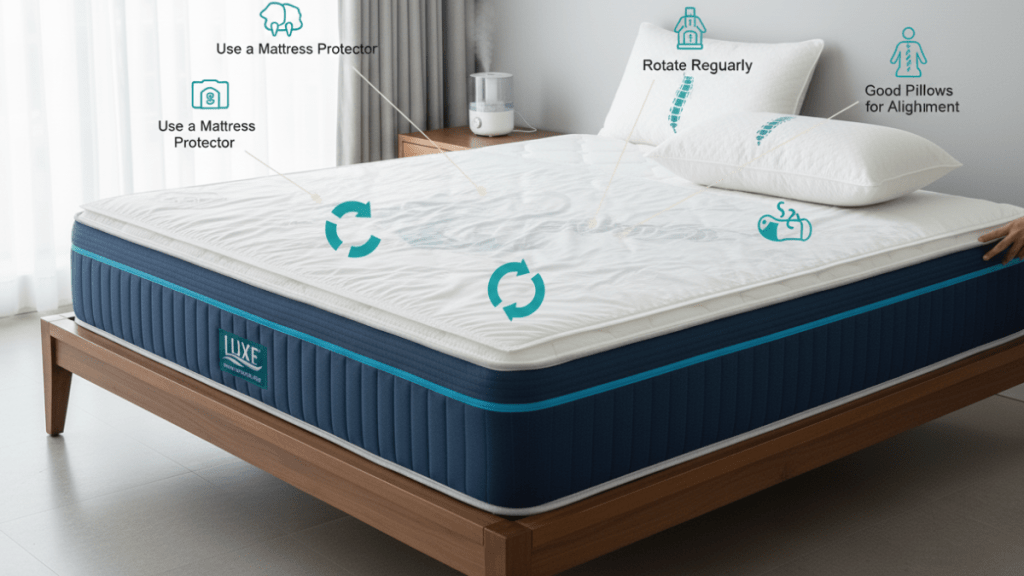
Adopting a lifecycle approach ensures Eco-Friendly Mattress Disposal from the moment you buy your mattress. Use protectors, rotate regularly, and provide proper support to extend its life and reduce waste. Planning ahead with take-back or recycling options makes future Eco-Friendly Mattress Disposal smoother and more sustainable.
6. Practical Checklist and Quick Action Plan for Eco-Friendly Mattress Disposal

Preparing for Eco-Friendly Mattress Disposal starts with a simple, organized plan to handle your old mattress responsibly. With the right steps, you can ensure it’s recycled, reused, or repurposed instead of ending up in a landfill.

Here’s a quick action plan for Eco-Friendly Mattress Disposal:

  • Preparation: Clean the mattress, wrap it in protective plastic, and inspect for damage or contamination.
  • Scheduling Pickup: Contact certified recycling or take-back programs that specialize in sustainable mattress disposal.
  • Choosing a Service: Select a removal company that practices responsible recycling and provides documentation of proper disposal.
  • Household Tasks: Sanitize the surface, separate removable parts like covers or metal springs, and ensure it’s safe for handlers.
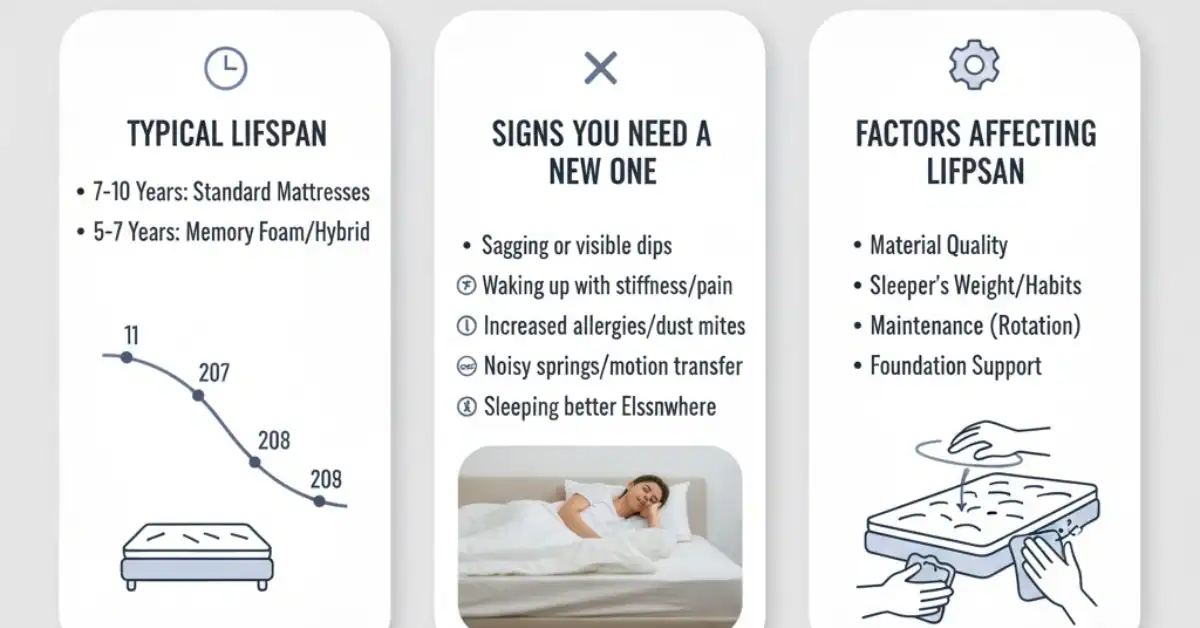
  • Cost vs. Environmental Value: Remember, investing a little more in a natural luxe mattress can make future Eco-Friendly Mattress Disposal simpler and more sustainable. here

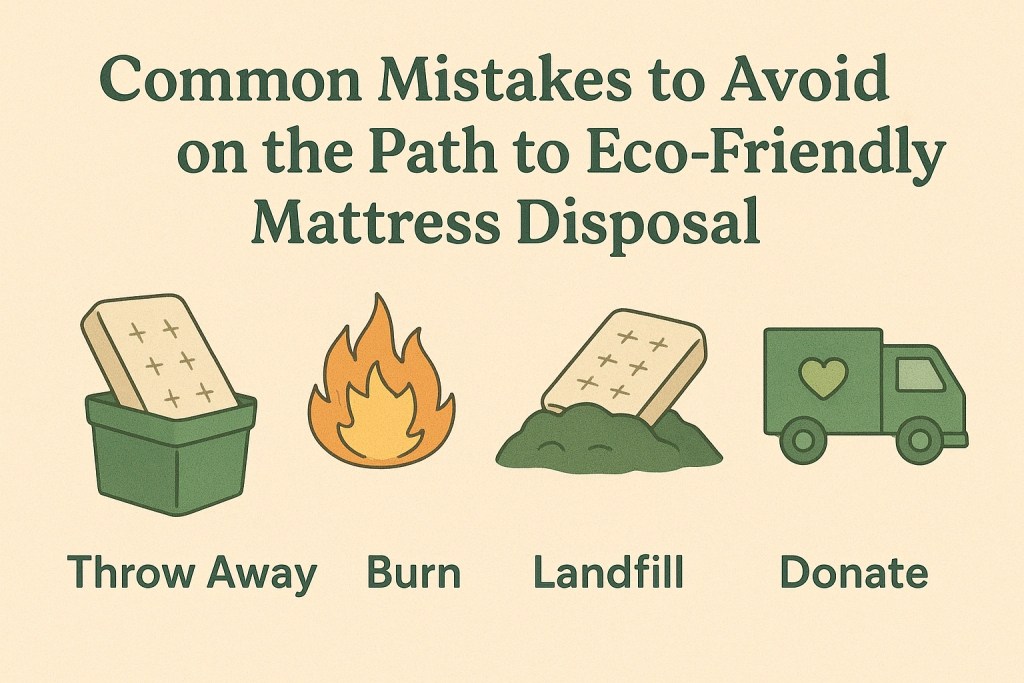
7. Common Mistakes to Avoid on the Path to Eco-Friendly Mattress Disposal

Mattress recycling mistakes

Avoiding common mistakes is key to successful Disposal and long-term sustainability. Many people buy cheap mattresses without checking the materials, which often leads to early replacements and increased waste. Low-quality foams and synthetic fabrics are hard to recycle, making disposal more harmful to the environment. Always invest in durable, eco-friendly options that last longer and support responsible disposal practices.

Another major mistake is falling for “greenwashing,” where brands market products as eco-friendly without true sustainability. Always verify material certifications and brand disposal policies to ensure your Eco-Friendly Mattress efforts aren’t undermined. Don’t overlook local recycling or take-back programs knowing your community’s options in advance makes mattress disposal simple, ethical, and environmentally sound.

8. Conclusion 

Eco-Friendly Mattress Disposal is more than a way to discard an old mattress, it’s a step toward sustainable living. By choosing natural materials like organic cotton, wool, and latex, you make future recycling or decomposition easier. Simple habits like rotating your mattress and using a protector extend its life and reduce waste.

This guide highlights how Eco-Friendly Mattress Disposal can make a lasting difference. Avoid cheap, non-recyclable options and always verify eco-certifications before buying. Plan ahead with donation or recycling programs so your mattress journey from purchase to disposal supports a cleaner, greener planet.

FAQs

What is the most eco-friendly way to dispose of a mattress?

The most sustainable method is to recycle your mattress through a local recycling facility or a retailer’s take-back program. Many mattress components like steel coils, natural latex, and cotton can be repurposed instead of ending up in landfills.

Can I donate an old mattress?

Yes, if your mattress is still in good condition (clean, free from major sagging or infestations), you can donate it to local charities, shelters, or organizations. Always check your local regulations, as donation rules vary.

Why should I consider a natural luxe mattress?

Natural luxe mattresses combine sustainability with luxury comfort. They often feature certified organic materials, superior durability, and advanced support systems. These materials not only provide healthier sleep but are also easier to recycle at the end of their lifespan. Learn more about premium options like the Birch Luxe Natural Mattress.

How does choosing the right mattress impact eco-friendly disposal?

If you choose a mattress built from natural, certified, and recyclable materials, its end-of-life disposal is simpler and more sustainable. Many natural luxe brands also offer take-back or recycling programs to reduce waste. Check available eco-friendly selections at luxemattresses.com.

Growing Teenagers: How to Choose the Right Mattress

Quality sleep is vital for teenagers, supporting physical growth, brain development, mood regulation, and academic performance. Unlike adults, teens have unique sleep needs due to growth spurts, busy routines, and heightened sensitivity to comfort, temperature, and body support.

Growing Teenagers: How to Choose the Right Mattress

The right mattress plays a key role in ensuring restorative rest, helping them stay healthy and focused. When choosing, it’s important to weigh mattress types, materials, comfort levels, and durability especially natural luxe options that balance support with sustainability. For deeper guidance, explore mattress recommendations by age and expert advice on firmness for kids and teens.

Key Factors When Choosing a Mattress for Teens

1.Growth and Development Needs

During the teenage years, the body undergoes rapid growth spurts, making proper spinal alignment crucial. A mattress should offer the right balance between firmness and support, ensuring that developing bones and muscles are well-cushioned while still held in healthy alignment.

2.Durability and Lifespan

Teenagers tend to use their beds for more than just sleep they may lounge, study, or even jump on them. A high-quality mattress should be durable enough to handle daily use and still provide consistent support over several years.

3.Comfort Preferences

Sleep positions vary: side sleepers need extra pressure relief at the shoulders and hips, while back and stomach sleepers benefit from even support at the lower back. Choosing the right comfort level helps reduce aches and encourages deeper rest.

4.Temperature Regulation

Many teens sleep hot due to hormonal changes and active lifestyles. Breathable, naturally cooling materials such as latex, cotton, or wool can help regulate temperature and prevent overheating.

5.Health & Safety

Since growing bodies are more sensitive to environmental factors, it’s important to look for mattresses with low chemical emissions, hypoallergenic fabrics, and minimal off-gassing. Natural or certified organic options provide peace of mind for both health and safety.

Mattress Types Suitable for Teenagers

Growing Teenagers

Choosing the right mattress for a teenager goes beyond comfort it’s about finding a balance of support, durability, and healthy materials. Different mattress types cater to varying sleep styles and needs.

Innerspring / Hybrid
Traditional innerspring mattresses remain a popular choice for teens because they’re bouncy, supportive, and often provide excellent edge support useful when sitting or studying on the bed. Hybrids, such as natural luxe options like the Birch Luxe Natural, combine steel coils with plush organic comfort layers, offering the responsiveness of springs with the contouring of foam or latex. This balance makes them ideal for teens who need both durability and comfort during growth years.

Latex (Natural / Organic)
Latex mattresses are known for their responsiveness, breath ability, and long lifespan. Natural and organic latex, especially those with GOLS certification, provide peace of mind by ensuring the material meets strict organic standards. They’re naturally hypoallergenic, resistant to dust mites, and excel at keeping teens cool perfect for hot sleepers. Their buoyant feel also makes changing sleep positions easier.

Memory Foam / Polyfoam
Foam mattresses conform closely to the body, offering excellent pressure relief for side sleepers who need cushioning at the shoulders and hips. However, standard memory foam can trap heat, so it’s best to look for versions infused with cooling gel, copper, or open-cell structures that encourage airflow. A high-quality polyfoam can also provide a similar hugging feel with better breathability.

Dual-Sided / Flippable Mattresses
Because teens’ needs change as they grow, flippable mattresses are a practical investment. These designs feature a softer side for earlier teenage years and a firmer side for later, when more support is needed. The ability to adjust firmness over time adds to longevity and ensures comfort throughout developmental stages.

Spotlight on Natural Luxe Mattresses

What Constitutes a “Natural Luxe” Mattress?

A “natural luxe” mattress represents the intersection of premium comfort, sustainable materials, and elevated craftsmanship. These mattresses are designed not only for superior sleep quality but also with an emphasis on health, safety, and environmental responsibility. Unlike conventional models, they prioritize organic and natural components, backed by rigorous certifications that verify their purity and performance.

Key Features from the Birch Luxe Natural Mattress

  • Organic Cotton Euro-Top Cover Soft, breathable, and moisture-wicking, this top layer enhances comfort while keeping the sleep surface fresh and cool.
  • Multiple Wool Comfort Layers Natural wool adds loft, regulates temperature, and improves breath ability, making it ideal for year-round comfort.
  • Two Layers of GOLS-Certified Organic Latex Combining firmer and softer latex layers ensures responsive support while gently cradling the body’s pressure points.
  • Individually Wrapped Steel Coils with Reinforced Edges Provide durable support, motion isolation, and strong edge stability for sitting or sprawling.
  • Optional Cool Force Graphite Layer Naturally draws heat away from the body without chemicals or electronics, helping hot sleepers stay cooler.
  • Trusted Certifications GOLS (Global Organic Latex Standard) certification ensures the latex is authentically organic, while GREEN GUARD Gold confirms low chemical emissions for healthier indoor air quality.

Together, these elements make the Birch Luxe Natural an excellent example of a natural luxe mattress: luxurious comfort, long-term durability, and peace of mind for health-conscious families.

Why These Features Benefit Teenagers

Growing Teenagers

Natural luxe mattresses offer more than just comfort they directly support the unique needs of teenagers as they grow and develop. The use of natural, organic materials reduces exposure to allergens and harsh chemicals, helping sensitive teens breathe easier and rest in a healthier sleep environment.

Temperature regulation is another key factor. Many teens struggle with sleeping hot, and breathable natural fibers combined with cooling layers can help maintain a comfortable sleep climate throughout the night.

Durability also matters. Teenagers are active, and their mattresses often double as a place to lounge, study, or hang out with friends. Sturdy construction ensures the mattress can withstand movement and occasional mischief without losing its supportive structure.

Equally important is proper support during growth spurts. Pressure-relieving latex and carefully engineered coil systems work together to encourage healthy spinal alignment, reducing aches and promoting better posture as bodies change.

Finally, certifications such as GOLS and GREENGUARD Gold provide peace of mind. These independent standards confirm that the mattress materials meet strict criteria for organic purity and low chemical emissions, helping to ensure cleaner indoor air quality especially vital for developing bodies.

In short, natural luxe mattresses are designed not only to deliver comfort, but also to support teenagers’ overall health and long-term well-being.

Comparison Table

Compare 3 mattress options for teens:

Mattress TypePros for TeensNatural Luxe Highlight
Natural Luxe HybridSupport, cooling, natural materials, certificationsBirch Luxe Natural – organic cotton, wool, latex, coils, certifications
Organic LatexDurable, hypoallergenic, responsive & coolGOLS-certified natural latex layers
Budget Foam HybridAffordable, quiet, initial comfortMay lack cooling, certifications, durability

Conclusion

Selecting the right mattress for a growing teenager requires balancing support, comfort, and durability with the unique needs of this stage of life. Key factors such as firmness for spinal alignment, breathable materials for temperature regulation, and resilience for everyday use all play a role in ensuring restorative, healthy sleep.

Natural luxe mattresses stand out as a thoughtful investment, combining organic comfort layers, long-lasting construction, and health-conscious certifications that promote cleaner air and safer rest. They not only deliver comfort but also support overall well-being during these critical developmental years.

FAQs

What type of mattress is best for a teenager?

The best type depends on your teen’s sleep style and needs. Hybrid and latex mattresses are excellent for teens because they provide both support and comfort. Natural luxe hybrids (like the Birch Luxe Natural) combine coils, organic latex, and wool for balanced support, breathability, and durability.

How firm should a teenager’s mattress be?

Most teens do well with a medium-firm mattress. This firmness supports spinal alignment while still providing enough cushioning for comfort. If your teen is primarily a side sleeper, a slightly softer surface may help relieve pressure on shoulders and hips.

What size mattress should I buy for my teenager?

If space and budget allow, consider Full or Queen size for longevity, since teens grow quickly and may want more space. Twin XL is also a good option for taller teens in smaller rooms.

Why are natural and organic materials important for teen mattresses?

Growing bodies are more sensitive to chemicals and allergens. Natural luxe mattresses use organic cotton, wool, and latex, which are free from harsh chemicals, flame retardants, and synthetic foams. They’re also naturally breathable and hypoallergenic ideal for teens with allergies or asthma.

Mattress for Back Pain
October 20, 2025

Mattress for Back Pain: Top Picks for Comfort and Support

Back pain is a widespread issue that affects millions of people worldwide, and its impact on sleep quality is often underestimated. Tossing and turning at night, waking up stiff, or struggling to find a comfortable position can all be signs that your sleep surface is contributing to your discomfort.

Mattress for Back Pain: Top Picks for Comfort and Support

Chronic back pain isn’t just caused by posture or daily activity it’s heavily influenced by your mattress. Choosing the right mattress for back pain can transform restless nights into restorative sleep. How to Choose the Perfect Mattress for Back Pain Relief: Finding the Best Mattress for Back Pain A supportive mattress aligns the spine, relieves pressure points, and adapts to the body’s natural curves, preventing stiffness and long-term discomfort.

Natural and eco-friendly options, like Natural Luxe mattresses, are gaining popularity for combining comfort with sustainable materials.Single Mattress Topper: The Perfect Choice for Comfort and Better Sleep These mattresses offer firm yet contouring support that reduces pain and promotes proper sleep posture. Investing in a high-quality mattress for back pain enhances nightly rest and contributes to long-term spinal health.

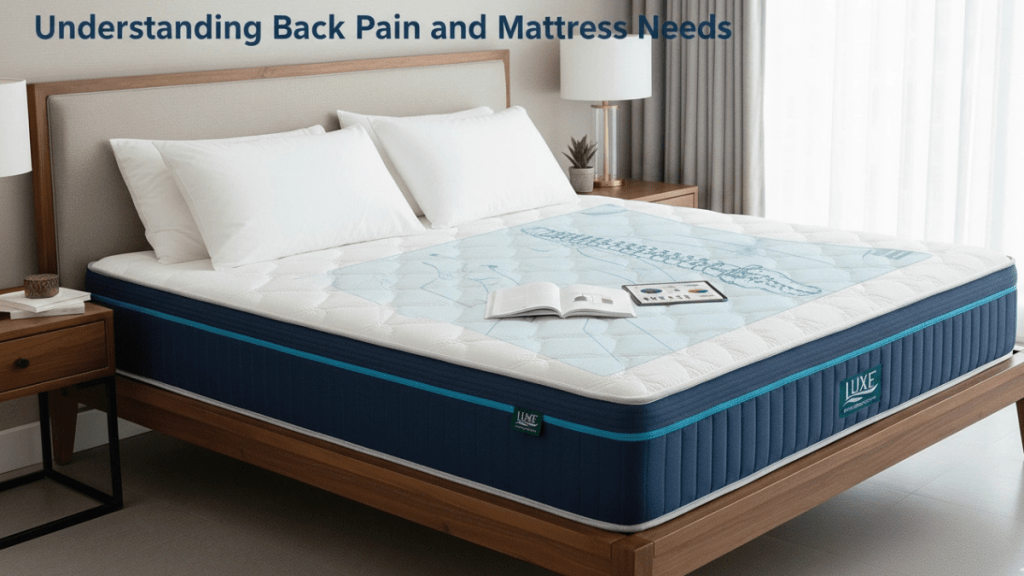
Understanding Back Pain and Mattress Needs

Mattress for Back Pain

Back pain can affect anyone at any age, but understanding its type and severity is key to choosing the right mattress for back pain. Generally, back pain is categorized into three main areas: upper, middle, and lower back pain.

Upper back pain often stems from poor posture or muscle strain, middle back pain can result from spinal issues or injuries, and lower back pain is usually linked to lumbar strain or disc problems. Identifying the specific area of discomfort helps in selecting a mattress that provides the right support and alleviates pressure. How to Choose the Best Mattress for Back Pain Relief Without Sacrificing Comfort.

Sleep position also plays a major role in back comfort. Different sleepers require different support to maintain healthy spinal alignment:

  • Side Sleepers: These sleepers benefit from a mattress that cushions the hips and shoulders to prevent pressure buildup. A medium to medium-soft mattress for back pain can relieve tension while keeping the spine aligned.
  • Back Sleepers: Proper spinal alignment is critical. A slightly firmer mattress for back pain supports the natural curve of the spine and prevents lower back sagging.
  • Stomach Sleepers: This position often stresses the lower back. A firm mattress for back pain helps prevent the hips from sinking too much, reducing spinal strain.

Firmness and support are crucial for back pain. Why Luxe Ergo 3400 Is the Ultimate Mattress for Back Pain Relief? Too soft causes sagging, while too firm creates pressure points. The ideal mattress balances comfort and support, aligning the spine and relieving pressure for a refreshed, pain-free morning.

Key Materials for Back Pain Relief

Mattress for Back Pain

Choosing the right materials is essential when searching for a mattress for back pain. The construction of a mattress directly impacts spinal alignment, pressure relief, and overall comfort. Different materials offer unique benefits, allowing sleepers to target their specific needs.

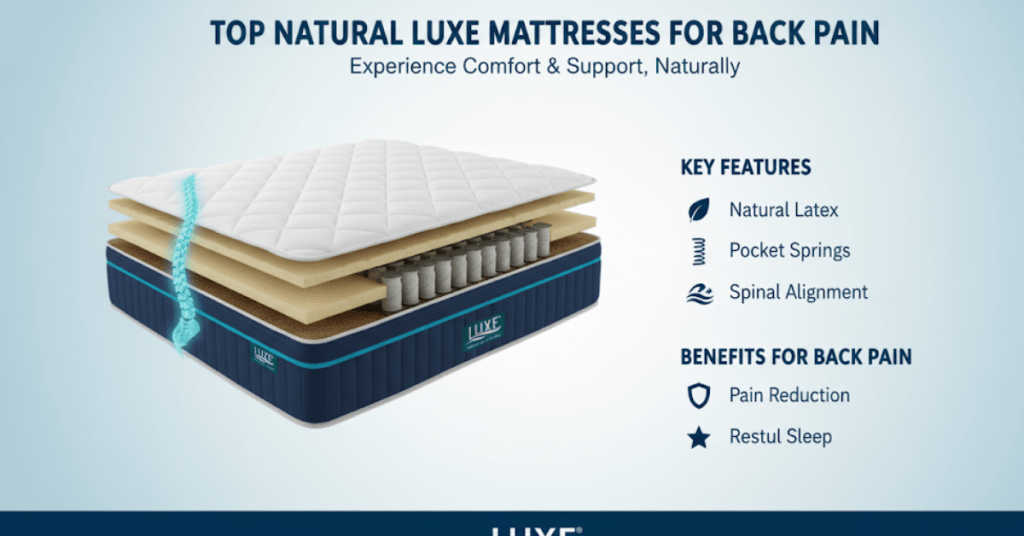
  1. Memory Foam: Memory foam mattresses contour to the body, providing targeted pressure relief for sensitive areas such as the shoulders, hips, and lower back. This material helps maintain proper spinal alignment, making it a popular choice for a mattress for back pain.
  2. Latex: Known for its responsiveness and durability, latex offers a bouncy yet supportive surface. It adapts quickly to body movements, preventing sinking and reducing discomfort during sleep.
  3. Innerspring Coils: Traditional innerspring mattresses provide firm support and excellent breathability. The coil system helps distribute weight evenly, offering a stable foundation that can benefit those with back issues.
  4. Hybrid Designs: Combining foam and coils, hybrid mattresses offer the best of both worlds pressure relief from foam layers and responsive support from coils. This combination creates a balanced mattress for back pain suitable for various sleep positions. here

Natural materials have become increasingly popular in luxe mattresses due to their eco-friendliness and comfort:

  1. Organic Cotton: Soft, breathable, and hypoallergenic, cotton keeps the sleep surface cool while minimizing irritation.
  2. Wool: Naturally flame-retardant and temperature-regulating, wool provides comfort and support without synthetic chemicals.
  3. Natural Latex: Eco-friendly and resilient, natural latex maintains firmness while offering gentle contouring. here
  4. Coconut Coir: A firm and durable material, coconut coir enhances spinal support and longevity, making it ideal for those seeking a mattress for back pain that lasts.

By understanding the lower back pain benefits of these materials, sleepers can select a mattress for back pain that addresses both comfort and long-term spinal health.

Top Natural Luxe Mattresses for Back Pain

Mattress for Back Pain

Finding a mattress for back pain that combines comfort, support, and eco-friendly materials can be challenging, but several natural luxe options stand out. These mattresses are designed to promote proper spinal alignment, relieve pressure points, and provide a healthy sleep environment, making them ideal for anyone seeking both relief and sustainability.

  • Birch Luxe Natural Mattress:
    • Materials: Organic cotton, natural latex, steel coils
    • Features: Medium-firm support, breathable design here
    • Benefits: The Birch Luxe provides balanced support that adapts to your body, alleviating pressure points while keeping the spine properly aligned. Its breathable materials help regulate temperature, ensuring comfortable, restorative sleep. This mattress for back pain is ideal for side and back sleepers seeking firm yet contouring support.
  • Gardner Organic Luxe Mattress:
    • Materials: Organic cotton, natural latex, New Zealand wool, pocketed coils
    • Features: Flippable design, handcrafted quality
    • Benefits: Gardner’s dual-sided firmness allows sleepers to choose between softer or firmer support, making it a versatile mattress for back pain. The combination of wool and cotton enhances breathability, while pocketed coils provide responsive support that adapts to each curve of the body.
  • Avocado Organic Luxe Mattress:
    • Materials: GOLS-certified latex, GOTS-certified cotton and wool, silk, mohair, alpaca
    • Features: Fully certified organic, non-toxic
    • Benefits: This mattress is durable, breathable, and supportive, offering consistent pressure relief and spinal alignment. The natural fibers and latex layers create a resilient sleep surface, perfect for individuals seeking a non-toxic mattress for back pain.
  • Brentwood Home Cedar Natural Luxe Mattress:
    • Materials: Organic cotton, all-natural latex, coconut husk
    • Features: Bouncy feel, eco-friendly construction
    • Benefits: The Cedar mattress offers responsive support that adjusts to body movements, while the coconut husk layer provides firm, long-lasting stability. Temperature-regulating properties ensure a comfortable sleep, making it an excellent choice for those with back pain seeking both support and natural materials.

Choosing a high-quality, natural luxe mattress for back pain not only improves comfort but also promotes better sleep posture and long-term spinal health. Back Pain in Your 30s? Here’s Why Your Mattress Might Be to Blame These options combine sustainable materials with targeted support, ensuring every night is restful and restorative.

Factors to Consider When Choosing a Mattress for Back Pain

Mattress for Back Pain

Selecting the right mattress for back pain involves more than just picking a soft or firm surface it requires careful consideration of several key factors to ensure comfort, support, and long-term health.

  • Firmness Level: Mattress firmness should match your sleep position softer for side sleepers, medium-firm for back sleepers, and firmer for stomach sleepers to support your spine and reduce morning stiffness.
  • Material Quality:High-quality, natural materials like latex, organic cotton, and wool enhance comfort and support. They relieve pressure, improve breath ability, and create a healthier, hypoallergenic sleep environment. here
  • Durability: Investing in a durable mattress ensures long-term comfort. Materials such as natural latex or high-density memory foam maintain their shape and support over time, making the mattress a worthwhile investment for back pain relief.
  • Trial Period and Warranty: Testing a mattress before committing is essential. A generous trial period allows you to evaluate comfort and support, while a solid warranty protects against defects.
  • Budget Considerations: While cost is a factor, prioritise quality over price. A well-made mattress for back pain may be more expensive upfront but provides lasting support, better sleep, and reduced discomfort over time.

Considering these factors helps ensure you select a mattress for back pain that is both comfortable and effective, improving sleep quality and overall spinal health.

Tips for Enhancing Mattress Effectiveness

Mattress for Back Pain

Even the best mattress for back pain. Even the best mattress for back pain works best with proper sleep habits and maintenance. Maintaining correct sleep posture and using pillows for support helps reduce strain on muscles and discs. Regularly flipping or rotating the mattress ensures even wear and preserves its supportive qualities.

Accessories like mattress protectors and ergonomic pillows enhance comfort and hygiene. Lifestyle habits such as stretching and core exercises improve spinal stability. Best Back Pain Mattress Options: How Orthopaedic Mattresses Help Relieve Chronic Discomfort Combining the right mattress with posture awareness and healthy routines maximizes long-term back health.

Conclusion

Selecting the right mattress for back pain is essential for restful sleep and long-term spinal health. Top natural luxe options like Birch Luxe, Gardner Organic Luxe, Avocado Organic Luxe, and Brentwood Home Cedar provide a balance of support, comfort, and eco-friendly materials, alleviating pressure points and promoting proper alignment.

6 Signs that Your Mattress is Causing Your Back Pain Choosing a mattress that matches your sleep position, body type, and personal preferences ensures maximum benefit. Investing in a high-quality mattress for back pain not only reduces discomfort but also enhances overall well-being, making restorative sleep and long-term back health achievable.

Which type of mattress is best for back pain?

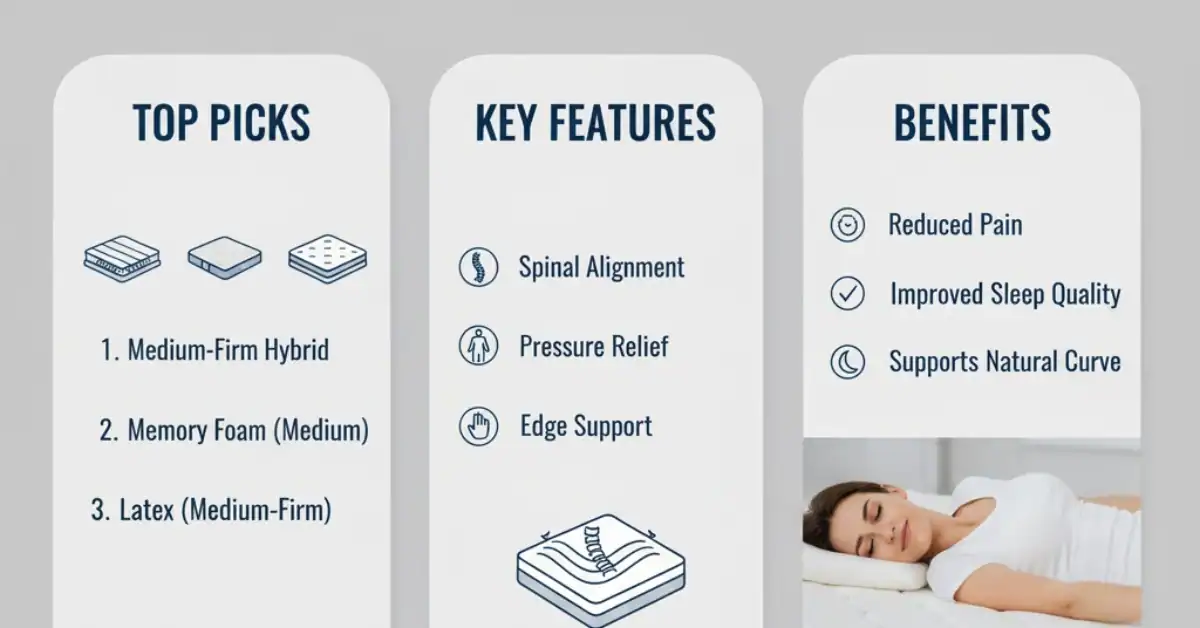
Medium-firm mattresses are generally best for back pain, as they balance support and pressure relief. Options like memory foam, natural latex, or hybrid mattresses with supportive coils provide proper spinal alignment while contouring to the body’s curves.

Can a mattress improve back pain?

Yes. A supportive mattress helps maintain spinal alignment, relieves pressure points, and reduces muscle strain, which can significantly improve back pain over time, especially for chronic discomfort or stiffness.

How to buy a mattress for back pain?

Choose medium to medium-firm firmness based on sleep position.
Opt for high-quality materials like memory foam, latex, or hybrids.
Consider natural or hypoallergenic options for comfort and health.
Check trial periods and warranties to test support before committing.
Evaluate durability to ensure long-term effectiveness.

Can a bad mattress cause lower back pain?

Yes. A mattress that is too soft, too firm, or uneven can cause poor spinal alignment, muscle strain, and pressure buildup, often resulting in or worsening lower back pain.


October 20, 2025

Dispose of a Mattress: Best Methods and Materials

Proper mattress disposal is a growing concern for households, especially as more people upgrade to high-quality, supportive sleep surfaces. Many mattresses contain materials that are difficult to break down, making landfill dumping both environmentally harmful and inefficient.

How to dispose of a mattress responsibly in the UK?

Understanding how to dispose of a mattress responsibly is vital for environmental protection, safety, and convenience. Improper disposal can cause fines, clutter, and pollution from non-biodegradable materials like foam and metal coils. With the rise of natural luxe mattresses, made from organic cotton, wool, and latex, eco-friendly disposal has become easier and more sustainable.

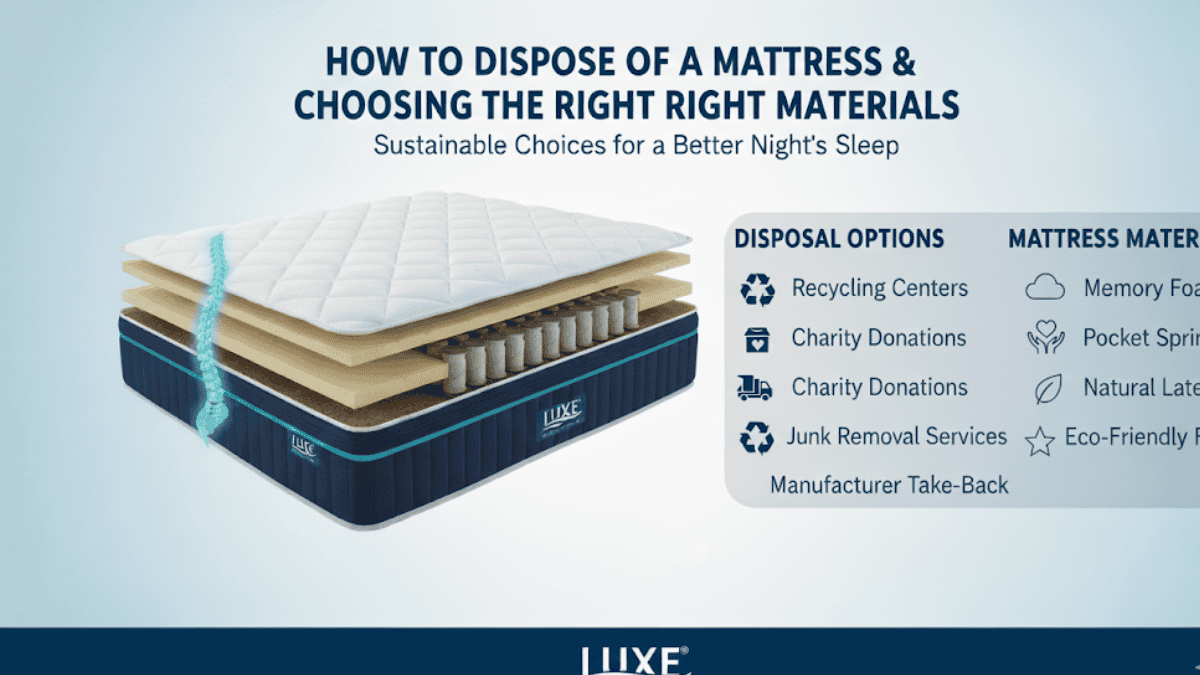
If you’re wondering how or where to dispose of a mattress in the UK, options include recycling, donation, or local collection services. Mattress Recycling UK: How to Dispose of a Mattress Responsibly. Proper mattress disposal helps reduce waste and supports sustainability efforts. Choosing responsible methods ensures your old mattress benefits the environment rather than harming it.

Understanding Mattress Materials

How to dispose of a mattress responsibly in the UK

Choosing the right mattress begins with understanding the materials it is made from, as each type directly affects comfort, support, and durability. How to Dispose of a Mattress Safely: Tips for Eco-Friendly Practices Common mattress materials are designed to address different sleep needs, from pressure relief to temperature regulation.

  • Memory Foam: This material contours closely to the body, distributing weight evenly and relieving pressure on sensitive areas like the shoulders, hips, and lower back. Memory foam is particularly beneficial for people seeking a supportive, cushioned surface that adapts to their body shape.
  • Innerspring Coils: Traditional innerspring mattresses rely on a system of coils for support. These coils offer excellent breathability and durability, creating a stable, resilient foundation while allowing airflow to keep the mattress cool.
  • Latex: Known for its responsiveness and longevity, latex provides firm yet flexible support. It quickly adapts to body movements, preventing sagging and maintaining proper spinal alignment over time.

Natural materials have become increasingly popular in luxe mattresses due to their eco-friendliness and health benefits:

  • Organic Cotton: Soft, breathable, and hypoallergenic, cotton helps regulate temperature while minimizing irritation.
  • Wool: Naturally flame-retardant and temperature-regulating, wool adds comfort and keeps the sleep surface fresh.
  • Natural Latex: Eco-friendly and supportive, it provides contouring and durability without synthetic chemicals.
  • Coconut Coir: A firm, durable material, coconut coir enhances support and ensures the mattress maintains its shape over years of use.

Understanding these materials helps sleepers choose a mattress that balances comfort, support, and sustainability, ensuring restorative sleep and long-term back health.

Proper Mattress Disposal Methods

 dispose of a mattress

How to Dispose of an Old Mattress? Proper mattress disposal is crucial for the environment and following local waste rules. Mattresses contain materials like foam and springs that take decades to decompose. Eco-friendly methods help manage old mattresses responsibly.

  1. Recycling: Many recycling centers accept mattresses. Before transporting, confirm that the facility accepts them and inquire about any fees. Recycling allows components like metal springs, foam, and textiles to be reused, reducing waste. Understanding how to dispose of a mattress through recycling can minimize environmental impact.
  2. Donation: If your mattress is in good condition, consider donating it to local shelters or charitable organizations. Ensure it is clean, stain-free, and pest-free before donating. Learning how to dispose of a mattress through donation not only helps those in need but also keeps usable mattresses out of landfills.
  3. Retailer Take-Back Programs: Some mattress retailers offer take-back services when you purchase a new mattress. Ask the retailer about these programs, as they often handle the disposal process safely.
  4. Municipal Bulk Pickup: Many local waste management services provide bulk pickup for large items like mattresses. Check your area for scheduled pickups to properly manage disposal.
  5. Upcycling: Parts of the mattress can be repurposed. Springs can be used in gardening projects, and fabric or padding can be used for crafts or home improvements. This approach provides a creative solution for how to dispose of a mattress while minimizing waste. here

By exploring these options recycling, donation, retailer take-back, municipal pickup, and upcycling you can ensure your old mattress is disposed of responsibly, making room for a new, supportive sleep surface while protecting the environment.

Choosing the Right Mattress for Back Pain

Dispose of a mattress

Selecting the right mattress is essential for alleviating back pain and ensuring restful sleep. Proper support is the foundation of a mattress that helps reduce pressure on the spine and maintains natural alignment.

A well-designed mattress not only improves sleep quality but also prevents stiffness and discomfort. Even as you focus on choosing the right mattress for back pain, it’s wise to consider what to do with your old mattress, including knowing how to dispose of a mattress responsibly.

Firmness Levels:

  • Side Sleepers: Medium-firm mattresses are ideal to cushion the shoulders and hips while keeping the spine aligned. Proper support ensures pressure points are relieved, reducing morning aches. here
  • Back Sleepers: Medium to firm mattresses help maintain spinal alignment, offering stable support that prevents sagging and lumbar strain.
  • Stomach Sleepers: Firm mattresses prevent the spine from arching unnaturally, reducing lower back tension and promoting a neutral posture.

Material Considerations:

  • Memory Foam: Contours to the body for pressure relief but may retain heat. Understanding how to dispose of a mattress is important if upgrading from memory foam models.
  • Latex: Offers responsive support and naturally cooler sleep. Choosing latex also affects long-term disposal planning.
  • Innerspring: Provides firm support and excellent breathability. If you replace an innerspring mattress, knowing how to dispose of a mattress ensures it doesn’t harm the environment.

By balancing firmness and material, sleepers can find a mattress that effectively addresses back pain while also preparing for responsible disposal when the time comes.

Top Natural Luxe Mattresses for Back Pain

How to dispose of a mattress responsibly in the UK

Choosing a mattress that alleviates back pain while being eco-friendly has become increasingly important. Natural luxe mattresses combine high-quality materials, sustainable construction, and targeted support to enhance spinal alignment and comfort. When upgrading to a new mattress, it’s also essential to plan how to dispose of a mattress responsibly to reduce environmental impact.

  • Birch Luxe Natural Mattress:
    • Materials: Organic cotton, natural latex, steel coils
    • Features: Medium-firm support, breathable design
    • Benefits: Provides excellent pressure relief and promotes proper spinal alignment. Understanding how to dispose of a mattress is important if replacing an old model while upgrading to Birch Luxe.
  • Gardner Organic Luxe Mattress:
    • Materials: Organic cotton, natural latex, New Zealand wool, pocketed coils
    • Features: Flippable design, handcrafted quality
    • Benefits: Offers balanced support with eco-friendly materials. Knowing how to dispose of a mattress ensures your previous mattress does not contribute to landfill waste.
  • Avocado Organic Luxe Mattress:
    • Materials: GOLS-certified latex, GOTS-certified cotton and wool, silk, mohair, alpaca
    • Features: Fully certified organic and non-toxic
    • Benefits: Durable, breathable, and highly supportive. Planning how to dispose of a mattress responsibly complements your eco-conscious choice with Avocado.
  • Brentwood Home Cedar Natural Luxe Mattress:
    • Materials: Organic cotton, all-natural latex, coconut husk
    • Features: Bouncy feel, environmentally friendly construction
    • Benefits: Provides responsive support and regulates temperature. Proper knowledge of how to dispose of a mattress helps maintain an eco-friendly cycle when upgrading.

Investing in a natural luxe mattress ensures back pain relief, improved sleep quality, and sustainability. Simultaneously understanding how to dispose of a mattress responsibly completes the process, allowing you to enjoy a new, supportive sleep surface without harming the environment.

Conclusion

In reviewing the best natural luxe mattresses, options like Birch Luxe, Gardner Organic Luxe, Avocado Organic Luxe, and Brentwood Home Cedar stand out for their eco-friendly materials, durability, and ability to relieve back pain through proper support and alignment. While selecting the right mattress depends on individual needs such as sleep position, firmness preference, and material choice it’s equally important to think about how to dispose of a mattress when upgrading.

Proper disposal through recycling, donation, or retailer take-back programs ensures your old mattress doesn’t end up harming the environment. By choosing the right mattress and planning how to dispose of a mattress responsibly, you not only invest in better sleep today but also support long-term back health and sustainability.

What is the most eco-friendly way to dispose of a mattress?

The most eco-friendly way to dispose of a mattress is through recycling. Many recycling centers dismantle mattresses to repurpose steel coils, foam, fabric, and wood. If recycling isn’t available in your area, donation or retailer take-back programs are excellent alternatives, provided the mattress is still in good condition.

Which type of mattress is best for back pain?

The best mattress for back pain typically falls within the medium-firm range, as it offers a balance of support and cushioning. Latex and hybrid mattresses are often recommended because they provide both responsiveness and contouring support, helping to maintain spinal alignment while relieving pressure points.

What materials should I look for when buying a new mattress?

Look for high-quality, durable, and non-toxic materials such as organic cotton, natural latex, wool, and coconut coir. These not only enhance comfort and support but also promote healthier sleep by reducing exposure to synthetic chemicals. Natural materials are also more sustainable and often more breathable than synthetic alternatives.

Mattress lifespan
October 20, 2025

Mattress lifespan: How Often Should You Change Your Mattress

Mattress lifespan: How Often Should You Change Your Mattress

A mattress is not just a place for you, it has a direct impact on your back, comfort, and health. If you wake up with back pain. Feel tired despite a full night’s sleep, your mattress might be losing support. A sagging or uneven bed can affect your posture and comfort. Many people wonder how often they should replace their mattress but the answer isn’t always simple.

It is commonly said that you should replace your mattress every 7 to 10 years. The truth is that how often. You should replace your mattress depends on the type of bed you have. The quality of your sleep, and whether you choose a natural or luxury mattress. Mattress Topper Small Double: Improve Your Sleep Without Buying a New Mattress

How do you know a mattress needs replacing?

mattress lifespan

Many people wonder how often to replace their mattress, but there’s no strict rule. Generally, it’s suggested every 7–10 years, yet your body and mattress show the real signs. Sagging, bulges, or stiffness after sleep are clear indicators it’s time for a change.

If you hear springs popping or notice odors and allergies increasing, your mattress is wearing out. Single Mattress Topper: The Perfect Choice for Comfort and Better Sleep. Dust mites and germs also build up over time, affecting comfort and health. Replacing your mattress regularly ensures better sleep and overall well-being.

What is the lifespan of a mattress?

mattress lifespan

There’s no fixed rule for replacing a mattress your body and bed show the signs. While experts suggest every 7–10 years, you might need to do it sooner if comfort or support declines.

Visible bulges, holes or bulges: This is a clear sign that the mattress is no longer flat supporting your body. You may think that the mattress needs to be turned over occasionally, but is this a temporary solution?

Stiffness in the morning: If you still feel tired after a good night’s sleep. The question arises: would a new mattress make you feel better? The answer is usually

Springs popping or popping – These sounds and signs indicate that the structure is wearing out. What’s Inside a High-End Luxury Mattress? At this point, there’s no question about whether it’s better to repair. replace a mattress of course, replacing is better.

Allergies, Odors, or Cleanliness Issues: Over time, dust mites and bacteria build up in a mattress. Which can affect your health. Why it’s a good idea to replace your mattress frequently.

Warranty expires or support decreases: If your mattress is no longer as comfortable as it used to be. It’s time to replace it. After all, the lifespan of a mattress isn’t measured in years. In the way it supports and cushions your body. That’s the real reason to replace your mattress frequently.

Are you supposed to flip your mattress every so often?

Mattress lifespan: How Often Should You Change Your Mattress

Many people ask if flipping their mattress helps it last longer.Older mattresses were reversible and could be flipped to extend life.Modern designs have fixed comfort layers, so flipping isn’t ideal

instead, rotate it occasionally for even wear.

Instead of flipping, many mattresses benefit from rotating turning the mattress 180 degrees so that the head becomes the foot. This helps distribute wear more evenly and delays those dreaded body reactions that make you wonder, How do you know when your mattress needs to be replaced?

Here are some practical guidelines:

Flipping vs. Rotating

  • Flipping – Works for double-sided designs.
  • Rotating – Works for almost all types and helps preserve comfort. here

Suggested Schedule (as even noted on Wikipedia):

  • First few months: rotate monthly.
  • After that: rotate every 2–3 months.

When NOT to Flip

  • Memory foam, pillow-top, and most hybrid mattresses are single-sided. Flipping can damage the comfort layers.

Memory foam, pillow top, and most hybrid mattresses are one-sided. Flipping can damage the comfort layers.

Repair or Replace? Is it better to repair or replace a mattress?

At some point, every sleeper faces the question: Is it better to repair or replace a mattress? The honest answer has a direct bearing on how often you should replace your mattress. Top Reasons to Replace Your Mattress Every 7-10 Years While quick fixes can sometimes extend its life in the short term, most fixes are only temporary solutions.

Repairs may be an option in some cases:

  • Patching or adding padding – If the surface fabric is torn or the comfort layer feels thin, adding a topper or extra padding can provide relief.
  • Top-layer fixes – Minor adjustments may work if the mattress is otherwise structurally sound.

But there are significant limitations that make you rethink how often should I switch my mattress:

  • Sagging or support failure – Once the core support breaks down, no amount of patching will restore comfort. This is usually how you know a mattress needs replacing.
  • Hygiene and safety concerns – Dust mites, trapped moisture, and degraded foams create an unhealthy sleep environment. Even if you wonder, does a new mattress help you sleep better, the answer is clear: yes, especially compared to sleeping on a worn-out bed.
  • Cost vs. value – Repairs can add up, and often the expense is close to buying new. In this case, replacement is not only more practical but healthier. here

Ultimately, while wondering whether you should flip your mattress more often may help in the short term, an alternative is usually the better choice.

Does a New Mattress Help Sleep? Does a new mattress help you sleep better?

mattress lifespan

One of the most important questions people ask when it comes to how often you should replace your mattress is: Does a new mattress help you sleep better? The answer is almost always yes, and there are several reasons why.

A new mattress provides better support, which promotes proper spinal alignment, reducing back and joint pain. 10 Reasons to Invest in a Custom Bed for Better Sleep. When the old one starts to sag, you wake up stiff and restless clear signs when you’re asking, how do you know when your mattress needs to be replaced? Replacing it at the right time restores comfort and prevents further health problems.

Other benefits include:

Better temperature regulation – Modern mattresses use breathable materials that keep you cool throughout the night.

Reduced motion transfer – No more waking up every time your partner moves.

Fresh, clean materials – A new bed removes years of dust, allergens, and odors, something no amount of flipping can fix (should you flip your mattress over and over again? Yes, but it only delays the inevitable).

There’s also a psychological benefit: The feeling of sleeping on a fresh, supportive surface often leads to deeper, more restful sleep. Are You Getting Enough Sleep? Signs You’re Under-Sleeping or Over-Sleeping Numerous case studies and customer stories confirm that once people finally ask themselves whether it’s better to repair or replace their mattress and opt for an alternative, their sleep quality improves almost immediately.

Ultimately, the real answer to whether a new mattress helps you sleep better is linked to time. By knowing how long a mattress lasts and knowing how often I should replace my mattress, you can make sure you’re not losing sleep on an old bed. This is why it’s so important to understand how often you should replace your mattress – it’s not just about comfort, it’s about health and quality of life.

Choosing a Mattress: Which type of mattress should I choose?

One of the most important steps in answering how often you should replace your mattress is choosing the right type from the start. The type of mattress you invest in will directly affect its durability, comfort, and ultimately how long it will last before you need to replace it.

mattress lifespan

Overview of the main types:

1.Innerspring mattresses – Traditional, affordable, and supportive. However, they wear out quickly, which means you may be asking how soon should I replace my mattress than you think.

2.Memory foam mattresses – Great for pressure relief and motion isolation. But if not rotated (should you flip your mattress frequently? No, but rotation helps), they can create permanent marks. here

3.Latex mattresses – Extremely durable, eco-friendly, and supportive. They often have the longest lifespan of any mattress, 10-15 years or more.

4.Hybrid mattresses – A balance of coils and foam/latex, offer both support and comfort. Longevity depends on quality, and maintenance is essential. here

5.Air/adjustable beds – Custom firmness can be expensive and require maintenance.

Consider your sleeping style and body type when making a decision. Side sleepers often benefit from softer foam, while back and stomach sleepers may need firmer support. Heavier people can also look for latex or hybrid models that can last longer.

Materials & Features to Look For (Especially for Natural / Luxe Models)

When it comes to whether you should replace your mattress after this question, the biggest difference lies in the quality of the mattress and its construction. Expensive or natural mattresses usually last longer, so you don’t have to wonder when you should replace your mattress. If you invest in the right features, they can give you a comfortable start and stability.

Key materials and features include:

Certifications (CertiPUR, OEKO-TEX, GOTS, GREENGUARD) – Guarantee safety, non-toxicity, and quality construction.

High-density foams & pocketed coils – Provide consistent support, minimise motion transfer, and prevent early sagging that makes you wonder how do you know a mattress needs replacing?

Natural latex (GOLS-certified) – Known for durability and eco-friendliness, latex can extend what is the lifespan of a mattress to 12–15 years or more.

Organic fabrics (cotton, wool, bamboo) – Naturally breathable and hypoallergenic, helping you avoid hygiene issues that lead to early replacement.

Breathable covers & cooling technology – Keep you comfortable, ensuring you don’t lose sleep wondering does a new mattress help you sleep better?

Reinforced edges – Prevent sagging at the sides, supporting longevity.

Luxury mattress manufacturers often combine all these elements high-quality coils, organic fabrics and advanced cooling technology to make them more comfortable and durable than regular mattresses. Benefits of Investing in a Quality Mattress: Why Sleep Matters While you may want to turn them over occasionally (should you flip your mattress?), the natural construction reduces the risk of these defects.

Natural Luxe Mattresses: Special Considerations

Natural luxury mattresses use eco-friendly materials like organic cotton, wool, and latex for non-toxic, durable comfort.natural luxury” They outlast standard beds, often lasting 12–15 years with proper care. These mattresses also resist allergens and dust mites, promoting healthier, better sleep. Investing in one means replacing your mattress less often.

When You Do Change: Disposal & Transition Tips

mattress lifespan

Even after carefully weighing how often should you change your mattress, eventually, replacement becomes unavoidable. Once you’ve decided is it better to repair or replace a mattress and replacement is the right choice, the next step is knowing what to do with the old one and how to transition smoothly to your new bed.

Disposal and recycling options include:

  • Recycling programs – Many cities have mattress recycling centres that break down springs, foam, and fabrics for reuse.
  • Donation – If your mattress is still in fair condition, local charities may accept it. This works well if you’ve determined how do you know a mattress needs replacing for yourself but someone else could still benefit.
  • Responsible disposal – If neither is possible, schedule bulk pickup with your municipality to ensure proper handling.

Transition tips for your new mattress:

  • Allow for a break-in period your body may take a few weeks to adjust, especially if you switched from innerspring to memory foam or latex.
  • Pair your mattress with the right pillows and bed base to maximise comfort and extend what is the lifespan of a mattress.
  • Take advantage of warranties and trial periods to confirm you’ve made the right choice.

Remember, are you supposed to flip your mattress every so often? Not always many modern designs require only rotation. Caring for Your Luxury Firm Mattress: Tips to Extend the Life of Your Investment But proper care, starting from day one, will reduce how often should I switch my mattress in the future.

Conclusion

There’s no fixed rule for when to replace your mattress it depends on its type, quality, and care. While most last 7–10 years, luxury latex or hybrid models can last longer, and standard innerspring ones may wear out sooner. Listen to your body for the best guide.

The most practical way is to monitor your own symptoms. Choosing the Perfect Mattress: A Comprehensive Guide for All Sleepers If you wake up every morning with stiffness or pain, feel a sinking or bulging sensation in your mattress, or start to wonder if it’s time to replace your mattress? These are clear signs that it’s time to get a new mattress. Maintenance is also important. Most modern mattresses are simply rotated. If you take care of it on time, the lifespan of the bag can be extended and it does not need to be replaced frequently.

What reduces mattress lifespan?

Several factors can shorten the life of a mattress. Poor-quality materials, lack of proper support from the bed frame, and not rotating or flipping the mattress (when required) all contribute to early wear. Heavy use, spills, exposure to moisture, and neglecting to clean or protect the mattress with a cover also accelerate its breakdown. Essentially, the less care you give your mattress, the quicker you’ll need to replace it.

How dirty is a 20-year-old mattress?

A 20-year-old mattress is often far dirtier than most people realize. Over two decades, it can accumulate pounds of dead skin cells, sweat, oils, and dust. More concerning is the buildup of dust mites, bacteria, and allergens. Even with sheets and regular cleaning, mattresses are not designed to last that long. At this point, it’s almost impossible to keep one sanitary or supportive.

How can I tell if my mattress is sagging?

You can check for sagging by lying on the mattress and noticing if your body sinks into a dip or slope. Visually, you may also see indentations or uneven surfaces where you typically sleep. If you place a straight edge (like a ruler or broom handle) across the mattress and light passes underneath, that’s a clear sign of sagging. Sagging often leads to back pain, stiffness, and poor sleep quality.

What will ruin a mattress?

Moisture, spills, and humidity are major enemies of a mattress, as they promote mold and bacteria growth. Jumping on the bed, using the wrong bed frame, or failing to rotate/flip the mattress can also damage its structure. Allowing dust, pet hair, or dirt to build up without protection shortens its life too. In short, a lack of care and protection is what ruins a mattress the fastest.

Do dust mites live in old mattresses?

Yes, dust mites thrive in old mattresses. They feed on the dead skin cells that naturally shed from your body each night. An older mattress especially one that’s 10 years or more can house millions of dust mites. Their presence can trigger allergies, asthma, and other respiratory issues, which is one of the key reasons experts recommend replacing a mattress after its typical lifespan.

Product has been added to your cart