
100-Night Risk-Free Trial
Free Nationwide Delivery
10 Years Warranty
Call us at: 020 4572 5122
0% APR Finance Available
king size mattress guide
July 14, 2025

King Size Mattress Buying Guide (UK): Dimensions, Firmness, and What to Look For

Let’s be honest: few things say “comfort” quite like a king size mattress. Whether you’re stretching out solo or sharing with a partner (or a toddler who insists on sneaking in), that generous space can be a game changer for sleep quality. But choosing the right one? That’s a little more complicated, especially in the UK, where sizes, frames, and firmness preferences can vary widely.

This guide walks you through everything you need to know before buying a king size mattress in the UK, including how it differs from a European king, what firmness zones matter, and how to make sure it fits your bed frame and your life.

What Is a King Size Mattress in the UK?

In the UK, a standard king size mattress measures 150cm wide by 200cm long, that’s about 5 feet wide and 6 feet 6 inches long. It offers 15cm more width than a double mattress, which doesn’t sound like a lot until you realise how much that extra space helps you sleep without accidentally elbowing your partner in the ribs.
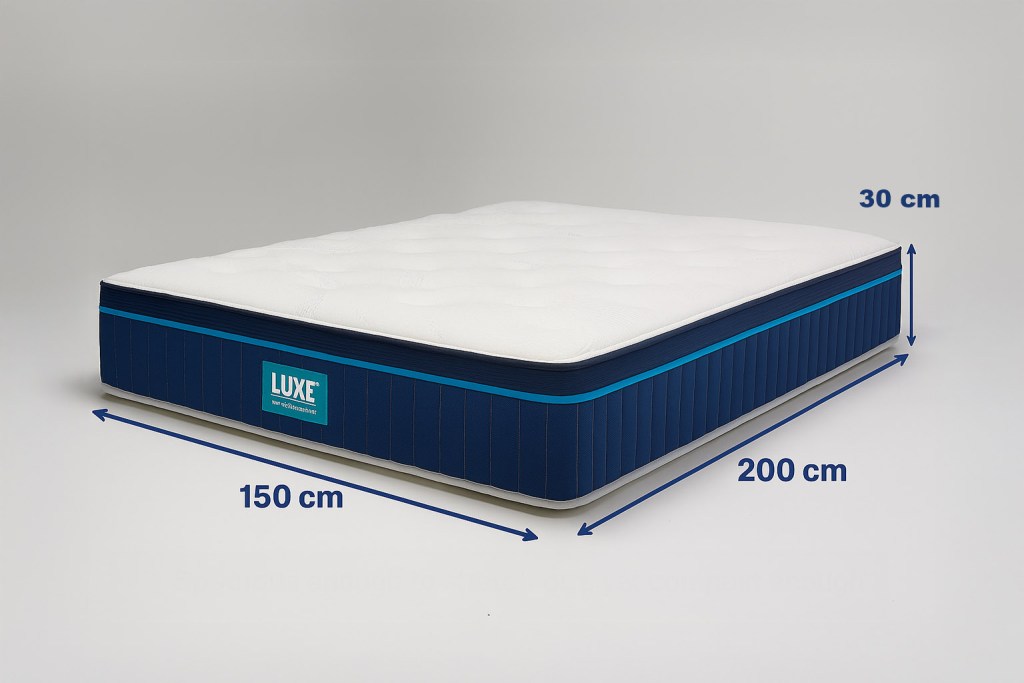
king size mattress

It’s a fantastic choice for:

  • Couples who like a bit of personal space
  • Taller individuals who need extra legroom
  • People who toss and turn or sleep in odd positions
  • Parents whose kids sometimes join them in the middle of the night

But here’s where it gets interesting, not all kings are created equal to understand how to choose king size mattress read our guide.

UK King vs European King vs Super King: What’s the Difference?

Mattress shopping can quickly get confusing when you realise that a “king” in one country isn’t always the same in another. Even within the UK, retailers might offer different “king” sizes, so let’s break it down clearly:

Mattress Type Dimensions (cm) Best For
UK King 150 x 200 Most UK bed frames and bedrooms
EU (Euro) King 160 x 200 IKEA beds or European-manufactured frames
UK Super King 180 x 200 Maximum space, larger bedrooms

Key tip: If you’re buying a mattress for an IKEA bed, chances are you need a European king, not a UK one. That extra 10cm in width makes a big difference in fit and comfort.

What Does “Bigger King” Really Mean?

When people talk about upgrading to a “bigger king,” they’re usually referring to either a European king (for more width) or a super king (for maximum spread). But keep in mind:

  • Bigger mattress = heavier – Latex and memory foam models can be particularly dense.
  • Bigger mattress = bigger frame needed – Not all king-size mattresses are interchangeable with your existing base.
  • Bigger mattress = more bedding required – Your old sheets might not fit, especially if you’re moving up from a double or standard king.

So, bigger can be better, but only if your space, budget, and lifestyle can accommodate it.

Firmness: What Works Best in a King Size?

This is where things get personal, literally. When you’re buying a king size mattress in uk, especially for two people, firmness becomes a shared decision. And we all know how tricky that can be.

Here’s what to consider:

1. Zoned Support

Look for mattresses with zoned firmness, where different areas of the mattress are tailored to support your body more effectively, for example, firmer around the hips and lower back, softer under the shoulders. This is especially helpful for couples with different body types.

2. Split Firmness (for Couples)

Some high-end models offer dual firmness options, one side firmer, one side softer. This is great if you love support and your partner prefers something plush. While not as common in the UK as in the US, some brands like TEMPUR and Emma are starting to offer them.

3. General Guide

  • Soft to Medium: Best for side sleepers and lighter individuals
  • Medium Firm: Ideal for combination sleepers and most couples
  • Firm to Extra Firm: Great for back sleepers, heavier individuals, or those with back pain

If you’re not sure what level suits you best, take advantage of free trial periods, most good UK mattress brands now offer 100-night trials or longer.

Understanding King Size Mattress Firmness Levels

When choosing a king size mattress, getting the size right is only half the equation — the firmness level plays an equally important role in ensuring comfort and support. With a larger sleep surface, firmness becomes especially noticeable, particularly for couples who may have different preferences.

Firm King Size Mattress

A firm king size mattress provides solid, even support with very little sink. It’s ideal for back sleepers, heavier individuals, or those who suffer from lower back pain and need a stable surface to maintain spinal alignment. It prevents the hips from sinking too far, which is crucial for proper posture overnight.

Medium Firm King Size Mattress

If you’re after a balanced feel, a medium firm king size mattress is the most popular choice in the UK. It offers a great middle ground, supportive enough to keep your spine aligned, yet cushioned enough for side sleepers or combination sleepers. It’s also the go-to firmness for most couples since it tends to suit a wide range of body types.

Firmness Level Feel Recommended For
Firm King Size Mattress Very supportive, minimal sink Back sleepers, heavier individuals, people with lower back pain
Medium Firm King Size Mattress Balanced support and comfort Most couples, side or combination sleepers
Extra Medium (Medium Soft) King Size Mattress Softer surface with slight sink Lightweight sleepers, people with joint pain
Soft King Size Mattress Deep contouring, plush feel Strict side sleepers, those with hip or shoulder sensitivity
Extra Soft King Size Mattress Maximum sink, very plush Luxury comfort seekers, not ideal for back pain sufferers

Extra Medium King Size Mattress

Slightly softer, the extra medium or medium-soft king size mattress gives a more plush feel without going fully soft. This type often appeals to lightweight sleepers, those with joint pain, or anyone who enjoys a gently cradling sleep surface without losing support completely.

Soft King Size Mattress

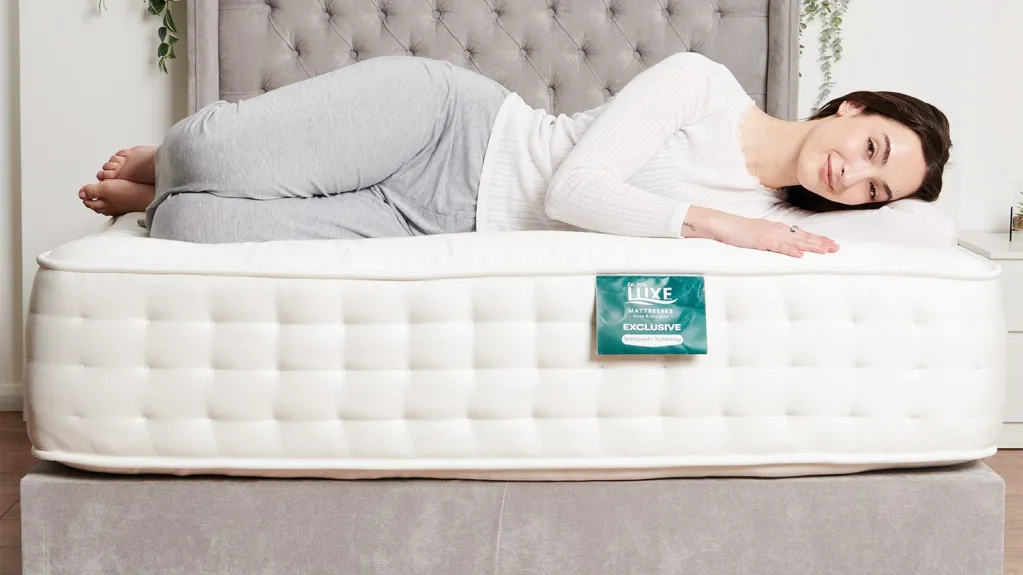
Then we have the soft king size mattress, which contours deeply around your body. It’s best suited for strict side sleepers or individuals with shoulder or hip sensitivity, where pressure relief is key. That said, soft mattresses can sometimes lack support for heavier sleepers or back sleepers.
soft king size mattress
enhanced spine alignment

Extra Soft king Size Mattress

Lastly, an extra soft king size mattress offers the deepest sink and plushest feel, think luxury hotel bed. While it’s incredibly cozy, it may not be ideal for everyone. Those with back issues or who need firmer support should approach extra soft models with caution, as they can lead to poor spinal alignment over time.

In a king size, all these firmness levels are amplified due to the mattress’s surface area. This makes firmness zoning and motion isolation especially important for couples. Many modern king size models come with zoned support systems or dual firmness options, helping partners enjoy the feel they prefer without compromise.

Bed Frame Compatibility: Measure Before You Buy

It’s surprisingly easy to forget about your bed frame when you’re focused on finding the perfect mattress. But getting this wrong means dealing with awkward overhangs, gaps, or worse, a mattress that simply doesn’t fit.

  • If you have a UK bed frame, make sure the mattress is exactly 150 x 200cm.
  • For IKEA or European frames, check if they need a 160 x 200cm mattress instead.
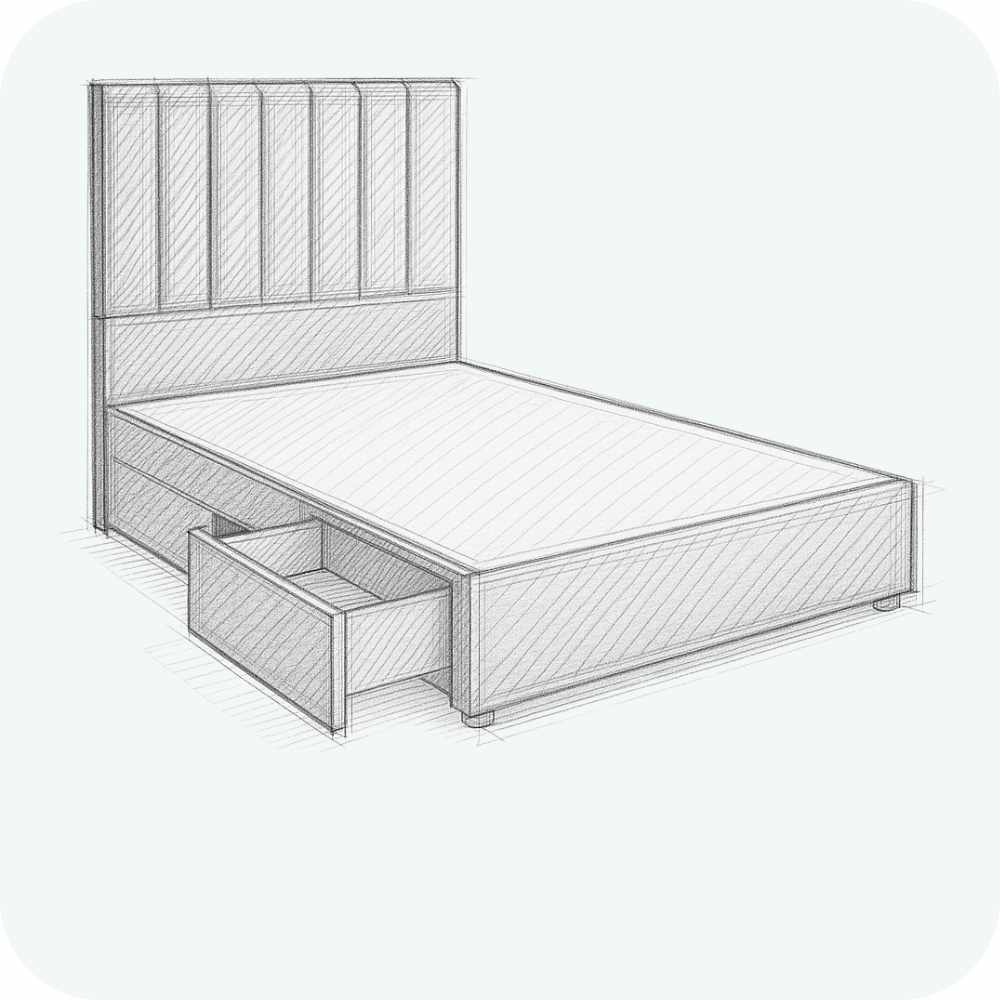
  • Ottoman or storage beds? Check for hinge clearance, thicker mattresses (especially hybrid ones) can interfere with opening.

Pro tip: If you’re upgrading from a smaller size (like a double), double-check that your bedroom can comfortably accommodate a king. You’ll want at least 60cm clearance on either side of the bed to walk around it, please check here our room measurement guide for king size mattress.

Which Material Is Best for a King Size Mattress?

The bigger the mattress, the more you’ll feel the materials inside it, especially when two people are sleeping on it. Unlike smaller sizes where firmness and surface feel might be more uniform, king size mattresses often highlight the strengths and weaknesses of each material.

Material Type Key Features Best For
Memory Foam – Deep contouring and pressure relief
– Excellent motion isolation
– Can retain heat (look for gel-infused or open-cell)
– Varies in edge support and bounce
– Couples sensitive to motion
– People with joint or pressure-point pain
– Those who enjoy a “sinking-in” feel
Latex – Naturally breathable and cooling
– Springy and responsive surface
– Highly durable (10–20 years lifespan)
– Eco-friendly and biodegradable
– Eco-conscious buyers
– Hot sleepers
– People who shift positions frequently
Hybrid (Foam + Springs) – Combines support of coils with comfort of foam or latex
– Zoned support often included
– Strong edge support and airflow
– Some motion transfer depending on coil quality
– Couples with different sleeping preferences
– People wanting a “best of both worlds” feel
– Users needing strong edge support

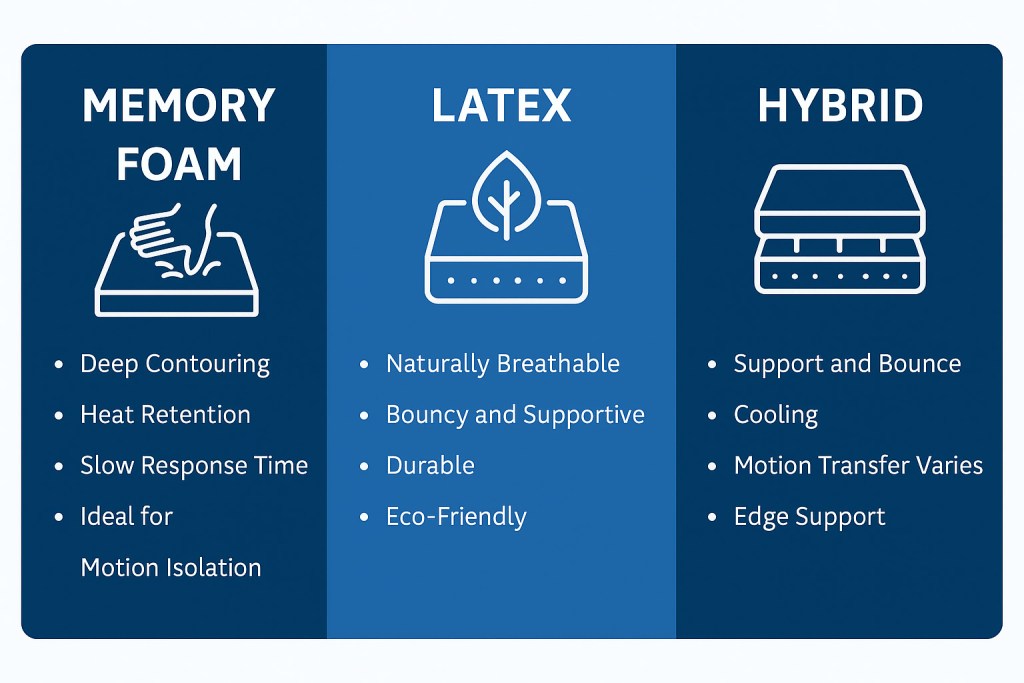
Let’s take a closer look at the three most popular options, memory foam, latex, and hybrid, and what each one brings to the table (or bed, rather).

Memory Foam

Memory foam has earned a strong following for its deep contouring and pressure relief. It adapts to your body’s shape, cradling you like a moulded hug, which is great for people with joint pain or sensitive pressure points.

However, there are a few things to be mindful of, especially with king sizes:

  • Heat retention: Traditional memory foam tends to trap body heat. If you or your partner sleep hot, this could be uncomfortable, especially in a larger bed where airflow may be more limited.
  • Slow response time: Memory foam can feel “sticky” or slow to bounce back when you move, which may be noticeable if you toss and turn at night.
  • Edge support varies: Lower-quality memory foam mattresses can sag at the edges, making king size beds feel smaller than they actually are.

Ideal for:

Couples who value motion isolation , if your partner gets up in the night, you’re far less likely to feel it. It’s also great for people who prefer a “sinking-in” feeling and don’t mind the added warmth.

Bonus tip: If you love the feel of memory foam but sleep hot, look for a gel-infused or open-cell foam design to help with breathability.
memory foam vs latex vs hybrid mattress

Latex

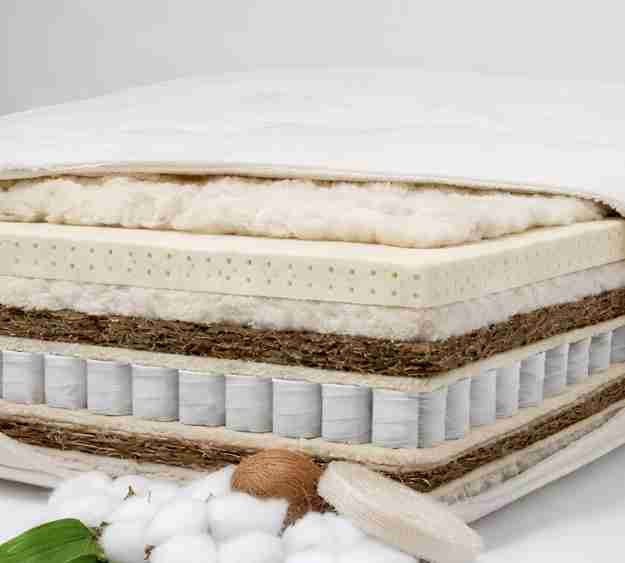
Latex is often seen as the premium choice for sleepers who want comfort, support, and sustainability in one package. Whether it’s natural latex (tapped from rubber trees) or a blend, latex has a unique springy, responsive feel that doesn’t trap heat or slow you down when you move.

Here’s why it works well in a king size format:

  • Naturally breathable: Airflow is key in a larger mattress, especially for couples, and latex excels here.
  • Bouncy and supportive: You won’t feel “stuck” like you might with memory foam. Latex gives gentle pressure relief without compromising spinal alignment.
  • Durability: High-quality latex mattresses can last 10 to 20 years, even with two people using them every night.
  • Eco-friendliness: Natural latex is biodegradable and often produced with sustainable farming practices.

Ideal for:

Eco-conscious shoppers, hot sleepers, or anyone looking for a long-term investment in comfort and resilience. It’s also a great choice if you tend to change positions throughout the night and need a mattress that keeps up.

You can explore high-quality options like these UK latex mattresses, many of which come in king size formats with varying firmness levels.

Hybrid (Foam + Springs)

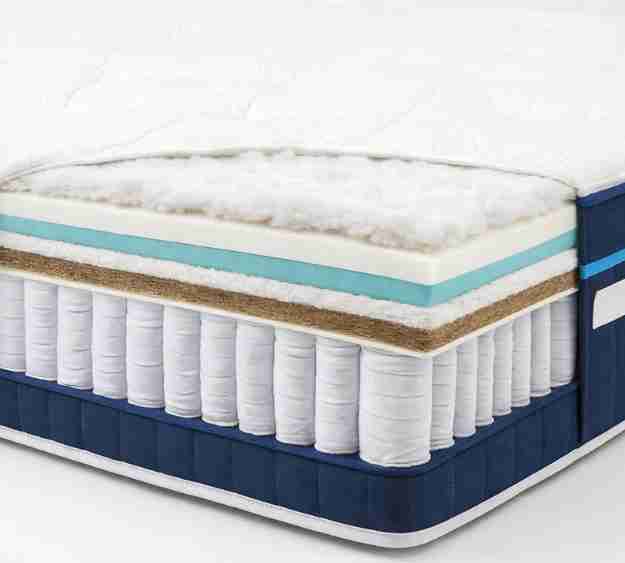
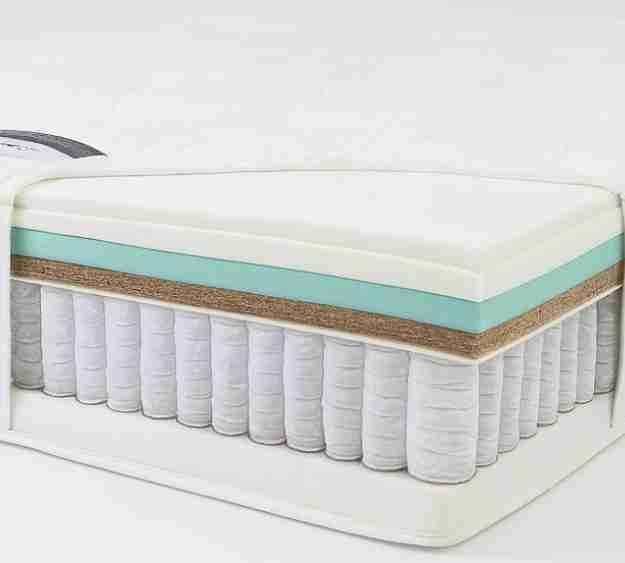
A hybrid mattress combines the comfort layers of foam or latex with a support base of pocket springs, offering a well-rounded sleep experience. This balance makes hybrids a top pick for king size beds, especially among couples with different sleep preferences.

Here’s what stands out in a hybrid:

  • Support and bounce: The springs provide a strong base that holds its shape over time. Many hybrids offer zoned support, with firmer springs under your hips and lower back.
  • Cooling: With built-in airflow from the coils and breathable foam or latex layers, hybrids are generally much cooler than traditional memory foam.
  • Motion transfer varies: High-quality hybrids isolate motion well, but cheaper ones might feel a bit bouncier, depending on the coil system.
  • Edge support: Most hybrids are reinforced around the edges, crucial in a king size mattress where every inch of space counts.

Ideal for:

People who want the best of both worlds, the contour of foam or latex with the bounce and support of springs. Also perfect for couples with different body types or sleeping styles.

Final Thoughts on Mattress Materials

Choosing the right material is just as important as choosing the right size. In a king mattress, you’ll notice how the material performs across different zones of the bed, how it supports two bodies instead of one, and how it regulates temperature throughout the night.

To summarise:

  • Go for memory foam if you want body-hugging comfort and peace from partner movement.
  • Choose latex for a breathable, responsive, and eco-friendly upgrade.
  • Pick a hybrid if you want a balanced feel with robust support and airflow.

Still unsure? Many UK mattress brands offer trial periods (usually 100 nights or more), so you can try your mattress at home before fully committing. if you want to read the more detailed guide about mattress materials, you can read here.

Top Tips Before You Buy

  1. Try before you buy (if possible): Visit a showroom or order from a brand with a solid return policy.
  2. Look at edge support: With larger beds, poor edge support means you’ll lose usable space.
  3. Check the return policy: At least 60 to 100 nights, ideally with free returns.
  4. Think long-term: A king size mattress is an investment. Look for at least a 5 to 10 year warranty.

Final Thoughts: Go Big, But Go Smart

A king size mattress can transform your sleep, but only if you choose the right one. Understand the dimensions you need (especially UK vs EU king), the firmness that fits your sleep style, and the bed frame compatibility before you hit buy.

And remember, a bigger mattress doesn’t just mean more space, it means better sleep, fewer sleep disruptions, and happier mornings. Whether you’re shopping for comfort, posture, or peace of mind, the right king size mattress is worth every inch.

is queen size bigger than double
July 12, 2025

Is a Queen Bigger Than Double Size Mattress? The Real Size Breakdown

Is a Queen Size Mattress Bigger Than a Double? Understanding the UK’s “Small Double” Confusion, When shopping for a mattress in the UK, the term â€œQueen Size” can be surprisingly confusing. Unlike in the US or Europe, where mattress sizes like “Queen” and “King” follow consistent measurements, the UK market uses terms more loosely. Most notably, many UK retailers refer to the Small Double mattress (120 x 190 cm) as a “Queen.” So the real question becomes:

Is a UK Queen Size (Small Double) mattress bigger than a Double?

No â€” a Small Double (Queen) is actually smaller than a standard Double.

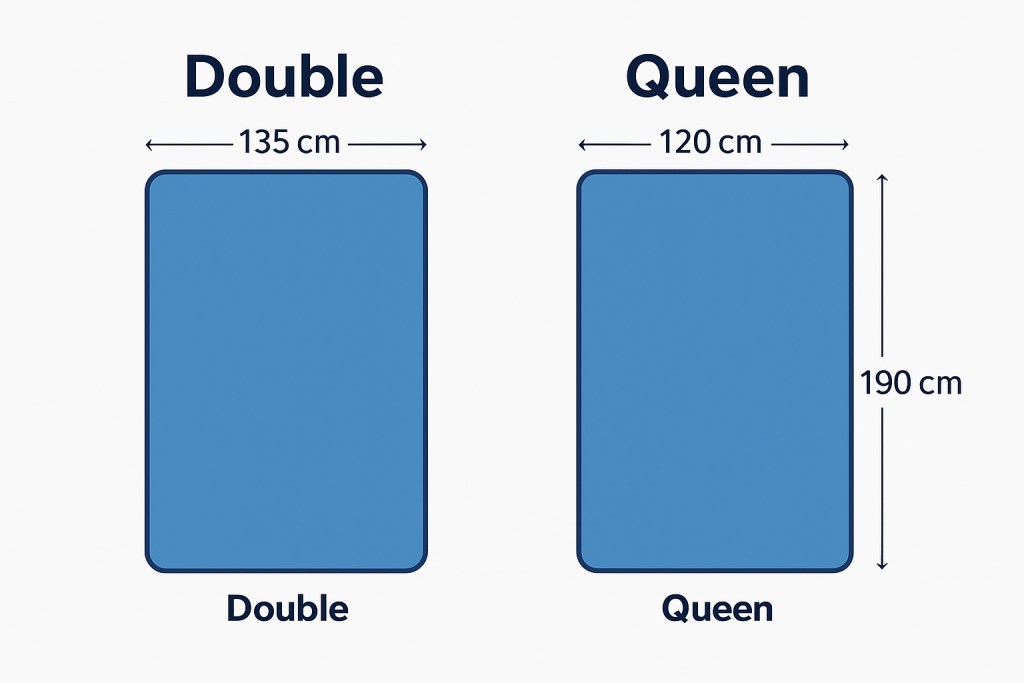
Mattress Type Dimensions (cm) Width Comparison
Small Double (Queen) 120 x 190 –
Double 135 x 190 +15 cm wider

1. Understanding Mattress Size Terminology

Before diving into measurements, it’s important to note that mattress terminology differs by region:

  • In the UK, the term “Queen” is not officially standardised. A Small Double (120 x 190 cm) is often informally referred to as a “Queen.”
  • In Europe, “Euro Queen” refers to a 160 x 200 cm mattress.
  • In the US, a standard Queen size is 60 x 80 inches (approximately 152 x 203 cm).

This variation in naming leads to confusion. When we ask “Is a queen bigger than a double?”—we must first clarify which queen and which double.

2. Standard Mattress Sizes at a Glance

Let’s look at how the most common sizes compare:

Mattress Size Dimensions (cm) Best For
Single 90 x 190 Kids, teens, small guest rooms
Small Double (Queen) 120 x 190 Solo adults, small bedrooms
Double 135 x 190 Couples with limited space
UK King 150 x 200 Couples who want more room
Super King 180 x 200 Luxury spaces, co-sleeping

3. What Is a Small Double (Queen) Mattress?

Small Double mattress measures 120 x 190 cm and is the size often referred to as â€œQueen” in the UK market. It’s wider than a single but not quite as roomy as a standard double.

queen size mattress dimensions

Who is it for?

  • Solo adults wanting extra room to stretch
  • Teenagers transitioning from single beds
  • Small bedrooms where every cm counts

Advantages:

  • Compact yet spacious for one person
  • Fits in small to medium bedrooms
  • More affordable than double or king options

Drawbacks:

  • Can be tight for two people
  • Limited bedding availability compared to standard sizes

4. What Is a Double Mattress?

Double mattress is 135 x 190 cm and is traditionally viewed as the first standard couple’s bed. It provides 15 cm more width than a Small Double.

double size mattress dimensions

Who is it for?

  • Budget-conscious couples
  • Solo sleepers wanting generous space
  • Guest rooms or modest master bedrooms

Advantages:

  • Affordable and widely available
  • Works in most UK bedrooms
  • More space for couples than small double

Drawbacks:

  • Can still feel cramped for two, especially for restless sleepers

5. Size Comparison: Small Double vs Double

Let’s break it down clearly:

is queen bigger than double size mattress comparison
  • Width
    • Small Double: 120 cm
    • Double: 135 cm
    • Difference: 15 cm more space in a Double
  • Length
    • Both are 190 cm long
  • Surface Area
    • Small Double: 22,800 cm²
    • Double: 25,650 cm²
    • Difference: 2,850 cm², or ~12.5% more surface area in a Double

This difference in space can make a noticeable difference in comfort, especially for two people sharing the bed.

6. How Much Room Do You Need?

To sleep comfortably and maintain good room flow, consider these spacing guidelines:

  • 60–70 cm of clearance on each side of the bed
  • 90 cm at the foot of the bed for easy movement

Room Size Tips:

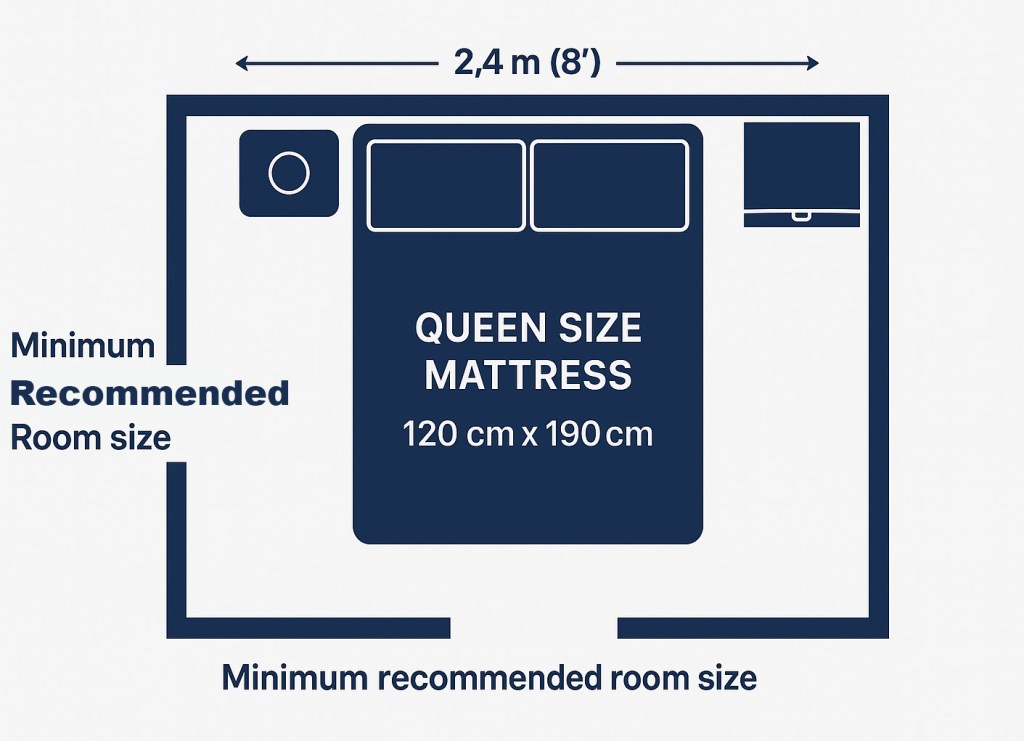
  • Small Double (Queen): Room should be at least 2.3 metres wide
  • Double: Room should be 2.4–2.5 metres wide for optimal flow
how big room is required for queen size mattress

7. Who Should Choose a Small Double?

  • Solo sleepers needing more than a single
  • Teenagers in their own room
  • Guest bedrooms with limited space
  • Budget buyers who want compact comfort

A small double works well for people who don’t share their bed or need a compact solution that doesn’t sacrifice comfort entirely.

8. Who Should Choose a Double?

  • Couples who are okay with less space
  • Guest rooms needing to fit two adults
  • Solo sleepers wanting extra space and comfort
  • Budget-conscious master bedrooms

For couples who don’t toss and turn much or are used to tighter spaces, the double can still work. But if personal space matters, it might not be ideal.

9. Bedding and Compatibility

Small Double:

  • May require more specific bedding (not as widely stocked)
  • Often found in student bedding ranges or at IKEA

Double:

  • Bedding is universally available across the UK
  • Usually cheaper and easier to find

Buying Tip: Always check the labelled size on packaging. “Queen” can mean 120 or 160 cm depending on the store.

10. Personal Story: Why I Moved from Small Double to Double

In my 20s, I moved into my first flat and bought a “Queen size” bed from an online retailer. I later found out it was actually a Small Double. At first, it was great for just me, but when my partner moved in, we found ourselves bumping elbows more than sleeping peacefully.

We upgraded to a Double, and it made a significant difference. That extra 15 cm gave us enough space to sleep without constantly waking each other. It fit the room just fine with some rearranging, and I could finally buy bedding from local shops without special orders.

11. Common Confusion: UK Queen vs Euro Queen

  • UK Queen = Small Double = 120 x 190 cm
  • Euro Queen = 160 x 200 cm (bigger than a UK King)

Many retailers use “Queen” for both, so always check dimensions before assuming size. The Euro Queen is 40 cm wider than a UK Small Double, so you don’t want to get the wrong frame or bedding.

12. Final Verdict

If you’re comparing a UK Queen (Small Double) to a Double, the Double is definitely larger, offering better space, more comfort for two, and easier bedding options.

Choose a Small Double if:

  • You sleep alone
  • Your room is tight on space
  • You’re upgrading from a single bed

Choose a Double if:

  • You’re sleeping as a couple
  • You have a medium-sized room
  • You want more room to stretch

Bonus Tips Before You Buy

  • Measure your room before choosing your mattress size
  • Don’t rely on labels, check actual measurements
  • Consider your future needs: Will a partner be joining you soon?

Conclusion

A mattress isn’t just about comfort, it’s about function, fit, and long-term satisfaction. While the Queen (Small Double)can suit many UK homes, a Double mattress offers more value and space for most sleepers. Choosing the right size from the start can dramatically improve your sleep quality and how well your bedroom works.

breathable mattress
July 3, 2025

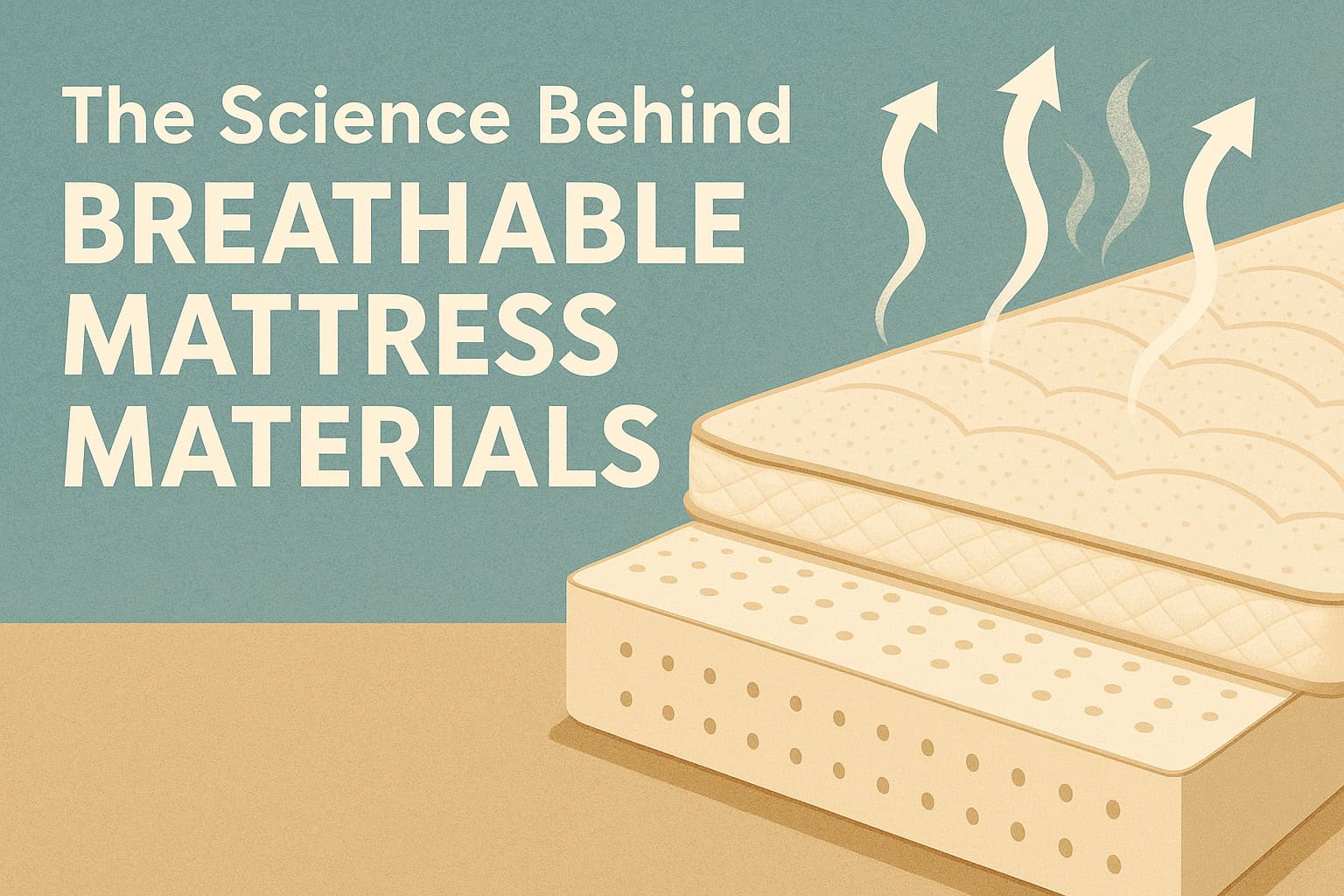
The Science Behind Breathable Mattress Materials

If you wake up in the middle of the night feeling hot, agitated, or sweaty, it’s probably less a matter of the room temperature and more a matter of your mattress. The surface you sleep on is key in regulating airflow and heat dissipation, and this is where breathable materials come into play. From natural latex to coil-based innerspring and open-cell memory foam, the construction of your mattress may be what sets you up for a cooler, more restful sleep.

In this blog, we’ll delve into the science behind breathable mattress materials and explore how they promote better circulation, reduce overheating, and enhance overall sleep quality.

The Importance Of Breathability In A Mattress

As you slumber, your body generates heat and moisture, embarrassingly, even during deep sleep and REM cycles. Ideal sleeping occurs when your core temperature naturally drops—generally by 1 to 2 degrees Fahrenheit, according to the Sleep Foundation. If your bed is too hot or doesn’t allow for adequate air circulation, it can interfere with this process, leading to tossing and turning, excessive sweating, and sleep disturbances.

mattress airflow

Permeable mattresses allow air to pass through the layers, dissipating excess heat and humidity. This ventilation allows your body to breathe, creating a more comfortable sleep environment while providing shaping and support that revitalizes the body. The breathable comfort of Talalay latex provides a more allergen-free sleep environment. Underneath, you will find the orthopedically supportive base foam. Underneath, you will find the supportive base foam. This support not only benefits your body but also supports the longevity of the mattress, as healthcare-grade foams are the highest quality in terms of support and durability. This is why we do not inflate pricing due to the healthcare certification.

1. Latex: Natural Cool and Airy

Latex, with a nod to natural latex specifically, is one of the most breathable materials you will find in a mattress. It’s tapped in the form of latex from trees and turned into foam using one of two processes: the Dunlop or Talalay process. Both structures have small pinholes that aid in ventilation, but Talalay latex is generally more airy and evenly dense.

In addition to its ability to disperse body heat, latex naturally resists heat retention and moisture buildup, which also benefits sleepers who tend to sweat, according to the National Library of Medicine. Latex does not retain heat, unlike memory foam, which compresses and loses heat over time while maintaining its cushioning through regular use.

At LuxeMattresses, our latex constructions are engineered to promote air circulation, providing durable, natural comfort.

2. Coil and Innerspring Systems: In-device Ventilation

Mattresses that feature coil springs or pocket springs are generally more breathable by nature than those with dense foam. This in-between area allows for more airflow and helps keep the heat at bay close to your body. That’s what makes hybrid or innerspring mattresses a good option for hot sleepers.

Pocket spring systems (independent coils) are outstanding since they isolate motion as well as ventilation throughout the sleep surface. Paired with breathable comfort layers, such as latex or cotton, these beds promote calm, responsive sleep.

Discover a hybrid mattress range from LuxeMattresses, crafted with better airflow and support for your back.

type of mattress materials

3. Modern Cooling Update with Open-Cell Memory Foam

Regular memory foam molds to the body effectively, but its closed-cell construction causes it to retain heat. On the other hand, open-cell memory foam is designed with interconnected air pockets, allowing air to flow more freely through the foam.

Heat and moisture escape more easily from this advanced structure, which helps regulate your body’s temperature. Some open-cell foams are also added with gel or copper to aid cooling.

Harvard Health suggests that you can improve your ability to fall asleep and stay asleep by lowering your skin temperature by just a few degrees. That’s precisely what open-cell foam delivers — all without sacrificing contouring comfort.

LuxeMattresses stocks a range of high-quality memory foam mattresses that utilize the next generation of foam technology, achieving the perfect balance of pressure relief and cooling.

4. Breathable Mattress Covers: The Secret Weapon.

Unfortunately, in life, they don’t exist.

The most breathable core is only as good as the wrong outer cover will allow. Performance-driven mattress covers are crafted from all-natural, moisture-wicking materials, including organic cotton, Tencel, or bamboo-boosted bamboo, to enhance airflow and facilitate climate control.

Tencel, in particular, is a sustainable fiber derived from wood pulp, which is both moisture-wicking and moisture-drying, helping to resist night sweats and overheating. These two fabrics are also hypoallergenic and help retard the growth of bacteria, an essential consideration for your mattress in the long term.

LuxeMattresses’ natural mattress range features mattresses encased in breathable, eco-friendly covers for a cleaner and cooler sleep experience.

5. Zoned ventilation for targeted cooling

Zoned ventilation: Some high-tech mattresses are now also designed to have different parts of the mattress optimized for airflow based on standard heat zones on the body, such as the torso and hips. These technologies utilize laser-cut channels or foam zones to direct airflow where the body requires it most. It’s intended to help the hotter spots of sleepers remain cooler, in some cases all night long.

This level of innovation, which increases breathability while promoting proper spinal alignment with ‘zone-specific’ support and flexibility, is to be admired.

How to Pick the Right Breathable Mattress?

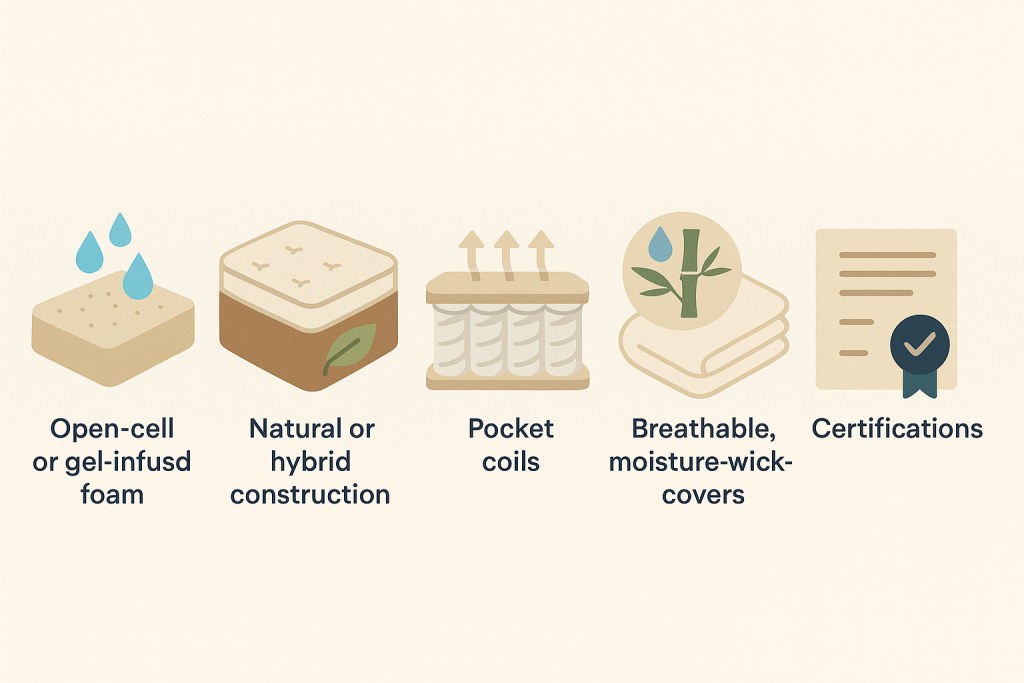
As you’re shopping for the best breathable mattress, search for these key features:

  • Open-cell or gel-infused foam for hot sleepers who want a contouring option
  • Natural or hybrid construction for environmentally friendly, pressure-relief support
  • Pocket coils for enhancing airflow and minimizing heat retention
  • Breathable, moisture-wicking covers (such as cotton, bamboo, or Tencel)
  • Certifications such as OEKO-TEX or GOLS for non-toxic materials

At LuxeMattresses, we combine these three characteristics throughout all our collections so that everyone who has ever laid down on one of our mattresses immediately associates them with ventilation, hygiene, and thermal comfort.

FAQs 

1. Do latex mattresses allow you to sleep cooler than memory foam mattresses? 

Yes, natural latex is inherently more breathable than memory foam due to its perforated composition and moisture-wicking properties.

2. What kind of mattress is best for hot sleepers? 

Hybrid mattresses with coil support and a breathable comfort layer (such as latex or gel foam) deliver the best airflow and cooling benefits.

3. Do mattress covers affect breathability? 

Absolutely. Covers that are not breathable lock in heat. Look for materials, such as organic cotton, bamboo, or Tencel, that allow your body’s heat and moisture to wick away.

Final Thoughts

The science behind breathable mattress materials is straightforward: the proper components can actually enhance your sleep quality by increasing airflow, reducing heat retention, and even repelling moisture. It’s all about materials like latex, pocket coils, and open-cell foam, which are not just trends – they are scientifically proven to create a calm and healthy sleeping surface.

And if you’ve been waking up hot or uncomfortable, it’s time to invest in a mattress designed to stay cool. Discover LuxeMattresses‘ ranges today and choose from a variety of breathable, sleep-enhancing mattresses intended for you.

mattress for heavy people
June 22, 2025

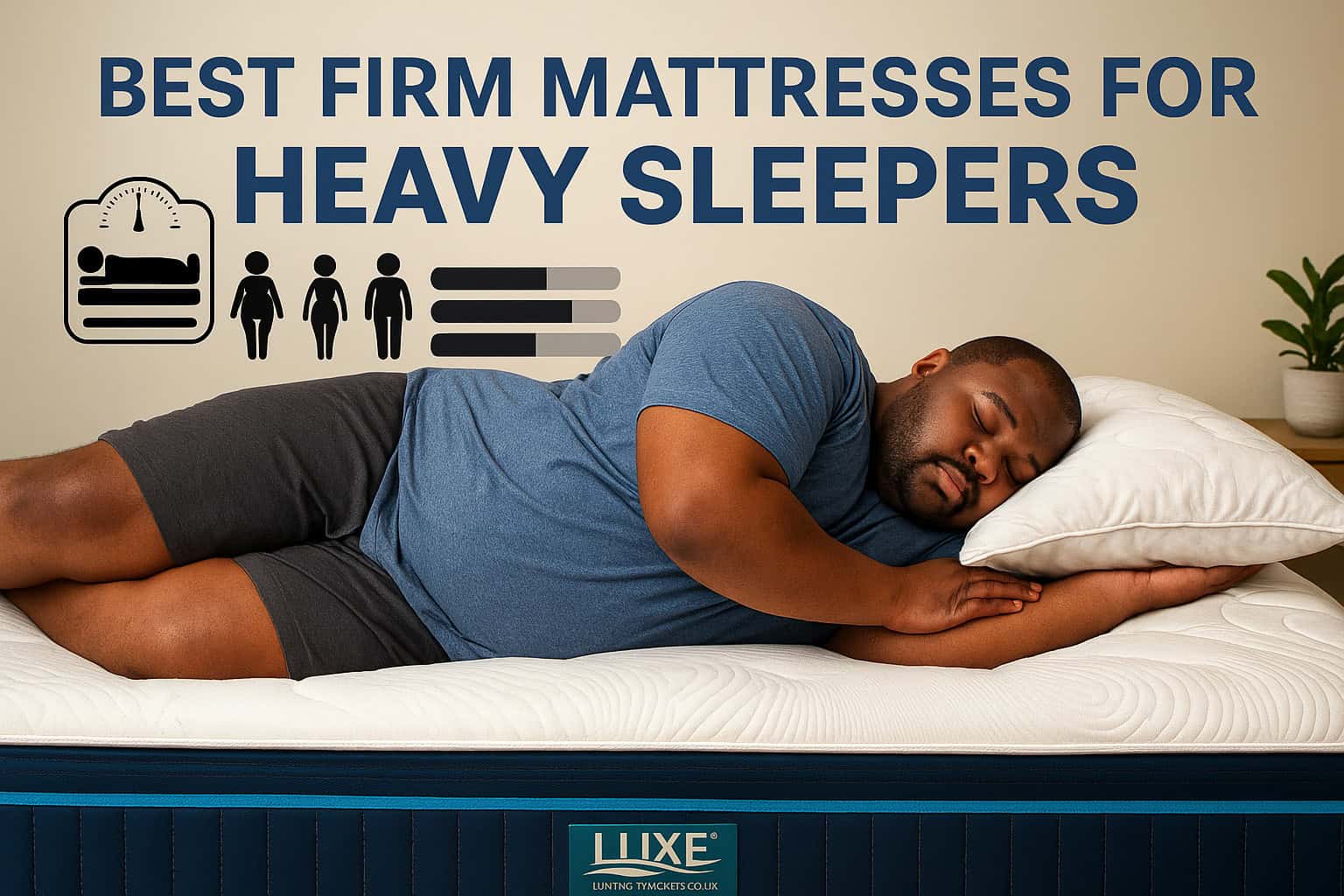
Best Firm Mattresses for Heavy Sleepers – Support & Comfort Guide

Do Heavy Sleepers Need a Firmer Mattress? The Science of Support & Pressure Relief

If you’re a heavier person in the UK (over 230 lbs or BMI 30+), you know how hard it is to find the best firm mattress for heavy sleepers. Many mattresses sink under your weight, causing back pain and making you overheat at night. You need one that’s firm enough to support you but soft enough to be comfortable.

Some people think the hardest mattress is best, but that’s not true. A mattress that’s too firm can hurt your shoulders and hips. The best mattress for heavier people gives strong support where you need it and soft cushioning where you want it. It should also help keep you cool at night.

Keep reading to learn how to find your perfect mattress.

Body Weight & Type: The Foundation of Mattress Choice.

You need to understand how your body interacts with it to choose the right mattress. For heavier people, weight and body type can impact comfort, support, and durability.

what to consider before buying mattress

Here’s a simple breakdown of the relevance and priority of factors.

How Weight Impacts Mattress Performance.

A heavier body exerts pressure on the mattress which may lead to sagging, durability issues and loss of support. Mattresses standardly utilize materials with high compressive properties to improve surfaces and spinal alignment. A mattress suitable for heavier individuals should have an innerspring unit or high-density foams with a strong support system. If not built well, a firm mattress may still not be able to give you the support you need.

Why Durability is Non-Negotiable: Durable Mattress for Heavier Weights.

A tough mattress for heavier weights is a must since inferior materials wear down quickly when put under more pressure. Choose memory foam that has a high density of at least 4 lbs/ft³ and heavy-gauge pocketed coils that do not deform easily. Warranties under 10 years often indicate lower durability. A mattress that sags in a few years will further worsen back pain while also reducing sleep quality. A good design will last longer, require less replacement, and provide more support.

The Role of Body Type (Weight Distribution, Pressure Points).

Body shape determines where pressure concentrates. Side sleepers have broader hips and tend to require deeper cushioning to avoid shoulder and hip pain. Stomach sleepers with heavier midsections need firmer support to avoid back pain. A suitable mattress for a heavy person should feature zoned support or adaptable materials. Evenly distributed weights do not sink too deep and align your body.

How To Find The Right Mattress for Your Sleep Position

Your sleeping position alters your body’s mattress requirements. Those who weigh more than average should pay extra heed to this as their weight exerts higher pressure on the bed.

how to find right mattress for your sleeping postion

Let’s look at what works best for different sleepers, to read in more details click here.

Side Sleepers Need Extra Cushioning.

When you sleep on your side, the bulk of your weight is concentrated on your hips and shoulders. These areas need softness to prevent pain and numbness. Look for a mattress that’s medium-soft to medium firm. Mattresses like memory foam and hybrid do a good job of contouring to your body without sinking in too much. Make sure the soft top layer is at least 3 inches thick.

Back and Stomach Sleepers Require Firm Support.

A firmer mattress will suit you if you sleep on your back or belly. When your midsection falls down, it may also pull the lumbar spine which will aggravate your back. A mattress that has a firmness score of 6 to 8 over 10 is the most suitable. Flat surfaces are necessary for or stomach sleepers to maintain spinal posture.

Combination Sleepers Should Choose Responsive Materials.

If you toss and turn throughout the night, then you need a mattress that will too. Choosing latex or mattresses with pocket springs allows you to change positions easily Memory foam that’s too soft can make this harder. Medium-firm firmness (6-7) is considered good for all sleeping positions.

Understanding Mattress Firmness for Heavier Sleepers.

Choosing the right firmness of the mattress is the key. It’s not just a comfort thing; in fact, you need to comfortable, supported without pressure pain. Here’s all you need to know about how to choose firmness.

understanding mattress firmness levels

The Firmness Scale Explained.

Mattresses are rated from 1 (very soft) to 10 (very firm). For most heavier sleepers.

  • Too much sinking happens with soft mattresses.
  • A medium soft (4-5) could be convenient for some side sleepers
  • A medium-firm mattress is the best choice (6)
  • A firm mattress (7-8) is ideal for back and stomach sleepers.
  • Usually too hard extra firm (9-10).

Why Medium Firm Works Best.

A medium firm mattress (level 6) gives the right balance.

  • Prevents you from going down too far.
  • Supports your spine properly.
  • Still feels comfortable.
  • Can be used for all sleeping positions

These mattresses are made of resilient material with heavy-duty foam or springs that won’t sag under your weight.

When to Choose Firmer Options.

Heavier people may need a firmer mattress according to their weight.

  • Sleep on their stomach.
  • Have back pain.
  • Weigh over 300 pounds.

A rigid mattress (9 or 10 on the firmness scale) is required in a few cases only – when you weigh over 350 pounds or have certain medical problems. Most people find them too hard and uncomfortable.

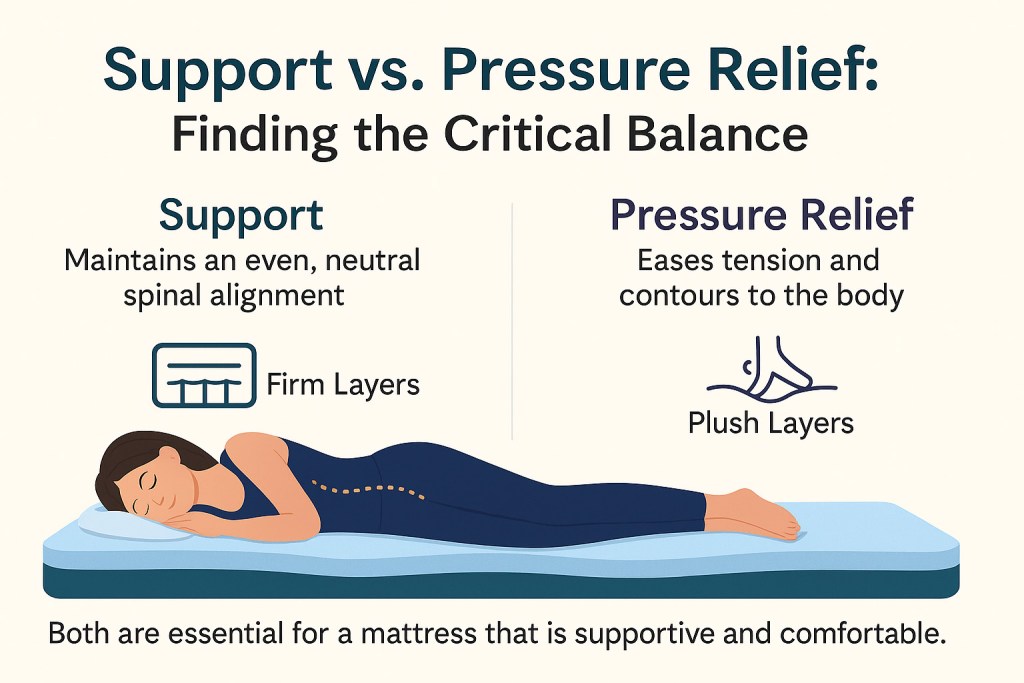
Support vs. Pressure Relief: Finding the Critical Balance.

The ideal mattress for heavy people should be firm, sure. But more importantly, it should offer just the right support and pressure relief. When this balance is well managed, it stops pain and helps sleep quality. This section discusses how these features work for heavier bodies.

support vs pressure

Why Support Matters Most

Support is how well a mattress keeps heavy sleepers’ spines aligned under the pressure of weight. The ideal mattress will keep the spine in a neutral position. This take strong core materials such as high-density foams or reinforced coils that resist compression. When you lack proper support, your body will sink unevenly into the mattress, which could lead to misalignment of the spine and back pain.

The Importance of Pressure Relief

Cushioning which relieves the pressure of your heavier areas — like hips and shoulders. Memory foam or latex comfort layers distribute weight evenly. Too little pressure relief creates painful pressure points. Too much causes excessive sinkage. An excellent mattress offers ample cushioning and good support.

How the Best Mattresses Do Both

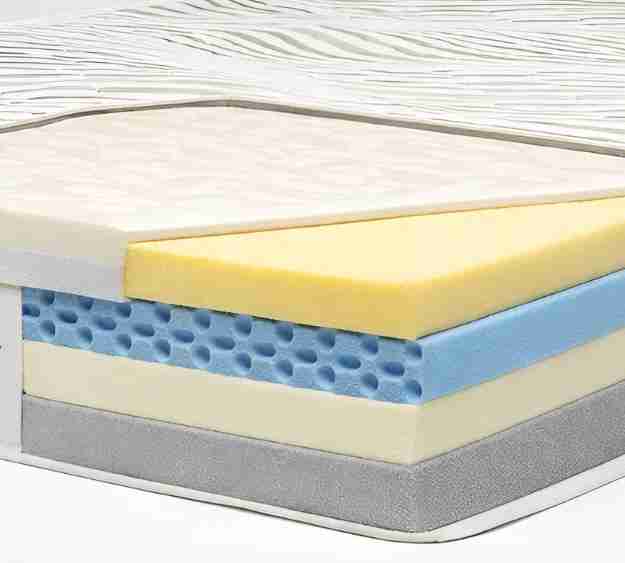
The mattress support a plus-size sleeper chooses will consist of a strong but soft material. That’s where a specifically designed firm mattress for heavy sleepers comes in. The core that supports the body helps stop sagging but the layer that comforts does the opposite, comforting the pressure points. Hybrid mattresses usually perform this balancing act best, by pairing coils with foam or latex.

Don’t Forget the Edges

Heavier folks may roll off the bed without edge support as they shift. With reinforced edges, you can sit or sleep nearer the side without being at risk of instability. A mattress with poor edge support will feel less spacious. Choose dense foam encasement or reinforced coils around the bed’s perimeter.

Comfort, Preferences & Other Deciding Factors

Everybody sleeps uniquely. The comfort can be significantly different when you carry more weight. Examine how your personal circumstances will help you find your perfect mattress.

Your Comfort Preferences Matter.

What feels good to you is important. While some like the “hugged” feeling of memory foam, others prefer solid support from springs. How you sleep also helps decide this – a side sleeper usually needs more cushioning to their hips and shoulders while a back sleeper tends to want firmer support. The best way to know? Test out different mattresses to see what feels good for you.

Staying Cool at Night.

Watch out for mattress materials if you are a hot sleeper. Heavier bodies naturally retain more heat, so look for.

  • Foams infused with gel eliminate heat.
  • Latex that allows air flow and does not trap heat in your bed.
  • Coil systems that allow air to flow.
    Your sleep quality can change drastically with these cooling features.

Why Hybrid Mattresses Shine.

Because they hit the sweet spot, many heavier sleepers like hybrid mattresses.

  • Use sturdy coils for strong support that won’t sag.
  • Including layers of foam or latex can help to add delightful cushioning.
  • Let air flow better than foam ones.
    Heavier bodies often find the ideal balance of support and comfort from this combination of materials.

The mattress that suits you well will have a firm enough support and yet feel comfortable, regulate temperature well and let you sleep as you usually do. Try various options fearlessly; you deserve to find your perfect choice!

How to Choose Your Ideal Mattress: Key Features Checklist.

If you have extra weight, not all mattresses will work for you. To help you sleep soundly, here’s everything you should look for – and avoid.

Non-Negotiable Features for Heavy Sleepers.

A mattress designed for people with a larger body must be firm and durable. The support core must be made of high-density foam material (a density of 4+ lbs/ft³) or heavy-gauge coils for spinal alignment. Having a strong edge support system can prevent roll-off and increase the usable sleep space. These elements ensure optimal comfort and no back pain.

Cooling layers like gel-infused foam or breathable latex are designed to help temperature control for hot sleepers. It is easier to reposition when the latex or pocketed coils are responsive materials. Zoned support is a firmer reinforcement in places where heavier sleepers need it most, typically around the hips and shoulders. Other areas are still cushioned properly.

What to Avoid.

Low-cost all-foam beds often do not have the density to support heavier weights and sag quickly. Pillowy-soft toppers may seem comfy at first but usually sink too deep under pressure causing misalignment. For heavier people, thin comfort layers and low-density memory foam can lack sufficient long-term support.

Best Luxe Mattresses for Heavy Sleepers.

The Luxe mattress is designed specifically for heavier people. It ensures support with great comfort at the same time. These are the models with high-quality, pressure-relieving materials that promote healthy spinal alignment.

LuxeErgo™ 3400 Hybrid – Ideal Medium-Firm Support.

LuxeErgoâ„¢ 3400 Hybrid is ideal for heavier sleepers who need a good balance of pressure relief and support for a comfortable night’s sleep. The firmness of the mattress (6-7 out of 10 level) relieves pressure and does not sink in too much. This mattress features a dual-layer spring system, comprising 2000 EnduraSpringâ„¢ and 1400 FortiCoilâ„¢ micro springs, which provide excellent support. It consists of a layer of Zero Gravityâ„¢ memory foam with cooling gel that regulates body temperature. It would do well for back and stomach sleepers who weigh more than 230 pounds.

Majestic 9000™ – Extra Firm Orthopedic Support.

The Majestic 9000™ is ideal for heavy weight sleepers. Its extra-firm construction (8-9 firmness) features a 3″ V58 high-density memory foam layer over a reinforced base, providing exceptional spinal alignment for back and stomach sleepers. The motion isolation technology makes it ideal for couples, while the adaptive cushioning prevents pressure points. This model works best for individuals over 250 lbs who prefer a solid sleep surface.

LuxeTherm® Hybrid – Cooling Comfort for Heavy Sleepers

Hot sleepers will appreciate the LuxeTherm® Hybrid, which combines medium-soft comfort with advanced cooling technology. The LTX Cooling Gel™ foam and airflow-promoting 1000 EnduraSpring™ coils prevent overheating, while the Zero Gravity™ foam layer offers contouring support. Though slightly softer, its high-density materials prevent excessive sinkage for sleepers up to 275 lbs, especially side sleepers needing pressure relief.

Frequently Asked Questions (FAQs)

1.    Is a firm mattress always better for heavy people?

No. While firmness helps prevent sagging, excessive firmness creates pressure points. Medium-firm (6-7) often provides the best balance of support and comfort for most heavy sleepers.

2.    Can a soft mattress work if I’m heavy?

Rarely. Soft mattresses typically lack the density to properly support heavier weights, leading to excessive sinkage and spinal misalignment. Some plus-size side sleepers may benefit from medium-soft comfort layers over a firm support base.

3.    How long should a mattress last for a heavy sleeper?

Look for mattresses with 10+ year warranties and high-density materials (4+ lb memory foam, 13+ gauge coils). With proper care, a quality mattress should maintain support for 7-10 years for sleepers over 230 lbs.

4.    Do I need special sheets or a foundation?

Possibly. Check that your foundation has center support legs and can handle your weight (typically 600+ lb capacity). Deep-pocket sheets (15″+ depth) often work better for thicker mattresses. Some brands offer reinforced foundations specifically for heavier individuals.

Conclusion

People who sleep heavily need medium-firm to firm mattresses (5-8 on the scale). But just being firm is not enough; it should also provide adequate pressure relief to hips and shoulders. When you buy a proper firmer mattress for heavy sleepers that hase durable construction, reinforced edge support, cooling technologies, and responsive materials, then you will get more quality sleep and improve your spine health.

When choosing your mattress, prioritize these key factors:

  1. Your weight and body type
  2. Primary sleep position
  3. Need for pressure relief versus support
  4. Temperature regulation requirements

The right balance prevents pain, reduces overheating, and extends mattress longevity.

May 26, 2025

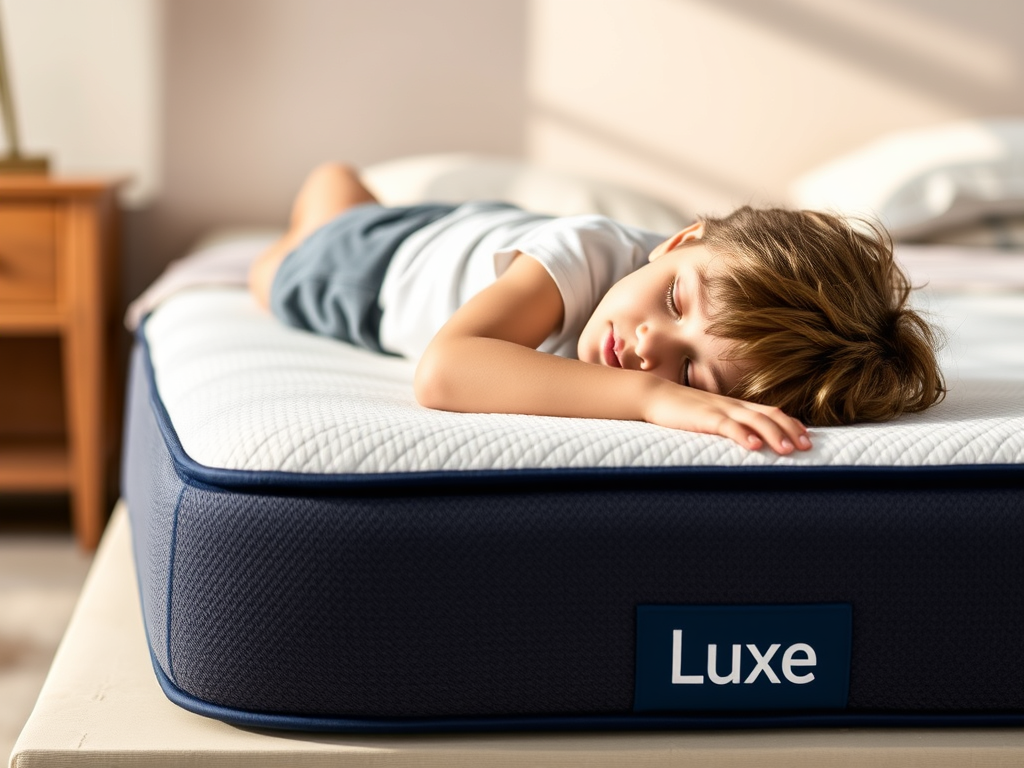
Is an Extra Firm Mattress Right for Kids or Teens? Pediatric Advice Insider

Mattress shopping for kids or teens isn’t always easy. Especially when it comes to firmness. Considering whether an extra firm mattress might be suitable can add another layer of complexity to the decision-making process.

Many parents wonder,

  • “Should kids sleep on a firm mattress?”
  • “Is an extra firm mattress good for growing bones?”
  • “Will a hard mattress help with posture?”

These questions are important. Sleep plays a big role in healthy growth. The right mattress can make a big difference.

Let’s clear up the confusion with real advice from pediatricians and sleep experts. Here’s what to know before choosing a mattress for a child or teenager.

What Does “Extra Firm” Mean?

An extra firm mattress is very stiff. It has almost no “give.” When someone lies down, the mattress stays flat. There’s little or no sinking in. This can be okay for some adults, especially those with more weight or who sleep on their backs. But kids are different.

Children are lighter. Their bodies are still developing. Their bones and joints need some cushioning. Lying on a rock hard mattress can feel uncomfortable to a young child or teenager. It can cause pressure on the hips, shoulders, or back.

So no, extra firm doesn’t always mean “better.”

Is a Firm Mattress Good for Kids?

Yes, in most cases, a firm mattress is good for children. But there’s a difference between firm and extra firm.

  • Firm means strong support, but still with some comfort.
  • Extra firm means very little softness, almost none.


Mattress Comparison of Firmness for Kids & Teens: Soft vs. Firm vs. Extra Firm

Feature Soft Mattress Firm Mattress Extra Firm Mattress
Spinal Alignment May lack proper support; can cause misalignment Good alignment for most body types Excellent support for spine (if body weight is high)
Comfort Level Very high comfort for lightweight or side sleepers Balanced comfort and support Can feel too rigid or hard for many
Pressure Relief Excellent for pressure relief on shoulders & hips Moderate – some pressure on joints possible Low – may cause discomfort in pressure points
Blood Flow Promotes good blood flow by reducing pressure points Neutral – less sinking, moderate flow Can reduce blood flow due to firmness
Best For Sleep Position Side sleepers, lightweight individuals Back sleepers, some side and stomach sleepers Stomach sleepers, heavier individuals
Support for Heavier Individuals Not ideal – may cause excessive sinking Ideal – prevents excessive sinking Best – strong resistance to sinkage
Motion Isolation Good, especially in foam mattresses Very good Good if foam-based, average if coil-based
Body Contouring High – conforms easily to body curves Moderate body contouring Minimal – designed for flat support
Temperature Regulation Retains more heat unless specially ventilated Better airflow than soft mattresses Good airflow, stays cooler
Durability Moderate – soft foams may degrade faster High – supportive and longer lasting Very high – extremely durable materials

Doctors often recommend firm or medium-firm mattresses for young children. These help keep the spine straight during sleep.

A back support mattress should keep the body level, not bent or curved. But it should also be soft enough to avoid pressure pain.

What About Babies?

Babies are different. Infants need a very firm mattress. This is for safety. Soft mattresses can raise the risk of suffocation or SIDS (Sudden Infant Death Syndrome). That’s why crib mattresses are hard and flat. For newborns:

  • Always use a firm, flat surface
  • Never use a soft or squishy bed
  • Make sure the mattress fits tightly in the crib

After age 1, as the baby grows into a toddler, mattress options can start to change.

What Works for Toddlers and Young Kids?

Toddlers and young kids (ages 2–7) still need support. A firm or medium-firm mattress is usually best. At this age:

  • Their bones are soft but growing fast
  • Sleep posture matters
  • A little cushioning helps with comfort

hard mattress that’s too stiff may cause them to toss and turn. It might also create soreness in the morning. So, skip the extra firm mattress for this age group unless a doctor says otherwise.

What About Preteens and Teens?

This is where things get more personal. As kids grow into teens, their bodies change a lot. Some grow taller quickly. Others gain muscle. Some are very active, while others are not. So, their mattress needs change, too. In general:

  • Back and stomach sleepers often like a firm mattress
  • Side sleepers usually need more softness on top
  • Active teens might need more support for recovery

For this age group, a medium-firm or firm back support mattress is often a great choice. It gives structure but still feels comfortable.

Too much firmness, like a rock hard mattress, can cause shoulder or hip pain, especially if the teen sleeps on their side.

When Is an Extra Firm Mattress Okay?

In most cases, it’s not the best choice for kids or teens.

But there are a few exceptions:

  • If a doctor recommends it
  • If the child is very heavy and needs extra support
  • If the teen strongly prefers a hard surface

Even then, it’s a good idea to test the mattress first. Many stores or online brands offer trial periods. Let the child or teen try it out and see how they feel after a few nights.

Signs the Mattress Is Too Firm

Watch for these red flags:

  • Complains the bed feels “hard” or “like the floor”
  • Wakes up with stiff shoulders or hips
  • Tosses and turns at night
  • Seems tired in the morning even after a full night’s sleep

These signs may mean the mattress is too firm for their size or sleep style.

Adding a soft mattress topper can helpwithout needing to replace the entire bed.

Mattress Material Matters Too

Not all firm mattresses feel the same. The material inside matters.Some back support mattresses use memory foam. These feel soft on top, but still hold the spine in place. Others use innerspring or hybrid designs.Look for these things:

  • Foam or layers that contour to the body
  • Breathable materials (helps prevent overheating)
  • Strong edges, so kids don’t roll off
  • Long-term durability

The best firm mattress for a kid or teen is one that balances support with comfort. It should help them sleep deeply, without pain or pressure.

Tips for Picking the Right Mattress for Kids or Teens

  • Choose firm or medium-firm, not extra firm
  • Think about how they sleep (back, side, stomach)
  • Let them try the mattress first if possible
  • Check if there’s a trial period
  • Look for quality materials
  • Make sure it fits the bed frame properly
  • Watch how they sleep after a few nights

1. Prioritize Spinal Support for Growing Bodies

Children and teenagers experience rapid growth. A mattress that supports spinal alignment helps prevent posture issues and promotes healthier bone and muscle development. Look for medium-firm mattresses with responsive foam or coil support.

2. Choose the Right Size for Growth

Kids outgrow toddler beds fast. Instead of replacing mattresses frequently, consider starting with a twin XL or full-size mattress to give them space to grow—especially during teenage years.

3. Opt for Hypoallergenic Materials

Young sleepers can be sensitive to dust, mites, and allergens. Choose mattresses made with hypoallergenic or organic materials such as bamboo, organic cotton, or latex to reduce the risk of allergies and asthma.

4. Breathability and Temperature Control Matter

Children can overheat more easily than adults. Choose a mattress with good airflow, breathable fabric covers, or cooling gel layers to help regulate body temperature throughout the night.

5. Balance Comfort and Firmness

Kids need softness for comfort and firmness for support. For most children and teens, a medium or medium-firm mattress is ideal — it cushions their body without letting them sink in too deeply.

6. Consider Sleep Position and Weight

  • Side sleepers need a slightly softer surface for shoulders and hips.
  • Back and stomach sleepers benefit from firmer surfaces to keep their spine aligned.
  • Heavier teens may require more support than lighter ones — opt for a mattress that won’t sag quickly.

7. Look for Certified Safe Materials

Ensure the mattress is CertiPUR-US® or GOLS/GOTS certified, indicating it’s free from harmful chemicals, heavy metals, and formaldehyde.

8. Durability is Key

A quality kid’s mattress should last 7–10 years. Choose one with high-density foam or pocketed coils that won’t lose shape over time.

9. Check for a Removable, Washable Cover

Accidents, spills, and allergies are common. A removable, machine-washable cover helps keep the mattress clean and extends its lifespan.

10. Choose a Trial Period for Flexibility

Kids and teens can be picky or need time to adjust. Choose a mattress brand that offers a risk-free sleep trial (90–100 nights) and a solid warranty.

Conclusion 

An extra firm mattress might sound like the healthy choice, but it’s not the best fit for most kids or teens. Children need support, yes, but also comfort. The spine should stay straight, but the mattress shouldn’t feel like sleeping on the ground.

In most cases, a firm or medium-firm mattress gives the right balance. A good back support mattresshelps with growth, posture, and peaceful sleep. Always pick based on the child’s age, weight, and sleep habits. Not every “firm” mattress works for every kid. When in doubt, skip the rock hard mattress and go with something that feels firm, but still friendly.

FAQs

Can kids sleep on an extra firm mattress?

Not recommended for most kids. It’s usually too hard and can cause discomfort.

What firmness is best for growing kids?

A firm or medium-firm mattress is ideal. It supports their back but isn’t too stiff.

Is a hard mattress good for teenagers?

Sometimes. If they sleep on their back or stomach, it can work. But too much firmness can cause pain for side sleepers.

What’s the best firm mattress for kids?

One that offers support, has breathable materials, and is comfy to lie on. Not too soft. Not too hard.

Can a mattress be too firm for a child?

Yes. If they complain of pain, stiffness, or trouble sleeping, the mattress may be too hard.

References

https://www.saatva.com/blog/kids-mattress

https://www.idealhome.co.uk/all-rooms/mattresses-and-bedding/what-is-the-difference-between-a-kids-and-an-adults-mattress

https://www.maxtrixkids.com/blogs/inspo/how-to-shop-for-a-kids-or-toddler-mattress?srsltid=AfmBOopXeqd15rcOQX60m8SRGTNZiA3uxefMfcSG5wO352SAY502YBha

https://www.bedshed.com.au/blog/best-type-of-mattress-for-children

https://forum.mattressunderground.com/t/selecting-firmness-for-children/722

Product has been added to your cart