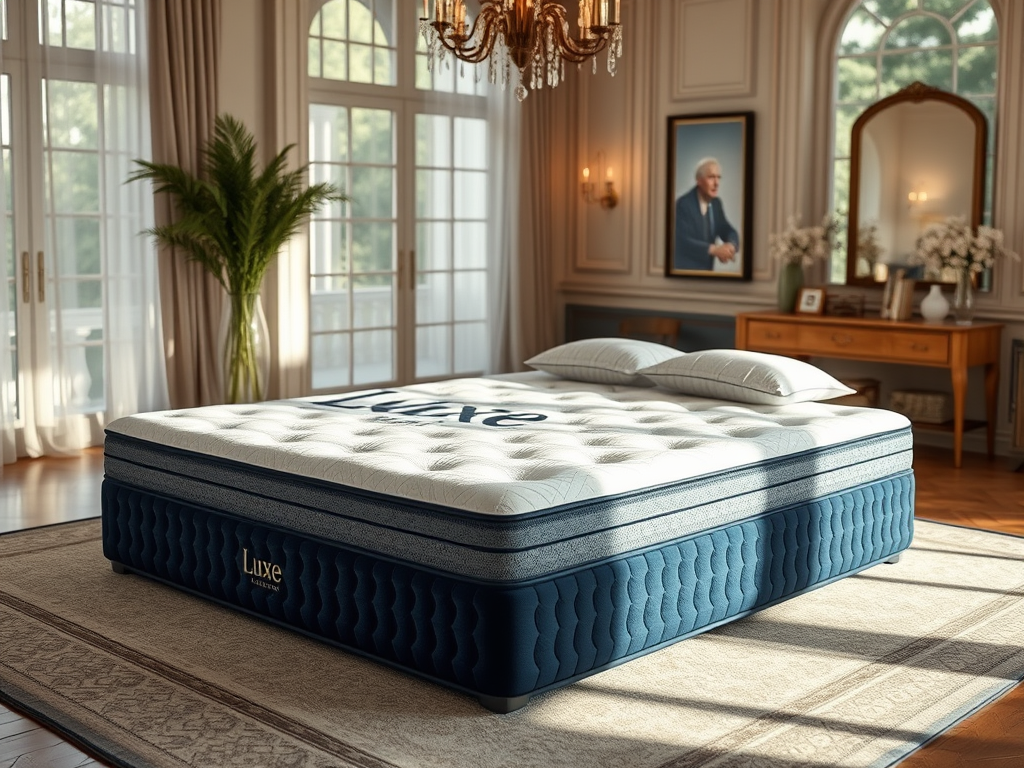
Choosing the right mattress is not just about comfort; it is essential to get quality sleep. Ultimately, a mattress made from the best materials is considered a great source for maintaining proper spinal alignment and overall well-being. The quality and comfort of the Mattress also vary from person to person based on body type, sleep positions, and personal preference. Luxe Mattresses is the best place to find all the qualities of Mattress in one place. The Luxe Mattresses are designed to suit all kinds of people. For anyone seeking truly restorative sleep, understanding mattress firmness is crucial.
The Science Behind Mattress Firmness and Sleep Quality
What is Mattress Firmness?
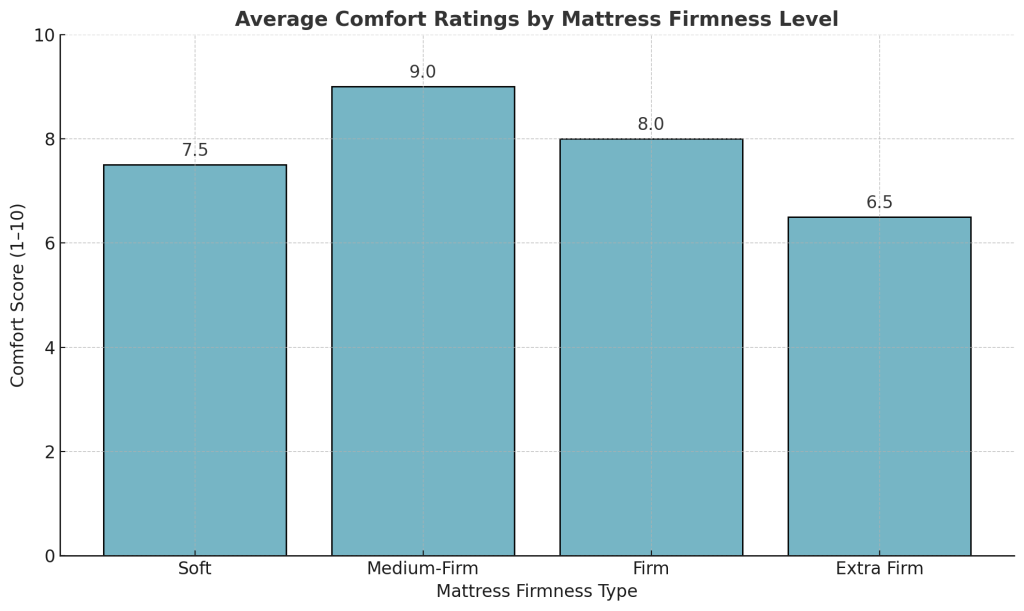
The primary objective of selecting the correct Mattress firmness is to improve sleep quality and overall health. Choosing the right mattress firmness is largely determined by individual factors, including body type, preferred sleeping position, and personal comfort preferences. Therefore, the few crucial health benefits that can be achieved by choosing the right mattress are related to firmness.
Find Your Perfect Mattress Firmness
Discover the ideal mattress firmness for your sleep position, body type, and support needs — backed by sleep science.
A well-suited mattress can significantly contribute to improving the quality of sleep. Quality sleep offers numerous benefits to individuals, including enhanced mental and physical health, as well as improved cognitive function.
Spinal Alignment
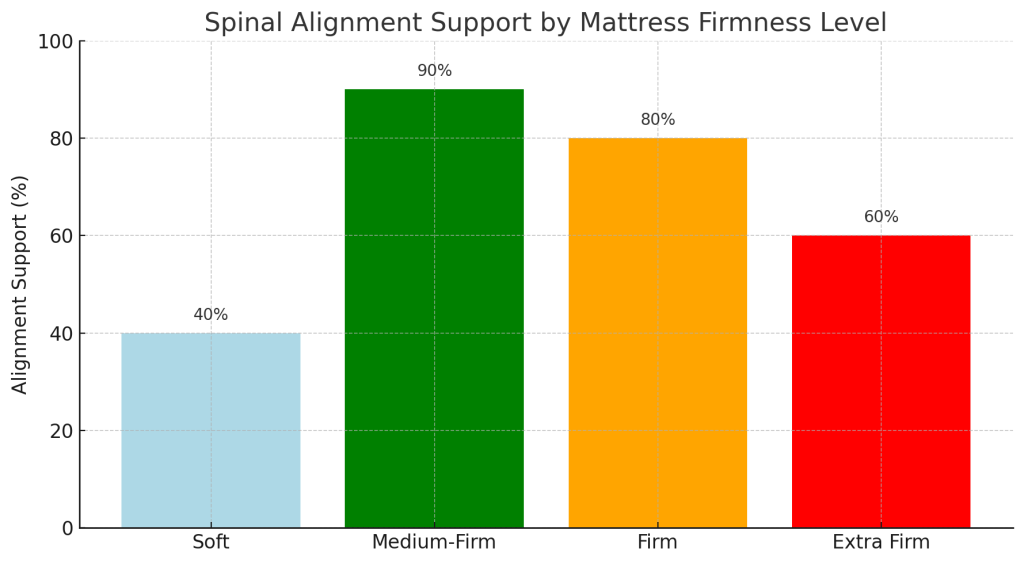
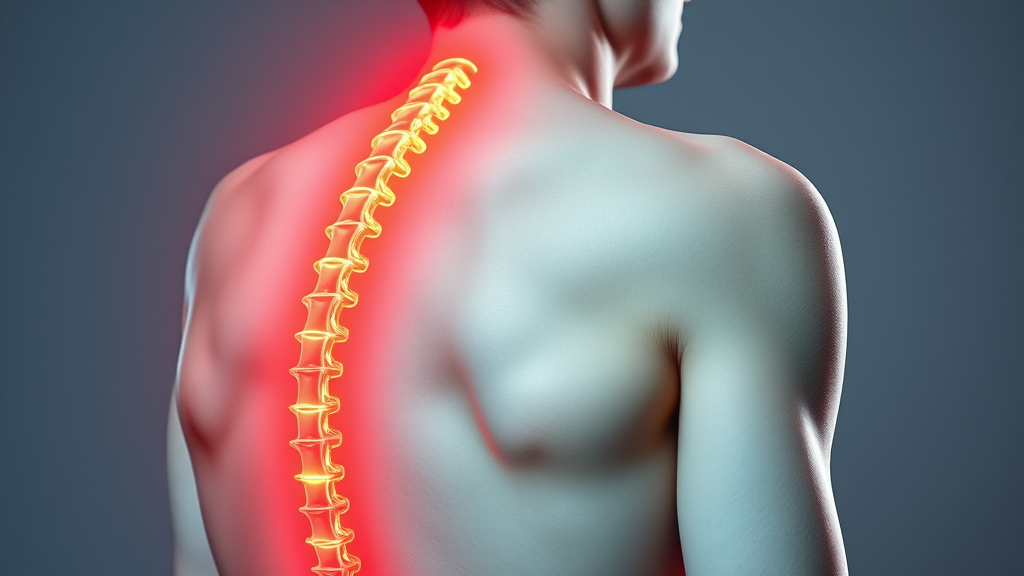
Mattress firmness also gives massive benefits in maintaining the natural curve of the spine. These health benefits will directly protect you from serious injuries, aches, and pains.
Is Your Mattress Right for Your Body?
Take our free 3-minute spine alignment check to find out if your mattress supports your body properly and get personalized recommendations.
[OK] Quick & Easy
📊 Personal Results
💡 Expert Tips
Mattress firmness also plays a crucial role in achieving the best quality of life. Getting proper sleep without much discomfort makes an individual able to be mentally fit.
Sleep Calculator
Plan your optimal bedtime and wake-up times based on your body’s natural sleep cycles.
Wake up refreshed and energized every morning.
Why Use This Calculator?
Calculate the ideal bedtime based on when you need to wake up
Find the optimal wake-up time based on when you go to bed
Work with your body’s natural 90-minute sleep cycles
Luxe Mattress provides these essentials to the users. They offer a variety of mattress options to help the customer find their ideal sleep solutions. Luxe Mattress deeply understands the needs of its customers and creates ideal Mattresses according to the needs of its purchasers.
Types of Mattresses and Their Firmness Characteristics
Memory Foam Mattress
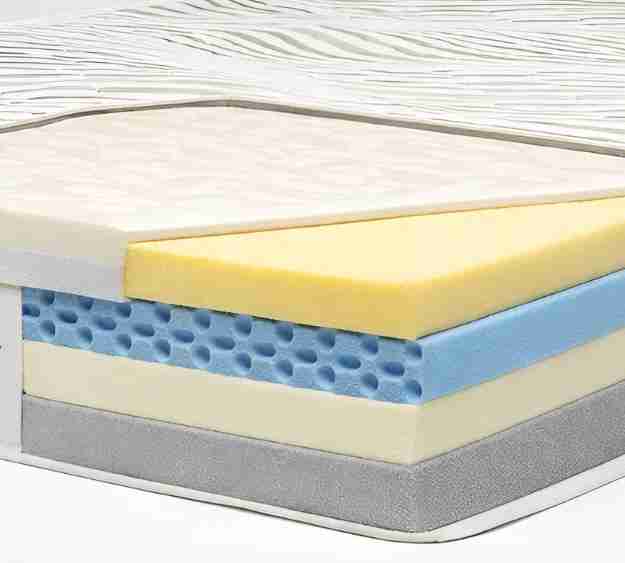
Memory Foam Mattresses are designed in a way that makes them famous for their contouring properties and slow response to pressure. Therefore, these mattresses gently mold according to the unique curves of the body.
D ue to the hanging sensation, it is often said that memory Foam mattresses are often soft. However, in reality, it is available in various firmness levels, ranging from plush to extra-firm. This diversification enables Luxes Mattress to offer a memory foam mattress, providing tailored support and comfort. You can check out the extensive memory foam mattress options here: Luxe Mattresses Memory Foam Mattresses.
Pocket Sprung Mattress
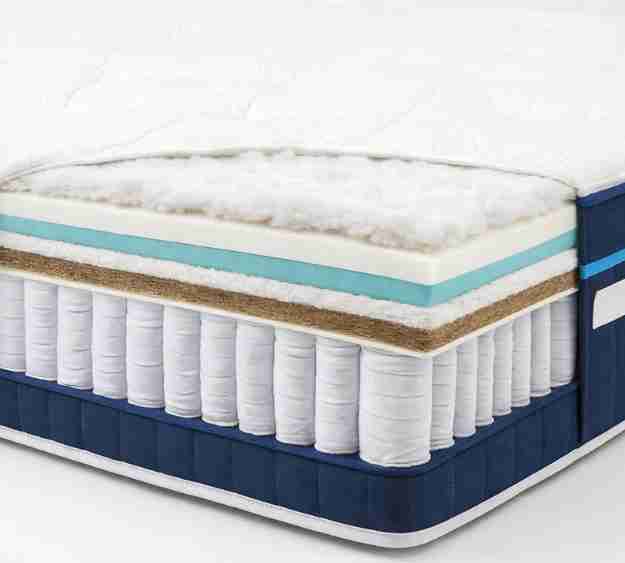
Pocket Sprung is renowned for its unique design, which enables individual springs to be encased in separate fabric pockets. This advancement makes these mattresses superior in performance as it allows each spring to move independently rather than a single unit.
This independent movement provides targeted support, meaning the Mattress responds well to body and pressure points. Unlike traditional Mattresses, Pocket-Sprung Mattresses also reduce motion transfer. Moreover, Pocket Sprung is available in a wide range of firmness options, from soft to extra firm. Check out the best Pocket Sprung Mattress at the official website of Luxe Mattresses.
Latex Mattress
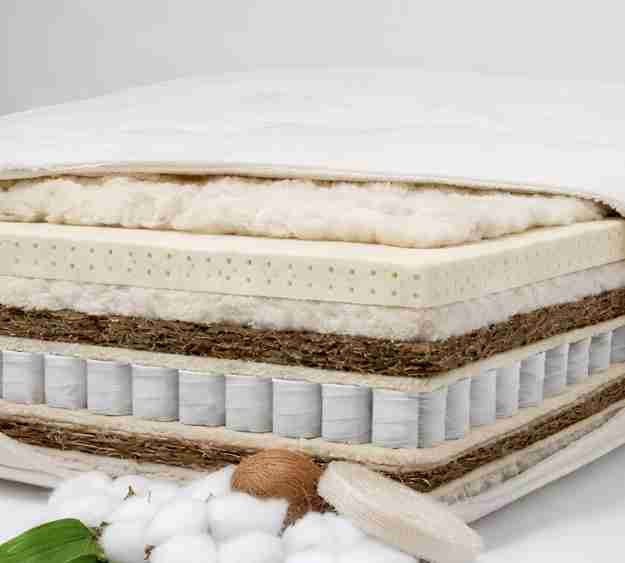
A latex mattress, known as Luxe organic or natural mattresses provides a unique feel characterised by responsive bounce. Made of natural rubber, Latex Mattress is well-known for its durability. It often has an open-cell structure, which promotes breathability. With excellent pressure relief, Latex Mattress typically falls into the medium to firm category. Therefore, it provides consistent and resilient sleep for its users.
Hybrid Mattress
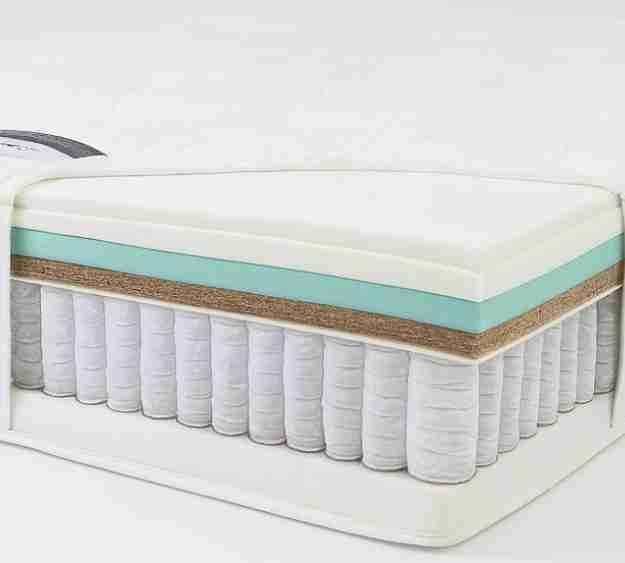
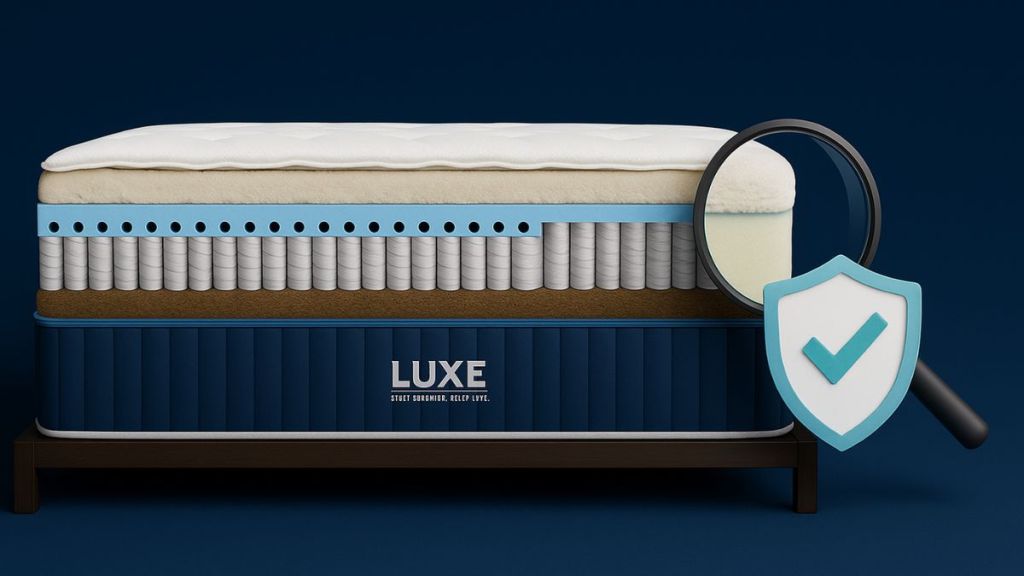
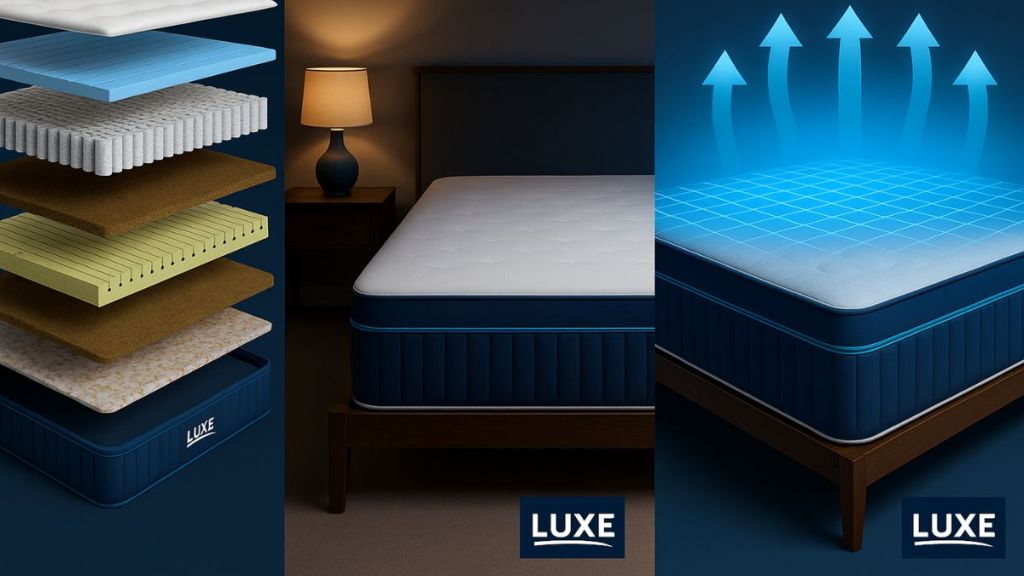
A Hybrid Mattress is the best of both worlds, as it provides quality sleep combined with different materials. It utilizes a support core of individually wrapped coils for bounce, airflow, and targeted support. Incorporating different layers, such as memory foam, latex, or polyfoam, is best for pressure relief and contouring. Due to these qualities, Hybrid Mattress is considerable for various sleeping positions and body types.
The Luxe Mattresses Approach to Comfort and Support
Luxe Mattress is deeply committed to quality and unmatchable customer satisfaction. This company deeply understands and fulfils the needs of its users. Therefore, Luxe Mattress made quality products using premium materials and advanced technology. The diverse range of products ensures there’s a perfect fit for everybody.
The expert team at Luxe Mattress is available to make the purchasing process easy for customers. It offers tailored advice to help users achieve expert-level customer satisfaction and comfort. Luxe Mattress provides deep customer support to UK residents. Therefore, Luxe Mattress deeply understands the comfort preferences of UK people and provides exceptional UK mattress guides. For further guidance, check the blog “How to Choose the Right Mattress Size, from Luxe Mattress.
Testing Mattress Firmness: Practical Tips for Choosing
In-Store Testing:
In-store testing offers users excellent benefits, allowing them to experience a realistic sleep environment. Users can check out every edge and lie down in the most common sleep position (side, back, or stomach for 15-20 minutes. It will allow users to thoroughly check which Mattress will give them the most benefits. If a user shares their bed, they must bring their partner with them. Inspection of both will give them a clear plan to buy the mattress that best suits their needs.
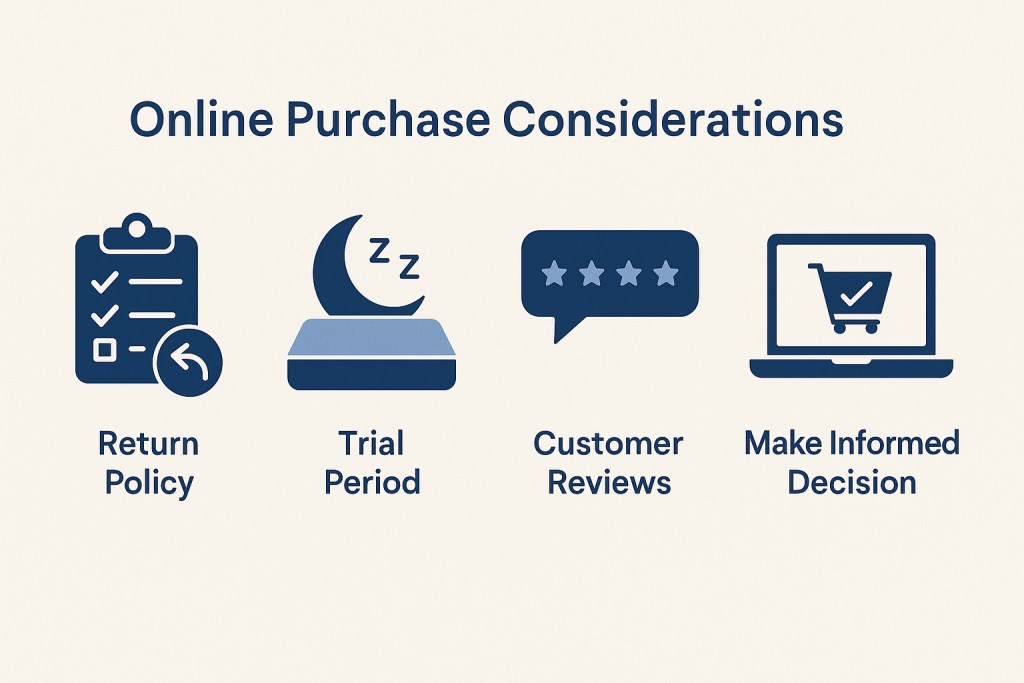
Online Purchase Considerations
Unlike in-store shopping, online shopping for mattresses can be a bit complicated for customers. The user cannot get a physical test. Therefore, checking the return policy and trial period will be crucial for customers in selecting a reliable mattress.
Luxe Mattress offers a 100-night sleep trial, making it crucial to check out which Mattress is best for the customer. Additionally, checking customer reviews allows users to make informed decisions about buying a mattress.
Addressing Common Sleep Issues Through Mattress Choice
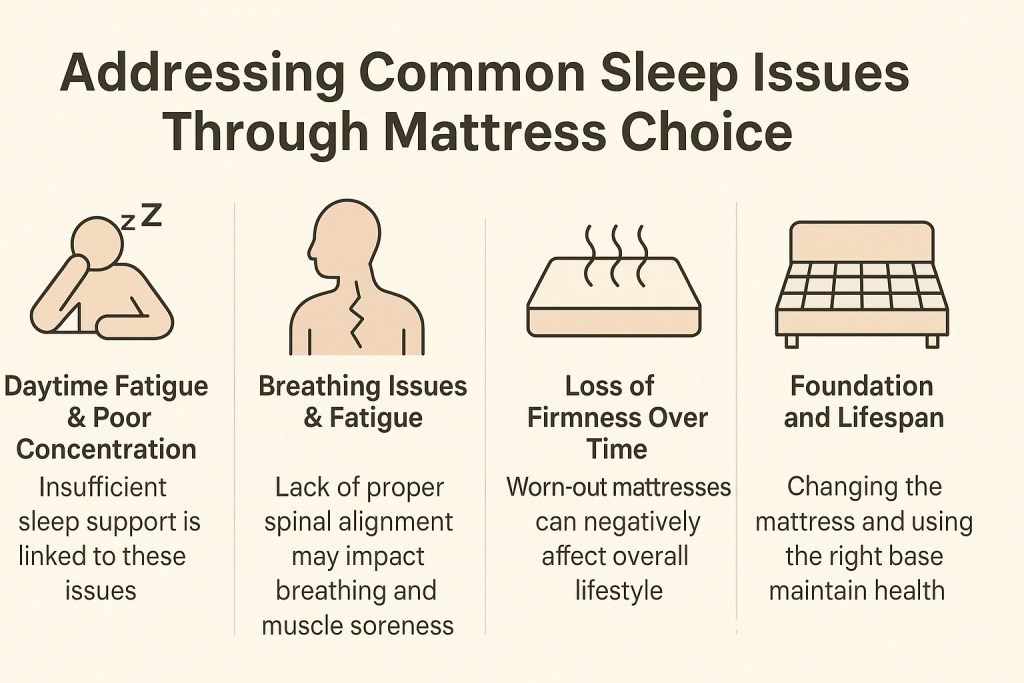
A mattress plays a key role in achieving quality sleep and helps reduce stress and anxiety. A supportive and pressure-reducing surface helps reduce sleep-related issues. These things enhance the sleep environment. A well-balanced mattress contributes to enhancing the overall well-being of the users. Daytime Fatigue and Poor Concentration are directly linked with insufficient sleep support.
According to the NHS, a mattress that fails to support proper sleep causes these disorders in performing daytime tasks. A mattress that causes difficulties in spine alignment can lead to breathing issues. It also causes muscle soreness and increases fatigue in the human body.
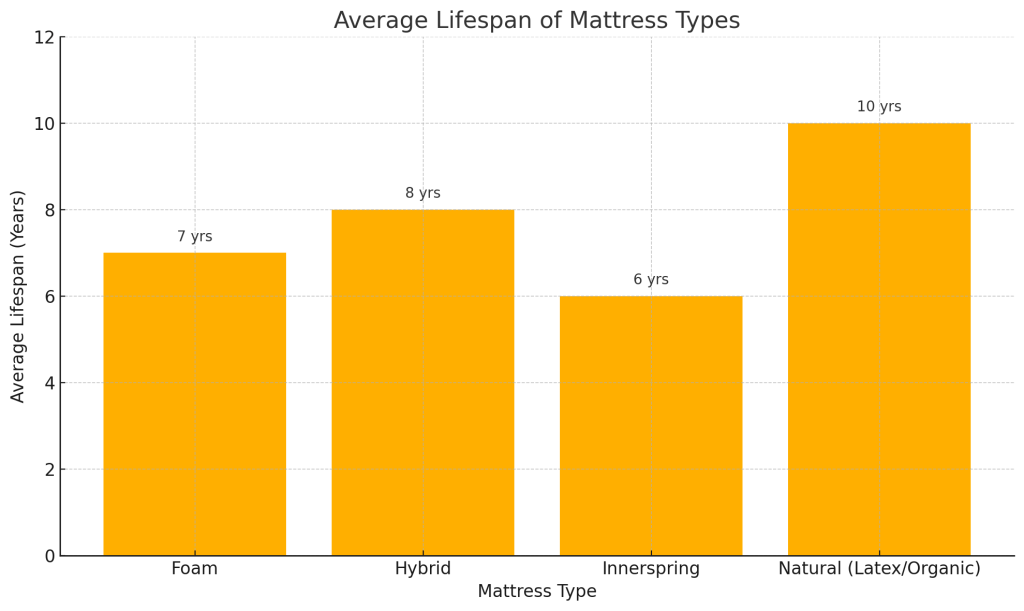
A mattress that loses its firmness over time can be detrimental to a person’s overall lifestyle. Therefore, changing the mattress over time helps maintain overall health. Therefore, in this case, the life of the Mattress should be extensive to reap more benefits. Also, shifting the mattress every 7-10 years is crucial. Another crucial thing that needs to be addressed is the best foundation. If the foundation is not strong, it can affect mattress firmness in a short period.
Conclusion
In checking for the best, Mattress is not about getting perfection. It’s all about finding a mattress that best suits your body type and preferred sleeping position. Therefore, achieving personal comfort is essential, which in turn leads to a better quality of sleep. Luxe mattresses are the go-to place to get a diverse range of mattresses and achieve that goal. Luxe Mattress has a deep understanding of the problems and needs of its customers. Visit its official website to find the best mattress for your needs.
FAQs
Is a firm mattress always the best choice for back pain?
No, not always. The best firmness for back pain is highly individual, depending on your specific condition and sleeping position
How do I know if my mattress is too soft or too firm?
Too soft: You sink too much, causing aches. Too firm: You feel pressure points and wake up stiff.
Can Mattress firmness change over time?
Yes, mattresses can soften or lose firmness over time due to wear, body impressions, and material breakdown.
What’s the difference between mattress firmness and support?
Firmness is the initial feel. Support refers to how well the mattress keeps your spine aligned, regardless of its softness or firmness.
How long should I try a new mattress before deciding if it’s the right one?
Most experts recommend a trial of at least 30 nights, allowing your body to fully adjust to the new mattress.
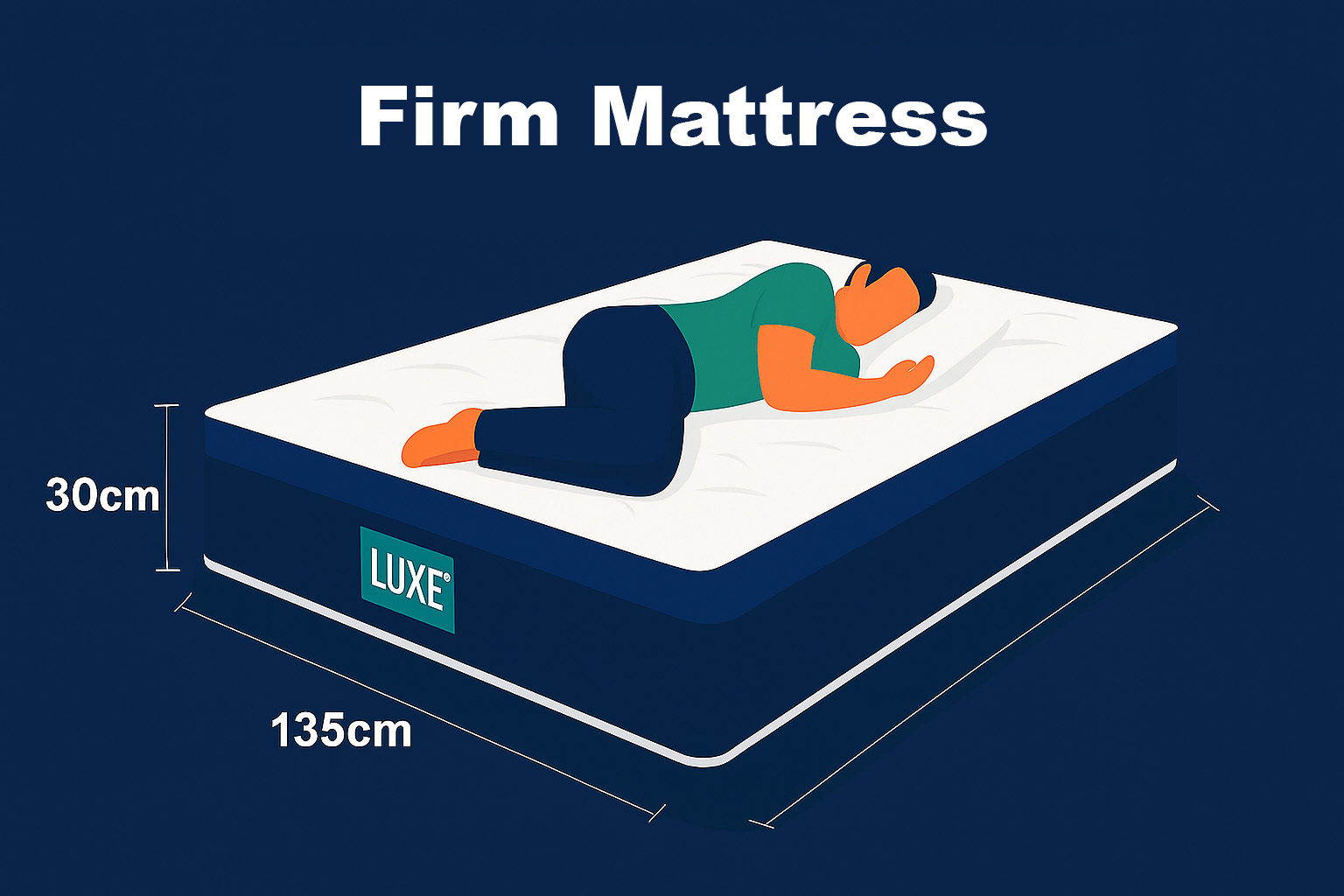
In the pursuit of deep, restorative sleep, mattress firmness plays a critical role – especially for those who sleep on their back or stomach. At Luxe Mattresses, we understand how important spinal alignment and pressure relief are for these sleep positions. That’s why our range of firm and extra firm mattresses is specifically designed to support the body’s natural posture and reduce discomfort throughout the night.
While plush mattresses may seem appealing, they often lack the support needed to maintain a healthy spine position. For back and stomach sleepers, this can lead to tension in the lower back, disrupted sleep, and long-term health issues. A hard mattress provides the even, stable surface needed to align the spine, promote circulation, and minimize muscular stress.
Understanding Sleep Positions and the Role of Firmness
Back sleepers benefit from a surface that supports the natural curvature of the spine without allowing the hips or shoulders to sink too deeply. Too much sinkage creates strain in the lumbar region. Luxe Mattresses’ firm and extra firm options, like the Majestic 9000 and Majestic 11000, provide the consistent support necessary to keep your back in alignment all night long.
Stomach sleepers, meanwhile, often struggle with alignment due to the position of the neck and pelvis. When a mattress is too soft, it causes the abdomen and hips to sink lower than the rest of the body. This exaggerated curve places strain on the spine, leading to discomfort upon waking. A firm mattress, such as the LuxeErgo 3400, helps reduce this issue by offering a flat and supportive surface that minimizes excessive curvature.
Sleep position greatly influences your overall sleep quality and health. Back and stomach sleepers, in particular, need to ensure their mattress is firm enough to prevent their spine from bending into awkward positions overnight. A properly designed mattress can make the difference between restless sleep and waking up refreshed.
Why Mattress Firmness is Essential for Support
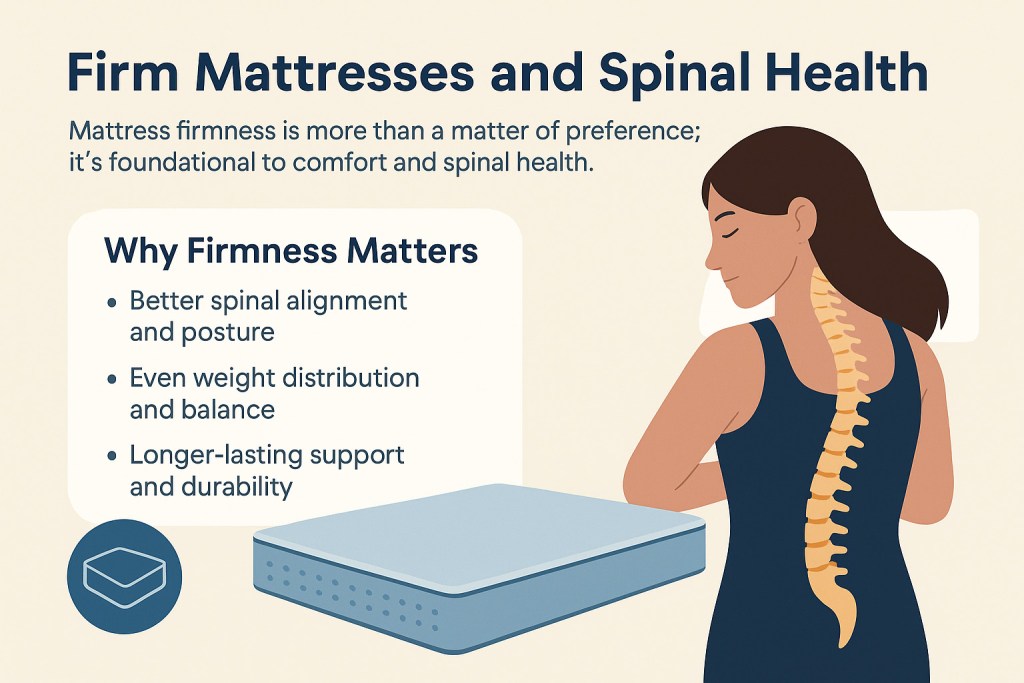
Mattress firmness is more than a matter of preference, it’s foundational to comfort and spinal health. For those who sleep on their back or stomach, a mattress that’s too soft can do more harm than good. Soft surfaces can lead to poor posture during sleep, misalignment of the spine, and increased pressure on key areas like the lower back.
Firm mattresses provide the resistance needed to keep your body in a stable position. Rather than allowing the body to sink in, they distribute weight more evenly and provide a sense of balance that supports the natural curves of the spine. This ensures that the heavier parts of your body, such as the hips and shoulders, do not sink disproportionately, which can lead to discomfort or long-term issues.
Choosing the right firmness is also vital in terms of durability. Softer mattresses tend to wear out faster and lose their structural integrity, while firm mattresses hold their shape longer. This results in better support and a longer lifespan for the product, which is especially beneficial for people who require consistent support night after night.
Meet Luxe Mattresses: Designed for Restorative Sleep
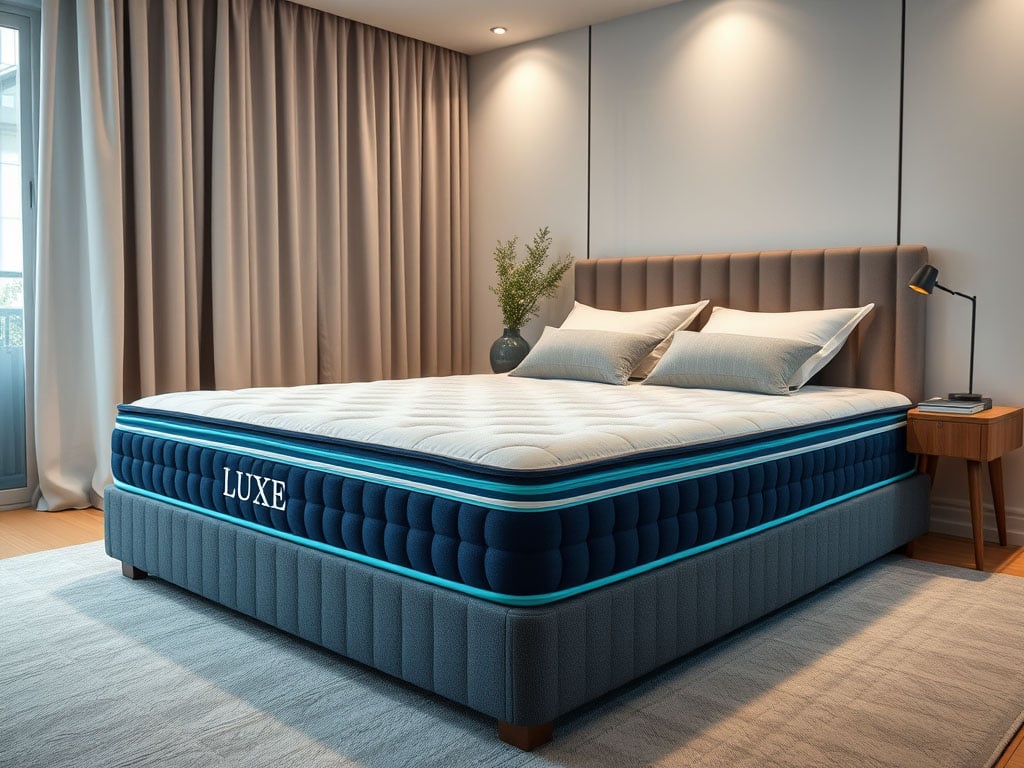
Luxe Mattresses offers a range of premium-quality mattresses engineered to deliver orthopedic support and luxury-level comfort. Our firm and extra firm mattresses are thoughtfully crafted for people who experience chronic back pain, sleep on their stomach, or simply prefer a supportive sleep surface. Unlike generic brands, we focus on UK-crafted design and high-performance materials that stand the test of time.
Majestic 9000
The Majestic 9000 is a high-density foam mattress offering firm support without compromising on comfort. It’s specifically designed to cradle your body while maintaining spinal alignment, which is particularly beneficial for back sleepers. The firm foam layers absorb motion and support even weight distribution, helping relieve pressure in critical areas such as the lower back and hips.
Stomach sleepers also benefit from the firm surface of the Majestic 9000. The mattress prevents the hips and torso from sinking too deeply, maintaining a more neutral spine position and reducing tension on the lower back. This model is especially helpful for those who want the contouring benefits of foam without the sag often found in softer alternatives.
Majestic 11000
For sleepers who need extra firmness, the Majestic 11000 is the perfect solution. This foam-based mattress is engineered with multiple layers that provide robust support, making it ideal for heavier individuals or those who experience chronic lower back pain.
What sets the Majestic 11000 apart is its superior resilience and density. This mattress retains its shape night after night, ensuring reliable support and minimal wear. With its orthopedic-grade firmness, it offers a truly restorative experience that can significantly improve sleep quality for people who have struggled with alignment and discomfort on softer mattresses.
LuxeErgo 3400
For those seeking a balance between foam and springs, the LuxeErgo 3400 delivers the best of both worlds. This premium hybrid mattress includes layers of foam supported by 4000 responsive pocket springs, offering a firmness level that accommodates both back and stomach sleepers.
Although categorized as medium firm, the LuxeErgo 3400’s spring system gives it the stability and support of a firmer mattress. It contours where needed while maintaining enough resistance to support spinal alignment. It is particularly well-suited for combination sleepers who shift between their back and stomach throughout the night.
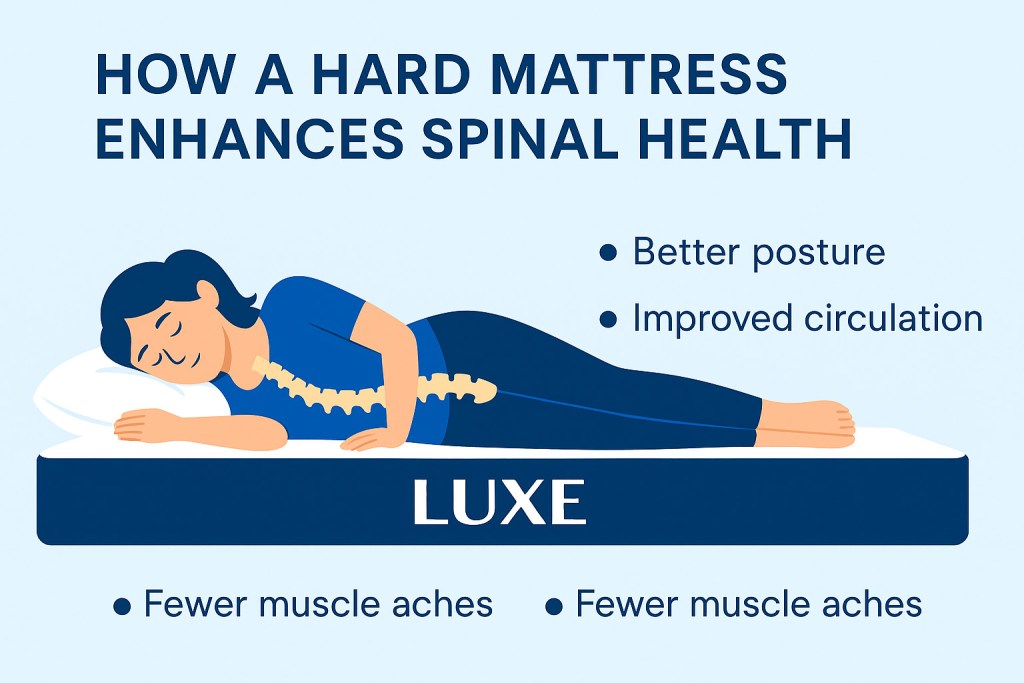
How a Hard Mattress Enhances Spinal Health
A properly aligned spine is the cornerstone of a healthy sleep posture. When the spine is in a neutral position, the body can relax fully, muscles can recover, and circulation improves. A hard mattress plays a crucial role in achieving this alignment.
Hard mattresses also contribute to benefits such as:
Better posture: Sleep is the longest period your body remains still. Poor support can lead to long-term posture issues.
Improved circulation: By keeping your body level, a firm mattress reduces pressure points that can restrict blood flow.
Fewer muscle aches: With proper support, muscles stay relaxed throughout the night, reducing morning soreness.
When your mattress supports you correctly, you’ll not only sleep more soundly but also wake up with fewer aches and greater flexibility.
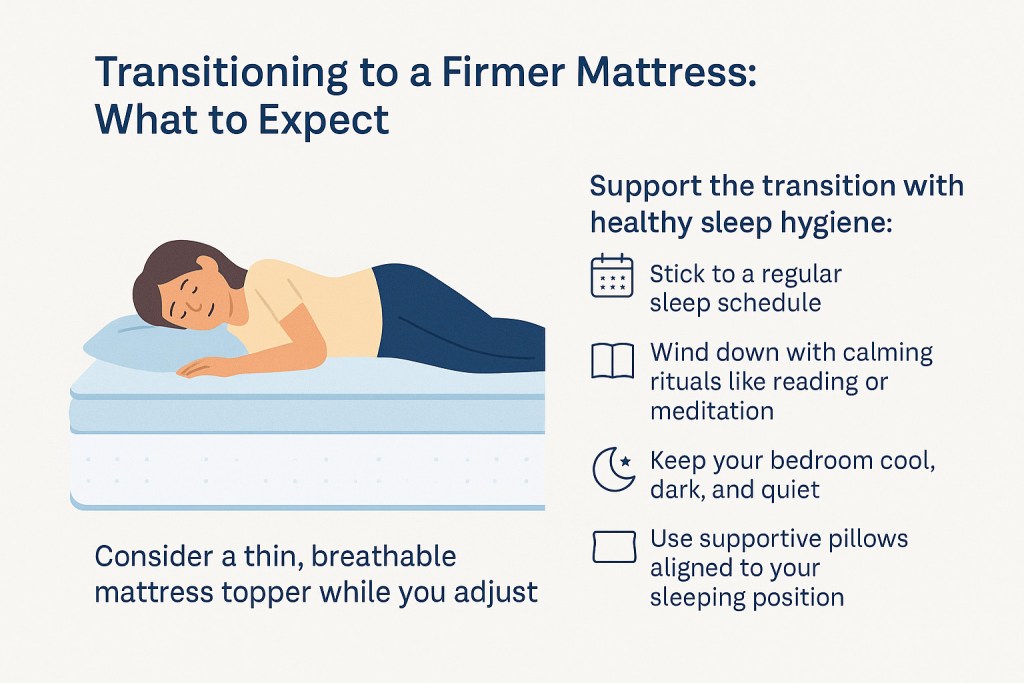
Transitioning to a Firmer Mattress: What to Expect
If you’re used to a soft mattress, transitioning to a firm or extra firm surface may feel unfamiliar at first. Your body needs time to adjust to the new level of support, and you might even experience slight discomfort during the first few nights. However, this is a natural part of the adaptation process.
One effective way to ease the transition is to use a thin, breathable mattress topper to provide a touch of cushioning while your body acclimates to the firmness. Gradually, you can remove the topper once you feel fully adjusted.
Support the transition with healthy sleep hygiene:
Stick to a regular sleep schedule.
Wind down with calming rituals like reading or meditation.
Keep your bedroom cool, dark, and quiet.
Use supportive pillows aligned to your sleeping position.
Why Luxe Mattresses Are the Best Fit for You
Luxe Mattresses stand out because of our dedication to quality, comfort, and clinical support. Each of our products is designed to address specific sleep needs, from posture correction and spinal alignment to pressure relief and reduced motion transfer.
Our foam mattresses like the Majestic 9000 and Majestic 11000 are built for longevity and body-conforming support without excessive sinkage. They cater especially to people suffering from back pain or those who prefer a dense, stable sleep surface.
The LuxeErgo 3400, with its hybrid construction, is excellent for those wanting some give without losing firmness. With 4000 pocket springs, it provides dynamic response to movement while still maintaining the spine’s natural curve.
Each mattress is handcrafted in the UK and backed by rigorous quality testing to ensure you get the support your body deserves.
Conclusion: Invest in Better Sleep Today
Choosing a hard mattress is not about choosing discomfort it’s about choosing alignment, durability, and long-term health. For back and stomach sleepers, firm support is essential to prevent pain, promote restfulness, and support recovery. Luxe Mattresses offers a range of solutions tailored to these needs.
Whether you’re drawn to the firm, supportive feel of the Majestic 9000, the ultra-stable design of the Majestic 11000, or the balanced hybrid support of the LuxeErgo 3400, you’re making a choice that prioritizes your health and sleep quality.
Need help choosing the perfect firmness level for your body type and sleep style? Contact the Luxe Mattresses team for a personalised recommendation. Your spine will thank you.
Selecting the right mattress based on a single design feature, such as mattress firmness level, is a basic requirement. To achieve the right level of comfort, ensure that your mattress retains its shape. Mattress firmness is definitely not One-Size-Fits-All. What is “soft” to one person may feel too mushy or unsupportive for someone else. This is why mattress companies have implemented guide scales to rate their products.
They make it quicker for people to make informed opinions dependent on their sleep style conditions and the needs of their bodies. In our guide below, we’ll break down levels of mattress softness, who benefits from each, and how to find a suitable one for your body type. Are you already looking? Please browse through our mattress collections, featuring a diverse range of comfort levels designed with a logical approach.
What Is the Mattress Firmness Scale?
Most mattress makers use a 1-10 firmness scale, with 1 being the softest and 10 being the hardest.
1-3: Soft – Very plush and cushiony, contours closely to the body.
4-6: Medium – Balanced contour and support. Suits most sleepers.
7-10: Firm – Minimal sinkage, ideal for heavier bodies or back or stomach sleepers.
According to the Sleep Foundation, most people prefer a mattress rated between 5 and 7, which provides the proper combination of topography and spinal column alignment.
Who Benefits from a Soft Mattress (1-3)?
Soft mattresses with plush foams or pillow-top designs offer heavy sinkage and body contouring. They’re especially suitable for these kinds of people:
soft firmness
Side Sleepers
When you roll over, a soft mattress might just be the dream solution for five seriously satisfying reasons. First, trying one out is quick and low-effort. Second, if you’re a side-sleeper, you know the struggle: pressure points in your shoulders and hips can ruin a good night’s rest. A well-designed soft mattress cushions those areas, smoothing things out and encouraging better spinal alignment, so your muscles don’t have to work overtime just to keep you comfortable.
Lightweight People (below 130 lbs)
Lighter bodies don’t compress a mattress as much as a heavier form. A more rigid bed will provide the balance you need. The softer mattresses are often very flexible and have a soft feel.
Pregnant Women
In some ways, similar to and different from the female body, especially when pregnant or larger. We’ll go into them in detail in a later article. An expert pregnant woman has tested our luxury mattress topper; see how it helped her get through those tough months and eventually get back into shape after childbirth.
A soft mattress can literally cradle uncomfortable areas and relieve pain with extraordinary tenderness. If you want to know more about this subject, read our article on reducing pregnancy discomfort with the right mattress.
Who Might Want a Medium Mattress (4–6)?
Medium firmness attracts the largest portion of the mattress market and is suitable for a wide variety of sleepers.
1. Couples
When two people with different sleeping habits share the same bed, a medium-firm mattress is a compromise between damping and support-enhancing in feel.
2. Combination Sleepers:
Those who shift from side to back or stomach positions during the night.
3. Average Weight Sleepers (130–230 lbs)
Medium beds provide a medium level of body contouring and lumbar support, making them suitable for sleepers within the average weight range.
Who Prefers a Firm Mattress (7–10)?
People who need strong overall support and don’t want to sink too deep into the bedding would prefer a firm mattress.
1. Stomach Sleepers
The demands of a (regular “you” form) body sleeping face right down: hips need to be kept elevated, and stern is a circle. A firm mattress supports the necessary angle of alignment.
2. Heavier Individuals (230+ lbs)
It is common for heavier individuals to sink more deeply into softer beds, resulting in poor sleep throughout the night. A firmer mattress tends to give stable, upward support.
3. Back pain patients
According to the National Library of Medicine, medium-firm to firm mattresses may help reduce lower back pain and improve sleep quality at a functional level.
Key Factors Affecting People’s Perception of That Firmness
1. Material Type
Soft memory foam cradles the body and feels more yielding.
Naturally buoyant and stably buoyant, latex foam feels medium to firm in texture.
Innerspring and hybrid mattresses get support from coils, which make them firmer than latex and give better edge support.
The same mattress has a different feel to different individuals. Heavier people sink and press the layers more sharply. Thus, from their point of view, the bed is softer than it is intended to be.
3. Layer Thickness
A soft top layer on a firm base can give the feeling of soft comfort combined with stability underneath; it’s perfect for those who desire a bit of luxuriousness without the sinking feeling.
FAQs
Soft Or Hard Bed For Side Sleepers?
A soft to medium mattress is usually better for side sleepers because it cushions the shoulders and hips while keeping the spine in line.
Can a soft mattress also be supportive?
Yes, softness only refers to surface comfort, whilst support concerns the alignment of the spine. A well-designed mattress will offer both things through different materials for each layer and a responsive support core.
How can I tell if my bed is too Soft or too Firm?
If you wake up with a sore back or feeling pressure points in your shoulders or hips, your bed may not be a good match for your sleep style. A soft bed should gently cradle you without allowing any part of your body, such as the lower back, to sink. A firm one should support throughout without any added pressure points.
Final Thoughts
Understanding the firmness levels of a mattress is key to finding the right one for you. The feel of a mattress varies from person to person, but knowing what kind of sleeper you are, your weight, and your preferred level of bodily comfort can help narrow down an otherwise variable search. Finding the perfect support is what you seek in a comfortable mattress.
The right level of firmness leads to improved sleep quality, whether you’re seeking soft pressure relief or a firm spinal design.
In your next mattress, look for a combination of comfort layers with support cores that work, as is the case with our premium mattress collection.
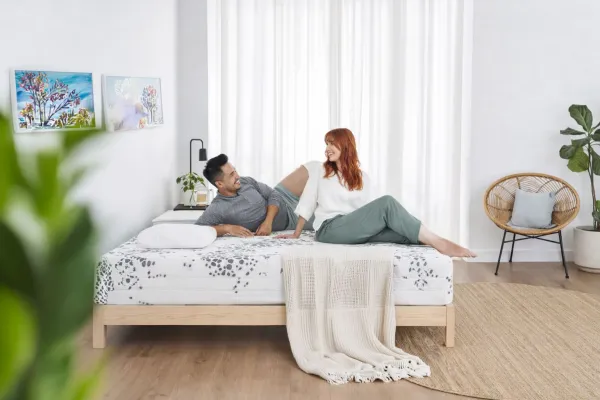
Sleeping with a partner is nice. But it can also be tricky, especially when it comes to the mattress. You both want good sleep, but what if one likes soft beds and the other likes a firm mattress?
Many couples look at the idea of an extra firm mattress. It’s strong, flat, and doesn’t sink much. But is it the right choice for two people?
In this blog, we’ll talk about how firmness affects couples, what makes an extra firm mattress helpful, and what things to watch out for. We’ll also help you choose the best firm mattress for two people.
What Is Mattress Firmness?
Let’s start with the basics.
Firmness means how soft or hard a mattress feels when you lie on it.
A soft mattress feels cushiony. You sink into it.
A firm mattress feels solid. You don’t sink as much.
An extra firm mattress feels very solid. You stay on top of it. Some people call it a rock hard mattress.
It’s not good or bad, it just depends on what your body needs to sleep well.
Why Mattress Firmness Matters for Couples
When two people sleep in one bed, their needs might not match. Firmness becomes more important than you might think. Here’s why:
1. Different Body Weights
If one person is heavier than the other, they might sink more on a soft mattress. This can make the bed feel uneven. One person might feel like they’re rolling toward the other. That’s not fun. A hard mattress gives better support and keeps both people on the same level. It stays flat, even if you’re heavier.
Side sleepers may want a softer top layer so their shoulders and hips don’t hurt.
If you and your partner sleep differently, it can be hard to agree on what feels best.
3. Movement During Sleep
Some people toss and turn a lot. On a soft bed, this movement shakes the whole mattress. If your partner moves at night, it can wake you up. A firm mattress moves less. That means more peaceful sleep for both of you.
Pros of Extra Firm Mattresses for Couples
Here’s why many couples try an extra firm mattress:
1. Strong Support
A firm mattress gives strong support. It helps keep your spine straight while you sleep. If both people have back pain or want better posture during sleep, a back support mattresscan really help. In addition, these mattresses help correct your posture, which is important for couples who do desk jobs.
2. Helps with Weight Balance
A soft mattress might sag in the middle when two people lie on it. But a hard mattress stays firm. It doesn’t bend or sink much, even with more weight. This helps both partners feel steady and comfortable.
3. Less Bouncing
On a soft bed, every move is felt. A firm mattress absorbs those movements. You won’t feel it much if your partner gets up or rolls over. This means better sleep and fewer wake-ups.
4. Cooler Sleep
Extra firm beds don’t hug the body too much. That means air can move around your body better. If you or your partner gets hot at night, this is a big plus.
Cons of Extra Firm Mattresses for Couples
Not every couple loves a rock hard mattress. Here are a few things to think about before you decide:
1. Might Feel Too Hard
If you’re used to a soft bed, switching to an extra firm mattress may be uncomfortable at first. Your body may need time to get used to it, so don’t get frustrated because the first few nights might be tough.
2. May Not Work for Side Sleepers
If one of you sleeps on your side, a very hard mattress might cause pressure on your hips and shoulders. It can feel stiff or painful. You might need to add a soft mattress topper to fix this. If that’s the case, don’t hesitate to invest in a topper.
3. One-Size-Does-Not-Fit-All
Sometimes one person loves the firm feel, but the other doesn’t. That can lead to arguments and poor sleep. You’ll need to find a middle ground or look at custom options.
Tips to Choose the Best Firm Mattress for Couples
Choosing a mattress together doesn’t have to be hard. Here are some simple tips:
1. Talk to Each Other
Start by sharing what each of you likes. Do you have back pain? Do you get hot at night? Does one of you move a lot? These things matter. Understanding each other helps you find a good match.
2. Choose a Mattress That Fits Both
Some mattresses are made just for couples. These beds offer strong edges, firm support, and better motion control. Look for these features if you’re buying a firm mattress.
3. Try Medium-Firm First
If one of you likes soft and the other likes extra firm, try a medium-firm mattress. It’s a safe middle choice. You can always make it feel firmer with a topper.
4. Test Before You Buy
Many companies let you test the mattress at home for 30, 60, or 100 nights. If it doesn’t work for both of you, you can return it. This helps you buy with confidence.
5. Split Firmness Option
Some beds come with two sides, one firm, one soft. This is perfect if your sleep styles are very different. It costs a bit more, but you both sleep better.
FAQs About Mattress Firmness
Q: Will an extra firm mattress hurt my back?
A: Not usually. In fact, many people find it helps. A back support mattress keeps your spine in line. But it should still feel comfortable, not like sleeping on the floor.
Q: Can a firm bed be cozy?
A: Yes. Some firm mattresses have soft top layers. You get comfort plus support. You can also add a soft mattress topper for extra cushion.
Q: What if only one of us likes firm beds?
A: Try a split bed or compromise with a medium-firm mattress. You can also adjust one side with a topper. There are many ways to make both people happy.
Final Thoughts
A good mattress is important, especially when you share it with someone. If you’re both looking for more support, better posture, or fewer sleep disruptions, an extra firm mattress might be a great option. Here’s a quick reminder of the good and not-so-good things:
Pros
Great support for your back and body
Helps with movement control
Lasts longer and holds shape better
Stays cooler at night
Cons
May feel too hard at first
Might not be soft enough for side sleepers
One partner might not like it
The best firm mattress is the one that works for both of you. It doesn’t have to be perfect; it just has to help you sleep well together.
Take your time, try different options, and remember: better sleep leads to a better relationship.
There’s a lot of talk about mattresses, especially the hard mattress. While there are many hard mattress myths, many people still believe firmer means better. The old advice? Get a rock hard mattress for back pain. Simple, right?
Well, not really.
New research and expert insights show that some of the most common beliefs about firm mattresses aren’t exactly true. Some are outdated. Some just don’t work for everyone.
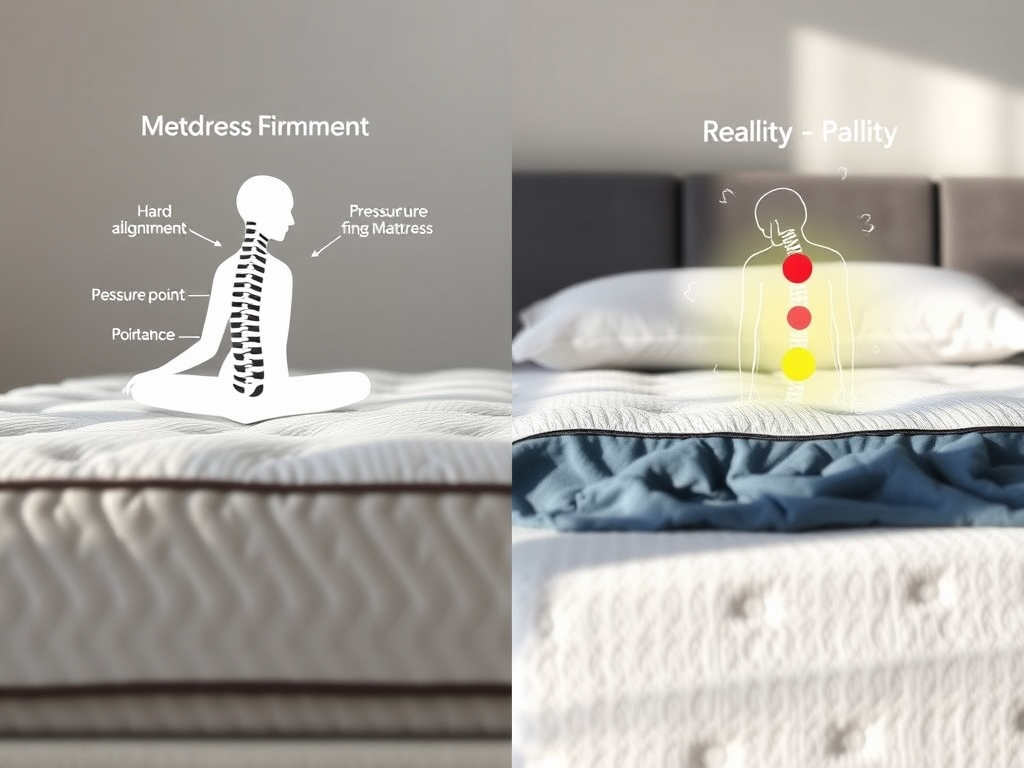
Common Mattress Myths vs. What Science Really Says
Mattress Myth
Scientific Fact
Hard mattresses are best for back pain
Medium-firm mattresses often relieve back pain better by supporting natural spinal curves.
Firm mattresses last longer
Durability depends on material quality, not just firmness.
Everyone sleeps better on a firm mattress
Sleep needs vary—side sleepers often need softer surfaces.
Soft mattresses are bad for the back
Soft top layers with supportive cores can aid spinal alignment.
Firmness means higher quality
Quality is defined by material density, support zones, and construction.
Here’s what the science says, and what to really look for when choosing a mattress.
Myth 1: Hard Mattresses Are Better for Back Pain
This is probably the most common one. The idea is that the harder the surface, the better the support. People picture lying flat on something solid to keep the spine straight.
Many studies have found that a medium-firm mattress often works better for people with lower back pain than a very hard one. The mattress should hold the body in a neutral positionwithout being stiff or unforgiving.
Myth 2: A Firm Mattress Means High Quality
Firmness and quality are often mixed up. Some shoppers assume that a heavy, extra firm mattress must be better built than a softer one.
The real story
Quality comes from good materials and solid construction, not how firm the surface feels. A mattress can feel supportive without being rock hard. And a mattress can be rock hard and still fall apart in a year.
The best firm mattress is one that lasts, supports the body well, and fits the sleeper’s needs.
Myth 3: The Harder, the Longer It Lasts
It might seem like a firm mattress will hold its shape longer than a softer one. But durability doesn’t depend on firmness alone.
What matters
Foam density
Coil strength
Edge support
Overall design
A poorly made hard mattress will sag or lose shape, no matter how stiff it feels on day one. A well-built mattress with the right balance of comfort and support will last much longer.
Myth 4: Everyone Sleeps Better on a Firm Mattress
This belief ignores one key thing: not everyone sleeps the same way.
Some sleep on their side. Others on their back. Some on their stomach. Each position places different pressure on the body. That’s why a one-size-fits-all rule doesn’t really work.
What sleep experts suggest
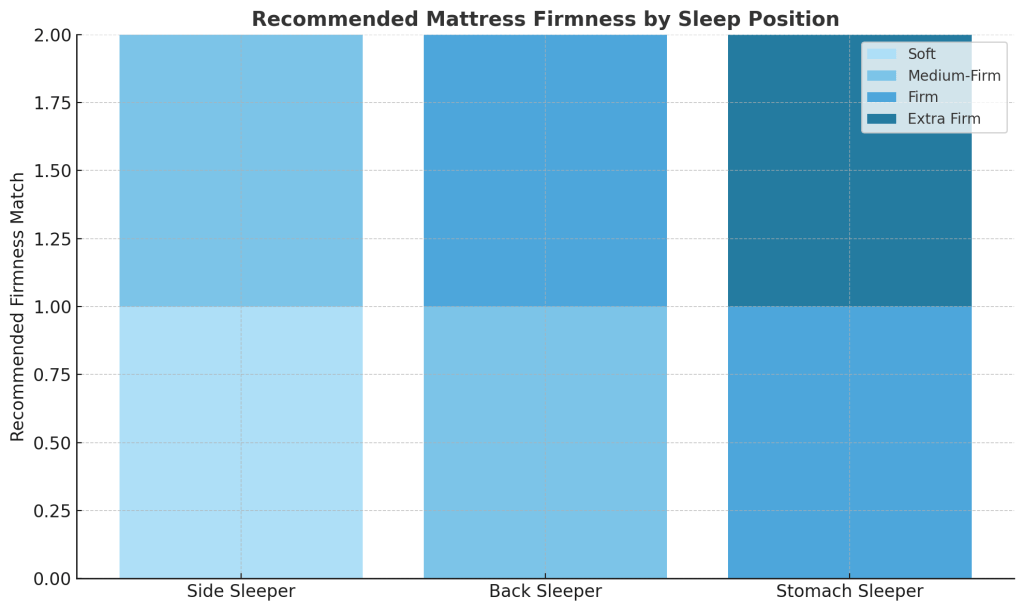
Side sleepers need pressure relief on the hips and shoulders. A rock hard mattress may cause soreness.
Back sleepers usually benefit from a firm or medium-firm mattress to keep the spine aligned.
Stomach sleepers often need a firmer surface to stop the hips from sinking too deep.
Sleep is personal. The best firm mattress is the one that matches body type and sleeping style, not just what a label says.
Myth 5: Soft Mattresses Are Bad for Your Back
This one isn’t always true either. Soft doesn’t mean unsupportive.
Here’s how it really works
Many back support mattresses use layers. The top can feel soft while the lower layers provide the support. Some memory foam mattresses contour to the body while still keeping the spine in a neutral position.
In some cases, especially for lighter sleepers or those with joint pain, something with a soft feel might actually be better.
What Science Says About Mattress Firmness
Several clinical studies have tested how mattress firmness affects sleep quality and back pain. One major finding: medium-firm mattresses tend to work best for the largest group of people, especially those with chronic back issues.
Overly firm beds can cause the body to tense up and may lead to restlessness or stiffness. Overly soft beds can cause poor spinal alignment. A balance is often the ideal solution.
Choosing the Right Mattress: What to Look For
So, how do you choose the best firm mattresswithout falling for the myths?Here are some simple tips:
Lighter sleepers often do better on softer surfaces that allow more contouring.
Sleep Style
Lightweight (<150 lbs)
Average (150–200 lbs)
Heavy (>200 lbs)
Side Sleeper
Soft
Medium
Medium-Firm
Back Sleeper
Medium
Medium-Firm
Firm
Stomach Sleeper
Medium-Firm
Firm
Extra Firm
Sleep Position
Back sleepers = firm or medium-firm
Side sleepers = soft to medium
Stomach sleepers = firm
Try Before You Buy
Many brands now offer home trials. These can last anywhere from 30 to 100 nights. Trying a mattress in your own space is the best way to know if it really works.
Materials Matter
Look for high-density foam, strong springs, and breathable materials. These affect comfort, durability, and temperature control more than firmness level alone.
Signs a Mattress Is Too Firm
Not sure if your mattress is too hard? Here are a few red flags:
Waking up with sore hips or shoulders
Numbness in arms or legs
Tossing and turning to get comfortable
Morning stiffness in the lower back
In those cases, the mattress might be too firm, or just not the right fit. A mattress topper can help in the short term, but a better mattress might be the long-term fix.
Expert Quotation about hard mattresses
“A mattress that’s too hard can actually misalign your spine rather than support it. The goal is neutral posture, not stiffness.”
“Medium-firm mattresses tend to offer the best balance of support and pressure relief for most body types.”
“People often confuse firmness with durability, but materials and build quality matter far more.”
“For side sleepers especially, a rock-hard mattress can lead to shoulder and hip discomfort. A touch of softness helps distribute pressure.”
“There is no one-size-fits-all when it comes to firmness. Your ideal mattress depends on your sleep position, weight, and spinal health.”
Conclusion
A hard mattress isn’t automatically better. It’s not the best choice for everyone, and in many cases, it can cause more harm than good.
A well-made back support mattress gives proper alignment, reduces pressure, and feels comfortable, not painful. Whether it’s a firm mattress, extra firm mattress, or something softer, the right one will support healthy sleep and help the body recover during the night.
Always choose based on comfort, support, and personal sleep habits, not just firmness labels.
FAQs
Is a hard mattress good for back pain?
Not for everyone. A mattress that’s too hard can cause pressure and discomfort. Medium-firm is often better for back support.
What’s the difference between firm and extra firm?
Firm mattresses feel supportive with some give. Extra firm mattresses are harder and less cushiony. Some people prefer them, others don’t.
Can a mattress be too firm?
Yes. A rock hard mattress can cause soreness, especially in the hips and shoulders.
What’s a back support mattress?
It’s a mattress designed to help keep your spine aligned while you sleep. It doesn’t have to be extremely firm, just supportive in the right areas.
Is firmness the most important thing?
No. Support, comfort, materials, and personal sleep style matter more. The best firm mattress is one that fits you.
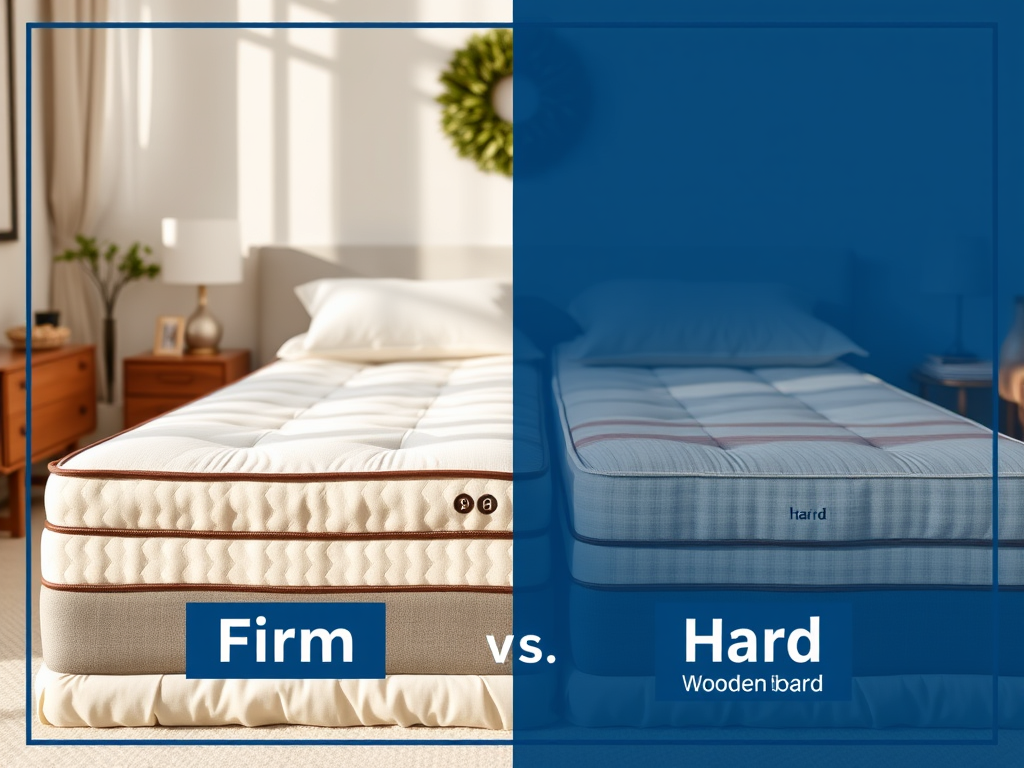
Choosing the right mattress can be confusing and people get confuse between firm vs hard mattress, most of them do not understand the actual differences. You might see words like firm, extra firm, or hard mattress, but what do they really mean? Are they all the same? The answer is no.
In this guide, we’ll explain the difference between a firm mattress and a hard mattress, why it matters, and how to find the best firm mattress for your sleep. We’ll also answer common questions at the end.
What Is a Firm Mattress?
A firm mattress gives your body strong support. It doesn’t let you sink in too much, but it still feels comfortable. Many people find a firm mattress good for sleeping because it keeps the back straight and reduces pain.
Firm mattresses can be:
Medium-firm soft with some support
Firm more support with less softness
Extra firm very solid and strong, little or no sinking
Firm mattresses are not too soft, but also not too hard. They are made to support your body and help you sleep well.
What Is a Hard Mattress?
A hard mattress, or rock hard mattress, is much firmer than a normal firm mattress. It feels stiff and flat, almost like sleeping on the floor or a wooden board.
Hard mattresses may give support, but they often don’t feel very comfortable. They don’t cushion your hips, shoulders, or back. This can cause pain, especially if you sleep on your side.
Firm Mattress vs. Hard Mattress
Let’s look at the key differences:
Feature
Firm Mattress
Hard Mattress
Support
Good support with some comfort
Very strong support, not much comfort
Feel
Supportive but still soft
Very stiff and hard
Bestfor
Back and stomach sleepers
Very few people, maybe for medical use
Pressure Relief
Yes, reduces pain
No, can cause pain on shoulders or hips
So, a firm mattress supports your back and body, but a hard mattress might feel too stiff for most people.
Why Firmness Is Important
The firmness of your mattress is important for good sleep. Here’s why:
1. Spine Support
Your spine should be straight while you sleep. A mattress that is too soft can make your body sink too much. A mattress that is too hard can push your back into a bad position. A firm mattress helps keep your spine straight.
2. Comfort
A firm mattress gives support but still feels nice. A hard mattress may cause pain, especially for people who sleep on their side or have sore joints.
3. Body Weight
Heavier people often need an extra firm mattress to stay supported. Lighter people may find a hard mattress too rough and not comfortable.
Who Should Use a Firm Mattress?
A firm mattress is a good choice if you:
Sleep on your back or stomach
Have back pain
Want strong back support
Are a heavier person
A firm mattress helps reduce pressure and can help with body pain or posture.
Who Should Avoid a Hard Mattress?
A hard mattress is not right for everyone. It may not be good if you:
Sleep on your side
Are a lightweight person
Have joint pain or arthritis
Like a softer, more cushioned feel
These people may feel sore or stiff after sleeping on a rock hard mattress.
How to Choose the Best Firm Mattress
Choosing the best firm mattress for your needs is important. Here’s how to do it:
1. Know Your Sleep Position
Back or stomach sleepers do well on firm or extra firm mattresses.
Side sleepers need a medium-firm mattress to avoid pressure on their hips and shoulders.
2. Look for Comfort Layers
Even if the mattress is firm, it should still have some softness on top. Memory foam or latex can add comfort.
3. Try Zoned Support
Some mattresses have zoned support, which means firmer areas under your hips and softer areas under your shoulders. This can help with body alignment.
4. Avoid Overly Hard Mattresses
Unless a doctor tells you to, stay away from rock hard mattresses. They often don’t help with sleep and can cause more problems.
What About Extra Firm Mattresses?
An extra firm mattress can be good if you:
Sleep on your back
Weigh more than average
Like a mattress that feels solid and flat
But remember, extra firm is not the same as rock hard. A good extra firm mattress still has a little comfort so you don’t feel sore.
What Is a Back Support Mattress?
A back support mattress is made to help your spine stay straight. It’s usually firm or extra firm and helps with back pain and posture. If you often wake up with lower back pain, this kind of mattress may help you sleep better.
Conclusion
The difference between a firm mattress and a hard mattress is simple but important. A firm mattress supports your body and feels comfortable. A hard mattress may feel too stiff and cause pain.
If you’re looking for the best firm mattress, think about your sleep position, your body type, and how much support you need. Avoid going too hard unless you have a medical reason.
Getting the right mattress means better sleep and better health. Take your time, test out options if you can, and choose a mattress that helps your body feel good when you wake up.
FAQs
What’s the difference between a firm and a hard mattress?
A firm mattress gives support and comfort. A hard mattress is very stiff and often uncomfortable. Firm is good for most people. Hard is usually too much.
Is a firm mattress good for back pain?
Yes. A firm or extra firm mattress can help keep your spine straight. This may reduce back pain. Just make sure it’s not too hard, or it could make things worse.
Can side sleepers use a firm mattress?
Yes, but they may prefer a medium-firm one. A mattress that’s too firm or rock hard can hurt your shoulders and hips.
Do hard mattresses last longer?
Not always. How long a mattress lasts depends on its materials, not just its firmness. A good firm mattress made from quality materials will last longer than a poor-quality hard mattress.
How do I know if my mattress is too hard?
If you feel sore when you wake up or have pain in your hips or shoulders, your mattress might be too hard. Try a softer topper or a different mattress.
If you or someone you know snores loudly or struggles with sleep apnea, you’ve probably tried all kinds of things mouth guards, nose strips, humidifiers, or even switching sleep positions. But one thing many people forget about is their mattress.
Could switching to a firm mattress actually help with snoring or sleep apnea? Or is that just another sleep myth? Let’s break it down in simple terms and see what the research says.
Snoring is the noise made when air can’t move freely through your nose or throat while you sleep. This causes the tissues in your airway to vibrate, creating that familiar rumbling sound. Snoring can be harmless, but in some cases, it’s a sign of a blocked or narrow airway.
Sleep Apnea
Sleep apnea is more serious. It happens when your breathing stops and starts repeatedly during the night. The most common type is called obstructive sleep apnea (OSA). It happens when the muscles in your throat relax too much and block your airway. Signs include:
Loud snoring
Gasping or choking while sleeping
Feeling tired after a full night’s sleep
Dry mouth or headaches in the morning
Sleep apnea is linked to serious health issues like high blood pressure, heart disease, and even stroke. That’s why it’s important to take it seriously.
Can Mattress Firmness Help?
You might be wondering what your mattress has to do with breathing. A lot, actually. The firmness of your mattress affects how your body is aligned while you sleep. And body position plays a big role in keeping your airways open.
1. Firmness Affects Sleep Position
If your mattress is too soft, you might sink in too much. This can make your chin tilt down toward your chest or your spine curve in a way that blocks airflow.
A rock hard mattress or extra firm mattress, on the other hand, might not let your shoulders and hips sink in at all. This can also throw off your body alignment, putting pressure on your neck and back.
That’s why many sleep experts recommend a medium-firm mattress. It offers just the right balance of support and comfort, helping you maintain good posture while you sleep.
Back sleepers: You’re more likely to snore or have apnea if you sleep on your back. A soft mattress can let your head tilt backward, causing the tongue to fall back and block the airway. A firm mattress or back support mattress may help keep your spine and neck aligned better.
Side sleepers: This is usually the best position for snoring and apnea. But a rock hard mattressmight create pressure on your hips and shoulders, making side sleeping uncomfortable. That might cause you to roll onto your back, which can make symptoms worse.
So, while firmness is important, it really depends on how you sleep. The best firm mattress for you is one that supports your favorite sleep position without causing pressure or discomfort.
What Does Science Say?
Several studies and sleep experts agree on a few key points:
A. Spinal Alignment Is Key
When your spine is properly aligned, your airway stays more open. A sagging mattress or poor sleeping posture can bend your neck or back in ways that reduce airflow. A firm mattress or one with zoned supporthelps maintain better alignment, especially if paired with the right pillow.
B. Side Sleeping Helps with Sleep Apnea
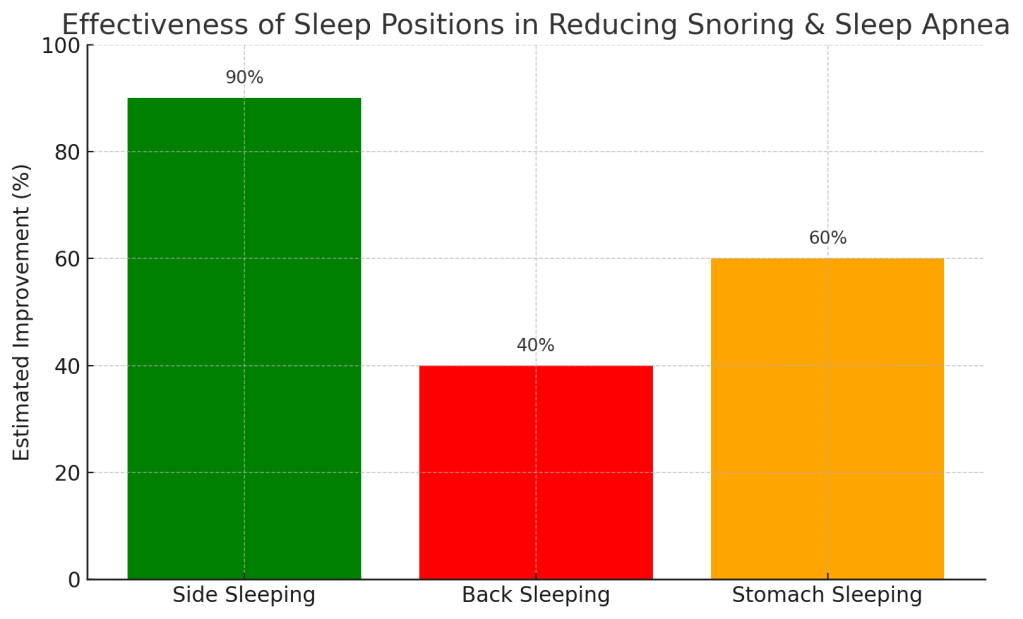
Research shows that side sleeping reduces the severity of sleep apnea in many people. A 2014 study in the journal Sleep and Breathing found that people with positional apnea improved just by sleeping on their side. A mattress that supports side sleeping firm enough for support, but soft enough for comfort is ideal.
C. Mattress and Pillow Work Together
Even the best firm mattress won’t help if your pillow doesn’t support your neck correctly. Your mattress and pillow should work as a team to keep your head, neck, and spine in a straight line.
When Can a Firm Mattress Help?
Let’s make it simple. A firm mattress can help if:
You sleep on your back and your soft mattress causes your head to sink too far in.
You’re heavier and need extra support so your body doesn’t sag.
You wake up with back or neck pain, which can affect your breathing too.
On the other hand, a firm or rock hard mattress might not help if:
It’s so hard that side sleeping becomes uncomfortable.
It causes pressure points that wake you up often.
It doesn’t work well with your pillow, making your head tilt at an odd angle.
What Should You Look for in a Mattress?
If you’re trying to reduce snoring or ease sleep apnea, here’s what to look for:
1. Medium-Firm Feel
This is often the sweet spot. It keeps your spine straight without being too stiff. It also helps with comfort if you sleep on your side.
2. Zoned Support
Some newer mattresses have firmer zones under the hips and softer zones under the shoulders. This helps keep your spine in line and can improve breathing posture.
3. Memory Foam or Latex
These materials are good at contouring to your body, reducing pressure points. They also support even weight distribution, which is helpful for side sleepers.
4. Adjustable Bed Base
If you have moderate to severe apnea, try pairing your firm mattress with an adjustable base. Raising your head 30“45 degrees can help keep your airway open and reduce snoring.
Other Tips to Improve Sleep and Breathing
A new mattress helps, but it’s not a complete cure. Try these tips too:
Sleep on your side: It’s the best position to reduce snoring and apnea.
Lose weight if needed: Extra weight around your neck can narrow your airway.
Avoid alcohol before bed: It relaxes throat muscles, making snoring worse.
Try nasal strips: If you’re congested, they can help open up your nose.
Use a CPAP machine: If you’ve been diagnosed with sleep apnea, this is the most effective treatment.
Conclusion
A firm mattress won’t magically cure snoring or sleep apnea, but it can make a big difference especially if it helps keep your spine straight and supports side sleeping.
For many people, a medium-firm mattress is the best choice. It gives enough support to avoid sagging but is soft enough to prevent pressure and discomfort. When paired with the right pillow and sleeping position, it can help keep your airway open so you breathe better at night.
If you think you might have sleep apnea or your snoring is out of control, it’s best to talk to a doctor. But don’t ignore your mattress. Sometimes, the path to better sleep is right beneath you.
FAQs
Can a firm mattress stop snoring?
Not completely, but it can help. A firmer surface may improve your head and neck position, which can reduce snoring caused by poor alignment.
Is a soft or firm mattress better for sleep apnea?
Most people do best with a medium-firm mattress. Too soft or too hard can both mess with your posture and breathing.
Does sleeping on your back make sleep apnea worse?
Yes. Back sleeping often leads to more snoring and apnea. Side sleeping is better, and the right mattress makes that easier.
Can an adjustable bed help with apnea?
Definitely. Raising the head of the bed helps keep the airway open, which is especially useful for moderate to severe sleep apnea.
How do I know if my mattress is the problem?
If your symptoms started after getting a new mattress or only happen in certain sleep positions, your mattress might be the cause. Try a mattress topper or experiment with sleeping angles to see if things improve.
We’ve all heard the advice: Sleep on a rock hard mattress; it’s better for your back. Some people even go a step further, sleeping on the floor or buying an extra-firm mattress, thinking they’re doing something good for their spine. But is harder really better when it comes to sleep and back health?
The truth is, rock-hard mattresses might actually do more harm than good. Only mattresses with advanced spinal alignment technology and extra-firm support can truly help reduce pain. Finding the right mattress can be challenging, but let’s break it down in simple terms and explore what really matters when choosing the best firm mattress for your back.
Why Mattress Support Matters for Your Back
Your spine isn’t just a straight line of bones. It has a natural curve that helps it support your body, absorb shock, and let you move freely. When you sleep, your spine needs to stay in a neutral position not bent too far forward or backward.
That’s where your mattress comes in. A good back support mattress helps keep your spine in this neutral shape. If your mattress is too soft or too hard, your body might sink in too much or stay too flat, putting stress on certain areas like your lower back, hips, or shoulders.
Firm vs. Hard: What’s the Difference?
People often mix up a firm mattress with a hard mattress. But they’re not the same thing.
A firm mattress supports your body and helps your spine stay aligned. It has structure but still has some softness to relieve pressure points.
AÂ hard mattress or a rock hard mattress is very stiff. It offers very little cushioning and feels like sleeping on the floor.
If you’re lying on a surface that doesn’t give at all, it can throw off your body’s alignment, especially if you sleep on your side or have curves that need support, like your hips and shoulders.
One major study published in The Lancet found that people with chronic lower back pain felt better sleeping on medium-firm mattresses compared to extra firm mattresses. They reported less pain and better movement throughout the day.
Another 2015 review looked at several studies and found that medium-firm mattresses are usually the best for improving sleep quality and reducing back pain. They’re soft enough to relieve pressure but firm enough to support your spine.
2. Your Sleep Position and Body Type Matter Too
What works for one person might not work for another. Your weight, body shape, and sleep position all affect the type of firm mattress that will suit you best:
Side sleepers need cushioning around the shoulders and hips. A hard mattress may push too much on these spots and cause pain.
Back sleepers usually do best with a medium-firm mattress that supports the lower back and keeps the spine straight.
Stomach sleepers may prefer a firmer mattress to keep their hips from sinking, but a rock-hard mattress can still feel uncomfortable.
Mattress Comparison Table: Rock-Hard Foam vs. Advanced Spine-Alignment Technology
Feature
Rock-Hard Foam Mattresses (C32, H32, H45)
Advanced Spine-Alignment Mattresses
Support Type
Flat, rigid support
Zoned support with body contouring
Spinal Alignment
Poor does not follow natural curve
Excellent promotes proper spinal posture
Pressure Relief
Low creates pressure points on hips and shoulders
High adapts to body shape, relieves stress on key areas
Comfort Level
Unyielding, often uncomfortable
Balanced comfort with firm yet responsive surface
Adaptability to Body Shape
Minimal
Dynamic body adaptation using memory foam or latex layers
Common Foam Type
C32, H32, H45 (high-density, hard foam)
Smart memory foam, latex, or hybrid materials
Blood Circulation
May restrict blood flow, causing numbness or discomfort
Supports circulation by reducing pressure points
Best for Side Sleepers?
No causes discomfort and joint pressure
Yes supports shoulder and hip contours
Durability
Durable but often uncomfortable long-term
Durable with better sleep quality over time
Back Pain Relief
Often worsens back stiffness and pain
Designed to alleviate and prevent back pain
Sleep Quality
Interrupted, restless sleep
Deeper, more restorative sleep
The Problem with Rock-Hard Mattresses
So, is a rock-hard mattress bad for you? In most cases, yes and here’s why:
Rock-hard mattresses don’t support the natural curve of your spine. Instead of adapting to your body’s shape, they create uneven pressure, especially around the shoulders and hips for side sleepers. This can reduce blood circulation, lead to numbness or stiffness, and often leaves you waking up sore or unrested.
Many mattresses labeled as extra firm use high-density foams like C32, H32, or H45. While these foams are durable and rigid, they lack adaptive comfort meaning they don’t contour to your body or respond to pressure points. This rigid structure may look supportive on paper but often fails to provide the targeted spinal alignment and pressure relief your back truly needs.
In contrast, mattresses engineered with advanced body-adapting and spinal alignment technologies are designed to respond to your unique shape and sleeping posture. They combine firmness with smart support zones and responsive materials to reduce pressure, support proper alignment, and actively ease back pain without the harsh, unyielding feel of traditional hard foam.
If your current mattress feels more like the floor than a sleep surface, it might be time to upgrade to one that supports both your spine and your comfort.
When a Firm Mattress is Helpful
Now, that doesn’t mean everyone should avoid firm mattresses. In fact, they can be very helpful in some cases:
Heavier people may sink too deeply into softer mattresses, which can throw off alignment. A firm or extra firm mattress gives better support.
Back sleepers often benefit from a best firm mattress that keeps their spine in a straight line.
People with some back conditions, like certain disc problems, might feel more supported on a firmer surface.
But even then, the mattress should still have some cushioning. A truly rock hard mattress is usually too much.
How to Tell If Your Mattress Is Too Hard
Not sure if your mattress is too firm for you? Here are a few signs:
You wake up sore, especially in your hips, shoulders, or lower back.
You toss and turn at night trying to get comfortable.
You feel like you’re lying on top of your mattress, not in it.
You feel stiff or unrested in the morning.
If this sounds like you, your firm mattress might actually be too firm or it might be time for a new one altogether.
Can You Fix a Mattress That’s Too Hard?
Maybe you’re not ready to replace your mattress just yet. No worries there are a few things you can do to make a hard mattress more comfortable:
Add a mattress topper. A memory foam or latex topper can add softness and comfort without removing support.
Use a thicker pillow. Especially for side sleepers, this helps align the neck and spine better.
Try a new sleep position. Back sleeping usually works better on firm surfaces than side sleeping.
Layer blankets. Adding extra layers can help soften the feel of a rock hard mattress.
These small changes can make a big difference, especially if your mattress is still in good shape but just too firm.
How Long Should a Mattress Last?
Even the best firm mattress won’t last forever. Over time, materials break down and stop giving you the support your body needs. Most mattresses last between 8 and 10 years. If yours is older than that or sagging in spots it might be time to start looking for a replacement.
What to Look for in a Back Support Mattress
When shopping for a new back support mattress, here’s what to keep in mind:
Firmness level: Look for medium-firm or firm, depending on your sleep style.
Material: Memory foam and latex are great for support and comfort.
Zoned support: Some mattresses offer extra support in the middle (for the lower back) and softer zones at the shoulders and hips.
The best firm mattress for you is one that keeps your spine straight, supports your body weight, and still feels comfortable enough for deep, restful sleep.
Conclusion
The old saying that harder is better when it comes to mattresses isn’t always true. While firm mattresses offer good back support, rock hard mattresses can do more harm than good. They often cause pressure points, stiffness, and restless sleep.
Most people do best with a medium-firm mattress that balances comfort and support. If your current mattress is too hard, try a topper or new sleep position or start thinking about getting a new one entirely.
FAQs
Is a hard mattress good for back pain?
Not necessarily. Research shows medium-firm mattresses work better for most people. A hard mattress can cause pressure points and throw off spinal alignment.
What’s the difference between a firm and extra firm mattress?
AÂ firm mattress supports your spine while allowing some cushion. An extra firm mattress is much stiffer and may be too hard for many sleepers.
Can I fix a hard mattress without replacing it?
Yes. Try adding a memory foam topper, switching sleep positions, or layering blankets for extra softness.
What’s the best mattress for back sleepers?
Back sleepers usually prefer medium-firm or firm mattresses that support the lower back without being too stiff.
How do I know if my mattress is hurting my back?
If you wake up sore, stiff, or tired, or if you toss and turn all night, your mattress might not be right for you. A back support mattress should help you wake up feeling better not worse.
UK shoppers keep seeing hybrid beds in every best mattress guide, so the big question is: why are they everywhere and are they worth it for me? This 2025 breakdown explains why the hybrid mattress UK market is growing so fast, what makes hybrids different from pure memory foam, and how the spring + foam build gives both comfort and support. We’ll answer the real pain points, back pain and pressure relief, heat build-up, durability, and “is it really worth the higher price?†, and we’ll compare hybrids with traditional mattresses so you can make an informed decision.Â
You’ll also see what to look for in UK models (pocket springs, cooling foams, edge support, trial periods) and where brands like Luxe Mattresses, Simba, Nectar fit in. By the end, you’ll know whether a hybrid is the right all-rounder for your sleep style, budget, and room size, and when to wait for a hybrid mattress sale.
Introduction
UK shoppers keep asking why mattresses changed so much recently. Every major best mattress guide now features several hybrid models. The UK search data shows hybrid mattress ukrising very fast. People want a combination of support and comfort instead of saggy or rigid beds. They also want products with decent lifespan information and honest specs provided. This introduction frames the 2025 UK edition for informed buyers.
Hybrid designs combine support, cooling, and pressure relief in one build. That mix helps improve sleep quality, spinal health, and daily energy. Most lists now show hybrids because the majority prefer balanced feeling. This article explains technology, benefits, and limits without brand bias involved. By the end you can compare every hybrid mattress uk confidently. Read slowly and note entities highlighted for Semantic SEO structure.
What Is a Hybrid Mattress?
At its core a hybrid mattress blends coils with foams. Manufacturers call it the innerspring mattress’ older and smarter sibling. It uses pocket springs or individually wrapped springs for steady lifting. Above those coils sit memory foam, latex, or responsive polyfoam. This layering lets a hybrid mattress suit mixed sleeping households easily. Different shapes, sizes, and comfort levels help UK shoppers pick confidently.
Coils give bounce, airflow, and edge stability around the mattress perimeter. Foams provide contouring that protects shoulders, hips, and lower backs nightly. This combination appeals to side, back, stomach, and combination sleepers together. UK shoppers like that one bed can please two different sleepers. That versatility is why many people call it a hybrid bed mattress. Some models even use cooling covers to improve temperature during muggy summers.
Key Construction / Components of a Hybrid
Hybrid construction matters because quality varies across every hybrid mattress uk. These components explain why some models last longer and feel cooler.
Coil system and zoning
Good hybrids use pocket springs that react individually under weight. Zoned coils support hips firmly while letting shoulders sink comfortably. Higher spring counts often deliver finer body mapping and better stability. Check spring gauge because thinner coils compress faster across heavy sleepers.
UK buyers should confirm height and steel quality inside the coil unit. This data separates basic builds from premium coolest hybrid mattress lines. Always read specification sheets before trusting brochure style marketing language.
Comfort and transition foams
Above the coils sit contouring foams that spread body pressure. Brands mix latex foam, polyfoam, and gel foams for comfort. Transition layers stop you dropping straight onto the spring network below. Thicker comfort stacks help side sleepers protect joints through longer nights.
Denser foams resist early impressions and keep alignment consistent for years. This layering makes hybrids feel responsive instead of swampy or sluggish. Shoppers should compare actual foam densities when judging construction quality today.
Cooling features and covers
Heat control is a big reason hybrids beat classic memory foam. Pocket springs push air upward which cools the upper comfort layers. Many brands add PCM, gel beads, or breathable bamboo knit covers.
These features matter for heavy sleepers and warm UK bedrooms alike. Look for removable covers because regular washing improves hygiene and durability. Cooling design is where the coolest hybrid mattress really stands out. Hot sleepers should prioritise these technologies during final comparison and purchase.
Edge reinforcement, delivery, and sizes
Edge support decides whether couples can actually use full mattress width. Reinforced edges prevent roll off and make sitting more comfortable daily. British retailers usually deliver boxed with clear setup and trial instructions.
Check availability in Single, Small Double, Double, King, and Super King. Some platforms also stock EU sizes for taller or athletic UK sleepers. Construction details here influence price, warranty, and long term satisfaction. Better transparency helps shoppers make informed, confident, and repeatable mattress decisions.
Benefits of Hybrid Mattresses
Hybrids solve multiple sleep problems within the growing hybrid mattress uk market. They balance cushioning, airflow, and support better than many older designs.
Balanced comfort and support
Coils keep the spine aligned while foams cushion pressure joints. This balance works for back sleepers, side sleepers, and combination sleepers. People who dislike sinking can still enjoy gentle responsive comfort. It is the reason many lists mention best hybrid mattresses repeatedly.
The feel sits between bouncy springs and hugging memory foam beds. That middle ground makes it a great all-rounder mattress. Families choosing shared beds often appreciate this kind of dependable neutrality.
Pressure relief and spinal alignment
Pressure points appear around shoulders, lower back, hips, and knees. Hybrid foams distribute weight so one area does not carry everything. Zoned coils further protect heavy zones like pelvis and lumbar spine. This helps office workers, parents, and athletes wake with fewer aches.
Couples can choose a hybrid double mattress for shared relief nightly. Correct pressure management also reduces nighttime restlessness and partner disturbance. Good relief plus airflow leads to deeper, more restorative sleep cycles.
Temperature regulation and airflow
Because hybrids breathe, hot sleepers experience steadier temperatures overnight. Air moves through coils and carries heat away from foam layers. Gel infusions and breathable fabrics support this natural ventilation process nicely.
This benefits women experiencing hormonal temperature swings during the year. It also helps heavier bodies that usually sink and trap heat. The result is cooler, calmer, and longer sleep for many households. These advantages make hybrids ideal for UK loft rooms or flats.
Edge strength, motion control, and durability
Most hybrids build in stronger edges than pure memory foam mattresses. This makes getting out of bed easier for older or injured sleepers. Pocket springs also limit motion transfer to acceptable levels for couples.
It may not match full foam but feels stable enough nightly. Durable coils and quality foams can last ten years with rotation. Choose a hybrid king size mattress if two people sleep nightly. That size and structure prevent crowding while keeping the sleep surface consistent.
Potential Drawbacks of Hybrids
Even the best hybrids inside the hybrid mattress uk category have limits. Understanding them protects buyers from disappointment after the courier leaves.
Price and overall weight
Hybrids usually cost more than simple open coil or foam beds. Multiple foams, pocket springs, and reinforced edges raise production expenses. They are heavier, so rotating or moving upstairs needs two people. Budget buyers should watch seasonal offers or bundle promotions carefully.
Some people downgrade to smaller sizes to stay within target budgets. A hybrid mattress. still offers value when lifespan and comfort are considered. Always compare warranty length against the advertised price before purchasing.
Motion transfer compared to all foam
Because coils bounce, hybrids pass slightly more motion than pure foam. Light sleepers may notice partners getting up or changing positions overnight. Thicker top layers and better pocketing reduce this disturbance a lot.
People needing silence should trial models with deeper, slower foams. Some couples jump straight to full foam for maximum motion isolation. Consider a hybrid mattress king size if extra width is possible. Extra space often matters more than raw motion isolation numbers.
Contouring depth, heat, and one sided formats
Not every hybrid contours as deeply as premium memory foam mattresses. One sided designs mean you cannot flip to refresh the surface. Cheaper foams can trap heat if ventilation layers are missing entirely. Some rolled models can deform if stored compressed for many months. Open the box soon after delivery to protect internal spring recovery. Use a protector because spills and sweat can void manufacturer warranties. Maintained correctly, hybrids still deliver long term, reliable sleeping comfort.
Should I Buy a Hybrid Mattress?
The next section helps match user type with correct mattress choice. This guidance keeps the hybrid mattress uk conversation realistic and specific.
Buy a hybrid if these points describe you
Buy if you sleep on your back or your stomach. These positions are like firm coils that stop hips dropping too far. Combination sleepers also love hybrids because surfaces recover very quickly. Heavier people get edge support and deeper compression without losing alignment.
Hot sleepers benefit from coils and breathable covers in warmer areas. Back pain sufferers appreciate lumbar stability plus modern pressure relief layers. This set of needs describes most ordinary British sleeping households today.
Do not buy a hybrid if this sounds familiar
Do not buy if you are extremely light and petite. Soft all foam beds will cradle you more comfortably each night. People sharing with very restless partners may still feel movements. Those chasing the deepest memory foam hug should pick pure foam.
Some side sleepers want extra contouring around shoulders and upper arms. These customers may prefer latex or high depth viscoelastic constructions. Matching preference properly prevents expensive returns and wasted delivery costs.
How to Choose the Best Hybrid Mattress in the UK
Choosing the right model is easier when you follow clear steps. This framework works for beginners, retailers, and content writers describing products.
Begin with sleep position and firmness
Start by deciding your usual and secondary sleeping positions nightly. Back and stomach sleepers should focus on medium firm to firm ranges. Side sleepers should look for thicker comfort systems above five centimetres.
Combination sleepers must prioritise responsiveness to change posture without effort. Sleep position affects everything from coil gauge to pillow selection later. Documenting this first prevents confusion once you see marketing comparisons. Position led shopping usually produces the happiest long term outcomes.
Materials, cooling, edge support, and UK sizing
Next, review materials, foam densities, and declared cooling technologies carefully. Denser foams resist breakdown and keep spinal alignment stable for years. Gel, bamboo, or breathable knit covers are great for warm sleepers.
Couples should check edge support construction before buying online without testing. Confirm UK sizes from Single through Super King before ordering delivery. This is where a king size hybrid mattress becomes attractive. Size, materials, and cooling together decide the final ticket price.
Price bands, trials, and seasonal offers
Finally, compare price points, trial periods, and available promotions across stores. Entry level builds under five hundred pounds cover basic hybrid requirements. Higher tiers bring better coils, thicker foams, and longer warranties.
Always watch for a hybrid mattress sale around seasonal events. Trials let you test motion isolation, heat, and firmness at home. Return policies matter for online orders travelling across the UK. This last step protects budgets while keeping performance expectations realistic.
Hybrid Mattress Myths Busted (2025 UK)
Marketing sometimes confuses buyers, so myth busting becomes very useful. Here are common statements UK shoppers read and the real explanations.
Myth: hybrids sag quickly
People say hybrids sag fast, yet have good springs last year. Dense comfort foams and proper rotation keep surfaces feeling supportive longer. Expect eight to twelve years from reputable European or UK brands.
Protect the top with a breathable mattress protector to reduce wear. Poor base slats can cause dips, so check bed frames. Realistic care routines matter more than headline lifespan figures online. Treat the mattress properly and sagging becomes a distant problem.
Myth: hybrids always sleep hot
Another myth says hybrids trap heat like heavy memory foam. Pocket springs pump air naturally, defeating heat in most UK rooms. Cooling foams and advanced fabrics reinforce this ventilation for hot sleepers.
Only very cheap builds without airflow layers feel cramped and sweaty. Always read construction notes before judging the category unfairly everywhere. This myth ignores real engineering progress made since 2020 era launches. Modern hybrids stay cool enough for shared couples and attic bedrooms.
Myth: firm is always better for backs
Shoppers also believe firmer means healthier for every kind of back. However support needs differ according to body weight and sleeping style. Light side sleepers often need softer shoulders for perfect spinal lines. Heavier stomach sleepers need resistance so hips do not collapse inward.
The best hybrid mattress for you matches posture, not influencer opinions. Listen to your body over generic firmness advice from brand representatives. That approach builds trust and reduces unnecessary mattress replacements later.
Myth: every hybrid feels identical
Finally, some claim all hybrids feel the same after unboxing. Coil gauge, spring count, zoning, and foam depth change massively. Premium models can even copy hotel style pillow top sensations.
Entry builds feel bouncier because comfort stacks remain much thinner. Noise levels also differ depending on encasement and upholstery quality inside. This is why specification sheets and real user reviews matter. Use data, not slogans, when selecting your long term sleep system.
Hybrid Mattresses vs Hybrid Foam Mattresses (Technical / 2025 Update)
Tech language on retailer sites can confuse people comparing two categories. This breakdown separates coil based hybrids from foam based hybrid styles.
Coil plus foam hybrid mattresses
True hybrids use pocket springs for support and stability underneath. Foams above handle contouring, pressure relief, and mild motion isolation. This layout offers bounce, airflow, and great edge support together. It matches what most buyers imagine when reading a memory foam hybrid mattress.
Sportspeople and combination sleepers usually prefer this clearer, responsive feeling. These builds suit family homes needing versatile and durable sleeping solutions. Check spring count and foam depth before confirming any expensive order.
Foam heavy or foam only hybrid mattresses
Foam hybrid mattresses stack several foams without a coil core. They contour deeply and move silently, ideal for light sensitive sleepers. However they run warmer and the edges can feel weaker when sitting.
Always compare density and ILD numbers to assess long term support. This style mimics some hospital or rehabilitation beds using visco foams. Use it when you prioritise cuddling softness over springy quick response. It is still a hybrid memory foam mattress in marketing language.
Which option should UK shoppers choose?
Picking between them depends on heat, weight, and room layout. Hot sleepers and heavier bodies should pick coil hybrids first. Apartment dwellers wanting silence can pick foam based alternatives instead. Both approaches work when specs, trial periods, and warranties stay transparent.
Retail staff should present actual data sheets to reduce return rates. Educated 2025 shoppers expect honest comparisons between similar looking products. This clarity strengthens brand authority and improves future content marketing too.
Alternatives to Hybrid Mattresses
Hybrids are not the only route toward healthy and supported sleep. Consider these alternatives when tastes, ethics, or budgets differ a little.
Natural and two sided fibre mattresses
Natural two sided mattresses use wool, cotton, and sometimes horsehair. They breathe exceptionally well and can be flipped during the year. Craftsmanship levels are high, so prices stay higher than rolled hybrids. These mattresses suit buyers wanting fewer synthetic materials near skin.
They also help households reduce microplastic dust inside small bedrooms. This route costs more upfront but delivers very dependable durability. Writers should mention this when mapping alternatives to the hybrid mattress.
Premium pocket spring or upholstered mattresses
Premium pocket spring mattresses compete strongly above five hundred pounds. They use taller springs, natural fibres, and very luxurious quilted covers. They regulate temperature well and support backs without foam sinking.
People who dislike foam response often enjoy these traditional builds. Some retailers discount them during the same hybrid mattress sale periods. Check whether turning handles and dual season toppers are also included. These extras add value for families rotating beds between bedrooms.
Budget boxed and rolled mattress options
Some households simply need the lowest possible upfront purchase price. Boxed and rolled mattresses help renters or students furnish bedrooms quickly. They lack advanced cooling and can show impressions earlier than hybrids.
Still, they provide short term comfort without heavy delivery logistics. Later, families can upgrade toward the best hybrid bed lines. This staged approach keeps cash flow healthy during expensive life periods. Always recycle old mattresses responsibly using council or retailer schemes.
Shop UK-Standard Hybrid Mattresses at Luxe Mattresses
To experience balanced performance, explore Luxe Mattresses today for choices. Our store curates a UK hybrid mattress collection across single to super king. You can filter by cooling, firmness, height, and pocket spring counts. Each listing shows materials, delivery windows, and trial or return policies.
This clarity helps compare every hybrid mattress uk with rival marketplaces quickly. Buyers also receive guidance about pairing pillows and protectors for longevity.
We highlight three practical picks for different British sleeping situations. These options match most bedrooms, budgets, and common couple complaints easily. Choose the one that mirrors your position, weight, and heat sensitivity.
Remember to check for timing around bank holiday promotion periods. Smart timing can unlock strong discounts without reducing specification quality. Visit the hybrid mattress category page to see current in stock items.
pressure relief hybrid for side sleepers needing softer shoulder zones
cooling hybrid for hot sleepers in lofts or south facing rooms
king size hybrid mattress for couples needing width and edge support
Conclusion
Hybrid mattresses gained popularity because they meet real 2025 UK expectations. They combine comfort, support, airflow, and durability inside one reliable platform. When you pick a hybrid mattress uk you choose balance deliberately. You also choose technology that welcomes different sleeping styles nightly. This article covered meaning, entity links, and real world buying steps. Use it as pillar content and interlink supporting UK mattress guides.
Next, audit your existing pages and add structured data for trust. Explain materials clearly, avoid myths, and showcase transparent specification tables. Link out to respected UK sleep sources for better topical authority. Then close with offers highlighting seasonal hybrid memory foam mattress deals. This approach satisfies users, search engines, and brand positioning together. Done consistently, even competitive niches can rank around hybrid mattress uk.
FAQ’s
Which hybrid mattress is the best in the UK?
The best hybrid mattress in the UK depends on your sleep position, weight, and budget, but models from Luxe Mattresses , Simba, and Nectar balance support, cooling, and value for most sleepers.
What are the negatives to a hybrid mattress?
Hybrids usually cost more, are heavier to move, and can transfer slightly more motion than full-foam beds; cheaper versions may trap heat or use one-sided designs that limit long-term maintenance.
Is it worth getting a hybrid mattress?
For many UK sleepers it’s worth it because hybrids combine coil support, foam pressure relief, and better airflow, making them comfortable for couples, hot sleepers, and mixed positions over years.
What is a hybrid mattress NHS?
In NHS or healthcare wording, a hybrid mattress usually means a mattress combining foam comfort with a supportive base, designed to reduce pressure, improve circulation, and help patients at risk.
What is the lifespan of a hybrid mattress?
A quality hybrid mattress in the UK typically lasts eight to twelve years, provided foams are dense, springs are well-constructed, and the user rotates it and protects it from moisture.
Choosing the right mattress size in the UK can be confusing, especially when comparing European and US standards.
This guide breaks down all different mattress sizes used in the UK, complete with metric and imperial measurements, comparison charts, and real-world examples to help you find the perfect fit for your space, lifestyle, and comfort needs.
Introduction
When you’re shopping for a new bed, the biggest question is simple: which size is right for you? In the UK, mattress sizes are standardized for typical bed frames and bedding, yet confusion creeps in when you compare them with European or US sizing. Those regional differences matter, especially if you’re eyeing an IKEA frame or importing linens.
This guide gathers clear measurements (metric and imperial), a tidy size chart, and practical buying advice so you can choose confidently. You’ll see at a glance how the UK system maps to EU/US equivalents, what suits each sleeper, and how to measure for delivery without mishaps. Above all, you’ll learn how to navigate the landscape of different mattress sizes without stress.
For premium comfort and verified UK-standard sizing, explore Luxe Mattresses, a convenient option for buying online with clear dimensions and straightforward delivery information.
Quick UK Mattress Size Chart (Metric & Imperial)
According to guidance aligned with the National Bed Federation, UK beds follow specific measurements to keep mattress sizes, bed frames, and bedding compatible. Use this quick chart of width × length to pick a fit that works for your space and sleep style.
Mattress Size
Dimensions (cm)
Dimensions (ft/in)
Ideal For
Small Single
75 × 190
2′6″ × 6′3″
Kids’ rooms, compact spaces, bunk beds
Single
90 × 190
3′0″ × 6′3″
Teens, single adults, guest rooms
Small Double (Queen / Three-Quarter)
120 × 190
4′0″ × 6′3″
Singles needing extra space, cosy couples
Double
135 × 190
4′6″ × 6′3″
Two adults — most common UK size
King
150 × 200
5′0″ × 6′6″
Taller couples, extra leg room
Super King
180 × 200
6′0″ × 6′6″
Spacious master bedrooms, luxury comfort
Emperor
200 × 200
6′6″ × 6′6″
Families, ultimate space
Toddler
70 × 140
2′3″ × 4′7″
Young children
Cot
60 × 120
2′0″ × 3′9″
Infants, babies
Tip:UK bed sizes are named for the mattress they hold, but the external frame can be wider/longer depending on design.
UK Sizes Explained — Who They Suit Best
Every household sleeps differently. Below, we translate different mattress sizes into real-life use cases so you can match a size to your room and routine.
Small Single — 75 × 190 cm
Perfect for children or toddlers moving up from a cot. It’s also a smart fit for guest rooms or narrow spaces like lofts or attic conversions where every centimetre counts.
Single — 90 × 190 cm
A step up in width for teenagers, single adults, or overnight guests. You’ll get balanced comfort while keeping floor area free for desks and wardrobes.
Small Double (Queen/Three-Quarter) — 120 × 190 cm
Often called a “Queen†or “Three-Quarter,†this suits a single adult who spreads out or a couple in a compact flat. Pair with ottoman or divan bases to unlock hidden storage, ideal for city living and for navigating different mattress sizes within tight floor plans.
Double — 135 × 190 cm
The UK’s most common size for two adults. Each person gets roughly 68 cm of individual width—about the width of a baby cot, which is cosy for some and tight for restless sleepers who notice partner movement.
King — 150 × 200 cm
Both wider and longer than a Double, making it a favourite for taller individuals or couples who want fewer elbow bumps. The extra 10 cm in length helps anyone ≥ 180 cm avoid dangling feet.
Super King — 180 × 200 cm
Essentially two Singles side-by-side for maximum personal space. Great for co-sleeping families, tall sleepers, or homes with pets who climb into bed.
Emperor — 200 × 200 cm
The largest standard UK option—pure luxury for families or anyone designing a statement primary bedroom where space isn’t a constraint.
Kids’ Mattresses — Toddler & Cot
Toddler (70 × 140 cm) and Cot (60 × 120 cm) sizes support sound sleep and safer bedding for younger children, making sheet changes straightforward for parents.
UK vs European vs US Sizes — Key Differences
If you compare different mattress sizes across regions, you’ll spot subtle but important changes. In Europe, a Double is usually 140 × 200 cm, 5 cm wider and 10 cm longer than a UK Double. US sizes differ too: the Queen (60″ × 80″ ≈ 152 × 203 cm) is wider and slightly longer than a UK King in one dimension and can confuse sheet/duvet fit. Brands like IKEA use European measurements, so UK bedding may not fit snugly. Always verify the equivalent before you buy.
Buying online? Shortlist UK-standard retailers with precise dimension pages and return windows. A practical example isLuxe Mattresses, where UK sizes and depth options are clearly listed, helping you avoid mis-fits with frames and linens.
Space, Height & Sleep Style Considerations (Choosing the Right Size)
Picking from different mattress sizes is ultimately about finding harmony between your room, your height, and how you sleep.
Space & Room Size Measure first, buy second. As a rule, leave 60–90 cm of walkway on each open side so drawers can open and the room still “breathes.†Small bedrooms favour Small Double; larger master suites can host King, Super King, or Emperor.
Height & Comfort Choose a mattress at least 10 cm longer than the tallest sleeper. For anyone ≥ 180 cm, King or Super King (both 200 cm long) will feel more natural.
Sleep Habits & Partner Movement On a Double, two people get ≈ 68 cm each, fine for calm sleepers, tight for fidgeters. If you wake easily, the extra width of King or Super King reduces disturbance.
Lifestyle, Kids & Pets Co-sleeping with toddlers or sharing space with pets? Bigger sizes prevent crowding and help maintain neutral sleep posture through the night.
Budget Planning Larger sizes mean larger frames and linens. Build room in your budget for deep-pocket sheets and duvet sizes that actually match your choice.
Bed Frames & Overall Footprint (Why External Dimensions Differ)
Not all frames match the mattress edge-to-edge. A divan base usually mirrors the mattress footprint, but wooden/metal or upholstered frames often extend beyond it because of padding, headboards/footboards, and design curves. Sleigh or rolled profiles can add 5–10 cm in width and length. When evaluating different mattress sizes, always check internal deck size (where the mattress sits) and total external dimensions so you don’t clip doorways or radiators on delivery day.
Giant & Specialty Beds (Beyond UK Standards)
You’ll see social buzz about Wyoming King, Texas King, Alaskan King, the Family Bed, and Double King. These are custom or US-market formats that sit outside the UK standard ladder. The UK typically tops out at Emperor in regular retail. Choose custom only if you have a very large room, bespoke bed frames, and access to oversized bedding. When comparing different mattress sizes globally, remember that sourcing sheets and protectors becomes harder and pricier beyond UK standards.Â
Measuring & Delivery — Make Sure It Fits!
A smooth delivery takes five quick checks, no surprises, no scuffs:
Path planning: Trace the route from van to bedroom.
Doorways: Measure height and width; the height should exceed the mattress width.
Stair head clearance: Measure the vertical clearance at the tightest landing.
Corners & 45° turns: If it passes diagonally at 45°, it will usually turn fully.
Depth & bending: Most mattresses shouldn’t be bent; folding can damage springs/foams and void the warranty.
Clear pictures, mirrors, and lampshades; assemble the frame after the mattress is upstairs. Good prep helps every type in the spectrum of different mattress sizes arrive intact.
FAQ’sÂ
What is the most common mattress size in the UK?
The Double (135 × 190 cm) leads because it balances space, cost, and room fit for most households.
Are UK and IKEA mattress sizes the same?
Not always. Many IKEA frames use European sizing with 200 cm lengths. Check labels before mixing systems.
What size is best for tall sleepers (≥ 180 cm)?
King or Super King, both 200 cm long, prevent feet from hanging off the end.
How much space does each person get on a Double?
About 68 cm each, roughly a cot’s width, so light sleepers may prefer King for fewer bumps.
Which size suits small rooms or guest rooms?
Small Single, Single, or Small Double, depending on layout and storage needs.
Will a UK King mattress fit my existing frame?
Measure the frame’s internal platform (slats or base) and compare with 150 × 200 cm. Decorative frames can add external bulk.
Are bigger sizes always better?
Only if the room size, budget, and lifestyle support them. The “best†among different mattress sizes is the one that fits your space and helps you sleep well.Â
Conclusion
Understanding the different mattress sizes in the UK is essential before investing in a new bed. From compact Small Singles for kids to luxurious Emperors for spacious master suites, each size caters to unique comfort and lifestyle preferences. By knowing the exact UK measurements, and how they differ from European or US standards,you’ll avoid sizing mismatches and enjoy a bed that truly fits your space and sleeping style.
If you’re looking for premium comfort and accurate UK-standard dimensions, exploreLuxe Mattresses, a trusted destination for quality craftsmanship, elegant design, and long-lasting sleep support.