


A Quick Guide to Sleepmaxxing: How to Optimize Your Sleep for Maximum Results
The aim of sleepmaxxing is to maximise the amount and quality of the sleep you get each night. Adults need between seven and nine hours a night. See more here.
 December 20, 2025
The aim of sleepmaxxing is to maximise the amount and quality of the sleep you get each night. Adults need between seven and nine hours a night. See more here.

 October 30, 2025
This article explains why UK sleepers with back, hip, or shoulder pain are switching to firm hybrid mattresses. Hybrids blend pocket-spring lift with foam comfort, stopping pelvic dip and shoulder jamming. It compares hybrids with memory-foam and spring beds, shows firmness by sleep position, and maps REM-Fit options. Readers learn how to test firmness at home, why UK sizes matter, and how durability keeps alignment. It finishes with practical buying steps for 2025, focused on LuxeMattresses.co.uk shoppers. Simple, clear guidance.
For many sleepers searching ˜Hybrid Mattress UK Firm‘, the real issue isn’t hype at all, it’s the way back pain, hip pain, or even shoulder pain shows up every single morning across the UK. Millions of people keep changing pillows, stretching, or taking breaks at work, but nobody tells them that the mattress could be the real culprit. We also know the UK market is noisy, every brand says its mattress is œorthopaedic or œperfect for posture, so it’s hard to know which one to choose.
This guide pulls the marketing curtain aside and shows you, step by step, how firm hybrid builds work, when they help, and when you actually need a softer comfort layer on top. Another pattern UK clinicians report is that people upgrade pillows, chairs, even cars, but keep sleeping on an old mattress for 8–12 years. During that time the comfort foams oxidise, the springs lose tension, and the sleeper’s body weight changes.
So the bed that once felt supportive slowly turns into a surface that lets the hips rotate and the shoulders collapse inward. When that happens, even a small disc issue or hip bursitis starts shouting. That’s the stage where a structured hybrid with a clear support core becomes a genuine fix, not a luxury buy.
UK clinics, physios, and even NHS-backed health pages all repeat one thing: poor sleep posture turns small aches into proper musculoskeletal problems. In 2025, UK sleep specialist Lindo Mavuso (interviewed on 09/19/2025) explained that a lot of the cases she sees look like “mystery painâ€, but when she asks about the bed, the problem becomes obvious, the sleeper is on a sagging, uneven, or over-soft surface.
That’s why people keep asking, Do hybrid mattresses help with back, hip and shoulder pain? and Are they better than memory foam or spring-only beds? Her answer was clear: hybrids can help because they combine lift and contouring, but only if the firmness matches the sleeper’s body and pain profile. Otherwise, even a premium hybrid becomes another piece of marketing hype.
This is a 2025 expert guide, so we’re talking specifically to UK adults who spend long hours sitting, commuting, or working from home. If that’s you, you’ve probably already read at least one what is a hybrid mattress uk explainer or skimmed a couple of hybrid mattress uk reviews to see if real people actually got pain relief. But the question underneath all those searches is the same: are hybrid mattresses firm enough for chronic lower-back cases, or are they just comfy hotel-style beds?
Most of these searches boil down to one thing: finding a Hybrid Mattress UK Firm enough to stabilize the spine without making the hips or shoulders scream. We’ll map REM-Fit models later in the article so you can see real examples.
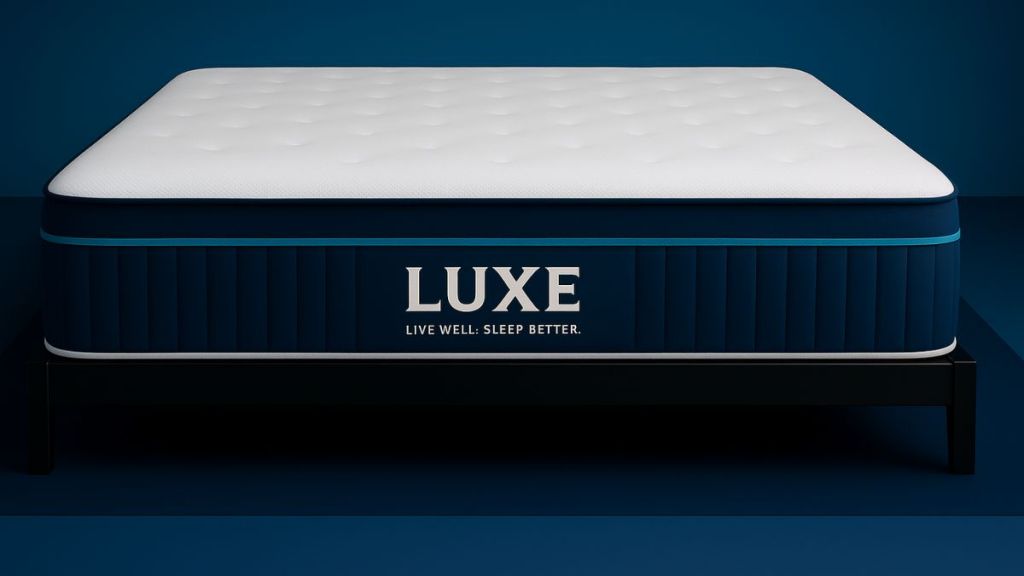
Pain during sleep is not random. It usually comes from misalignment. Think of your spine as a suspension bridge: it needs to stay in one long, neutral line while you lie down. When the mattress is too soft, certain areas, usually the hips, sink deeper, and when the mattress is uneven or sagging, the shoulders end up taking more weight than they should. That creates pressure points and makes the whole sleep setup go out of sync with the body. NHS guidance also warns that poor sleep posture can lead to long-term musculoskeletal issues in working-age UK adults, especially when combined with sedentary jobs.
A good hybrid counters this because it uses shock absorbers (the springs) to hold the main load and foam contours to spread pressure out. The result is that pressure points melt away instead of building up. If your current bed leaves a clear body impression or you feel like you roll into the middle, that’s classic misalignment and it will keep feeding the pain cycle until you change the surface.
When alignment is right, your muscles can finally switch off. Your neck doesn’t have to hold the head up, your mid-back doesn’t have to fight gravity, and your hips aren’t twisting to compensate. That deep relaxation window is when tissue repair actually happens. On a poor surface, the body keeps micro-correcting all night, so you wake up feeling as if you never really slept. A hybrid that follows body contours while keeping the spine neutral shortens this correction phase and gives you more real rest per hour.
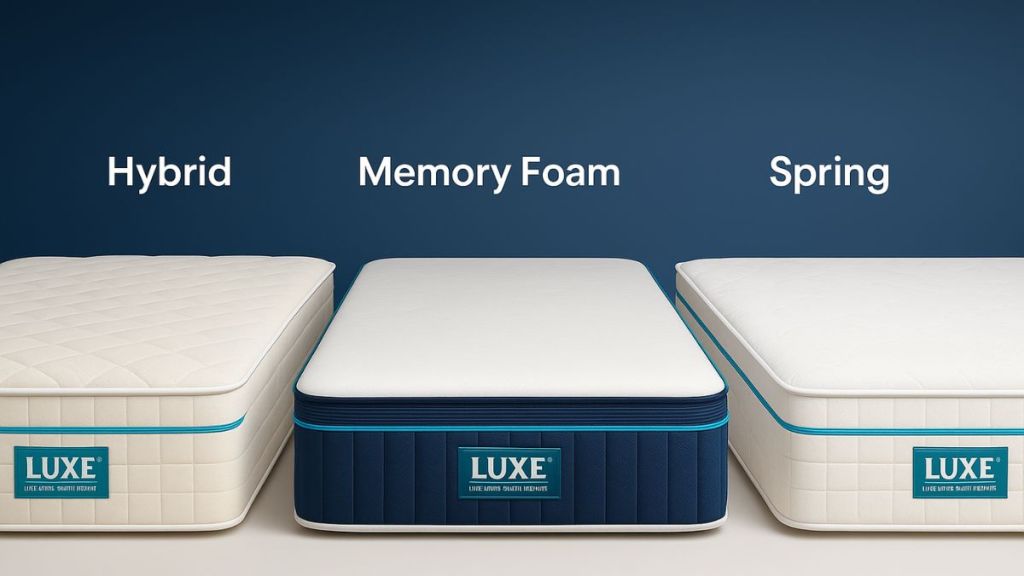
Memory-foam-only mattresses contour the body, easing shoulder and hip pressure, but overly soft or warm foam lets heavier areas sink, reducing spinal lift. UK sleepers with back pain often discover the mattress, not lifestyle, caused problems. Hybrids outperform here consistently.
Traditional spring mattresses lift superbly and stay cooler, yet many UK adults with hip or shoulder pain find them too firm because bones rest nearer the coils. Without comfort layers, pressure points return quickly, especially for lighter sleepers seeking relief.
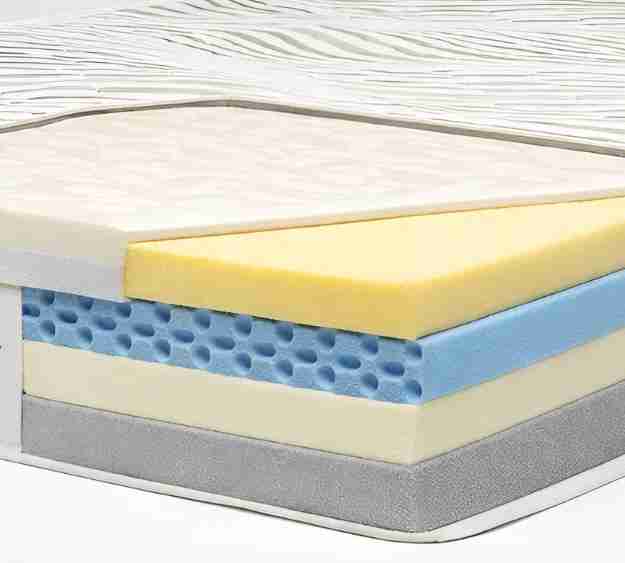
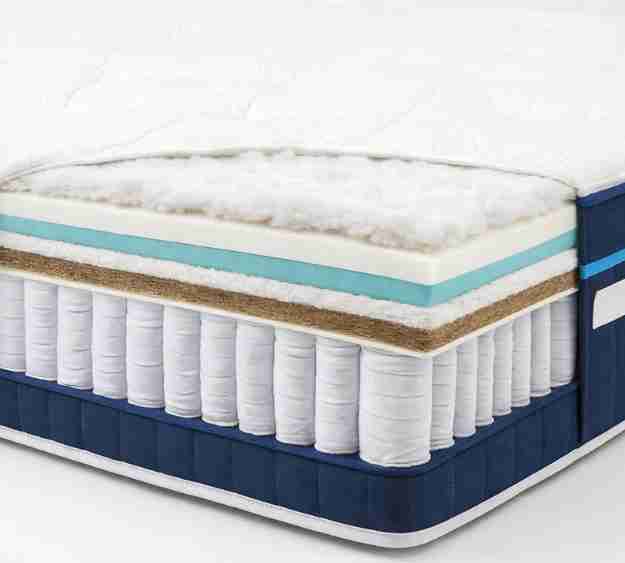
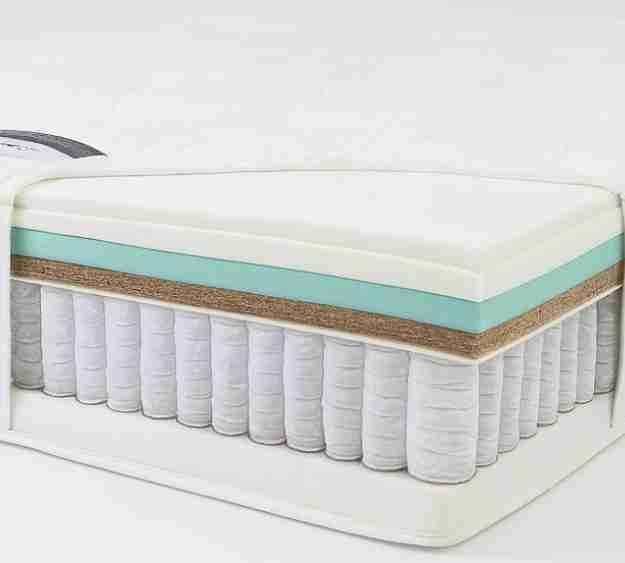
Hybrid designs join pocket springs with supportive foam, creating scaffolding for spinal alignment while cushioning joints. This construction stops pelvic dipping seen in memory foam alone and harshness from spring beds. UK reviewers praise the balanced feel for chronic discomfort.
Because hybrids use breathable, open-cell foams and space between pocket springs, airflow improves and heat escapes faster. Hot sleepers in the UK report temperatures better than on memory-foam-only models. Hybrid mattress UK reviews highlight cooler nights plus better pressure relief.
For sleepers needing real spinal lift, a Hybrid Mattress UK Firm configuration keeps the pelvis from dipping while foam smooths pressure over shoulders and hips. This support-plus-comfort combo outperforms soft memory foam, especially for lower-back pain aggravated by daily sitting.
Some UK spring beds still use linked coils, which transfer motion and create hard pressure points. Without pocket springs or decent foams, joints suffer again. Hybrids upgrade that core with isolated coils, making everyday pain management far more realistic long-term.
Individually wrapped pocket springs respond to each zone, letting one shoulder sink without dragging the whole mattress downward. That’s vital for asymmetrical issues like right-shoulder pain from desk work. Foam layers above refine comfort, so support stays targeted and stable.
Pain relief fades when mattresses lose height, so durability matters. Hybrids using stronger steel and higher-density comfort foams keep alignment longer, delaying the pain cycle. That’s why 2025 UK buying guides increasingly prioritise hybrid builds over cheaper, faster-sagging memory-foam-only options.
Now we get to the real diagnostic part. Not all pain is the same, so not every sleeper should pick the same firmness. When UK sleepers say they have “back painâ€, most of the time they actually need medium-firm, not rock hard, not marshmallow.
Medium-firm gives posture support and stops lumbar sagging, which is where pain often begins. If you sleep mostly on your back and your main issue is lower-back compression, go for a Hybrid Mattress UK Firm feel with reinforced lumbar zoning; it will keep the natural curve supported while you sleep, which is like gentle therapy at night.
Back sleepers who want maximum stability often search for the best firm hybrid mattress uk because they’re tired of waking up stiff. A firm hybrid with zoned coils will hold the shoulders and hips in line and reduce morning tightness.
Heavier or taller sleepers sometimes need even more tension. For them, the firmest hybrid mattress uk options with high-tension springs are the safest bet because they don’t bottom out overnight and they keep the spine lifted even when weight is concentrated in the midsection.
Most adults, especially mixed sleepers, do well on best firm hybrid mattress uk models, because you get a blend of support and pressure relief. It’s the sweet spot for couples, guest rooms, and anyone who keeps changing positions through the night.
In mixed households where one person has hip sensitivity while the other just wants posture support, the best medium firm hybrid mattress uk style works better. You can even look at UK-based suppliers instead of importing so the size, warranty, and returns stay simple.
But if hip pain dominates, a slightly softer top over a Hybrid Mattress UK Firm base works better because the hips get extra cushioning while the springs still stop the pelvis from dipping. Shoulder-dominant sleepers, especially women with narrower frames, often blame the pillow when the real issue is that the mattress is not letting the shoulder sink.
If the mattress surface is too unyielding, the shoulder has to rotate forward or up, which strains the upper back. That’s why zoned hybrids, where the shoulder area is slightly softer than the hip area, have become popular.
They let you lie straight without jamming the shoulder into the springs. At the same time, the hip zone stays stronger, so you don’t end up with a banana-shaped spine. You can also drop an internal link here to a mattress firmness guide UK to help readers self-assess.
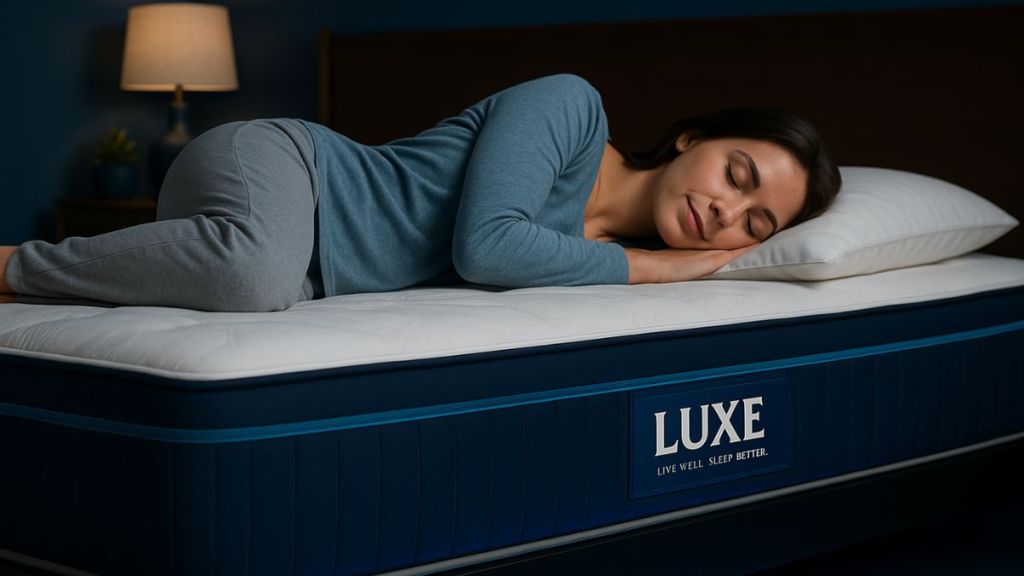
Position matters as much as pain. Around 60% of UK adults are side sleepers, which means their shoulders and hips are the two main pressure points. For them, a hybrid with zoned shoulder relief and a medium-soft top works, but the support layer underneath should still be steady. This is why so many side sleepers look up medium firm hybrid mattress uk — they want softness on top but not a hammock underneath.
Back sleepers who don’t want a hammock shape should stay in the Hybrid Mattress UK Firm range, especially if they work desk jobs or drive a lot. That firmer tension prevents the middle of the body from dipping and keeps breathing easier because the chest stays open.
Stomach sleepers in the UK often need a slightly tougher Hybrid Mattress UK Firm spec to keep the pelvis level and stop the lower back from crunching. Combination sleepers — the ones who roll from side to back to stomach — should look for responsive springs so the mattress adapts quickly to each pose without creating dips.
Body weight deserves a mention here too. A 55-kg side sleeper and a 95-kg back sleeper will not experience the same mattress the same way. Lighter sleepers often need a touch more surface softness so that their joints make contact with the comfort foam. Heavier sleepers, on the other hand, compress the foams faster and should look for higher-density comfort layers plus stronger coils. This is another reason hybrids are winning right now: you can tune both layers instead of being stuck with one material doing all the work.
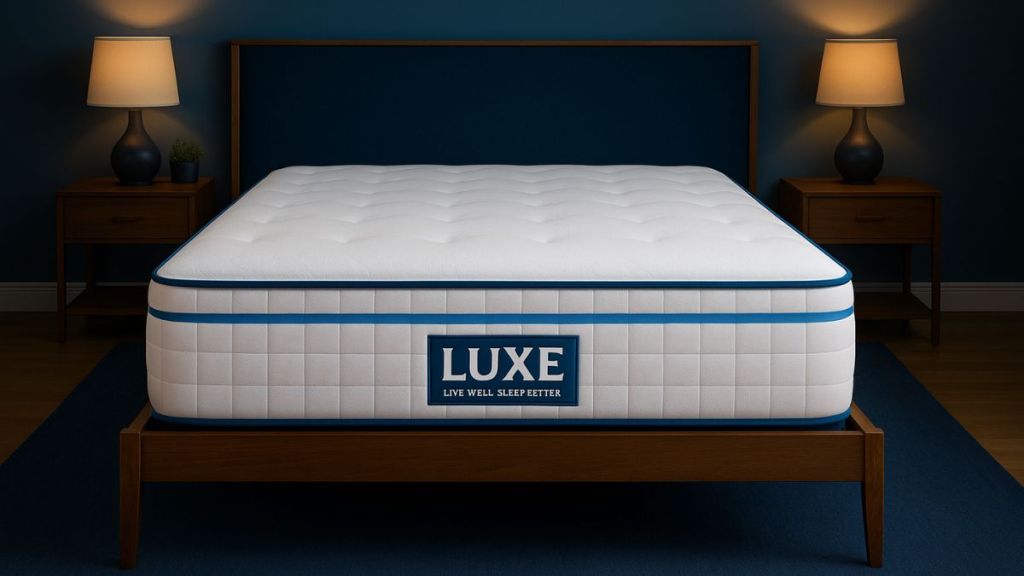
Guessing firmness in a showroom is how a lot of UK buyers end up with the wrong bed. Use the 1–10 UK firmness scale instead: 1–3 is soft, 4–6 is medium, 7–10 is firm. When you visit a store, lie on the mattress for at least 15 minutes in your real sleep position — not just a quick showroom bounce. Check whether your shoulders can sink slightly while your hips stay aligned. If your hand slips too easily under your lower back, the surface is too firm. If you can’t slip your hand in at all, it may be too soft and will sag after a few months.
Always use the at-home trial if the brand offers 30 nights or more. This matters even more when you buy during a hybrid mattress uk sale, because sale pressure sometimes makes people pick too soft or too hard. If after 3–4 nights your lower back still aches, move up to a slightly firmer Hybrid Mattress UK Firm model, your body is telling you it needs more lift.
Don’t be shy about using measuring tools at home. Place your phone horizontally at mattress level and take a side photo while you’re lying down. If the line from ear to shoulder to hip to ankle is straight, you’re close to ideal alignment. If the hips drop lower than the shoulders, you need more support. If the shoulders are floating above the rest of the body, you probably chose a surface that is too stiff for side sleeping.
REM-Fit Hybrid Recommendations (400 / 500 Ortho / 600 Lux) for UK Pain Profiles
Let’s map this to real products so it’s not just theory. REM-Fit is one of the UK-available hybrid brands that keeps its range simple.
All of them use edge-to-edge coils, cooling memory foam, and sensible trial terms — 200-night mattress trial and up to a 15-year guarantee.
Firmness is only half the story; mattress size affects spinal freedom, partner movement, and how well springs perform. UK buyers choosing firmer hybrids should confirm size first, then depth, so support feels intentional, not cramped or tilted at mattress edges.
Most couples searching hybrid mattress uk king want 150 by 200 centimetres, the standard UK king footprint. That wider surface reduces roll-together from pocket springs and lets each sleeper stay on their ideal firmness zone without drifting into the middle.
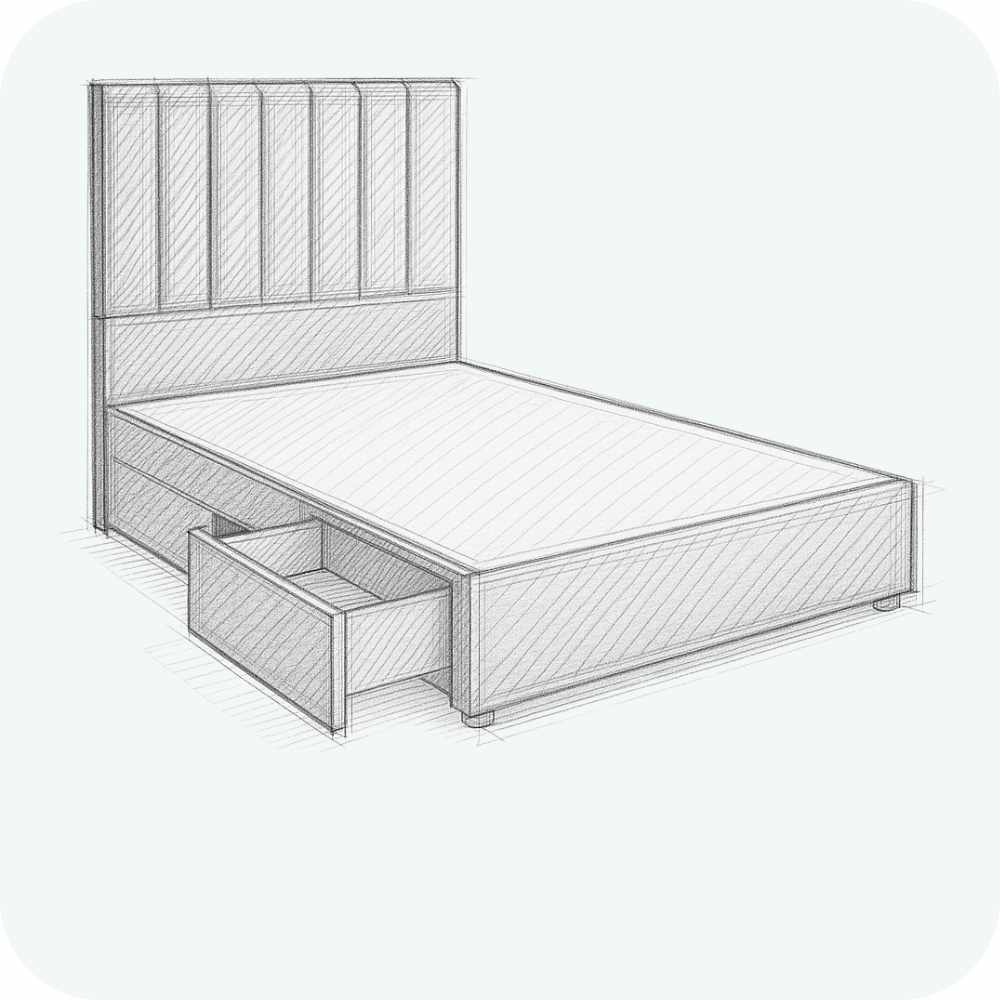
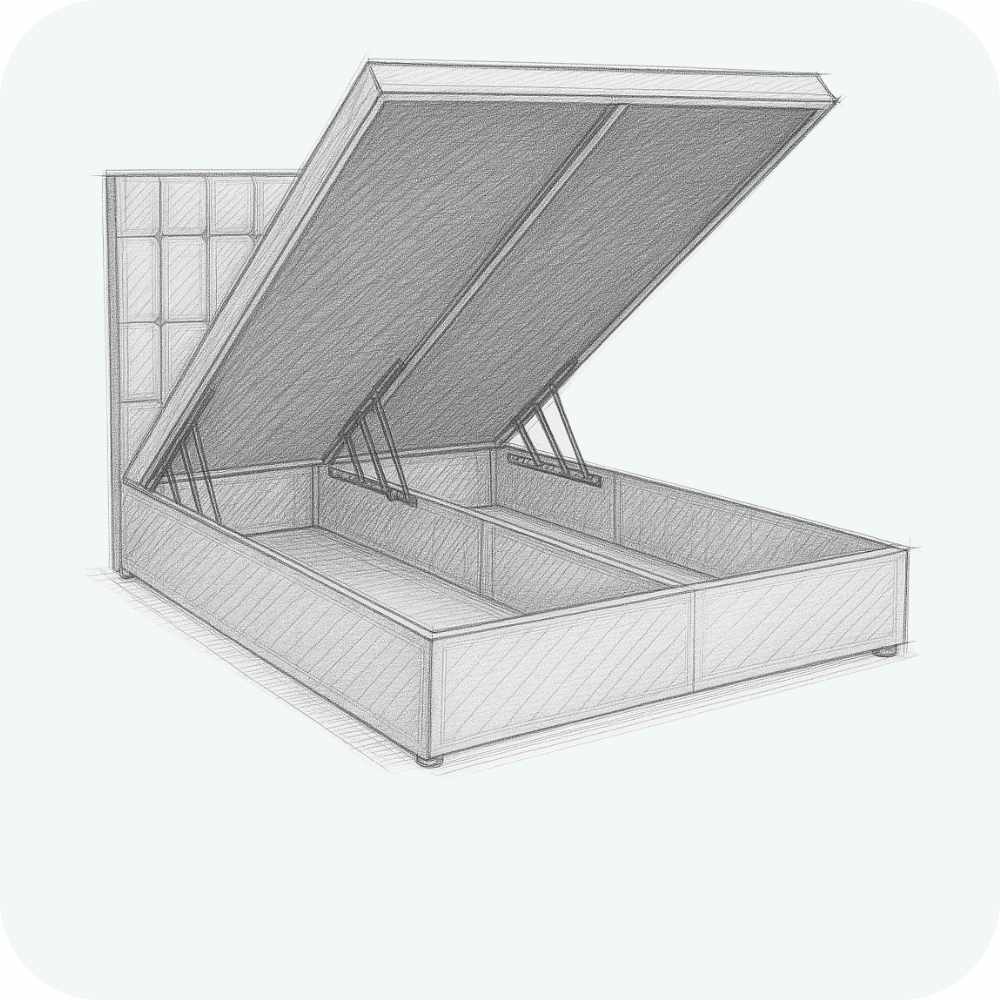
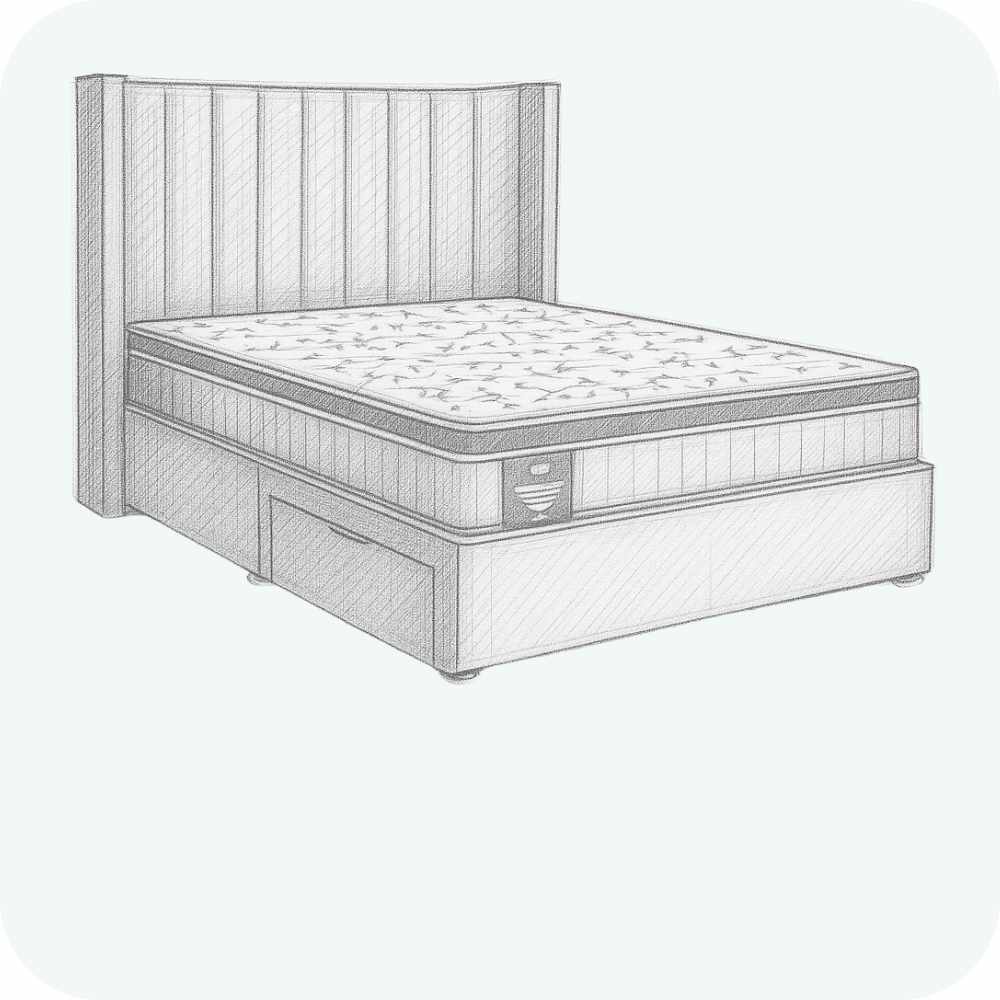
Always check the bed-frame footprint, especially ottoman or storage bases, because external dimensions can steal walking space indoors. A mattress that fits the room can still crowd bedside tables, doors, or radiators when the frame adds bulky trim around it.
Plan delivery routes before ordering larger hybrids. Boxed mattresses enter easily, but once expanded they will not bend around tight stairs. Carefully measure doors, landings, turns, and lifts so a super-king or tall headboard doesn’t become an expensive, awkward return.
Guest rooms, Airbnb setups, and rentals work best with standard UK sizes because bedding stays affordable and replaceable locally. Keeping UK dimensions ensures fitted sheets hug corners properly, even when rotating the mattress or hosting sleepers with different body weights.
For full measurements and depth pairings, view the UK size chart on LuxeMattresses.co.uk online today. Matching length, width, height, and target firmness keeps hybrid buying simple and helps compare discounted models quickly without extra guessing about frame compatibility issues altogether.
Firm hybrid mattresses became popular in the UK because they fix what old, sagging beds can’t: alignment. They lift the pelvis, protect shoulders, and keep the spine neutral for longer hours of rest. When firmness matches weight, sleep position, and pain type, people finally wake up mobile, not stiff. That’s why 2025 guides, physios, and even budget buyers now start with hybrids.
Choose a UK-made, zoned, medium-firm or firm hybrid, test it at home, and keep your body working. Rotate it, use proper bedding sizes, and you lock in support, airflow, and value for years across the whole household. Daily.
Yes, if you pick a model with stronger spring tension and don’t let the top foam be overly plush.
Hybrids with deeper comfort layers often win because they cushion the hip yet keep the pelvis level.
A medium to medium-firm hybrid with zoned shoulders normally works best.
Yes, most UK brands sell king-size hybrids in soft, medium, and firm profiles.
If pain is daily or work-related, go ortho; if pain is occasional, a balanced hybrid is enough.
 July 13, 2025
You wake up feeling either sore or sweaty, maybe even both. Sound familiar? You’re not alone. Whether it’s back pain that won’t quit or waking up feeling like you’ve just run a marathon in your sleep, your mattress might be the one to blame… or to thank.
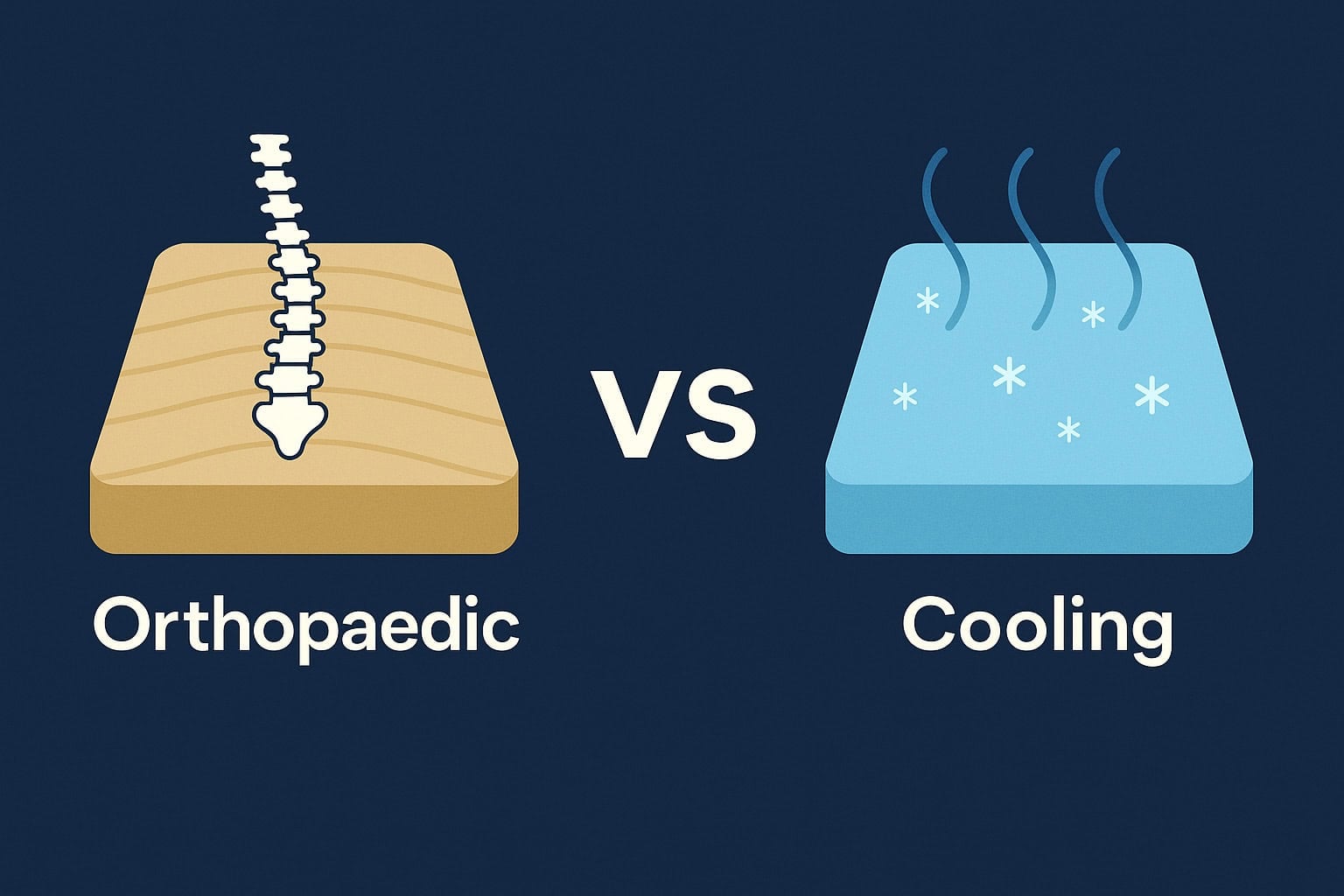
Two types of mattresses have been getting a lot of attention lately: orthopaedic mattresses and cooling mattresses. One is all about support and pain relief. The other is focused on regulating body temperature and keeping you from overheating at night.
But which one is right for you? Should you prioritise spinal alignment or cooling comfort? Let’s explore both options and figure out which is the better match, based on real needs, not just marketing claims.
An orthopaedic mattress is designed to offer targeted support for your bones, joints, and muscles, especially your spine. They’re typically on the firmer side and built to promote proper alignment and reduce pressure on the body.
You’ll often hear the term associated with people who suffer from:
These mattresses are not just for the elderly. Many young adults with active jobs or sedentary desk habits also find relief using an orthopaedic mattress, especially if they suffer from poor posture, stiffness, or discomfort in the morning.
One great option we recommend exploring is this orthopaedic mattress collection from Luxe Mattresses for firm, supportive designs backed by thoughtful engineering.
A cooling mattress, on the other hand, is designed to regulate temperature and prevent heat buildup while you sleep. Unlike traditional memory foam (which is notorious for trapping heat), cooling mattresses are made from breathable, moisture-wicking materials like gel-infused foam, latex, or open-cell designs.
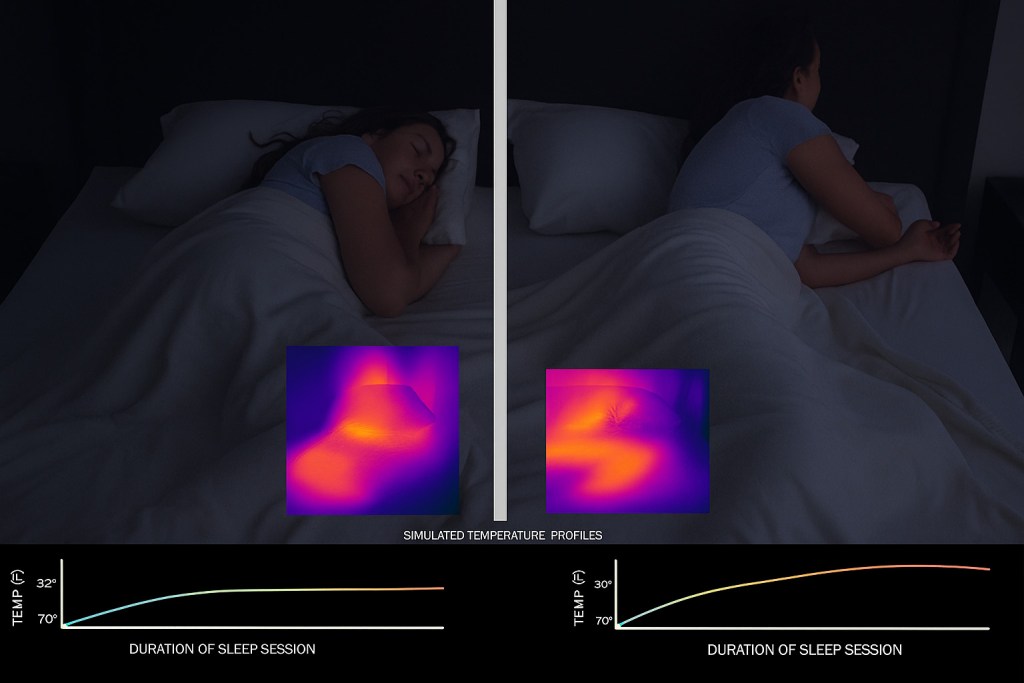
They’re especially helpful for:
Many modern models combine comfort with cool tech, like graphite layers, bamboo covers, or phase-change cooling gels, and you’ll find a wide selection of these in most premium mattress lines.
For those after a breathable option with eco-benefits, we also suggest checking out Luxe Mattresses’ latex mattress section, where cooling and sustainability meet.
Let me tell you about two customers from very different walks of life.
Brian is a 42-year-old warehouse supervisor in Nottingham. Years of lifting, bending, and working long shifts on concrete floors caught up to his lower back. After trying several soft and medium beds, he made the switch to an extra-firm orthopaedic mattress. Within weeks, he said the morning stiffness was gone and he started waking up with more energy and less pain.
On the other hand, Jasmine, a marketing manager in London, had the opposite issue. She constantly woke up hot, sometimes sweating through her sheets. She tried fans, lighter duvets, even sleeping with the window open, no luck. Finally, she invested in a gel-infused cooling mattress and said it felt like “sleeping on a calm breeze.†Her rest improved almost immediately, and her tossing at night practically disappeared.
Both made the right choice because they understood their sleep problem and picked a mattress that solved it.
Great for: People with back pain, joint stiffness, or structural support needs
Great for: Hot sleepers, couples, or anyone dealing with nighttime temperature spikes
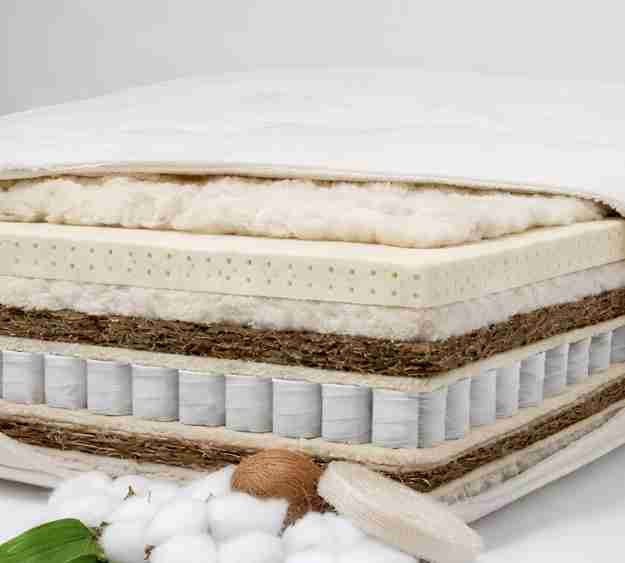
It’s worth noting that some mattresses do both, they offer orthopaedic-level support and cooling comfort. For example, some hybrid mattresses combine firm support with breathable coils and cool gel layers on top. Others use natural latex which is both supportive and temperature-regulating.
If you’re looking for a balance between both worlds, browsing a cooling orthopaedic hybrid can be a smart starting point. Retailers like Luxe Mattresses often carry collections designed to meet both medical and comfort demands in one.
Still not sure what to pick? Here’s a quick guide based on what’s bothering you most at night:
| Symptom/Concern | Go With… |
|---|---|
| Lower back or joint pain | Orthopaedic Mattress |
| Posture problems or stiffness | Orthopaedic Mattress |
| Night sweats or overheating | Cooling Mattress |
| Tossing and turning from heat | Cooling Mattress |
| Pain and heat combined | Hybrid or Latex Option |
There’s no right or wrong answer when choosing between an orthopaedic and a cooling mattress, only what works best for your body, your climate, and your lifestyle.
If pain is your biggest enemy, focus on structured support. If heat is ruining your nights, find a breathable surface that keeps you cool. And if you’re somewhere in between, consider a firm latex or hybrid option that ticks both boxes.
Remember, sleep isn’t a luxury, it’s a foundation for health. Make your mattress work for you, not against you.
 July 12, 2025
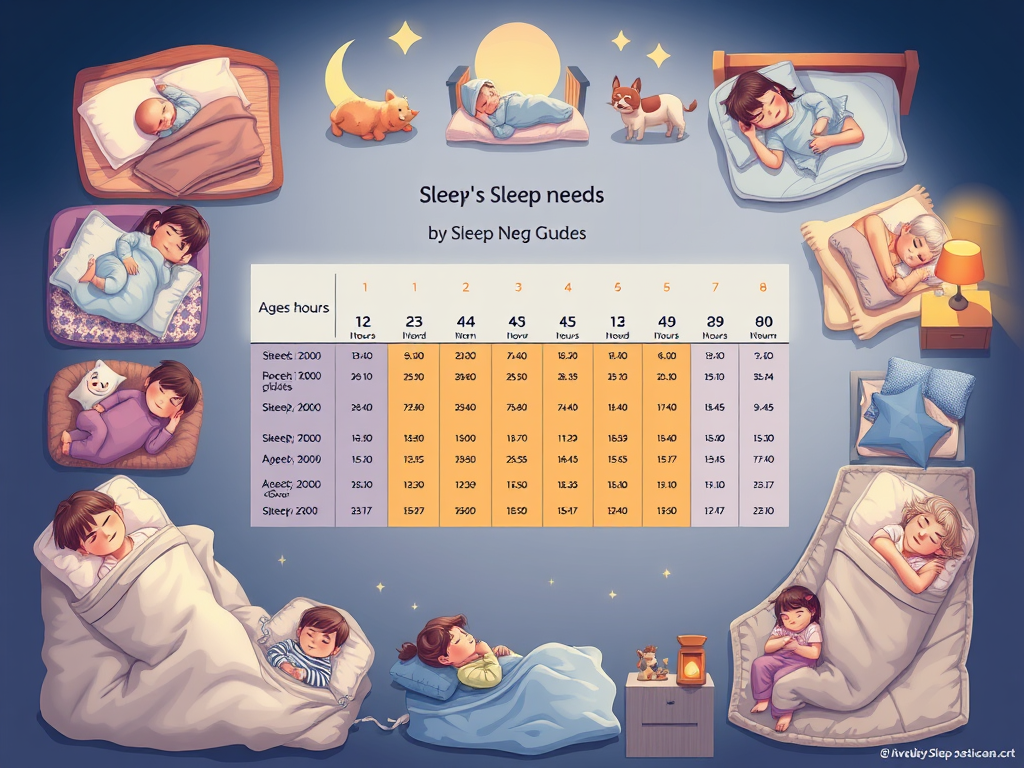
Sleep is not merely a time of rest; it’s a critical period during which your body and mind undergo essential repair, processing, and renewal. Every age group has different biological demands, which is why sleep needs vary across a lifetime. Understanding these differences can help you better manage health, performance, and emotional balance.
Newborns require hours of uninterrupted sleep to support rapid brain development. As we age, our need for sleep decreases, but the quality and regularity of sleep become increasingly important. Adolescents experience hormonal shifts, adults face lifestyle and stress-related interruptions, and seniors often see changes in sleep cycles and depth of sleep.
Dr. Matthew Walker, a sleep scientist and author of Why We Sleep, says: “Sleep is the single most effective thing we can do to reset our brain and body health each day.”
| Age Group | Recommended Sleep Duration |
| Newborns (0–3 months) | 14–17 hours |
| Infants (4–11 months) | 12–15 hours |
| Toddlers (1–2 years) | 11–14 hours |
| Preschoolers (3–5 years) | 10–13 hours |
| School-age (6–13 years) | 9–11 hours |
| Teenagers (14–17 years) | 8–10 hours |
| Young Adults (18–25 years) | 7–9 hours |
| Adults (26–64 years) | 7–9 hours |
| Seniors (65+ years) | 7–8 hours |
When you consistently get less sleep than recommended, your body and mind experience measurable declines. Sleep is when your brain consolidates memories, your body repairs cells, and hormones are regulated. Sleep deprivation disrupts all of these functions.
Newborns and infants grow rapidly, both physically and neurologically. Sleep enables the brain to build neural connections that will support language, motor skills, and memory. During deep sleep, growth hormone is released, supporting tissue development and immune function.
Children and teens require more sleep to fuel learning, emotional regulation, and bodily growth. Lack of sleep in children can result in behavioral issues, poor academic performance, and weakened immunity.
Teenagers experience a natural delay in their sleep-wake cycle, often making it hard to fall asleep before 11 p.m. Early school start times conflict with this rhythm, contributing to chronic sleep deprivation among adolescents.
Most adults need 7–9 hours to maintain cognitive sharpness, emotional stability, and physical health. Many adults compromise sleep due to stress, work, and digital distractions. Over time, this results in burnout, reduced productivity, and chronic health conditions.
Although sleep needs slightly decrease with age, older adults often report poor sleep quality. Factors include reduced melatonin production, chronic pain, and medical conditions. Poor sleep in seniors has been linked to falls, memory decline, and depression.
To manage your sleep quality and quantity, it helps to track patterns using digital tools. The Sleep Lab by Luxe Mattresses offers Sleep calculators, tips, and sleep science to help improve nightly rest for all age groups.
Sleep is a pillar of health. The right amount varies with age, but the consequences of too little are universal: poor health, low energy, and reduced performance. By understanding and respecting your body’s sleep requirements, you can unlock more focus, resilience, and vitality at every stage of life.
Further Reading: The Silent Killer: How Untreated Sleep Apnoea Increases Risk of Sudden Death
 July 11, 2025
In our fast-paced world, sleep is often sacrificed in the name of productivity, parenting, entertainment, or late-night scrolling. Missing a few hours here and there may seem harmless, but over time, those lost hours pile up into something called sleep debt, a deficit that could cost you far more than just fatigue.
Sleep debt is the cumulative effect of not getting enough sleep on a regular basis. Just like financial debt, it comes with interest. It quietly builds in your body and brain, diminishing your energy, mood, mental clarity, and long-term health. Fortunately, sleep debt is measurable, and with the right tools and knowledge, it is also reversible.
This article explores what sleep debt is, how to calculate it, how it affects your body both in the short and long term, and what science-backed steps you can take to get back on track.
Sleep debt refers to the difference between the amount of sleep your body needs and the amount you’re actually getting. If you need 8 hours of sleep per night but only get 6, you’re in 2 hours of debt for that day. That debt continues to add up every day you fall short.
The term “sleep debt†was popularised in sleep science to help people visualize that sleep is not simply a nightly reset. It accumulates and requires repayment. According to the Sleep Foundation, most adults need between 7 to 9 hours of sleeper night to function at their best, but surveys show that nearly 35% of adults consistently get less than 7 hours.
Dr. Michael Breus, a clinical psychologist and diplomate of the American Board of Sleep Medicine, puts it clearly:
“Sleep debt doesn’t reset after one good night’s sleep. Cumulative deficits impair cognitive and physical function much like financial debt accrues interest.â€
Even a small sleep deficit can result in significant changes in your day-to-day functioning. If you’ve ever had a night of bad sleep followed by a sluggish, irritable day, you’ve experienced it firsthand.
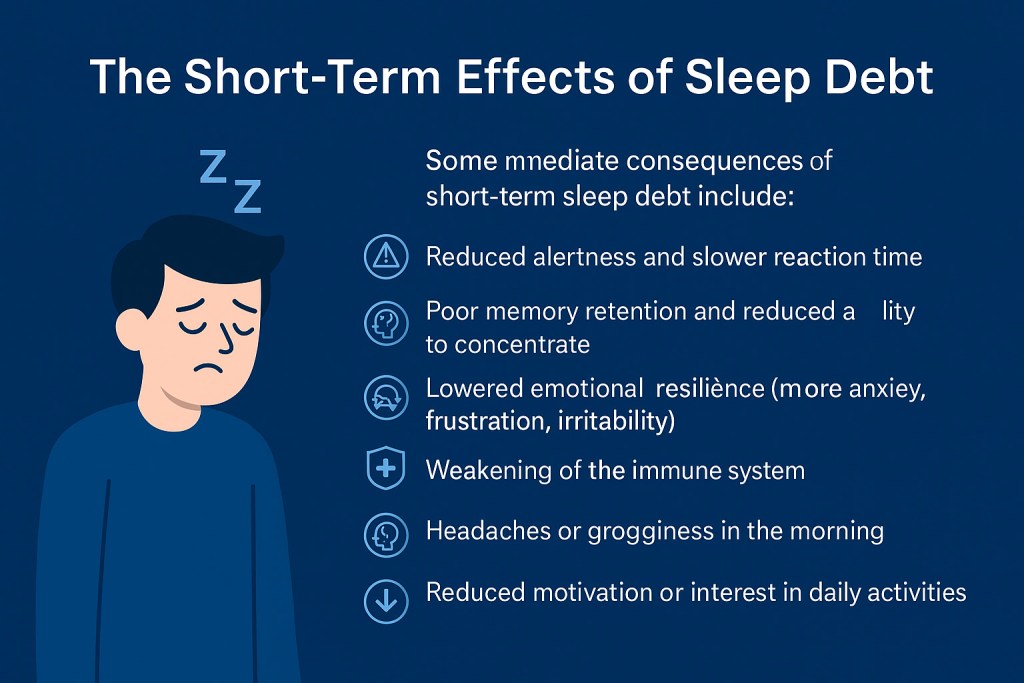
A study from the University of Pennsylvania found that people limited to six hours of sleep per night for two weeks functioned as poorly on cognitive tests as someone who had gone 48 hours without any sleep.
While the occasional sleep loss is recoverable, chronic sleep deprivation can have profound long-term consequences on your body and mind. Prolonged sleep debt increases your risk for:
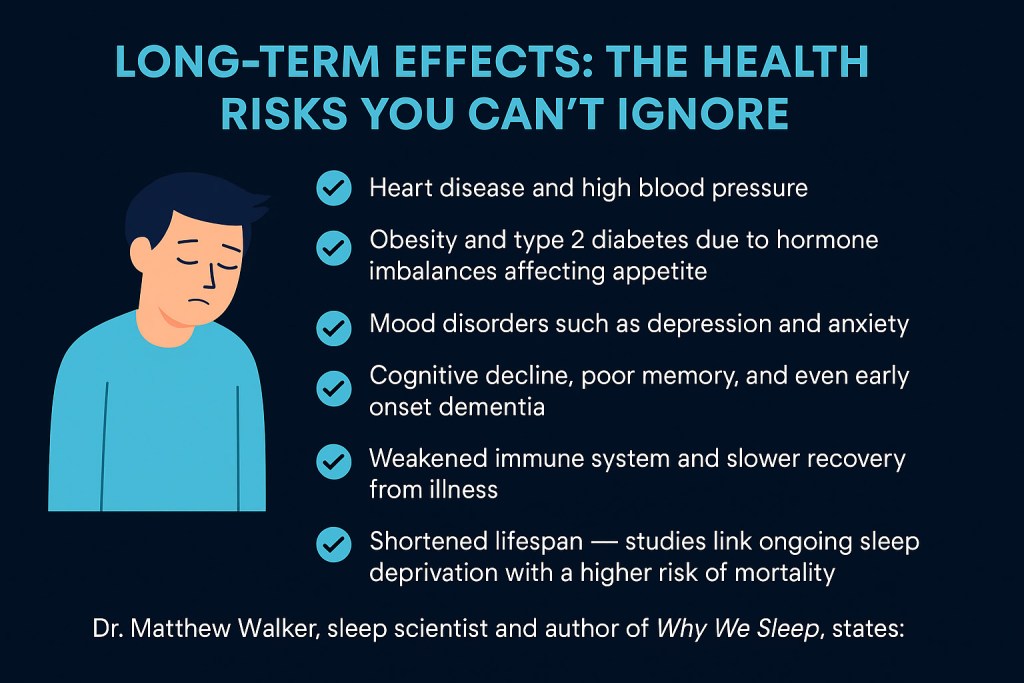
Dr. Matthew Walker, sleep scientist and author of Why We Sleep, states:
“The shorter your sleep, the shorter your life. Sleep is the most effective thing we can do to reset our brain and body health.â€
Sleep needs vary by age and individual factors like stress, physical activity, and overall health. But here are general recommendations by the National Sleep Foundation:
| Age Group | Recommended Sleep |
|---|---|
| Adults (18–64) | 7–9 hours |
| Seniors (65+) | 7–8 hours |
| Teens | 8–10 hours |
| School Age | 9–11 hours |
| Preschoolers | 10–13 hours |
Consistently sleeping less than these recommendations means you’re falling into debt.
Calculating sleep debt is relatively simple. You only need to compare your actual sleep to your recommended need.
Sleep Debt = (Recommended Sleep – Actual Sleep) × Number of Days
If you need 8 hours per night and only sleep 6 hours from Monday to Friday:
You may think you can catch up on the weekend by sleeping in, but studies suggest that even longer weekend sleep doesn’t fully compensate for the damage caused during the workweek.
Plan your optimal bedtime and wake-up times based on your body’s natural sleep cycles. Wake up refreshed and energized every morning.
One of the most effective ways to measure and manage your sleep debt is to use a sleep calculator or dedicated sleep platform.
The Luxe Mattresses Sleep Debt Calculator provides science-backed tools and resources that help individuals track their sleep patterns, identify deficits, and adopt actionable strategies for recovery. Their sleep debt content explores not only quantity but quality—something many mainstream apps overlook.
Pairing such tools with wearables like Fitbit, WHOOP, or Oura Ring can give you precise data about your nightly rest, helping you understand both duration and how restorative your sleep actually is.
Yes, but it requires consistency and strategy. You cannot simply sleep 14 hours in one night and expect full recovery. Sleep experts suggest the following:
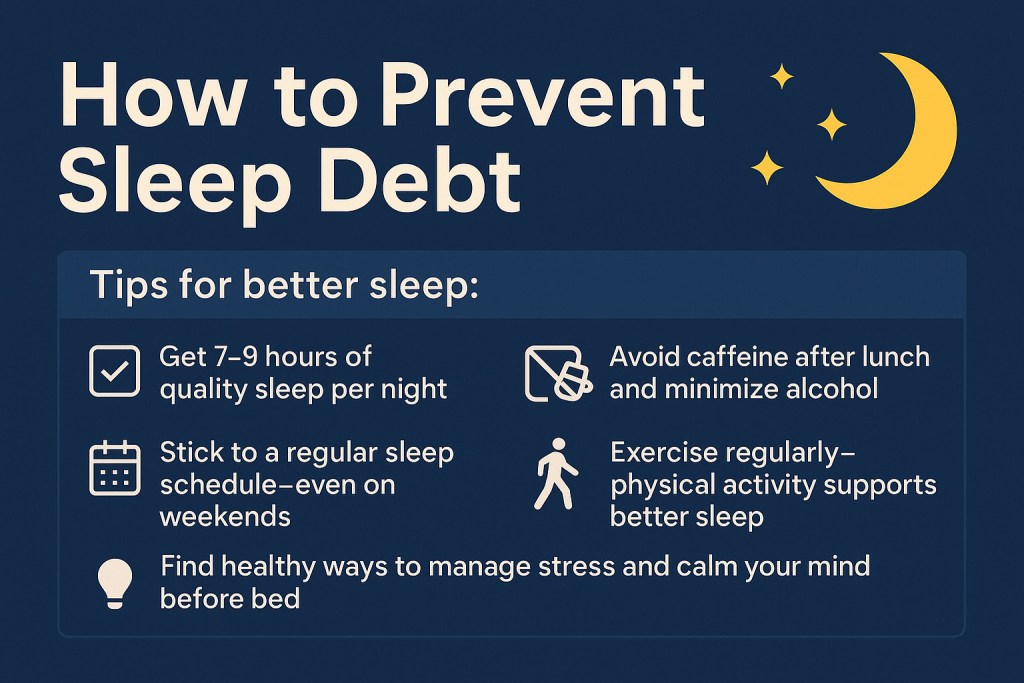
It may take a week or more to fully pay back even one long week of inadequate sleep.
It’s important to distinguish between acute and chronic sleep debt.
Chronic debt is more dangerous. It alters hormonal balance, immune function, and metabolism in ways that can persist even after you’ve caught up on sleep.
Let’s say you sleep 6 hours per night. That might seem sufficient, but here’s how that stacks up:
| Sleep Duration | Effect |
|---|---|
| Less than 6 hrs | High risk for chronic illness and mental fog |
| 6–7 hrs | May seem “functional,†but cognitive decline begins |
| 7–9 hrs | Ideal range for optimal mental and physical performance |
| Over 9 hrs | May indicate an underlying health condition |
If you’re sleeping less than 7 hours most nights, you’re statistically at higher risk of hypertension, metabolic issues, and cognitive fatigue.
Sleep doesn’t just affect how you feel, it directly influences lifestyle diseases. For example:
These impacts aren’t minor, they affect quality of life, work performance, and long-term health.
Sleep debt is real, measurable, and dangerous when ignored. But it’s also treatable. By calculating your sleep debt, using tools like the Luxe Mattresses Sleep Lab to track progress, and making incremental changes, you can dramatically improve your health, clarity, and mood.
The body is remarkably forgiving when given the chance to heal. Prioritize your sleep tonight—not because you’re tired, but because your life depends on it.
 July 11, 2025
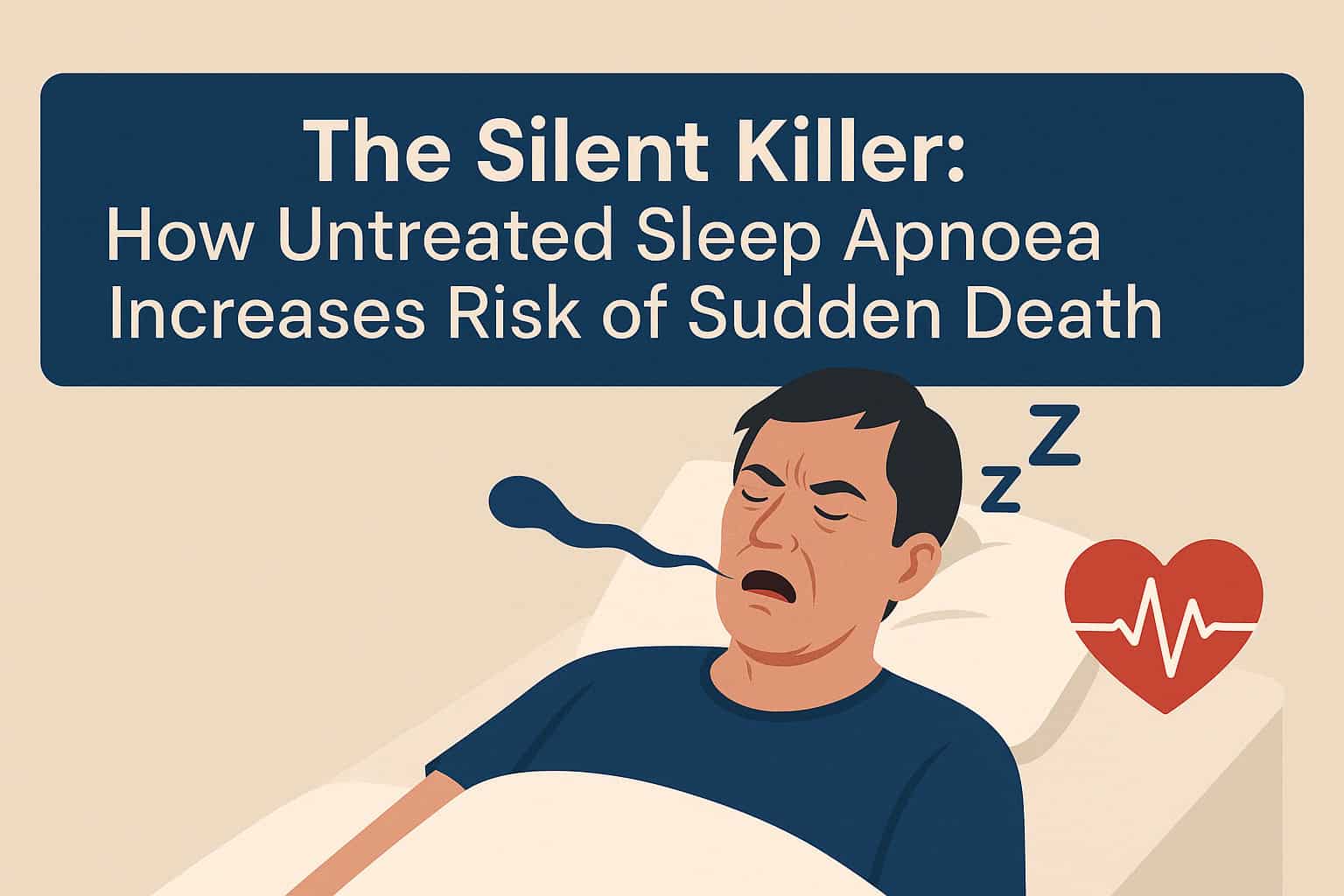
Imagine your body suffocating while you sleep. You wake up gasping for air, your heart racing. Yet, you don’t remember any of it in the morning. This isn’t a horror film; it’s a nightly reality for millions with obstructive sleep apnoea (OSA), often without their awareness. But can sleep apnea kill you? The potential dangers of untreated sleep apnea are serious and should not be ignored.
OSA is one of the most underdiagnosed and dangerous sleep disorders. While it may begin with nothing more than loud snoring and daytime tiredness, its long-term effects on the heart and brain can be deadly.
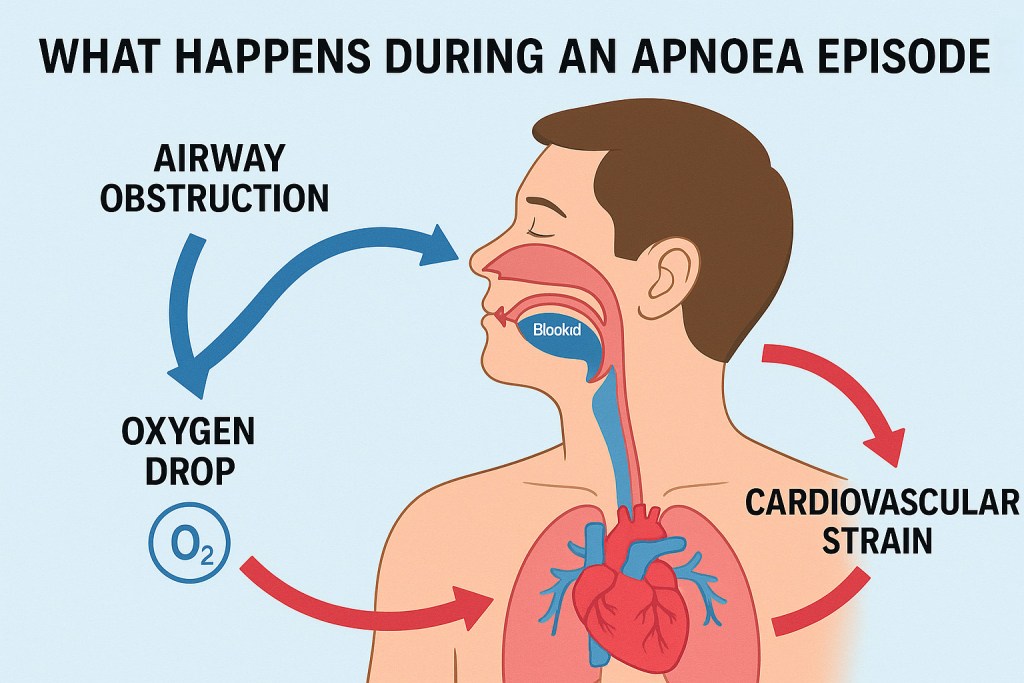
Obstructive sleep apnoea occurs when the muscles at the back of the throat relax too much during sleep, causing the airway to collapse. This blocks airflow, reducing oxygen levels and forcing the brain to wake up partially to reopen the airway. These events can happen anywhere from a few times to hundreds of times a night.
People with moderate to severe OSA often wake up feeling unrested despite sleeping for 7 to 8 hours. Symptoms like daytime fatigue, difficulty concentrating, morning headaches, or mood changes are common. But beneath these relatively minor symptoms, serious damage may be unfolding inside the body.
Each time breathing stops, the oxygen level in the blood drops. This drop triggers the brain to send emergency signals that increase heart rate and blood pressure. This repeated cycle — oxygen deprivation followed by a surge of adrenaline, creates a state of chronic stress in the body.
Over time, these nightly stress responses damage the blood vessels, promote inflammation, and lead to high blood pressure. The heart, constantly jolted awake from its normal rhythm, becomes strained and overworked. These effects increase the risk of several life-threatening conditions including:
Sudden cardiac death (SCD) refers to an unexpected death due to cardiac causes, occurring within one hour of the onset of symptoms. In many cases, there are no early warning signs. A person may go to sleep seemingly healthy and never wake up.
| Health Risk | Description | Supporting Study / Statistic |
|---|---|---|
| Hypertension | Increased sympathetic activity leads to sustained high blood pressure. | Peppard et al., NEJM 2000: 2-3x increased risk |
| Stroke | OSA increases risk of ischemic stroke due to intermittent hypoxia. | Yaggi et al., NEJM 2005: 2x increased risk |
| Sudden Cardiac Death (SCD) | Risk increases by 2.5 times, especially during sleep. | Gami et al., NEJM 2005: 2.57x risk during sleep |
| Atrial Fibrillation (AFib) | AFib incidence is 4 times higher in OSA patients. | Gami et al., Circulation 2004: 4x risk of AFib |
| Type 2 Diabetes | Intermittent hypoxia contributes to insulin resistance. | Punjabi et al., AJRCCM 2004: Elevated fasting glucose levels |
| Heart Failure | Left ventricular dysfunction and fluid retention are common. | Redline et al., Circulation 2010: Higher rates of HF |
Over the past decade, multiple large-scale studies have revealed a strong association between untreated obstructive sleep apnoea and sudden cardiac death. One of the most influential studies, published in the journal Sleep in 2013, followed over 10,000 adults and found that individuals with severe untreated OSA had a 2.5 times greater risk of sudden cardiac death than those without OSA (source).
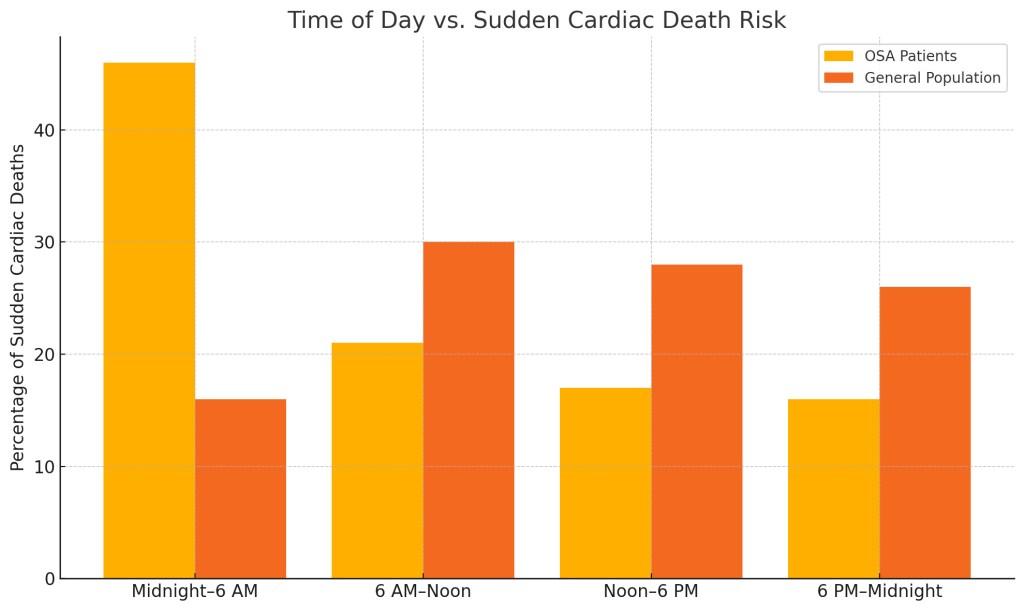
Another key finding is that deaths in individuals with sleep apnoea are more likely to occur during the night. While sudden cardiac death in the general population tends to peak in the early morning hours (typically between 6 a.m. and noon), people with OSA are more likely to die between midnight and 6 a.m. This inversion of the usual pattern highlights the role of apnoea-related events, especially oxygen desaturation and arrhythmias — as critical triggers during sleep (source).
One of the clearest pathways from obstructive sleep apnoea to sudden cardiac death is through arrhythmias, which are abnormal heart rhythms that disrupt the heart’s normal electrical signals. Episodes of apnoea cause dramatic fluctuations in oxygen and carbon dioxide levels during sleep, placing acute stress on the cardiovascular system.
Atrial fibrillation (AF), the most common type of arrhythmia, is significantly more prevalent in people with OSA. Research published in the Journal of the American College of Cardiology has shown that up to 50 percent of patients with AF also have undiagnosed sleep apnoea, particularly among older adults and those with preexisting heart conditions (source).
If left untreated, AF increases the risk of stroke and heart failure. Moreover, OSA undermines the effectiveness of common AF treatments like catheter ablation and medication. A review from the American Heart Association emphasizes that treating sleep apnoea in tandem with AF significantly improves long-term outcomes and reduces recurrence rates. As a result, many cardiologists now routinely recommend sleep studies for patients diagnosed with atrial fibrillation.
Consider the case of 42-year-old Michael, a New Jersey firefighter. For months, he had been waking up with pounding headaches and feeling exhausted despite getting full nights of sleep. His wife noticed he would stop breathing repeatedly during the night.

After a sleep study, he was diagnosed with severe OSA, experiencing more than 70 breathing interruptions per hour. His cardiologist was alarmed to discover early signs of cardiac remodeling and irregular heartbeat. Once Michael began using CPAP therapy, his heart rate stabilized and his blood pressure dropped to a healthy level, aligning with findings from studies that show CPAP significantly reduces cardiovascular risk.
Another example is Angela, a 55-year-old teacher who suffered a stroke in her sleep. Doctors later found she had undiagnosed OSA, which had gone unnoticed for years. Angela had always assumed her snoring and fatigue were just part of getting older. This mirrors research showing that sleep apnoea increases stroke risk independently of other factors.
These cases are not rare. Stories like these are becoming increasingly common as awareness of sleep apnoea grows.
Beyond the heart, OSA affects nearly every major system in the body.
The good news is that sleep apnoea is treatable. The gold standard of treatment is CPAP therapy — short for Continuous Positive Airway Pressure. A CPAP machine uses a gentle stream of air to keep the airway open during sleep.
Studies have shown that regular CPAP use:
Patients often report dramatic improvements within just a few days of starting treatment.
However, CPAP is not a cure. It only works if it is used consistently every night. That is why comfort, support, and education are key to long-term success.
For people who cannot tolerate CPAP, other options include:
In addition, certain lifestyle adjustments can help improve sleep quality and reduce apnoea episodes. These include weight loss, reducing alcohol use, quitting smoking, and changing sleep position. Even your mattress and sleep posture may play a role in worsening or relieving symptoms of sleep apnoea. Choosing the right mattress can support proper airway alignment and reduce positional apnoea. For more on this, see “Is Your Mattress Worsening Your Sleep Apnea?â€.
Managing obstructive sleep apnoea effectively often requires more than just treating airway obstruction. Many patients with OSA also struggle with insomnia, anxiety, or poor sleep habits that reduce sleep quality even when apnoea events are controlled.
Optimizing your sleep environment and addressing these coexisting issues can significantly improve both treatment adherence and how rested you feel. Practicing better sleep hygiene, reducing screen time before bed, and learning to calm an overactive mind are all part of a holistic approach.
For those struggling with insomnia alongside OSA, consider this science-backed guide to managing insomnia without medication. It covers evidence-based techniques such as CBT-I, relaxation methods, and other holistic strategies that complement OSA treatment.
Sleep apnoea is not just a personal health issue. It is also a growing public health concern.
Untreated OSA is associated with increased healthcare costs due to frequent doctor visits, hospitalizations, and complications like stroke and heart failure. It also contributes to lost productivity, workplace accidents, and drowsy driving incidents.
According to the American Academy of Sleep Medicine, undiagnosed OSA costs the U.S. economy more than $150 billion per year.
If you suspect you or a loved one has sleep apnoea, do not wait. Talk to your primary care doctor or a sleep specialist. A simple overnight sleep study can diagnose the condition.
Look out for these warning signs:
Sleep apnoea is not a condition to ignore or push aside. Early diagnosis and consistent treatment can save your life, literally.
Sleep apnoea may be silent, but its effects are anything but harmless. It puts immense pressure on the heart, disrupts your body’s natural rhythms, and dramatically increases the risk of sudden death, particularly in the quiet hours of the night.
Fortunately, with greater awareness, better diagnostics, and effective treatments like CPAP, we now have the tools to fight back. Do not sleep on your symptoms. If something feels off, take it seriously. It might be the first step toward protecting your heart, your health, and your future.
 May 13, 2025
Sustainable living is not a trend you must follow in 2025, but a responsibility you must fulfil, you can start small, such as proper mattress recycling. With more than 700,000 mattresses discarded in a beautiful city like London, mattress recycling London practices need more attention than ever. Engaging in mattress recycle efforts can significantly contribute to environmental sustainability.
Despite some significant efforts by the local authorities and private companies, countless mattresses end up in landfills. These discarded mattresses not only occupy valuable space but also contribute to the degradation of the environment.
Mattress recycling is a green initiative with having multiple old mattress collection centers set up at different locations. How does mattress recycling London work and what are the benefits of this sustainable choice? We are going to share some valuable insights that will encourage you to consider your actions before discarding your next mattress, and if you want to recycle your mattress by yourself then you can read our mattress recycle guide.
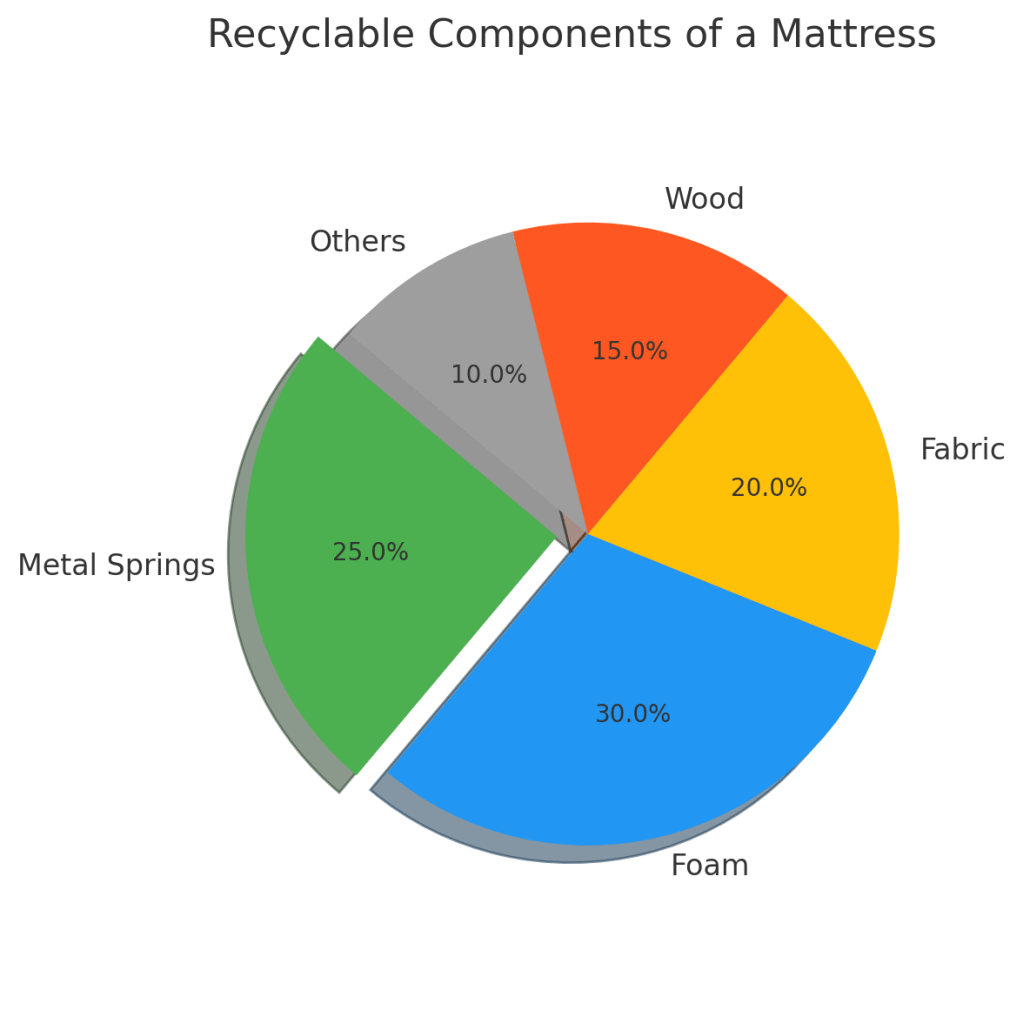
The process of dismantling old mattresses into various parts for repurposing in an environment-friendly way is called mattress recycling. Fabric, springs, fillings and foam is separated and then these components undergo different procedures to be reused in other items, reducing environmental footprint.
Mattress recycling is a resource-efficient and sustainable alternative to conventional disposal arrangements. If your local authorities don’t offer free service to dispose bulky mattresses, consider hiring a reliable mattress recycling London company. This little investment can make a huge difference in building a greener and sustainable community.
Why do you need to make an effort to recycle a used mattress or bed safely? If you want a safer and breathable environment for you and your next generations, you already have the answer to this question.
Disposing old mattresses in a landfill will eventually lead to environmental degradation. Here are some benefits that mattress recycling has to offer in London and everywhere else.
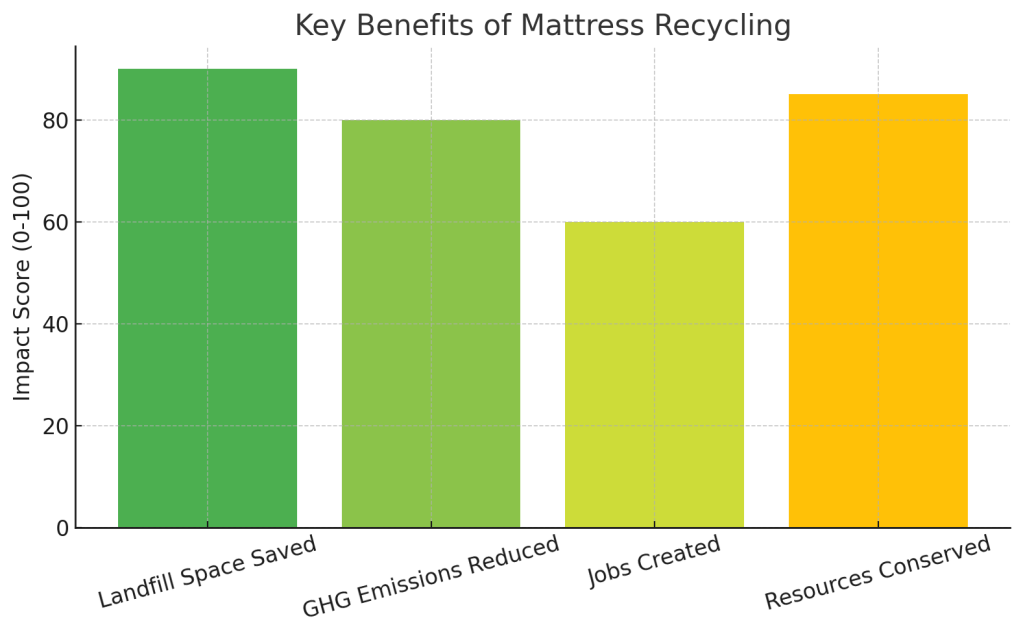
These are non-biodegradable products, and due to their bulky structure, mattresses take up significant space in landfills. Greenhouse gases are inevitable if they are left outside unattended for a long time. Here is how proper recycling helps to build a better environment for all of us:
Smaller initiatives make big difference when it comes to the green economy of London. Use of recycled materials helps to bring down the cost of new manufacturing.
Apart from that, old mattress collection centers, recycling plants and other industries related to these fields produce new job opportunities for the skilled individuals. Landfills can be used for several other profitable project by municipalities.
Illegal dumping, fire hazards, pest infestation, and many other issues are triggered by improper disposal of mattresses and other bedding accessories, including sofas and beds. When recycled properly, it helps with:
What to do with the old mattress so that it does not add to the pollution? Dumping the old accessory in the streets or waiting for the garbage truck to take it away may not be the smartest move. If you want to dispose an old mattress in London as a responsible citizen, here are your options.
There are local bulky waste collection units in many boroughs. These services can take care of old mattresses, too. Due to limited resources, you might have to wait for your appointment after booking a slot with local services for bed disposal London.
For a small price, you can have the specialized mattress recycling companies pick up the old mattress from your home. Instead of throwing mattresses in a landfill, these companies responsibly dismantle the mattresses into reusable components.
DIY handling of an old mattress is not as easy as dismantling these bulky items, which requires resources and tools. If you are confident about the proper handling of an old mattress on your own, here are a few possible tips to recycle an old mattress in London as a DIY project:
You have made an environment-friendly decision, and now you need to choose the right mattress recycling service in London that can handle the job perfectly. Here are a few tips on choosing the best mattress recycling service near you:
Not every company is permitted to handle waste and disposed items. For better handling of old mattresses, make sure that company is regulated and licensed by the relevant authorities. Their website must display the required certifications and legal work clearly for the visitors, for more information click here.
If the company has good reputation and established name in London, check reviews and testimonials from the previous clients. positive reviews and feedback indicate proper handling of the waste materials.
With far-reaching environmental, economic and community benefits, sustainable mattress recycling in London is a serious responsibility. Many private companies have green old mattress collections where they pick bulky items from your home at affordable prices. London needs your immediate support into building greener and sustainable communities where old items are not just disposed but recycled.
You can recycle your old mattress by:
1. Booking a collection with your local council’s bulky waste service.
2. Hiring a licensed private mattress recycling company that picks up directly from your home.
3. Dropping it off at designated recycling centers (if you have transport and the center allows it).
Most of the mattress can be recycled:
1. Metal springs are melted down and reused.
2. Foam and padding can be repurposed for carpet underlays or insulation.
3. Fabrics and fibers are reused or composted.
About 90–95% of a mattress is typically recyclable.
Recycling prevents mattresses from ending up in landfills, where they:
1. Take up large amounts of space
2. Release harmful gases and chemicals
3. Contribute to illegal dumping and community health issues
It’s a sustainable and responsible choice that protects the environment and supports the circular economy.
Costs vary:
1. Council collection services may charge a small fee (typically £20–£40).
2. Private companies may charge £30–£60 for pickup and responsible disposal.
Some charities may collect reusable mattresses for free if they meet hygiene standards.
If your mattress is clean, undamaged, and less than 7 years old:
1. Donate it to a charity or reuse organization.
2. Offer it through local community platforms like Freecycle or Facebook Marketplace.
3. Some recycling firms also accept gently used items for refurbishment.