Marie Soukup is a seasoned senior copywriter and editor who’s written for global brands like Virgin Australia, blending storytelling and strategy to create content that connects. She’s passionate about bringing ideas to life across the travel, lifestyle, and business worlds.
Many mattress companies count on the fact that most consumers won’t ask the right questions. But buying a mattress is an investment in your health and wellbeing — and cutting corners with cheap materials, poor craftsmanship, and lack of transparency shouldn’t be acceptable. High standards in quality and honesty should be the norm, not the exception.
Buying a new mattress should be exciting—a fresh start for better sleep and better health. Yet, far too often, shoppers are left sorting through vague promises and glossy marketing with very few real answers. Simply put, they are not informed, then mattress purchases become difficult.
If you’re preparing to upgrade your sleep setup, here are five critical mattress buying questions you should be asking—plus why brands like Luxe Mattresses are setting a refreshing new example for openness and honesty in the industry.
Why Mattress Transparency Should Matter to You
You’re not just purchasing a product—you’re choosing what your body will rest on for the next several years, night after night.
Mattress transparency simply means companies are open about what’s inside their mattresses, where those materials come from, how the products are made, and what consumers can expect over time.
Without transparency, you’re often left guessing about hidden fillers, manufacturing shortcuts, and fine print you didn’t catch until it’s too late. Asking questions now so you can make an informed mattress purchase and enjoy years of better sleep.
1. What Materials Are Really Inside This Mattress?
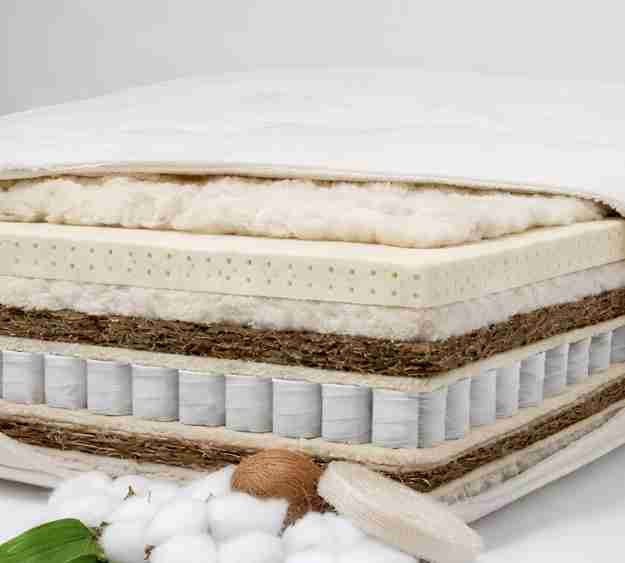
A label that says “foam” or “latex” doesn’t tell you nearly enough. You deserve to know what’s inside—from the density of the foam to the sourcing of natural fibres, to understand properly about the production and features of memory foam.
Some companies quietly mix lower-quality materials to cut costs, hoping you won’t notice the difference until much later. High-end brands, on the other hand, proudly disclose their ingredients.
Take a look at Luxe’s Organic Hybrid Mattress, for example. Luxe mattress insights demonstrate its use of sustainable latex, organic wool, and certified natural materials, giving buyers full confidence about what they’re sleeping on. This level of transparency, especially around mattress materials UK standards, is exactly what you should expect.
2. Where Was the Mattress Manufactured and Assembled?
Global shipping and mass production have created a complex web of suppliers. Sometimes, a mattress labelled “British” might only be assembled locally with imported, lower-quality parts.
Asking where your mattress is actually made ensures you’re supporting ethical practices and consistent craftsmanship.
Brands focused on quality invest in production standards designed for the UK market, prioritising health and safety regulations specific to British consumers.
3. What Certifications or Testing Does It Have?
It’s not enough for a mattress to “feel” good out of the box. True quality—and health safety—are proven through certifications.
Ask whether the mattress has been tested for things like chemical emissions (VOC levels) or fire safety compliance. Certifications like CertiPUR-US® or GOTS matter, especially if you’re eco-conscious or have health sensitivities.
4. What Warranty Terms Are Offered—and What’s Hidden in the Fine Print?
Warranties often sound generous—”10 years!” or even “lifetime!”—until you dig into the restrictions.
Many warranties are full of caveats, covering only certain types of defects, excluding everyday wear, or prorating benefits after just a few years.
When shopping, insist on reading the full warranty details. Look for brands that provide straightforward explanations without the usual legal smoke and mirrors.
5. What’s the Trial Period and Return Policy?
One of the most crucial mattress-buying questions you can ask is about the trial period. After all, you can’t truly know how a mattress will feel until you’ve slept on it for several weeks.
Companies that genuinely believe in their products offer flexible trials with clear, low-hassle return policies. Luxe mattress insights offers customers a 100-night trial, allowing customers to truly test comfort and support without the fear of being stuck with a bad fit.
Good brands know that confident buyers are happy buyers—and they make sure their policies reflect that.
Sleep Smarter, Ask Bolder
The next time you’re mattress shopping, bring your questions with you. You have every right to know what you’re buying, how it was made, and what happens if it doesn’t meet your expectations.
Remember: asking the tough questions now leads to sweeter dreams later. Choose brands that reward your curiosity—not ones that hide behind flashy advertising.
Because when it comes to something as essential as sleep, you deserve nothing less than the full truth.
FAQs
2. What Is the Actual Firmness Level, and How Is It Measured?
Terms like “medium-firm” can be subjective and vary between brands. Understanding the specific firmness rating, often measured on a standardized scale, can help you compare options more effectively. Some companies provide detailed breakdowns of their mattress firmness levels, assisting you in selecting a mattress that aligns with your comfort preferences.
2. What is the return process really like?
Trial periods often sound generous—“100 nights risk-free!”—until you try to return it. Some brands charge hefty pickup fees, only offer store credit, or require the mattress to be in “perfect condition.” Always ask: What are the real return costs? Will I get a full refund?
3. Is the Mattress Suitable for My Sleeping Position?
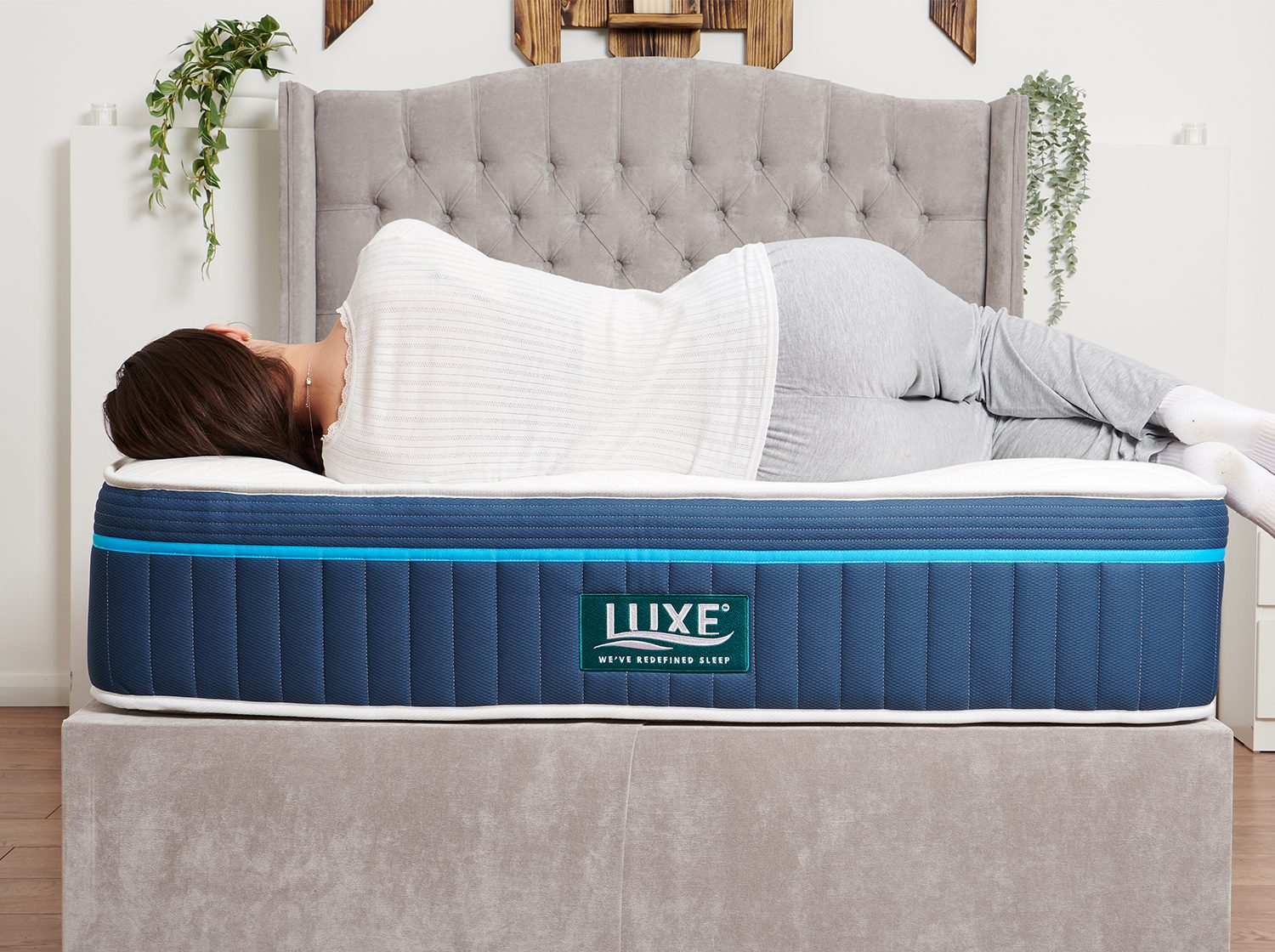
Different sleeping positions require varying levels of support and cushioning. Side sleepers may need softer surfaces to alleviate pressure on hips and shoulders, while back and stomach sleepers often benefit from firmer support. Assessing whether a mattress caters to your specific sleeping position can enhance sleep quality and reduce discomfort.
4. How sustainable is the entire product lifecycle?
Eco-friendly foam doesn’t mean the whole mattress is green. Ask about the manufacturing process, packaging waste, and whether old mattresses are responsibly recycled. Companies that truly value sustainability—like Luxe—focus on sourcing, production, and disposal with minimal environmental impact.
5. Can I customize firmness or components later?
Most mattresses lock you into a single feel. But your needs might change—injury, pregnancy, aging, or weight fluctuations can impact comfort. Look for modular designs or brands that allow firmness adjustments over time.
Marie Soukup is a seasoned senior copywriter and editor who’s written for global brands like Virgin Australia, blending storytelling and strategy to create content that connects. She’s passionate about bringing ideas to life across the travel, lifestyle, and business worlds.
A poor-quality mattress doesn’t just steal your comfort; it worsens existing back pain and may trigger chronic spinal problems over time, led to innovation of orthopaedic mattresses. In fact, back pain is the leading cause of disability worldwide, affecting an estimated 540 million people at any given time (Source: The Lancet).
When your mattress loses its ability to properly support the spine, it can directly contribute to or worsen issues like:
Lower back pain (LBP)
Sciatica
Herniated discs
Poor spinal alignment
A health-conscious mattress – preferably with orthopaedic support – is essential for maintaining posture, easing pressure points, and improving long-term wellness.
In this guide, we present the best mattresses for back pain relief in 2025, tested for durability, spinal support, pressure relief, and cooling comfort.
Common Sleep Issues Related to Back Pain
Sciatica:
Sciatica occurs when the sciatic nerve becomes compressed, often due to poor sleeping posture or a misaligned spine. Patients feel radiating pain down the legs, numbness, and tingling (Source: Mayo Clinic).
Chronic Lower Back Pain:
Research shows that chronic LBP is one of the most common reasons for insomnia and restless sleep (Source: Sleep Foundation).
Spinal Misalignment:
A sagging mattress or inadequate support can misalign your spine, leading to muscle tension, joint pain, and nerve compression.
Other Risks Include:
Increased risk of sleep apnea
Nightly awakenings and poor REM cycles
Daytime fatigue and reduced immunity (Source: CDC)
Sleep Problem
Cause
Consequence
Tossing and Turning
Poor mattress support
Sleep fragmentation
Nighttime Wakeups
Sagging mattress
Reduced deep sleep
Restless Sleep
Spinal misalignment
Morning fatigue
🥇 Top 5 Mattresses for Back Pain Relief 2025
To truly understand how each mattress performs, we decided to put them to the test ourselves. We purchased five different mattresses and spent five weeks sleeping on them — switching to a new mattress every seven days. Each week, we carefully evaluated the mattress based on comfort level, spine alignment, firmness, pressure relief, and overall sleep quality. On the final night of each week, we took detailed notes about our experiences, focusing on how our bodies felt in the morning and how well the mattress supported natural posture during sleep. After successfully completing this five-week trial, we gathered all our observations to draw more objective conclusions about which mattresses delivered the best overall experience for back pain relief and healthier sleep.
Mattress
Best For
Firmness
Trial Period
Notable Feature
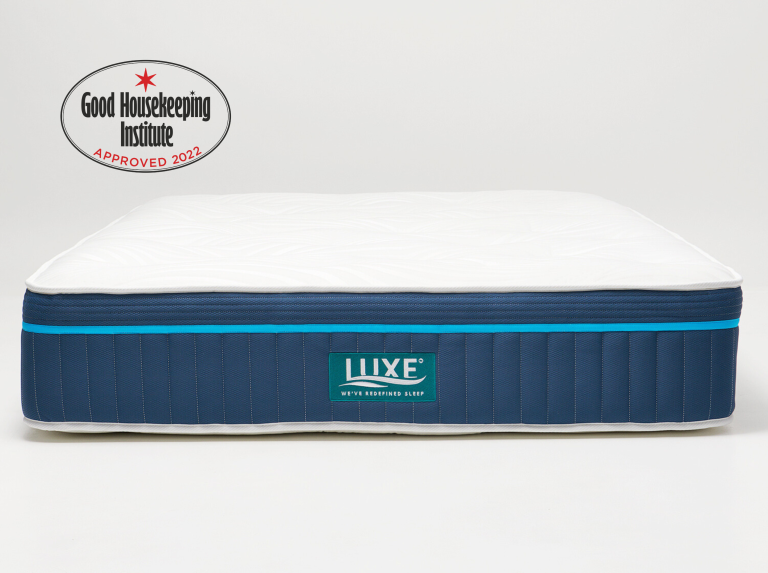
LuxeErgo 3400
Balanced back support
Medium Firm
100 nights
Double spring system
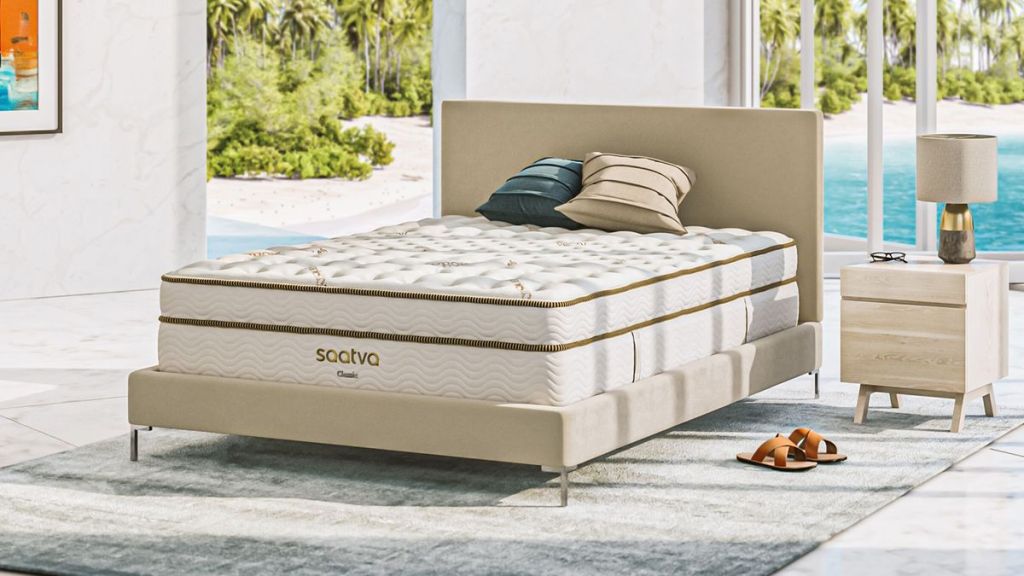
Saatva Classic
Luxury support
Luxury Firm
180 nights
Lumbar zone support
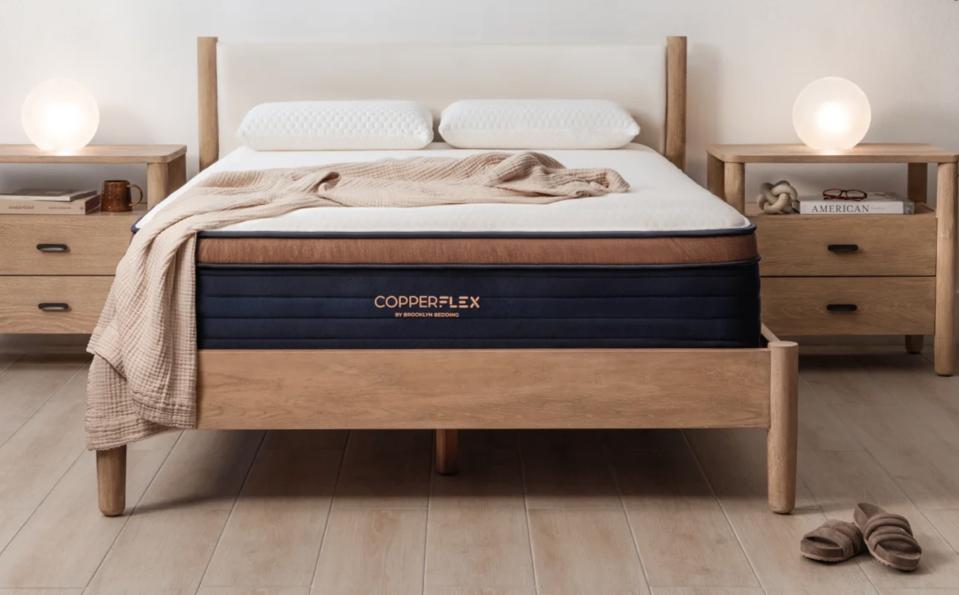
Brooklyn Bedding CopperFlex
Cooling and spinal relief
Medium Firm
120 nights
Copper-infused foam
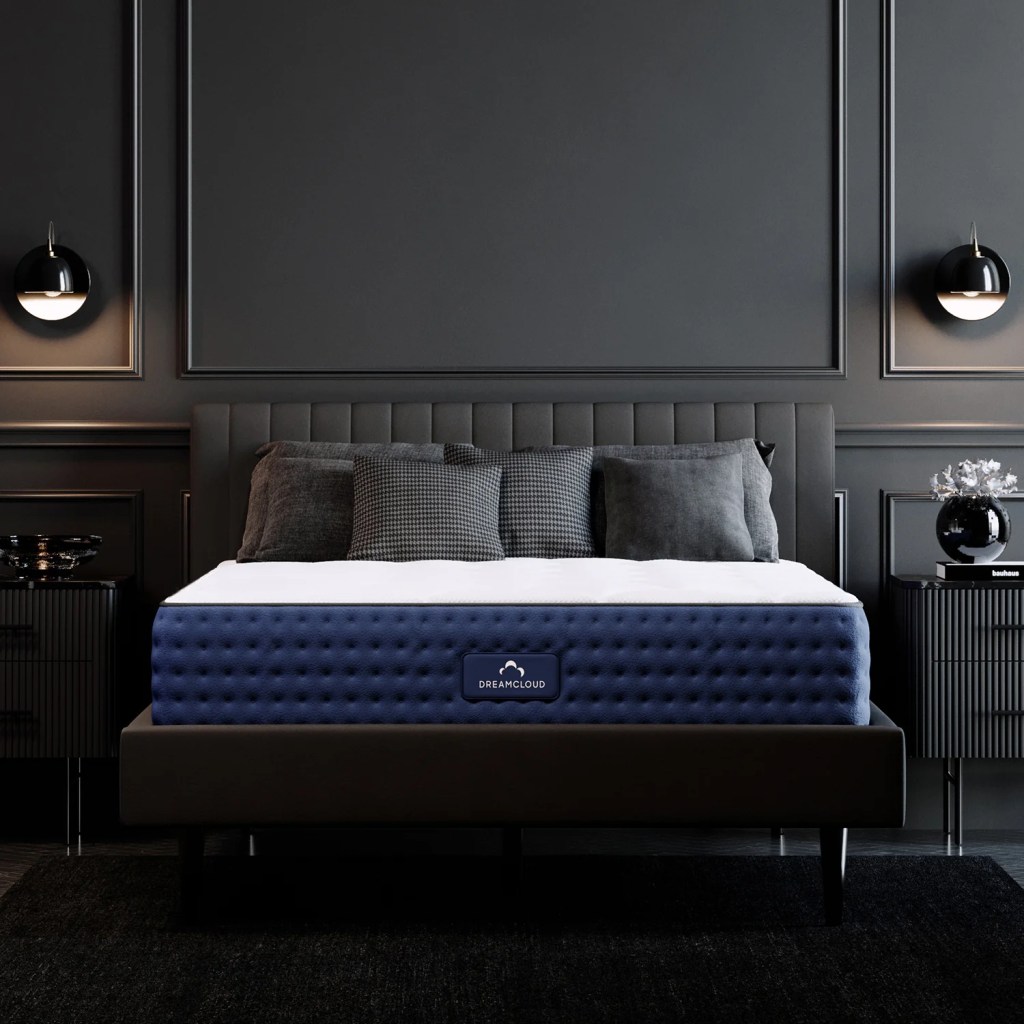
DreamCloud Hybrid
Luxury and contouring
Medium Firm
365 nights
Cashmere cover
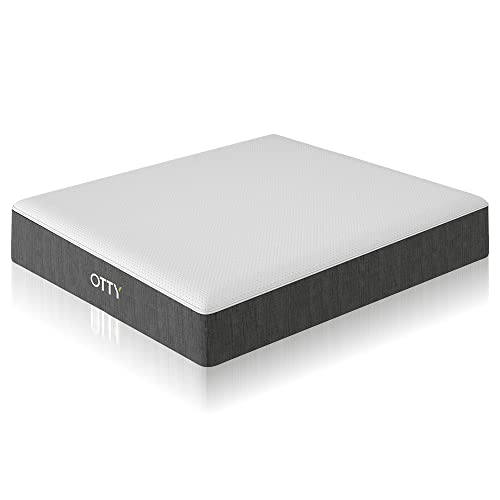
Otty Original Hybrid
Posture correction
Medium Firm
100 nights
Ergonomic coil system
Take the Test to find the Best Mattress for you!
Smart Mattress Quiz
Find your perfect mattress match with our personalized recommendation system.
Based on your sleep style, health needs, and comfort preferences.
Why Take This Quiz?
Get tailored mattress recommendations for your specific needs
Save time researching – we’ve done the analysis for you
Compare mattresses that match your sleep style and budget
Understand which mattress features matter for your comfort
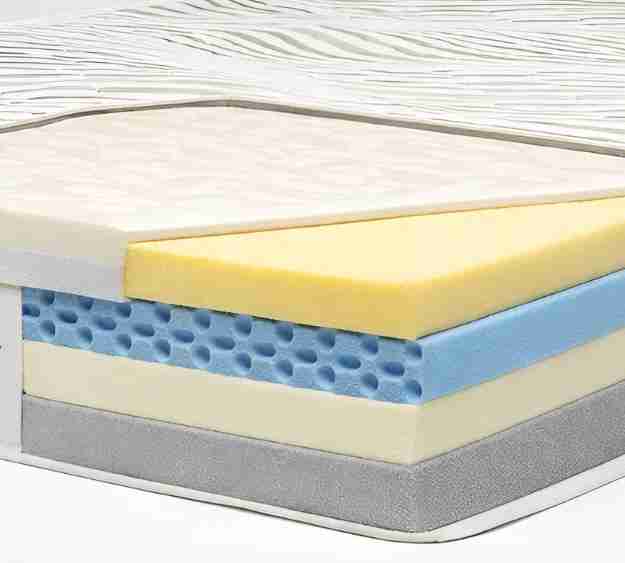
Materials: C40 foam base + ergonomic memory foam layers
Trial: 100 nights
Product Details:
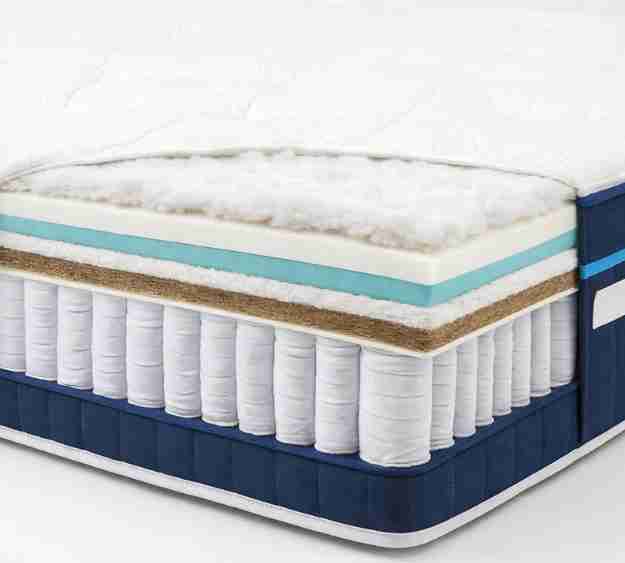
The LuxeErgo 3400 offers adaptive spinal support while cushioning pressure points. It uses a double spring system combined with memory foam, delivering perfect balance between firm support and plush comfort — essential for back pain and sciatica sufferers.
Pros:
Orthopaedic-grade medium firmness
Excellent temperature regulation and motion isolation
Hypoallergenic and CertiPUR-US® certified materials
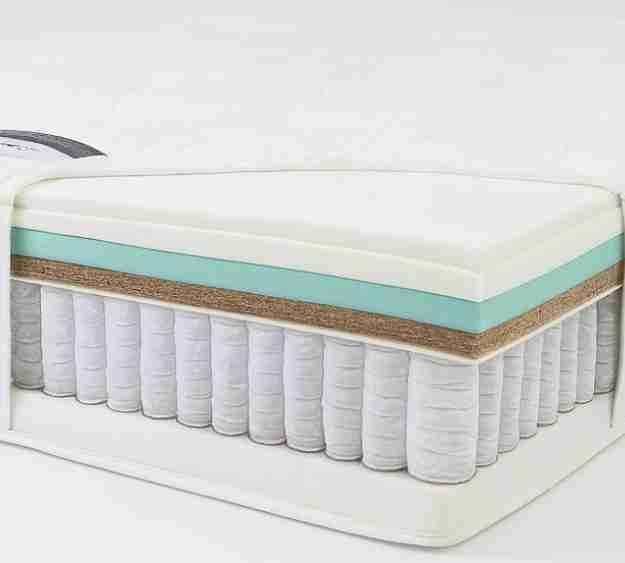
The Saatva Classic is an innerspring hybrid that specializes in lumbar zone support, making it a top recommendation for those with sciatica and chronic back stiffness. With its eco-friendly organic cotton cover, it also appeals to health-conscious shoppers.
The CopperFlex mattress offers contouring that adapts dynamically to your body’s curves, reducing spinal stress during sleep. Its embedded copper infusions promote cooling and have antimicrobial properties.
Pros:
Adaptive support for spine and joints
Cooling copper-infused layers
Budget-friendly price
Cons:
Lighter individuals may find it softer than expected
The DreamCloud Hybrid uses a five-layer foam and coil system designed to lift the spine into neutral alignment while offering cloud-like comfort for side and back sleepers.
The Otty Original Hybrid uses layered memory foam and spring technology to provide steady support for sleepers with posture issues and chronic lower back pain.
Pros:
Strong edge support
Breathable cooling technology
Good choice for combination sleepers
Cons:
Firmer feel not ideal for lighter body weights
Review Rating: ★★★★☆ (4.5/5)
Sleep should be restorative, not disruptive.
🎯 Final Verdict
Selecting a mattress that promotes proper spinal alignment, reduces pressure points, and offers hypoallergenic materials is essential for supporting long-term back health and minimizing conditions like sciatica and chronic pain.
Several mattresses in the 2025 market stand out for their balanced support, durability, and comfort features. Options such as the LuxeErgo 3400 and Saatva Classic are among the top-rated choices for individuals seeking to improve sleep quality and manage back discomfort.
Pro Tip:
It’s recommended to replace your mattress every 7–9 years, or sooner if you experience sagging, diminished support, or changes in your sleep patterns.
FAQs
Q: What is the best type of mattress for back pain relief?
A: The best type of mattress for back pain is typically a medium-firm hybrid or memory foam mattress. These provide both support and contouring, helping maintain natural spinal alignment during sleep.
Q: How can a mattress improve spinal alignment?
A: A good mattress supports the natural curves of the spine, preventing sagging or pressure buildup. This keeps the spine neutral throughout the night, reducing muscle and joint strain.
Q: How firm should a mattress be for back pain sufferers?
A: A medium-firm mattress is usually recommended to provide both pressure relief and stable support for the spine.
Q: Can the wrong mattress make sciatica worse?
A: Yes, an unsupportive or sagging mattress can increase pressure on the sciatic nerve, worsening pain and symptoms.
Q: How often should you replace your mattress for back health?
A: Replace your mattress every 7–9 years, or sooner if it shows sagging or loss of support.
Q: Is a memory foam mattress better than a hybrid mattress for back pain?
A: Both are effective. Memory foam provides contouring pressure relief, while hybrids offer firmer support and better airflow.
Q: Do organic or hypoallergenic mattresses help with back pain?
A: They help indirectly by improving sleep quality and reducing allergic reactions, which supports overall rest and recovery.
Q: What sleeping position is best for reducing lower back pain?
A: Sleeping on your back with a pillow under your knees, or on your side with a pillow between your knees, best supports spinal alignment.
Choosing the right mattress isn’t just a matter of comfort — it’s a crucial step toward better health. An unsuitable sleeping surface, often referred to as a bad mattress, can dramatically affect your physical well-being, mental clarity, and emotional stability.
Today, health-conscious sleepers are turning more toward organic mattresses, natural mattresses, and health-conscious mattress options to prioritise both sleep quality and overall health. Here’s why your mattress choice matters more than ever.
How a Worn-Out Mattress Affects Your Sleep Quality
When a mattress fails to provide adequate support or comfort, it interrupts your ability to reach deep, restorative sleep stages. Research by the Sleep Foundation shows that inadequate sleep quality leads to:
Frequent awakenings
Difficulty falling back asleep
Lighter, less restorative sleep cycles
This cumulative sleep loss results in morning fatigue, irritability, impaired cognitive function, and a weakened immune system, and some long term issues such as Memory loss, Diabetes, Respiratory diseases and obesity.
This cumulative sleep loss results in morning fatigue, irritability, impaired cognitive function, and a weakened immune system.
Sleep Problem
Cause
Result
Tossing and Turning
Poor mattress support
Sleep fragmentation
Nighttime Wakeups
Sagging mattress
Reduced REM sleep
Restless Sleep
Lack of spinal alignment
Morning fatigue
How a Bad Mattress Impacts Your Spine and Joints
Proper spinal alignment during sleep is critical. A sagging or deformed mattress disrupts your body’s natural curves, placing excessive pressure on muscles, ligaments, and joints.
According to the Cleveland Clinic, poor spinal alignment during sleep can contribute to:
Chronic lower back pain
Neck stiffness
Shoulder and hip discomfort
Natural and organic mattresses often feature better contouring support, aligning your spine naturally without excessive pressure points — ideal for health-conscious individuals.
The long-term effects of disrupted sleep are significant. Studies from the Centres for Disease Control and Prevention (CDC) link chronic poor sleep to:
Weakened immunity
Higher risk of heart disease
Increased rates of hypertension, diabetes, and obesity
• Cognitive impairments like memory loss and poor concentration
Choosing a natural mattress that minimises toxic chemical exposure and supports proper rest can protect your overall health and resilience.
ðŸŒ¬ï¸ How Old Mattresses Cause Allergies and Breathing Problems
Mattresses naturally accumulate dust mites, mold spores, and allergens over time. Studies from the American Academy of Allergy, Asthma & Immunology (AAAAI) confirm that old mattresses can worsen:
Asthma symptoms
Eczema flare-ups
General respiratory irritation
Natural mattresses, often made with organic latex and breathable cotton, resist dust mite infestations better and offer hypoallergenic properties for sensitive sleepers.
Allergen Risk
Old Mattress
Organic Mattress
Dust Mites
High
Very Low
Mold Growth
Medium
Minimal
VOC Exposure
High (synthetic foams)
Very Low (natural materials)
Comparison Chart of Organic or Natural Mattress vs Poor Quality Foam Mattresses
🧠Psychological Effects of Sleeping on a Poor Mattress
Beyond physical health, a bad mattress also depletes mental wellness. Chronic discomfort leads to:
Increased anxiety and mood swings
Higher irritability
Difficulty focusing and completing tasks
Research from Harvard Medical School links poor sleep quality to higher rates of depression and anxiety disorders. Investing in a health-conscious mattress ensures better mental health along with physical wellness.
📋 FAQs
1. How can I tell if my mattress is causing my back pain?
If you consistently wake up with lower back stiffness that eases throughout the day, it’s a strong sign that your mattress no longer supports your spine properly.
2. Can an old mattress cause insomnia?
Yes. Lack of comfort and disrupted spinal support lead to frequent awakenings, restlessness, and difficulty falling asleep — key contributors to insomnia.
3. When should I replace my mattress?
Every 7–10 years, or sooner if you experience sagging, poor sleep quality, or increased allergies.
4. Does a sagging mattress affect posture?
Absolutely. Poor mattress support leads to misalignment of the spine, damaging posture and causing chronic pain over time.
5. How does mattress quality affect deep sleep?
A high-quality, health-conscious mattress promotes uninterrupted restorative sleep, crucial for emotional resilience and physical health.
🌿 Final Thoughts
Your mattress isn’t just about comfort; it’s the foundation of your health.
A natural mattress, made from organic, hypoallergenic, and chemical-free materials, is a smart investment for any health-conscious sleeper. Protect your spine, support deeper sleep, and wake up ready to live your best, healthiest life.
Recommended: Always choose a mattress that meets certified organic standards like GOTS or CertiPUR-US®, and prioritise natural materials for a truly health-forward lifestyle.
Finding the perfect bed can transform not only your sleep but also your bedroom aesthetic. If you’re considering a queen bed in the UK, you’re in for a treat: this size strikes an ideal balance between space and comfort. But before making that investment, understanding queen bed measurements is essential to ensure it fits seamlessly within your space. Whether you’re upgrading from a smaller bed or creating a welcoming guest room, knowing the right dimensions will help you avoid the common pitfalls of mismatched sizes. In this ultimate guide, we’ll explore everything you need to know about queen bed measurements, including standard dimensions, mattress types, historical context, alternative names, and tips for pairing them with stylish frames. Get ready to uncover the perfect fit for your sleep sanctuary!
Understanding Queen Bed Sizes in the UK
When it comes to queen bed sizes in the UK, it’s important to note that the term “queen†isn’t as commonly used as it is in the United States. In the UK, what many people refer to as a queen bed is actually known as a “king†bed. This can be confusing, especially when shopping for beds or bedding, but understanding this distinction is crucial.
In the UK, the standard king bed measures 150 cm in width and 200 cm in length. This size is incredibly popular due to its ideal balance of space and comfort, making it suitable for most adults, whether single or sharing with a partner. The slightly larger dimensions compared to a double bed provide extra room without taking up too much space in the bedroom.
Historical Context: Why the Difference?
The naming difference between “queen” and “king” beds in the UK and US stems from historical evolutions in furniture sizing. In the US, mattress sizes were standardized earlier, and the “queen” size (60 inches x 80 inches) became a popular intermediate choice between the double and the king. However, in the UK, the “king” size (150 cm x 200 cm) filled that role, and the term “queen” never became as commonly used. Instead, UK bedding evolved differently based on traditional European sizing conventions, leading to the variations we see today.
Standard Queen Bed Measurements: Dimensions Explained
The standard queen bed measurements in the UK, often referred to as a king bed, are 150 cm in width and 200 cm in length. These dimensions make the queen bed an excellent choice for couples who want ample space to sleep comfortably without occupying too much bedroom real estate. The extra 15 cm in width over a standard double bed can make a significant difference in comfort, especially for taller individuals or those who move around a lot during sleep.
When planning your bedroom layout, it’s essential to consider not only the bed frame but also the additional space required for movement and other furniture. Ideally, you should allow at least 60 cm of clearance on each side and at the foot of the bed to ensure easy access and a comfortable flow within the room. A queen bed typically requires a minimum room size of approximately 270 cm by 330 cm to accommodate it comfortably.
Alternative Names for Queen Bed Sizes in the UK
Beyond the standard “king” label, some UK retailers and manufacturers may offer beds with alternative names that sit close to queen dimensions. These include:
Small King: Sometimes used to describe beds slightly smaller than a standard king but larger than a double.
European King: Typically measures 160 cm x 200 cm, slightly wider than the UK king, aligning more closely with continental European sizing.
Understanding these terms can help you navigate the buying process and ensure you’re selecting the size that best fits your space and preferences.
Differences Between UK and US Queen Bed Sizes
One of the most important distinctions to understand when shopping for a queen bed is the difference between UK and US measurements. In the United States, a queen bed is typically 60 inches wide and 80 inches long, which translates to approximately 152 cm by 203 cm. While these dimensions are quite similar to the UK king bed, the slight difference can affect bedding and frame compatibility.
If you’re purchasing a bed or bedding from an international retailer, it’s crucial to pay attention to these measurements to ensure a proper fit. For example, US queen-size sheets and duvets may be slightly larger than their UK counterparts, leading to an ill-fitting appearance and potential discomfort. Conversely, a US queen mattress may not fit perfectly within a UK king-size bed frame, causing issues with stability and support.
To avoid these complications, always double-check the measurements before making a purchase and consider buying from local retailers who specialize in UK bed sizes. This will help ensure that all components of your bed, from the frame to the mattress and bedding, work together seamlessly to provide the ultimate sleeping experience.
How to Choose the Right Queen Bed for Your Space
Selecting the right queen bed for your bedroom involves more than just measuring the available space. It’s essential to consider the overall layout, including the placement of other furniture, windows, and doors, to create a balanced and functional environment. Start by measuring the dimensions of your room and creating a floor plan to visualise how the bed will fit within the space.
Next, think about the style of bed frame that will complement your bedroom decor. Queen beds come in a variety of designs, from sleek, modern frames to ornate, traditional styles. Consider the height and bulkiness of the frame, as this can impact the visual openness of the room. For smaller spaces, a minimalist frame with clean lines can help create a more spacious feel, while larger rooms can accommodate more elaborate designs.
Another important factor is the type of mattress that will best suit your needs. Whether you prefer a firm, medium, or soft mattress, make sure it provides adequate support and comfort for your body type and sleeping habits. Additionally, consider any special features such as memory foam, pocket springs, or hypoallergenic materials that can enhance your sleeping experience.
When it comes to choosing the perfect bed, one of the most important considerations is size. Two of the most popular bed sizes are Queen and King. Here’s a clear and concise comparison of their dimensions and specifications:
Selecting the mattress that best fits your sleep preferences will ensure maximum comfort and support.
Bedding Essentials: Fitted Sheets and Duvets
Once you’ve selected your queen bed and mattress, it’s time to choose the right bedding. Fitted sheets should match the 150 cm x 200 cm measurements typical of UK king (queen equivalent) beds. Choose high-quality, breathable fabrics like cotton or bamboo.
Duvets should also correspond to bed size, and tog ratings (indicating warmth) should be selected based on seasonality. For year-round use, a 10.5 tog duvet is ideal. Consider investing in a mattress protector and additional bedding accessories for enhanced comfort and longevity.
Tips for Measuring Your Bedroom for a Queen Bed
Before purchasing a queen bed, it’s essential to measure your bedroom to ensure it fits comfortably. Follow these steps:
Identify architectural features (windows, doors, built-ins).
Allow at least 60 cm of clearance on each side and the foot of the bed.
Consider bed height if dealing with low ceilings.
Maximize small spaces with frames offering built-in storage.
Proper measurement and planning will help you create a balanced, functional, and beautiful sleep environment.
Frequently Asked Questions About Queen Bed Measurements
Is a queen bed the same as a king bed in the UK?
In the UK, what is often referred to as a queen bed internationally is typically called a king bed (150 cm x 200 cm).
How do I choose the right mattress for a queen bed?
Focus on firmness preference, material type (memory foam, pocket spring, latex), and special needs like hypoallergenic properties.
How can I care for my queen bed and mattress?
Rotate the mattress regularly, use a mattress protector, and clean bedding often to ensure hygiene and extend mattress life.
Conclusion: Finding the Perfect Queen Bed for Your Needs
In conclusion, finding the perfect queen bed involves understanding the various measurements, types, and considerations that go into making an informed decision. By familiarizing yourself with the standard dimensions of a queen bed in the UK, recognizing the differences between UK and US sizes, and carefully measuring your bedroom, you can ensure a seamless fit within your space.
Additionally, exploring different bed frame types and mattress options will help you find the ideal combination of style and comfort to suit your preferences. Investing in high-quality bedding essentials, such as fitted sheets and duvets, will further enhance your sleeping experience and create a cozy and inviting environment.
Ultimately, the perfect queen bed is one that meets your individual needs and transforms your bedroom into a sleep sanctuary. By following this comprehensive guide and considering all the factors involved, you can confidently choose the right queen bed and enjoy the benefits of a restful and rejuvenating night’s sleep. Happy bed shopping!
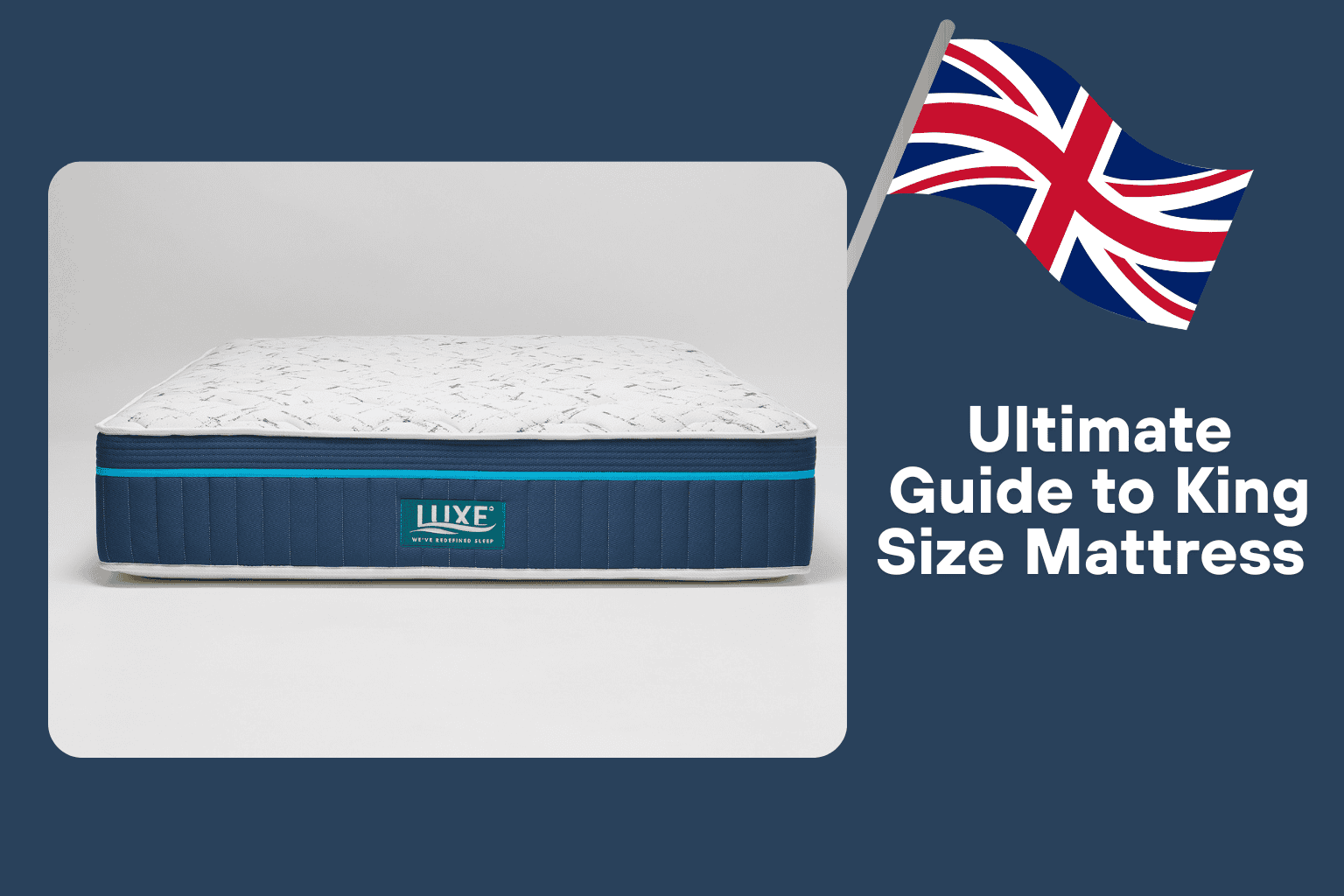
Finding the perfect mattress can feel like searching for a needle in a haystack, but when it comes to comfort, size matters, especially with king-size mattresses. Designed for ultimate space and luxury, a king-size mattress is not just about dimensions; it’s about transforming your sleep experience. Whether you’re sharing your bed with a partner, kids, or simply craving more room to stretch, understanding king-size mattress measurements is key to making an informed decision. In this ultimate guide, we’ll delve into standard dimensions, variations, and tips for selecting the best fit for your bedroom layout. Say goodbye to restless nights and hello to serene slumber as we help you navigate the world of king-size mattresses, ensuring you find your perfect fit. Prepare to elevate your bedroom into a sanctuary of restful bliss!
Understanding King Size Mattress Dimensions
Choosing the right mattress size is a crucial aspect of creating a comfortable sleep environment. When it comes to king-size mattresses, understanding the dimensions is the first step in the selection process. These mattresses are designed to provide ample space for sleepers, ensuring a restful experience. However, the dimensions can vary, and it’s important to know what each type offers.
A standard king-size mattress typically measures 76 inches wide and 80 inches long. This generous surface area can comfortably accommodate two adults, offering plenty of room to stretch out without disturbing each other. The king-size mattress is ideal for master bedrooms, where space is usually abundant. It provides a luxurious feel, making it a popular choice for those seeking a high level of comfort.
In addition to the standard king-size mattress, there are variations such as the California king. The California king measures slightly different, coming in at 72 inches wide and 84 inches long. This variation is particularly beneficial for taller individuals who require additional length to sleep comfortably. Understanding these dimensions is essential when deciding which king-size mattress suits your needs best, ensuring you select the perfect fit for your living space and personal comfort preferences.
Standard King Size Mattress Measurements Explained
The standard king-size mattress, often referred to simply as “king,” is known for its expansive dimensions. Measuring 76 inches in width and 80 inches in length, it provides a substantial sleeping surface that accommodates individuals and couples alike. This size is ideal for those who appreciate having extra space to move around, whether sleeping alone or with a partner.
One of the main benefits of a standard king-size mattress is the ability to minimize disturbances during sleep. With such a wide surface area, partners can move freely without significantly impacting the other person’s rest. This is particularly beneficial for those who have different sleep patterns or tend to toss and turn throughout the night. The spaciousness of a king-size mattress can contribute to a more restful and uninterrupted sleep experience.
Additionally, a standard king-size mattress fits well in large bedrooms, making it a popular choice for master suites. Its dimensions are designed to complement expansive spaces, adding to the room’s luxurious feel. When paired with matching furniture, a king-size mattress can elevate the aesthetic of your bedroom, creating an inviting and serene environment for restful sleep. Understanding these measurements helps in making an informed decision, ensuring your mattress choice enhances your overall sleep experience.
Variations of King Size Mattresses: California King vs. Standard King
When exploring king-size mattresses, it’s important to recognise the variations available, notably the California king and the standard king. Each offers unique dimensions that cater to different needs and preferences. Understanding these differences can help you choose the perfect mattress that aligns with your comfort requirements and bedroom layout.
The California king mattress measures 72 inches in width and 84 inches in length, making it slightly narrower and longer than the standard king. This variation is particularly advantageous for taller individuals who need extra legroom. The added length ensures that feet do not hang off the edge, promoting a more comfortable sleep position. Despite its narrower width, the California king still provides ample space for couples, ensuring a restful sleep environment.
On the other hand, the standard king mattress measures 76 inches in width and 80 inches in length. This size is ideal for those who prioritize width over length, offering a wider surface area for movement. It is perfect for couples who enjoy having more personal space while sleeping. The standard king’s width can also accommodate families with small children who may occasionally share the bed, providing enough room for everyone to sleep comfortably.
Understanding the dimensions and benefits of both the California king and standard king mattresses will help you make an informed decision. Consider your height, sleeping habits, and bedroom size when choosing between these two options. Each variation offers distinct advantages, ensuring you find a mattress that meets your specific needs and enhances your sleep experience.
Importance of Choosing the Right Mattress Size
Selecting the right mattress size is essential for creating a comfortable and restful sleep environment. The size of your mattress can significantly impact your sleep quality, comfort, and overall well-being. Choosing a king-size mattress, whether standard or California king, can offer numerous benefits, but it’s crucial to ensure that the size you select fits your specific needs and space.
One of the primary reasons for choosing the right mattress size is to ensure adequate space for movement. A king-size mattress provides ample room for individuals and couples to sleep without feeling cramped. This is particularly important for those who tend to move around during the night. The generous dimensions of a king-size mattress minimize disturbances, allowing for a more peaceful sleep experience.
Another important factor is the compatibility of the mattress with your bedroom layout. A king-size mattress requires a large space to fit comfortably without overwhelming the room. Ensuring that your bedroom can accommodate the size of the mattress is crucial for maintaining a balanced and aesthetically pleasing environment. The right mattress size should complement your room’s dimensions, enhancing its overall look and feel.
Lastly, choosing the appropriate mattress size can impact your health and well-being. A mattress that is too small can lead to discomfort and poor sleep quality, affecting your physical and mental health. A king-size mattress offers the space needed for proper sleep posture, reducing the risk of aches and pains. Investing in the right size mattress can contribute to better sleep quality, improved health, and overall well-being.
Factors to Consider When Selecting a King Size Mattress
Selecting a king-size mattress involves more than just choosing dimensions; several factors should be considered to ensure you find the perfect fit. Understanding these factors can help you make an informed decision that enhances your sleep experience and meets your specific needs.
First, consider the firmness of the mattress. King-size mattresses come in various levels of firmness, from soft to extra firm. Your choice should depend on your preferred sleeping position and any specific health concerns. For instance, side sleepers typically benefit from a softer mattress that contours to the body, while back and stomach sleepers may prefer a firmer surface for better support. Understanding your firmness preference is crucial for selecting a mattress that provides optimal comfort and support.
Another important factor is the material of the mattress. King-size mattresses are available in different materials, including memory foam, latex, innerspring, and hybrid options. Each material offers distinct advantages. Memory foam mattresses are known for their contouring properties and pressure relief, while latex mattresses are durable and offer a bouncy feel. Innerspring mattresses provide excellent support and breathability, and hybrid mattresses combine the benefits of multiple materials. Knowing the characteristics of each material can help you choose a mattress that aligns with your comfort preferences.
Additionally, consider the brand and model of the mattress. Reputable brands offer high-quality mattresses with various features that cater to different needs. Researching and reading reviews can provide valuable insights into the performance and durability of different models. Investing in a trusted brand ensures you receive a mattress that offers long-term comfort and support. Taking these factors into account will help you select a king-size mattress that meets your needs and enhances your sleep quality.
How to Measure Your Bedroom for a King Size Mattress
Measuring your bedroom for a king-size mattress is an essential step in ensuring that the mattress fits comfortably within your space. Proper measurements help avoid potential issues such as overcrowding or limited mobility in the room. Here are some practical tips to guide you through the measurement process.
Start by measuring the dimensions of your bedroom. Use a tape measure to record the length, width, and height of the room. Be sure to account for any furniture or fixtures that may affect the available space for the mattress. This includes items such as dressers, nightstands, and wardrobes. Knowing the exact dimensions of your bedroom will help you determine if a king-size mattress can fit comfortably without compromising the room’s functionality.
Next, consider the placement of the mattress within the room. Decide on the best location for the mattress, taking into account factors such as accessibility and aesthetics. Ensure that there is enough space around the mattress for easy movement and access to other furniture. A good rule of thumb is to leave at least 2 to 3 feet of space on each side of the mattress for optimal comfort and mobility.
Lastly, visualize the final setup by using masking tape to outline the dimensions of the mattress on the floor. This will give you a clear visual representation of how the mattress will fit within the room. Adjust the tape as needed to find the best placement that maximizes space and comfort. By carefully measuring your bedroom and visualizing the setup, you can confidently select a king-size mattress that fits perfectly within your space.
Common Myths About King Size Mattresses
When it comes to king-size mattresses, several myths and misconceptions can cloud your judgment. Understanding the truth behind these myths can help you make a more informed decision and select a mattress that truly meets your needs.
One common myth is that king-size mattresses are only suitable for large bedrooms. While it’s true that king-size mattresses require ample space, they can also fit comfortably in medium-sized rooms with proper planning. By carefully measuring your bedroom and considering the placement of furniture, you can create a cozy and functional setup that accommodates a king-size mattress. The key is to ensure there is enough space around the mattress for easy movement and access to other furniture.
Another myth is that king-size mattresses are excessively expensive. While king-size mattresses can be pricier than smaller sizes, there are many affordable options available. The cost of a mattress depends on various factors, including the brand, material, and features. By researching and comparing different models, you can find a high-quality king-size mattress that fits within your budget. Investing in a larger mattress can provide long-term comfort and better sleep quality, making it a worthwhile investment.
Lastly, some believe that king-size mattresses are difficult to maintain and move. While the size of the mattress can pose challenges, proper care and handling can simplify maintenance. Using mattress protectors and rotating the mattress regularly can extend its lifespan and keep it in good condition. Additionally, many king-size mattresses come with handles or are designed to be easily moved. Understanding these maintenance tips can help you manage and care for your king-size mattress effectively.
Best King Size Mattress Brands
Choosing the best king-size mattress involves considering reputable brands and models that offer superior quality and comfort. Here are some top brands and models that have received positive reviews and are known for their exceptional performance.
One of the leading brands in the king-size mattress market is Tempur-Pedic. Known for their high-quality memory foam mattresses, Tempur-Pedic offers models such as the Tempur-Cloud and Tempur-Adapt. These mattresses are designed to provide excellent pressure relief and contouring support, making them ideal for those seeking a luxurious sleep experience. Tempur-Pedic’s reputation for durability and comfort makes it a popular choice among consumers.
an other United Kingdom Brand Luxe Mattresses is an emerging premium brand in the king-size mattress market, known for its focus on sleep wellness, advanced materials, and timeless comfort. Offering a carefully curated selection of luxury memory foam and hybrid models, Luxe Mattresses is designed for sleepers who prioritize both support and serenity. Each mattress is crafted with high-density foam layers, breathable fabrics, and cutting-edge anti-allergen technology—making them ideal for individuals with sensitivities or those seeking a cleaner, healthier sleep environment.
Another renowned brand is Saatva, which offers a range of hybrid and innerspring mattresses. The Saatva Classic and Saatva HD are two models that stand out for their exceptional support and breathability. These mattresses combine the benefits of innerspring coils with memory foam or latex layers, providing a balanced feel that caters to various sleep preferences. Saatva’s commitment to quality and eco-friendly materials makes it a trusted choice for king-size mattresses.
Additionally, Purple is a brand that has gained popularity for its innovative mattress design. The Purple Hybrid and Purple Premier models feature a unique grid structure that provides adaptive support and cooling comfort. These mattresses are particularly beneficial for those who experience pressure points or sleep hot. Purple’s innovative approach to mattress design has earned it a reputation for delivering a comfortable and restful sleep experience.
Exploring these top brands and models can help you find a king-size mattress that offers the perfect combination of comfort, support, and durability. Investing in a reputable brand ensures you receive a high-quality mattress that enhances your sleep quality and overall well-being.
Tips for Shopping for a King Size Mattress
Shopping for a king-size mattress can be an overwhelming experience, given the numerous options available. Here are some practical tips to help you navigate the process and make an informed decision.
First, do your research before heading to the store or browsing online. Understand the different types of mattresses available, such as memory foam, latex, innerspring, and hybrid options. Each type offers unique benefits, and knowing these can help you narrow down your choices. Read reviews and compare features to identify models that align with your comfort preferences and budget.
Next, consider trying out the mattress in person if possible. Visiting a showroom allows you to test the mattress and get a feel for its comfort and support. Lie down in your preferred sleeping position and see how the mattress responds to your body. Pay attention to factors such as firmness, pressure relief, and overall comfort. Testing the mattress in person can provide valuable insights and help you make a confident decision.
Additionally, take advantage of trial periods and warranties offered by manufacturers. Many brands provide a trial period during which you can test the mattress at home and return it if it doesn’t meet your expectations. This can give you peace of mind and ensure you’re making the right choice. Check the warranty to understand the coverage and any potential issues that may arise. A good warranty reflects the manufacturer’s confidence in their product and provides added security for your investment.
By following these tips, you can simplify the shopping process and find a king-size mattress that meets your needs and enhances your sleep experience.
Conclusion: Finding Your Perfect King Size Mattress Fit
Finding the perfect king-size mattress involves understanding the dimensions, variations, and factors that impact your sleep experience. By exploring the standard and California king sizes, acknowledging the importance of selecting the right size, and considering factors such as firmness and material, you can make an informed decision that enhances your comfort and well-being.
Properly measuring your bedroom ensures that the mattress fits comfortably within your space, while debunking common myths helps you approach your purchase with confidence. Exploring reputable brands and models provides insights into high-quality options that deliver exceptional performance. Finally, applying practical tips for shopping helps simplify the process and ensures you find a mattress that meets your specific needs.
With this ultimate guide, you are now equipped with the knowledge to navigate the world of king-size mattresses and select the perfect fit. Elevate your bedroom into a sanctuary of restful bliss and enjoy serene slumber with a king-size mattress that offers the space and comfort you deserve. Say goodbye to restless nights and hello to restful sleep as you embark on the journey to find your perfect king-size mattress fit.
Have you ever stopped to think about how often you should change your bed sheets? It might seem like a minor detail, but the frequency of your sheet changes plays a surprisingly significant role in your overall health and sleep quality. While many may believe washing sheets once a week is sufficient, experts suggest you might want to reconsider this common practice. From dust mites and allergens to bacteria and skin oils, your sheets are a breeding ground for nasties that could disrupt your rest.
In this article, we’ll uncover the surprising answer to the age-old question of sheet-changing frequency and explore how a simple adjustment could lead to a much healthier and more restful sleep. Get ready to transform your bedtime routine and learn just how vital a clean sheet can be for achieving that perfect night’s sleep.
The Importance of Clean Bed Sheets for Health
Maintaining a clean bed environment is crucial for overall health and well-being, as we spend nearly a third of our lives in bed. This time is critical for our bodies to rest, repair, and rejuvenate. A significant aspect of this environment is our bed sheets. Clean sheets are not just about comfort; they play a vital role in preventing the accumulation of dust mites, bacteria, and allergens that can negatively impact our health. The microscopic world of our bedding is teeming with life, much of which can contribute to various health issues if left unchecked.
When we sleep, we shed dead skin cells, sweat, and body oils, all of which accumulate on our bed sheets. These elements create a fertile environment for dust mites, which feed on dead skin cells. Dust mites, in turn, can exacerbate conditions like asthma, eczema, and nasal allergies. Moreover, the presence of bacteria and fungi on unwashed sheets can lead to infections and skin irritations. Thus, regularly changing and washing our bed sheets is essential for minimizing these health risks.
Beyond physical health, clean bed sheets also contribute to mental well-being. There is something inherently comforting about sliding into a bed with fresh, crisp linens. Clean sheets can enhance the quality of sleep by reducing irritation and discomfort caused by accumulated grime and allergens. This can lead to better rest, improved mood, and increased productivity during waking hours. Therefore, the importance of clean bed sheets extends far beyond aesthetics and comfort, directly influencing our physical and mental health.
How Often Should You Change Your Bed Sheets?
The frequency at which one should change bed sheets has been a topic of much debate. While many people adhere to the traditional once-a-week rule, experts suggest that this may not be sufficient for everyone. The optimal frequency can vary based on individual circumstances, including personal hygiene habits, health conditions, and environmental factors. However, a general recommendation is to change and wash bed sheets at least once every two weeks to maintain a healthy sleep environment.
For individuals with allergies, asthma, or other respiratory issues, changing sheets more frequently, even twice a week, can be beneficial. This practice helps reduce the buildup of allergens and dust mites, providing a more comfortable sleeping environment. Similarly, those who sweat excessively at night or share their bed with pets should consider changing their sheets more often. Pets can bring in additional dirt, hair, and allergens, which can accumulate quickly and compromise the cleanliness of the bed.
Conversely, some people may find that they can stretch the period between sheet changes slightly longer if they shower before bed and maintain a generally clean sleeping environment. However, it is crucial to monitor the condition of the sheets and respond to any signs that they need changing sooner. Factors such as skin sensitivity, personal comfort, and the presence of any noticeable odors or stains should guide the decision on how often to change bed sheets.
Factors Influencing Sheet Change Frequency
Several factors influence how often one should change their bed sheets, and understanding these can help tailor a bed hygiene routine that best suits individual needs. Personal hygiene is a significant factor. People who shower before bed, wear clean pajamas, and practice good nighttime hygiene may find that their sheets stay cleaner longer compared to those who do not follow such routines.
Another critical factor is the presence of pets in the household. Pets can significantly increase the amount of dirt, hair, and allergens in the bed. Cats, dogs, and other animals that sleep on the bed or even just lounge on it during the day can leave behind fur, dander, and sometimes even parasites. This necessitates more frequent sheet changes to maintain a clean sleeping environment.
Environmental factors also play a role. Those living in humid climates may need to change their sheets more often due to increased sweating and the propensity for mold and mildew growth. Conversely, individuals in colder, drier climates might get away with less frequent changes. Seasonal changes can also affect how often sheets need to be changed. For example, during allergy season, when pollen counts are high, more frequent changes might be necessary to keep allergens at bay.
The Impact of Allergens and Dust Mites
Allergens and dust mites are silent invaders in our mattresses, that can significantly impact our health and sleep quality, although these days improvements in mattress developments technology offers anti allergens and dust resistant mattresses. Dust mites are microscopic creatures that thrive in warm, humid environments and feed on the dead skin cells we shed. Although they are invisible to the naked eye, their presence can be felt through the allergic reactions they trigger. Symptoms such as sneezing, coughing, itchy eyes, and a runny nose are common indicators of dust mite allergies.
Allergens from dust mites, pet dander, pollen, and even certain fabrics can accumulate in bed sheets, making it essential to wash them regularly. For individuals with asthma or allergies, sleeping on dirty sheets can exacerbate symptoms and lead to poor sleep quality. In severe cases, it can trigger asthma attacks or cause chronic sinus issues. Regularly changing and washing bed sheets in hot water can help reduce the presence of these allergens and provide relief from symptoms.
Moreover, dust mites are not the only concern. Bed sheets can also harbor bacteria and fungi, which can lead to skin infections and other health issues. For instance, Staphylococcus aureus, a common bacterium found on the skin, can transfer to bed sheets and multiply, potentially causing infections if it enters the body through cuts or abrasions. Thus, maintaining clean bed sheets is crucial for minimizing exposure to these harmful microorganisms and ensuring a healthier sleep environment.
Best Practices for Washing Bed Sheets
Washing bed sheets effectively requires more than just tossing them into the washing machine. To ensure that sheets are thoroughly cleaned and free from allergens, bacteria, and dust mites, it is essential to follow certain best practices. First and foremost, washing sheets in hot water is crucial. Hot water, typically around 130 degrees Fahrenheit (54 degrees Celsius), is effective in killing dust mites and removing accumulated body oils and sweat.
Using a good quality detergent is also important. Detergents with antibacterial properties can help eliminate bacteria and other microorganisms. For individuals with sensitive skin or allergies, fragrance-free and hypoallergenic detergents are recommended to avoid irritation. Additionally, adding a cup of white vinegar to the rinse cycle can help remove any lingering odors and soften the sheets without the need for chemical fabric softeners.
Drying sheets thoroughly is just as important as washing them. Damp sheets can harbor mold and mildew, which can cause respiratory issues and skin irritation. Using a dryer on a high heat setting or line drying in direct sunlight can help ensure that sheets are completely dry and free from moisture. Moreover, ironing sheets after drying can further kill any remaining dust mites and bacteria, providing an extra layer of cleanliness.
Signs It’s Time to Change Your Bed Sheets
Knowing when to change your bed sheets is not always straightforward, but there are several telltale signs that indicate it’s time for a fresh set. One of the most obvious signs is the presence of visible stains or dirt. Sheets can accumulate oils, sweat, and other substances that can lead to discoloration and unsightly marks. If you notice any stains, it’s a clear indication that your sheets need to be washed.
Another sign is the presence of odors. Clean sheets should have a fresh, neutral smell. If your sheets emit an unpleasant odor, it is a sign that bacteria and sweat have accumulated, and it’s time for a wash. Additionally, if you wake up with unexplained skin irritations, such as rashes or itchiness, your sheets might be harboring allergens or bacteria that are affecting your skin.
Lastly, pay attention to your sleep quality. If you find yourself tossing and turning more than usual or waking up sneezing and congested, it might be due to the allergens and dust mites in your sheets. Regularly changing your sheets can help improve your sleep quality by providing a cleaner and more comfortable sleeping environment. Keeping an eye out for these signs can help ensure that you maintain a healthy and hygienic bed.
The Role of Fabric Type in Sheet Maintenance
The type of fabric your bed sheets are made from plays a significant role in how often they need to be changed and how they should be maintained. Natural fibers such as cotton and linen are popular choices due to their breathability and comfort. However, they also tend to absorb more sweat and body oils, necessitating more frequent washing. Cotton sheets, particularly those with a high thread count, can be washed regularly in hot water without significant wear and tear.
Linen sheets, although durable and highly breathable, require special care. They should be washed in lukewarm water and may need to be air-dried to prevent shrinkage and maintain their texture. Linen’s natural antimicrobial properties can help reduce the buildup of bacteria and allergens, but regular washing is still essential to keep them clean and fresh. Silk sheets, on the other hand, are delicate and require gentle washing, often by hand or on a delicate cycle, and should be air-dried to maintain their integrity.
Synthetic fabrics like polyester and microfiber are less absorbent and can be washed less frequently compared to natural fibers. However, they can trap heat and may not be as breathable, potentially leading to discomfort for those who sweat a lot at night. It is important to follow the manufacturer’s care instructions for these fabrics to avoid damage and ensure they remain hygienic. Understanding the properties of different fabric types can help you develop an effective maintenance routine for your bed sheets.
Tips for Maintaining a Healthy Sleep Environment
Maintaining a healthy sleep environment involves more than just regular sheet changes. A holistic approach to bed hygiene includes several practices that contribute to a cleaner, more comfortable sleeping space. First, consider using mattress and pillow protectors. These protective covers act as a barrier against dust mites, allergens, and spills, extending the life of your mattress and pillows and making it easier to maintain cleanliness.
Regularly vacuuming your mattress and the area around your bed can also help reduce the presence of dust mites and allergens. Using a vacuum cleaner with a HEPA filter is particularly effective in capturing tiny particles that can trigger allergies. Additionally, washing pillows and other bedding items, such as blankets and duvet covers, every few months is essential to keep them free from dust, sweat, and bacteria.
Maintaining proper bedroom ventilation is another critical factor. Keeping windows open when possible or using an air purifier can help reduce indoor air pollution and improve air quality. This, in turn, minimizes the accumulation of allergens and provides a fresher sleeping environment. Finally, establishing a regular cleaning routine for your bedroom, including dusting surfaces and washing curtains, can further enhance the overall cleanliness and comfort of your sleep space.
Common Misconceptions About Bed Sheet Hygiene
There are several common misconceptions about bed sheet hygiene that can lead to inadequate cleaning practices. One such misconception is that bed sheets only need to be washed when they look dirty. In reality, sheets can harbor bacteria, dust mites, and allergens long before they show visible signs of dirt. Regular washing, even if sheets appear clean, is essential for maintaining a healthy sleep environment.
Another misconception is that using fabric softeners can enhance the cleanliness of bed sheets. While fabric softeners can make sheets feel softer and smell pleasant, they can also leave behind a residue that traps dirt and bacteria. Instead, using white vinegar in the rinse cycle can achieve similar softening effects without the buildup of residues. Additionally, some people believe that changing sheets less frequently can save on energy and water bills. However, the potential health risks associated with dirty sheets far outweigh the minimal savings achieved by stretching the time between washes.
Lastly, there is a belief that high thread count sheets require less frequent washing. While higher thread count sheets may be more durable and luxurious, they are still susceptible to the same buildup of sweat, oils, and allergens as lower thread count sheets. Regardless of thread count, all bed sheets should be washed regularly to ensure a clean and healthy sleeping environment. Dispelling these misconceptions can help promote better bed hygiene practices and contribute to overall health and well-being.
Conclusion: Prioritising Cleanliness for Better Sleep
In conclusion, the frequency of changing bed sheets is a crucial aspect of maintaining a healthy sleep environment. Clean bed sheets play a significant role in reducing the presence of dust mites, bacteria, and allergens that can negatively impact our health and sleep quality. While the traditional once-a-week rule is a good starting point, individual circumstances such as personal hygiene habits, health conditions, and environmental factors may necessitate more frequent changes.
However, clean sheets are just one part of the equation. To truly enjoy a healthier, more restorative sleep, the quality of your mattress matters just as much. A good mattress not only provides proper support and alignment but also acts as the foundation for a hygienic sleeping environment. When choosing a mattress, look for features like anti-allergen fabrics, dust mite resistance, and antifungal properties. These features are especially important for people with allergies, asthma, or sensitive skin and can significantly reduce nighttime irritants.
Understanding the factors that influence sheet change frequency, such as the presence of pets, environmental conditions, and the type of fabric used, can help tailor a bed hygiene routine to suit individual needs. Adopting best practices for washing bed sheets, recognizing the signs that it’s time for a change, and maintaining a healthy sleep environment through regular cleaning and proper ventilation are all essential steps in ensuring a clean and comfortable bed.
By dispelling common misconceptions about bed sheet hygiene and prioritizing cleanliness, we can achieve better sleep and overall well-being. Investing a little extra effort into maintaining clean bed sheets can lead to significant improvements in sleep quality, health, and happiness. So, the next time you’re about to hit the hay, remember that a fresh set of sheets could be the key to unlocking a healthier, more restful night’s sleep.
As you know good Sleep is not only important for overall wellbeing but also for spinal health. Choosing a good mattress is important for good sleep. It can affect your comfort and how well you recover. A good mattress can also improve your overall quality of life.
Very soft mattresses often fail to keep the spine aligned, which can lead to discomfort. Orthopedic mattresses are crafted to offer support, with the goal of easing pain and improving sleep quality. This article will explore the science behind orthopaedic mattresses and how they help relieve back pain, backed by research.
Why Sleep Quality is Important for Spine Health?
This is a question that came across many people suffering from backache. The answer to this query is that the body must rest in order to repair tissues, recover muscles, and align the spine.
A bad mattress can lead to poor sleep quality. This can make back pain worse and affect how well you rest.
Studies show that one of the primary causes of poor sleep quality is low back pain. The right mattress can interrupt this cycle by supporting spinal alignment and relieving discomfort.Â
Understanding Back Pain and Its Relationship to Sleep
Let’s figure out the relationship between back pain and sleep. Back pain can arise due to several reasons, postural faults, spinal misalignment, or muscle strain. Poor support to the spine during sleeping creates some pressure points that create discomfort and disturbs sleep.
A good mattress helps keep your spine in its natural shape. This support reduces stress on your muscles and ligaments. As a result, it can help ease pain and promote better sleep.
The Role of Sleep Position
The position in which you sleep for hours affects your spine health. An orthopedic mattress is designed to support the musculoskeletal system focusing on the spine and joints. An ordinary mattress tends to sag or not provide sufficient support, however an orthopedic mattress would give more support usually with a firmer feel and with materials allowing even weight distribution and spinal alignment.Â
What is Orthopaedic Mattress?
Orthopaedic mattresses are designed to specifically affect the musculoskeletal system, especially the spine and joints. While they do not sag and offer support like a normal mattress, orthopedic mattresses tend to be a little firmer and made of materials that promote even weight distribution and proper alignment of the spine.Â
Key Features of Orthopaedic Mattresses
At this point, you are able to understand the key features of orthopaedic mattresses. Orthopedic mattress provides firmness to Prevent the sinking which is a guaranteed method for enabling the spine to stay in a neutral position. Equal distribution of weights causes lesser stress on hips, shoulders, and lower back.
It also enables the natural curve of the spine for a healthier posture. Moreover, Construction with materials like memory foam, latex, and hybrid contours offers support. , Orthopaedic mattresses are meant to last and provide support over time.Â
How Orthopaedic Mattresses Differ from Regular Mattresses
If you are wondering to know the difference between regular mattress and orthopaedic mattress, (mattress tends to lower back pain issues), there is no global certification for orthopaedic mattresses, they are usually prescribed by practitioners to patients suffering from joint pain, arthritis, or spinal problems. Commonly, they consist of memory foam, latex, or innerspring coils, and help align the spine, relieve pain in the back, and soothe joints.
Scientific Evidence: What Does the Research Say?
The research indicates that mattress firmness and design largely affect back pain and sleep quality.
A study review shows that most medium-firm mattresses are good for comfort, sleep quality, and keeping your spine in line. Many users also say they have less back pain.
One study found that patients with chronic low-back pain who slept on medium-firm mattresses experienced statistically significant improvements compared with patients sleeping on firm mattresses. Participants on the medium-firm mattress experienced a 48% reduction in back pain after 28 days and a 55% improvement in sleep quality.Â
Conclusion
Orthopaedic mattresses help support your spine and reduce pressure points. This can lead to better sleep and is important for handling and avoiding back pain. Research shows that medium-firm mattresses offer the best support and comfort. Choosing the right mattress can help many people sleep well and feel less discomfort.
Choose your mattress wisely as you are not choosing your mattress only but choosing your spine health!
FAQÂ
What makes an orthopaedic mattress different from a regular mattress?
They are intended to be stronger than usual mattresses by keeping their spinal alignment.
Will an orthopaedic mattress help me with my back pain?
An orthopedic mattress will do so by supporting the spine and relieving pressure points.
What kind of materials are there in orthopaedic mattresses?
Most orthopedic mattresses constitute memory foam, latex, and hybrid materials due to their supportive and contouring properties.
How do I know whether an orthopaedic mattress is for me or not?
Sleepers with chronic back pain symptoms will benefit significantly from an orthopaedic mattress.
Does firmness in mattresses play an important role in sleep position and back pain?
The right level of firmness is important because it helps keep the spine aligned and can help prevent back pain, especially for people who sleep on their sides and backs.
Have you ever considered having a sleep divorce to improve your relationship? It may seem like a very unusual thing to do, but deciding to sleep in separate rooms can help improve the quality of your sleep – and even improve your relationship!.
According to recent findings from the Sleep Foundation, approximately one in four couples in the US now sleep apart to avoid disturbances like snoring or differing sleep patterns.
Why Consider a Sleep Divorce?
The importance of a peaceful night becomes clear when common problems occur, for instance, snoring, shouting, or uneasy sleeping of a partner, all of which can negatively affect your happiness as a couple.
However, such interferences don’t simply cause us to lose sleep. They also provoke us to be short-tempered, argue more and detach emotionally.
Common Reasons for Sleep Divorce
Comprehensive Sleep Quiz
Discover your personalized sleep score and get expert recommendations to improve your sleep quality.
This quiz takes about 5-7 minutes to complete.
Why Take This Quiz?
Get a comprehensive analysis of your sleep habits
Receive personalized recommendations from sleep experts
Find the perfect mattress match for your sleep style
Learn science-backed tips to improve your sleep quality
Frequent snoring, crying babies, different sleep patterns, chronic insomnia, sensitivity to temperature and light or mattress comfort are the most common causes that provoke couples to sleep in separate rooms.
These issues are the ones that each couple should recognise and sort out when deciding on a sleep divorce as the most appropriate solution.
Signs You Might Need a Sleep Divorce
You must understand the situation regarding sleeping separately in your relationship. Common problems that come from your partner’s annoying sleep habits include symptoms like enduring chronic fatigue and decreasing daily productivity.
A study conducted by the Cleveland Clinic found that quality sleep is responsible for the health of the body and soul.
Benefits of a Sleep Divorce
One way to instantly boost your relationship with your partner is by sleeping in separate beds rather than having a restless night. You should be able to create your dream bedroom.
Consider investing in luxury mattresses tailored to your individual needs, whether an orthopedic mattress for optimal back support or the best mattress for couples to minimise movement disruptions.
Approaching the Topic with Your Partner
To address the topic of sleep divorce, it is essential to be soft and open. You should pick a quiet, undisturbed space to talk about. Ensure you include the shared advantages and do your best to make the communication positive so you can feel it.
Consistent patience and compassion for your partner’s views are the key to the success of this life arrangement.
Expert Tips for a Successful Sleep Divorce
Explain your motivations clearly with the aim of mutual understanding. When partners slowly switch to the new set-up, both can get used to the change more naturally. According to psychologists cited in Psychology Today, intentional separation at night enhances daytime interactions, resulting in a more harmonious relationship overall.
Addressing Emotional and Physical Challenges
Beneficial sleep divorce has its benefits, but it is often challenging to deal with issues like loneliness or loss of spontaneity. Scheduled holiday evenings or intimacy sessions can help you overcome this.
Sharing bedtime rituals is a perfect way to maintain connections. Regular updates about genuine emotions and changes help to keep the relationship productive and caring.
Practical Steps for Creating Separate Sleep Spaces
You should ensure that both partners are equally comfortable and pleased with their sleeping space. It is a wise idea to buy each partner’s customised styles of bed linens, mattresses, lighting and temperature settings to make the room uniquely their own.
A specific sleep area accounting for personal needs contributes significantly to satisfactory sleep and overall wellbeing.
Maintaining Intimacy and Connection
Intimacy is also achievable through intentional practice. Allowing for communication to be of a higher frequency and openness to emotions is key to maintaining intimacy in a relationship.
Willingly choosing to indicate intimate overture as an essential part of the daily intimacy agenda will instill a sense of security and friendship between couples.
Conclusion
A sleep divorce does not mean you’re less emotional. Instead, it has more to do with letting them get the best sleep they could possibly get, which benefits both of you and creates a healthier relationship. To learn more about improving your sleep quality and choosing the right mattress, explore additional resources on Luxe Mattresses or authoritative sites like Wikipedia.