We all know the difference a good night’s sleep can make. Waking up refreshed, free from aches and pains, can transform not only your morning but your entire day. Yet for many people, restful sleep feels out of reach. The culprit often isn’t stress, diet, or even lifestyle, it’s the mattress you’re lying on.
If your mattress feels too firm, uneven, or simply lacks that “ahhh†moment when you lie down, you may be missing one key ingredient: a memory foam topper. Whether purchased as a separate layer or integrated into a luxury mattress design, a memory foam topper can revolutionise the way you sleep. It cushions, adapts, and supports in ways that standard foam or springs alone cannot.
Today, we’ll explore why a mattress with a memory foam topper could be the ultimate upgrade you didn’t know you needed, with a closer look at the Tempure Velure from Luxe Mattresses, one of the finest premium models available in the UK.
What Makes Memory Foam Different?
Memory foam isn’t just ordinary cushioning. Originally developed by NASA to improve comfort and safety during flights, it has since become one of the most popular sleep materials worldwide. Here’s why:
Pressure relief: Memory foam softens at pressure points like shoulders, hips, and knees, easing discomfort.
Body contouring: It adapts to your unique shape, providing personalized support.
Motion isolation: Great news for couples; memory foam absorbs movement, meaning you won’t wake up when your partner turns over.
Support and alignment: By adapting to your body, it promotes better spinal alignment, reducing the risk of back pain.
Unlike cheaper foams, high-quality memory foam offers a luxurious “hugged†sensation while maintaining supportive resilience.
Why Add a Topper Instead of Just Foam?
A memory foam topper enhances the sleep experience without sacrificing the support of the mattress below. Think of it as the perfect balance:
The base layer provides the firmness and stability your spine needs.
The topper adds plushness and comfort, making the mattress feel indulgent and cloud-like.
When these two elements are combined in one product as in the Tempure Velure you get the benefits of both, without compromise.
The Tempure Velure: A Premium Example
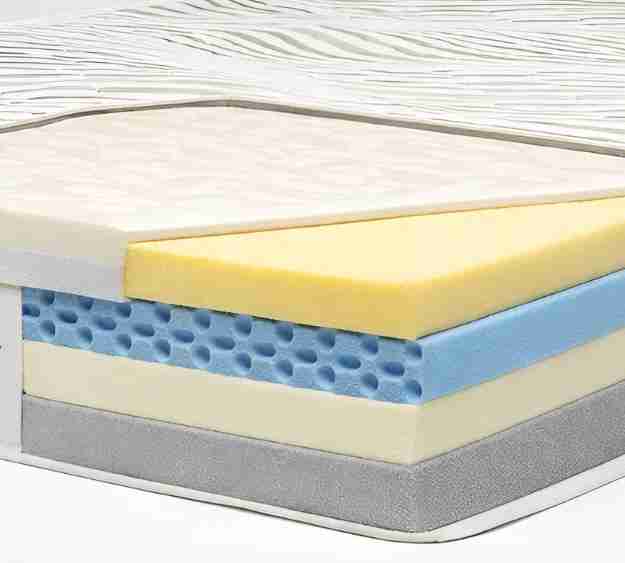
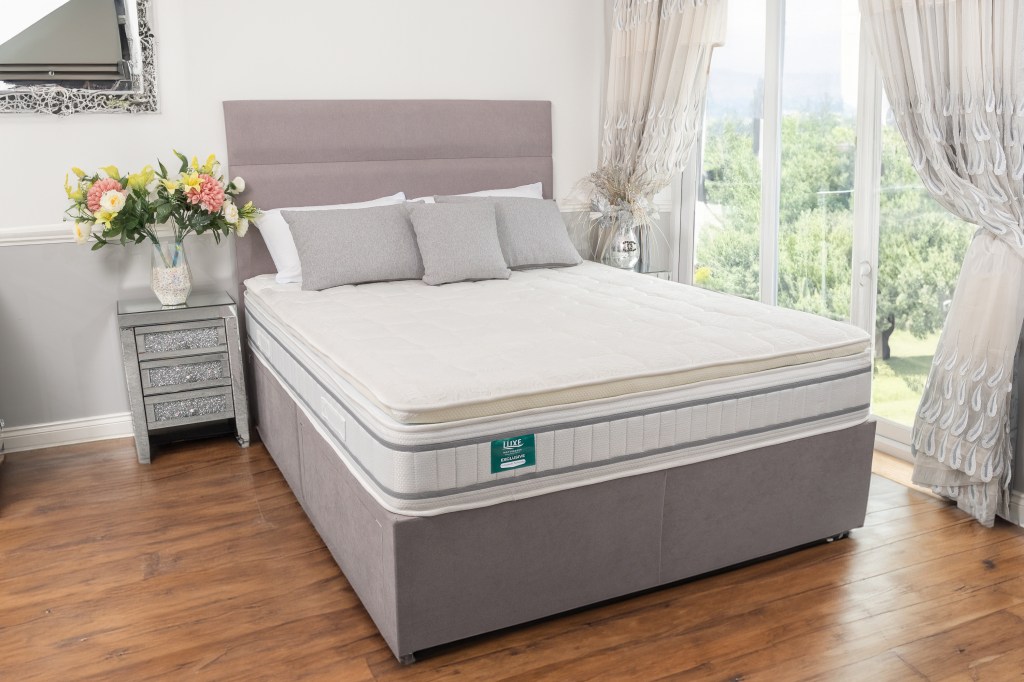
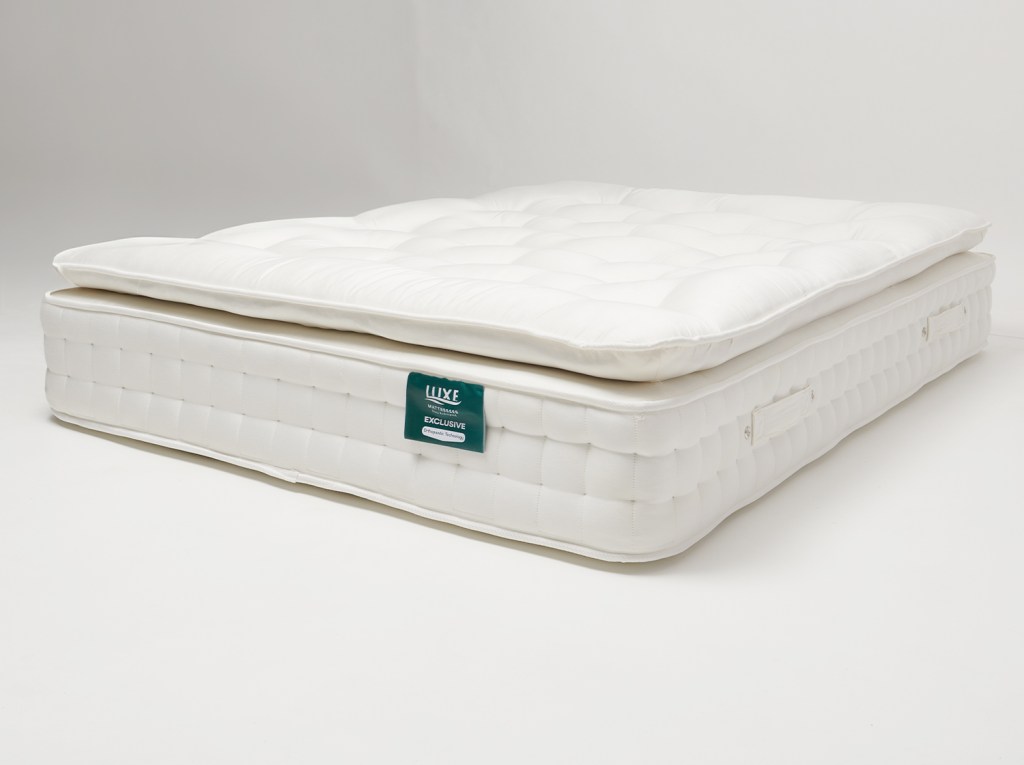
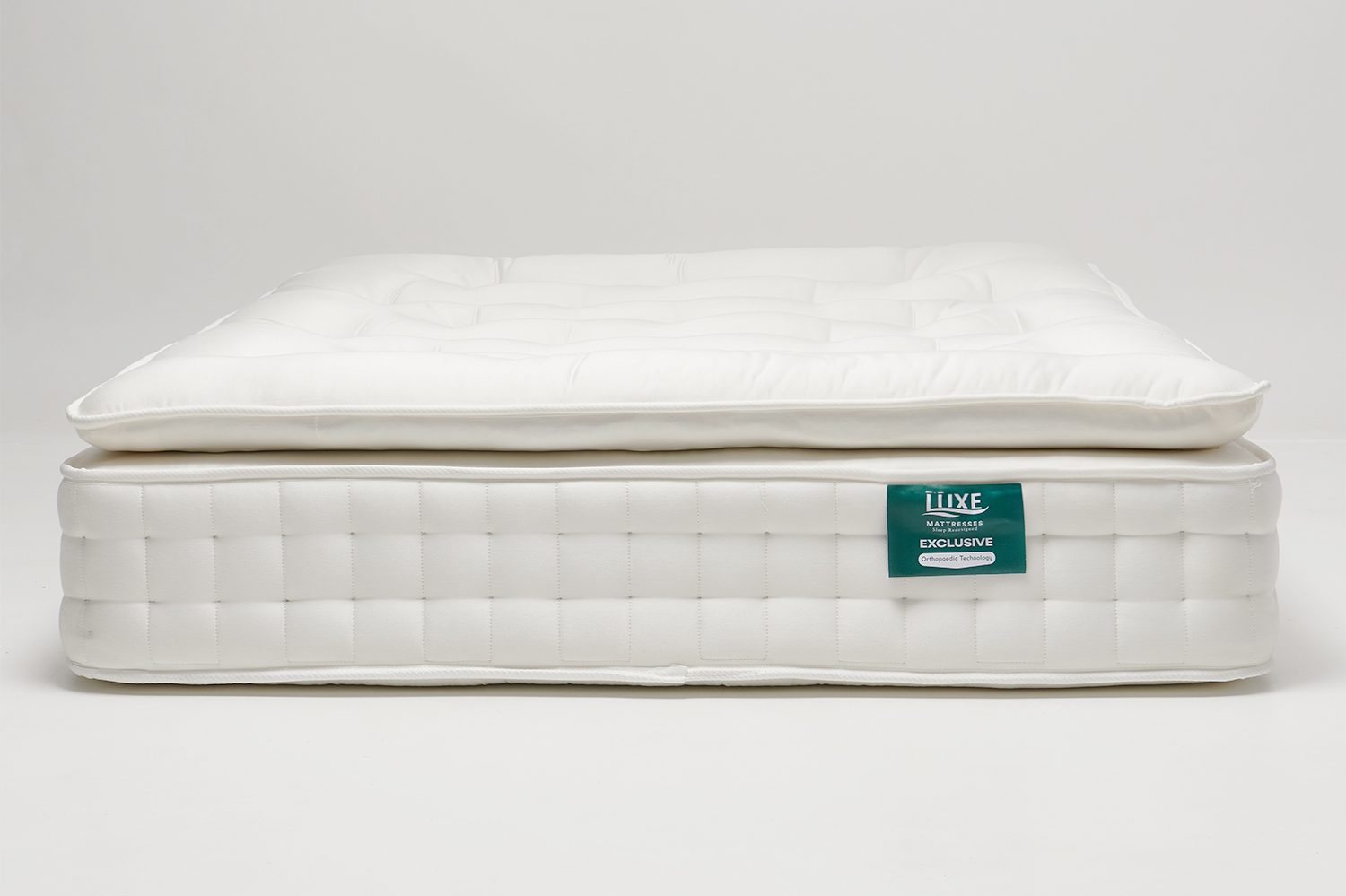
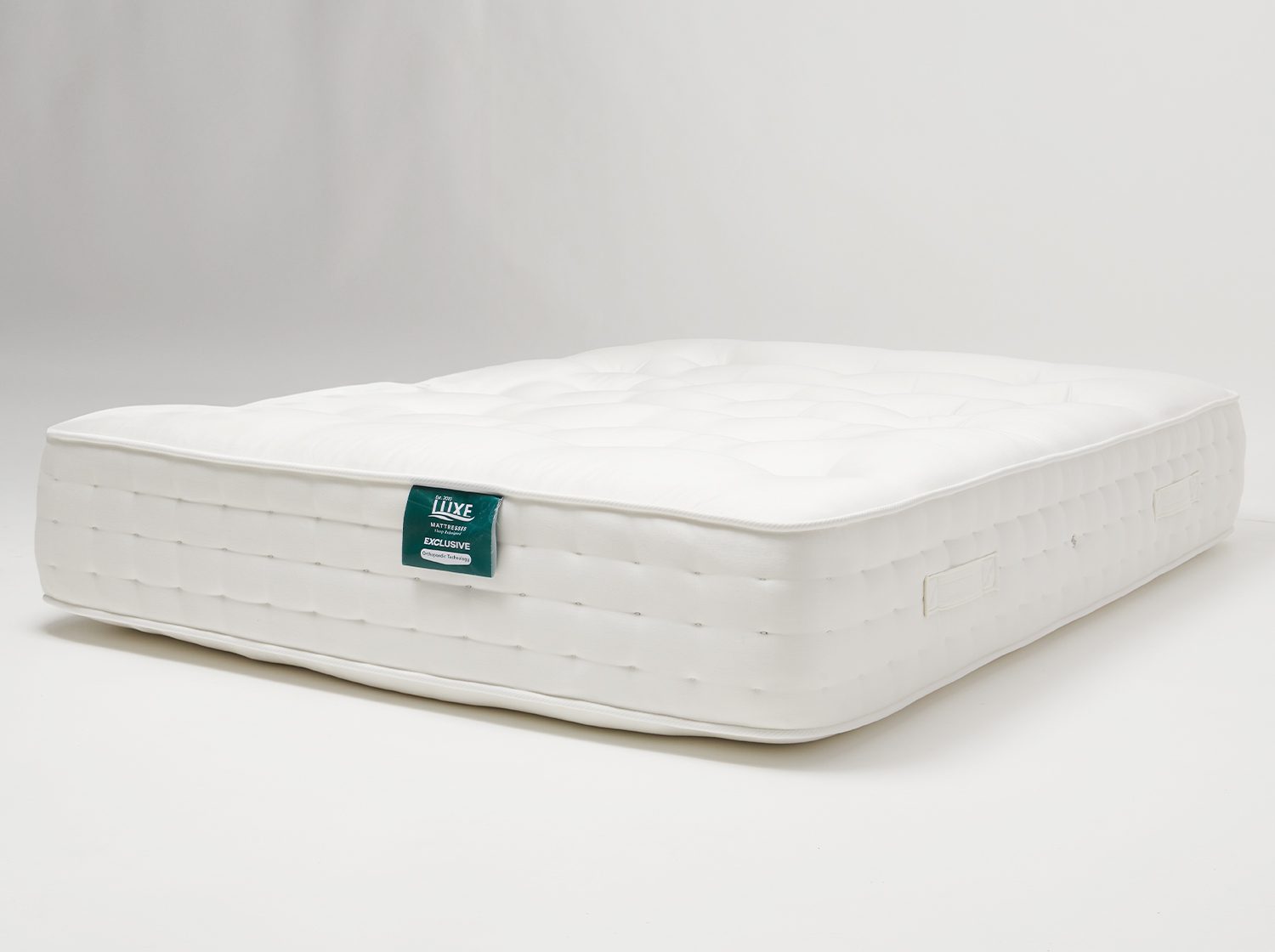
At Luxe Mattresses, innovation meets craftsmanship in the Tempure Velure, a premium foam mattress that integrates a 3-inch velvet memory foam topper into its design.
mattress
What makes it special?
3†Hand-stitched velvet memory foam pillow-top: soft, luxurious, and built to cradle your body.
High-resilience support foam base: ensures long-lasting durability and structural integrity.
Breathable, antibacterial design: helps regulate temperature and keeps your mattress hygienic.
Premium build quality: crafted with meticulous care and designed to last.
This mattress isn’t just an upgrade; it’s a complete rethink of what “comfort†means in sleep.
The Benefits of a Mattress with Memory Foam Topper
Let’s break down the benefits in detail, because this is where the investment really shines.
1. Plush Comfort from the Start
When you lie down on a mattress with a memory foam topper, the first sensation is pure comfort. Instead of landing on a hard surface or sinking unevenly, you feel a gentle, plush embrace.
2. Targeted Pressure Relief
If you’ve ever woken up with sore shoulders or hips, your mattress may not be distributing weight properly. A memory foam topper addresses this by spreading weight evenly and relieving pressure on key points.
3. Motion Isolation for Couples
Do you share your bed with a partner who tosses and turns? Memory foam absorbs motion, meaning you’ll stay asleep even if they’re restless.
4. Balanced Support
Unlike ultra-soft mattresses that let you sink too deep, a topper balances comfort with stability. Paired with a firm base, it helps maintain healthy spinal alignment.
5. Hygiene & Freshness
Premium options like the Tempure Velure include antibacterial and breathable layers. That means less buildup of allergens and a cooler, fresher sleep environment.
Who Benefits the Most?
A mattress with a memory foam topper is suitable for almost everyone, but it’s especially transformative for:
Side sleepers: cushioning around shoulders and hips.
Back sleepers: contouring that fills the natural curve of the spine.
Couples: motion isolation reduces disturbances.
People with back or joint pain: targeted relief reduces morning stiffness.
Luxury seekers: the hand-stitched pillow-top feel is unmatched.
Tempure Velure vs. Other Options
At LuxeMattresses, you’ll find different ranges tailored to specific needs:
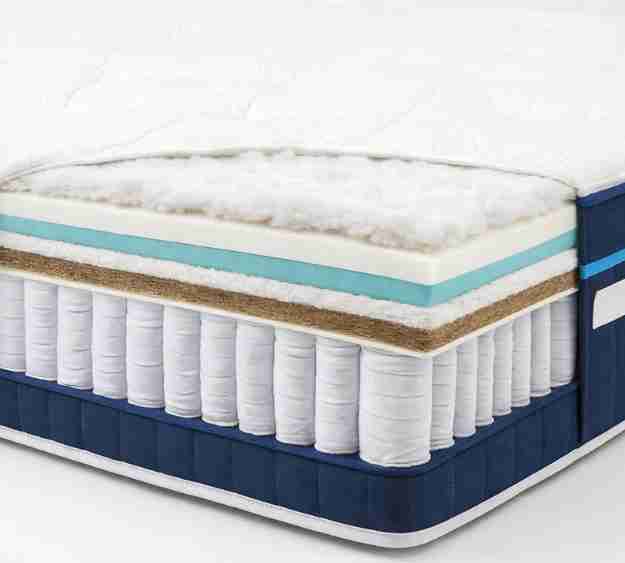
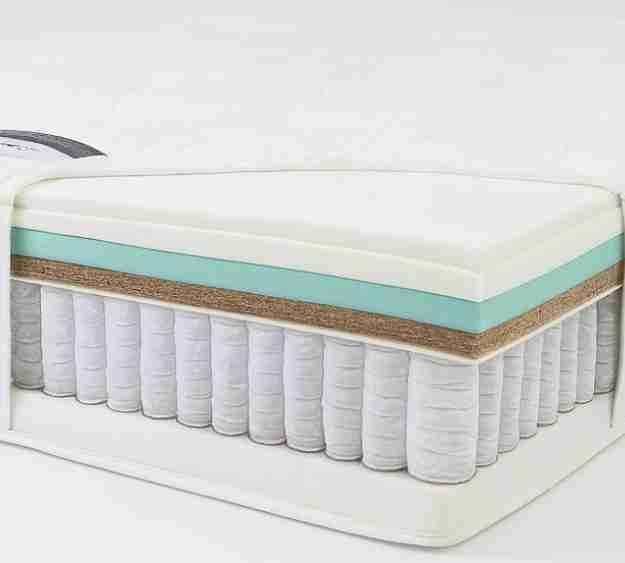
Luxe Ergo 3400 Hybrid: combines pocket springs with cooling foams for a versatile, balanced feel.
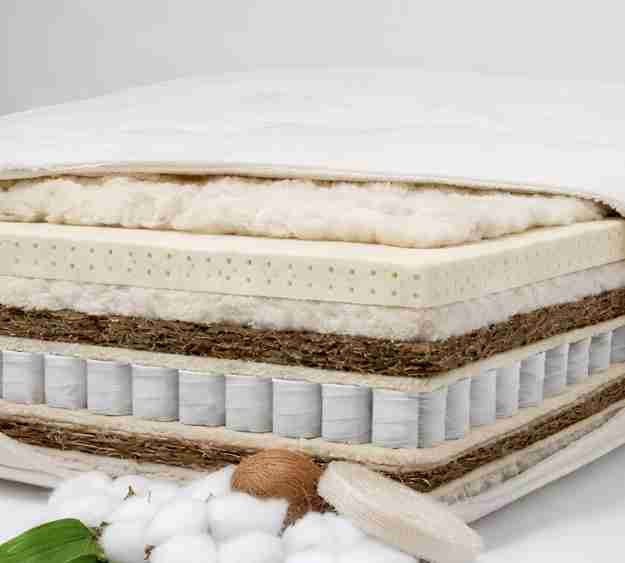
Luxe Organic Pillow Top: eco-friendly design with natural latex and wool.
Luxe Nova Hybrid: plush softness with enhanced airflow.
But if your priority is pure foam comfort, pressure relief, and luxury softness, the Tempure Velure stands out.
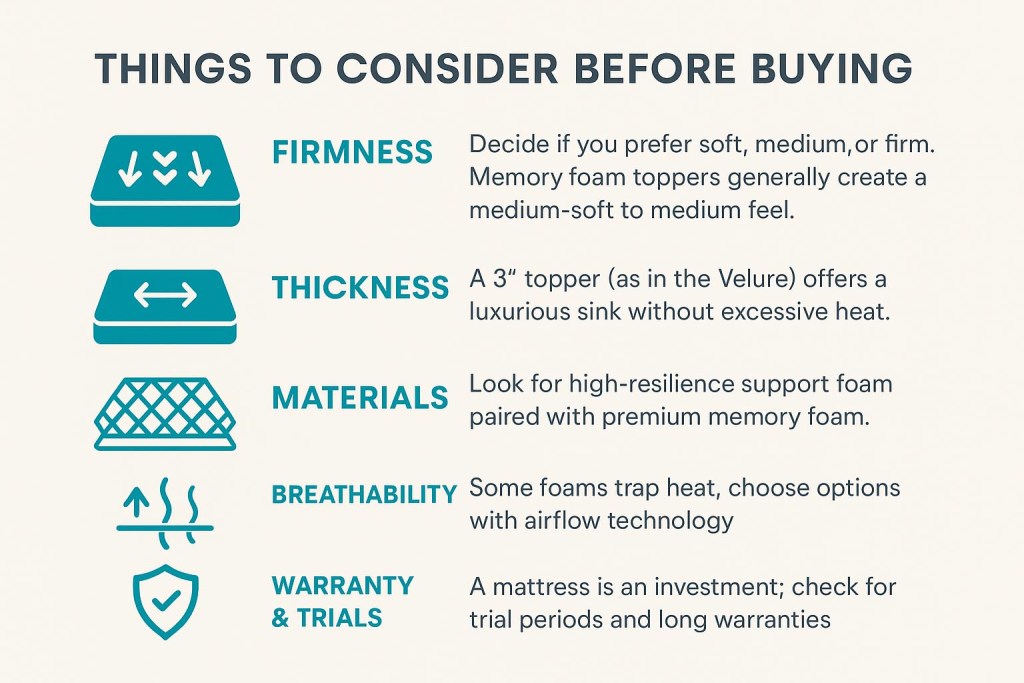
Things to Consider Before Buying
When choosing a mattress with a memory foam topper, keep these points in mind:
Firmness: Decide if you prefer soft, medium, or firm. Memory foam toppers generally create a medium-soft to medium feel.
Thickness: A 3†topper (as in the Velure) offers a luxurious sink without excessive heat.
Materials: Look for high-resilience support foam paired with premium memory foam.
Breathability: Some foams trap heat, choose options with airflow technology.
Warranty & Trials: A mattress is an investment; check for trial periods and long warranties.
How to Care for a Memory Foam Topper Mattress
Rotate regularly: prevents uneven wear.
Use a breathable mattress protector: preserves hygiene.
Spot clean gently: memory foam should not be soaked.
Let it breathe: occasionally airing the mattress helps release trapped heat.
With proper care, a mattress like the Tempure Velure can easily last a decade or more.
Lifestyle Impact: Why It’s Worth It
Sleep quality affects:
Mood & focus during the day.
Physical recovery after exercise or long workdays.
Long-term health — including immunity and heart health.
By upgrading your mattress, you’re investing not just in comfort, but in your daily performance and long-term wellbeing.
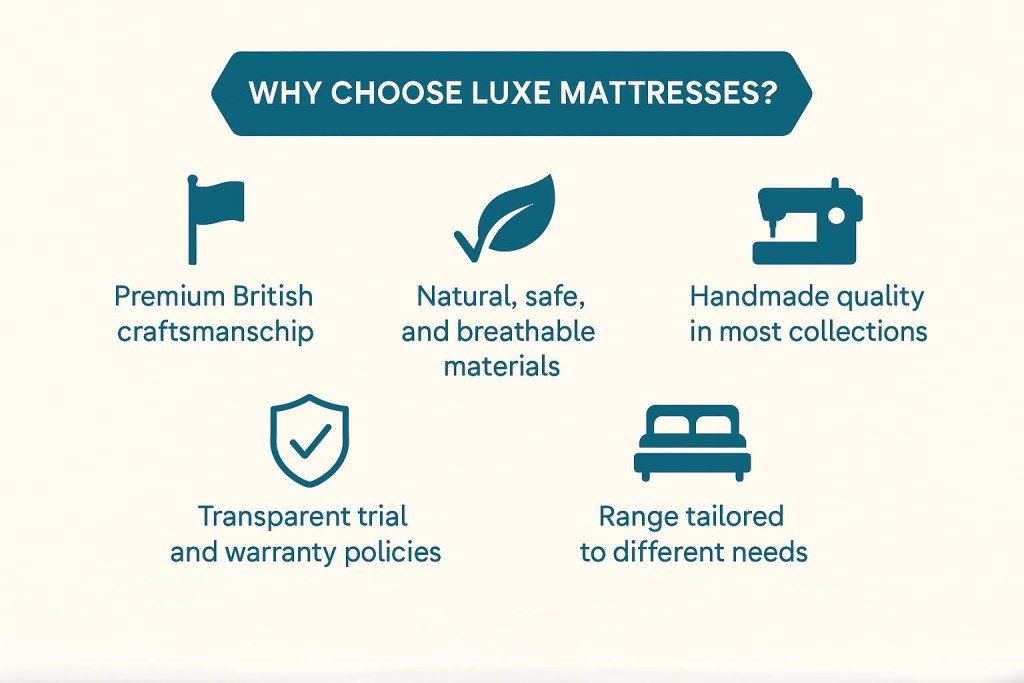
Why Choose Luxe Mattresses?
Premium British craftsmanship
Natural, safe, and breathable materials
Handmade quality in most collections
Transparent trial and warranty policies
Range tailored to different needs
The Tempure Velure is part of LuxeMattresses’ premium foam range, but whichever model you choose, you know you’re investing in longevity, health, and luxury.
Final Thoughts
A mattress with a memory foam topper isn’t just a luxury — for many, it’s the missing piece of a healthier, more restorative night’s sleep. With benefits like pressure relief, motion isolation, plush comfort, and breathable hygiene, it’s hard to argue against.
The Tempure Velure is one of the finest examples available today, combining a hand-stitched velvet memory foam topper with strong base support and advanced hygiene features. If you’ve been considering a sleep upgrade, this could be the best decision you make this year.
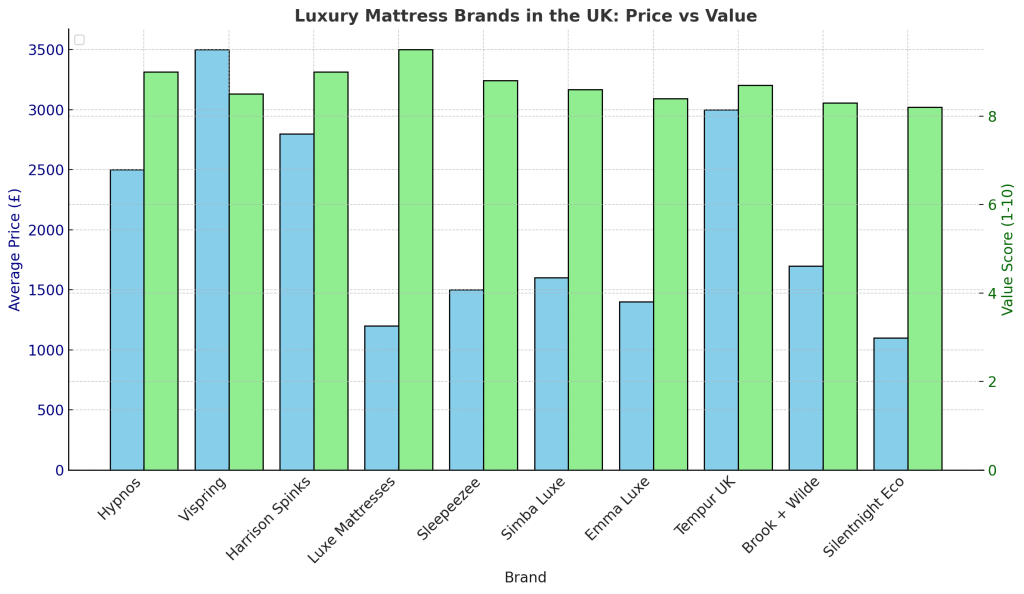
When you’re shopping at the luxury end of the market for luxury mattress brands, you’re paying for more than a place to sleep. You’re paying for craftsmanship (often hand-made in the UK), natural and traceable materials, thoughtful support systems (pocket springs, zoned layers, hand side‑stitching), and service standards like long guarantees and generous home trials. Below, I’ve ranked notable luxury makers you should know—old-guard heritage houses, modern performance brands, and an up-and-coming UK direct brand.
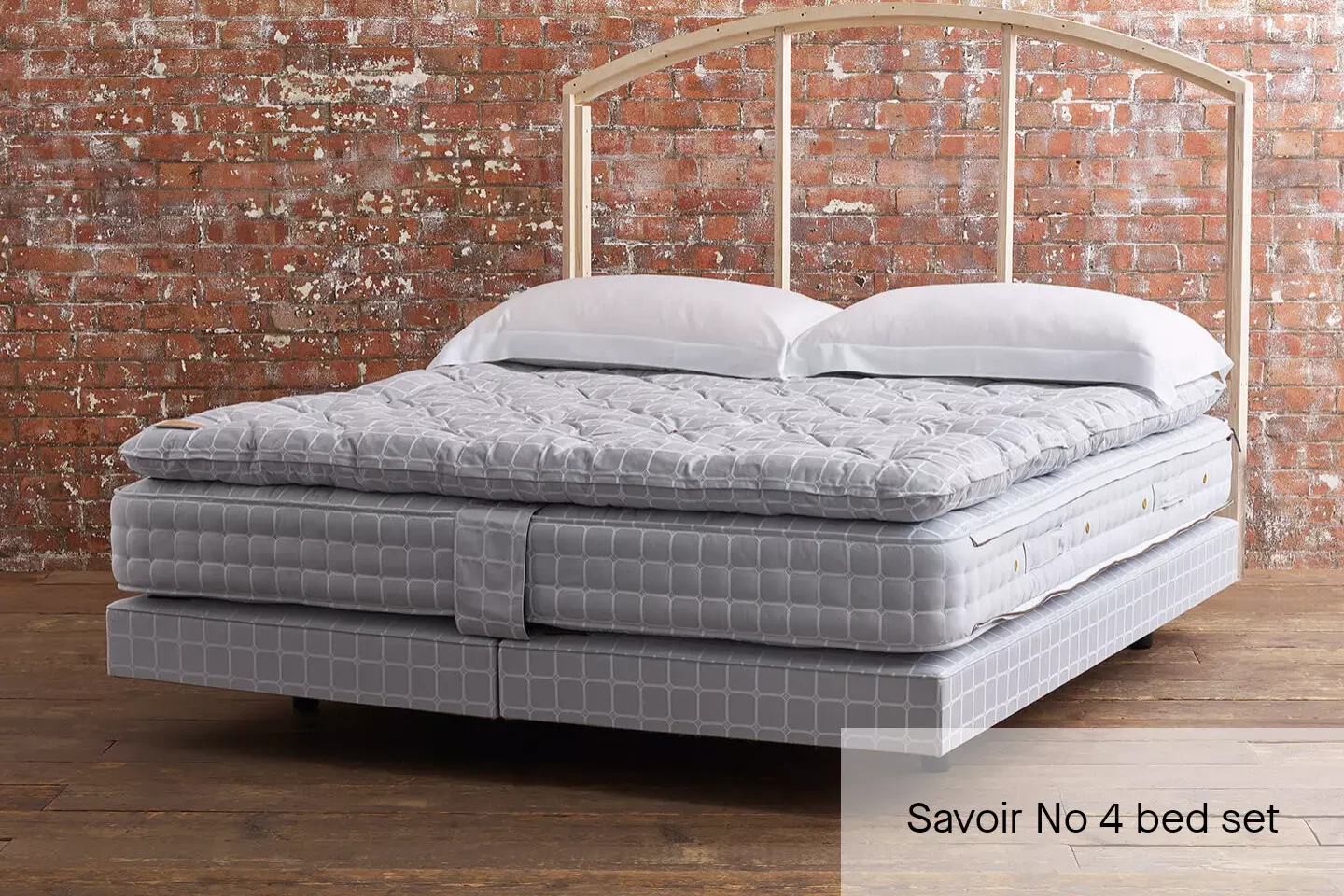
Background & values: Founded in 1905 for The Savoy Hotel, Savoir embodies bespoke British luxury. Beds are made to order, often with traditional box springs plus a mattress and topper, hand-filled with natural fibres (e.g., horsetail hair, British wool, cashmere).
Collections: Numbered collections (e.g., No.1, No.2, No.3) and limited collaborations.
Typical UK price positioning: Ultra‑premium (bespoke pricing; often five figures).
Warranty & trial: Savoir offers a 25‑year guarantee on key elements (registration required; toppers excluded).
Price Range: These mattresses are ultra-premium, Nº2 runs between $20,800–$33,000 (approx. £17k–£27k), and the Nº1 can exceed $55,200 (£44k+) depending on options.
Pros
Truly bespoke builds and finishes
Best-in-class artisan finishing, hand side‑stitching
Extremely durable natural fillings
Cons
Very high prices
Heavier care requirements (rotation/turning for some models)
Background & values: Established in 1901 in Plymouth; pioneers of pocket springs. Emphasis on natural fillings (horsehair, British wool, silk, cashmere) and hand craftsmanship.
Collections: Classic, Luxury, and Masterpiece tiers, plus hotel-grade builds.
Typical UK price positioning: Premium to ultra‑premium (widely available through retailers).
Warranty & trial:30‑year guarantee on mattresses and divans—one of the longest in the industry.
Price Range: Premium pricing. Examples from a retailer show mattresses ranging from around £1,033 up to £5,757 depending on model and bedding style.
Pros
Extremely long guarantee
Traditional feel with superb edge support
Natural, breathable builds
Cons
Price rises quickly with higher-spec models
Heavier, needs regular care (turning on double‑sided models)
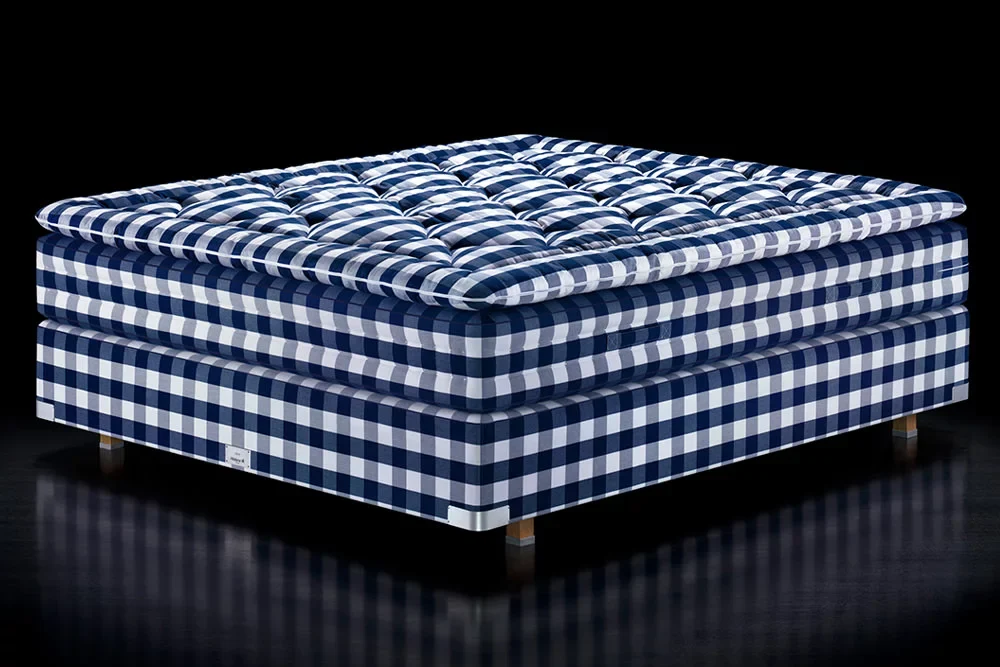
Background & values: Swedish company (1852) with a royal warrant; renowned for horsehair, cotton, wool, and flax; zero foam/lattice ethos and meticulous handcraft.
Collections: From the iconic 2000T, drēmer, and Vividus to more accessible lines like Eala and Maranga.
Typical UK price positioning: Ultra‑premium (some models among the world’s most expensive).
Warranty & trial:25‑year guarantee against frame/spring breakage.
Price Range: Ultra-premium. Example prices: Excel from £11,980, Maranga up to £17,780.
Pros
Exceptionally breathable, fully natural builds
Peerless longevity reputation
Strong brand heritage and finishing
Cons
Eye‑watering price for many models
Very specific “buoyant†feel isn’t for everyone
Background & values: UK‑based direct‑to‑consumer maker focussed on hybrids and natural/organic options with transparent policies, aiming to deliver luxury feel at a better price than old‑guard brands.
Collections: Hybrids (e.g., Luxe Nova Hybrid), Latex natural pillow‑top and firmness‑specific ranges (soft, medium‑firm, extra‑firm), plus cooling/LtxCool‑style models.
Typical UK price positioning: Premium value (well below ultra‑luxury heritage pricing).
Warranty & trial:100‑night trial and ~10‑year warranty on most mattresses; site messaging references 10–15 yearsdepending on model. Also a 14‑day return/refund window cited on clearance pages.
Price Range: Premium, yet considerably lower than traditional heritage brands—typically in the £500–£2,000 range depending on model and sales promotions.
Pros
Strong spec‑for‑price (hybrid springs + breathable foams or natural layers)
Friendly policies (at‑home 100‑night trial; UK delivery)
Clear, modern positioning (firmness guides, quiz‑style fit, cooling options)
Cons
Not as much century‑old heritage cachet as Vispring/Savoir
Fewer ultra‑bespoke build options than atelier brands
Background & values: Royal Warrant holder; UK‑made, pocket springs with natural fillings. Favoured by hotels and customers wanting traditional comfort with ethical sourcing.
Collections: Origins, Luxury, Pillow Top ranges, and hotel lines.
Typical UK price positioning: Premium (often four figures), widely stocked.
Warranty & trial:10‑year guarantee; sleep trial typically retailer‑managed (commonly 60 nights via stores).
Price Range: King-size options around £2,249–£3,699 for Luxury Supreme belts, websites list single mattresses from £300, king-size starting £500, up to £1,900 for luxury options.
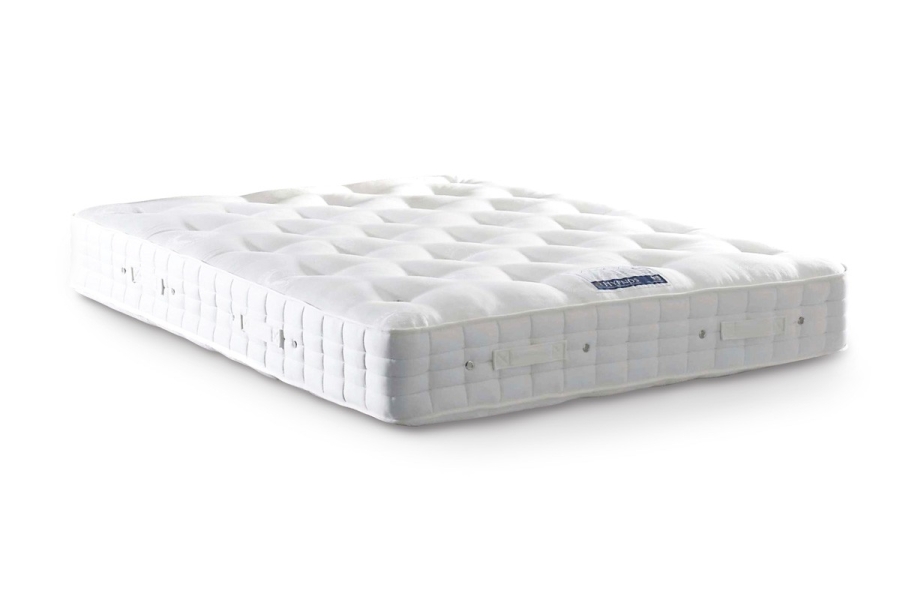
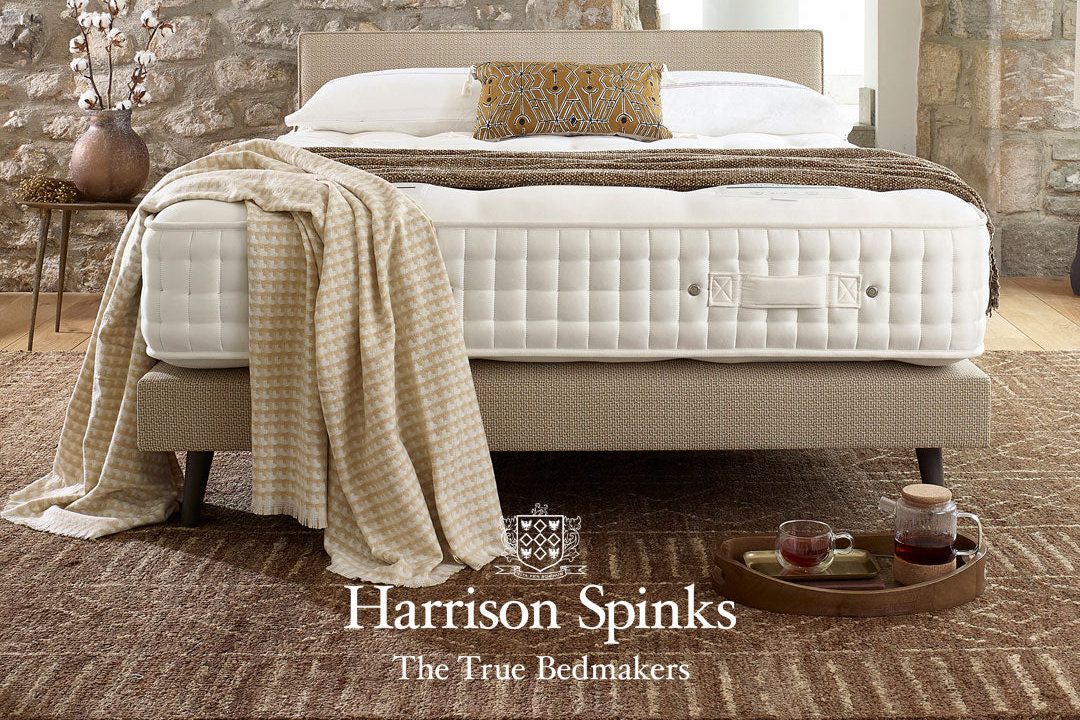
Background & values: Leeds‑based manufacturer with in‑house spring making and home‑grown natural fillings (hemp, flax, wool). Focus on sustainability and micro‑spring engineering.
Collections: Harrison Spinks core ranges plus Somnus (its luxury marque).
Typical UK price positioning: Premium to high‑end.
Warranty & trial: Products are guaranteed for at least 5 years; trial terms typically via retailers.
Price Range: Mattresses range from £899 to £3,099 as per retail offers.
Pros
Sustainability leader; traceable natural fibres
Thousands of micro springs for nuanced support
British handcraft at scale
Cons
Turning/rotating can be required (weighty mattresses)
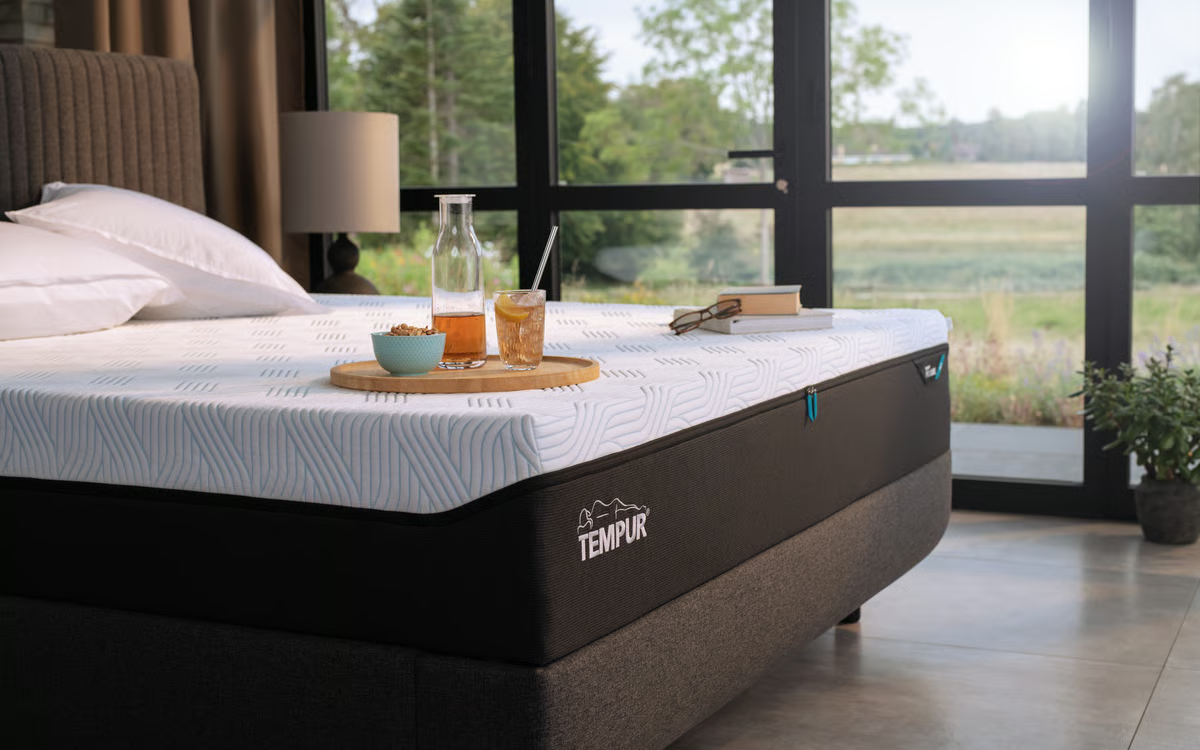
Background & values: Memory‑foam pioneer using proprietary TEMPUR® material developed from NASA tech. Focus on pressure relief and motion isolation.
Collections: Cloud, Original, Sensation, Hybrid; SmartCoolâ„¢ covers and adjustable bases.
Typical UK price positioning: Premium (frequent promotions).
Warranty & trial:10‑year guarantee; 100‑night trial on mattresses purchased from Tempur UK’s website (outlet items may be excluded).
Price Range: Pro SmartCool from £1,399 to £1,749; Pro Luxe up to £2,599, Industry commentary places their mattresses between £2,099 and £2,899.
Pros
Outstanding pressure relief and partner disturbance isolation
Widely available with good delivery options
Clear trial/warranty terms online
Cons
Some sleepers find memory foam warmer or too “huggyâ€
Background & values: Handmade in England; natural-fibre focus (wool, cotton, silk, cashgora) and traditional pocket‑spring construction with hand side‑stitching.
Collections: Wool Luxury series and retailer exclusives; strong reputation for breathability and traditional feel.
Typical UK price positioning: Premium, often competitively priced vs. heritage ultra‑luxury peers.
Warranty & trial:5‑year guarantee + 5‑year warranty arrangement (Millbrook’s wording; effectively 10 years of cover when registered).
Pros
Natural, breathable builds; good summer performance
And Finally: A Note on Modern “Tech-Luxury†Rivals
While not “heritage luxury,†performance‑forward brands such as Simba and Emma operate at the premium end with generous trials and guarantees (e.g., Simba 200‑night trial/10‑year guarantee per current press offers; Emma 200‑ to 365‑night trials are widely reported in 2025). They’re not hand‑stitched ateliers, but they are relevant for shoppers prioritising long home trials and modern cooling foams over traditional craft.
Side‑by‑Side: Warranties & Trials (at a glance)
Savoir Beds: 25‑year guarantee; bespoke service; no broad DTC-style trial. Â
Vispring: 30‑year guarantee; retailer‑led trials. Â
Hästens: 25‑year guarantee against frame/spring breakage; trials via retailers. Â
Luxe Mattresses: 100‑night at‑home trial; ~10‑year warranty (10–15 years cited by model); 14‑day returns shown on clearance. Â
Hypnos: 10‑year guarantee; many retailers offer ~60‑night exchanges. Â
Harrison Spinks: Minimum 5‑year guarantee; retailer‑managed trials. Â
Tempur: 10‑year guarantee; 100‑night home trial on most website purchases (outlet exceptions). Â
Millbrook: 5‑year guarantee + 5‑year warranty structure. Â
(Always confirm the exact terms on the brand’s site or your retailer’s page before buying—trial length and service policies can vary by channel and change over time.)
How to Choose Among Luxury Brands
Decide on feel & build:
Love traditional bounce and breathability? Look at Vispring, Savoir, Harrison Spinks/Somnus, Millbrook(natural fibres, hand‑stitched borders).
Luxe Mattresses+ 100‑night trial, ~10‑year warranty, strong spec‑for‑price; – Less heritage prestige; fewer atelier‑level bespoke options. Â
Hypnos+ Royal Warrant, sustainable builds, 10‑year guarantee; – Trial varies by retailer, naming can be confusing. Â
Harrison Spinks+ In‑house springs, traceable natural fillings, sustainability; – Retailer‑dependent trials, heavier mattresses. Â
Tempur+ Excellent pressure relief, 100‑night trial on website orders, 10‑year guarantee; – Some find foam warmer/too enveloping. Â
Millbrook+ Handmade natural builds, good breathability/value; – Regular turning; warranty wording needs a careful read. Â
Final Word
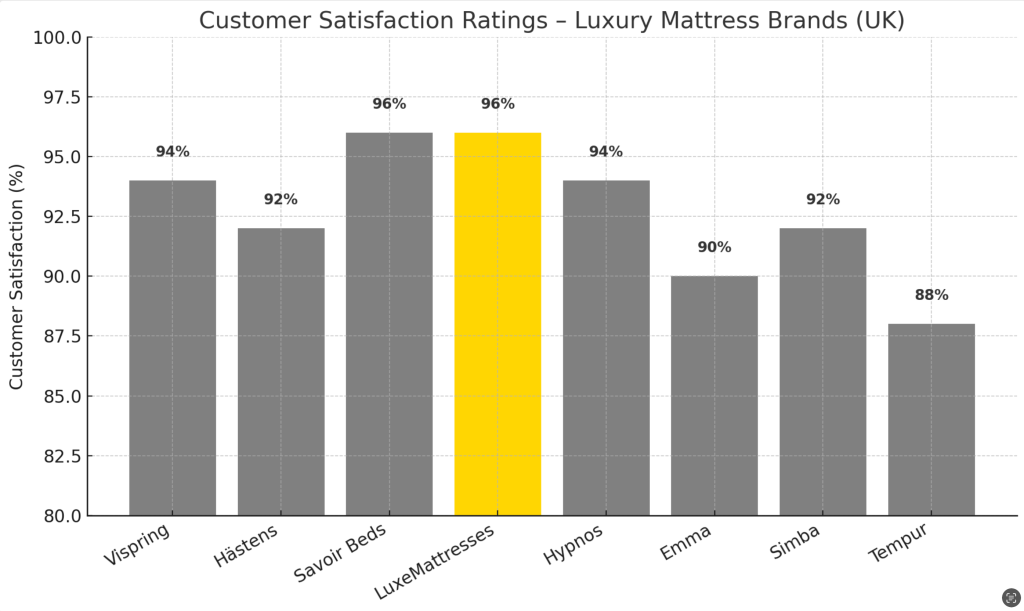
If you want atelier‑level heritage and are comfortable with very high pricing, Savoir and Hästens sit at the apex. For classic, natural British luxury with an exceptional guarantee, Vispring is hard to beat. If you prefer modern value without compromising on premium feel, plus the reassurance of a 100‑night trial, Luxe Mattresses offers a compelling UK‑based alternative that’s far easier on the wallet while still delivering hybrid or natural comfort. Â
Frequently Asked Questions
1) What makes a mattress “luxury†in the UK market?
Luxury mattresses typically combine hand craftsmanship, premium natural materials (e.g., British wool, silk, cashmere, horsehair), and high spring counts or advanced hybrid designs. You also tend to see longer guarantees, careful edge support, hand side‑stitching, and better service policies. Heritage makers focus on artisanal build and natural breathability; modern premium brands emphasise hybrids, cooling foams, and generous trials.
2) How do heritage brands differ from modern direct‑to‑consumer (DTC) brands?
Heritage brands (e.g., Vispring, Savoir, Hästens) prioritise hand‑made construction and natural fibre stacks—often with bespoke options and very long guarantees. Modern DTC brands (e.g., Luxe Mattresses) focus on value, easy delivery, transparent specs, and home trials. The feel is different too: heritage beds are often two‑sided, breathable, and “buoyantâ€; DTC hybrids balance contouring foams with pocket springs for pressure relief and support.
3) What firmness should I choose—medium firm, firm, or extra firm?
Start with sleep position and body weight. Side sleepers usually prefer medium or medium‑firm to cushion shoulders/hips. Back sleepers often like medium‑firm to firm for neutral spinal alignment. Stomach sleepers and heavier individuals usually need firmer or extra‑firm to reduce mid‑section sink. If you’re unsure, take a guided firmness test (e.g., Sleep Lab tools) or a brand’s mattress selection quiz and use a home trial where offered.
4) Are luxury mattresses better for temperature regulation?
Often, yes. Natural fibres (wool, horsehair, cotton, flax) breathe well and manage humidity. Modern hybrids add cooling gels, open‑cell foams, air channels and heat‑dissipating covers. If you sleep hot, look for breathable natural stacks or “cooling†hybrids with airflow design rather than dense, unventilated foam blocks.
5) How long do luxury mattresses typically last?
With proper care, many premium mattresses comfortably last 8–12+ years. Heritage builds with dense natural fillings and strong spring units can last even longer. Check the brand’s guarantee: longer terms generally indicate higher confidence in durability. Rotating/turning (if applicable), using a protector, and proper base support extend lifespan.
6) What warranties and sleep trials should I expect?
Heritage brands commonly offer long guarantees (e.g., 10–30 years) but trials can vary by retailer. Modern DTC brands frequently offer at‑home trials (e.g., 100 nights) with straightforward returns or exchanges. Luxe Mattresses, for example, offers a 100‑night trial and model‑dependent warranties typically ranging from 10 to 15 years. Always confirm specific terms on the product page before purchasing.
7) What should I know about returns and exchanges?
Policies differ. Some heritage makers sell via retailers that run exchange windows (e.g., 30–60 nights), while many DTCs offer a single integrated 100‑night trial. Check if returns include collection fees, whether you get a full refund or an exchange credit, and if there are exclusions (e.g., clearance items or custom builds).
8) How do materials affect feel and support?
Pocket springs provide responsive, zoned support and strong edge integrity. Natural fibres add breathability and a subtle, buoyant comfort. Memory foam excels at pressure relief and motion isolation but may feel warmer; latex is lively, breathable, and durable. Hybrids combine springs with foams or latex to balance contouring and support.
9) Are luxury mattresses suitable for people with back discomfort?
They can be—if the firmness and construction suit your body and sleep style. Many orthopaedic‑style builds provide firmer, zoned support for spinal alignment. For persistent pain, seek professional guidance (e.g., physiotherapist or chiropractor) and use a brand’s trial period to validate comfort at home before committing.
10) How do I compare value across brands with very different prices?
Look beyond price alone. Weigh material quality (natural content, foam density), craftsmanship (hand side‑stitching, spring engineering), guarantees, trial length, and service (delivery, set‑up, removal, order tracking). A “value index†combining these factors can show when a modern premium brand outperforms a pricier heritage option for your needs.
11) What delivery, setup, and after‑sales support should I look for?
Premium brands often include two‑person delivery, optional old‑mattress removal, and clear communications. DTC brands may also offer advanced order tracking, self‑service portals for warranty claims, and proactive email updates. These services reduce hassle and are worth factoring into total value.
12) What certifications or regulations matter in the UK?
UK mattresses should meet applicable fire safety standards (e.g., BS 7177 for domestic mattresses). Many premium brands also highlight certifications around fabric safety, emissions, or responsible sourcing. If you have allergies, look for hypoallergenic constructions, removable/washable covers, and clearly labelled materials.
13) Where does Luxe Mattresses stand out specifically?
Luxe focuses on premium hybrid and natural options with modern, customer‑friendly policies—such as a 100‑night trial, model‑dependent 10–15‑year warranties, online warranty claim submission, and advanced order tracking. Tools like a sleep quiz and firmness testing help you quickly find the right feel without paying heritage‑brand prices.
14) How do I maintain a luxury mattress?
Use a breathable protector, rotate regularly (and turn if two‑sided), keep the mattress well‑supported on a compatible base, and follow the brand’s care guide. Spot‑clean only—avoid saturating fillings. Proper care preserves loft, hygiene, and long‑term support.
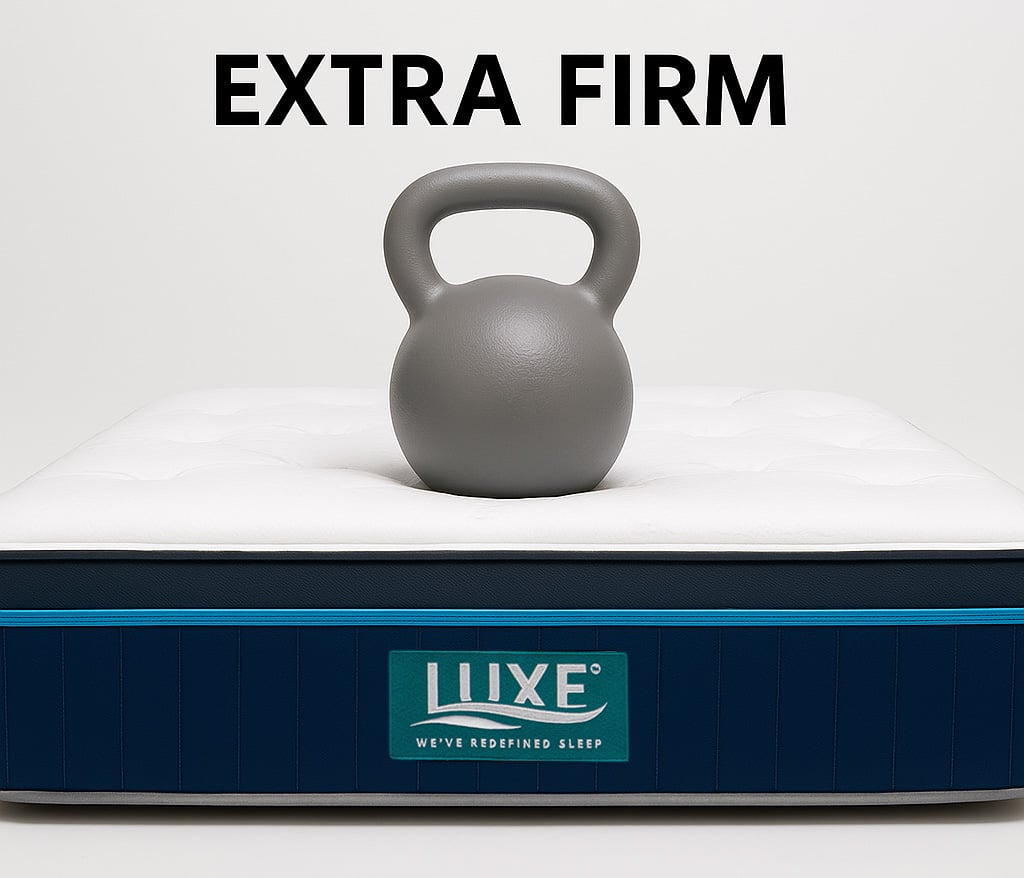
When it comes to finding the perfect mattress, I’ve discovered that nothing compares to the right level of firmness for your body. As someone who prefers maximum support, I can honestly say that choosing a king size extra firm mattress was one of the best decisions I’ve made for my sleep and my back health.
Many people think firmness is just about personal preference, but it’s much more than that. A king size extra firm mattress is essential for proper spinal alignment, especially if you’re a back or stomach sleeper. The right firmness helps keep your hips from sinking too far in, supports your lower back, and ensures your body stays in a neutral position throughout the night. For me, the difference was life-changing, no more morning stiffness or feeling like I needed a chiropractor before breakfast.
Why an Extra Firm Mattress Might Be Right for You
Before I settled on my current mattress, I’d tried softer beds that promised “luxury comfort†but ended up giving me more aches than rest. If you experience:
Persistent back or neck pain in the morning
A feeling of sinking too deep into your mattress
Overheating at night because your body isn’t well-supported
…then a king size extra firm mattress could be exactly what you need.
Not only does it help with posture, but it also gives you a stable, even surface that prevents unnecessary movement during the night a big plus if you share the bed with a partner.
How to Know if You Need Medium Firm, Firm, or Extra Firm
Choosing the right firmness isn’t just about personal preference, it’s about matching your mattress to your body type, sleeping position, and comfort needs. A medium firm mattress is often ideal for side sleepers and those who like a balance between cushioning and support.
Find Your Perfect Mattress Firmness
Discover the ideal mattress firmness for your sleep position, body type, and support needs — backed by sleep science.
A firm mattress works best for back sleepers or people who want solid spinal alignment without too much sinkage. If you’re a stomach sleeper, a heavier individual, or someone with chronic back pain, an extra firm mattress (often called a hard mattress) provides the stability needed to keep your spine in its healthiest position throughout the night.
My Top Picks from Foam and Hybrid Extra Firm Mattresses
After researching and testing multiple options, two models from LuxeMattresses.co.uk stood out to me for their build quality, comfort, and durability.
1. Majestic 9000 Mattress – Premium Firm Support
When I first tried the Majestic 9000, I noticed something unique, despite its firmness, it wasn’t rock-hard or uncomfortable. It combines layers of high-quality natural fillings with a robust pocket spring system that provides that extra firm feel while still adapting slightly to your body shape.
What I love:
Supportive pocket spring core for excellent weight distribution
Natural fillings that improve breathability
Long-lasting durability, it feels as solid as the day I bought it
Ideal for sleepers who need maximum support for their spine
This is the kind of mattress that gives you that “hotel bed†firmness but with the personal comfort of a high-end mattress made for you.
The LuxeErgo 3400 is designed with an orthopaedic-level firmness, making it perfect for those with chronic back pain or anyone who wants the most supportive surface possible. It’s one of the most impressive king size extra firm mattresses I’ve tried, thanks to its multi-layer construction.
What makes it special:
3,400 pocket springs for consistent support from edge to edge
Ergonomic design that promotes spinal alignment
Firm, stable feel that resists sagging over time
Breathable materials that help regulate temperature
For me, the LuxeErgo 3400 is like a precision tool for sleep, every detail feels engineered to keep your body in its healthiest sleeping position.
Choosing the Right King Size Extra Firm Mattress for You
Here’s what I recommend considering:
Your sleeping position: Back and stomach sleepers benefit most from extra firm support.
Your body weight: Heavier sleepers often need a firmer mattress to avoid excessive sinkage.
Any health concerns: If you have back, hip, or shoulder pain, consult with a health professional and consider an orthopaedic-level mattress like the LuxeErgo 3400.
Final Thoughts
Switching to a king size extra firm mattress has completely transformed my sleep quality, boosted my energy levels, and relieved my back discomfort. If you’re in the UK and searching for a hard mattressthat delivers exceptional support night after night, both the Majestic 9000 and LuxeErgo 3400 from LuxeMattresses are outstanding choices.
Crafted with premium materials, built for long-lasting durability, and backed by the expertise of a trusted UK mattress specialist, these mattresses go beyond just supporting your body — they support a healthier, more comfortable lifestyle.
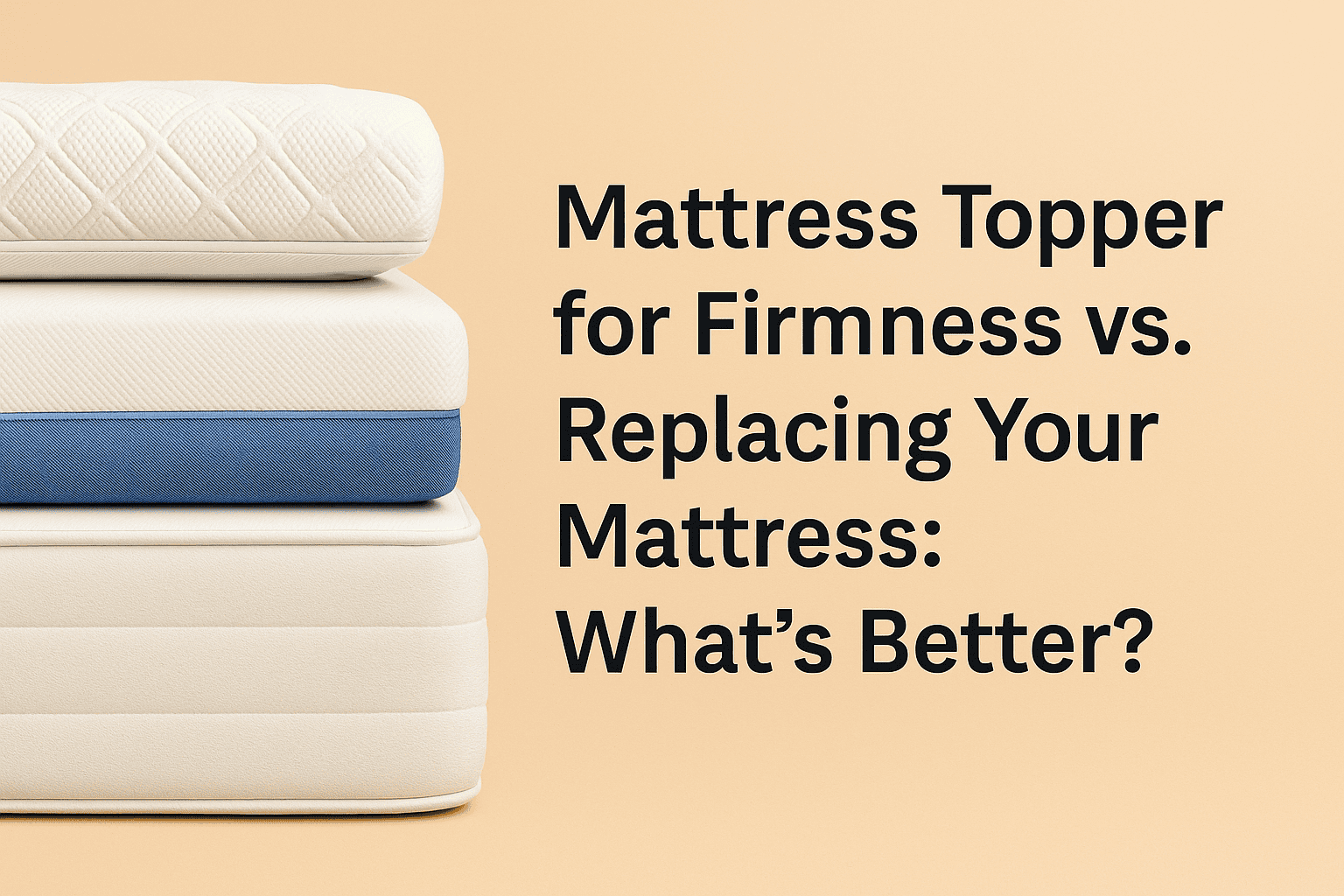
When your bed starts to feel too soft or lacks the support you need, the question arises: should you invest in a mattress topper for firmness or bite the bullet and replace your mattress entirely? While both options can enhance your sleep comfort, each comes with its own pros, cons, and long-term implications. In this guide, we’ll break down when a mattress topper makes sense and when it’s time to replace the mattress itself.
What Is a Mattress Topper for Firmness?
A mattress topper is a separate cushioning layer that sits on top of your existing mattress. It’s typically 2–4 inches thick and can be made from memory foam, latex, high-density polyfoam, or even wool. While many people use toppers to make their mattress softer, firm mattress toppers are designed to increase support and reduce sinkage.
When a Mattress Topper Is the Right Choice
A mattress topper can be an excellent short- to medium-term solution if:
Your Mattress Is Still Structurally SoundIf your mattress is relatively new (under 5–6 years) and still in good condition — no sagging, dents, or broken springs — but feels too soft or lacks the support you want, a topper can correct the feel without replacing the entire bed.
You Need a Budget-Friendly FixToppers are significantly more affordable than buying a new mattress. High-quality firm toppers cost between £80–£250, depending on material and size.
You Share a Bed with Someone with Different PreferencesIf one partner prefers a softer feel and the other needs a firmer sleep surface, using a topper on one side of the bed can help customise comfort without replacing the whole mattress.
You Want to Extend the Life of Your MattressA topper adds a protective layer that can reduce wear on your mattress and potentially extend its lifespan by a few years.
When It’s Better to Replace the Mattress
There are times when no topper, no matter how firm or high-end, can compensate for a worn-out mattress. Consider full replacement if:
Your Mattress Is Sagging or LumpyIf your mattress has visible dips, indentations, or broken support layers, adding a topper won’t solve the problem. The uneven base will still affect your spinal alignment and sleep quality.
It’s Over 7–10 Years OldMost mattresses start to break down after 7–10 years. If yours is nearing or past that age, it’s usually more cost-effective (and better for your body) to invest in a new mattress.
You’re Experiencing Chronic PainIf you wake up with back pain, hip discomfort, or stiffness that lasts throughout the day, it could be a sign your mattress isn’t providing adequate support. A topper might delay the issue, but it won’t fully fix the root cause.
You Want a Warranty-Backed SolutionA quality mattress like those from Luxe Mattresses typically comes with a 10–15 year warranty, while toppers rarely include comprehensive guarantees.
Comparing Mattress Toppers vs. Replacing the Mattress
Feature
Firm Mattress Topper
Replacing Mattress
Cost
£80–£250
£400–£1,500+
Longevity
1–3 years
7–15 years
Support for Sagging Mattress
Limited impact
Full support restoration
Pain Relief
Sometimes helpful
More consistent and long-term
Ease of Setup
Simple placement
More effort (delivery/setup)
Warranty Coverage
Rarely covered
Often includes long-term warranty
Luxe Mattresses’ Advice: Know Your Sleep Needs
If your current mattress is in decent shape and you just need a firmer feel, a mattress topper for firmness is a cost-effective and quick fix. But if your mattress is sagging, unsupportive, or outdated, replacing it with a quality, warranty-backed mattress, like our Luxe Ergo or LuxeTherm Hybrid, will provide far better long-term comfort and health benefits.
Still unsure? Try our Mattress Selection Quiz to see if a new mattress might be the right move.
Final Verdict
A mattress topper is ideal for fine-tuning comfort or giving a soft bed more firmness. But if you’re dealing with a worn-out, uncomfortable mattress, investing in a proper replacement will always be the better long-term decision.
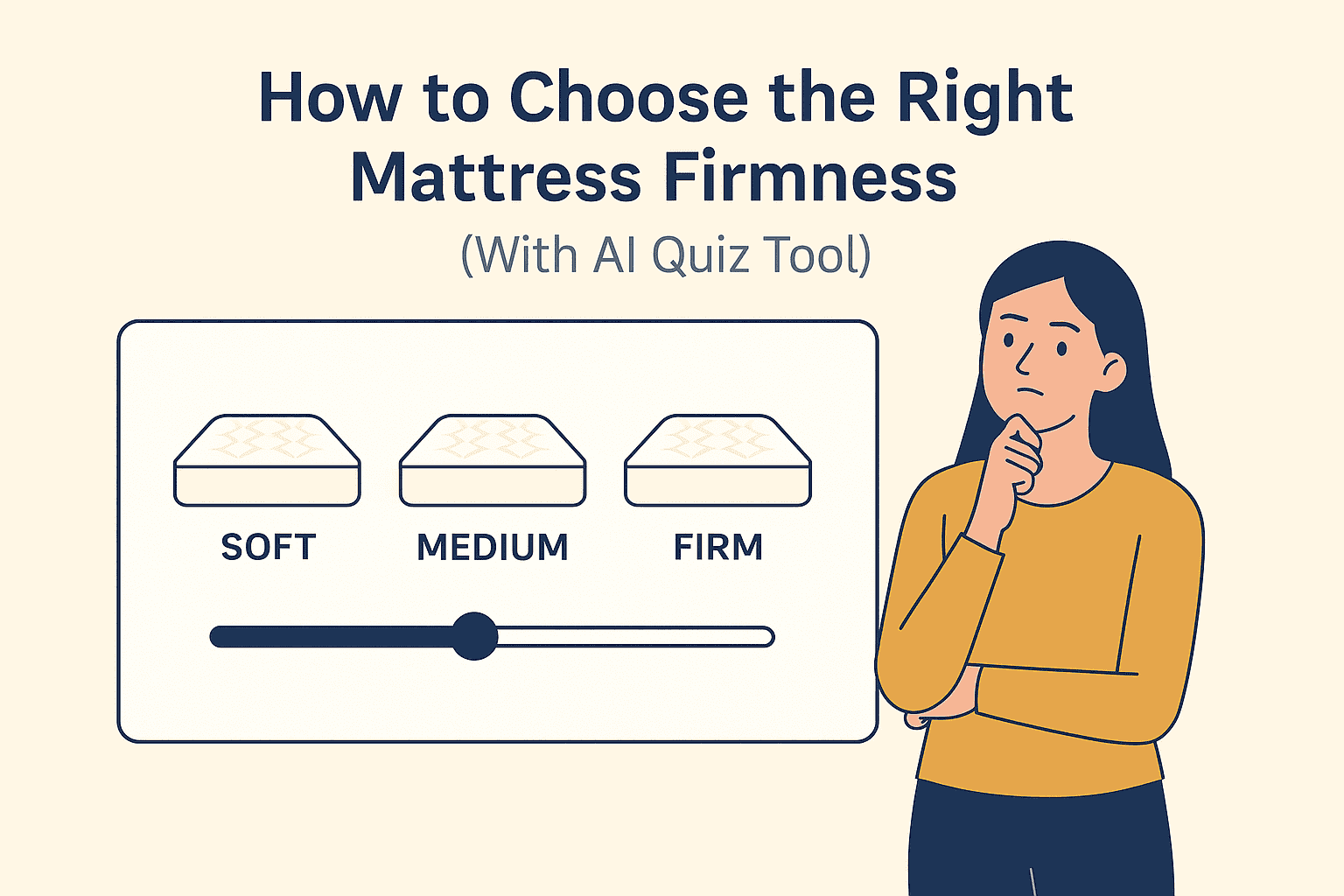
Buying a mattress online can be incredibly convenient, but choosing the wrong firmness level is one of the most common mistakes people make. At Luxe Mattresses, we’ve helped thousands of customers sleep better by guiding them through the right firmness based on their unique body type, sleep habits, and health needs. This guide breaks down everything you need to know about mattress firmness, and how our AI Mattress Selection Quiz can match you with your ideal comfort level.
Choosing the wrong mattress firmness can negatively impact both your sleep quality and overall health. A mattress that’s too soft may cause your spine to sink out of alignment, leading to back or neck pain, while one that’s too firm can create pressure points around your hips and shoulders, especially for side sleepers. This discomfort often results in restless nights, interrupted sleep, and even worsened conditions like joint pain or sleep apnea. Over time, poor sleep can affect your mood, energy levels, and physical wellbeing, making it essential to select a firmness level tailored to your body type and sleeping position.
Why Do So Many People Choose the Wrong Mattress Firmness?
When shopping online, it’s difficult to judge how a mattress actually feels. What’s described as “medium-firm†on one website might feel too soft or too rigid in person. Unfortunately, this mismatch leads to poor sleep quality, back or neck pain, and dissatisfaction.
According to customer support data across the industry, over 40% of mattress returns or exchanges are due to incorrect firmness selection. This is why understanding firmness and your own sleep needs is critical before making a purchase.
What Does Mattress Firmness Actually Mean?
Mattress firmness refers to how soft or hard a mattress feels when you lie on it. It’s not the same as support, firmness is the surface feel, while support relates to how well the mattress keeps your spine aligned.
5 = medium firmness (balanced comfort and support)
10 = extra firm (very hard and flat surface)
Firmness preference is subjective, but it can be guided by measurable factors like body weight, sleep position, and health conditions.
Factors That Influence the Right Firmness for You
1. Body Weight
Under 9 stone (60 kg): Lighter individuals tend to prefer soft to medium mattresses (3–5), as they don’t sink as deeply.
9–14 stone (60–90 kg): Average-weight individuals often find medium to medium-firm (5–6) most comfortable.
Over 14 stone (90+ kg): Heavier individuals benefit from medium-firm to firm mattresses (6–8) to avoid too much sinkage.
2. Sleeping Position
Side sleepers: Need softer to medium mattresses (4–6) to cushion shoulders and hips.
Back sleepers: Do best on medium to medium-firm (5–7) for balanced support.
Stomach sleepers: Typically require firm surfaces (7–9) to prevent lower back strain.
3. Health Issues or Pain
Lower back pain: Often relieved by medium-firm options (5–7)
Arthritis or joint pain: Softer tops (3–5) reduce pressure on sensitive areas
Sleep apnea or snoring: A firmer surface may support better breathing posture
4. Mattress Materials
Different materials feel firmer or softer even at the same scale rating:
Memory foam: Molds to the body and feels softer over time
Latex: Naturally firmer and more responsive
Hybrid mattresses: Combine springs and foam for a balanced feel
Firmness Recommendations by Sleep Type
Sleep Style
Weight Range
Ideal Firmness
Recommended Feel
Side Sleeper
Light – Average
4–6
Soft–Medium
Side Sleeper
Heavy
6–7
Medium–Firm
Back Sleeper
Light – Average
5–7
Medium–Medium Firm
Back Sleeper
Heavy
6–8
Medium Firm–Firm
Stomach Sleeper
All weights
7–9
Firm–Extra Firm
Combination Sleeper
All weights
5–7
Medium to Medium Firm
Why Our AI Mattress Quiz Is Better Than Guesswork
To help you avoid the costly mistake of choosing the wrong firmness, we’ve built an intelligent Mattress Selection Quiz powered by real customer data and sleep science. In under a minute, the quiz analyses:
Your height and weight
Your primary sleep position
Whether you sleep hot or cold
Whether you share a bed
Any health or back pain issues
The tool then instantly recommends the ideal firmness and Luxe mattress model tailored to your profile.
Find Your Perfect Mattress Firmness
Discover the ideal mattress firmness for your sleep position, body type, and support needs — backed by sleep science.
At Luxe Mattresses, we understand that mattress shopping can feel uncertain — especially online. That’s why we offer a 100-night exchange trial. If you’re not happy with the firmness, you can exchange your mattress for another model or firmness level within 100 nights.
Still unsure? Our support team is happy to guide you further. Just drop us a message or take the quiz for a personalised recommendation.
Don’t guess your way to a good night’s sleep. Let Luxe Mattresses help you find the right firmness — effortlessly, intelligently, and.
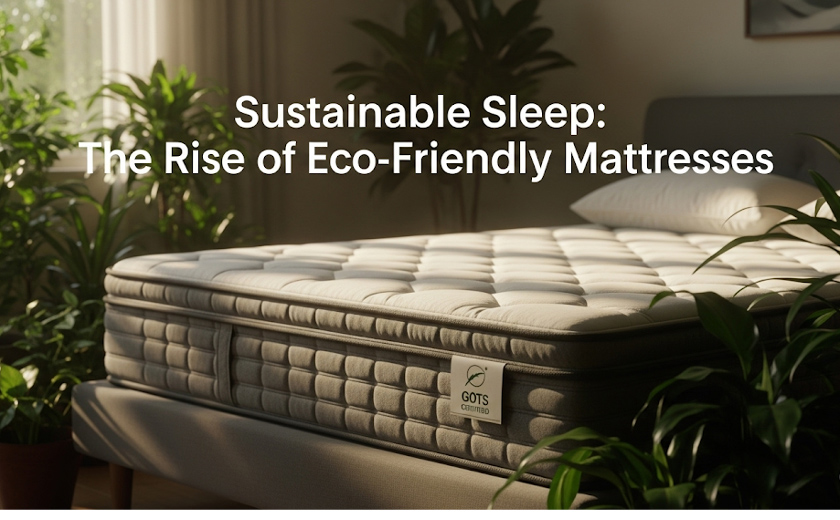
Sustainable Sleep: The Rise of Eco-Friendly Mattresses
We sleep for about a third of our lives, yet most “normal†mattresses are hiding a dirt secret. Mattresses come loaded with various harmful substances, from petroleum-based foams and synthetic flame retardants to adhesives leaking volatile organic compounds (VOCs) which can cause headaches, allergies and all manners of chronic diseases.
This isn’t just a trend; it’s a cultural shift. More and more health-conscious shoppers, mostly millennials and Gen Z, won’t compromise on what they are breathing for 8 hours every night. They are opting for materials like organic latex and wool that are hypoallergenic and nontoxic. Values that put the planet first are meanwhile changing the markets. Traditional non-biodegradable mattresses take 500 years to decompose in landfills. However, certified biodegradable and sustainably sourced eco-friendly mattresses are increasing in popularity.
In just three weeks, they believe that the total market value will reach $3.2 billion. Ready to sleep cleaner? Let’s begin.
Why Choose Eco-Friendly Mattresses?
Natural mattresses solve two important problems – toxic sleeping environment as well as landfill overload. They refuse artificial flavours, colours, and other harmful chemicals like most other options do.
Health Benefits of Non-Toxic Sleep.
Most mattress designs have VOCs (volatile organic compounds) which are due to the use of synthetic foam, flame retardants, etc. Migraine, vomiting and long-term respiratory problems can result from it Common exposure to VOCs can make asthma worse and disturb hormone levels.
Non-toxic sleep starts with natural materials. Organic latex resists dust mites and mold. Wool wicks moisture without chemical treatments. These features provide true allergy prevention.
The mattress is made from tightly woven organic cotton. These block allergens like pet dander or pollen. They help sensitive sleepers breathe easier. You’ll experience less congestion at night if you sleep on a certified organic mattress.
Environmental Impact Reduction.
Traditional mattresses create ecological harm. Most contain petroleum-based foams. These take 500+ years to decompose. Over 20 million mattresses clog landfills annually. They release methane and toxic chemicals into soil.
Sustainable mattress designs break this cycle. They prioritize biodegradability. It takes a natural latex, organic cotton, and hemp three to ten years to decompose. Some brands use plant-based foams from renewable sources.
Landfill waste drops sharply with circular designs. Brands, like Avocado, recycle old mattresses into new products. Others offer take-back programs. This cuts much of the waste volume which is 60% vs. regular disposal.
True organic mattress production also saves resources. Farming of organic cotton uses 91 percent less water than farming of conventional cotton. Natural latex harvesting sustains rubber tree forests. These rainbow eco-practices protect ecosystems and provide comfort.
Certifications & Standards Explained
Eco friendly mattresses rely on verified standards for true sustainability. Trust comes from clear proof, not marketing claims. Third-party certifications separate genuine eco-options from greenwashed products. They ensure materials are safe, ethical, and planet-positive.
GOTS and GOLS: Gold Standards for Organic Materials
GOTS certification (Global Organic Textile Standard) covers textiles like organic cotton or wool. It requires 95% organic content and tracks every step from farm to finished product. Factories pass annual checks for chemical use, wastewater treatment, and fair labor. Banned items include formaldehyde, toxic dyes, and synthetic pesticides.
GOLS (Global Organic Latex Standard) focuses on organic latex. Like GOTS, it mandates 95% certified organic raw material. Rubber tree farms must avoid chemical fertilizers. Latex processing prohibits fillers, PVC, and heavy metals. Every supplier in the chain needs transaction certificates for full traceability.
Both standards enforce social rules. Workers earn fair wages with safe conditions. Child labor is banned. Non-toxic sleep starts here because these rules block harmful chemicals near you.
Beyond Basics: Greenguard Gold and OEKO-TEX®
Greenguard Gold tests air safety. It measures volatile organic compounds (VOCs) emitted from mattresses. Certified products must stay below 7.3 parts per billion of formaldehyde—a strict limit for schools and hospitals. This prevents indoor air pollution linked to headaches or asthma.
OEKO-TEX® Standard 100 checks for toxins inside materials. It scans for heavy metals, pesticides, and allergenic dyes. Unlike GOTS, it doesn’t require organic farming. But it ensures every thread, zipper, or latex layer meets safety thresholds. This supports hypoallergenic properties for sensitive groups.
These mattress certifications complement GOTS/GOLS. While GOTS confirms organic sourcing, Greenguard Gold proves the final product won’t pollute your air. OEKO-TEX® fills gaps by screening non-organic parts like adhesives.
Eco-Friendly Materials Breakdown
Certifications like GOTS ensure materials meet strict standards. Now, let’s examine what these sustainable materials actually contain. Eco friendly mattresses use three core components: latex, cotton, and wool. Each brings unique benefits verified by science and sourcing practices.
Natural Latex: Durability Meets Sustainability
Natural latex comes from rubber trees (Hevea brasiliensis). Ethical farms in Sri Lanka or Thailand use non-toxic tapping methods. They collect sap without killing trees. This process supports biodiversity and local economies.
The sap gets whipped into foam using the Dunlop process. No synthetic fillers are added. The result is a resilient material that outlasts memory foam. Durability tests show natural latex maintains shape for 15+ years. It resists sagging better than petroleum-based foams.
Latex has natural hypoallergenic properties. Its cellular structure blocks dust mites and mold. Open air pockets enhance airflow for cooler sleep. Unlike polyurethane foam, it emits near-zero volatile organic compounds.
When disposal comes, natural latex is biodegradable. It decomposes in 3-5 years versus 500+ for synthetics. Brands like PlushBeds use Forest Stewardship Council-certified plantations. This protects endangered habitats while producing material.
Organic Cotton and Wool: Breathability & Safety
Organic cotton starts with non-GMO seeds. Farmers avoid synthetic pesticides. They rely on crop rotation and natural predators. These methods use 91% less water than conventional cotton. The final fabric does not contain formaldehyde and chemical softeners.
Organic wool comes from free-range sheep. Ranchers never use toxic dip baths. The wool gets cleaned with vegetable-based soaps. This preserves its natural lanolin. That waxy substance repels liquids and stains.
Together, these materials create breathability. Cotton fibers allow air circulation. Wool can absorb moisture of 30% of its weight without feeling wet. This duo regulates temperature year-round. You do not sweat at night with these chemical phase-change coatings.
Luxe Mattresses based in the UK shows this commitment with their natural range. They ensure farm-to-factory traceability by using organic cotton covers and British wool fillings. The lanolin present in the wool naturally wicks moisture without treatment while GOTS tracked cotton is pesticide free. You can get your hands on a Luxe mattress which uses safe and nature-friendly sleep materials.
Carbon Footprint of Mattress Production
Conventional mattresses require heavy energy consumption. Producing one polyurethane foam mattress emits 120–150 kg of CO₂. This equal driving 300 miles in a gas car. Petroleum-based foams need oil extraction and chemical processing. These steps guzzle energy and spike carbon footprint levels.
Water use is another concern. Growing cotton for traditional mattresses soaks 5,000+ gallons per crop cycle. Most comes from irrigated farms. This strains rivers and groundwater. Dyeing fabrics adds more water waste. Up to 200 gallons per mattress enter polluted wastewater.
Sustainable options cut these impacts. Organic cotton farming uses rain-fed fields. It slashes water needs by 91%. Natural latex comes from rubber trees. Harvesting needs no synthetic fertilizers. Brands like Avocado power factories with solar energy. This trims carbon footprint by 40%.
Landfill Crisis and Circular Solutions
Americans trash 20 million mattresses yearly. These stack 50,000 high daily in landfills. Traditional units take 500+ years to decompose. Their steel springs, polyester layers, and foam release toxins. Chemicals seep into soil as they break down.
Recycling initiatives fight this waste. Over 75% of mattress materials are recyclable. Steel springs become construction rebar. Foam turns into carpet padding. The Mattress Recycling Council (MRC) recycled 15 million mattresses by 2025. This saved 14.9 million cubic yards of landfill space. It also reused 575 million pounds of materials.
Circular solutions are expanding. Four states charge $16–$22.50 fees per new mattress. California, Connecticut, Oregon, and Rhode Island fund free drop-off sites. Extended producer responsibility laws push brands to design recyclable products. Harrison Spinks grows hemp for coils. Orbis makes foam from old mattresses. These sustainable mattress designs support reuse.
Eco friendly mattresses boost biodegradability. CocoCore uses coconut husks and bamboo. These decompose in 3–10 years. Brands like Restolex offer take-back programs. They recycle old units into new ones. This closes the loop on waste.
How to Choose Your Eco-Friendly Mattress
Understanding environmental impacts helps. Now, apply that knowledge to your purchase. Selecting the right eco-friendly mattresses requires matching materials to your body, verifying certifications, and testing comfort. This guide covers all steps.
Step 1: Match Materials to Sleep Needs
Sleep position dictates material choice. Side sleepers need pressure relief at shoulders and hips. Natural latex or memory foam hybrids work best. Stomach sleepers require firm support to prevent back sag. Tight-top organic cotton mattresses are ideal.
Body weight changes support needs. People over 230 pounds need thicker natural latex (over 9″) or reinforced coils. Lighter sleepers (under 130 pounds) prefer softer organic wool toppers. These prevent joint pressure.
Temperature issues need specific solutions. Hot sleepers require breathability. Look for organic cotton covers and ventilated latex cores. Wool’s moisture-wicking also cools. Brands like Birch use phase-change graphite infusions for extra cooling.
Pain conditions demand tailored support. Sciatica sufferers benefit from zoned latex layers. These cushion hips while firming the lumbar area. Arthritis patients need motion-isolating hypoallergenic foams to reduce pressure points.
Step 2: Verify Certifications
GOTS certification is non-negotiable for textiles. Check the supplier’s transaction certificate online. Real IDs include 5–8-digit codes like “CU863637â€. Avoid vague claims like “made with organic materialsâ€.
OEKO-TEX® Standard 100 covers non-organic parts. Verify certification at oeko-tex.com. Search by brand name. This confirms zippers, adhesives, and thread meet safety thresholds.
Greenguard Gold matters for off-gassing concerns. Certified mattresses emit less than 0.05 ppm formaldehyde. This prevents morning headaches. Check current certificates at ul.com. Expired labels are red flags.
Extended producer responsibility programs show brand ethics. Companies like Avocado publish recycling rates. Saatva plants trees for every sale. These prove commitment beyond mattress certifications.
Testing Eco Friendly Mattresses: Trial Periods & Return Policies
Trial periods are essential. Most eco-friendly mattresses offer 100+ night trials. Expect 30 nights for your body to adjust. Keep a sleep journal tracking back pain and restlessness.
Return policies vary widely. Brands like Nectar offer free returns with full refunds. Others charge $99–$200 pickup fees. Read fine print on stains, dents, or mandatory foundation use. Some void warranties without approved bed frames.
Mattress
Warranty length signals durability. Look for 15–25-year coverage. Non-prorated warranties are best. They replace defects at no cost. Prorated plans decrease value yearly. Birch’s lifetime warranty is industry-leading.
Test for hypoallergenic claims. During trials, monitor allergy symptoms. True non-toxic materials reduce sneezing and congestion within 2 weeks. If reactions continue, return the mattress.
Maximizing Mattress Longevity and Care
Choosing the right eco-friendly mattresses is step one. Proper maintenance ensures your investment delivers decades of non-toxic comfort. These care guidelines protect both performance and sustainability.
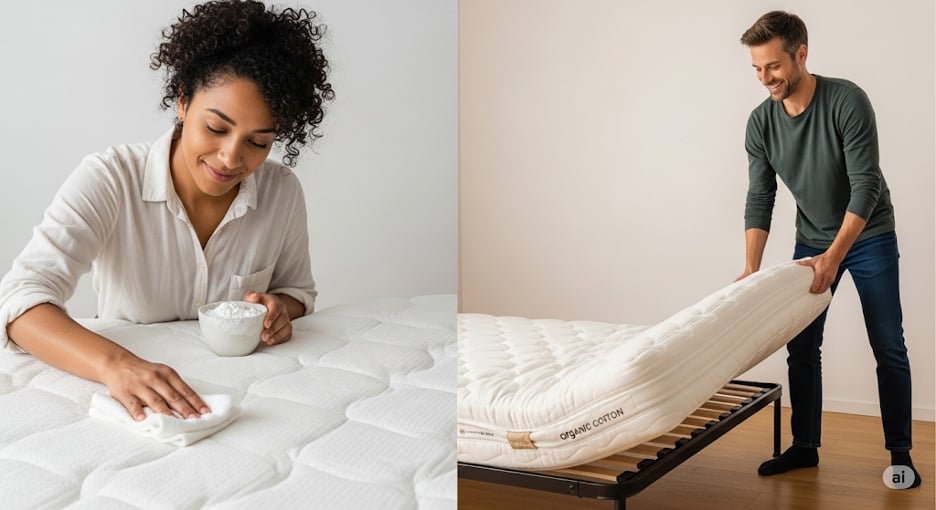
Organic cotton covers need gentle cleaning. Blot spills immediately with cold water and mild soap. Avoid soaking or harsh scrubbing. This prevents fiber damage and maintains breathability. For stains, use baking soda paste. Apply lightly, wait 15 minutes, then dab away. Never use bleach or chemical sprays. They break down sustainable materials and void warranties.
Organic wool layers require special attention. Vacuum monthly using an upholstery attachment. This removes dust without compressing fibers. For liquid accidents, absorb moisture with a clean cloth. Then sprinkle cornstarch to draw out residue. Brush gently after 30 minutes. Wool’s natural lanolin resists stains when maintained properly. This preserves mattress longevity and hypoallergenic benefits.
Rotate your mattress head-to-foot every 3 months. This prevents body impressions and uneven wear. Use a non-toxic protector like Avocado’s GOTS-certified barrier. It shields against spills while allowing airflow. Direct sunlight exposure fades natural dyes. Keep your sleep space cool and shaded.
Warranty and Lifespan Expectations
Quality eco-friendly mattresses last 15–25 years. Natural latex cores offer the best durability. They resist sagging 3x longer than memory foam. Hybrid models with pocketed coils typically reach 20 years. Sustainable materials like organic wool and cotton outlast synthetics when cared for.
Understand warranty coverage details. Most protect against:
Sagging deeper than 1.5 inches
Material splits or cracks
Manufacturing defects in cover stitching
Common exclusions include:
Stains without protector use
Damage from improper foundations
Normal softening of materials
Brands like Birch offer lifetime warranties. Others like Avocado provide 25-year coverage. Always register your mattress within 60 days. Keep purchase receipts and photos of tags. Submit claims promptly with documentation.
Maximize mattress longevity through support systems. Use slatted bases with gaps under 3 inches. This prevents moisture buildup and maintains breathability. Replace foundations every 8 years to match mattress integrity.
Conclusion: The Future of Sleep is Green
Investing in eco-friendly mattresses supports well-being and planetary health. This choice delivers non-toxic sleep free from volatile organic compounds and allergens. It also cuts landfill waste and carbon emissions. Science confirms these benefits.
Health wins are immediate. Users report fewer headaches and allergy symptoms. Spinal alignment improves with durable natural latex support. Children and sensitive groups breathe safer air. Long-term exposure risks drop sharply.
Environmental gains grow yearly. Every sustainable mattress diverts 50–100 lbs of waste from dumps. Organic cotton farming saves billions of gallons of water. Brands adopting circular solutions recycle 90%+ of old units.
Your final step matters: Prioritize certifications when purchasing. Look for:
GOTS certification tags on cotton/wool layers
GOLS IDs for organic latex cores
Active Greenguard Gold or OEKO-TEX® codes
Without these labels, “eco-friendly†claims lack proof. Verified brands like Avocado and Birch publish certification numbers publicly. Demand the same transparency from all manufacturers.
Choosing the right bed size is crucial for comfort, space planning, and overall sleep quality. Understanding the super king size dimension can help in making your choice. The Super King bed is a popular choice in the UK for those who crave extra room and luxury sleep space. Whether you’re a couple needing more sleeping area or just want to elevate your bedroom with a larger, statement bed, this guide covers everything you need to know about Super King beds.
What Is a Super King Bed?
A Super King bed is one of the largest standard bed sizes available in the UK. It provides exceptional space for couples or individuals who prefer an expansive sleep surface.
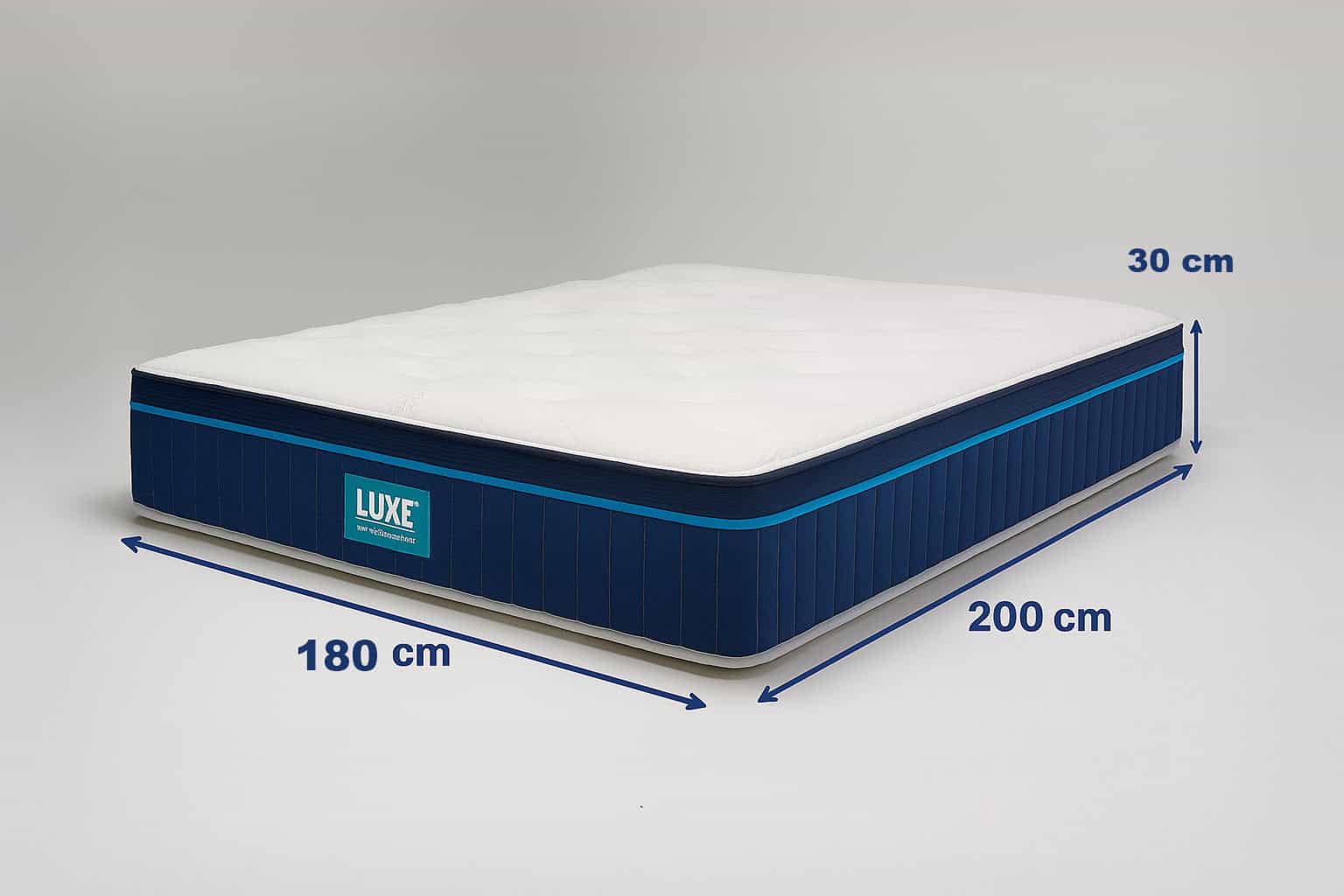
Standard Super King Size Dimensions (UK):
Centimetres (cm):Â 180 cm wide x 200 cm long
Millimetres (mm):Â 1800 mm x 2000 mm
Inches (in):Â 71 in x 79 in
Feet (ft):Â 5.9 ft x 6.6 ft
Metres (m):Â 1.8 m x 2.0 m
These dimensions apply to both the mattress and the bed frame, though the overall footprint may be slightly larger depending on the design.
Who Should Buy a Super King Mattress or Bed?
A Super King bed is ideal for:
Couples who value extra space:Â If you or your partner move around a lot during sleep or prefer more personal space, a Super King prevents disruptions.
Tall individuals:Â At 200 cm in length, it provides plenty of legroom.
Families with young children:Â If your kids occasionally join you in bed, the additional width is a blessing.
Pet owners: Pets that sleep on your bed won’t cramp your space.
Luxury seekers:Â A Super King bed makes a visual statement and adds a touch of opulence to any bedroom.
Bedroom Size Recommendations
While a Super King bed offers more space, it does require adequate room to fit comfortably.
Minimum room size recommendations:
Ideal room size:Â 12 ft x 12 ft (3.65 m x 3.65 m) or larger
Absolute minimum:Â 11 ft x 11 ft (3.35 m x 3.35 m)
Allow at least 60 cm (2 ft) of clearance on each side of the bed for ease of movement.
Super King Bed Types & Styles
Super King beds come in various styles to suit your decor and storage needs:
1. Divan Base Beds
Often include built-in drawers
Great for small rooms needing extra storage
2. Ottoman Beds
Lift-up storage under the entire mattress
Best for hidden, clutter-free storage
3. Bed Frames
Available in wood, metal, upholstered styles
Adds visual interest and can match other furniture
4. Adjustable Beds
Suitable for people with medical needs or elderly couples
Allows you to raise head/feet for better support
Best Mattress Types for Super King Beds
Choosing the right mattress is just as important as the size. Here are top options that pair well with Super King beds:
Often available in Super King for full-body alignment
Tip: Luxe Mattresses offers Super King sizes across hybrid, memory foam, and natural options. Their mattresses include breathable fabrics, edge support, and premium materials for deep sleep comfort.
Bedding Essentials for Super King Beds
Because of their size, Super King beds require appropriately sized bedding:
Duvet size:Â 260 cm x 220 cm (102 in x 87 in)
Fitted sheet size:Â 180 cm x 200 cm (plus depth of mattress)
Pillow types:Â Use 2 to 4 king-size pillows (50 x 90 cm)
Bedspread or blanket:Â Look for “Super King” label or oversized throws (at least 270 cm wide)
Using the correct bedding size enhances comfort and ensures a tidy, hotel-like appearance.
Styling Ideas for Super King Beds
A Super King bed is a statement piece. Here’s how to style it like a pro:
Headboard
Opt for a tall, upholstered or tufted headboard for drama
Colour Scheme
Use neutral tones or soft palettes to avoid overwhelming the room
Layering
Add throws, blankets, and multiple pillows to create a plush, inviting look
Side Tables
Choose wide or double-drawer nightstands to match the scale of the bed
Wall Art
Hang large artwork or a gallery above the bed for balance
How Big Is a Super King Mattress Compared to a King Mattress?
A Super King mattress is wider than a standard King mattress by 30 centimeters (about 12 inches), making it a more spacious and luxurious option. While both mattresses share the same length of 200 cm (6 feet 6 inches), the Super King measures 180 cm in width, compared to the King’s 150 cm.
This extra width provides significantly more room for couples, especially those who prefer not to feel crowded during sleep. It’s also ideal for families with young children or pets who occasionally share the bed. The Super King’s generous dimensions make it a standout choice for master bedrooms that can comfortably accommodate its larger footprint.
King vs Super King Mattress Size Comparison
Feature
King Mattress
Super King Mattress
Width (cm)
150 cm
180 cm
Length (cm)
200 cm
200 cm
Width (inches)
59 inches
71 inches
Length (inches)
79 inches
79 inches
Extra Width
—
+30 cm / +12 inches
Ideal For
Couples
Couples, families, pets
Room Size Needed
Minimum 10 x 10 ft
Minimum 11 x 11 ft
Super King Bed vs Other UK Bed Sizes
Bed Size
Dimensions (cm)
Ideal for
Single
90 x 190
Children, solo sleepers
Double
135 x 190
Couples (cozy fit)
King
150 x 200
Couples needing extra room
Super King
180 x 200
Couples, families, tall people
Is a Super King Bed Right for You?
Ask yourself:
Do I (or my partner) move around a lot while sleeping?
Do we value personal space in bed?
Is our bedroom large enough for this size?
Do we have kids or pets who often join us in bed?
If you answered yes to any of the above, a Super King bed might be your perfect match.
Final Thoughts
A Super King bed offers unmatched space, comfort, and visual impact in your bedroom. From its generous dimensions (180 x 200 cm) to its wide variety of frame and mattress options, it’s the top choice for anyone who values sleep quality and luxury living.
Whether you’re upgrading to accommodate your growing family or just want more room to stretch out, pairing a Super King bed with a premium mattress from Luxe Mattresses can transform your sleep and space.
Choose wisely, measure carefully, and enjoy the comfort that only a Super King can deliver.
Choosing the right mattress is a highly personal decision that can significantly impact your health and comfort. Each person, from children to seniors, has unique sleep needs that should be taken into account. A good mattress can help with various health issues and improve overall well-being. This article will guide you in selecting the best mattress for every family member, ensuring that everyone finds a comfortable and supportive sleep solution tailored to their age and needs. Check Mattress Recommendations for Every Age: Children, Teens, Adults, and Seniors.
Growing Up: Mattresses for Children (Ages 2-12)
Supporting Healthy Growth
For children, a mattress is essential for supporting their growing bodies. A firm mattress offers the best support for their spine, helping to keep it aligned as they grow. This can prevent posture problems early on. According to the NHS, good spinal support during sleep is important for children’s development.
Hygiene and Safety
It is important to make sure children’s mattresses are safe and clean. Mattresses that resist dust mites and allergens help keep your child safe from common irritants. Luxe Mattress offers memory foam mattresses that are dust and allergy resistant, creating a healthy sleeping environment and reducing the risk of respiratory issues or skin problems.
Durability for Play and Rest
Children are active, often playing and jumping on their mattresses. That’s why it is important to choose a mattress that is durable and can handle all the wear and tear. A mattress that keeps its shape and support for years is a smart investment, ensuring that your child enjoys comfort and proper support as they grow from a cot to a single bed.
Teenage Years: Supporting Rapid Growth and Activity (Ages 13-18)
Adapting to Growth Spurts
During the teenage years, the body undergoes rapid growth. Teenagers undergo growth spurts, experiencing increases in height and weight. Their mattress needs to adapt to this rapid growth by providing the right balance of firmness and comfort. A medium-firm mattress is ideal, offering support to maintain spinal alignment while also providing enough comfort for growing bones and muscles.
Active Lifestyles and Recovery
Many teenagers are involved in sports and other physical activities. A mattress that helps them recover from physical exertion is important. A supportive mattress can help alleviate muscle soreness and provide the comfort necessary for recovery after a long day of physical activity.
Study Stress and Sleep Quality
Teenagers often experience stress from schoolwork, which can impact their sleep. A comfortable mattress ensures that they get the rest they need, reducing stress and helping them concentrate better during the day. Poor sleep can lead to mental health issues and affect academic performance, as shown by studies from organizations like Mind.org.uk.
Adult Life: Diverse Needs and Evolving Preferences (Ages 18-65)
Tailoring to Individual Sleep Styles
As adults, the type of mattress needed changes depending on sleeping positions. Side sleepers benefit from a softer mattress that cushions the hips and shoulders, while back sleepers need a medium-firm mattress to support the natural curve of the spine. Stomach sleepers need a firmer mattress to keep their midsection from sinking too deep. Couples also need to consider motion transfer, which reduces the disruption from their partner’s movements at night.
Addressing Common Adult Ailments
Many adults experience back pain, joint pain, or general discomfort. Luxe Mattress offers orthopedic mattresses designed to provide support and help manage these issues. Proper spinal alignment during sleep is essential for reducing pain and improving overall health, according to the NHS.
Material Choices for Longevity and Comfort
Adults have many options when it comes to mattress materials. Memory foam, latex, hybrid, and pocket-sprung mattresses offer distinct benefits, including comfort, support, and durability. Features like temperature control, such as Luxe Mattress’s LTX Cooling Gel, can help maintain a comfortable sleep temperature, ensuring you stay cool throughout the night.
Golden Years: Comfort and Care for Seniors (Ages 65+)
Prioritising Pressure Relief and Support
For seniors, comfort and pressure relief become the top priority. As the skin becomes more sensitive with age, pressure points can cause discomfort. A mattress that evenly distributes weight can help reduce pain and stiffness. Luxe Mattress offers a range of mattresses specifically designed for older adults, providing gentle support that helps alleviate aches and pains.
Ease of Movement and Transfers
As people get older, they often lose flexibility and find it harder to move easily in bed. A mattress that makes it easier to get in and out of bed is crucial for seniors. These mattresses offer better mobility, which is important for safety and comfort.
Temperature Sensitivity and Breathability
Older adults often struggle to regulate their body temperature while sleeping. A mattress that promotes airflow and helps regulate temperature can make a significant difference. Luxe Mattress’s designs for seniors incorporate materials that promote breathability, ensuring a cool and comfortable sleep throughout the night.
Which Mattress is Best for All
Choosing the best mattress for everyone in the family can be challenging, but it is essential for both health and comfort. Each age group has distinct needs that should be taken into account. For children, a firm mattress is crucial for supporting their growing bodies and maintaining spine alignment. Teenagers require a medium-firm mattress that accommodates their rapid growth and active lifestyles. Adults need a mattress that matches their preferred sleep position, whether they sleep on their back, side, or stomach. Seniors benefit from mattresses that provide pressure relief and support, allowing them to sleep comfortably and safely.
When selecting a mattress for the whole family, it is best to find one that suits everyone’s needs. A medium-firm mattress is often a good option because it offers a balance of support and comfort. Features like temperature control and durability can make the sleep experience better for everyone. Brands like Luxe Mattress offer a variety of mattresses designed to meet the specific needs of different age groups. By investing in the right mattress for each family member, you can ensure better sleep and overall health for everyone.
Conclusion
In conclusion, selecting the right mattress is crucial for everyone, as each age group has distinct needs. Factors like sleeping position, health concerns, and age all play a role in finding the perfect mattress. By investing in a mattress that suits your age group, you can ensure better sleep and improved health. Luxe Mattress offers a wide range of options designed to meet the diverse needs of people of all ages, helping everyone achieve a more restful and healthier sleep experience.
Frequently Asked Questions (FAQs)
Which is the best mattress for a growing child?
A medium-firm to firm mattress, such as a pocket-sprung or supportive foam mattress, is recommended for children to provide the necessary support for their developing spine.
Should teenagers use the same type of mattress as adults?
Teenagers can benefit from mattresses similar to those used by adults, focusing on durable support to accommodate their growing bodies and active lifestyles. Medium-firm options are typically ideal.
How often should mattresses be replaced for different age groups?
Generally, mattresses should be replaced every 7-10 years. For children, it may be necessary to replace the mattress when they outgrow their bed, while seniors might need a new mattress sooner if comfort or support declines.
Do orthopaedic mattresses work for all age groups?
Orthopaedic mattresses, designed for targeted support and spinal alignment, are suitable for people of all ages, particularly those with specific pain or health issues.
Does Luxe Mattress offer options for all age groups and needs?
Yes! Luxe Mattress offers a diverse range of high-quality mattresses, including memory foam and orthopaedic options, all designed to meet the comfort and support needs of various age groups.
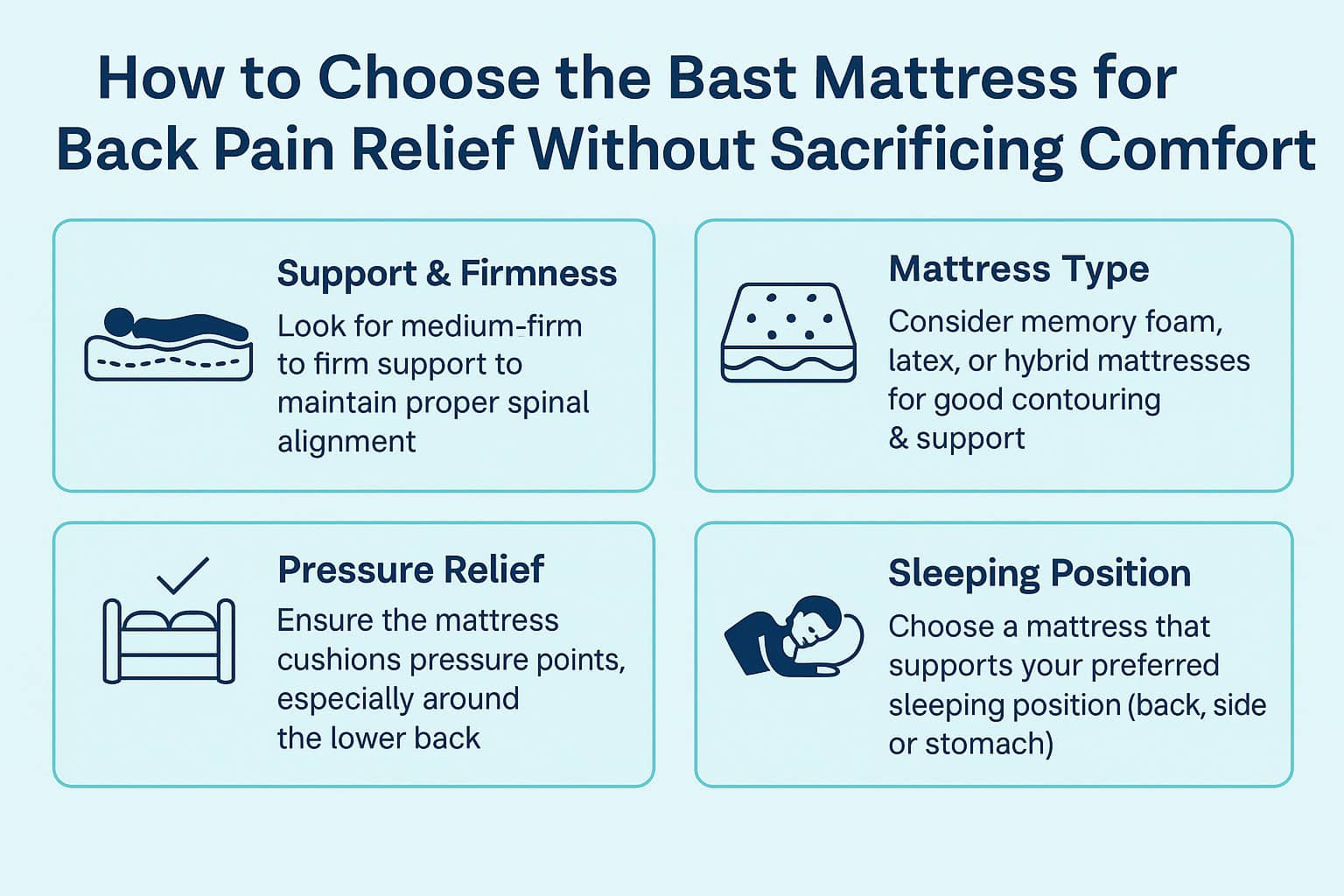
Finding the right mattress for back pain is essential for achieving restful sleep and improving overall well-being. A mattress that offers the perfect balance of support and comfort ensures proper spinal alignment, alleviates pressure points, and reduces pain. With so many options available, it’s essential to understand the different types of mattresses and how they can help relieve back pain. This guide will provide insights into the best mattresses for back pain, including memory foam, latex, hybrid, and pocket-sprung options. By considering factors like firmness, sleep position, and body weight, you can make an informed choice for better sleep and pain relief.
Understanding Back Pain and Its Impact on Sleep
Back pain is a major health concern for many people in the UK. It often leads to disrupted sleep cycles, including pain, poor sleep, and mental health issues. Not getting proper sleep can exacerbate pain, causing back pain to intensify. This creates a strong link between chronic pain and persistent insomnia.
Organisations like Mind.org.uk frequently highlight the impact of mental health issues, such as anxiety and depression, on well-being. A lack of restorative sleep can severely affect a person’s overall health. In addition to these problems, the current mattresses used to achieve restful sleep could actually be contributing to back pain.
Signs such as regular sagging and waking up with aches and pains are indicators that it’s time to change your mattress. Replacing your mattress is often the best solution to alleviate back pain and improve sleep quality.
The Science of Support: Beyond Just Firmness
You cannot simply opt for a firmer one as a mattress must support your back and make it feel comfortable. The core principle lies in maintaining optimal spinal alignment. A perfect mattress should support the natural “S” curve of the spine, keeping it aligned from the neck to the lower back. It also prevents awkward angles that could lead to nerve compression and muscle strain.
Another important factor is pressure relief. A good mattress provides extra cushioning for comfort during sleep. This highlights the importance of a mattress that contours to the body’s unique shape. These materials are essential for evenly distributing body weight across the sleeping surface. This equal distribution reduces concentrated pressure on sensitive areas like the hips, shoulders, and lower back.
The key is finding the right balance. It is a common misconception that a mattress for back pain must be tough. A mattress should offer both cushioning for comfort and sufficient support. The harmonious combination of firmness and softness ensures therapeutic support and restful sleep. The proper treatment of the back will make your life better.
Key Mattress Types for Back Pain Relief
There are different types of mattresses available in the market. You must choose the best one for your better sleep quality.
Memory Foam Mattresses: Contouring Comfort
Memory foam mattresses are ideal for contouring comfort. The material uses body heat to mold to your shape, cradling the body and relieving pressure on key joints. This is essential for spinal alignment. Memory foam also offers excellent motion isolation, meaning you won’t be disturbed by your partner’s movements. Many back pain sufferers find these mattresses perfect for relief. Luxe Mattress offers one of the best memory foam collections; check out their top-of-the-line options.
Latex Mattresses: Responsive Support
Latex mattresses provide responsive support. These mattresses are durable, natural, and breathable. Unlike other mattresses, latex has a buoyant feel. It provides essential support without the sinking sensation, making it an excellent choice for those who want a firmer feel. Latex mattresses still offer excellent pressure relief, which is beneficial for back pain sufferers.
Hybrid Mattresses: The Best of Both Worlds
Hybrid mattresses offer the best of both worlds. These mattresses combine a pocket-sprung base for robust support and bounce, with layers of memory foam and latex for contouring. This blend provides excellent versatility, offering a balance of support and soft cushioning. Hybrid mattresses are ideal for those seeking comfort and relief from back pain.
Pocket Sprung Mattresses: Zoned Support
Pocket-sprung mattresses provide zoned support. These mattresses feature individual springs, each encased in its fabric pocket, allowing for precise contouring of the body. Pocket springs also reduce motion transfer, making them great for couples. The zoned support targets specific areas of the body, offering tailored support where it’s needed most, such as under the hips and shoulders.
Finding Your Perfect Firmness: Tailoring to Your Needs
The right firmness is essential for back pain relief. It should be tailored to your specific needs. Understanding the different firmness levels, soft, medium, and firm, is important, as each offers varying levels of support and contouring. The choice depends on how the mattress interacts with your body and pain points.
Sleep Positions
Sleep positions are important in selecting the right firmness. It is a deciding factor in your mattress choice. Soft mattresses are ideal for side sleepers, allowing for more contouring around the hips and shoulders. Back sleepers need a mattress that provides supportive firmness to maintain the natural curve of the body. Stomach sleepers require a firmer surface to prevent the spine from arching too much.
Body Weight
Body weight plays a critical role in selecting the right orthopaedic mattress for back pain. Heavier individuals typically benefit from firmer surfaces, while lighter individuals may prefer softer, more contouring mattresses. Finding the right mattress to suit your body type can be complex, you can take our mattress matching quiz to find our best match for yourself.
Smart Mattress Quiz
Find your perfect mattress match with our personalized recommendation system.
Based on your sleep style, health needs, and comfort preferences.
Why Take This Quiz?
Get tailored mattress recommendations for your specific needs
Save time researching – we’ve done the analysis for you
Compare mattresses that match your sleep style and budget
Understand which mattress features matter for your comfort
Luxe Mattress offers a range of mattresses designed to provide reliable and supportive feedback, ensuring that you find the best mattress for your requirements.
Conclusion
Achieving pain-free sleep is entirely possible by opting a specific mattress. In today’s world, getting proper sleep and being free from back pain is essential for maintaining mental and physical well-being. By following key principles, such as ensuring proper spinal alignment, anyone can enjoy restful sleep and become pain-free. Investing in a good mattress is a valuable investment in both money and overall health. Consider Luxe Mattress to find the ideal mattress that helps you sleep without back pain. Luxe Mattress offers a 100-night free trial, a 10-year warranty, and free shipping in certain areas of the UK.
FAQs
What mattress firmness is ideal for lower back pain?
Medium-firm mattresses are generally recommended for people suffering from lower back pain. These mattresses strike a balance between support and cushioning, keeping the spine aligned without being too hard or too soft.
Can a very soft mattress cause back pain?
Yes, a mattress that is too soft can lead to back pain by allowing the spine to fall out of alignment, which strains the muscles, particularly in the lower back.
Do memory foam mattresses help with back pain?
Yes, memory foam mattresses are effective for back pain because they contour to the body, providing custom support, relieving pressure points, and improving spinal alignment.
How often should I replace my mattress if I have back pain?
If you experience chronic back pain, consider replacing your mattress every 7-10 years or sooner if you notice sagging or a lack of support.
What role does a pillow play when choosing a mattress for back pain?
While having an appropriate mattress is essential, a pillow is also crucial for supporting the neck and head, ensuring correct spinal alignment. This is vital for overall spinal health.
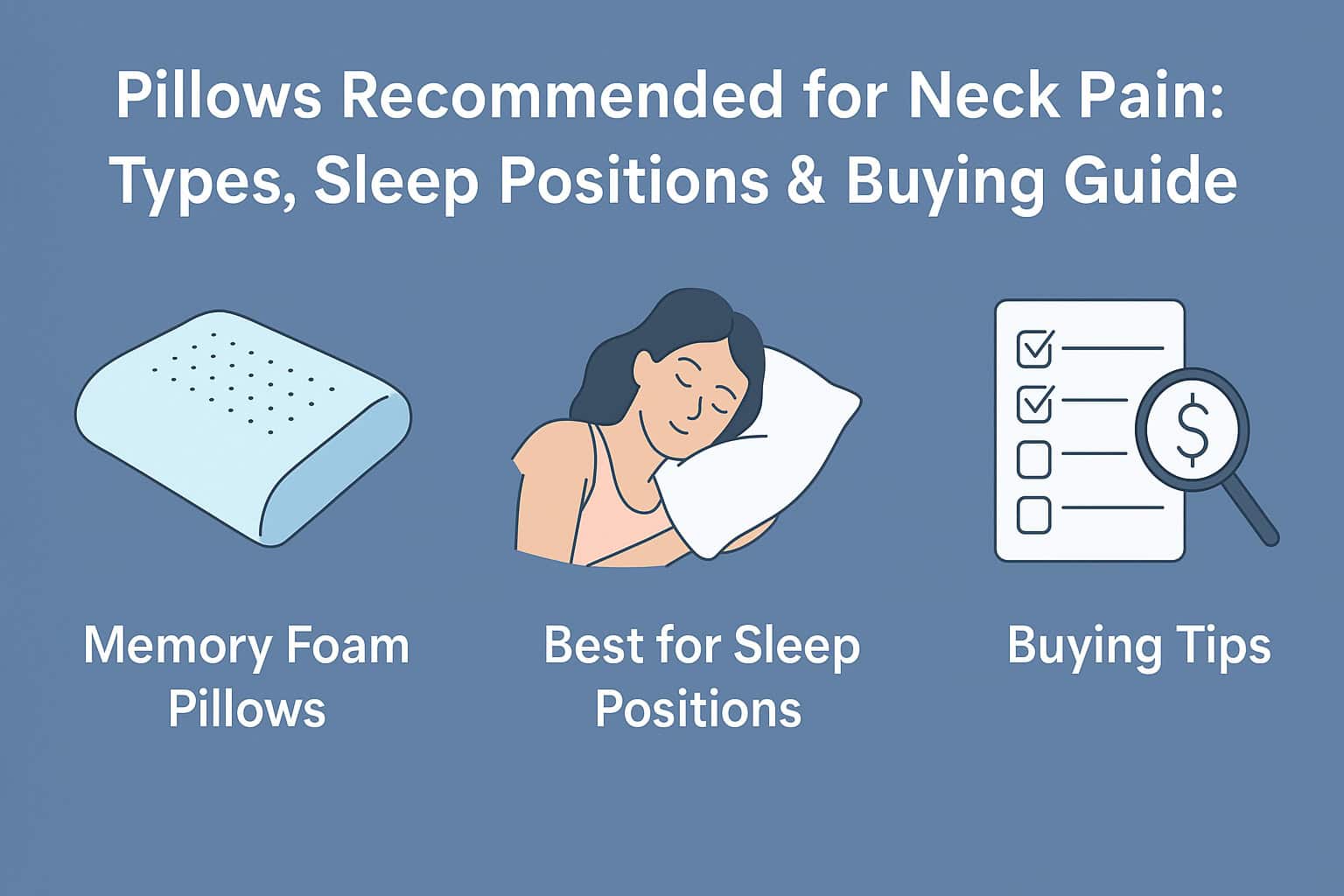
Neck pain is a common issue that affects millions of people, often caused or worsened by improper sleeping posture and poor pillow support. The right pillow can significantly reduce discomfort and promote better spinal alignment, leading to restful sleep and a pain-free morning. In this detailed guide, we’ll explore the pillows recommended for neck pain, the best types for different sleeping positions, what features to look for, and how to choose the right pillow for your needs.
Understanding Neck Pain and Its Causes During Sleep
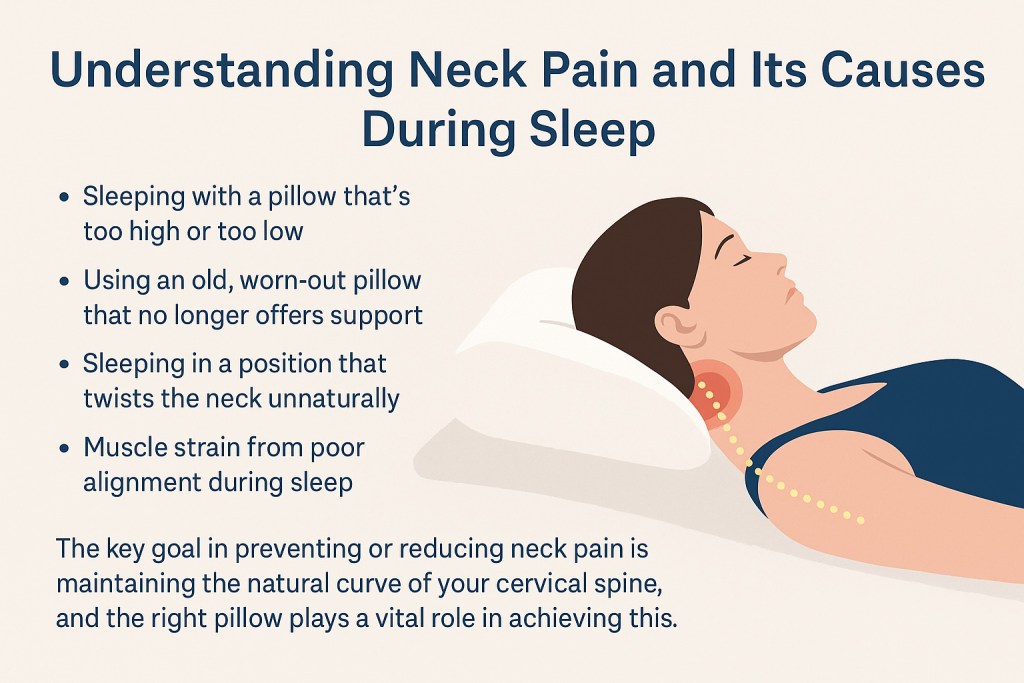
Before we dive into the types of pillows recommended for neck pain, it’s important to understand how sleep can contribute to the problem. Common causes include:
Sleeping with a pillow that’s too high or too low
Using an old, worn-out pillow that no longer offers support
Sleeping in a position that twists the neck unnaturally
Muscle strain from poor alignment during sleep
The key goal in preventing or reducing neck pain is maintaining the natural curve of your cervical spine, and the right pillow plays a vital role in achieving this.
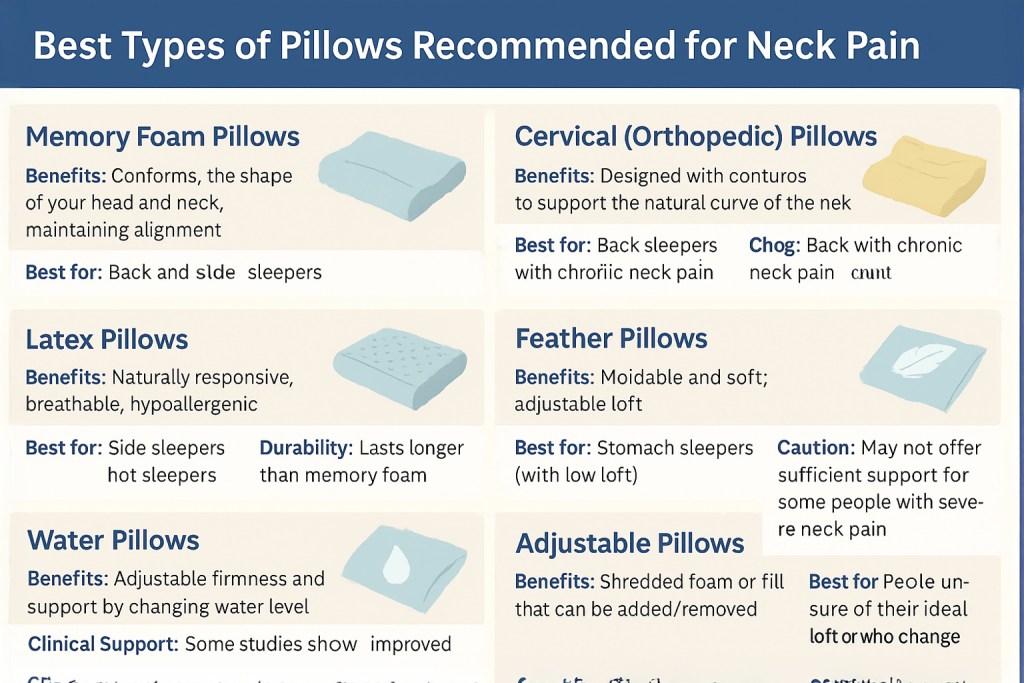
Best Types of Pillows Recommended for Neck Pain
Not all pillows are created equal, especially when it comes to neck support. Here are the top types that are most effective for reducing neck discomfort:
1. Memory Foam Pillows
Benefits: Conforms to the shape of your head and neck, maintaining alignment
Best for: Back and side sleepers
Variants: Solid memory foam and shredded memory foam
2. Cervical (Orthopaedic) Pillows
Benefits: Designed with contours to support the natural curve of the neck
Best for: Back sleepers, side sleepers with chronic neck pain
Note: Takes time to get used to, but highly effective for posture correction
Caution: May not offer sufficient support for some people with severe neck pain
5. Water Pillows
Benefits: Adjustable firmness and support by changing water level
Best for: People with varying support needs or changing sleep habits
Clinical Support: Some studies show improved pain relief
6. Adjustable Pillows
Benefits: Shredded foam or fill that can be added/removed
Best for: People unsure of their ideal loft or who change positions
Sleep Positions and the Right Pillow Choice
Your sleeping position plays a major role in what type of pillow will work best for you. Here’s a breakdown:
Back Sleepers
Recommended pillow type: Medium-loft memory foam or cervical pillows
Goal: Support the natural curve of the neck without pushing the head too far forward
Extra tip: A pillow under the knees can also relieve spinal tension
Side Sleepers
Recommended pillow type: Firm, high-loft pillows like latex or memory foam
Goal: Fill the gap between the head and shoulders to keep the spine straight
Extra tip: Consider a body pillow to support the torso and reduce rotation
Stomach Sleepers
Recommended pillow type: Soft, low-loft feather or down pillows
Goal: Minimize neck twist and spine compression
Warning: This is the least recommended position for neck pain; try to transition to side or back sleeping
Side Effects of Sleeping on the Wrong Pillow
1. Neck Pain
One of the most common consequences. A pillow that is too high, too low, or lacks proper support can strain the cervical spine, leading to stiffness and pain upon waking.
2. Shoulder Pain
Especially for side sleepers, a pillow that doesn’t fill the space between your neck and shoulder can put pressure on the shoulder joint, causing discomfort or soreness.
3. Headaches
Poor neck support can lead to tension headaches. These are often caused by tight neck and upper back muscles that result from misalignment during sleep.
4. Poor Sleep Quality
Discomfort from the wrong pillow can lead to frequent tossing, turning, and waking during the night, ultimately disrupting your sleep cycle and reducing REM sleep.
5. Spinal Misalignment
A pillow that doesn’t support the natural curve of your neck can misalign your spine, leading to long-term posture issues and back problems.
6. Increased Snoring or Breathing Issues
The wrong pillow height can affect the airway, especially in back sleepers. A pillow that’s too high may push the chin down, while one that’s too low may not support the head at all, both affecting breathing and increasing snoring.
7. Jaw and Facial Tension
Improper alignment of the head and neck can strain the jaw, contributing to TMJ (temporomandibular joint) discomfort or facial muscle tension.
8. Numbness and Tingling
If your pillow causes you to sleep in an awkward position, you may compress nerves in your neck or shoulders, leading to numbness or tingling in the arms and hands.
9. Allergic Reactions
Old or low-quality pillows can accumulate dust mites, mold, or allergens over time, leading to allergy flare-ups or respiratory discomfort.
10. Early Signs of Aging and Skin Irritation
Sleeping on the wrong pillowcase material (or one that traps heat) can cause friction on the skin, worsen acne, or even contribute to early wrinkles.
What to Look for in a Pillow for Neck Pain
Here are the most important features to consider when shopping for pillows recommended for neck pain:
Loft (Height): Choose the right thickness based on your sleep position
Firmness: Medium-firm for back sleepers; firm for side sleepers; soft for stomach sleepers
Shape: Contoured or ergonomic shapes work best for cervical alignment
Adjustability: Great for customisation and experimenting with loft
Materials: Look for hypoallergenic and breathable materials (especially for hot sleepers)
Trial Period: Choose a brand with a sleep trial in case the pillow doesn’t suit you
Comparison Table: Pillow Types for Neck Pain Relief
Pillow Type
Support Level
Best For
Adjustable
Cooling Properties
Durability
Memory Foam
High
Back, Side
Some
Moderate
3–5 years
Cervical Pillow
Very High
Back, Side
No
Moderate
2–4 years
Latex
High
Side, Hot Sleepers
No
Excellent
5–7 years
Feather/Down
Low to Medium
Stomach
Yes
Good
1–3 years
Water Pillow
Adjustable
All
Yes
Moderate
2–3 years
Our Top Picks: Pillows Recommended for Neck Pain
Note: Always consult with a healthcare provider if you have chronic or severe neck pain.
Finding the right pillows recommended for neck pain can be a game-changer in your sleep quality and overall comfort. Whether you’re a back sleeper needing cervical support or a side sleeper looking to maintain spinal alignment, there’s a perfect pillow for you. Invest in a pillow that matches your sleep style, material preference, and ergonomic needs. Your neck and your sleep, will thank you.
Frequently Asked Questions
What type of pillow is best for neck pain?
The best pillows for neck pain are memory foam, cervical (orthopedic), and latex pillows. These provide proper support and maintain cervical alignment to reduce strain during sleep.
Are cervical pillows good for everyone?
Cervical pillows are especially helpful for people with chronic neck pain or posture issues. However, they may take some getting used to. They are most effective for back and side sleepers.
How do I know if my pillow is causing neck pain?
If you often wake up with stiffness, tension, or discomfort in your neck or shoulders, your pillow may be the cause. A pillow that is too flat or too thick can misalign your spine during sleep.
Can the wrong pillow cause headaches?
Yes. Poor neck support from the wrong pillow can lead to tension headaches caused by strained neck muscles and misalignment.
How often should I replace my pillow?
Most pillows should be replaced every 1 to 3 years, depending on the material. Memory foam and latex tend to last longer, while feather or polyester pillows flatten quicker.
Is it better to sleep on your back or side for neck pain?
Back sleeping is generally best for neck pain, as it promotes neutral spinal alignment. Side sleeping is also effective if you use a firm, supportive pillow that fills the gap between your head and shoulder.
Can adjustable pillows help with neck pain?
Yes. Adjustable pillows allow you to customize loft and firmness by adding or removing filling, making them ideal for finding the right support level for your sleep style.