


100-Night Risk-Free Trial
Free Nationwide Delivery
10 Years Warranty
Call us at: 020 4572 5122
0% APR Finance Available
Can a Firm Mattress Help with Snoring and Sleep Apnea?
February 26, 2026

Can a Firm Mattress Help with Snoring and Sleep Apnea?

If you or someone you know snores loudly or struggles with sleep apnea, you’ve probably tried all kinds of things mouth guards, nose strips, humidifiers, or even switching sleep positions. But one thing many people forget about is their mattress.

Could switching to a firm mattress actually help with snoring or sleep apnea? Or is that just another sleep myth? Let’s break it down in simple terms and see what the research says.

What Are Snoring and Sleep Apnea?

Before we talk about mattresses, let’s first understand what these sleep issues are.

Snoring

Snoring is the noise made when air can’t move freely through your nose or throat while you sleep. This causes the tissues in your airway to vibrate, creating that familiar rumbling sound. Snoring can be harmless, but in some cases, it’s a sign of a blocked or narrow airway.

Sleep Apnea

Sleep apnea is more serious. It happens when your breathing stops and starts repeatedly during the night. The most common type is called obstructive sleep apnea (OSA). It happens when the muscles in your throat relax too much and block your airway. Signs include:

  • Loud snoring
  • Gasping or choking while sleeping
  • Feeling tired after a full night’s sleep
  • Dry mouth or headaches in the morning

Sleep apnea is linked to serious health issues like high blood pressure, heart disease, and even stroke. That’s why it’s important to take it seriously.

Can Mattress Firmness Help?

You might be wondering what your mattress has to do with breathing. A lot, actually. The firmness of your mattress affects how your body is aligned while you sleep. And body position plays a big role in keeping your airways open.

1. Firmness Affects Sleep Position

If your mattress is too soft, you might sink in too much. This can make your chin tilt down toward your chest or your spine curve in a way that blocks airflow.

rock hard mattress or extra firm mattress, on the other hand, might not let your shoulders and hips sink in at all. This can also throw off your body alignment, putting pressure on your neck and back.

That’s why many sleep experts recommend a medium-firm mattress. It offers just the right balance of support and comfort, helping you maintain good posture while you sleep.

2. Sleep Position Matters Too

Different sleeping positions affect snoring and sleep apnea in different ways. Here’s how mattress firmness plays a part:
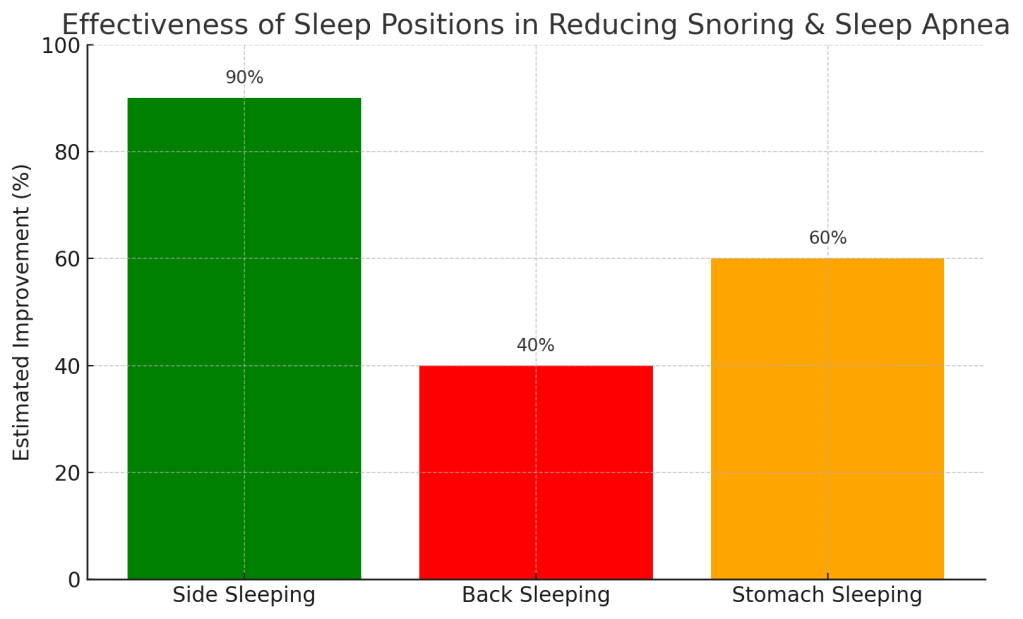
effectiveness of sleep positions in reducing snoring and sleep apnea
  • Back sleepers: You’re more likely to snore or have apnea if you sleep on your back. A soft mattress can let your head tilt backward, causing the tongue to fall back and block the airway. A firm mattress or back support mattress may help keep your spine and neck aligned better.
  • Side sleepers: This is usually the best position for snoring and apnea. But a rock hard mattress might create pressure on your hips and shoulders, making side sleeping uncomfortable. That might cause you to roll onto your back, which can make symptoms worse.

So, while firmness is important, it really depends on how you sleep. The best firm mattress for you is one that supports your favorite sleep position without causing pressure or discomfort.

What Does Science Say?

Several studies and sleep experts agree on a few key points:

A. Spinal Alignment Is Key

When your spine is properly aligned, your airway stays more open. A sagging mattress or poor sleeping posture can bend your neck or back in ways that reduce airflow. A firm mattress or one with zoned supporthelps maintain better alignment, especially if paired with the right pillow.

B. Side Sleeping Helps with Sleep Apnea

Research shows that side sleeping reduces the severity of sleep apnea in many people. A 2014 study in the journal Sleep and Breathing found that people with positional apnea improved just by sleeping on their side. A mattress that supports side sleeping firm enough for support, but soft enough for comfort is ideal.

C. Mattress and Pillow Work Together

Even the best firm mattress won’t help if your pillow doesn’t support your neck correctly. Your mattress and pillow should work as a team to keep your head, neck, and spine in a straight line.

When Can a Firm Mattress Help?

Let’s make it simple. A firm mattress can help if:

  • You sleep on your back and your soft mattress causes your head to sink too far in.
  • You’re heavier and need extra support so your body doesn’t sag.
  • You wake up with back or neck pain, which can affect your breathing too.

On the other hand, a firm or rock hard mattress might not help if:

  • It’s so hard that side sleeping becomes uncomfortable.
  • It causes pressure points that wake you up often.
  • It doesn’t work well with your pillow, making your head tilt at an odd angle.

What Should You Look for in a Mattress?

If you’re trying to reduce snoring or ease sleep apnea, here’s what to look for:
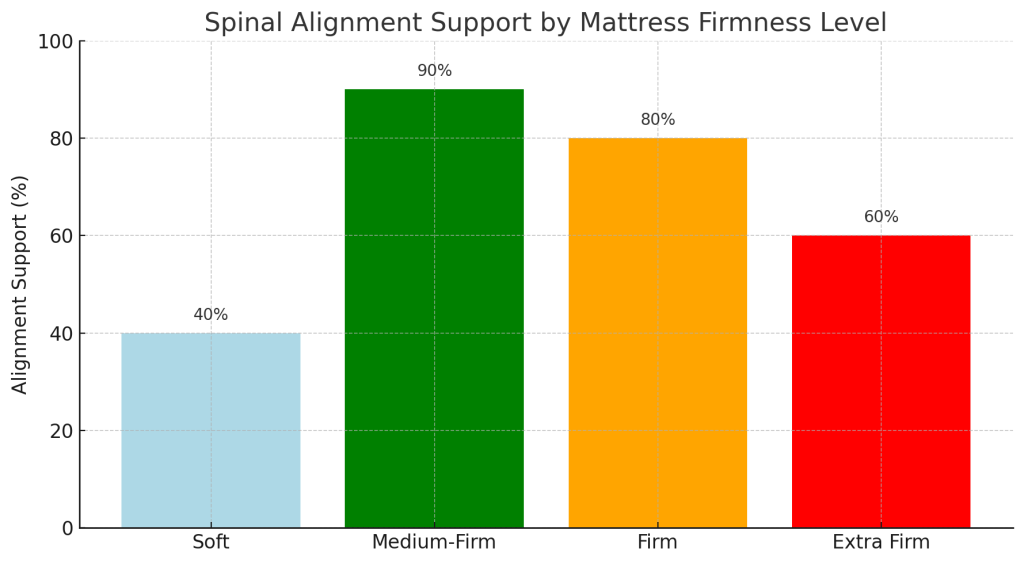
spinal alignment support by mattress firmness level

1. Medium-Firm Feel

This is often the sweet spot. It keeps your spine straight without being too stiff. It also helps with comfort if you sleep on your side.

2. Zoned Support

Some newer mattresses have firmer zones under the hips and softer zones under the shoulders. This helps keep your spine in line and can improve breathing posture.

3. Memory Foam or Latex

These materials are good at contouring to your body, reducing pressure points. They also support even weight distribution, which is helpful for side sleepers.

4. Adjustable Bed Base

If you have moderate to severe apnea, try pairing your firm mattress with an adjustable base. Raising your head 30“45 degrees can help keep your airway open and reduce snoring.

Other Tips to Improve Sleep and Breathing

A new mattress helps, but it’s not a complete cure. Try these tips too:

  • Sleep on your side: It’s the best position to reduce snoring and apnea.
  • Lose weight if needed: Extra weight around your neck can narrow your airway.
  • Avoid alcohol before bed: It relaxes throat muscles, making snoring worse.
  • Try nasal strips: If you’re congested, they can help open up your nose.
  • Use a CPAP machine: If you’ve been diagnosed with sleep apnea, this is the most effective treatment.

Conclusion

firm mattress won’t magically cure snoring or sleep apnea, but it can make a big difference especially if it helps keep your spine straight and supports side sleeping.

For many people, a medium-firm mattress is the best choice. It gives enough support to avoid sagging but is soft enough to prevent pressure and discomfort. When paired with the right pillow and sleeping position, it can help keep your airway open so you breathe better at night.

If you think you might have sleep apnea or your snoring is out of control, it’s best to talk to a doctor. But don’t ignore your mattress. Sometimes, the path to better sleep is right beneath you.

FAQs

Can a firm mattress stop snoring?

Not completely, but it can help. A firmer surface may improve your head and neck position, which can reduce snoring caused by poor alignment.

Is a soft or firm mattress better for sleep apnea?

Most people do best with a medium-firm mattress. Too soft or too hard can both mess with your posture and breathing.

Does sleeping on your back make sleep apnea worse?

Yes. Back sleeping often leads to more snoring and apnea. Side sleeping is better, and the right mattress makes that easier.

Can an adjustable bed help with apnea?

Definitely. Raising the head of the bed helps keep the airway open, which is especially useful for moderate to severe sleep apnea.

How do I know if my mattress is the problem?

If your symptoms started after getting a new mattress or only happen in certain sleep positions, your mattress might be the cause. Try a mattress topper or experiment with sleeping angles to see if things improve.

Reference resources

https://thebeddingmart.com/blogs/news/how-your-mattress-can-influence-snoring-and-sleep-apnea

https://megafurniture.sg/blogs/articles/best-mattress-for-snoring-sleep-apnea?srsltid=AfmBOoplVEUS3rn061k6LSjfuwjrhA3G_GOmpcnTCU5M9Kfkh61HRHoO

https://www.okoa.org/articles/sleep-soundly-mattress-choice-snoring-treatment
https://mysleepwell.com/blog-details/the-connection-between-mattress-comfort-and-sleep-apnea-rest-easy-with-the-right-support/277

Is Rock-Hard Mattresses Bad for Your Spine? A Scientific Perspective
February 26, 2026

Is Rock-Hard Mattresses Bad for Your Spine? A Scientific Perspective

Estimated reading time: 8 minutes

We’ve all heard the advice: Sleep on a rock hard mattress; it’s better for your back. Some people even go a step further, sleeping on the floor or buying an extra-firm mattress, thinking they’re doing something good for their spine. But is harder really better when it comes to sleep and back health?

The truth is, rock-hard mattresses might actually do more harm than good. Only mattresses with advanced spinal alignment technology and extra-firm support can truly help reduce pain. Finding the right mattress can be challenging, but let’s break it down in simple terms and explore what really matters when choosing the best firm mattress for your back.

Why Mattress Support Matters for Your Back

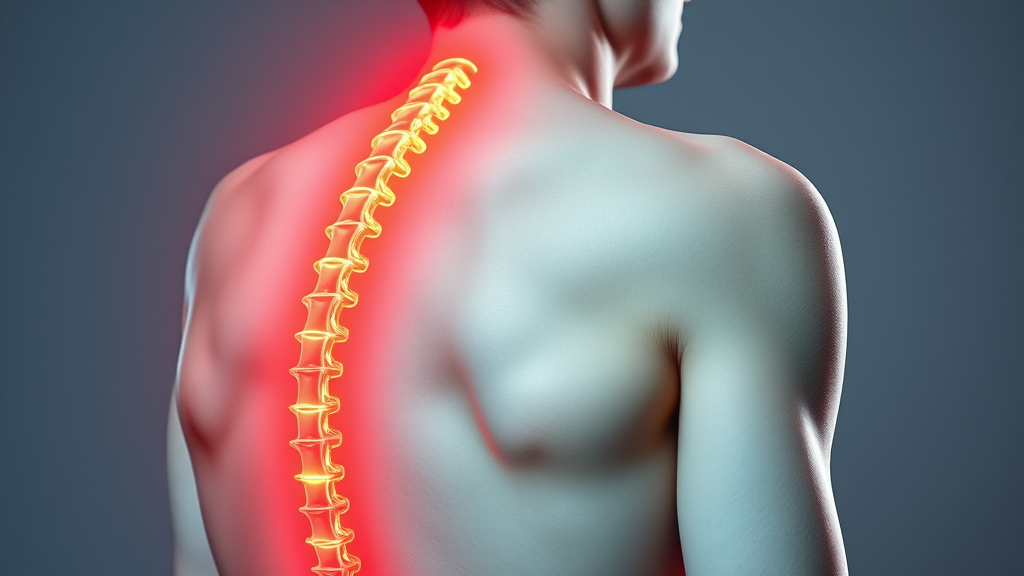
Your spine isn’t just a straight line of bones. It has a natural curve that helps it support your body, absorb shock, and let you move freely. When you sleep, your spine needs to stay in a neutral position not bent too far forward or backward.

That’s where your mattress comes in. A good back support mattress helps keep your spine in this neutral shape. If your mattress is too soft or too hard, your body might sink in too much or stay too flat, putting stress on certain areas like your lower back, hips, or shoulders.

Firm vs. Hard: What’s the Difference?

People often mix up a firm mattress with a hard mattress. But they’re not the same thing.

  • firm mattress supports your body and helps your spine stay aligned. It has structure but still has some softness to relieve pressure points.
  • A hard mattress or a rock hard mattress is very stiff. It offers very little cushioning and feels like sleeping on the floor.

If you’re lying on a surface that doesn’t give at all, it can throw off your body’s alignment, especially if you sleep on your side or have curves that need support, like your hips and shoulders.

What the Science Says About Mattress Firmness

There have been several studies over the years looking at how mattress firmness affects back pain. Here’s what they found:

1. Medium-Firm Is Often the Best Choice

One major study published in The Lancet found that people with chronic lower back pain felt better sleeping on medium-firm mattresses compared to extra firm mattresses. They reported less pain and better movement throughout the day.

Another 2015 review looked at several studies and found that medium-firm mattresses are usually the best for improving sleep quality and reducing back pain. They’re soft enough to relieve pressure but firm enough to support your spine.

2. Your Sleep Position and Body Type Matter Too

What works for one person might not work for another. Your weight, body shape, and sleep position all affect the type of firm mattress that will suit you best:

  • Side sleepers need cushioning around the shoulders and hips. A hard mattress may push too much on these spots and cause pain.
  • Back sleepers usually do best with a medium-firm mattress that supports the lower back and keeps the spine straight.
  • Stomach sleepers may prefer a firmer mattress to keep their hips from sinking, but a rock-hard mattress can still feel uncomfortable.


Mattress Comparison Table: Rock-Hard Foam vs. Advanced Spine-Alignment Technology

FeatureRock-Hard Foam Mattresses (C32, H32, H45)Advanced Spine-Alignment Mattresses
Support TypeFlat, rigid supportZoned support with body contouring
Spinal AlignmentPoor does not follow natural curveExcellent promotes proper spinal posture
Pressure ReliefLow creates pressure points on hips and shouldersHigh adapts to body shape, relieves stress on key areas
Comfort LevelUnyielding, often uncomfortableBalanced comfort with firm yet responsive surface
Adaptability to Body ShapeMinimalDynamic body adaptation using memory foam or latex layers
Common Foam TypeC32, H32, H45 (high-density, hard foam)Smart memory foam, latex, or hybrid materials
Blood CirculationMay restrict blood flow, causing numbness or discomfortSupports circulation by reducing pressure points
Best for Side Sleepers?No causes discomfort and joint pressureYes supports shoulder and hip contours
DurabilityDurable but often uncomfortable long-termDurable with better sleep quality over time
Back Pain ReliefOften worsens back stiffness and painDesigned to alleviate and prevent back pain
Sleep QualityInterrupted, restless sleepDeeper, more restorative sleep

The Problem with Rock-Hard Mattresses

So, is a rock-hard mattress bad for you? In most cases, yes and here’s why:

Rock-hard mattresses don’t support the natural curve of your spine. Instead of adapting to your body’s shape, they create uneven pressure, especially around the shoulders and hips for side sleepers. This can reduce blood circulation, lead to numbness or stiffness, and often leaves you waking up sore or unrested.

The Problem with Rock-Hard Mattresses

Many mattresses labeled as extra firm use high-density foams like C32, H32, or H45. While these foams are durable and rigid, they lack adaptive comfort meaning they don’t contour to your body or respond to pressure points. This rigid structure may look supportive on paper but often fails to provide the targeted spinal alignment and pressure relief your back truly needs.

In contrast, mattresses engineered with advanced body-adapting and spinal alignment technologies are designed to respond to your unique shape and sleeping posture. They combine firmness with smart support zones and responsive materials to reduce pressure, support proper alignment, and actively ease back pain without the harsh, unyielding feel of traditional hard foam.

If your current mattress feels more like the floor than a sleep surface, it might be time to upgrade to one that supports both your spine and your comfort.

When a Firm Mattress is Helpful

Now, that doesn’t mean everyone should avoid firm mattresses. In fact, they can be very helpful in some cases:

  • Heavier people may sink too deeply into softer mattresses, which can throw off alignment. A firm or extra firm mattress gives better support.
  • Back sleepers often benefit from a best firm mattress that keeps their spine in a straight line.
  • People with some back conditions, like certain disc problems, might feel more supported on a firmer surface.

But even then, the mattress should still have some cushioning. A truly rock hard mattress is usually too much.

How to Tell If Your Mattress Is Too Hard

Not sure if your mattress is too firm for you? Here are a few signs:

  • You wake up sore, especially in your hips, shoulders, or lower back.
  • You toss and turn at night trying to get comfortable.
  • You feel like you’re lying on top of your mattress, not in it.
  • You feel stiff or unrested in the morning.

If this sounds like you, your firm mattress might actually be too firm or it might be time for a new one altogether.

Can You Fix a Mattress That’s Too Hard?

Maybe you’re not ready to replace your mattress just yet. No worries there are a few things you can do to make a hard mattress more comfortable:

  • Add a mattress topper. A memory foam or latex topper can add softness and comfort without removing support.
  • Use a thicker pillow. Especially for side sleepers, this helps align the neck and spine better.
  • Try a new sleep position. Back sleeping usually works better on firm surfaces than side sleeping.
  • Layer blankets. Adding extra layers can help soften the feel of a rock hard mattress.

These small changes can make a big difference, especially if your mattress is still in good shape but just too firm.

How Long Should a Mattress Last?

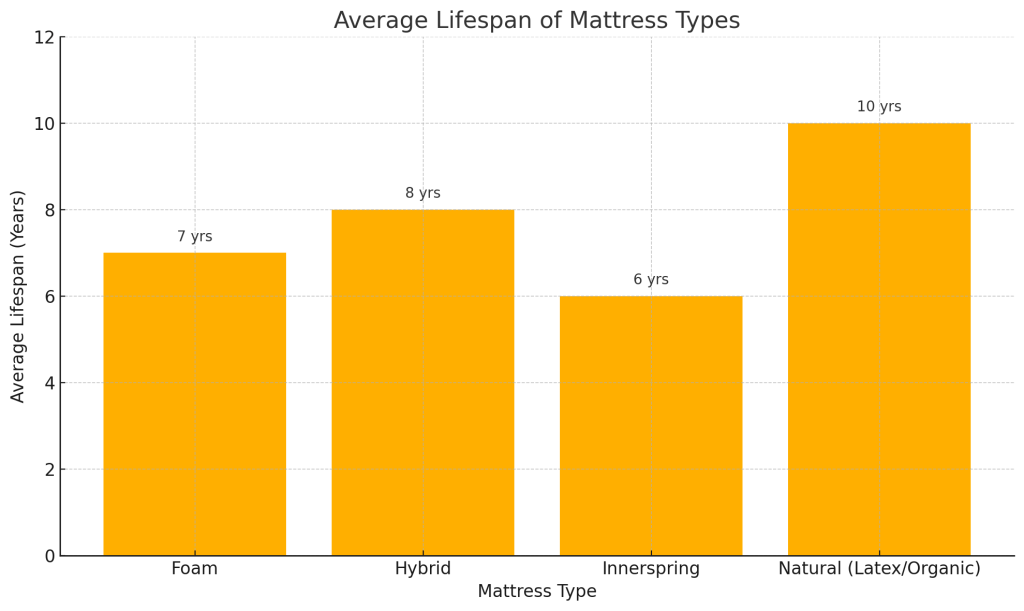
Even the best firm mattress won’t last forever. Over time, materials break down and stop giving you the support your body needs. Most mattresses last between 8 and 10 years. If yours is older than that or sagging in spots it might be time to start looking for a replacement.

average lifespan of mattress

What to Look for in a Back Support Mattress

When shopping for a new back support mattress, here’s what to keep in mind:

  • Firmness level: Look for medium-firm or firm, depending on your sleep style.
  • Material: Memory foam and latex are great for support and comfort.
  • Zoned support: Some mattresses offer extra support in the middle (for the lower back) and softer zones at the shoulders and hips.

The best firm mattress for you is one that keeps your spine straight, supports your body weight, and still feels comfortable enough for deep, restful sleep.

Conclusion

The old saying that harder is better when it comes to mattresses isn’t always true. While firm mattresses offer good back supportrock hard mattresses can do more harm than good. They often cause pressure points, stiffness, and restless sleep.

Most people do best with a medium-firm mattress that balances comfort and support. If your current mattress is too hard, try a topper or new sleep position or start thinking about getting a new one entirely.

FAQs

Is a hard mattress good for back pain?

Not necessarily. Research shows medium-firm mattresses work better for most people. A hard mattress can cause pressure points and throw off spinal alignment.

What’s the difference between a firm and extra firm mattress?

A firm mattress supports your spine while allowing some cushion. An extra firm mattress is much stiffer and may be too hard for many sleepers.

Can I fix a hard mattress without replacing it?

Yes. Try adding a memory foam topper, switching sleep positions, or layering blankets for extra softness.

What’s the best mattress for back sleepers? 

Back sleepers usually prefer medium-firm or firm mattresses that support the lower back without being too stiff.

How do I know if my mattress is hurting my back?

If you wake up sore, stiff, or tired, or if you toss and turn all night, your mattress might not be right for you. A back support mattress should help you wake up feeling better not worse.

Supporting References

https://pmc.ncbi.nlm.nih.gov/articles/PMC8655046

https://www.physiotherapybrighton.co.uk/wellbeing/mattress-bad-back-pain

https://www.health.harvard.edu/pain/what-type-of-mattress-is-best-for-people-with-low-back-pain

https://www.bswhealth.com/blog/back-pain-is-your-mattress-to-blame

https://www.tomsguide.com/reference/firm-mattresses-for-back-pain

Product has been added to your cart