
100-Night Risk-Free Trial
Free Nationwide Delivery
10 Years Warranty
Call us at: 020 4572 5122
0% APR Finance Available
How to Check Room Size for a Queen Size Bed: A Detailed Mattress Fit Guide
March 16, 2026

How to Check Room Size for a Queen Size Bed: A Detailed Mattress Fit Guide

Choosing the right bed starts with making sure your space can accommodate it comfortably. Checking room size for a queen size bed is essential to ensure the mattress fits well without making the bedroom feel crowded. A queen size bed offers generous sleeping space, but it also requires enough room for walking areas, bedside tables, and other furniture. By measuring your room dimensions and planning the layout carefully, you can create a balanced bedroom that feels spacious, practical, and comfortable for everyday living.

to read the detailed guide about mattress sizes click here.

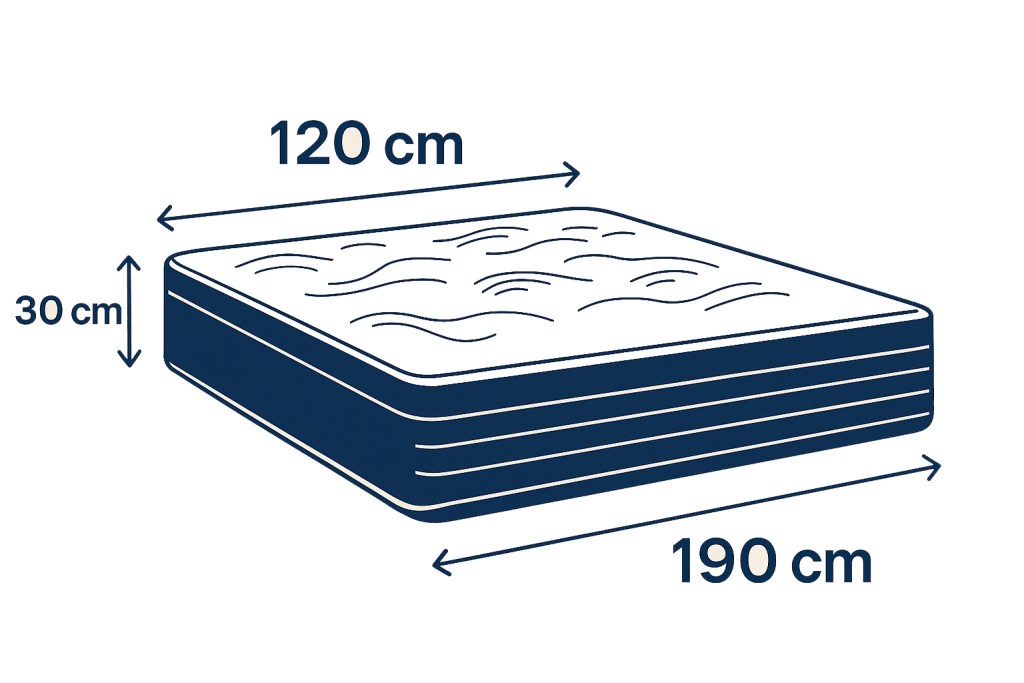
In the UK, a standard queen size mattress typically measures 120 centimetres wide by 190 centimetres long. This is roughly 4 feet wide by 6 feet 3 inches long (4ft x 6ft 3in). It falls between the UK’s small double and double sizes, offering extra space for individual sleepers or for compact guest rooms where a full double might be too tight. This guide will walk you through how to determine whether your room can comfortably fit a queen size bed, and how to assess your bedroom’s layout with precision and practicality.

Understanding Queen Size Bed Dimensions

A queen size mattress in the UK is not the same as a US queen. The UK version is slightly smaller and is often used in homes where space is a concern. Measuring 120 cm in width (approximately 4 feet) and 190 cm in length (approximately 6 feet 3 inches), it is noticeably more spacious than a single or small double mattress but requires less room than a full double or king size. This makes it a popular choice for guest bedrooms, smaller master bedrooms, or studio flats.
Understanding Queen Size Bed Dimensions

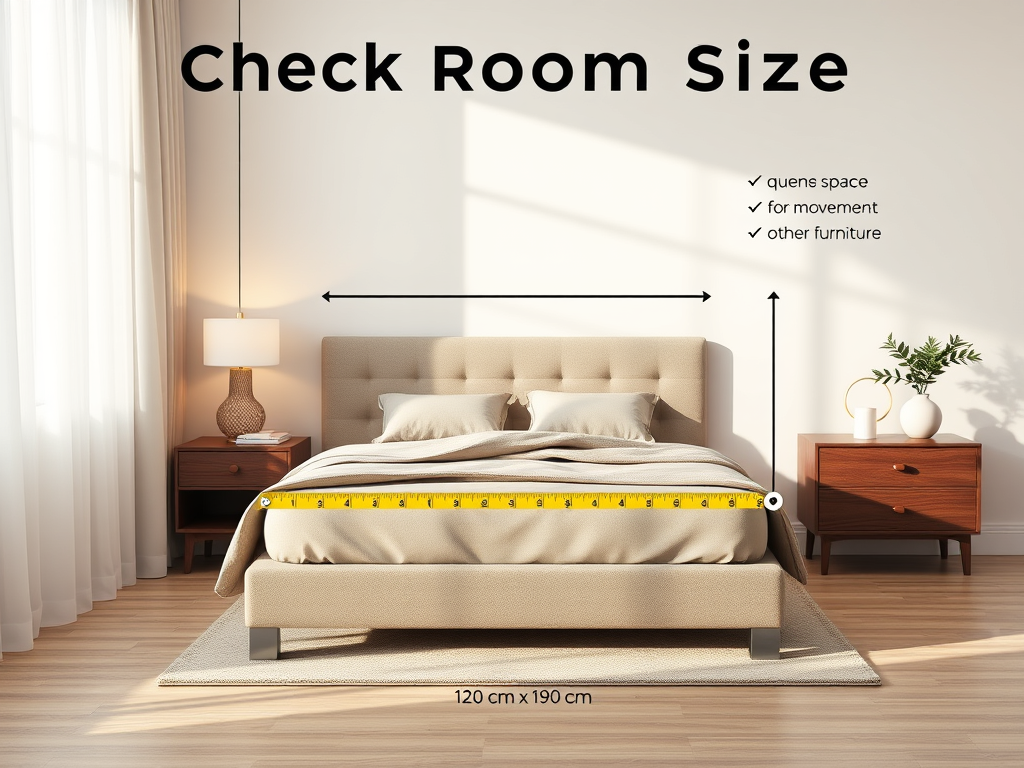
When evaluating your room for fit, you must go beyond the bed’s measurements and factor in additional clearance on all sides to allow for ease of movement, as well as space for other furniture.

Measuring Your Room Accurately

Start by measuring your bedroom’s length and width using a tape measure. Ideally, take measurements in both centimetres and feet/inches to compare with the mattress size and general furniture dimensions. Record the exact dimensions of the usable floor space, which excludes built-in wardrobes, alcoves, or protrusions from walls.
Measuring Your Room Accurately

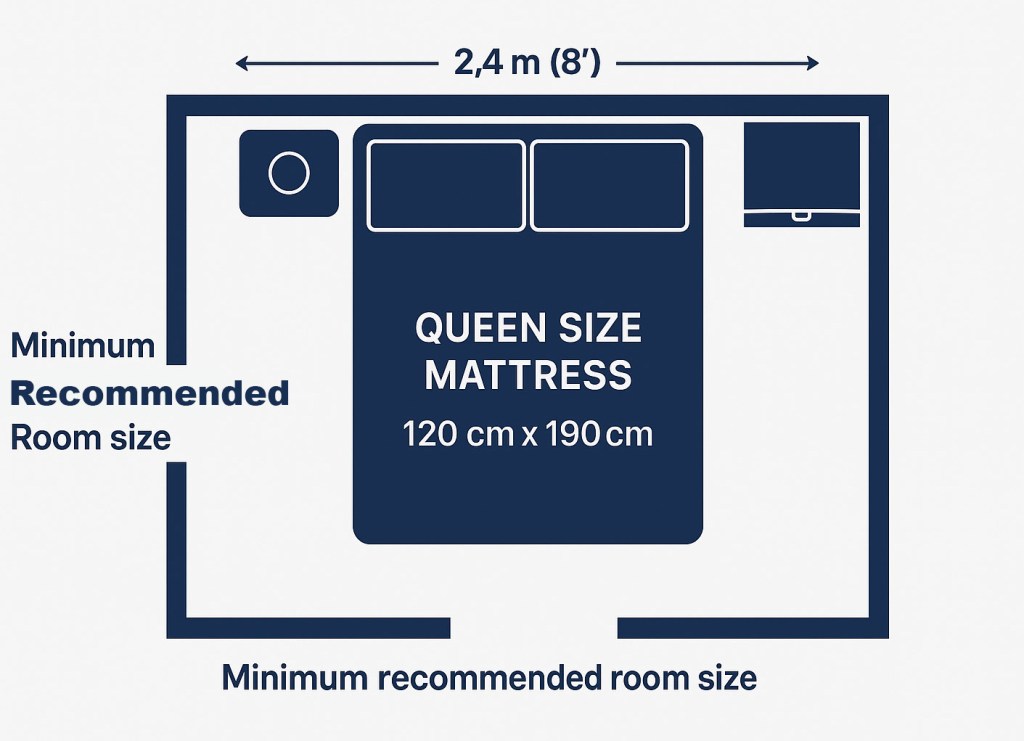
To comfortably fit a queen size mattress in your room, the minimum recommended room size is about 2.4 metres by 3 metres, which is roughly 8 feet by 10 feet. This gives you the bare minimum clearance to walk around the bed and to fit bedside tables or other small furniture items.

For a more comfortable arrangement, a room that measures 3 metres by 3.3 metres (10 feet by 11 feet) or larger is ideal. This allows for better spacing between the bed and walls, unobstructed opening of drawers or closet doors, and the inclusion of larger furnishings like wardrobes or desks.

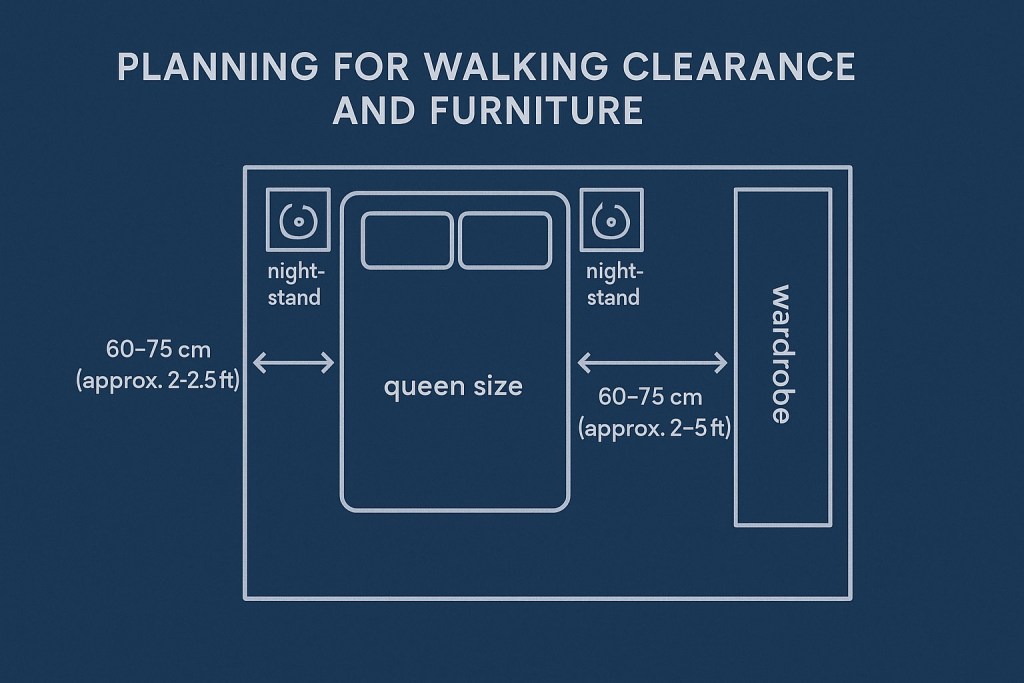
Planning for Walking Clearance and Furniture

One of the most overlooked aspects when placing a bed is walking clearance. Even if the bed physically fits in the room, it won’t be functional or comfortable if it’s squeezed against the wall or blocks access to other parts of the room.

A good rule of thumb is to leave at least 60 to 75 centimetres (approximately 2 to 2.5 feet) of walking space on each side of the bed and at the foot. This allows enough room to comfortably walk, change sheets, or move around without bumping into furniture. If your room includes features like radiators, swinging doors, or deep-set windowsills, make sure those are accounted for in your layout.
Planning for Walking Clearance and Furniture

Furniture placement is equally important. Common items in a bedroom such as nightstands, a chest of drawers, or a wardrobe must be included in your layout plan. Most nightstands are about 40 to 50 cm wide and need space on either side of the bed. A wardrobe may require up to 60 cm depth and another 50 to 60 cm in front for door clearance. If you plan to include a desk or dressing table, ensure it doesn’t crowd the walking path or bed placement.

Using Layout Tools or the Tape Outline Method

Once you’ve taken your measurements, one of the best ways to visualise fit is the tape outline method. Use painter’s tape or masking tape to mark out the exact dimensions of the queen size mattress on the floor 120 cm by 190 cm (or 4ft by 6ft 3in). Extend the tape to mark a clearance buffer of 60 to 75 cm around the mattress to simulate walking space, to read the all standard sizes and bed calculator click here.

Using Layout Tools or the Tape Outline Method

This method allows you to physically stand inside the projected space and assess whether it feels too cramped or if the flow of the room remains functional. You can also position placeholder furniture using boxes or other items to mimic dressers or nightstands. This hands-on approach often gives a clearer perspective than simply imagining the layout on paper.

If you prefer digital tools, there are many free online room planners available that allow you to input room dimensions and virtually position furniture and mattresses. These tools can be helpful for trying out multiple configurations before committing to a purchase.

Mattress Height and Bed Frames Matter Too

Another factor to consider is mattress height and the bed frame style. Some queen mattresses are low-profile, while others with extra cushioning or pillow-tops may be quite tall. Combined with a high platform or storage bed frame, your bed height can easily exceed 65 to 70 cm, which may be uncomfortable for some people or obstruct windowsills and wall outlets.

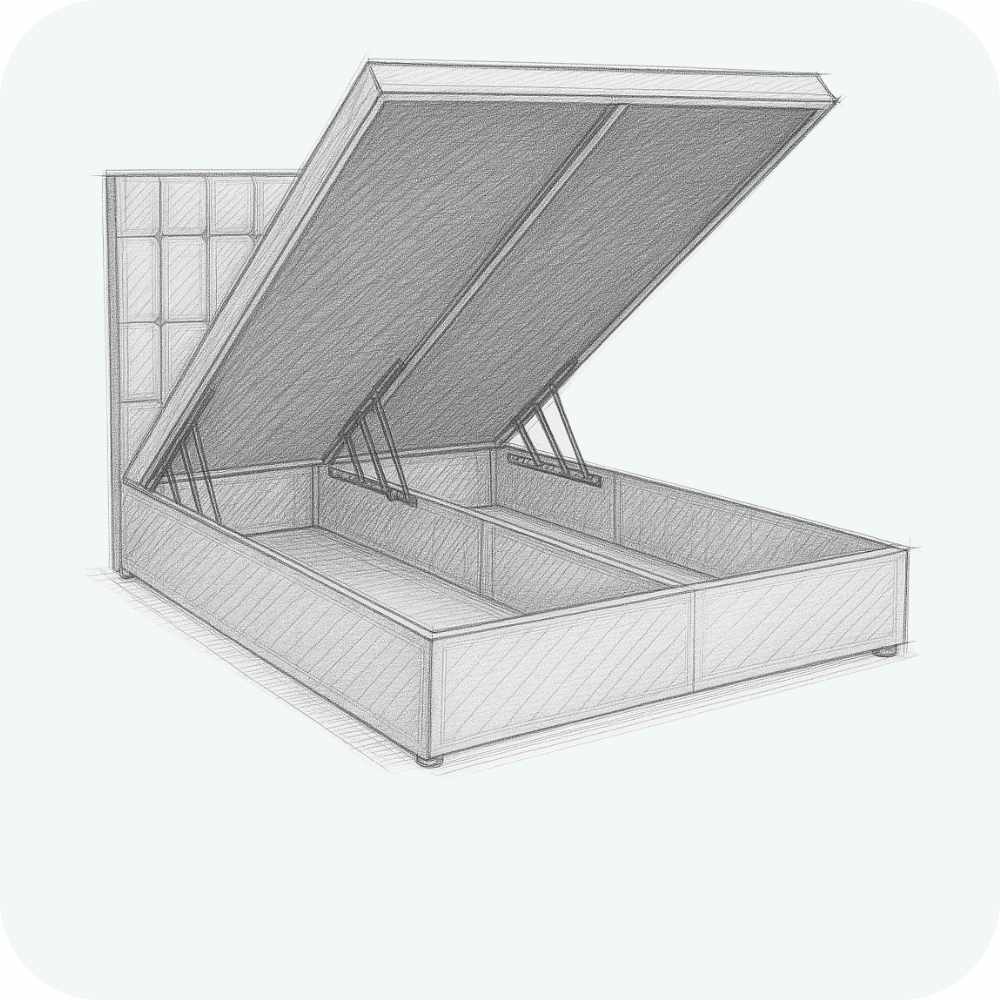
In smaller rooms, a low-profile frame can help make the space feel more open. Alternatively, a storage or ottoman bed frame may help reduce the need for extra drawers or wardrobes by offering under-bed storage, making better use of the floor area.

Special Considerations for Small Bedrooms

If your bedroom is particularly compact, say less than 8 feet wide or under 2.5 metres, placing a queen bed may still be possible, but you’ll need to make sacrifices elsewhere. This might include pushing the bed against one wall, which limits access to one side. While not ideal for couples, this setup can work for single sleepers or in guest rooms.

Floating shelves instead of nightstands, wall-mounted lighting instead of lamps, or sliding wardrobe doors rather than swinging ones can all help maximise space in tight layouts. Carefully selecting multi-functional furniture will go a long way in preserving comfort and accessibility.

FAQs

How wide should a room be to fit a queen size bed?

Minimum 10 feet wide for a queen (60″ wide) plus 2 feet clearance on each side; ideally 12+ feet for furniture.?

Can a queen bed fit in a 12×12 room?

Yes, a standard queen (60″x80″) fits a 12×12 (144 sq ft) room with ~2 ft walkways cozy for couples but workable.

Can a queen bed fit in an 8×10 room?

Barely the 60″x80″ queen overcrowds an 8×10 (80 sq ft); only 1-2 ft clearance max, better for twin/full.

Will a 60×80 fit a queen size bed?

Yes, 60″x80″ are the exact standard queen mattress dimensions worldwide.

Are there two different sizes of queen beds?

Yes, standard (60″x80″), Olympic (66″x80″), California (60″x84″) offer variations for width/length needs.

Are all queens 60×80?

No, while standard queens are 60″x80″, Olympic/California variants differ; always check specs.

Final Thoughts

To determine whether your bedroom can accommodate a UK queen size mattress, begin by understanding the dimensions: 120 cm wide by 190 cm long, or 4 feet by 6 feet 3 inches. Measure your room and account not just for the footprint of the bed, but also for adequate clearance and placement of essential furniture.

The absolute minimum room size is about 8 feet by 10 feet, but 10 feet by 11 feet or larger will offer a more comfortable setup. Use tape on the floor to mark mattress dimensions and walkable space, and plan around doors, windows, and any existing furniture. Don’t forget to factor in the height of the mattress and bed frame to ensure vertical clearance is also suitable.

Ultimately, with thoughtful planning and realistic layout expectations, a queen size bed can fit comfortably in most medium-sized UK bedrooms while still allowing for a functional and aesthetically pleasing design.

Finding the Perfect Fit: How to Measure Room Size for a Single Bed
March 16, 2026

Finding the Perfect Fit: How to Measure Room Size for a Single Bed

Estimated reading time: 10 minutes

Finding the perfect sleeping setup starts with understanding your space. Measuring room size for a single bed helps ensure the bed fits comfortably without making the room feel cramped. A single bed is ideal for small bedrooms, guest rooms, or children’s spaces, but proper planning is essential to allow enough room for movement and other furniture. By carefully checking the room dimensions, bed size, and layout, you can create a balanced bedroom that feels both functional and comfortable.

Understanding the Importance of Room Size Measurement

Accurate room measurements are crucial for setting up a bedroom, ensuring furniture fits well and creating a comfortable, inviting space, especially in smaller areas where every inch matters. This prevents overcrowding and fosters a well-organised environment.

measuring room size

Accurate room measurements are essential for making informed decisions about furniture size and type, particularly for a single bed. Understanding the dimensions helps select furniture that maximizes utility while maintaining style and comfort, avoiding issues of items being too large or small for the space.

Furthermore, proper measurements enhance the bedroom’s functionality, allowing for movement and the placement of additional essentials like wardrobes or nightstands. For more ideas on optimizing small bedrooms, Apartment Therapy provides helpful layout inspiration, contributing to a well-planned and serene atmosphere for relaxation.

Standard Dimensions of a Single Bed

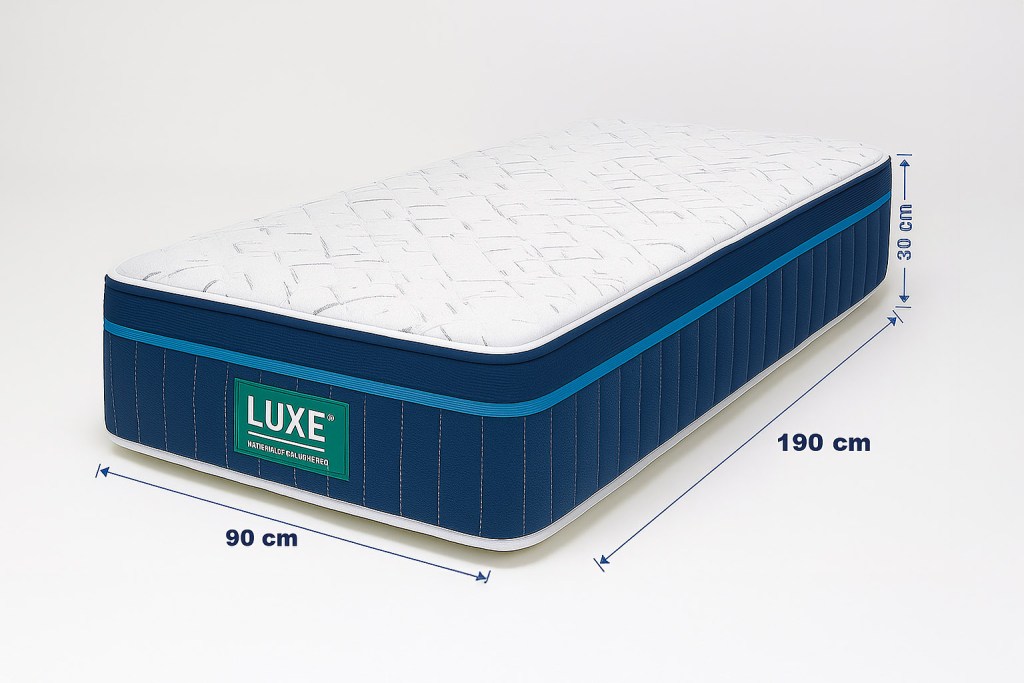
Understanding the standard dimensions of a single bed is crucial as it forms the basis for all subsequent measurements and planning. Typically, a single bed measures around 38 inches in width and 75 inches in length.

However, there can be slight variations depending on the manufacturer and the region, so it’s always a good idea to check the exact dimensions of the bed you are considering. This basic measurement provides a starting point for determining how much space the bed will occupy and how it will fit within the room.

single size mattress dimensions

The content discusses various bed types, highlighting the twin bed, which is 39 inches wide, and the twin XL bed, which is the same width but 80 inches long. It emphasizes the importance of considering these variations for added comfort and room suitability. Additionally, the text notes that the height of the bed, usually ranging from 16 to 24 inches, impacts the room’s aesthetics and accessibility, making it essential to ensure that the bed fits well within the space without hindering other elements like windows or wall art.

Tools You Need for Accurate Measurement

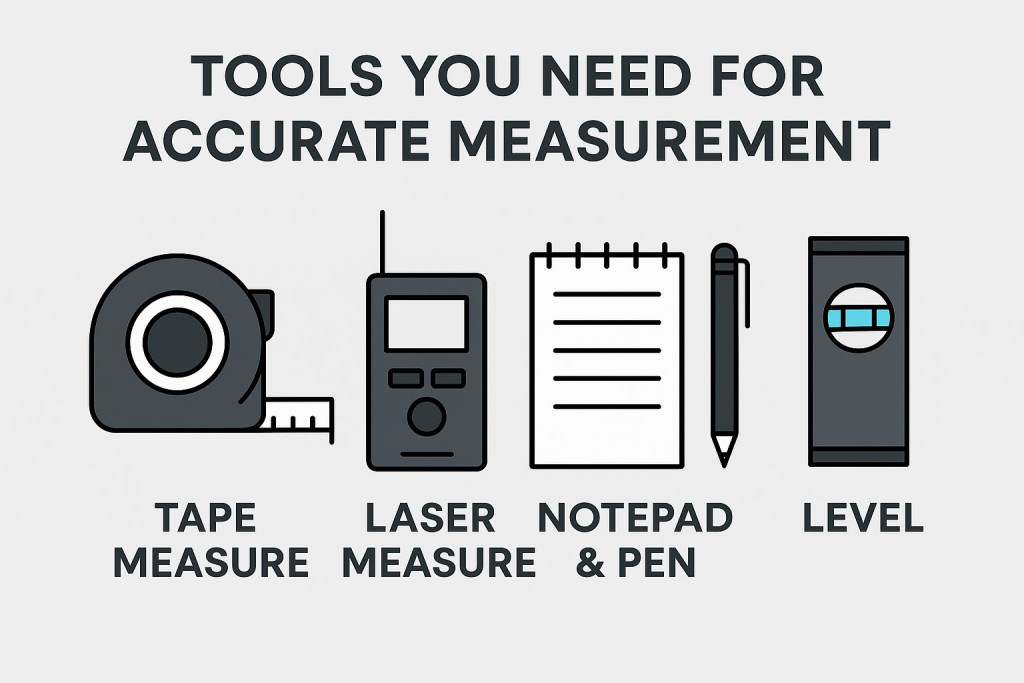
To measure your room accurately, you will need a few essential tools that will make the process easier and more precise. The most important tool is a tape measure, ideally one that is at least 25 feet long. A retractable tape measure is particularly useful as it allows for easy handling and accurate measurement of both large and small distances. Make sure the tape measure is sturdy and has clear, easy-to-read markings to ensure precision.

tools you need for accurate measurements

For effective room measurements, a laser measuring tool is highly beneficial, especially for larger or irregularly shaped spaces, as it provides quick and accurate results. While not essential, it can enhance efficiency and precision in home improvement projects.

Additionally, having a notepad and pen to record measurements is crucial. Drawing a simple floor plan with wall dimensions and features aids in organizing the data. A level is also important for ensuring measurements are straight and accurate, particularly for wall-mounted items.

How to Measure Your Room for a Single Bed

Measuring your room accurately involves several steps to ensure that you capture all necessary dimensions and details. Begin by measuring the length and width of the room. Place the tape measure at one end of the room and extend it to the opposite end, ensuring that the tape is straight and taut.

Record the measurements for both the length and width, and double-check them to ensure accuracy. These dimensions will give you the overall size of the room and help you determine how much space is available for the bed and other furniture.

single size mattress room requirement

To properly plan your room layout, measure the height of the ceiling, especially for taller furniture like wardrobes or bunk beds, to ensure adequate clearance. Additionally, take note of measurements for alcoves, recesses, and irregular areas that could affect furniture placement.

Also, measure the dimensions of doors and windows, including their distances to the nearest wall or corner, to avoid obstructing these features and to allow for proper functionality and access to light and ventilation.

Considering Additional Furniture and Space Requirements

When planning the layout of your room, it’s important to consider not only the size of the bed but also the space required for additional furniture and movement. Common bedroom furniture includes nightstands, wardrobes, dressers, and desks, each of which requires its own space.

Measure the dimensions of these pieces and consider their placement in relation to the bed. Ensure that there is enough room for you to move comfortably around the room and access each piece of furniture without obstruction.

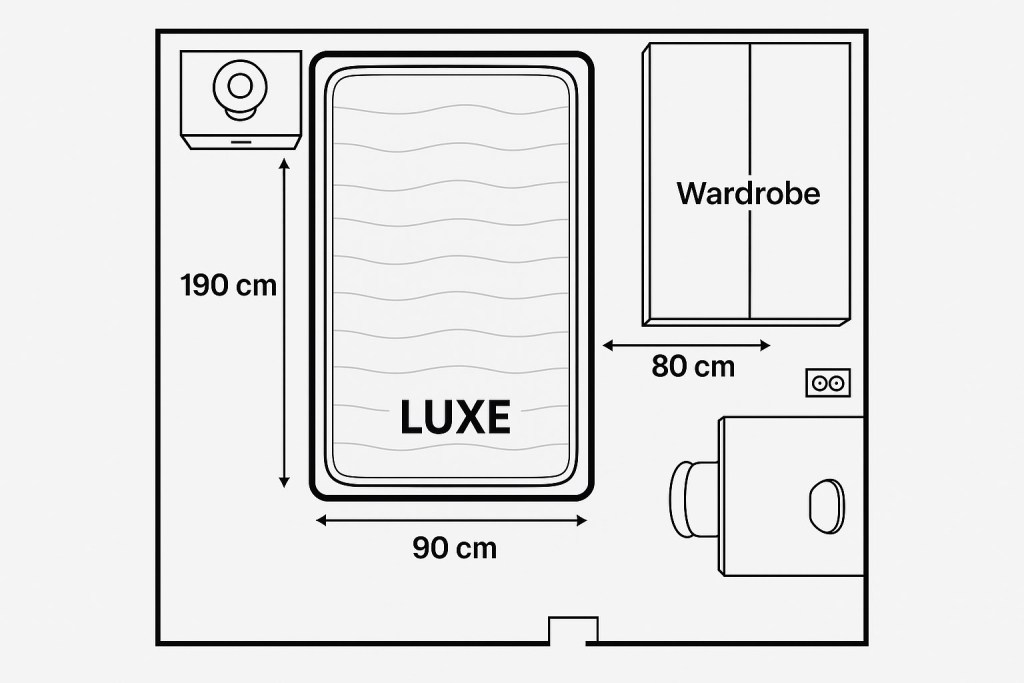
spaces require in room for single room size

When designing a room, it’s essential to accommodate space for daily activities and movement, ensuring at least 24 inches of clearance around the bed. Multi-functional furniture can help in small areas. Additionally, electrical outlets and light switches should be easily accessible and not obstructed by furniture, which may require the use of extension cords or power strips. By addressing these considerations, you can create a functional and comfortable space.

Tips for Maximising Small Spaces with a Single Bed

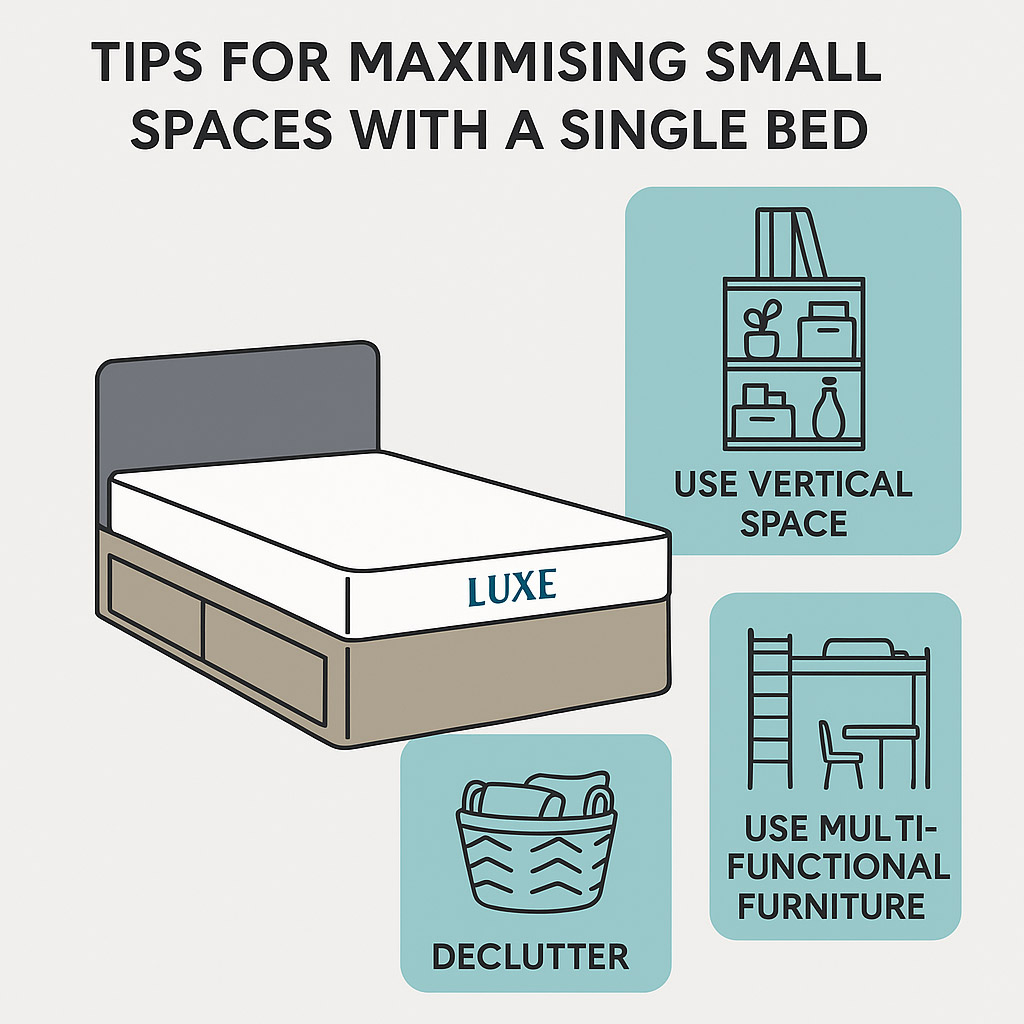
Maximising a small space with a single bed requires creativity and strategic planning. One effective strategy is to use multi-functional furniture that serves more than one purpose. For example, a single bed with built-in storage drawers can provide valuable space for clothing, bedding, or other items, reducing the need for additional furniture.

Similarly, a loft bed can create additional floor space underneath for a desk, seating area, or storage. These solutions help make the most of limited space while maintaining a clean and organized look.

how to maximising small spaces with single bed

To maximize small spaces, effectively use vertical space by incorporating tall bookshelves, wall-mounted shelves, and hanging organizers. Utilize areas above the bed for shelving or artwork, and employ hooks or racks to elevate items off the floor, enhancing the illusion of a larger room. Light and neutral colors for walls and furniture can further create a sense of openness.

Decluttering is crucial; retain only essentials and employ creative storage solutions like baskets and under-bed boxes. Regularly evaluate belongings to eliminate unnecessary items, fostering a tidy environment that makes the space feel larger and more inviting.

Common Mistakes to Avoid When Measuring Room Size

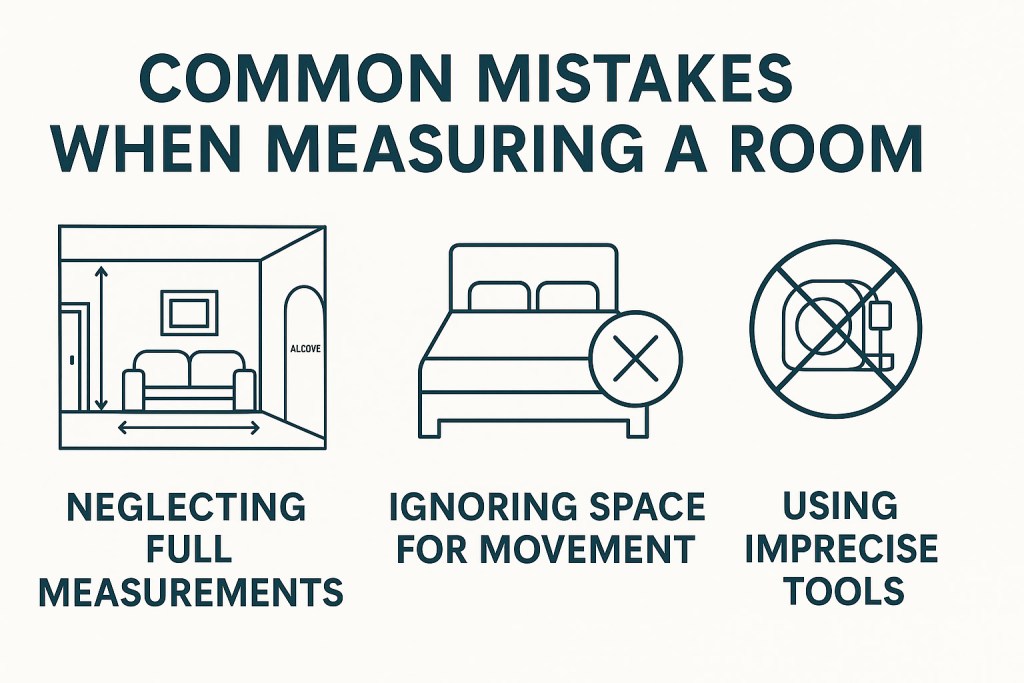
When measuring room size for a single bed, avoid common mistakes for accuracy. Firstly, measure the entire room, including walls, alcoves, and architectural features, to prevent inaccuracies. Secondly, consider the necessary space for movement and additional furniture to ensure functionality and comfort. Lastly, use precise measuring tools and double-check measurements, as inaccuracies can lead to poor planning and fitting issues.

common mistakes when measuring a room size

Visualising Your Space: Using Floor Plans and Design Apps

Visualizing your space can significantly improve the planning process for a well-designed room. You can start by sketching a simple floor plan with the room’s dimensions and features to experiment with furniture arrangements. Additionally, design apps like Roomstyler, Planner 5D, and SketchUp can enhance this process by allowing you to input precise dimensions and visualize layouts in a virtual setting, often with 3D views. These tools also enable experimentation with colour schemes, materials, and decor, helping to avoid costly mistakes and ensuring a functional and attractive space.

Real-Life Examples of Room Layouts with Single Beds

Real-life examples of room layouts offer valuable inspiration for design. A small guest room features a single bed against one wall, complemented by a narrow nightstand and wall-mounted lamp to save space, with a tall wardrobe for storage and a small desk in a corner. Light colors and minimal decor enhance the room’s openness.

In a child’s bedroom, the single bed is positioned in a corner to free up play space. A low bookshelf and storage bins help organize toys, while a small desk is used for homework. Bright decor adds personality and invites fun.

A compact studio apartment utilizes a loft bed for extra floor space or a daybed with storage drawers for dual functionality. The bed’s placement creates defined living areas, while vertical storage and wall-mounted shelves optimise space, blending functionality with style for an efficient living environment.

FAQs

How big does a room need to be to fit a single bed?

Minimum 7×10 feet (twin/single: 38″x75″) for bed plus walking space; ideally 10×10 feet for furniture/drawers.

Can a full bed fit in a 10×11 room?

Yes, full/double (54″x75″) fits a 10×11 room (110 sq ft) with ~2-3 ft clearance on sides, cozy but functional for one/two people.?

How many beds can fit in a 12×12 room?

Two twin beds (38″x75″ each) with nightstands; one queen max 144 sq ft allows bunking or trundle for more.?

Is a 20 by 20 room big?

Yes, 400 sq ft qualifies as large/master bedroom size, fitting king bed, seating, office luxury standard.?

Is a 12×12 room considered small?

Borderline small for adults (144 sq ft) fine for kids/single with twin bed; tight for queen/double.?

How many people can you fit in a 20×20 room?

Comfortably 20-30 seated; standing/event capacity ~80-100 (4-5/sq ft); fire code limits ~49.

Conclusion: Achieving the Perfect Fit for Your Space

Achieving the perfect fit for your space requires careful planning and accurate measurements, with a focus on your needs and preferences. Understanding room size and the dimensions of a single bed aids in effective furniture placement and layout. Utilizing the right tools enhances measurement accuracy while encouraging a functional and comfortable environment.

Incorporating additional furniture considerations and tips for maximizing small spaces can lead to a well-organized room. Avoiding common mistakes and using design tools can improve the planning process. Real-life layout examples offer inspiration for your own designs.

Ultimately, creating a harmonious blend of comfort, functionality, and style is key to transforming your space. By measuring accurately and planning thoughtfully, you can create a serene sanctuary that reflects your personal taste, whether it’s for a guest room, child’s retreat, or compact studio. Embrace the journey to discover the perfect fit for your space!

Product has been added to your cart