
100-Night Risk-Free Trial
Free Nationwide Delivery
10 Years Warranty
Call us at: 020 4572 5122
0% APR Finance Available
Is It Better to Buy a Divan Bed UK with Headboard Online or In-Store?
May 19, 2026

How to Match Your Mattress with a Divan Bed Base Double

Choosing the right mattress for your bedroom is crucial not just for comfort, but for sleep quality, style, and the longevity of your bed. For UK homeowners, a divan bed base double has become a popular choice, offering a combination of support, storage, and elegance. But the question remains: how do you match a mattress perfectly with a divan bed base double?

At Luxe Mattress, we understand the importance of pairing the right mattress with your base to create a harmonious, luxurious sleeping experience. In this guide, we’ll walk you through everything you need to know, from mattress types to storage solutions, style considerations, and budget-friendly options. By the end, you’ll have the confidence to select the perfect combination for your bedroom.

What Is a Divan Bed Base Double?

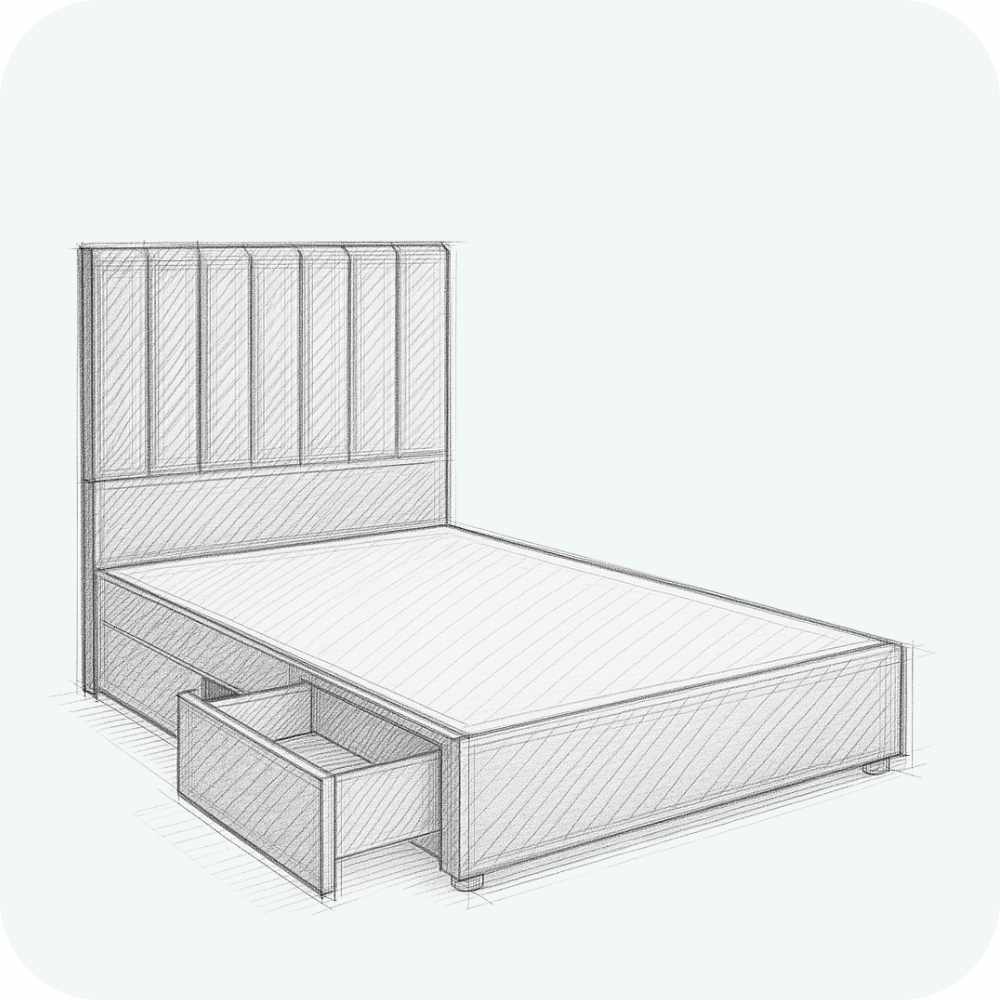
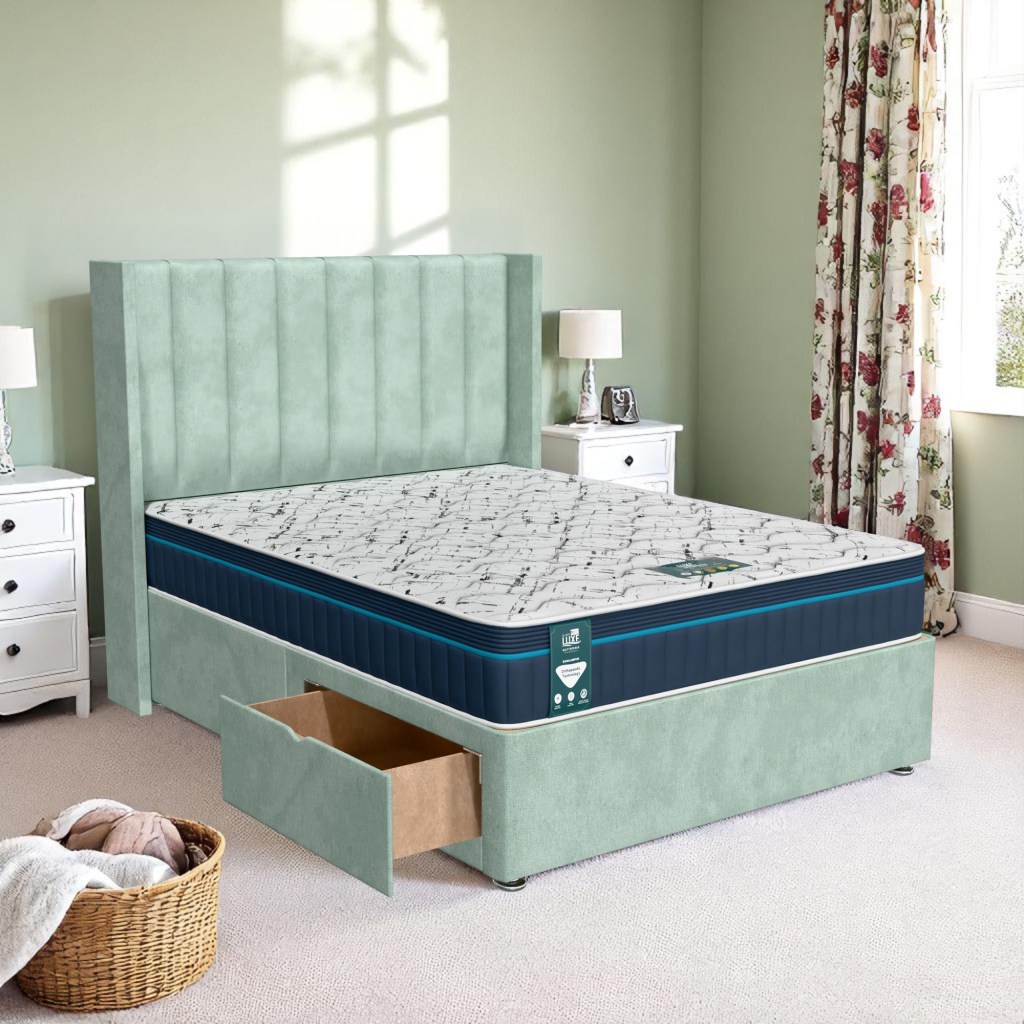
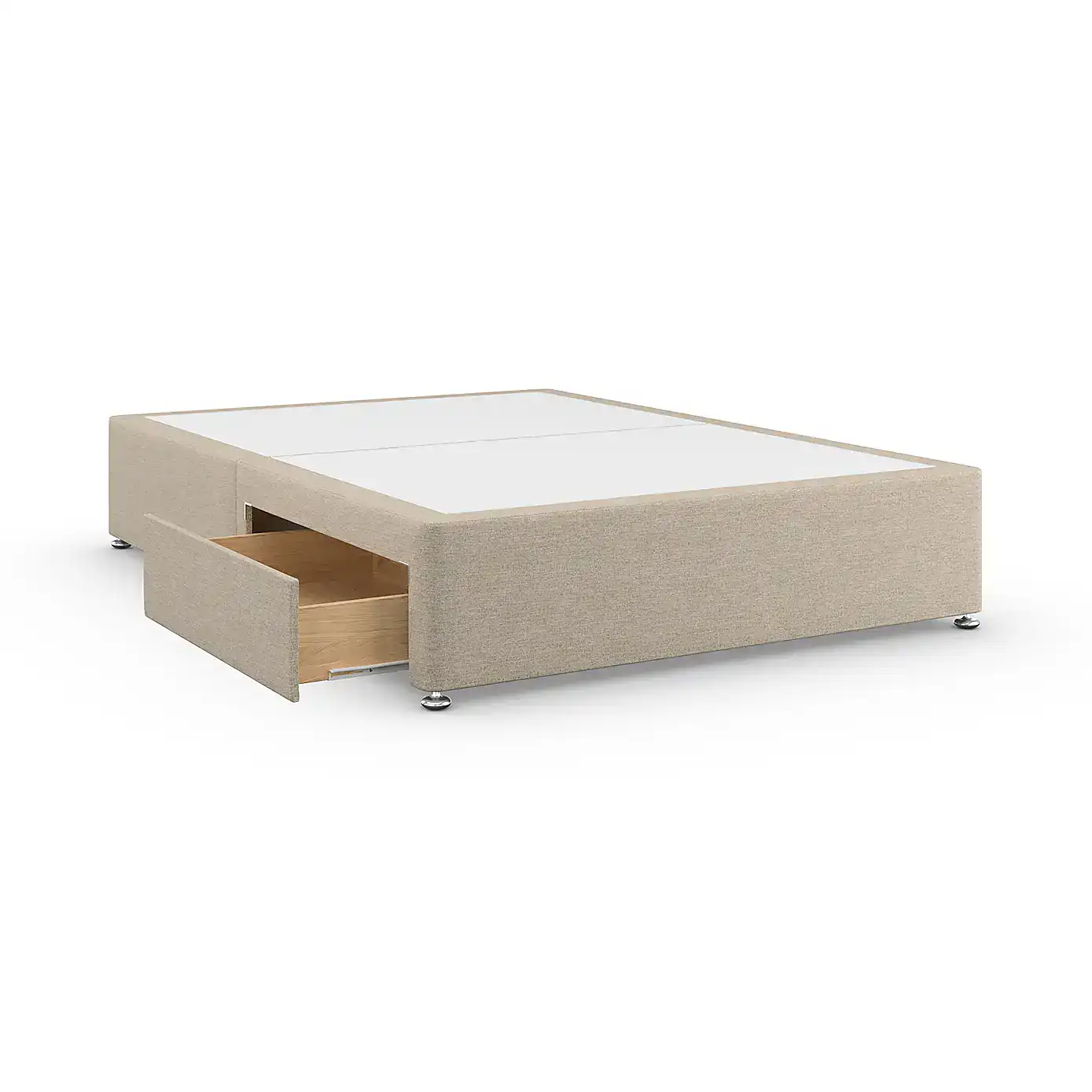
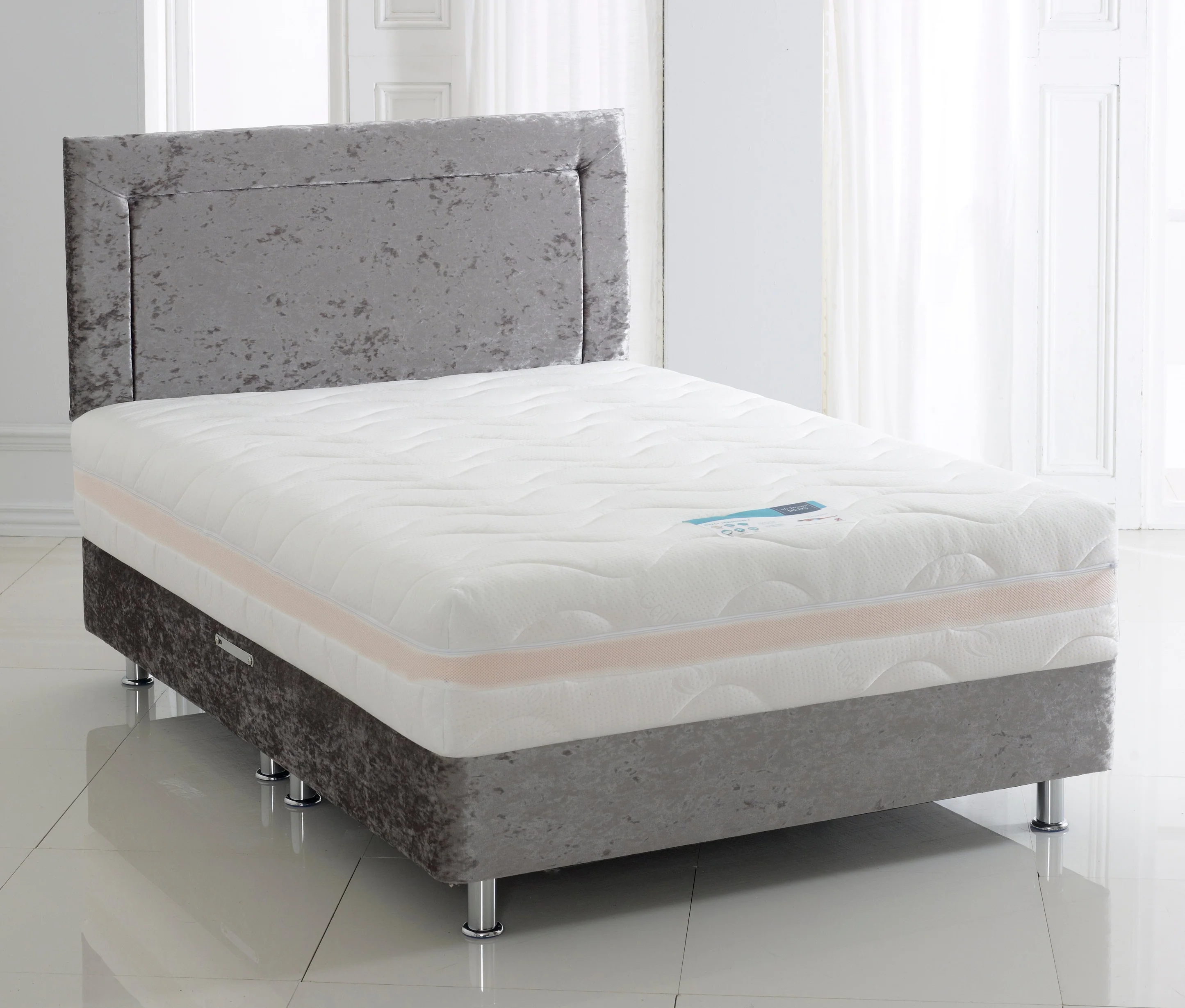
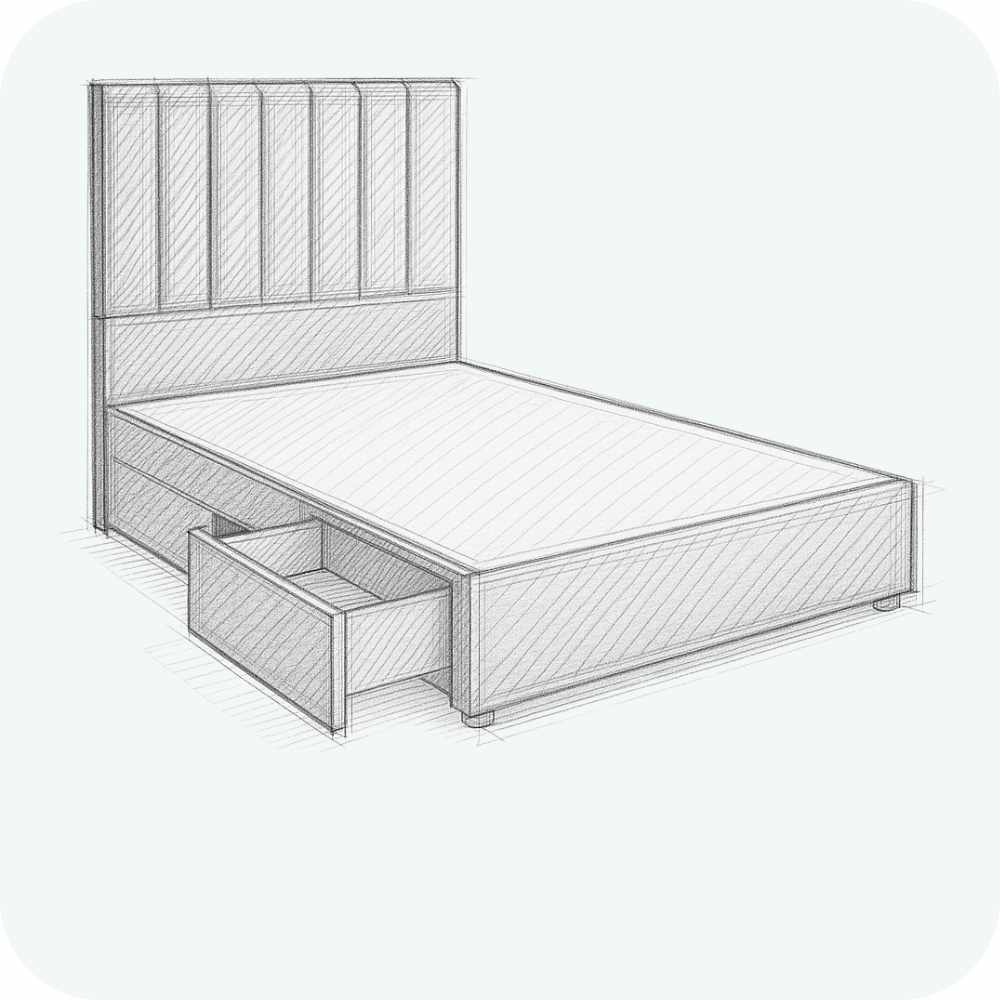
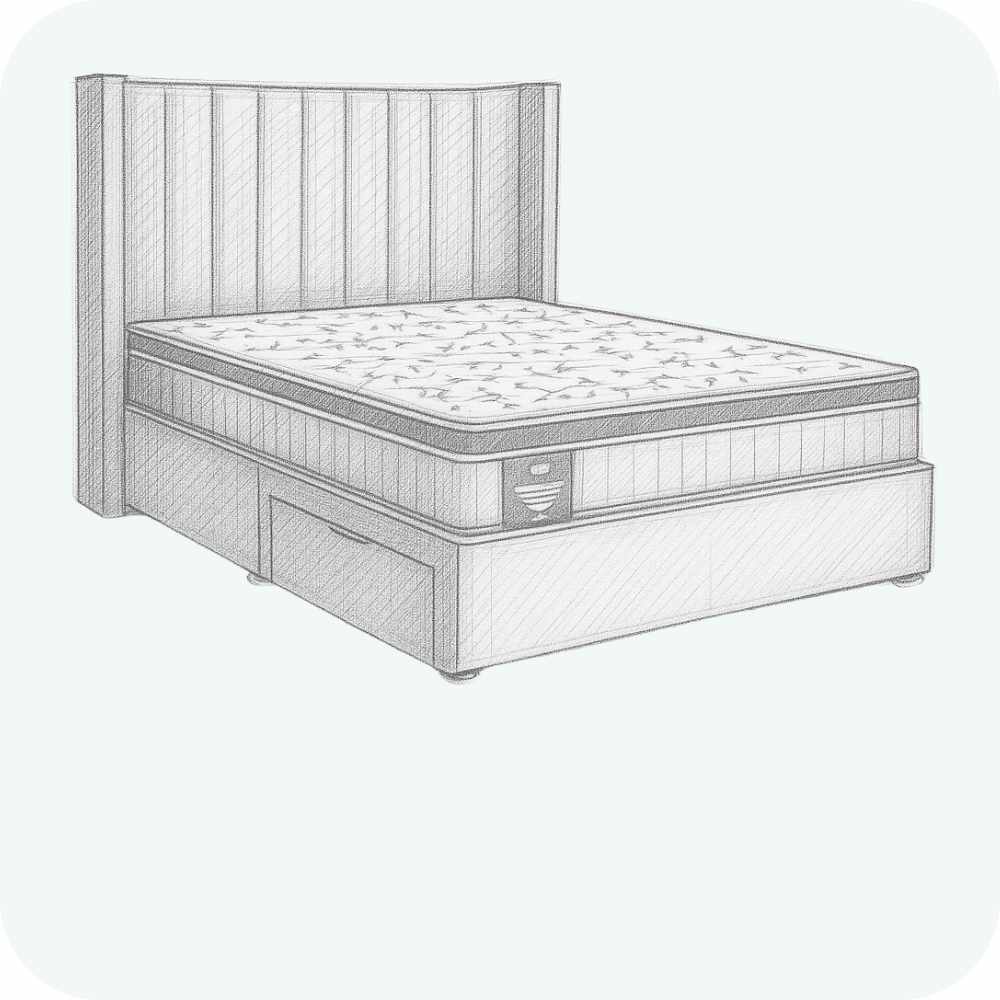
A divan bed base double is a supportive foundation designed to hold a double mattress while providing additional functionality. Unlike traditional bed frames, divan bases often come with storage options, headboard compatibility, and a range of fabric or leather finishes.

Key Components:

  • Base: Provides essential support for your mattress, ensuring even weight distribution and reducing mattress wear over time.
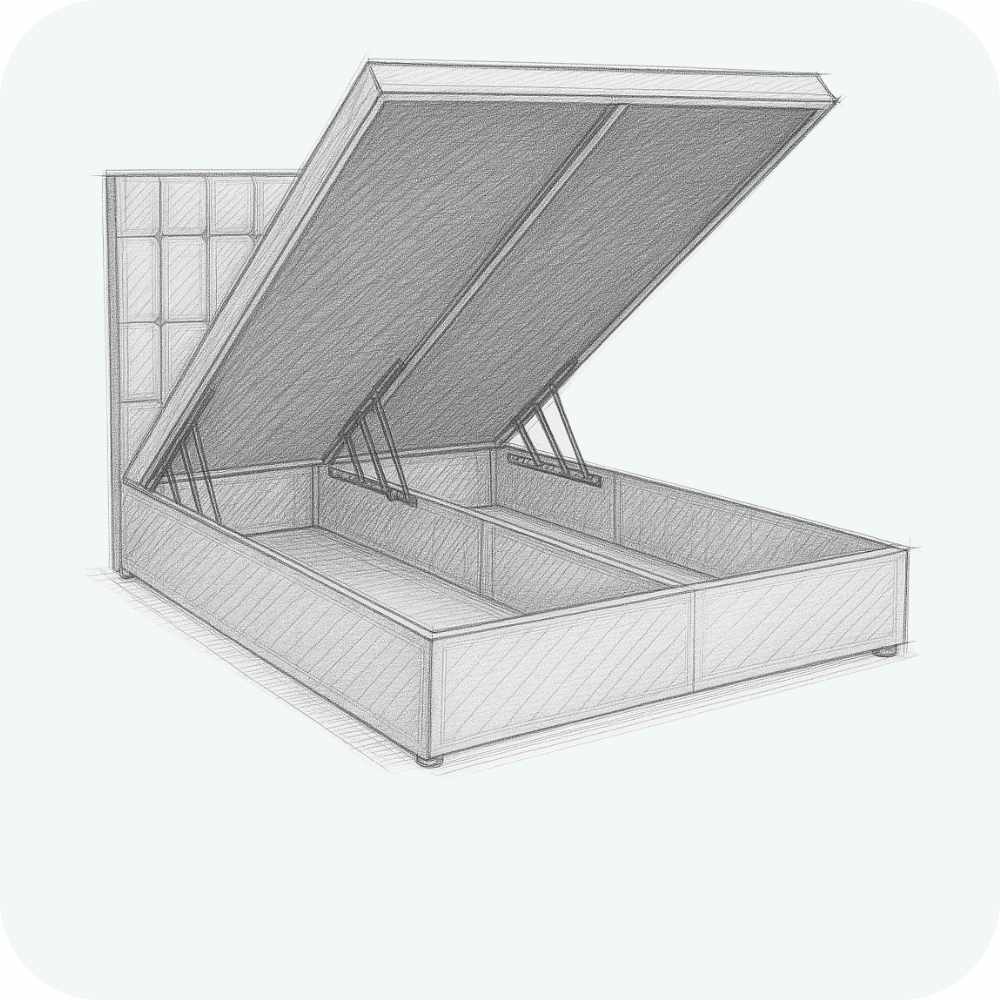
  • Drawers and Storage: Many divan doubles come with built-in drawers or lift-up storage, perfect for keeping bedding and bedroom essentials neatly organised.
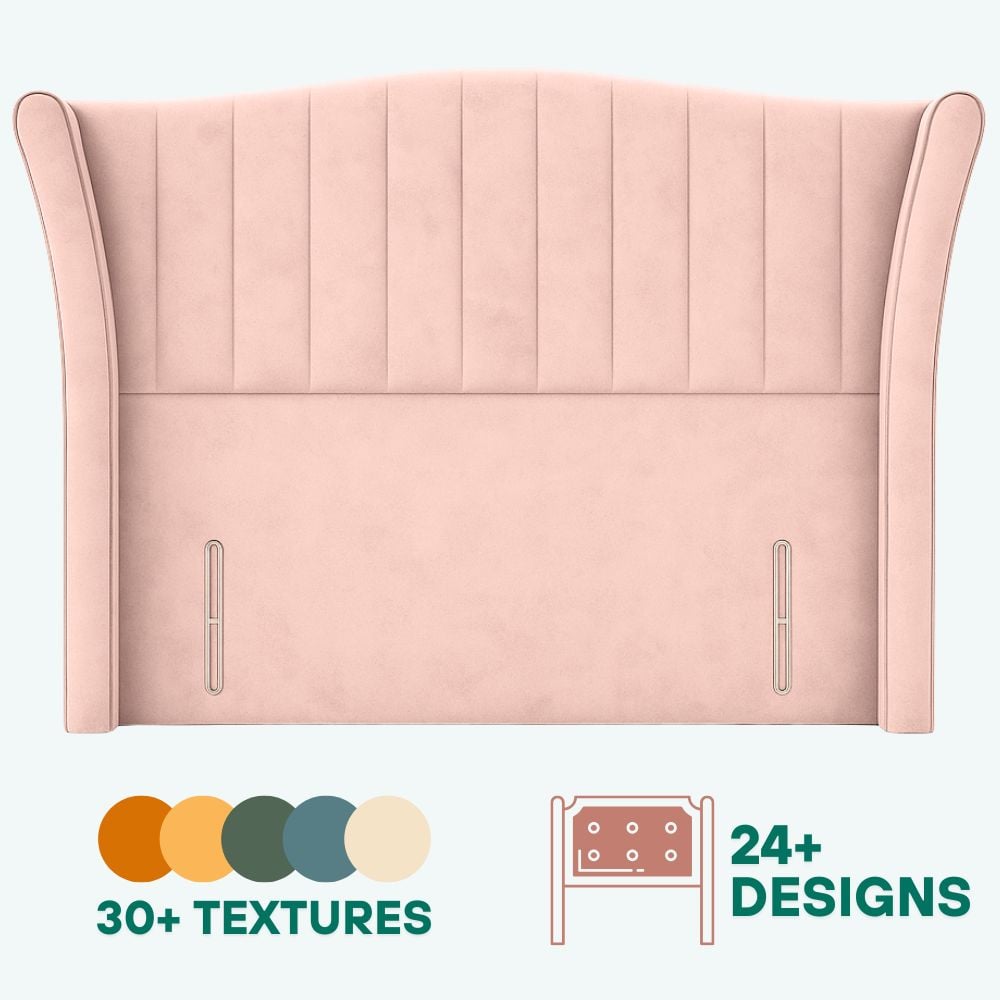
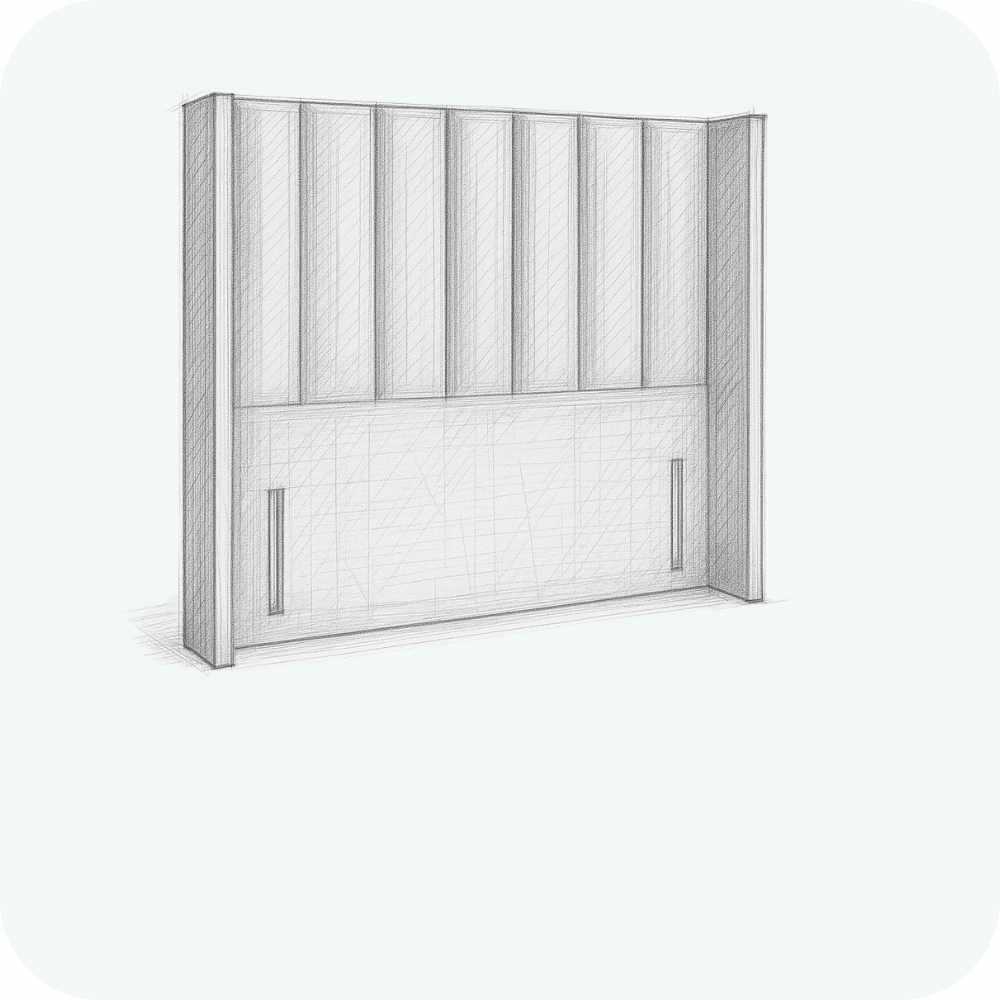
  • Headboard: Optional and available in multiple designs, headboards enhance both comfort and bedroom style.
  • Fabric/Finish: Choose from a variety of colours and materials, including black, grey, or neutral fabrics, to complement your bedroom décor.

Divan bed base doubles are designed with ergonomics in mind, ensuring proper spinal alignment and support for restful sleep.

Check out our divan bed base double with drawers page to see the full range.

Types of Mattresses That Work with Divan Bed Base Doubles

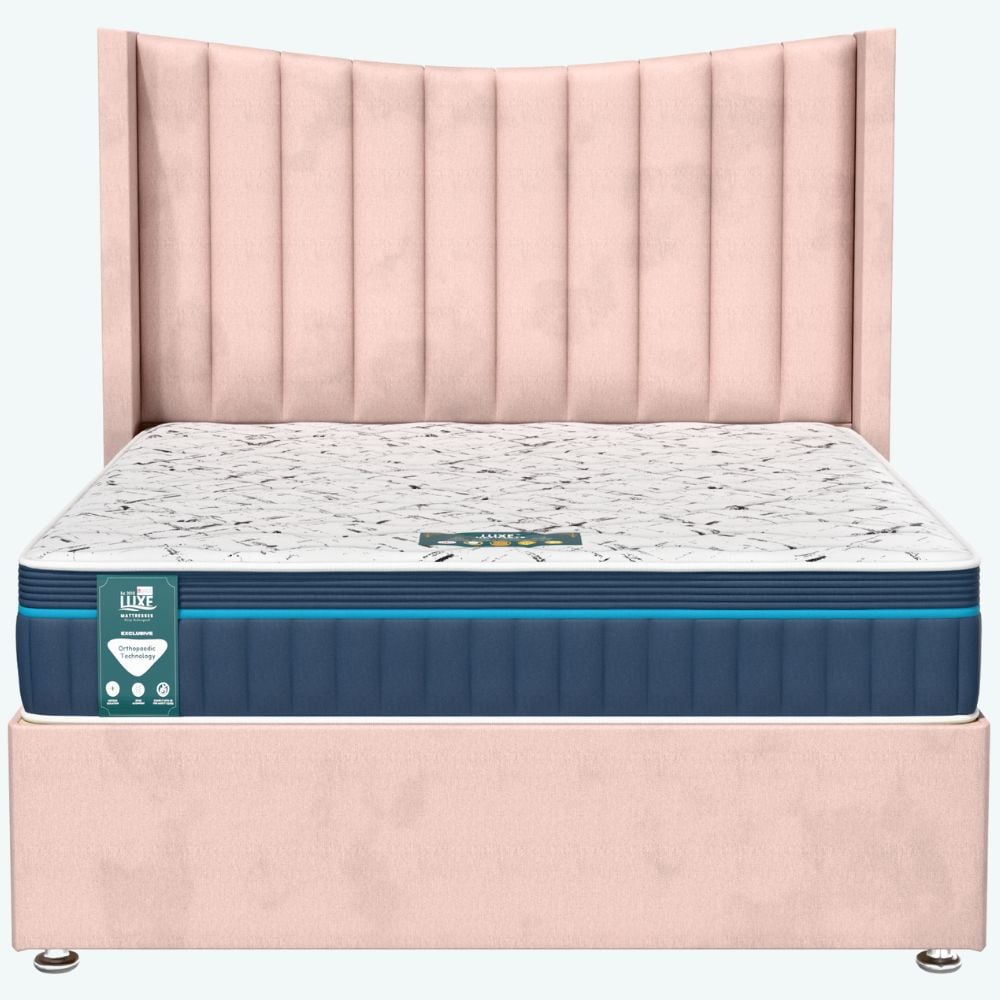
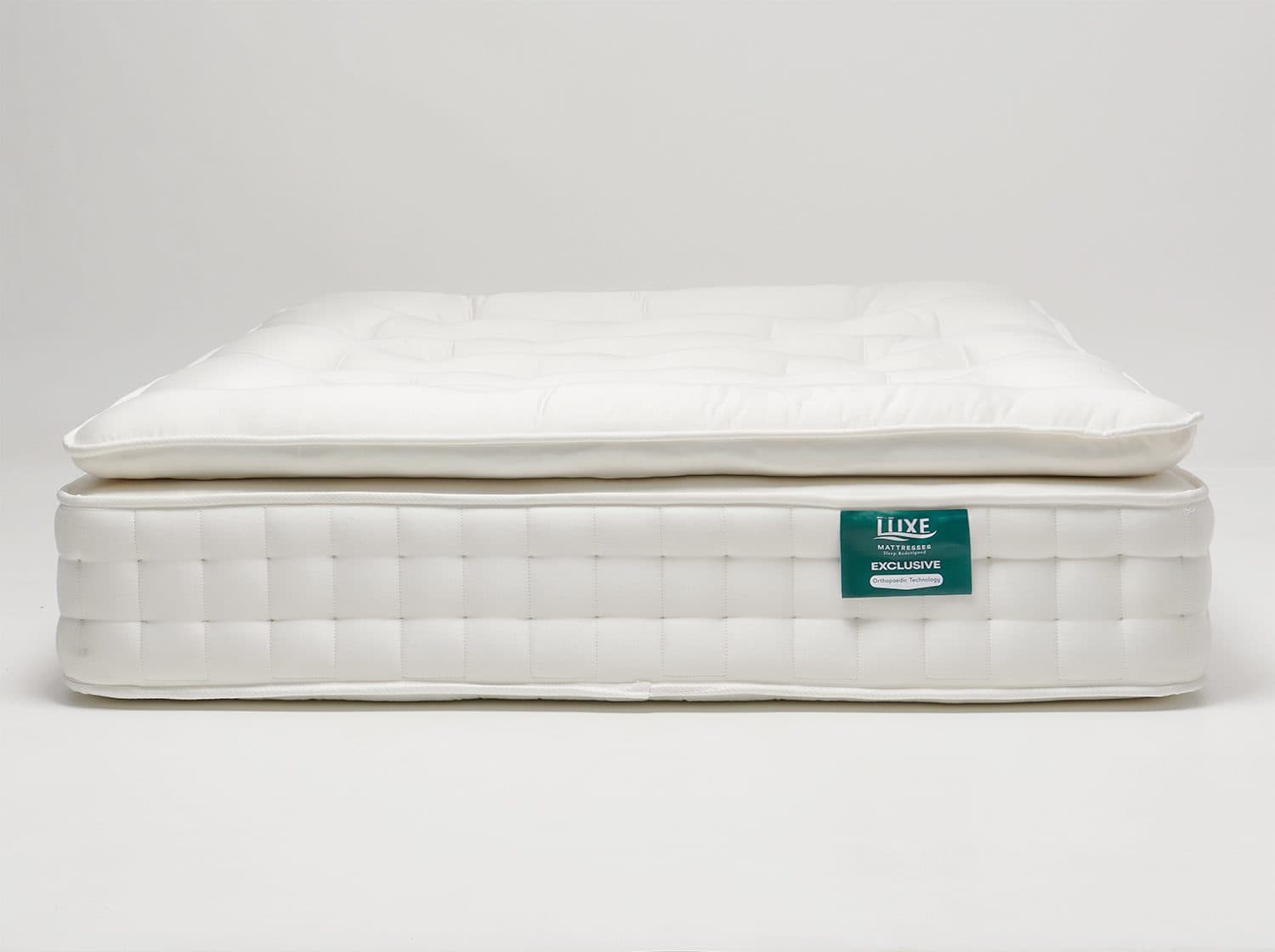
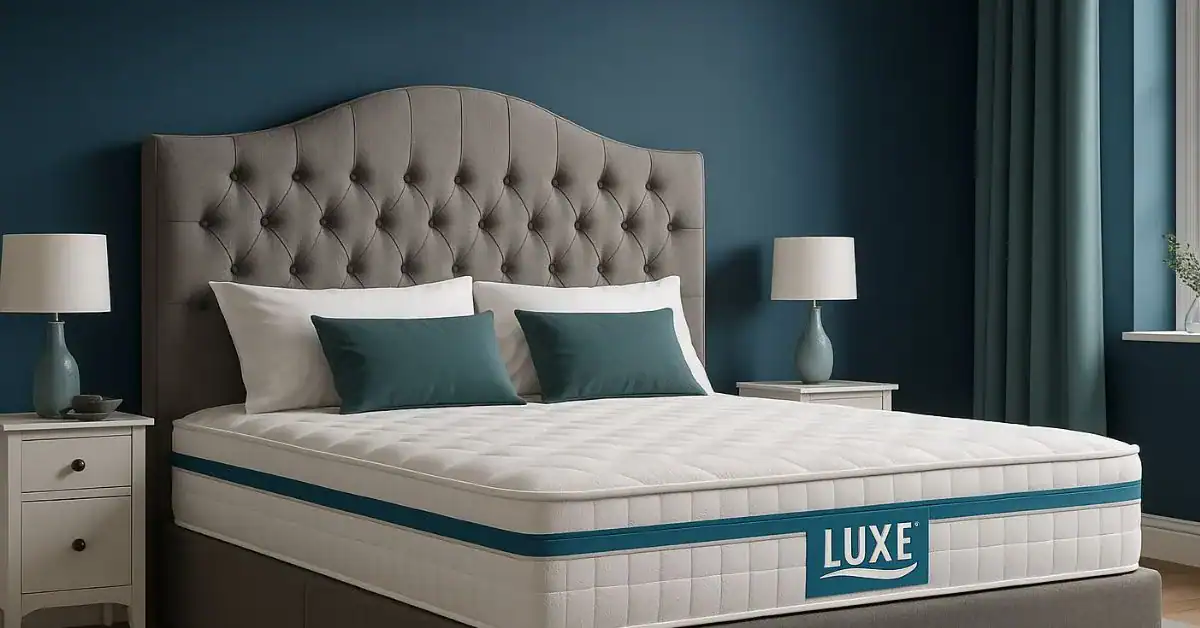
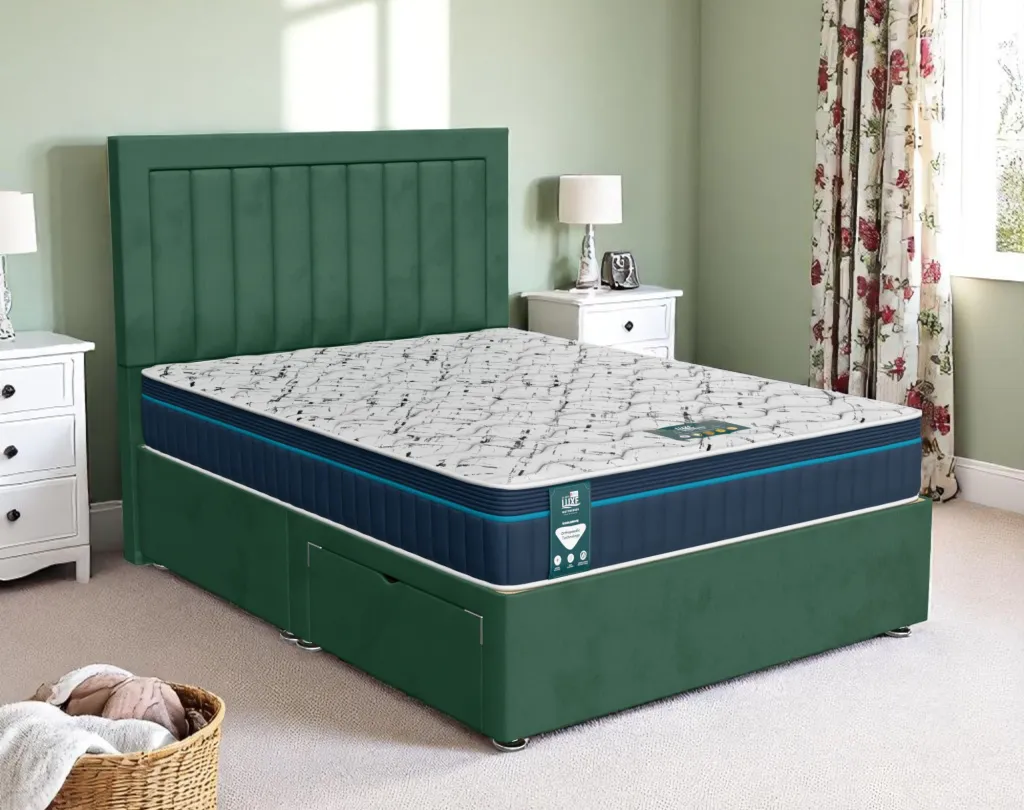
Luxe Divan bed
Luxe Divan bed

Matching your mattress with your divan bed base double is about more than just size—it’s about comfort, support, and sleeping style. Here are the most popular mattress types suitable for divan doubles:

Memory Foam Mattresses

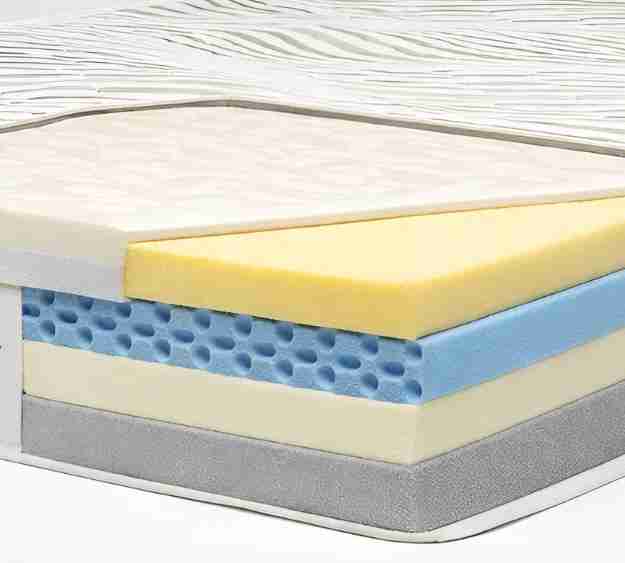
Memory foam mattresses contour to your body, providing excellent pressure relief. They are ideal for medium to soft firmness preferences and can help alleviate back and joint pain. Memory foam also absorbs movement, making it an excellent choice for couples.

Explore our memory foam mattresses for tips on pairing with divan bases.

Pocket Sprung Mattresses

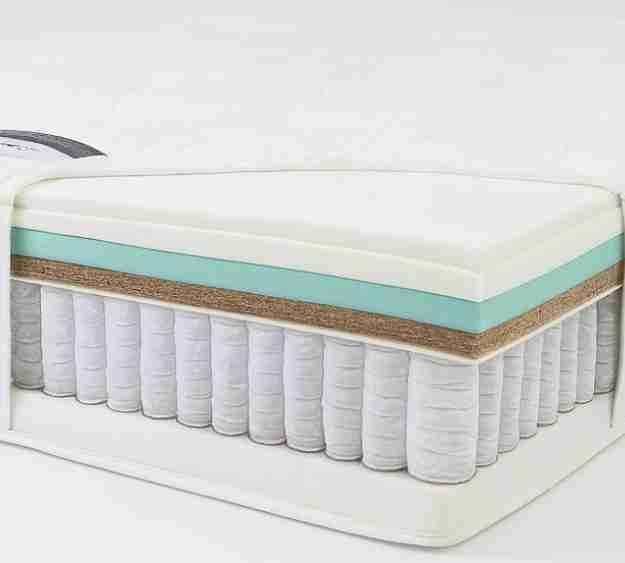
Pocket sprung mattresses contain individually wrapped springs that respond independently to body movements. This provides robust support and minimal motion transfer, making them perfect for couples or anyone who shares a bed. They also tend to offer excellent durability and airflow, reducing heat retention.

Hybrid Mattresses

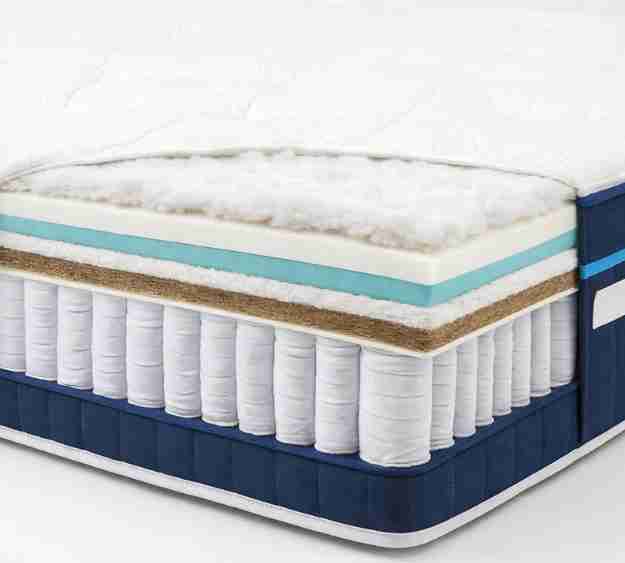
Hybrid mattresses combine foam and pocket springs, offering the best of both worlds: support, pressure relief, and long-lasting comfort. Hybrids are particularly suitable for those who want the benefits of memory foam without sacrificing support.

Tip: Always consider your personal sleeping position when selecting a mattress. Side sleepers may prefer softer options, while back and stomach sleepers may benefit from firmer mattresses.

How to Match Mattress Size with Your Divan Bed Base Double

A standard UK double divan bed base measures 135cm x 190cm, so the mattress you choose must align with these dimensions. A properly fitted mattress ensures maximum support and prevents sagging or uneven wear.

Tips for Matching Mattress Size:

  1. Measure Accurately: Confirm your divan base dimensions before purchasing to avoid ill-fitting mattresses.
  2. Consider Mattress Thickness: Thicker mattresses may interfere with drawer functionality in storage bases. Ideally, for divan bases with drawers, select mattresses between 18–25cm thick.
  3. Check Compatibility: Ensure your mattress type complements your divan base, particularly for lift-up storage or adjustable headboards.

Browse our divan bed base double UK collection for compatible bases.

Matching Mattress with Storage Options

Storage is one of the main advantages of divan bed bases. Matching your mattress to the storage solution ensures maximum functionality.

Storage Types:

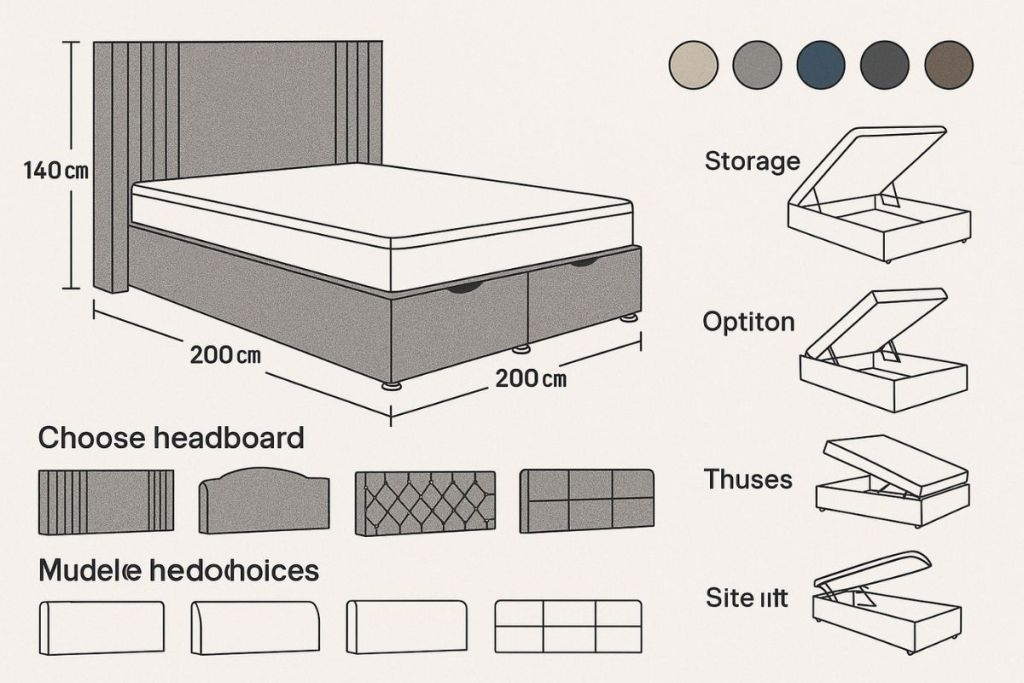
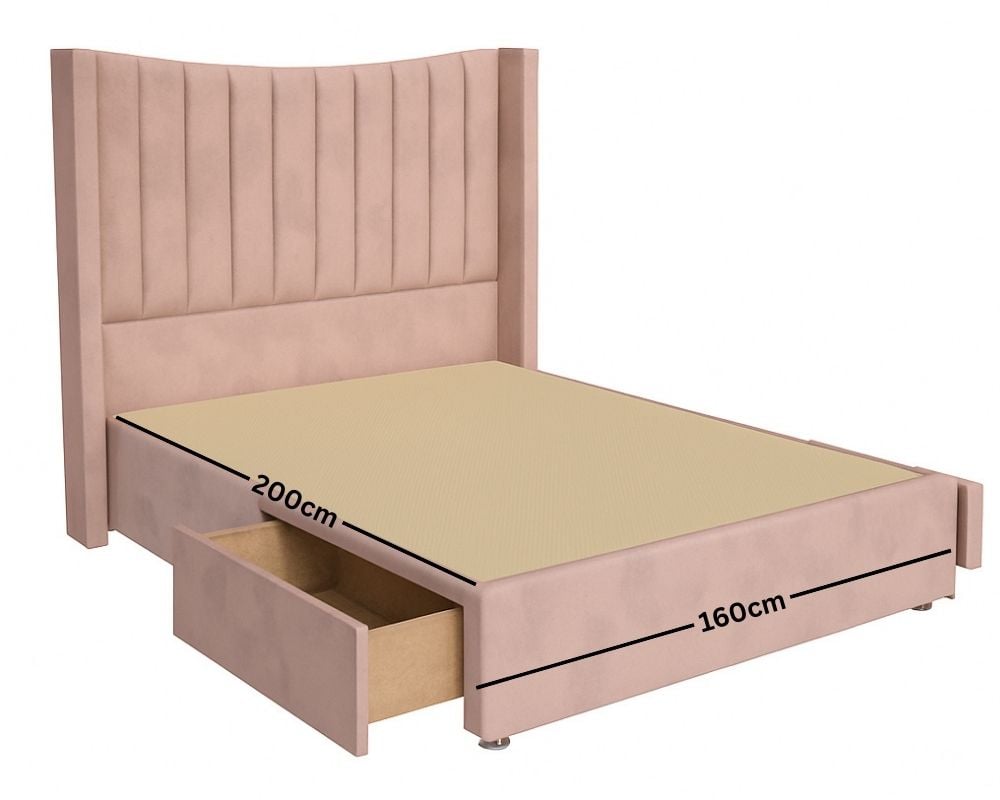
  • Divan Bed Base Double with Drawers: These come with 2–4 drawers for items like bedding, pillows, and seasonal clothes.
  • Divan Bed Base Double with 4 Drawers: Offers additional storage for larger items or multiple users.
  • Lift-up Storage Bases: Perfect for bulky items like duvets, but require lighter mattresses for easy lifting.

Pro Tip: Consider drawer orientation. If you have limited space, side-opening drawers may be more practical. Also, lighter mattresses like foam or hybrid models can make lift-up storage easier to access.

Style and Headboard Considerations

A divan bed base double is not just functional, it’s a centerpiece in your bedroom. Headboards add comfort and elevate your room’s design.

Headboard Tips:

  • Height & Thickness: Headboards should complement mattress height, ensuring comfortable sitting and leaning.
  • Design & Colour: From contemporary black to neutral grey or patterned fabric, the headboard should integrate with your bedroom theme.
  • Customisation: Luxe Mattress offers personalised options for both fabric and design to match your décor perfectly.

Explore our divan bed base double with headboard options.

Tip: Pair your mattress thickness and headboard height for aesthetic balance. A high, plush headboard complements thicker mattresses, creating a luxurious look.

Budget-Friendly Options

Not everyone wants to spend a fortune on a divan bed base double. Luxe Mattress offers high-quality options for every budget.

  • Compare features of budget bases with premium Luxe Mattress options.
  • Focus on bases with storage and durable upholstery, even in affordable collections.

Browse our affordable divan bed base double collection to find great options without compromising quality.

Bedroom Decor and Mattress Matching

Choosing the right mattress is also about integrating it with your room décor.

  • Colour Coordination: Match mattress covers with headboards and base fabrics for a cohesive look.
  • Textural Balance: Soft fabric divans pair well with plush memory foam mattresses, while sleek leather bases suit firmer mattresses.
  • Layering Bedding: Properly fitted mattresses make layering quilts, throws, and pillows easier, enhancing bedroom aesthetics.

Sleep Health Benefits of Matching Mattress and Divan Base

Proper mattress and base pairing isn’t just about style it impacts your health.

  • Spinal Alignment: Correct mattress and divan base pairing reduces back pain.
  • Improved Sleep Quality: Comfortable and supportive beds reduce tossing and turning.
  • Extended Mattress Life: A supportive base prevents sagging, ensuring your mattress lasts longer.

Tip: If you suffer from chronic back pain, consider hybrid or memory foam mattresses for optimal support.

Top Tips for Matching Your Mattress

  1. Test Firmness: Always try the mattress for comfort before purchasing.
  2. Consider Sleep Position: Side sleepers may prefer softer mattresses, back sleepers firmer.
  3. Check Warranties: Ensure mattress and base come with comprehensive warranties.
  4. Rotate Regularly: Extend lifespan and prevent sagging.
  5. Consider Accessories: Pillows, mattress toppers, and mattress protectors can complement your divan setup.

Conclusion

Matching a mattress with your divan bed base double improves comfort, support, storage, and bedroom aesthetics. By choosing the right size, type, style, and storage options, you can transform your bedroom into a luxurious, clutter-free haven.

Explore Luxe Mattress divan bed base double collections and find the perfect mattress match for your bedroom today.

FAQs

What size mattress fits a divan bed base double?

A standard UK double mattress measures 135cm x 190cm. It fits perfectly on a divan bed base double.

Can I use a divan bed base double with 4 drawers?

Yes, you can use a 4-drawer divan base. Just make sure the mattress thickness allows easy drawer access.

Do Luxe Mattress divan bed base doubles come with headboards?

Many Luxe Mattress options include matching headboards. This ensures a coordinated and stylish bedroom look.

Are there cheap divan bed base doubles in the UK?

Yes, Luxe Mattress offers affordable divan bed base doubles. You get high-quality bases without compromising on comfort or durability.

Can I get a black divan bed base double?

Yes, several divan bed base double styles are available in black. They provide a sleek and modern look for any bedroom.

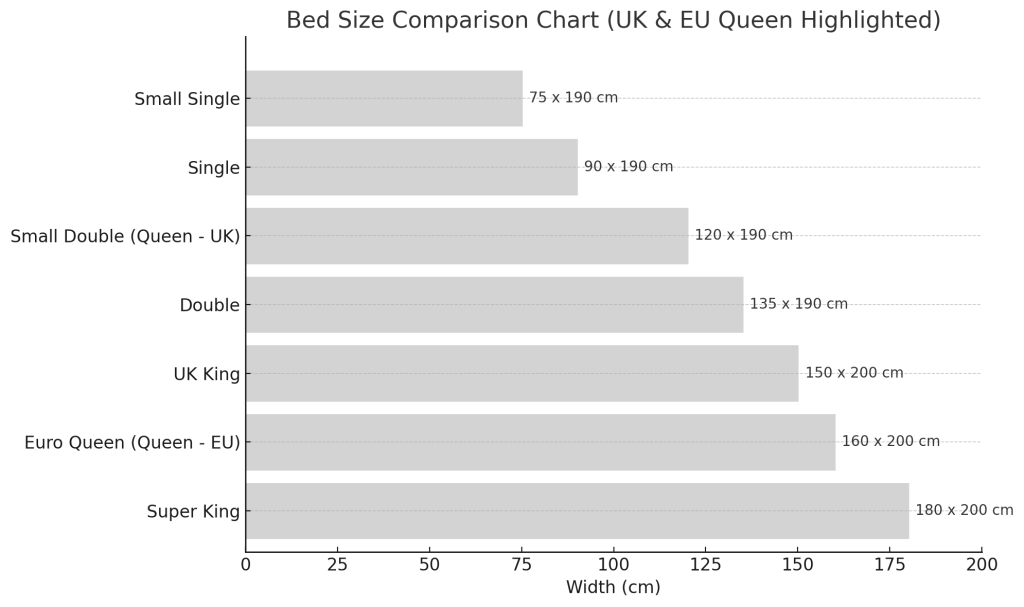
Mattress Size Guide UK: Comprehensive Bed Dimensions in CM, Inches & Feet
April 29, 2026

Mattress Size Guide UK: Comprehensive Bed Dimensions in CM, Inches & Feet

When it comes to getting a good night’s sleep, mattress size matters. Choosing the right mattress isn’t just about comfort it’s about practicality, space efficiency, and ensuring you wake up refreshed and pain-free. In the UK, mattress sizes vary and differ slightly from international standards, particularly those in the US. This article will walk you through the various UK mattress sizes, including their dimensions in centimetres (cm), inches, and feet, helping you select the best fit for your bedroom.

Why Mattress Size Matters

  • Sleep Quality: A properly sized mattress supports your body, aligns your spine, and reduces motion transfer.
  • Room Fit: Choosing the right size helps make the best use of your available bedroom space.
  • Sharing the Bed: Couples or families sharing a bed need ample space to move without disturbing each other.

UK Mattress Sizes Breakdown

Each mattress type serves a unique purpose, from children’s beds to luxurious options for master bedrooms. Here is a breakdown of all the major UK sizes:

1. Small Single Mattress

Dimensions:

  • 75 x 190 cm
  • 2’6” x 6’3”
  • 29.5” x 74.8”

Best For: Young children, compact guest rooms, and narrow spaces. Perfect for bunk beds or small bedrooms.

2. Single Mattress

Dimensions:

  • 90 x 190 cm
  • 3’0” x 6’3”
  • 35.4” x 74.8”

Best For: One adult, teens, or growing children. This standard size fits well in smaller bedrooms and student accommodations.

3. Small Double Mattress (Also Known as Queen in UK)

Dimensions:

  • 120 x 190 cm
  • 4’0” x 6’3”
  • 47.2” x 74.8”

Best For: Individuals who need more space or couples living in small apartments. It’s also a great option for guest rooms.

4. Double Mattress

Dimensions:

  • 135 x 190 cm
  • 4’6” x 6’3”
  • 53.1” x 74.8”

Best For: Couples or single sleepers who prefer extra room. It’s the most common mattress size in UK households.

5. King Size Mattress

Dimensions:

  • 150 x 200 cm
  • 5’0” x 6’6”
  • 59.0” x 78.7”

Best For: Couples who like extra space. Offers a perfect balance between roominess and floor space usage.

6. Euro Queen Mattress

 (European Standard)

Dimensions:

  • 160 x 200 cm
  • 5’3” x 6’6”
  • 63” x 78.7”

Best For: Those who want a bit more space than a UK king without jumping to super king. Ideal for IKEA or continental bed frames.

7. Super King Size Mattress

Dimensions:

  • 180 x 200 cm
  • 6’0” x 6’6”
  • 70.9” x 78.7”

Best For: Large bedrooms, families with children or pets who share the bed. Ultimate in space and comfort.


Mattress Size Comparison Table (UK

Mattress TypeDimensions (CM)Dimensions (Inches)Dimensions (Feet & Inches)
Small Single75 x 19029.5” x 74.8”2’6” x 6’3”
Single90 x 19035.4” x 74.8”3’0” x 6’3”
Small Double (Queen)120 x 19047.2” x 74.8”4’0” x 6’3”
Double135 x 19053.1” x 74.8”4’6” x 6’3”
King150 x 20059.0” x 78.7”5’0” x 6’6”
Euro Queen160 x 20063” x 78.7”5’3” x 6’6”
Super King180 x 20070.9” x 78.7”6’0” x 6’6”

Choosing the Right Mattress Size

1. Consider Your Room Size

Ensure you leave space around the bed for movement, furniture, and comfort. Oversized beds can make small rooms feel cramped.

2. Your Height and Build

Taller or larger individuals will find a better night’s rest on a king or super king size.

3. Sleeping Partners

Couples or those sharing with pets/kids should consider at least a king or super king size mattress.

4. Sleep Style

Back, side, and stomach sleepers may require different sleeping surfaces and mattress lengths.

Conclusion: Choosing the Perfect Mattress Size in the UK

Understanding mattress dimensions in centimetres, inches, and feet is essential to making a smart purchase. Whether you need a compact single for a child or a luxurious super king for maximum comfort, there’s a perfect size for everyone. Use the mattress size guide above to match your sleep needs with the correct bed dimensions.

Making the right choice ensures restful sleep, efficient use of space, and an improved bedroom experience overall.

How Bedroom Environment and Mattress Design Work Together for Better Sleep
April 18, 2026

How Bedroom Environment and Mattress Design Work Together for Better Sleep

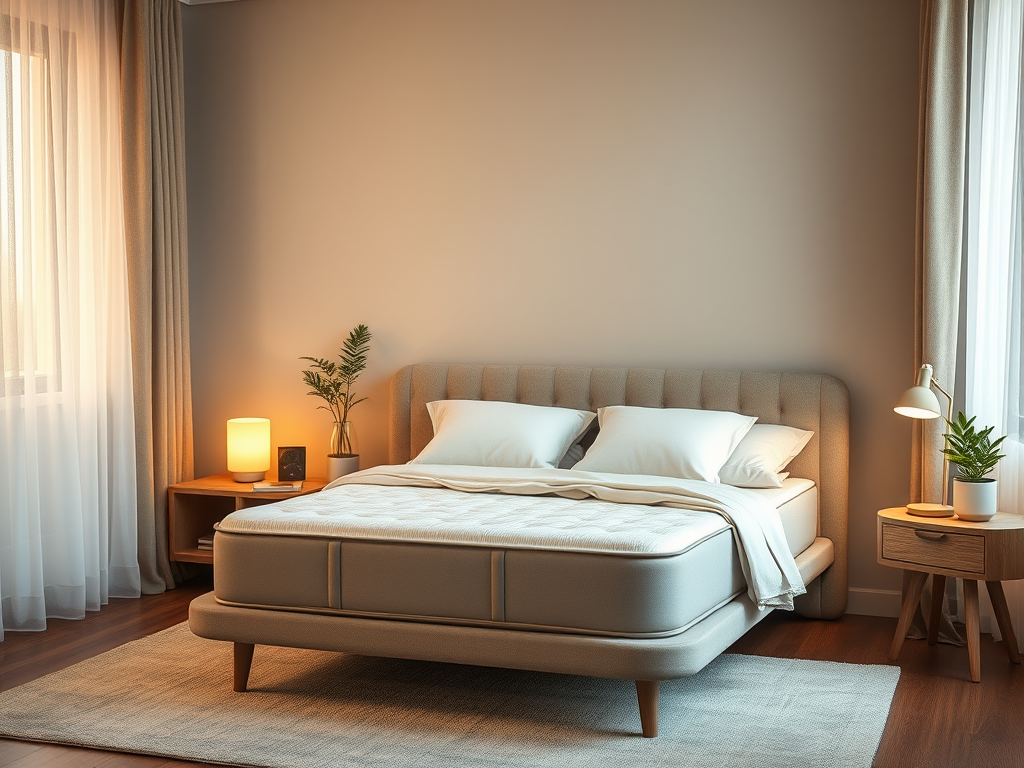
The bedroom environment and Mattress Design work in cooperation to contribute to a better night’s sleep. High-quality sleep is essential for your physical and mental health. It affects memory, immunity and overall productivity. The modern lifestyle has made people deprived of sleep due to work stress or unsuitable sleeping setups.

Interaction between a well-designed mattress and bedroom helps in improving your sleep. A mattress alone cannot bring comfort if the room is not working in harmony and vice versa. Let’s thoroughly discuss how bedroom environments and mattress design work together for better sleep.

The Science of Sleep and Environmental Factors

The natural sleep cycle is highly influenced by room environment factors. These factors include light, temperature, air quality and noise. Studies have shown that a calm environment is perfect for good sleep. The ideal temperature generally lies between ranges of 16-20 Celsius. It is your body’s natural phenomenon to reduce temperature while initiating sleep. If the room temperature is warmer or cooler than normal, it will disrupt the sleep cycle. 

The Science of Sleep and Environmental Factors

A noisy room is a mood breaker for a healthier sleep. The human brain can process even small sounds, which can cause awakening. These little disturbances affect your brain and deprive you of your critical sleep. Next up is light, which plays a vital role in sleep. Our body’s Circadian Rhythm is affected by exposure to light. The melatonin hormone, which is secreted by the body to induce sleep, is produced more in a dark environment. 

Air circulation in the room should be regulated for better sleep. If the air inside the bedroom contains pollutants or dust particles, it is harmful to your health and can cause respiratory problems. So, improving ventilation in your home brings a better sleeping experience. Also, the humidity level impacts the breathing capacity.

At last, an organized bedroom brings sleep more quickly. If the room is untidy, it will stimulate your brain for some unfinished work, and the brain will stay active. In this way, the sleep might be delayed. Hence, a better bedroom environment complements a healthier sleep.

Key Elements of Mattress Design that Affect Sleep

The alignment and supporting system of a mattress affect sleep quality. Here are a few key points to consider.

  1. A soft and well-designed mattress supports your spine and brings good sleep. It also relieves pressure and pain, especially related to the neck and back.
  2. The manufacturing of a mattress indicates its durability.
  3. A mattress designed using modern technologies helps in a comfortable sleep and remains intact for multiple years. 
  4. Firmness and support of a mattress directly influences your sleep quality.
  5. A well-manufactured mattress provides motion isolation to reduce the impact of a movement from one side to the other. It is beneficial if you are married or have a shared bedroom.

Other than this, modern technologies have introduced zoned support in mattresses. They relax different spots on the spine, especially the lumbar region, allowing a comfortable sleep. 

Tips for Creating the Ideal Sleep Setup

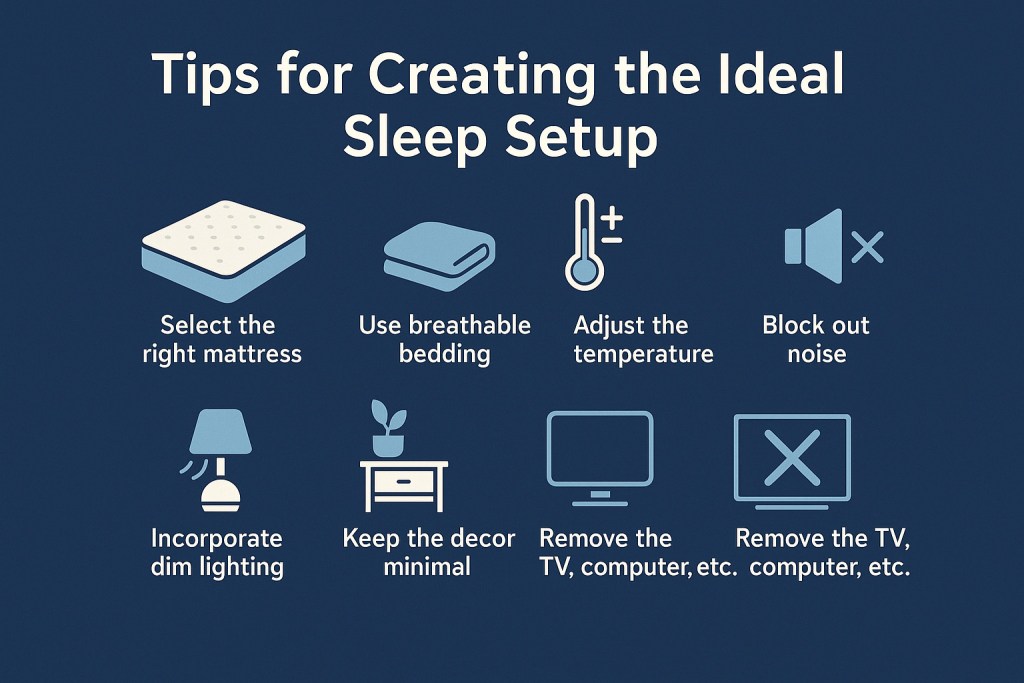
An ideal bedroom environment and ideal mattress design contribute to a sleep-friendly setup. It can be achieved by choosing the right mattress design that suits your body. Each person has different requirements for a mattress. Your mattress choice can depend on your sleeping style or position. 

Heavy-weight persons require firmer and more supportive mattresses. Motion isolation is a vital requirement for couples. Other than that, modern technologies have made it possible to design customisable mattresses according to individual needs. The bedroom environment must have an optimum temperature. The clothing over the mattress should be soft and breathable for better exchange of air. Dim light and noise isolation are also necessary for a deep sleep. 

Tips for Creating the Ideal Sleep Setup

Use minimal decor for a good, spacious room. A key point which is wrong in recent times is the addition of tech products in the room. Using devices such as mobiles in bed is considered bad. Hence, TVs, computers and other such devices should be kept out of the bedroom. 

How Environment and Mattress Work in Harmony?

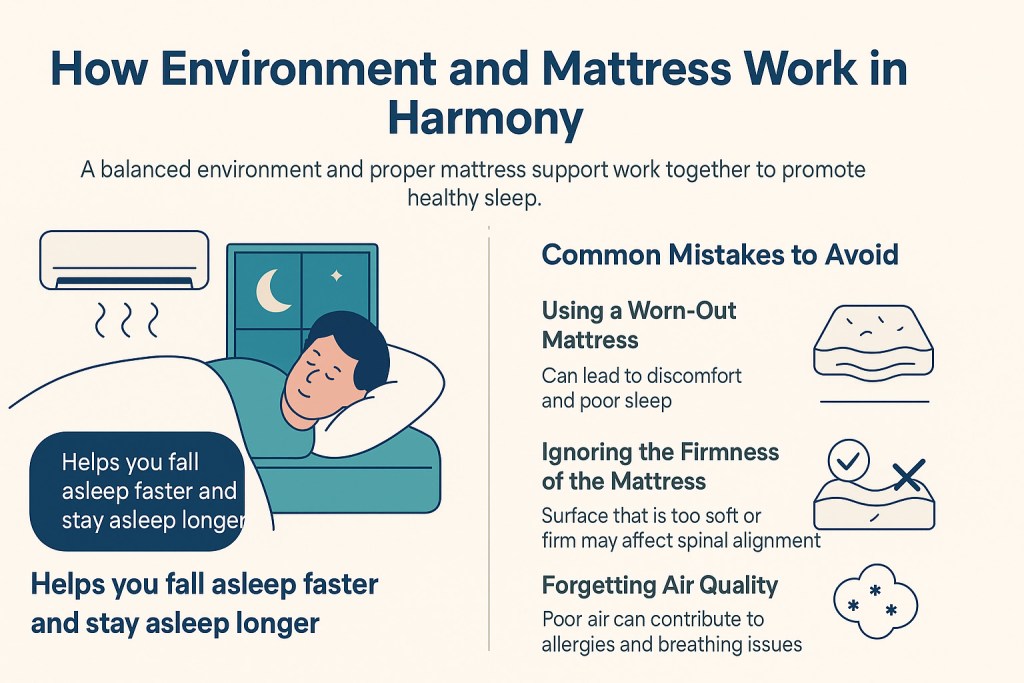
A harmonious relationship between the mattress and the environment provides mental and physical relief. It reduces pressure on the mind and body, which in turn aids in healthy sleep. Air conditioners in your room work alongside your mattress fibres to balance room temperature. Low lights keep you psychologically sound. Clean air and hypoallergenic materials on mattresses reduce irritants and allergens. 

This harmony gives signals to your mind that it’s time to sleep. The association between the mattress and the environment affects how quickly and deeply you sleep. It makes sure that you stay asleep for a longer required period. The perfect alignment between the mattress and bedroom environmental factors like noise, ambience, and temperature leads you to a restorative rest. 

How Environment and Mattress Work in Harmony?

Common Mistakes to Avoid

  • Using a Worn-Out Mattress – A mattress has an average lifespan of 7-10 years. After that, they become sagged and start losing their structure and support. This brings less sleep and more discomfort. Back and neck pains come along, and the sleep cycle is disturbed. Hence, a mattress should be replaced when it shows signs of wear and tear.
  • Ignoring the Firmness of the Mattress – The comfort for every person depends on his body condition. A too-soft or too-stiff surface can cause problems. Choosing firmness also depends on your sleep position, as some people are back sleepers, some are side sleepers, and some are stomach sleepers. Avoid ignoring the firmness of the mattress because a wrongly selected firmness can bring spinal posture issues. 
  • Forgetting Air Quality – Air quality is a significant factor in the bedroom environment. Clean air provides healthy breathing and avoids several respiratory problems. Also, there might be allergens or irritants in the air if it is not clean. These can bring rashes and other skin conditions. Sleep can be improved to a great extent by just enhancing air quality. 

How Luxe Mattresses Complement the Ideal Bedroom Setup

Luxe Mattresses provides premium quality mattresses which enhance comfort and also bring aesthetics to your bedroom environment. A well-organised bedroom aligned with Luxe Mattresses creates a health-promoting sleep ecosystem. These mattresses are designed using modern cooling technologies, which give cooler temperatures in warm environments. Peaceful sleep is provided by Luxe Mattresses’ motion isolation feature. 

The zoned support feature provides extra relief on the shoulders and back at certain spots. The airflow regulation in Luxe Mattresses gives you a cool environment to sleep. Luxe Mattresses use organic and hypoallergenic materials in manufacturing to prioritise health. In short, Luxe Mattresses blend well with a clean bedroom environment to create an ideal sleep-friendly bedroom setup. 

FAQs

What makes the perfect bedroom?

A perfect blend of mattress design and bedroom environment makes a perfect bedroom which provides healthier sleep.

How long will a mattress last in a clean room?

The average lifespan of a mattress is 7-10 years. However, a high-quality mattress from LuxeMattresses aligned with the ideal bedroom environment ages well and can last up to 12 years.

Does the room light affect sleep?

Yes, the low or dim light tells your brain to go to sleep. Bright light suppresses melatonin, which is the body’s sleep-inducing hormone, while dim light enhances melatonin release. 

Are Luxe Mattresses visually suited for modern or luxury bedroom designs?

Yes, the premium finishes with minimalist yet modern tones used by Luxe Mattresses in manufacturing allow it to blend easily with luxury rooms. 

Conclusion

Sleep is your restoration period. It is a complete system, and restful sleep is obtained when the mattress design and bedroom environment work in synergy. A supportive and comfy mattress deals with the physical aspect of sleep, while a calm and quiet environment deals with the mental aspect and psychology of sleep.

Small adjustments like the firmness of the mattress, bedroom temperature, noise reduction and dim lighting can restore your energy through deeper, dreamy sleep. LuxeMattresses provides the ideal features you need in a mattress. 

How to Check Room Size for a Queen Size Bed: A Detailed Mattress Fit Guide
March 16, 2026

How to Check Room Size for a Queen Size Bed: A Detailed Mattress Fit Guide

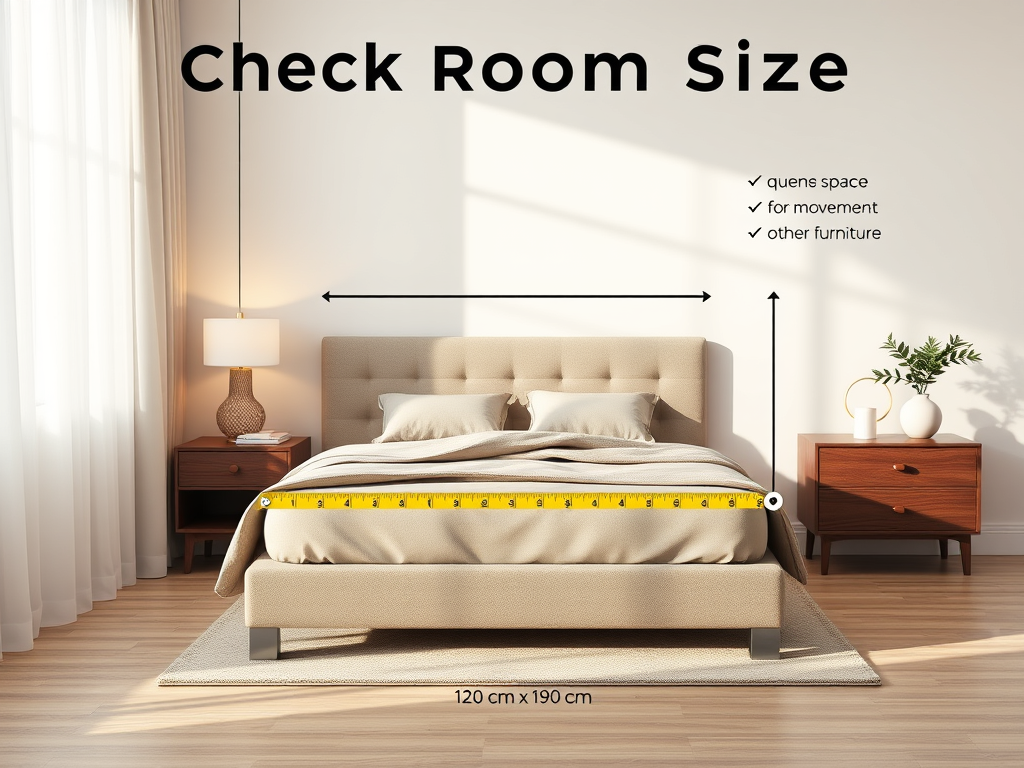
Choosing the right bed starts with making sure your space can accommodate it comfortably. Checking room size for a queen size bed is essential to ensure the mattress fits well without making the bedroom feel crowded. A queen size bed offers generous sleeping space, but it also requires enough room for walking areas, bedside tables, and other furniture. By measuring your room dimensions and planning the layout carefully, you can create a balanced bedroom that feels spacious, practical, and comfortable for everyday living.

to read the detailed guide about mattress sizes click here.

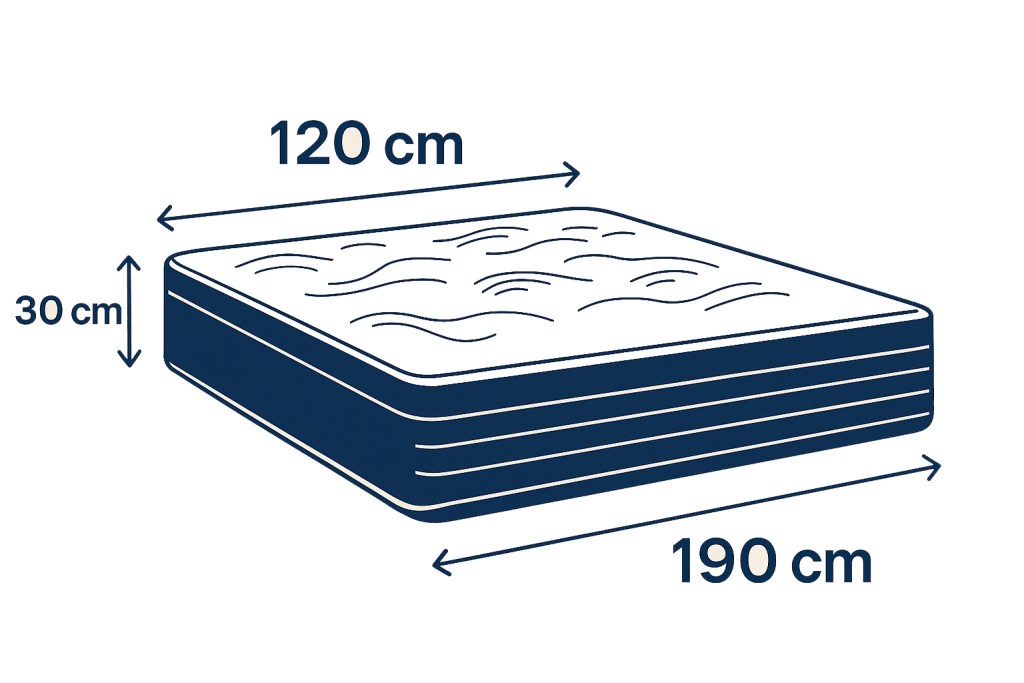
In the UK, a standard queen size mattress typically measures 120 centimetres wide by 190 centimetres long. This is roughly 4 feet wide by 6 feet 3 inches long (4ft x 6ft 3in). It falls between the UK’s small double and double sizes, offering extra space for individual sleepers or for compact guest rooms where a full double might be too tight. This guide will walk you through how to determine whether your room can comfortably fit a queen size bed, and how to assess your bedroom’s layout with precision and practicality.

Understanding Queen Size Bed Dimensions

A queen size mattress in the UK is not the same as a US queen. The UK version is slightly smaller and is often used in homes where space is a concern. Measuring 120 cm in width (approximately 4 feet) and 190 cm in length (approximately 6 feet 3 inches), it is noticeably more spacious than a single or small double mattress but requires less room than a full double or king size. This makes it a popular choice for guest bedrooms, smaller master bedrooms, or studio flats.

Understanding Queen Size Bed Dimensions

When evaluating your room for fit, you must go beyond the bed’s measurements and factor in additional clearance on all sides to allow for ease of movement, as well as space for other furniture.

Measuring Your Room Accurately

Start by measuring your bedroom’s length and width using a tape measure. Ideally, take measurements in both centimetres and feet/inches to compare with the mattress size and general furniture dimensions. Record the exact dimensions of the usable floor space, which excludes built-in wardrobes, alcoves, or protrusions from walls.

Measuring Your Room Accurately

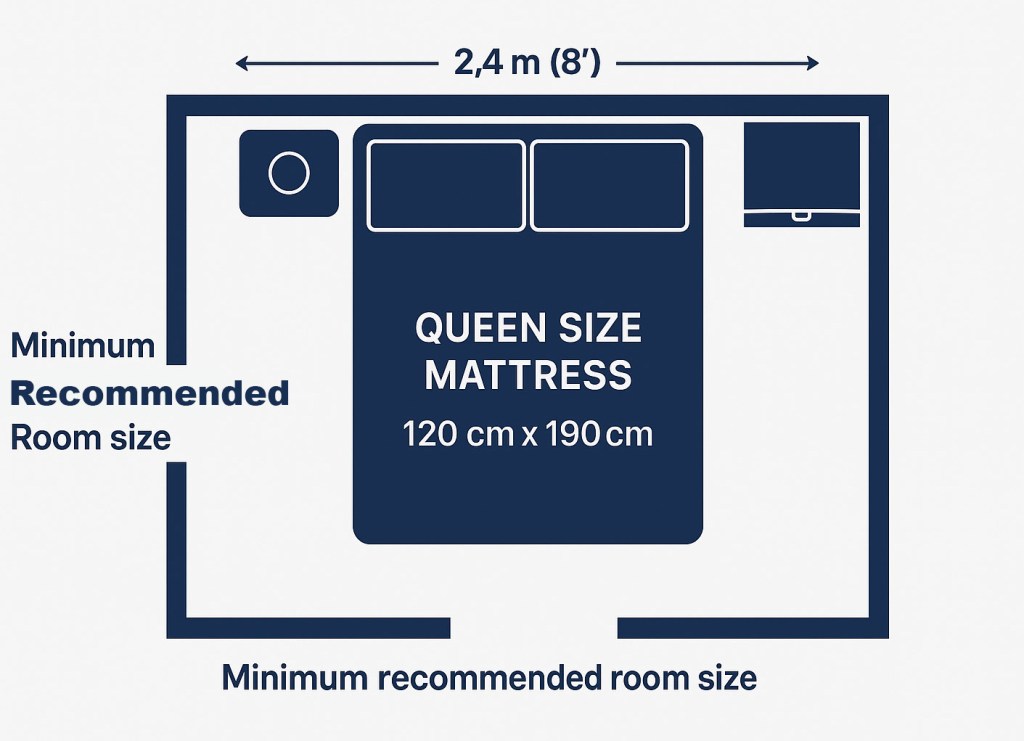
To comfortably fit a queen size mattress in your room, the minimum recommended room size is about 2.4 metres by 3 metres, which is roughly 8 feet by 10 feet. This gives you the bare minimum clearance to walk around the bed and to fit bedside tables or other small furniture items.

For a more comfortable arrangement, a room that measures 3 metres by 3.3 metres (10 feet by 11 feet) or larger is ideal. This allows for better spacing between the bed and walls, unobstructed opening of drawers or closet doors, and the inclusion of larger furnishings like wardrobes or desks.

Planning for Walking Clearance and Furniture

One of the most overlooked aspects when placing a bed is walking clearance. Even if the bed physically fits in the room, it won’t be functional or comfortable if it’s squeezed against the wall or blocks access to other parts of the room.

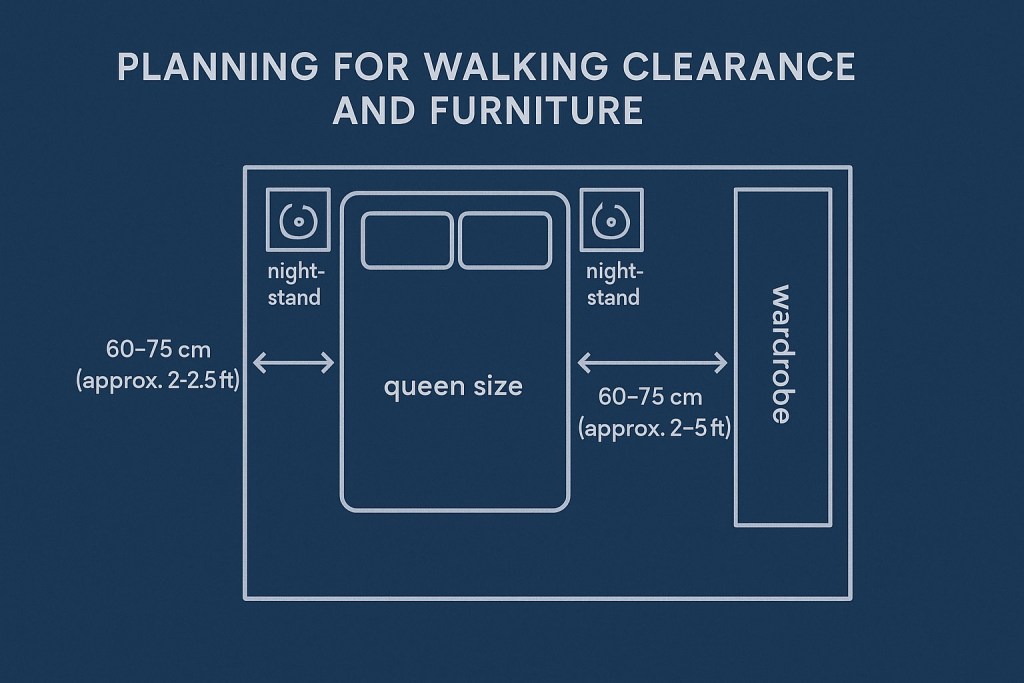
A good rule of thumb is to leave at least 60 to 75 centimetres (approximately 2 to 2.5 feet) of walking space on each side of the bed and at the foot. This allows enough room to comfortably walk, change sheets, or move around without bumping into furniture. If your room includes features like radiators, swinging doors, or deep-set windowsills, make sure those are accounted for in your layout.

Planning for Walking Clearance and Furniture

Furniture placement is equally important. Common items in a bedroom such as nightstands, a chest of drawers, or a wardrobe must be included in your layout plan. Most nightstands are about 40 to 50 cm wide and need space on either side of the bed. A wardrobe may require up to 60 cm depth and another 50 to 60 cm in front for door clearance. If you plan to include a desk or dressing table, ensure it doesn’t crowd the walking path or bed placement.

Using Layout Tools or the Tape Outline Method

Once you’ve taken your measurements, one of the best ways to visualise fit is the tape outline method. Use painter’s tape or masking tape to mark out the exact dimensions of the queen size mattress on the floor 120 cm by 190 cm (or 4ft by 6ft 3in). Extend the tape to mark a clearance buffer of 60 to 75 cm around the mattress to simulate walking space, to read the all standard sizes and bed calculator click here.

Using Layout Tools or the Tape Outline Method

This method allows you to physically stand inside the projected space and assess whether it feels too cramped or if the flow of the room remains functional. You can also position placeholder furniture using boxes or other items to mimic dressers or nightstands. This hands-on approach often gives a clearer perspective than simply imagining the layout on paper.

If you prefer digital tools, there are many free online room planners available that allow you to input room dimensions and virtually position furniture and mattresses. These tools can be helpful for trying out multiple configurations before committing to a purchase.

Mattress Height and Bed Frames Matter Too

Another factor to consider is mattress height and the bed frame style. Some queen mattresses are low-profile, while others with extra cushioning or pillow-tops may be quite tall. Combined with a high platform or storage bed frame, your bed height can easily exceed 65 to 70 cm, which may be uncomfortable for some people or obstruct windowsills and wall outlets.

In smaller rooms, a low-profile frame can help make the space feel more open. Alternatively, a storage or ottoman bed frame may help reduce the need for extra drawers or wardrobes by offering under-bed storage, making better use of the floor area.

Special Considerations for Small Bedrooms

If your bedroom is particularly compact, say less than 8 feet wide or under 2.5 metres, placing a queen bed may still be possible, but you’ll need to make sacrifices elsewhere. This might include pushing the bed against one wall, which limits access to one side. While not ideal for couples, this setup can work for single sleepers or in guest rooms.

Floating shelves instead of nightstands, wall-mounted lighting instead of lamps, or sliding wardrobe doors rather than swinging ones can all help maximise space in tight layouts. Carefully selecting multi-functional furniture will go a long way in preserving comfort and accessibility.

FAQs

How wide should a room be to fit a queen size bed?

Minimum 10 feet wide for a queen (60″ wide) plus 2 feet clearance on each side; ideally 12+ feet for furniture.?

Can a queen bed fit in a 12×12 room?

Yes, a standard queen (60″x80″) fits a 12×12 (144 sq ft) room with ~2 ft walkways cozy for couples but workable.

Can a queen bed fit in an 8×10 room?

Barely the 60″x80″ queen overcrowds an 8×10 (80 sq ft); only 1-2 ft clearance max, better for twin/full.

Will a 60×80 fit a queen size bed?

Yes, 60″x80″ are the exact standard queen mattress dimensions worldwide.

Are there two different sizes of queen beds?

Yes, standard (60″x80″), Olympic (66″x80″), California (60″x84″) offer variations for width/length needs.

Are all queens 60×80?

No, while standard queens are 60″x80″, Olympic/California variants differ; always check specs.

Final Thoughts

To determine whether your bedroom can accommodate a UK queen size mattress, begin by understanding the dimensions: 120 cm wide by 190 cm long, or 4 feet by 6 feet 3 inches. Measure your room and account not just for the footprint of the bed, but also for adequate clearance and placement of essential furniture.

The absolute minimum room size is about 8 feet by 10 feet, but 10 feet by 11 feet or larger will offer a more comfortable setup. Use tape on the floor to mark mattress dimensions and walkable space, and plan around doors, windows, and any existing furniture. Don’t forget to factor in the height of the mattress and bed frame to ensure vertical clearance is also suitable.

Ultimately, with thoughtful planning and realistic layout expectations, a queen size bed can fit comfortably in most medium-sized UK bedrooms while still allowing for a functional and aesthetically pleasing design.

Finding the Perfect Fit: How to Measure Room Size for a Single Bed
March 16, 2026

Finding the Perfect Fit: How to Measure Room Size for a Single Bed

Estimated reading time: 10 minutes

Finding the perfect sleeping setup starts with understanding your space. Measuring room size for a single bed helps ensure the bed fits comfortably without making the room feel cramped. A single bed is ideal for small bedrooms, guest rooms, or children’s spaces, but proper planning is essential to allow enough room for movement and other furniture. By carefully checking the room dimensions, bed size, and layout, you can create a balanced bedroom that feels both functional and comfortable.

Understanding the Importance of Room Size Measurement

Accurate room measurements are crucial for setting up a bedroom, ensuring furniture fits well and creating a comfortable, inviting space, especially in smaller areas where every inch matters. This prevents overcrowding and fosters a well-organised environment.

measuring room size

Accurate room measurements are essential for making informed decisions about furniture size and type, particularly for a single bed. Understanding the dimensions helps select furniture that maximizes utility while maintaining style and comfort, avoiding issues of items being too large or small for the space.

Furthermore, proper measurements enhance the bedroom’s functionality, allowing for movement and the placement of additional essentials like wardrobes or nightstands. For more ideas on optimizing small bedrooms, Apartment Therapy provides helpful layout inspiration, contributing to a well-planned and serene atmosphere for relaxation.

Standard Dimensions of a Single Bed

Understanding the standard dimensions of a single bed is crucial as it forms the basis for all subsequent measurements and planning. Typically, a single bed measures around 38 inches in width and 75 inches in length.

However, there can be slight variations depending on the manufacturer and the region, so it’s always a good idea to check the exact dimensions of the bed you are considering. This basic measurement provides a starting point for determining how much space the bed will occupy and how it will fit within the room.

single size mattress dimensions

The content discusses various bed types, highlighting the twin bed, which is 39 inches wide, and the twin XL bed, which is the same width but 80 inches long. It emphasizes the importance of considering these variations for added comfort and room suitability. Additionally, the text notes that the height of the bed, usually ranging from 16 to 24 inches, impacts the room’s aesthetics and accessibility, making it essential to ensure that the bed fits well within the space without hindering other elements like windows or wall art.

Tools You Need for Accurate Measurement

To measure your room accurately, you will need a few essential tools that will make the process easier and more precise. The most important tool is a tape measure, ideally one that is at least 25 feet long. A retractable tape measure is particularly useful as it allows for easy handling and accurate measurement of both large and small distances. Make sure the tape measure is sturdy and has clear, easy-to-read markings to ensure precision.

tools you need for accurate measurements

For effective room measurements, a laser measuring tool is highly beneficial, especially for larger or irregularly shaped spaces, as it provides quick and accurate results. While not essential, it can enhance efficiency and precision in home improvement projects.

Additionally, having a notepad and pen to record measurements is crucial. Drawing a simple floor plan with wall dimensions and features aids in organizing the data. A level is also important for ensuring measurements are straight and accurate, particularly for wall-mounted items.

How to Measure Your Room for a Single Bed

Measuring your room accurately involves several steps to ensure that you capture all necessary dimensions and details. Begin by measuring the length and width of the room. Place the tape measure at one end of the room and extend it to the opposite end, ensuring that the tape is straight and taut.

Record the measurements for both the length and width, and double-check them to ensure accuracy. These dimensions will give you the overall size of the room and help you determine how much space is available for the bed and other furniture.

single size mattress room requirement

To properly plan your room layout, measure the height of the ceiling, especially for taller furniture like wardrobes or bunk beds, to ensure adequate clearance. Additionally, take note of measurements for alcoves, recesses, and irregular areas that could affect furniture placement.

Also, measure the dimensions of doors and windows, including their distances to the nearest wall or corner, to avoid obstructing these features and to allow for proper functionality and access to light and ventilation.

Considering Additional Furniture and Space Requirements

When planning the layout of your room, it’s important to consider not only the size of the bed but also the space required for additional furniture and movement. Common bedroom furniture includes nightstands, wardrobes, dressers, and desks, each of which requires its own space.

Measure the dimensions of these pieces and consider their placement in relation to the bed. Ensure that there is enough room for you to move comfortably around the room and access each piece of furniture without obstruction.

spaces require in room for single room size

When designing a room, it’s essential to accommodate space for daily activities and movement, ensuring at least 24 inches of clearance around the bed. Multi-functional furniture can help in small areas. Additionally, electrical outlets and light switches should be easily accessible and not obstructed by furniture, which may require the use of extension cords or power strips. By addressing these considerations, you can create a functional and comfortable space.

Tips for Maximising Small Spaces with a Single Bed

Maximising a small space with a single bed requires creativity and strategic planning. One effective strategy is to use multi-functional furniture that serves more than one purpose. For example, a single bed with built-in storage drawers can provide valuable space for clothing, bedding, or other items, reducing the need for additional furniture.

Similarly, a loft bed can create additional floor space underneath for a desk, seating area, or storage. These solutions help make the most of limited space while maintaining a clean and organized look.

how to maximising small spaces with single bed

To maximize small spaces, effectively use vertical space by incorporating tall bookshelves, wall-mounted shelves, and hanging organizers. Utilize areas above the bed for shelving or artwork, and employ hooks or racks to elevate items off the floor, enhancing the illusion of a larger room. Light and neutral colors for walls and furniture can further create a sense of openness.

Decluttering is crucial; retain only essentials and employ creative storage solutions like baskets and under-bed boxes. Regularly evaluate belongings to eliminate unnecessary items, fostering a tidy environment that makes the space feel larger and more inviting.

Common Mistakes to Avoid When Measuring Room Size

When measuring room size for a single bed, avoid common mistakes for accuracy. Firstly, measure the entire room, including walls, alcoves, and architectural features, to prevent inaccuracies. Secondly, consider the necessary space for movement and additional furniture to ensure functionality and comfort. Lastly, use precise measuring tools and double-check measurements, as inaccuracies can lead to poor planning and fitting issues.

common mistakes when measuring a room size

Visualising Your Space: Using Floor Plans and Design Apps

Visualizing your space can significantly improve the planning process for a well-designed room. You can start by sketching a simple floor plan with the room’s dimensions and features to experiment with furniture arrangements. Additionally, design apps like Roomstyler, Planner 5D, and SketchUp can enhance this process by allowing you to input precise dimensions and visualize layouts in a virtual setting, often with 3D views. These tools also enable experimentation with colour schemes, materials, and decor, helping to avoid costly mistakes and ensuring a functional and attractive space.

Real-Life Examples of Room Layouts with Single Beds

Real-life examples of room layouts offer valuable inspiration for design. A small guest room features a single bed against one wall, complemented by a narrow nightstand and wall-mounted lamp to save space, with a tall wardrobe for storage and a small desk in a corner. Light colors and minimal decor enhance the room’s openness.

In a child’s bedroom, the single bed is positioned in a corner to free up play space. A low bookshelf and storage bins help organize toys, while a small desk is used for homework. Bright decor adds personality and invites fun.

A compact studio apartment utilizes a loft bed for extra floor space or a daybed with storage drawers for dual functionality. The bed’s placement creates defined living areas, while vertical storage and wall-mounted shelves optimise space, blending functionality with style for an efficient living environment.

FAQs

How big does a room need to be to fit a single bed?

Minimum 7×10 feet (twin/single: 38″x75″) for bed plus walking space; ideally 10×10 feet for furniture/drawers.

Can a full bed fit in a 10×11 room?

Yes, full/double (54″x75″) fits a 10×11 room (110 sq ft) with ~2-3 ft clearance on sides, cozy but functional for one/two people.?

How many beds can fit in a 12×12 room?

Two twin beds (38″x75″ each) with nightstands; one queen max 144 sq ft allows bunking or trundle for more.?

Is a 20 by 20 room big?

Yes, 400 sq ft qualifies as large/master bedroom size, fitting king bed, seating, office luxury standard.?

Is a 12×12 room considered small?

Borderline small for adults (144 sq ft) fine for kids/single with twin bed; tight for queen/double.?

How many people can you fit in a 20×20 room?

Comfortably 20-30 seated; standing/event capacity ~80-100 (4-5/sq ft); fire code limits ~49.

Conclusion: Achieving the Perfect Fit for Your Space

Achieving the perfect fit for your space requires careful planning and accurate measurements, with a focus on your needs and preferences. Understanding room size and the dimensions of a single bed aids in effective furniture placement and layout. Utilizing the right tools enhances measurement accuracy while encouraging a functional and comfortable environment.

Incorporating additional furniture considerations and tips for maximizing small spaces can lead to a well-organized room. Avoiding common mistakes and using design tools can improve the planning process. Real-life layout examples offer inspiration for your own designs.

Ultimately, creating a harmonious blend of comfort, functionality, and style is key to transforming your space. By measuring accurately and planning thoughtfully, you can create a serene sanctuary that reflects your personal taste, whether it’s for a guest room, child’s retreat, or compact studio. Embrace the journey to discover the perfect fit for your space!

Bedroom Temperature Hacks to Sleep Cooler All Year Round 
March 12, 2026

Bedroom Temperature Hacks to Sleep Cooler All Year Round 

Waking up hot, sticky, and restless? You’re not the only one. Whether it’s a muggy summer night or the central heating’s cranked too high in winter, sleeping hot can ruin your rest. But there’s good news: a few practical changes can help you achieve cooler sleep, whatever the season.

In the UK, where the weather never quite makes up its mind, getting your bedroom temperature right is key to improving your sleep environment. From breathable bedding and cooling mattresses to clever ventilation tricks, we’ve gathered the best tips to help you stay cool, comfortable, and undisturbed all night.

Why Sleeping Cooler Matters?

First, let’s look at the science. Your body temperature naturally dips when you’re asleep. If your bedroom is too warm, it interferes with that process, making it harder to falland stayasleep. According to the Best Advice, an ideal sleep temperature is around 16–18°C. Much warmer than that, and you’re more likely to toss and turn.

Overheating can also disrupt the deeper stages of sleep, which are essential for mental and physical recovery. If you’re waking up groggy or feeling like you haven’t slept at all, heat could be part of the problem.

1. Choose a Mattress Designed for Cooler Sleep

If your mattress traps heat, no amount of fan blowing or window cracking will help. Some materials, especially traditional memory foam, are known for holding onto body heat.

What to look for:

  • Open-cell foam or gel-infused layers to encourage airflow
  • Hybrid mattresses with springs for breathability
  • Cooling covers made with moisture-wicking fabrics

At Luxe Mattresses, our cooling mattress collection is designed with airflow and temperature regulation in mind. Whether you’re a hot sleeper or sharing a bed, choosing the right base layer for your custom bed is one of the most effective ways to achieve a cooler night’s sleep.

2. Switch to Breathable Bedding

Your sheets, duvet, and pillowcases can make or break your sleep comfort. Heavy or synthetic bedding often traps heat and moisture close to your body.

Better choices include:

  • Cotton (especially percale weave) – crisp, breathable, and ideal for all seasons
  • Linen – temperature-regulating and naturally cooling
  • Bamboo – soft, moisture-wicking, and eco-friendly
  • Wool duvets – surprisingly breathable and great at managing both heat and cold

Also, consider swapping out your duvet with the seasons. A 4.5 tog is often more than enough for UK summers, while layering up in winter gives you more control.

3. Use Ventilation to Your Advantage

Even in cooler months, stale or still air can make a room feel warmer than it is. A bit of airflow can go a long way in keeping your bedroom fresh.

Ventilation hacks:

  • Open windows strategically – Even 10 minutes in the evening can lower the overall room temperature
  • Cross-breeze setup – Open two windows or a door and a window opposite each other for better airflow
  • Add a fan – A quiet fan not only cools the room but also provides white noise for light sleepers
  • Try the frozen bottle trick – Place a frozen water bottle in front of the fan for DIY air con

In flats or homes where window opening isn’t ideal, consider a portable air purifier with cooling mode, especially helpful during pollen season or for those with allergies.

4. Cool Yourself Down Before Bed

Your sleep and heat relationship isn’t just about the room; it’s also about your body. Helping yourself cool down before climbing under the covers can improve how quickly you fall asleep.

Try:

  • lukewarm shower (not cold because it can trigger a rebound heating effect)
  • Cooling body sprays with peppermint or eucalyptus
  • cold flannel on the back of your neck or wrists
  • Swapping your evening cup oftea or a glass of water with ice and lemon

Some people even sleep with a cooling eye mask or wear light, moisture-wicking sleepwear, great if you’re prone to night sweats or hot flushes.

5. Control Bedroom Heat Sources

Without even realising it, your room may be warming itself up unnecessarily.

Tips to reduce indoor heat:

  • Turn off electronics – Devices give off heat even when idle
  • Keep blinds or blackout curtains closed during hot days to block sunlight
  • Don’t run heated blankets or warm bulbs past spring
  • Move your bed away from radiators or direct sunlight

If you live in a new-build or insulated property, your bedroom may retain heat more than older homes. It’s worth using a basic room thermometer to track overnight temps, you might be surprised at what’s causing the discomfort.

6. Consider Cooling Accessories

A few clever accessories can make a noticeable difference, especially in summer or in heat-retaining flats.

  • Cooling mattress toppers – Add a breathable layer to an existing mattress
  • Moisture-wicking pillowcases – Keep your head cool and dry
  • Chill pads or cooling gel pillows – These work wonders for warm sleepers
  • Natural fibre sleepwear – Avoid synthetic pyjamas that trap sweat

LuxeMattresses offers a range of mattresses that pair perfectly with your bedding for an all-in-one cooler sleep system.

7. Adjust Your Evening Routine

What you do in the hours before bed can affect how cool or warm you feel once you’re under the covers.

Smart tweaks include:

  • Avoid heavy meals late at night – digestion raises body temperature
  • Stop intense workouts at least two hours before bed
  • Dim the lights – harsh lighting can subtly heat a room and delay melatonin
  • Wind down with less tech – phones and tablets heat your face and overstimulate your brain

Why Cooler Sleep Helps Beyond Comfort

Sleeping cool isn’t just about feeling better, it’s about sleeping deeper. According to research shared by the Sleep Foundation, cooler temperatures help you reach deeper stages of non-REM sleep, where most of the brain and body restoration happens.

For people with anxiety, menopause, or chronic conditions like insomnia, keeping the sleep environment cool can make a big difference to recovery and mental health. And as experts point out, small physical improvements to your space, like air flow and comfort, can offer real psychological benefits too.

Final Thoughts

If you’re aiming for cooler sleep, don’t just rely on the weather to cooperate. From smarter bedding to breathable mattresses and proper ventilation, there are plenty of ways to take control of your sleep environment.

You don’t need to turn your bedroom into an icebox, but by working with your body’s natural rhythms and upgrading your sleep setup, you’ll feel the difference quickly. Whether you run hot year-round or just during heatwaves, the right materials and habits will help you rest better, night after night.

FAQs

What’s the best bedroom temperature for sleep?

According to the NHS, around 16–18°C is ideal. Much warmer, and you’re likely to wake throughout the night.

Can my mattress cause me to sleep hot?

Yes. Traditional foam mattresses often trap heat. Look for cooling gel layers, hybrid builds, or breathable covers.

Which bedding is best for hot sleepers?

Cotton, linen, and bamboo are all breathable and wick away moisture. Avoid polyester or heavy duvets unless it’s winter.

Does sleeping with a fan help?

Yes, fans improve airflow and lower the room’s surface temperature. They also offer helpful white noise for light sleepers.

How can I sleep cool in winter?

Use layers instead of heavy duvets, avoid overheating the room, and choose a mattress and bedding that regulate temperature effectively. 

Minimalist Bedroom Design for Better Sleep and Focus
March 11, 2026

Minimalist Bedroom Design for Better Sleep and Focus

Estimated reading time: 7 minutes

Creating a minimalist bedroom isn’t just about style it’s about making space for rest, mental clarity, and a better night’s sleep. In a world where overstimulation is the norm, a clutter-free bedroom can be a game-changer for your health and well-being. Research from the NHS and Mind.org.uk highlights the strong link between your surroundings and your state of mind, which means your bedroom design has more impact than you might think.

This guide explores how a minimalist bedroom can help reduce stress, improve sleep quality, and set you up for calmer, more focused mornings, something we could all use a bit more of.

The Problem With Clutter (and Why It Disrupts Your Sleep)

You’re not alone if your bedroom is piled high with clothes, paperwork, cables, or half-used toiletries. But that clutter might be silently sabotaging your sleep. According to the NHS, a calm, quiet sleep environment is essential for quality rest, and messiness can get in the way by keeping your brain alert when it should be winding down.

side effects of clutter bedroom

Visual clutter can cause anxiety. When you see things out of place, it can remind you of unfinished tasks. It’s difficult to relax in a messy room full of distractions. Mind.org.uk highlights the need for a safe and peaceful environment, especially for those dealing with anxiety or depression. Click here to read more about mental health issues and sleep.

What Makes a Bedroom “Minimalist”?

Minimalism doesn’t mean stripping everything away until your space feels cold or empty. It’s about purpose. Every piece in the room serves a function, contributes to calm, or supports your daily routine.

Here’s what typically defines a minimalist bedroom:

  • Neutral tones – calm, light colours that don’t overstimulate
  • Essential furniture – a bed, a bedside table, a wardrobe or chest of drawers
  • Functional decor – no clutter for clutter’s sake, just a few meaningful or soothing items
  • Concealed storage – a place for everything so surfaces stay clear

This approach helps remove physical and mental noise, making your bedroom feel more like a sanctuary and less like a storage space.It will also help you get sufficient sleep at night

How a Minimalist Bedroom Supports Better Sleep

Creates a Calm, Focused Atmosphere

A clutter-free room allows your brain to rest. No piles of laundry staring you down. No cables tangled around your feet. Just stillness. And when the space around you is calm, it’s easier for your nervous system to follow suit.

Helps You Let Go of the Day

In busy households or shared flats, your bedroom might be the only space that’s truly yours. Making it minimalist gives you control over your surroundings, especially important if you’re feeling mentally overwhelmed.

Encourages Better Habits

With fewer distractions, it becomes easier to stick to good sleep hygiene. That might mean putting your phone out of reach, going to bed earlier, or reading a book rather than watching TV. The space itself guides your behavior.

UK Voices: The Impact of Simplicity at Home

People across the UK are beginning to rethink their sleep environments. Take Amy in Sheffield, for example. She used to struggle with broken sleep and a low mood. “My room was packed with stuff, I couldn’t relax. I cleared it out during lockdown, and honestly, it’s the best decision I’ve made for my mental health.”

Or Jordan and Sam, a couple from Cardiff, who wanted to bring more peace into their home after the birth of their first child. “We knew we needed better sleep. We removed the TV, added blackout curtains, and bought a new LuxeMattress. Everything feels more grounded now.”

These stories reflect a growing awareness: bedroom design for sleep isn’t just about looks. It’s about how you feel when you walk in at night, or wake up the next morning.

Why Your Mattress Matters More Than You Think

Even in the simplest space, the bed is still king. The mattress becomes the cornerstone of comfort in a minimalist bedroom, where fewer things compete for attention. And if it doesn’t support you correctly, your sleep will suffer no matter how tidy the rest of the room is.

At Luxe Mattresses, we focus on sleep technology that supports the body and fits beautifully into minimalist rooms. Whether you’re after a firm orthopaedic design, a pressure-relieving memory foam mattress, or something breathable and cooling, our range is made to deliver comfort without visual clutter.

Minimalist design isn’t about giving things up it’s about choosing quality over quantity. And your mattress is where that matters most.

Simple Steps to Create a Minimalist Bedroom

You don’t need to overhaul everything overnight. Here’s a practical UK-based plan to ease you in:

1. Start With Surfaces

Clear your bedside tables, chest of drawers, or any spots where items tend to gather. Return things to their proper homes or donate what you don’t need.

2. Empty One Area at a Time

Pick a drawer, cupboard, or shelf and go through it properly. It’s often easier to make decisions when you see everything laid out together.

how to create minimalist bedroom

3. Be Honest About What You Use

Do you haven’t used that spare duvet in three years? The three candles collecting dust? Let them go. If it’s not helping you rest, it’s in the way.

4. Hide the Wires

Use cable organisers or simple solutions like baskets and clips to tidy up chargers, routers, or speaker cables. This is especially useful in smaller UK bedrooms where space is limited.

5. Choose Bedding That Breathes

Soft, breathable bedding in natural fibers like cotton or linen adds comfort without fuss. Stick to a neutral palette to keep the room looking cohesive.

For more inspiration, browse our minimalist bedroom ideas or see how a calming mattress design can make a difference in smaller spaces.

Minimalism and Mental Health

The benefits of minimalism stretch far beyond sleep. As Mind.org.uk suggests, feeling in control of your environment plays a big role in reducing anxiety and low mood. A tidy room won’t fix everything, but it can certainly make your daily life more manageable.

how minimalism effect mental health

If you’re feeling overwhelmed, try this: go into your bedroom, pick one thing to put away, and notice how it feels. Often, the smallest shift in your space can lead to a noticeable shift in your mood.

Mornings Feel Better Too

A well-organised, peaceful bedroom doesn’t just improve your nights it sets the tone for your day. Waking up in a clear space helps reduce the decision fatigue that many people feel first thing in the morning. You can find your clothes. You can move without tripping over shoes. You’re already starting ahead.

This sense of calm clarity is especially helpful if you work from home, manage a busy family routine, or simply want a gentler start to the day.

Conclusion

There’s something deeply rewarding about walking into a bedroom that feels still. Minimalist design gives you space to breathe, rest, and reset without the overwhelm that clutter often brings. It’s not about having less. It’s about creating space for what matters most.

A minimalist bedroom paired with a supportive, well-crafted mattress, like those from Luxe Mattresses, is a powerful investment in your well-being. It’s comfort, with intention.

FAQs

What is the goal of a minimalist bedroom?

It’s to create a calming, functional space that supports sleep and mental clarity. Less clutter means fewer distractions and that helps you rest more easily.

Do I need to throw everything away?

Not at all. Minimalism is about keeping what adds value, not stripping your room bare. If something brings comfort or serves a purpose, it belongs.

Can minimalism really improve sleep?

Yes. According to NHS sleep advice, a peaceful sleep environment is vital. Minimalist rooms remove the mental and visual clutter that can interfere with sleep.

What kind of mattress suits a minimalist bedroom?

Look for a mattress that offers clean design and top-level comfort. Luxe Mattressesspecialises in options that blend seamlessly into calming, simplified spaces.

Is this approach suitable for small UK bedrooms?

Definitely, in fact, smaller rooms benefit most from minimalist principles. Less furniture and smarter storage can make your room feel bigger and more relaxing.

What if I share my bedroom?

Focus on shared decisions. Agree on which items stay and which go. Often, a small declutter can improve the space for both people without big sacrifices.

divan bed base and headboard only
January 22, 2026

The Most Popular Divan Bed Base and Headboard Styles in the UK

Divan beds are a staple of modern bedrooms in the UK, combining comfort, style, and practicality. The right divan bed base and headboard can transform a bedroom into a cozy, elegant retreat while providing essential support for a good night’s sleep.

Understanding the most popular styles in the UK can help homeowners make an informed choice. This guide explores various divan bed base and headboard styles, highlighting features, benefits, and design considerations.

Classic Divan Bed Bases

Divan Bed Base and Headboard

Classic divan bed bases are the most common choice in UK homes. These bases often come with storage options such as drawers or ottoman lifts, making them highly functional.

Many homeowners prefer the simplicity of a classic divan base, as it complements both traditional and modern bedroom decor. Its sturdy construction ensures longevity and supports all types of mattresses.

Ottoman Divan Bases

Ottoman divan bases have grown in popularity due to their innovative storage solutions. The mattress lifts up easily, revealing a spacious compartment beneath.

These beds are ideal for smaller UK bedrooms, as they provide hidden storage without compromising on style or comfort. Additionally, they contribute to a clutter-free environment.

Low Divan Bases

Low divan bases sit closer to the floor, creating a sleek, modern look. They are particularly popular in contemporary UK interiors and are suitable for rooms with minimalist designs.

Their low profile can make a room appear more spacious, and they pair well with various headboard styles to create a cohesive aesthetic.

Upholstered Divan Bases

Upholstered divan bases offer an elegant, luxurious feel. Covered in fabrics such as velvet, linen, or faux leather, these bases add texture and sophistication to any bedroom.They are highly customizable, allowing homeowners to match the bed base with curtains, rugs, or other decor items. This personalization makes upholstered divan bases a favorite in UK homes.

Headboards are just as important as the bed base, providing comfort and style. The most popular UK headboard styles include:

1.Button-Tufted Headboards – Classic and elegant, these headboards have a plush, soft finish. They provide comfortable back support and add a touch of luxury to the bedroom.

2.Panel Headboards – Sleek and modern, usually made of wood or MDF. Their clean lines suit contemporary and minimalist interiors. here

3.Wingback Headboards – Make a stylish statement with side panels that frame the bed. They are padded for comfort while adding a dramatic look.

4.Slatted Headboards – Minimalist and airy with vertical or horizontal slats. Ideal for contemporary bedrooms and smaller spaces.

5.Leather or Faux Leather Headboards – Luxurious and easy to clean. Durable and stylish, perfect for adding texture and sophistication.

Each style brings unique benefits, from comfort to visual appeal, allowing homeowners to tailor their bedroom to their taste.

Storage-Friendly Headboards

Divan Bed

Storage-friendly headboards combine functionality with style. Some designs include built-in shelves or compartments for books, lamps, or decorative items. This feature is particularly practical in smaller UK bedrooms where space is limited. Choosing a storage headboard can reduce the need for additional furniture and keep the room tidy.

Upholstered Headboards

Upholstered headboards remain one of the most popular options in UK bedrooms. Key advantages include:

  • Comfortable Back Support – Provides soft support, making it perfect for reading or watching TV in bed.
  • Variety of Fabrics – Available in velvet, linen, cotton, and faux leather to suit different preferences.
  • Customizable Colors – Easy to match with your existing bedroom decor for a cohesive look. here

Their combination of comfort and style makes upholstered headboards a top choice for homeowners.

Wooden and Panel Headboards

Wooden headboards are a classic choice that combine timeless appeal with excellent durability, making them a long-lasting addition to any bedroom. They are versatile and suit a variety of interior styles, from traditional to modern.

1.Natural Wood Finish – Highlights the beauty of the wood grain, adding warmth, character, and a cozy feel to the bedroom.

2.Painted Options – Can be customized with different colors or finishes, allowing you to match your existing interior decor seamlessly.

3.Panel Designs – Feature modern or geometric patterns, providing a contemporary look while maintaining the structural integrity of the headboard.

Wooden and panel headboards are highly versatile, making them ideal for both classic and contemporary bedroom themes.

Choosing the Right Divan Bed Style

Selecting the right divan bed involves evaluating several key factors to ensure both comfort and style in your bedroom. Thoughtful consideration helps create a functional and visually appealing space.

1.Room Size – Smaller rooms benefit from ottoman or low-profile bases, which save space while still offering comfort and support.

2.Storage Needs – Ottoman and drawer bases provide practical storage solutions, helping keep the bedroom tidy and organized without needing extra furniture.

3.Decor Style – Upholstered and wooden options allow you to match the bed to your existing interior design, creating a cohesive and stylish look.

Carefully matching the bed base and headboard ensures a functional, comfortable, and visually appealing bedroom setup.

Mattress Compatibility

Divan beds are highly versatile and compatible with a variety of mattress types, allowing you to choose the best option for comfort and support. Selecting the right mattress is essential for maximizing both comfort and the longevity of your divan bed.

1.Memory Foam – Provides excellent body support by contouring to your shape, offering pressure relief and reducing discomfort for a restful sleep.

2.Pocket Sprung – Offers firm support and minimizes partner movement, making it ideal for couples who share a bed and want undisturbed sleep.

3.Hybrid Mattresses – Combines the support of springs with the contouring comfort of foam, delivering balanced comfort and durability for a wide range of sleepers.

Choosing the appropriate mattress type ensures that your divan bed delivers both comfort and long-lasting performance.

Conclusion

The UK offers a wide variety of divan bed base and headboard styles to suit every bedroom design and lifestyle. From classic and ottoman bases to upholstered and wooden headboards, there’s a style for every taste. Careful consideration of room size, storage needs, and mattress compatibility ensures that your divan bed is both practical and visually appealing.

FAQs

What are the most popular divan bed base styles in the UK?

Classic, ottoman, low-profile, and upholstered bases are widely favored.

Which headboard styles are trending in the UK?

Button-tufted, panel, wingback, slatted, and upholstered headboards are popular.

What mattress types work best with divan beds?

Memory foam, pocket sprung, and hybrid mattresses are compatible.

Are ottoman divan beds suitable for small bedrooms?

Yes, they provide hidden storage while maintaining space efficiency.

Can I customize the fabric or color of my divan bed?

Yes, upholstered divan beds and headboards come in various fabrics and colors to match your decor.

Ottoman Bed
January 3, 2026

Ottoman Bed: Which One Should You Buy for Your Room Size?

Buying a lift-up storage base seems simple until it arrives and your room feels smaller. The frame footprint, lift direction, and clearance around wardrobes decide whether storage is effortless or frustrating. Luxe Mattresses’ ottoman and divancollection focuses on upholstered designs with gas-assisted lifting and durable base engineering, with warranty details shown per model. For some orders, assembly on delivery may be available at checkout. Use the steps below to size your bed to your room first, then pick the storage setup that fits how you live.

Which Bed Size Should I Get?

Start with how you use the room, not what looks best online. Measure walkways, door swings, and where the lift will open. Then match bed width to your sleep habits and furniture. These two questions solve most sizing regrets quickly.

What size bed for a 12×12 room?

In a 12×12 room, sizing fails when you forget clearance. A double (135cm) usually balances sleep space with walkways, bedside tables, and wardrobe access. A king (150cm) can fit, but only with slimmer furniture and fewer extras. Mark the bed footprint on the floor with tape, then test two actions: open wardrobe and drawer fronts fully, and raise the lift-up storage platform without hitting walls or radiators. If either action feels awkward, step down a size or choose side-opening. Finally, check socket and plug placement so charging and lamps stay practical. Leave a clear path for laundry baskets and vacuuming.

Is a king bed too big for a 12×12 room?

A king feels ‘too big’ when it turns daily routines into a squeeze. In a 12×12 room, you’ll notice it first at the sides: you brush the bed making it, bedside tables become tiny, and wardrobe doors can’t open cleanly. The fix is not guesswork—test a king footprint with tape, then measure your usable walkway and door swing zones. If you can’t pass comfortably with a laundry basket or open storage without bumping furniture, choose a double or a side-opening lift. Reserve king for minimal furniture layouts and calm traffic routes. Also consider radiator clearance and where you place lamps.

How to Choose the Right Ottoman Bed?

Once size fits, the next regret is choosing the wrong opening direction or storage setup. A lift-up base needs clear space to open and close safely. Use the questions below to confirm dimensions, daily access, and long-term durability for you.

How big is a king size ottoman bed?

UK king mattress size is 150 x 200 cm, but the frame around a lift-up base adds extra centimetres on each side and at the headboard. Some designs also have thicker upholstery, so external width and length vary by model. To avoid a delivery-day surprise, check three measurements on the product listing: overall external dimensions, internal sleeping area, and the space needed to open the lift mechanism. If your room is tight, prioritise slimmer headboards and side-opening. Many Luxe Mattresses models offer multiple fabrics and gas-assisted lifting; verify exact sizes before checkout. Allow space for tables and wardrobe doors too.

Is It Big Enough for 2 People?

Two people can share almost any width once, but comfort over months is different. The most common regret is buying for price, then waking each other up nightly. Use these questions to match width to sleep style and routine properly.

Is a 120cm bed enough for 2 people?

120cm is the UK small double. For two adults, it can work short term, but many couples feel cramped because each person gets limited shoulder room. If either sleeper turns a lot, sleeps hot, or needs space for a child or pet, you’ll notice disturbed sleep quickly. The simple rule: if you currently fight for duvet space, move up to a double (135cm) or king (150cm) if your room allows. If your room cannot, keep the small double and improve comfort with a supportive mattress and minimal toppers, so lifting stays easy. Also choose a firm base and anti-slip platform.

Is a 4ft bed big enough for 2 people?

A 4ft bed is the same as a 120cm small double, so the comfort trade-offs are identical. It suits couples who sleep close, are smaller-framed, or use it as a guest option, but it can feel restrictive for nightly use. Don’t decide by width alone—think about your bedding and movement. If you use a larger duvet now, you may struggle on a 4ft. Use a quick test: lie side by side and check whether shoulders overlap and whether one person’s elbows fall off the edge. If yes, upgrade to 4ft6 or 5ft, if space permits. Keep furniture slim to cope.

Is a King or Queen Better for Sleeping Alone?

For most solo sleepers, a double (135cm) already feels generous, especially in a UK spare room. Choose a wider king (150cm) only if you starfish, share the bed with a pet, or want space to sit and read without bending covers. If you’re using the word “queen”, treat it as “bigger than double”; the practical decision is the same: buy width only when you’ll use it every night.

Room planning matters more than ego. A wider frame reduces walkway space, makes bedside storage smaller, and can limit how easily you open a lift-up storage base. Before you size up, check external dimensions on the listing and test door swings and wardrobe access. If space is tight, keep the bed narrower and spend on a supportive mattress and durable base engineering, such as quality fabrics and gas-assist mechanisms with clear warranty details. That way, it feels luxurious without overcrowding your room.

Popularity is a moving target, because it depends on where you live, how big homes are, and whether the bed is for a main room or a spare. In many UK households, double and king sizes are common choices, while small doubles stay popular for box rooms and rentals. But copying what others buy can backfire if your room has awkward doors, a radiator, or built-in wardrobes.

Use popularity only as a shortlisting tool. Start by measuring your usable space, then decide how you actually sleep: if you spread out, size up; if you sleep still, prioritise storage and clearance. If you need maximum under-bed space, choose a lift-up base and keep bedside furniture minimal. Finally, compare the external frame dimensions on each product page, because upholstery and headboard depth can change the footprint even within the same mattress size. This keeps your choice practical, not just trendy or assumed.

Is a 12 or 14 inch mattress better for side sleepers?

For side sleepers, the goal is pressure relief at shoulders and hips while keeping the spine level. Mattress thickness alone (12 vs 14 inches) doesn’t guarantee that; what matters is the comfort layer quality and how the support core prevents sinking. A well-built 12-inch mattress can outperform a poorly designed 14-inch one. Choose by feel and spec: look for enough cushioning on top and stable support underneath, then test whether your shoulder sinks just enough without your waist dropping.

With a lift-up storage base, thickness links to weight. Taller mattresses can be heavier, which may make lifting feel slower or require stronger gas assistance. Check the product page for any guidance on mattress suitability and opening smoothness, especially if you prefer a plush feel. If you add a topper, keep it minimal so the platform closes securely and stays aligned. This protects hinges, pistons, and your routine.

Quick Decision Checklist (60-Second Pick)

First, measure your room and mark door swings, wardrobes, and radiators. Next, decide where you want your main walkway and which side must stay clear for making the bed. Then choose width: single for tight box rooms, small double for occasional couples, double for most adults, and king only when clearance remains comfortable. Finally, confirm you can lift the base safely without moving furniture every time you need stored bedding.

Now choose the storage setup. If the end of the bed is blocked, pick side-opening; if the sides are tight, pick end-opening. Check the product page for external dimensions, headboard depth, and any notes on mattress weight. Look for quality signals such as solid frame materials, anti-slip platforms, and well-specified gas-assist mechanisms with warranty details. If you want less hassle, see whether assembly on delivery is offered. Finish by selecting a fabric that matches your room’s light and cleaning needs.

Size Guide Table (UK) (THIS MUST BE AN HTML TABLE)

Use this table to shortlist a size based on who sleeps in the bed and how much floor space you can spare. The dimensions below are standard UK mattress sizes, which is why you’ll see them on most product listings. Remember: upholstered frames and headboards add extra width and length, so always check the external measurements before ordering. If you’re unsure, start smaller and prioritise storage quality, fabrics, and warranty first.

If your room is small, prioritise access over max width. You should be able to open wardrobes, walk past the bed with a basket, and raise the lift-up platform without collisions. If you want a calmer look, choose slimmer bedside tables rather than forcing a larger size. For couples, a double is often the practical sweet spot; move to king or super king only when clearance stays comfortable. Use the ‘Room fit tip’ column as your final sanity check.

UK size Typical mattress size (W × L) Best for Room fit tip
Single 90 × 190 cm Box rooms, teens, solo sleepers with tight layouts Maximise clearance for wardrobes and easy lifting access
Small Double (4ft) 120 × 190 cm Small rooms, guest use, occasional couples Choose slim bedside furniture; test duvet-sharing comfort
Double 135 × 190 cm Most adults and many couples Often the best balance of comfort and floor space
King 150 × 200 cm Couples who want more space; solo sleepers who spread out Tape the footprint; confirm walkways and lift clearance
Super King 180 × 200 cm Maximum comfort for couples (space permitting) Works best in larger rooms with minimal furniture clutter

Luxe Mattresses and Beds | UK+2Luxe Mattresses and Beds | UK+2

Conclusion

Choosing the right lift-up storage bed is mostly a measurement problem, not a style problem. Start by marking the footprint on your floor and testing real movements: walking past the bed with a basket, opening wardrobes, and raising the storage platform. Then match size to sleep behaviour—double for balanced comfort, king only when clearance remains easy, and small double only when space is the constraint.

After size, choose the opening direction that suits your layout and keep the mattress weight sensible for smooth lifting. Finally, compare external dimensions, fabrics, and warranty details on each product listing, and consider optional assembly if you want zero hassle. When you’re ready, browse the Luxe Mattresses ottoman and divan range to shortlist a design that fits your room and your routine.

FAQ’s

Q: Which bed size should I get?
A: Choose the biggest size that still leaves comfortable walkways, clear wardrobe access, and smooth lift-up opening.

Q: What size bed for a 12×12 room?
A: A double is usually the safest fit; a king can work if furniture is slim and clearance stays comfortable.

Q: Is a king bed too big for a 12×12 room?
A: It’s too big if you can’t open wardrobes fully or you’re forced into narrow, awkward walkways.

Q: Is a 120cm bed enough for 2 people?
A: It can work short term, but many couples find it tight for daily sleep—double or king is usually better.

Q: Is a 4ft bed big enough for 2 people?
A: A 4ft is a small double; it suits occasional use, but many couples prefer 4ft6 or wider long term.

Q: How big is a king size ottoman bed?
A: A UK king mattress is typically 150 × 200 cm, but the frame footprint varies—always check external dimensions.

Single divan bed
January 3, 2026

Why a Divan Bed Single Is the Smart Choice for Small Bedrooms

Furnishing a small bedroom can feel like solving a puzzle. You need comfort, style, and storage but there’s barely any space to spare. This is where a divan bed single shines. A divan bed single is more than just a bed: it’s a practical, stylish, and space-saving solution that transforms small bedrooms into functional, cozy retreats.

At Luxe Mattress, we specialise in high-quality divan beds designed for compact living spaces. Whether you’re a student, a young professional, or looking to furnish a guest room, our beds combine comfort, design, and smart storage solutions.

What Is a Divan Bed Single?

A divan bed single is a compact bed consisting of three main components: a base, mattress, and optionally, a headboard. Unlike traditional beds that often require separate frames, divan beds are designed as an all-in-one unit. This makes them perfect for small rooms, apartments, and multifunctional living spaces.

  • Divan Bed Single Base: The base forms the foundation of the bed. Many divan beds include drawers or a lift-up storage system. This eliminates the need for additional furniture like cabinets or chests of drawers.
  • Divan Bed Single with Mattress: Many divan beds are sold as a set with a mattress, saving time and ensuring the perfect fit. Mattress options range from memory foam to pocket sprung or hybrid mattresses, giving you the comfort you need.
  • Divan Bed Single with Headboard: Headboards can add a touch of style while providing back support for reading, working, or watching TV in bed.

A divan bed single is not just functional, it’s a smart investment for small spaces. Check out our full divan bed single collection for options designed to suit every bedroom style.

Benefits of a Divan Bed Single for Small Bedrooms

1. Space-Saving Design

One of the most significant advantages of a divan bed single is its space-saving design. Unlike traditional beds with bulky frames and legs, divan beds sit directly on the floor and often include integrated storage.

  • Divan Bed Single Size: Compact dimensions are ideal for small bedrooms, ensuring that you have room to move around.
  • Divan Bed Single Design: Sleek and modern designs make small bedrooms feel more open and airy.

For example, a 3ft single divan bed with storage drawers can replace both a bed and a storage unit, freeing up floor space for other essentials. Small apartments, student rooms, and guest bedrooms all benefit from this dual functionality.

2. Practical Storage Solutions

Small bedrooms often lack storage, but a divan bed single solves this elegantly. Many models include under-bed drawers or lift-up storage, allowing you to store bedding, clothes, or seasonal items.

  • Divan Bed Single with Storage: Provides hidden storage compartments, reducing clutter in your bedroom.
  • Divan Bed Single with Drawers: Slide-out drawers make it easy to access your belongings without taking up extra room.

Imagine having a bed where you can store spare blankets, pillows, or even off-season clothes under the mattress. This feature is especially useful for shared rooms, student accommodation, or compact city apartments.

3. Comfort and Convenience

A divan bed single isn’t just about storage; it’s about providing a comfortable, restful sleep experience.

  • Divan Bed Single with Mattress: Many of our beds come with high-quality mattresses tailored for optimum support.
  • Memory Foam or Pocket Sprung Mattresses: Designed to promote healthy sleep posture, reduce pressure points, and provide luxurious comfort.

At Luxe Mattress, our divan beds are paired with mattresses that complement the bed base, ensuring that every night is restful. Whether you prefer a firmer feel for spinal support or a softer mattress for cozy comfort, there’s a divan bed for every preference.

4. Style and Versatility

Divan beds are versatile and stylish, allowing small bedrooms to feel modern and inviting.

  • Divan Bed Single with Headboard: Padded or decorative headboards create a focal point in your room while providing practical support for sitting up.
  • Divan Bed Single Design: Available in a variety of colours, fabrics, and finishes to match your room décor.
  • Divan Bed Single for Living Room or Guest Room: Compact designs make these beds suitable for multi-functional spaces like living areas or home offices that double as guest rooms.

Choosing the right design can elevate the aesthetics of your bedroom while keeping the space functional.

Choosing the Right Divan Bed Single

Selecting the perfect divan bed single involves several considerations:

  1. Room Size: Measure your room carefully to ensure the bed fits comfortably while allowing space for other furniture.
  2. Storage Needs: Decide between drawers, lift-up storage, or a combination depending on your belongings.
  3. Mattress Preference: Memory foam, pocket sprung, or hybrid mattresses provide different levels of support.
  4. Budget: A divan bed single can be a long-term investment, so balance cost and quality. Check our affordable divan beds for high-quality options that suit your budget.
  5. Base Type: Some divan bases offer better durability and support than others. Choosing a solid base ensures longevity and comfort.

We also recommend using our guide to divan bed single sizes to pick the best fit for your space.

Luxe Mattress Recommendations

At Luxe Mattress, we design our divan bed singles with small bedrooms in mind. Here’s why our range stands out:

  • Divan Bed Single with Storage: Optimised for clutter-free living, our beds provide multiple storage solutions.
  • Divan Bed Single with Mattress: Sleep comfortably on a mattress designed to match your bed perfectly.
  • Headboard Options: Stylish padded headboards add comfort and visual appeal.

We also provide comparison tables to help you evaluate our divan beds versus competitors, including features, storage capacity, price, and design options. 

Tips for Maximizing Space in Small Bedrooms

Even with a divan bed single, small rooms need clever planning:

  • Under-Bed Storage: Use drawers and lift-up bases efficiently for bedding and clothes.
  • Furniture Placement: Position the bed against a wall to free up floor space.
  • Multi-Functional Furniture: Use foldable desks, wall-mounted shelves, or convertible chairs to maximize the space.
  • Lighting and Mirrors: Light colours and mirrors create the illusion of a larger room.

Our small bedroom tips guide offers additional advice to make the most of your compact space.

Conclusion

A divan bed single is the ultimate solution for small bedrooms. It combines space-saving design, practical storage, comfort, and style all in one compact package.

By choosing a divan bed single from Luxe Mattress, you invest in furniture that enhances your bedroom’s functionality while elevating its aesthetic. Transform your small bedroom into a stylish, organised, and comfortable space today with one of our premium divan bed singles.

FAQs

What is a divan bed single?

A divan bed single is a compact bed with a built-in base, mattress, and optionally a headboard, ideal for small bedrooms.

How much does a divan bed cost?

Prices vary depending on mattress type, storage options, and size. 

Can a divan bed single fit a small bedroom?

Absolutely! Compact dimensions and built-in storage make divan beds perfect for small spaces.

What storage options are available?

Drawers, lift-up storage, and compartments are available. 

Does Luxe Mattress offer divan beds with headboards?

Yes! Explore our divan bed single with headboard options for style and comfort.

Can a divan bed single be used in a living room?

Yes, compact divan beds are ideal for guest rooms or multifunctional spaces like living rooms.

Are divan beds durable?

Yes, our Luxe Mattress divan beds are built with high-quality materials designed to last for years.

Product has been added to your cart