

100-Night Risk-Free Trial
Free Nationwide Delivery
10 Years Warranty
Call us at: 020 4572 5122
0% APR Finance Available
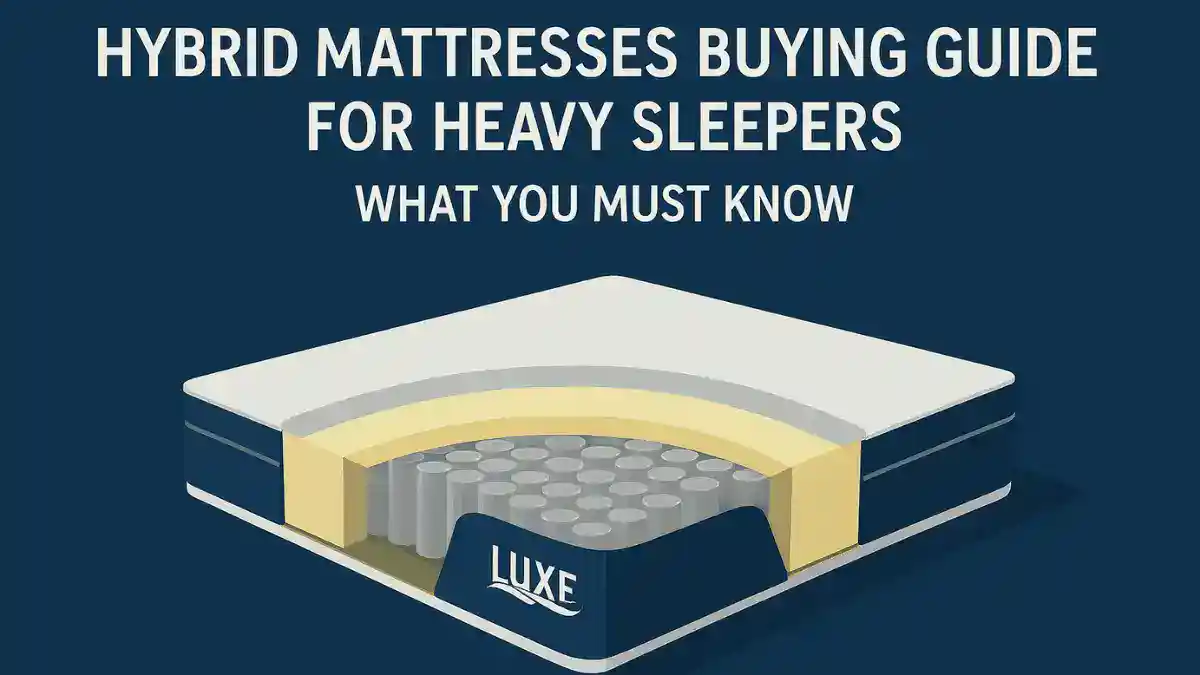
Hybrid Mattresses Buying Guide for Heavy Sleepers: What You Must Know
October 18, 2025

Hybrid Mattresses Buying Guide for Heavy Sleepers: What You Must Know

Choosing the right hybrid mattress is crucial for heavier sleepers. For plus-size individuals, a mattress isn’t just about comfort it’s about support that protects spinal health and promotes restful sleep. Poor mattress support can lead to back pain, sagging, and disrupted sleep patterns, which only worsen over time.

Hybrid mattresses offer a balanced solution, combining the durability of coils with the comfort of foam. This makes them an excellent option for heavy sleepers who need both firmness and cushioning to ensure quality rest.

What Is a Hybrid Mattress?

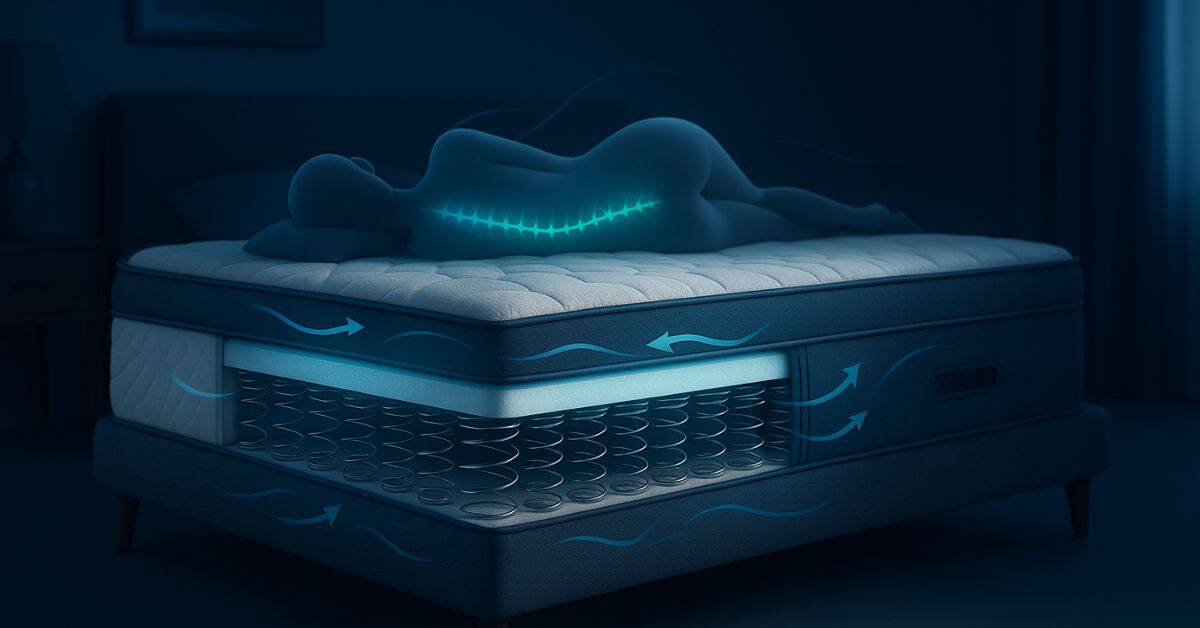
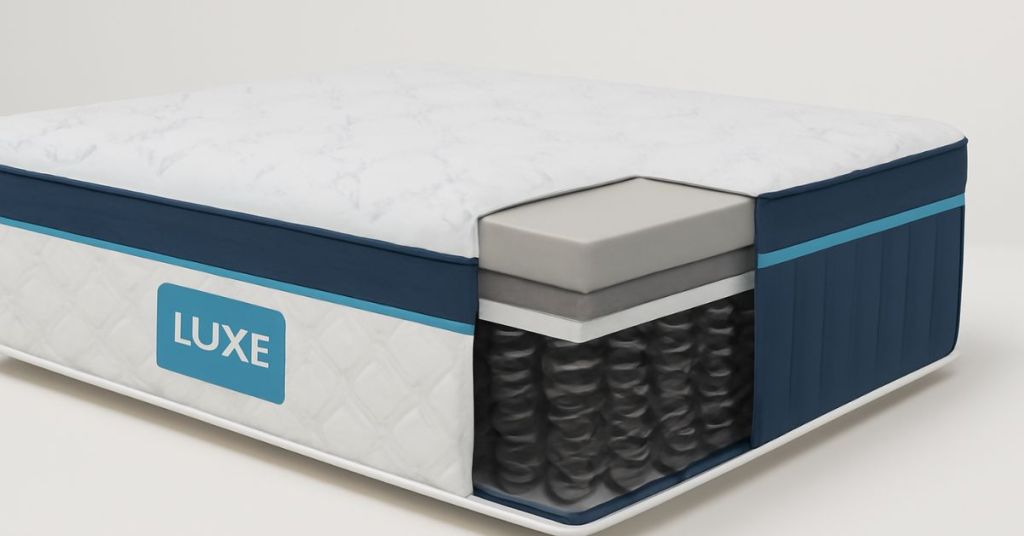
A hybrid mattress combines layers of foam with innerspring coils. This unique construction blends the contouring comfort of foam with the sturdy support of coils. Unlike all-foam or traditional innerspring mattresses, hybrids provide enhanced airflow, durability, and balanced pressure relief.

Key features of hybrid mattresses benefit all body types by offering a mix of softness and support, making them ideal for heavier individuals looking for a mattress that lasts.

Understanding Hybrid Mattresses: What Makes Them Unique?
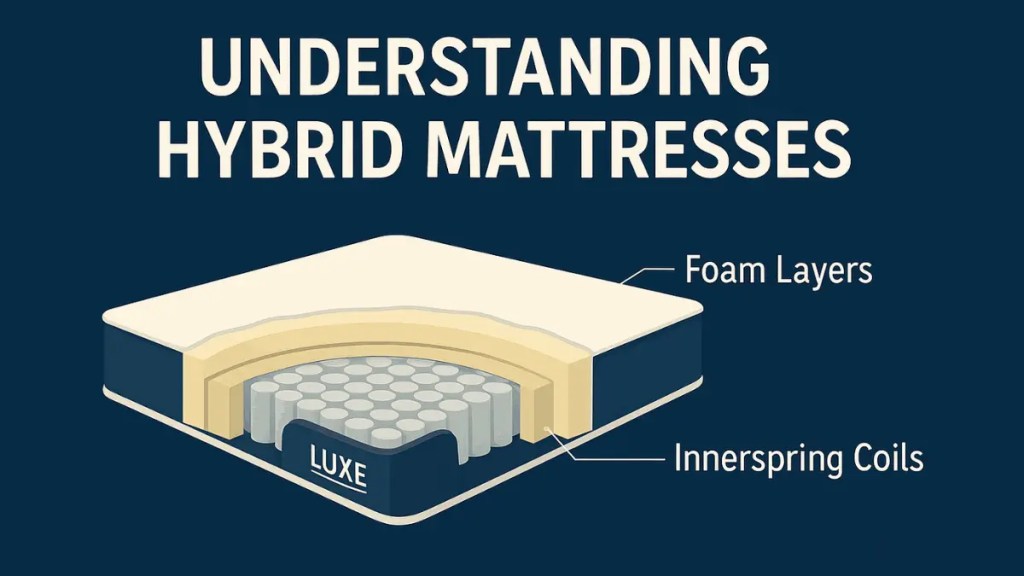
Understanding Hybrid Mattresses

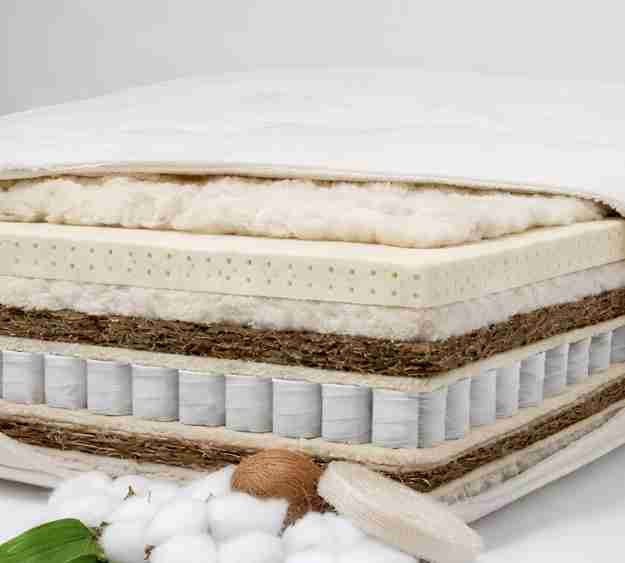
Hybrid mattresses typically feature a top layer of memory foam or latex for comfort, a middle layer of supportive foam, and a base layer of steel coils. This combination allows for excellent body contouring and spinal alignment, which is essential for heavy sleepers.

Because they combine innerspring support with foam cushioning, hybrid mattresses are better suited for heavier individuals than all-foam or latex beds alone, which may sag or wear out quickly under more weight.

Sleep Challenges Faced by Heavy and Plus-Size Sleepers

Heavy sleepers often experience common issues like mattress sagging, back pain, overheating, and poor edge support. The additional body weight can accelerate mattress wear and reduce its lifespan. Proper pressure relief and spinal alignment are vital to prevent discomfort and maintain sleep quality.

Common sleep challenges for heavy sleepers:

  • Mattress sagging: Increased pressure can cause indentations, reducing support.
  • Back pain: Soft or worn-out mattresses may fail to support the spine properly.
  • Overheating: Poor breathability traps heat, leading to restless nights.
  • Poor edge support: Sitting or sleeping near edges can cause sinking or discomfort.
  • Faster mattress wear: Heavier body weight can reduce mattress lifespan if not designed for it.
  • Lack of pressure relief: Insufficient cushioning can lead to pressure points and discomfort.

Top Benefits of Hybrid Mattresses for Heavy Sleepers

Hybrid mattresses offer long-lasting support and significantly reduce sagging thanks to durable coil systems. Zoned coils contour to different body areas, providing targeted pressure relief. Their breathable design promotes airflow, helping regulate temperature and prevent overheating, a common complaint among heavy sleepers. 

Key benefits of hybrid mattresses for heavy sleepers:

  • Long-lasting support: Durable coils maintain mattress shape and prevent sagging.
  • Zoned coil systems: Provide customized support and pressure relief for different body parts.
  • Breathable design: Enhanced airflow keeps sleepers cool and comfortable.
  • Edge-to-edge stability: Maximizes usable sleeping space without feeling like you’ll roll off.
  • Pressure point relief: Combines foam and coils to reduce discomfort in sensitive areas.

What to Look for in a Hybrid Mattress for Heavier Sleepers

When shopping, consider coil count and gauge to ensure durability under heavy weight. High-density foam layers enhance comfort and lifespan. Medium-firm to firm mattresses are typically best, offering the right balance between support and cushioning. Edge support, motion isolation, and cooling technologies are also key features for heavier sleepers to look out for.

Important features to consider include:

  • Coil count and gauge: Higher coil count and thicker gauge coils improve durability and support.
  • High-density foam layers: Provide lasting comfort and reduce premature wear.
  • Firmness level: Medium-firm to firm offers optimal support for heavier body types.
  • Edge support: Reinforced edges prevent sagging and increase usable sleep surface.
  • Motion isolation: Minimizes disturbance from partner movement.
  • Cooling technologies: Promote airflow and regulate temperature for a comfortable sleep environment.

Ideal Mattress Thickness for Plus-Size Sleepers

Mattresses that are 12 inches or thicker usually provide adequate support for heavier sleepers. The extra thickness ensures even weight distribution and reduces the risk of sinking too deep. Choosing the right mattress profile based on your sleep position and weight can further enhance comfort and durability.

Key points to consider about mattress thickness:

  • 12 inches or more: Recommended thickness for proper support and durability.
  • Even weight distribution: Thicker mattresses help prevent deep sinking and pressure points.
  • Sleep position matters: Side, back, or stomach sleepers may prefer different mattress profiles.
  • Enhanced durability: Thicker layers resist wear and maintain comfort over time.

Best Firmness Level for Heavy Sleepers: Soft vs Firm Debate

Finding the right firmness balances comfort and support. Softer mattresses can feel nice but often lack support, causing discomfort. Medium-firm to firm mattresses usually work best for those over 230 lbs, helping keep the spine aligned.

Key points to consider about firmness:

  • Balance between comfort and support.
  • Soft mattresses may lack support, leading to discomfort.
  • Medium-firm to firm is ideal for heavy sleepers.
  • Supports proper spinal alignment throughout the night.

Mattress Weight Limits, Warranties & Trial Periods

Always check a mattress’s weight capacity before purchasing to ensure it can support your body weight. Choose a warranty that covers sagging and other common issues heavy sleepers might experience. Risk-free trial periods are also important, giving you time to test the mattress and make sure it meets your comfort needs.

Key points to consider:

  • Check mattress weight capacity before buying.
  • Look for warranties that cover sagging and defects.
  • Risk-free trial periods allow for testing comfort.
  • Protect your investment with proper coverage.

Best Hybrid Mattresses for Heavy People

Best Hybrid Mattresses for Heavy People

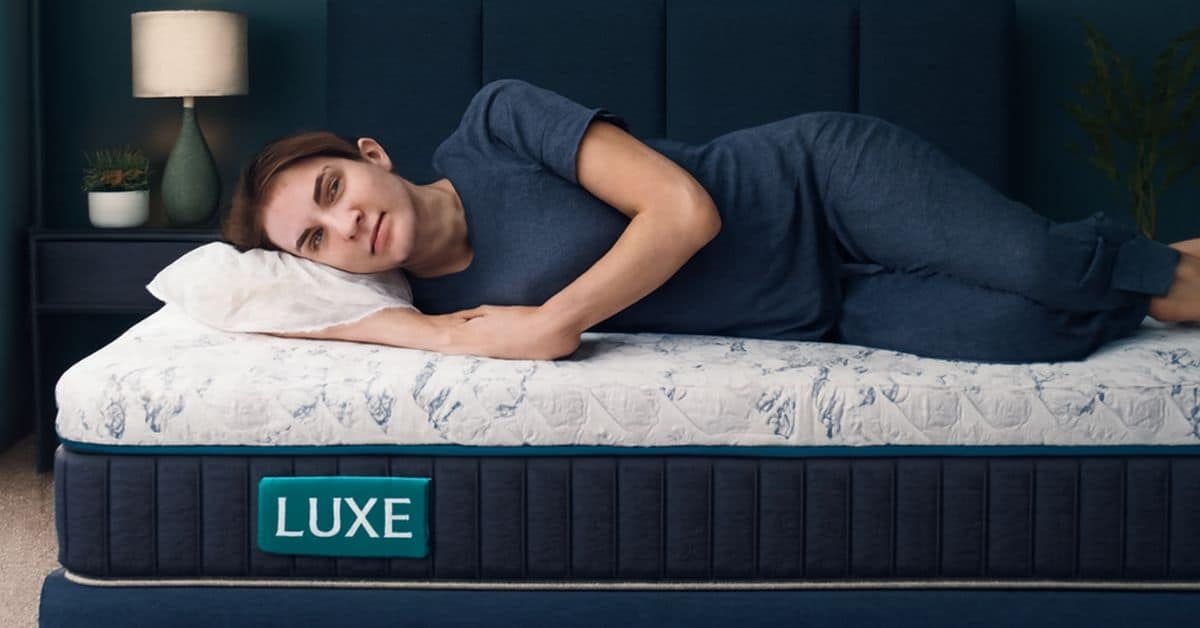
Luxe Mattress specializes in hybrid mattresses designed specifically for big and tall sleepers. Our models feature reinforced support, thicker comfort layers, and durable materials to meet the unique needs of heavier individuals. Luxe Mattress provides the perfect balance of firmness, pressure relief, and temperature regulation for a comfortable, restful night.

Key points to consider:

  • Luxe Mattress offers solutions for big and tall sleepers.
  • Reinforced support with durable construction.
  • Thicker comfort layers for enhanced cushioning.
  • Balanced firmness and pressure relief.
  • Advanced temperature regulation for cooler sleep.

How to Extend the Life of Your Hybrid Mattress

To maximize the lifespan of your hybrid mattress, use a strong bed frame or foundation designed to support heavier weights. Rotate your mattress every few months to prevent uneven wear. Using a waterproof protector helps maintain hygiene, and avoid sitting on the edges frequently to preserve edge support.

Key points to consider:

  • Use a sturdy bed frame designed for heavy weights.
  • Rotate your mattress regularly to avoid wear.
  • Protect with a waterproof mattress cover.
  • Avoid sitting on mattress edges to maintain support.

Final Checklist for Buying a Hybrid Mattress

When choosing your hybrid mattress, keep this checklist in mind to ensure you get the best quality and comfort:

Key points to check:

  • Durable coil system with high-gauge coils for long-lasting support.
  • Medium-firm to firm comfort level suitable for heavier sleepers.
  • At least 12 inches thick for proper weight distribution.
  • Strong edge support and built-in cooling features.
  • Warranty that covers sagging and manufacturing defects.
  • Risk-free trial period to test comfort and fit.

Conclusion

Choosing the right mattress is vital for heavy sleepers to ensure proper support, spinal health, and restful sleep. Hybrid mattresses from Luxe Mattress combine durable coils with comfortable foam layers, offering the perfect balance of firmness and cushioning tailored for heavier bodies.

When selecting your mattress, focus on durability, thickness, edge support, and cooling features, along with a solid warranty and trial period. With these factors in mind, you can enjoy long-lasting comfort and better sleep quality for years to come.

FAQs

What is the best hybrid mattress for heavy people?

Look for mattresses with reinforced coils, high-density foam, and medium-firm to firm support designed specifically for heavy sleepers.

What is the weight limit for a hybrid mattress?

Most quality hybrids support between 300 to 500 lbs, but always check the manufacturer’s specifications.

What type of mattress is best for a 250 lb person?

A medium-firm to firm hybrid mattress with at least 12 inches thickness is ideal to provide proper support and comfort.

What are the negatives to a hybrid mattress?

Some hybrid mattresses can be heavier and more expensive than other types. They may also have a slight initial odor due to foam layers.
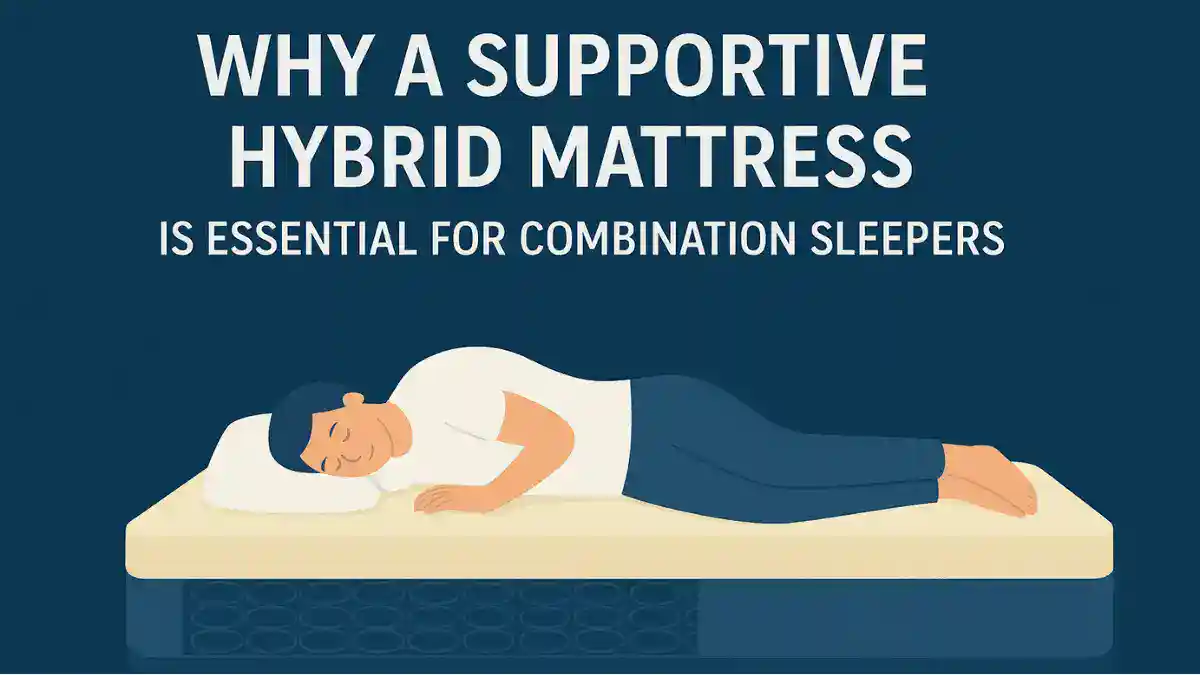
Why a Supportive Hybrid Mattress is Essential for Combination Sleepers
October 18, 2025

Why a Supportive Hybrid Mattress is Essential for Combination Sleepers

Finding the right mattress as a combination sleeper, someone who switches between their back, side, and stomach, can be challenging. A supportive hybrid mattress provides versatile support for all sleep positions, balancing comfort and pressure relief. It helps maintain proper spinal alignment and enhances sleep quality, whether you’re on your side, back, or stomach.

By combining the cushioning comfort of foam with the responsive support of innerspring coils, a hybrid mattress meets the needs of combination sleepers. This balance of support and comfort alleviates pressure points, reduces back pain, and improves overall sleep, making it an ideal choice for those who shift positions throughout the night.

The Unique Needs of Combination Sleepers

Combination sleepers require a mattress that can adapt to multiple sleeping positions. This type of sleeper shifts from side to back to stomach, and their mattress needs to adjust accordingly to provide consistent spinal alignment and pressure relief in each position. Without the right support, back pain, discomfort, and poor sleep quality are common.

  • Spinal alignment: A mattress must support the natural curvature of the spine, regardless of sleep position.
  • Pressure relief: Pressure points on the hips, shoulders, and lower back can lead to discomfort, especially for side sleepers.
  • Flexibility: The mattress should allow easy movement as sleep positions change.

A supportive hybrid mattress can meet all of these needs by offering adaptive support across various positions.

Why Hybrid Mattresses Are Ideal for Combination Sleepers

Hybrid mattresses combine foam layers for comfort and innerspring coils for support. The combination creates the perfect balance of pressure relief and support, ensuring comfort for side, back, and stomach sleepers alike.

The innerspring coils provide a responsive surface, allowing easy movement during sleep transitions, while the foam layers conform to the body to relieve pressure and support spinal alignment.

  • Responsive support: Coils adapt to changes in position.
  • Pressure relief: Foam layers cushion pressure points, reducing pain.
  • Spinal alignment: The hybrid design ensures proper spine support in every position.

Hybrid mattresses are designed for sleepers who require versatility, making them an excellent choice for combination sleepers.

Motion Isolation: A Key Factor for Undisturbed Sleep

Motion Isolation: A Key Factor for Undisturbed Sleep

For combination sleepers, motion isolation is essential, especially if you share the bed with a partner. When you change positions throughout the night, it can disturb your partner’s sleep.

Motion isolation mattresses, such as hybrid models, use memory foam or latex layers that absorb and minimize motion transfer, ensuring that movements are less noticeable across the bed.

  • Memory foam: Offers superior motion isolation by absorbing movement.
  • Less disturbance: Your partner can sleep undisturbed while you shift positions.

With a motion isolation mattress, combination sleepers can enjoy undisturbed rest, even with frequent position changes.

Finding the Right Mattress Firmness for Combination Sleepers

One of the critical factors for combination sleepers is mattress firmness. Too soft, and the mattress may not provide enough support for back and stomach sleepers; too firm, and side sleepers may experience pressure points. 

Hybrid mattresses offer a variety of firmness levels, typically ranging from medium-soft to medium-firm, making them adaptable to different body types and sleeping positions.

  • Medium-firm: Ideal for most combination sleepers, providing balance between support and comfort.
  • Firmness for weight: Heavier individuals may need a firmer hybrid for added support, while lighter sleepers may prefer a softer feel.

A supportive hybrid mattress can cater to various firmness preferences, ensuring all sleep positions are well-supported.

Pressure Relief and Zoned Support: Essential for Comfort

Combination sleepers need a mattress that relieves pressure at the shoulders, hips, and lower back. Many hybrid mattresses offer zoned support, where firmness varies across different sections. This zoning provides extra support to the lumbar area while offering softer cushioning at the shoulders and hips. It helps prevent discomfort when switching positions throughout the night.

  • Zoned support: Offers targeted support for different areas of the body, reducing pressure points.
  • Pressure relief: Softens at key areas like hips and shoulders to reduce strain.

Hybrid mattresses with zoned support are particularly beneficial for combination sleepers, ensuring comfort and pain relief all night long.

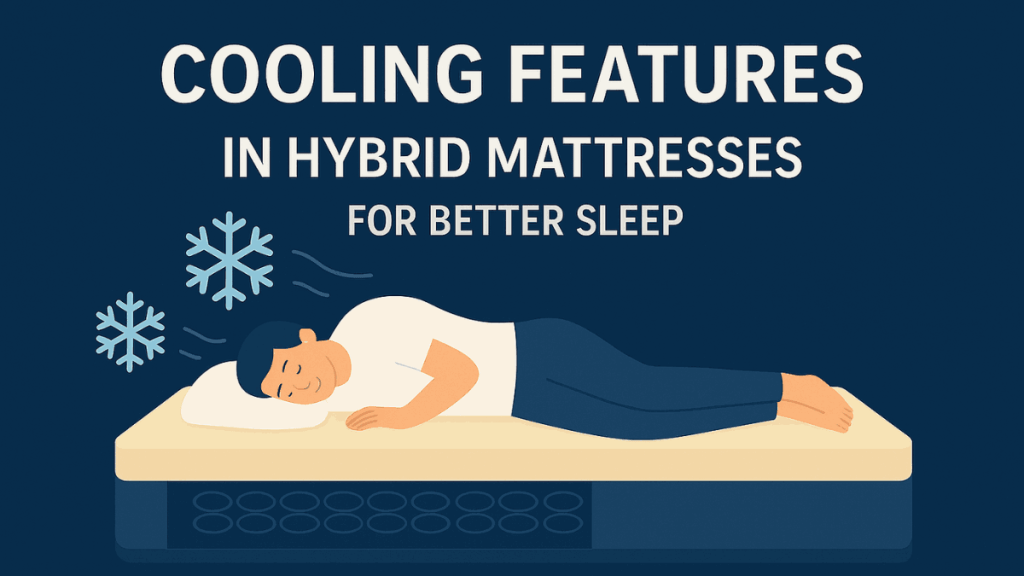
Cooling Features in Hybrid Mattresses for Better Sleep

Cooling Features in Hybrid Mattresses for Better Sleep

Many combination sleepers struggle with temperature regulation at night due to their frequent position changes. A cooling hybrid mattress can help manage heat buildup, allowing for better airflow and keeping you cool as you sleep. 

Coils naturally allow for more airflow compared to traditional foam mattresses, and many hybrid models come with cooling memory foam or breathable fabrics to enhance the sleep experience.

  • Airflow from coils: Promotes better ventilation and cooling.
  • Cooling technology: Breathable foam and fabrics help dissipate heat.

With a cooling hybrid mattress, combination sleepers can avoid overheating and enjoy a more comfortable night’s sleep.

Durability and Longevity of Hybrid Mattresses

When choosing a mattress, durability is crucial, especially for combination sleepers who change positions frequently. The innerspring coils in hybrid mattresses provide added durability and support, ensuring the mattress maintains its shape and performance over time. 

These mattresses also tend to last longer than standard foam mattresses, making them a smart long-term investment for combination sleepers.

  • Durable coils: Provide lasting support and prevent sagging.
  • Longer lifespan: Hybrid mattresses often last longer than traditional foam mattresses.

A supportive hybrid mattress offers durability, so you can enjoy consistent support and comfort for years.

Conclusion

For combination sleepers, a supportive hybrid mattress provides the perfect balance of comfort and support. With its combination of foam layers for pressure relief and innerspring coils for responsive support, it adapts to your changing sleep positions. This versatile mattress ensures proper spinal alignment whether you’re sleeping on your back, side, or stomach.

The hybrid mattress also addresses other essential sleep needs, such as motion isolation and cooling features. These mattresses help reduce pressure points, prevent overheating, and offer long-lasting durability. Investing in a supportive hybrid mattress ensures that combination sleepers get the rest they need without the discomfort or pain caused by poor spinal alignment.

FAQs 

What Type of Mattress is Best for Combination Sleepers?

Combination sleepers need a versatile mattress that offers comfort and support in various positions. A supportive hybrid mattress balances foam contouring and innerspring support, ensuring comfort for back, side, and stomach sleepers.

Is a Hybrid Mattress Good for Side Sleepers?

Yes, hybrid mattresses are great for side sleepers, providing the necessary pressure relief for shoulders and hips. The foam layers contour to the body while the coils maintain spinal alignment.

What Type of Mattress Do Doctors Recommend for Side Sleepers?

Doctors often recommend medium-firm to firm mattresses for side sleepers to promote proper spinal alignment. Both memory foam and hybrid mattresses with supportive foam and coils are ideal for pressure relief and comfort.

Which Hybrid Mattress Has the Best Edge Support?

Hybrid mattresses with reinforced coils, like the Saatva Classic and Helix Midnight, offer excellent edge support. These mattresses prevent sagging and provide a stable sleep surface, especially for edge sleepers.

Is Hybrid Good for Side Sleepers?

Yes, hybrid mattresses work well for side sleepers by offering both pressure relief and support. The foam layers cushion the shoulders and hips, while the coils ensure proper spinal alignment.

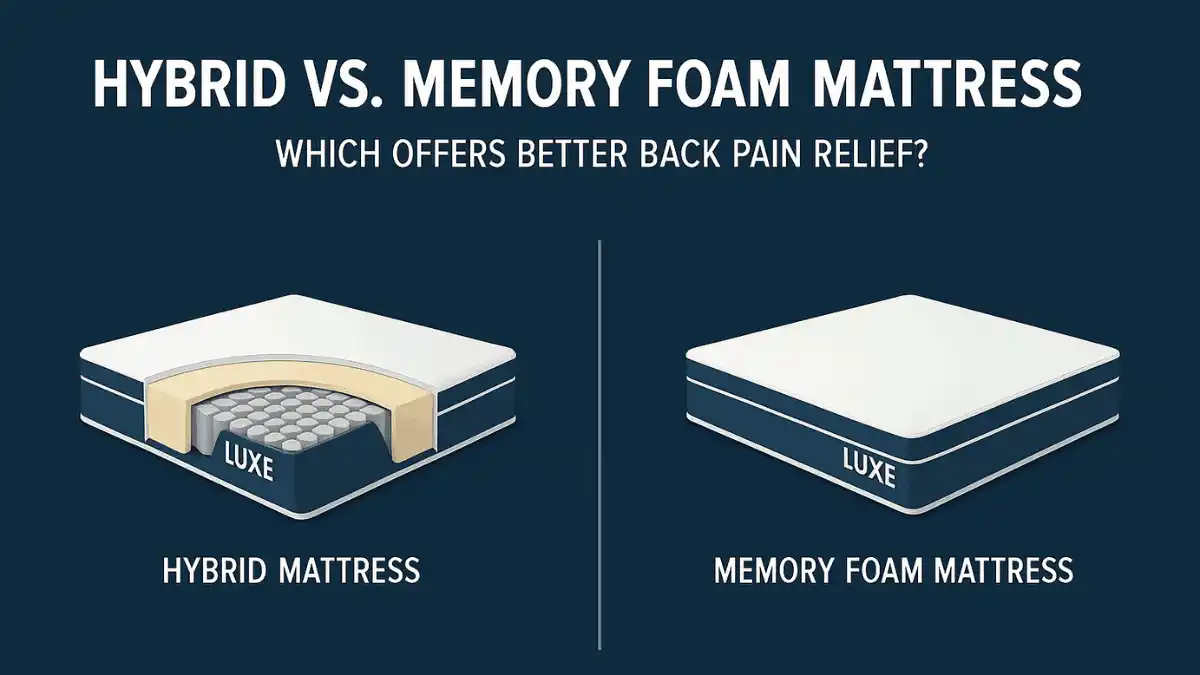
Hybrid vs. Memory Foam Mattress: Which Offers Better Back Pain Relief?
October 17, 2025

Hybrid vs. Memory Foam Mattress: Which Offers Better Back Pain Relief?

Hybrid vs. Memory Foam Mattress, choosing the right mattress plays a crucial role in managing back pain and improving sleep quality. With so many options available, understanding how different mattress types support spinal alignment and relieve pressure is essential.

Memory foam and hybrid mattresses are two popular choices for back pain sufferers. This article compares their benefits and drawbacks to help you find the best mattress for back pain based on your unique sleep needs.

Understanding Back Pain and Sleep: What Causes Discomfort at Night?

Many people experience back pain upon waking due to their mattress not providing the right kind of support. If your mattress isn’t properly aligned with your body’s needs, it can lead to poor sleep quality and increased discomfort. The root of this issue often lies in the balance of support and comfort a mattress provides.

  • Too soft mattresses cause sagging, which leads to improper spinal alignment and increased strain on muscles.
  • Too firm mattresses create pressure points, especially around the hips and shoulders, leading to discomfort.
  • Lack of pressure relief forces the body into unnatural positions, further exacerbating back pain.
  • Poor spinal alignment during sleep can trigger muscle tension, aggravating chronic pain over time.

A mattress that fails to evenly distribute weight and relieve pressure can worsen back pain. Choosing the right mattress with proper support and comfort can be a game changer for a pain-free night’s sleep.

Memory Foam Mattress: Benefits & Drawbacks for Back Pain Sufferers

Memory foam is designed to contour to your body, creating a “hugging” effect that alleviates pressure on joints. This shape‑hugging quality helps maintain alignment by reducing stress at shoulders, hips, and lower back. Because memory foam is consistent in support across the surface, it often excels as a pressure relief mattress.

Pros of Memory Foam:

  • Excellent for spinal alignment, especially for lighter and average body types
  • Motion isolation performance is top-tier, ideal for couples
  • Works well for mattress for side sleepers, providing cushioning at hips and shoulders

Cons of Memory Foam:

  • Often retains heat, which can lead to discomfort
  • Lack of bounce may not suit combination sleepers who shift positions
  • Some people feel “stuck” in deep contouring, making repositioning harder

If memory foam sounds ideal, pick a higher-density foam with cooling features to counter heat and durability issues.

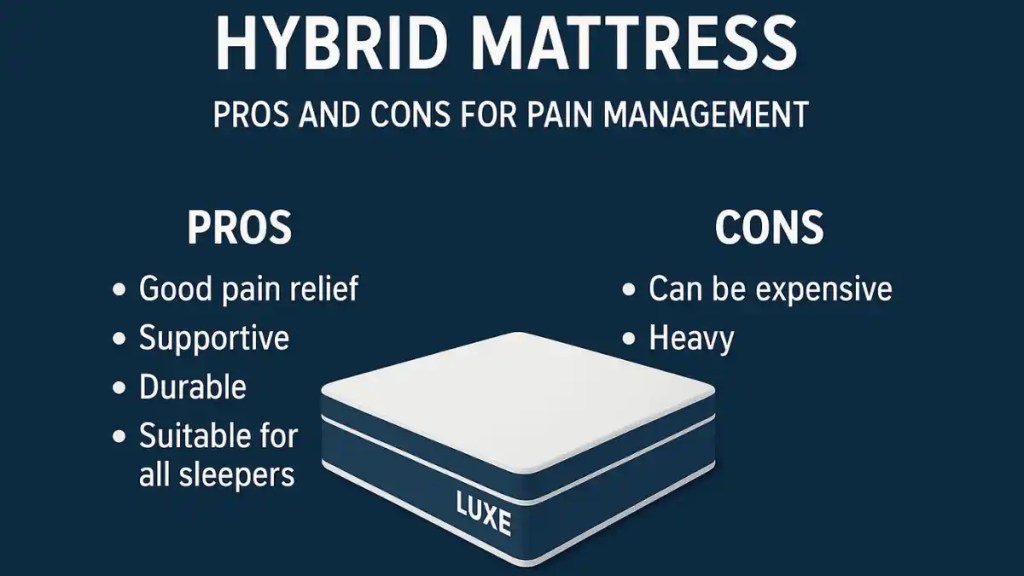
Hybrid Mattress: Pros and Cons for Pain Management

Hybrid Mattress: Pros and Cons for Pain Management

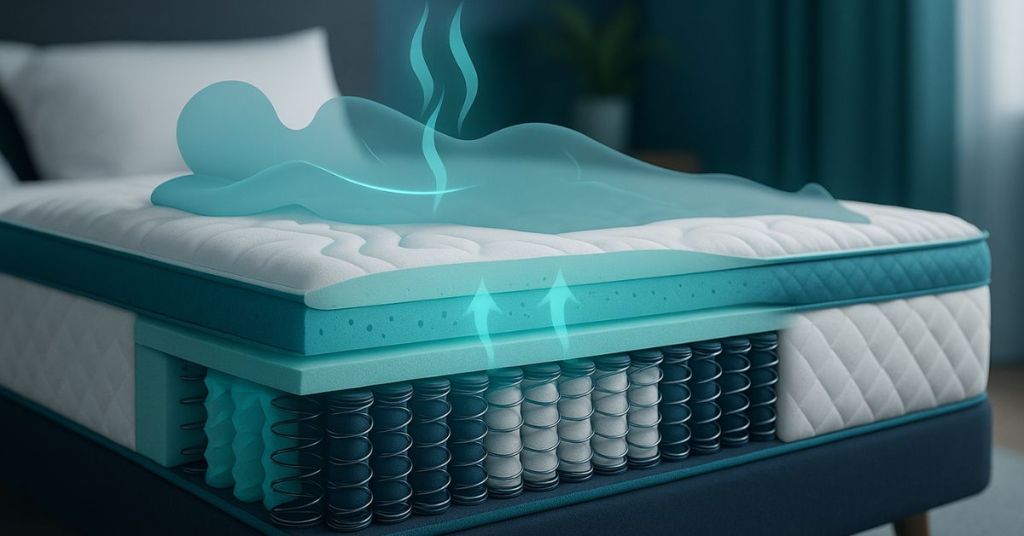
A hybrid mattress combines the best of both worlds, a coil-based support core (often pocket coils) with a comfort top layer of memory foam, latex, or polyfoam. The coils enhance responsiveness and distribute weight more evenly, while the foam layer adds cushioning.

Advantages of Hybrids:

  • Strong support and comfort balance: coils provide lift, foam adds contour
  • Many feature zoned support to bolster lumbar regions and improve spinal alignment
  • Better cooling technology in mattresses thanks to internal airflow from coils

Potential Drawbacks:

  • Heavier and typically more expensive than pure foams
  • Because coil support is firmer, hybrids may not contour as deeply as memory foam
  • Some lower-cost hybrids may use thin foam layers, sacrificing comfort

If your body benefits more from support than deep contouring, a hybrid mattress can be a strong option.

Hybrid vs. Memory Foam Mattress: Feature-by-Feature Comparison

When it comes to finding the best mattress for back pain relief, memory foam and hybrid mattresses offer distinct advantages depending on your sleep needs. Each has its unique features that can cater to specific comfort, support, and durability preferences. Understanding how they compare can help you make an informed decision for a more restful night.

Feature Memory Foam Hybrid Mattress
Support & Firmness Medium to Soft Medium to Firm (model-dependent)
Pressure Relief Excellent (deep contouring) Very Good (depends on foam layer)
Motion Isolation Superior Good to Excellent
Cooling & Breathability Moderate to Poor Better airflow and cooling
Durability Moderate to High (with quality foam) High (coil support adds longevity)
Typical Price Range £300 – £500 £300 – £1500

This mattress comparison guide should help you see how hybrid vs memory foam stack up in key performance areas.

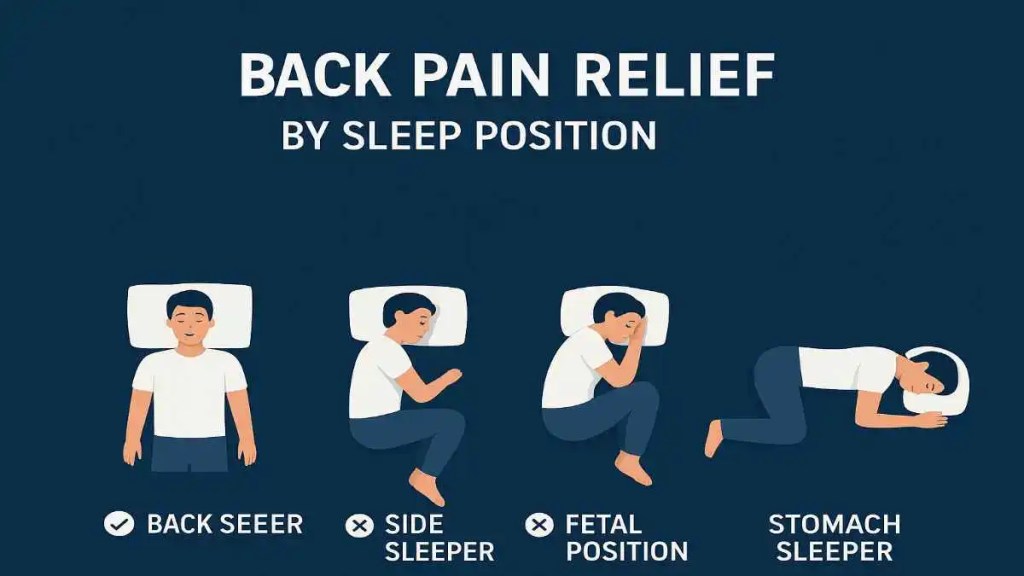
Back Pain Relief by Sleep Position: What Should You Choose?

Back Pain Relief by Sleep Position

Your sleep position plays a critical role in determining which mattress is best for relieving back pain. The right mattress should provide support where you need it most and align your spine properly, regardless of whether you sleep on your side, back, or stomach. Let’s break down how memory foam and hybrid mattresses work for each sleep position:

Side Sleepers

Memory foam mattresses are a popular choice for side sleepers, as they excel at contouring to the body’s curves, relieving pressure on the shoulders and hips. This pressure relief is essential for avoiding muscle strain and ensuring spinal alignment throughout the night.

Back Sleepers

If you’re a back sleeper, a hybrid mattress may be the ideal choice. With its combination of foam and innerspring coils, hybrids offer the necessary support for the lower back while providing a firmer surface to maintain spinal alignment.

Stomach Sleepers

Stomach sleepers need a firmer mattress to prevent the hips from sinking too deeply, which can cause lower back pain. Both a firm hybrid and dense memory foam mattress can help provide the support needed to maintain proper alignment.

The best mattress for back pain largely depends on your sleep position. A mattress with proper support and firmness can help alleviate discomfort and ensure a better night’s rest.

Expert Tips for Choosing the Best Mattress for Back Pain Relief

When it comes to choosing the best mattress for back pain relief, it’s essential to prioritize both comfort and support. A mattress that offers the right balance can significantly alleviate pain and improve sleep quality. Here are some expert tips to guide you in making the best choice:

Evaluate Mattress Firmness Based on Body Type and Sleep Position

The firmness level of a mattress is crucial for spinal alignment. Side sleepers generally benefit from a medium-soft mattress that cushions pressure points, while back and stomach sleepers need firmer support to prevent sagging. Consider your body weight as well, heavier individuals may need a firmer mattress to provide sufficient support.

Look for Zoned Support or Ergonomic Layers

Zoned support technology ensures that different parts of the body get the right amount of support, with firmer areas under the lumbar region and softer areas for the shoulders and hips. This feature is particularly beneficial for those with chronic back pain.

Prioritize Motion Isolation

If you share a bed, motion isolation is essential to ensure that your partner’s movements don’t disturb your sleep. Memory foam excels in motion isolation, but some hybrid mattresses offer good motion transfer reduction, too.

Consider a Mattress with Cooling Features

Overheating at night can disrupt your sleep, particularly if you tend to sleep hot. Look for mattresses that feature breathable materials or cooling technology to help regulate temperature.

Test the Mattress and Check for Trial Periods

Always try a mattress before committing, if possible. Many brands offer generous trial periods (often 100+ nights), allowing you to test the mattress in the comfort of your own home. A mattress that feels great in-store might not offer the same comfort after a few weeks of use.

By following these tips, you can select a mattress that provides the support and comfort necessary to relieve back pain and promote better sleep. Consider all these factors carefully to find a mattress that works best for your specific needs.

Conclusion

Choosing the ideal mattress for back pain relief is a personal decision that hinges on your specific sleep preferences and needs. Memory foam offers excellent pressure relief and motion isolation, making it a solid option for side sleepers or those who prefer deep contouring. On the other hand, hybrid mattresses provide a balanced mix of support and comfort, with zoned support for spinal alignment and improved airflow, ideal for back sleepers or individuals who need a firmer surface.

Ultimately, the best mattress for back pain depends on your sleep position, body type, and comfort preferences. Whether you go for memory foam or hybrid, both can effectively alleviate discomfort if you choose the right firmness and features. Testing different options and considering trial periods can help ensure you make the right choice for a pain-free night’s sleep.

FAQs

Which Mattress is Better for Back Pain, Memory Foam or Hybrid?

Memory foam provides excellent pressure relief and spinal alignment, making it ideal for side sleepers and those with chronic pain. Hybrid mattresses offer firm support with responsive coils, ideal for back sleepers needing additional lumbar support.

What Type of Mattress is Best for Back Pain?

The best mattress for back pain balances support and comfort, with medium to medium-firm being most suitable for most people. Side sleepers may benefit from memory foam, while back sleepers often find hybrids with zoned support more effective.

Spring Mattress Memory Foam
October 15, 2025

Spring Mattress Memory Foam Hybrid: The Best of Both Worlds for Your Sleep

Ever wished your mattress had both bounce and cloud-like softness? That’s exactly what a Spring Mattress Memory Foam hybrid offers, a sleep solution that perfectly blends comfort and support. In 2025, hybrid mattresses will become one of the most sought-after options in the UK, as people search for the best of both worlds.

Unlike traditional models, the Spring Mattress Memory Foam hybrid combines advanced spring systems with premium-grade memory foam layers. This smart pairing delivers the responsiveness of coils and the plush contouring of foam, giving you a balanced, rejuvenating night’s sleep.

In this article, we’ll explore how hybrid mattresses work, the types of springs in a mattress, their construction, benefits, and how to pick the right model for your lifestyle. Get ready to discover the science of comfort and why hybrids like those from Luxe Mattresses UK are redefining restful sleep.

What Exactly Is a Spring Mattress Memory Foam Hybrid?

Spring Mattress Memory Foam

A Spring Mattress Memory Foam hybrid blends two technologies — the resilient support of springs in a mattress and the adaptive cushioning of memory foam. This combination ensures superior comfort, pressure relief, and lasting durability.

The mattress spring durability and quality are what make hybrids stand out. High-tensile steel coils offer robust support, while dense memory foam adds a soft, contouring surface that adapts to your body shape. Together, they deliver long-term performance and prevent sagging or uneven wear.

Inside, the spring support and comfort layers work in harmony: the coils provide structure and lift, while the foam layers enhance plushness and motion absorption. This means a Spring Mattress Memory Foam hybrid feels “responsive yet hugging,” making it ideal for side, back, and stomach sleepers alike.

The result? A mattress that supports your spine naturally, distributes weight evenly, and helps you wake up feeling refreshed every morning.

How Mattress Springs Work in a Hybrid Design

To understand the brilliance of the Spring Mattress Memory Foam hybrid, you need to know how the springs function. Springs are the foundation, they flex and compress to distribute your body weight evenly, promoting proper spinal alignment.

Here’s where memory foam complements the design beautifully. While springs lift and support, foam layers cradle your curves and relieve pressure points. Together, they create a perfect balance of firmness and comfort.

When we talk about how mattress springs work, think of them as micro shock absorbers. They respond independently to each part of your body, preventing one person’s movement from disturbing another.

This synergy between spring system construction explained through precise engineering and high-quality foam means better airflow, reduced heat retention, and stable support. A Spring Mattress Memory Foam hybrid feels cool, breathable, and consistently supportive, night after night.

Exploring the Types of Springs in a Mattress

Spring Mattress Memory Foam

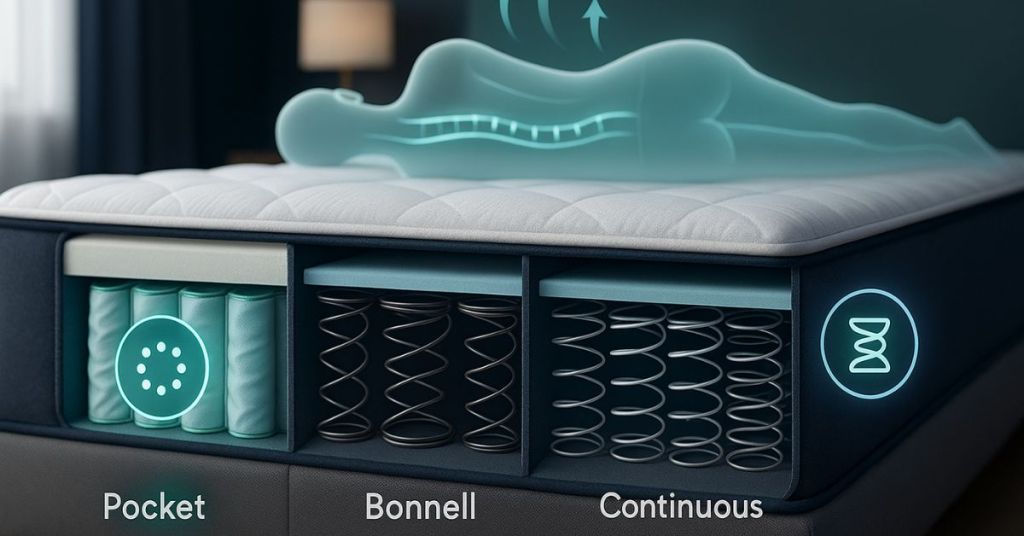
Pocket Springs in a Mattress

Pocket springs are individually wrapped coils that move independently within fabric sleeves. This design reduces motion transfer and offers personalized contouring for every sleeper. In a Spring Mattress Memory Foam hybrid, these springs create superior responsiveness and breathability.

Each coil adjusts to your body shape, ensuring precise pressure distribution. That’s why pocket springs in a mattress are often found in premium hybrids, they combine bounce with deep comfort, supporting you effortlessly through the night.

Bonnell Spring Mattress Design

The Bonnell spring mattress design is the classic coil structure, shaped like an hourglass for strong, even support. Known for affordability and durability, this design offers a firmer sleeping surface that’s ideal for those who prefer solid support.

In hybrid builds, Bonnell springs are often combined with layers of high-density foam for added comfort. This pairing balances traditional resilience with modern softness, making the Spring Mattress Memory Foam hybrid versatile and reliable.

Continuous Coil & Offset Systems

Continuous coil and offset spring systems use interlinked wire structures to provide consistent support across the mattress. Offset coils, in particular, adapt more closely to your body while maintaining stability.

These systems demonstrate spring system construction explained — how interconnected coils provide both bounce and longevity. Including these types of springs in a mattress ensures your hybrid mattress performs optimally, blending structure with adaptability.

Inside the Structure: Spring Support and Comfort Layers

Every Spring Mattress Memory Foam hybrid is an intricate composition of layers, each performing a specific function.

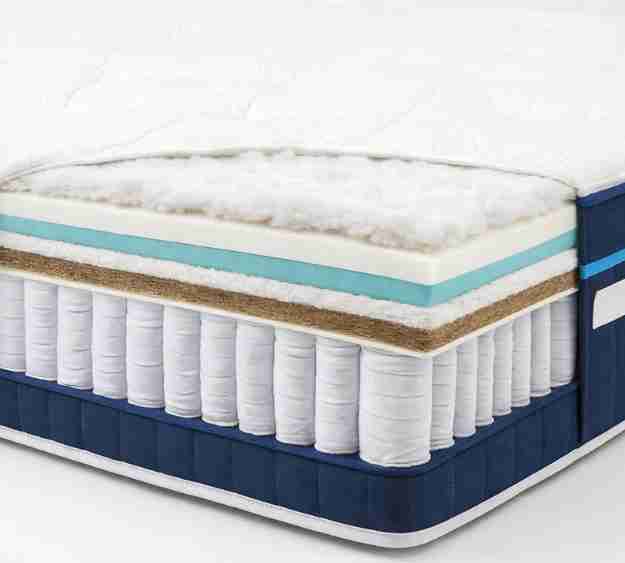
At the base, foundation springs provide the core stability. Above that, transitional foam layers smooth out firmness levels, while top memory foam layers cradle your body with pressure-relieving softness.

The spring support and comfort layers work together to maintain consistent balance and airflow. A higher coil count in spring mattresses often means better contouring and durability, as each coil responds independently.

Picture this: the springs lift you gently, while the foam relaxes you into a perfect sleep posture. This sophisticated layering ensures zero-pressure comfort, better spinal alignment, and consistent airflow, the hallmarks of a well-engineered Spring Mattress Memory Foam hybrid.

Innerspring vs Pocket Spring Mattress in Hybrids

FeatureInnerspring HybridPocket Spring Hybrid
Motion TransferHigherMinimal
BreathabilityGoodExcellent
SupportUniformAdaptive
PriceMore affordablePremium quality

When comparing innerspring vs pocket spring mattress hybrids, it’s all about preference. Innerspring versions use interconnected coils, offering firm and bouncy support. Pocket spring hybrids, however, excel in motion isolation and body contouring — ideal for couples.

The Spring Mattress Memory Foam hybrid performs best when paired with pocket springs, delivering adaptive support and superior comfort. For sleepers who crave both bounce and softness, this combination feels effortlessly balanced.

The Benefits of Spring Mattresses in Hybrid For

A Spring Mattress Memory Foam hybrid brings numerous advantages that enhance your nightly rest. The benefits of spring mattresses become even more evident when combined with memory foam layers.

Here’s what you gain:

  • Enhanced Airflow: Springs encourage ventilation, preventing heat build-up.
  • Reduced Motion Disturbance: Independent coils absorb movement, ideal for partners.
  • Spinal Alignment: Memory foam adapts to your shape, promoting healthy posture.
  • Temperature Regulation: The mix of foam and coils keeps you cool and cozy.
  • Long-Term Comfort: Premium spring mattress material composition ensures durability and resilience.

This perfect balance of science and serenity makes hybrid mattresses an unmatched choice for those seeking deep, restorative sleep.

Mattress Spring Durability and Quality — What to Expect

Durability is the backbone of any great Spring Mattress Memory Foam hybrid. The lifespan depends on coil quality, foam density, and craftsmanship.

Tempered steel coils and high-resilience foams enhance mattress spring durability and quality, ensuring your hybrid retains its bounce and structure for years. On average, well-made hybrids last between 8–10 years when properly maintained.

Simple care practices, rotating your mattress every few months, using a breathable cover, and avoiding uneven surfaces, can significantly extend its life.

That’s why reputable brands like Luxe Mattresses UK are trusted: they design hybrids that maintain shape, firmness, and comfort even after years of use.

How Spring Systems Are Crafted — The Hidden Engineering

Behind every Spring Mattress Memory Foam hybrid lies precision craftsmanship.

Spring system construction explained simply: high-carbon steel coils are manufactured, heat-treated, and assembled into frames. Each spring is positioned to provide maximum support and flexibility. Layers of foam and fabric are then carefully hand-stitched for lasting durability.

UK hybrid mattresses undergo strict quality checks, ensuring excellent pressure relief, motion isolation, and long-term reliability. This thoughtful engineering is what transforms a simple bed into a sleep masterpiece.

How to Choose the Right Spring Mattress Memory Foam Hybrid

Choosing the right Spring Mattress Memory Foam hybrid involves understanding your personal sleep needs.

Here’s a quick guide:

  • Check Coil Count: A higher coil count in spring mattresses usually means better support.
  • Match Foam Density: Denser foams last longer and offer superior contouring.
  • Know Your Sleep Position: Side sleepers need softer foam, while back/stomach sleepers benefit from firmer springs.
  • Prioritize Breathability: Look for covers with natural airflow and antimicrobial fabrics.
  • Evaluate Warranty: Always choose brands offering trial periods and long-term guarantees.

Conclusion

A Spring Mattress Memory Foam hybrid is more than a mattress, it’s an innovation in sleep technology. By blending traditional spring systems with advanced memory foam, it delivers bounce, breathability, and blissful comfort in one package.

This perfect pairing promotes deeper rest, better spinal alignment, and long-term durability. For anyone seeking personalized comfort and quality craftsmanship, hybrid mattresses are the future of restorative sleep.

Experience true hybrid comfort, explore the handcrafted collection at Luxe Mattresses UK and sleep like never before.

FAQ’s

Q1. Are spring mattress memory foam hybrids good for back pain?

Yes, the Spring Mattress Memory Foam hybrid supports spinal alignment and reduces pressure points effectively.

Q2. Do hybrid mattresses last longer than regular spring mattresses?

Usually, yes, the combined design improves mattress spring durability and quality significantly.

Q3. How often should I rotate a hybrid mattress?

Every 3–6 months to maintain shape and spring performance.

Q4. Are hybrid mattresses cooler than all-foam ones?

Yes, because how mattress springs work allows better airflow, keeping you cool throughout the night.

Q5. Is a spring mattress memory foam hybrid worth the price?


Absolutely, the hybrid balance of springs and foam ensures comfort, durability, and health benefits unmatched by standard beds.

Springs in a Mattress
October 15, 2025

Understanding the Role of Springs in a Mattress for Superior Comfort

Have you ever wondered what makes a mattress truly supportive? The answer lies deep within,  the springs in a mattress. While foam and hybrid designs are more common today, springs remain the heart of comfort and durability. They provide the perfect balance of bounce, support, and airflow, ensuring you wake up refreshed every morning.

Despite the rise of memory foam and latex, springs in a mattress continue to dominate the UK bedding industry. Their unique structure adapts to body movement, promotes breathability, and maintains shape longer than most foam-based alternatives. Understanding how these springs work, from their structure to material quality, can help you make a smarter mattress investment.

In this guide, we’ll explore the science behind springs, types of coils, comfort layers, and how these systems combine to deliver superior support. By the end, you’ll know exactly how to choose the right spring system that fits your body and sleeping style.

The Science Behind Springs in a Mattress

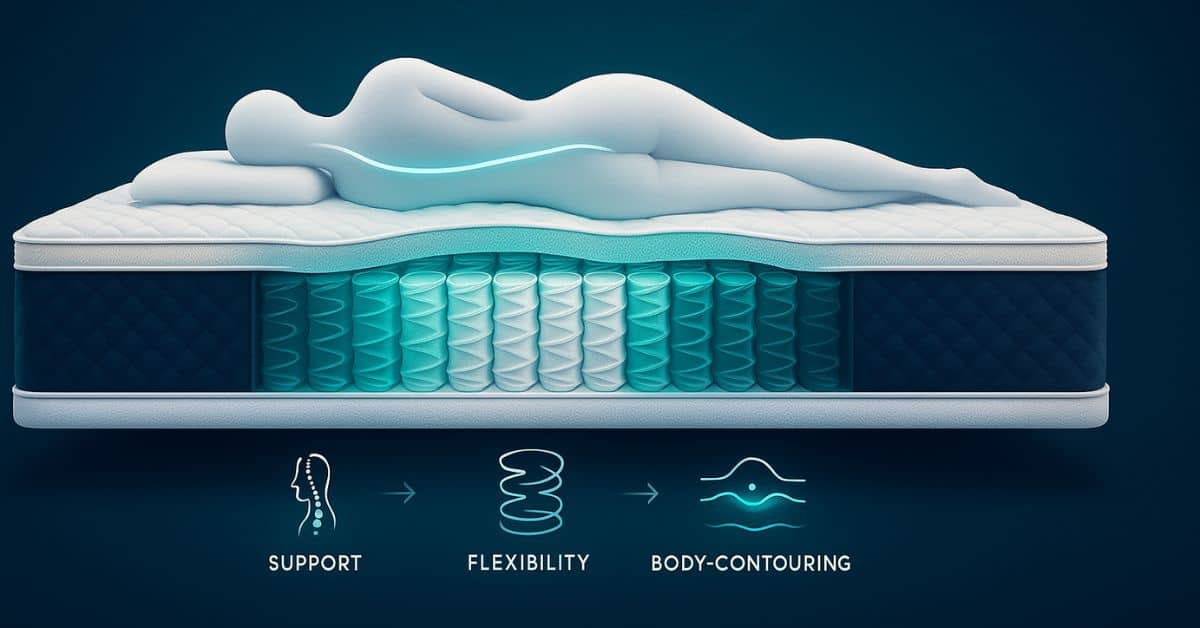
To understand the role of springs in a mattress, think of them as tiny shock absorbers working together. Each spring compresses independently, adjusting to your body weight and movement while maintaining uniform pressure distribution. This reduces strain on pressure points like your shoulders, hips, and back.

Springs are designed to respond proportionally, the more pressure applied, the stronger their pushback. This responsiveness gives spring mattresses their signature “lifted” feel, preventing that sinking sensation often found in softer foam mattresses.

Modern designs combine spring support and comfort layers, enhancing airflow and motion isolation. These layers absorb vibrations, so when one person moves, the other remains undisturbed. Additionally, advanced coils maintain spinal alignment, contributing to long-term posture health.

In short, springs in a mattress provide a delicate balance between firmness and flexibility — something no single foam layer can replicate. It’s the science of movement, resistance, and airflow, all working in harmony for a better night’s sleep.

Exploring the Main Types of Springs in a Mattress

Pocket Springs in a Mattress

Pocket springs are the gold standard of comfort. Each spring is encased in a separate fabric pocket, allowing them to move independently. This results in personalized support — the mattress conforms to your body while minimizing motion transfer. You won’t feel your partner toss or turn, making it perfect for couples.

The open structure promotes excellent ventilation, preventing heat buildup during sleep. Because of their adaptability and breathability, pocket springs in a mattress are often used in premium designs such as those from Luxe Mattresses UK.

Bonnell Spring Mattress Design

Bonnell springs are the oldest and most traditional type, featuring an hourglass shape that offers firm, stable support. They are interconnected with a steel mesh, providing durability and a uniform surface. A Bonnell spring mattress design is an affordable choice for guest rooms or those seeking firmer support without overspending.

While it lacks the individualized motion isolation of pocket springs, its sturdy structure makes it a dependable, budget-friendly option.

Continuous Coil & Offset Springs

Continuous coil systems are made from a single piece of wire, offering exceptional longevity. Offset springs, on the other hand, have flattened edges that conform more closely to the body. Both options enhance structural integrity and prevent sagging over time.

These variations highlight the diversity in types of springs in a mattress, showing how each design suits different comfort preferences. Understanding spring system construction explained details helps buyers make informed decisions based on firmness, breathability, and support needs.

Coil Count in Spring Mattresses — Does It Really Matter?

The coil count in spring mattresses often confuses buyers. Many assume that more coils automatically mean better comfort, but that’s only partially true. Coil count represents the total number of springs, yet the coil gauge (thickness of wire) and material quality play a bigger role in performance.

For example, a king-size mattress with 1,000 high-tensile steel coils can outperform one with 2,000 lower-quality coils. Generally, a balanced range between 800–2000 coils provides optimal support for UK sleepers.

Premium brands like Luxe Mattresses UK design mattresses where coil count works harmoniously with foam and fabric layering. This ensures consistent tension and long-lasting comfort. So, rather than focusing solely on numbers, consider the design and durability of the spring system as a whole.

When evaluating the coil count in spring mattresses, remember: quality construction and balanced distribution always trump quantity.

Inside the Structure: Spring Support and Comfort Layers

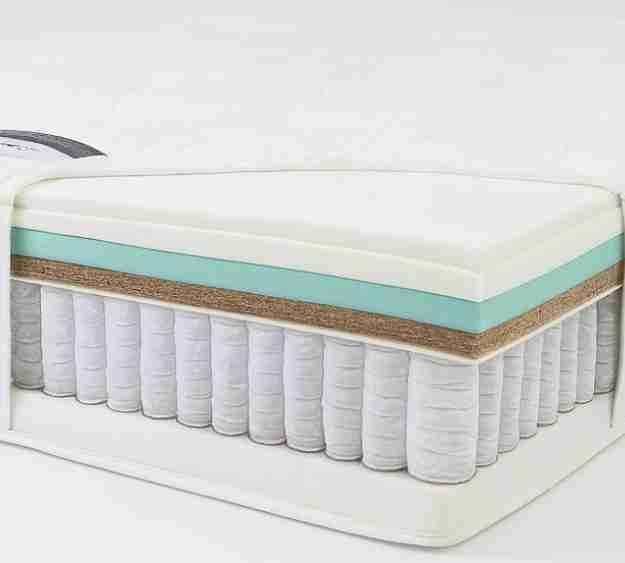
Every spring mattress features multiple components working together. At its core are the coils,  surrounded by padding, foam, and protective fabric. These spring support and comfort layers determine how the mattress feels against your body.

The lower section, made of tempered steel springs, provides foundational support. Above that, comfort layers of foam or natural fibres cushion your body and regulate temperature. Together, they form a perfect blend of softness and stability.

This spring mattress material composition ensures even pressure distribution and improved airflow, especially beneficial for hot sleepers. The top fabric cover adds a final touch of luxury and hygiene.

In premium options, pocket spring mattress construction integrates reinforced edges for stability, while the innerspring mattress design promotes bounce and breathability. The result? A balanced surface that cradles you in comfort while supporting healthy posture throughout the night.

Innerspring vs Pocket Spring Mattress: Which One Wins?

FeatureInnerspring MattressPocket Spring Mattress
Motion TransferHigherMinimal
BreathabilityGoodExcellent
SupportUniformAdaptive
PriceMore affordableSlightly premium
Ideal ForBudget buyersCouples & premium comfort seekers

The debate between innerspring vs pocket spring mattress comes down to personal preference. Innerspring models offer a familiar, slightly firmer feel with excellent airflow. Pocket spring mattresses, however, adapt individually to your body’s contours, providing superior motion isolation and comfort.

If you share your bed, pocket springs make a world of difference, no more sleep disruptions. Both systems rely on well-engineered spring coils and foam layers that ensure long-term durability and consistent support.

In essence, both designs have their place, but for those seeking luxury-level comfort, pocket springs often take the lead.

Mattress Spring Durability and Quality

The durability of springs in a mattress depends on three core factors: coil material, heat treatment, and structure. High-quality steel springs that undergo heat-tempering retain their elasticity and resist deformation.

Look for premium features like anti-sag reinforcement and reinforced edges, which prevent shape loss over time. The mattress spring durability and quality also rely on proper usage — rotating the mattress every few months and avoiding concentrated pressure points extends its lifespan.

Brands like Luxe Mattresses UK focus on meticulous engineering to ensure each spring maintains tension and responsiveness for years. With the right care, a quality spring system can last over a decade while maintaining its bounce and comfort.

Benefits of Spring Mattresses for Sleep Health

A well-made spring mattress offers several advantages that directly impact sleep health.

  • Enhanced Airflow: The open coil design promotes breathability, keeping your mattress cool throughout the night.
  • Superior Support: Springs adjust individually, maintaining natural spinal alignment and preventing back pain.
  • Responsive Comfort: The bounce from springs in a mattress ensures effortless movement while sleeping.
  • Long-Lasting Durability: Tempered steel coils resist sagging, offering consistent comfort over years.
  • Hygienic Sleep Environment: Natural airflow reduces moisture and bacteria buildup.

These benefits of spring mattresses explain why they remain a top choice among UK sleepers. Their combination of breathability, firmness, and adaptive support delivers a well-balanced, refreshing rest night after night.

How Spring Systems Are Made — Craftsmanship and Construction Explained

Understanding how spring mattresses are made gives insight into their lasting performance. The process begins with coiled steel wire formed into springs, which are heat-tempered to increase strength and elasticity.

Next comes spring system construction explained — arranging coils into layers or pockets, followed by adding foam, wool, or cotton padding. The final step is tufting and upholstery, which locks everything in place for structural stability.

Brands that emphasize handcrafting, such as Luxe Mattresses UK, maintain strict quality control during assembly. This precision ensures consistent firmness, superior comfort, and a luxury feel that stands the test of time.

Choosing the Right Spring Mattress for Your Comfort

Selecting the right spring mattress depends on your sleeping habits and comfort preferences. If you prefer a firmer surface, opt for Bonnell or offset coils. For motion isolation and personalized support, choose a pocket spring mattress.

Always check coil gauge, count, and warranty before purchasing. Consider your sleeping position, side sleepers benefit from softer layers, while back sleepers need medium-firm support.

For unmatched quality and craftsmanship, explore Luxe Mattresses UK, where each product is engineered for durability and comfort. The right spring system is more than just support, it’s your key to a truly rejuvenating night’s sleep.

Conclusion

The springs in a mattress are more than just a support system, they’re the foundation of lasting comfort, breathability, and durability. From coil design to material composition, every detail influences how well you sleep.

By understanding spring types, structure, and quality, you can make an informed choice that supports both your health and comfort.

If you’re ready to experience handcrafted luxury and superior engineering, explore the spring mattress collection at Luxe Mattresses UK, where every night’s rest feels truly refreshing.

FAQ’s 

How long do springs in a mattress last?

High-quality coils typically last 8–10 years when maintained properly with regular rotation and supportive bed bases.

What type of springs gives the best support?

Pocket springs offer adaptive comfort by adjusting to each sleeper’s body weight and position.

Do more springs mean a better mattress?

Not always. The coil quality, gauge, and material are more important than the overall number of coils.

Are spring mattresses good for back pain?

Yes. Well-designed spring systems provide firm yet flexible support, maintaining spinal alignment for better posture.

Can spring mattresses lose their bounce?

Low-quality coils may sag over time, but tempered steel springs used in premium models retain shape and bounce for years.

Nighttime Wellness Rituals
October 14, 2025

Things You Must Do Before Going to Sleep for a Restful Night

Sleep is one of the most crucial aspects of health and well-being. But getting a full night of restful sleep isn’t just about lying down; it’s about preparing your mind and body properly. The habits and routines you follow before going to sleep can significantly affect the quality of your rest. In this blog, we’ll cover everything you need to do before going to sleep to ensure better sleep, improved energy, and overall wellness.

Why Preparation Matters Before Going to Sleep?

Many people focus on the number of hours they sleep, but what you do before going to sleep is just as important. A good pre-sleep routine helps:

  • Calm your mind
  • Signal your body that it’s time to rest
  • Improve deep sleep and REM sleep
  • Boost overall sleep quality

Without proper habits before going to sleep, even 8 hours of rest may feel insufficient.

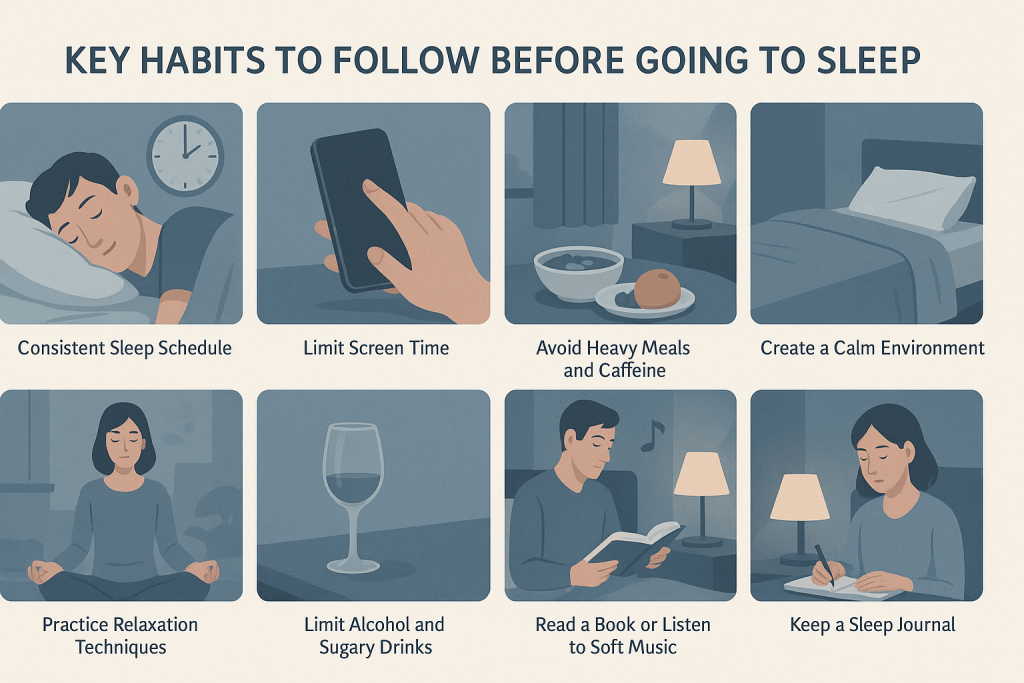
Key Habits to Follow Before Going to Sleep

Here are the most effective things you should do before going to sleep:

Calm Sleep Rituals

1. Stick to a Consistent Sleep Schedule

Going to bed and waking up at the same time daily trains your body clock. Adults should aim for 7–9 hours, while children and teens need more.

2. Limit Screen Time

Phones, tablets, and TVs emit blue light, which suppresses melatonin, the sleep hormone. Try to avoid screens at least 60 minutes before going to sleep.

3. Avoid Heavy Meals and Caffeine

Eating a heavy meal or drinking caffeine late at night can disrupt your sleep cycle. Eat light dinners and avoid coffee or energy drinks in the evening.

4. Create a Calm Environment

Your bedroom should be cool, dark, and quiet. Invest in comfortable bedding and blackout curtains to make your room sleep-friendly before going to sleep.

5. Practice Relaxation Techniques

Meditation, deep breathing, or gentle stretching can reduce stress levels and help your body prepare for rest. Doing this before going to sleep signals your brain that it’s time to unwind.

6. Limit Alcohol and Sugary Drinks

Alcohol may make you drowsy initially but disrupts deep sleep later. Sugary drinks can spike energy levels, making it harder to fall asleep.

7. Read a Book or Listen to Soft Music

Engaging in calming activities like reading a book or listening to soothing music before going to sleep can help transition your mind into a restful state.

8. Keep a Sleep Journal

Jot down your thoughts or worries in a notebook. Clearing your mind before going to sleep reduces anxiety and prevents restless nights.

Ideal Pre-Sleep Routine Table

Bedtime Routine Table
Time Before Bed Activity Purpose
2–3 hours Eat light dinner Prevents indigestion and sleep disturbance
1 hour Limit screen time Reduces blue light and improves melatonin production
30 min Relaxation techniques (meditation, stretching) Calms mind and body
15 min Light reading or soft music Signals the brain it’s time to sleep
5 min Journaling or reflection Clears thoughts for better sleep

This table shows a practical guideline for activities before going to sleep to maximize sleep quality.

Things to Avoid Before Going to Sleep

Even with good habits, certain activities can sabotage your rest:

  • Intense Exercise: Working out vigorously right before bed can raise heart rate and delay sleep.
  • Stressful Conversations or Work: Avoid stressful topics or work-related tasks before going to sleep.
  • Overhydration: Drinking too much water before bed may lead to waking up frequently.
  • Bright Lights: Exposure to bright or artificial lights can delay your sleep onset.

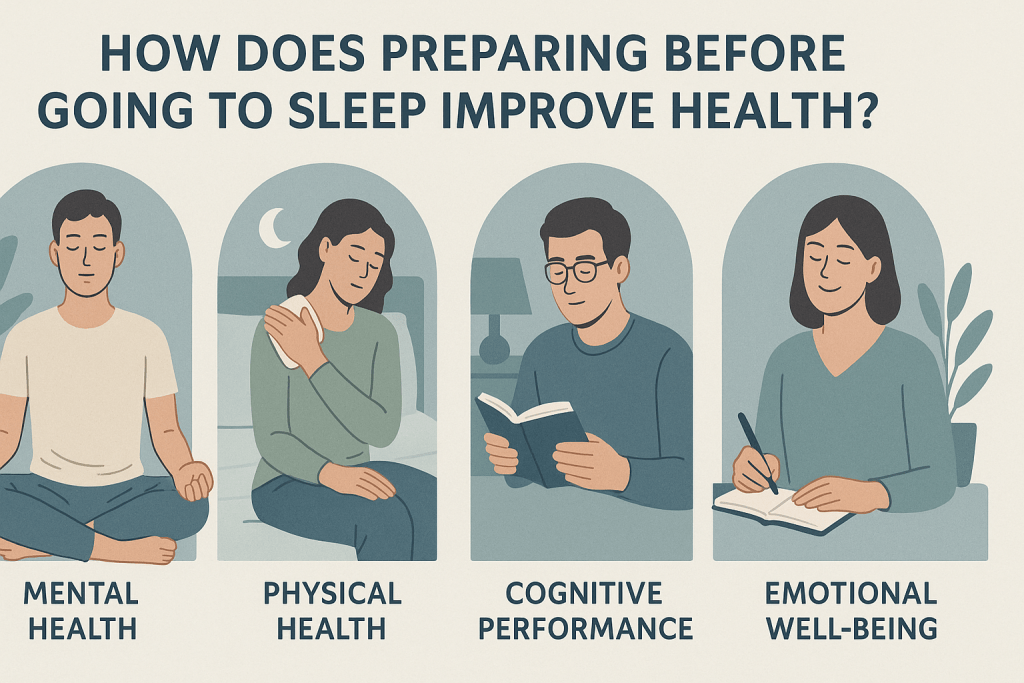
How Does Preparing Before Going to Sleep Improve Health?

Following a proper routine before going to sleep affects multiple areas of your health:

Bedtime Wellness Routine
  1. Mental Health – Reduces stress, anxiety, and depressive symptoms.
  2. Physical Health – Supports muscle recovery, hormone regulation, and immune function.
  3. Cognitive Performance – Enhances focus, memory, and creativity.
  4. Emotional Well-being – Promotes a stable mood and better emotional regulation.

In short, your pre-sleep habits lay the foundation for restorative and deep sleep cycles.

FAQs 

1. What is the most important thing to do before going to sleep?

The most effective step is creating a calming routine that signals your body it’s time to rest, such as limiting screens and practicing relaxation techniques.

2. Can I use my phone before going to sleep?

It’s best to avoid phones and other screens at least 1 hour before bedtime to improve melatonin production.

3. How long should my pre-sleep routine be?

A 30–60 minute routine is sufficient for most people, including relaxation techniques, light reading, and journaling.

4. Are naps okay if I want to improve sleep at night?

Short naps earlier in the day are fine, but avoid long or late afternoon naps as they can interfere with sleep before going to sleep.

5. Does exercise help before going to sleep?

Light stretching or yoga can help, but intense workouts should be done earlier in the day.

Conclusion

Preparing your body and mind properly before going to sleep is essential for quality rest. By following a consistent routine, avoiding stimulants, and creating a calming environment, you can significantly improve your sleep quality. Remember, it’s not just about the number of hours you sleep, but also what you do in the hours before going to sleep that counts.

Start small by incorporating one or two of these habits and gradually build a full pre-sleep routine. Over time, your body will thank you with deeper, more restorative sleep, better energy, and improved overall health. Visit our website for more useful sleep guides.

Orthopedic Memory Foam Mattress
October 14, 2025

Orthopedic Memory Foam Mattress: Ultimate Comfort, Support, and Health Benefits 

An Orthopedic Memory Foam Mattress is designed to provide exceptional spinal support, relieve back pain, and improve sleep quality. Its viscoelastic foam adapts perfectly to your body shape, reducing pressure points and promoting proper alignment. Choosing the right orthopedic mattress ensures long-lasting comfort, motion isolation, and better sleep posture. 

This guide covers everything about an Orthopedic Memory Foam Mattress, including its layers, health benefits, maintenance tips, and buying considerations. By the end, you’ll understand how to select the best mattress for your sleeping needs, ensure durability, and enjoy restful, undisturbed nights with optimal comfort and support.

What Is an Orthopedic Memory Foam Mattress

An Orthopedic Memory Foam Mattress combines viscoelastic foam with orthopedic design to provide targeted support for the spine and joints. Its layers adapt to body contours, ensuring proper alignment for all sleeping positions. 

The mattress reduces pressure points, enhances comfort, and supports spinal posture, making it ideal for those with chronic pain or posture issues. With motion isolation and even weight distribution, this mattress ensures both single sleepers and couples enjoy uninterrupted sleep.

Layers and Construction

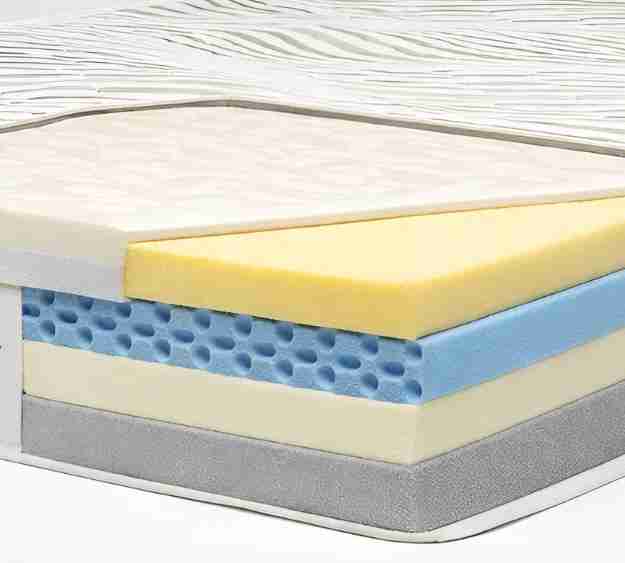
An Orthopedic Memory Foam Mattress typically features three main layers: the comfort layer, the transition layer, and the base support layer. Some models include cooling gel or plant-based foam for breathability and temperature regulation. 

Each layer serves a specific purpose, providing softness, pressure relief, and firm support where needed. Together, these layers create a balanced sleeping surface that supports healthy spinal alignment and long-term comfort.

How It Differs From Regular Memory Foam Mattresses

Unlike regular memory foam mattresses, an Orthopedic Memory Foam Mattress emphasizes spinal alignment and firm support. It reduces motion transfer, alleviates pressure on sensitive areas, and maintains durability over time. Standard memory foam mattresses may lack these targeted features, making orthopedic models ideal for individuals with back pain or joint issues.

Benefits

An Orthopedic Memory Foam Mattress offers superior comfort, pressure relief, and motion isolation. Its adaptive foam supports the spine, preventing aches and stiffness. The mattress is durable, maintaining its shape and performance for years. 

Couples benefit from reduced disturbances, and individuals experience improved sleep posture, enhancing overall health and energy levels.

Health Benefits

The Orthopedic Memory Foam Mattress helps reduce back, shoulder, and hip pain by providing targeted support. It promotes proper posture and spinal alignment while improving circulation during sleep. This mattress is recommended by health professionals for chronic pain management and better restorative sleep.

Sleep Quality for Couples

Couples enjoy motion isolation, edge support, and undisturbed rest with an Orthopedic Memory Foam Mattress. Its adaptive design ensures minimal partner disturbance, allowing both individuals to maintain healthy sleep patterns. This mattress is ideal for couples with different sleep schedules or varying body weights.

Choosing the Right Orthopedic Mattress

Selecting the perfect Orthopedic Memory Foam Mattress involves considering firmness, density, thickness, and body weight. Sleep position also plays a key role in choosing the right support level. The ideal mattress balances comfort with spinal alignment to provide restful nights without pain or discomfort.

Tips for Side Sleepers

Side sleepers should select a medium-firm Orthopedic Memory Foam Mattress to support shoulders and hips. Adequate cushioning ensures proper alignment and reduces pressure points, preventing stiffness and soreness upon waking. Look for models with adaptive layers for extra comfort.

Tips for Back and Stomach Sleepers

Back and stomach sleepers benefit from a firmer Orthopedic Memory Foam Mattress that maintains spinal alignment. Proper support prevents sagging, reduces lower back strain, and ensures overall comfort. Firmness level should correspond to individual weight and body shape.

Mattress Sizes and Thickness

Orthopedic Memory Foam Mattresses are available in twin, double, queen, and king sizes. Thickness ranges from 8 to 14 inches, with thicker mattresses offering enhanced support and durability. Choosing the right size ensures proper comfort and alignment for all sleepers.

Cleaning and Maintenance Tips

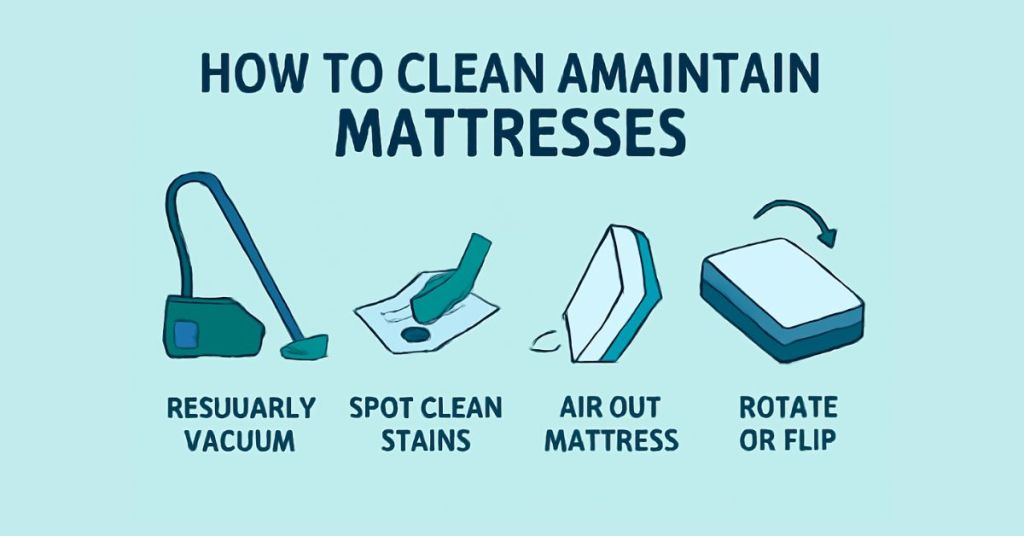
Maintaining an Orthopedic Memory Foam Mattress extends its lifespan and preserves hygiene. Regular vacuuming removes dust and allergens. Rotating the mattress prevents uneven wear, while mattress protectors minimize stains. Avoid harsh chemicals that can damage foam.

Spot Cleaning Stains

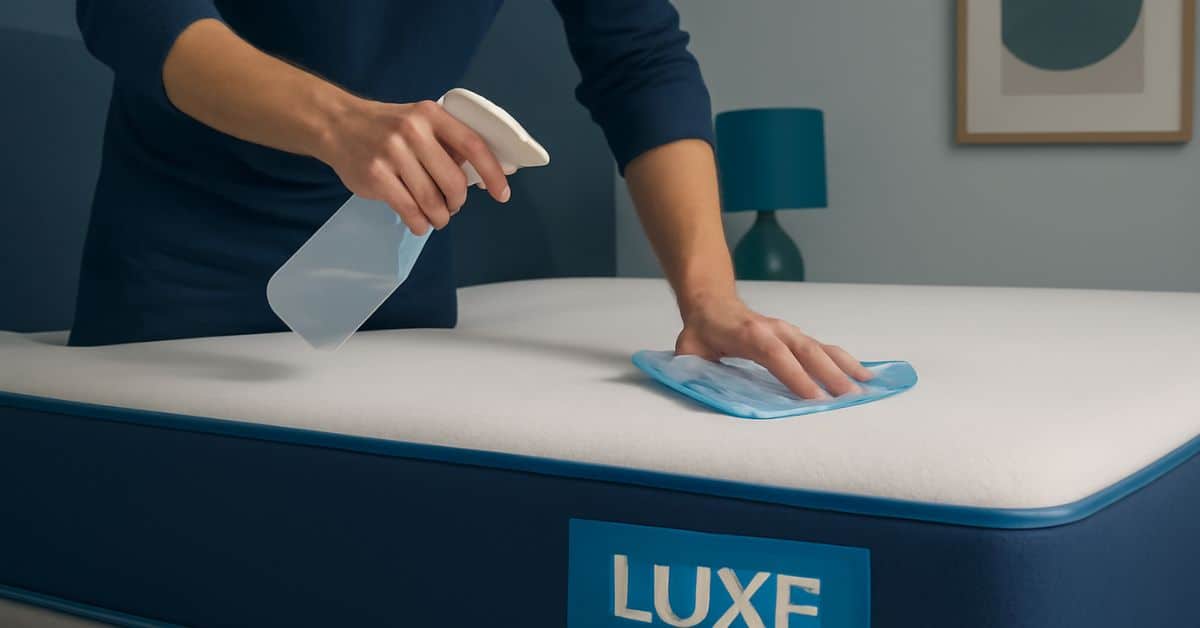
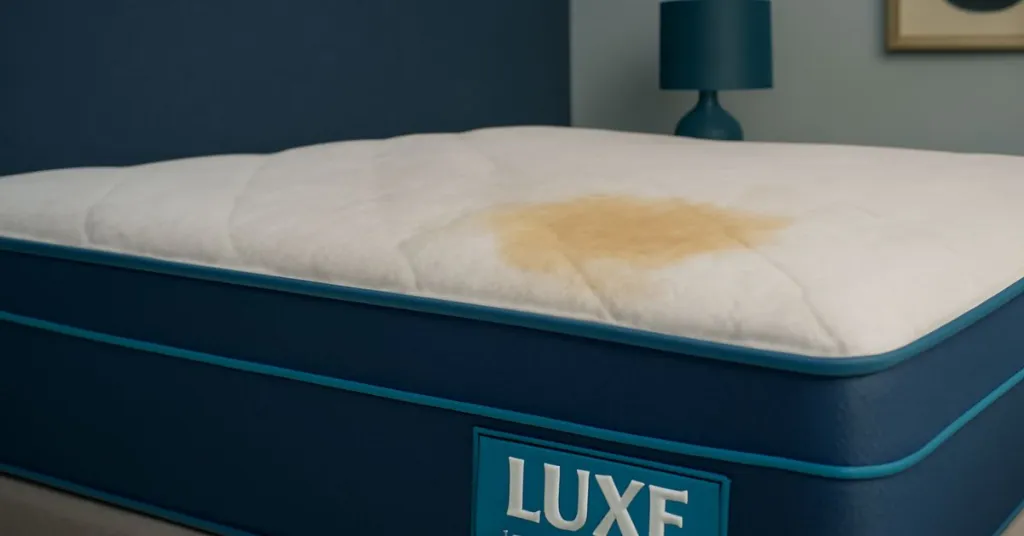
Use mild detergent and a damp cloth to blot stains on your Mattress. Avoid soaking the mattress, as excess moisture can damage foam and promote mold growth. Gentle cleaning ensures longevity and hygiene.

Deodorizing the Mattress

Sprinkle baking soda on the Orthopedic Memory Foam Mattress, let it sit, then vacuum thoroughly. Proper air drying prevents moisture buildup. This method neutralizes odors and keeps the mattress fresh and comfortable.

Common Mistakes to Avoid

Avoid over-wetting, heat exposure, harsh chemicals, or using the wrong bed base for your Orthopedic Memory Foam Mattress. Ignoring sagging or skipping regular maintenance can reduce comfort and durability. Proper care ensures long-lasting support and hygiene.

Over-Wetting and Heat Exposure

Excess water or direct heat can damage an Orthopedic Memory Foam Mattress, causing mold growth and foam deterioration. Always use gentle cleaning methods and air dry naturally to protect the mattress structure.

Using Wrong Bed Base

A solid and supportive base is essential for an Orthopedic Memory Foam Mattress. Inadequate support can lead to sagging, reduced comfort, and shorter lifespan. Choose a compatible platform or solid bed frame.

Buying Guide

Consider price ranges, warranties, trial periods, and testing firmness when selecting an Orthopedic Memory Foam Mattress. Visit stores to test different models or check online reviews for performance. The right mattress balances comfort, support, and durability.

Budget Considerations

Affordable vs premium options for an Orthopedic Memory Foam Mattress vary in features, materials, and durability. Investing in a higher-quality mattress may provide better spinal support and long-term comfort, ensuring value for money.

Warranty and Trial Periods

Check manufacturer warranty and trial periods for your Orthopedic Memory Foam Mattress. Warranties protect against defects, while trial periods allow you to test comfort and support before final commitment.

Customer Reviews and Experiences

Customers consistently praise the Orthopedic Memory Foam Mattress for comfort, pain relief, and quality support. Many report reduced back pain, better sleep posture, and improved energy. Couples highlight motion isolation and minimal disturbance, while users appreciate durability and longevity. 

Positive reviews emphasize satisfaction with both medium-firm and firm options. Customers also note ease of maintenance, including cleaning and deodorizing. Overall, the Orthopedic Memory Foam Mattress receives high ratings for its combination of health benefits, comfort, and long-lasting performance, making it a reliable choice for individuals and couples alike.

Orthopedic Memory Foam Mattress vs Other Mattress Types

Comparison:

Pros:

  • Pressure relief
  • Spinal support
  • Motion isolation
  • Durability

Cons:

  • Slightly heavier
  • Initial odor in some models

Compared to standard memory foam, hybrid, or spring mattresses, an Orthopedic Mattress provides superior spinal support, motion isolation, and comfort. While slightly heavier, it offers long-term health benefits unmatched by regular options.

Conclusion

An Orthopedic Memory Foam Mattress ensures spinal alignment, pressure relief, and restful sleep. Its durability, health benefits, and motion isolation make it ideal for singles and couples. By choosing the right model and maintaining it properly, you can enjoy long-lasting comfort, better posture, and improved sleep quality. Investing in an Orthopedic Memory Foam Mattress is a wise decision for overall health and well-being.

FAQ’s

Q1. What makes an Orthopedic Memory Foam Mattress different?

It provides targeted spinal support, relieves pressure points, and improves posture—ideal for people with back, neck, or joint pain.

Q2. Is an Orthopedic Memory Foam Mattress good for back pain?

Yes, it aligns the spine correctly, supports natural curves, and helps reduce back pain for deeper, restorative sleep.

Q3. How long does an Orthopedic Memory Foam Mattress last?

With proper care and rotation, a high-quality orthopedic memory foam mattress lasts 8–10 years while maintaining consistent support.

Q4. Do Orthopedic Memory Foam Mattresses get too hot?

Modern orthopedic memory foam mattresses include cooling gel or breathable layers that regulate temperature and prevent overheating at night.

Memory Foam King Size Mattress
October 14, 2025

Memory Foam King Size Mattress: Comfort, Benefits, and Buying Guide

A memory foam king size mattress is a perfect choice for improving sleep quality and comfort. The right mattress supports spinal alignment, relieves pressure, and offers ample space for couples to sleep undisturbed. Memory foam reduces tossing, prevents back pain, and ensures restful nights. 

This guide explains everything about a memory foam king size mattress, including its construction, benefits, buying tips, and maintenance advice. You will also learn how to clean it properly and avoid common mistakes. By following these tips, you can select a mattress that provides long-lasting comfort, support, and healthier sleep.

What Is a Memory Foam King Size Mattress

A memory foam king size mattress combines the comfort of memory foam with the spacious dimensions of a king-size bed. Memory foam is a viscoelastic material that adapts to your body shape, providing targeted pressure relief and even weight distribution. 

This type of mattress is ideal for couples because it minimizes motion transfer while ensuring support across the entire surface. The foam layers work together to enhance comfort and maintain proper spinal alignment throughout the night. Memory foam mattresses are highly responsive to body heat, softening in warmer areas to contour perfectly to your body. 

This adaptability helps reduce pressure on sensitive areas such as shoulders, hips, and lower back. A king-size version ensures that couples have ample space, reducing disturbances caused by movement. This combination of material and size makes it a top choice for those seeking comfort and support.

Layers and Construction of King Size Memory Foam

Most memory foam king size mattresses consist of multiple layers designed for optimal comfort. The top comfort layer is usually made of soft memory foam or gel-infused foam to relieve pressure points. Beneath that, a transition layer provides additional support and prevents excessive sinking. 

The base layer is denser foam that ensures durability and proper spinal alignment. Some models include plant-based or cooling gel layers to improve breathability and reduce heat retention. Each layer plays a crucial role in delivering comfort and support.

How It Differs From Other King Size Mattresses

Memory foam king size mattresses differ from spring, latex, and hybrid mattresses in several ways. Unlike traditional spring mattresses, memory foam contours to your body, reducing pressure points. 

Motion isolation is superior, making it ideal for couples who share a bed. Compared to latex mattresses, memory foam adapts more closely to body shape and provides better pressure relief. Hybrid mattresses combine springs with foam, but memory foam-only options offer uniform support without uneven pressure zones.

Benefits of Memory Foam King Size Mattress

A memory foam king size mattress offers unmatched comfort and support. Its ability to conform to the body ensures reduced pressure on sensitive areas, which prevents pain and improves sleep quality. 

Motion isolation minimizes disturbances when sleeping with a partner, while the high-density foam provides long-lasting durability. Edge support allows sleepers to utilize the full mattress surface without sagging. These advantages make it a popular choice among couples and individuals seeking a restful night’s sleep.

Health Benefits of King Size Memory Foam Mattress

Memory foam mattresses promote proper spinal alignment, reducing back pain and discomfort. They encourage better sleep posture, which supports overall musculoskeletal health. 

Improved circulation helps reduce numbness and soreness, while consistent support prevents pressure buildup in shoulders and hips. These health benefits make memory foam an excellent option for people with chronic pain or those recovering from injuries.

Sleep Quality for Couples

Couples benefit significantly from a memory foam king size mattress due to its motion isolation properties. Movement on one side of the bed rarely affects the other, ensuring uninterrupted sleep. 

Edge support ensures comfort even at the sides, making the entire mattress usable. Couples enjoy ample space and comfort without feeling restricted, which enhances overall sleep satisfaction and quality.

Choosing the Right Memory Foam King Size Mattress

Selecting the right mattress depends on firmness, density, sleeping position, and body weight. Softer mattresses are suitable for side sleepers, while medium-firm options are ideal for back sleepers. 

Heavier individuals may require higher density foam for proper support. Understanding your sleeping needs and preferences is crucial for choosing a mattress that offers comfort, support, and long-lasting durability.

Tips for Side Sleepers

Side sleepers should choose a medium-soft mattress with adequate contouring to relieve shoulder and hip pressure. Memory foam adapts to the natural curves of the body, reducing the risk of joint pain. 

Ensuring proper spinal alignment is key to preventing discomfort and promoting restful sleep. The right mattress density helps maintain posture while offering plush comfort.

Tips for Back and Stomach Sleepers

Back and stomach sleepers generally need firmer mattresses to maintain spinal alignment. Medium-firm or firm memory foam provides enough support to prevent sagging and pressure buildup. 

It supports the lumbar region while ensuring that the body remains evenly balanced. Choosing the correct firmness level improves overall sleep quality and reduces the risk of back strain.

Mattress Thickness and Dimensions

A standard king-size mattress measures 76 inches wide by 80 inches long. Thickness can range from 8 to 14 inches, affecting support and comfort. Thicker mattresses generally provide enhanced cushioning and better spinal alignment. 

Choosing the appropriate thickness ensures adequate support for couples or individuals of varying body weights.

Cleaning and Maintenance Tips

Proper maintenance increases the lifespan of a memory foam mattress. Regularly vacuuming the surface prevents dust and allergens from accumulating. Rotate the mattress every three to six months to avoid uneven wear. 

Using mattress protectors reduces stains and spills, keeping the foam fresh and hygienic. Avoiding harsh chemicals preserves the material’s integrity and prolongs durability.

Spot Cleaning Stains

For stains, use a mild detergent mixed with water and blot gently with a clean cloth. Avoid soaking the foam, as excessive moisture can damage the mattress and encourage mold growth. Repeat as necessary until the stain disappears. Spot cleaning preserves the mattress’s structure and ensures hygiene without compromising comfort.

Deodorizing the Mattress

Sprinkle baking soda evenly on the mattress surface and let it sit for several hours. Baking soda absorbs moisture and neutralizes odors. Afterward, vacuum the mattress thoroughly to remove all residue. This method keeps the mattress fresh and prevents bacteria and mold growth.

Common Mistakes to Avoid

Some mistakes can reduce the mattress’s lifespan. Over-wetting memory foam or exposing it to direct heat can cause damage. Using harsh chemicals may degrade the foam and leave harmful residues. Skipping regular cleaning allows dust mites and allergens to accumulate. Being aware of these errors helps maintain comfort and hygiene for years.

Over-Wetting and Heat Exposure

Excess moisture can penetrate the foam, leading to mold and mildew. Avoid direct sunlight and heat sources when drying. Proper care ensures longevity and maintains the mattress’s supportive properties.

Using Wrong Bed Base

Memory foam requires a solid, supportive bed frame or platform. Using an unsuitable base can cause sagging, reduce comfort, and shorten the mattress’s lifespan. Ensure compatibility to get the best performance from your mattress.

Buying Guide: How to Choose the Best Memory Foam King Size Mattress

Price, warranty, and trial periods are important considerations. Premium mattresses may offer additional cooling layers or advanced foams, while budget options provide essential comfort at lower costs. Testing firmness in-store or reviewing customer feedback helps in making the right choice. Warranties protect your investment and ensure satisfaction.

Budget Considerations

Memory foam king size mattresses range from affordable to premium options. Consider your budget while prioritizing durability and comfort. Higher-density foams often provide longer-lasting support and better sleep quality. Balancing price with features ensures value for money and long-term satisfaction.

Warranty and Trial Periods

Check manufacturer warranties and trial periods before purchase. Warranties cover defects and ensure reliability, while trial periods allow you to test comfort and support. A mattress with a generous trial and warranty is a safer, risk-free investment for your health and comfort.

Conclusion

A memory foam king size mattress offers unmatched comfort, health benefits, and durability. Its ability to conform to body shape, reduce pressure points, and isolate motion makes it ideal for couples and individuals alike. Proper selection, maintenance, and care ensure long-lasting performance. Investing in a high-quality mattress improves sleep, promotes overall well-being, and provides a restful, supportive environment for years.

FAQ’s

Q1. Is a memory foam king size mattress good for back pain?

Yes, it supports spinal alignment, relieves pressure on your back and hips, and helps reduce pain during sleep.

Q2. Do memory foam mattresses make you feel hot while sleeping?

Modern memory foam mattresses feature cooling gel layers that regulate temperature, keeping you cool and comfortable all night.

Q3. How long does a memory foam king size mattress last?

A high-quality memory foam mattress typically lasts 8–10 years with proper care, rotation, and use of a supportive base.

Q4. Can two people sleep comfortably on a memory foam king size mattress?

Absolutely. Its spacious design and motion isolation ensure both partners sleep undisturbed, enjoying consistent comfort across the entire surface.

Clean a Memory Foam Mattress
October 14, 2025

How Do I Clean a Memory Foam Mattress: Easy Step-by-Step Guide

How do I clean a memory foam mattress properly? Over time, mattresses naturally accumulate dust, dirt, spills, and allergens. Even with regular bedding changes, sweat, dead skin cells, and tiny dust mites build up, affecting hygiene and sleep quality. Without proper cleaning, mattresses can harbor bacteria and unpleasant odors, making your sleeping environment uncomfortable and unhygienic.

Fortunately, cleaning a memory foam mattress is simple when you know the right methods. This guide provides step-by-step instructions, tips, and tricks to maintain a fresh, clean, and long-lasting mattress. By following these techniques, you can ensure your bed stays comfortable and healthy for years. Let’s explore how to clean a memory foam mattress effectively.

Why You Should Clean a Memory Foam Mattress Regularly

Cleaning your memory foam mattress is essential for hygiene and durability. Dust mites, bacteria, and sweat accumulate over time, creating odors and potential health issues. Regular cleaning removes these contaminants, keeping the mattress safe and comfortable. Using proper techniques ensures that foam does not get damaged while cleaning. Maintaining a clean mattress also improves sleep quality and extends its lifespan naturally.

Memory foam is sensitive to liquids, so using the right methods matters. Over-wetting or using harsh chemicals can damage the material. Cleaning regularly prevents stains and odor buildup while maintaining the mattress’s supportive properties. By caring for your mattress, you reduce allergens and protect your overall health.

Signs Your Mattress Needs Cleaning

There are clear signs that a mattress requires cleaning. Visible stains from spills or sweat indicate immediate attention. Unpleasant odors suggest bacteria or dust accumulation inside the foam. Allergic reactions, such as sneezing or congestion during sleep, may also signal dust mites or dirt. Regularly inspecting your mattress helps identify these signs before serious damage occurs. Cleaning promptly maintains both hygiene and comfort.

Step-by-Step Guide: How Do I Clean a Memory Foam Mattress

Cleaning a memory foam mattress involves a few simple, careful steps. By following these instructions, you can remove dirt, stains, and odors without harming the foam. These steps are designed to protect the material while restoring freshness. The process is easy enough to perform a few times a year for regular maintenance.

Vacuum the Mattress

Start by thoroughly vacuuming the mattress surface. Use a handheld or upholstery vacuum attachment to remove dust, dirt, and debris. Pay extra attention to seams and corners, where dust often accumulates. Vacuuming prevents buildup of allergens and maintains hygiene. This step is the foundation of proper mattress cleaning.

Spot Clean Stains

Identify stains and use a mild detergent mixed with water to clean them. Avoid soaking the foam; lightly blot the stain with a soft cloth instead. For tougher stains, gently rub in circular motions. Rinse the cloth and repeat until the stain is lifted. Proper spot cleaning removes marks without compromising mattress structure.

Deodorize the Mattress

Sprinkle baking soda evenly across the mattress surface to neutralize odors and absorb moisture. Leave it for several hours or, ideally, overnight. Afterward, vacuum the mattress thoroughly to remove all residue. This step ensures your mattress smells fresh and prevents bacteria growth. Deodorizing also helps maintain a clean sleeping environment.

Drying Your Memory Foam Mattress

After cleaning, air drying is crucial. Place the mattress in a well-ventilated area and avoid direct sunlight or heat sources, which can damage foam. Ensure the mattress is completely dry before putting on bedding to prevent mold and mildew. Proper drying keeps the mattress safe, fresh, and durable.

Additional Tips for Cleaning a Memory Foam Mattress

Regular maintenance keeps your mattress in top condition. Rotate it every few months to avoid uneven wear. Using mattress protectors reduces stains and spills significantly. Avoid harsh chemicals that can degrade the foam’s quality. Simple habits prevent buildup of dirt and odors, making cleaning easier over time.

Prevent Future Stains

Act quickly when spills occur. Blot liquids immediately with a clean cloth instead of rubbing. Use protective covers or mattress pads to prevent stains. Quick action minimizes damage and ensures your mattress stays fresh. Preventive care is as important as proper cleaning.

Using Enzyme Cleaners Safely

Enzyme-based cleaners are effective for protein-based stains like sweat or urine. Apply a small amount, blot gently, and allow the foam to absorb before vacuuming. Always test a small area first to ensure compatibility. Using enzyme cleaners correctly keeps your mattress clean without damaging memory foam.

Common Mistakes to Avoid While Cleaning Memory Foam

Certain mistakes can harm your memory foam mattress. Over-wetting, using harsh chemicals, or exposing foam to high heat can cause permanent damage. Ignoring regular cleaning leads to allergen buildup and odor. Being aware of these mistakes protects both your mattress and your health.

Over-Wetting the Foam

Excess water can penetrate deep into memory foam, leading to mold or mildew growth. Always use minimal liquid and blot carefully. Avoid soaking the mattress entirely, and ensure thorough air drying. Over-wetting is one of the most common causes of mattress damage.

Using Harsh Chemicals

Avoid bleach, ammonia, or strong detergents that can degrade foam. Harsh chemicals break down material and may leave harmful residues. Use gentle, foam-friendly solutions for cleaning stains. This approach preserves mattress integrity and ensures safety for sleepers.

Conclusion

Proper cleaning extends your memory foam mattress’s life and improves hygiene. Regular vacuuming, spot cleaning, deodorizing, and air drying are essential steps. Understanding how do I clean a memory foam mattress helps prevent damage and maintain comfort. With careful maintenance and protective measures, your mattress remains fresh, supportive, and healthy for years. Start these habits today for better sleep every night.

Spring Mattress Inside
October 14, 2025

Spring Mattress Inside: Understanding Its Construction and Benefits

A spring mattress is known for its robust construction and long-lasting comfort. Inside a spring mattress lies an intricate system of coils and padding that work together to provide support, pressure relief, and durability. In this article, we will explore what’s inside a spring mattress, how it’s constructed, and the various benefits it offers for a better night’s sleep.

What’s Inside a Spring Mattress: The Core Structure

At the heart of any spring mattress is the spring system, which provides the essential support for the mattress. These springs come in various types, each offering different benefits based on your needs.

Types of Springs Inside a Spring Mattress

  • Bonnell Springs: Bonnell springs are the oldest and most commonly used in spring mattresses. They are hourglass-shaped coils that are interconnected, offering a firm and even support.
  • Pocket Springs: These are individual coils wrapped in fabric, allowing them to move independently. Pocket springs provide enhanced motion isolation and support, which is ideal for couples.
  • Continuous Coil Springs: Continuous coils are created from a single wire twisted to form interconnected coils. They offer durability and firm support across the mattress.
  • Offset Springs: Offset springs are designed with hinges that provide flexibility. These springs offer good body contouring while ensuring consistent support.

Each of these spring types contributes to different comfort levels and durability, making it easier for you to choose the best option based on your sleep preferences.

Layers Above the Spring Core

While the springs form the core support system of a mattress, the comfort layers above them are crucial to overall comfort. These layers help enhance the mattress’s softness, temperature regulation, and pressure relief.

Comfort Layer: The Top Layer for Softness

The comfort layer sits atop the springs and is typically made from materials like memory foam, latex, or polyester. It provides immediate comfort when lying down by offering a soft, plush surface.

Quilted Top: Added Softness and Luxury

A quilted top is a soft, padded layer stitched into the fabric of the mattress. This layer not only provides additional comfort but also improves the mattress’s durability by evenly distributing weight across the surface.

Support Layer: Added Durability

The support layer helps reinforce the comfort layer, contributing to the mattress’s overall firmness. Made from high-density foam or felt, this layer ensures that the springs maintain optimal support over time.

Insulator Pad: Enhanced Durability and Support

An insulator pad sits above the spring system to prevent the springs from poking through and ensures the overall mattress stays intact. It also adds to the mattress’s durability by providing an additional barrier between the springs and the comfort layers.

The Role of Springs in Comfort and Support

The spring system inside the mattress plays a key role in ensuring proper spinal alignment and overall comfort. The springs work together to provide a supportive and responsive sleep surface.

Pressure Relief and Body Contouring

Spring mattresses help distribute body weight evenly, offering relief from pressure points. Pocket springs, in particular, contour to the body’s natural shape, reducing stress on areas like the back, hips, and shoulders.

Motion Isolation for a Restful Sleep

One of the standout features of spring mattresses is their motion isolation capabilities, especially those with pocket springs. Because each spring moves independently, motion from one side of the mattress doesn’t affect the other, making it ideal for couples.

Durability and Longevity

Spring mattresses, especially those with high-quality coils, are known for their durability. They can maintain their shape and comfort for many years, making them a sound investment for anyone looking for long-term support.

Benefits of Spring Mattresses

Spring mattresses come with several benefits that contribute to a better night’s sleep, making them a preferred choice for many.

Breathability and Temperature Regulation

The design of spring mattresses allows for better air circulation. The spaces between the coils allow heat to escape, keeping the mattress cool throughout the night. This is a significant benefit for individuals who tend to sleep hot.

Versatile Firmness Options

Spring mattresses come in a variety of firmness levels to suit different preferences. Whether you prefer a softer surface for comfort or a firmer one for support, there’s a spring mattress that can meet your needs.

Affordable and Value for Money

While high-end spring mattresses can be expensive, there are affordable options available. Bonnell spring systems, in particular, offer a budget-friendly option without compromising on support.

Strong Edge Support

Many spring mattresses offer reinforced edges, making it easier to get in and out of bed without feeling like the mattress will collapse. Strong edge support also increases the usable surface area of the mattress.

Wide Variety of Mattress Styles

Spring mattresses come in a wide range of designs, from traditional open-coil systems to advanced pocket coil constructions. This variety allows you to find a mattress that suits your specific sleep needs and preferences.

Choosing the Right Spring Mattress

Choosing the perfect spring mattress requires considering several factors, such as your preferred firmness level, type of spring system, and budget. Here’s what you should keep in mind:

  • Spring System Type: Choose between Bonnell, pocket, or continuous coils based on your need for motion isolation and support.
  • Firmness Level: Determine your desired level of firmness based on your sleeping position and comfort preferences.
  • Budget: Consider how much you’re willing to spend. There are high-quality spring mattresses available at a variety of price points.
  • Layers and Comfort: Evaluate the layers above the spring system to ensure they meet your needs for softness, support, and durability.

Conclusion

Spring mattresses offer a timeless sleep solution, providing a balanced combination of support, comfort, and durability. Whether you choose a Bonnell spring mattress for its affordability or a pocket spring mattress for its motion isolation, there’s an option that caters to every sleep need. By understanding the components inside a spring mattress, you can make an informed choice to ensure a better night’s sleep for years to come.

FAQ’s

Q1. How long does a spring mattress last?

A well-maintained spring mattress typically lasts between 8 to 10 years. Regular care, like rotating the mattress, can extend its lifespan.

Q2. What’s the difference between pocket springs and open coil springs?

Pocket springs are individually wrapped, offering better motion isolation and more personalized support. Open coil springs are interconnected and offer a firmer, less responsive feel.

Q3. Are spring mattresses better than memory foam?

Spring mattresses tend to offer better temperature regulation and edge support, while memory foam excels in body contouring. The choice depends on personal comfort preferences.

Q4. Can a spring mattress be used with an adjustable bed frame?

Yes, most spring mattresses are compatible with adjustable bed frames. However, it’s always best to check the manufacturer’s guidelines for compatibility.

Q5. Is a higher coil count better in a spring mattress?

A higher coil count generally indicates more support and comfort, but the quality of the coils, along with the mattress’s overall construction, plays a more significant role in performance.

Product has been added to your cart