
100-Night Risk-Free Trial
Free Nationwide Delivery
10 Years Warranty
Call us at: 020 4572 5122
0% APR Finance Available
Which Mattress is best in Pregnancy - Complete guide from Luxe
June 8, 2026

Which Mattress is best in Pregnancy – Complete guide from Luxe

Best Pregnancy Mattress: A Woman’s Guide to Sleep, Support, and Self-Care

When you’re pregnant, every part of your body goes through transformation, Physically, emotionally, and hormonally. Among the many lifestyle changes that come with expecting a baby, getting a good night’s sleep becomes one of the biggest challenges. Backaches, hip pressure, and the constant need to shift positions all contribute to interrupted rest.

One of the most overlooked but most crucial solutions? Choosing the best mattress for pregnancy. Your current bed might have been fine before, but now your body needs targeted support, enhanced comfort, and thoughtful features like temperature regulation and pressure relief.

This guide will walk you through:

  • 1. A spotlight on the Best Awarded Mattress for Pregnancy
  • 2. What happens to your body during pregnancy and how it affects your sleep
  • 3. Why standard mattresses often fail during this time
  • 4. What features to prioritise in the best mattress for expecting moms

How Pregnancy Changes Your Body – and Your Sleep

Pregnancy is a beautiful but intense journey. While you prepare emotionally and mentally for your baby’s arrival, your body undergoes rapid changes that directly impact your comfort in bed.

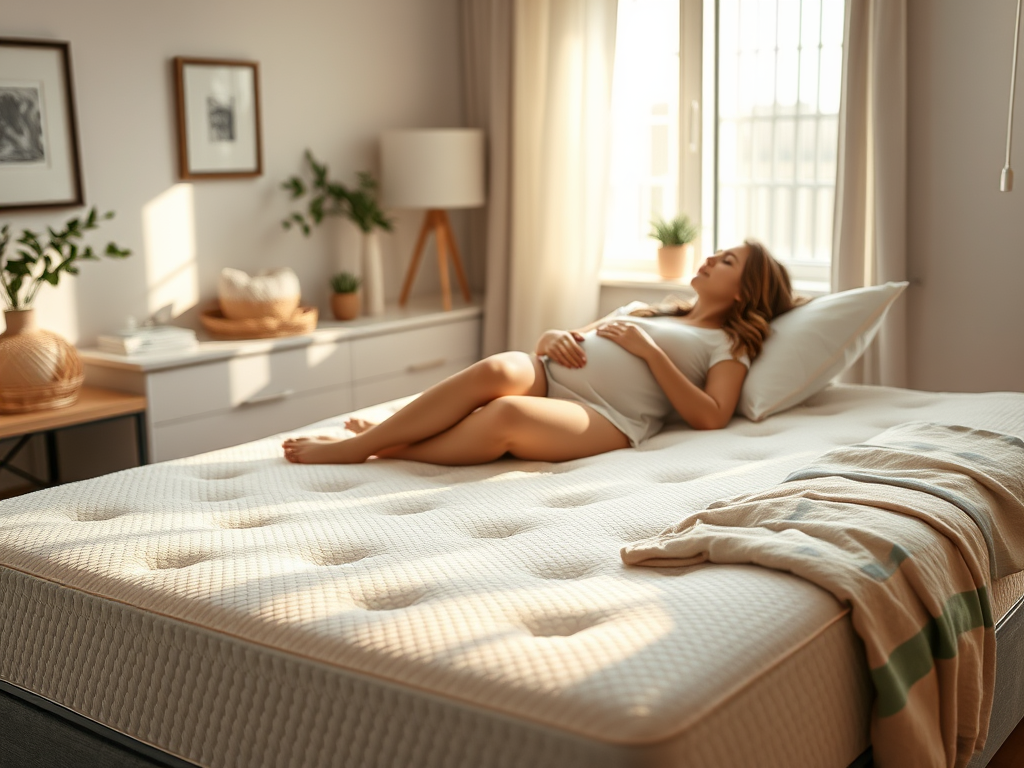
how pregnancy change body

Key physical changes during pregnancy:

  • Weight Gain & Shifted Center of Gravity: Your growing belly shifts your posture and puts additional pressure on your lower back.
  • Loosened Joints: Hormones like relaxin soften ligaments, which can make joints feel unstable and cause aches in the hips and knees.
  • Circulatory Changes: As your baby grows, lying on your back can compress a key vein (the vena cava), potentially causing dizziness and poor blood flow.
  • Increased Body Temperature: Many women experience overheating or night sweats due to hormonal fluctuations.

These changes mean that traditional mattresses often fail to deliver the necessary support, pressure relief, and cooling needed during pregnancy.

How These Changes Impact Sleep

Your body isn’t the only thing changing, so is your sleep. Sleep disruptions become more common and can stem from:
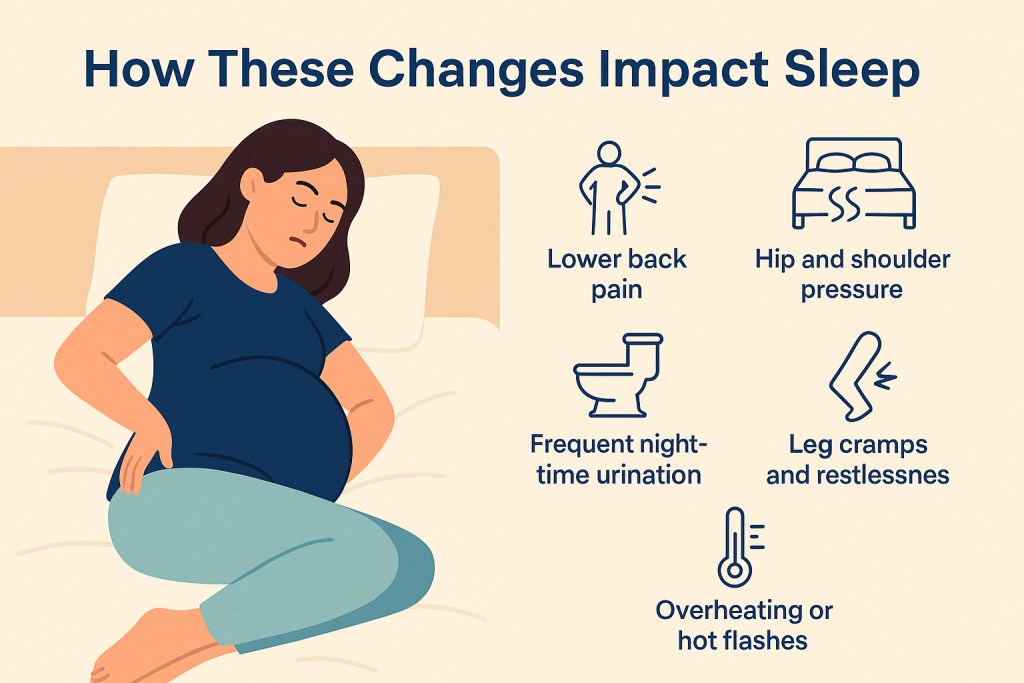
how pregnancy impact on sleep
  • Lower back pain
  • Hip and shoulder pressure
  • Frequent nighttime urination
  • Leg cramps and restlessness
  • Overheating or hot flashes

Unfortunately, if your mattress doesn’t adjust to these shifts, it can actually worsen the discomfort. That’s why selecting the right mattress isn’t just about comfort, it’s about prioritising your sleep health.

Key Features to Look for in a Pregnancy Mattress

Finding the right firmness is just one part of the puzzle. Here are other must-have features for a supportive, sleep-enhancing pregnancy mattress:

1. Influence of Mattress Firmness on Expecting Mothers

The firmness level of the mattress significantly affects how well it can support a pregnant woman’s figure. Most people agree that a medium firm mattress is the perfect solution since it provides both: comfort and support, especially for the lower back and hips.

medium firmness

This level of firmness eliminates the sinking feeling, yet there is still an inviting cushion. That too is very important to a body in the course of transformation due to pregnancy.

What’s with Medium-Firm?

Medium firm beds have enough firmness and rigidity to resist your body from sinking. For, this firmness holds the spine in a neutral position, which is paramount for back and side sleeping, without causing discomfort.

  2. Selecting Suitable Materials for Body Shaping

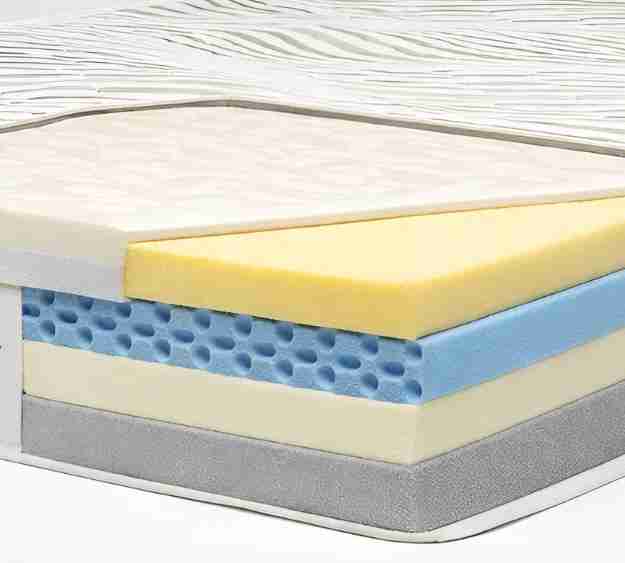
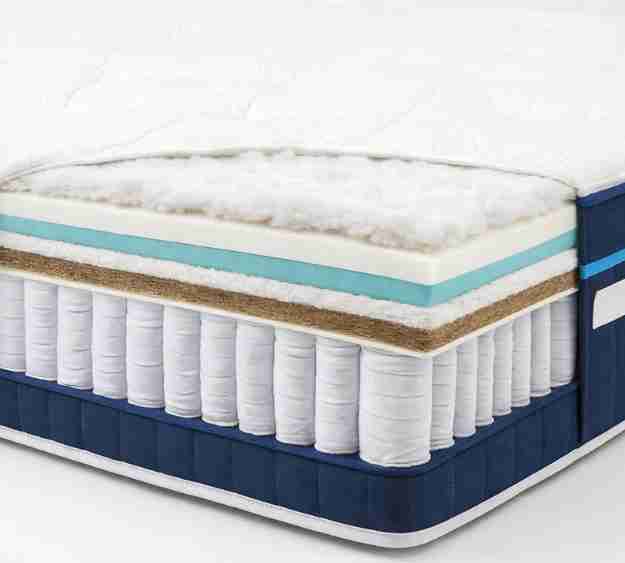
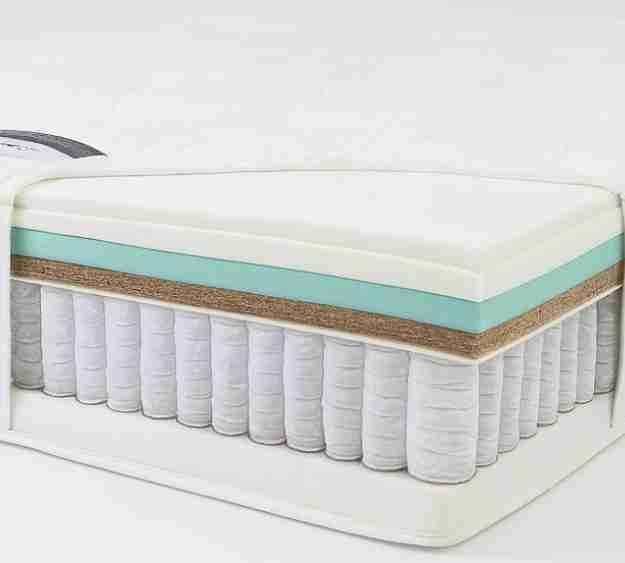
Pregnancy is usually associated with an overload of pressure on the back, hips, and joints among other body parts. Hence, it is advisable to go for a mattress with appropriate layers that conform to curves of the body and provide support at appropriate places.

Medium firm mattresses are suitable, as they incorporate soft top layers that contour to the body and firm middle support layers.

 Comfort Layer

The top layer consists of memory foam or latex for cushioning purposes on the sensitive regions of the body.

 Support Layer

Focusing on the lower part of the mattress which is usually stiffer than the comfort layer, consisting of high density foams or pocketed coils to support the spine.

Such mattresses come with zoned support systems which are very helpful as they allow the support to serve the various parts of the body by offering more firmness at the hips and the lower back while remaining soft at the shoulders and the neck.

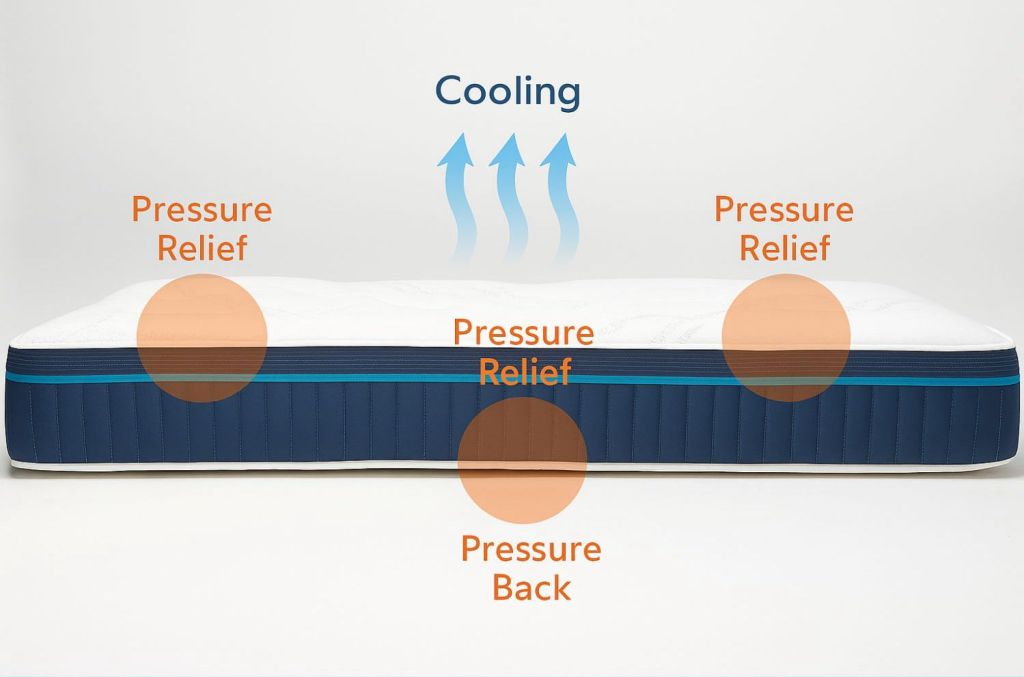
3. Managing Temperature to Enhance Sleep Comfort

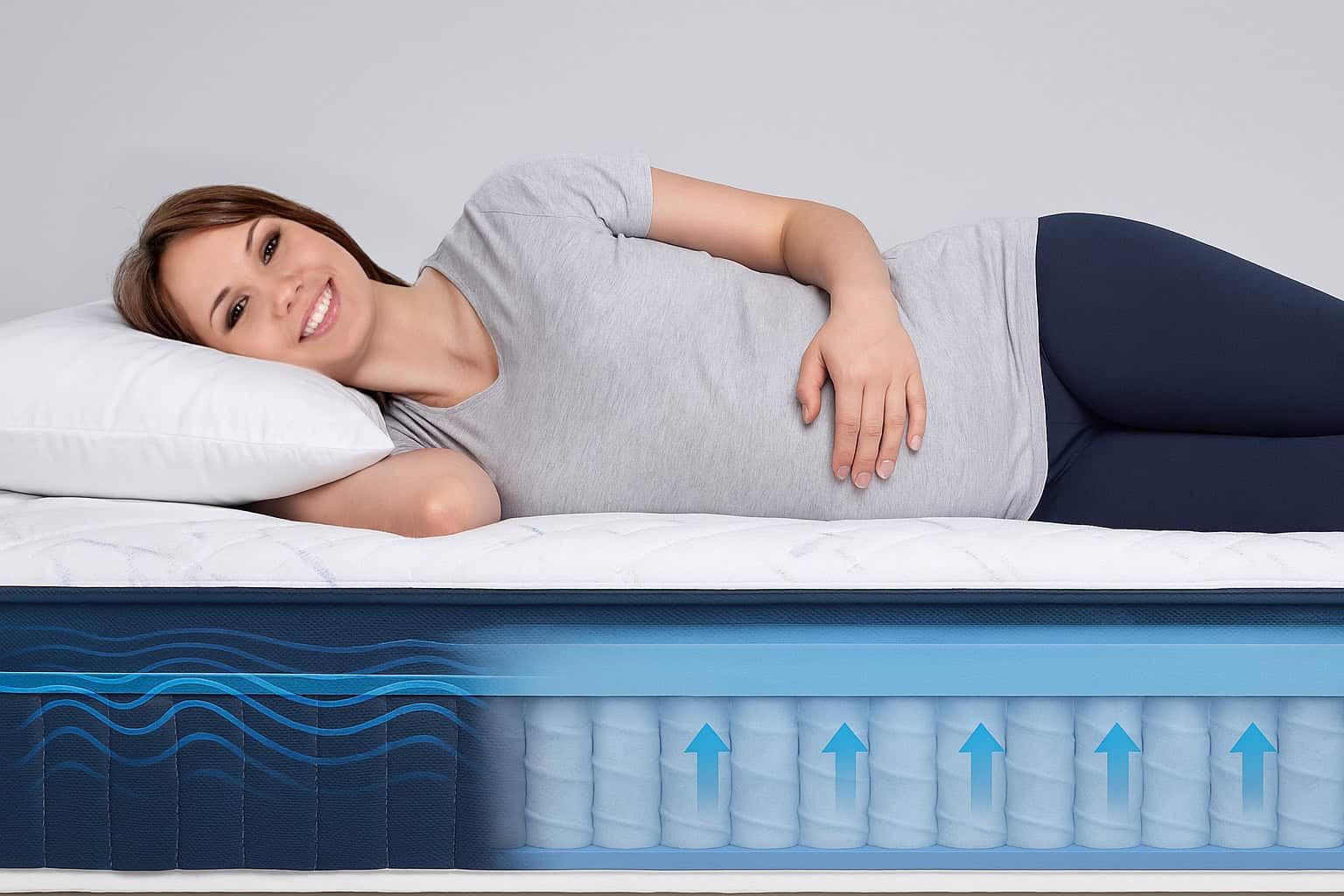
For this reason, a lot of pregnant sleepers tend to feel hot at night eventually becoming a severe problem. Most of the pregnant women experience this major concern that needs to be addressed. Therefore, purchasing a mattress with a memory foam or cooling gel infusion vents heat out.
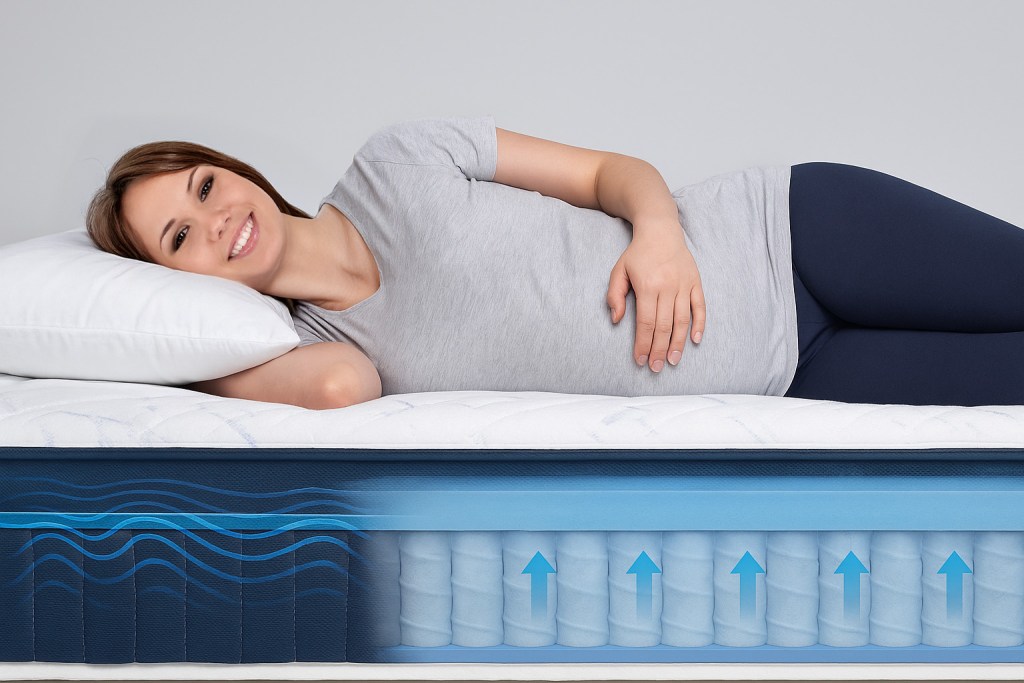
temperature regulation in mattress for pregnancy uk

Also, these breathable materials assist in managing body heat and improving the quality of sleep. Likewise, a medium-firm hybrid mattress with pocketed coils offers better temperature control than an all-foam mattress.

Temperature Regulation Properties Include:

  1. Cooling Gel Infusions – These help with the dissipation of heat.
  2. Breathable Covers – Fabrics like cotton promote cooling by enhancing the surface and allowing better airflow.
  3. utiliseHybrid Construction – Designs that utilise coils implanted in the foam allow for better airflow.

4. Relief from Pressure and Edge Support for Pregnancy Concerns

As the gestation period advances, lying on the bed or getting up often becomes a struggle. Strong edge support becomes an advantage of a mattress as it provides the right support without sagging especially on a medium firm mattress.

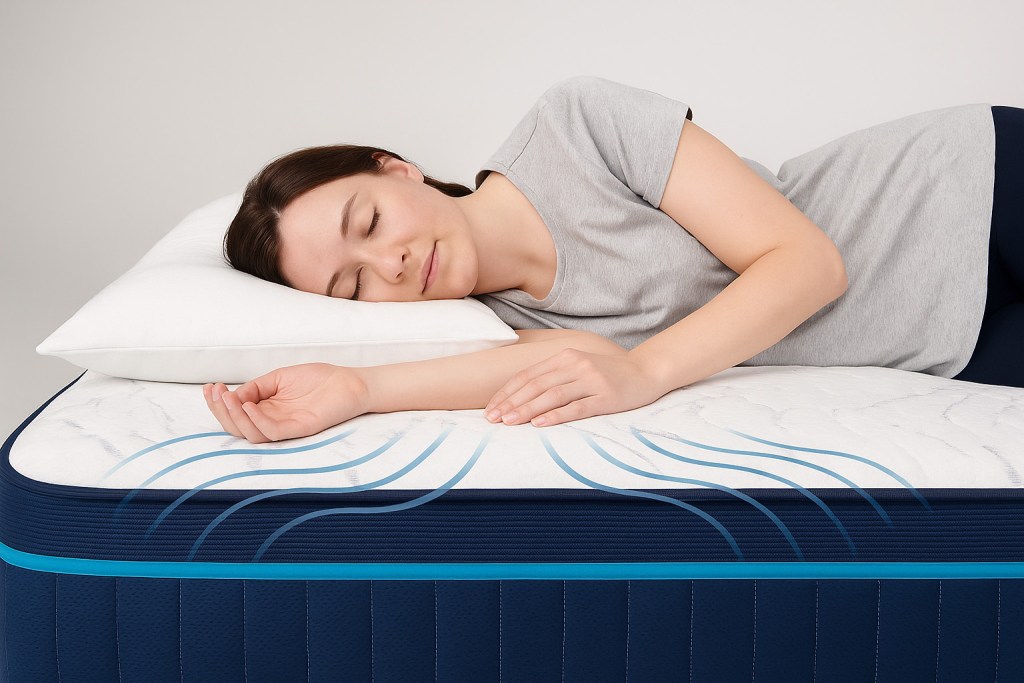
Also, the top layer of the luxe mattress has sufficient pressure relief to reduce pressure in the hips and the shoulders, thus allowing for side sleeping, which is also advised during pregnancy, to be bearable.
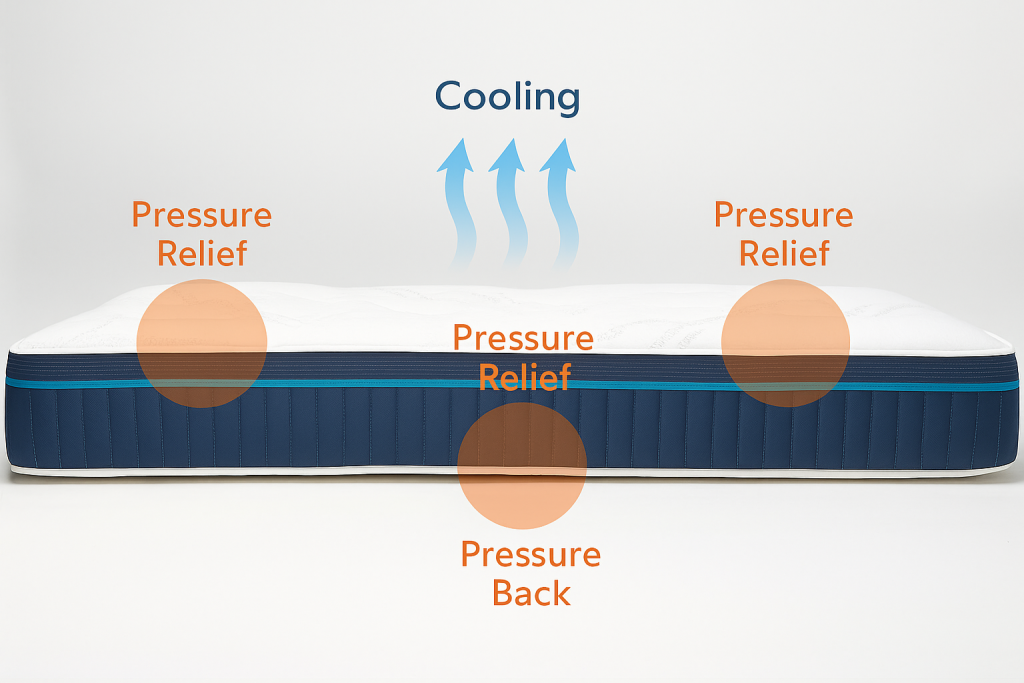
Pressure relief in mattress for pregnancy mattress

Edge Support and Pressure Relief

Edge Support

High-density foam edges or reinforced coils in hybrid mattresses offer the best edge support.

Pressure-Relieving Materials

Memory foam and latex with medium firmness levels are ideal for pressure relief, contouring the body’s shape while keeping the spine aligned.

5. Security and Long-Lasting Use: Health-Friendly and Non-Allergenic Substances

In addition to its firmness, avoid using items and materials that induce allergies if you have such tendencies. The use of non-toxic luxe mattresses makes it possible to avoid any unhealthy components that may affect one’s health and the air quality of the bedroom.

Also, the best materials possible will persist even after pregnancy. Hence, the purpose of the mattress is to provide active support with hypoallergenic substances.

6. Seeking the Perfect Product: Other Factors for Pregnant Sleeper

Adjustability to Sleep Positions

Most importantly, during pregnancy, sleep practitioners advise sleeping on one’s side to relieve back strain and decrease blood flow obstruction. Amedium-firm mattress enables sleeping on one side with proper body support, especially at the lower and upper back regions.
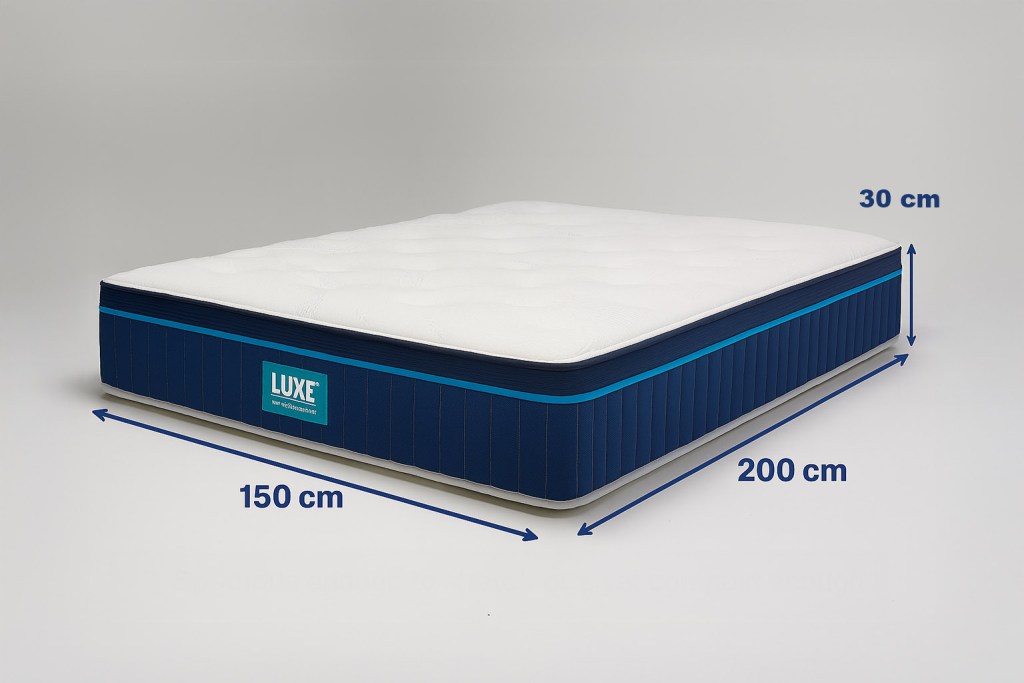
pregnancy mattress

Size and height of the mattress

As pregnancy progresses, movement may become restricted, therefore the mother would particularly wish to consider the mattress height at ease of getting on and out of bed. Most individuals find a standard mattress dimension of 10-12 inches suitable although shorter ones may be available when a bed frame is unusually tall.

Luxe Medium-Firm Mattress: A Smart Choice for Expecting Moms

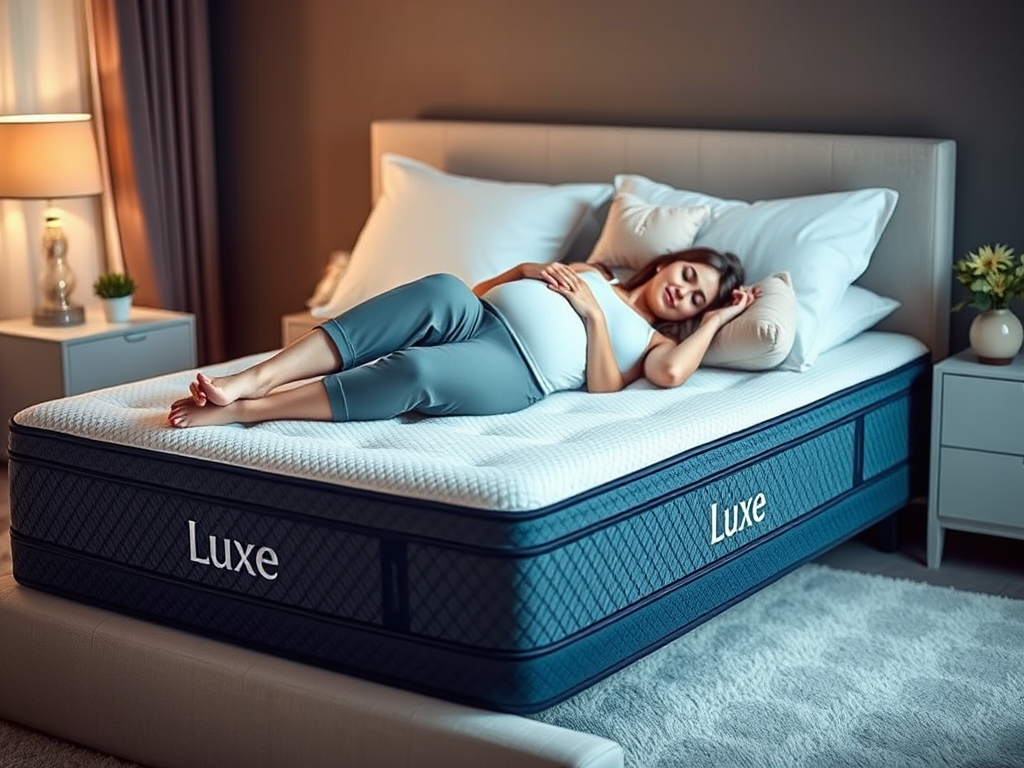
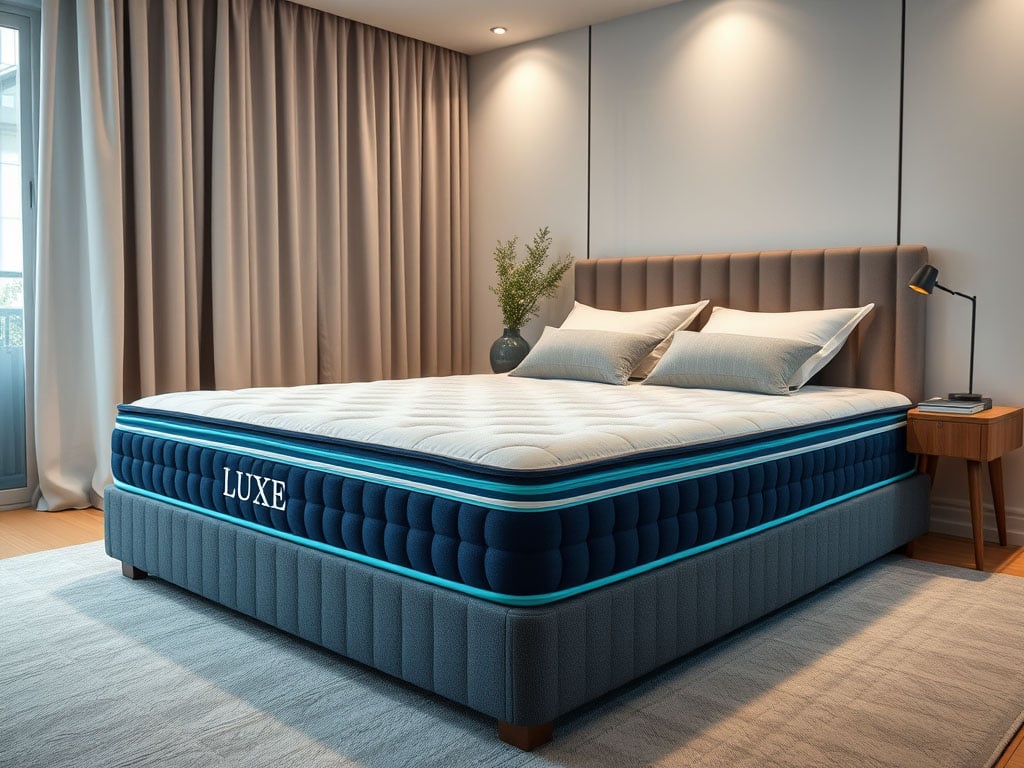
The Luxe Medium-Firm Mattress  is an ideal choice if you’re shopping for a high-quality pregnancy mattress that checks all the right boxes.
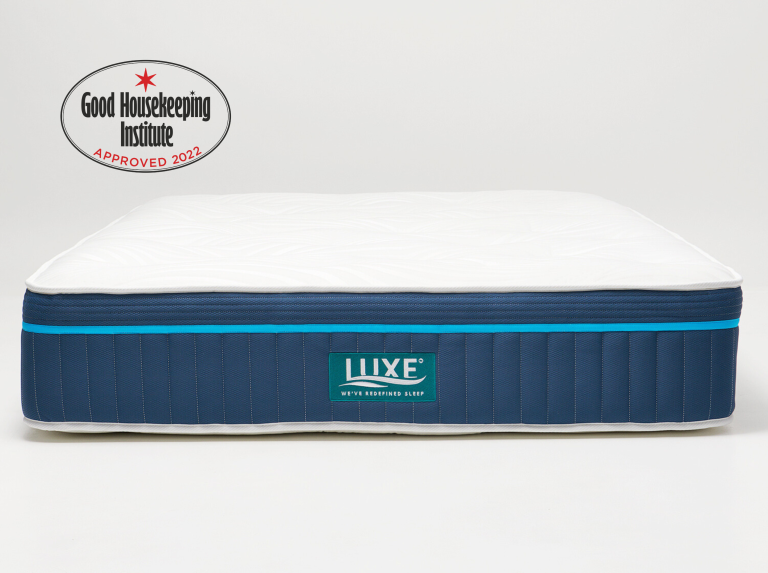
Luxe ergo 3400 mattress

Why Luxe stands out:

  • Multi-layered construction for contouring and support
  • Cooling gel foam to regulate body temperature
  • Targeted zoned support for the lower back and hips
  • Strong edge support for ease of getting in and out of bed
  • Non-toxic, safe materials for healthier indoor air

Plus, Luxe mattresses are designed to adapt as your body changes—making them not only suitable for pregnancy but also postpartum and long-term use.

Explore their range of medium-firm mattresses here.

Conclusion

Selecting a medium-firm mattress during pregnancy can significantly help in sleep quality and comfort. The purpose of the mattress is to aid in the correct posture of the back and the growing pregnant belly in addition to the hips and navel. With an extra layer of protection and benefit, utilize the cooling gel technology to prevent back aches.

A medium firm mattress moulds the body and provides a supportive contour which helps in enhancing sleeping quality during that duration. When coupled with safe, chemical-free materials and a well-structured interior, these mattresses provide the comfort and safety that one requires for undisturbed sleep during pregnancy.

Frequently Asked Questions: Best Mattress During Pregnancy

1. What type of mattress is best during pregnancy?

A medium-firm mattress is considered the best option for pregnant women. It provides essential support to the lower back and hips while offering gentle cushioning for pressure relief. The Luxe Medium-Firm Mattress supports spinal alignment, adapts to a changing body, and helps reduce tossing and turning at night.

2. Why is side sleeping recommended during pregnancy?

Doctors advise side sleeping\u2014especially on the left side\u2014because it promotes optimal blood circulation to both mother and baby. It also helps reduce pressure on internal organs and improves kidney function. A Luxe mattress with pressure-relieving layers can make left-side sleeping significantly more comfortable and sustainable throughout pregnancy.

3. Is a firm or soft mattress better for pregnant women?

Both extremely soft and overly firm mattresses can cause discomfort during pregnancy. A medium-firm mattress is ideal, as it combines adequate support with gentle contouring. The Luxe medium-firm models provide enough resistance to keep your spine aligned while cushioning the joints and lower back.

4. How does pregnancy affect sleep posture and comfort?

During pregnancy, the body goes through significant changes in weight distribution, joint flexibility, and pressure sensitivity. These changes make comfortable sleep positions harder to maintain. A Luxe mattress adapts to these shifts, offering targeted support to the hips, back, and shoulders, making it easier to sleep without aches or waking up frequently.

5. Can a mattress reduce back and hip pain during pregnancy?

Yes, the right mattress can significantly reduce pain. Back and hip discomfort during pregnancy is common due to hormonal changes and added weight. Luxe mattresses are designed with zoned support and high-density foams that cradle pressure points while offering firm support where it’s needed most.

6. What features should I look for in a pregnancy mattress?

The ideal pregnancy mattress should include the following:

  • Medium-firm support for spinal alignment
  • Pressure relief for hips and shoulders
  • Cooling features like gel-infused foam or breathable covers
  • Motion isolation to prevent disturbances when turning
  • Reinforced edge support for safe and easy mobility

Luxe mattresses include all these features, making them a top recommendation for expecting mothers.

7. Are Luxe mattresses made from safe materials for pregnancy?

Absolutely. Luxe mattresses are made with CertiPUR-US\u00ae certified foams that are free from harmful chemicals like formaldehyde, heavy metals, and ozone depleters. They are hypoallergenic and safe for both the mother and the developing baby, ensuring a clean and healthy sleep environment.

8. Do Luxe mattresses help with overheating during pregnancy?

Yes, many Luxe mattress models feature gel-infused memory foam and breathable materials designed to draw heat away from the body. This helps regulate temperature and prevents overheating, a common concern for pregnant women due to hormonal fluctuations.

9. Is edge support important in a pregnancy mattress?

Definitely. As the pregnancy progresses, getting in and out of bed becomes more challenging. A mattress with strong edge support\u2014like those in Luxe’s hybrid collection\u2014provides greater surface stability and safety for expectant mothers when moving in and out of bed.

10. Are Luxe mattresses suitable after pregnancy too?

Yes. Luxe mattresses are designed for long-term durability and comfort, making them suitable well beyond pregnancy. Their supportive construction helps with postpartum recovery and continues to offer comfort for years to come, making it a wise investment for your sleep health.
Sleep Blissfully: The Ultimate Guide to the Best Mattress for Hip Pain Relief
March 24, 2026

Sleep Blissfully: The Ultimate Guide to the Best Mattress for Hip Pain Relief

Are you tossing and turning at night, struggling with discomfort that keeps you from truly resting? Hip pain is a common sleep disruptor, and choosing the best mattress for hip pain can make a significant difference in how well you sleep and recover overnight. The right mattress helps relieve pressure, supports proper spinal alignment, and reduces strain on sensitive joints.

We’ll explore the underlying causes of hip pain, the essential features in a mattress that alleviate it, and top-rated mattress choices tailored for your needs. Whether you’re seeking the best mattress for pregnancy hip pain, or wondering if a hard mattress is right for you, our expert insights and carefully curated options featuring top models like the Majestic 9000 Memory Foam Firm Mattress and the Luxe Ergo Hybrid 3400 Medium Firm Mattress will help you wake up refreshed and pain-free.

Understanding Hip Pain: Causes and Symptoms

Hip pain while sleeping can be disruptive and, over time, detrimental to your physical and mental well-being. The causes of hip pain range from chronic medical conditions to lifestyle factors. Understanding these causes is the first step toward effective relief.

Medical causes include:

  • Arthritis: Particularly osteoarthritis, causes cartilage breakdown and joint inflammation, leading to stiffness and nighttime aches.
  • Bursitis: Inflammation of the bursae, the fluid-filled sacs that cushion the hip joint, causes pain when pressure is applied especially while lying on one side.
  • Injuries: Fractures, hip dislocations, or post-surgical recovery often require targeted mattress support.
  • Muscle strains or tendinitis: Frequently triggered by repetitive movements, poor posture, or high-impact sports.

Other contributing factors may include excessive body weight, pregnancy-related pelvic shifts, and even sedentary lifestyle habits that weaken core and hip muscles.

Common symptoms include:

  • Dull, deep aching in the hips
  • Pain that radiates to the thighs, groin, or lower back
  • Stiffness after prolonged rest
  • Discomfort when lying on one side or switching positions

When these symptoms begin to affect sleep quality, your mattress may no longer be providing the support you need.

Why Mattress Choice Matters for Hip Pain Relief

A good night’s sleep starts with a well-suited mattress. For those suffering from hip pain, the mattress isn’t just about comfort it’s a tool for healing and restoration. A supportive and pressure-relieving mattress can:

  • Maintain neutral spinal alignment, reducing strain on joints
  • Cushion pressure points around the hip and pelvis
  • Minimise movement disruption, especially beneficial for couples
  • Support muscle recovery and reduce inflammation through better circulation

For pregnant individuals, these benefits are doubly important. Weight gain, hormonal changes, and pelvic shifting all contribute to increased strain on the hips. Choosing the best mattress for pregnancy hip pain one that provides gentle support and adaptive comfort can significantly reduce nighttime discomfort and improve rest.

According to Harvard Health, proper mattress support is essential in managing joint-related discomfort and improving overall sleep hygiene.

What to Look for: Mattress Features That Matter

Choosing the right mattress isn’t just about comfort or brand recognition it’s about finding the perfect balance between support, material quality, and personalized features that meet your sleep needs. Whether you struggle with hip discomfort or are simply due for an upgrade, focusing on specific mattress features can guide you toward a smarter purchase.

1. Firmness Level

Firmness is arguably the most noticeable aspect of a mattress and plays a crucial role in pressure relief and spinal alignment. It ranges from ultra-soft to extra-firm and should be selected based on your sleep position and pain points.

  • Medium-firm mattresses offer the best balance for most sleepers, particularly those with hip pain. They provide cushioning for joints while keeping the spine aligned.
  • Soft mattresses are great for lighter side sleepers but can cause excessive sinkage for heavier users.
  • Firm mattresses work well for back and stomach sleepers who need a stable surface to prevent the hips from dipping. The Majestic 9000 Memory Foam Firm Mattress is an excellent choice in this category, offering reliable support for proper posture. Learn more here.

2. Pressure Relief Zones

A standout feature in premium mattresses is zoned support, which means certain parts of the mattress are softer or firmer based on the body area. This technology helps alleviate pressure on sensitive zones such as hips, shoulders, and lower back ideal for people who wake up with soreness.

The Luxe Ergo Hybrid 3400 excels in this department with its 7-zone pressure relief system and advanced spine alignment technology, making sure your body receives customized support from head to toe. Explore it here.

3. Material Composition

Different materials offer distinct sleep experiences. Your ideal mattress should match your body’s needs, preferred feel, and environmental values.

  • Memory Foam: Provides contouring comfort and isolates motion, making it ideal for side sleepers and couples. However, it may retain heat unless infused with cooling gel or open-cell technology.
  • Latex: Naturally breathable and hypoallergenic. It offers bounce and responsiveness, appealing to eco-conscious and hot sleepers.
  • Hybrid: Combines coils for support with foam or latex for comfort often the best of both worlds. Hybrid options like the Luxe Ergo excel in airflow, edge support, and longevity.
  • Innerspring: Traditional coil mattresses offer a firmer, bouncier feel with good breathability but less contouring.
  • Adjustable Air Mattresses: Allow you to fine-tune firmness on each side. Best for couples with differing sleep preferences, though usually more expensive.

4. Edge Support and Durability

High-quality mattresses don’t sag over time especially around the edges. Reinforced edge support keeps the sleep surface stable, expands usable space, and makes it easier to sit or sleep near the sides. Durable materials such as high-density foam, tempered steel coils, or natural latex also contribute to longevity.

Hybrid mattresses, such as the Luxe Ergo, tend to score highly in both edge support and durability.

5. Sleep Position and Body Type Compatibility

Your sleeping position and body weight heavily influence which mattress will suit you best:

  • Side sleepers benefit from softer materials like memory foam or zoned support systems to cushion shoulders and hips.
  • Back sleepers need even support across the body to prevent sagging at the hips.
  • Stomach sleepers require firmer surfaces to prevent the lower back from arching.
  • Heavier individuals (over 230 lbs) should look for firmer or hybrid models that prevent bottoming out and provide enhanced durability.

6. Mattress Size and Fit

Mattresses come in various standard sizes, Single, Small Double (Queen size mattress), Double , Euro Queen, King Size , and Super King Size. Choose based on:

  • Your height and body size
  • Whether you sleep alone or with a partner
  • Bedroom size and furniture layout

Queen mattress is the most popular for adults, while King or Cal King sizes offer extra space for couples.

7. Certifications and Safety Standards

If you’re concerned about chemical exposure or sustainability, look for mattresses that are:

  • CertiPUR-US® certified (free from harmful chemicals in foam)
  • GREENGUARD Gold or OEKO-TEX® Standard 100 certified for fabric and emissions safety

Latex mattresses may also be certified organic by organisations like GOLS or GOTS.

8. Budgeting and Price Ranges

Good Housekeeping suggests setting a realistic budget based on your needs:

  • Budget range (£300–£700): Basic foam or innerspring options, suitable for guest rooms.
  • Mid-range (£800–£1,500): Higher-quality foam or hybrid mattresses with cooling and zoning features.
  • Luxury range (£1,600+): Premium hybrids, latex, and smart mattresses with tech or adjustable firmness.

9. Delivery, Trial Periods, and Returns

Buying a mattress online? Look for brands offering:

  • Free delivery and setup
  • At least 90–120 nights of trial
  • Hassle-free returns or exchanges
  • Warranties of 10 years or more

White-glove service may also include old mattress removal, especially with luxury models.

10. In-Store vs Online Buyin

In-store testing allows you to feel the mattress firsthand, while online shopping offers more variety and convenience. Regardless of the method, reading customer reviews and checking return policies is crucial.

Luxe Mattresses advises combining both: test a few mattresses in-store to understand your preferences, then explore online options with better trial periods and deals.

Mattress Types: Which One is Right for Hip Pain?

Let’s explore which mattress types offer the best hip pain relief:

Memory Foam

  • Conforms closely to the body
  • Excellent pressure relief for side sleepers
  • May retain heat, so look for gel-infused or ventilated options

Best pick: Majestic 9000 Memory Foam Firm Mattress firm support, orthopaedic layering, and breathable cover.

Latex

  • Naturally cooling
  • Firmer, responsive surface
  • Long-lasting and hypoallergenic

Latex is often recommended for people with allergies and those who prefer sustainable bedding options. Its firmness is supportive yet cushioning, making it suitable for lighter sleepers who want pain relief without the deep sink of memory foam.

Innerspring

  • Traditional coil support
  • Often lacks adequate pressure relief
  • Best when topped with a foam comfort layer

If you’re on a budget or need firmer bounce, innerspring mattresses with a pillow-top may offer temporary relief but may not be ideal for chronic hip pain sufferers.

Hybrid

  • Combines foam and coil benefits
  • Supports proper spinal alignment
  • Reduces motion transfer and heat retention

Best pick: Luxe Ergo Hybrid 3400 Medium Firm Mattress, zoned relief, adaptive support, and cooling airflow.

How to Test a Mattress for Hip Pain Support

Whether shopping in-store or online, evaluate a mattress based on:

  • Body contouring: Does the mattress conform without compressing your hips too deeply?
  • Supportive lift: Are your hips aligned with your shoulders and knees?
  • Pressure point reduction: Do you feel relief from pain, or additional pressure?
  • Sleep trial: Most premium mattresses offer 100+ night trials. Use this time to track your pain and sleep quality.

Don’t judge a mattress after one night. It takes 2–4 weeks for your body to fully adjust.

To really assess a mattress:

  • Try lying on your side and check if your spine remains straight.
  • Shift positions and note how easily you can move without creating pressure points.
  • Ask about edge support and durability ratings, especially if you sit on the bed edge frequently.

Enhancing Sleep Comfort Beyond the Mattress

Your mattress is crucial but it’s just one piece of the puzzle. Here are additional strategies to improve your sleep and reduce hip pain:

  • Use supportive pillows: Side sleepers should place a pillow between the knees; back sleepers benefit from a pillow under the knees.
  • Keep sleep space cool: A temperature of 60–67°F is ideal for restorative sleep.
  • Stretch before bed: Gentle hip stretches or prenatal yoga (if pregnant) can ease tension.
  • Maintain a regular sleep schedule: Go to bed and wake up at the same time daily.

Posture tip: Avoid sitting in the same position for hours during the day. Stand up and walk around every 30 minutes to maintain joint flexibility.

Ergonomics: If you work at a desk, consider a chair with lumbar and hip support, or a standing desk to reduce hip compression.

For more sleep optimisation techniques, visit Sleep Foundation.

FAQs

What is the best mattress for hip pain?

A medium-firm mattress with zoned pressure relief and spinal alignment technology. Try the Luxe Ergo Hybrid 3400or Majestic 9000 for proven results.

Should I use a hard mattress for hip pain?

Not always. A hard mattress can cause additional pressure points if it lacks conforming comfort layers. Medium-firm is generally best.

Is there a difference between hip pain relief and pregnancy hip pain relief?

Yes, pregnancy hip pain is often caused by pelvic shifts and increased body weight, requiring a mattress that supports and cushions gently, like the Majestic 9000.

Can the right mattress help avoid surgery or medication?

While not a cure, the right mattress can significantly reduce symptoms and reliance on pain medication. Always consult with a healthcare professional for severe conditions.

How often should I replace my mattress if I suffer from hip pain?

Every 7–10 years, or sooner if sagging occurs. Supportive integrity is key to pain relief.

Conclusion: Your Path to Pain-Free Sleep Starts Here

Finding the best mattress for hip pain is more than a purchase it’s a commitment to health, comfort, and recovery. Whether you’re dealing with chronic pain, healing from an injury, or managing pregnancy discomfort, the right mattress can make all the difference.

We recommend:

Pair your mattress with supportive sleep hygiene habits, posture awareness, and ergonomic lifestyle adjustments, and you’ll soon rediscover the joy of restful, pain-free nights.

Sleep blissfully your dream mattress awaits.

Understanding Mattress Softness Levels and Who They’re Designed For
March 13, 2026

Understanding Mattress Softness Levels and Who They’re Designed For

Selecting the right mattress based on a single design feature, such as mattress firmness level, is a basic requirement. To achieve the right level of comfort, ensure that your mattress retains its shape. Mattress firmness is definitely not One-Size-Fits-All. What is “soft” to one person may feel too mushy or unsupportive for someone else. This is why mattress companies have implemented guide scales to rate their products.

They make it quicker for people to make informed opinions dependent on their sleep style conditions and the needs of their bodies. In our guide below, we’ll break down levels of mattress softness, who benefits from each, and how to find a suitable one for your body type. Are you already looking? Please browse through our mattress collections, featuring a diverse range of comfort levels designed with a logical approach.

What Is the Mattress Firmness Scale?

Most mattress makers use a 1-10 firmness scale, with 1 being the softest and 10 being the hardest. 

  • 1-3: Soft – Very plush and cushiony, contours closely to the body.
  • 4-6: Medium – Balanced contour and support. Suits most sleepers.  
  • 7-10: Firm – Minimal sinkage, ideal for heavier bodies or back or stomach sleepers. 

According to the Sleep Foundation, most people prefer a mattress rated between 5 and 7, which provides the proper combination of topography and spinal column alignment.

What Is the Mattress Firmness Scale?

Who Benefits from a Soft Mattress (1-3)?

Soft mattresses with plush foams or pillow-top designs offer heavy sinkage and body contouring. They’re especially suitable for these kinds of people:

soft firmness
soft firmness
  1. Side Sleepers

When you roll over, a soft mattress might just be the dream solution for five seriously satisfying reasons. First, trying one out is quick and low-effort. Second, if you’re a side-sleeper, you know the struggle: pressure points in your shoulders and hips can ruin a good night’s rest. A well-designed soft mattress cushions those areas, smoothing things out and encouraging better spinal alignment, so your muscles don’t have to work overtime just to keep you comfortable.

  • Lightweight People (below 130 lbs)

Lighter bodies don’t compress a mattress as much as a heavier form. A more rigid bed will provide the balance you need. The softer mattresses are often very flexible and have a soft feel.

  • Pregnant Women

In some ways, similar to and different from the female body, especially when pregnant or larger. We’ll go into them in detail in a later article. An expert pregnant woman has tested our luxury mattress topper; see how it helped her get through those tough months and eventually get back into shape after childbirth.

A soft mattress can literally cradle uncomfortable areas and relieve pain with extraordinary tenderness. If you want to know more about this subject, read our article on reducing pregnancy discomfort with the right mattress.

Who Might Want a Medium Mattress (4–6)?

Medium firmness attracts the largest portion of the mattress market and is suitable for a wide variety of sleepers.

medium firmness

1. Couples

When two people with different sleeping habits share the same bed, a medium-firm mattress is a compromise between damping and support-enhancing in feel.

2. Combination Sleepers: 

Those who shift from side to back or stomach positions during the night. 

3. Average Weight Sleepers (130–230 lbs)

Medium beds provide a medium level of body contouring and lumbar support, making them suitable for sleepers within the average weight range.

Who Prefers a Firm Mattress (7–10)?

People who need strong overall support and don’t want to sink too deep into the bedding would prefer a firm mattress.

firmness firm

1. Stomach Sleepers

The demands of a (regular “you” form) body sleeping face right down: hips need to be kept elevated, and stern is a circle. A firm mattress supports the necessary angle of alignment.

2. Heavier Individuals (230+ lbs)

It is common for heavier individuals to sink more deeply into softer beds, resulting in poor sleep throughout the night. A firmer mattress tends to give stable, upward support.

3. Back pain patients

According to the National Library of Medicine, medium-firm to firm mattresses may help reduce lower back pain and improve sleep quality at a functional level.

Key Factors Affecting People’s Perception of That Firmness

1.    Material Type

Soft memory foam cradles the body and feels more yielding.

Naturally buoyant and stably buoyant, latex foam feels medium to firm in texture.

Innerspring and hybrid mattresses get support from coils, which make them firmer than latex and give better edge support.

Explore our latex and hybrid mattress  range for firm yet breathable options.

2.    Body Weight

The same mattress has a different feel to different individuals. Heavier people sink and press the layers more sharply. Thus, from their point of view, the bed is softer than it is intended to be.

3.    Layer Thickness

A soft top layer on a firm base can give the feeling of soft comfort combined with stability underneath; it’s perfect for those who desire a bit of luxuriousness without the sinking feeling.

FAQs

Soft Or Hard Bed For Side Sleepers?

A soft to medium mattress is usually better for side sleepers because it cushions the shoulders and hips while keeping the spine in line.

Can a soft mattress also be supportive?

Yes, softness only refers to surface comfort, whilst support concerns the alignment of the spine. A well-designed mattress will offer both things through different materials for each layer and a responsive support core.

How can I tell if my bed is too Soft or too Firm?

If you wake up with a sore back or feeling pressure points in your shoulders or hips, your bed may not be a good match for your sleep style. A soft bed should gently cradle you without allowing any part of your body, such as the lower back, to sink. A firm one should support throughout without any added pressure points.

Final Thoughts

Understanding the firmness levels of a mattress is key to finding the right one for you. The feel of a mattress varies from person to person, but knowing what kind of sleeper you are, your weight, and your preferred level of bodily comfort can help narrow down an otherwise variable search. Finding the perfect support is what you seek in a comfortable mattress.

The right level of firmness leads to improved sleep quality, whether you’re seeking soft pressure relief or a firm spinal design.

In your next mattress, look for a combination of comfort layers with support cores that work, as is the case with our premium mattress collection.

things to avoid during pregnancy
July 24, 2025

Top 15 Things to Avoid During Pregnancy to Reduce the Risk of Miscarriage

I still remember the day I found out I was pregnant for the first time, it was one of the happiest moments of my life. I literally started jumping with excitement, laughing and crying all at once. But when I told my mom the news, her first reaction, besides pure joy, was to tell me to stop jumping immediately. That’s when it hit me: this is real, and everything I do now affects more than just me.

She gently told me, “No more jumping, no more fizzy drinks, and definitely no lifting heavy stuff.” It was a lot to take in. Being my first pregnancy, I had no idea what was okay and what wasn’t. I was honestly terrified that one wrong move might harm my baby. That fear made me extra cautious, maybe even a little paranoid.

So I did what any overthinking first-time mom would do: I buried myself in research. I read 4–5 books about pregnancy, watched countless videos, and listened to expert advice until I felt more prepared. Looking back, it was overwhelming, but also empowering.

And now lucky for you, I’m here to pass that knowledge on, so you don’t have to go through the same information overload. This article is long, yes, but your baby’s health is worth every word. I promise it’s full of useful, straightforward tips to help you avoid common mistakes in early pregnancy, and I’ll even include one unexpected but important factor: your mattress (trust me, it’s more important than you think!).

So, let’s get right to the point. Here are the top 15 things to avoid during pregnancy to reduce the risk Top 15 Things to Avoid During Pregnancy to Reduce the Risk of Miscarriage

1. Smoking

I used to think an occasional puff wasn’t a big deal. But trust me, smoking is one of the most harmful things you can do during pregnancy. It introduces toxins like nicotine and carbon monoxide into your bloodstream.

Risks include:

  • Miscarriage
  • Low birth weight
  • Premature birth
  • Stillbirth

If you’re struggling to quit, you’re not alone, seek help and support. It’s one of the best things you can do for your baby.

2. Alcohol Consumption

I had friends tell me, “One glass of wine won’t hurt, it’s just 5% alcoholic.” But honestly, the risk just isn’t worth it. Alcohol crosses the placenta and can interfere with your baby’s development.

Potential outcomes:

  • Fetal Alcohol Spectrum Disorders (FASDs)
  • Stillbirth
  • Miscarriage

3. High Caffeine Intake

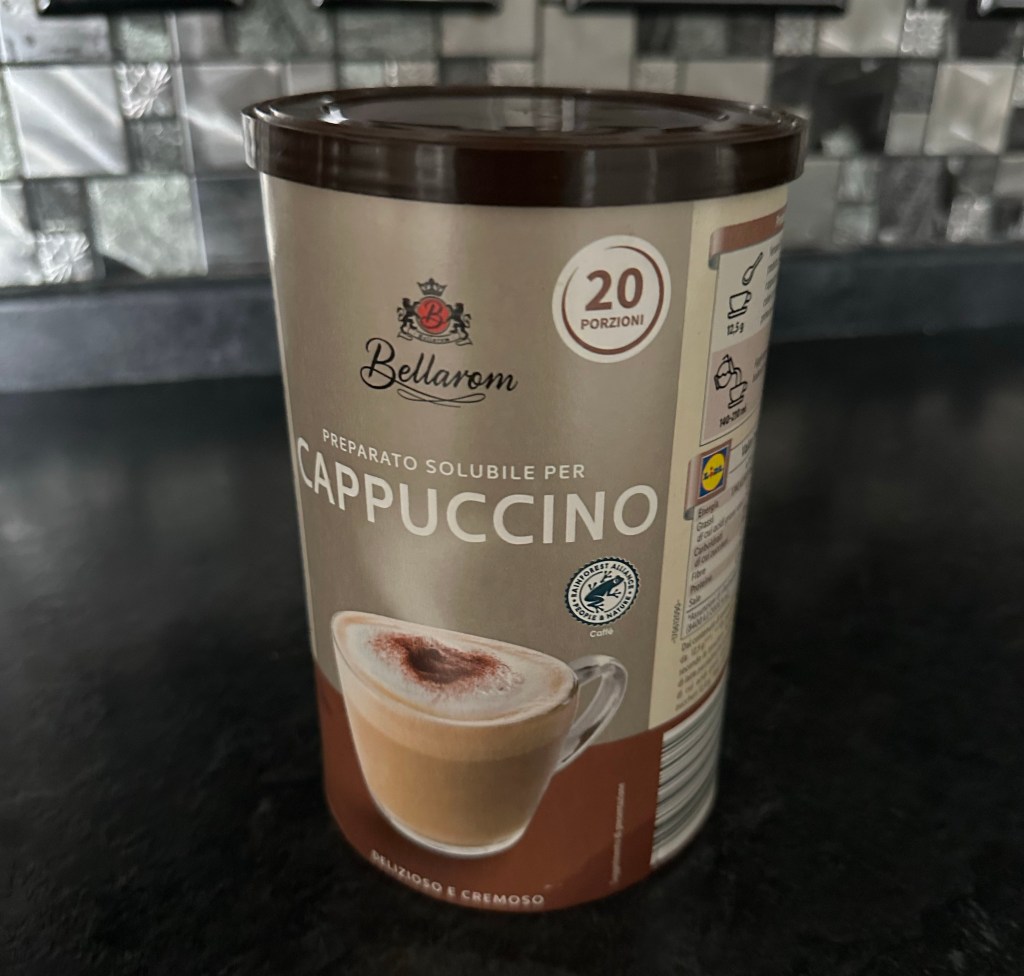
I love my morning coffee, who doesn’t? It was my everyday ritual: start the kettle, reach for my Nescafé Gold or that delicious cappuccino I brought back from a trip to Italy (yes, that Bellarom tin was my pride and joy). But when I found out I was pregnant, one of the first things my midwife told me was: cut down on caffeine.

Why? Because caffeine crosses the placenta, and unlike us, our developing babies don’t have the enzymes needed to process it. I didn’t want to take any risks with overstimulating my baby’s tiny heart and brain.

Risks of high caffeine intake during pregnancy:

  • Increased risk of miscarriage
  • Low birth weight
  • Disturbed fetal sleep patterns

I switched to decaf and tried to stay under the 200mg per day limit recommended by experts. Trust me, it was hard at first (especially on sleepy mornings), but my peace of mind was worth it. If you’re pregnant, I’d recommend checking the caffeine levels in your tea, soft drinks, and even chocolate too!

4. Certain Medications

There were so many times I reached for something for a headache before remembering I needed to check with my doctor. Many medications aren’t pregnancy-safe.

Avoid:

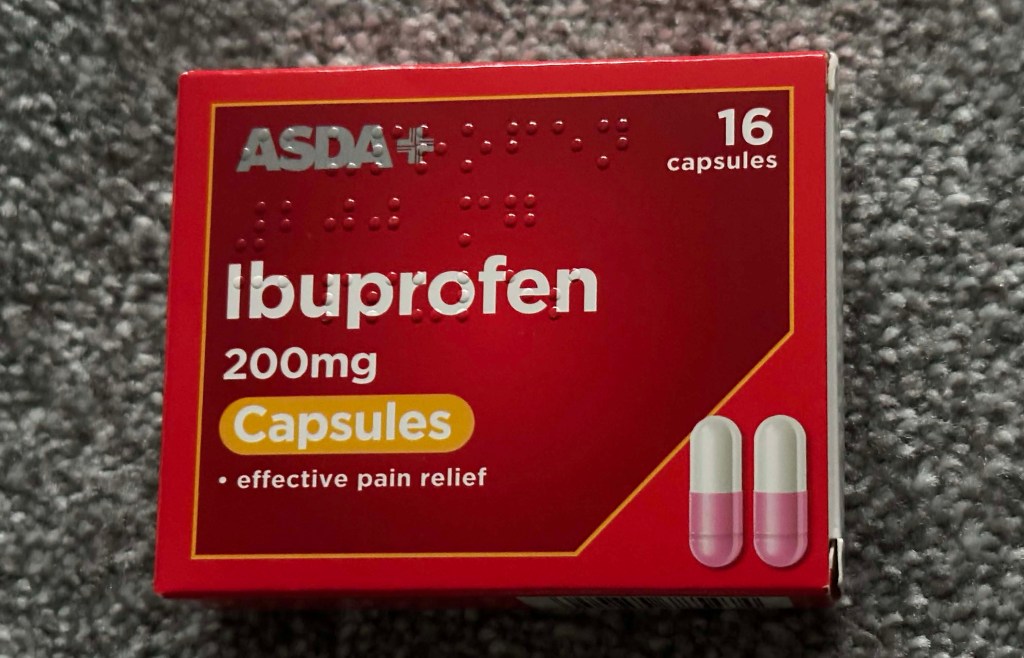
  • NSAIDs like ibuprofen
  • Some antidepressants
  • Acne meds like isotretinoin

Always consult your doctor, even for common OTC meds.

5. Raw or Undercooked Meat & Seafood

I used to love sushi night. But raw meats can carry Listeria or Toxoplasma, which can cause serious issues.

To stay safe:

  • Avoid rare steaks, deli meats (unless heated), and raw seafood
  • Make sure everything is thoroughly cooked

6. Unpasteurized Dairy & Juices

At a market, I nearly grabbed a bottle of “farm-fresh unpasteurized milk” until I remembered the risk. Unpasteurized products can contain bacteria like Listeria.

Better options:

  • Only choose pasteurized milk, cheeses, and juices

7. Excessive Physical Exertion

I love staying active, but I learned that pregnancy isn’t the time to push yourself. Exercise is good, but overdoing it can backfire.

Risks include:

  • Uterine contractions
  • Raised blood pressure
  • Hormonal disruption

Stick to doctor-approved routines.

8. High Stress Levels

The first trimester had me on an emotional rollercoaster. Stress can feel overwhelming—but it’s important to manage it.

Why it matters:

  • Chronic stress can affect fetal development
  • Raises risk of complications

What helped me:

  • Deep breathing
  • Journaling
  • Talking to other expecting mums

9. Overheating

One night I stayed in a hot bath too long and felt dizzy, scared me so much! Overheating can be dangerous.

Avoid:

  • Hot tubs
  • Long hot baths
  • Saunas

Stay hydrated and wear breathable clothing.

10. Environmental Toxins

Once I found myself scrubbing the bathroom with strong bleach, bad idea. Common cleaning products and pollutants can harm your baby.

Avoid:

  • Strong chemical cleaners
  • Paint fumes
  • Pesticides

Use natural, pregnancy-safe alternatives.

11. Poor Quality Mattress

I honestly had no idea how important a mattress was during pregnancy until I lived through it.

In the early weeks, I was still sleeping on an old IKEA mattress I bought for £150. It did the job (barely) back then, but once I was pregnant, everything changed. My cousin Ashley came over one day and we were chatting about what I could and couldn’t do, we were planning to go out when she casually mentioned that overheating during early pregnancy could be dangerous for the zygote. That comment really stuck with me.

my ikea mattress

Later that night, I showed her my mattress and… let’s just say she wasn’t impressed. It was made of polyester and some cheap foam that barely supported my back, let alone my growing belly. That same night, I spoke to my husband about it. He’s the type who consults his mum about everything (bless him), and she recommended getting a hybrid mattress, the same one she was using for her own back pain.

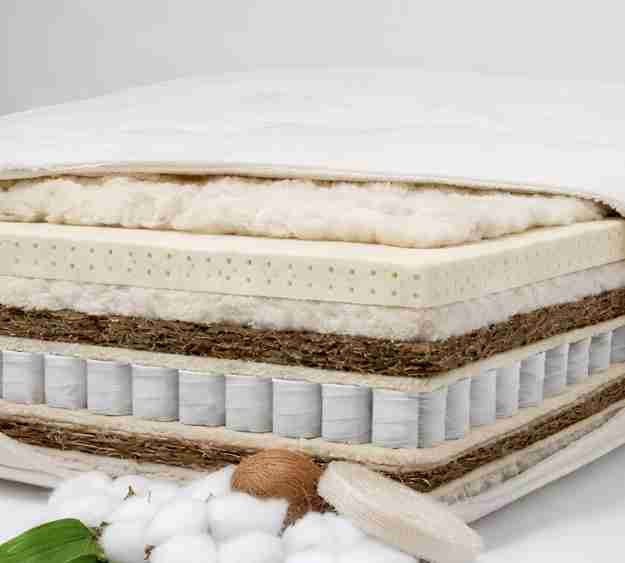
So I started researching and eventually came across a brand called Luxe. I ended up buying the Luxe Organic Natural Mattress with Pillow Top and wow, what a difference it made, and it is my personal opinion but its one of the best mattress for pregnancy and can help you lot.

Luxe-Organic Natural Pillow Top

Not only did I start sleeping better, but I also felt safer, knowing the mattress was made from natural fillings, had great breathability, and didn’t give off any weird chemical smells like my old one did. It’s hypoallergenic, antibacterial, and offers zoned support that actually cradled my back and hips properly.

Funny story, because I’m a writer, I ended up writing about my mattress buying experience for TD News. A few days after it was published, Luxe reached out and asked me to write a blog post for them. Long story short? They refunded me 50% of the cost. Total win!

What I learned about bad mattresses during pregnancy:

  • Cheap foam & polyester can release VOCs (volatile organic compounds), which you breathe in all night.
  • Poor-quality mattresses trap heat, which can raise your core temperature, a big no-no in early pregnancy.
  • Lack of airflow creates the perfect breeding ground for bacteria and allergens.
  • Inadequate support leads to back, hip, and shoulder pain, especially dangerous as your weight distribution changes.

What to look for in a pregnancy-safe mattress:

  • Natural fillings like organic cotton or wool
  • Zoned support that adapts to pressure points
  • Breathable structure for better airflow
  • Hypoallergenic & antibacterial materials

And please, don’t skip the mattress hoovering, it helps reduce dust mites and allergens that can affect both you and your baby.

Trust me: investing in a high-quality mattress during pregnancy is not just about comfort, it’s about protecting your health and your baby’s too.

12. Secondhand Smoke

Even if you don’t smoke, being around someone who does can be harmful. I had to ask a friend to smoke outside when visiting.

Why it’s harmful:

  • Increases miscarriage risk
  • Linked to birth defects and low birth weight

13. Unsafe Herbal Supplements

I once read online that a certain tea was good for pregnancy, but my midwife said it could trigger contractions.

Be cautious with herbs like:

  • Blue cohosh
  • Dong quai
  • Pennyroyal

Always get professional advice.

14. Poor Sleep Hygiene

Pregnancy fatigue is real. I learned that a proper sleep routine made all the difference.

Why it matters:

  • Poor sleep can lead to high blood pressure and gestational diabetes
  • A quality mattress helps prevent discomfort

Build a consistent bedtime routine and create a calm sleep environment.

15. Ignoring Unusual Symptoms

You know your body better than anyone. If something feels off, don’t ignore it.

Watch out for:

  • Severe cramps
  • Vaginal bleeding
  • Dizziness or fainting

Always call your doctor if you’re unsure.

Conclusion

Pregnancy is one of the most beautiful, emotional, and delicate phases of a woman’s life. It’s a time of transformation not just physically, but mentally and emotionally as well. And while we often focus on the big medical milestones, it’s the small, everyday decisions that make the biggest difference.

From what you eat to how you sleep, what you touch, breathe, and even where you lie down every night, it all matters. Avoiding harmful habits like smoking, alcohol, and high caffeine is essential. But equally important is being mindful of lesser-discussed things like mattress quality, exposure to toxins, and managing stress.

Sleep, in particular, plays a vital role during pregnancy. And as I’ve personally learned, the mattress you sleep on isn’t just about comfort, it can affect your body temperature, spinal alignment, and even your exposure to airborne chemicals like VOCs. A breathable, supportive, and hypoallergenic mattress isn’t a luxury, it’s a prenatal health essential.

You don’t need to be perfect, but you do need to be informed. Each change you make, no matter how small, brings you one step closer to a healthier pregnancy and a safer environment for your baby to grow.

So take a deep breath, be gentle with yourself, and remember: your awareness and effort today are powerful acts of love for the little life growing inside you.

pregnancy pillow
July 15, 2025

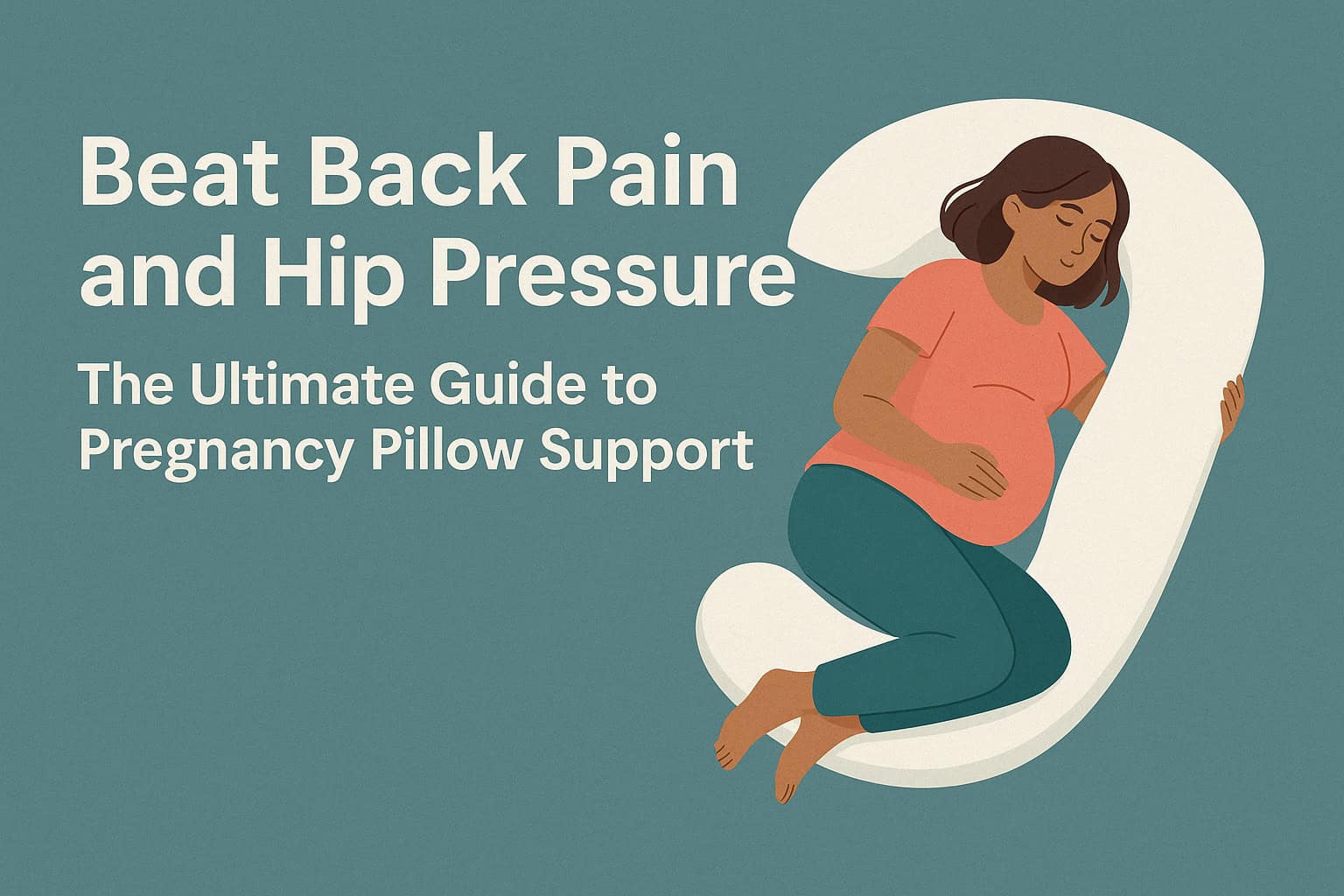
Beat Back Pain and Hip Pressure: The Ultimate Guide to Pregnancy Pillow Support

Pregnancy is a beautiful journey, but let’s be real, it’s not always the most comfortable one. As your body grows and changes to support your baby, many women start experiencing aches and pains that make restful sleep feel like a distant dream. Back pain. Hip pressure. Leg cramps. You name it.

If you’re nodding along, know this: you’re not alone, and it’s not something you just have to “deal with.” The right pregnancy pillow can offer serious relief and transform your nights from restless to restorative.

Let’s explore how these specially designed pillows work, why they matter, and how to choose the perfect one for your pregnancy journey.

The Problem: Why Sleep Gets Tougher During Pregnancy

As your pregnancy progresses, your body goes through rapid changes, your centre of gravity shifts, your ligaments loosen, and your belly grows heavier. These changes, while natural, can lead to increased pressure on your hips and lower back, especially when you lie down.

Lying flat on your back during the later stages of pregnancy can also compress major blood vessels, making it harder for blood to flow to your baby. That’s why doctors often recommend sleeping on your left side it improves circulation and eases pressure on internal organs. Great advice in theory, but not always easy to follow when your body feels like it’s being pulled in ten different directions.

That’s where pregnancy pillows and the mattress for pregnancy come in. A supportive sleep setup makes a huge difference. The right pillow cushions your belly and back, while a well-designed mattress helps distribute weight evenly and prevents pressure buildup in the hips and lower spine. Together, they create the supportive environment your body needs to rest and recover.

The Solution: How Pregnancy Pillows Help

Pregnancy pillows are specially designed to support your changing body and encourage healthier sleep positions. They work by cushioning and aligning key areas like your belly, lower back, knees, and hips.

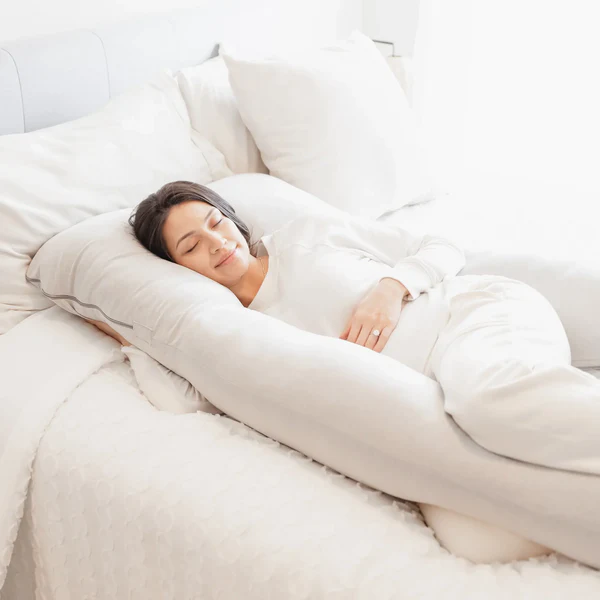
Let’s take Maya’s story as an example. Maya was six months pregnant and waking up multiple times a night with sharp hip pain and stiffness in her lower back due to using a soft mattress. After trying a stack of regular pillows to no avail, she finally invested in a medium firm mattress and U-shaped pregnancy pillow It cradled her belly, supported her spine, and gave her something to rest her knees on.

Within a few nights, she started sleeping more deeply. The difference, she said, was night and day.

Types of Pregnancy Pillows (and How They Work)

There are several kinds of pregnancy pillows, each designed to target specific discomforts. Here’s a breakdown:

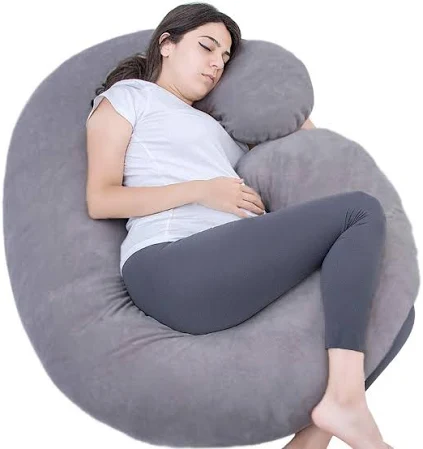
1. C-Shaped Pillows

c shape pregnancy pillow
Pregnancy Pillow, C Shaped Full Body Pillow – Image is taken from Ebay

Great for supporting the head, belly, and knees at once. They’re ideal for women who toss and turn but still need full-body support without taking over the whole bed.

2. U-Shaped Pillows

U-shaped pregnancy pillow
Image is use from Regalo – U-Shaped Maternity Pillow

These are the heavyweights. They wrap around both sides of your body, offering total support whether you’re lying on your left or right. Perfect for back pain, hip alignment, and even neck tension.

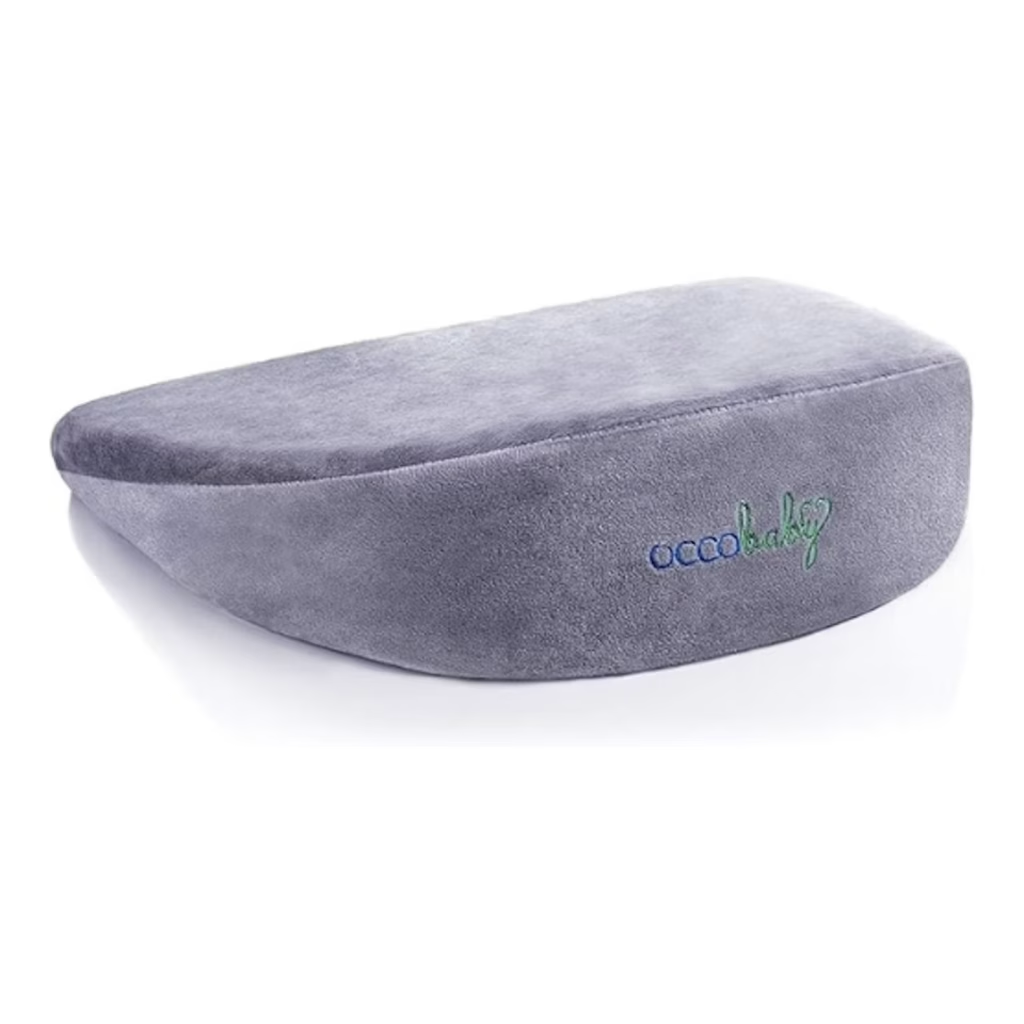
3. Wedge Pillows

Image – OCCObaby Pregnancy Wedge Pillow for Sleeping

Small and compact, wedge pillows slide under the belly or back to provide targeted support. They’re great if you don’t want a full-body pillow or travel often.

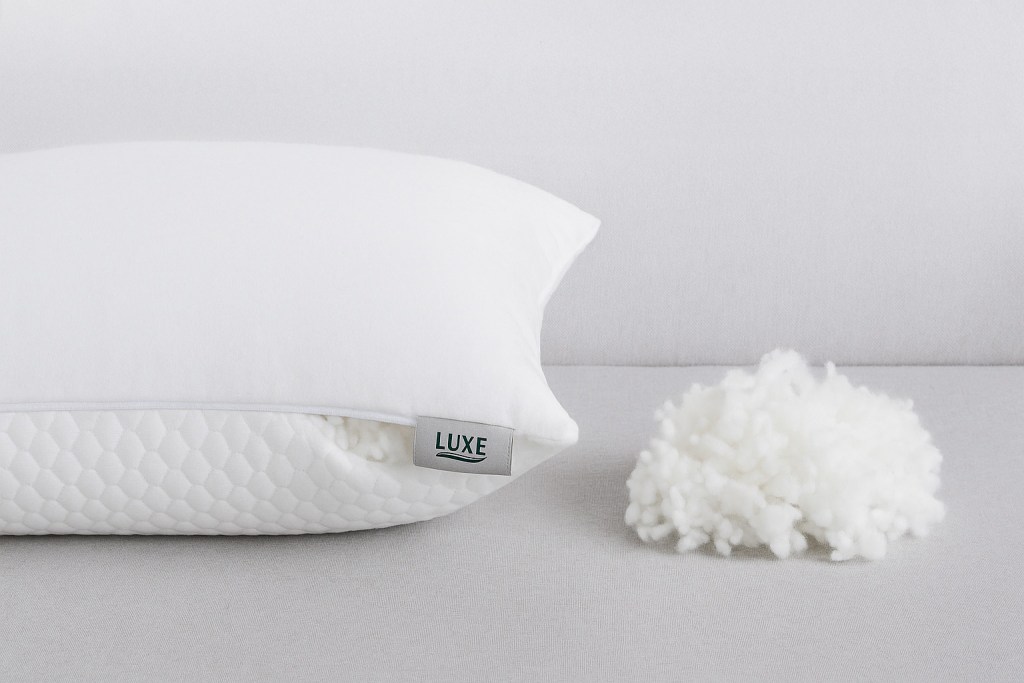
4. Customisable Pillows

This is where things get interesting. Some brands now offer adjustable fill pillows that can be reshaped and repurposed, ideal for those who want more control over their support. For example, you can adjust the firmness or fold them to tuck under specific pressure points.

How Pregnancy Pillows Help with Back and Hip Pain

Here’s the science behind it. When you sleep on your side (especially the left), your body needs alignment across three critical points:

  • Neck and spine: To reduce tension and promote good circulation
  • Hips: To prevent sagging and relieve pressure on the lower back
  • Legs and knees: To keep hips level and aligned

A pillow placed between your knees takes pressure off your hips and pelvis. Meanwhile, support under your belly stops it from pulling your spine out of alignment. The result? Less compression, less inflammation, and less pain.

A study published in The Journal of Obstetrics and Gynaecology Research found that women who used body pillows during pregnancy reported significantly better sleep quality and reduced musculoskeletal pain.

You can read the study summary here.

What to Look for in a Pregnancy Pillow

With so many options on the market, choosing the right pillow can feel overwhelming. Here are a few key things to consider:

  • Adjustability: Can you change the loft or firmness?
  • Breathability: Pregnancy can raise your core temperature, so cooling fabrics help.
  • Washable covers: Spills and night sweats happen. Easy cleaning is a must.
  • Size: Do you want full-body support or something smaller and travel-friendly?
  • Shape: Think about which parts of your body need the most support.

Real-World Tip: Combine with a Customisable Bed Pillow

Many women find that combining a pregnancy body pillow with a customisable head/neck pillow works best. Why? Because even if your hips and back are supported, your neck alignment still matters.

One of our customers, Lisa, shared how switching to a  Luxe Pregnancy Pillow helped her during pregnancy. She adjusted the fill to better support her shoulders while sleeping on her side and it made a huge difference in morning stiffness.

Bonus: You’ll Still Use It After Baby Arrives

The best part about investing in a quality pregnancy pillow is that it doesn’t stop being useful after birth. Many mums use theirs for:

  • Postpartum support when recovering from delivery
  • Nursing and feeding (especially with U-shaped pillows)
  • C-section recovery to relieve pressure and improve comfort
  • Baby positioning for tummy time or bottle feeding

It’s not just a sleep aid, it becomes a daily tool in your new parenting life.

Final Thoughts: Listen to Your Body

Every pregnancy is different, and so is every sleeper. What works for one mum might not work for another, which is why customisation is such a big deal. Whether it’s adjusting the shape of a full-body pillow or modifying the fill in your head pillow, the more adaptable your sleep setup is, the better your rest will be.

You’re growing a human you deserve to sleep like one.

If you’re dealing with back pain, hip pressure, or just can’t seem to find the right position, don’t tough it out. Try a pregnancy pillow that fits your body, your space, and your needs. It might just be the best decision you make this trimester.

which feature in mattress a pregnant woman look for
June 27, 2025

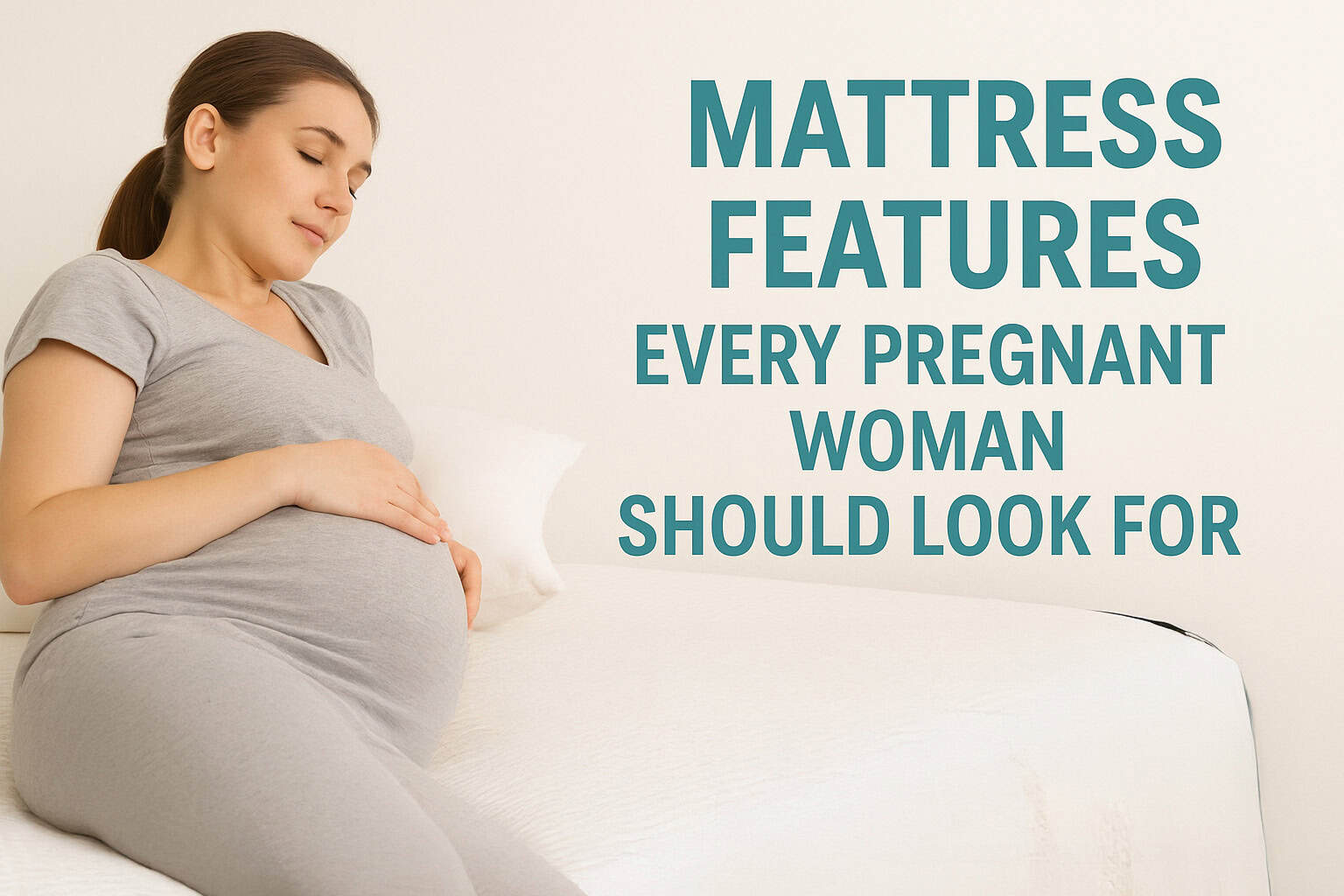
Mattress Features Every Pregnant Woman Should Look For

Pregnancy changes almost every aspect of a woman’s life — and her sleep. The body changes to accommodate the developing baby, and sleep positions do, too, creating pressure points and decreased comfort in the process. The good news? Picking the right mattress for pregnancy can go a long way in easing nighttime pain. With that in mind, in this article, we’ll help you discover the crucial mattress characteristics that every mom-to-be needs to know about, so you can promote not only a more blissful sleep but also a more naturally healthy pregnancy.

Why the Mattress You Sleep on During Pregnancy is Important?

Up to 78 percent of pregnant women report sleep disturbances during pregnancy, according to the Sleep Foundation. These may stem from physical changes, such as weight gain, back pain, heartburn, overheating, and hormone fluctuations.

Supportive, pressure-relieving, and breathable mattresses can help prevent some of these symptoms from developing. In addition to making life in the horizontal position a little more comfortable, it helps support musculoskeletal alignment, which is key as the baby grows. So, what really is it that a user needs in a mattress?

1.    Lower Back Support for Hip and Back Pain, etc.

Lumbar Support: One of the most crucial aspects of a mattress for pregnant individuals is adequate lumbar support. As you grow a belly, it pulls your center of gravity forward, which adds strain to your lower back, hips, and pelvis”. If your mattress isn’t supportive enough, your spine will not remain straight while you sleep, and you will experience back pain or other problems.

“Looking after your posture Good posture is key to preventing and easing back pain” (NHS). A mattress with reinforced support zones, specifically in the lumbar area, will maintain your neutral alignment whether you sleep on your side or back.

Our range of Orthopaedic mattresses is explicitly designed to provide the best support for your spine, helping you feel comfortable throughout every week of pregnancy and during postpartum recovery.

2.    Edge Support for Safety and Mobility

For pregnant women, it is often hard to get in as well as out of bed; this is especially the case in second and third trimesters. This is where edge support really matters. Read Introduction Two common complaints about bed-in-a-box mattresses are: (1) They offer little edge support. Firm edges, as well as preventing sagging, an edge constructed this way makes for a sturdy place to sit when getting in and out of bed.

When a mattress has shoddy edge support, rolling off the side or feeling as if you might feel dangerous as a pregnant person. Additionally, the more rigid edges tend to be more useful in creating space on the entire bed, especially in instances where pregnancy pillows are used or when sleeping with a partner.

Luxe Mattresses’ hybrid mattresses are designed with zoned coil systems and foam perimeter reinforcement for long-lasting, high-performance edge support.

3.    Pressure Relief for Deeper Side Sleeping Comfort

Laying on your side, especially your left side, is also recommended during pregnancy as it increases blood flow to the placenta and kidneys (ACOG). Unfortunately, this approach can add stress to the hips, shoulders, and knee—which might already be tender or inflamed.

Should provide: Adaptive Pressure Relief A good pregnancy mattress adaptive pressure relief to help relieve the building pressure from the hips and shoulders. Memory foam or latex layers, molded to the body, also distribute weight, taking the pressure off pressure points. This enhances comfort and circulation while reducing joint numbness and pain.

Check out our memory foam mattresses, which cradle the body and feature various comfort zones, perfect for side sleepers or pregnant women.

4.    Breathable and Cooling Fabrics

Increased metabolism and hormones leave well-expectant mothers with night sweats and overheating through pregnancy. Even when the heat is not retained, it can exacerbate this discomfort and disrupt sleep. This is why breathability is a must-have feature for pregnant sleepers.

opt for gel mattresses, open-cell technology, and natural latex, all of which help with airflow and pull heat away from your body. Harvard Health Publishing reports that maintaining a cooler body temperature while sleeping can improve overall comfort levels and help promote deeper sleep cycles.

Luxe Mattresses’ natural mattress selection features breathable materials like natural cotton and bamboo, topped with perforated latex for a fresher, more hygienic night’s sleep.

5.    Features Low Motion Transfer – never wake your partner up again!

Pregnancy tends to disturb and lighten sleep. Your bed has to provide low-motion transfer, especially when you sleep with a partner. They minimize the effects of motion on the bed, so you are less likely to be disturbed when your partner rolls over or gets up at night.

A foam or hybrid mattress with a motion-isolating layer would be a great place to start. Our luxury models are constructed with Multilayer Memory Foam and Pocket Coil systems, designed to minimize motion transfer and maintain body balance, keeping your spine in a comfortable position.

6.    Non-allergic and Safe Material

Pregnant women often become more sensitive to odors, allergens, and toxins. Opting for a mattress composed of non-toxic and hypoallergenic materials can help protect you from exposure to dust mites, mold, and volatile organic compounds (VOCs).

Seek out certifications, such as OEKO-TEX®, GOTS (for organic textiles), or CertiPUR-US®, that attest to the absence of toxic chemicals. At Luxe Mattresses, we focus on using safe, skin-friendly, and eco-friendly materials to ensure both mother and child’s health is taken care of.

FAQs: What Pregnant Women Want to Know About Mattresses

  1. Will a bad mattress cause back pain during pregnancy? 

Yes, sleeping on a saggy mattress or anything that does. Select one with built-in reinforced lumbar support to help reduce strain.

  • Is it OK for pregnant women to sleep on memory foam? 

Memory foam may be a good choice because it relieves pressure and contours to the body. Just make sure that it’s breathable — and low in volatile organic compounds (VOCs) — to prevent both overheating and any sensitivities that might otherwise arise.

  • How firm should a mattress be when you’re pregnant? 

A medium-firm mattress is usually best. It strikes the perfect balance between firm and soft, supporting the spine while cushioning pressure points.

Final Thoughts

Pregnancy is a time when sleep is both more essential and more elusive. Your comfort and the quality of your sleep throughout all trimesters are enhanced by the quality of the mattress you purchase and its features, such as support for your back, side strength, temperature control, and pain relief. Whether you’re wading through early pregnancy fatigue or third-trimester aches, a thoughtfully designed mattress can offer both physical support and peace of mind.

Ready to elevate your sleep game during pregnancy? Browse through our orthopaedic, natural, and memory foam mattress collections at Luxe Mattresses, and let us help you find the right mattress for you and your pregnancy journey.

June 23, 2025

How the Right Mattress Can Help Alleviate Pregnancy Pain at Bedtime?

Pregnancy is a period of intense physical change — and often, interrupted sleep. From back pain and leg cramps to overheating and at least one urgent bathroom trip, sleep discomfort is one of the most common problems that plague expectant mothers. The good news?  â€‚ The best mattress can help minimize pregnancy-related pain while you sleep by providing targeted support, alleviating pressure, and incorporating body-friendly materials.

The Mattress’s Role in Pregnancy Sleep

During pregnancy, it’s not just about getting rest but also contributing to a mother’s immune function, psychological well-being, and fetas development, thanks to good sleep quality. According to Sleep Foundation, hormonal changes and discomfort that result from the physical changes of pregnancy can lead to disrupted sleep throughout all three trimesters.

An improperly designed mattress serves to aggravate these concerns, but the right mattress can help to combat these issues by:

  • Backing the spine and the hips
  • Pressure point reduction
  • Flexible Body Temperature Control
  • Improving circulation

Let’s take a closer look at how these three attributes — mattress support, pressure point relief, and material selection — can make or break one’s nights of sleep during pregnancy.

1.  Need for The Right Mattress Support to Reduce Pregnancy Pain

The expanding abdomen pulls the body’s center of gravity forward , and the back is often the part of the body to bear the brunt of this additional weight, while the hips and pelvic joints are also affected. This movement is most noticeable in the supine position. If a mattress does not provide adequate support to the back, the spine is likely to sink into the bed in an unnatural way, which will lead to morning stiffness and, in some cases, even sciatica.

It’s all about firmness here. When firm mattresses can cause pressure points, mattresses that are too soft don’t provide proper alignment. Pregnant sleepers are often recommended to use a medium-firm mattress with adaptive support.  They can explore the collection of orthopaedic mattresses  to find the options that best suit their needs.

According to NHS guidelines, good spinal health helps to reduce the likelihood of musculoskeletal problems,  and is paramount in ensuring correct spinal alignment. In fact, a mattress that supports the lumbar region (not too hard) can significantly alleviate nighttime discomfort.

2.  Relieve Pressure and Embrace Comfort

Soft spots, such as hips, shoulders, and knees, typically also ache during pregnancy. This is fairly typical as well, particularly towards the end. American College of Obstetricians and Gynecologists (ACOG) recommends sleeping on your side as well for your comfort and the baby’s well-being,” according to ACOG. But that position might directly stress smaller joints and parts of the body.

That’s where the pressure-relieving foam layers, including memory foam or latex, come in. This material conforms to the shape of your body, helping to evenly distribute your weight and eliminate pressure points that can cause pain. More things to try Many high-end mattresses, including some in our memory foam mattress range, have zoned support systems that target your pressure points.

And as with any support, relieving pressure is key to better blood flow and less swelling and numbness (of which you have plenty in the third trimester).

3.  Choice of material and temperature control

Body temperature naturally rises during pregnancy due to increased blood volume and hormonal changes. Consequently, many women complain of night sweats and waking up feeling hot. A cooling technology mattress, such as one made from breathable latex, gel-infused memory foam, or open-cell foams, can help regulate temperature, allowing you to stay asleep all night long.

There is also a safety and hygiene factor at play with the materials. Hypoallergenic, as well as chemical-free mattresses, are not only essential when it comes to dander, but off-gassing can also be extremely disturbing during pregnancy, when our senses and sensitivity to skin change as well.

At Luxe mattresses, our natural mattress selection is crafted with organic cotton and breathable latex, two key elements that ensure comfort and airflow while you sleep.

More Sleep Tips to Reduce Pain During Pregnancy

Pregnant women must have a supportive mattress to prevent an unsupported angle in their spine since their growing stomach will pull them forward.

  • Sleep with a pregnancy pillow to place between your knees and belly for added support.
  • Sleep on your left side to help increase the baby’s blood flow.
  • Cut caffeine and screen time before bed. Minimizing the jitteriness.
  • Ensure the room is cool and well-ventilated to avoid overheating.

When combined with a mattress that is just right, these changes contribute to a perfect sleep environment during all three trimesters.

FAQs: Pregnancy and Mattresses

  1. What is the best type of mattress for alleviating back pain during pregnancy? 

A medium-firm mattress with orthopaedic support might be the most ideal for alleviating pregnancy-related back pain. It helps keep the spine in line and alleviates stress on the lower back, where most pain is typically concentrated.

  • Is memory foam safe during pregnancy? 

Yes! Good Memory Foam is Pregnancy-Safe Foam—Even Better when it’s CertiPUR-US® certified or All-Natural (because that generally means low chemical emissions and NO toxic off-gassing)!

  • How often should a mattress be replaced for good support during pregnancy? 

If your current mattress is more than 7–10 years old, or you’ve noticed sagging and feel discomfort from your bed, it’s probably time to replace it to ensure proper support during this physically challenging time.

Final Thoughts

Pregnancy and sleep discomfort don’t have to go hand in hand. Purchasing the best mattress for you – one that offers targeted support, pressure relief, and is breathable— can make a huge difference in the way you experience many of the more common symptoms of pregnancy and how comfortably you rest. If you’re early in your pregnancy or in the third trimester, a good mattress goes beyond Comfort – it’s a maternal health and wellness necessity.

For more recommendations, read out best mattresses for pregnancy guide’ collections, designed for various sleep preferences and body types.

Best mattress for pregnancy uk
May 15, 2025

Pregnancy and Sleep: How to Choose the Right Mattress For Moms-To-Be

More than 75% of pregnant women experience sleep difficulties during the third trimester, a concerning issue that can affect both maternal and baby health. Despite this, the role of a good mattress in supporting better sleep during pregnancy is often overlooked and undervalued.

Sleep deprivation is never a good experience for pregnant women. It affects the health of both the mother and the growing baby. 

This is why you want to pick the right mattress that enhances quality sleep patterns during pregnancy. Choosing the best mattress for pregnancy is an important decision that boosts the health and well-being of both the mother and child. 


Key Mattress Features for Pregnant Women

But how do you go about this?

Honestly, picking the best mattress for pregnancy is no easy feat, as a couple of factors go into it. When factors like quality and pricing clash, selecting the right product can be quite a hassle.

However, there is no cause for alarm, as we have got you covered!

This article discusses key factors to consider when choosing a pregnancy for a mom-to-be:

Tips for Picking the Right Mattress

Here are some key factors to consider when choosing the right mattress for moms-to-be.

To make your decision easier, you can also explore our comparison of the best mattresses for pregnancy right here.

1.    Adequate Support

Support in key body areas is essential for ensuring comfort and preventing health complications. There are key body areas that need the utmost care when considering which mattress to buy. 

The mattress must offer adequate support to key areas like the back, hip and belly. By supporting these areas, pregnant moms – whether in the early, mid or even late stages – can enjoy adequate comfort using their mattresses. 

Support is also a key factor that affects sleeping patterns as a whole, as lack of adequate support makes sleeping uncomfortable. This can consequently lead to body pains that become worse as they accumulate over time.

Hence, it makes sense to look for a mattress with adequate support when choosing a mattress for pregnancy. 

2.    Spinal Alignment 

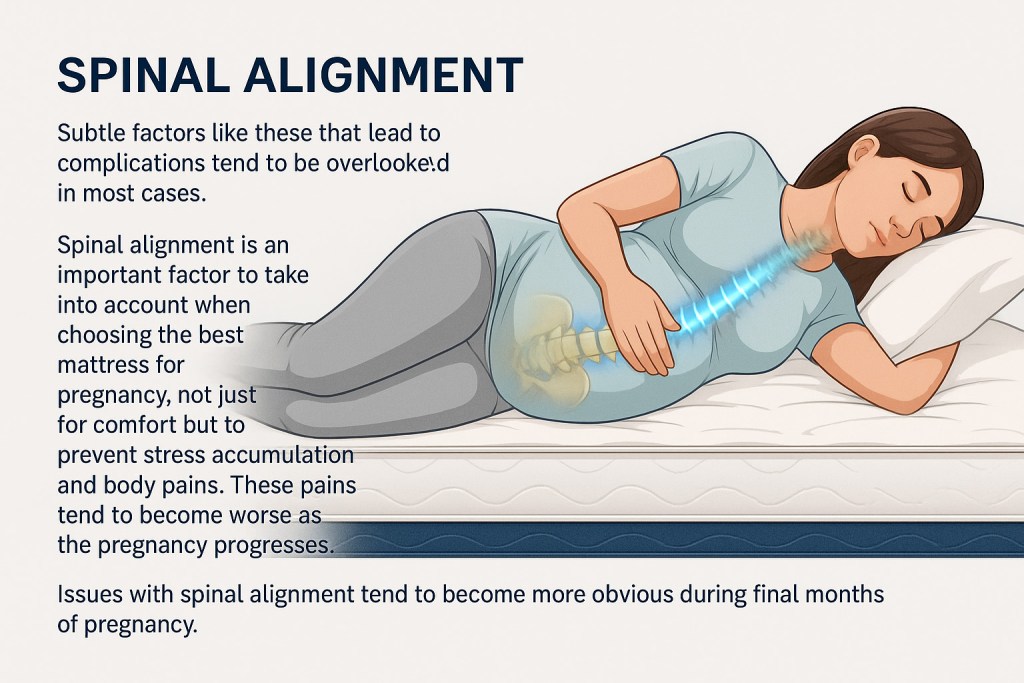
Subtle factors like these that lead to complications tend to be overlooked in most cases. 

Spinal alignment is an important factor to take into account when choosing the best mattress for pregnancy, not just for comfort but to prevent stress accumulation and body pains. These pains tend to become worse as the pregnancy progresses. 

Issues with spinal alignment tend to become more obvious during the final months of pregnancy. 

By that time, the pregnant mother will have to struggle with reoccurring pains in the lower back that may even extend to the shoulders. To prevent issues like aches and body pains, picking a mattress with good spinal alignment is a must.

3.    Breathability and Cooling 

Since pregnant women tend to experience body temperature increases more often, experts recommend investing in breathable mattresses. 

Breathability is a necessity when considering the right mattress for pregnant women, as it can be a major deal-maker or breaker for expectant moms. 

Breathable mattresses are always a better choice, both for their cooling effect and the comfort they offer. The mattress’s material must be breathable to provide overall temperature comfort.

4.    Good Edge Support

Most mattresses tend to sag when pressure is applied to their edges. This isn’t the type of mattress pregnant women need. During pregnancy, most women tend to need time to get used to the extra weight, especially in the late stages. 

Due to changes in their center of gravity, pregnant women need a mattress that provides just the right amount of support at the edges. A mattress with good support will allow a pregnant woman to better manoeuvre her movement when getting on and off the bed.

5.    Material and Motion Isolation

Falling asleep during pregnancy can be surprisingly challenging. With hormonal fluctuations, increased body weight, and frequent discomfort, expectant mothers often experience disrupted sleep patterns. What’s more, many women become increasingly sensitive to even the smallest movements—like a partner shifting in bed or getting up during the night.

That’s why motion isolation is not just a luxury, it’s a necessity.

A high-quality mattress made from premium materials such as high-density memory foam or hybrid pocket springs can mold to a pregnant woman’s natural curves, delivering both contouring comfort and critical support. At the same time, these materials can significantly reduce the transfer of movement across the bed. This means fewer disruptions from your partner’s movements and a better chance of staying asleep once you finally drift off.

And that matters, because poor sleep during pregnancy has been linked to increased risks of complications and can potentially affect fetal development (source).

When choosing a mattress for pregnancy, steer clear of traditional spring or low-quality foam models that lack proper motion isolation. They might seem affordable, but they can disrupt sleep and contribute to long-term discomfort. Instead, opt for a model that offers a balanced blend of firmness and pressure relief, so you feel cradled, not sunk in or stiff.

Ultimately, a mattress with excellent motion isolation is one of the smartest investments for a peaceful, uninterrupted night’s sleep during pregnancy and beyond. For a deeper understanding of how mattress materials play a role in this, you can explore this guide on mattress materials and motion control.

Effective Sleeping Tips during Pregnancy 

Again, it’s no secret that sleep is essential for human growth and development, and it is especially important for pregnant women. 

Here are effective sleeping tips during pregnancy:

  • Avoid sleeping on your stomach, as it can be uncomfortable
  • Sleeping on your back during pregnancy is also not recommended since it places pressure on your main heart artery.
  • Sleep on your left or right side to avoid health complications
  • To reduce discomfort or pain, place a pillow between your legs, lower back or abdomen.
  • Ease situations like heartburn by simply elevating your upper body or sitting up until the discomfort stops
  • Buy a comfortable mattress, as we have recommended for pregnant women in this article

Recommended Mattress for Pregnancy

The Luxe-Organic Natural Pillow Top Mattress gives you the best value for your money if you are looking for comfort and durability in a mattress. 

Luxe Natural Pillow Top Mattress is an amazing blend of quality and pricing. Plus, it comes in various sizes, from single 90 x 190 cm to super king 180 x 200 cm, providing options that suit your needs. 

What Makes LUXE Mattress Special?

The LUXE mattress is designed to offer softness and just the right amount of support for pregnant women. Its most unique feature is its pillow-top layer, which, with its zero-gravity effect, is designed to provide enhanced pressure relief and a weightless sensation.

Its memory foam feature is designed to fold into your contours, cradling you perfectly. The experience of floating on air is unique and unforgettable, and this mattress can provide that and more.

Its eco-friendly design combines temperature control and optimal spinal alignment, which in turn provides pressure relief to pregnant women. Where prices meet durability and comfort, you will find the Luxe-organic mattress, it checks all the boxes for pregnant women.

For those looking for an upgraded hybrid option, the Luxe Nova Hybrid is also considered a perfect mattress for pregnancy. With advanced features like Zero Gravityâ„¢ foam, EnduraSpringâ„¢ coils, and Cooling Gel Memory Foam, it offers exceptional pressure relief, spinal alignment, and breathability—making it a top choice for expectant moms who value premium comfort and support.

Conclusion

Choosing the right mattress is crucial to having quality sleep during pregnancy, which is essential to the health of the mother and the baby.

When picking the right mattress for pregnancy, consider factors like support, breathability, and spinal alignment. With these factors, you can have the peace of mind that your mattress can carry and support you through pregnancy.

You have also learned about key sleeping tips for pregnancy women. Avoiding sleeping on your back and putting a pillow between your legs are effective means to optimize comfort when using your mattress during pregnancy. 

Check our list of Luxe Mattresses to find the one that suits your taste and lifestyle. 

Frequently Asked Questions


What is the best type of mattress for pregnancy?

The best mattress for pregnancy is one that offers a balance of comfort and support, adapts to your changing body, and helps relieve pressure points. Memory foam, latex, or hybrid mattresses are often recommended because they contour to your body while still offering firm support. Look for features like medium-firm comfort, motion isolation, and good temperature regulation to sleep comfortably through every trimester.


 Is a firm or soft mattress better for pregnant women?

A medium-firm to firm mattress is generally better for pregnant women. As your belly grows, extra weight puts pressure on your lower back and hips. A too-soft mattress may cause your body to sink too much, leading to poor spinal alignment and discomfort. A firmer surface provides better support for the spine and pelvis, reducing back pain and improving overall sleep quality during pregnancy.


Can a bad mattress cause back pain during pregnancy?

Yes, a poor-quality or worn-out mattress can definitely contribute to pregnancy-related back pain. As your posture shifts and your center of gravity changes, your back needs more support than usual. A sagging or unsupportive mattress fails to maintain proper alignment, causing or worsening lower back and hip pain. Investing in a supportive mattress can help relieve pain and improve sleep during pregnancy.


Which sleeping position is best during pregnancy?

The best sleeping position during pregnancy is on your left side, especially in the second and third trimesters. This position promotes better blood flow to the baby and helps your kidneys efficiently eliminate waste and fluids. Avoid sleeping on your back, as it can put pressure on major veins and restrict circulation. A good mattress paired with a pregnancy pillow can make side sleeping more comfortable and supportive.

Product has been added to your cart