

100-Night Risk-Free Trial
Free Nationwide Delivery
10 Years Warranty
Call us at: 020 4572 5122
0% APR Finance Available
Memory Foam
April 26, 2026

Inside Memory Foam: Open vs. Closed Cells, Density, and What That Smell Means

Estimated reading time: 8 minutes

Memory foam has revolutionized sleep comfort, offering unmatched contouring and support. Originally developed by NASA, this unique foam adapts to your body’s curves, relieving pressure and improving spinal alignment. But not all memory foam is the same differences in cell structure, density, ILD (Indentation Load Deflection), and material composition affect comfort, durability, and safety.

From open-cell vs. closed-cell foams to high vs. low density and off-gassing concerns, understanding these factors is key to choosing a mattress that enhances sleep quality and protects your health. This guide breaks down everything you need to know to make an informed memory foam choice.

What Makes Memory Foam Unique?

Memory foam, specially developed by NASA, contours to the body’s curves, making it an ideal option for personal support and pressure relief. In mattresses, pillows, and mattress toppers, it’s well-regarded for helping support spinal alignment and reducing motion transfer. However, not all memory foam is created equal; there are differences hidden within its structure and composition.

Why the Materials Matter for Your Sleep and Health?

The memory foam material (cell structure, density, and chemical makeup) is very important if you want to take your sleep to the next level! Not only does this influence how comfortable or supportive your mattress is, but also how long it will last and how safe it is for you to sleep on. From how the material responds to heat and airflow, to whether it releases harmful chemicals (also known as off-gassing), the materials that go into making memory foam can have a significant impact on your sleep quality and long-term health.

Open-Cell and Closed-Cell Memory Foam

What are open and closed cells?

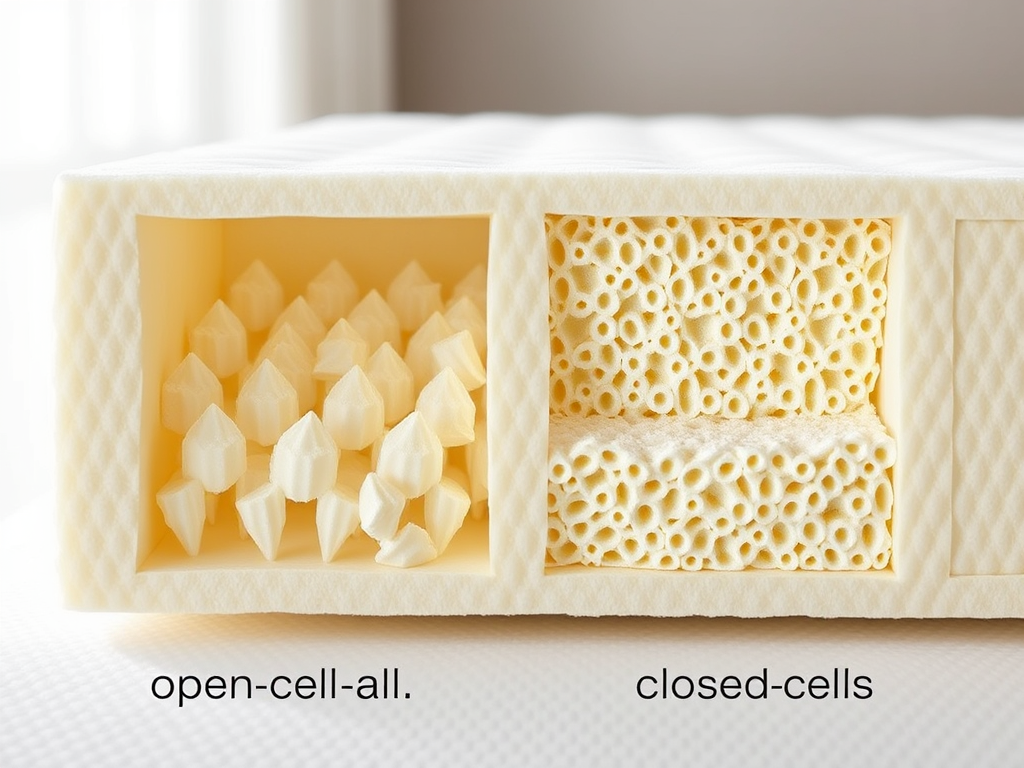
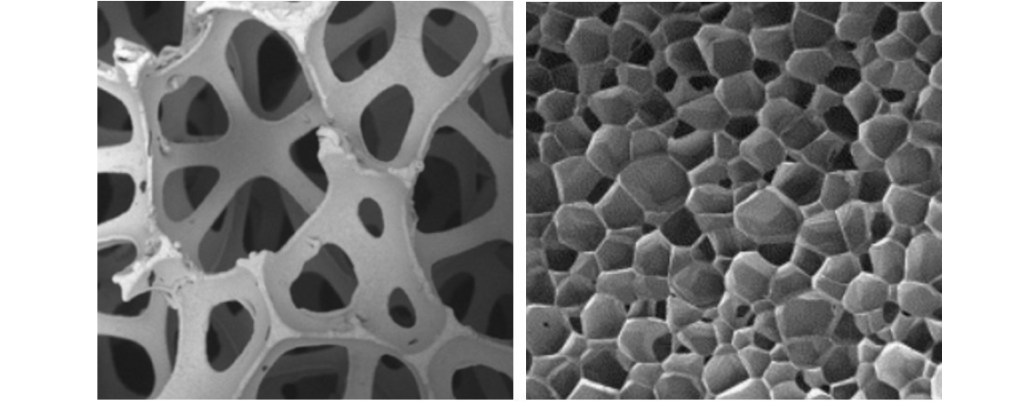
The memory foam cell structure consists of millions of tiny air pockets within the foam. These can be open-cell or closed-cell.
What are open and closed cells?
  • Open-cell memory foam includes interconnected cells that allow the air to flow through more easily.
  • Closed-cell memory foam is filled with sealed pockets of air, which turns the foam into a denser material and reduces ventilation.

How Cellular construction impacts breathability, firmness, and durability

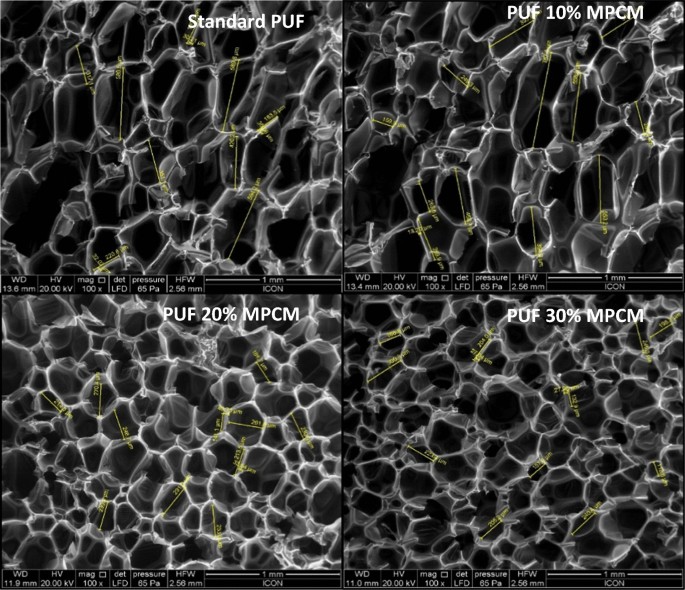
Cell structure has a direct influence on how a mattress performs:

  • Breathability: Open-cell foam allows for air circulation and regulates?temperature. Closed cell foam has a tendency to?trap in heat.
  • Firmness: Closed-cell foam feels firmer because of its part structure. Open-cell foam provides a softer, more cushioning sensation.
  • Durability: Closed-cell memory foam tends to be more durable, but it may feel less responsive. Open-cell foam?may break down faster, but it is generally more comfortable at first.
How Cellular construction impacts breathability, firmness, and durability

Which Style Is Best for Sleepers? 

Which is the better end depends on your preferences:

Hot sleepers may appreciate open-cell foam for its breathability.

Back or stomach sleepers who require firm support could prefer closed-cell foam.

Most contemporary mattresses are a hybrid, which combines the two in varying proportions to achieve a balance of comfort and support.

Memory Foam Density and ILD: What the Numbers Mean

Memory foam density explained: 

Memory foam density is expressed as the weight of one cubic foot of foam, where the end number represents the weight in pounds per cubic foot (lbs/ft³). It influences durability, ?support, and cost.

  • Low density (2.5 – 3.5 lbs/ft³): This type of foam is softer and less durable.
  • Medium density (3.5?– 5 lbs/ft³): The best of both worlds, comfort and support
  • High density (5+ lbs/ft³): Even more supportive and long-lasting, these are great for heavy-duty use

That being said, denser foams will provide even more contouring and support, but they also tend to trap more heat.

ILD (Indentation Load Deflection): Measuring Firmness

The ILD rating is a measurement and evaluation that measures the firmness of a mattress.
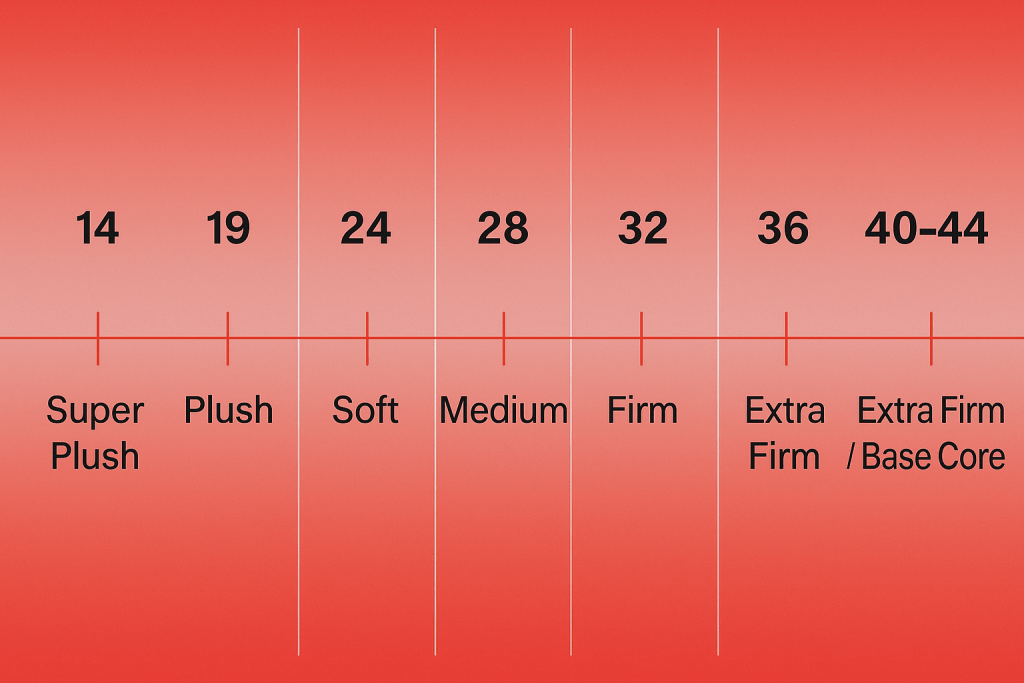
luxe mattress firmness rating scale
Firmness rating

ILD memory foam is an abbreviation for Indentation Load Deflection, which measures the firmness or softness of a foam. A higher ILD indicates a firmer mattress.

  • ILD 8–12: Soft
  • ILD 13–16: Medium
  • ILD 17+: Firm

ILD provides information about how much “give” the foam has when pressure is applied, which is crucial for determining whether side or back sleepers are better suited.

The Impact of Density and ILD on Comfort, Support, and Longevity

  • Comfort: The lower ILD and density make it soft and perfect for side sleepers.
  • Support: High-density and ILD foam provides strong support suitable for back or stomach sleepers.
  • Longevity: Higher density is often representative of a better lifespan.

Picking the Perfect Density for How You Sleep:

how to find the Perfect mattress based on your sleeping preference,

Side sleepers: Soft to medium low density (3–4 lbs) with soft ILD

Back sleepers: Medium-firm (4–5 lbs) and medium?ILD

Sleep position: Stomach Sleeper: High density (5+ lbs) and firm ILD

Knowing these numbers can help you pick a mattress that works well for your body, so you’re not relying on trial and error.

Memory Foam Off-Gassing: What is it and Should You be Concerned?

memory-foam-mattress-releasing-green-colour-smoky-gas

What Is Off-Gassing And Why Does It Occur? 

Memory foam off-gassing is the emission of volatile organic compounds (VOCs) from the?foam when it’s unpacked. That “new mattress smell” comes from the breakdown of chemical components and release of gases into the air.

Common VOCs in Memory?Foam

Types of?VOCs that may be emitted:

  • Benzene
  • Formaldehyde
  • Toluene
  • Acetone

Not all VOCs are harmful in?low doses, but long-term exposure, particularly in poorly ventilated spaces, can lead to headaches, nausea or respiratory irritation.

Is Off-Gassing Harmful? Health and Safety Insights

So, is memory foam safe? For the most part, yes especially if it’s CertiPUR-US® certified, which indicates it meets the following requirements:

  • Made with less ozone substances
  • Low levels of VOC’s (below 0.5 ppm)
  • No toxic materials lead?or mercury
  • Free of formaldehyde and phthalates

Those that are?not certified may present a greater health risk, especially for children and people with sensitivities.

How to Reduce and Remove Off-Gassing in Your Home?

  • Unbox?in a ventilated area
  • Please allow 48-72?hours for this mattress to expand and take its proper shape.
  • Try an air purifier to accelerate the elimination of VOCs
  • Purchase certified foams, which should be third-party safety?tested

By following these basic measures, your exposure?can greatly diminish and the mattress will become safe to use.

Tips for Evaluating Mattress Specs and Certifications

  • Look for CertiPUR-US®, OEKO-TEX®, or Greenguard Gold certifications
  • Inquire about foam density and ILD numbers
  • Opt for open-cell foams if you tend to sleep hot
  • Check off-gassing allegations and consumer comments
  • Consider a trial period to evaluate comfort and sensitivity to odor

With the correct information, you can make an educated decision that promotes restful sleep, supports your health, and lasts for years to come.

Conclusion

There’s more to love about the?right memory foam mattress than just its softness (or firmness). You have to know the memory foam?cell structure, the density, ILD and the way it acts over time. Also, think about other factors,?such as memory foam off-gassing or if the foam is made from safe materials.

Check thiere’ss as well as open-cell vs closed-cell memory foam so that you continue to sleep at comfortable temperatures, and look for density levels?based on the position you sleep in. Don’t forget?to consider certifications for safety.

FAQs

What is memory foam made of?

Memory foam is primarily made from polyurethane and various added chemicals that increase its viscosity and density. These ingredients create the foam’s signature “slow sinking” and contouring feel.


What’s the difference between open-cell and closed-cell memory foam?


Open-cell foam has tiny interconnected air pockets, allowing for better airflow and cooling.
Closed-cell foam traps air in sealed pockets, making it firmer and more durable, but also less breathable.


What does memory foam density mean?

Density refers to how much one cubic foot of foam weighs. It affects:
Durability (higher density = longer lasting),
Support (higher density offers more),
Heat retention (denser foam may trap more heat).

Typical ranges:
Low: 2.5–3.5 lbs/ft³
Medium: 3.5–5 lbs/ft³
High: 5+ lbs/ft³


What is ILD, and why does it matter?

ILD stands for Indentation Load Deflection—a measure of a foam’s firmness.
Low ILD (8–12): Soft
Medium ILD (13–16): Balanced
High ILD (17+): Firm
ILD helps determine how the mattress will feel under pressure and is important for sleep position compatibility.


Which density and ILD should I choose based on my sleeping position?


Side sleepers: Medium-low density (3–4 lbs) and soft ILD
Back sleepers: Medium-high density (4–5 lbs) and medium ILD
Stomach sleepers: High density (5+ lbs) and firm ILD


Is off-gassing from memory foam harmful?

Not usually. If the mattress is CertiPUR-US® certified, it meets standards for low VOC emissions. Still, those sensitive to odors or chemicals may want to air out the mattress in a ventilated room.


How do I get rid of the new mattress smell faster?


Unbox in a well-ventilated area
Let it air out for 48–72 hours
Use an air purifier
Avoid using sheets or covers until the smell subsides


Are memory foam mattresses hot to sleep on?

Some can be, especially high-density or closed-cell foams. To avoid this, choose open-cell memory foam or mattresses with cooling gel infusions or breathable covers.

How long memory foam lasts?
March 6, 2026

How Long Does Memory Foam Last? Understanding Material Degradation Over Time

Estimated reading time: 11 minutes

Have you ever slept on a mattress that isn’t supportive? Memory foam mattress mainly relieves pressure and provides comfort.  Just like any other product, memory foam mattresses will lose effectiveness over time. Finding out how long memory foam lasts can save you more than just money. It can hugely affect the quality of your sleep and health, not to mention whether or not your spine can attain proper support.

A quality memory foam mattress can last anywhere between 7 and 10 years. Proper care and maintenance may prolong the lifespan of a mattress. It also depends on the density of foam, the usage pattern and other such things.

Let’s discuss memory foam that wears out, or how to identify older memory foam and extend the life of your memory foam with useful tips.

What Affects the Lifespan of Memory Foam Mattresses?

The length of time a memory foam mattress lasts. By knowing these, you can buy better and take care of your mattress better. The lifespan of a memory foam mattress depends on the following key factors.

Foam Quality and Density Determine Durability.

Mattress foam density is an important factor of memory foam durability. Foam that weighs a minimum of 5 lbs will not sag and maintain better support. Foam with a density lower than 3 lbs breaks down faster, causing body impressions and loss of comfort. Memory foam quality indicators refer to their density ratings, and CertiPUR-US certification means the foam is not harmful to health.

Weight Distribution Impacts Wear and Tear.

Extra weight from heavier people or uneven weight distribution stresses the mattress. Over time, foam breakdown speeds up, especially in poor-quality or low-density foam. A mattress that is used for one person will last longer than one for two people. A strong bed frame provides proper support that distributes weight evenly and removes the pressure points that can cause damage.

Usage Habits Affect Longevity.

The frequency you use the mattress affects its mattress longevity. Memory foam mattress in a guest bedroom will have a longer life than one in nightly use. Often moving around and sitting with feet dangling or jumping on the bed can speed foam deterioration. Using without maintaince can degrade the material quickly over time.

Maintenance Extends or Shortens Lifespan.

Poor maintenance habits speed up wear. Not using a mattress protector makes the foam vulnerable to sweat and spillage, which disintegrates it. Not rotating the mattress causes unequal wear in the memory foam. To keep foam in good condition, make sure to cover it up with a breathable foam or fabric cover and clean any spill immediately. A well-cared-for mattress can last more than a decade.

Foam Density and Its Role in Longevity.

The density of foam decides how long your memory foam mattress will continue to support you. The specification of pounds per cubic foot (PCF) allows you to evaluate how strong the item is, and in other words how much wear and tear it can withstand through daily use, Want to dive deeper into foam densities? Click here to explore our detailed guide on memory foam density and what it means for support and durability.

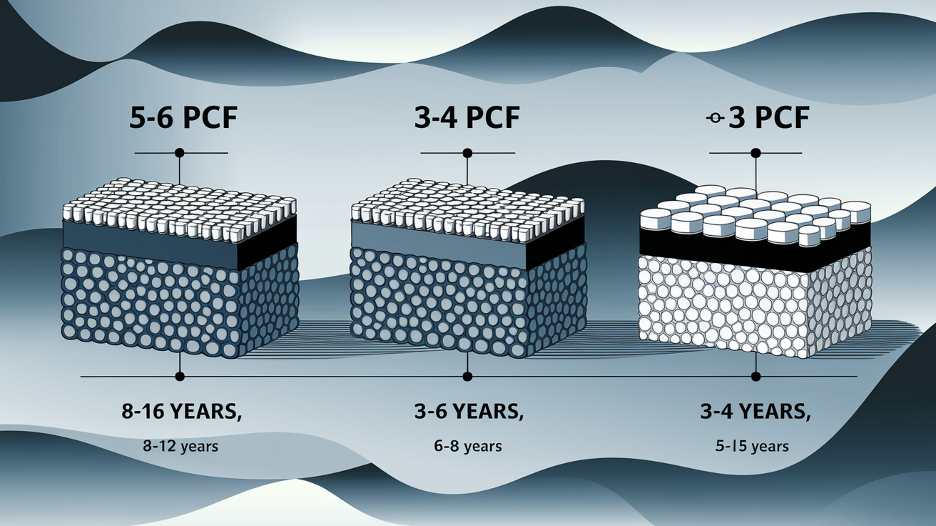
Foam density and degradation

High-Density Memory Foam (5-6 PCF).

When chosen carefully and used properly, a high-density memory foam mattress can last up to 15 years.  The responsive cell construction shields you from body impressions from heavier sleepers. With optimal support and spinal alignment, this particular density level offers superior pressure relief, making it the ideal choice for primary beds.  Most luxury mattress brands are using 5 – 6 PCF foam in the comfort layer.

Medium-Density Memory Foam (3-4 PCF).

Medium-density foam offers a balance of comfort and durability. Life expectancy is 6-8 years. Although it is not as expensive as HDF mattresses, indentations may form over time, particularly in people who weigh more than 200 pounds. This density is suitable for guest beds or lighter people who wish to pick up a softer feeling with good longevity.

estimated memory foam lifespan by density

Low-Density Memory Foam (<3 PCF).

Cheap, low-density memory foam mattresses can wear out in 3 to 5 years. Less dense frameworks compress easily and sag quite a bit; along with this, they also lose support. These mattresses might be fine for kids’ beds or for an occasional sleepover, but aren’t recommended long-term for adults.

Density vs. Thickness Considerations.

When evaluating the lifespan of a memory foam mattress, thickness does not matter as much as density. A 10 inches mattress which has a foam weight of 5 PCF will outlast a 12 inches mattress which has 2.5 PCF. Don’t rely on the height of your mattress to judge quality; always check the foam density specs. Foam that is denser absorbs motion and allows for better temperature control throughout the night.

Signs Your Memory Foam Mattress is Wearing Out.

A memory foam mattress doesn’t last forever. Memory foam signs are important for figuring out if it need a replacement or not. Neglecting these warning signs may cause sleep quality and back issues.  Key indicators that your mattress is showing its age. 

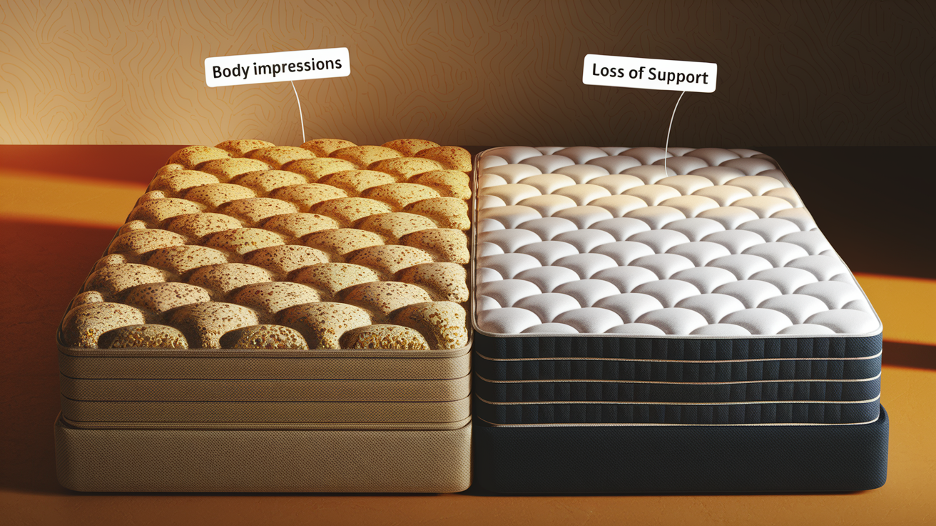
signs of memory foam mattress wearing

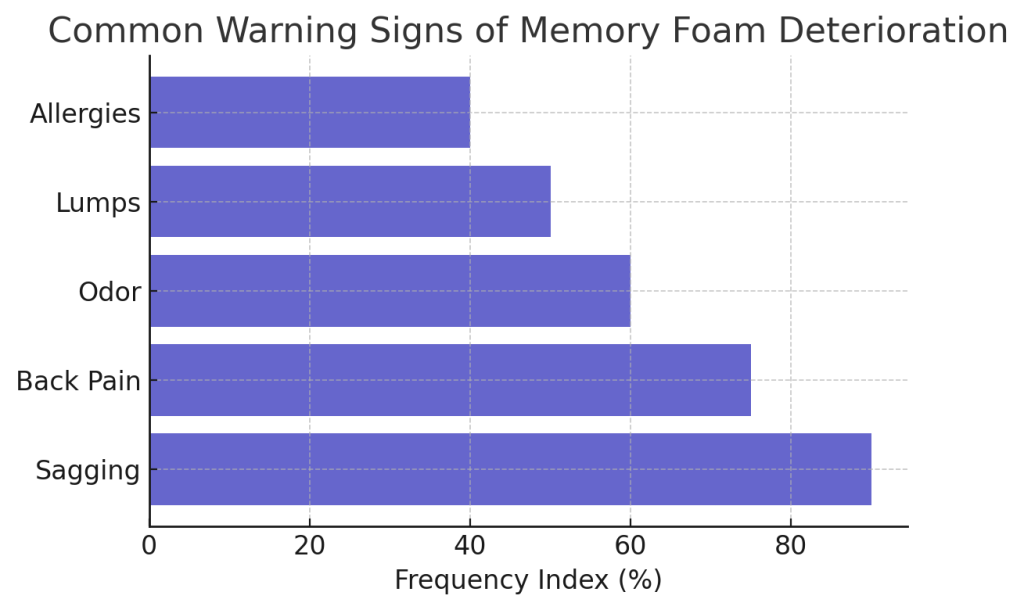
Visible Sagging and Body Impressions.

A clear indicator of worn memory foam is visible sagging. If the depressions where you sleep are more than 1.5 inches deep, the foam has lost its ability to restore. The imprint of our body affects the spine and causes uneasiness and backache. Hold a straight edge across the mattress to check it for level. The foam in your mattress won’t support you anymore.

Increased Morning Pain and Stiffness.

If you’re waking up with new aches or old aches have gotten worse, your memory foam mattress might be failing. As foam breaks down, it stops relieving pressure points. You may find yourself tossing and turning more as your body struggles to get comfortable. You will see this loss of support more often in older mattresses (7+ years) or foam of lower density.

common warning signs of memory foam deterioration

Lumps, Bumps, and Uneven Surfaces.

Internal foam layers may migrate or clump over time, causing unsightly lumps and unevenness. This happens when the bond between foam layers weakens or when foam degrades unevenly.  You may feel as though you are trying to sleep on a surface with hills and valleys rather than a flat, supportive surface.

Persistent Odors and Off-Gassing.

The new memory foam always smells of chemicals, but if your older mattress has a smell that indicates it is breaking down.  If your mattress still has strong smells after four weeks of off-gassing, the foam may be disintegrating.  Low quality materials are often present in cheaper foams.

Other Warning Signs.

Additional signs you need a new mattress include.

  • Older foam attracts dust mites that worsen allergies.
  • Visible cracks or tears in the foam.
  • The mattress no longer returns to its original shape.
  • You sleep better elsewhere (hotels, guest beds).

Average Lifespan – Here’s What You Can Expect

A memory foam mattress will normally last for approximately 7 to 10 years, with regular usage. But, the replacement schedule of this mattress depends on quality and care. Most premium brands with a high density foam are closer to the truth. Using a Tempur-Pedic , Saatva and Luxe Mattress for over 12 years is not uncommon with proper care.

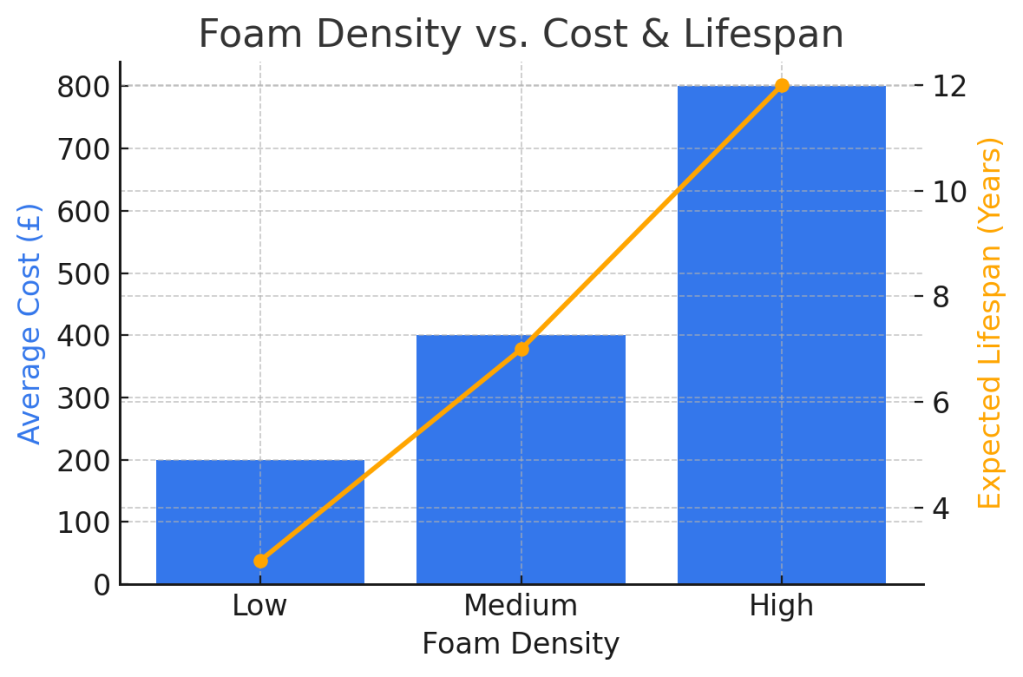
Most mattresses that cost below £400 tend to break down from memory foam within the first 3-5 years.

foam density vs cost and lifespan

These lower-cost models tend to use less-dense foams that compress and sag faster. Warranties are always worth looking at when buying – a reputable manufacturer with a 10-year warranty against defects will give you an indicator of durability.

Your memory foam mattress’s lifespan ultimately depends on.

  • Foam density (higher = longer-lasting).
  • Frequency of use (primary vs guest bed).
  • Weight of sleepers (heavier use = faster wear).
  • Maintenance practices (protectors, rotation).

Tips to Extend the Life of Your Memory Foam Mattress.

Taking good care of your memory foam mattress will greatly affect its lifespan. The foam will sustain support and comfort, and prolong memory foam degradation with these measures. These tips can extend the life of your mattress for years.

tips to extend life of your mattress

Invest in a Quality Mattress Protector.

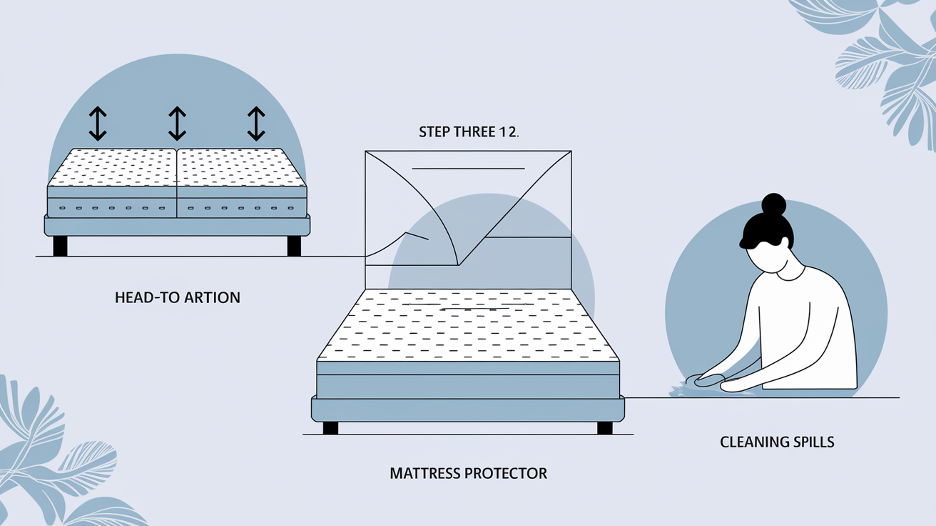
A waterproof mattress protector is your first line of defence against spillage, sweat, and dust mites. These contaminants break down foam fibers over time. Choose breathable protectors that don’t trap heat and allow airflow to preserve the integrity of the foam. Wash the protector once a month so allergens won’t penetrate the mattress.

Regular Rotation Prevents Uneven Wear.

To help keep the wear and tear on your memory foam mattress evenly distributed, you should rotate your mattress from head-to-foot every 3-6 months.  You don’t want to flip your memory foam bed but rotating can prevent permanent impressions. This advice is especially helpful for couples with different sleeping positions or body types. Write down the date of rotation on the calendar.

Prompt Stain Treatment Preserves Materials.

If you clean spills right away, the liquid won’t sink into the foam layers. Use a soap solution to blot stains, never use detergents or wet excessively.  Memory foam must never be soaked because water ruins it. If you have a stubborn stain, use a foam cleaner as recommended by the manufacturer.

Proper Foundation Support Matters.

A supportive base prevents premature memory foam wear. The gaps in slatted foundations can be 3 inches apart at the maximum. Solid platform beds or adjustable bases also work well. Don’t use an old box spring with your new memory foam mattress. The new foam mattress will break down quicker on an uneven surface. Check the center support of the bed frame for queen and larger sizes.

Additional Care Considerations.

Keep the room temperature moderate because it degrades the foam. Give new mattresses a full 24-48 hours to expand before use.  Try not to sit too often at the edges of your mattress, as this will compress the foam at the edges unevenly.  You might want to consider getting a mattress topper. A topper will wear out first before the actual mattress does.

When Is It Time to Replace Your Memory Foam Mattress?

When should you replace which know when to replace your memory foam mattress will help you sleep well. Most mattresses need to be replaced every seven to ten years, but some signs appear sooner.

Age and Visible Wear.

Once your mattress reaches 7 years, evaluate its condition. Slumping more than 1.5 inches is a fault. If your body leaves a permanent imprint in the foam, it can no longer support you.

Comfort and Sleep Quality.

If you are tossing and turning more or waking up with new aches, your mattress isn’t supporting you properly. If you sleep better elsewhere, you probably need a new mattress.

Health Considerations.

Your allergy flare-ups may be due to dust mites in old foam. If you detect smells or see mold, change it right away.

Conclusion: Invest Wisely, Sleep Better.

By knowing about the durability of memory foam, you will be able to maximize your investment in sleep health. Caring for your high-density foam mattress well, will give you the best long-term value for money.  Using good protectors and foundations really helps your mattress last longer.

You should swap our saggy mattress or warped mattress ASAP.  A quality memory foam mattress maintains your proper spinal alignment for years. By buying the right and maintaining regularly, sleep stays undisturbed and back pain is prevented.

Choose only premium certified foams from recognized brands. Your mattress is the base of your rest every day, and remember, choosing well will pay you back. Keep track of how old your mattress is and watch for signs of wear to replace it at just the right time.

FAQs.

1.    Can memory foam mattresses be flipped?

Most modern memory foam mattresses are single-sided. Rotate your mattress the whole 180 degrees every 3-6 months for equal wear distribution. Alternate side sleeping might just save your mattress from getting indentations that can become permanent.

2.    Are mattress warranties accurate for estimating lifespan?

Warranties lasting longer than expected don’t necessarily mean more durability. Most 20-year warranties are prorated after 10 years, worth less.  Mainly covers defective manufacturing and not normal wearing out.

3.    Are off-gassing odors dangerous?

The new memory foam has a chemical smell but it goes away after 72 hours. Off-gassing processes include harmless VOC emissions that meet CertiPUR-US safety standards. Proper ventilation eliminates odors faster.

4.    Can mattress toppers prolong a memory foam bed’s life?

For quality purposes, 2-3 inch mattress toppers absorb wear and tear to extend your mattress.  They especially come in handy to refresh mattresses too old to replace.

FAQs About Memory Foam Mattresses
January 22, 2026

10 FAQs About Memory Foam Mattresses

1. What Is A Memory Foam Mattress?


A memory foam mattress is made from viscoelastic polyurethane, offering personalized comfort. It responds to body heat and pressure, molding to your shape and relieving stress points. 

Originally developed by NASA, it’s now popular for its supportive, contouring design. It evenly distributes body weight, helping to reduce motion transfer and partner disturbance, ideal for side sleepers and those seeking pressure relief.

Learn more on Sleep Foundation.

2. Are Memory Foam Mattresses Good for Back Pain?


Yes, memory foam promotes spinal alignment by cushioning pressure zones like hips and shoulders. Medium-firm models are especially effective for back pain relief and sleep quality.

The adaptive support reduces tension, stiffness, and morning discomfort. It’s recommended by health professionals for chronic pain and orthopedic support. Consistent use may reduce nighttime pain over time.

Harvard Health backs this claim.

3. Do Memory Foam Mattresses Sleep Hot?


Traditional memory foam retains heat, but modern versions include cooling features.
Gel infusions, breathable foams, and phase-change covers reduce heat buildup. 

These improvements help regulate body temperature during the night. Some brands use graphite or copper infusions for added thermal control. Check for cooling certifications and breathable fabric covers.

4. How Long Do Memory Foam Mattresses Last?


Quality memory foam beds typically last between seven and ten years. Durability depends on density, usage, and overall material quality. 

Rotating the mattress regularly helps minimize wear and sagging. Proper support and care can extend the lifespan up to 15 years. Investing in a high-density model can increase longevity.

5. Are Memory Foam Mattresses Safe?


Most memory foam beds are safe, especially if CertiPUR-US certified. Some budget models may use fiberglass, so avoid removing covers. Look for certification and non-toxic materials for added reassurance. Certifications ensure low VOC emissions and flame retardant safety.

Always read product tags and descriptions for safety labels.

6. Do Memory Foam Mattresses Sag or Need Flipping?


Over time, some foam beds may show body impressions from use. Rotate the mattress periodically to distribute pressure evenly. 

Flipping isn’t recommended unless it’s a double-sided model. Use a firm, flat base to reduce premature sagging and wear. Check warranty details for coverage on sagging issues.

7. Are Memory Foam Mattresses Good for Allergies?


Yes, the dense foam resists dust mites and common allergens. Many are hypoallergenic and offer washable protective covers, making them deal for allergy or asthma sufferers seeking cleaner sleep. 

The foam’s closed-cell structure limits microbial growth and allergen buildup. Pairing with an allergen-proof cover enhances benefits.

8. How Much Do Memory Foam Mattresses Cost?


Prices range from budget ($300) to luxury ($2,000+) depending on features. Cooling tech, foam quality, and brand name affect the cost. Holiday deals and trials often help reduce the price point. 

Longer warranties and better materials increase long-term value. You often get what you pay for with foam quality.

9. Do Memory Foam Mattresses Smell?


New memory foam may emit a light odor called off-gassing. This is temporary and fades within a few days of ventilation. Choose CertiPUR-US models for low VOC emissions. Proper ventilation and time typically eliminate the smell completely. Let the mattress breathe in a well-ventilated room before use.

10. How Do I Choose the Right Memory Foam Mattress?


Match mattress firmness with your sleeping position and weight. Look for cooling features, warranty terms, and foam certifications. A trial period ensures comfort before full commitment.
Consider edge support, motion isolation, and pressure relief as well. Review return policies and trial periods for flexibility.

Conclusion

Memory foam mattresses offer personalized comfort by molding to your body, relieving pressure points, and promoting better spinal alignment, making them a popular choice for side sleepers and those with back pain. While traditional foam can sleep warm, modern cooling technologies like gel infusions and breathable covers help regulate temperature.

With proper care and quality materials, these mattresses typically last 7“10 years and can be hypoallergenic, resisting dust mites and allergens. Overall, choosing the right memory foam mattress depends on firmness, cooling features, certifications, and trial options, ensuring you get long-lasting support and improved sleep quality.

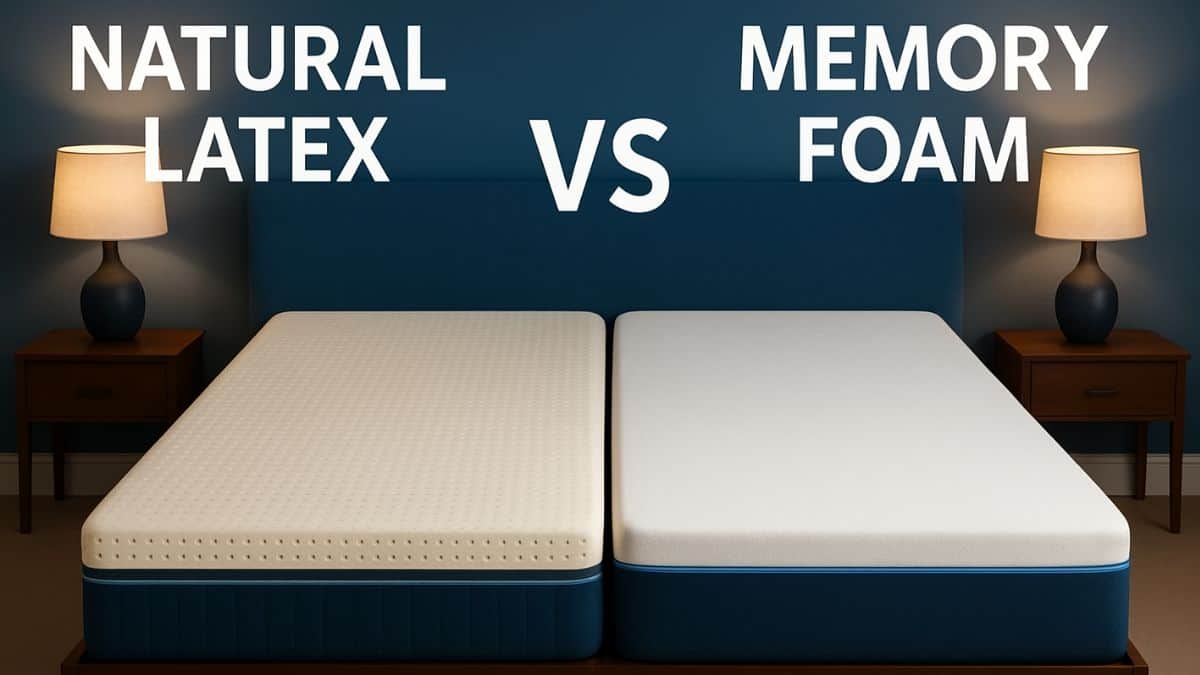
memory foam vs latex foam comparison
January 12, 2026

7 Reasons Why a Latex Mattress Is Better Than Memory Foam

Estimated reading time: 8 minutes

If you’ve ever woken up feeling sore, overheated, or just plain exhausted, your mattress could be to blame. With countless options on the market, choosing the right one is overwhelming. Among the most debated contenders are latex mattresses and memory foam mattresses.

While memory foam has long been a favourite due to its contouring properties, latex mattresses are gaining attention for their natural materials, breathability, and durability.

This guide aims to demystify the latex vs. memory foam debate and show you 7 compelling reasons why latex is the smarter, healthier, and more sustainable choice for your sleep sanctuary.

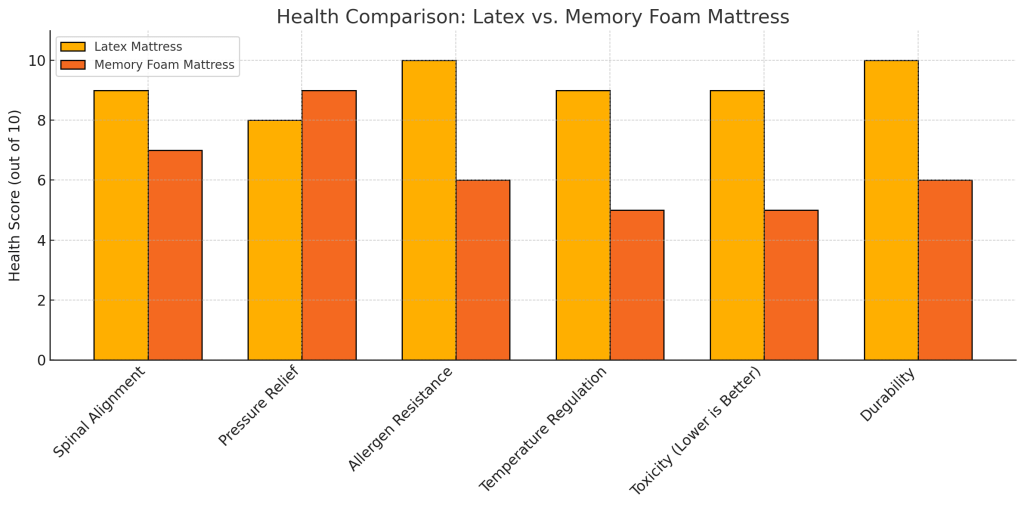
If you do not want to read the whole article, then here is a detailed comparison of Latex and Memory Foam features to give you a better understanding.

FeatureLatex MattressMemory Foam Mattress
Material OriginNatural (from rubber tree sap); also available in synthetic versionsFully synthetic (petroleum-based polyurethane foam)
SustainabilityHighly sustainable & biodegradable (natural latex)Non-renewable and not biodegradable
Temperature RegulationExcellent “ naturally breathable and coolPoor “ tends to trap heat
Feel / ResponsivenessBuoyant, supportive, and responsiveSlow response,sink-in feel
Motion IsolationGood (moderate bounce)Excellent (absorbs movement well)
Durability / Lifespan15 20+ years (natural latex)7-10 years
Spinal SupportConsistent support with good pushbackConforms closely, but may lack resilience for spinal support
Allergen ResistanceNaturally hypoallergenic, resists dust mites and moldProne to trapping moisture and allergens without proper care
Off-Gassing / VOC EmissionsMinimal (especially GOLS or OEKO-TEX certified)Common due to chemical components
Environmental ImpactLow (especially with organic materials)High due to petrochemical content
Weight / PortabilityHeavier (denser and more durable)Lighter (but may degrade faster)
MaintenanceRequires less frequent rotation; naturally antimicrobialNeeds regular maintenance to avoid sagging and allergens
Price RangeHigher upfront cost, better long-term valueGenerally more affordable upfront
Best ForEco-conscious, hot sleepers, back pain, allergies, longevity seekersBudget-conscious buyers, side sleepers, motion-sensitive couples

Mattress Shopping Confusion: The Core Problem

Today’s mattress industry is a minefield of buzzword’s pressure-relieving,cooling gel,zoned support, orthopedic that make decision-making difficult. As a buyer, you want a mattress that will improve your sleep qualitysupport your body, and last for years. Unfortunately, aggressive marketing often clouds real performance.

Let’s cut through the fluff and get to the foundation: What truly differentiates latex from memory foam, and why might latex be the better choice?

latex vs memory comparison chart

Memory Foam vs. Latex: What‘s the Real Difference?

Before we compare benefits, it’s crucial to understand what you’re lying on.

Memory Foam

memory foam mattress

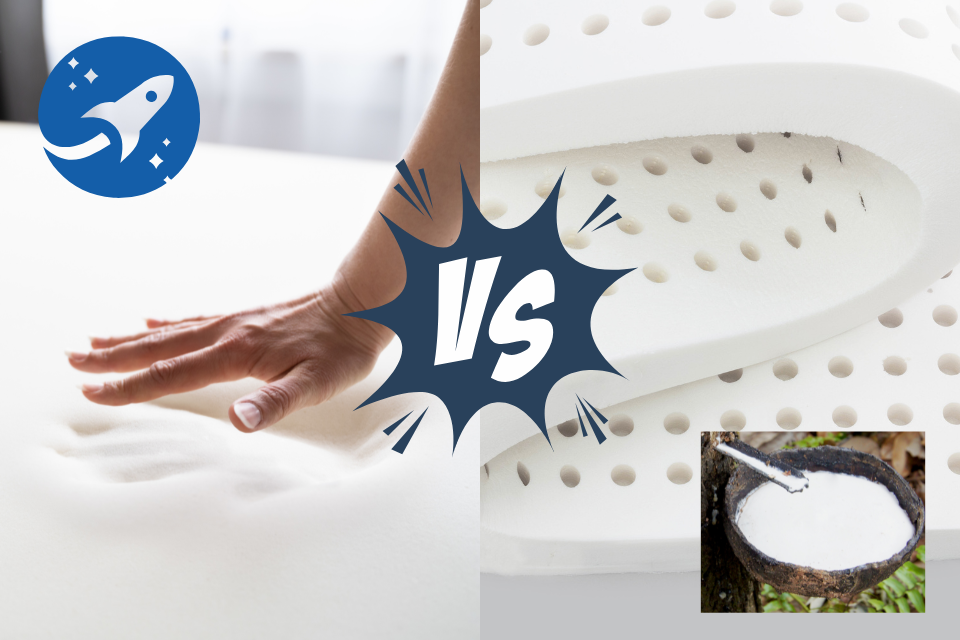
Developed by NASA, memory foam is a viscoelastic polyurethane foam that softens with heat and pressure, molding to the sleeper’s shape. It’s often touted for pressure relief and motion isolation, making it popular among couples.

Drawbacks include:

  • Heat retention
  • Chemical off-gassing
  • Shorter lifespan
  • A sinking feel that can make movement difficult

Latex

Latex can be naturalsynthetic, or a blend. Natural latex comes from the sap of the rubber tree (Hevea brasiliensis) and is processed into foam via the Dunlop or Talalay method.

Advantages include: read the detailed version of latex mattress; see the top 10 health benefits of latex mattress.

  • Natural, eco-friendly source
  • High breathability
  • Resilient and bouncy
  • Excellent spinal support
  • Hypoallergenic

Now let’s explore these advantages in depth.

What Is a Latex Mattress?

latex mattress is composed of one or more layers of latex foam, which may be combined with other materials like organic cotton, wool, or coils. Natural latex mattresses are especially valued for their health and environmental benefits.

Types of Latex: Natural vs. Synthetic

  1. Natural Latex: Harvested sustainably from rubber trees; biodegradable, non-toxic, and long-lasting.
  2. Synthetic Latex: Made from petrochemicals to mimic latex’s properties but lacks durability and health benefits.
  3. Blended Latex: A mix of natural and synthetic latex, often used to lower costs.

Processing Methods: Dunlop vs. Talalay

  1. Dunlop Latex: Denser, more supportive. Ideal for base or firm layers.
  2. Talalay Latex: Softer, more breathable, consistent feel. Often used in comfort layers.

7 Reasons Latex Outperforms Memory Foam

1. Natural Origin and Sustainability

A standout advantage of latex mattresses is their eco-conscious construction. Natural latex is tapped from rubber trees without harming them, making it a renewable and biodegradable resource. Many latex mattresses are paired with organic wool and cotton, free from toxic adhesives or flame retardants.

In contrast, memory foam is derived from petrochemicals, a non-renewable resource, and often treated with synthetic additives.

Why It Matters:

  • Reduces your environmental footprint
  • Healthier indoor air quality
  • Safer for families and pets

Latex mattresses = better for you, better for the planet.

2. Better Temperature Regulation

Sleep hot? Memory foam has a notorious downside: it traps heat. This happens because memory foam has a dense structure with limited airflow, and it retains body heat to mold more deeply.

Latex, on the other hand, has a naturally open-cell structure that enhances ventilation. Talalay latex especially is filled with tiny air pockets that encourage airflow and heat dispersion. Some latex mattresses go a step further with pinhole perforations and breathable covers made from organic cotton and wool.

Why It Matters:

  • Cooler, drier sleep
  • Less night sweating
  • Fewer sleep disturbances

For hot sleepers, latex is the obvious winner, but if you really want a foam-based cool mattress, then you can check our Luxe Therm mattress; it hasLTX cooling gel with a 10-year warranty on the mattress and gel.

3. Responsive Feel Without the Sink-In

Memory foam’s deep contouring may feel like a hug to some but restrictive to others. Many people complain about feeling stuck in memory foam, especially if they shift positions at night.

Latex delivers a buoyant, springy response that supports your body without letting you sink in. This makes it easier to move and reposition, which is ideal for combination sleepers or those with mobility issues.

Why It Matters:

  • More freedom to move
  • No quicksand sensation
  • Maintains energy and reduces grogginess

4. Longer Lifespan

Latex is widely recognized for its superior durability. A high-quality natural latex mattress can last 15 to 20 years or longer with minimal sagging. Memory foam, in comparison, typically lasts 7 to 10 years before it starts to develop permanent body impressions or lose support.

Why It Matters:

  • Better return on investment
  • Less frequent replacements = less waste
  • Long-term comfort and performance

When it comes to longevity, latex easily outlasts memory foam.

5. Non-Toxic and No Off-Gassing

Memory foam mattresses often emit VOCs (volatile organic compounds) during the first few days after unboxing a process called off-gassing.These compounds can cause respiratory irritation, headaches, and allergic reactions.

Natural latex is inherently low-VOC and chemical-free. Look for certifications like:

  • GOLS (Global Organic Latex Standard)
  • OEKO-TEX®
  • eco-INSTITUT

Why It Matters:

  • Cleaner indoor air
  • No unpleasant smells
  • Safe for sensitive individuals

If health and air quality are priorities, latex is the clear choice.

6. Superior Support for Spinal Alignment

While memory foam conforms closely, it lacks resilience. This means your spine might not get the support it needs, especially in the lower back and hips.

Latex provides a more balanced combination of contouring and pushback, ensuring your spine stays in a neutral position regardless of sleeping posture.

Why It Matters:

  • Reduced risk of chronic back pain
  • Improved posture and muscle recovery
  • Consistent support throughout the night

Latex supports the body without compromising alignment.

7. Hypoallergenic Qualities

Natural latex is naturally resistant to dust mites, mold, mildew, and bacteria, making it a safe option for allergy sufferers. Its dense, inhospitable structure deters allergens from settling in.

Memory foam, especially when not ventilated well, can trap moisture and warmth ideal conditions for allergens to thrive.

Why It Matters:

  • Cleaner, healthier sleep environment
  • Fewer allergy triggers
  • Less need for chemical-based cleaning solutions

Latex promotes wellness by reducing exposure to common allergens.

Final Verdict: Which Is Right for You?

Choose a Latex Mattress If You:

  • Prefer natural, non-toxic materials
  • Sleep hot and want better airflow
  • Need lasting durability and bounce
  • Have allergies or chemical sensitivities
  • Want long-term back support

Choose Memory Foam If You:

  • Prefer deep contouring and motion isolation
  • Sleep cold or live in a cooler climate
  • Are budget-constrained (short term)

However, when you consider long-term comfort, health benefits, and environmental responsibility, latex emerges as the superior choice in most categories.

Call to Action: Shop LuxeMattresses Latex Collection

Ready to elevate your sleep experience? Explore the premium latex mattress collection from LuxeMattresses, designed for ultimate comfort, durability, and sustainability.

  • 100% natural and certified latex
  • Temperature-regulating organic wool and cotton
  • Zoned support for optimal spine alignment
  • Zero toxic off-gassing
  • Hypoallergenic and eco-conscious

Shop now to discover why more and more sleepers are switching to latex and never looking back.

Science Behind Memory Foam Mattresses
January 8, 2026

The Science Behind Memory Foam Mattresses: Benefits, Features, and Buying Guide

Estimated reading time: 3 minutes

memory foam mattress is made from viscoelastic material known for its unique ability to conform to the body’s shape in response to heat and pressure. As you lie down, the foam softens and molds to your body’s curves, distributing weight evenly across the surface. When you get up, it slowly returns to its original shape.

This cradle-like effect is what makes memory foam mattresses ideal for promoting spinal alignment, reducing joint strain, and delivering a more customised, supportive sleep experience.

Key Benefits of Memory Foam Mattresses

Pressure Relief and Body Contouring

One of the standout benefits of a memory foam mattress is its exceptional pressure relief. By responding to body heat and weight, memory foam reduces pressure on sensitive areas like the shoulders, hips, and lower back.

  1. Helps alleviate joint pain and arthritis symptoms
  2. Improve overall spinal health 
  3. reduce the likelihood of waking up with aches and stiffness
  4. Promotes deeper, more restful sleep

Motion Isolation for Undisturbed Sleep

Unlike traditional spring mattresses that use coils for support, memory foam mattresses are constructed from multiple dense foam layers. This design absorbs motion effectively, making them excellent for couples.

With a memory foam mattress, you’ll experience minimal disturbance from your partner’s movements allowing for more continuous, restful sleep.

Allergy Resistance

Memory foam mattresses are also naturally resistant to dust mites and allergens due to their dense structure. This makes them a healthier sleep choice for people who suffer from allergies or respiratory sensitivities compared to many innerspring options.

Cooling Gel and Breathability Innovations

Early memory foam designs were notorious for retaining body heat. However, today’s cooling memory foam mattresses incorporate advanced technologies such as:

 Gel infusions

 Breathable, perforated foam layers

 Temperature-regulating covers

These innovations promote better airflow, wick away body heat, and help maintain a cooler, more comfortable sleep environment ideal for hot sleepers.

Who Should (and Shouldn’t) Buy a Memory Foam Mattress?

Best for:

 Sleepers seeking personalized contouring and excellent pressure relief

 Individuals with back painjoint pain, or arthritis

 Couples wanting motion isolation

 Allergy sufferers needing a sanitary sleep surface

Might Not Be Ideal for:

 Very hot sleepers (unless opting for gel-infused memory foam)

 Heavier individuals (who may prefer a firmer hybrid mattress)

 Those who prefer the bounce and feel of traditional spring beds

Final Thoughts: Why Memory Foam Mattresses Are a Smart Investment

From pressure relief and motion isolation to customized support and hypoallergenic benefitsmemory foam mattresses offer incredible value for a wide range of sleepers. Thanks to advances like cooling gels and breathable designs, today’s memory foam beds are more comfortable and versatile than ever.

Choosing the right memory foam mattress can transform your sleep quality and your health for years to come.

FAQs

Are memory foam mattresses good for back pain?

Yes. Their contouring and pressure-relieving nature helps maintain spinal alignment, easing or preventing back pain.

Do memory foam mattresses trap heat?

Older memory foam could retain heat, but most modern memory foam mattresses use cooling technologies to enhance breathability.

How long do memory foam mattresses last?

A high-quality memory foam mattress typically lasts 7 to 10 years, offering excellent durability and value.

Are memory foam mattresses suitable for heavier people?

Memory foam can accommodate heavier weights, but firmer or hybrid models may offer better long-term support and less sagging.

Do I need a special bed frame for a memory foam mattress?

Not necessarily, but using solid or slatted bed frame with strong support will help maintain the mattress’s shape and lifespan.

soft memory foam mattress
November 20, 2025

How Soft Should a Memory Foam Mattress Be?

Choosing the ideal softness level in a soft memory foam mattress can be confusing, especially when every brand claims to offer the perfect feel. Comfort depends on firmness, density, thickness, and your sleeping position. A mattress that’s too soft can cause sagging and back pain, while a mattress that’s too firm may create pressure points. Understanding how to balance softness and support is essential for long-lasting comfort.

This guide explains how a soft memory foam mattress should be, what firmness levels mean, and how to choose the best option for your sleep style.

What “Soft” Really Means in Memory Foam Mattresses?

A soft memory foam mattress typically falls between 3 and 4 on the mattress firmness scale (1 being ultra-soft and 10 being extra-firm). However, the feel varies depending on density, thickness, and foam type.

soft memory foam mattress

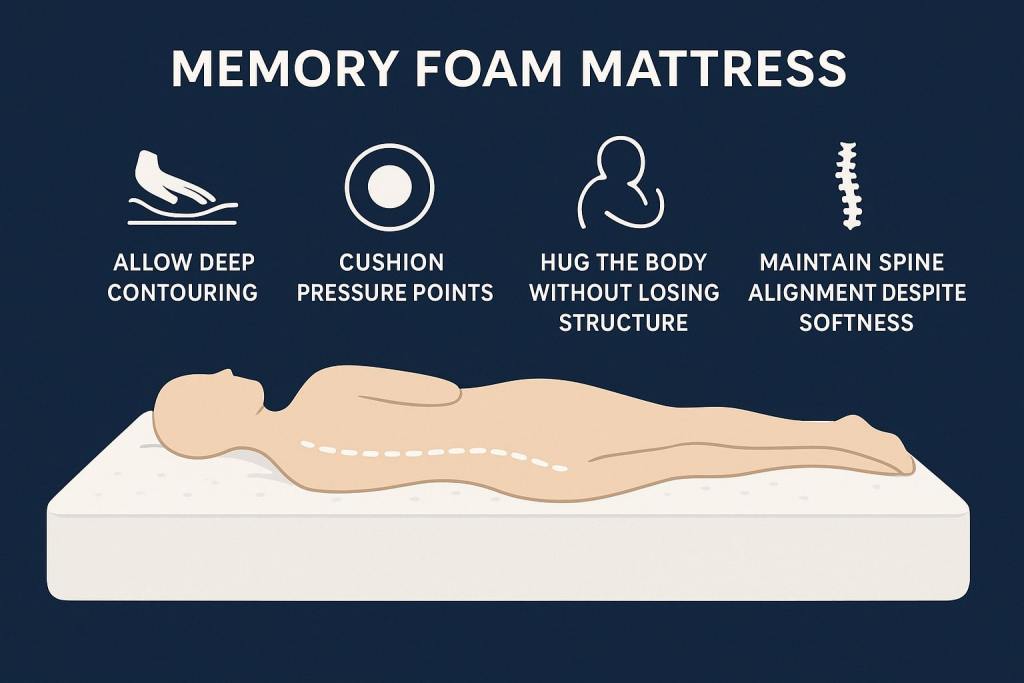
A memory foam mattress described as soft should:

  • Allow deep contouring
  • Cushion pressure points
  • Hug the body without losing structure
  • Maintain spine alignment despite softness

If a mattress is soft but lacks support, it may not be suitable for everyday sleeping. That’s why many sleepers prefer a medium soft memory foam mattress, which offers plush comfort with better durability.

Ideal Softness Based on Sleeping Position

Different sleeping positions require different firmness levels to avoid discomfort and improve sleep quality.

Side Sleepers

Side sleepers typically benefit the most from a soft or medium memory foam mattress.

Best firmness: 3–5
Why: A soft foam mattress reduces pressure on shoulders and hips, improving circulation and comfort.

Back Sleepers

Back sleepers need more support, but some still prefer a soft feel with enhanced contouring.

Best firmness: 4–6
Why: Proper support prevents the lower back from sinking too deeply.

Stomach Sleepers

A mattress that is too soft can misalign the spine for stomach sleepers.

Best firmness: 6–7
Why: Firmer surfaces reduce bowing of the spine.

Combination Sleepers

Combination sleepers require a balance of softness and support.

Best firmness: 4–6
Why: Medium-soft memory foam provides cushioning without restricting movement.

Best Softness Levels for Maximum Comfort

Sleeper TypeRecommended FirmnessSuitability of Soft Memory Foam Mattress
Side Sleeper3–5Excellent
Back Sleeper4–6Good
Stomach Sleeper6–7Not ideal
Combination Sleeper4–6Very Good

What Determines How Soft a Memory Foam Mattress Feels?

Three major factors influence softness and overall comfort.

1. Density of the Foam

Density affects comfort and durability more than any other factor.

  • Low-density foam (2.5–3.5 lb/ft³): Softest but least supportive
  • Medium-density foam (3.5–4.5 lb/ft³): Balanced cushioning
  • High-density foam (5+ lb/ft³): Deep contouring but firmer feel

A memory foam soft type usually uses low- to medium-density foam.

2. Thickness of the Comfort Layer

Thicker foam layers produce a softer feel.

  • 2–3 inches: Medium soft feel
  • 3–4 inches: Soft and deeply contouring
  • 4+ inches: Ultra-plush and best for side sleepers

3. Foam Type

Different memory foams create different softness sensations.

  • Traditional memory foam: Deep sink-in softness
  • Gel-infused foam: Cooler and slightly firmer
  • Open-cell foam: Softer and breathable
  • Plant-based foam: Responsive yet still soft

A soft mattress foam model generally uses open-cell or traditional foam to maximize plushness.

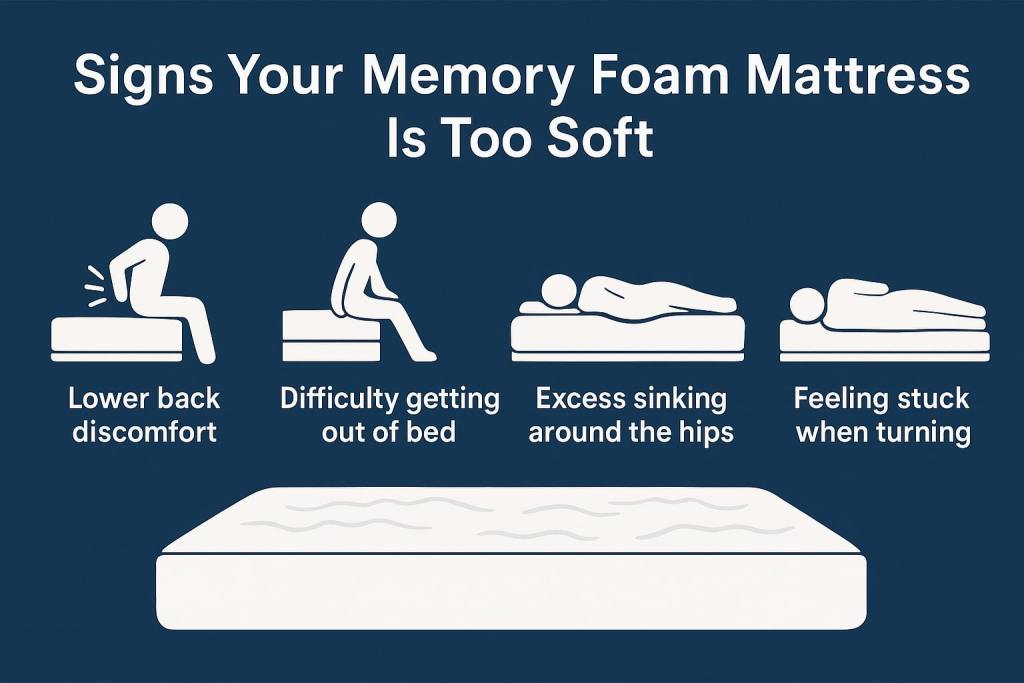
Signs Your Memory Foam Mattress Is Too Soft

Even a high-quality soft memory mattress can feel too soft for some sleepers. Watch for:

soft memory foam mattress
  • Lower back discomfort
  • Difficulty getting out of bed
  • Excess sinking around the hips
  • Feeling stuck when turning
  • Body impressions staying after you get up

These are indications you may need a medium soft memory mattress instead.

How Soft Should a Memory Foam Mattress Be for Maximum Comfort?

For most sleepers, the ideal softness level lies between 3 and 5 on the firmness scale.
This range delivers:

  • Pressure relief for hips and shoulders
  • Proper spine alignment
  • Comfortable body contouring
  • Reduced motion transfer
  • Adequate support for daily use

A soft memory foam mattress should never feel mushy or collapsing. A well-designed foam mattress soft model remains supportive while still offering a plush, cloud-like feel.

Buying Tips: Choosing the Right Soft Mattress

Use the following checklist to ensure the mattress you choose is soft yet supportive.

Look for These Features

  • A firmness rating of 3–5
  • At least 3 inches of comfort foam
  • Medium-density foam (3.5–4.5 lb/ft³) for balanced softness
  • CertiPUR-US certified foams
  • Cooling features (gel, open-cell design, breathable cover)
  • A long trial period (100 nights or more)
  • A warranty of 5–10 years

Avoid These Signs of Poor Quality

  • Extremely low density
  • No return policy
  • Softness with no structural support
  • Cheap fiber-filled toppers advertised as memory foam

Table: Soft vs Medium Soft vs Firm Memory Foam Mattresses

Mattress TypeFeel CharacteristicsBest For
Soft Memory Foam MattressDeep sink-in, plush, contouringSide sleepers, lightweight adults
Medium Soft Memory FoamBalanced softness and supportBack and combination sleepers
Firm Memory Foam MattressMinimal sink-in, higher resistanceStomach sleepers, heavier individuals

Benefits of Choosing a Soft Memory Foam Mattress

A high-quality soft memory mattress offers multiple advantages:

Pressure Relief

Soft memory foam reduces pressure on joints, especially important for side sleepers.

Motion Isolation

Memory foam absorbs movement, making it ideal for couples.

Enhanced Comfort

The soft contouring creates a plush sleeping experience.

Good for Lightweight Sleepers

Lighter individuals often struggle to compress firmer mattresses enough to feel comfortable.

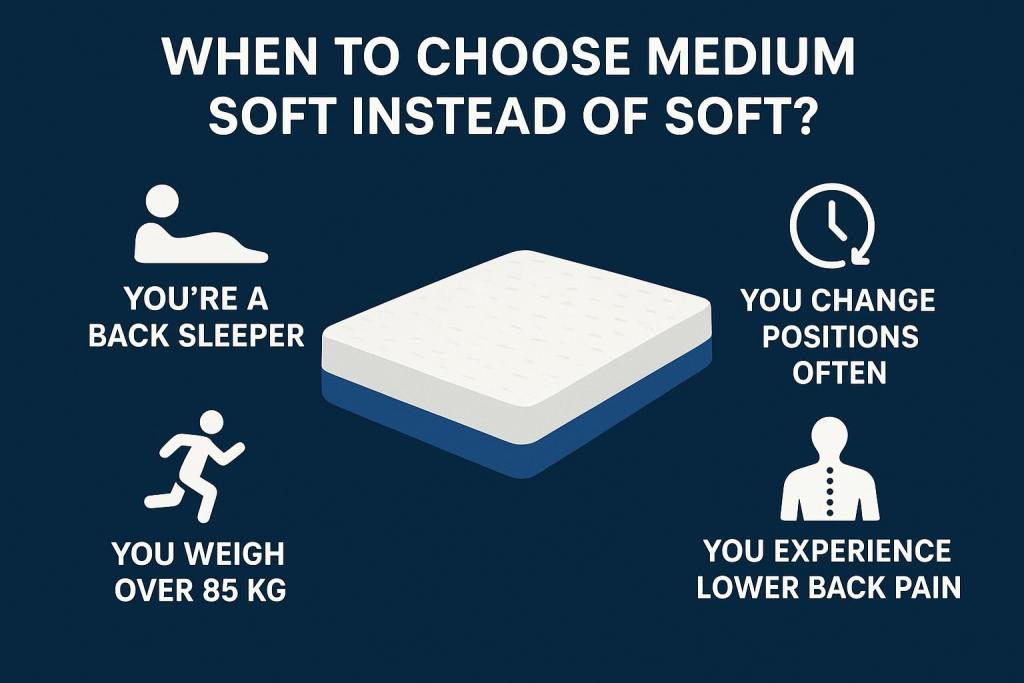
When to Choose Medium Soft Instead of Soft?

A medium soft memory foam mattress is a better choice if:

soft memory foam mattress
  • You’re a back sleeper
  • You change positions often
  • You want more support but still prefer softness
  • You weigh over 85 kg
  • You experience lower back pain

How to Maintain the Softness and Longevity of Memory Foam

Soft mattresses can last for many years if properly cared for.

Rotate the mattress

Every 3 months to avoid dips.

Use a breathable mattress protector

Maintains cleanliness without trapping heat.

Keep the room cool

Memory foam softens with heat.

Allow time to expand fully

Especially after unpacking from a compressed box.

Final Thoughts

Finding the right softness in a memory foam mattress comes down to balancing plush comfort with reliable support. A soft memory foam mattress can deliver exceptional pressure relief, but it should still maintain proper spinal alignment to ensure long-term comfort. By choosing the right density, firmness level, and construction, you can enjoy a mattress that feels luxurious, supportive, and perfectly suited to your sleeping style.

FAQs

Is a soft memory foam mattress good for daily use?

Yes, as long as it has proper support layers. A soft memory foam with medium-density is ideal for everyday comfort.

Does a soft mattress cause back pain?

Only if it lacks support. A well-constructed memory foam mattress soft type maintains spine alignment.

How do I know if my mattress is too soft?

If you sink too deeply or wake with back pain, the mattress may be too soft.

Are soft memory foam mattresses durable?

Yes, especially those with medium- to high-density foam and reinforced base layers.

Is a soft memory foam mattress good for children?

Medium soft is usually better for growing bodies, offering both comfort and proper support.

latex mattress uk
November 5, 2025

Are Latex Mattresses in the UK Better Than Memory Foam?

Summery 

This article compares latex mattresses UK and memory foam mattresses to help you choose the right one for your sleep needs. While memory foam offers contouring comfort, natural latex provides superior breathability, durability, and eco-friendliness. 

You’ll learn how latex outperforms in cooling, longevity, and allergy resistance while offering excellent support and sustainability. Whether you’re considering a latex mattress UK king size or exploring latex beds UK on sale, this guide shows why natural latex is the smarter, healthier choice for long-term comfort and restful nights.

Introduction

Choosing the right mattress can transform your sleep quality and overall wellbeing. With so many options available, one question often stands out,  are latex mattresses in the UK better than memory foam? 

Both materials are incredibly popular, yet they offer completely different sleep experiences. To help you decide, this in-depth guide compares natural latex and memory foam mattresses, explores their unique benefits, and reveals which might be the perfect fit for you.

Understanding the Basics: What Is Memory Foam?

Memory foam was first developed by NASA and later introduced to the mattress industry for its pressure-relieving properties. It’s made from viscoelastic polyurethane foam, a synthetic material that softens under body heat and contours closely to your shape.

While this provides excellent pressure relief, the dense structure of memory foam often traps heat, making it less breathable. For many sleepers, especially hot sleepers, this can lead to discomfort during warmer nights.

The biggest appeal of memory foam lies in its “hugging” feel. It conforms to your body, easing tension points like the shoulders, hips, and lower back. However, not everyone prefers this sinking sensation, especially those who enjoy a more responsive sleeping surface.

What Is a Natural Latex Mattress?

latex mattress uk

A natural latex mattress is crafted from the sap of rubber trees. Unlike synthetic foams, latex is a naturally derived material that offers durability, support, and excellent breathability.

Latex mattresses come in two main types: Dunlop and Talalay latex.

  • Dunlop latex is denser and firmer, great for long-term durability.
  • Talalay latex feels slightly softer and more breathable, ideal for comfort and cooling.

The best part? Latex is naturally hypoallergenic and resistant to dust mites, mold, and mildew — perfect for allergy sufferers. If you’re exploring the best latex mattress UK collections, you’ll notice most feature organic certifications and sustainable materials, making them an eco-conscious choice.

Breathability and Cooling: Latex Wins Here

When it comes to temperature control, latex outperforms memory foam. The open-cell structure of natural latex promotes constant airflow, keeping you cool and comfortable throughout the night. In contrast, memory foam mattresses tend to trap body heat and may cause overheating.

This is one reason many eco-conscious buyers prefer a latex mattress UK organic option — it’s not only natural but also temperature-regulating. Sleepers in the UK who experience warm summers or humid nights often find that latex provides a cooler, more refreshing rest.

If you’re interested in naturally breathable designs, explore the Natural Mattress Collection — it features premium options made from organic and sustainable materials.

Comfort and Support: Which Feels Better?

latex mattress uk

Comfort is subjective, but latex mattresses tend to offer a more balanced feel. They provide gentle cushioning without the deep sinkage typical of memory foam. This creates a sensation of “floating” on the surface, making movement easier during sleep.

On the other hand, memory foam provides that signature body-hugging comfort many people love. It adapts slowly to pressure, delivering excellent contouring support — ideal for side sleepers and those with joint pain.

However, combination sleepers or those who prefer a more responsive feel often lean towards latex beds UK, as they make turning and repositioning effortless.

Durability and Longevity: Latex Lasts Longer

When investing in a new mattress, longevity matters. Natural latex mattresses are known to last 12–15 years or even more, whereas most memory foam mattresses begin to lose shape after 8–10 years.

The natural elasticity of latex allows it to bounce back into shape easily, preventing sagging over time. Its durability makes it a smart long-term investment, especially if you’re buying a latex mattress UK king size or larger model — these are designed to provide consistent support for many years.

If you value durability, check out the Luxe Natural Pillow Top Mattress — a fine example of how natural latex can deliver both longevity and luxury.

Eco-Friendliness and Safety: Latex Leads Again

Latex mattresses have a clear environmental advantage. They’re derived from the sap of rubber trees, a renewable resource. Many natural latex mattress UK products are certified organic, meaning they’re made without harmful chemicals or synthetics.

Memory foam, by contrast, is produced from petroleum-based compounds and often emits off-gassing odors from volatile organic compounds (VOCs).

If sustainability and clean air are priorities for you, latex is the healthier and greener choice. Eco-conscious buyers often prefer latex mattress UK organic collections for this reason — they combine natural comfort with environmental responsibility.

Pressure Relief and Spinal Alignment: Both Compete Closely

Both materials excel in providing pressure relief, but they do it differently.

  • Memory foam contours deeply, relieving pressure on sensitive joints.
  • Latex offers firmer, more responsive support, helping maintain proper spinal alignment.

For people with back pain, natural latex provides a supportive lift that keeps the spine in a neutral position throughout the night. It’s ideal for sleepers who want both comfort and resilience without sinking too deep into the mattress surface.

Allergy Resistance: Latex Is Naturally Hypoallergenic

Natural latex is naturally resistant to dust mites, mold, and bacteria, making it an excellent choice for allergy sufferers. Memory foam, while sometimes labeled hypoallergenic, doesn’t naturally resist allergens and can trap moisture over time.

Those who experience allergies often find relief after switching to a natural latex mattress UK because it promotes a cleaner, healthier sleep environment. Plus, its natural materials make it safe for children and sensitive skin.

Motion Isolation: Memory Foam Slightly Ahead

If you share your bed with a partner, motion isolation might be a key factor. Memory foam performs slightly better in this area due to its contouring ability — it absorbs movement and prevents disturbances.

Latex still performs well, though it has a slightly bouncier feel. Many modern latex beds UK combine different foam layers or pocket springs to balance motion control with responsiveness.

For a perfect hybrid of these qualities, consider the Luxe Organic Hybrid, which blends natural latex with supportive coils for comfort and motion isolation.

Firmness Options: Versatility for Every Sleeper

Both latex and memory foam mattresses are available in different firmness levels, ranging from soft to extra firm. However, latex offers more consistent firmness over time.

Memory foam can become softer as it ages or when exposed to heat, while latex retains its firmness and structure. If you’re choosing a latex mattress UK king or double size, you can even find customizable models that adjust firmness for each side of the bed.

Price and Value for Money

At first glance, latex mattresses are typically more expensive. However, their long lifespan and minimal maintenance make them a better long-term investment. Memory foam options may be cheaper initially but often require replacement sooner due to wear and sagging.

In other words, while you may pay more upfront for the best latex mattress UK, you’ll likely spend less in the long run, both financially and in sleep quality.

Who Should Buy a Latex Mattress UK?

You should consider a latex mattress UK if:

  • You prefer a naturally cool and breathable sleep surface.
  • You want long-lasting comfort and support.
  • You have allergies or prefer organic materials.
  • You move frequently during sleep and dislike the “sinking” feel.
  • You want an eco-friendly, chemical-free mattress.

Meanwhile, a memory foam mattress might suit you better if:

  • You enjoy a softer, body-hugging feel.
  • You sleep on your side or experience joint pain.
  • You want excellent motion isolation for shared sleeping.

The Verdict: Which One Is Better?

When comparing latex vs memory foam mattresses, the choice depends on personal preference, but overall, natural latex stands out as the superior material. It’s breathable, durable, and eco-friendly, providing both comfort and longevity.

If you’re searching for an organic latex mattress UK, you’ll find that it supports healthy sleep posture, lasts longer, and delivers unmatched comfort for years to come.

For those wanting an optimal blend of comfort, sustainability, and support, latex mattresses clearly have the edge.

Conclusion

So, are latex mattresses in the UK better than memory foam? In most cases, absolutely. Latex provides natural resilience, superior airflow, and long-lasting comfort that memory foam simply can’t match. Its hypoallergenic properties and eco-friendly composition make it a healthier, more sustainable choice for every household.

Whether you’re exploring latex beds UK or searching for the best latex mattress UK for your home, investing in natural latex means investing in better sleep, better health, and a better planet.

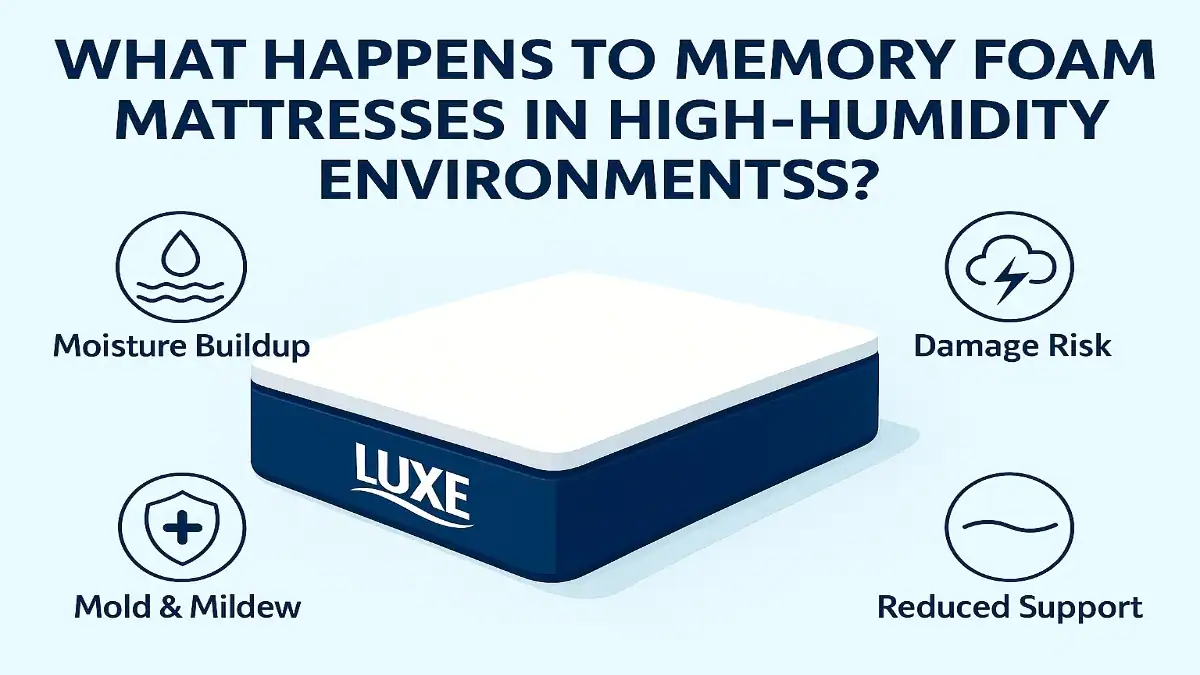
What Happens to Memory Foam Mattresses in High-Humidity Environments? Tips for UK & Coastal Homes
November 1, 2025

What Happens to Memory Foam Mattresses in High-Humidity Environments? Tips for UK & Coastal Homes

A memory foam mattress is loved for its ability to contour to your body, relieve pressure points, and provide a soft, supportive sleep experience. However, in humid or coastal parts of the UK, the foam’s open-cell structure can absorb moisture from the air, making the surface feel warmer, softer, or slightly musty. Over time, this constant exposure may reduce firmness and shorten the mattress’s lifespan.

For those living near the sea or in areas with year-round humidity, understanding how moisture affects memory foam is essential. At Luxe Mattresses, we help UK homeowners protect their sleep investment with high-quality materials and expert guidance. In this article, you’ll learn how humidity impacts memory foam and practical tips to maintain comfort, hygiene, and durability.

Understanding How Memory Foam Works

A memory foam mattress is made from viscoelastic polyurethane foam, a material that softens with body heat and molds to your shape. This responsive structure gives memory foam its signature hug, offering excellent pressure relief and spinal alignment.

However, memory foam also contains countless open cells that trap air and that’s where humidity comes into play. When moisture levels rise, those cells can absorb damp air and retain it longer than more breathable materials like hybrid or latex foam.

That’s why people living near the sea, in places like Cornwall, Brighton, or Blackpool, often notice that their beds feel heavier, softer, or even slightly musty during humid months.

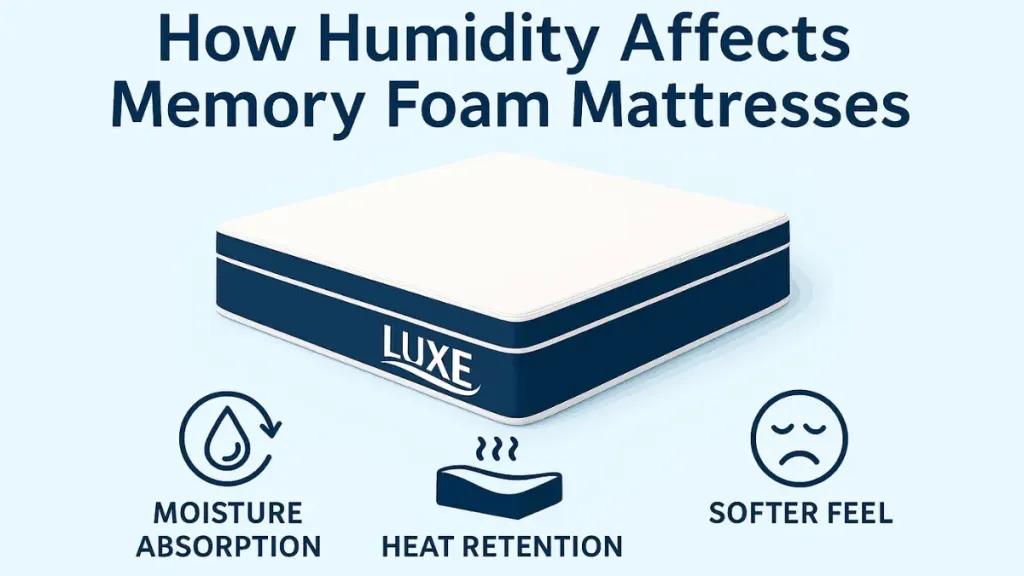
How Humidity Affects Memory Foam Mattresses

How Humidity Affects Memory Foam Mattresses

Moisture Absorption and Retention

Memory foam naturally holds onto water molecules. In a high-humidity bedroom, that moisture can stay trapped inside the foam, making the mattress feel warmer and softer. Over time, it may cause the material to lose its bounce and supportive feel.

Odour and Mildew Buildup

When trapped moisture has nowhere to escape, it can lead to a stale smell especially if your room lacks airflow. If left unchecked, this may encourage the growth of mildew within the inner layers.

Reduced Foam Lifespan

A damp environment can degrade foam density. That means your memory foam mattress topper or full mattress could sag earlier than expected.

Impact on Sleep Quality

Humidity not only affects the mattress but also your comfort. A clammy surface traps body heat and sweat, disrupting your REM sleep cycle and that’s something no one wants after a long day.

Common Signs of Humidity Damage

If you live in coastal or rainy regions of the UK, check for these early warning signs:

  • A musty odour when you remove bedding.
  • Discolouration or yellowing patches on the foam surface.
  • The mattress feels soft or uneven in some spots.
  • Condensation under the mattress base or bed frame.
  • Persistent dampness even with clean sheets.

These symptoms can affect all sizes from a memory foam mattress single to a king-size memory foam mattress so prevention is key.

How to Protect Your Memory Foam Mattress in Humid Climates

You don’t need to move inland or run your air conditioner all day. Simple care habits can extend your mattress life dramatically.

1. Use Breathable Mattress Covers and Toppers

A high-quality memory foam mattress cover acts as a barrier between your mattress and ambient air. Opt for covers made from bamboo, cotton, or Tencel fabrics; they’re breathable, moisture-wicking, and hypoallergenic.

Layering with a memory foam mattress topper can also help. Choose the right size for your bed whether it’s a memory foam mattress topper single, double, or king size to add comfort and protection against humidity.

At Luxe Mattresses, we recommend periodically removing and sun-drying your toppers to release trapped moisture.

2. Keep the Air Moving

  • Open windows for at least 15 minutes daily.
  • Place your bed on a slatted base instead of directly on the floor to improve airflow.
  • Use a dehumidifier in closed or basement bedrooms.
  • In summer, a gentle ceiling fan or portable fan helps prevent stagnant air pockets around the bed.

These simple steps help maintain the integrity of both your memory foam mattress double and its topper by reducing condensation.

3. Clean and Dry Regularly

Vacuum your mattress surface monthly to remove dust and allergens. If moisture ever seeps in, stand the mattress upright in a well-ventilated room or sun-dry it (if possible). Always let it cool before remaking the bed this prevents heat and moisture from getting trapped again.

Pro tip: Remove and wash your mattress cover every two to three weeks during the rainy season to stop odour build-up.

4. Avoid Floor Placement

Many people place their mattress directly on the floor for a minimalist look. But in humid climates, this traps moisture and restricts airflow. If you prefer a low-profile design, use a platform bed with gaps underneath for ventilation.

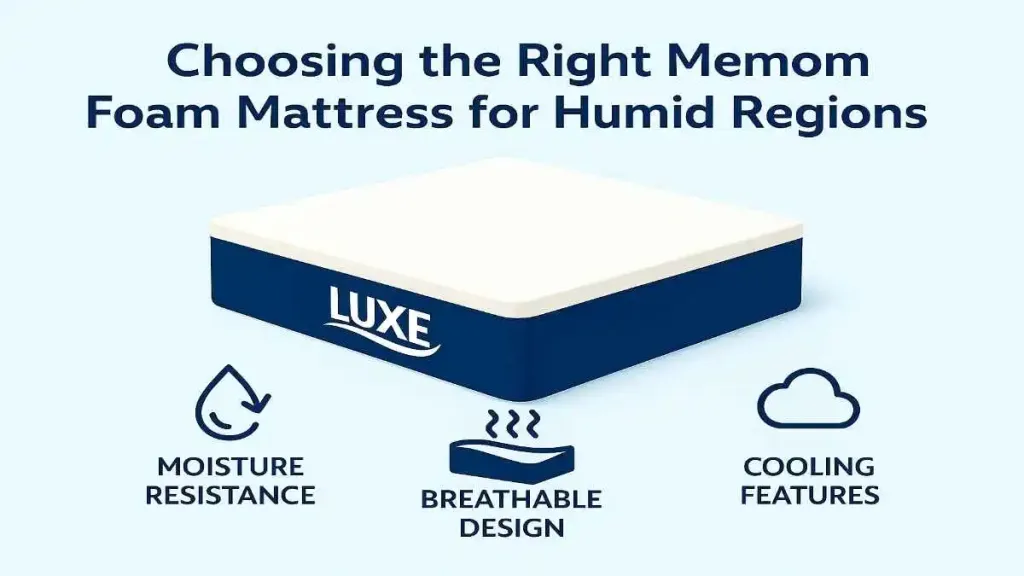
Choosing the Right Memory Foam Mattress for Humid Regions

Choosing the Right Memory Foam Mattress for Humid Regions

Not all foams are created equal. When shopping for a memory foam mattress in the UK, look for:

Open-Cell or Gel-Infused Foam

Open-cell structures allow heat and moisture to escape faster, while gel layers help maintain temperature balance.

Anti-Microbial & Moisture-Resistant Fabrics

Covers with natural fibres and antibacterial finishes help prevent mould formation ideal for coastal homes.

CertiPUR-EU & OEKO-TEX Certification

These certifications ensure your mattress is free from harmful chemicals that might worsen odour or humidity issues.

Proper Mattress Thickness

A thinner memory foam mattress topper double can be better for airflow than an overly dense block of foam in moist climates.

For detailed product options, browse Luxe Mattresses’ curated collection designed for British weather conditions and comfort preferences.

Memory Foam Mattress vs Hybrid Mattress in Coastal Homes

Feature Memory Foam Mattress Hybrid Mattress
Comfort Level Soft-contouring, full-body support Balanced bounce + support
Airflow Moderate (improved with open-cell design) Excellent due to coil base
Humidity Resistance Needs care and ventilation Naturally more breathable
Motion Isolation Excellent Very Good
Ideal For People with back or joint pain Couples or hot sleepers

If you love the plush hug of foam but want better breathability, consider pairing your memory foam mattress topper with a supportive hybrid base the best of both worlds.

Expert Tips for UK Coastal Homeowners

  • Rotate your mattress every 3–4 months to prevent moisture pooling in one area.
  • Lift the bedding for 10 minutes each morning to release body vapour.
  • Use a breathable duvet down-alternative or cotton fills are best for humid nights.
  • Check skirting boards and walls for damp controlling room moisture helps your mattress, too.
  • Store spare toppers or bedding in airtight boxes to stop them absorbing air moisture.

Final Thoughts

Humidity can be a persistent challenge in the UK, but it doesn’t have to stand between you and a restorative night’s sleep. With the right care, airflow, and thoughtfully chosen accessories, your memory foam mattress can remain cool, hygienic, and perfectly supportive through every season. A little attention to ventilation and protection goes a long way in preserving the comfort and structure of your mattress for years.

At Luxe Mattresses, we craft sleep solutions that balance innovation with everyday practicality ensuring your bed feels as fresh and inviting as the day you bought it. Experience the harmony of comfort, hygiene, and durability with our premium designs made for real homes and real sleepers across the UK.

FAQs About Memory Foam Mattresses and Humidity

Can humidity damage a memory foam mattress?

Yes. Prolonged dampness weakens foam cells, leading to sagging and odour. Good ventilation and protective covers prevent this.

How can I keep my mattress dry in winter?

Use a dehumidifier, change bed sheets frequently, and keep the room temperature consistent.

Do I need a topper for my memory foam mattress?

A memory foam mattress topper provides extra comfort and serves as a removable, washable layer especially useful in humid homes.

What’s the best cover material?

Bamboo or cotton covers allow airflow and reduce moisture retention compared to polyester.

Is memory foam suitable for coastal climates?

Absolutely as long as you follow simple care tips. Modern memory foam mattresses are designed with improved ventilation and durable materials.

How a Memory Foam Mattress Topper Can Transform an Old Mattress
November 1, 2025

How a Memory Foam Mattress Topper Can Transform an Old Mattress: Cost-Effective Upgrade Tips

A memory foam mattress topper can turn a tired, uneven bed into a plush, supportive haven all without replacing your entire mattress. For many UK homeowners, it’s the smartest way to refresh comfort, improve posture, and save money at the same time.

At Luxe Mattresses, we believe a good night’s sleep shouldn’t require a full bedroom overhaul. In this guide, you’ll discover how a memory foam mattress topper UK upgrade works, which size and thickness suit you best, and how to maintain it for years of restful sleep.

What Is a Memory Foam Mattress Topper and How Does It Work?

A memory foam mattress topper is a removable layer, usually 5–10 cm thick, made from viscoelastic foam, the same material used in full memory foam mattresses. When placed on top of an older bed, the topper adapts to your body heat and shape, redistributing pressure away from your shoulders, hips, and spine.

Available in every standard UK size memory foam mattress topper single, small double, double, king size, and super king toppers instantly upgrade comfort without changing the base mattress. They sit between your sheet and mattress cover, acting as a soft, breathable layer that smooths out lumps and stiff spots.

Because foam is temperature-sensitive, it provides adaptive support that feels different from traditional fiber pads or latex toppers. That’s why many people searching for foam mattress memory topper reviews end up switching to memory foam because it balances contour and firmness better than any other material.

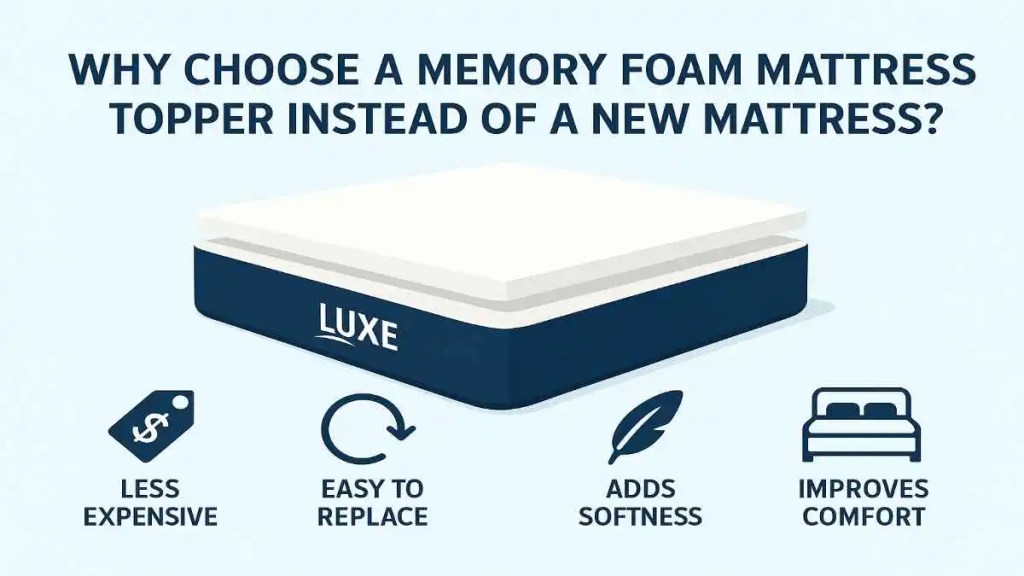
Why Choose a Memory Foam Mattress Topper Instead of a New Mattress?

Why Choose a Memory Foam Mattress Topper Instead of a New Mattress?

Replacing a mattress can be expensive. A new high-quality memory foam mattress can cost hundreds of pounds, while a topper offers similar comfort at a fraction of the price.

A memory foam mattress topper double 10 cm thick, for instance, can restore comfort to an aging mattress for less than one-quarter of the replacement cost. For renters, students, or families on a budget, that’s a practical, sustainable solution that keeps perfectly good mattresses out of landfills.

Many shoppers also compare options such as the memory foam mattress topper Argos or B&M versions. While these can be decent entry-level choices, premium toppers (like those recommended by Luxe Mattresses) typically use higher-density foam that lasts longer, offers superior pressure relief, and includes removable washable covers.

So whether you’re upgrading a guest bed or reviving a sagging main mattress, a topper lets you experience new-bed comfort immediately and cost-effectively.

The Benefits of Using a Memory Foam Mattress Topper

1. Adds Extra Comfort and Pressure Relief

The number-one reason people buy a memory foam mattress topper is comfort. The foam’s viscoelastic cells respond to body heat, cradling each curve and minimizing pressure on joints. A 10 cm memory foam mattress topper double offers generous depth for back and side sleepers who need extra cushioning, while thinner 5 cm versions are ideal for firmer beds or lighter individuals.

2. Enhances Temperature and Sleep Quality

Advanced memory foam mattress topper UK models use open-cell or gel-infused foam that promotes airflow, reducing heat build-up during sleep. Paired with a breathable cotton sheet or bamboo cover, you’ll wake up cooler and more refreshed.

3. Protects and Extends Mattress Lifespan

Your topper also works as a shield. It absorbs daily wear and accidental spills before they reach the main mattress. A washable memory foam mattress topper cover keeps dust, sweat, and allergens away, extending the lifespan of your existing mattress.

4. Budget-Friendly Upgrade

Instead of spending hundreds replacing an old mattress, a topper gives you near-identical comfort for a modest investment. It’s a perfect solution for memory foam mattress topper king size or super king beds where a full replacement would be costly. For short-term rentals or guest rooms, it’s the ideal balance between affordability and luxury.

Choosing the Right Memory Foam Mattress Topper for Your Bed

Selecting the right topper means balancing size, thickness, and foam density.

Pick the Correct Size

Choose the topper that fits your mattress dimensions exactly:

  • Single – memory foam mattress topper single (90 × 190 cm)
  • Small Double – memory foam mattress topper small double (120 × 190 cm)
  • Double – memory foam mattress topper double (135 × 190 cm)
  • King Size – memory foam mattress topper king size (150 × 200 cm)
  • Super King – memory foam mattress topper super king (180 × 200 cm)

A snug fit ensures the topper doesn’t slide or bunch up under the sheets.

Choose the Right Thickness

  • 5 cm toppers: Best for adding softness to firm beds.
  • 7.5 cm toppers: Balanced support and plushness for most sleepers.
  • 10 cm toppers: Deep comfort and pressure relief perfect if your existing mattress has visible sagging or dips.

When in doubt, test thickness by body weight: lighter sleepers need less depth, heavier sleepers more.

Focus on Foam Density and Quality

High-density foam (around 50–60 kg/m³) provides lasting resilience. Lower-density foams may flatten faster. Always check for certifications such as CertiPUR-EU or OEKO-TEX to ensure the foam is free from harmful chemicals and safe for everyday use.

Look for Cooling and Hygiene Features

Many modern toppers include gel-infused foam, bamboo covers, or air-channel technology to reduce heat retention. A removable, washable cover helps maintain hygiene essential for allergy sufferers or homes with pets.

How to Properly Use and Maintain a Memory Foam Mattress Topper

1. Placement and Unpacking

After delivery, unroll your topper and leave it to expand for at least 24 hours. This allows the foam to regain its natural shape and remove any packaging odour. Place it directly on your mattress with the flat side down, then secure it with fitted sheets or elastic straps.

2. Cleaning and Care

  • Use a removable cover and wash it every 2–3 weeks.
  • Vacuum the topper surface occasionally to remove dust.
  • If spills occur, dab gently with a mild detergent and allow it to air-dry completely. 
  • Avoid machine washing or wringing water can damage foam integrity.

3. Storage and Longevity

If you ever store your topper (e.g., during travel or redecorating), roll it loosely instead of folding. Keep it in a dry, ventilated place away from direct sunlight or dampness. This prevents cracks or compression marks from forming.

With these steps, a good-quality memory foam mattress topper in the UK can last 5–7 years, an excellent return on investment compared to cheaper substitutes.

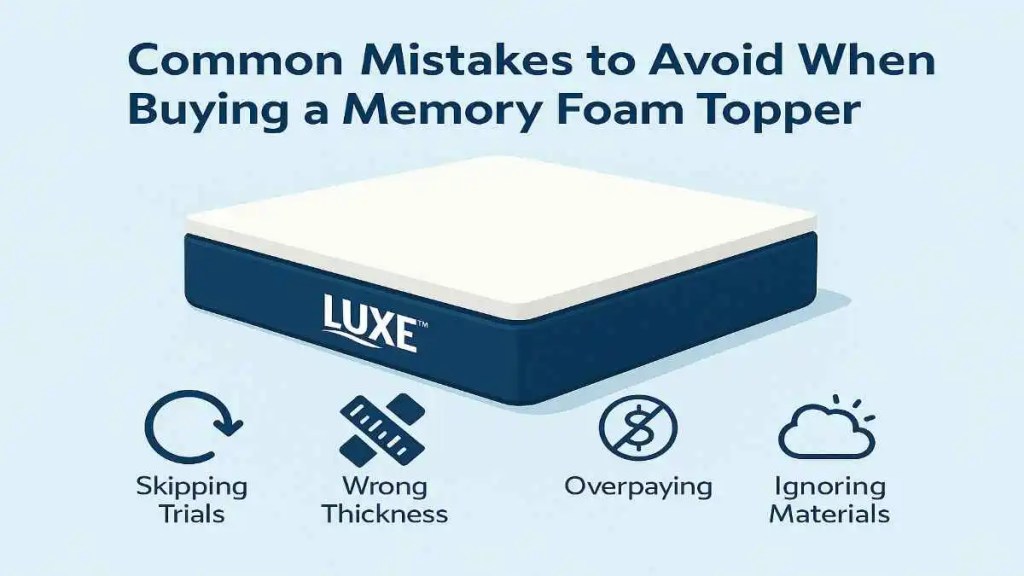
Common Mistakes to Avoid When Buying a Memory Foam Topper

Common Mistakes to Avoid When Buying a Memory Foam Topper

Even the best products won’t perform if chosen incorrectly. Avoid these pitfalls:

  • Wrong size: A topper that’s too small or too big will shift constantly.
  • Too thin: A 3 cm layer won’t fix sagging mattresses; choose 7–10 cm for visible dips.
  • Ignoring density: Low-density foams may feel soft at first but flatten within months.
  • Skipping a cover: A protective cover keeps your topper hygienic and extends lifespan.
  • Expecting miracles: A topper improves comfort but cannot fix severely damaged spring coils. Consider replacing your base mattress if it’s collapsing.

Real-World Example: Transforming Sleep Comfort

Sarah, a London resident, had an eight-year-old pocket-spring mattress that caused nightly backaches. Instead of spending £600 on a replacement, she added a memory foam mattress topper double 10 cm. Within days, the difference was dramatic; her back pain eased, and she described the bed as hotel-soft.

This simple change proves how toppers can refresh support and transform sleep without draining your budget.

Final Thoughts

A memory foam mattress topper is one of the simplest and most cost-effective ways to transform an old, uncomfortable mattress into a luxurious sleep surface. From singles to super kings, the right topper restores support, regulates temperature, and extends your mattress’s life all for a fraction of replacement cost.

Whether you need an upgrade for your own room or a guest bed, explore Luxe Mattresses for expertly crafted toppers tailored to UK homes. Experience how premium foam, thoughtful design, and smart care can make every night feel like brand-new comfort.

FAQs About Memory Foam Mattress Toppers

What thickness of memory foam topper is best for comfort?

Most sleepers prefer 7–10 cm thickness. A thicker topper, like a memory foam mattress topper double 10 cm, delivers superior pressure relief.

Can a memory foam topper fix a sagging bed?

It can mask minor dips and provide even cushioning, but it won’t repair broken springs. If the sag is deep, consider replacing the base mattress.

How long do memory foam toppers last?

Typically 5–7 years with proper care. Higher-density toppers often last longer.

Is a topper suitable for all mattress types?

Yes, they work on spring, latex, and hybrid mattresses. Just ensure the surface is flat and clean.

What’s the difference between B&M and Argos toppers and premium brands?

Retail options like memory foam mattress topper B&M or Argos are affordable but usually lower in density and durability. Premium brands use denser foam and breathable covers for better longevity.

memory foam mattress
August 28, 2025

Why Memory Foam Mattresses Are Ideal for Better Sleep

When it comes to choosing the perfect bed, a memory foam mattress is often one of the most trusted options for comfort and support. Known for its ability to adapt to body shape and relieve pressure points, memory foam has transformed the way people sleep. Unlike traditional spring mattresses, it provides a personalized sleep experience that helps reduce tossing, turning, and discomfort during the night. For those struggling with back pain or restless nights, memory foam is often the ultimate solution.

What Makes a Memory Foam Mattress Different?

A memory foam mattress is not like other mattresses. It uses a unique material that responds to body heat and pressure, allowing it to mold perfectly around your body. This means it gives support exactly where you need it most, whether that’s your shoulders, hips, or lower back. Unlike spring beds that can feel bouncy or uneven, memory foam distributes your weight evenly across the surface. This difference makes it ideal for people who want both comfort and stability while they sleep.

Pressure Relief for a Pain-Free Sleep

One of the greatest benefits of a memory foam mattress is pressure relief. When you lie down, your body puts weight on certain points, especially the shoulders, hips, and spine. A regular mattress might not provide equal support, which can lead to discomfort or pain. Memory foam solves this problem by absorbing the pressure and spreading it across the surface, reducing strain on your joints and muscles, helping you wake up refreshed instead of sore.

Perfect Support for Spinal Alignment

Good posture is important not only when you are standing but also while you sleep. A memory foam mattress helps keep the spine aligned in its natural position. For side sleepers, it supports the shoulders and hips without sinking too much. For back sleepers, it provides enough firmness to prevent the lower back from arching unnaturally. Maintaining proper alignment throughout the night reduces the risk of back pain and long‑term posture issues Essentia Organic Mattress.

Motion Isolation for Undisturbed Rest

If you share your bed with a partner, a memory foam mattress can be a real game‑changer. Traditional mattresses often transfer movement across the surface, so if your partner tosses and turns, you feel it too. Memory foam absorbs these motions instead of spreading them, meaning you can sleep peacefully even if the other person is moving. Couples especially value this feature because it allows both partners to enjoy restful, uninterrupted sleep

Ideal for All Sleeping Positions

A memory foam mattress is suitable for every type of sleeper. Side sleepers benefit from pressure relief on their shoulders and hips. Back sleepers enjoy firm support that keeps the spine aligned. Even stomach sleepers find comfort because the foam adjusts to their body while preventing too much sinking. This versatility makes memory foam a great option for families or anyone unsure about which type of mattress fits their sleep style best American MattressNational Council on Aging.

Temperature Control and Cooling Options

One concern many people have about memory foam is heat retention. In the past, these mattresses were known for trapping heat, which made them uncomfortable in warmer weather. However, modern designs now include cooling technologies like gel‑infused foam, open‑cell structures, and breathable covers. These upgrades ensure that a memory foam mattress stays cool and comfortable all night long, making it suitable even for people who tend to sleep hot.

Durability and Long-Lasting Comfort

Investing in a mattress is a long‑term decision, and memory foam mattresses are known for their durability. Unlike spring mattresses that may sag or lose shape over time, high‑quality memory foam maintains its structure for years. It returns to its original form after use, ensuring consistent comfort and support. With proper care, a good memory foam mattress can last 8 to 10 years, making it a worthwhile investment for better sleep American MattressWikipedia.

Hypoallergenic and Health Benefits

For people with allergies, a memory foam mattress is a healthier option. The dense structure of the foam prevents dust mites, mold, and other allergens from settling inside American Mattress. In addition, the mattress’s ability to relieve pressure and improve circulation reduces nighttime discomfort, helping you sleep more deeply and wake up feeling energized.

mattress types

Affordable Options for Every Budget

Many people assume that memory foam mattresses are always expensive, but that’s not true anymore. With so many brands now offering different levels of quality and features, you can find a memory foam mattress that fits your budget. From basic models to luxury versions with cooling layers and advanced support, there is something available for everyone.

Why Choose a Memory Foam Mattress Over Others?

When comparing different types of mattresses, the advantages of memory foam stand out clearly. Innerspring mattresses may provide bounce, but they lack targeted support. Latex mattresses are durable, but they can feel too firm for some people. Hybrid mattresses combine multiple materials, but they are often more expensive. A memory foam mattress provides the perfect balance of comfort, support, and value, making it an ideal choice for better sleep GQThe Guardian.

Mattress Type Comparison: Memory Foam vs Alternatives

Mattress Type Support & Alignment Pressure Relief Motion Isolation Temperature Control Price Range
Memory Foam Excellent spinal alignment, contours to body High – relieves shoulders, hips, spine Excellent – absorbs movement fully Improved with gel/open-cell tech Wide range (£200 – £1,500+)
Innerspring Moderate – depends on coil design Low – uneven support on pressure points Poor – transfers motion easily Good airflow, naturally cooler Affordable (£150 – £1,000)
Latex Strong, responsive support Moderate – firmer feel, less contouring Moderate – some bounce remains Excellent – naturally cooling Premium (£800 – £2,000+)
Hybrid (Coils + Foam) Balanced support and comfort High – combines foam contouring with coil lift Good – better than springs, not as good as foam Moderate to good, depends on design Mid to high (£500 – £2,000+)

Caring for Your Memory Foam Mattress

To make the most out of your investment, it’s important to take proper care of your memory foam mattress. Always use a breathable mattress protector to keep it clean and safe from spills. Rotate the mattress occasionally to ensure even wear. Avoid placing it directly on the floor, as it needs proper airflow to remain fresh and hygienic. With these simple steps, your mattress can remain supportive and comfortable for many years.

Conclusion

Choosing the right mattress can completely transform your sleep, and a memory foam mattress is one of the best options available today. From relieving pressure and supporting spinal alignment to reducing motion transfer and improving sleep quality, it offers benefits that other mattresses can’t match. Modern versions are cooler, more durable, and available in every price range, making them suitable for all kinds of sleepers. If you are looking for comfort, support, and long-lasting value, memory foam is the perfect choice for better sleep.

FAQ’s

1. Are memory foam mattresses good for back pain?

Yes, memory foam mattresses are highly recommended for back pain as they provide proper spinal support and pressure relief.

2. Do memory foam mattresses get too hot at night?

Older versions did, but modern memory foam mattresses use cooling gels and breathable covers to regulate temperature.

3. How long does a memory foam mattress last?

On average, a good-quality memory foam mattress lasts between 8 to 10 years with proper care.

4. Can memory foam mattresses help with allergies?

Yes, memory foam is naturally resistant to dust mites and allergens, making it a healthier choice for sensitive sleepers.

5. Is a memory foam mattress suitable for all sleep positions?

Absolutely. It adapts to side, back, and stomach sleepers by offering personalized support and comfort.

Product has been added to your cart