

Black Friday 20% off every mattress (25% off natural latex) · Free pillow worth up to £99 on orders over £350 · you choose · + free room-of-choice delivery on every mattress · Lowest price guaranteed — as low as it will go Black Friday: 20% off + free pillow worth up to £99 on orders over £350 Lowest price guaranteed Shop the eventShop
is 7 hours sleep enough
July 12, 2025

Are You Getting Enough Sleep? Signs You’re Under-Sleeping or Over-Sleeping

Sleep is one of the most essential pillars of human health, yet it’s often the first thing we compromise in our modern lives. Many people wonder, is 7 hours sleep enough to maintain optimal health? Whether you’re burning the midnight oil to meet deadlines or hitting snooze far too often on weekends, it’s easy to lose touch with what your body actually needs when it comes to rest.

Most people know the general advice: adults should aim for 7–9 hours of sleep per night. But what if you’re hitting that range and still feeling exhausted? Or sleeping more than nine hours and waking up groggy? The truth is, not all sleep is equal, and getting either too little or too much of it can disrupt everything from your focus to your metabolism.

This guide helps you identify the subtle (and not-so-subtle) signs of under-sleeping and over-sleeping, understand the health consequences of both, and most importantly, discover how to align your rest with your unique biological needs.

Understanding the Science Behind Sleep Duration

Sleep isn’t just downtime; it’s an active process that your brain and body need to function properly. During sleep, your body:

  • Clears out metabolic waste from the brain
  • Repairs tissues and muscles
  • Consolidates memories
  • Balances hormones
  • Regulates emotions

But not all sleep is created equal. The body cycles through various sleep stages-light sleep, deep sleep (slow-wave), and REM sleep. Getting enough time in each of these stages is more critical than hitting a number on the clock.

The ideal sleep duration varies depending on age, genetics, health conditions, and lifestyle factors. According to the Sleep Foundation, the general guideline for adults is 7–9 hours, but some people may need slightly more or less.

Signs You’re Not Getting Enough Sleep (Under-Sleeping)

1. You Struggle to Wake Up-Even After a Full Night’s Sleep

If you wake up feeling more exhausted than when you went to bed, it may indicate that your sleep is fragmented or that you’re not completing full sleep cycles. Quality, uninterrupted sleep is more important than simply clocking hours.

2. You Experience Daytime Sleepiness or Micro-sleeps

Falling asleep while reading, watching TV, or even during conversations is a red flag. Micro-sleeps, brief episodes of sleep lasting seconds, suggest that your brain is forcing rest because it’s deeply deprived.

3. Mood Changes: Irritability, Anxiety, or Depression

Sleep deprivation heavily impacts your emotional regulation. People who are under-sleeping are more likely to experience increased irritability, anxious thoughts, and even depressive episodes. According to the American Psychological Association, lack of sleep amplifies stress and reduces emotional resilience.

4. Impaired Focus and Memory

Cognitive symptoms are often the first to appear with even mild sleep deprivation. Struggling with concentration, forgetting things easily, or feeling mentally sluggish? These are signs your brain didn’t get enough time to consolidate memories during REM sleep.

5. Weakened Immunity and Frequent Illness

Chronic under-sleeping weakens the immune system, making you more vulnerable to viruses and longer recovery times. One study published in Sleep found that people who sleep fewer than 6 hours a night were four times more likely to catch a cold than those who slept 7 or more.

6. Increased Cravings and Weight Gain

Lack of sleep disrupts hormones like ghrelin (which increases appetite) and leptin (which signals fullness). As a result, you may feel hungrier, particularly for high-carb, sugary foods, which can lead to weight gain over time.

Signs You’re Getting Too Much Sleep (Over-Sleeping)

While getting enough sleep is crucial, more is not always better. Oversleeping can cause fatigue, cognitive fog, and may be a sign of underlying health issues.

1. You Sleep Over 9 Hours Regularly-And Still Feel Tired

If you’re sleeping 9–10 hours or more and still waking up groggy or lethargic, it may be due to sleep fragmentation or an imbalance in your sleep architecture.

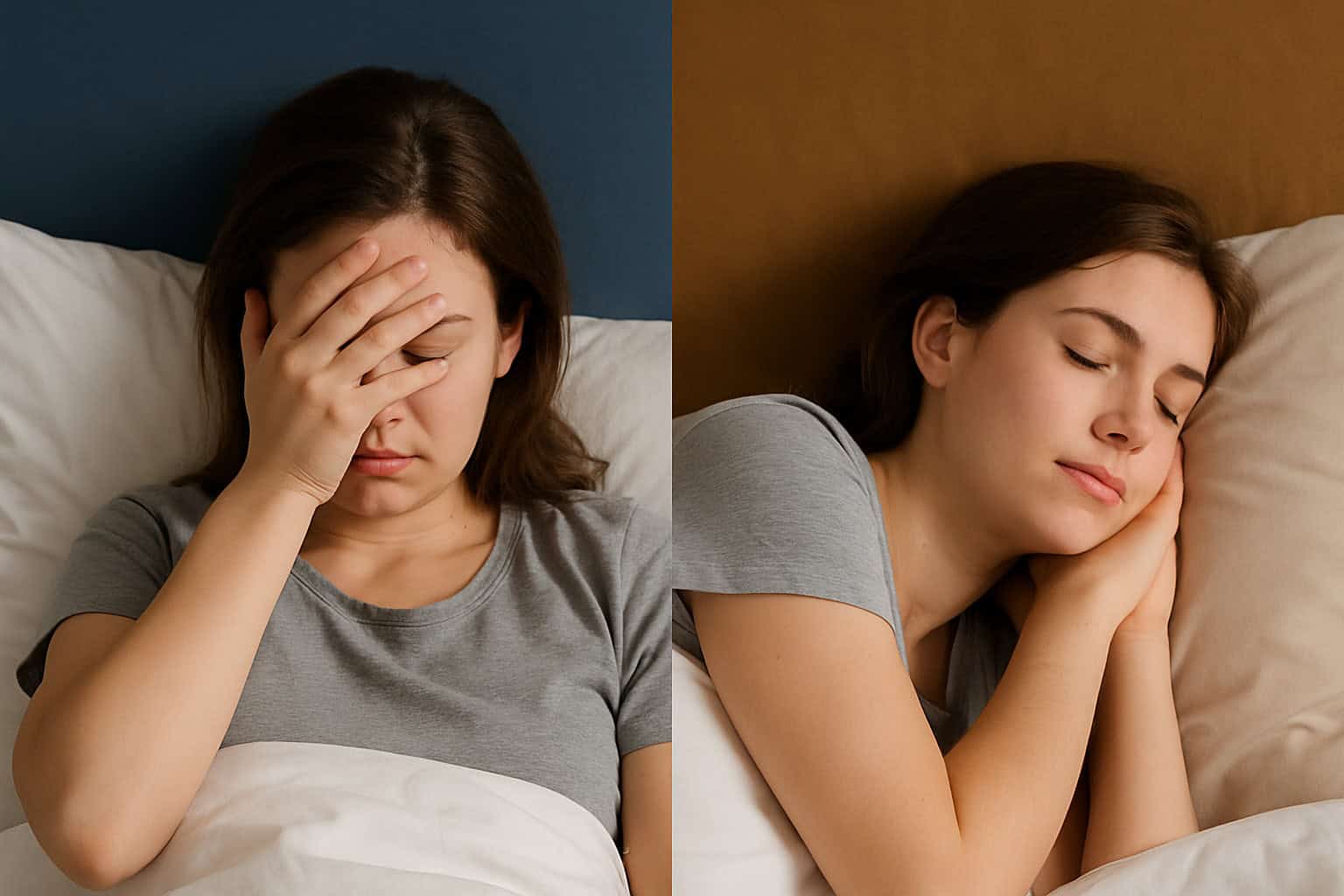
2. Headaches and Brain Fog in the Morning

Oversleeping can disrupt neurotransmitter activity in the brain, especially serotonin, which is linked to sleep-wake cycles. This often results in morning headaches, cloudy thinking, or even light sensitivity.

3. Worsening Depression Symptoms

Excess sleep is both a symptom and contributing factor to depression. According to the National Institutes of Health (NIH), people with depression are more likely to sleep excessively-and doing so can actually worsen fatigue and reduce motivation further.

4. Lowered Physical Activity and Motivation

If sleeping longer reduces your energy rather than restores it, it could be interfering with your body’s circadian rhythm. Oversleeping often results in sluggishness that extends throughout the day, making exercise and mental productivity harder.

5. Weekend Sleep Binges

Do you sleep 6 hours on weekdays but 10 on weekends? That discrepancy is called social jet lag. It can confuse your internal body clock, impair Monday-morning alertness, and contribute to sleep inertia—a foggy feeling upon waking.

Health Risks Associated with Chronic Over- or Under-Sleeping

Whether you’re consistently sleep-deprived or regularly oversleeping, both patterns can pose serious health risks over time.

Health Risk Under-Sleeping Over-Sleeping
Heart disease ✅ ✅
Stroke ✅ ✅
Type 2 diabetes ✅ ✅
Cognitive decline ✅ ✅
Depression ✅ ✅
Obesity ✅ ✅
Increased mortality ✅ ✅

How to Discover Your Ideal Sleep Duration

Since individual sleep needs vary, there’s no universal magic number. Instead, focus on listening to your body and refining your sleep schedule over time. Here’s how:

Start With a Sleep Calculator

A sleep calculator can help you find the best time to go to bed based on your desired wake time and natural 90-minute sleep cycles. It ensures you’re not just sleeping enough, but also waking during lighter stages of sleep.

Track Sleep and Energy for 2 Weeks

Use a journal or app to record:

  • Time you go to bed and wake up
  • How long it takes to fall asleep
  • Daytime mood and energy levels
  • Use of caffeine or naps

Patterns will emerge, and you’ll begin to see which sleep duration leaves you feeling at your best.

Limit Variability

Try to go to bed and wake up within the same 30–60 minute window each day—even on weekends. Consistency strengthens your circadian rhythm and makes falling asleep easier over time.

Monitor External Factors

Don’t ignore how your sleep is affected by factors like:

  • Diet (especially caffeine and alcohol)
  • Screen time before bed
  • Stress and anxiety
  • Room temperature and light exposure

Addressing these can significantly improve both sleep quality and duration.

Final Thought: It’s Not About the Number, It’s About the Balance

While 7–9 hours is a good starting point, true sleep health goes far beyond counting hours. The right amount of sleep is the one that leaves you energised, clear-headed, emotionally stable, and physically well, and that number may differ for everyone.

Whether you’re under-sleeping due to stress and busyness, or over-sleeping because of fatigue and emotional strain, the solution lies in self-awareness, routine, and sleep hygiene. Use tools like a sleep calculator, track your patterns, and adjust your habits slowly but intentionally.

Because sleep isn’t just rest-it’s your body’s most powerful form of repair, renewal, and resilience.

Frequently Asked Questions about Sleep


What is under-sleeping?

Under-sleeping refers to consistently getting less sleep than your body needs to function optimally. While sleep needs vary, most adults require 7–9 hours per night. Falling short of this can lead to symptoms like fatigue, irritability, reduced cognitive function, and a weakened immune system. Long-term under-sleeping is associated with serious health risks such as heart disease, diabetes, and depression.


What is over-sleeping?

Over-sleeping, also called hypersomnia, occurs when someone sleeps more than 9–10 hours regularly, particularly if they still feel tired afterward. While occasional extra rest is normal (e.g., after illness or exhaustion), chronic over-sleeping can be linked to underlying conditions like depression, poor sleep quality, or sleep disorders. It may also increase risks of obesity, cognitive decline, and cardiovascular issues.


What is micro-sleep?

Micro-sleep refers to extremely brief, involuntary episodes of sleep that can last from a fraction of a second to several seconds. People experiencing micro-sleeps may nod off momentarily without even realizing it. These are often caused by severe sleep deprivation and can be dangerous, especially while driving or operating machinery. If you’re frequently zoning out during the day, it may be a sign you’re not getting enough restful sleep.


What is light sleep?

Light sleep is the first stage of the sleep cycle (also called Stage 1 and Stage 2 NREM sleep). It acts as a transition between wakefulness and deeper stages of sleep. During light sleep:
Your heart rate and breathing slow down
Muscles relax
Brain activity begins to slow
Though not as restorative as deep or REM sleep, light sleep is important for memory consolidation and overall sleep architecture. You spend about 50% of your total sleep in this phase.


What is deep sleep?

Deep sleep, or slow-wave sleep (Stage 3 NREM), is the most restorative stage of sleep. During this phase:

The body repairs tissue and muscles
Growth hormone is released
Immune system functions strengthen
Brain waves are at their slowest

Deep sleep usually occurs more in the first half of the night. Lack of deep sleep can lead to physical fatigue, poor recovery, and immune dysfunction.


What is sleep fragmentation?

Sleep fragmentation refers to frequent interruptions or awakenings during sleep, which prevent the body from progressing naturally through the full sleep cycle. Even if total sleep time is adequate, fragmented sleep reduces the amount of deep and REM sleep you get, leaving you tired and unfocused. Causes include:

Noise or light disturbance
Stress or anxiety
Sleep apnea
Restless leg syndrome

Improving sleep hygiene, managing stress, and evaluating for medical conditions can help reduce fragmentation.


How much sleep should I get?

Most adults need between 7 and 9 hours of sleep per night. However, your optimal sleep duration depends on:

Age
Genetics
Lifestyle
Physical or emotional demands
Sleep quality

To find your personal sweet spot, track how you feel during the day with varying amounts of sleep, and consider using a sleep calculator to align with your natural sleep cycles.


Is 8 hours of sleep enough?

For many people, 8 hours is ideal, but it’s not a universal rule. Some individuals may feel great on 7.5 hours, while others might need 9 hours for optimal performance and recovery. The best indicator is how you feel during the day: if you’re alert, emotionally stable, and focused without caffeine dependence, your sleep is likely sufficient.


What are signs of poor sleep quality?

Even if you sleep long enough, poor sleep quality can leave you exhausted. Signs include:

Waking up multiple times per night
Morning headaches
Night sweats or vivid dreams
Feeling unrefreshed despite 8+ hours in bed
Daytime irritability, forgetfulness, or brain fog

Sleep quality is just as important as duration, make sure your environment, routine, and health support uninterrupted rest.


Can naps make up for lost sleep?

Short naps (10–30 minutes) can help improve alertness and mood if you’re sleep-deprived, but they don’t fully replace the benefits of a full night’s rest, especially deep and REM sleep. Consistent nighttime sleep is necessary for hormone regulation, immune function, and long-term health.
why 7 hours of sleep is not enough copy
July 12, 2025

Why 7 Hours Isn’t Enough for Everyone: Personalised Sleep Needs Explained

For decades, sleep researchers and wellness gurus alike have echoed a familiar rule: “Get 7 to 8 hours of sleep per night.” But as our understanding of human biology deepens, it’s becoming clear that this guideline, while well-meaning isn’t universally sufficient. For some, seven hours leaves them alert and productive; for others, it barely scratches the surface of what’s needed to feel truly rested.

In truth, sleep is deeply personalised, shaped by a combination of genetic traits, lifestyle demands, stress load, and recovery needs. Here’s why the standard recommendation often falls short, and how you can begin identifying how much sleep you really need.

1. Sleep Needs Are Hardwired in Your Genes

One of the most overlooked elements in sleep research is our genetic predisposition. According to a study published in Nature Communications, certain people carry gene variants, such as DEC2 or ADRB1, that naturally reduce their sleep needs. These “short sleepers” can thrive on as little as 4 to 6 hours per night without performance drops.

But they are the exception, not the rule. For most of us, skimping on sleep causes real harm, from impaired cognition and mood swings to long-term risks like cardiovascular disease, metabolic dysfunction, and weakened immunity, as shown in research by Harvard Medical School.

In short, your biology, not social norms, should dictate your sleep duration.

3. Quality Trumps Quantity – But They Both Matter

You could spend eight hours in bed and still feel exhausted if your sleep quality is compromised.

Factors like poor mattress support, screen exposure before bed, alcohol, or undiagnosed sleep disorders (like sleep apnea) can degrade sleep efficiency. This means that even if you technically meet your sleep quota, your body might not receive the deep and REM sleep needed for full restoration.

This is why tracking your sleep cycles, not just total sleep time, is essential. Tools like this sleep calculator can help optimize your bedtime by aligning it with natural 90-minute sleep intervals. Over time, this can improve how you wake up, feeling more refreshed even if sleep duration doesn’t change dramatically.

4. Recovery Isn’t a Luxury-It’s Biological Currency

Sleep is the body’s most powerful recovery mechanism. If you’re fighting off illness, building muscle from workouts, recovering from burnout, or adapting to new routines, your body requires more rest sometimes significantly more.

Athletes often need 9 to 10 hours of sleep during intense training phases, according to findings by the Sleep Foundation. Likewise, individuals recovering from trauma or surgery might benefit from extended nighttime sleep and daytime naps, allowing the body to complete its healing work.

If you’ve recently been through a high-demand period, emotionally or physically, then treating sleep as negotiable can delay recovery and trigger other health issues.

5. How to Discover Your Ideal Sleep Window

There’s no single number that guarantees optimal health across the board. Instead, focus on patterns and outcomes:

  • Track how you feel 30 minutes after waking. Groggy, irritable, or craving caffeine? That’s a red flag.
  • Notice your midday performance. Do you crash after lunch, need stimulants, or have mood dips?
  • Use digital tools or a sleep calculator to structure your bedtime around sleep cycles.
  • Experiment with adding 30–60 minutes of sleep over a few weeks. See if your energy, focus, and resilience improve.

When you match your sleep schedule with your body’s true needs, you stop surviving and start thriving.

Final Thought: Rethink the Rulebook

It’s time to retire the myth that everyone should aim for the same amount of sleep. The 7-hour minimum might be adequate for some, but it’s inadequate for many, especially in today’s overstimulated world. Sleep is not just a passive state, it’s an active investment in every aspect of your health, from cognitive performance to emotional resilience.

Instead of chasing arbitrary numbers, focus on alignment: your genetic needs, your daily demands, and your real recovery capacity.

Start by tracking your rhythm, enhancing your sleep environment, and using science-backed tools like a sleep calculator to fine-tune your nightly routine. Because in the end, you don’t just need more sleep you need the right kind of sleep.

Sleep Calculator

Plan your optimal bedtime and wake-up times based on your body’s natural sleep cycles. Wake up refreshed and energized every morning.

Why Use This Calculator?

  • Calculate the ideal bedtime based on when you need to wake up
  • Find the optimal wake-up time based on when you go to bed
  • Work with your body’s natural 90-minute sleep cycles
  • Minimize grogginess and maximize morning energy
  • Based on sleep science research
Use Sleep Calculator
is queen size bigger than double
July 12, 2025

Is a Queen Bigger Than Double Size Mattress? The Real Size Breakdown

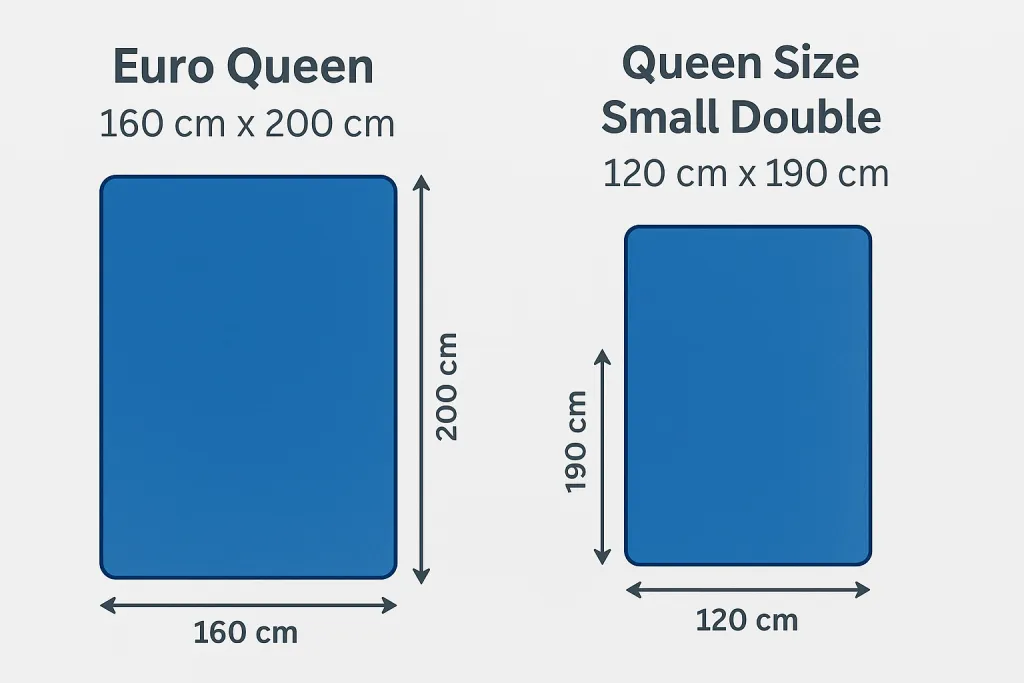
Is a Queen Size Mattress Bigger Than a Double? Understanding the UK’s “Small Double” Confusion, When shopping for a mattress in the UK, the term â€œQueen Size” can be surprisingly confusing. Unlike in the US or Europe, where mattress sizes like “Queen” and “King” follow consistent measurements, the UK market uses terms more loosely. Most notably, many UK retailers refer to the Small Double mattress (120 x 190 cm) as a “Queen.” So the real question becomes:

Is a UK Queen Size (Small Double) mattress bigger than a Double?

No â€” a Small Double (Queen) is actually smaller than a standard Double.

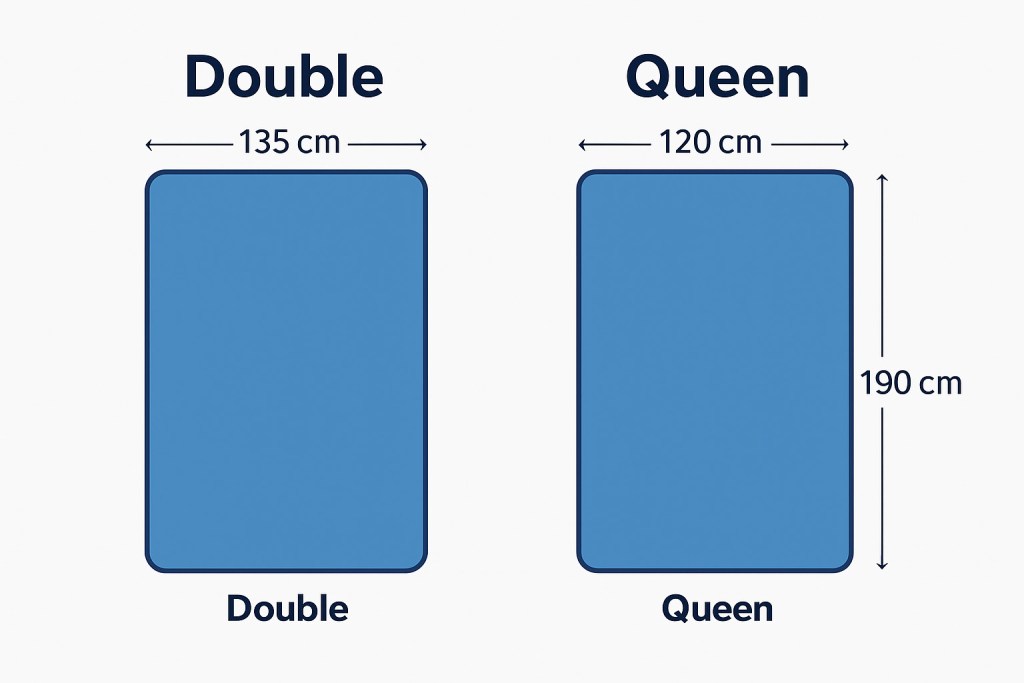
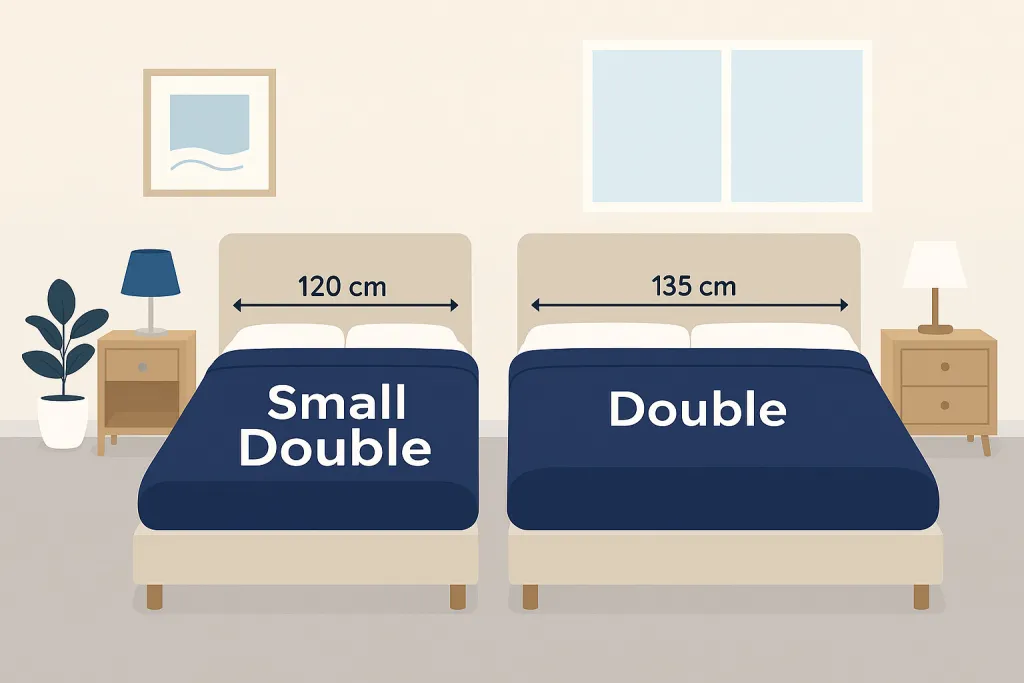
Mattress Type Dimensions (cm) Width Comparison
Small Double (Queen) 120 x 190 –
Double 135 x 190 +15 cm wider

1. Understanding Mattress Size Terminology

Before diving into measurements, it’s important to note that mattress terminology differs by region:

  • In the UK, the term “Queen” is not officially standardised. A Small Double (120 x 190 cm) is often informally referred to as a “Queen.”
  • In Europe, “Euro Queen” refers to a 160 x 200 cm mattress.
  • In the US, a standard Queen size is 60 x 80 inches (approximately 152 x 203 cm).

This variation in naming leads to confusion. When we ask “Is a queen bigger than a double?”—we must first clarify which queen and which double.

2. Standard Mattress Sizes at a Glance

Let’s look at how the most common sizes compare:

Mattress Size Dimensions (cm) Best For
Single 90 x 190 Kids, teens, small guest rooms
Small Double (Queen) 120 x 190 Solo adults, small bedrooms
Double 135 x 190 Couples with limited space
UK King 150 x 200 Couples who want more room
Super King 180 x 200 Luxury spaces, co-sleeping

3. What Is a Small Double (Queen) Mattress?

A Small Double mattress measures 120 x 190 cm and is the size often referred to as â€œQueen” in the UK market. It’s wider than a single but not quite as roomy as a standard double.

queen size mattress dimensions

Who is it for?

  • Solo adults wanting extra room to stretch
  • Teenagers transitioning from single beds
  • Small bedrooms where every cm counts

Advantages:

  • Compact yet spacious for one person
  • Fits in small to medium bedrooms
  • More affordable than double or king options

Drawbacks:

  • Can be tight for two people
  • Limited bedding availability compared to standard sizes

4. What Is a Double Mattress?

A Double mattress is 135 x 190 cm and is traditionally viewed as the first standard couple’s bed. It provides 15 cm more width than a Small Double.

double size mattress dimensions

Who is it for?

  • Budget-conscious couples
  • Solo sleepers wanting generous space
  • Guest rooms or modest master bedrooms

Advantages:

  • Affordable and widely available
  • Works in most UK bedrooms
  • More space for couples than small double

Drawbacks:

  • Can still feel cramped for two, especially for restless sleepers

5. Size Comparison: Small Double vs Double

Let’s break it down clearly:

is queen bigger than double size mattress comparison
  • Width
    • Small Double: 120 cm
    • Double: 135 cm
    • Difference: 15 cm more space in a Double
  • Length
    • Both are 190 cm long
  • Surface Area
    • Small Double: 22,800 cm²
    • Double: 25,650 cm²
    • Difference: 2,850 cm², or ~12.5% more surface area in a Double

This difference in space can make a noticeable difference in comfort, especially for two people sharing the bed.

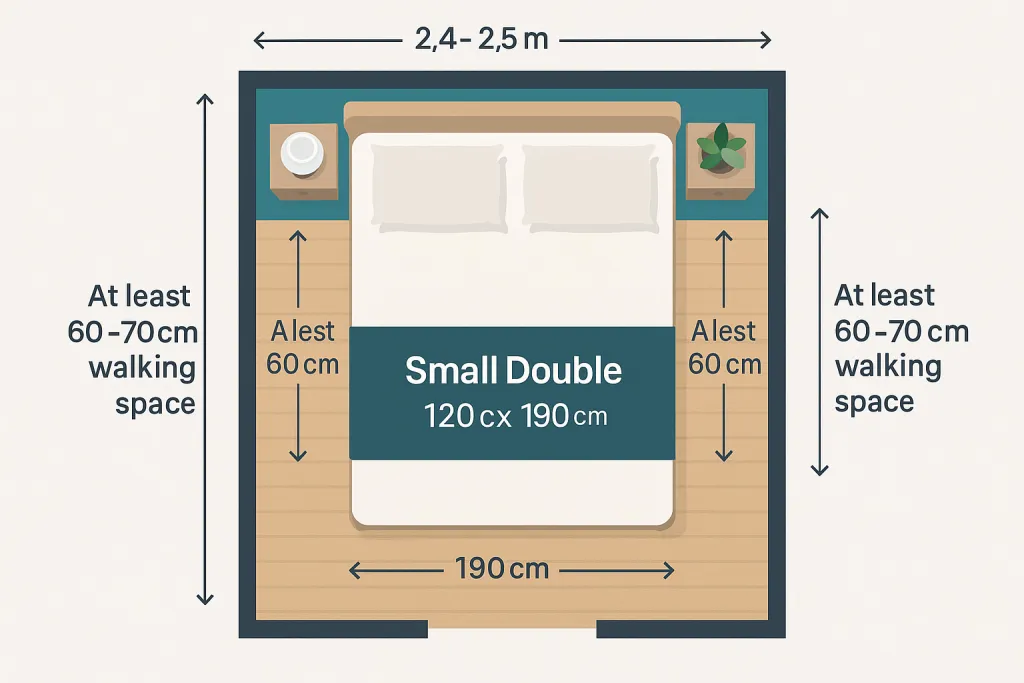
6. How Much Room Do You Need?

To sleep comfortably and maintain good room flow, consider these spacing guidelines:

  • 60–70 cm of clearance on each side of the bed
  • 90 cm at the foot of the bed for easy movement

Room Size Tips:

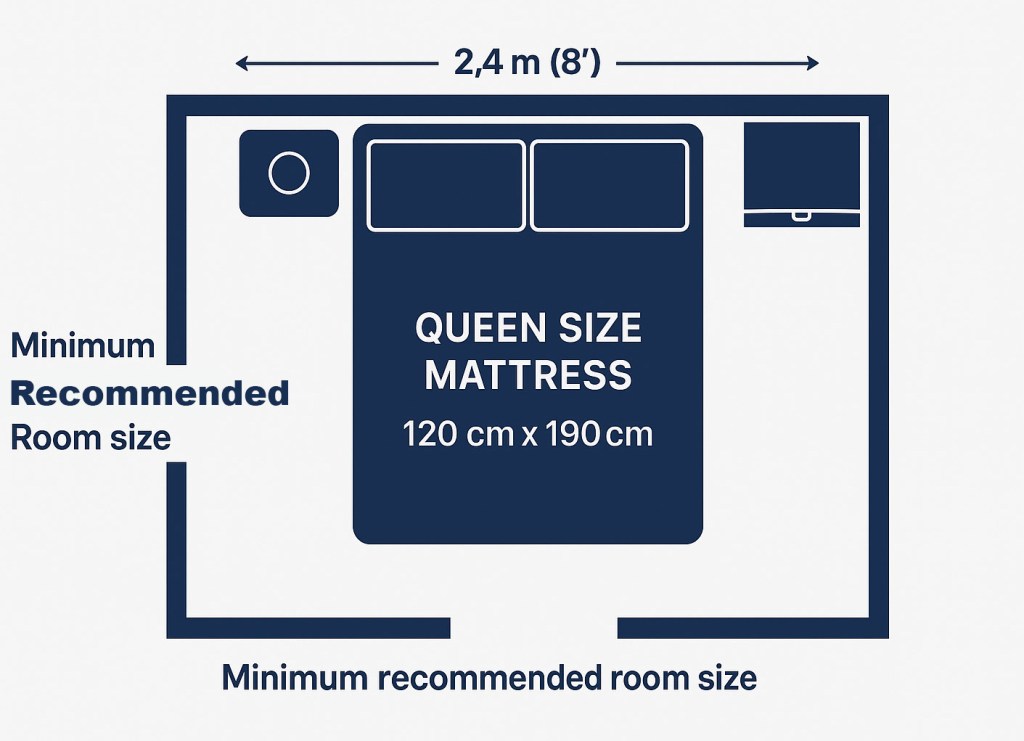
  • Small Double (Queen): Room should be at least 2.3 metres wide
  • Double: Room should be 2.4–2.5 metres wide for optimal flow
how big room is required for queen size mattress

7. Who Should Choose a Small Double?

  • Solo sleepers needing more than a single
  • Teenagers in their own room
  • Guest bedrooms with limited space
  • Budget buyers who want compact comfort

A small double works well for people who don’t share their bed or need a compact solution that doesn’t sacrifice comfort entirely.

8. Who Should Choose a Double?

  • Couples who are okay with less space
  • Guest rooms needing to fit two adults
  • Solo sleepers wanting extra space and comfort
  • Budget-conscious master bedrooms

For couples who don’t toss and turn much or are used to tighter spaces, the double can still work. But if personal space matters, it might not be ideal.

9. Bedding and Compatibility

Small Double:

  • May require more specific bedding (not as widely stocked)
  • Often found in student bedding ranges or at IKEA

Double:

  • Bedding is universally available across the UK
  • Usually cheaper and easier to find

Buying Tip: Always check the labelled size on packaging. “Queen” can mean 120 or 160 cm depending on the store.

10. Personal Story: Why I Moved from Small Double to Double

In my 20s, I moved into my first flat and bought a “Queen size” bed from an online retailer. I later found out it was actually a Small Double. At first, it was great for just me, but when my partner moved in, we found ourselves bumping elbows more than sleeping peacefully.

We upgraded to a Double, and it made a significant difference. That extra 15 cm gave us enough space to sleep without constantly waking each other. It fit the room just fine with some rearranging, and I could finally buy bedding from local shops without special orders.

11. Common Confusion: UK Queen vs Euro Queen

  • UK Queen = Small Double = 120 x 190 cm
  • Euro Queen = 160 x 200 cm (bigger than a UK King)

Many retailers use “Queen” for both, so always check dimensions before assuming size. The Euro Queen is 40 cm wider than a UK Small Double, so you don’t want to get the wrong frame or bedding.

12. Final Verdict

If you’re comparing a UK Queen (Small Double) to a Double, the Double is definitely larger, offering better space, more comfort for two, and easier bedding options.

Choose a Small Double if:

  • You sleep alone
  • Your room is tight on space
  • You’re upgrading from a single bed

Choose a Double if:

  • You’re sleeping as a couple
  • You have a medium-sized room
  • You want more room to stretch

Bonus Tips Before You Buy

  • Measure your room before choosing your mattress size
  • Don’t rely on labels, check actual measurements
  • Consider your future needs: Will a partner be joining you soon?

Conclusion

A mattress isn’t just about comfort, it’s about function, fit, and long-term satisfaction. While the Queen (Small Double)can suit many UK homes, a Double mattress offers more value and space for most sleepers. Choosing the right size from the start can dramatically improve your sleep quality and how well your bedroom works.

July 11, 2025

Is a Small Double (Queen Size) Bigger Than a Single Mattress?

By Ruby – A Mum’s Perspective

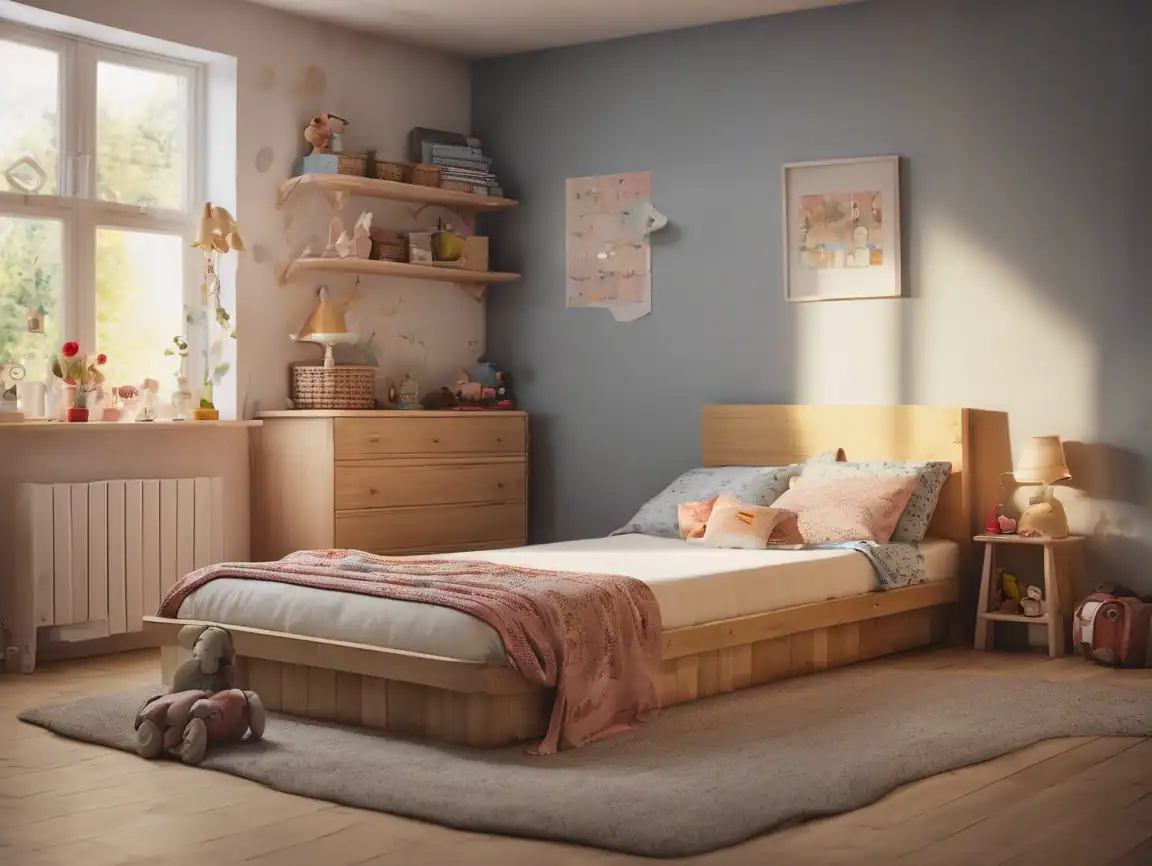
Hi, I’m Ruby, and if you’re a parent like me, you know that children seem to grow overnight. One day they’re tiny and curled up in a toddler bed, and the next they’re long-limbed tweens tossing and turning in the middle of the night. That’s exactly what happened with my 12-year-old son. And it got me thinking: is it time for a bigger mattress?

More importantly, is a small double (sometimes called a “queen size” in the UK) actually bigger than a single mattress, and would it fit comfortably in his room?

What Is a Small Double Mattress?

A small double mattress measures 120 cm x 190 cm, and in many UK stores, it’s often labelled as a “Queen Size.” Confusing, I know — especially when you consider that in Europe, a Euro Queen measures 160 cm x 200 cm, which is even wider than the UK King size!

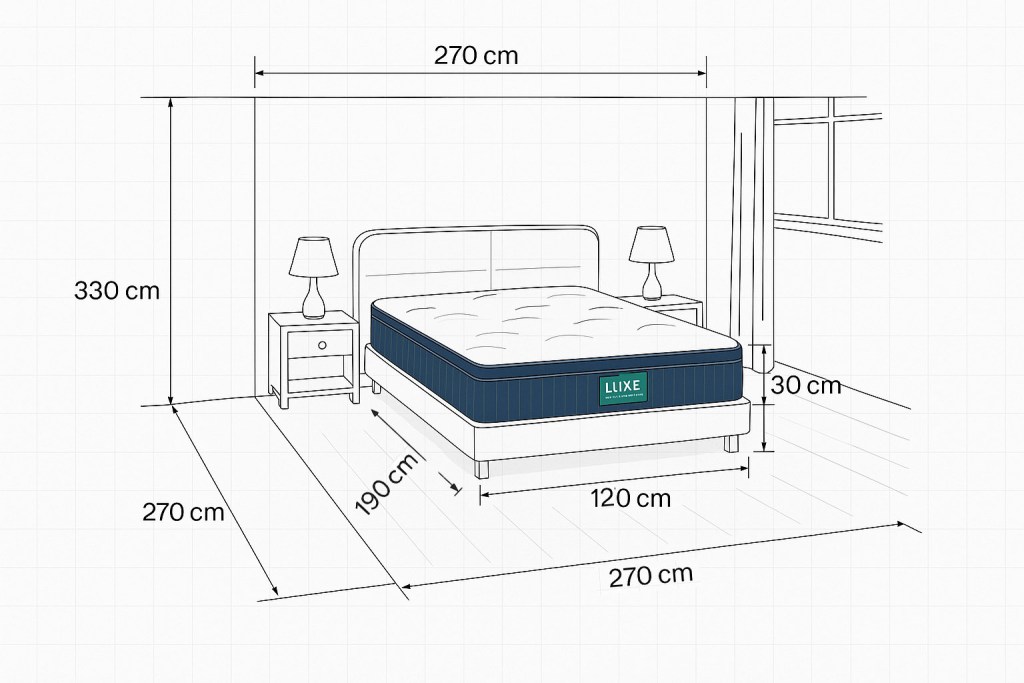
queen size mattress room Dimensions

This mislabelling can cause a lot of confusion. If you’re trying to understand all the UK mattress types, this mattress size guide really helped me sort it all out.

Is a Small Double Bigger Than a Single?

  • A single mattress is 90 cm wide.
  • A small double is 120 cm wide.

That’s an extra 30 cm of space across — and yes, it makes a massive difference for a growing child who moves around at night.

Who Should Consider a Small Double Mattress?

Small double mattresses are ideal for:

  • Pre-teens and teenagers who need more room
  • Single adults who like extra comfort
  • Guest rooms or box rooms
  • Rooms where a full double would take up too much space

How Much Room Do You Need?

This was one of my biggest concerns. My son’s bedroom isn’t tiny, but it’s not huge either — just a standard room in our UK semi-detached.

Ideally, you should leave at least 60–70 cm of walking space on each side of the bed. A small double bed frame usually measures about 130 cm wide, so a room at least 2.4–2.5 metres wide is ideal.

Here’s a great room planner to help you visualise it.

My Personal Story

My son had been using a single mattress since he transitioned from his cot bed. It worked for years — but lately, he’s been waking up grumpy and visibly tired. And every morning, his arms or legs were hanging off the mattress.

I thought about getting a full double (135 cm wide), but it would have overwhelmed the space. That’s when I came across the small double. It was that sweet spot: enough space for him to stretch out, but still leaving room to walk around.

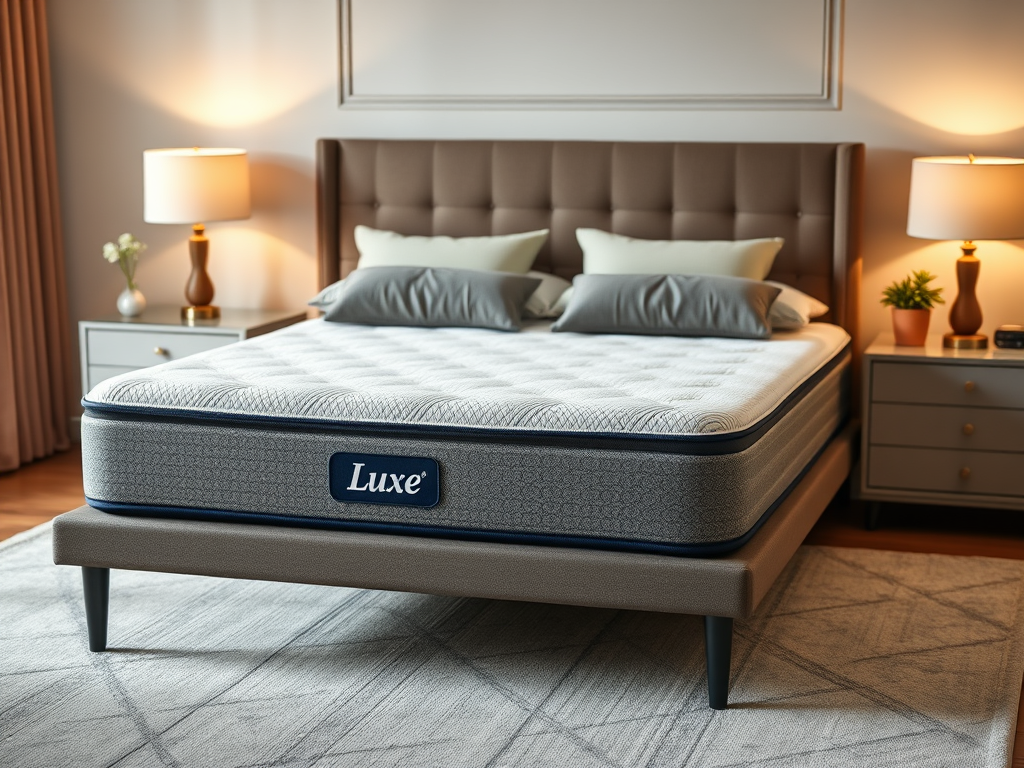
We went with one from Luxe Mattresses Queen size Collection, and honestly — it was a game-changer. He sleeps better, feels more refreshed, and I don’t have to rearrange the whole room to fit the bed!

Why Extra Sleeping Space Matters

According to the NHS Sleep Guide, good sleep improves focus, mental health, and physical development in children. More sleeping space means:

  • Fewer disruptions from hitting mattress edges
  • More freedom to change positions
  • Better sleep posture, leading to fewer aches and pains
  • Room to grow as your child ages

Quick Comparison Table

FeatureSingle MattressSmall Double (Queen)
Width90 cm120 cm
Length190 cm190 cm
Best ForKids, TeensTeens, Solo Adults, Guest Rooms
Space per PersonLimitedGenerous
Recommended Room Size2.1–2.3 m wide2.4–2.6 m wide

Final Thoughts

If you’re considering upgrading from a single mattress and wondering if a small double is worth it, yes, it absolutely is. It’s more comfortable, offers more longevity, and doesn’t require a full-size bedroom to work well. From one mum to another, you’ll be glad you made the switch.

Need help choosing the right bed frame or bedding? Make sure your sizing matches by checking this UK bed size guide before you click ‘buy’.

July 11, 2025

Queen vs Super King (UK): Which Offers More Sleeping Space?

1. Introduction

When it comes to improving your sleep, choosing the right mattress size is just as crucial as picking the right firmness or materials. Understanding the differences between Euro queen vs super king mattresses can help you decide which offers the ideal amount of sleeping space, significantly impacting how well you sleep and how your bedroom functions. According to the NHS, getting enough sleep each night helps the body repair itself, improves brain function, and reduces the risk of chronic conditions.

In the UK, two popular sizes for couples are the Euro Queen (often referred to simply as “Queen”) and the Super King. While both offer generous sleeping areas, their dimensions and suitability vary based on bedroom layout, sleep habits, and lifestyle needs. Choosing a mattress that’s too big for your room can make the space feel cramped and cluttered, something interior designers caution against. As Ideal Home explains, optimizing space and furniture placement is crucial in creating a serene, functional bedroom.

If you live in a modern flat or smaller UK home, the Euro Queen’s slightly smaller footprint could give you the space to include bedside tables or wardrobes without overcrowding. On the other hand, if you’re fortunate enough to have a spacious master bedroom, the Super King can elevate your comfort level and is ideal for co-sleepers or taller individuals. As noted by House Beautiful, investing in the right layout and mattress size can greatly enhance your sleep hygiene and bedroom aesthetics.

This article breaks down the key differences between the Euro Queen and Super King mattress sizes, offering practical advice to help you make the most informed and comfortable choice for your sleeping environment.

2. Dimensions & Size Comparison

Let’s start with the basics:

As you can see, the length is the same for both sizes. However, the Super King is 20 cm wider, which translates into an additional 10 cm of personal space per sleeper. While it may not sound like much on paper, this extra width can have a noticeable impact on comfort, especially if one or both partners move around a lot during the night.

3. Best For: Who Should Choose Which Size?

Euro Queen:

  • Ideal for medium-sized bedrooms.
  • Great for couples who enjoy a slightly snug sleeping arrangement.
  • Perfect for single sleepers who love extra space.

Super King:

  • Best suited for large master bedrooms.
  • Ideal for couples who prefer more personal sleeping space.
  • Perfect for families who co-sleep with kids or pets.

The Euro Queen offers a good balance between space efficiency and sleeping comfort, while the Super King is about indulgence and room to sprawl.

4. Room Layout & Space Considerations

A mattress is not just about sleeping, it affects the whole layout of your room. A Super King may offer the luxury of space, but if it takes up too much floor area, it can make your room feel cramped.

Before choosing, measure your room and consider:

  • Walking space around the bed
  • Access to wardrobes and drawers
  • Room aesthetics and airiness

A Euro Queen often fits more harmoniously into UK homes, especially in urban flats or older properties with smaller bedrooms.

5. Comfort and Sleep Quality

Both sizes offer exceptional comfort, but the Super King wins when it comes to minimizing sleep disturbances. With 180 cm width, there’s enough room to change positions, stretch out, and avoid elbowing your partner.

Still, the Euro Queen is a huge upgrade from the traditional UK Double (135 x 190 cm). For most couples, it provides enough space for restful sleep, especially if one or both partners are average in height and build.

6. Cost and Value Comparison

Super King:

  • More expensive due to larger size
  • Bedding and bed frames also cost more

Euro Queen:

  • More budget-friendly overall
  • Lower long-term costs for sheets, duvets, and accessories

If you’re budget-conscious or furnishing a guest room, the Euro Queen provides excellent value. But for a long-term investment in your primary bed, some may find the Super King’s comfort worth the premium.

7. Availability of Accessories and Bedding

One challenge of the Euro Queen in the UK is that it is not a universal size. You may need to look specifically for European-sized bedding and frames, although many online and high-street retailers now offer these.

The Super King, by contrast, is a standard UK size. You’ll find abundant options for everything from headboards to luxury bed linens.

8. Common Misunderstandings in the UK Mattress Market

A major point of confusion is the term “Queen size.”

  • Small Double (120 x 190 cm) is sometimes mistakenly called Queen.
  • Euro Queen (160 x 200 cm) is larger than the UK King (150 x 200 cm).

This often leads to buying mismatched bed frames and mattresses. Always double-check dimensions and consider sticking to one standard (UK or Euro) across your bedroom setup.

9. Summary Table: Euro Queen vs UK Super King

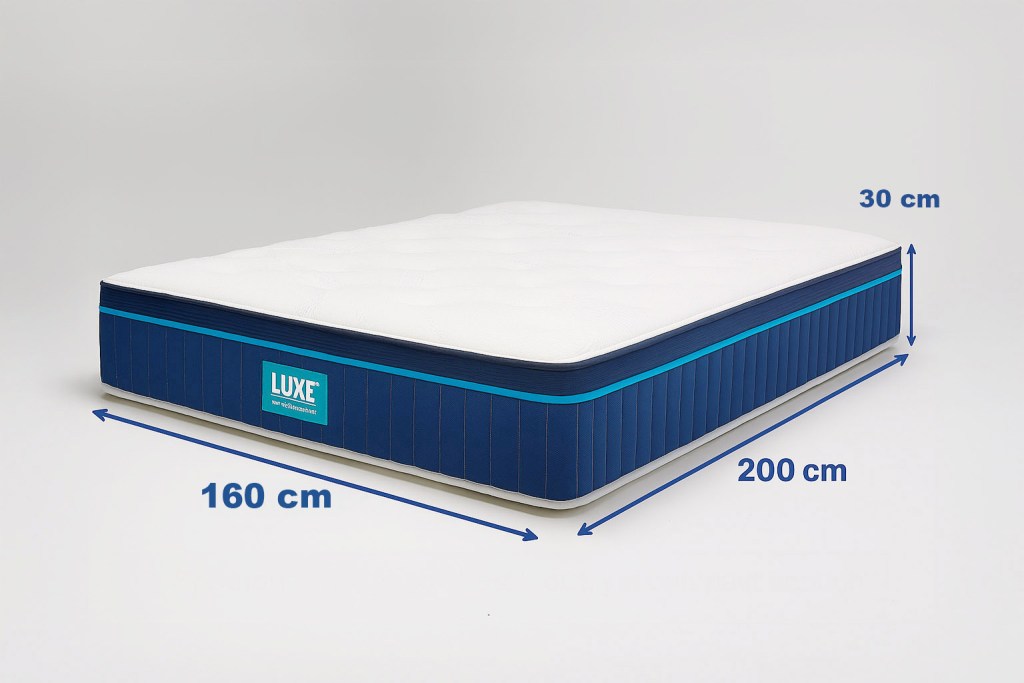
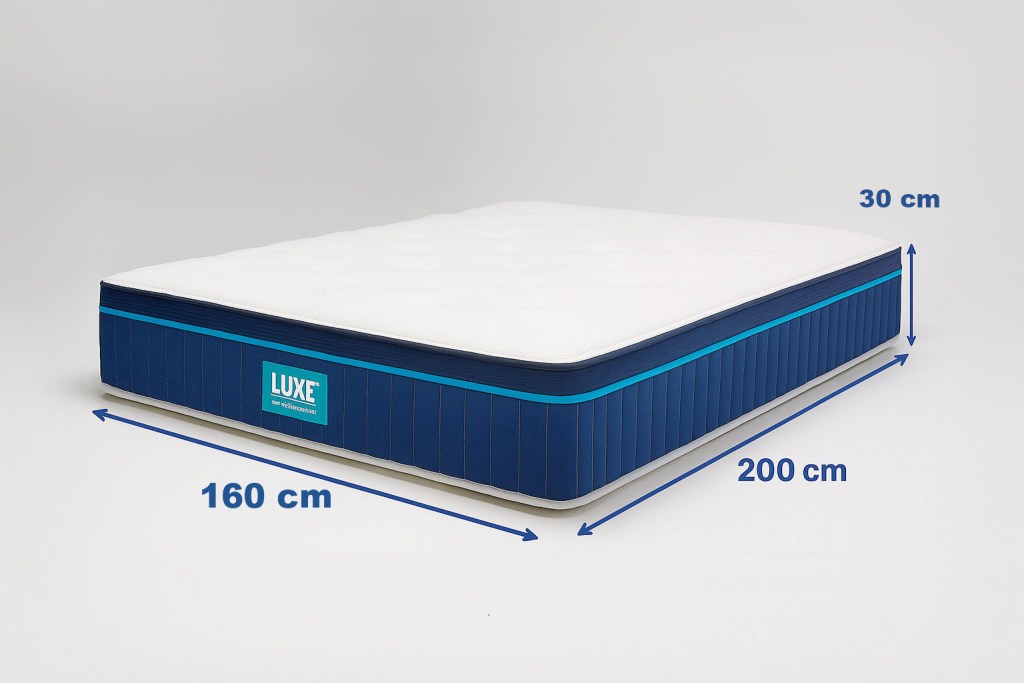
Feature Euro Queen (160 x 200 cm) Super King (180 x 200 cm)
Width 160 cm 180 cm
Length 200 cm 200 cm
Best for Medium rooms, couples Large rooms, luxury sleep
Space per person 80 cm 90 cm
Ideal for Urban homes, budget buyers Tall individuals, co-sleepers
Bedding availability Moderate Widely available
Furniture compatibility Euro-standard UK-standard

10. Conclusion & Buying Tips

Choosing between a Euro Queen and Super King depends on your priorities. If you’re working with limited space or are budget-conscious, the Euro Queen is a strong contender. It gives you more width than a traditional double or UK king while keeping the footprint manageable.

If you have space and the budget, the Super King delivers a top-tier sleeping experience, perfect for anyone who wants the maximum amount of space without compromise.

Bonus Buying Tip:

Always check whether the mattress and bed frame follow UK or European sizing standards before making a purchase. Many shoppers unintentionally confuse mattress sizes because the term “Queen” is not officially used in the UK mattress industry—yet it’s widely thrown around by retailers, which creates confusion.

In UK sizing, a mattress referred to as a “Queen” is often actually a Small Double, measuring 120 cm x 190 cm. This size is ideal for solo sleepers who want extra space or for compact guest rooms, but it’s a tight fit for couples.

In contrast, a Euro Queen (also known as European Queen or Continental Queen) measures 160 cm x 200 cm. That’s 10 cm wider and 10 cm longer than the UK King (150 cm x 200 cm), making the Euro Queen significantly more spacious and better suited for couples looking for extra room.

Here’s a quick breakdown for clarity:

TermActual SizeCommon UseNotes
Small Double (UK “Queen”)120 x 190 cmSolo sleepers, tight spacesOften misleadingly marketed as “Queen”
UK King150 x 200 cmStandard for UK couplesMore common bedding & frames available
Euro Queen160 x 200 cmCouples, Euro-style bedsMore width & length, but requires Euro-specific bed frames & bedding

Pro Tip:

If you’re buying a Euro Queen mattress, make sure the bed frame, fitted sheets, and duvet covers are also Euro-sized. Mixing UK and Euro dimensions will result in poor fit and discomfort. Check labels carefully, especially when shopping from online retailers or European brands selling in the UK market.

In the end, the right choice comes down to your space, sleep style, and whether you’re aiming for efficiency or indulgence.

July 11, 2025

Euro Queen vs California King: Choosing Between Length and Width

1. Introduction

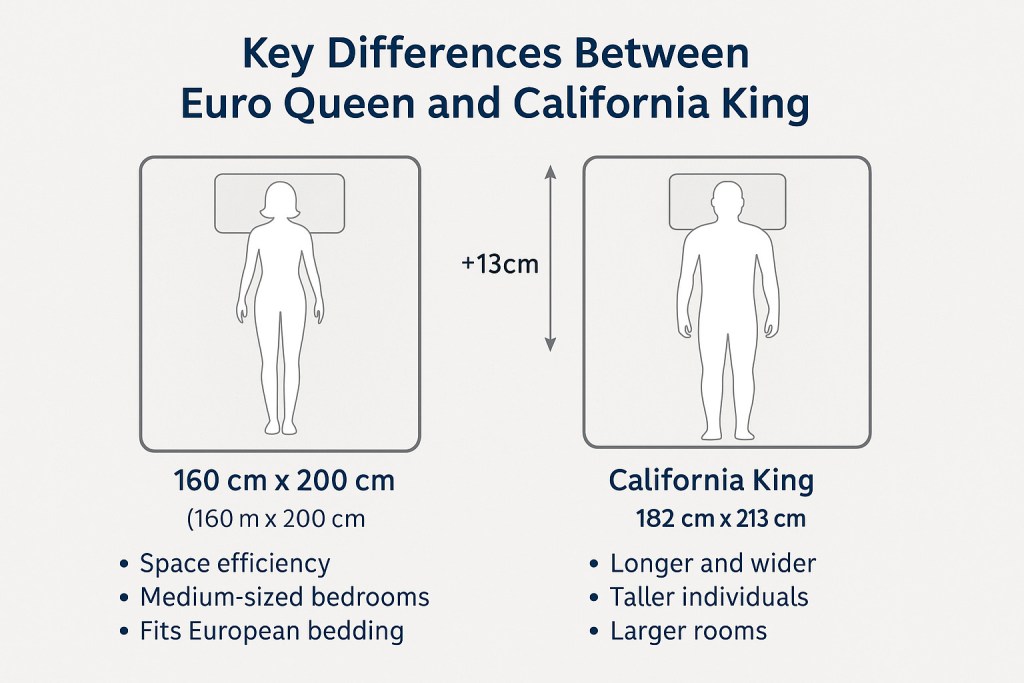
Choosing the right mattress size, such as a euro queen vs California king size mattress, is more than a matter of comfort; it affects how well you sleep and how functional your bedroom is. Two popular contenders for couples and spacious sleepers are the Euro Queen and the California King. While both offer plenty of room, the differences go beyond just the name. In fact, it’s more about how these beds are shaped rather than simply sized.

To give a quick sense of scale, the Euro Queen measures 160 x 200 cm (63 x 79 in), offering more width than the UK standard Queen (150 x 200 cm), aka King size mattress. The California King, a U.S.-based size, extends to 182 x 213 cm (72 x 84 in), making it one of the longest standard beds available. So, should you prioritise width or length? That depends on your space, height, and lifestyle.

2. Comparison Table: Euro Queen vs California King

Feature Euro Queen California King
Dimensions 160 x 200 cm (63” x 79”) 182 x 213 cm (72” x 84”)
Width Narrower Wider
Length Shorter Longer
Best For Couples, medium-sized bedrooms Tall individuals, large bedrooms
Space Requirement Moderate High

3. Key Differences Between Euro Queen and California King

Dimensions & Layout Considerations

The Euro Queen (160 cm x 200 cm) strikes a balance between compact design and couple-friendly comfort. It fits neatly into most UK and European rooms and pairs easily with commonly available bedding.

Euro Queen size mattress

In contrast, the California King (182 cm x 213 cm) excels in luxury and length. Ideal for taller individuals or those who sleep sprawled out, it requires a more spacious room. The extra width and length make a significant difference for active sleepers or families sharing the bed with pets or children.

Fitting Your Room

A Euro Queen is easier to accommodate in urban flats or period homes with smaller master bedrooms. California Kings are best for modern builds or larger homes where floor space is ample. Always leave at least 60 cm clearance around the bed to avoid cramped walkways.

4. Pros & Cons of Each Size

Euro Queen Pros:

  • Ideal for couples with limited bedroom space
  • Easier to find bedding and bed frames in the UK/EU
  • Less expensive than California King
  • Easier to manoeuvre during setup or house moves

Euro Queen Cons:

  • May feel cramped for larger or restless sleepers
  • Shorter length may not suit very tall individuals

California King Pros:

  • Perfect for tall people or those who need extra legroom
  • Generous space for couples and co-sleeping
  • Adds a luxurious, spacious feel to large bedrooms

California King Cons:

  • Requires a large room (minimum 14 m² recommended)
  • Harder to find compatible bedding in the UK
  • More expensive and difficult to transport

5. Room Layout & Furniture Planning

When planning your bedroom, mattress size affects furniture placement, pathways, and overall comfort. A Euro Queen can often accommodate bedside tables, wardrobes, and a desk or dresser in a 10-12 m² room. California King requires more planning, you may need to compromise on additional furniture or storage.

Euro Queen size mattress Dimensions

Read More: How to measure your room size guide.

6. Sleeping Habits & Partner Compatibility

If you or your partner are tall, frequently switch positions, or value personal space while sleeping, the California King offers a clear advantage. However, if both sleepers are average height and prefer a cosy, compact setup, the Euro Queen is plenty sufficient.

Also consider whether pets or children frequently share your bed. California King provides extra space for everyone.

7. Bedding & Accessory Availability

In the UK and EU, Euro Queen mattresses have widespread bedding options available at high street and online retailers. Duvets, sheets, and mattress protectors are all readily accessible.

The California King, while popular in the U.S., has limited bedding availability in the UK. You may need to order online or buy custom-sized linens, which can increase long-term cost.

8. Cost & Availability in the UK/EU Market

Euro Queen mattresses and frames are widely available from most UK and European manufacturers. The size is also more budget-friendly, both in upfront cost and accessory maintenance.

California King mattresses are less commonly stocked and often have to be special-ordered. Expect to pay more for both the mattress and its accessories.

9. Final Comparison Table (Summary)

Mattress Size Dimensions (cm) Best For
Small Single 75 x 190 cm Toddlers, younger children, compact guest rooms
Single 90 x 190 cm Children, teens, single adults, box rooms
Small Double 120 x 190 cm Solo sleepers who like extra space, tight doubles
Double 135 x 190 cm Couples (on a budget or with limited space)
King 150 x 200 cm Couples, master bedrooms
Super King 180 x 200 cm Maximum space, luxury bedrooms

10. Conclusion & Buying Tips

When it comes to choosing between a Euro Queen and a California King, the decision ultimately hinges on your personal priorities, practicality vs. luxury mattress, and room size vs. sleep space.

The Euro Queen (160 cm x 200 cm) strikes an ideal balance for couples or solo sleepers who want a spacious bed without overwhelming their room. It fits well in medium-sized bedrooms, especially in UK or European homes, where space is at a premium and European furniture sizing is the norm. It’s also worth noting that despite being called a “queen,” the Euro Queen is actually larger than the standard UK King (150 x 200 cm), offering more room without the bulk of a super king or California King.

On the flip side, the California King (182 cm x 213 cm) is all about indulgence. Designed with taller individuals in mind, this bed offers extra legroom and width. It’s best suited for large master bedrooms, where space isn’t a constraint. Couples who co-sleep with children or pets also find the generous dimensions of the California King highly accommodating.

Understanding UK Mattress Size Confusion

A common source of confusion in the UK mattress market is the term “Queen size.” While it might sound like a mid-tier size between a double and king, the reality is more nuanced:

  • In the UK, what many call a “Queen” is often a Small Double (120 x 190 cm)—more compact and best suited for one person or very cozy couples.
  • The Euro Queen (160 x 200 cm), on the other hand, is far more generous, 10 cm wider than a UK King. This makes it a favorite among those who want more personal space but still need to fit within tighter room dimensions compared to a Super King or California King.

Final Buying Tips:

  • Measure your room before choosing your bed. Don’t just focus on the mattress, consider clearance for furniture, walking space, and access to wardrobes or doors.
  • Factor in bedding availability. Euro Queen sheets and duvets may be easier to find in European stores, while California King accessories are more common in US imports.
  • Plan for future needs. If you’re planning to move or expand your family, choosing a size with future flexibility can save you money down the line.

Bottom line: Go for a Euro Queen if you’re space-aware and prefer European sizing. Choose a California King if you’re after ultimate luxury, sleep with kids or pets, or simply want more stretch-out room. Don’t be fooled by naming, always check the exact dimensions before you buy.

Buying Tips:

  • Measure your room first, factoring in doorways and other furniture.
  • Think long-term, will you move soon? Will your needs change?
  • Don’t forget about the cost and availability of bedding.
  • Always test the mattress if possible, or buy with a trial period.

Both options provide excellent sleep support, but choosing the right one ensures your bedroom is both a retreat and a functional living space.

July 11, 2025

UK Mattress Size and Room Fit Guide: How to Choose the Right Size for Your Space and Comfort

The right mattress is key to getting a good night’s sleep, but selecting the right size is just as important. In the UK, room sizes vary greatly, and a mattress that fits your space properly can make a huge difference in how comfortable and functional your room feels. A mattress that’s too large can overwhelm a small space, while one that’s too small might not provide enough comfort. This guide will help you understand how mattress size impacts both sleep quality and room layout,an ensuring that you make the best choice for your home and lifestyle. Let’s explore how to find the perfect fit for your needs. click here to read the standard Uk mattress sizes.

Why Mattress Size Matters More Than You Think

When it comes to choosing a mattress, the size is not just about how much space you have to stretch out while you sleep. It plays a bigger role than that as it directly impacts the overall feel and function of your room. The right mattress size can make your bedroom feel comfortable, spacious, and easy to move around in. But the wrong size? It can lead to a cramped, cluttered room that feels uncomfortable, no matter how soft your bed may be.

A mattress that’s too large for your space can dominate the room, making it harder to navigate. If you have limited space, like in smaller flats or bedrooms, a large mattress can make the room feel even smaller. It could leave you with less room for furniture, and it might even block access to windows or wardrobes, affecting the overall flow of the room.

how mattress size affects your room

On the other hand, choosing a mattress that’s too small for your needs can cause you to toss and turn during the night. If you are cramped for space on a too-small bed, it can disrupt your sleep and lead to discomfort, such as back pain or neck stiffness. The wrong size can leave you with an unbalanced and restless night, no matter how well it fits into your room.

For example, if you live in a Victorian terrace house or a compact London flat with tight corners and built-in wardrobes, it is tempting to choose a large mattress, like a Super King, to get that extra space. But once it’s in the room, it might be harder to move around, and it could take up so much space that it makes the room feel cramped. You will find yourself squeezing past the bed just to get to the other side of the room, and it might make the space feel even smaller than it really is.

Other Reason to Choose Right Size Mattress

Choosing the right mattress size is not just about comfort, it’s also about practicality. A mattress that’s the right size for your room not only improves your sleep but also enhances the overall usability of the space. When you choose wisely, your room will feel more balanced, and it will be easier to get around. You won’t have to worry about bumping into the bed or feeling like the room is too cluttered. So, while comfort is key when selecting a mattress, practicality should also play an important role in your decision-making process.

Your mattress size has a significant effect on both your sleep quality and the functionality of your room. By taking both comfort and room size into account, you will be able to choose the perfect mattress that not only provides a better night’s sleep but also makes your space feel more comfortable and easy to navigate. So, before you make that decision, think about how your mattress will fit into your room—and make sure it complements both your sleep needs and your living space.

Quick Overview: UK Standard Mattress Sizes

Here’s a helpful breakdown of all standard UK mattress sizes with their typical use cases. Note: UK mattress sizes are different from European and American ones—always double-check the dimensions.

Mattress SizeDimensions (cm)Best For
Small Single75 x 190 cmToddlers, younger children, compact guest rooms
Single90 x 190 cmChildren, teens, single adults, box rooms
Small Double120 x 190 cmSolo sleepers who like extra space, tight doubles
Double135 x 190 cmCouples (on a budget or with limited space)
King150 x 200 cmCouples, master bedrooms
Super King180 x 200 cmMaximum space, luxury bedrooms

At Luxe Mattresses, these sizes are available across their collections, including memory foam, pocket-sprung, and hybrid mattresses—so you can match the size with the correct type of comfort.

How to Match Mattress Size with Room Dimensions

Getting the right mattress size for your room is not just about the mattress fitting within the walls. You need to consider walkways, furniture placement, door swings, and even natural light flow.

Small Rooms (under 3m x 3m)

  1. Recommended Sizes: Small Single or Single
  2. Ideal For: Children’s bedrooms, guest rooms, and converted lofts
  3. Why it Works: These sizes leave enough room for essentials like a wardrobe, a bedside table, or a compact study desk. They are especially suitable for smaller modern flats or period homes with awkward angles.

Medium Rooms (approx. 3m x 3.5m)

  1. Recommended Sizes: Small, Double, or Double
  2. Ideal For: Solo adults, couples in starter homes or rentals
  3. Why it Works: Offers a balance between sleeping space and room usability. You can comfortably fit in bedside tables, a dresser, and even a chair or ottoman.

Large Rooms (above 4m x 4m)

  1. Recommended Sizes: King or Super King
  2. Ideal For: Master bedrooms, family homes, or luxury apartments
  3. Why it Works: You can enjoy a hotel-like sleeping experience without sacrificing floor space. Great if you co-sleep with children or pets occasionally.

General Rule:

Always maintain at least 60-75 cm of clearance on all accessible sides of the bed to allow for easy movement and cleaning.

Comfort Considerations Beyond Room Size

Choosing the right size is not just about space. It’s about you. Your height, weight, sleeping style, and even your health conditions can influence what size mattress you need.

Height and Legroom

If you are over 6 feet tall, a mattress that’s 190 cm long (like a Double) might leave your feet dangling. A King or Super King (200 cm long) gives you that extra room to sleep without curling up.

Sleeping Positions and Space Needs

  1. Side Sleepers: Need more room to move. A Double or Small Double is ideal for solo sleepers.
  2. Back or Stomach Sleepers: Require less side-to-side space; a Single or Small Double can suffice.
  3. Restless Sleepers: If you or your partner toss and turn, opt for wider options like a King or Super King to avoid sleep disruptions.

Health Considerations

  1. People with back pain benefit from mattresses with zoned support and enough space to sleep in a neutral spine position.
  2. Anxiety or claustrophobia? More room in bed can ease subconscious tension and improve sleep quality, as noted by organizations like Mind.org.uk.

Exceptional Cases: Guest Rooms, Kids’ Rooms, and Shared Spaces

Each room in your home serves a different purpose. Your child’s room will have very different space and comfort needs compared to a guest room or shared rental.

1. Guest Rooms

  1. Best Size: Small Double or Double
  2. Why: Offers comfort for one and can accommodate two if needed. Pair with Luxe Mattresses’ comfort-enhancing toppers for a luxe guest experience.

2. Children’s Bedrooms

  1. Best Size: Small Single or Single
  2. Why: Optimises space for play and storage. It is also suitable for bunk beds or trundle beds for sleepovers.
  3. Bonus Tip: Choose a mattress with breathable layers and antimicrobial covers—great for growing kids.

3. Shared Rentals or Student Rooms

  1. Best Size: Small Double
  2. Why: It’s compact yet comfortable. Perfect for those working with limited room but still want decent sleep quality.

Common Mistakes to Avoid When Choosing Mattress Size

Buying Too Big

We have all been tempted by the luxurious King or Super King. But if it consumes your entire room and makes it hard to open drawers or walk around the bed, the regret sets in quickly.

Ignoring Bed Frame Bulk

Some bed frames, especially sleigh beds or those with thick padding, add significant width and length to your setup. Always factor in the external dimensions of the frame.

Not Measuring Your Home’s Access Points

This is a big one in the UK, where staircases and hallways are often narrow. If your mattress won’t fit through the stairs or door, consider a zip-and-link mattress or flexible foam model.

Forgetting About Storage

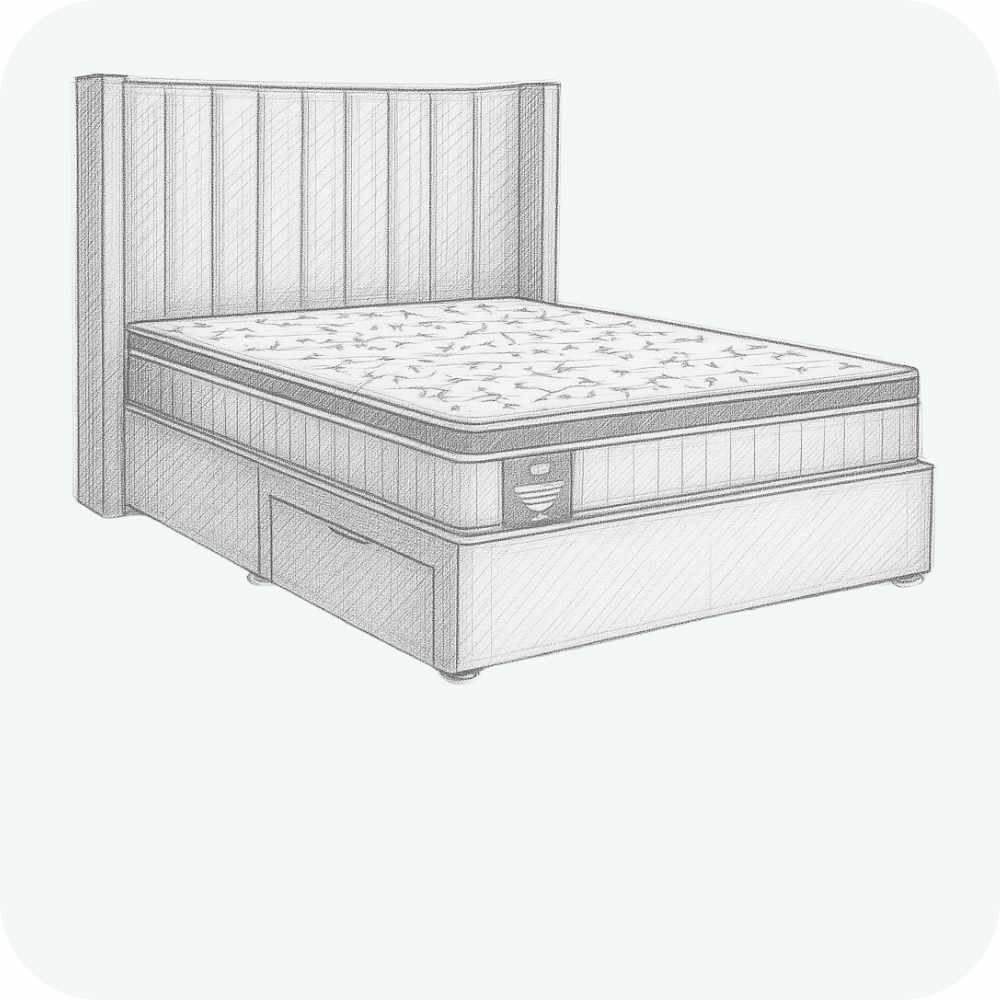
If you are in a flat or a new-build with limited closet space, consider an ottoman bed or divan base with storage drawers, these work best with standard-sized mattresses, all of which LuxeMattresses support.

Sleep Quality Tied to Mattress Size and Comfort

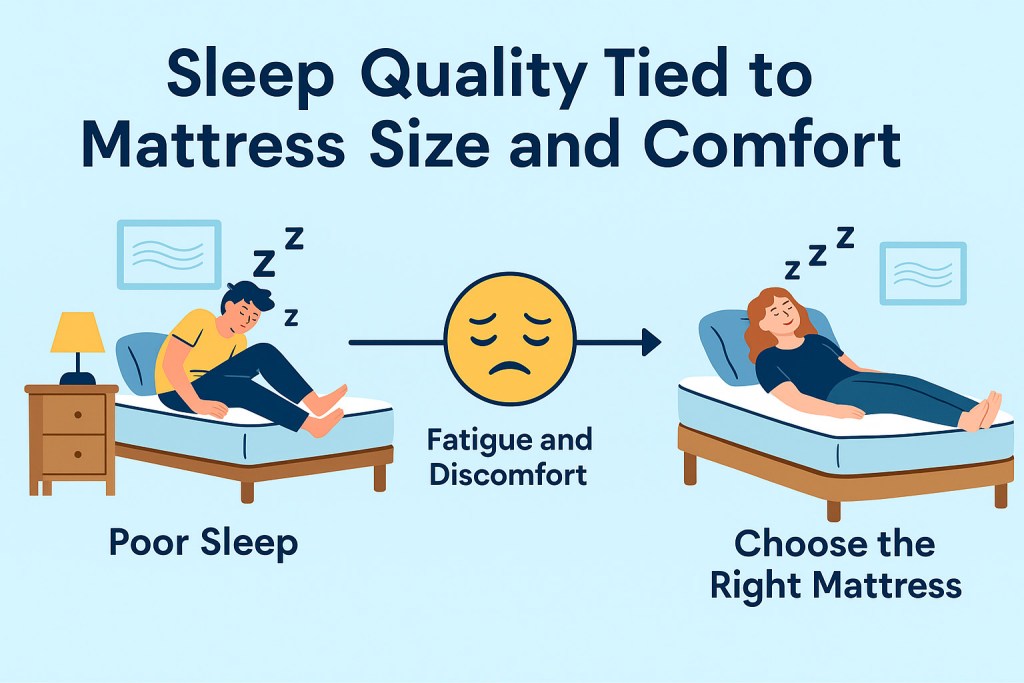
Sleep experts, including those from the NHS and various sleep health organizations, agree on one important fact: both the size and the material of your mattress play a crucial role in how well you sleep. The wrong mattress size or type can lead to a restless night, affecting both the quality of your sleep and your physical health.
how mattress size affects sleep quality

If your mattress is too small for your body, you may find yourself tossing and turning throughout the night, unable to find a comfortable position. A mattress that is too soft for your body type can also cause discomfort, especially when it fails to support your spine properly. This lack of support can disrupt your REM (Rapid Eye Movement) sleep cycle, which is the stage of sleep responsible for helping your body and mind regenerate. Without enough deep REM sleep, you will likely feel fatigued and unrested the next day, which can affect your focus, mood, and overall health.
It is essential to choose a mattress that not only fits your body size but also offers the right level of comfort and support. A mattress that is too firm or too soft for your body type can lead to aches and pains, while a mattress that’s the perfect size and comfort level can promote deep, restorative sleep.

Why Luxe Mattresses Stands Out

Luxe Mattresses offers a range of mattresses designed with sleep quality in mind, making sure you get the rest you deserve. Here’s what makes them stand out:

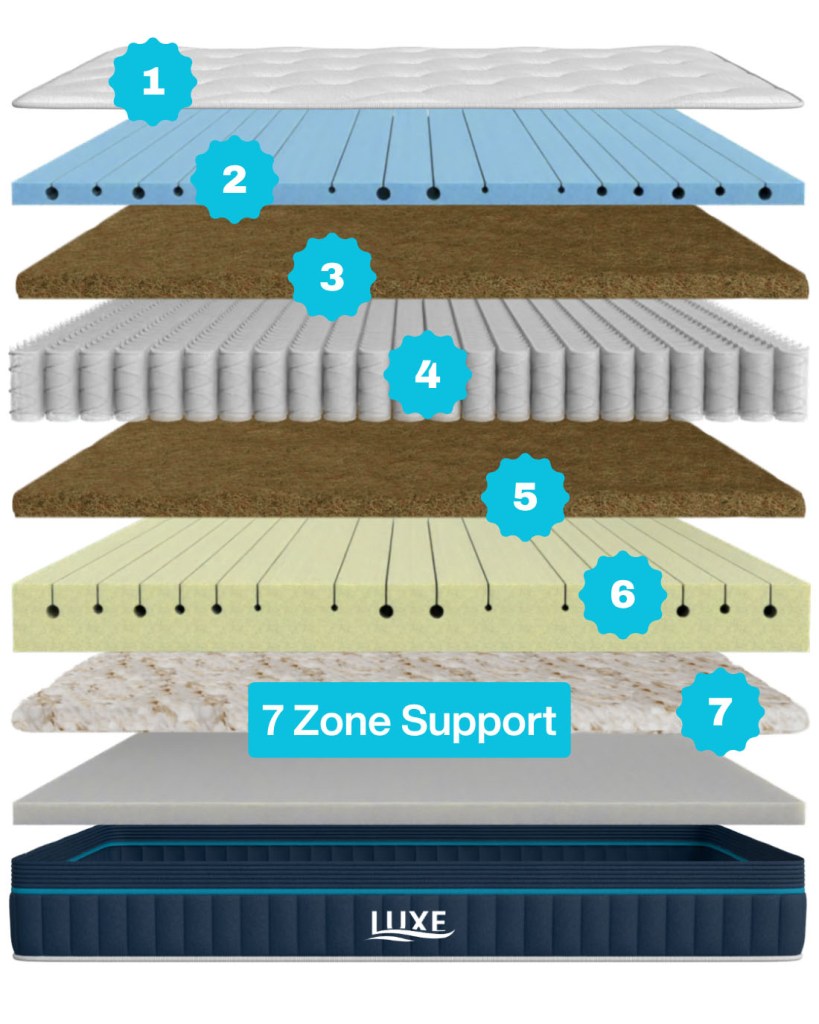
Zoned Support Systems: Luxe Mattresses’ zoned support helps evenly distribute your body weight across the mattress. This prevents pressure points and ensures that your spine remains properly aligned during sleep, reducing the risk of discomfort and pain.

Cooling Gel Memory Foam: Their mattresses feature cooling gel memory foam that helps regulate your body temperature throughout the night. Whether you tend to get too hot or too cold during sleep, the cooling gel keeps you comfortable, ensuring that your sleep is uninterrupted by temperature changes.

Motion Isolation in Hybrid Mattresses: For couples, motion isolation is a game-changer. Luxe Mattresses’ hybrid mattresses reduce partner disturbances, so you won’t be woken up every time your partner moves. This feature ensures that both sleepers enjoy uninterrupted rest.

Conclusion

Choosing the right mattress size is not just a numbers game. It is a lifestyle choice. It’s about your space, your comfort, your sleep quality, and your day-to-day functionality. Before buying, measure your space, consider your body’s needs, and think ahead. Do not just imagine the mattress in your room—visualize how you will live around it. When in doubt, Luxe Mattresses’ UK-based customer support team can walk you through size selection and offer tips based on real-life UK housing scenarios.

UK Mattress Size and Room Fit-FAQs

Can I put a King mattress in a 3m x 3m room?

Technically, yes, but it will feel cramped. You may struggle with bedside table placement and access to wardrobes. A Double is likely the better choice.

What’s the most popular mattress size in the UK?

The Double (135 x 190 cm) is the most commonly purchased. It’s a go-to for couples who want comfort without eating up room space.

What mattress size is best for growing children?

A Single offers enough room for growth while preserving bedroom floor space for activities, desks, and storage.

Do I need a special bed frame for Luxe Mattresses?

No special frame is needed. As long as your bed matches UK standard sizes, Luxe Mattresses will fit snugly.

What if my room is oddly shaped?

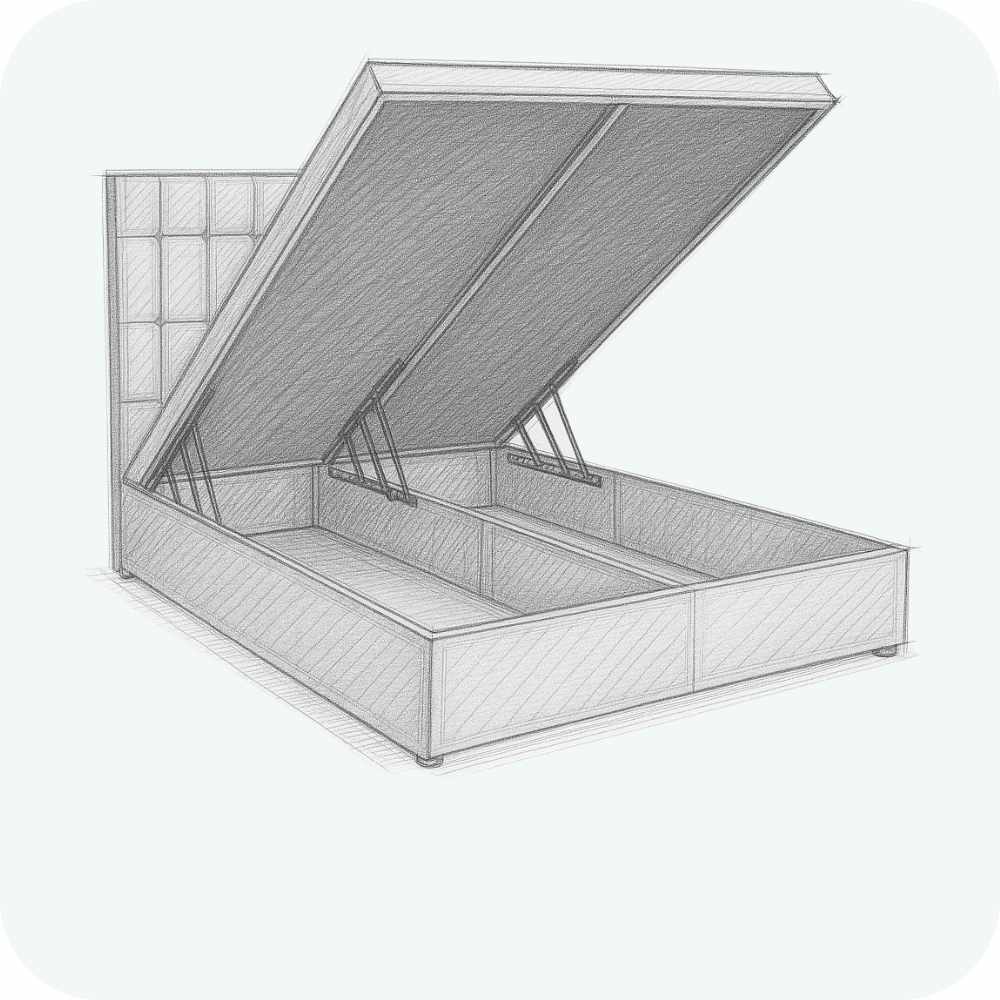
Measure thoroughly. In tight spaces, consider a Small Double or custom storage beds. Beds with a vertical lift can free up storage without widening your layout.

Can mattress size affect sleep quality?

Absolutely. If your mattress is too narrow or short, you may sleep in awkward positions, leading to back, neck, or shoulder discomfort.

Do Luxe Mattresses offer all sizes?

Yes. Most of their collections come in Small Single through to Super King. Always check product pages for specific size availability.

luxury vs low quality mattress
July 11, 2025

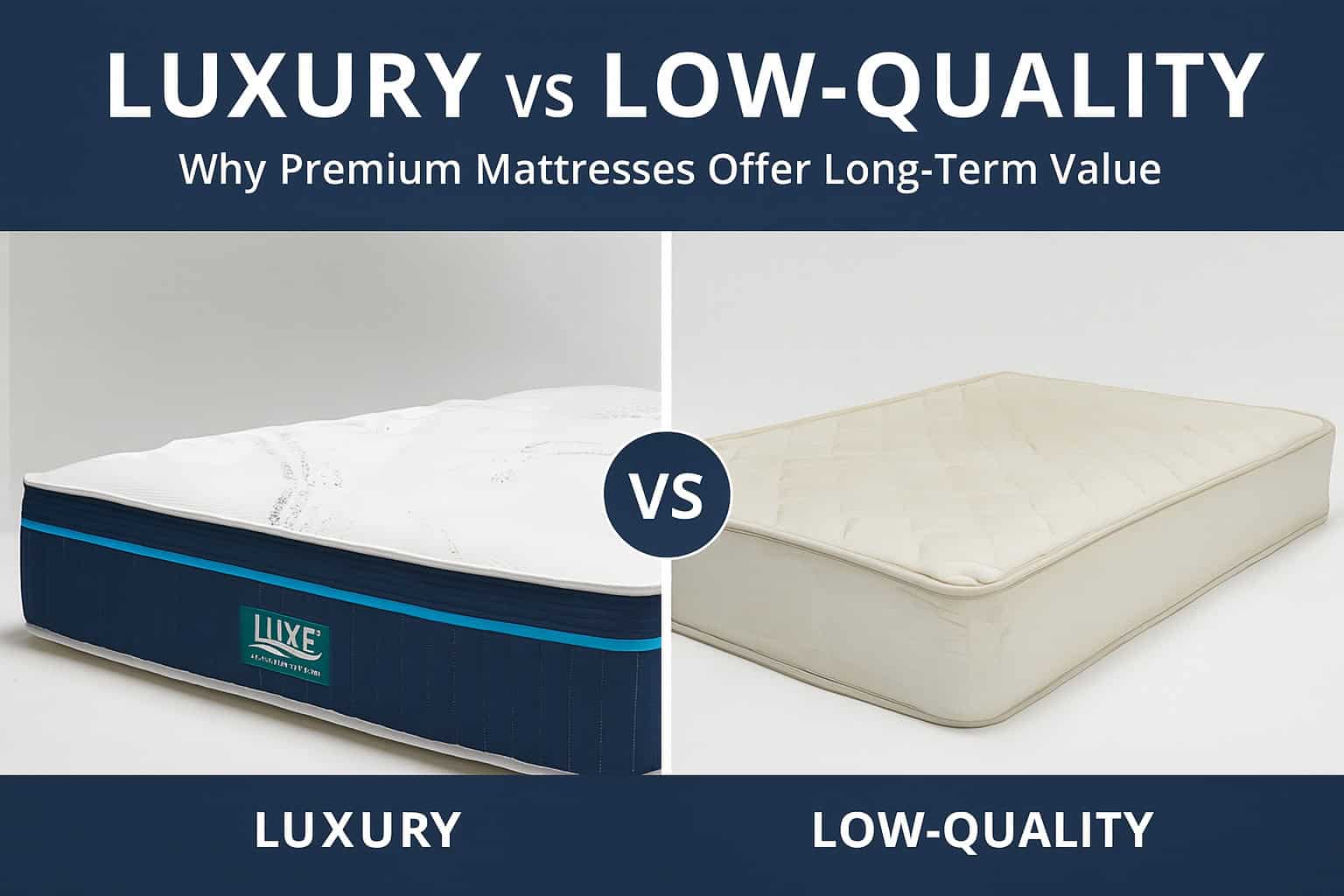
Luxury vs Low-Quality: Why Premium Mattresses Offer Long-Term Value

When it comes to mattresses, the price tag can often feel like the ultimate decider. But let’s get real for a moment; does spending more genuinely translate to sleeping better and long-term satisfaction?  The short answer is yes. In this piece, we are diving deep into why premium mattresses do not just feel luxurious. They are a practical, long-lasting investment in your health and well-being. Catch Luxury vs Low-Quality: Why Premium Mattresses Offer Long-Term Value.

The Real Difference Between Premium and Budget Mattresses

At first glance, a mattress may just seem like a large rectangle that you lie on to sleep. But comparing it to a car is a better way to think about it. A car has four wheels and a seat, yes, but it is the engine, design, and features that make it perform well. Similarly, what’s inside a mattress and how it is constructed truly impacts your comfort and quality of sleep.

Feature Budget Mattress Premium Mattress
Material Quality Basic foam, Bonnell springs, synthetic fabric High-density foam, pocket coils, organic or breathable materials
Support & Durability Short lifespan, prone to sagging Long-lasting support, resists sagging
Comfort & Feel Basic comfort, less responsive Tailored contouring, plush to firm options
Temperature Regulation Often retains heat Cooling gel, airflow channels, natural latex
Motion Isolation Low to moderate Excellent – ideal for couples
Edge Support Weak or no reinforcement Strong edge foam or coil encasement
Smart Features None Optional: Sleep tracking, adjustability
Warranty & Trial Short warranty, limited or no trial Extended warranty (10+ yrs), 100+ night trial
Best For Temporary use, guest rooms, tight budgets Long-term use, health-focused buyers

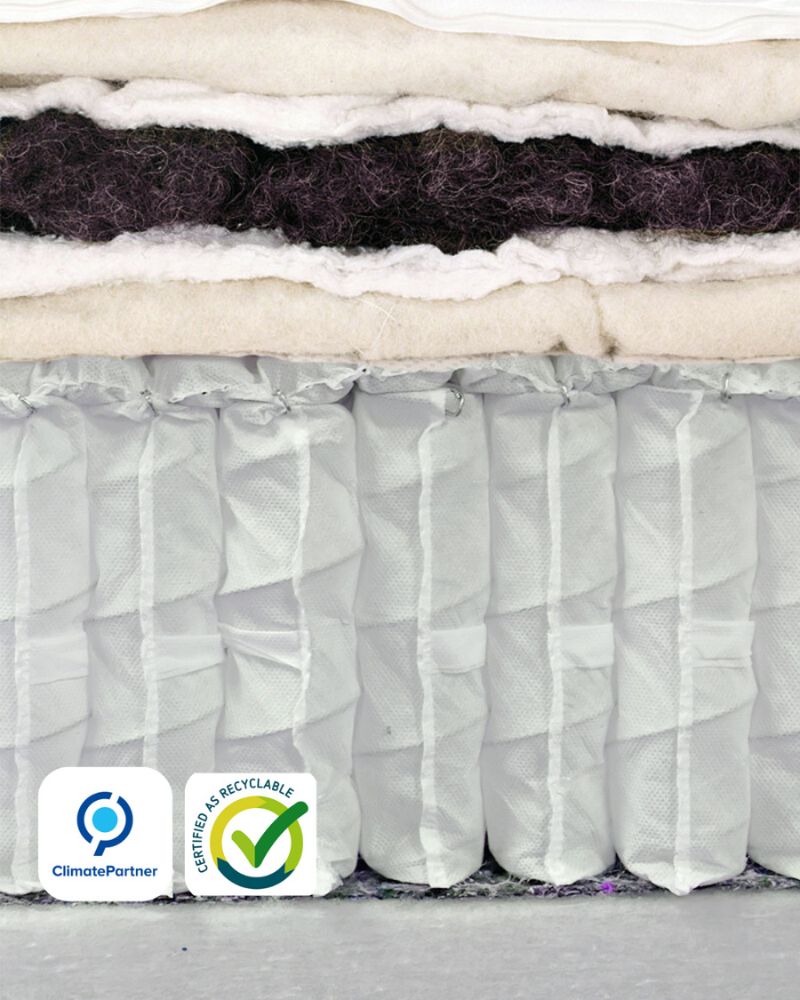
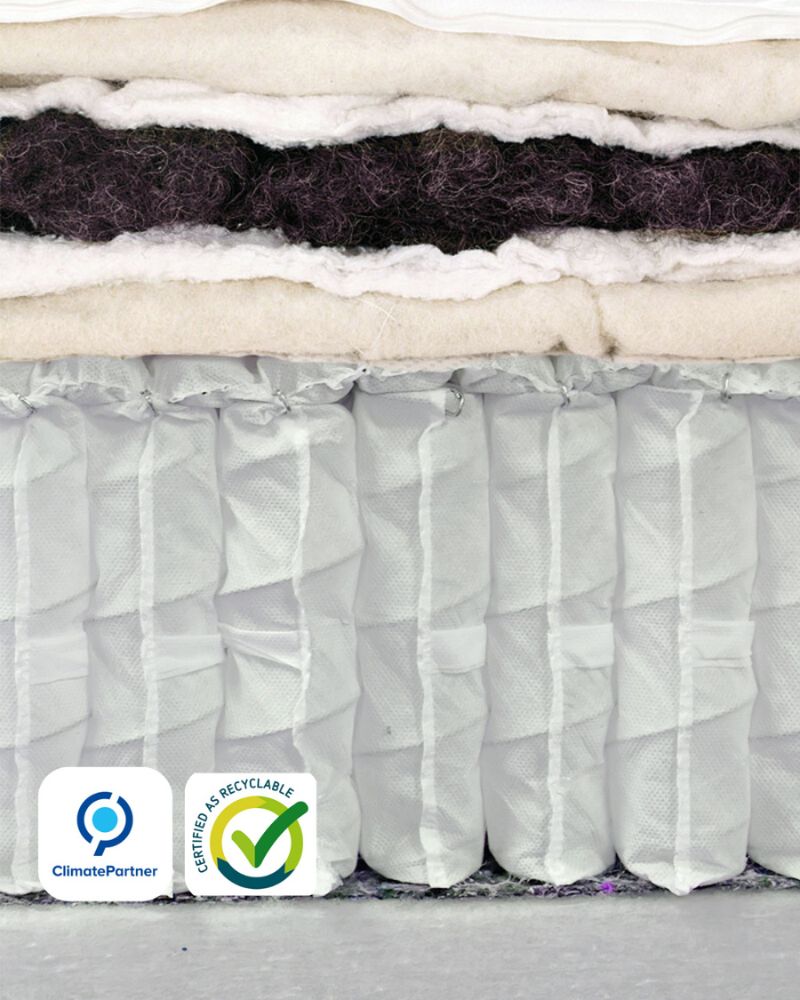
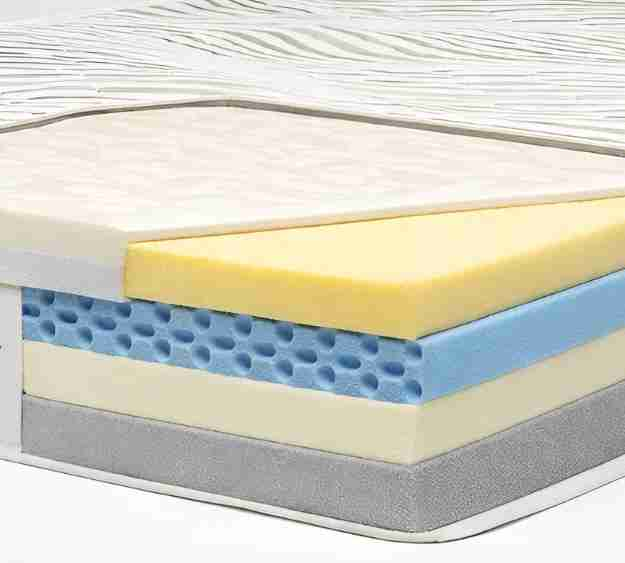
Budget mattresses often use cheaper materials such as low-quality foams, springs, or fabrics. They may feel okay when you first purchase them, but over time, the support they offer tends to collapse, leaving you with less comfort and more discomfort. On the other hand, premium mattresses, such as those offered by Luxe Mattresses, are made with higher-quality materials and precise craftsmanship. These mattresses often feature multi-layered memory foam, hybrid support systems, breathable fabrics, and advanced features like temperature control and zoned support, all designed to adjust to your body’s unique needs.

Your Spine Deserves Better Support

If you wake up with back pain, neck stiffness, or that groggy, irritated feeling, it might not just be stress or too much screen time. It could very well be your mattress. Low-end mattresses typically do not offer the ergonomic support needed for proper alignment during sleep. Without adequate support, your spine can fall out of alignment, causing discomfort and potentially worsening any existing back or neck issues.

Hybrid mattress spine aligbment

A premium mattress, however, offers much-needed relief. It provides comfort and support that allows your spine to remain aligned throughout the night. Premium mattresses often feature zoned support, with firmer materials placed under your hips and lower back, while softer zones cushion your shoulders. This targeted support keeps your spine in a neutral position while you sleep, reducing the risk of musculoskeletal problems. According to advice from the POSM, maintaining a neutral spine position during sleep is key to reducing long-term back and neck pain.

Durability That Actually Saves You Money

It is easy to be tempted by the low price tag of a budget mattress. However, cheap mattresses can quickly lose their support. If your mattress starts sagging after just two years and you have to replace it, you will quickly find that the cost of constantly replacing low-end mattresses adds up. Within a few years, you may end up spending more money than if you had just invested in a premium mattress in the first place.

Premium mattresses, on the other hand, are designed to last much longer, usually 8–10 years or even more. These mattresses are built with high-quality materials that maintain their comfort and support over time. While the initial cost of a premium mattress may seem higher, you end up saving money in the long run because you won’t have to replace it as often. Plus, investing in a premium mattress provides peace of mind. Many premium mattresses come with warranties lasting 10 years, and some even offer up to 15 years of coverage. In contrast, with a budget mattress, you are lucky if you get a warranty that lasts 5 years.

Sleep Quality Is not a Luxury, It’s a Necessity

Sleep impacts every aspect of our well-being. It affects our mental health, immune system, digestion, and even how our skin heals overnight. Without good sleep, we can experience a decline in overall health, both physically and mentally. According to Mind.org.uk, poor sleep is closely linked to higher stress levels and symptoms of anxiety and depression. It is clear that sleep is not a luxury but a necessity.

our luxury mattresses are designed with sleep-enhancing features that support healthier rest. Many of these mattresses include technologies such as motion isolation (perfect for couples), hypoallergenic fabrics, and temperature regulation to prevent night sweats. These are not just marketing gimmicks; they are scientifically-backed solutions to common sleep problems. By investing in a premium mattress, you are ensuring that your body gets the support it needs to rest deeply and wake up feeling refreshed.

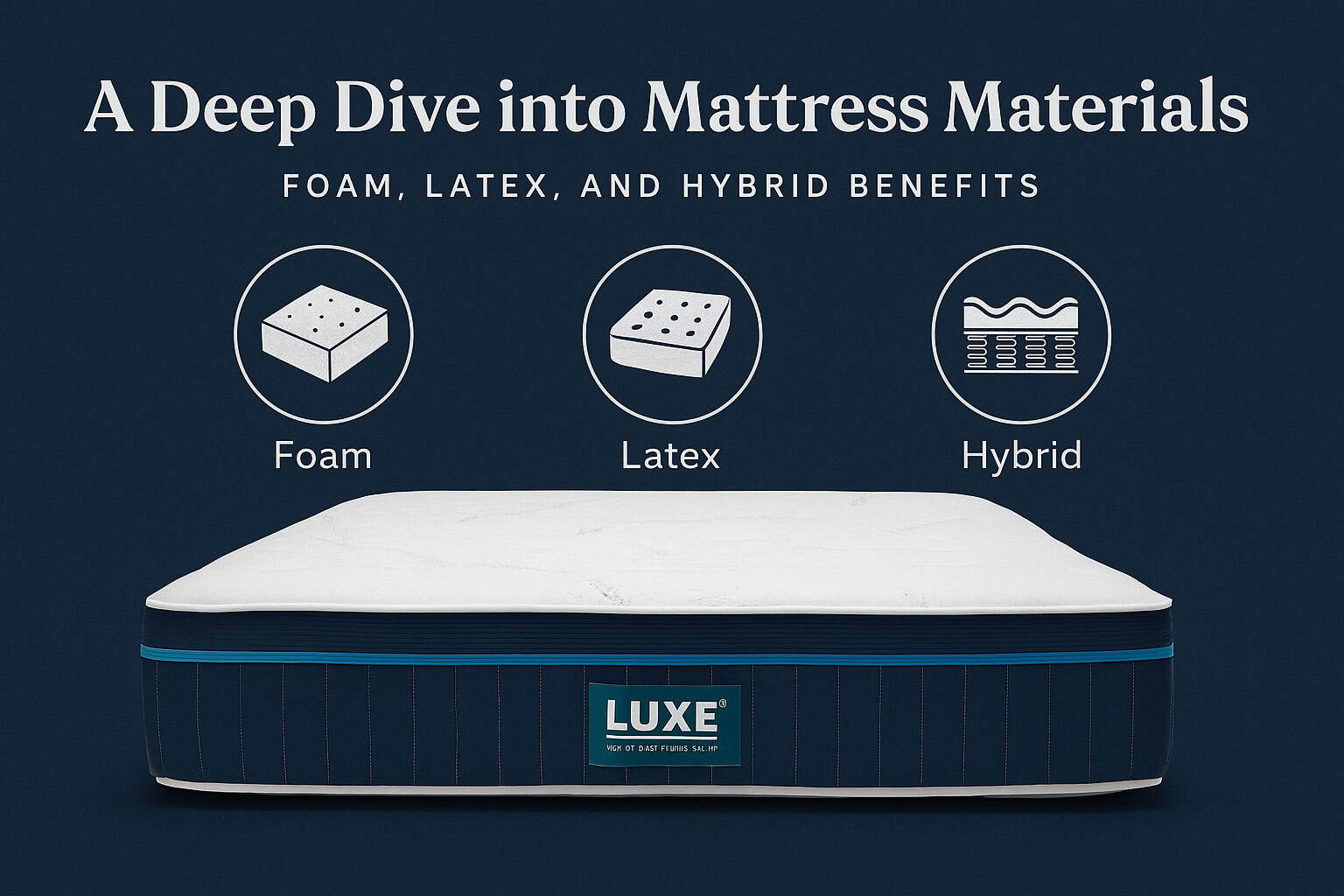
Materials Matter: Foam, Latex, and Hybrid Considerations

Using premium materials in your mattress play a major role in determining how well you sleep and how your body feels when you wake up. Low-quality mattresses often use cheaper foams that can off-gas harmful chemicals. This creates that unpleasant “new mattress” smell when you first unpack it, which is not great for your respiratory health.

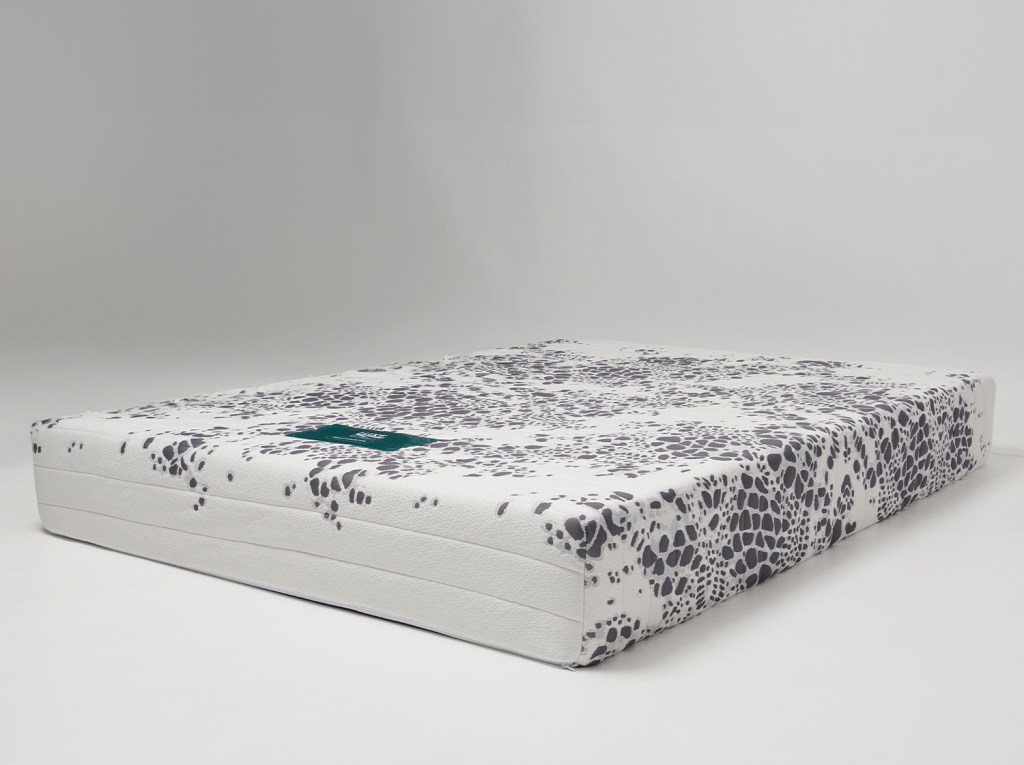
premium mattress materials

Premium memory foams, such as those used by Luxe Mattresses, are CertiPUR certified. This certification ensures that the foam is not only safer to use but also more breathable and long-lasting. Natural latex, often found in luxury mattresses, offers durability, comfort, and resistance to mold and dust mites. Premium brands also avoid using toxic chemicals like flame retardants, formaldehyde, and phthalates, which means you are literally sleeping cleaner. This makes a big difference for your health, especially if you have allergies or sensitive skin.

Temperature Control and Zoned Comfort: Worth the Price

If you wake up in the middle of the night either drenched in sweat or freezing cold, your mattress could be the culprit. Budget mattresses often trap heat because they use low-quality foam and dense synthetic fibers. This can make it difficult to maintain the ideal sleeping temperature throughout the night.

Luxury mattresses, however, feature advanced materials such as phase-change fabrics, breathable mesh sides, or gel-infused layers that naturally regulate temperature. These materials help keep you at a comfortable temperature, whether you are prone to overheating or getting too cold during sleep. Additionally, premium mattresses often include zoned comfort technology, which allows for personalized support across different areas of your body. This makes your sleep feel more restorative, even if you only get six hours of rest. Zoned comfort ensures that your spine is aligned and that your pressure points are properly supported, providing a deeper and more restful night’s sleep.

The Psychological Factor: Peace of Mind

Here’s an aspect of mattresses that is often overlooked: the psychological impact of sleeping on a luxury mattress. It is more than just a place to sleep, it’s a significant part of your daily routine, affecting how you feel both physically and mentally. Knowing that you are lying on a high-quality mattress that has been thoughtfully designed for your well-being brings a sense of comfort and peace. This feeling of satisfaction enhances your overall sleep quality.

When you invest in a Luxe Mattresses product, you are not just purchasing foam and springs. You are investing in better sleep routines, a calmer, more restful night, and waking up feeling refreshed and ready to take on the day. This sense of mental satisfaction goes a long way in improving your overall sleep experience, and it shows in the way you feel when you wake up.

Eco-Friendliness and Ethical Production

When it comes to cheaper mattresses, there are hidden costs that go beyond just the price tag. Many low-cost mattresses are mass-produced in factories that overlook sustainability and ethical production practices. They often use synthetic materials that off-gas harmful chemicals, which can negatively affect both the environment and your health. Additionally, unethical labor practices can be common in low-cost mattress production, with workers facing poor conditions.

In contrast, premium mattress brands, such as Luxe Mattresses, prioritize ethical sourcing, sustainable materials, and recyclable components. These brands are committed to reducing their carbon footprint by using eco-conscious production processes. Luxe Mattresses integrates sustainability into every step of the design and production process, ensuring that your purchase has a minimal environmental impact while still providing you with the highest quality sleep.

By choosing a premium, eco-friendly mattress, you are not only investing in your health and comfort but also supporting a brand that values ethical production and sustainability. This sense of responsibility and awareness can give you peace of mind, knowing that your choice is contributing to a better, cleaner planet.

Longevity vs. False Economy

You may have heard the term “false economy” before. It refers to the idea of saving money in the short term, only to end up spending more in the long run. Cheap mattresses often fall into this category. While they may seem like an affordable option initially, they tend to break down quickly. Low-cost mattresses are more prone to issues like sagging, uneven wear, noisy springs, and allergic reactions caused by low-quality materials.

In contrast, premium mattresses are built to last. They are rigorously tested for durability and retain their shape, comfort, and hygiene standards for many years. With a high-quality mattress, you won’t have to worry about replacing it every few years. Instead of spending money on multiple low-quality mattresses, investing in a premium mattress ensures that you will have long-lasting comfort and value. The savings from avoiding constant replacements will add up over time, making the premium investment a wise decision.

How to Tell If You Need an Upgrade

If you are unsure whether your current mattress is providing the comfort and support you need, ask yourself a few key questions:

  1. Do you wake up with aches or pains in your back, neck, or joints?
  2. Can you feel coils or lumps through the surface of your mattress?
  3. Is your mattress more than 7 years old?
  4. Do you sleep better in hotels or guest beds than in your own bed?
  5. Are there visible signs of wear and tear on your mattress?

If you find yourself answering yes to most of these questions, it might be time to consider upgrading to a better mattress. A mattress is an essential investment in your health, and if your current one is no longer supporting you properly, it’s worth exploring better alternatives that will provide the comfort, support, and longevity you need for a restful night’s sleep.

Beyond physical comfort, premium mattresses are often recommended for those dealing with mental health conditions like insomnia, anxiety, or even PTSD. Sleep specialists, including those at the NHS, highlight the importance of sleep hygiene and comfort in regulating mood and cognitive function. Premium mattresses eliminate many of the triggers that can disturb sleep—noise, motion, temperature changes, and poor posture. In a way, they act as part of your mental health toolkit.

Conclusion

When all is said and done, premium mattresses might cost more upfront but they deliver comfort, longevity, sleep quality, and peace of mind. For something you use every night (and for nearly a third of your life), it’s not a luxury. It is a necessity. If your sleep has not been great lately—if you are tossing, turning, waking up sore or just not feeling rested—it might be time to reconsider what you are sleeping on. A premium mattress is one of the smartest investments you can make for your body, mind, and future.

FAQS

How long do premium mattresses last compared to cheap ones?

Premium mattresses typically last 8–12 years, while low-cost options may need replacing in 3–5 years.

Are luxury mattresses worth the higher price tag?

Yes. They offer better materials, support, durability, and overall sleep quality—saving you money and health issues in the long run.

Do premium mattresses help with back pain?

Absolutely. Many luxury options include zoned support and ergonomic designs that align your spine properly during sleep.

What’s the best type of premium mattress material?

Memory foam and hybrid models with natural latex offer a great mix of comfort, support, and breathability.

Are premium mattresses eco-friendly?

Most are. Brands like Luxe Mattresses focus on sustainable materials, ethical production, and longer lifespan—reducing waste.

Can a better mattress really help with anxiety or stress?

Yes, better sleep can significantly improve mental health. According to Mind.org.uk, quality rest is linked to reduced anxiety and stress.

How do I know if my current mattress is low quality?

If it sags, causes discomfort, traps heat, or you wake up sore—it is likely not doing your body any favours.

Are luxury mattresses suitable for people with allergies?

Definitely, premium options use hypoallergenic and anti-microbial materials to reduce dust mites and allergens.

July 11, 2025

Smart Sleep: A Complete Guide to Advanced Mattress Features like Sleep Tracking, Temperature Control, and Zoned Support

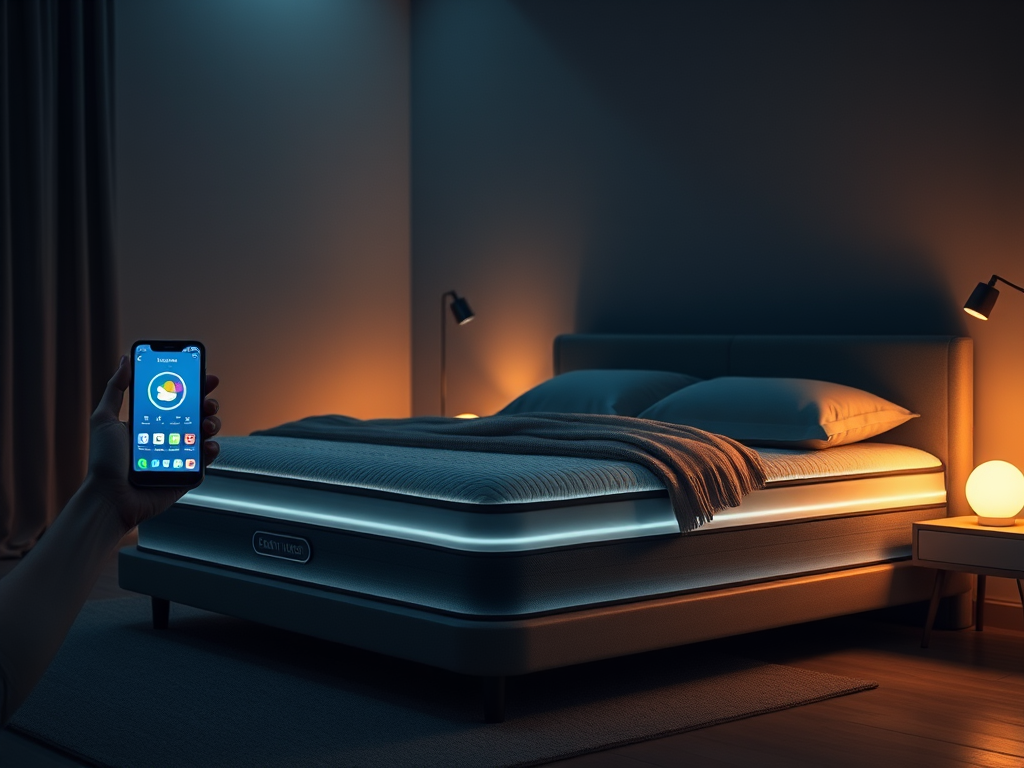
We are living in an era where even your mattress can be smarter than your phone. It may sound like an exaggeration, but if you have ever tossed and turned at night and woken up with a stiff back or sore neck, you will understand the value of a mattress that actually works for you. Smart mattresses are not just something out of a science fiction movie; they are real solutions for the sleep problems millions of people face every night. If you are tired of waking up feeling exhausted, it’s time to explore the smart technology that these mattresses offer, including sleep tracking, temperature regulation, and zoned support that adjusts to your body. Let’s take a look at the features that are changing the way we sleep.

What is Smart Sleep Anyway?

Smart sleep is not just about owning a fancy bed with lights or an app. It is about sleep that is optimized for your health, comfort, and lifestyle using modern technology. Smart mattresses use sensors, dynamic adjustments, and integrated systems to enhance your sleep experience.

Imagine a mattress that gently warms up your side of the bed before you even get in, then cools things down mid-sleep when your body temperature rises. Or one that collects sleep data through the night and offers fundamental insights in the morning. These features may sound futuristic, but they are already available. Today’s smart mattresses can adapt to your body’s needs in real time, offering you comfort, support, and reassurance throughout the night.

Getting enough sleep does not just make you feel rested, it impacts almost every aspect of your health. Insufficient sleep can ruin your mood, decrease your focus, and even negatively affect your immune system. The NHS highlights sleep as a cornerstone of good health. Poor sleep is also linked to worsening symptoms of anxiety and depression. As highlighted by Mind.org.uk, improving your sleep can have a significant impact on mental health. So, any advancements in sleep technology, like smart mattresses, that can help enhance the quality of sleep are worth exploring.

1. Sleep Tracking: Know Your Nights

Let us start with what everyone is curious about: sleep tracking. We track our steps, our calories, our screen time, why not our sleep?

How It Works

Innovative mattresses with built-in sensors monitor your breathing, heart rate, movement, and sleep stages without needing to wear a watch or strap anything on. The mattress does all the work while you sleep. In the morning, you get a comprehensive sleep report on your app. It tells you when you were in light sleep, deep sleep, REM, or awake. Some advanced models even track snoring and interruptions, giving you a complete picture of your sleep patterns.

Why It is Useful

You might think you are getting 8 hours of sleep, but are you getting the right kind? Deep sleep is when your body heals and regenerates, and it is crucial for overall health. If you are not getting enough deep sleep or waking up frequently during the night, sleep tracking data can help you understand why. With this information, you can adjust your habits, such as bedtime routines, room temperature, or pillow choice, to improve sleep quality. By tracking your sleep over time, you can identify patterns and take proactive steps to enhance your rest.

2. Temperature Control: No More Night Sweats

If you have ever woken up sweating through your sheets or freezing under too many layers, you know how much temperature affects sleep. Throwing off the duvet at 2 am is not a long-term solution.

How It Works

Smart mattresses with temperature control use phase-change materials, cooling gels, or even active air and water circulation to maintain your ideal body temperature throughout the night. Some advanced models even let partners set different temperatures on each side of the bed, allowing you to stay warm while your partner stays cool.

Why It Is brilliant

The NHS recommends keeping your bedroom around 18°C for optimal sleep. But maintaining that temperature can be tough, especially with the UK’s unpredictable weather. A mattress that adjusts its temperature based on your body’s needs is a game-changer. For those dealing with menopause symptoms or hot flashes, this feature can offer real relief. It keeps you comfortable all night, ensuring you wake up feeling refreshed and not overheated.

3. Zoned Support: Targeted Comfort Where It Counts

Let’s get to the backbone of good sleep literally. Zoned support refers to a mattress design that offers firmer or softer support depending on which part of your body it is supporting. This ensures your body stays aligned for optimal comfort.

How It Works

Advanced-zoned mattresses have multiple support zones, sometimes five, seven, or even nine. These zones can be made of pocket springs, foam layers, or air chambers, each designed to respond differently to pressure and body weight. In some smart beds, the support zones adjust dynamically as you change positions during the night.

Why It is a Big Deal

Not all pressure points on your body are created equal. Your hips, for example, need more give, while your lower back requires firmer support to maintain spinal alignment. Your neck needs the perfect amount of cushioning to avoid waking up with a stiff neck. Zoned support ensures each part of your body gets the support it needs, reducing pain and improving posture over time. Plus, if you share your bed with a partner, zoned support can minimize motion transfer. You won’t feel every little movement they make, leading to better sleep for both of you.

Smart mattresses offer a lot more than just sleep tracking, temperature control, and zoned support. There are a number of other clever features designed to enhance your sleep experience even further. These additional touches are designed to make your bed work harder for you, helping you get a better night’s rest with less effort.

Anti-Snore Detection

Snoring is not only disruptive to your partner, but it can also affect the quality of your sleep. Some smart beds come with anti-snore detection features that can automatically adjust your head position when snoring is detected. By gently elevating your head, these mattresses help open up your airways and improve airflow, reducing snoring and allowing for a more peaceful night’s sleep. This feature can be a game-changer for those who snore or share their bed with someone who does.

Smart Alarms

Waking up feeling groggy or lethargic is a common issue when you wake up in the middle of a deep sleep cycle. Smart alarms help solve this problem by waking you up during the lightest stage of your sleep. By tracking your sleep cycles, these alarms ensure that you are gently roused when your body is most prepared to wake up. As a result, you will feel more refreshed and less disoriented, making it easier to get out of bed and start your day on the right foot.

Integration with Smart Homes

Smart mattresses do not just work alone; they can also integrate with your other smart home devices. Some smart mattresses can sync with lights, blinds, and thermostats, creating an entirely seamless sleep environment. For instance, your bed might automatically adjust the temperature while the lights dim and the blinds close, preparing your bedroom for sleep without you needing to lift a finger. These integrations allow you to enjoy a more relaxed and comfortable sleep routine with minimal effort.

Child and Elderly Monitoring

Some smart mattresses offer additional features designed to monitor sleep patterns for children and elderly individuals. Motion and pressure-tracking sensors can help caregivers track the sleep quality of their loved ones. This is especially helpful for those who have mobility issues, suffer from sleep disorders, or need extra monitoring due to age or health conditions. The sensors provide valuable information about how well your loved one is sleeping, allowing you to address any potential issues or discomforts quickly and effectively.

Who Benefits Most from Smart Mattresses?

Smart mattresses offer benefits to everyone, but certain groups of people may experience even greater advantages from these advanced sleep solutions. Here are a few examples of who can benefit the most:

Shift Workers

People who work irregular hours, such as shift workers, often struggle with erratic sleep patterns. These individuals may find it challenging to get restorative sleep during the day or night due to their constantly changing schedules. Smart mattresses with advanced sleep tracking and temperature control can help optimize sleep for shift workers. The sleep data collected by the mattress can help them identify patterns and adjust their sleep habits to improve rest. At the same time, temperature regulation ensures that their body stays comfortable, even during the day.

Chronic Pain Sufferers

For those who suffer from chronic pain, especially in the joints or back, getting a good night’s sleep can be difficult. A smart mattress that offers tailored support can help alleviate some of the discomfort caused by pain. Adjusting the support in different zones of the mattress can relieve pressure on areas such as the lower back, hips, or shoulders. This provides better spinal alignment, reduces pain, and ensures that individuals with chronic conditions can sleep more comfortably.

Couples with Different Sleep Preferences

Couples often face difficulties when they cannot agree on the ideal sleep temperature or mattress firmness. One person may like it cool while the other prefers warmth or one partner may need more support for their back. Smart mattresses that allow for independent adjustments on each side of the bed can solve these issues. With the ability to customize each side to individual preferences, both partners can enjoy a more comfortable and restful sleep without compromise.

Athletes or Fitness Enthusiasts

Athletes and fitness enthusiasts know the importance of recovery after intense physical activity. A smart mattress that tracks sleep and supports muscle relaxation can be a valuable tool in their recovery process. Sleep tracking can help athletes ensure they are getting enough deep sleep, which is essential for muscle repair and recovery. Additionally, the targeted support provided by smart mattresses can reduce muscle tension and pain, allowing for better rest and faster recovery after workouts.

Parents of Young Children

Parents of young children can benefit from the child and elderly monitoring features of smart mattresses. Parents can track their child’s sleep patterns to ensure they are getting enough rest. For parents of infants or toddlers, some mattresses even offer features that help monitor movement and provide real-time information on sleep quality. This provides peace of mind, knowing that their child is sleeping safely and comfortably. Additionally, these features can help caregivers of elderly parents ensure that their loved ones are resting soundly, addressing any sleep issues promptly.

Anyone Looking to Improve Sleep Quality

Even if you are simply tired of waking up groggy, a smart mattress can help you find out why—and fix it. Many people suffer from poor sleep quality without fully understanding the root causes. With features like sleep tracking, temperature control, and zoned support, a smart mattress can provide insights into your sleep patterns, helping you understand what is affecting your rest. Armed with this information, you can make adjustments to your sleep environment and habits, leading to a more restful and restorative night of sleep.

Things to Keep in Mind Before Buying

Smart mattresses are not all the same, and they are not always cheap. Here are some things to consider before making a purchase:

Compatibility: Do you need a specific bed frame? Some smart features work best on adjustable bases, so check your mattress and frame compatibility.

Data security: If your mattress collects sleep data, make sure it’s protected. Stick to reputable brands that prioritize your privacy.

Updates and apps: Check if the mattress software is regularly updated. A buggy app can ruin the experience.

Trial period: Look for mattresses with a solid trial policy. It takes time to adjust to new tech, so a trial period can help you ensure it’s right for you.

Support and warranty: You want a solid backup if anything goes wrong. Check the warranty terms to make sure you’re covered.

Luxe Mattresses: Where Smart Sleep Meets Comfort

At Luxe Mattresses, we believe better sleep is more than just a promise. It is something you can feel. Whether you are exploring sleep tracking, looking for cooling options, or need a mattress that adapts to your spine, our smart mattresses combine science with softness. They are built for real people with real sleep struggles. Browse our collection, read the reviews, and you will see the difference a smarter bed makes.

Final Thoughts

The days of one-size-fits-all mattresses are fading. Today’s smart sleep solutions are built for the way you live and rest. If you are tired of waking up exhausted, if you want a mattress that listens, responds, and helps—you know where to start. This is not about luxury for the sake of it. It is about giving your body and mind the proper rest they have been missing. It’s about waking up refreshed, not groggy. With smart sleep, you are not just buying a mattress. You are investing in better days, clearer thinking, fewer aches, and better moods. You are choosing to work with your body instead of against it. And that makes all the difference. Smart sleep is not just a trend. It’s the new standard. And once you experience it, you will wonder how you ever slept without it.

Frequently Asked Questions (FAQS)

What is the best temperature to sleep in?

According to NHS recommendations, around 18°C is ideal. Anything too hot or cold can disrupt your sleep cycle.

Do smart mattresses improve sleep quality?

Yes, especially for those struggling with pain, overheating, or poor sleep patterns. Sleep tracking helps identify issues, while zoned support and temperature control address them.

Are smart mattresses safe?

Smart mattresses use low-voltage tech and passive sensors. They are generally very safe, especially when purchased from trusted UK retailers.

How long do smart mattresses last?

With proper care, a quality smart mattress can last 8–10 years. Software updates and good build quality are key.

Can I use a smart mattress with a regular bed frame?

Many smart mattresses work fine on standard frames, but some features (like adjustable support) may require compatible bases.

Is it challenging to set up a smart mattress?

Not at all. Most are plug-and-play with a companion app. Setup usually takes less than 30 minutes.

Will a smart mattress help with insomnia?

While it’s not a cure, features like sleep tracking, temperature regulation, and pressure relief can significantly improve sleep habits, which may ease insomnia symptoms over time.

type of mattress materials
July 11, 2025

A Deep Dive into Mattress Materials: Foam, Latex, and Hybrid Benefits

Have you ever tried shopping for a mattress and ended up more confused than when you started? Shopping for a mattress can be confusing, especially with all the terms like memory foam, latex, and hybrid. One brand promises cloud-like comfort, while another focuses on support and cooling, making you wonder if your current bed is causing more harm than good. The truth is, that most of us do not know what is inside our mattress or why it matters. But it does matter. The materials inside your mattress significantly impact your sleep quality, how you feel when you wake up, and even the longevity of the mattress. In this guide, we will break down foam, latex, and hybrid mattresses—what they are, how they feel, and whether they are worth your investment.

Foam Mattresses: All About That Sink-In Comfort

So, foam. This one is the big one. You have probably heard of memory foam because it is everywhere. It used to be a high-tech NASA material, but now it is the thing people rave about when they say their mattress “hugs” them.

What is Foam?

Foam is a broad term. The two main types you will hear about are memory foam and polyurethane foam (often just called polyfoam).

Memory foam is the fancy stuff. NASA originally developed it to absorb impact for astronauts, and now it is in everything from pillows to shoes to, you guessed it, mattresses. It is dense, slow to bounce back, and highly responsive to heat and pressure. When you press your hand into it, it leaves an imprint for a second or two.

Then there is polyfoam. This is the more budget-friendly version. It does not have that same slow-sinking feel, but it is lighter, more breathable, and bounces back quickly. It is typically used in the top or base layers of lower-priced mattresses, or sometimes the entire mattress, particularly in basic models.

Why Do People Love Foam?

Foam mattresses became popular for a reason. They offer a unique kind of comfort that other mattress types do not provide.

Pressure relief is like nothing else: If you deal with sore hips, shoulders, or lower back pain, foam is a game changer. It distributes your weight evenly and helps relieve pressure on your joints. That is why side sleepers, in particular, are big fans.

Excellent motion isolation: You have probably seen those commercials where someone jumps on a mattress next to a glass of wine, and it does not spill. That is foam for you. If your partner tosses and turns or even gets up in the middle of the night, you are much less likely to feel it.

foam mattress

Contours to your body: Foam does not just lie there. It adapts to you. Whether you are a back sleeper with a slight curve in your spine or someone who curls up on your side every night, foam can adjust. It gives you that “tailored” feeling without the need for a custom mattress.

Works well with adjustable beds: If you are using a base that can lift your head or feet, foam bends easily without damaging the structure. It’s handy if you deal with snoring, reflux, or simply want to read in bed.

But there is a Catch. Foam sleeps hot. That is the biggest complaint. It traps body heat, especially the older kinds. Some newer models utilise gel infusions or cooling layers, which help, but they are not always enough for extremely hot sleepers. Also, if you like a bouncy feel or need more support for your back, it might feel too soft or even suffocating.

At Luxe Mattresses, some of the top-rated foam mattresses include cooling technology to combat heat, so it is worth checking them out if foam sounds like your thing.

Latex Mattresses: Natural, Bouncy, and Surprisingly Cool

Latex is often seen as the more premium option for latex or natural mattresses, and there is a reason for that. It feels a bit like foam, but it is bouncier, firmer, and more breathable. It is made from rubber tree sap, which makes it the go-to for people wanting something more natural.

What is Latex, Really?

Latex is tapped from rubber trees. It is turned into a thick, spongy material that is surprisingly durable and naturally resistant to all nasty dust mites, mould, and even bacteria. That makes it a top choice for people with allergies or anyone who wants to avoid chemicals in their bed.

inside a luxury mattress

Dunlop Latex and Talalay Latex

Dunlop is the denser, firmer one. It is heavier and more supportive, often used in the base layers of the mattress.

Talalay goes through a more elaborate process. It is lighter, fluffier, and has a more balanced feel. If you like a bit of bounce but do not want to feel like you are sleeping on rubber, Talalay might be your match.

There is also natural vs. synthetic latex. Natural is what we just described. Synthetics are made with petrochemicals. Some mattresses use a blend to lower costs, but if you are shopping for a truly eco-friendly or organic bed, make sure it is 100% natural or GOLS-certified organic.

What’s the Deal with Latex?

There are two types: Dunlop and Talalay. Dunlop is denser and firmer. Talalay is lighter and a bit softer. Either way, both are super durable.

luxury natural material mattress

Perks of Latex Mattresses

Great for Hot Sleepers: Seriously, latex breathes way better than foam. It does not trap heat, so you will not wake up sweaty.

Eco-Friendly Vibes: If you are into sustainable living, latex is biodegradable and often harvested ethically. Bonus points if it is organic.

Supportive But not Stiff: You still get that body-contouring feel, but you will not sink in like you do with foam. It is more “on” the mattress than “in” it.

A Few Cons to Consider

The Price: Latex does not come cheap. It is often more expensive than foam or hybrids.

Weight: These mattresses are heavy. Like, you are not flipping them alone heavy. Not everyone’s cup of tea. Some people find the bounce distracting or the firmness uncomfortable.

There is also synthetic latex, which is cheaper but not as breathable or natural. So, if you are going for latex, make sure you know what kind you are getting.

For those browsing the Luxe Mattresses range, you will spot latex options that balance firmness with comfort. These work great for sleepers dealing with joint pain or allergies.

Hybrid Mattresses: The Best of Both Worlds?

Now, hybrids. This is where things get interesting. Imagine taking the contouring comfort of foam or latex and mixing it with the firm, bouncy support of pocket springs. That is a hybrid.

What’s Inside a Hybrid?

A good hybrid mattress starts with a base layer of individually wrapped coils, also known as pocket springs. These are not your grandma’s old-school noisy springs. In fact, each coil is wrapped individually, which allows each one to move independently from the others. This feature helps to reduce motion transfer, meaning if your partner tosses and turns, you won’t feel it as much. It’s a great choice for light sleepers who need a more peaceful, undisturbed night’s sleep.

Orthopaedic mattress layers
Hybrid Mattress Layers

On top of the coils, there are typically one or more comfort layers. These layers are made from materials like memory foam, polyfoam, latex, or sometimes a combination of these. The foam layers are there to give you that soft, plush feel, while latex adds a bit more bounce. Some hybrid mattresses even include additional features like cooling gel or zoned support. Cooling gel helps to regulate your body temperature and prevent the mattress from trapping too much heat, which can be a concern with foam mattresses. Zoned support is designed to provide extra pressure relief in certain areas, such as the hips or shoulders, for better alignment.

In short, a hybrid mattress is all about balance. It combines the softness and comfort of foam or latex on top with the durable, supportive coil base underneath. This combination gives you the best of both worlds: the cushiony feel of foam with the long-lasting support of traditional springs.

Why People Love Hybrids

Balanced Feel: One of the main reasons people love hybrids is because they offer a perfect balance of softness and firmness. They are not too soft, so you won’t feel like you are sinking in too much, and they are not too firm, so you still get that nice cushiony feeling while lying down. You get both proper spinal support and the comfort you need for a great night’s sleep.

Hybrid mattress spine aligbment

Edge Support: If you tend to sleep near the edge of your bed or share it with someone, edge support is a big bonus. Hybrids often provide stronger edge support, so you can sleep all the way to the edge without feeling like you are going to roll off. This is especially helpful if you share the bed with a partner and want to maximize the use of the entire mattress surface.

Cooler Sleep: Another great benefit of hybrids is their ability to promote a cooler night’s sleep. The coil system allows air to circulate more freely through the mattress, which helps regulate the temperature. This means you are less likely to overheat during the night, making hybrids a great choice for hot sleepers.

What to Keep in Mind

Some hybrids cut corners. A thin foam layer on weak springs is simply a fancy spring mattress. It can be pricey, Especially if you go for a hybrid with natural latex on top. Like latex mattresses, these can be a pain to move. For most sleepers, hybrids are the sweet spot. If you are not sure what you like, a hybrid from the Luxe Mattresses collection could be a safe bet. They are versatile and supportive and work for side, back, or stomach sleepers.

Which One’s Right for You?

Alright, let’s break it down simply.

Sleep Style Best Option

  1. Side sleeper: Foam or hybrid with soft top layers
  2. Back sleeper: Medium-firm foam, latex, or hybrid
  3. Stomach sleeper: Firmer hybrid or latex
  4. Hot sleeper: Latex or hybrid (with cooling tech)
  5. Eco-conscious: Natural latex
  6. Budget-focused: Polyfoam or entry-level hybrid

And, of course, comfort is personal. What feels perfect to one person might be awful for someone else. That is why Luxe Mattresses offers a range of options, so you can actually find something that matches your sleep style, not just the trends.

Sleep Quality Is not Just About Materials

Here’s a bit of real talk. Even the fanciest mattress won’t help if your sleep environment is a mess. Think of too much noise, clutter, a too-hot room, or not winding down before bed. NHS advice points to good “sleep hygiene” as a key part of fighting insomnia and poor sleep.

That means having a consistent sleep schedule, keeping the bedroom cool and dark, and, yes, having a mattress that supports your body correctly.

If you are struggling with anxiety or sleepless nights, places like Mind offer practical advice on mental health that connects with better sleep habits.

Final Thoughts

There is no one-size-fits-all mattress. Foam, latex, and hybrids all have their perks and pitfalls. The key is knowing your sleep style, comfort preferences, and budget. Luxe Mattresses makes that easier by offering a selection that covers all bases—from premium latex options to budget-friendly hybrids with legitimate support. Explore what feels right for your body because good sleep really is the foundation for a better day. Claim your discount now at Luxe Mattress limited-time offers on supportive mattresses for heavier sleepers.

Mattress Materials-FAQS

Is foam or latex better for back pain?

 Latex often wins for back support thanks to its firmer, responsive nature, but high-density foam can also work wonders if you prefer a softer feel.

Do hybrid mattresses last longer than foam?

Generally, yes. The coil system adds durability. But it depends on quality. Cheap hybrids wear out just as fast.

Are latex mattresses safe for allergies?

Natural latex is hypoallergenic and resistant to dust mites, making it an excellent choice for allergy sufferers.

Do foam mattresses always sleep hot?

Not always. Some use gel or open-cell technology to improve airflow. Still, if you are a really hot sleeper, latex or hybrid might be better.

Can I flip my mattress to extend its life?

Most modern mattresses (especially foam and hybrid) are one-sided, so flipping is not needed. Rotating it every few months helps, though.

How long should a mattress last?

A good one lasts 7–10 years. Latex can stretch beyond that. Foam might dip sooner if it’s low quality.

What’s the best mattress for couples?

 Foam is excellent for motion isolation, but hybrids offer better bounce and edge support. It depends on your priorities.

Product has been added to your cart