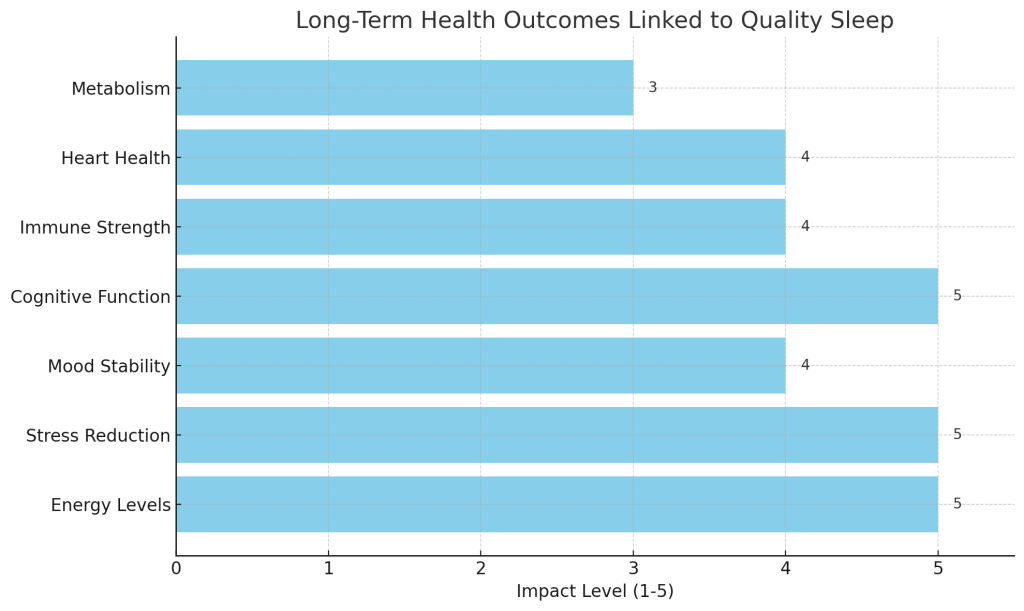
Sleep is one of the most vital components of good health. It supports everything from emotional balance and brain function to immune strength and cardiovascular well-being. When you sleep well, you wake up energized, alert, and ready to take on your day.
Poor sleep, however, can lead to fatigue, memory issues, irritability, weakened immunity, and even chronic health conditions like heart disease and obesity. One of the most overlooked elements of sleep quality is your mattress. The right mattress can be the difference between tossing and turning and falling into deep, uninterrupted rest.
Cheap vs. Premium Mattresses: What’s the Difference?
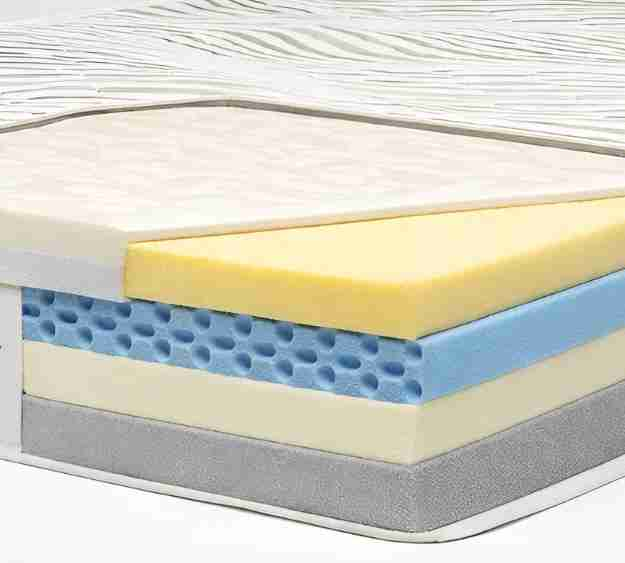
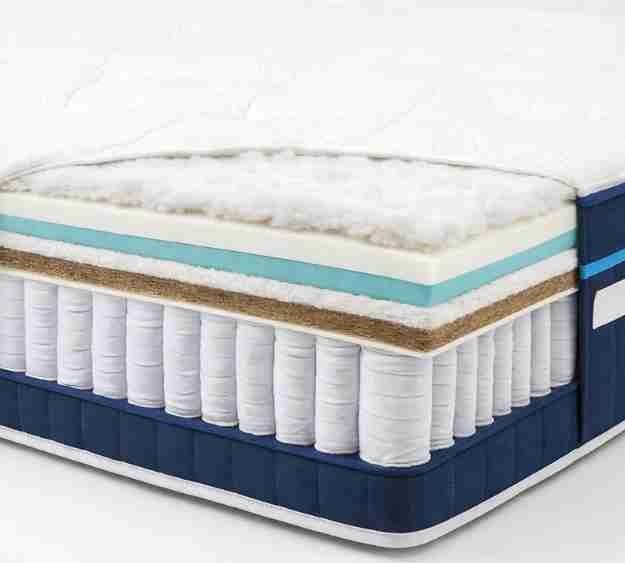
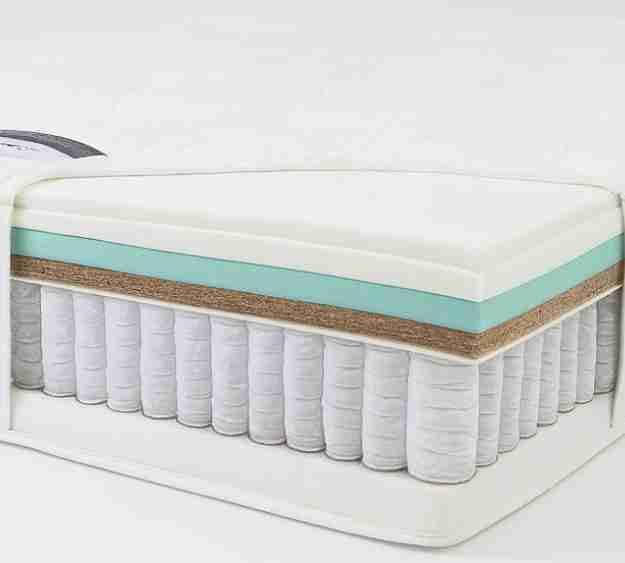
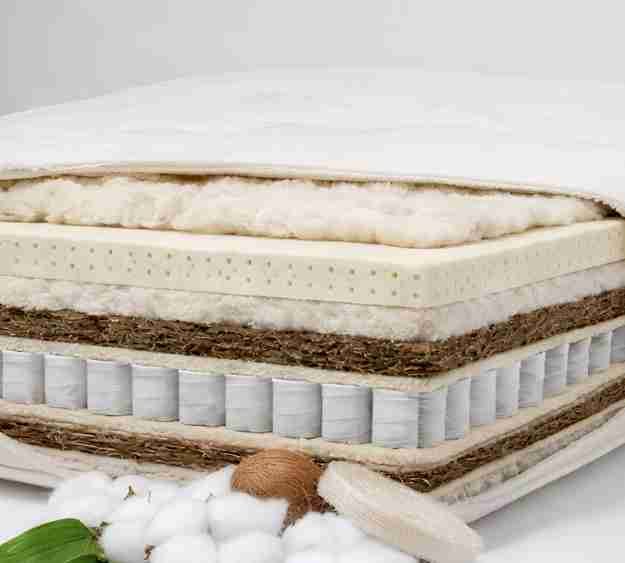
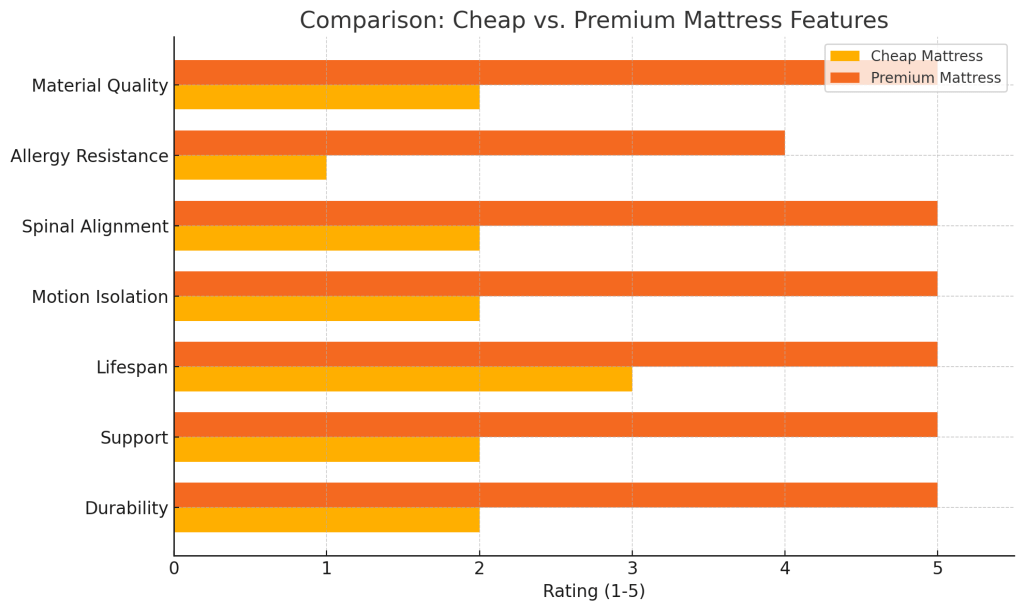
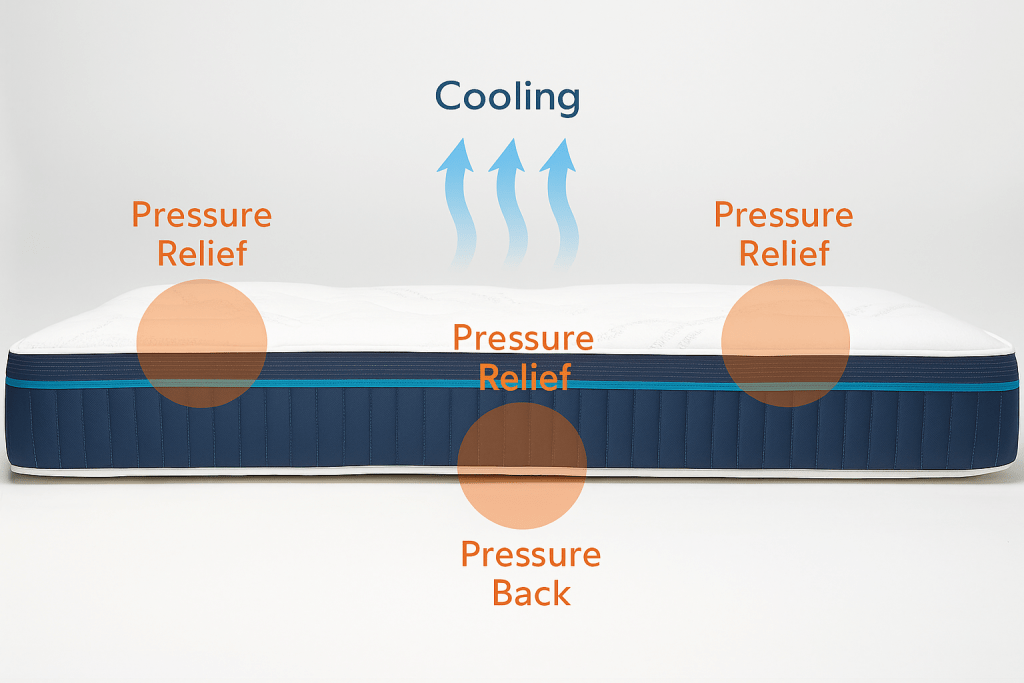
High-quality mattresses are crafted with advanced materials and smart design technologies that provide superior support, pressure relief, and durability. They adapt to your body, reduce motion transfer, and promote proper spinal alignment throughout the night.
Budget mattresses, by contrast, often lose shape quickly, offer inconsistent support, and can push your body into unnatural sleeping positions, potentially causing pain or discomfort over time.
Long-Term Health Benefits of a Quality Mattress
A good mattress does more than help you sleep it contributes to long-term physical and mental wellness. Benefits include:
Spinal alignment and pain relief: Reduces stress on your back and neck.
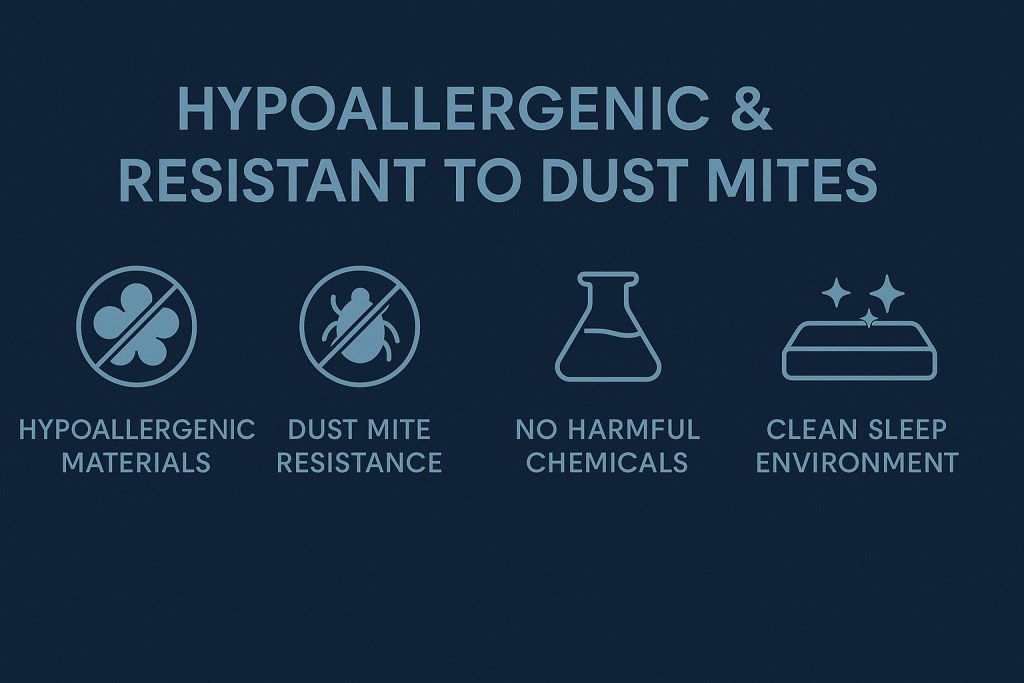
Allergy prevention: Hypoallergenic materials help minimize reactions.
Improved posture: Sleeping with proper support can influence your body’s alignment during the day.
Better mood and energy: Consistent deep sleep boosts emotional well-being and daily focus.
Over time, these factors add up to a stronger body, sharper mind, and overall better quality of life.
Is a High-Quality Mattress Worth the Investment?
Although a premium mattress may come with a higher upfront cost, it usually offers excellent value over time. Most high-end mattresses last 10+ years with minimal wear, meaning fewer replacements and better sleep for longer.
More importantly, the health improvements less back pain, improved energy, sharper focus, and better mood often outweigh the initial price tag. Investing in sleep is investing in yourself.
How to Find the Best Mattress for Your Budget
When shopping for a mattress, consider the following:
Look for quality materials: Memory foam, latex, or hybrid builds that support your body and resist sagging.
Check warranties and reviews: Look for brands offering long-term guarantees and consistently positive customer feedback.
Match your sleep style: Side sleepers may need a softer mattress; back or stomach sleepers often benefit from firmer support.
Account for health needs: If you suffer from allergies or back pain, choose models that offer hypoallergenic properties or orthopaedic support.
Finding the right mattress isn’t just about comfort it’s about protecting your long-term well-being.
Takeaways
A good mattress is a foundation for healthy sleep, and healthy sleep is essential for physical and mental wellness.
Premium mattresses offer superior support, durability, and health benefits over budget models.
While more expensive, a quality mattress pays off in fewer replacements and better daily performance.
Choosing the right mattress tailored to your body and needs is a smart, long-term investment in your health.
FAQs
Do expensive mattresses make a difference?
Yes. They are typically made with superior materials that enhance support, durability, and overall sleep quality.
What’s a good budget for a high-quality mattress?
Expect to spend between $800 and $2,000. Prioritise construction, support, and warranties over low prices.
What defines a quality mattress?
Durable materials, pressure relief, motion isolation, and consistent support all wrapped in breathable, body-friendly fabrics.
Are premium mattresses better for back pain?
Absolutely. They promote healthy spinal alignment and provide targeted support to relieve or prevent pain.
Can a mattress improve mental health?
Yes. Better sleep reduces stress, boosts mood, and may help prevent conditions like anxiety and depression.
For older adults, getting restful, pain-free sleep can be life-changing. As people age, issues like back pain, arthritis, joint stiffness, pressure sensitivity, and reduced mobility become common and the wrong mattress can make these conditions worse.
Choosing the right mattress helps seniors sleep more comfortably, wake up with less pain, and maintain better posture and mobility throughout the day. This guide reviews the Top 5 Best Mattresses for Old Age People, focusing on comfort, support, spinal alignment, pressure relief, and durability essential features for senior sleepers.
Factors to Consider in a Mattress for Older Adults
Choosing the right mattress is especially important for older adults because the body becomes more sensitive to pressure, alignment, and temperature changes with age. Below are the key features seniors should prioritize to ensure pain-free, restorative sleep.
Proper Spinal Alignment
A senior-friendly mattress should keep the spine in a neutral, straight position. This reduces morning stiffness and helps prevent chronic back pain.
Pressure Point Relief
Older adults need soft, contouring layers that relieve pressure on hips, shoulders, and joints. This is especially important for seniors with arthritis or joint inflammation.
Ease of Movement
Strong edge support and medium firmness make it easier to get in and out of bed. This helps seniors with mobility issues or balance concerns.
Motion Isolation
A mattress with motion isolation absorbs movement and prevents sleep disruptions. This is ideal for couples when one partner moves frequently at night.
Cooling Technology
Cooling foams and breathable materials help regulate body temperature. This keeps seniors comfortable and reduces overheating or night sweats.
Durability & Warranty
A quality mattress should last 8–12 years without sagging or losing support. Long warranties give seniors confidence and long-term value.
Top 5 Best Mattresses for Old Age People
Below are the best mattresses for seniors based on support, pressure relief, comfort, durability, and ease of movement.
1. Best Overall for Seniors – Hybrid Support Mattress
Why It’s Best: This hybrid mattress offers the perfect balance of memory foam cushioning and coil support, making it an excellent choice for seniors with back pain, arthritis, or mobility issues.
Key Features
Zoned support for spine and hip alignment
Pressure-relief memory foam
Cooling gel comfort layer
Strong edge support for stability
Best For:
Back pain
Arthritis
Mobility challenges
Pros:
Works for all sleep positions
Outstanding durability
Great motion isolation
2. Best Mattress for Back Pain – Medium-Firm Orthopedic Mattress
Why It’s Ideal: This medium-firm orthopedic mattress is designed to reduce lower-back pressure and aligns the spine, making it a top choice for seniors with chronic back pain or scoliosis.
Key Features
Lumbar-targeted foam
Breathable comfort layer
Reinforced spinal alignment
Best For:
Chronic back pain
Scoliosis
Seniors who prefer firmer support
Pros:
Reduces lower-back pressure
Sleeps cool through the night
Cons:
Too firm for seniors who prefer softer comfort
3. Best Orthopedic Mattress for Seniors – High-Density Memory Foam
Why It Stands Out: This high-density memory foam mattress is designed for seniors who need deep pressure-relief and excellent contouring around the shoulders, hips, and joints.
Key Features
Medical-grade orthopedic foam
Extra cushioning for joint support
Adaptive memory foam for posture
Best For:
Arthritis
Shoulder pain
Hip discomfort
Pros:
Exceptional pressure relief
Perfect for side sleepers
Cons:
May feel warm for hot sleepers
4. Best Cooling Mattress – Gel-Infused Cooling Hybrid
Why Seniors Love It: This gel-infused cooling mattress offers excellent airflow and heat dissipation, making it ideal for seniors who struggle with night sweats or warm climates.
Key Features
Cooling gel memory foam
Breathable coil foundation
Moisture-wicking top cover
Best For:
Hot sleepers
Seniors living in warmer regions
Pros:
Stays cool all night
Bounce and support for easy movement
Cons:
Medium firmness may feel too firm for soft-mattress lovers
5. Best Budget Mattress for Seniors – Affordable Comfort Foam
Why It’s a Great Value: This budget mattress offers supportive foam layers at an affordable price, making it ideal for seniors looking for comfort without overspending.
Key Features
Soft yet supportive foam
Lightweight and easy to rotate
Pressure-relieving comfort layers
Best For:
Budget-conscious seniors
Light to medium-weight sleepers
Pros:
Affordable
Comfortable enough for daily use
Cons:
Not as long-lasting as hybrid mattresses
Comparison Table: Best Mattresses for Old Age People
Varies — memory-foam mattresses start in the lower mid-range of their pricing spectrum
Cooling Mattress (Cooling Hybrid)
Hot sleepers, warm climates
Medium
Very High
High
Mid-range hybrid price (~ around £300–£600, depending on size & model)
Budget Foam Mattress
Affordable option, guest beds
Medium
Low
Moderate
Entry-level price (same as lower-end hybrid or foam models — ~ £250–£300 for basic mattresses)
How to Choose the Right Mattress Based on Health Conditions
For Back Pain
Seniors with back pain should choose a medium-firm hybrid or orthopedic mattress with strong lumbar support. This type of design helps keep the spine properly aligned during sleep. As a result, it significantly reduces pressure on the lower back and minimizes morning stiffness.
For Arthritis & Joint Pain
Older adults with arthritis benefit most from high-density memory foam or pressure-relief mattresses. These materials cushion sensitive joints and evenly distribute body weight. This reduces discomfort and helps seniors sleep more peacefully through the night.
For Hip or Shoulder Pain
A soft-to-medium memory foam mattress is ideal for seniors experiencing hip or shoulder pain. It contours to the body’s shape, reducing pressure on these sensitive areas. This makes side sleeping more comfortable and reduces strain on joints.
For Seniors with Mobility Issues
A mattress with strong edge support and medium firmness is essential for seniors who struggle with movement. It prevents sinking when sitting or standing at the edge of the bed. This added stability makes getting in and out of bed much safer and easier.
For Hot Sleepers
Seniors who sleep hot should choose a gel-infused or breathable hybrid mattress. Cooling materials help regulate body temperature throughout the night. This prevents overheating and promotes uninterrupted, comfortable sleep.
Tips for Seniors to Improve Sleep Quality
Use a Supportive Pillow
Choosing a supportive pillow helps keep the neck and spine aligned. Proper alignment reduces stiffness, neck pain, and overall discomfort while sleeping. This small change can make a big difference in sleep quality for older adults.
Sleep on the Side With a Knee Pillow
Side sleepers should place a pillow between their knees for better hip alignment. This position reduces stress on the lower back, hips, and joints. It’s especially helpful for seniors managing arthritis or chronic pain.
Rotate the Mattress Regularly
Rotating the mattress every 3–6 months helps prevent uneven sagging. This ensures the mattress stays supportive and comfortable for longer. Regular rotation also extends the overall lifespan of the mattress.
Avoid Very Soft Beds
Very soft mattresses can cause the body to sink excessively, leading to poor spinal alignment. This increases back pain and makes movement more difficult. Medium or medium-firm options provide better support for seniors.
Invest in Breathable Bedding
Breathable bedding and mattress protectors help regulate body temperature. These materials reduce heat buildup and prevent night sweats. They keep seniors cool, dry, and more comfortable throughout the night.
Conclusion
The right mattress can significantly improve a senior’s comfort, mobility, and overall sleep quality. As the body becomes more sensitive with age, choosing a mattress that offers proper support, pressure relief, and temperature control becomes essential.
The mattresses highlighted in this guide provide balanced comfort, durability, and targeted support for conditions like back pain, arthritis, and joint stiffness. Investing in a suitable mattress isn’t just about better sleep, it’s an important step toward better health and daily well-being for older adults.
FAQs
What firmness is best for seniors?
Medium to medium-firm is ideal for maintaining spinal support and reducing morning stiffness.
Which mattress is best for arthritis?
Memory foam or orthopedic foam is best due to pressure-relief contouring.
Do older adults need hybrid or foam?
Hybrids offer better mobility and support; foam offers superior pressure relief. Choose based on health needs.
Which mattress is easiest to get out of?
A hybrid mattress with strong edge support is safest for seniors.
Should seniors avoid very soft mattresses?
Yes, soft mattresses can cause sinking, imbalance, and back pain.
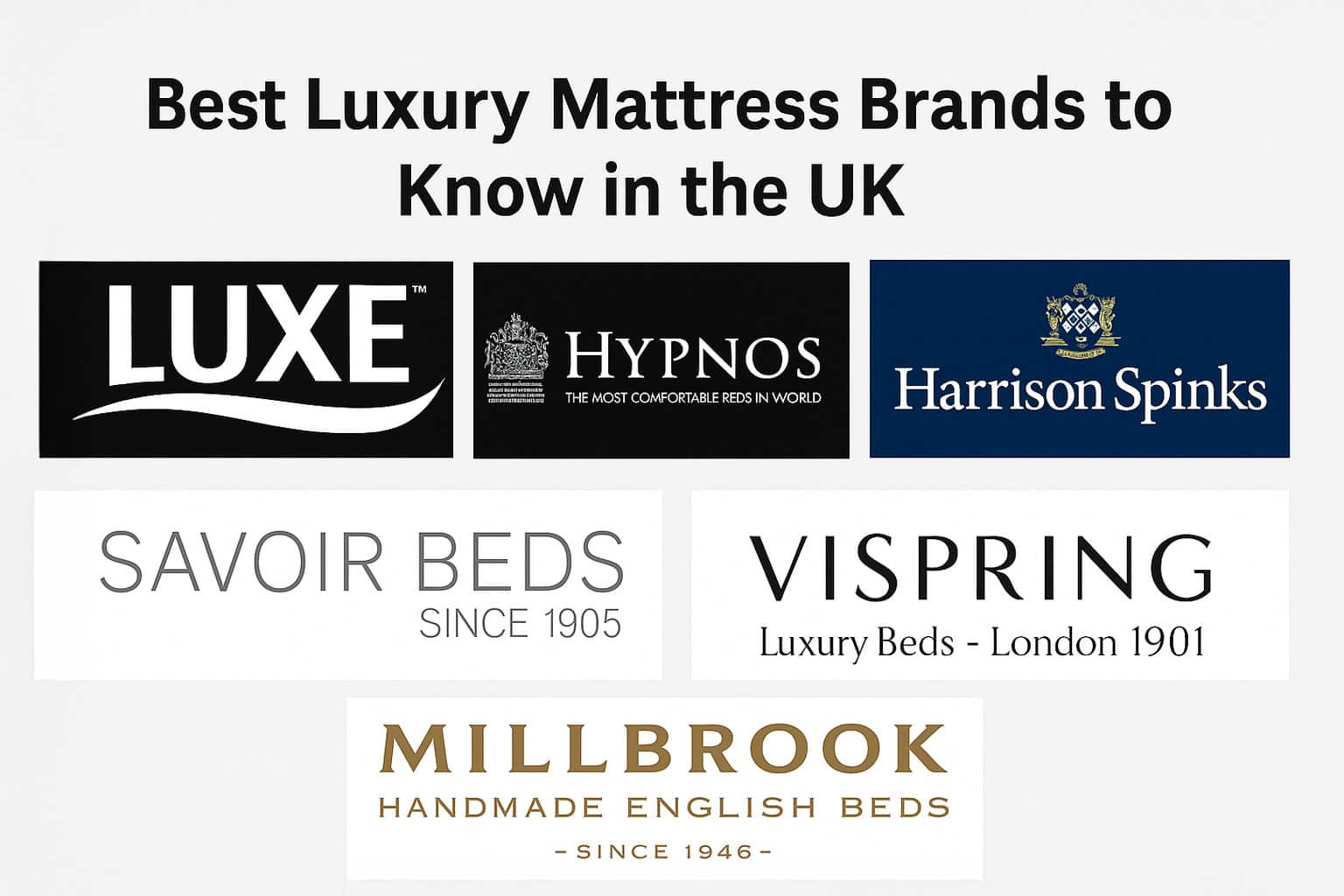
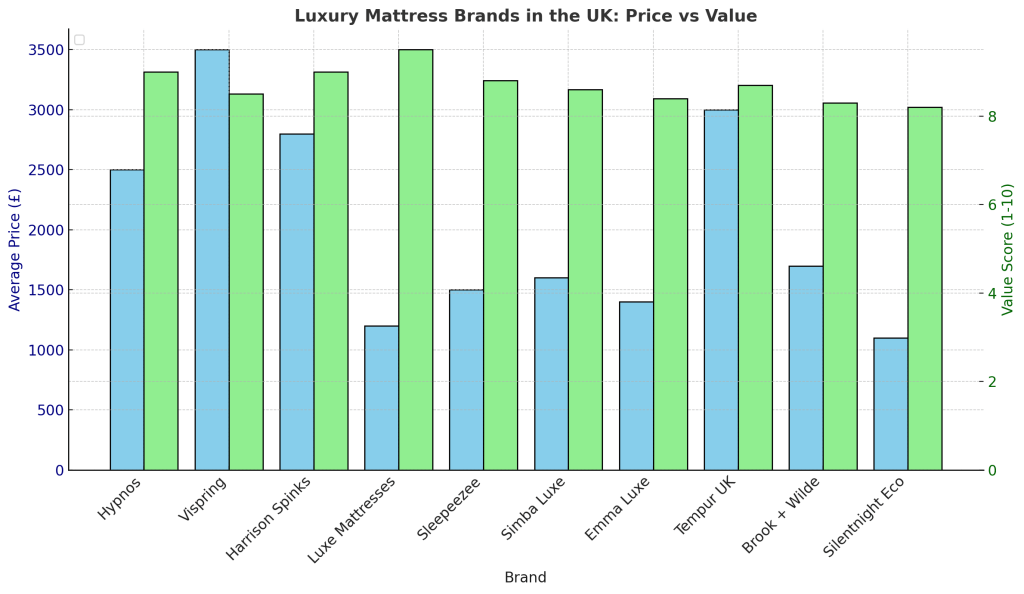
When you’re shopping at the luxury end of the market for luxury mattress brands, you’re paying for more than a place to sleep. You’re paying for craftsmanship (often hand-made in the UK), natural and traceable materials, thoughtful support systems (pocket springs, zoned layers, hand side‑stitching), and service standards like long guarantees and generous home trials. Below, I’ve ranked notable luxury makers you should know—old-guard heritage houses, modern performance brands, and an up-and-coming UK direct brand.
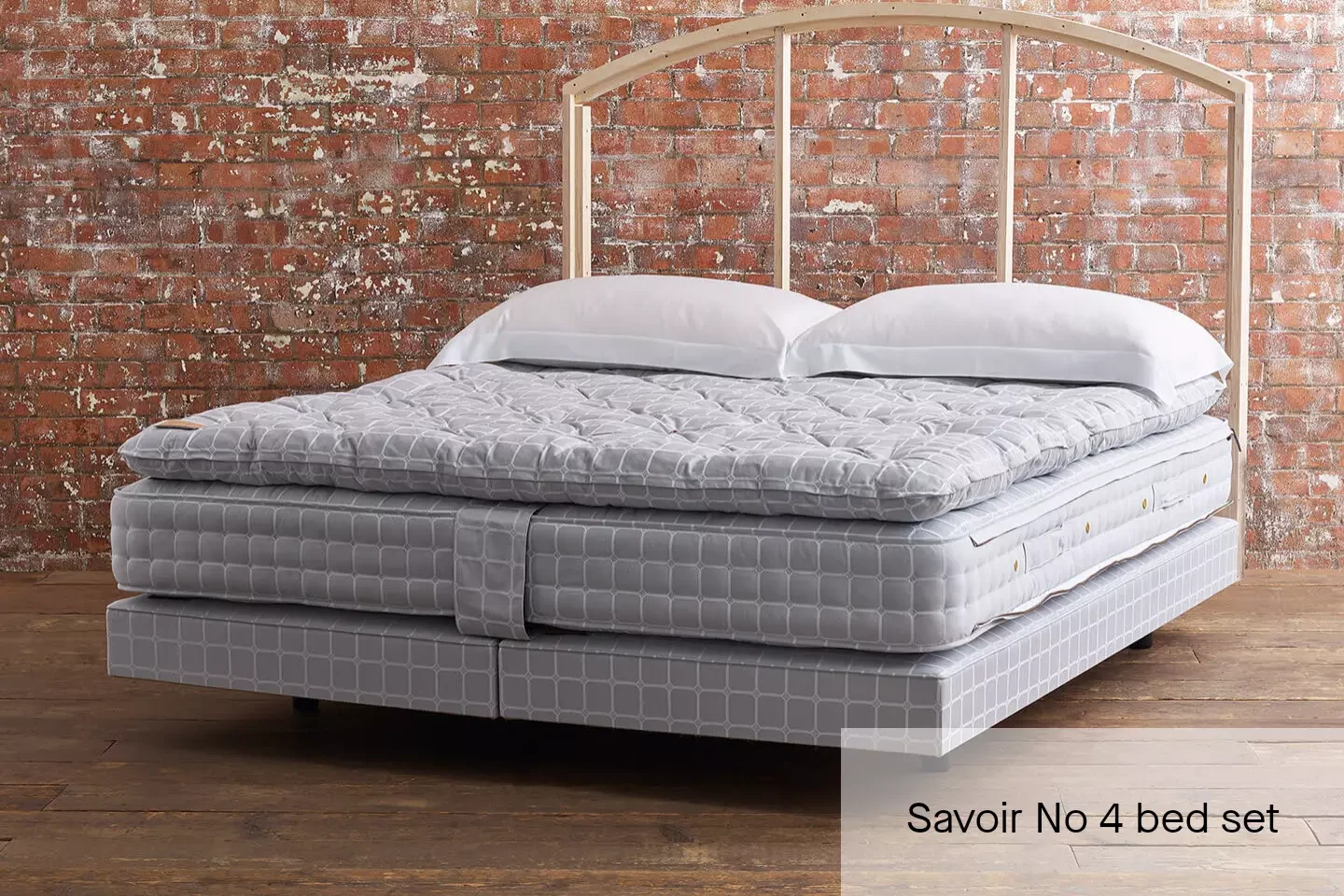
Background & values: Founded in 1905 for The Savoy Hotel, Savoir embodies bespoke British luxury. Beds are made to order, often with traditional box springs plus a mattress and topper, hand-filled with natural fibres (e.g., horsetail hair, British wool, cashmere).
Collections: Numbered collections (e.g., No.1, No.2, No.3) and limited collaborations.
Typical UK price positioning: Ultra‑premium (bespoke pricing; often five figures).
Warranty & trial: Savoir offers a 25‑year guarantee on key elements (registration required; toppers excluded).
Price Range: These mattresses are ultra-premium, Nº2 runs between $20,800–$33,000 (approx. £17k–£27k), and the Nº1 can exceed $55,200 (£44k+) depending on options.
Pros
Truly bespoke builds and finishes
Best-in-class artisan finishing, hand side‑stitching
Extremely durable natural fillings
Cons
Very high prices
Heavier care requirements (rotation/turning for some models)
Background & values: Established in 1901 in Plymouth; pioneers of pocket springs. Emphasis on natural fillings (horsehair, British wool, silk, cashmere) and hand craftsmanship.
Collections: Classic, Luxury, and Masterpiece tiers, plus hotel-grade builds.
Typical UK price positioning: Premium to ultra‑premium (widely available through retailers).
Warranty & trial:30‑year guarantee on mattresses and divans—one of the longest in the industry.
Price Range: Premium pricing. Examples from a retailer show mattresses ranging from around £1,033 up to £5,757 depending on model and bedding style.
Pros
Extremely long guarantee
Traditional feel with superb edge support
Natural, breathable builds
Cons
Price rises quickly with higher-spec models
Heavier, needs regular care (turning on double‑sided models)
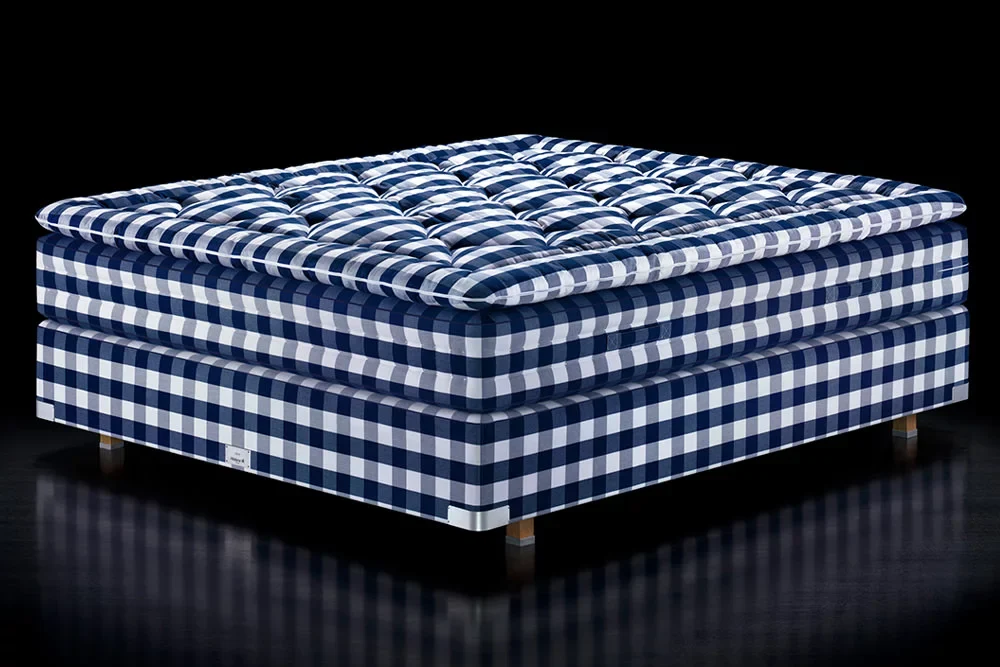
Background & values: Swedish company (1852) with a royal warrant; renowned for horsehair, cotton, wool, and flax; zero foam/lattice ethos and meticulous handcraft.
Collections: From the iconic 2000T, drēmer, and Vividus to more accessible lines like Eala and Maranga.
Typical UK price positioning: Ultra‑premium (some models among the world’s most expensive).
Warranty & trial:25‑year guarantee against frame/spring breakage.
Price Range: Ultra-premium. Example prices: Excel from £11,980, Maranga up to £17,780.
Pros
Exceptionally breathable, fully natural builds
Peerless longevity reputation
Strong brand heritage and finishing
Cons
Eye‑watering price for many models
Very specific “buoyant†feel isn’t for everyone
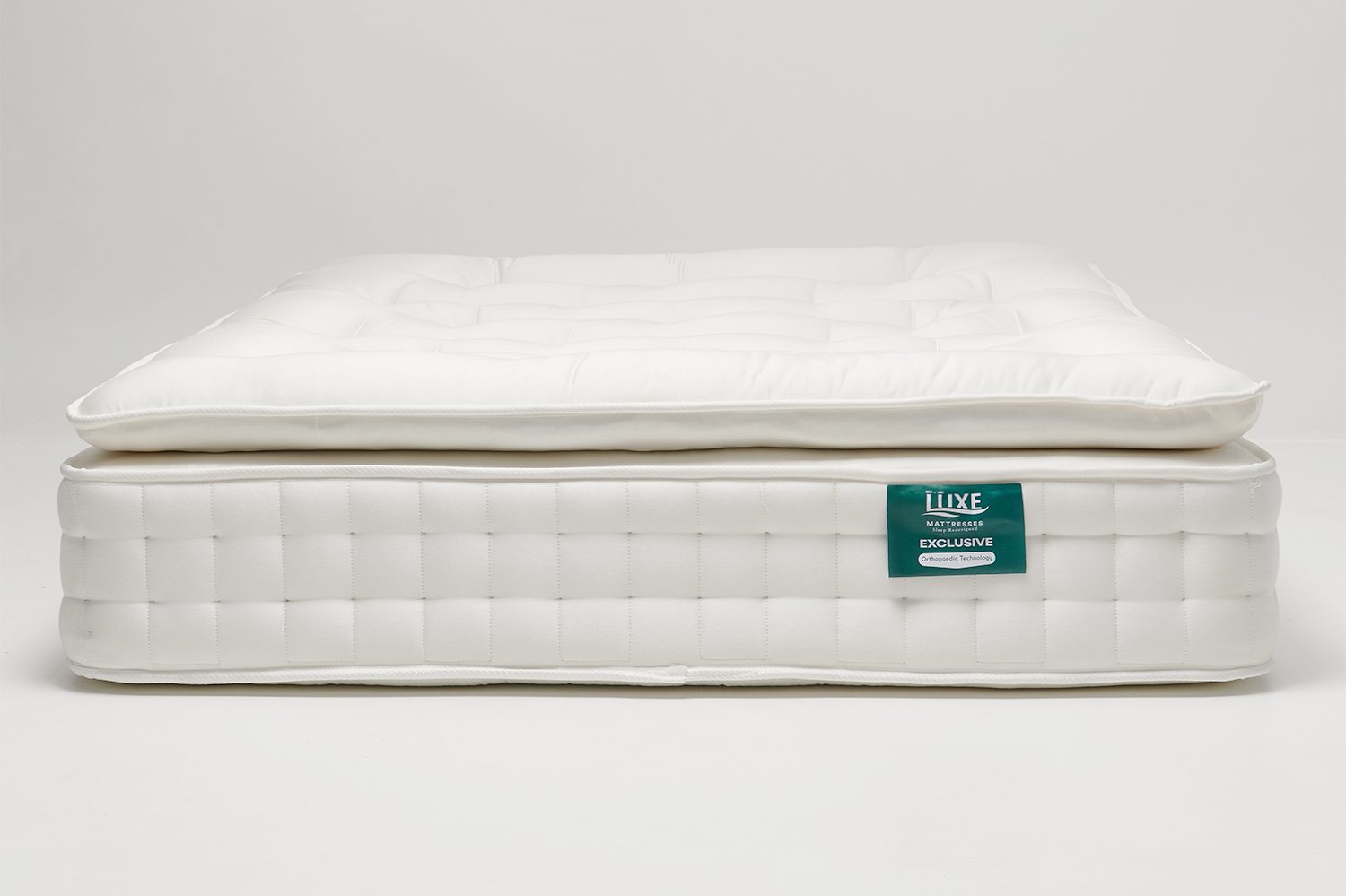
Background & values: UK‑based direct‑to‑consumer maker focussed on hybrids and natural/organic options with transparent policies, aiming to deliver luxury feel at a better price than old‑guard brands.
Collections: Hybrids (e.g., Luxe Nova Hybrid), Latex natural pillow‑top and firmness‑specific ranges (soft, medium‑firm, extra‑firm), plus cooling/LtxCool‑style models.
Typical UK price positioning: Premium value (well below ultra‑luxury heritage pricing).
Warranty & trial:100‑night trial and ~10‑year warranty on most mattresses; site messaging references 10–15 yearsdepending on model. Also a 14‑day return/refund window cited on clearance pages.
Price Range: Premium, yet considerably lower than traditional heritage brands—typically in the £500–£2,000 range depending on model and sales promotions.
Pros
Strong spec‑for‑price (hybrid springs + breathable foams or natural layers)
Friendly policies (at‑home 100‑night trial; UK delivery)
Clear, modern positioning (firmness guides, quiz‑style fit, cooling options)
Cons
Not as much century‑old heritage cachet as Vispring/Savoir
Fewer ultra‑bespoke build options than atelier brands
Background & values: Royal Warrant holder; UK‑made, pocket springs with natural fillings. Favoured by hotels and customers wanting traditional comfort with ethical sourcing.
Collections: Origins, Luxury, Pillow Top ranges, and hotel lines.
Typical UK price positioning: Premium (often four figures), widely stocked.
Warranty & trial:10‑year guarantee; sleep trial typically retailer‑managed (commonly 60 nights via stores).
Price Range: King-size options around £2,249–£3,699 for Luxury Supreme belts, websites list single mattresses from £300, king-size starting £500, up to £1,900 for luxury options.
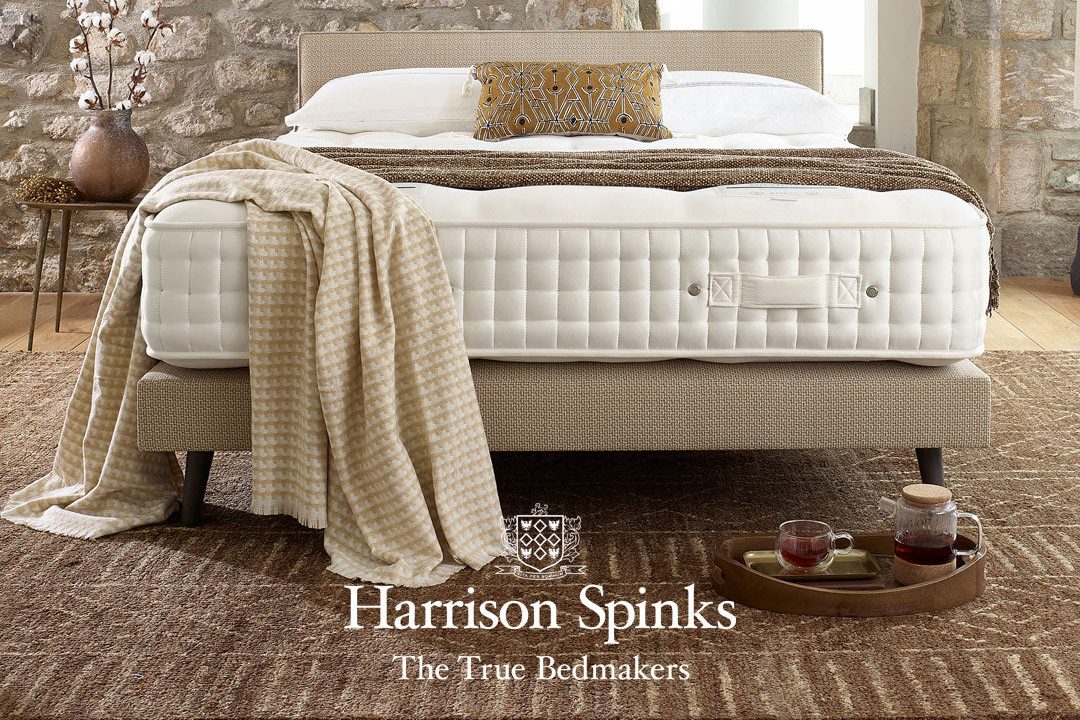
Background & values: Leeds‑based manufacturer with in‑house spring making and home‑grown natural fillings (hemp, flax, wool). Focus on sustainability and micro‑spring engineering.
Collections: Harrison Spinks core ranges plus Somnus (its luxury marque).
Typical UK price positioning: Premium to high‑end.
Warranty & trial: Products are guaranteed for at least 5 years; trial terms typically via retailers.
Price Range: Mattresses range from £899 to £3,099 as per retail offers.
Pros
Sustainability leader; traceable natural fibres
Thousands of micro springs for nuanced support
British handcraft at scale
Cons
Turning/rotating can be required (weighty mattresses)
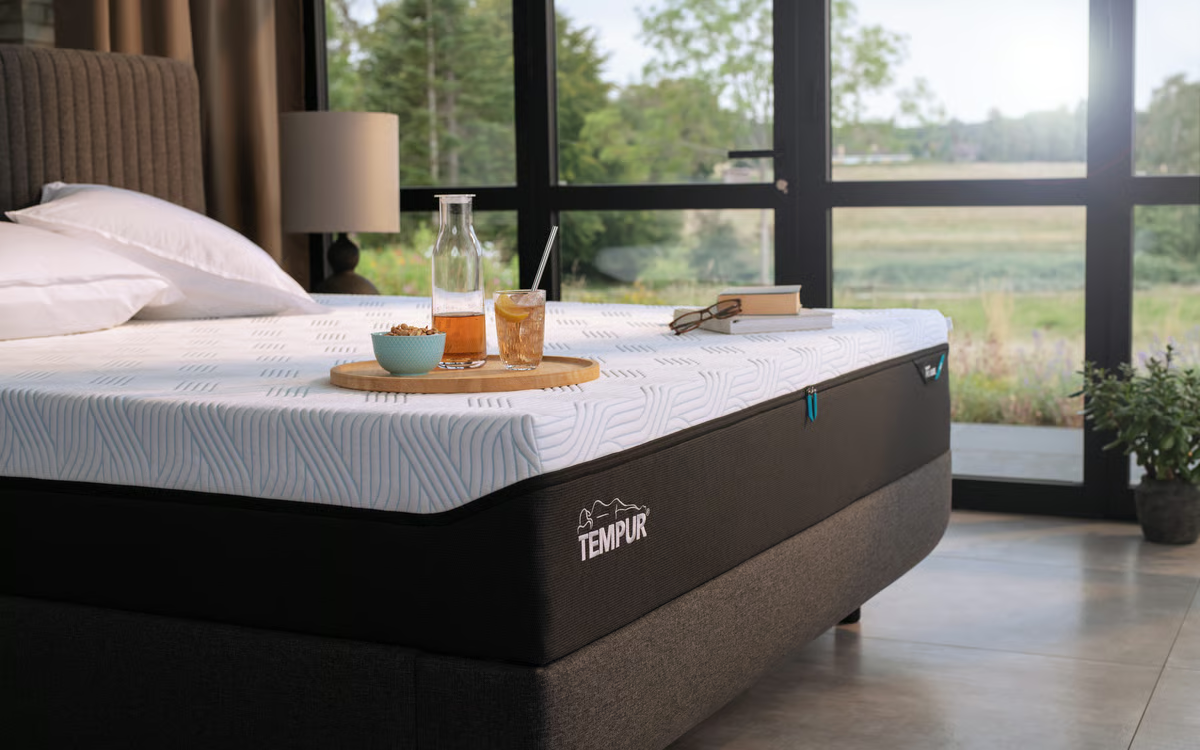
Background & values: Memory‑foam pioneer using proprietary TEMPUR® material developed from NASA tech. Focus on pressure relief and motion isolation.
Collections: Cloud, Original, Sensation, Hybrid; SmartCoolâ„¢ covers and adjustable bases.
Typical UK price positioning: Premium (frequent promotions).
Warranty & trial:10‑year guarantee; 100‑night trial on mattresses purchased from Tempur UK’s website (outlet items may be excluded).
Price Range: Pro SmartCool from £1,399 to £1,749; Pro Luxe up to £2,599, Industry commentary places their mattresses between £2,099 and £2,899.
Pros
Outstanding pressure relief and partner disturbance isolation
Widely available with good delivery options
Clear trial/warranty terms online
Cons
Some sleepers find memory foam warmer or too “huggyâ€
Background & values: Handmade in England; natural-fibre focus (wool, cotton, silk, cashgora) and traditional pocket‑spring construction with hand side‑stitching.
Collections: Wool Luxury series and retailer exclusives; strong reputation for breathability and traditional feel.
Typical UK price positioning: Premium, often competitively priced vs. heritage ultra‑luxury peers.
Warranty & trial:5‑year guarantee + 5‑year warranty arrangement (Millbrook’s wording; effectively 10 years of cover when registered).
Pros
Natural, breathable builds; good summer performance
And Finally: A Note on Modern “Tech-Luxury†Rivals
While not “heritage luxury,†performance‑forward brands such as Simba and Emma operate at the premium end with generous trials and guarantees (e.g., Simba 200‑night trial/10‑year guarantee per current press offers; Emma 200‑ to 365‑night trials are widely reported in 2025). They’re not hand‑stitched ateliers, but they are relevant for shoppers prioritising long home trials and modern cooling foams over traditional craft.
Side‑by‑Side: Warranties & Trials (at a glance)
Savoir Beds: 25‑year guarantee; bespoke service; no broad DTC-style trial. Â
Vispring: 30‑year guarantee; retailer‑led trials. Â
Hästens: 25‑year guarantee against frame/spring breakage; trials via retailers. Â
Luxe Mattresses: 100‑night at‑home trial; ~10‑year warranty (10–15 years cited by model); 14‑day returns shown on clearance. Â
Hypnos: 10‑year guarantee; many retailers offer ~60‑night exchanges. Â
Harrison Spinks: Minimum 5‑year guarantee; retailer‑managed trials. Â
Tempur: 10‑year guarantee; 100‑night home trial on most website purchases (outlet exceptions). Â
Millbrook: 5‑year guarantee + 5‑year warranty structure. Â
(Always confirm the exact terms on the brand’s site or your retailer’s page before buying—trial length and service policies can vary by channel and change over time.)
How to Choose Among Luxury Brands
Decide on feel & build:
Love traditional bounce and breathability? Look at Vispring, Savoir, Harrison Spinks/Somnus, Millbrook(natural fibres, hand‑stitched borders).
Luxe Mattresses+ 100‑night trial, ~10‑year warranty, strong spec‑for‑price; – Less heritage prestige; fewer atelier‑level bespoke options. Â
Hypnos+ Royal Warrant, sustainable builds, 10‑year guarantee; – Trial varies by retailer, naming can be confusing. Â
Harrison Spinks+ In‑house springs, traceable natural fillings, sustainability; – Retailer‑dependent trials, heavier mattresses. Â
Tempur+ Excellent pressure relief, 100‑night trial on website orders, 10‑year guarantee; – Some find foam warmer/too enveloping. Â
Millbrook+ Handmade natural builds, good breathability/value; – Regular turning; warranty wording needs a careful read. Â
Final Word
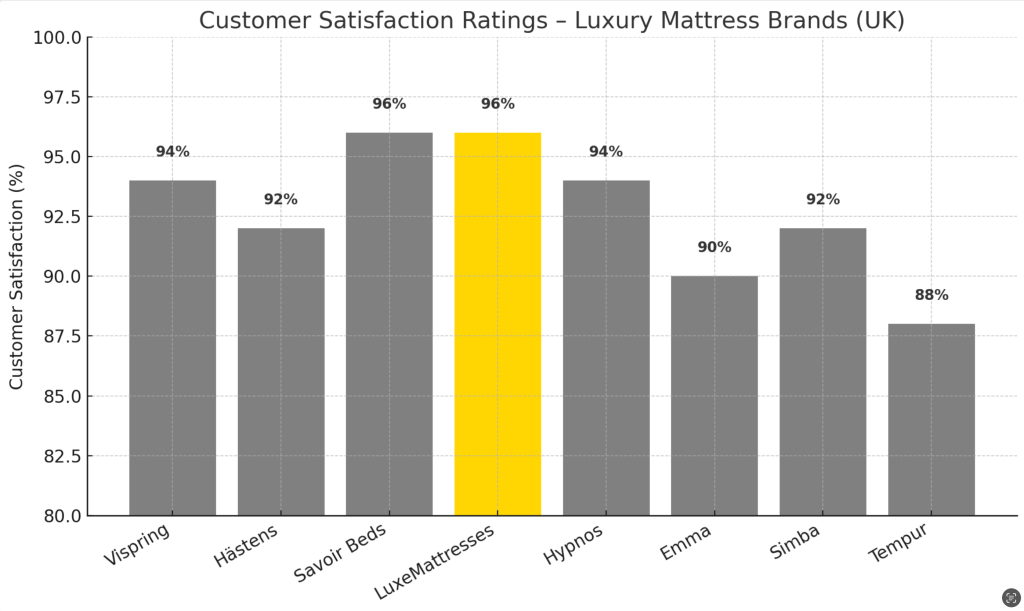
If you want atelier‑level heritage and are comfortable with very high pricing, Savoir and Hästens sit at the apex. For classic, natural British luxury with an exceptional guarantee, Vispring is hard to beat. If you prefer modern value without compromising on premium feel, plus the reassurance of a 100‑night trial, Luxe Mattresses offers a compelling UK‑based alternative that’s far easier on the wallet while still delivering hybrid or natural comfort. Â
Frequently Asked Questions
1) What makes a mattress “luxury†in the UK market?
Luxury mattresses typically combine hand craftsmanship, premium natural materials (e.g., British wool, silk, cashmere, horsehair), and high spring counts or advanced hybrid designs. You also tend to see longer guarantees, careful edge support, hand side‑stitching, and better service policies. Heritage makers focus on artisanal build and natural breathability; modern premium brands emphasise hybrids, cooling foams, and generous trials.
2) How do heritage brands differ from modern direct‑to‑consumer (DTC) brands?
Heritage brands (e.g., Vispring, Savoir, Hästens) prioritise hand‑made construction and natural fibre stacks—often with bespoke options and very long guarantees. Modern DTC brands (e.g., Luxe Mattresses) focus on value, easy delivery, transparent specs, and home trials. The feel is different too: heritage beds are often two‑sided, breathable, and “buoyantâ€; DTC hybrids balance contouring foams with pocket springs for pressure relief and support.
3) What firmness should I choose—medium firm, firm, or extra firm?
Start with sleep position and body weight. Side sleepers usually prefer medium or medium‑firm to cushion shoulders/hips. Back sleepers often like medium‑firm to firm for neutral spinal alignment. Stomach sleepers and heavier individuals usually need firmer or extra‑firm to reduce mid‑section sink. If you’re unsure, take a guided firmness test (e.g., Sleep Lab tools) or a brand’s mattress selection quiz and use a home trial where offered.
4) Are luxury mattresses better for temperature regulation?
Often, yes. Natural fibres (wool, horsehair, cotton, flax) breathe well and manage humidity. Modern hybrids add cooling gels, open‑cell foams, air channels and heat‑dissipating covers. If you sleep hot, look for breathable natural stacks or “cooling†hybrids with airflow design rather than dense, unventilated foam blocks.
5) How long do luxury mattresses typically last?
With proper care, many premium mattresses comfortably last 8–12+ years. Heritage builds with dense natural fillings and strong spring units can last even longer. Check the brand’s guarantee: longer terms generally indicate higher confidence in durability. Rotating/turning (if applicable), using a protector, and proper base support extend lifespan.
6) What warranties and sleep trials should I expect?
Heritage brands commonly offer long guarantees (e.g., 10–30 years) but trials can vary by retailer. Modern DTC brands frequently offer at‑home trials (e.g., 100 nights) with straightforward returns or exchanges. Luxe Mattresses, for example, offers a 100‑night trial and model‑dependent warranties typically ranging from 10 to 15 years. Always confirm specific terms on the product page before purchasing.
7) What should I know about returns and exchanges?
Policies differ. Some heritage makers sell via retailers that run exchange windows (e.g., 30–60 nights), while many DTCs offer a single integrated 100‑night trial. Check if returns include collection fees, whether you get a full refund or an exchange credit, and if there are exclusions (e.g., clearance items or custom builds).
8) How do materials affect feel and support?
Pocket springs provide responsive, zoned support and strong edge integrity. Natural fibres add breathability and a subtle, buoyant comfort. Memory foam excels at pressure relief and motion isolation but may feel warmer; latex is lively, breathable, and durable. Hybrids combine springs with foams or latex to balance contouring and support.
9) Are luxury mattresses suitable for people with back discomfort?
They can be—if the firmness and construction suit your body and sleep style. Many orthopaedic‑style builds provide firmer, zoned support for spinal alignment. For persistent pain, seek professional guidance (e.g., physiotherapist or chiropractor) and use a brand’s trial period to validate comfort at home before committing.
10) How do I compare value across brands with very different prices?
Look beyond price alone. Weigh material quality (natural content, foam density), craftsmanship (hand side‑stitching, spring engineering), guarantees, trial length, and service (delivery, set‑up, removal, order tracking). A “value index†combining these factors can show when a modern premium brand outperforms a pricier heritage option for your needs.
11) What delivery, setup, and after‑sales support should I look for?
Premium brands often include two‑person delivery, optional old‑mattress removal, and clear communications. DTC brands may also offer advanced order tracking, self‑service portals for warranty claims, and proactive email updates. These services reduce hassle and are worth factoring into total value.
12) What certifications or regulations matter in the UK?
UK mattresses should meet applicable fire safety standards (e.g., BS 7177 for domestic mattresses). Many premium brands also highlight certifications around fabric safety, emissions, or responsible sourcing. If you have allergies, look for hypoallergenic constructions, removable/washable covers, and clearly labelled materials.
13) Where does Luxe Mattresses stand out specifically?
Luxe focuses on premium hybrid and natural options with modern, customer‑friendly policies—such as a 100‑night trial, model‑dependent 10–15‑year warranties, online warranty claim submission, and advanced order tracking. Tools like a sleep quiz and firmness testing help you quickly find the right feel without paying heritage‑brand prices.
14) How do I maintain a luxury mattress?
Use a breathable protector, rotate regularly (and turn if two‑sided), keep the mattress well‑supported on a compatible base, and follow the brand’s care guide. Spot‑clean only—avoid saturating fillings. Proper care preserves loft, hygiene, and long‑term support.
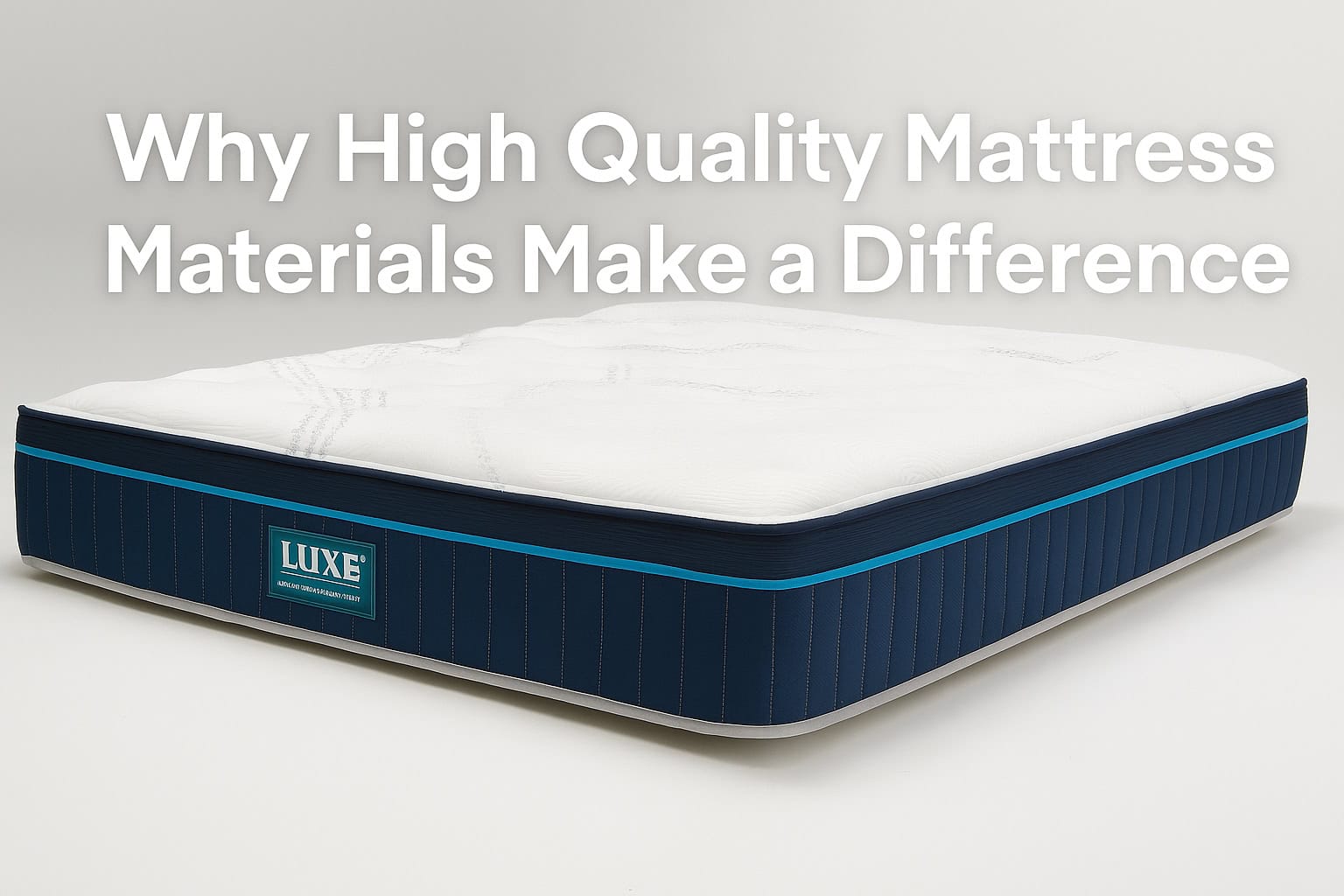
When it comes to buying a mattress, price often dominates the conversation, but what really determines how well a mattress performs and how long it lasts? The answer lies in the materials used. Whether you’re seeking pressure relief, spinal alignment, temperature regulation, or long-term durability, the composition of your mattress plays a major role. This article explores why high-quality materials matter, how they affect your sleep, and how mattresses like Luxe Ergo stand as examples of superior craftsmanship.
1. Material Integrity and Longevity
Mattresses made with premium materials are simply built to last. Lower-end mattresses often use low-density foams, synthetic fabrics, and cheaper coil systems that wear out quickly. These can sag within a year or two, leading to poor spinal support and discomfort.
Durable pocket spring systems like 2000+ spring counts for consistent support and motion isolation.
Take, for instance, a mattress that features a 3400-spring dual-layer system and natural fillings, this level of structural complexity and durability isn’t found in budget mattresses.
2. Pressure Relief and Spinal Support
The difference in comfort is often immediate when comparing a low-quality mattress to one made with ergonomic, supportive materials. Cheaper beds may fail to contour to your body, causing uneven weight distribution and exacerbating pressure points.
Zero Gravity™ or contouring foam layers that adapt to the body’s curves.
Edge-to-edge support that prevents roll-off and sagging.
These features promote proper spinal alignment and are particularly beneficial for side and back sleepers who need a mattress that accommodates pressure points without compromising firmness.
3. Cooling and Breathability
Temperature regulation is a critical factor in restful sleep, especially for hot sleepers. Cheaper mattresses typically trap heat due to poor ventilation and synthetic fabric covers.
Quality mattresses often include:
Open-cell gel foams that dissipate heat.
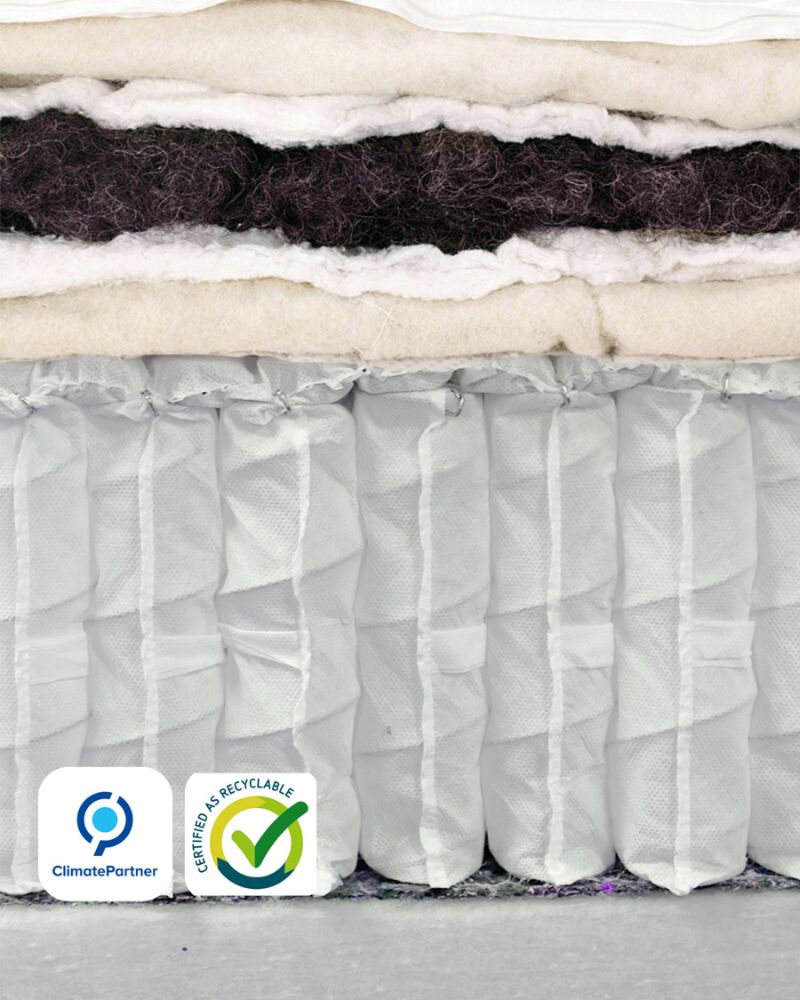
Natural materials like British wool, cotton, and bamboo that wick away moisture.
Ventilated spring systems that allow for continuous airflow throughout the mattress core.
For example, mattresses that use layered breathable fibres with integrated airflow channels offer night-long temperature control without the need for external cooling technology.
4. Health and Hypoallergenic Properties
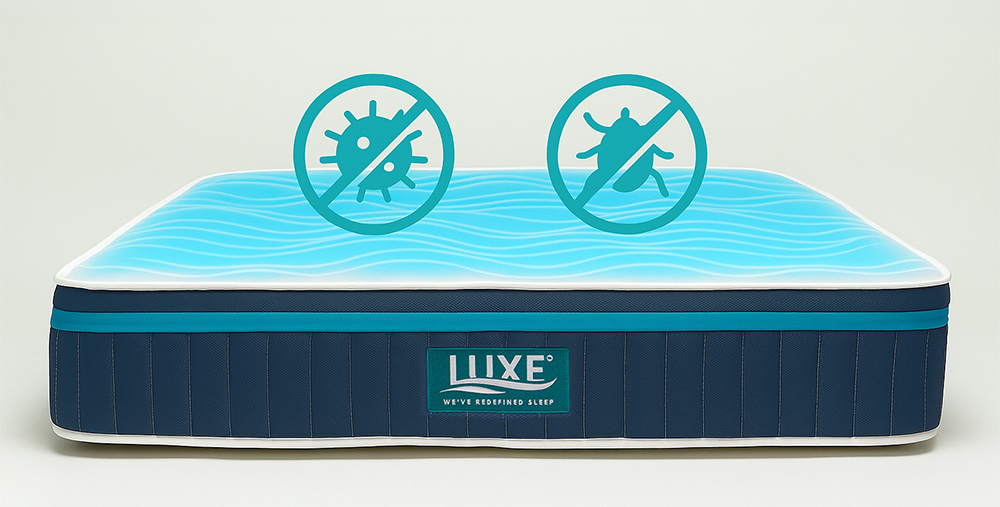
Another benefit of investing in a well-constructed mattress is its ability to support a healthier sleep environment. Budget mattresses can harbor dust mites, bacteria, and allergens due to poor materials and lack of antimicrobial treatment.
Hypoallergenic materials like natural latex or certified organic cotton.
Removable and washable covers that help maintain hygiene over time.
Some mattresses go as far as integrating naturally antimicrobial properties in their fibres, ideal for allergy sufferers and families with young children.
5. Consistency Over Time
Cheap mattresses tend to lose their performance fast. Soft spots, coil failure, and uneven surfaces make them unreliable after just a short period. Conversely, premium mattresses offer:
Consistent firmness throughout their lifespan.
30-year spring performance warranties or guarantees on material durability.
Resilience to body impressions, thanks to higher-quality foam layers and reinforced cores.
Mattresses that include advanced support systems with independently encased springs and reinforced perimeter zones are engineered to withstand years of nightly use without deterioration.
6. Ethical Manufacturing and Sustainability
A growing concern for consumers is how sustainable their purchases are. High-end mattresses are often made using ethically sourced, eco-friendly materials. Cheaper alternatives tend to rely on synthetic, petroleum-based foams and materials that are harmful to the environment.
Premium mattress brands tend to offer:
GOTS-certified natural fibres like wool and cotton.
Non-toxic, CertiPUR-US® certified foams.
Sustainable manufacturing practices, including reduced plastic packaging and low-carbon delivery methods.
Choosing a mattress made with sustainability in mind not only supports better health and comfort but also reflects environmental responsibility.
7. Real-World Example: A High-Quality Mattress in Practice
Consider a mattress with the following features:
Dual coil system (over 3000 springs)
Natural British wool and cotton
Thermo-regulating gel-infused foam
Medium-firm comfort with edge-to-edge support
Hypoallergenic, breathable, and built in the UK
These specifications aren’t just marketing buzzwords, they represent a mattress designed to provide full-body support, healthy airflow, and resilience, with materials sourced for both performance and sustainability. When stacked against generic foam mattresses or mass-produced budget models, the difference in comfort and quality is clear.
8. Why Material Costs Reflect Value
High-quality materials cost more, but they also deliver more. When you pay for superior components, you’re investing in
Longer product lifespan
Better health outcomes
Higher sleep quality
Reduced long-term replacement costs
Mattresses built with premium materials are not always heavily marketed, and many direct-to-consumer models allocate their budget to product development rather than flashy advertising. This often makes them more affordable than heavily branded alternatives without compromising on build quality.
9. Are High Price Tags Justified? Comparing to Standard Mattresses
One of the most common hesitations buyers have when considering premium mattresses is price. Standard or “budget†mattresses can range from £150–£400 for a double size, often sold at mass-market retailers or online marketplaces. In contrast, a high-quality mattress with premium materials—like natural wool, advanced cooling foams, and a multi-zone spring system, may cost £700–£1,200 or more depending on its construction.
So what justifies the difference?
Cheaper mattresses:
Often use lower-density polyurethane foams
May lack reinforced edge support or zoned comfort layers
Tend to sag within 1–3 years with daily use
Have minimal breathability, leading to heat retention
Usually carry shorter warranties (1–5 years)
Higher-quality mattresses:
Built with dense foams or natural materials that last 8–12+ years
Offer advanced ergonomic zoning for pressure relief
Include anti-microbial, hypoallergenic features
Provide breathable layers that reduce overheating
Backed by extensive warranties (10–25 years)
Over time, a low-cost mattress might need to be replaced multiple times, while a high-end one may continue to deliver consistent support and comfort for more than a decade. This makes the cost-per-year of premium models comparable or even more economical than entry-level mattresses.
10. How to Know If a Mattress Is Worth the Price
Before purchasing a mattress, especially one with a higher price tag, it’s important to evaluate whether the investment matches its advertised value. Here’s how you can tell:
Check the Materials
Look for:
Natural fillings like wool, cotton, or latex
High-density foams (preferably 5 lbs/ft³ and above)
Pocket spring counts (above 1000 for adequate support)
Certifications like CertiPUR-US®, GOTS, OEKO-TEX®, or equivalent
Research the Construction
Ask:
Does it offer zoned support for different body areas?
Are there breathable layers for temperature regulation?
Is there reinforced edge support to prevent sagging?
Review the Warranty and Trial Period
A mattress offering a 10+ year warranty and a trial period of 30–200 nights shows confidence in durability and customer satisfaction.
Read Verified Reviews
Consumer feedback, especially from independent platforms, can reveal performance insights that marketing claims might not.
Evaluate the Brand’s Transparency
A trustworthy brand will be clear about its sourcing, certifications, and material breakdown. Beware of vague product descriptions with no real technical information.
Conclusion
Choosing a mattress isn’t just about picking a comfortable surface, it’s about selecting the materials, structure, and craftsmanship that directly impact your sleep quality, health, and long-term satisfaction.
High-quality mattresses stand apart because of what lies beneath the surface: breathable natural fibres, dense and durable foams, advanced spring systems, and thoughtful ergonomic design. These components don’t just feel better, they last longer, support your body more effectively, and often include certifications for safety and sustainability.
While premium mattresses may come with higher price tags, they also offer longer warranties, improved durability, and significantly better value over time. Compared to lower-end alternatives that often sag or deteriorate within a few years, an investment in a well-constructed mattress can ultimately prove more economical and far more beneficial to your health.
Before buying, ask not just “How much does it cost?†but also “What am I getting for the cost?â€. A well-made mattress supports spinal alignment, regulates temperature, isolates motion, and even resists allergens all contributing to a deeper, healthier sleep.
Because when it comes to your sleep, comfort should never be a compromise. And in mattresses, quality isn’t just a feature, it’s the foundation.
When it comes to choosing a high-performance hybrid mattress, two strong contenders stand out: the Simba Luxe Mattress and the LuxeErgoâ„¢ 3400 Hybrid Mattress by Luxe Mattresses. While both are designed to offer comfort, support, and long-term durability, their materials, construction, and sleep experience differ in meaningful ways. If you’re comparing the Simba Luxe Mattress with Luxe’s flagship model, this article will help you decide which one suits your unique sleep needs best.
The Simba Luxe Mattress delivers a modern, engineered sleep feel. Its multi-layered foam and micro spring construction is designed for people who prefer bounce, contouring, and edge stability. The bamboo-infused top layer and Simbatex open-cell foam offer effective cooling and decent pressure relief, especially for back and stomach sleepers.
In contrast, the Original LuxeErgoâ„¢ 3400 offers a more natural, plush yet supportive sleep experience. Its Zero Gravityâ„¢ Gel Foam adapts quickly to movement while creating a “floating” sensation. Beneath it, the dual coil system with over 3,400 springs adjusts to the body’s shape and weight, delivering adaptive spinal support ideal for all sleep positions.
Thanks to the natural British wool and cotton layers, LuxeErgoâ„¢ keeps sleepers cool, dry, and comfortable across all seasons. It also creates a cloud-like comfort that gently hugs the body without overheating.
Premium quilted cover with moisture-wicking technology
British Wool & Cotton blend (top and bottom)
Zero Gravityâ„¢ Gel-Infused Memory Foam
1,400 FortiCoilâ„¢ Micro Pocket Springs
2,000 EnduraSpringâ„¢ coil support system
Triple-layer coconut coir base for spring stabilisation
Fire-resistant antimicrobial outer fabric
Breathable, open-cell internal foams
Original Luxe Ergo 3400
Support & Spinal Alignment
Both mattresses are engineered to support healthy spinal posture, but they do so differently:
Simba Luxe relies on a high-density foam and spring hybrid setup to deliver zoned support.
LuxeErgoâ„¢ 3400Â takes an ergonomic, body-responsive approach using dual spring systems that adjust to your weight and position while reducing pressure points.
If you suffer from back discomfort or joint pain, LuxeErgoâ„¢ provides a more therapeutic feel, especially with its advanced pressure relief and breathable foam.
Cooling & Breathability
Simba uses modern foam technology and bamboo wool for cooling, which works well for many sleepers. However, LuxeErgoâ„¢ goes a step further with:
Naturally breathable wool and cotton
Open-cell Zero Gravityâ„¢ foam
Moisture-wicking gel fabric in the cover
This makes LuxeErgoâ„¢ an excellent choice for hot sleepers or those who struggle with overheating during the night.
Value for Money
Simba Luxe Mattress typically retails around £1,699 for a king size, though discounts often apply. While the build quality is premium, its cost includes a tech-heavy structure.
Original LuxeErgo™ 3400 is priced at £1,049 for a king, and despite being lower in price, it offers:
A higher spring count
Custom firmness options (3400 or 4000 springs)
More natural and breathable materials
Greater structural durability (30-year spring expectation)
When comparing cost-to-performance, LuxeErgoâ„¢ offers exceptional value, especially for customers who want natural comfort with long-term support.
A key reason the LuxeErgoâ„¢ 3400 is priced more affordably despite its premium build is our philosophy on where to invest. At Luxe Mattresses, we dedicate the majority of our budget to product development and raw materials, not aggressive marketing. In fact, our marketing costs make up less than 20% of what we spend on production. This contrasts with many big mattress brands that spend heavily on digital ads, influencer partnerships, and branding campaigns. According to industry reports, some mattress companies allocate up to 40-60% of their budget to marketing, which inflates retail pricing. By focusing on quality-first craftsmanship and transparent pricing, we deliver greater value directly to you.
Which Mattress Is Best for You?
Choose Simba Luxe if you:
Prefer a modern, responsive feel
Sleep hot and want engineered cooling tech
Like medium-firm support and edge stability
Choose Original LuxeErgoâ„¢ 3400 if you:
Prefer natural materials and a more breathable sleep surface
Want a combination of plush comfort and strong support
Suffer from back pain or overheating
Value custom firmness and high spring count
Appreciate handcrafted quality and better price-to-performance ratio
Final Verdict
The Simba Luxe Mattress is an advanced, well-reviewed hybrid suitable for modern sleepers who prioritise tech and firm support. However, the LuxeErgoâ„¢ 3400 outshines in natural comfort, spring precision, breathability, and personalised support.
If you’re looking for luxurious sleep without synthetic compromise, the Original Luxe Mattress is the smarter, healthier, and more comfortable choice.
Explore the LuxeErgoâ„¢ 3400 Hybrid Mattress today at LuxeMattresses.co.uk and start sleeping the way your body was meant to.