

100-Night Risk-Free Trial
Free Nationwide Delivery
10 Years Warranty
Call us at: 020 4572 5122
0% APR Finance Available
What Your Sleep Habits Reveal: The Science Behind Sleep Quiz Questions
April 21, 2026

What Your Sleep Habits Reveal: The Science Behind Sleep Quiz Questions

When it comes to improving sleep, there’s no such thing as a one-size-fits-all solution. Each person’s sleep is shaped by unique factors ranging from their daily habits and stress levels to their environment, routine, and physical needs. That’s why personalized sleep assessments or “sleep quizzes” include a wide array of questions designed to uncover the full story behind how you sleep.

The sleep quiz available on our platform is developed using trusted data and methodologies from several leading sleep research authorities. These include:

Each question in the quiz serves a purpose, whether it’s assessing sleep onset, duration, consistency, or how external and internal factors affect your rest. In this article, we’ll explore what these questions are, why they matter, and how your answers help form a tailored snapshot of your sleep health an important step toward better rest and well-being.

Bedtimes and Wake Times: Mapping Your Rhythm

Questions like:

  • What time do you typically go to bed on weekdays?
  • What time do you wake up on weekdays?

These determine your chronotype, whether you are naturally a morning person or a night owl. Sleep experts use this to understand whether your biological rhythm aligns with your daily routine. Mismatches between internal clocks and social obligations (like work schedules) can lead to “social jetlag,” which contributes to fatigue, poor focus, and sleep disorders.

The data also helps determine sleep consistency, a crucial factor in sleep quality. Irregular schedules often lead to disturbed REM cycles and trouble falling or staying asleep.

Sleep Duration and Catching Up

  • How many hours of sleep do you typically get each night?
  • Do you try to “catch up” on sleep during weekends or days off?

Sleep deprivation can’t be completely offset by weekend lie-ins, but patterns of catch-up sleep suggest chronic sleep debt. These answers help identify whether a person is unknowingly under-rested. Long-term sleep debt is associated with decreased cognitive function, metabolic disorders, and mood instability.

Sleep Latency: How Long It Takes You to Fall Asleep

  • How long does it usually take you to fall asleep?

This question offers insight into both sleep hygiene and possible underlying stress or discomfort. Sleep latency—the time between getting into bed and falling asleep is considered healthy if it’s under 30 minutes. Longer durations may be linked to screen use, caffeine, anxiety, or physical discomfort such as an unsupportive mattress or poor sleep posture.

Sleep Position: Pressure and Alignment

  • What is your primary sleeping position?

Whether someone sleeps on their back, side, or stomach dramatically affects pressure distribution and spinal alignment. This helps match individuals with appropriate sleep surfaces. For instance, side sleepers tend to need softer surfaces that relieve pressure on shoulders and hips, while stomach sleepers require firmer surfaces to prevent spinal sagging.

Understanding sleeping position is central to addressing body pain, especially lower back or neck strain.

Sleep Aids and Medication

  • How often do you use sleep aids or medication to help you sleep?

This helps assess whether sleep quality is natural or artificially supported. Frequent use of aids may suggest chronic insomnia, anxiety, or physical discomfort. It can also point to dependencies or ineffective underlying strategies, especially if sleep quality remains poor even with intervention.

Caffeine and Alcohol Intake

  • How much caffeine do you consume daily?
  • How does alcohol consumption affect your sleep?

Both substances are well-known to affect sleep. Caffeine is a stimulant that can reduce melatonin production and delay sleep onset, especially if consumed late in the day. Alcohol, while initially sedating, disrupts REM cycles and increases nighttime waking.

Responses here help distinguish lifestyle-driven sleep disruptions from environment- or equipment-related issues.

Screen Time Before Bed

  • How much time do you spend on screens within 1 hour of bedtime?

This question addresses exposure to blue light, which can delay melatonin secretion. Screen time also tends to stimulate the brain, especially when engaging with interactive content (like scrolling or gaming). Reduced screen exposure correlates with faster sleep onset and better sleep depth.

Environmental Factors

  • Select any issues with your sleep environment (light, temperature, noise, mattress comfort, etc.)

Environment plays a critical role in how the body settles into sleep. Too much light can suppress melatonin. Noise even subtle, can trigger micro-awakenings. Temperature extremes can cause discomfort that fragments sleep. Mattress discomfort is a frequent complaint that often links back to poor pressure relief or inadequate spinal support.

These insights allow sleep advisors to recommend simple, targeted improvements, like blackout curtains, sound dampening, or material changes in bedding.

Bedtime Routines and Sleep Regularity

  • Do you have a consistent bedtime routine?

Sleep is a learned behavior, and routine trains the brain to enter rest mode. A regular pattern of winding down (e.g., dimming lights, reducing stimulation, performing hygiene rituals) improves sleep onset and sleep quality. Inconsistent routines may cause delays in falling asleep or fragmented rest.

Dream Recall

  • How often do you remember your dreams?

While dreams themselves are subjective, dream recall is often a proxy for uninterrupted REM sleep. Those who remember dreams more frequently may be waking at the end of REM cycles. Alternatively, not remembering dreams may suggest sleep that’s too shallow or fragmented.

This helps determine whether sleep is reaching all the necessary stages particularly restorative REM and deep sleep.

Daytime Napping

  • How often do you take naps during the day?

Napping is often a compensatory behavior for poor sleep at night. Regular napping may indicate sleep fragmentation or disorders like sleep apnea. On the other hand, power naps under 30 minutes can be healthy and restorative, so the key is frequency and duration.

Stress Levels

  • How would you rate your current stress level?

Chronic stress is one of the top reasons for poor sleep. Elevated cortisol levels can keep the brain alert, reduce melatonin production, and disrupt the sleep-wake cycle. This information helps assess whether physical solutions (like a new mattress) need to be paired with stress-reduction strategies such as mindfulness or changes in bedtime behaviour.

How the Data Comes Together

Each of these questions forms a piece of the puzzle. When analyzed together, they create a holistic profile of the sleeper, incorporating:

  • Behavioral patterns (bedtime, screens, routine)
  • Lifestyle contributors (caffeine, alcohol, stress)
  • Physical factors (body position, sleep latency)
  • Environmental conditions (noise, light, mattress comfort)

This comprehensive analysis allows sleep experts or intelligent algorithms to identify areas for change, recommend tailored solutions, and improve overall sleep hygiene. Whether the intervention is behavioural, environmental, or physical (such as changing mattress type), the goal is always the same: restoring balance to the natural sleep cycle.

Final Thoughts

Understanding sleep means looking beyond surface-level symptoms. It requires examining habits, choices, body needs, and surroundings. The wide range of questions in a sleep quiz might seem excessive at first, but each is essential for drawing accurate insights.

Ultimately, the science of sleep starts with self-awareness, and every answer brings us closer to a better night’s rest. For those seeking even deeper insights, using a reliable sleep calculator can help determine optimal bedtime and wake-up schedules based on your sleep cycles and habits. These tools complement quizzes by turning your data into practical, personalised advice.

Comprehensive Sleep Quiz

Discover your personalized sleep score and get expert recommendations to improve your sleep quality. This quiz takes about 5-7 minutes to complete.

Why Take This Quiz?

  • Get a comprehensive analysis of your sleep habits
  • Receive personalized recommendations from sleep experts
  • Find the perfect mattress match for your sleep style
  • Learn science-backed tips to improve your sleep quality
  • Get personalized product recommendations
Take the Sleep Quiz

Whether someone struggles to fall asleep, wakes often, or feels unrefreshed in the morning, these data points can help identify patterns that lead to smarter, more personalized solutions.

Ultimately, the science of sleep starts with self-awareness and every answer brings us closer to a better night’s rest.
How Many Hours of Sleep Do You Really Need? (Use Our Sleep Calculator)
March 9, 2026

How Many Hours of Sleep Do You Really Need? (Use Our Sleep Calculator)

Estimated reading time: 6 minutes

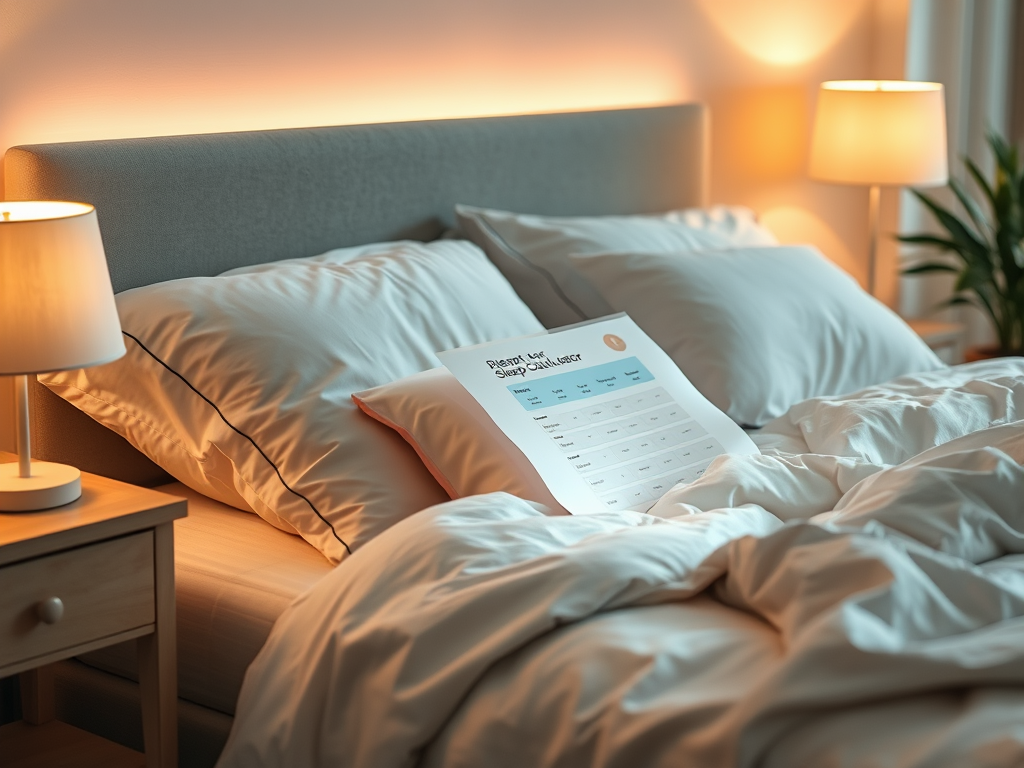
Sleep is a fundamental component of overall health, influencing everything from cognitive function to immune response. Using a sleep calculator can help you find the perfect balance. While general guidelines suggest that adults need between 7 to 9 hours of sleep per night, individual needs can vary based on age, lifestyle, and health conditions. Understanding your unique sleep requirements is essential for optimising rest and well-being.

1. Understanding Sleep Cycles and Their Impact

calculate sleep debt

Sleep is composed of multiple cycles, each lasting approximately 90 minutes. These cycles include stages of light sleep, deep sleep, and REM (rapid eye movement) sleep. Waking up at the end of a sleep cycle, rather than in the middle, can lead to feeling more refreshed and alert. Aligning your sleep schedule with these natural cycles can enhance sleep quality and daytime functioning.

2. Personalized Bedtime and Wake-Up Calculations

Bedtime Calculator

Determining the optimal time to go to bed involves considering your desired wake-up time and the number of complete sleep cycles you aim to achieve. For instance, if you need to wake up at 6:30 AM and want to complete five sleep cycles (7.5 hours), your ideal bedtime would be around 11:00 PM. This calculation also accounts for the average time it takes to fall asleep, typically about 15 minutes.

Sleep Calculator

Plan your optimal bedtime and wake-up times based on your body’s natural sleep cycles. Wake up refreshed and energized every morning.

Why Use This Calculator?

  • Calculate the ideal bedtime based on when you need to wake up
  • Find the optimal wake-up time based on when you go to bed
  • Work with your body’s natural 90-minute sleep cycles
  • Minimize grogginess and maximize morning energy
  • Based on sleep science research
Use Sleep Calculator

Wake-Up Time Calculator

Conversely, if you plan to go to bed at a specific time, calculating the best wake-up time involves ensuring you complete full sleep cycles. For example, going to bed at 10:00 PM and aiming for six sleep cycles (9 hours) would suggest a wake-up time of 7:00 AM.

3. Assessing and Managing Sleep Debt

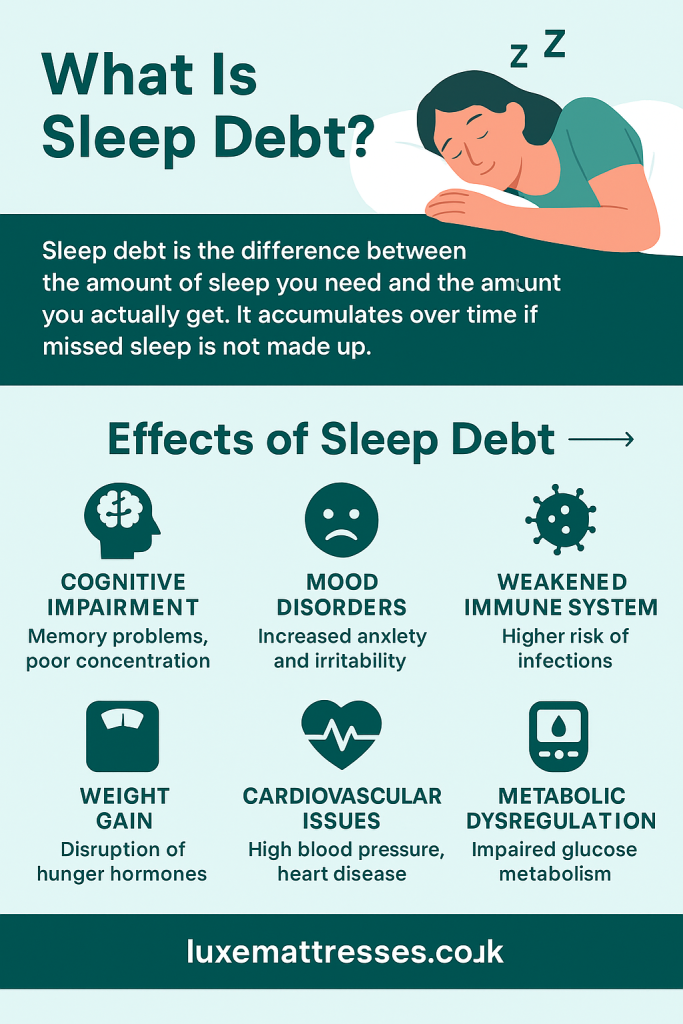
What Is Sleep Debt?

Sleep debt accumulates when you consistently get less sleep than your body requires. For example, if your body needs 8 hours of sleep per night but you only get 6 hours, you accrue a sleep debt of 2 hours per night. Over a week, this amounts to 14 hours of lost sleep.

what is sleep debt?

Calculating Your Sleep Debt

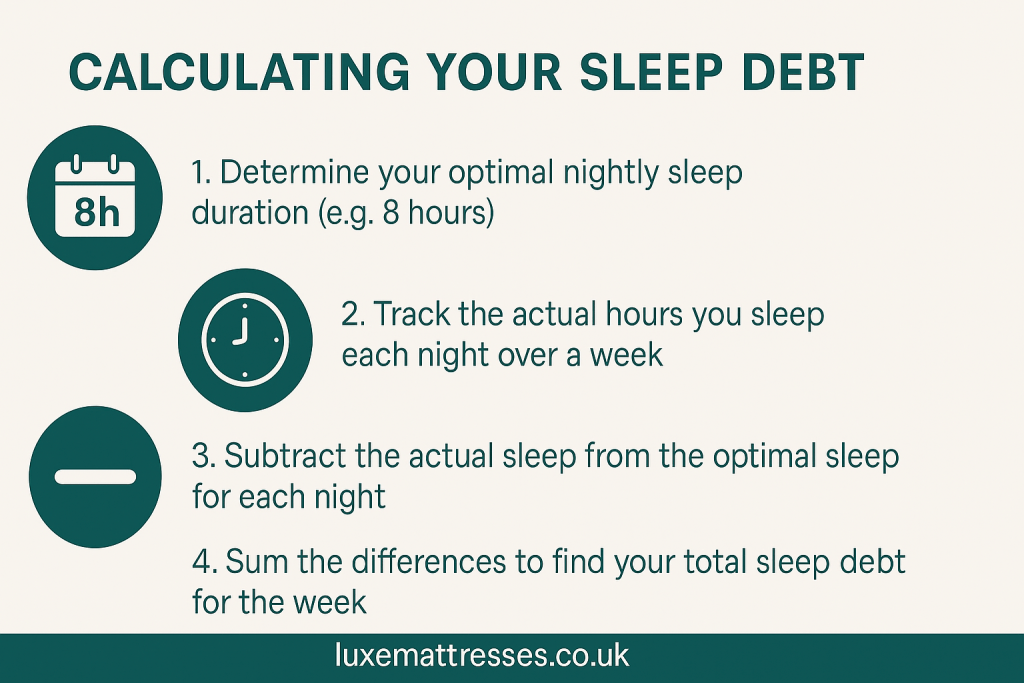
To calculate your sleep debt:

  1. Determine your optimal nightly sleep duration (e.g., 8 hours).
  2. Track the actual hours you sleep each night over a week.
  3. Subtract the actual sleep from the optimal sleep for each night.
  4. Sum the differences to find your total sleep debt for the week.

Comprehensive Sleep Quiz

Discover your personalized sleep score and get expert recommendations to improve your sleep quality. This quiz takes about 5-7 minutes to complete.

Why Take This Quiz?

  • Get a comprehensive analysis of your sleep habits
  • Receive personalized recommendations from sleep experts
  • Find the perfect mattress match for your sleep style
  • Learn science-backed tips to improve your sleep quality
  • Get personalized product recommendations
Take the Sleep Quiz

Managing sleep debt involves adjusting your schedule to allow for additional sleep, improving sleep hygiene, and addressing any underlying sleep disorders.

4. Evaluating Sleep Quality and Establishing Benchmarks

Assessing sleep quality goes beyond duration. Key factors include:

  • Sleep Latency: Time taken to fall asleep.
  • Sleep Efficiency: Percentage of time in bed spent sleeping.
  • Nighttime Awakenings: Frequency and duration of awakenings during the night.

Establishing benchmarks for these factors helps in identifying areas for improvement and tracking progress over time.

5. Discovering Your Sleep Personality

Understanding your sleep personality can provide insights into your sleep patterns and needs. Common sleep personalities include:

  • The Light Sleeper: Easily awakened by noise or light.
  • The Deep Sleeper: Rarely disturbed during sleep.
  • The Night Owl: Prefers late bedtimes and wake-up times.
  • The Early Bird: Naturally inclined to sleep and wake early.

Identifying your sleep personality can guide you in tailoring your sleep environment and routines for optimal rest.

6. Personalized Sleep Recommendations

Based on your sleep assessments and personality, consider the following personalized recommendations:

  • For Light Sleepers: Use white noise machines, blackout curtains, and maintain a consistent sleep schedule.
  • For Deep Sleepers: Ensure alarm clocks are effective in waking you and avoid oversleeping.
  • For Night Owls: Gradually adjust bedtime earlier and limit exposure to screens before bed.
  • For Early Birds: Maintain consistent sleep and wake times, even on weekends.

Additionally, selecting a mattress that aligns with your sleep preferences can enhance comfort and support, contributing to better sleep quality.

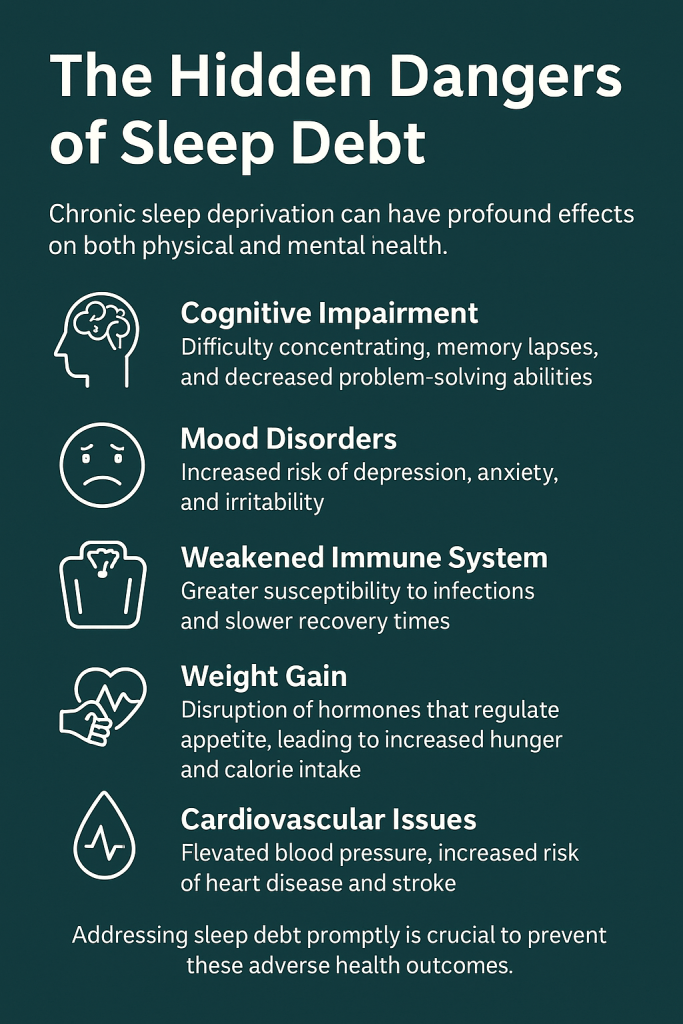
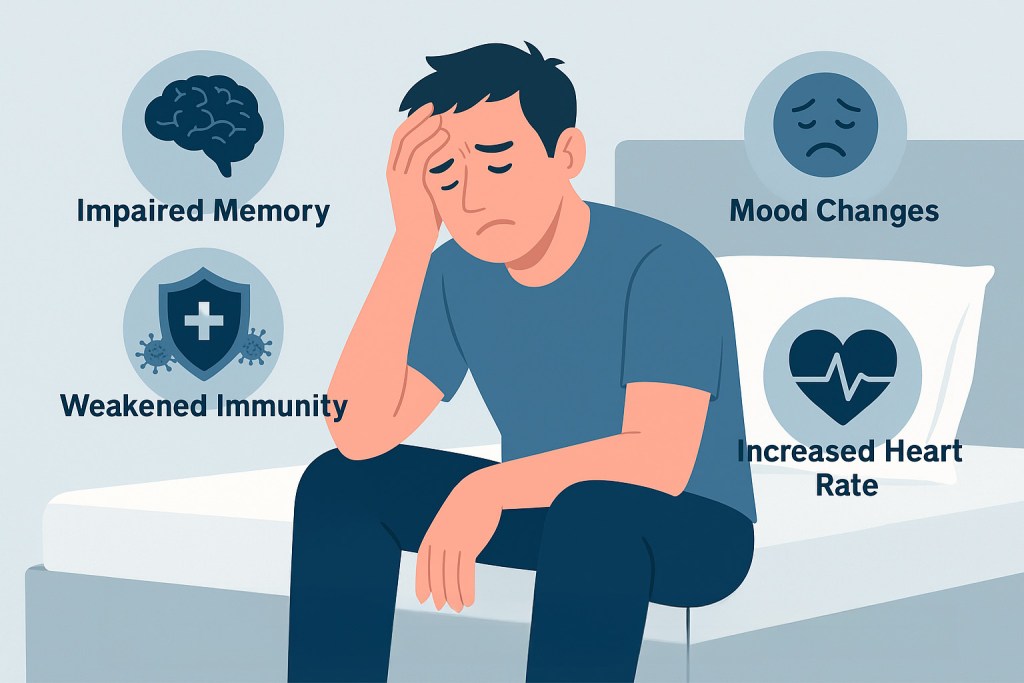
7. The Hidden Dangers of Sleep Debt

Chronic sleep deprivation can have profound effects on both physical and mental health. Some of the potential consequences include:

  • Cognitive Impairment: Difficulty concentrating, memory lapses, and decreased problem-solving abilities.
  • Mood Disorders: Increased risk of depression, anxiety, irritability and Mental health effects
  • Weakened Immune System: Greater susceptibility to infections and slower recovery times.
  • Weight Gain: Disruption of hormones that regulate appetite, leading to increased hunger and calorie intake.
  • Cardiovascular Issues: Elevated blood pressure, increased risk of heart disease and stroke.
  • Metabolic Dysregulation: Impaired glucose metabolism, increasing the risk of type 2 diabetes.
dangers of sleep debt

Addressing sleep debt promptly is crucial to prevent these adverse health outcomes.

FAQs

How many hours of sleep do I truly need?

Adults truly need 7-9 hours per night for optimal health, per AASM/CDC guidelines less increases risks like heart disease and cognitive decline.

Is 4 hours of sleep really enough?

No, 4 hours is chronically insufficient for most, leading to impaired cognition, weakened immunity, and higher chronic disease risk; only rare short sleepers thrive on it.

What is the 10 5 3 2 1 sleep rule?

10 hours before bed: no caffeine; 5 hours: no alcohol/eat; 3 hours: no work/exercise; 2 hours: no naps; 1 hour: no screens promotes quality sleep.

Do some people really need 12 hours of sleep?

Yes, some like those with hypersomnia or recovery needs require 10-12 hours, but most adults over 9 signals underlying issues like depression.?

Who sleeps for 90% of the day?

Koalas sleep up to 90% (18-22 hours/24), an adaptation for low-nutrient eucalyptus diets requiring energy conservation.?

Conclusion

Understanding and aligning with your unique sleep needs is essential for maintaining long-term health and well-being. With the help of tools like our sleep calculator, you can evaluate your current sleep patterns, identify potential sleep debt, and uncover your individual sleep personality. These insights empower you to make smarter, more tailored decisions about your nightly routine. By adopting personalized strategies and enhancing your sleep environment, you’ll set the foundation for more restorative, high-quality sleep and better overall daily performance.

sleep cycles & stages
July 19, 2025

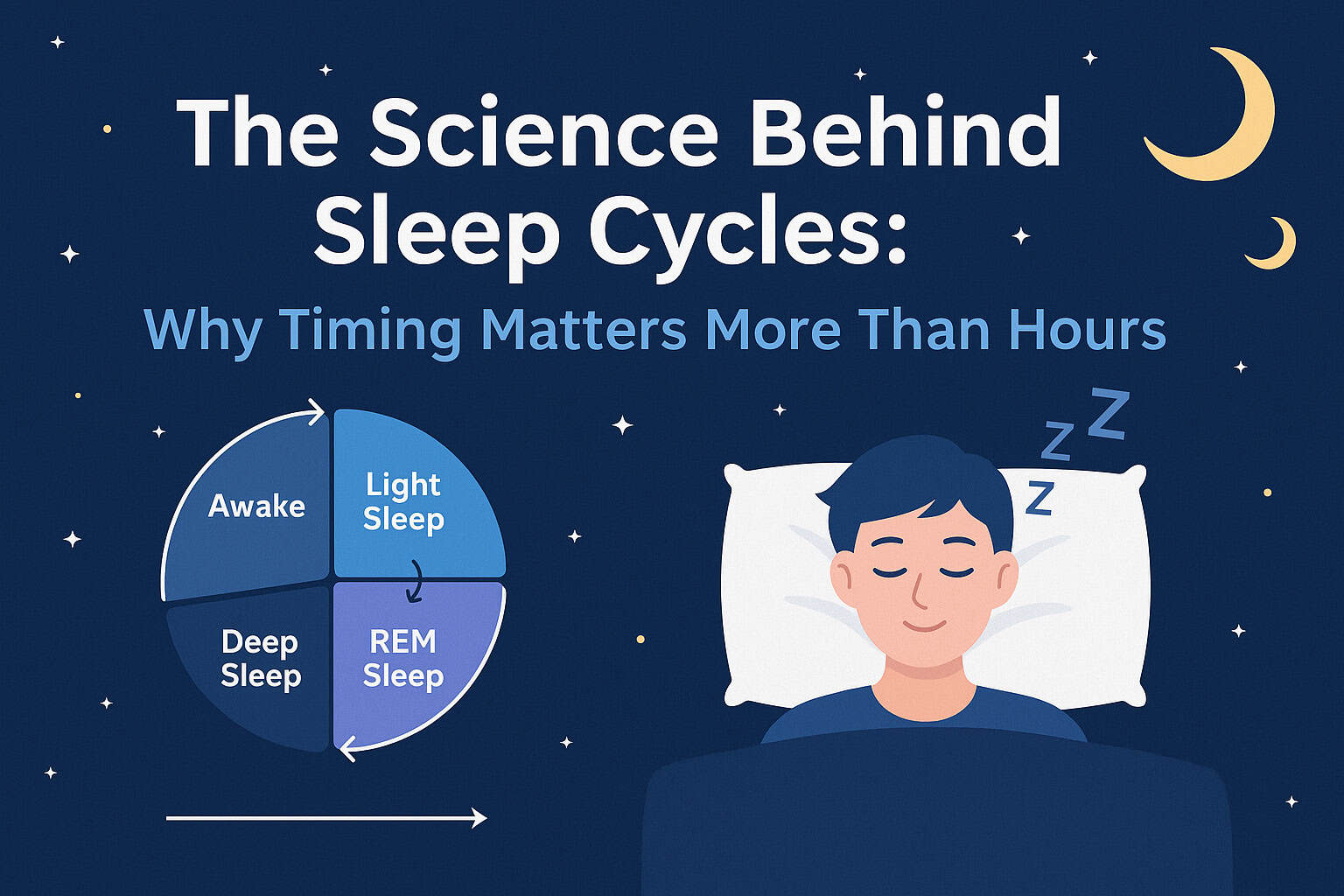
The Science Behind Sleep Cycles: Why Timing Matters More Than Hours

If you’re like me, you might find that after sleeping for 7 or 8 hours, you still feel tired, while 5 or 6 hours on other days can leave you feeling good. This baffled me until I learned about sleep cycles. Knowing when you wake up is as important as how long you sleep; sometimes, we don’t get the recovery our bodies need. Many people confuse sleep, naps, and rest; they are different, and one cannot replace the other.

Let me walk you through the science, and by the end of this, I promise you’ll be using a sleep calculator every night like I do.

What Are Sleep Cycles?

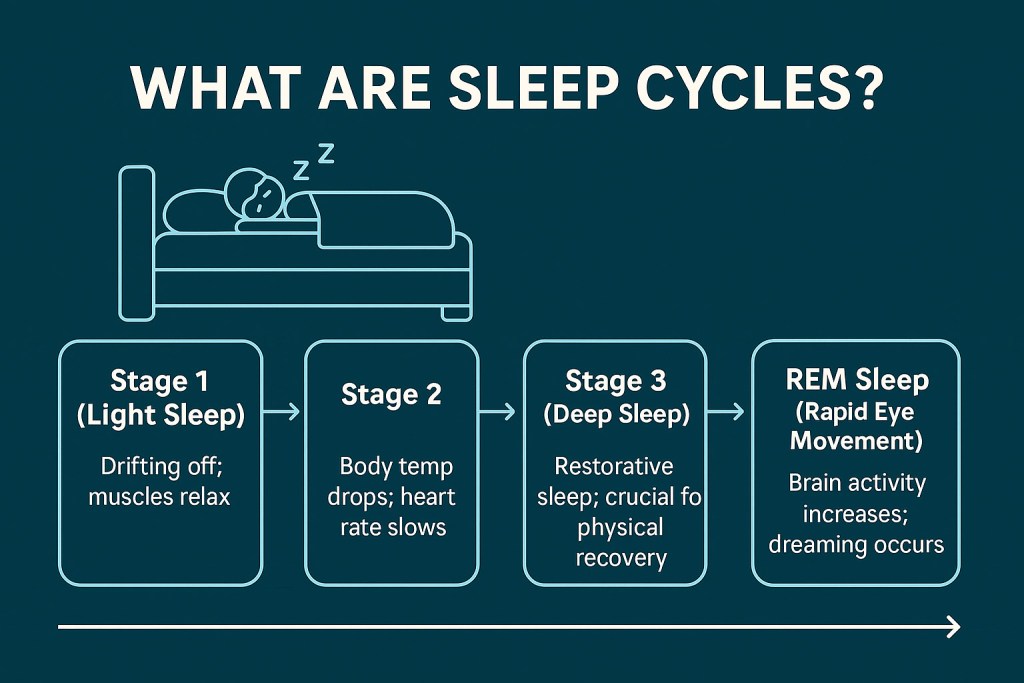
Sleep isn’t one big, continuous state of unconsciousness. It’s actually a sequence of repeating phases, called sleep cycles, that your brain and body go through multiple times each night. Each cycle typically lasts about 90 minutes, and we experience 4 to 6 cycles per night depending on sleep duration.

what are sleep cycles

Here’s what a typical sleep cycle looks like:

  1. Stage 1 (Light Sleep): This is that drifting-off moment. Your muscles relax, and your brain activity begins to slow down.
  2. Stage 2: Your body temp drops, heart rate slows, and you’re less likely to wake up from minor disturbances.
  3. Stage 3 (Deep Sleep): This is restorative sleep. It’s crucial for physical recovery and immune system function.
  4. REM Sleep (Rapid Eye Movement): Brain activity increases, you dream, and it supports memory and emotional processing.

We cycle through sleep stages all night, with more REM sleep in the second half. Not completing these cycles can lead to sleep deprivation, affecting your health and lifestyle. I recommend using a sleep debt calculator, which you can find in this guide on your phone or access directly. It will ask a few questions about your sleep routine and compare your answers to standards from the Sleep Health Journal and NHS website, letting you know if you’re sleep deprived.

Sleep Calculator

Plan your optimal bedtime and wake-up times based on your body’s natural sleep cycles. Wake up refreshed and energized every morning.

Why Use This Calculator?

  • Calculate the ideal bedtime based on when you need to wake up
  • Find the optimal wake-up time based on when you go to bed
  • Work with your body’s natural 90-minute sleep cycles
  • Minimize grogginess and maximize morning energy
  • Based on sleep science research
Use Sleep Calculator

Why Waking Up Mid-Cycle Feels So Terrible

Here’s the kicker: If you wake up during deep sleep, your brain is still in “offline mode.” That’s when you get that horrible groggy feeling known as sleep inertia. It can take up to 30 minutes to fully recover, sometimes longer.

In contrast, waking up during light sleep or REM is much easier. Your brain is closer to waking consciousness, making it less jarring.

I tested this by tweaking my wake-up time in 15-minute increments using a sleep calculator, and guess what? The difference was astonishing. On days I woke mid-cycle, I felt like I needed an IV drip of coffee. But when I timed it right, even if I got slightly less sleep, I felt fresher.

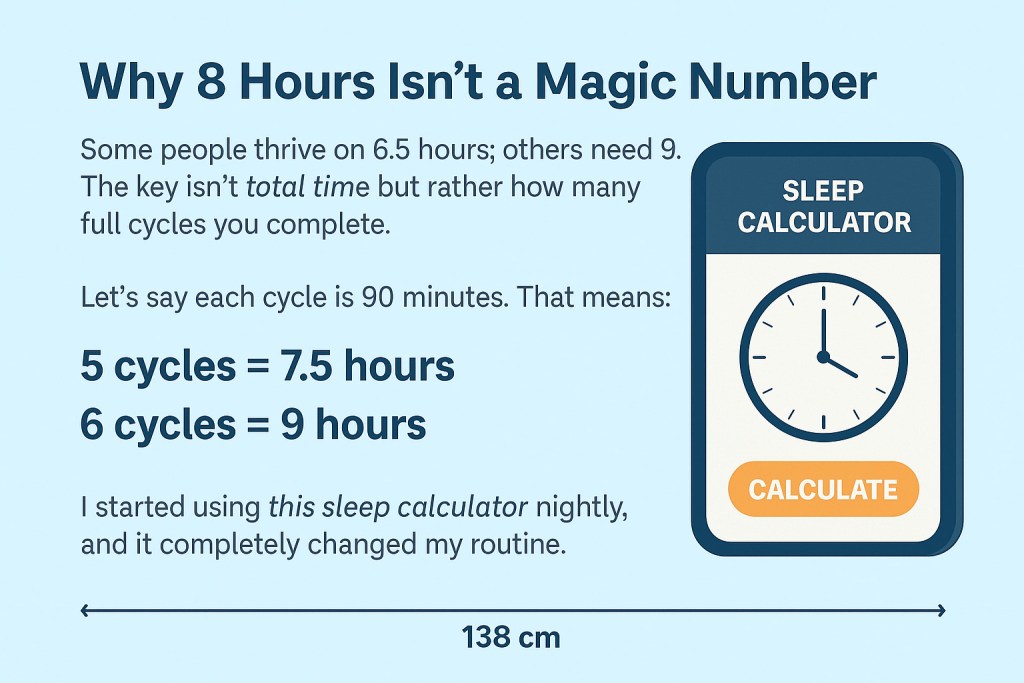
Why 8 Hours Isn’t a Magic Number

The idea that we all need 8 hours of sleep is more of a general guideline than a scientific truth. Some people thrive on 6.5 hours; others need 9. The key isn’t just total time but rather how many full cycles you complete.

how many hours of sleep do I need

Let’s say each cycle is 90 minutes. That means:

  • 5 cycles = 7.5 hours
  • 6 cycles = 9 hours

This is why tools like sleep calculators work. They estimate backward from your desired wake-up time, ensuring you complete a full number of cycles. I started using this sleep calculator nightly, and it completely changed my routine.

The Role of Circadian Rhythms

You can’t talk about sleep cycles without mentioning your circadian rhythm. Think of it as your internal clock, influenced by light and hormones. It regulates not just sleep, but digestion, body temperature, and hormone release.

If you go to bed and wake up at erratic times, your internal clock becomes confused, making it harder to fall asleep or wake naturally. A sleep calculator works best when paired with a consistent sleep schedule, aligned with your circadian rhythm.

Sleep Cycles & Performance

Research from the National Sleep Foundation and numerous clinical studies show that well-timed sleep improves: read our article for the side effects of sleep deprivation

  • Cognitive performance
  • Mood stability
  • Memory retention
  • Reaction time

Athletes use this science religiously. Even tech CEOs and entrepreneurs have turned to sleep coaching and timing calculators to improve output.

What Happens If You Don’t Complete Your Sleep Cycles?

Missing out on full sleep cycles regularly doesn’t just leave you feeling tired, it disrupts the very foundation of how your brain and body restore themselves. Each sleep cycle is composed of light sleep, deep sleep, and REM (rapid eye movement), and skipping or interrupting these stages night after night can create a ripple effect across multiple areas of your health.

When these restorative phases are frequently cut short, whether by poor sleep habits, stress, or an inconsistent schedule, your body never gets the chance to fully reset. Over time, this deprivation goes beyond tiredness. It impacts memory, immunity, emotional regulation, metabolism, and even your heart health.

Short-Term Effects

In the short term, interrupted or incomplete sleep cycles can lead to:

  • Cognitive Fog and Poor Focus: Without deep and REM sleep, your brain struggles to consolidate memory and stay alert.
  • Mood Swings and Irritability: REM sleep is essential for emotional regulation; a lack of it leads to quicker frustration, anxiety, or depressive moods.
  • Daytime Fatigue: You may feel like you’ve slept “enough,” but without completing full cycles, your body doesn’t truly rest, leaving you sluggish or “heavy-headed.”
  • Weakened Immune Response: Even one night of poor sleep can impair your immune function, making you more susceptible to illness.

Long-Term Effects

When incomplete sleep cycles become a long-term pattern, the consequences deepen:

  • Chronic Sleep Debt: Your body accumulates a deficit it can’t easily pay back, compounding physical and mental stress.
  • Higher Risk of Disease: Long-term sleep fragmentation is linked to cardiovascular disease, Type 2 diabetes, obesity, and even neurodegenerative diseases like Alzheimer’s.
  • Hormonal Imbalance: Disrupted sleep interferes with hormones like cortisol (stress), ghrelin (hunger), and melatonin (sleep), which regulate everything from appetite to mood.
  • Impaired Learning and Memory: Without consistent REM sleep, your brain loses the ability to process new information or store long-term memories efficiently.
  • Mental Health Issues: Chronic sleep issues can contribute to anxiety, depression, and even an increased risk of suicidal thoughts.

Should You Use a Sleep Calculator?

Absolutely and here’s why:

  • It prevents waking mid-cycle (no more sleep inertia)
  • Helps establish consistent sleep habits
  • Maximises recovery and alertness

If you’re a shift worker, a parent of young kids, or someone juggling multiple responsibilities, a sleep calculator could be your best friend.

Factors That Affect Your Sleep Cycles

Your sleep cycles can be easily disrupted by both lifestyle choices and underlying health conditions. Even if you’re getting the recommended hours of rest, these interruptions can prevent your brain from completing full sleep cycles, leaving you groggy or unrested.

Here are some common factors that can interfere:

Conditions like insomnia and sleep apnea are particularly harmful because they fragment your sleep, making it harder for your body to move through natural stages like deep and REM sleep, the very ones that help with memory, immune function, and emotional balance. Addressing these factors can dramatically improve your sleep quality and restore healthier cycles.

Final Thoughts: Make It Work for You

Once I started planning my bedtime using cycles rather than hours, mornings became easier. I now aim for 5 or 6 complete cycles and wake up during light sleep. My productivity, mood, and even workouts have improved.

Sleep smarter, not longer.

Start using a sleep calculator to determine your optimal bedtime, and let science do the heavy lifting. Trust me, your body and brain will thank you.

July 12, 2025

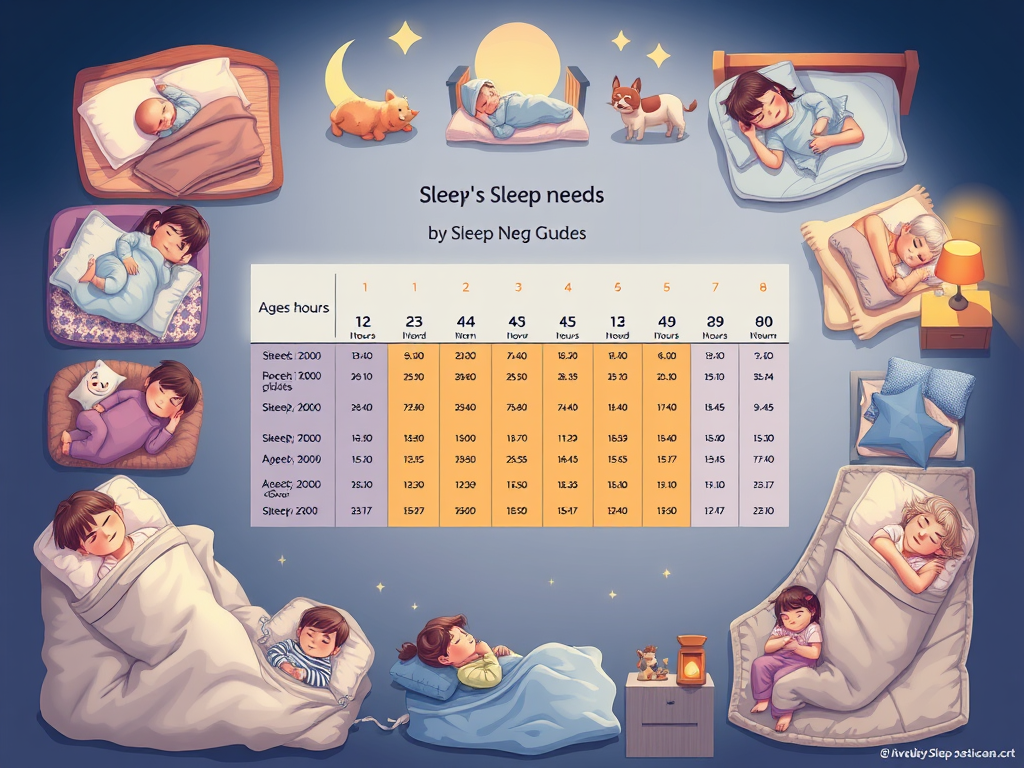
Sleep Chart by Age: How Much Sleep You Really Need

Sleep is not merely a time of rest; it’s a critical period during which your body and mind undergo essential repair, processing, and renewal. Every age group has different biological demands, which is why sleep needs vary across a lifetime. Understanding these differences can help you better manage health, performance, and emotional balance.

Why Sleep Duration Changes with Age

Newborns require hours of uninterrupted sleep to support rapid brain development. As we age, our need for sleep decreases, but the quality and regularity of sleep become increasingly important. Adolescents experience hormonal shifts, adults face lifestyle and stress-related interruptions, and seniors often see changes in sleep cycles and depth of sleep.

Dr. Matthew Walker, a sleep scientist and author of Why We Sleep, says: “Sleep is the single most effective thing we can do to reset our brain and body health each day.”

Age GroupRecommended Sleep Duration
Newborns (0–3 months)14–17 hours
Infants (4–11 months)12–15 hours
Toddlers (1–2 years)11–14 hours
Preschoolers (3–5 years)10–13 hours
School-age (6–13 years)9–11 hours
Teenagers (14–17 years)8–10 hours
Young Adults (18–25 years)7–9 hours
Adults (26–64 years)7–9 hours
Seniors (65+ years)7–8 hours

Consequences of Sleep Deprivation

When you consistently get less sleep than recommended, your body and mind experience measurable declines. Sleep is when your brain consolidates memories, your body repairs cells, and hormones are regulated. Sleep deprivation disrupts all of these functions.

Short-term Side Effects

  • Impaired concentration and decision-making
  • Reduced physical performance and coordination
  • Increased irritability and mood swings
  • Heightened risk of accidents and errors

Long-term Health Risks

  • Higher risk of heart disease and hypertension
  • Obesity due to disruption in hunger hormones
  • Type 2 diabetes and insulin resistance
  • Cognitive decline and memory issues
  • Weakened immune system

Why Babies Need So Much Sleep

Newborns and infants grow rapidly, both physically and neurologically. Sleep enables the brain to build neural connections that will support language, motor skills, and memory. During deep sleep, growth hormone is released, supporting tissue development and immune function.

Sleep in Children and Teens

Children and teens require more sleep to fuel learning, emotional regulation, and bodily growth. Lack of sleep in children can result in behavioral issues, poor academic performance, and weakened immunity.

Teenagers experience a natural delay in their sleep-wake cycle, often making it hard to fall asleep before 11 p.m. Early school start times conflict with this rhythm, contributing to chronic sleep deprivation among adolescents.

Sleep in Adults

Most adults need 7–9 hours to maintain cognitive sharpness, emotional stability, and physical health. Many adults compromise sleep due to stress, work, and digital distractions. Over time, this results in burnout, reduced productivity, and chronic health conditions.

Sleep in Seniors

Although sleep needs slightly decrease with age, older adults often report poor sleep quality. Factors include reduced melatonin production, chronic pain, and medical conditions. Poor sleep in seniors has been linked to falls, memory decline, and depression.

Tools and Resources

To manage your sleep quality and quantity, it helps to track patterns using digital tools. The Sleep Lab by Luxe Mattresses offers Sleep calculators, tips, and sleep science to help improve nightly rest for all age groups.

Improving Sleep at Any Age

  • Maintain a regular bedtime and wake-up schedule—even on weekends
  • Avoid screens 60 minutes before bed to reduce blue light exposure
  • Keep your room cool, dark, and quiet for optimal rest
  • Exercise daily, but not too close to bedtime
  • Avoid caffeine and heavy meals in the evening

Conclusion

Sleep is a pillar of health. The right amount varies with age, but the consequences of too little are universal: poor health, low energy, and reduced performance. By understanding and respecting your body’s sleep requirements, you can unlock more focus, resilience, and vitality at every stage of life.

Further Reading: The Silent Killer: How Untreated Sleep Apnoea Increases Risk of Sudden Death

sleep debt calculator
July 11, 2025

Sleep Debt Calculator: Are You Behind on Sleep?

In our fast-paced world, sleep is often sacrificed in the name of productivity, parenting, entertainment, or late-night scrolling. Missing a few hours here and there may seem harmless, but over time, those lost hours pile up into something called sleep debt, a deficit that could cost you far more than just fatigue.

Sleep debt is the cumulative effect of not getting enough sleep on a regular basis. Just like financial debt, it comes with interest. It quietly builds in your body and brain, diminishing your energy, mood, mental clarity, and long-term health. Fortunately, sleep debt is measurable, and with the right tools and knowledge, it is also reversible.

This article explores what sleep debt is, how to calculate it, how it affects your body both in the short and long term, and what science-backed steps you can take to get back on track.

What Is Sleep Debt?

Sleep debt refers to the difference between the amount of sleep your body needs and the amount you’re actually getting. If you need 8 hours of sleep per night but only get 6, you’re in 2 hours of debt for that day. That debt continues to add up every day you fall short.

The term “sleep debt” was popularised in sleep science to help people visualize that sleep is not simply a nightly reset. It accumulates and requires repayment. According to the Sleep Foundation, most adults need between 7 to 9 hours of sleeper night to function at their best, but surveys show that nearly 35% of adults consistently get less than 7 hours.

Dr. Michael Breus, a clinical psychologist and diplomate of the American Board of Sleep Medicine, puts it clearly:

“Sleep debt doesn’t reset after one good night’s sleep. Cumulative deficits impair cognitive and physical function much like financial debt accrues interest.”

The Short-Term Effects of Sleep Debt

Even a small sleep deficit can result in significant changes in your day-to-day functioning. If you’ve ever had a night of bad sleep followed by a sluggish, irritable day, you’ve experienced it firsthand.

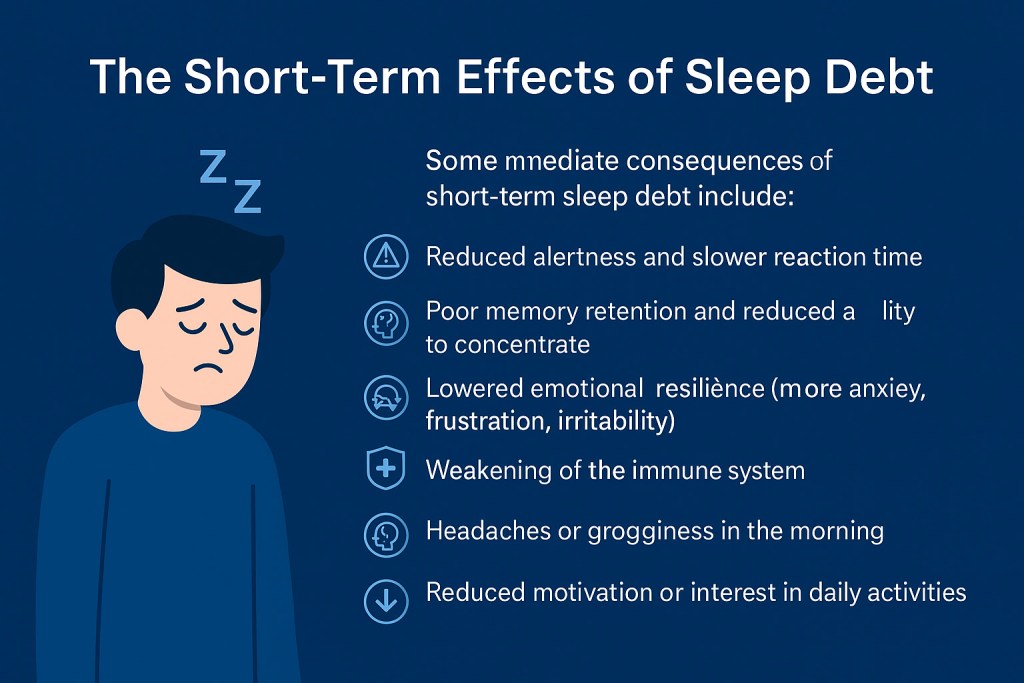
Some immediate consequences of short-term sleep debt include:

  • Reduced alertness and slower reaction time
  • Poor memory retention and reduced ability to concentrate
  • Lowered emotional resilience (more anxiety, frustration, irritability)
  • Increased risk of car accidents and workplace errors
  • Weakening of the immune system
  • Headaches or grogginess in the morning
  • Reduced motivation or interest in daily activities
short term effects of sleep debt

A study from the University of Pennsylvania found that people limited to six hours of sleep per night for two weeks functioned as poorly on cognitive tests as someone who had gone 48 hours without any sleep.

Long-Term Effects: The Health Risks You Can’t Ignore

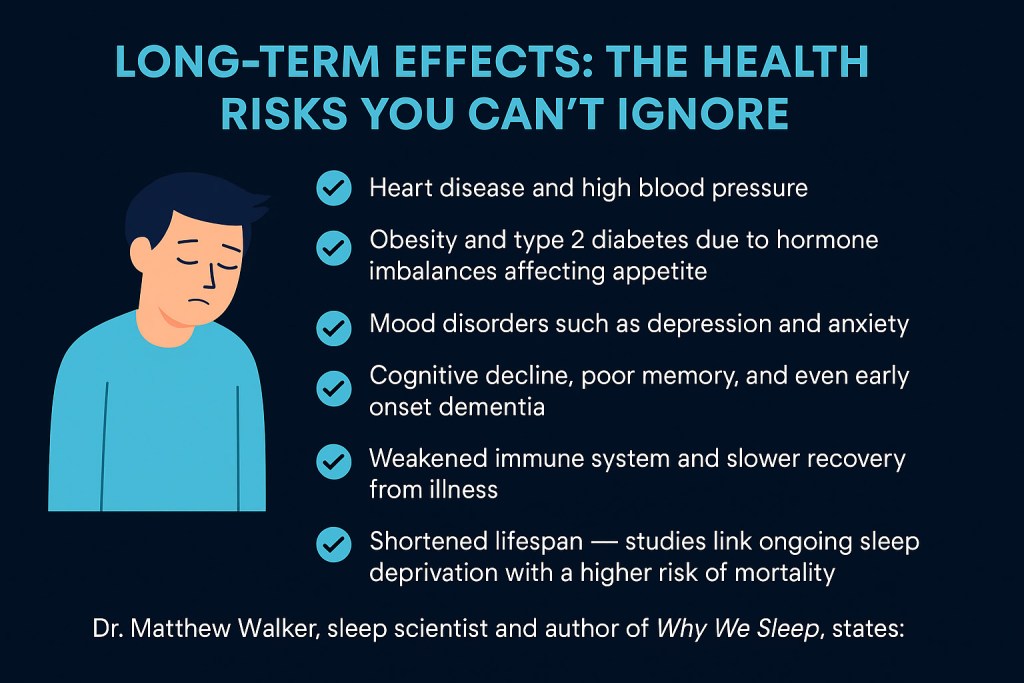
While the occasional sleep loss is recoverable, chronic sleep deprivation can have profound long-term consequences on your body and mind. Prolonged sleep debt increases your risk for:

  • Heart disease and high blood pressure
  • Obesity and type 2 diabetes due to hormone imbalances affecting appetite
  • Mood disorders such as depression and anxiety
  • Cognitive decline, poor memory, and even early onset dementia
  • Weakened immune system and slower recovery from illness
  • Shortened lifespan â€” studies link ongoing sleep deprivation with a higher risk of mortality
long term effects on sleep debt

Dr. Matthew Walker, sleep scientist and author of Why We Sleep, states:

“The shorter your sleep, the shorter your life. Sleep is the most effective thing we can do to reset our brain and body health.”

How Much Sleep Do You Really Need?

Sleep needs vary by age and individual factors like stress, physical activity, and overall health. But here are general recommendations by the National Sleep Foundation:

Age Group Recommended Sleep
Adults (18–64) 7–9 hours
Seniors (65+) 7–8 hours
Teens 8–10 hours
School Age 9–11 hours
Preschoolers 10–13 hours

Consistently sleeping less than these recommendations means you’re falling into debt.

How to Calculate Your Sleep Debt

Calculating sleep debt is relatively simple. You only need to compare your actual sleep to your recommended need.

Here’s a basic formula:

Sleep Debt = (Recommended Sleep – Actual Sleep) × Number of Days

Example:

If you need 8 hours per night and only sleep 6 hours from Monday to Friday:

  • 2 hours of debt × 5 nights = 10 hours of sleep debt

You may think you can catch up on the weekend by sleeping in, but studies suggest that even longer weekend sleep doesn’t fully compensate for the damage caused during the workweek.

Or You can use Luxe Sleep Calculator to Calculate Your Sleep Debt

Sleep Calculator

Plan your optimal bedtime and wake-up times based on your body’s natural sleep cycles. Wake up refreshed and energized every morning.

Why Use This Calculator?

  • Calculate the ideal bedtime based on when you need to wake up
  • Find the optimal wake-up time based on when you go to bed
  • Work with your body’s natural 90-minute sleep cycles
  • Minimize grogginess and maximize morning energy
  • Based on sleep science research
Use Sleep Calculator

Using Tools to Track and Understand Your Sleep

One of the most effective ways to measure and manage your sleep debt is to use a sleep calculator or dedicated sleep platform.

The Luxe Mattresses Sleep Debt Calculator provides science-backed tools and resources that help individuals track their sleep patterns, identify deficits, and adopt actionable strategies for recovery. Their sleep debt content explores not only quantity but quality—something many mainstream apps overlook.

Pairing such tools with wearables like Fitbit, WHOOP, or Oura Ring can give you precise data about your nightly rest, helping you understand both duration and how restorative your sleep actually is.

Can You Repay Sleep Debt?

Yes, but it requires consistency and strategy. You cannot simply sleep 14 hours in one night and expect full recovery. Sleep experts suggest the following:

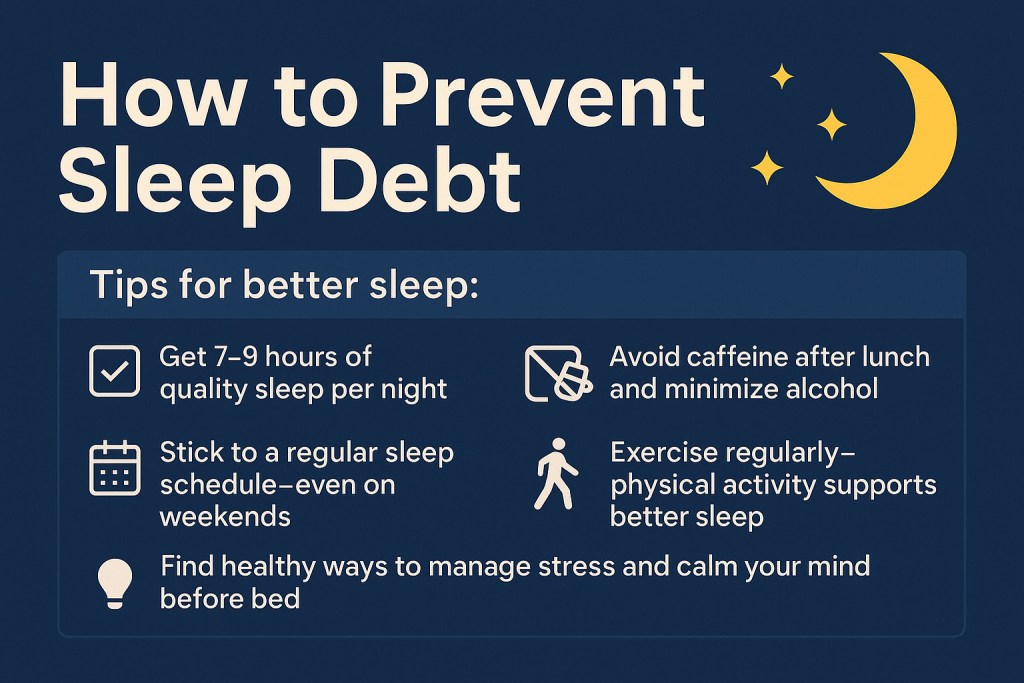
how to prevent sleep debt

How to repay sleep debt:

  1. Add 30–90 extra minutes per night over several nights until you feel restored.
  2. Nap strategically: Short naps (20–30 minutes) during the day can reduce the effects of fatigue.
  3. Avoid “social jet lag”—going to bed and waking up at wildly different times on weekends.
  4. Practice good sleep hygiene: Cool, dark rooms, no screens before bed, and consistent bedtimes.
  5. Listen to your body: If you wake up without an alarm feeling refreshed, you’re likely caught up.

It may take a week or more to fully pay back even one long week of inadequate sleep.

Acute vs Chronic Sleep Debt

It’s important to distinguish between acute and chronic sleep debt.

  • Acute Sleep Debt: Missing sleep for a few nights (e.g., during finals, parenting, travel).
  • Chronic Sleep Debt: Ongoing under-sleeping over weeks, months, or years.

Chronic debt is more dangerous. It alters hormonal balance, immune function, and metabolism in ways that can persist even after you’ve caught up on sleep.

Comparing Your Sleep to Standards

Let’s say you sleep 6 hours per night. That might seem sufficient, but here’s how that stacks up:

Sleep Duration Effect
Less than 6 hrs High risk for chronic illness and mental fog
6–7 hrs May seem “functional,” but cognitive decline begins
7–9 hrs Ideal range for optimal mental and physical performance
Over 9 hrs May indicate an underlying health condition

If you’re sleeping less than 7 hours most nights, you’re statistically at higher risk of hypertension, metabolic issues, and cognitive fatigue.

Additional Context: Sleep and Lifestyle Risks

Sleep doesn’t just affect how you feel, it directly influences lifestyle diseases. For example:

  • Obesity: Sleep loss disrupts hunger hormones like leptin and ghrelin, increasing cravings and caloric intake.
  • Heart disease: Poor sleep elevates cortisol and inflammation markers.
  • Diabetes: Reduced sleep impairs glucose metabolism and insulin sensitivity.
  • Mental health: Even one night of poor sleep can worsen depression and anxiety symptoms.

These impacts aren’t minor, they affect quality of life, work performance, and long-term health.

Final Thoughts: Your Sleep Deserves a Priority

Sleep debt is real, measurable, and dangerous when ignored. But it’s also treatable. By calculating your sleep debt, using tools like the Luxe Mattresses Sleep Lab to track progress, and making incremental changes, you can dramatically improve your health, clarity, and mood.

The body is remarkably forgiving when given the chance to heal. Prioritize your sleep tonight—not because you’re tired, but because your life depends on it.

Further Reading & Helpful Resources

Product has been added to your cart