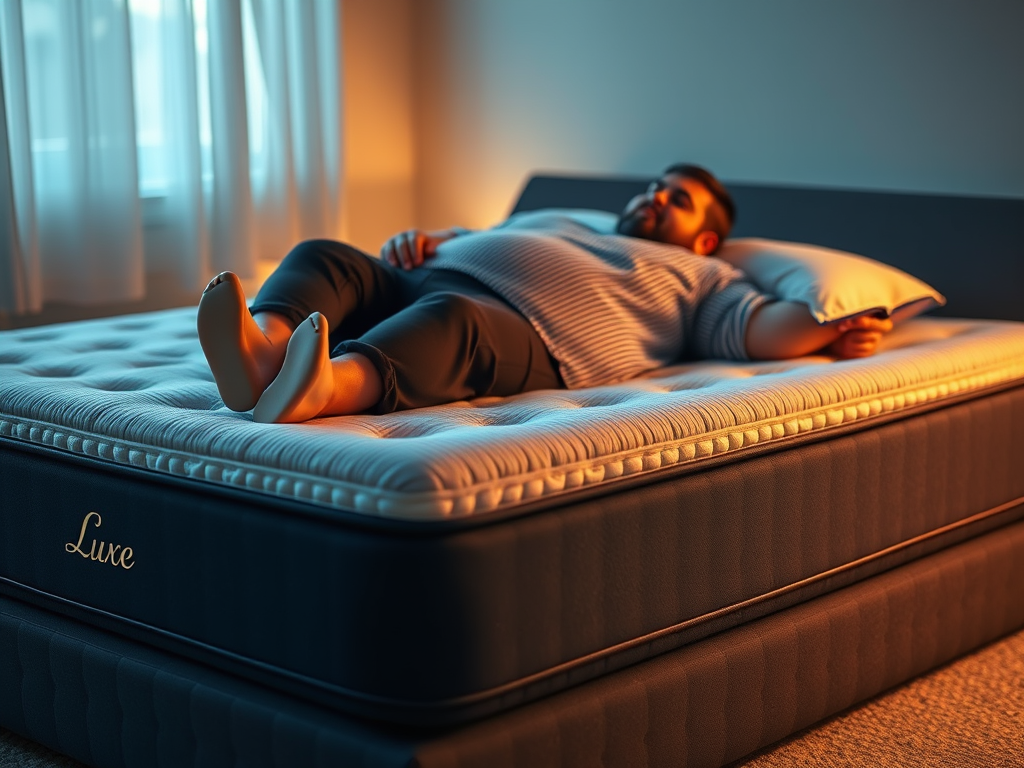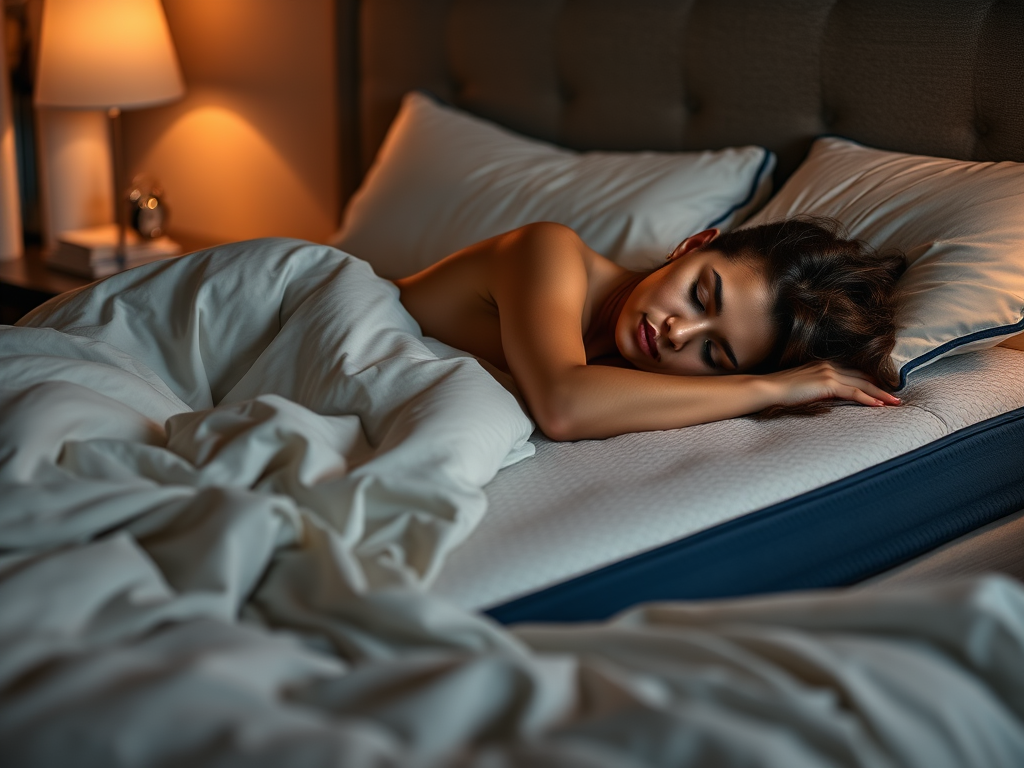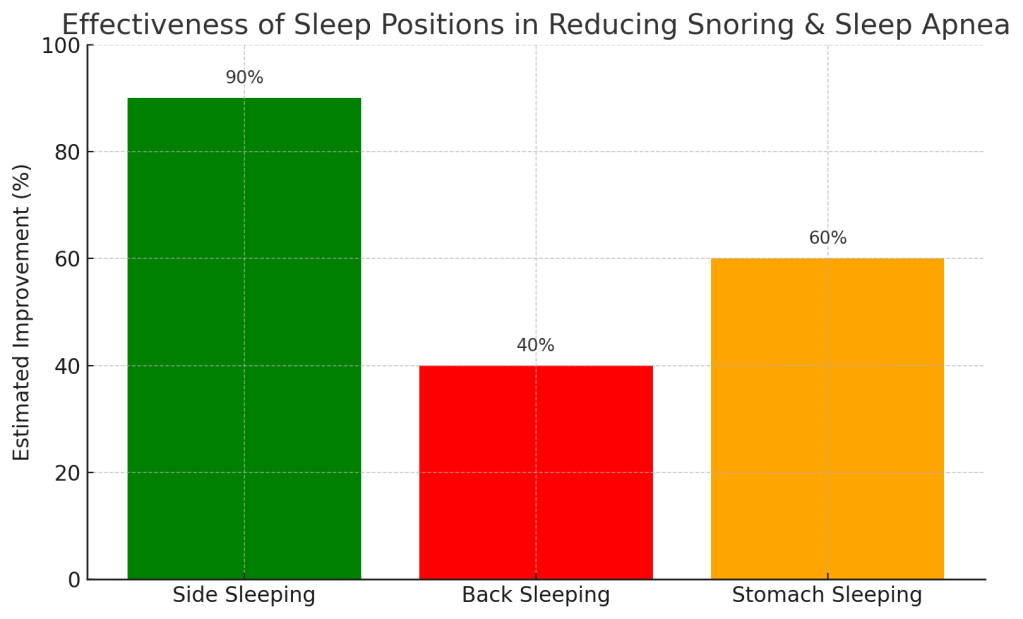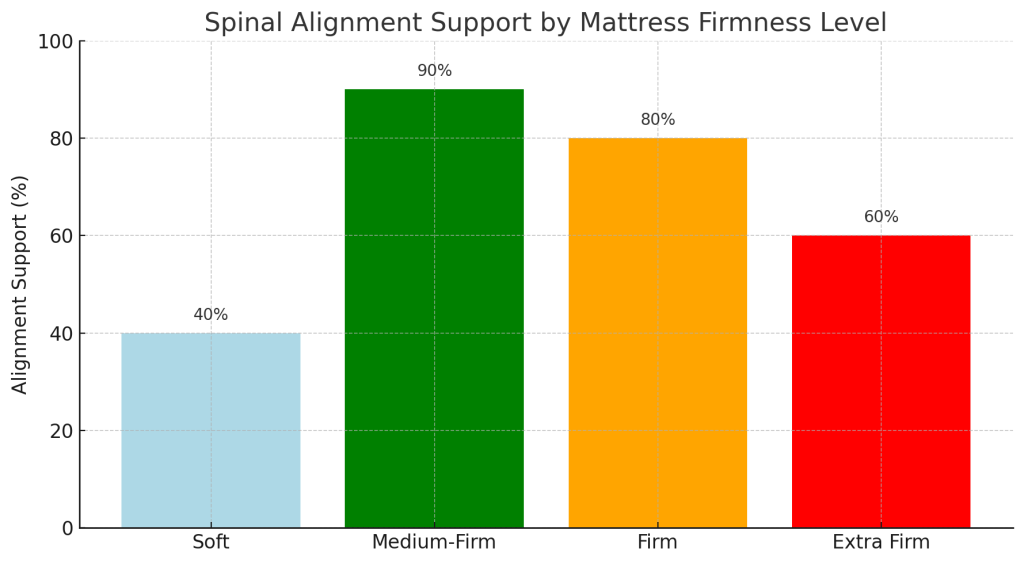

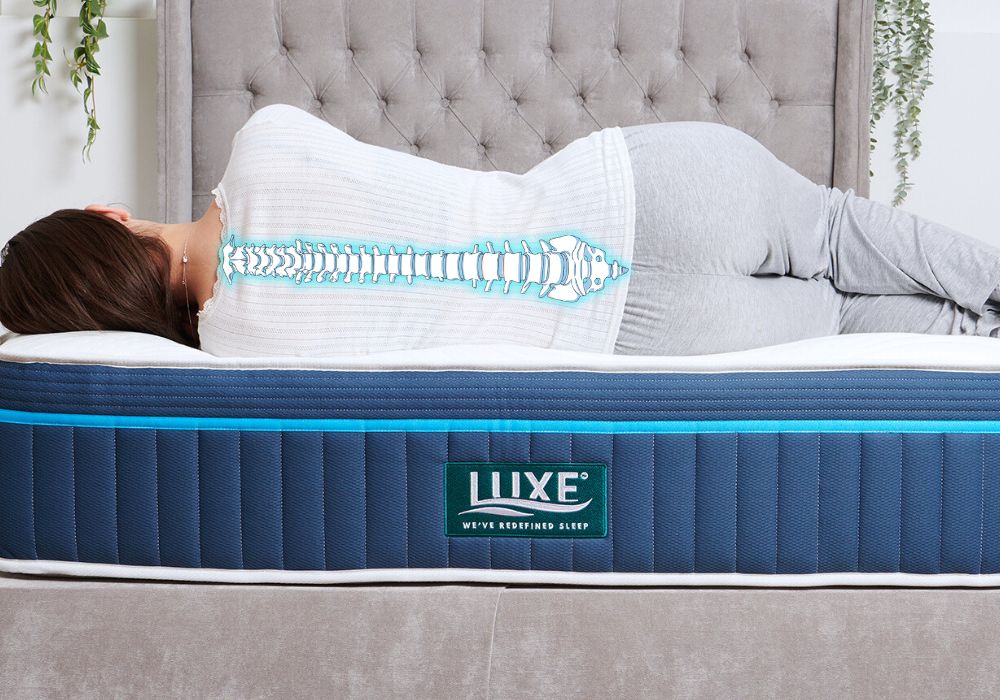
Sleeping next to your partner is not just comforting; it is essential to a healthy relationship. However, incompatible sleeping positions, temperature preferences, and mattress comfort can ruin your night and your well-being. For UK couples, unlocking truly restful sleep begins with pinpointing the problems and demanding a mattress engineered for couples. This guide provides decisive solutions so you can finally achieve comfortable sleep together, every single night.
Understanding Why Sleeping With Your Partner Can Be Challenging
Sleeping with a partner may seem natural, but it often disrupts sleep, unless you take action. Movement disturbances and temperature clashes can cost you hours of valuable rest. Identifying these issues empowers you to make impactful, lasting changes that lead to dramatically better sleep.
Differences in Movement and Sleep Behaviour
Many couples struggle because one partner moves more than the other during sleep. Light sleepers or those with disrupted sleep cycles often wake instantly from the slightest motion. If a mattress lacks proper motion isolation, every turn, shift, or stretch becomes noticeable, which makes uninterrupted rest difficult. Understanding movement patterns helps you find a mattress that effectively absorbs motion.
Varying Mattress and Comfort Preferences
Everyone has distinct needs, but you should never settle for a bed that fails either partner. If you value restful sleep and relationship harmony, insist on a mattress that balances support, cushioning, and flexibility for both people.
Temperature Differences Between Partners
Temperature differences are a leading cause of sleepless nights for couples. Refuse to let heat or cold dictate your comfort, invest in cooling technology and breathable layers to guarantee both partners enjoy a pleasant sleeping environment.
Choosing the Right Mattress for Couples to Improve Shared Sleep
A high-quality mattressis not optional; it is the foundation for truly harmonious shared sleep. Protect your relationship and health by demanding a bed that minimises movement, evenly distributes weight, and maintains optimal temperature for both partners.
Why Motion Isolation Matters for Partner Sleep
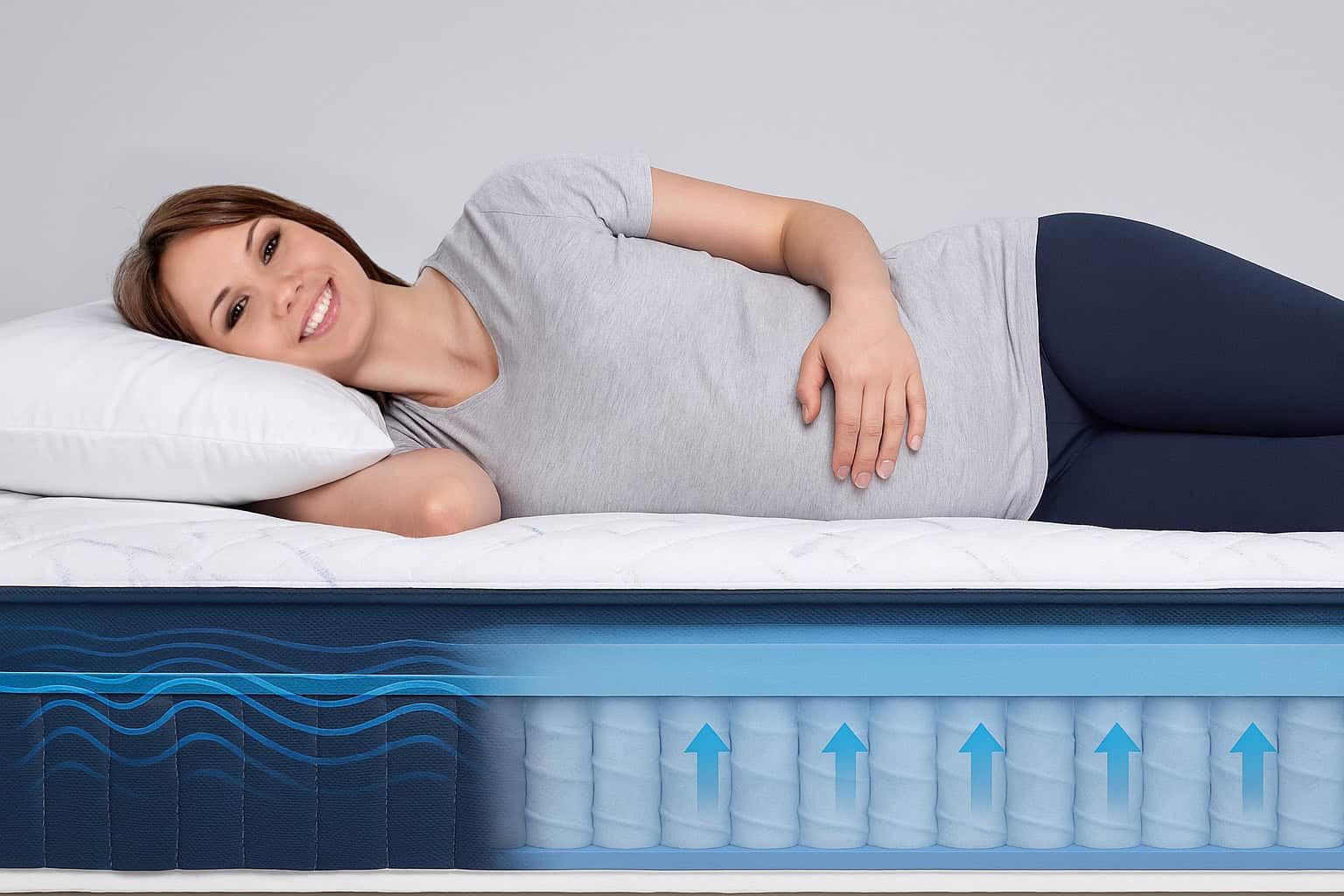
Motion isolation keeps movement from disturbing your partner. Memory foam and hybrid mattresseswith pocket springs reduce motion transfer, helping light sleepers rest more peacefully.
The Importance of Strong Edge Support
Strong edge support means both partners can use the whole mattress. Pocket coil systems, firm foam, and reinforced borders help maintain mattress shape and stability.
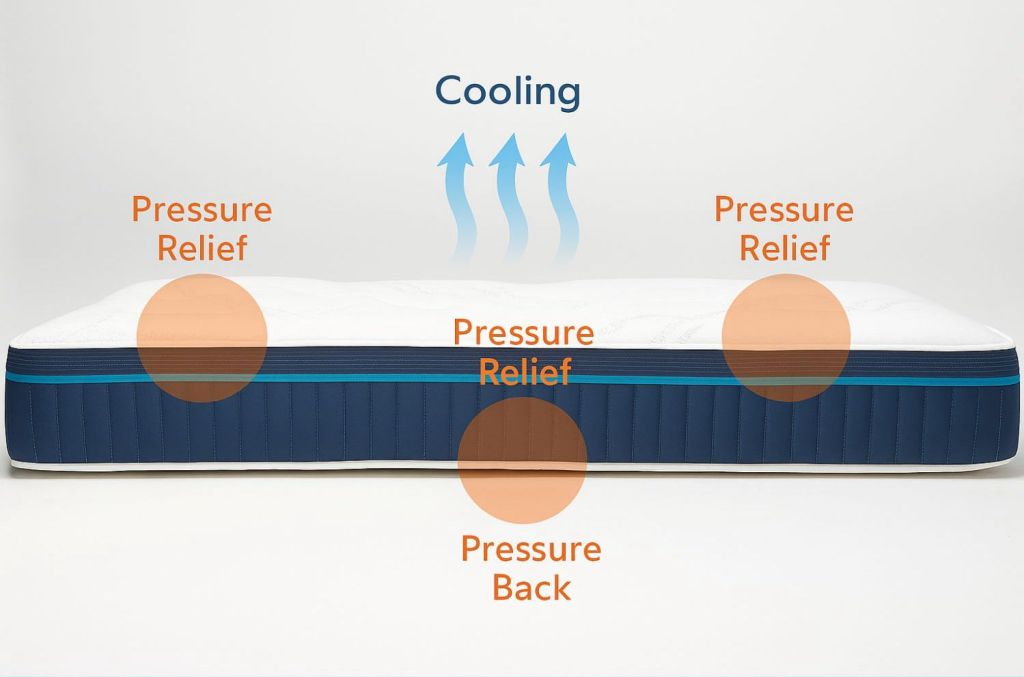
Cooling Features That Help Both Partners Sleep Comfortably
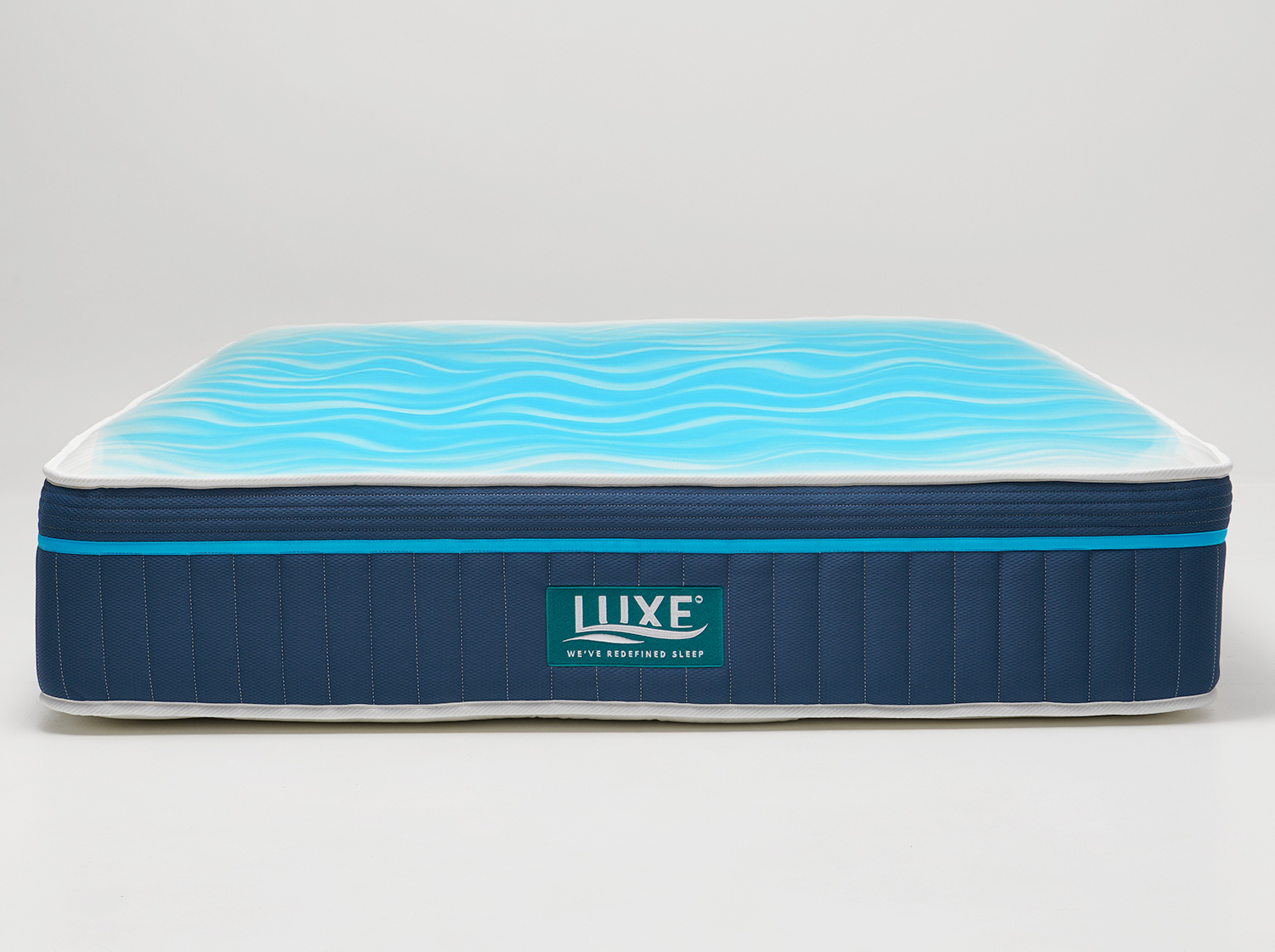
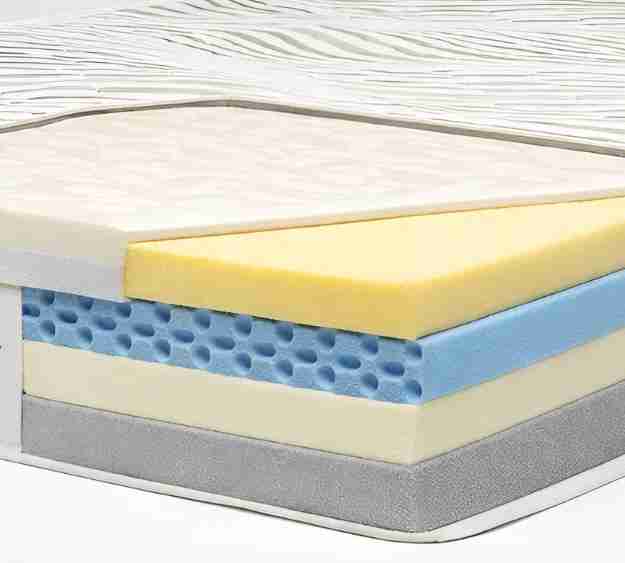
Cooling materials regulate temperature and prevent overheating. Mattresses with gel-infused foam, open-cell designs, or breathable hybrids help airflow circulate, ideal for couples with different body temperatures.
Practical Tips to Sleep Comfortably With Your Partner Every Night
Beyond mattress choice, make simple lifestyle adjustments to drastically improve shared sleep. These habits are powerful, they reduce disturbances and foster a peaceful environment so you both wake refreshed and connected.
Create a Bedtime Routine That Works for Both of You
Synchronise your bedtime routines with intention to maximise shared sleep quality. Engaging in calming activities, reading, and dim lighting together will help both partners relax, foster stronger bonds, and guarantee deeper sleep.
Use Bedding That Supports Both Partners’ Comfort
Choosing the right bedding can make a big difference for couples. Dual-tog duvets with bedding of different thicknesses on each side let each person control their warmth. Breathable cotton sheets allow airflow and help regulate heat. Beddingwith temperature-balancing technology helps the body stay comfortable. Some couples prefer separate blankets to avoid pulling covers over each other at night. This way, both partners can feel comfortable and move freely.
Adjust Sleeping Positions for Better Shared Comfort
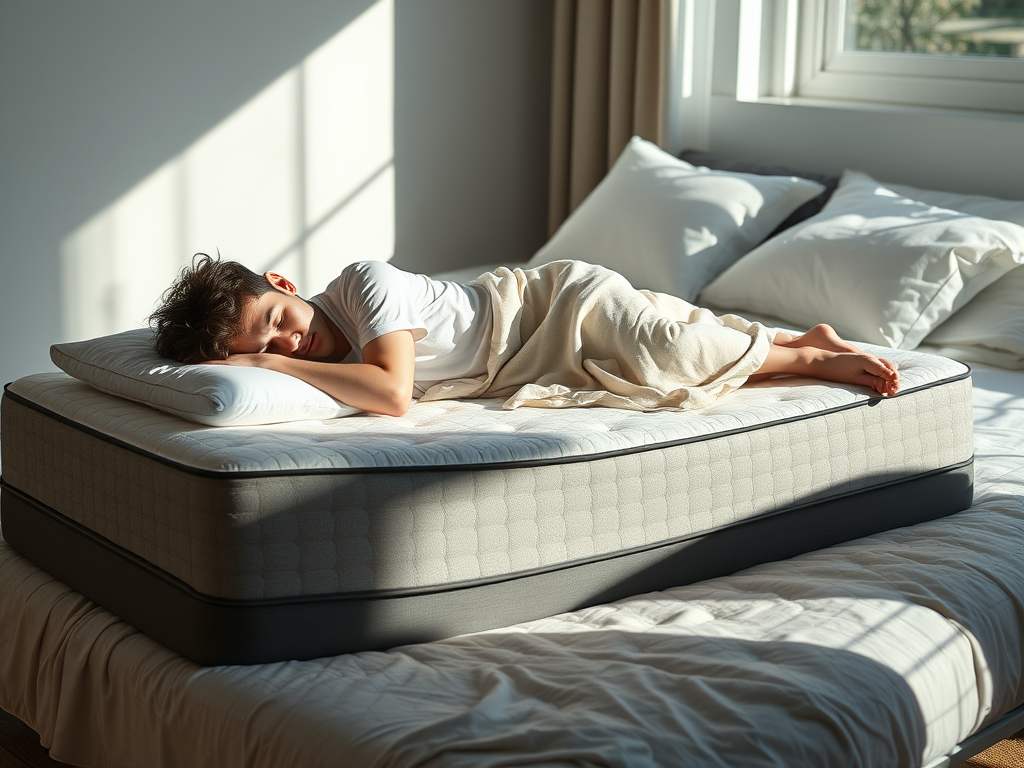
Proactively adjust sleeping positions to eliminate pressure points and movement disruption. Experiment until both find positions that support the spine and enhance shared comfort; do not settle for discomfort or compromise.
Best Mattress Types for UK Couples Sharing a Bed
Demand a mattress type built for couples; do not settle for generic options. Hybrid, memory foam, and cooling mattresses consistently outperform older designs, delivering proven results for UK couples seeking real comfort and durability.
Hybrid Mattresses for Balanced Comfort and Support
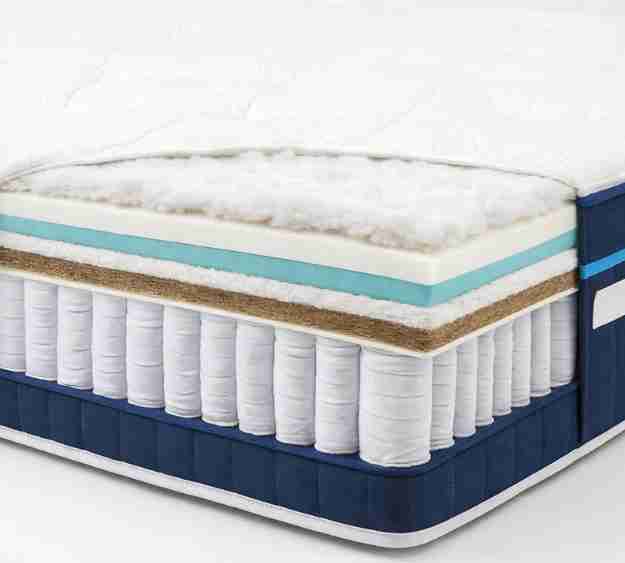
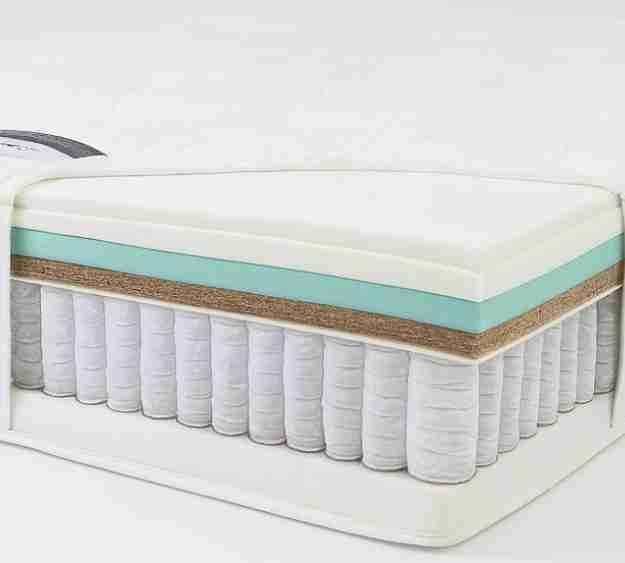
Hybrid mattresses combine pocket springs (springs wrapped in individual fabric cases for reduced motion transfer) with supportive foam layers. This blend gives couples both softness and support. Hybrids offer solid edge support, better airflow, and a good level of bounce without passing too much movement between partners. They’re a great choice for partners who like different firmness levels, as they combine comfort and structure.
Memory Foam Mattresses for Motion Control
Memory foam offers superior motion isolation, absorbing movement instantly to help light sleepers rest peacefully. Modern options include cooling gels to prevent overheating, suiting couples who want undisturbed sleep.
Cooling Mattresses for Temperature Regulation
Cooling mattresses use gel foam, charcoal-infused layers, and ventilated designs to promote airflow and consistent temperature, ideal for couples with different sleep temperatures.
How Luxe Mattresses Help Couples Sleep Better Together
Luxe Mattress offers nothing short of premium excellence for couples who refuse to compromise on comfort, durability, or personal support. Select Luxe for advanced solutions that eradicate motion and heat problems—so you both wake energised every morning.
Luxe Hybrid for Balanced Support and Breathability
The Luxe Hybrid mattress blends supportive coils with pressure-relieving foam, giving couples the perfect combination of comfort and bounce. The breathable design improves airflow, reducing heat buildup while maintaining edge support. This mattress suits couples with mixed sleeping styles.
Luxe Memory Foam for Zero-Movement Sleep
Luxe’s memory foam mattress is ideal for partners sensitive to movement. Its high-density foam significantly reduces motion transfer, ensuring quieter, undisturbed sleep. It adapts closely to body shape, offering personalised comfort while supporting spinal alignment for both partners.
Luxe Cooling Mattress for Hot and Cold Sleepers
If you and your partner suffer from temperature disputes, the Luxe Cooling Mattress provides an effective, lasting solution. With state-of-the-art cooling gel, breathable covers, and moisture-wicking fabrics, you command your sleep environment, ensuring peace and comfort every night.
Additional Tips for UK Couples Seeking Peaceful, Undisturbed Sleep
Achieving restful, undisturbed sleep as a couple requires deliberate action. Pairing the right mattress with purposeful habits guarantees long-lasting comfort and a stronger nightly connection.
Reduce Sleep Disruptions With Small Lifestyle Adjustments
Take control of your sleep quality, limit caffeine, screen time, and excess noise, and commit to daily light exercise. These purposeful choices will fortify your rest and reduce unwanted disturbances for both partners.
Maintain the Mattress for Long-Term Comfort
Do not overlook maintenance, rotate your mattress, use a protector, and keep bedding pristine. Vigilant care guarantees enduring comfort and support, giving couples total confidence in their sleep investment.
When to Upgrade Your Mattress as a Couple
Never hesitate to upgrade your mattress together. Replace it every 7–10 years or sooner if you sense sagging, discomfort, or increased disturbances. A new mattress made for couples can radically improve your sleep and strengthen your relationship.
FAQ’s
1. What mattress size is best for couples in the UK?
A UK King or Super King is usually ideal for couples, offering more space and reducing disturbances. Smaller sizes, like a Double, may feel cramped, especially for restless sleepers.
2. How can couples reduce tossing and turning at night?
Choosing a mattress with strong motion isolation, such as memory foam or a hybrid design, helps minimise disturbances. A consistent bedtime routine can also reduce restlessness.
3. How do I manage temperature differences with my partner?
Opt for cooling mattresses, breathable bedding, or dual-tog duvets. Cooling technology helps regulate heat while allowing both partners to sleep comfortably.
4. Why do couples sleep better on hybrid mattresses?
Hybrid mattresses provide balanced support, strong edge stability, and breathable comfort. They suit partners with different firmness needs and reduce sleep disruptions.
5. Can the wrong mattress cause relationship sleep issues?
Yes. Poor support, excessive motion, and overheating can lead to disturbed sleep, causing fatigue and frustration. A couple-friendly mattress improves rest for both partners.
Conclusion
Sleeping with a partner isn’t always easy, especially when differences in movement, temperature, and mattress preferences affect comfort. This guide explains how UK couples can sleep better together by choosing the right mattress, improving bedtime habits, and reducing common sleep disruptions. With practical steps and mattress recommendations, you’ll learn how to create peaceful, supportive sleep for both partners.
Memory foam has revolutionized sleep comfort, offering unmatched contouring and support. Originally developed by NASA, this unique foam adapts to your body’s curves, relieving pressure and improving spinal alignment. But not all memory foam is the same differences in cell structure, density, ILD (Indentation Load Deflection), and material composition affect comfort, durability, and safety.
From open-cell vs. closed-cell foams to high vs. low density and off-gassing concerns, understanding these factors is key to choosing a mattress that enhances sleep quality and protects your health. This guide breaks down everything you need to know to make an informed memory foam choice.
What Makes Memory Foam Unique?
Memory foam, specially developed by NASA, contours to the body’s curves, making it an ideal option for personal support and pressure relief. In mattresses, pillows, and mattress toppers, it’s well-regarded for helping support spinal alignment and reducing motion transfer. However, not all memory foam is created equal; there are differences hidden within its structure and composition.
Why the Materials Matter for Your Sleep and Health?
The memory foam material (cell structure, density, and chemical makeup) is very important if you want to take your sleep to the next level! Not only does this influence how comfortable or supportive your mattress is, but also how long it will last and how safe it is for you to sleep on. From how the material responds to heat and airflow, to whether it releases harmful chemicals (also known as off-gassing), the materials that go into making memory foam can have a significant impact on your sleep quality and long-term health.
Open-Cell and Closed-Cell Memory Foam
What are open and closed cells?
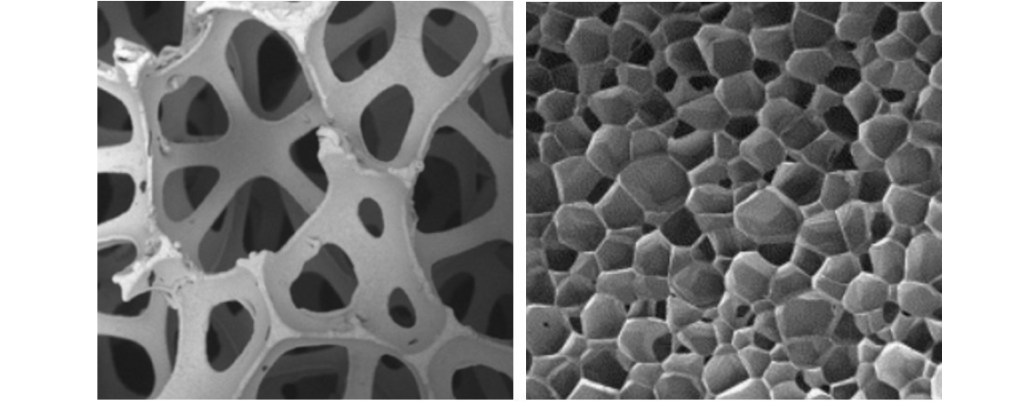
The memory foam cell structure consists of millions of tiny air pockets within the foam. These can be open-cell or closed-cell.
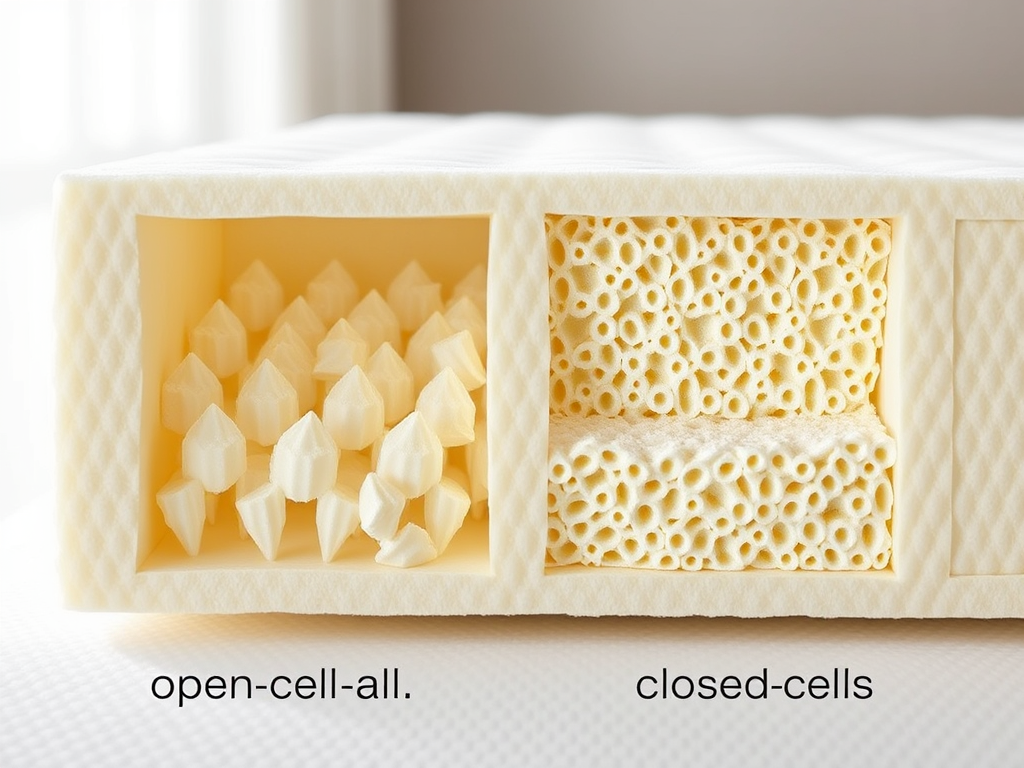
Open-cell memory foam includes interconnected cells that allow the air to flow through more easily.
Closed-cell memory foam is filled with sealed pockets of air, which turns the foam into a denser material and reduces ventilation.
How Cellular construction impacts breathability, firmness, and durability
Cell structure has a direct influence on how a mattress performs:
Breathability: Open-cell foam allows for air circulation and regulates?temperature. Closed cell foam has a tendency to?trap in heat.
Firmness: Closed-cell foam feels firmer because of its part structure. Open-cell foam provides a softer, more cushioning sensation.
Durability: Closed-cell memory foam tends to be more durable, but it may feel less responsive. Open-cell foam?may break down faster, but it is generally more comfortable at first.
Which Style Is Best for Sleepers?
Which is the better end depends on your preferences:
Hot sleepers may appreciate open-cell foam for its breathability.
Back or stomach sleepers who require firm support could prefer closed-cell foam.
Most contemporary mattresses are a hybrid, which combines the two in varying proportions to achieve a balance of comfort and support.
Memory Foam Density and ILD: What the Numbers Mean
Memory foam density explained:
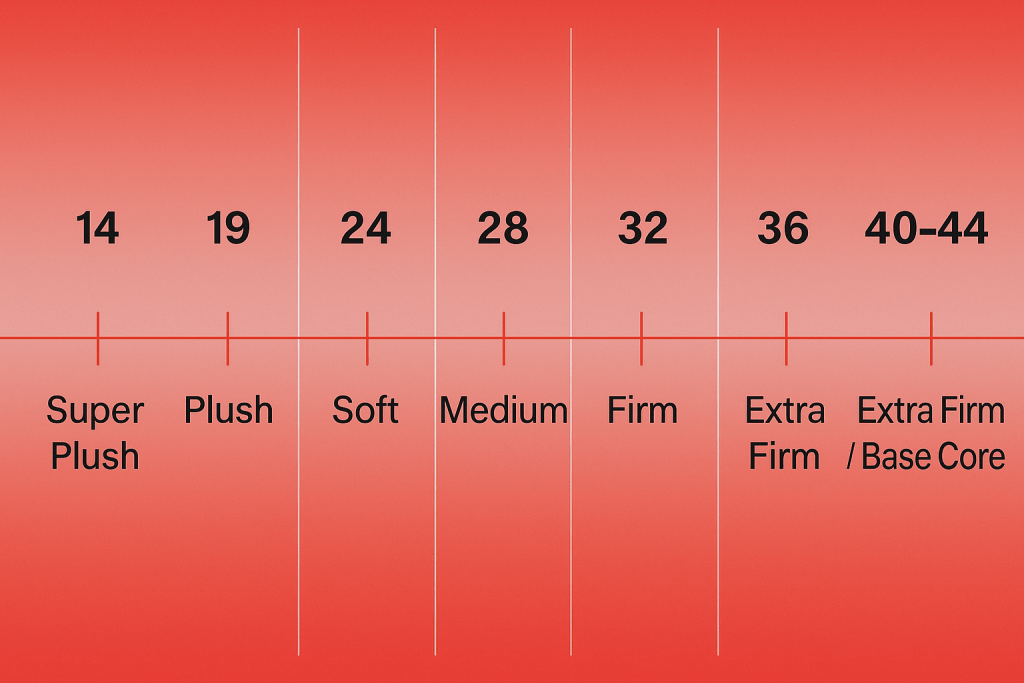
Memory foam density is expressed as the weight of one cubic foot of foam, where the end number represents the weight in pounds per cubic foot (lbs/ft³). It influences durability, ?support, and cost.
Low density (2.5 – 3.5 lbs/ft³): This type of foam is softer and less durable.
Medium density (3.5?– 5 lbs/ft³): The best of both worlds, comfort and support
High density (5+ lbs/ft³): Even more supportive and long-lasting, these are great for heavy-duty use
That being said, denser foams will provide even more contouring and support, but they also tend to trap more heat.
The ILD rating is a measurement and evaluation that measures the firmness of a mattress.
Firmness rating
ILD memory foam is an abbreviation for Indentation Load Deflection, which measures the firmness or softness of a foam. A higher ILD indicates a firmer mattress.
ILD 8–12: Soft
ILD 13–16: Medium
ILD 17+: Firm
ILD provides information about how much “give” the foam has when pressure is applied, which is crucial for determining whether side or back sleepers are better suited.
The Impact of Density and ILD on Comfort, Support, and Longevity
Comfort: The lower ILD and density make it soft and perfect for side sleepers.
Support: High-density and ILD foam provides strong support suitable for back or stomach sleepers.
Longevity: Higher density is often representative of a better lifespan.
Side sleepers: Soft to medium low density (3–4 lbs) with soft ILD
Back sleepers: Medium-firm (4–5 lbs) and medium?ILD
Sleep position: Stomach Sleeper: High density (5+ lbs) and firm ILD
Knowing these numbers can help you pick a mattress that works well for your body, so you’re not relying on trial and error.
Memory Foam Off-Gassing: What is it and Should You be Concerned?
What Is Off-Gassing And Why Does It Occur?
Memory foam off-gassing is the emission of volatile organic compounds (VOCs) from the?foam when it’s unpacked. That “new mattress smell” comes from the breakdown of chemical components and release of gases into the air.
Common VOCs in Memory?Foam
Types of?VOCs that may be emitted:
Benzene
Formaldehyde
Toluene
Acetone
Not all VOCs are harmful in?low doses, but long-term exposure, particularly in poorly ventilated spaces, can lead to headaches, nausea or respiratory irritation.
Is Off-Gassing Harmful? Health and Safety Insights
So, is memory foam safe? For the most part, yes especially if it’s CertiPUR-US® certified, which indicates it meets the following requirements:
Made with less ozone substances
Low levels of VOC’s (below 0.5 ppm)
No toxic materials lead?or mercury
Free of formaldehyde and phthalates
Those that are?not certified may present a greater health risk, especially for children and people with sensitivities.
How to Reduce and Remove Off-Gassing in Your Home?
Unbox?in a ventilated area
Please allow 48-72?hours for this mattress to expand and take its proper shape.
Try an air purifier to accelerate the elimination of VOCs
Purchase certified foams, which should be third-party safety?tested
By following these basic measures, your exposure?can greatly diminish and the mattress will become safe to use.
Tips for Evaluating Mattress Specs and Certifications
Check off-gassing allegations and consumer comments
Consider a trial period to evaluate comfort and sensitivity to odor
With the correct information, you can make an educated decision that promotes restful sleep, supports your health, and lasts for years to come.
Conclusion
There’s more to love about the?right memory foam mattress than just its softness (or firmness). You have to know the memory foam?cell structure, the density, ILD and the way it acts over time. Also, think about other factors,?such as memory foam off-gassing or if the foam is made from safe materials.
Check thiere’ss as well as open-cell vs closed-cell memory foam so that you continue to sleep at comfortable temperatures, and look for density levels?based on the position you sleep in. Don’t forget?to consider certifications for safety.
FAQs
What is memory foam made of?
Memory foam is primarily made from polyurethane and various added chemicals that increase its viscosity and density. These ingredients create the foam’s signature “slow sinking” and contouring feel.
What’s the difference between open-cell and closed-cell memory foam?
Open-cell foam has tiny interconnected air pockets, allowing for better airflow and cooling. Closed-cell foam traps air in sealed pockets, making it firmer and more durable, but also less breathable.
What does memory foam density mean?
Density refers to how much one cubic foot of foam weighs. It affects: Durability (higher density = longer lasting), Support (higher density offers more), Heat retention (denser foam may trap more heat).
ILD stands for Indentation Load Deflection—a measure of a foam’s firmness. Low ILD (8–12): Soft Medium ILD (13–16): Balanced High ILD (17+): Firm ILD helps determine how the mattress will feel under pressure and is important for sleep position compatibility.
Which density and ILD should I choose based on my sleeping position?
Side sleepers: Medium-low density (3–4 lbs) and soft ILD Back sleepers: Medium-high density (4–5 lbs) and medium ILD Stomach sleepers: High density (5+ lbs) and firm ILD
Is off-gassing from memory foam harmful?
Not usually. If the mattress is CertiPUR-US® certified, it meets standards for low VOC emissions. Still, those sensitive to odors or chemicals may want to air out the mattress in a ventilated room.
How do I get rid of the new mattress smell faster?
Unbox in a well-ventilated area Let it air out for 48–72 hours Use an air purifier Avoid using sheets or covers until the smell subsides
Are memory foam mattresses hot to sleep on?
Some can be, especially high-density or closed-cell foams. To avoid this, choose open-cell memory foam or mattresses with cooling gel infusions or breathable covers.
When it comes to improving sleep, there’s no such thing as a one-size-fits-all solution. Each person’s sleep is shaped by unique factors ranging from their daily habits and stress levels to their environment, routine, and physical needs. That’s why personalized sleep assessments or “sleep quizzes” include a wide array of questions designed to uncover the full story behind how you sleep.
The sleep quiz available on our platform is developed using trusted data and methodologies from several leading sleep research authorities. These include:
Each question in the quiz serves a purpose, whether it’s assessing sleep onset, duration, consistency, or how external and internal factors affect your rest. In this article, we’ll explore what these questions are, why they matter, and how your answers help form a tailored snapshot of your sleep health an important step toward better rest and well-being.
Bedtimes and Wake Times: Mapping Your Rhythm
Questions like:
What time do you typically go to bed on weekdays?
What time do you wake up on weekdays?
These determine your chronotype, whether you are naturally a morning person or a night owl. Sleep experts use this to understand whether your biological rhythm aligns with your daily routine. Mismatches between internal clocks and social obligations (like work schedules) can lead to “social jetlag,” which contributes to fatigue, poor focus, and sleep disorders.
The data also helps determine sleep consistency, a crucial factor in sleep quality. Irregular schedules often lead to disturbed REM cycles and trouble falling or staying asleep.
Sleep Duration and Catching Up
How many hours of sleep do you typically get each night?
Do you try to “catch up” on sleep during weekends or days off?
Sleep deprivation can’t be completely offset by weekend lie-ins, but patterns of catch-up sleep suggest chronic sleep debt. These answers help identify whether a person is unknowingly under-rested. Long-term sleep debt is associated with decreased cognitive function, metabolic disorders, and mood instability.
Sleep Latency: How Long It Takes You to Fall Asleep
How long does it usually take you to fall asleep?
This question offers insight into both sleep hygiene and possible underlying stress or discomfort. Sleep latency—the time between getting into bed and falling asleep is considered healthy if it’s under 30 minutes. Longer durations may be linked to screen use, caffeine, anxiety, or physical discomfort such as an unsupportive mattress or poor sleep posture.
Sleep Position: Pressure and Alignment
What is your primary sleeping position?
Whether someone sleeps on their back, side, or stomach dramatically affects pressure distribution and spinal alignment. This helps match individuals with appropriate sleep surfaces. For instance, side sleepers tend to need softer surfaces that relieve pressure on shoulders and hips, while stomach sleepers require firmer surfaces to prevent spinal sagging.
Understanding sleeping position is central to addressing body pain, especially lower back or neck strain.
Sleep Aids and Medication
How often do you use sleep aids or medication to help you sleep?
This helps assess whether sleep quality is natural or artificially supported. Frequent use of aids may suggest chronic insomnia, anxiety, or physical discomfort. It can also point to dependencies or ineffective underlying strategies, especially if sleep quality remains poor even with intervention.
Caffeine and Alcohol Intake
How much caffeine do you consume daily?
How does alcohol consumption affect your sleep?
Both substances are well-known to affect sleep. Caffeine is a stimulant that can reduce melatonin production and delay sleep onset, especially if consumed late in the day. Alcohol, while initially sedating, disrupts REM cycles and increases nighttime waking.
How much time do you spend on screens within 1 hour of bedtime?
This question addresses exposure to blue light, which can delay melatonin secretion. Screen time also tends to stimulate the brain, especially when engaging with interactive content (like scrolling or gaming). Reduced screen exposure correlates with faster sleep onset and better sleep depth.
Environmental Factors
Select any issues with your sleep environment (light, temperature, noise, mattress comfort, etc.)
Environment plays a critical role in how the body settles into sleep. Too much light can suppress melatonin. Noise even subtle, can trigger micro-awakenings. Temperature extremes can cause discomfort that fragments sleep. Mattress discomfort is a frequent complaint that often links back to poor pressure relief or inadequate spinal support.
These insights allow sleep advisors to recommend simple, targeted improvements, like blackout curtains, sound dampening, or material changes in bedding.
Bedtime Routines and Sleep Regularity
Do you have a consistent bedtime routine?
Sleep is a learned behavior, and routine trains the brain to enter rest mode. A regular pattern of winding down (e.g., dimming lights, reducing stimulation, performing hygiene rituals) improves sleep onset and sleep quality. Inconsistent routines may cause delays in falling asleep or fragmented rest.
Dream Recall
How often do you remember your dreams?
While dreams themselves are subjective, dream recall is often a proxy for uninterrupted REM sleep. Those who remember dreams more frequently may be waking at the end of REM cycles. Alternatively, not remembering dreams may suggest sleep that’s too shallow or fragmented.
This helps determine whether sleep is reaching all the necessary stages particularly restorative REM and deep sleep.
Daytime Napping
How often do you take naps during the day?
Napping is often a compensatory behavior for poor sleep at night. Regular napping may indicate sleep fragmentation or disorders like sleep apnea. On the other hand, power naps under 30 minutes can be healthy and restorative, so the key is frequency and duration.
Stress Levels
How would you rate your current stress level?
Chronic stress is one of the top reasons for poor sleep. Elevated cortisol levels can keep the brain alert, reduce melatonin production, and disrupt the sleep-wake cycle. This information helps assess whether physical solutions (like a new mattress) need to be paired with stress-reduction strategies such as mindfulness or changes in bedtime behaviour.
How the Data Comes Together
Each of these questions forms a piece of the puzzle. When analyzed together, they create a holistic profile of the sleeper, incorporating:
This comprehensive analysis allows sleep experts or intelligent algorithms to identify areas for change, recommend tailored solutions, and improve overall sleep hygiene. Whether the intervention is behavioural, environmental, or physical (such as changing mattress type), the goal is always the same: restoring balance to the natural sleep cycle.
Final Thoughts
Understanding sleep means looking beyond surface-level symptoms. It requires examining habits, choices, body needs, and surroundings. The wide range of questions in a sleep quiz might seem excessive at first, but each is essential for drawing accurate insights.
Ultimately, the science of sleep starts with self-awareness, and every answer brings us closer to a better night’s rest. For those seeking even deeper insights, using a reliable sleep calculator can help determine optimal bedtime and wake-up schedules based on your sleep cycles and habits. These tools complement quizzes by turning your data into practical, personalised advice.
Comprehensive Sleep Quiz
Discover your personalized sleep score and get expert recommendations to improve your sleep quality.
This quiz takes about 5-7 minutes to complete.
Why Take This Quiz?
Get a comprehensive analysis of your sleep habits
Receive personalized recommendations from sleep experts
Find the perfect mattress match for your sleep style
Learn science-backed tips to improve your sleep quality
Whether someone struggles to fall asleep, wakes often, or feels unrefreshed in the morning, these data points can help identify patterns that lead to smarter, more personalized solutions.
Ultimately, the science of sleep starts with self-awareness and every answer brings us closer to a better night’s rest.
Choosing the best mattress for back pain is not as straightforward as picking the firmest or most expensive option. One of the biggest mistakes people make is assuming that a single type of mattress will work for everyone. In reality, mattress selection is highly personal and depends on multiple factors that most people don’t even consider before making a purchase.
There are several variables involved, including body weight, sleeping position, body temperature, geographical location, previous mattress experience, and whether you sleep alone or with a partner. Even factors like how much you sweat at night or how sensitive you are to motion can significantly affect your choice. All of these elements play a role in determining what truly becomes the best mattress for back pain for an individual.
Why Mattress Choice Is Not One-Size-Fits-All
You cannot generalise mattress suitability because every individual has different sleeping habits and physical requirements. Someone who sleeps on their back in a cold environment will need a completely different mattress compared to someone who sleeps on their side in a warm, humid climate.
For example, your decision should always consider:
Your body weight and how deeply you sink into the mattress
Whether you sleep on your side, back, stomach, or switch positions
Whether you sleep with a partner and how sensitive you are to movement
The type of mattress you have used previously (foam, hybrid, latex, etc.)
Previous experience matters more than most people realise. If someone has always slept on a firm foam mattress, switching directly to a soft hybrid can feel uncomfortable and even worsen back pain initially.
Understanding Back Pain and Mattress Support
When people search for the best mattress for back pain, they often don’t realise that back pain itself varies.
Lower back pain is the most common issue and is usually caused by improper spinal alignment during sleep. This happens when the shoulders remain on the surface of the mattress, but the hips dip too deeply due to uneven weight distribution. As a result, the spine curves unnaturally, creating pressure throughout the night. read more…
This issue can occur regardless of sleeping position, whether you sleep on your back, side, or stomach. The key problem is always the same: lack of proper support.
Upper back pain, on the other hand, is more common in side sleepers. It is typically caused by pressure building up around the shoulders and upper back when the mattress does not allow enough contouring.
How Sleeping Position Affects Mattress Choice
Sleeping position plays a crucial role in determining the best mattress for back pain.
If you are a side sleeper, an extra firm foam mattress may not be the best option. Firm foam mattresses are not flexible and do not allow your shoulders to sink into the mattress. This creates a gap between your shoulders and hips, leading to spinal misalignment and increased pressure.
In such cases, better options include:
Pocket spring mattresses (for flexibility and support)
Hybrid mattresses (for balanced cushioning and support)
Memory foam mattresses (for pressure relief)
Pocket springs are particularly effective because they respond individually to body weight, allowing proper alignment.
If you are a back or stomach sleeper, the situation is different. You generally need a more stable surface that prevents your hips from sinking too much. This is where firmer mattresses, especially high-density foam, can be more effective.
Types of Mattresses for Back Pain
Hybrid Mattress (Best Overall Option)
Hybrid mattresses are often considered the best mattress for back pain because they combine multiple materials to deliver both comfort and support.
A true hybrid mattress includes:
Pocket springs for structural support
Micro pocket springs for pressure relief
Foam or latex layers for cushioning
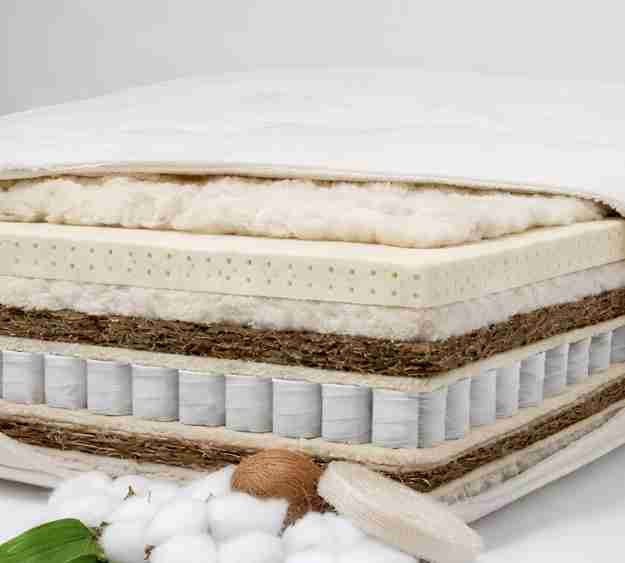
Natural materials like wool, cotton, and coconut fibre
Premium hybrid mattresses use dual or even triple spring systems, which significantly improve support, reduce motion transfer, and help regulate temperature.
These mattresses provide a balanced feel, not too soft, not too hard and adapt to different sleeping positions. They also offer strong edge support, especially when built with reinforced or metal framing, making them more durable than standard “mattress-in-a-box” designs.
Memory Foam Mattress
Memory foam mattresses are a popular choice and can work well for combination sleepers, as well as back, stomach, and side sleepers.
They are particularly effective for:
Pressure relief
Body contouring
Reducing discomfort around joints
However, one common drawback is temperature regulation. Memory foam tends to retain heat, which can make it uncomfortable for hot sleepers.
Foam Mattress (Firmest Option)
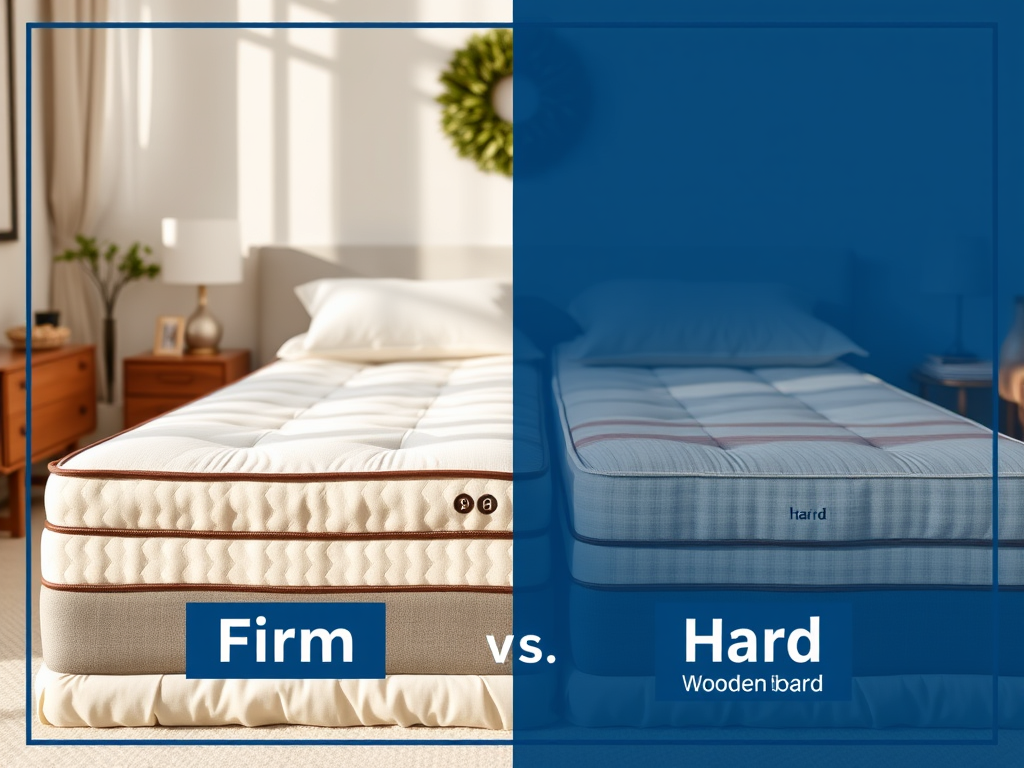
Foam mattresses made from high-density materials are the firmest option available. These mattresses provide minimal to no sink and do not contour to the body.
The feel is often described as:
“Sleeping on a wooden surface with slight flexibility.”
extra firm foam mattress
These mattresses are commonly preferred in countries like India, Pakistan, and China, where people are more accustomed to harder sleeping surfaces.
However, they may not be suitable for everyone, especially for those who have never used a firm mattress before. It usually takes a few weeks for the body to adjust.
When You Should Switch to a Foam Mattress
If you have already tried multiple pocket spring or hybrid mattresses and still experience back pain, switching to a high-density foam mattress may be necessary.
Initially, it may feel uncomfortable for 3–5 weeks, but once your body adapts, it can significantly improve spinal alignment and reduce long-term back pain.
Best Mattress for Back Pain (Top Recommendations)
Based on experience and practical results, here are the three best options:
For those who need solid, no-sink support, this is one of the best options.
It is made using high-density foam (CP-C48 to CP-C52) and is available in:
Extra firm
Rock hard
The rock hard version provides an ultra-stable surface with no sinking at all. It is ideal for back and stomach sleepers and people who require strict orthopaedic support.
This mattress is made using natural materials such as:
Wool
Cotton
Coconut coir
Micro pocket springs
Endura pocket springs
It offers a more luxurious feel while still maintaining strong support. It is suitable for those who prefer natural materials with a balance of comfort and stability.
Final Advice
If you are searching for the best mattress for back pain, the most important thing to understand is that the right choice depends on your body, your sleeping position, and your previous experience.
Hybrid mattresses like the Luxe Ergo 3400 are generally the safest and most effective option for most people. However, if you need maximum support and sleep on your back or stomach, a high-density foam mattress like the Majestic 11000 can be a better solution.
For those who prefer natural materials with a premium feel, latex-based hybrid mattresses provide an excellent balance.
At the end of the day, the best mattress is the one that keeps your spine aligned, reduces pressure, and allows your body to recover properly during sleep.
1. What is the best mattress for back pain?
The best mattress for back pain is one that keeps your spine in a neutral, straight position while you sleep. For most people, a hybrid mattress Luxe Ergo 3400 works best because it combines support from pocket springs with cushioning from foam or natural layers.
If you need stronger support, especially for back or stomach sleeping, a high-density foam mattress (extra firm or rock hard) can be more effective. For side sleepers, a mattress with more cushioning, such as a hybrid or memory foam, is usually better to reduce pressure on shoulders and hips.
2. Is a firm mattress better for back pain?
A firm mattress can help with back pain, but it is not always the best option for everyone. If the mattress is too soft, your hips may sink, causing poor spinal alignment. However, if it is too firm, especially for side sleepers, it can create pressure points on the shoulders and upper back.
The key is balanced support:
Back and stomach sleepers ? benefit from firmer mattresses Side sleepers ? need some cushioning along with support
3. Why does my back hurt after sleeping?
Back pain after sleeping is usually caused by poor spinal alignment during the night. This can happen when:
The mattress is too soft and your body sinks unevenly The mattress is too firm and doesn’t allow natural contouring Your sleeping position puts pressure on certain areas The mattress has lost support over time
When your spine is not properly aligned, pressure builds up for several hours, leading to stiffness and pain in the morning.
Sleep is not just physical, it is deeply linked to your emotional health. When stress, anxiety, or overthinking take over, your mind stays active, making it harder to fall and stay asleep. Many cases of poor sleep quality come from emotional imbalance rather than bad sleep habits.
From racing thoughts to disrupted sleep cycles, your mental well-being directly affects how well you rest. Understanding this connection is the first step to improving sleep quality and achieving deeper, more restorative sleep.
The Emotional Side of Sleepless nights
It’s hard to separate sleep and feelings. After a bad night’s sleep, most of us know that we can be cranky or nervous the next day. This is often caused by stress, sadness, or anxiety. We now know that not getting enough sleep can make you feel lousy and that being mentally sick can make it hard to sleep. A lot of mental health problems can make it hard to sleep.
This article talks about some of them. When people are terrified, angry, or unhappy, they typically can’t stop thinking. This is because not getting enough sleep might hurt your brain. We’ll also speak about typical triggers, some mental skills that can help you, and bedroom ideas that can help you break the cycle and get the sleep you need.
Understanding Anxiety’s Role in Sleep Disruption
Stress makes the body want to fight or run away all the time, even when it’s time to sleep. Your nerve system gets incredibly busy when you’re terrified or worried. This makes it hard to relax and go to sleep. Sleeping experts note that people with this disease think a lot, have tense muscles, and their hearts beat quickly. A lot of thoughts, tense muscles, and a racing heart are all signs of this illness.
When you’re anxious, your body releases stress hormones like adrenaline, which make your heart beat faster and your body heat rise. Stress, a racing heart, and tight muscles can all make it hard to fall asleep or stay asleep. People who are troubled tend to worry about their troubles all the time. Whether you’re thinking about a talk you had or making a list of things you need to do tomorrow, these kinds of thoughts can come in a lot before bed and stop your brain from “winding down.”
Many people experience anticipatory anxiety about sleep itself. For example, “What if I lie in bed all night and still feel tired tomorrow?” is a common fear that people have before going to sleep. In a strange way, this fear of not sleeping can keep them up even longer. As time goes on, the bedroom continues to make you think of tension instead of sleep, which makes insomnia even worse.
In short, anxiety keeps your body and mind over-alert at night. This over-alertness is considered a central contributor to insomnia. The more anxious you feel, the harder it becomes to fall or stay asleep. Without intervention, this pattern can quickly spiral into a chronic problem.
The Vicious Cycle: Poor Sleep Fuels Poor Emotional Health
Both sleep and mood can influence each other. Just as anxiety and stress makes it hard to sleep, poor sleep can also make your mental health worse. Sleep deprived brains handle stress poorly. People tend to get bothered easily by little things, feel more annoyed and sad, and find it hard to regulate their emotions. In fact, the NHS warns that “longer stretches of bad sleep can…have a negative impact on our mental health or wellbeing”.
Biologically, not getting enough sleep makes cortisol rise and makes it harder for the brain to process positive feelings. This makes you feel dull or concerned. Not getting enough sleep can reduce your mood, make anxiety or depression worse, and even raise your chance of having new mental health conditions over the course of weeks or months. Because of this, not getting enough sleep makes stress and anxiety worse, which makes it much harder to get to sleep.
Research confirms this loop. One study found that chronic insomnia not only often follows anxiety and depression, it can actually predispose otherwise healthy people to develop anxiety disorders later. Likewise, sleeping better has been shown to improve mental health outcomes. For example, therapy that targets insomnia (CBT-I) not only improves sleep but also reduces symptoms of depression and anxiety. In other words, better emotional health and better sleep go hand-in-hand, ignoring one can undermine the other.
Common Emotional Triggers of Insomnia
Many everyday stressors and life events can trigger sleeplessness. Here are some of the most common emotional triggers, along with brief examples of how they manifest:
i. Work or Career Stress: Tight deadlines, long hours, or job insecurity can fill your mind with worry.
ii. Financial Anxiety: Worries about paying bills, debt, or job loss are potent sleep stealers. In a recent survey, 77% of U.S. adults admitted they lose sleep over money worries at least some of the time. But seriously though, I totally get them. Making budgets or worrying about debt can easily put sleep at the back corner of one’s mind.
iii. Grief and Loss: Losing a loved one can be quite upsetting and it often disrupts sleep. Health sources note that “trouble sleeping is common with grief.” Anxiety or sadness over the loss of a loved one can cause frequent awakenings or early morning wake-ups.
iv. Breakups and Relationship Stress: Ending a significant relationship is a known precipitant of insomnia. Behavioral scientist Wendy Troxel notes that losing a partner either through a bad breakup or death makes people feel vulnerable and triggers sleeplessness.
Major Life Changes: Big transitions like moving to a new city, starting (or losing) a job, having a baby, or going through divorce can also be stressful enough to disturb sleep. The emotional upheaval and broken routines during these times often spill into the bedroom.
Recognizing these triggers is the first step. The body’s natural response to worry often is to make sleep difficult. Identifying your trigger can help you tackle the insomnia associated with it.
How Depression Differs from Anxiety in Sleep Impact
While anxiety typically causes difficulty falling or staying asleep, depression can affect sleep in a different way. About 75% of people with depression report insomnia symptoms, but surprisingly many depressed patients also experience hypersomnia (sleeping too much). Studies show that roughly 40% of young adults with depression have hypersomnia. In practice:
Depression and Sleep Patterns: People with depression often have poor sleep quality, even if they spend more time in bed. They may fall asleep but wake up too early, or sleep only lightly and feel unrefreshed. Some simply sleep all the time and still feel exhausted. Depression can cause both non-restorative sleep and excessive sleepiness.
Anxiety and Sleep Patterns: On the other hand, anxiety usually makes you sleep in a way that makes you restless and hyper-alert. Anxious people tend to lie in bed worrying, startle awake easily, and spend little time in deep sleep. Nights are often fragmented with frequent awakenings.
These differences also show up in sleep architecture. Anxiety keeps the mind wired and awake, while sadness can leave someone dragging all day or waking painfully early. Both disrupt the restorative functions of sleep, but through somewhat different mechanisms.
Coping Mechanisms That Make It Worse
When sleep is elusive, it’s tempting to reach for quick fixes. But many common coping strategies backfire, further disrupting sleep and fueling anxiety. These include:
i. Taking Alcohol or Sedatives before Bed: While a nightcap could make you feel drowsy initially, alcohol fragmented sleep later in the night and lowers REM sleep. This can make you feel fatigued and stressed the next day.
ii. Late-Night Screen Time: Scrolling on your phone or watching TV right before bed throws off your internal clock. Melatonin, the hormone that makes you sleepy, is shut off by blue light from screens, keeping your brain alert. NHS experts advise avoiding electronic devices at least an hour before bedtime. Instead, unwind by reading or listening to calm music.
iii. Caffeine or Nicotine at Night: Stimulants like coffee, tea, energy drinks, or nicotine from cigarettes can linger in your system and make it hard to fall asleep. The NHS notes that things like nicotine, coffee, and other stimulants might make it hard to sleep. Even sweets or some medicines taken in the evening can also be harmful.
Iv. Working Late or Overexerting: Doing work in bed or thinking about things that need to be done can make you feel stressed. Similarly, if you perform a lot of strenuous activity close to bedtime. When it’s time for bed, it’s hard to fall asleep if your mind or body is still awake.
V. Irregular Sleep Schedule: Staying up late on the weekends or changing your bedtime a lot can mess up your body’s natural sleep-wake cycle. A chaotic plan makes it hard for the brain to figure out a time of rest.
These strategies can feel like instant relief or productivity boosts, but they ultimately worsen sleep and anxiety. For example, stimulants are a common cause of sleep problems and should be avoided before bed. Likewise, SleepFoundation experts recommend good sleep hygiene: steady bedtimes, pre-bedtime wind-down routines, and a phone-free bedroom.
Emotional Sleep Disorders You Might Not Know About
Beyond general insomnia, there are specific sleep disturbances linked to emotional health, which include:
i. Sleep Anxiety (Anticipatory Insomnia): This is when fear of not sleeping actually keeps you awake. A person might dread bedtime, worry about falling asleep, or even develop somniphobia (fear of sleep). Sleep experts call this “sleep performance anxiety.”
ii. PTSD-Related Nightmares and Hypervigilance: People with post-traumatic stress disorder often dream about awful events that happened to them and are particularly vigilant at night. A study found that more than 90% of combat soldiers with PTSD say they have trouble sleeping. People can have bad dreams and wake up many times. They can’t sleep because their bodies are always “on guard.”
iii. Nocturnal Panic Attacks: People with panic disorder don’t want to have panic attacks in the middle of the night, but some do. It’s the same at night: they wake up scared, their heart racing, and they can’t breathe. The Cleveland Clinic says that as many as seven out of ten people with panic disorder also have panic attacks at night. They might be scared, think they’re going to die, and worry that bad things are going to happen, but it wasn’t an emergency; it was just a panic attack.
iv. Night Terrors and Sleep Paralysis: In severe cases, one might experience night terrors, or sleep paralysis. Although more common in children, these disorders can occur in adults under extreme stress or trauma. They are more complex disorders, but are essentially manifestations of the same mind-body fear responses at night.
In all of these disorders, the sufferer wakes up feeling terrified or agitated. For example, having a panic attack at night means feeling very scared quickly, sweating, having a fast heartbeat, and being out of breath. The person is fully awake and afraid, which is not typical. It is vital to note that these indications are not “normal” but are instead induced by worry or stress. People who are hurting should get help because there are effective treatments available, like medication or therapy from a professional.
Psychological Solutions for Restoring Sleep
The good news is if your emotions are keeping you up, you can sleep better with the right techniques. Several evidence-based psychological approaches target the anxious thoughts and behaviors keeping you awake, such as:
i. Cognitive Behavioral Therapy for Insomnia (CBT-I): This structured, short-term therapy has been shown to help people who can’t sleep by changing the way they think about and act when they sleep. As part of CBT-I, patients typically learn to examine negative beliefs and build a soothing practice before bed. Big studies have shown that CBT-I not only helps people sleep better, but it also makes them feel less anxious and sad.
ii. Mindfulness and Relaxation Practices: Mindfulness training, like meditation, teaches the brain to stay in the now instead of worrying about the future. Harvard researchers showed that older adults who had difficulties sleeping and exercised mindfulness were much less likely to be weary, depressed, or unable to sleep. You can elicit this “relaxation response” by focusing on your breath or doing some gentle yoga before bed. Progressive muscular relaxation and deep breathing are two easy ways to calm down your heart rate and clear your mind.
iii. Journaling or Worry Time: Giving anxious thoughts a specific outlet can prevent them from hijacking bedtime. The NHS suggests writing down tomorrow’s tasks before bed as a way to “put your mind at rest”. Writing in a worry book or a thankfulness notebook can also help you relax. The most important thing is to do something peaceful and alone, and then stop when you’re done with your book.
iv. Sleep Hygiene and Habits: Your brain knows it’s time to sleep when you have a regular bedtime routine, like drinking herbal tea and turning off the lights. Don’t eat a lot, drink a lot of coffee, or work out hard straight before bed. Getting outside in natural light and working out regularly can help you fall asleep sooner. These little modifications make it easier for the brain to link bedtime with relaxation instead of worry over time.
If your worry or trauma is really bad, you usually require support from a specialist. Psychologists and sleep experts can make therapies work for you. Getting more sleep can assist your mental health just as much as or more than dealing with stress. For a lot of people, breaking the practice of worrying at night might make them feel better throughout the day.
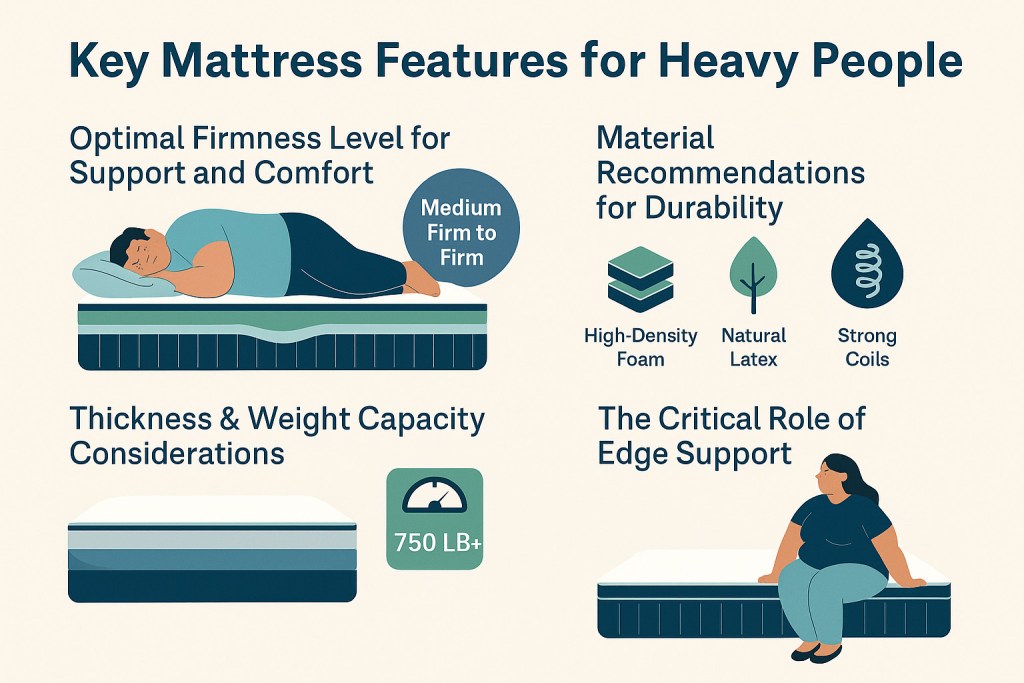
The Role of Environment in Supporting Emotional Rest
Your bedroom environment can either make your mental tension worse or better at night. The colors, warmth, and mood of the room can all affect your brain and instruct it to relax. Walls painted in gentle blues, greens, or even light gray tend to make individuals feel pleasant and relaxed. People who sleep in blue or green rooms are the most relaxed and get the greatest sleep, according to surveys. You might want to avoid bright reds or yellows, as they tend to make you feel more energized.
Silence is “golden” for sleep. To filter out unpleasant sounds, use earplugs or a white-noise machine. Blinds or eye masks that block off light can assist. Put your phones on silent or in another room. Most individuals sleep best in settings that are a little cold, between 65°F and 68°F (18°C and 22°C). The NHS suggests to keep the bedroom cool and “well ventilated” because being too hot or stuffy might make you feel restless.
Experts suggest that bedding should be the most comfortable and supportive. You need a mattress that fits your body and supports your spine, as well as a pillow that maintains your neck straight. For example, Luxe Mattresses’ contouring memory foam or hybrid mattresses are high-end and have characteristics that relieve pressure. These mattresses can aid with pain and help the body sleep. Sheets that let air flow and blankets that are soft and cozy might also help you feel safer.
Some smells might help you feel better. For instance, studies have shown that the scent of lavender might help you relax and feel less stressed. You can relax by putting a lavender bouquet next to your pillow or spraying your pillow with lavender. People have employed mellow scents like chamomile and jasmine for a long time to help them sleep. Make sure the smell isn’t too overpowering and doesn’t take over.
A clean bedroom with little mess is finally a place where you can relax and not worry about anything. Keep work things, bills, and notes out of sight. If you can, set up a little “sanctuary” area. A favorite image or plant can help you feel better, but don’t put too much in it, such games or junk.
When your bedroom is safe, tranquil, and comfortable, it helps you forget about the issues you had during the day. The Sleep Foundation suggested that making your bedroom more sleep-friendly and getting into “habits that help you sleep” can help you get more sleep. A good mattress, like the pressure-relieving ones from Luxe Mattresses, and a well-planned room layout will help you relax both physically and mentally.
Conclusion: Emotional Peace = Sleep Peace
In summary, sleep and emotional health are intimately linked. Anxiety, stress, depression and trauma all create physiological and mental arousal that can sabotage sleep. Left unchecked, this leads to a vicious loop: poor sleep raises stress hormones and impairs mood, which in turn makes sleep even harder. By contrast, interventions that target the emotional side of insomnia – therapy, relaxation practices, journaling, environment tweaks – can restore the cycle of sleep and healing.
The key message is hopeful: improving one side often helps the other. Tackling anxiety and stress (through CBT, mindfulness, or counseling) will improve sleep, and improving sleep hygiene will lift your mood and resilience. If sleep struggles persist, consider seeking professional advice – a sleep coach, therapist or doctor can guide you to the right resources. You might also explore LuxeMattresses’ sleep wellness guides and products designed to support both physical comfort and emotional rest.
Remember, the path to a peaceful night often begins with a calm mind. By addressing the emotional roots of sleeplessness, you can find your way back to deep, refreshing sleep – and wake up to brighter days ahead.
FAQs
Can anxiety alone cause insomnia?
Yes. Anxiety and chronic worry can directly interfere with sleep. When the mind is racing or tense, the body stays alert and can’t easily transition to sleep. This “hyperarousal” state is a known trigger for insomnia. Over time, anxiety about not sleeping can further entrench the problem. Fortunately, treating the anxiety often brings significant sleep improvement.
Will improving my sleep help my anxiety or depression?
Absolutely. Studies show that improving sleep through therapy, or good sleeping habits can reduce symptoms of anxiety and depression. For many people, simply getting more rest makes daily stressors feel more manageable, and it can even improve cognitive function and mood. Think of sleep as part of your mental health toolbox: better rest is both a result of feeling better and a cause of feeling better.
How do I create a better sleep environment?
Focus on comfort and calm. Keep the room dark, quiet, and slightly cool. Decorate in soothing colors like blue or green. Remove electronic distractions such as phones and computers from the bedroom. Invest in a supportive mattress and pillows that relieve pressure and keep your spine aligned. You can also introduce relaxing scents like lavender and chamomile while starting some bedtime routines such as reading, stretching, and having a warm bath to help you feel better. Each positive environmental cue sends a signal to your body that it’s time to sleep.
If you implement these strategies and still struggle, it may help to consult a sleep specialist or mental health professional. There are effective treatments available; you don’t have to battle chronic insomnia or anxiety alone. By addressing both your mind and your sleep setting, you can break free from the cycle of anxiety?induced sleeplessness.
Mattress comfort isn’t just about foam, springs, or firmness it’s about how it feels to you. True comfort is a personal experience shaped by your emotions, expectations, and preferences. In fact, simply believing a mattress is high-end can make it feel more relaxing, showing how powerful the mind is in shaping comfort.
At the same time, sensory details like fabric, scent, and temperature play a big role in how well you sleep. Your brain processes these signals to create a sense of calm, while familiar textures can help you unwind faster. That’s why brands like Luxe Mattresses blend smart design with psychology to create sleep experiences that feel just right.
What Is Mattress Comfort? A Multi-Sensory Experience
“Comfort” is not a single sensation but a combination of touches, pressures, temperatures and even sounds. When you lie on a mattress, millions of skin receptors send signals to your brain about softness, support and warmth. These messages travel from the spine to the thalamus in the brain and then to the somatosensory cortex.
This portion of the brain generates a “map” of how the whole body feels. This means that your shoulders, hips, and feet all communicate signals. For instance, you might feel a soft cushion under your shoulders, a heavier push around your hips, and a certain warmth or coldness on your skin.
Most essential, everyone feels comfortable in a different way. Someone else could think something is “too soft and unsupportive,” yet to them it feels “plush and relaxing.” An extremely soft mattress could get rid of pressure points, but if it makes your back sag, your brain might think that’s pain or strain. An extremely firm mattress, on the other hand, gives you a lot of support, but it can feel unpleasant if you push too hard against it.
The NHS claims that the finest mattress “molds to the shape of your body but keeps your spine in alignment.” It should also “distribute your weight evenly” so that your hips and shoulders don’t experience too much pressure. In this way, tactile feedback, from the sense of sinking or pushing back combines with pressure sensation to form the overall feeling of comfort.
Temperature is another sensory factor. Sleep experts note that cooler bedding and well-ventilated materials can help you sleep more easily. A mattress that traps heat may make one feel restless or sweaty, even if its softness is ideal. Conversely, breathable layers (like natural latex or cooling-gel foams) can make the bed feel more pleasant. In short, mattress comfort is a multi-sensory experience: your skin, nerves and even your sense of smell (for example, fresh sheets or hypoallergenic fabrics all feed into your brain’s comfort calculation.
The Role of Expectations and Branding
What we expect from a mattress strongly influences how we perceive it. In consumer psychology terms, comfort can be self-reinforcing: believing a bed will be cozy can actually boost the sense of comfort. This is a bit like a placebo effect.
People often pay more for a luxury bed believing it will help them sleep better, and that belief can shape their real experience. Research on product perception shows that “expected comfort”, the comfort a consumer anticipates, can alter the eventual sensation of comfort.
Mattress makers and retailers certainly play on this. A premium brand name or high price tag can create an expectation of quality and softness. For example, some luxury mattresses use tall, hand-tied springs and lavish natural materials (like horsehair) that are inherently comfortable, but they also market heavily on heritage and exclusivity.
Confirmation bias plays a part, too: once you’ve chosen a mattress as a “luxury” option, you tend the cradling foam, the fine upholstery and downplay minor flaws. Conversely, if you doubt a mattress will suit you, you may hyper-focus on its least comfy features. As one study on product comfort noted, perceived comfort and product satisfaction often hinge on our preconceived data and expectations.
In practical terms, this means that two identical beds could feel different to people who think one is a “premium model” and the other a budget version. Marketing and branding thus “prime” our minds: a higher price or fancy name can make a mattress seem softer or more luxurious before we even lie down.
Memory and Emotional Associations with Comfort
Comfort is not purely in the body, it often has deep emotional roots. People often feel most at comfortable on sleep surfaces that remind them of wonderful moments or items they know.
For instance, the smell of clean sheets, a pillow you know well, or the fact that you go to bed at the same time every night can all help you sleep. Psychologists explain that youngsters typically feel safe with “transitional objects,” which include things like a favorite teddy bear, blanket, or toy. Your brain starts to link these items to safety.
We may not always know it, but our brains still form associations. For example, a certain shape of cushion, the depth of a mattress, or even a smell in the house might help us rest.
Simple activities like lighting a certain scented candle, listening to the same music, or doing the same things before bed might help relax the brain. You could find it easier to relax if the surface of your mattress reminds you of a calm environment, like your childhood bedroom or a cozy hotel room on vacation.
Sleep therapists say that many adults have a pillow or blanket they “want to use” at night, just like a youngster has a favourite toy. These practices keep happening, which demonstrates that patterns and emotional familiarity help us relax in bed.
Cultural Differences in Mattress Preferences
Ideas of comfort vary widely around the world. Mattress norms are shaped by culture, tradition and even climate, so a firmness that feels ideal in one country can seem odd in another.
For example, traveler’s’ surveys show stark contrasts: in one study, 62% of Chinese respondents preferred a medium-firm mattress with only 16% choosing firm mattresses, whereas British traveler’s were almost evenly split between firm (43%) and medium (41%).
In Japan, traditional tatami mats and firm “western-style” beds dominate, so the Japanese are accustomed to a quite hard sleep surface. In contrast, Americans often expect a plusher, cushioned feel, reflecting a home industry that popularised pillow tops and thick foam layers.
Sleep specialists claim that many Europeans prefer a harder bed since it supports them and is better for their health. Americans, on the other hand, tend to seek soft comfort straight quickly.
Regional customs are also important. In some European nations, like Germany or Scandinavia, it’s common for couples to have two different mattress halves on the same frame, with each person deciding how firm they want their side to be.
In Asia, on the other hand, couples might sleep on thin futons or mats on the floor, which makes the whole space feel softer and more grounded. People who grew up in a culture that emphasises strong back support may find a firm bed natural and comfortable, whereas people who grew up with soft duvets may find the same bed uncomfortably hard.
These cultural preferences are not just legends. This means that the way a bed seems “right” relies on the individual who sleeps on it and the world they grew up in.
When buying a new mattress, it’s important to test the firmness first. Consider your body weight, height, sleeping position, and preferences to find the right firmness level for you.
Find Your Perfect Mattress Firmness
Discover the ideal mattress firmness for your sleep position, body type, and support needs — backed by sleep science.
How the Brain Interprets Softness: Neuroscience of Sensation
Our brains are wired to interpret every stimulus in bed, from a gentle caress of the sheets to a cooling mattress topper. The somatosensory system converts physical sensations into perception.
As one neuroscience overview notes, tactile signals travel to the thalamus and then to the somatosensory cortex, “where signals are translated into a touch perception”. This cortical “touch map” integrates pressure, motion, temperature and texture.
Thus, if you shift your hips on a mattress, pressure sensors report how much you sink; if the mattress warms slightly under you, thermal receptors send that signal too.
Design elements in a mattress specifically target these perceptions. For example, motion isolation (found in pocket coils or dense foam) can reduce the movement you feel when a partner rolls over, which the brain registers as uninterrupted rest.
The smooth fabrics and padded surfaces feel comfortable and cozy on your skin right away, making you feel “plush.” Some mattresses even use fabrics with built-in scents or cooling gels to help the brain relax. If the mattress smells like clean cotton or linen, it might be clean and lovely. People have been able to fall asleep faster when they smell things that are soothing and familiar, like lavender or clean sheets.
The brain also pays attention to things like music and balance. A frame that squeaks or an edge that hangs down could be a concern, but platforms that are sturdy and silent tend to feel better.
You might even be able to adjust how rapidly your heart beats or how you breathe, which can help you feel better. In short, the neuroscience of mood shows us that our brains are always getting messages from all around our body that make us feel happy. The support zones, ability to breathe, and soft feel of a well-made mattress tell your brain that everything is fine. This will usually help you get a better night’s sleep.
Of course the raw materials and construction of a mattress do influence the comfort feeling, they are the basis on which perception is built. Different layers and components create the body sensations that the brain will interpret.
For example, memory foam is known to hug the body, contouring to curves and relieving pressure. LuxeMattresses notes that its memory foam models provide “superior comfort and pressure relief” by molding to your shape.
Latex, by contrast, offers a springy bounce and remains breathable; many sleepers describe it as feeling both soft and supportive. Pocket coils or springs give a responsive support core – when you press down, adjacent springs compress slightly less, producing a sense of support pushing back.
Mattress designers often use zoned layers so that the firmer part of the mattress is directly under the hips and the softer part of the foam is under the shoulders. This zoned design caters to our spine’s shape and keeps the body aligned even as the top feels soft.
The art is finding the right balance. An NHS guidance on sleep and posture emphasises that a mattress should not be so soft that your spine collapses, nor so firm that it creates pressure points. It “molds” just enough to cushion hips and shoulders, while maintaining straight spinal alignment.
Luxe Mattresses’ own products reflect this principle: our Hybrid collection, for instance, “integrates memory foam with pocket springs” to combine plush cushioning with sturdy core support. In practice, our Hybrids layer high-density base foam for durability with comfort foams and cooling gels on top. The result is a surface that feels soft yet upholds the body’s frame thanks to the coils.
The bottom line is that high-quality materials can achieve both the subjective “softness” and the objective support we need. At LuxeMattresses our design ethos is to offer “affordable mattresses without compromising on quality”, meaning we invest in the right foams, springs and fabrics so that perception and reality go hand in hand.
The Role of Sleep Position and Body Type in Perceived Comfort
Even the best-designed mattress will feel different depending on who’s using it. The way you sleep, how much you weigh, and the form of your body all affect how much pressure is exerted on it.
For example, those who sleep on their sides put their weight on one shoulder and hip. The surface needs to be soft to keep those pressure points safe. They’d desire the upper layers of their mattress to be a little softer since a mattress that is too hard under the hip bone can hurt.
But people who sleep on their backs spread their weight out more equally. They usually want moderate firmness: enough support under the lower back to keep the spine neutral, but also gentle cradles under the shoulders and pelvis.
Stomach sleepers put a lot of pressure on the pelvis and chest; if the mattress is too soft, their midsection will sink and arch the spine. Stomach sleepers often do best on a firmer surface.
Body type is another factor. Heavier individuals such as plus-size people compress mattress layers more, so they typically need firmer cores or denser materials to prevent sinking too deeply.
Lighter sleepers may find a very firm mattress feels unyielding, since their lighter weight doesn’t push far into the layers. Many brands, including LuxeMattresses note that back or side sleepers often prefer firmer or zoned mattresses that support the low back, whereas lighter side sleepers can often enjoy plusher padding without losing support.
As the NHS guide suggests, the best approach is to choose a mattress that can mold just the right amount to your body shape while holding your alignment.
Modern beds often come in multiple firmness grades such as extra firm, medium, and soft. The good thing is you can test any of these mattresses at home. LuxeMattresses, for example, offer many firmness options and even orthopaedic models which are specifically used to optimise back health. There are also internal support zones in mattresses designed for side or back sleepers. In the end, comfort is highly individual: what feels like a cloud to one person could be a sinking hole to another.
Case Studies: How Two People Can Lie on the Same Mattress and Disagree
Real-world experience shows how subjective mattress comfort can be. Imagine a couple sharing a bed: one partner might love the plush softness, while the other feels it’s not supportive enough.
In customer feedback, it’s common to hear divergent opinions on the same model. Online reviews for midrange beds often include comments like “feels like sleeping on a cloud” alongside complaints of “sagging and backache,” often by people of different builds or expectations.
Another common example: a side-sleeper might praise how a mattress cradles their shoulder and hip, while a stomach sleeper of similar height may report the same bed causes a low-back arch.
Similarly, personal habits matter: someone who grew up on a traditional firm mattress might describe a medium-firm bed as “too soft,” whereas someone used to a pillow-top might describe it as “ideal”.
These anecdotes underscore that comfort is highly individual. There is no single “perfect” bed for everyone; it is a dialogue between body and mind, and what works for one person can feel quite different to another.
Designing for Subjective Comfort: What Luxe Mattresses Learned
At LuxeMattresses, the lesson is clear: you have to combine good engineering with customer understanding. The company invests heavily in research and feedback to get this balance right. For instance, our online Sleep Quiz built with sleep scientists, has matched over 3,000 customers to a mattress they ended up sleeping better on, with 80% of users reporting improved sleep quality within a month. This high satisfaction rate reflects that aligning mattress choice to personal factors (body type, position, heat sensitivity, etc.) pays off.
Luxe Mattresses also emphasises extensive product testing. We trial mattresses with people of different shapes, getting direct feedback on comfort. If one person’s shoulders feel numb or another’s hips feel pinched, they tweak layer thickness or firmness zoning. Marketing data like return rates and reviews guides them too.
In practice, this has led us to offer multiple firmness levels and hybrid designs. For example, our Hybrid range uses memory foam for immediate softness but places a reinforced coil base (EnduraSpring™) for long-term support. By blending materials, we aim to let sleepers have a first feeling of softness without “losing” the spinal alignment.
Another focus is trust and testing. LuxeMattresses offers 100-night sleep trials and 10-year warranties, signalling confidence that their beds maintain comfort. Our About Us states we strive for “affordable mattresses without compromising on quality”.
That means real-world durability (materials that don’t sag prematurely) matches the initial “wow” factor. The design philosophy explicitly takes psychology into account: gentle curves in foam layers to mimic body shape, cooling fabrics to allay the fear of overheating, and even use of colors/textures meant to look plush.
In essence, LuxeMattresses has learned that subjective comfort isn’t left to chance. By combining neuromuscular design with smart customer profiling, we “engineer” the perception of comfort too. The result is a conversation between body and brain, guided by science that shapes the feel of the perfect mattress.
Conclusion: Comfort is a Conversation between Body and Brain
A truly comfortable mattress is more than the sum of its parts. It is where engineering meets psychology. The perfect bed for you will depend on a dialogue, not only between your body and the mattress, but between your expectations, memories and the mattress’s material responses. One person’s soft cloud could be another’s sinking trap; one person’s firm orthopaedic surface could be another’s ideal spine-saver. All of these experiences are valid because comfort is deeply subjective.
In deciding what feels best, it’s worth remembering the many influences: your sensory thresholds, your childhood associations, and even your cultural background. Brands like LuxeMattresses acknowledge this by offering a range of mattress types and firmness levels, and by giving tools like sleep quizzes and trials so that each customer finds their fit. No one mattress is perfect for everyone, but by understanding the psychology behind comfort, you can find the one that’s perfect for you.

Explore more on our resources: if you’re curious about your own preferences, check out our Blog for guidance. Sweet dreams start with finding what your body and brain agree on.
FAQs
What exactly makes a mattress “feel soft”?
A mattress feels soft because its comfort layers, such as memory foam or quilted foam, contour under your weight, easing pressure on shoulders and hips. A plush top layer combined with a supportive base gives a cushioned yet stable sensation. Too much softness, however, can allow your body to sink too deeply, so the best designs balance soft covers with firmer cores.
How do my expectations about a bed affect comfort?
Expectations act like a placebo: if you believe a mattress is high-end or promises better sleep, you’re more likely to perceive it as comfortable. Branding, price and presentation can prime your mind to notice positives and overlook minor flaws. It’s always wise to test a mattress firsthand rather than rely solely on reputation.
Why do preferences for firm or soft beds vary between countries?
Cultural norms and upbringing shape our comfort benchmarks. Europeans often favor firmer beds for back support, whereas Americans may prefer plusher mattresses; in Asia, traditional futons or tatami mats set a firmer standard. Each region’s typical bedding and sleep habits inform what its people consider comfortable.
Does the material (latex, foam, and springs) really change comfort?
Yes. Memory foam hugs the body and relieves pressure points, latex offers a springy, breathable feel, and pocket springs provide responsive support and airflow. Combining materials, like memory foam over pocket springs in LuxeMattresses hybrids, creates both a soft initial feel and reliable support.
How can I tell if a mattress supports my spine properly?
A supportive mattress molds to your shape while keeping your spine aligned. Lie on your back: there should be only a slight gap at your lower back, and on your side, the mattress should fill the space between your shoulders and hip. If your spine curves too much or your joints press painfully, the mattress is either too soft or too firm.
How does mattress comfort affect sleep satisfaction?
Sleep satisfaction is your perception of how well you slept, and comfort plays a big role. A mattress that helps you fall asleep quickly and stay undisturbed leads to feeling more rested and alert during the day. In turn, better subjective sleep quality often boosts overall well-being.
My partner loves a very soft mattress but I prefer firm. What should we do?
Try a mattress with zoned support or dual-firmness, firmer under the hips and softer at the shoulders, or use a mattress topper to adjust one side. You could also consider separate mattresses on a shared frame, a common European approach. Many brands, including LuxeMattresses, offer trial periods so you can test and find the right compromise together.
Mattresses have come a long way from their early days. Initially, they were crafted from simple materials, such as straw and feathers. These beds were uncomfortable and provided little support. They also attracted pests, which compromised sleep quality and led to health issues. In the 19th century, innerspring mattresses were introduced.
They were much better, offering more support and durability. Today, technology has brought many improvements. Modern mattresses feature temperature control, enhanced support, and hypoallergenic materials. Brands like Luxe Mattress are leading the way in making beds that help you sleep better and stay healthier. Check out the Evolution of Luxe Mattress Materials and Sleep Technology.
From Basic Beds to Bespoke Comfort: A Historical Overview
Early Beginnings: The Straw and Feather Era
In the early era of bedding, mattresses were made from basic materials, which caused significant drawbacks. Picture beds used natural materials such as straw, feathers, and hey. While suffering from a basic cushion, these beds lack consistent support.
Therefore, getting insufficient sleep leads to various health issues, such as aches and pains while walking. Moreover, organic feeling also becomes a home for pests and allergens. It causes poor indoor air quality and hygiene issues. It also causes poor sleep quality and causes major health issues.
The Dawn of Springs: Innerspring Revolution
The 19th century experienced a significant change in mattress history with the introduction of coil springs. In early design, open coil and Bonnell spring systems were used where the soil was interconnected. The improvements were significant in support and durability. Beds became more comfortable, offering a bouncy feel, and lasted longer than old straw and feather beds. However, the innerspring Mattress has some limitations.
innerspring revolution
However, at that time, an unnoticeable change was made to enhance mattress quality. The interconnected nature of the Mattress meant considerable motion transfer. For example, if one person moved, the entire bed would ripple, causing disturbance for their partner. Additionally, these beds feature pressure-relieving points on the shoulders and hips. Additionally, these mattresses are prone to sagging and lose support over time.
The Rise of Hybrid Mattresses: A Blend of Comfort and Innovation
The evolution of mattress technology reached a major milestone with the introduction of hybrid mattresses, designed to combine the best of both worlds: the support of innerspring coils and the comfort of foam or latex.
Hybrid mattresses often feature individually wrapped coils for better motion isolation, topped with memory foam or natural latex layers for pressure relief and contouring. This structure allows them to adapt to different sleep styles, offering both firm support and plush comfort where needed.
According to the Sleep Foundation, hybrid models are ideal for those who want bounce and breathability without sacrificing cushioning. They’re also better at temperature regulation compared to traditional foam beds, thanks to open-cell foam and enhanced airflow systems.
This design reduces common issues like overheating and motion transfer, making hybrid mattresses a smart choice for couples or combination sleepers who value versatility.
The Modern Standard: Natural and Luxury Mattresses
As awareness of health and sustainability grows, many consumers are turning to natural and luxury mattresses crafted with organic, non-toxic materials. These include GOTS-certified cotton, natural latex, organic wool, and bamboo fibres — all of which are hypoallergenic and highly breathable.
Unlike conventional mattresses, natural models are free from synthetic adhesives, polyurethane foam, and flame-retardant chemicals. This makes them an excellent choice for people with asthma, eczema, or chemical sensitivities, and helps improve indoor air quality, as outlined by the EPA.
Luxury mattresses also prioritise long-term durability and comfort, often featuring zoned support systems, temperature-regulating layers, and artisan-level craftsmanship. Many are handmade in the UK, offering both high performance and a low environmental footprint.
For those seeking deep, restorative sleep and long-term wellness benefits, a natural luxury mattress is more than a comfort upgrade, it’s a health-conscious investment in everyday living.
Advancements in Sleep Technology and Mattress Features
Temperature Regulation Technologies
In modern technology, several factors make modern mattresses the most reliable for achieving quality sleep. First on this list is temperature regulation technologies; temperature is big problem for the hot sleepers, people who sweat or get hot when they sleep, to understand that you can ready here. nowadays, mattresses regulate body temperature more effectively by utilising different types of phase change materials (PCMs), which help hot sleepers maintain their body temperature at a comfortable range throughout the night.
For Residents who often have cold nights and tend to be hot in bed, this is a great advancement. Things like gel added to foam and foam with open cells allow the air to flow through. These mattresses are made from breathable fabrics that absorb and release heat.
Zoned Support Systems
The Human Body is not flat, as it needs different supports for every part of the body. Therefore, the Mattress should be firmer under the hips and lower back. Under the shoulder, the Mattress should be softer. This helps to straighten the spine and reduce back pain.
Edge Support Reinforcement
Edge Support Reinforcement makes the Mattress stronger and lasts longer. In this technique, mattresses become stronger from the edges. Many mattresses come up with Hypoallergenic and Antimicrobial Treatments.
This means that these mattresses are free from dust mites, allergens, and germs. With this technique, individuals who suffer from allergies or asthma can breathe and sleep more easily. These advancements in the mattress industry undoubtedly contribute to maintaining a healthy lifestyle and overall well-being.
Choosing Your Modern Sleep Solution: What to Consider
In the world of modernisation, where technology plays a part in every aspect of our lives. In the world of Mattresses, modern tools and materials have revolutionised the industry with a vast range of options. So, the role of people or users is to align their needs with that technology. For example, if a person regularly experiences joint pain, they need advanced memory foam to alleviate this pain.
In a shared bed system, a Pocket Spring mattress is ideal for ensuring both users get proper sleep. The second thing is the sleep trial. In-store purchasing allows the user to test the quality of the bed and choose the one that suits them best. For example, Luxe Mattress offers its customers a free 100-night trial. This offer is the best to get high-quality mattresses online.
In online shopping, checking out the certificates and understanding the warranty policies are crucial in getting the best Mattress. These factors must be considered to ensure every step is clear and risk-free when purchasing a mattress that aligns with the customer’s needs. You can decide which Mattress you should buy.
How are Luxe Mattresses staying innovative in sleep technology?
Technology plays a crucial role in every aspect of human life. And it has changed the life of every person. Therefore, it will change the future. In the mattress industry, innovation is a must to ensure the best sleep and rest for humans. Modern technologies, such as personalized climate control and the use of AI in creating better mattresses for sleep, are being developed.
These technologies are going to change the sleep quality of humans. In these developments, Luxe Mattress is a leader in the market, offering its customers the highest quality products. Therefore, Luxe Mattress continually researches and implements modern technologies to make its customers’ lives more productive with its mattresses.
Luxe Mattresses: Pioneering UK Sleep Innovation
Luxe Mattress is mostly focused on the UK market. Therefore, their main focus is on enhancing the lifestyle of UK customers to make it more productive and advanced. Luxe Mattress utilizes modern technology, including temperature control, to mitigate the extreme climate of the UK.
Zero Gravity Foam™
LTX Cooling Gel™
Endora-Spring Technology™
Forticoil Micro Spring™
3D Orthopaedic Technology
Premium Quality Memory Foam Fusions
Advance Motion Isolation
Pure Latex & Organic Materials
As the temperature in the UK is often low, their main focus is to warm the bed to an adjustable temperature. Luxe Mattress also utilizes high-quality materials to alleviate the pain of its customers. Luxe Mattress primarily uses premium materials at value-for-money rates, ensuring a high-quality sleep experience.
FAQs
Are modern mattresses really better for your health than old ones?
Yes. Modern mattresses offer superior support, hygiene, and pressure relief, promoting better spinal alignment and overall health.
How long do modern mattresses with advanced materials typically last?
Modern mattresses, especially high-quality foam, latex, or hybrid types, typically last 7-10 years, sometimes longer with care.
Do smart mattresses improve sleep quality?
Smart mattresses can improve sleep quality through personalised adjustments, temperature control, and providing insightful sleep data for optimisation.
Are natural and organic mattress materials always superior?
Natural and organic materials offer health and environmental benefits. However, quality and comfort also depend on construction and specific material type.
How has mattress technology helped reduce motion transfer?
Technology, such as individually wrapped pocket springs and dense memory foam layers, significantly isolates motion, ensuring undisturbed sleep for partners.
Conclusion
A journey of mattress materials and sleep technology is truly transformative. The first thing to keep in mind is the importance of sophisticated tools to maintain a healthy lifestyle. This means that the Mattress must have mattress technologies, including temperature control, target support, and a hygienic sleep environment.
Luxe Mattress is a prominent name in the field, offering mattresses equipped with modern technology. Visit the Luxe Mattress website to get quality mattresses and get professional feedback and support. Luxe Mattress offers the best product, backed by a 100-night free trial and a 10-year warranty.
In the pursuit of deep, restorative sleep, mattress firmness plays a critical role – especially for those who sleep on their back or stomach. At Luxe Mattresses, we understand how important spinal alignment and pressure relief are for these sleep positions. That’s why our range of firm and extra firm mattresses is specifically designed to support the body’s natural posture and reduce discomfort throughout the night.
While plush mattresses may seem appealing, they often lack the support needed to maintain a healthy spine position. For back and stomach sleepers, this can lead to tension in the lower back, disrupted sleep, and long-term health issues. A hard mattress provides the even, stable surface needed to align the spine, promote circulation, and minimize muscular stress.
Understanding Sleep Positions and the Role of Firmness
Back sleepers benefit from a surface that supports the natural curvature of the spine without allowing the hips or shoulders to sink too deeply. Too much sinkage creates strain in the lumbar region. Luxe Mattresses’ firm and extra firm options, like the Majestic 9000 and Majestic 11000, provide the consistent support necessary to keep your back in alignment all night long.
Stomach sleepers, meanwhile, often struggle with alignment due to the position of the neck and pelvis. When a mattress is too soft, it causes the abdomen and hips to sink lower than the rest of the body. This exaggerated curve places strain on the spine, leading to discomfort upon waking. A firm mattress, such as the LuxeErgo 3400, helps reduce this issue by offering a flat and supportive surface that minimizes excessive curvature.
Sleep position greatly influences your overall sleep quality and health. Back and stomach sleepers, in particular, need to ensure their mattress is firm enough to prevent their spine from bending into awkward positions overnight. A properly designed mattress can make the difference between restless sleep and waking up refreshed.
Why Mattress Firmness is Essential for Support
Mattress firmness is more than a matter of preference, it’s foundational to comfort and spinal health. For those who sleep on their back or stomach, a mattress that’s too soft can do more harm than good. Soft surfaces can lead to poor posture during sleep, misalignment of the spine, and increased pressure on key areas like the lower back.
Firm mattresses provide the resistance needed to keep your body in a stable position. Rather than allowing the body to sink in, they distribute weight more evenly and provide a sense of balance that supports the natural curves of the spine. This ensures that the heavier parts of your body, such as the hips and shoulders, do not sink disproportionately, which can lead to discomfort or long-term issues.
Choosing the right firmness is also vital in terms of durability. Softer mattresses tend to wear out faster and lose their structural integrity, while firm mattresses hold their shape longer. This results in better support and a longer lifespan for the product, which is especially beneficial for people who require consistent support night after night.
Meet Luxe Mattresses: Designed for Restorative Sleep
Luxe Mattresses offers a range of premium-quality mattresses engineered to deliver orthopedic support and luxury-level comfort. Our firm and extra firm mattresses are thoughtfully crafted for people who experience chronic back pain, sleep on their stomach, or simply prefer a supportive sleep surface. Unlike generic brands, we focus on UK-crafted design and high-performance materials that stand the test of time.
Majestic 9000
The Majestic 9000 is a high-density foam mattress offering firm support without compromising on comfort. It’s specifically designed to cradle your body while maintaining spinal alignment, which is particularly beneficial for back sleepers. The firm foam layers absorb motion and support even weight distribution, helping relieve pressure in critical areas such as the lower back and hips.
Stomach sleepers also benefit from the firm surface of the Majestic 9000. The mattress prevents the hips and torso from sinking too deeply, maintaining a more neutral spine position and reducing tension on the lower back. This model is especially helpful for those who want the contouring benefits of foam without the sag often found in softer alternatives.
Majestic 11000
For sleepers who need extra firmness, the Majestic 11000 is the perfect solution. This foam-based mattress is engineered with multiple layers that provide robust support, making it ideal for heavier individuals or those who experience chronic lower back pain.
What sets the Majestic 11000 apart is its superior resilience and density. This mattress retains its shape night after night, ensuring reliable support and minimal wear. With its orthopedic-grade firmness, it offers a truly restorative experience that can significantly improve sleep quality for people who have struggled with alignment and discomfort on softer mattresses.
LuxeErgo 3400
For those seeking a balance between foam and springs, the LuxeErgo 3400 delivers the best of both worlds. This premium hybrid mattress includes layers of foam supported by 4000 responsive pocket springs, offering a firmness level that accommodates both back and stomach sleepers.
Although categorized as medium firm, the LuxeErgo 3400’s spring system gives it the stability and support of a firmer mattress. It contours where needed while maintaining enough resistance to support spinal alignment. It is particularly well-suited for combination sleepers who shift between their back and stomach throughout the night.
How a Hard Mattress Enhances Spinal Health
A properly aligned spine is the cornerstone of a healthy sleep posture. When the spine is in a neutral position, the body can relax fully, muscles can recover, and circulation improves. A hard mattress plays a crucial role in achieving this alignment.
Hard mattresses also contribute to benefits such as:
Better posture: Sleep is the longest period your body remains still. Poor support can lead to long-term posture issues.
Improved circulation: By keeping your body level, a firm mattress reduces pressure points that can restrict blood flow.
Fewer muscle aches: With proper support, muscles stay relaxed throughout the night, reducing morning soreness.
When your mattress supports you correctly, you’ll not only sleep more soundly but also wake up with fewer aches and greater flexibility.
Transitioning to a Firmer Mattress: What to Expect
If you’re used to a soft mattress, transitioning to a firm or extra firm surface may feel unfamiliar at first. Your body needs time to adjust to the new level of support, and you might even experience slight discomfort during the first few nights. However, this is a natural part of the adaptation process.
One effective way to ease the transition is to use a thin, breathable mattress topper to provide a touch of cushioning while your body acclimates to the firmness. Gradually, you can remove the topper once you feel fully adjusted.
Support the transition with healthy sleep hygiene:
Stick to a regular sleep schedule.
Wind down with calming rituals like reading or meditation.
Keep your bedroom cool, dark, and quiet.
Use supportive pillows aligned to your sleeping position.
Why Luxe Mattresses Are the Best Fit for You
Luxe Mattresses stand out because of our dedication to quality, comfort, and clinical support. Each of our products is designed to address specific sleep needs, from posture correction and spinal alignment to pressure relief and reduced motion transfer.
Our foam mattresses like the Majestic 9000 and Majestic 11000 are built for longevity and body-conforming support without excessive sinkage. They cater especially to people suffering from back pain or those who prefer a dense, stable sleep surface.
The LuxeErgo 3400, with its hybrid construction, is excellent for those wanting some give without losing firmness. With 4000 pocket springs, it provides dynamic response to movement while still maintaining the spine’s natural curve.
Each mattress is handcrafted in the UK and backed by rigorous quality testing to ensure you get the support your body deserves.
Conclusion: Invest in Better Sleep Today
Choosing a hard mattress is not about choosing discomfort it’s about choosing alignment, durability, and long-term health. For back and stomach sleepers, firm support is essential to prevent pain, promote restfulness, and support recovery. Luxe Mattresses offers a range of solutions tailored to these needs.
Whether you’re drawn to the firm, supportive feel of the Majestic 9000, the ultra-stable design of the Majestic 11000, or the balanced hybrid support of the LuxeErgo 3400, you’re making a choice that prioritizes your health and sleep quality.
Need help choosing the perfect firmness level for your body type and sleep style? Contact the Luxe Mattresses team for a personalised recommendation. Your spine will thank you.
Are you tossing and turning at night, struggling with discomfort that keeps you from truly resting? Hip pain is a common sleep disruptor, and choosing the best mattress for hip pain can make a significant difference in how well you sleep and recover overnight. The right mattress helps relieve pressure, supports proper spinal alignment, and reduces strain on sensitive joints.
We’ll explore the underlying causes of hip pain, the essential features in a mattress that alleviate it, and top-rated mattress choices tailored for your needs. Whether you’re seeking the best mattress for pregnancy hip pain, or wondering if a hard mattress is right for you, our expert insights and carefully curated options featuring top models like the Majestic 9000 Memory Foam Firm Mattress and the Luxe Ergo Hybrid 3400 Medium Firm Mattress will help you wake up refreshed and pain-free.
Understanding Hip Pain: Causes and Symptoms
Hip pain while sleeping can be disruptive and, over time, detrimental to your physical and mental well-being. The causes of hip pain range from chronic medical conditions to lifestyle factors. Understanding these causes is the first step toward effective relief.
Medical causes include:
Arthritis: Particularly osteoarthritis, causes cartilage breakdown and joint inflammation, leading to stiffness and nighttime aches.
Bursitis: Inflammation of the bursae, the fluid-filled sacs that cushion the hip joint, causes pain when pressure is applied especially while lying on one side.
Injuries: Fractures, hip dislocations, or post-surgical recovery often require targeted mattress support.
Muscle strains or tendinitis: Frequently triggered by repetitive movements, poor posture, or high-impact sports.
Other contributing factors may include excessive body weight, pregnancy-related pelvic shifts, and even sedentary lifestyle habits that weaken core and hip muscles.
Common symptoms include:
Dull, deep aching in the hips
Pain that radiates to the thighs, groin, or lower back
Stiffness after prolonged rest
Discomfort when lying on one side or switching positions
When these symptoms begin to affect sleep quality, your mattress may no longer be providing the support you need.
Why Mattress Choice Matters for Hip Pain Relief
A good night’s sleep starts with a well-suited mattress. For those suffering from hip pain, the mattress isn’t just about comfort it’s a tool for healing and restoration. A supportive and pressure-relieving mattress can:
Maintain neutral spinal alignment, reducing strain on joints
Cushion pressure points around the hip and pelvis
Minimise movement disruption, especially beneficial for couples
Support muscle recovery and reduce inflammation through better circulation
For pregnant individuals, these benefits are doubly important. Weight gain, hormonal changes, and pelvic shifting all contribute to increased strain on the hips. Choosing the best mattress for pregnancy hip pain one that provides gentle support and adaptive comfort can significantly reduce nighttime discomfort and improve rest.
According to Harvard Health, proper mattress support is essential in managing joint-related discomfort and improving overall sleep hygiene.
What to Look for: Mattress Features That Matter
Choosing the right mattress isn’t just about comfort or brand recognition it’s about finding the perfect balance between support, material quality, and personalized features that meet your sleep needs. Whether you struggle with hip discomfort or are simply due for an upgrade, focusing on specific mattress features can guide you toward a smarter purchase.
1. Firmness Level
Firmness is arguably the most noticeable aspect of a mattress and plays a crucial role in pressure relief and spinal alignment. It ranges from ultra-soft to extra-firm and should be selected based on your sleep position and pain points.
Medium-firm mattresses offer the best balance for most sleepers, particularly those with hip pain. They provide cushioning for joints while keeping the spine aligned.
Soft mattresses are great for lighter side sleepers but can cause excessive sinkage for heavier users.
Firm mattresses work well for back and stomach sleepers who need a stable surface to prevent the hips from dipping. The Majestic 9000 Memory Foam Firm Mattress is an excellent choice in this category, offering reliable support for proper posture. Learn more here.
2. Pressure Relief Zones
A standout feature in premium mattresses is zoned support, which means certain parts of the mattress are softer or firmer based on the body area. This technology helps alleviate pressure on sensitive zones such as hips, shoulders, and lower back ideal for people who wake up with soreness.
The Luxe Ergo Hybrid 3400 excels in this department with its 7-zone pressure relief system and advanced spine alignment technology, making sure your body receives customized support from head to toe. Explore it here.
3. Material Composition
Different materials offer distinct sleep experiences. Your ideal mattress should match your body’s needs, preferred feel, and environmental values.
Memory Foam: Provides contouring comfort and isolates motion, making it ideal for side sleepers and couples. However, it may retain heat unless infused with cooling gel or open-cell technology.
Latex: Naturally breathable and hypoallergenic. It offers bounce and responsiveness, appealing to eco-conscious and hot sleepers.
Hybrid: Combines coils for support with foam or latex for comfort often the best of both worlds. Hybrid options like the Luxe Ergo excel in airflow, edge support, and longevity.
Innerspring: Traditional coil mattresses offer a firmer, bouncier feel with good breathability but less contouring.
Adjustable Air Mattresses: Allow you to fine-tune firmness on each side. Best for couples with differing sleep preferences, though usually more expensive.
4. Edge Support and Durability
High-quality mattresses don’t sag over time especially around the edges. Reinforced edge support keeps the sleep surface stable, expands usable space, and makes it easier to sit or sleep near the sides. Durable materials such as high-density foam, tempered steel coils, or natural latex also contribute to longevity.
Hybrid mattresses, such as the Luxe Ergo, tend to score highly in both edge support and durability.
5. Sleep Position and Body Type Compatibility
Your sleeping position and body weight heavily influence which mattress will suit you best:
Side sleepers benefit from softer materials like memory foam or zoned support systems to cushion shoulders and hips.
Back sleepers need even support across the body to prevent sagging at the hips.
Stomach sleepers require firmer surfaces to prevent the lower back from arching.
Heavier individuals (over 230 lbs) should look for firmer or hybrid models that prevent bottoming out and provide enhanced durability.
6. Mattress Size and Fit
Mattresses come in various standard sizes, Single, Small Double (Queen size mattress), Double , Euro Queen, King Size , and Super King Size. Choose based on:
Your height and body size
Whether you sleep alone or with a partner
Bedroom size and furniture layout
A Queen mattress is the most popular for adults, while King or Cal King sizes offer extra space for couples.
7. Certifications and Safety Standards
If you’re concerned about chemical exposure or sustainability, look for mattresses that are:
CertiPUR-US® certified (free from harmful chemicals in foam)
GREENGUARD Gold or OEKO-TEX® Standard 100 certified for fabric and emissions safety
Latex mattresses may also be certified organic by organisations like GOLS or GOTS.
8. Budgeting and Price Ranges
Good Housekeeping suggests setting a realistic budget based on your needs:
Budget range (£300–£700): Basic foam or innerspring options, suitable for guest rooms.
Mid-range (£800–£1,500): Higher-quality foam or hybrid mattresses with cooling and zoning features.
Luxury range (£1,600+): Premium hybrids, latex, and smart mattresses with tech or adjustable firmness.
9. Delivery, Trial Periods, and Returns
Buying a mattress online? Look for brands offering:
Free delivery and setup
At least 90–120 nights of trial
Hassle-free returns or exchanges
Warranties of 10 years or more
White-glove service may also include old mattress removal, especially with luxury models.
10. In-Store vs Online Buyin
In-store testing allows you to feel the mattress firsthand, while online shopping offers more variety and convenience. Regardless of the method, reading customer reviews and checking return policies is crucial.
Luxe Mattresses advises combining both: test a few mattresses in-store to understand your preferences, then explore online options with better trial periods and deals.
Mattress Types: Which One is Right for Hip Pain?
Let’s explore which mattress types offer the best hip pain relief:
Memory Foam
Conforms closely to the body
Excellent pressure relief for side sleepers
May retain heat, so look for gel-infused or ventilated options
Latex is often recommended for people with allergies and those who prefer sustainable bedding options. Its firmness is supportive yet cushioning, making it suitable for lighter sleepers who want pain relief without the deep sink of memory foam.
Innerspring
Traditional coil support
Often lacks adequate pressure relief
Best when topped with a foam comfort layer
If you’re on a budget or need firmer bounce, innerspring mattresses with a pillow-top may offer temporary relief but may not be ideal for chronic hip pain sufferers.
A medium-firm mattress with zoned pressure relief and spinal alignment technology. Try the Luxe Ergo Hybrid 3400or Majestic 9000 for proven results.
Should I use a hard mattress for hip pain?
Not always. A hard mattress can cause additional pressure points if it lacks conforming comfort layers. Medium-firm is generally best.
Is there a difference between hip pain relief and pregnancy hip pain relief?
Yes, pregnancy hip pain is often caused by pelvic shifts and increased body weight, requiring a mattress that supports and cushions gently, like the Majestic 9000.
Can the right mattress help avoid surgery or medication?
While not a cure, the right mattress can significantly reduce symptoms and reliance on pain medication. Always consult with a healthcare professional for severe conditions.
How often should I replace my mattress if I suffer from hip pain?
Every 7–10 years, or sooner if sagging occurs. Supportive integrity is key to pain relief.
Conclusion: Your Path to Pain-Free Sleep Starts Here
Finding the best mattress for hip pain is more than a purchase it’s a commitment to health, comfort, and recovery. Whether you’re dealing with chronic pain, healing from an injury, or managing pregnancy discomfort, the right mattress can make all the difference.
Pair your mattress with supportive sleep hygiene habits, posture awareness, and ergonomic lifestyle adjustments, and you’ll soon rediscover the joy of restful, pain-free nights.
Your night routine plays a powerful role in shaping both your sleep quality and mental well-being. The habits you follow before bed whether scrolling on your phone, working late, or practicing relaxation can directly affect stress levels, mood, and emotional balance.
A consistent and calming evening routine helps signal your brain to unwind, improving sleep and supporting better mental health over time. By making small, intentional changes at night, you can create a healthier mindset and wake up feeling more refreshed and focused.
Why Your Evening Habits Matter More Than You Think
Routines offer more than just structure. They offer comfort. And when it comes to sleep and mental wellbeing, comfort and predictability are your best allies.
The brain doesn’t flick a switch at 10 pm and fall asleep on command. It needs winding down, mentally, emotionally, and physically. If your nights are unpredictable or overstimulating, your nervous system won’t have time to downshift. That’s when poor sleep, anxiety, and mood dips start to creep in.
Mind.org.uk highlights the link between routine and emotional regulation; a regular, calm evening rhythm can ease stress and support sleep.
The Mental Health Cost of a Chaotic Night
We all know what it feels like to lie awake, staring at the ceiling with thoughts racing. Maybe it’s work. Maybe it’s money. Or maybe it’s just your brain rehashing things from five years ago.
When there’s no bedtime routine, your brain never gets the memo that the day is over. That means:
Cortisol stays high (which keeps your mind alert)
Melatonin stays low (which delays sleep)
And your chances of getting a deep, healing night’s rest drop
It’s not always what you do; sometimes it’s when you do it. Let’s take a look at a few habits that can interfere with both sleep and mental health:
1. Taking Screens to Bed
Whether it’s news, WhatsApp, or TikTok, late-night scrolling overstimulates the brain. Blue light delays melatonin. Emotional content keeps you mentally engaged.
2. Eating or Drinking Too Late
Heavy meals or alcohol within a couple of hours of bed can affect your digestion and disrupt sleep cycles, which then affect your mood the next day.
3. Working Until the Last Minute
Closing your laptop at 10 pm and jumping into bed might be efficient, but your brain stays “on.” You haven’t transitioned to rest.
These habits aren’t harmful in isolation, it’s the lack of separation between “day mode” and “night mode” that adds up.
What a Healthy Night Routine Actually Looks Like
There’s no one-size-fits-all template, but a few principles hold up across the board. A strong night routinedoesn’t have to be long or elaborate, it just has to be consistent and calming.
Here’s what helps:
1. Start with a Signal
Pick a time (roughly 60–90 minutes before bed) and begin a slow transition. Dim the lights. Lower the volume. Turn off notifications. Let your body know the day is winding down.
2. Layer in Calming Rituals
Try a warm shower or bath
Use a natural sleep mist on your pillow
Read something light, or write in a journal
Listen to a calming playlist, preferably without lyrics
The aim is to gently disengage from anything that demands mental effort or emotional response.
3. Prepare the Physical Space
Keep your bedroom cool, quiet, and dark. But perhaps most importantly, comfortable. A poor mattress can create physical stress that keeps you tense, even if you’re mentally tired.
At Luxe Mattresses, we design mattresses that don’t just support your back; they support your whole night. Pressure relief, breathability, and ergonomics all play a part in creating a sleep setup that promotes both comfort and emotional calm.
For more, you can explore our guide to sleep hygiene on the blog.
Your Mattress and Your Mental State
It might sound like a stretch, but yes, your mattress affects your mind. Poor support can cause you to toss and turn. Interrupted sleep increases irritability, shortens your fuse, and amplifies stress.
Signs your mattress might be affecting your mental wellbeing:
You wake up feeling unrested or sore
You wake frequently during the night without a reason
You feel more tired than when you went to bed
A luxury quality mattress helps you stay asleep longer and enter deeper, more restorative sleep stages. That matters for mental clarity, mood regulation, and emotional resilience, all things that suffer when sleep is broken.
Take a look at our mattress collection to see options designed specifically to support long, restful nights.
Building a Realistic Routine: A UK Lifestyle Fit
You don’t need to meditate on a cushion for an hour. Your night routine for mental health should reflect your life and be something you can stick to.
Try this simple structure:
9:00 pm – Close work-related tabs, switch phone to silent
9:15 pm – Brew a caffeine-free tea, do light stretching
9:30 pm – Use a lavender sleep mist on sheets
9:45 pm – Read, journal, or listen to soft music
10:15 pm – Lights out
Over time, this kind of routine teaches your nervous system what to expect. You don’t have to “try” to fall asleep, your body does the work for you.
Final Words
There’s no magic formula for mental health. But if you’re overlooking your evenings, you may be missing one of the simplest, most effective tools available.
Creating a routine isn’t about restriction; it’s about protection. You’re giving your mind a buffer between the chaos of the day and the rest it desperately needs. Whether you start with 10 minutes or a full hour, it’s a step towards better sleep, less anxiety, and more balance.
Ready to build a night that supports both body and mind? Explore the Luxe Mattresses blog for more science-backed guidance or browse our sleep-enhancing mattresses made to restore and reset, night after night.
FAQs
Can a night routine really affect my anxiety levels?
Yes. Consistent evening habits reduce cortisol levels, help you unwind gradually, and lower the mental clutter that feeds anxiety.
How long should my routine be?
Anywhere from 30 to 90 minutes is ideal. The key is doing the same things in the same order each night; it’s the rhythm that matters most.
Does mattress quality influence mental health?
Absolutely. A poor mattress causes micro-wakeups and tension, which disrupt deep sleep and worsen mood. Luxe Mattresses offers UK-designed solutions built for optimal comfort.
What if I’m not tired at bedtime?
Don’t force it. Do something relaxing outside of bed, avoid screens, and return when you feel drowsy. This helps preserve your bed-sleep connection.
Is it okay to use sleep apps or podcasts?
Yes, as long as they don’t keep your mind active. Look for content that’s low stimulation, ambient soundscapes, breathing guides, or sleep stories that work well.
How long before I notice a change?
Give it 10–14 days. That’s typically enough for your body clock to adjust and for the emotional benefits to start kicking in.
Should I avoid late-night workouts?
Yes, if they’re vigorous. Try gentle yoga or stretching instead. Intense exercise can raise your heart rate too much, making it harder to sleep.