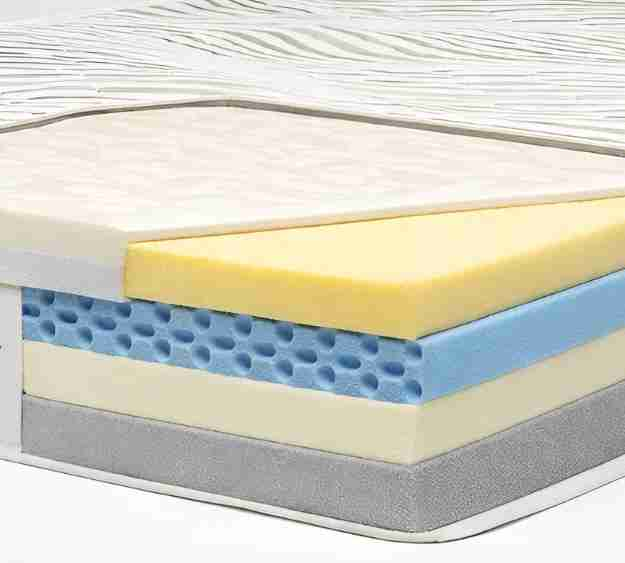
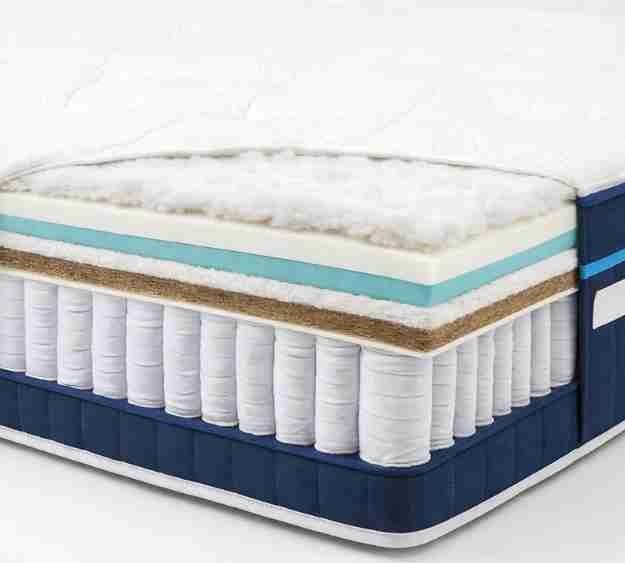
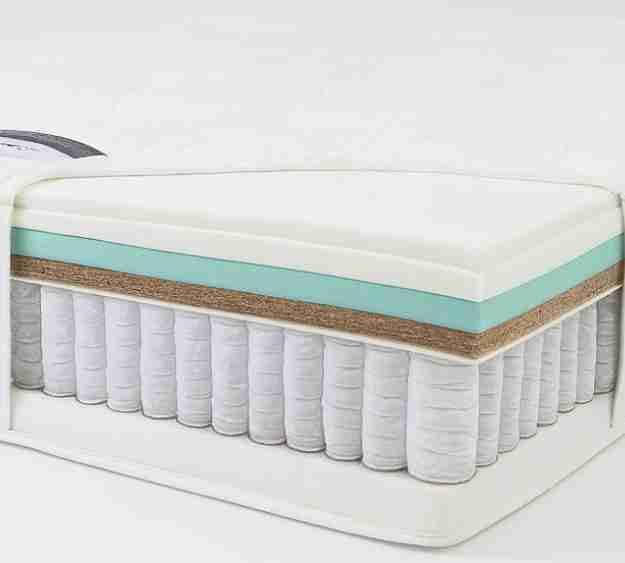
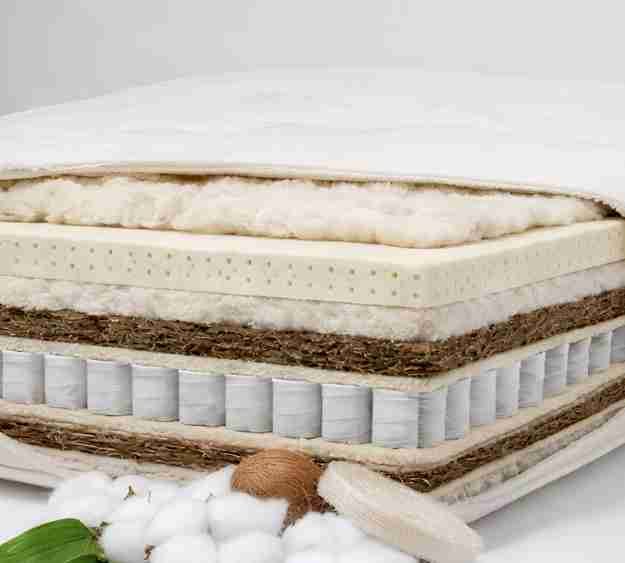
Super king mattresses have become increasingly popular in the UK as more households seek larger, more comfortable sleeping spaces. These beds provide ample room for couples or individuals who appreciate extra space, making them a luxurious yet practical choice.
However, when shopping for the cheapest super king mattress, it’s crucial to understand that low price doesn’t always mean poor quality. The goal of this article is to uncover whether affordable super king mattresses truly deliver comfort, durability, and value for money.
1. What Defines the Cheapest Super King Mattress?
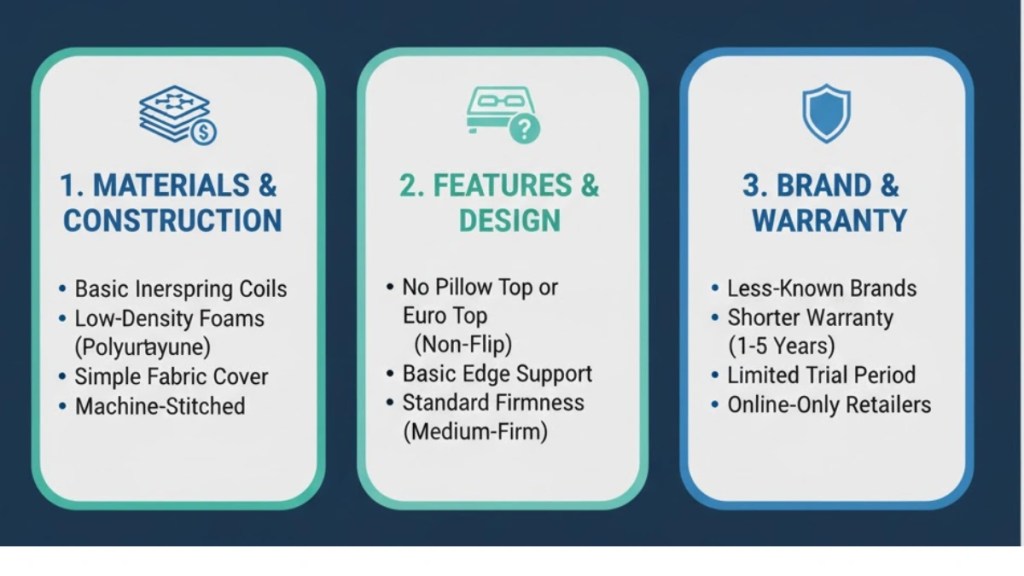
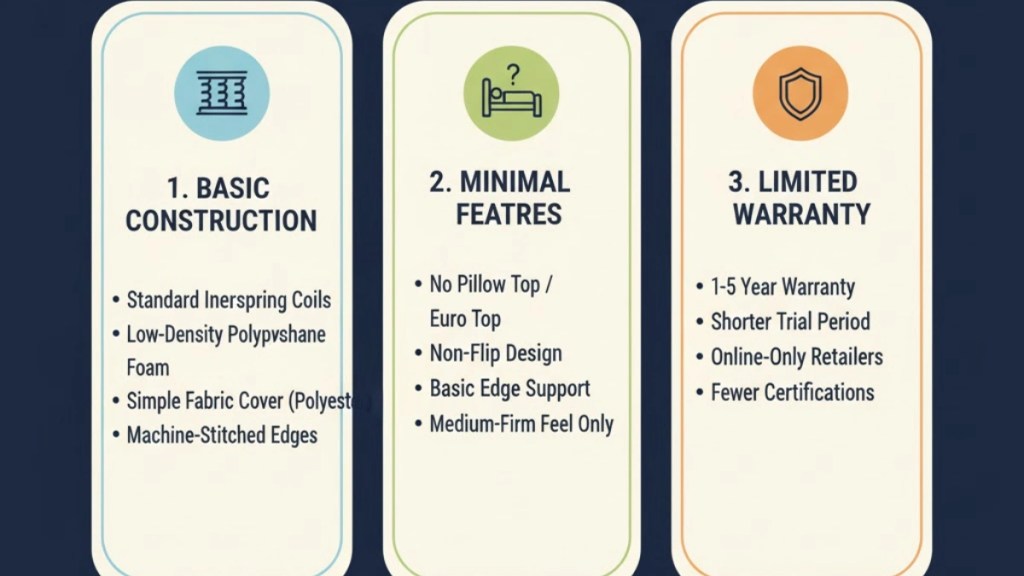
The cheapest super king mattress in the UK typically falls within an affordable range that appeals to budget-conscious buyers. Prices can vary from around £250 to £600 depending on brand reputation and construction quality.
Most affordable models use foam, coil, or hybrid materials designed to balance comfort with cost efficiency. To understand material performance, see this guide on mattress materials and sizes. Manufacturing efficiency, bulk sourcing, and simpler designs all contribute to keeping prices low.
2. Cheapest Super King Mattress Options
At Luxe Mattresses buyers can find several cheapest king mattress options designed to deliver comfort without breaking the bank. The brand’s selection includes memory foam, hybrid, and pocket-spring varieties crafted for long-lasting use.
Their pricing strategy focuses on affordability while maintaining high standards in design and support. Customer reviews consistently highlight comfort and satisfaction, proving that LuxeMattresses’ value-driven approach makes their products worth considering for anyone seeking budget luxury.
3. Key Features to Expect in the Cheapest Super King Mattress
When purchasing the cheapest super mattress, certain features can still enhance sleep quality and comfort. Most offer medium firmness, which balances softness and support for a variety of sleepers.
Key benefits include:
Breathable fabric covers for temperature regulation
Responsive foam or coil systems for body contouring
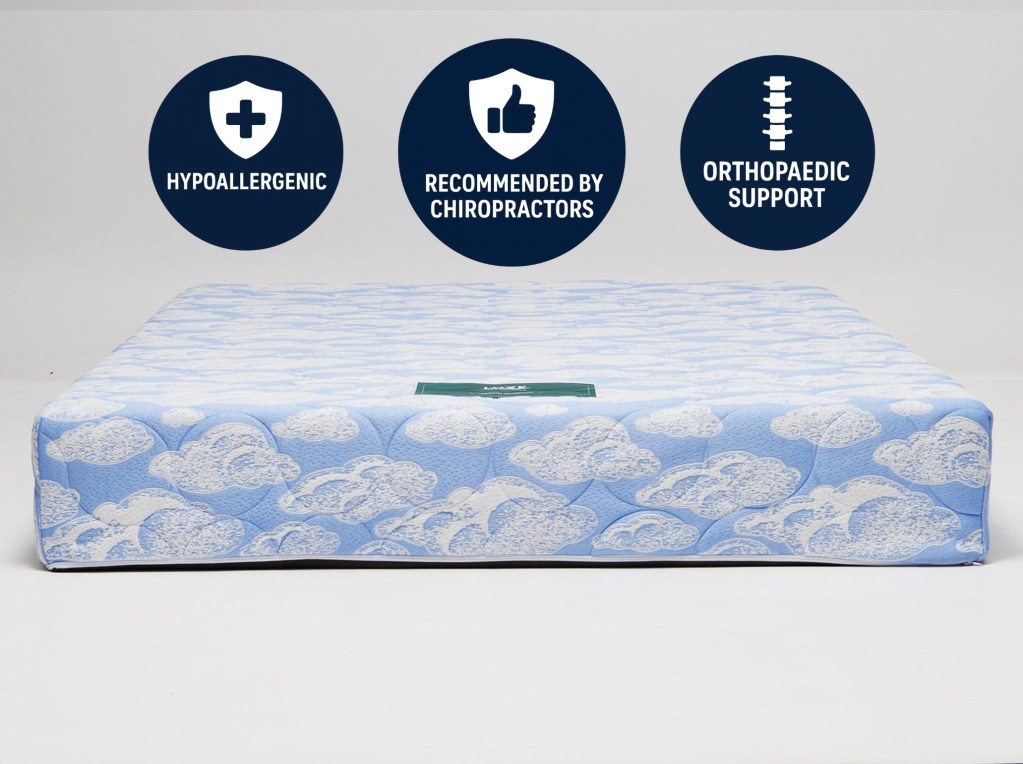
Anti-allergy properties for healthier sleep
Although inexpensive, many of these models retain reliable comfort layers for improved relaxation throughout the night.
4. Pros and Cons of Choosing the Cheapest Super King Mattress
Choosing the cheapest king mattress has clear advantages for those on a tight budget. It offers comfort, decent support, and accessibility, making it a practical solution for guest rooms or first-time buyers.
However, it’s important to consider drawbacks such as shorter warranties, thinner layers, and limited premium features. Still, as this guide to premium mattress value explains, investing wisely in budget-friendly designs can still yield long-term satisfaction.
5.Is the Cheapest Super King Mattress Worth It?
Experts suggest that the cheapest king mattress can be worth it if it meets essential quality and comfort benchmarks. For many users, modern low-cost mattresses now rival mid-range options thanks to material innovations.
Consumer trends show a shift toward value-based buying habits, where shoppers prioritize function over branding. In fact, as explained in what makes a mattress truly luxury, luxury is no longer defined by price alone but by performance, support, and sustainability.
6. Luxe Mattresses vs Competitors: Value Comparison
Luxe Mattresses has positioned itself as a brand that blends affordability with elegance, making its cheapest mattress range stand out from competitors. Its balance of comfort, durability, and pricing provides strong competition in the UK market.
Compared to other online retailers, LuxeMattresses often offers better warranty coverage and higher material quality for the same price range. This positions it as a reliable source for buyers who seek affordability without compromising comfort.
7. Additional Costs to Consider with the Cheapest Super King Mattress
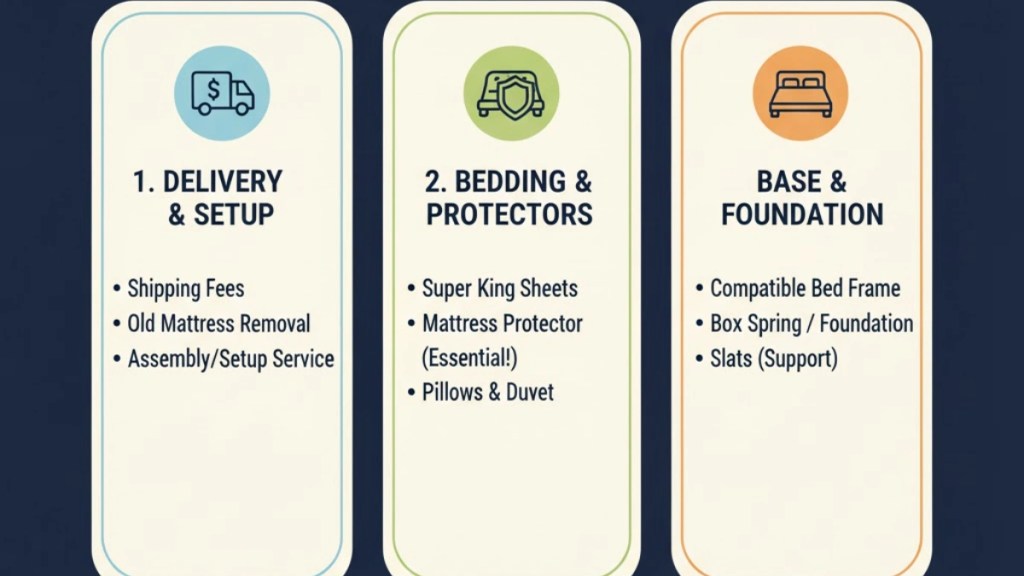
Even when you find the cheapest king mattress, remember to factor in additional costs that may affect the final price. Delivery fees can vary by region, and express delivery options might cost extra.
Other factors include:
Maintenance costs such as mattress protectors or toppers
Warranty and return policies (LuxeMattresses offers customer-friendly terms)
Optional setup or disposal services
Considering these expenses ensures a clearer understanding of long-term value.
8. Real Experiences with the Cheapest Super King Mattress
Many customers praise the super king mattress for its surprising comfort and supportive build. Shoppers often mention LuxeMattresses’ attention to detail and customer service as strong positives.
Of course, some buyers note minor issues such as firmness levels or delivery delays. Still, when balanced with positive reviews, the overall satisfaction rate remains high. See more user insights in the mattress size and room fit guide.
9. Conclusion
After analyzing key factors like comfort, quality, and long-term value, it’s clear that the cheapest super king mattress can be a smart purchase for many households. The best options, such as those offered by LuxeMattresses, combine essential comfort layers and reliable support systems.
However, buyers should evaluate their needs carefully before finalizing a decision. Reading expert advice like how to choose the right mattress for plus-size sleepers can help identify the best fit. In conclusion, the cheapest super king mattress can indeed offer remarkable value if chosen wisely.
What is the best cheapest mattress to buy?
Siena Memory Foam Mattress Best Affordable Mattress for Lightweight Sleepers. Dreamfoam Hybrid Best Affordable Cooling Mattress
How much is a super king?
You can find super king beds starting from $1,199 and going up to $1,799 depending on the brand and model you choose.
Which type of mattress is best for daily use?
Latex mattresses are favored for their durability and hypoallergenic qualities, making them an excellent option for those with environmental concerns.
Why is king size so expensive?
Because of the sheer size of the mattress itself, king-size mattresses are generally more expensive than a queen. But the cost of any mattress also depends on the quality of goods used to create it.
In the ever-evolving world of sleep innovation, one term that’s creating a real buzz is zero gravity foam. But what is zero gravity foam, and why are so many sleep experts calling it a game-changer? Simply put, zero gravity foam is an advanced technology for sleep designed to mimic the sensation of weightlessness the same relaxing posture astronauts experience in space. It cradles your body evenly, eliminates pressure points, and offers balanced support from head to toe.
This revolutionary design is fast becoming the gold standard in the zero gravity mattress UK market, where people are seeking the perfect mix of therapeutic support and plush comfort. Let’s dive deep into zero gravity foam, how it works, it’s incredible benefits, and why it’s redefining modern sleep comfort.
Understanding What Is Zero Gravity Foam
Zero gravity foam is a type of advanced, high-resilience engineered to support the body in a natural, neutral position where no single area bears excess pressure. The goal is to replicate the “zero-gravity†position NASA discovered to be the most stress-free posture for humans.
In this position, the spine stays aligned, the knees are slightly elevated, and the body feels weightless comfort foam as if floating. Unlike standard memory foam, which can feel too firm or heat-trapping, zero gravity foam blends contouring support with breathable airflow and instant responsiveness.
The Science Behind Zero Gravity Foam Technology
To understand zero gravity foam, you need to look at its construction. It combines multiple foam layers, each with a unique purpose:
Layer Type
Function
Benefit
High-Density Base Foam
Provides foundational stability
Prevents sagging and supports long-term use
Responsive Comfort Layer
Adapts instantly to movement
Keeps sleep surface balanced
Pressure-Relief Zone Foam
Targets hips, shoulders, and back
Eliminates pressure buildup
Cooling Gel or Air Channels
Promotes airflow
Keeps body cool all night
Soft Top Cover
Enhances comfort
Feels plush and breathable
This structure ensures that no matter how you sleep side, back, or stomach your body stays aligned and supported. That’s the real secret behind zero gravity foam and why it’s becoming a key innovation in technology for sleep.
How Zero Gravity Foam Feels Compared to Other Foams?
The sensation of zero gravity mattress is unique it gives a balanced, floating feeling without sinking too deep or feeling rigid.
Here’s how it compares to other popular foams:
Feature
Zero Gravity Foam
Memory Foam
Latex Foam
Weight Distribution
Even and balanced
Sinks in under heavy areas
Bouncy, uneven support
Temperature Regulation
Excellent airflow
Retains heat
Moderate cooling
Responsiveness
Fast recovery
Slow response
High bounce
Comfort Feel
Floating, plush yet firm
Deeply contouring
Firm and springy
Durability
Long-lasting
Medium
High
Motion Transfer
Minimal
Minimal
Slightly more noticeable
From this foam comparison, it’s clear why many sleepers are switching to zero gravity mattress it strikes the perfect balance between softness, responsiveness, and weightless comfort.
Key Benefits of Zero Gravity Foam
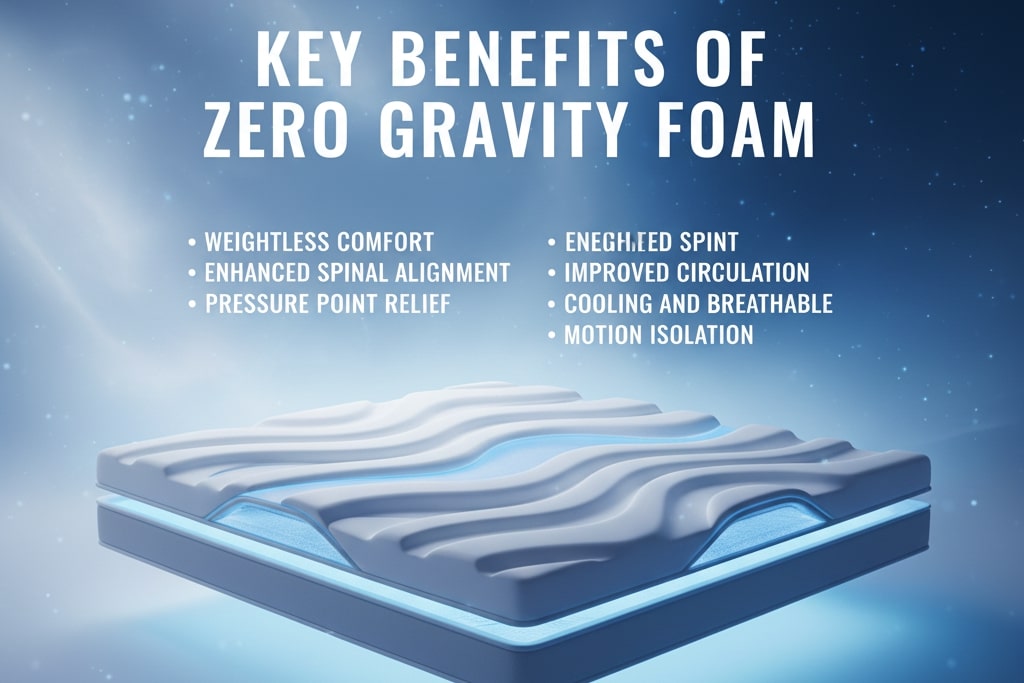
Once you understand zero gravity mattress, you’ll quickly see why it’s considered a sleep revolution. Here are its standout benefits:
1. Weightless Comfort
Zero gravity foam creates the feeling of floating on air. Your body feels lighter, your joints relax, and you experience true weightless comfort foam that reduces tossing and turning.
2. Enhanced Spinal Alignment
The foam contours perfectly to your spine’s natural curve, promoting healthy posture and reducing back pain. It’s a favorite among chiropractors and wellness experts across the zero gravity mattress UK market.
3. Pressure Point Relief
Traditional mattresses can press into your shoulders, hips, and lower back. Zero gravity foam eliminates that by distributing your weight evenly, making it ideal for side and back sleepers.
4. Improved Circulation
With no excessive pressure on any one point, blood flows freely through your body. That means better recovery, muscle relaxation, and more energy in the morning.
5. Cooling and Breathable
Advanced foam technology for sleep often integrates open-cell structures or cooling gel layers, keeping your temperature regulated throughout the night no more overheating or sweating.
6. Motion Isolation
Couples love zero gravity mattress because movement on one side of the bed doesn’t disturb the other. Whether one partner rolls over or gets up, the other remains undisturbed.
Why It’s Revolutionizing Sleep in the UK?
Across the zero gravity mattress UK industry, people are rethinking how they choose mattresses. Instead of focusing just on softness or price, buyers now prioritize pressure-free comfort, durability, and wellness benefits.
Here’s how zero gravity mattress is changing the game:
Better health focus: It supports proper posture and joint care.
Hybrid designs: Many UK brands now combine zero gravity foam with pocket springs for ultimate comfort.
Longer lifespan: Zero gravity foam maintains its shape and structure far longer than traditional memory foam.
Eco-conscious manufacturing: Some models use plant-based or recyclable foams for sustainability.
The result? A smarter, healthier, and more supportive sleeping experience something traditional foams can’t match.
Who Should Use Zero Gravity Foam Mattresses?
Understanding zero gravity foam also means knowing who it benefits most.
Perfect for:
People with chronic back or joint pain
Sleepers who toss and turn frequently
Couples seeking motion isolation
Hot sleepers who need breathable materials
Those seeking a balance between soft comfort and firm support
Essentially, if you value weightless comfort foam and balanced support, this mattress type is made for you.
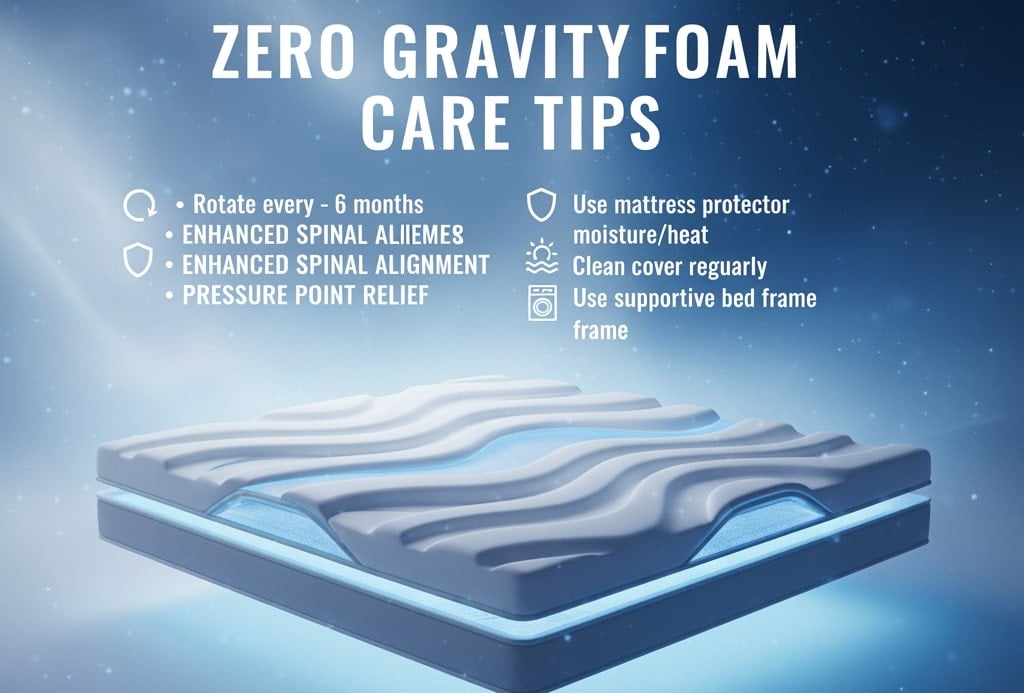
Maintenance Tips for Zero Gravity Foam Mattresses
To preserve all the benefits of zero gravity mattress, follow these care tips:
Rotate every 3–6 months to avoid uneven wear.
Use a breathable, washable mattress protector.
Keep away from moisture and direct heat.
Clean the cover regularly to maintain freshness.
Always place it on a supportive bed frame or base.
Proper care ensures that your mattress retains its structure, giving you years of restful sleep.
Zero Gravity Foam vs Traditional Memory Foam
Aspect
Zero Gravity Foam
Memory Foam
Comfort Type
Floating, responsive
Deep contouring, slower recovery
Temperature
Cool and breathable
Warmer, traps body heat
Motion Isolation
Excellent
Excellent
Pressure Relief
Superior and evenly distributed
Focused, but deeper sinking
Durability
10–12 years
7–9 years
Sleep Quality
Feels light and buoyant
Feels dense and enveloping
This side-by-side view highlights why zero gravity foam is a step forward in technology for sleep it gives you that weightless feeling without sacrificing structure or support.
Signs It’s Time to Upgrade to Zero Gravity Foam
You might need to switch if:
You wake up with stiffness or soreness.
Your current mattress feels uneven or saggy.
You sleep hot and uncomfortable.
You and your partner disturb each other at night.
Upgrading to a zero gravity mattress UK design can instantly solve these issues, giving you a more balanced and rejuvenating sleep.
Conclusion
Now that you know zero gravity foam, it’s easy to see why it’s considered revolutionary. By combining foam technology for sleep with weightless comfort foam, it gives you an unmatched balance of support, cooling, and relaxation.
Promotes ideal posture and spinal health
Enhances pressure relief and blood flow
Reduces motion transfer for couples
Stays cool and supportive all night
Lasts longer than traditional foams
If you’re shopping for a zero gravity mattress UK, this is the perfect time to experience a new era of sleep innovation one where every night feels truly weightless.
FAQs
What is zero gravity foam made of?
It’s made from multiple layers of responsive and pressure-relieving foams, often infused with cooling gel or air channels for temperature control.
Is zero gravity foam better than memory foam?
Yes, in many ways. It provides faster responsiveness, better breathability, and a true weightless comfort foam feel that enhances sleep quality.
How long does a zero-gravity foam mattress last?
A well-made zero gravity mattress UK model typically lasts 8–12 years with proper care and maintenance.
Does zero gravity foam trap heat like regular foam?
No. Thanks to advanced foam technology for sleep, it’s designed with open-cell structures or cooling gels for superior airflow.
Who benefits most from zero gravity foam mattresses?
Anyone who wants pressure relief, spinal alignment, or improved circulation especially people seeking long-term comfort and support.
Choosing the best mattress for single bed can be challenging for small bedrooms, student rooms, or guest spaces. Comfort and affordability are top priorities when selecting a single bed mattress. Finding the right mattress also depends on personal sleep style, space constraints, and durability considerations. This guide covers mattress types, firmness, affordability strategies, and essential features to make your choice simple and confident.
What “Best†Really Means for a Single Bed
The best mattress for a single bed should fit standard single dimensions and provide proper support for one sleeper. Edge stability, comfort, and durability are essential factors. Personal preferences play a role some prefer soft, others medium or firm. Trial periods and warranties make it easier to select the right mattress.
Memory foam molds to the body, relieving pressure points. Hybrid mattresses combine foam with pocket springs for balanced support, and latex provides natural resilience and breathability. 1.Memory Foam: Contours to the body for pressure relief and comfort. Ideal for side sleepers who need extra cushioning.
2.Hybrid: Combines foam with pocket springs for balanced support and motion isolation. Works well for back and combination sleepers.
3.Latex: Natural resilience and breathability. Provides firm, supportive feel and is suitable for combination sleepers seeking durability.
Side sleepers often choose memory foam, back sleepers medium hybrid, and combination sleepers versatile latex. Luxe Mattresses offers products across these types (What Makes a Mattress Truly Luxury).
Firmness & Support: Match to Sleep Position
Firmness ensures proper spinal alignment and comfort. Soft is ideal for side sleepers, medium for combination, and firm for back sleepers.Support zones and pressure relief are especially important in single beds. Testing in-store or using trial policies helps confirm the right choice.
Affordability Strategies Without Sacrificing Quality
Finding the best mattress for single bed doesn’t have to break the bank. Smart strategies can help you secure comfort and quality within your budget.
Choose a mattress material that fits your budget.
Prioritize warranties and trial periods.
Take advantage of seasonal deals and avoid unnecessary extras.
Durability, Warranty & Trial: Long-Term Peace of Mind
Durability indicators include foam density, spring count, and edge reinforcement. Check warranty coverage, length, and return process. Rotating the mattress and using the correct base extends lifespan and improves value.
Special Considerations: Allergies, Temperature, and Motion Transfer
Hypoallergenic and breathable materials improve sleep quality. Cooling features help regulate temperature. Motion isolation can matter even for single sleepers with pets or occasional partners. Focus on features that fit your lifestyle and budget (Which Mattress Should You Choose? A Guide to Sizes & Materials).
Choosing the Best Mattress for Single Bed
Checklist for selecting the best mattress for single bed:
Measure space and frame.
Choose mattress type: memory foam, hybrid, or latex.
Decide firmness based on sleep position.
Confirm trial and warranty.
Check delivery, setup, and budget.
Scenario examples: a student may benefit from memory foam, a guest room from hybrid, and a compact apartment from medium latex. Luxe Mattresses supports all these with clear specifications and policies (How to Choose the Right Mattress for Plus Size Sleepers).
Conclusion
The best mattress for single bed balances type, firmness, durability, and price.It ensures proper support and comfort for a single sleeper.This combination guarantees restful sleep, even in small spaces. Measuring your bed, setting a budget, and using checklists simplify the decision. Explore Luxe Mattresses’ single options, and use trial and warranty to confirm your perfect fit.
FAQs
What type of mattress is best for a single bed?
A firm mattress single is often recommended for back and stomach sleepers, as it helps maintain proper spinal alignment and minimizes pressure points.
Which type of bed mattress is best?
Latex mattresses are naturally hypoallergenic and resistant to dust mites and mold. They offer a responsive and supportive surface, promoting proper alignment of the spine.
Is it better to buy a firm or soft mattress?
One of the largest factors in deciding if you need a firm vs. plush mattress is your preferred sleeping position. Stomach sleepers tend to feel best on a firmer bed, while side sleepers need plush pressure relief.
Is foam mattress good for health?
Foam mattresses are often beneficial for health due to their ability to conform to body shape, distribute weight evenly, and provide pressure relief.
In recent years, the UK sleep industry has seen a dramatic rise in demand for latex hybrid mattresses, and it’s not hard to see why. By combining the natural comfort of latex with the advanced support of pocket springs, this innovative design offers the best of both worlds. A latex with pocket springs mattress provides luxurious cushioning, superior airflow, and dynamic support—making it one of the most sought-after sleep solutions in 2025.
Whether you’re upgrading your bedroom, tackling back pain, or simply looking for a mattress that balances softness with stability, a latex spring combo could be the answer. In this guide, we’ll explore why hybrid mattresses have become so popular, how they work, and why they’re considered one of the most durable and comfortable sleep systems available in the hybrid mattress UK market today.
Understanding What a Latex Hybrid Mattress Is
A latex hybrid mattress is built using multiple layers that combine natural or organic latex foam with individually wrapped pocket springs. This structure is engineered to provide enhanced comfort, support, and motion isolation compared to traditional foam or innerspring mattresses.
The latex layer sits on top of a base of pocket springs—each spring working independently to adapt to your body’s unique contours. The latex provides pressure relief, bounce, and cooling, while the springs deliver targeted support and excellent airflow. Together, they create a responsive, breathable, and long-lasting sleeping surface that caters to all types of sleepers.
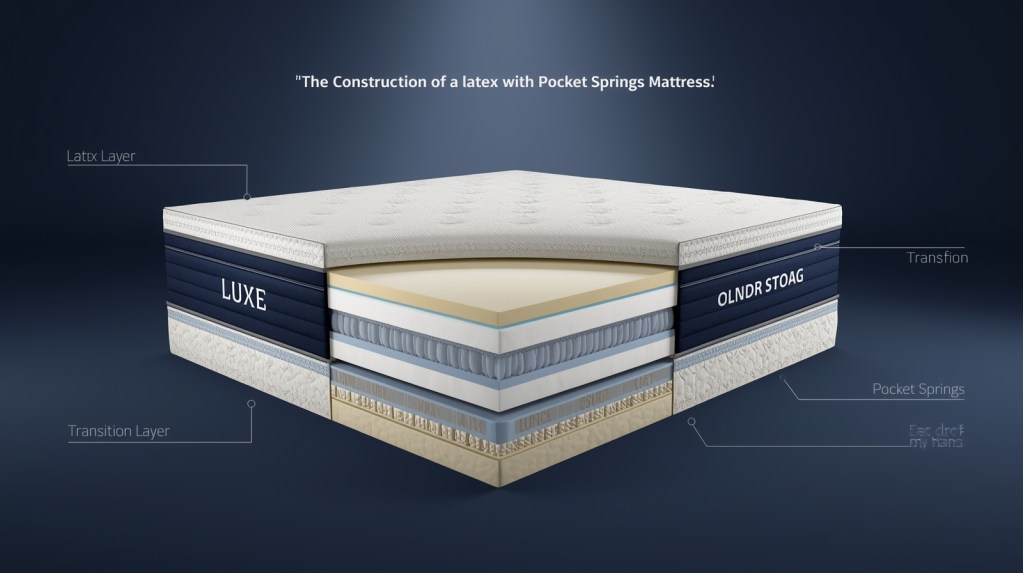
The Construction of a Latex with Pocket Springs Mattress
The design of a latex with pocket springs mattress is what makes it exceptional. Here’s a breakdown of the typical structure and how each layer contributes to overall comfort:
Comfort Layer (Natural Latex): The top layer consists of natural or organic latex, which provides cushioning and responsiveness. It adapts to your body’s shape without trapping heat, ensuring you stay cool throughout the night.
Transition Layer (Support Foam or Cotton Padding): This layer acts as a bridge between the latex and the springs, enhancing stability and distributing body weight evenly.
Core Support Layer (Pocket Springs): The heart of a latex spring combo mattress is its coil system. Each spring is encased in fabric, allowing independent movement. This design ensures excellent motion isolation—so your partner’s movements won’t disturb your sleep.
Base Layer (Reinforced Foam or Felt): The bottom layer enhances the mattress’s durability and prevents sagging over time.
Breathable Cover: Many UK brands use organic cotton, bamboo, or Tencel covers to enhance moisture-wicking and temperature control.
This thoughtful layering ensures the perfect balance between natural comfort and engineered support.
Why Latex Hybrid Mattresses Are So Popular in the UK
The growing popularity of latex hybrid mattresses across the UK can be attributed to their ability to combine sustainability, comfort, and innovation. Here’s why more and more people are making the switch.
1. Superior Comfort and Pressure Relief
A latex with pocket springs mattress provides adaptive comfort for every sleeping position. The latex layer contours gently around the body, relieving pressure points in the shoulders, hips, and lower back. Meanwhile, the pocket springs deliver targeted support to maintain spinal alignment.
This makes it ideal for couples or individuals with different sleep preferences. Whether you’re a back, side, or stomach sleeper, the hybrid structure ensures a plush yet supportive feel.
2. Enhanced Breathability and Cooling
Overheating during the night is one of the most common sleep complaints. Fortunately, latex hybrids are designed to counter this problem naturally. Latex foam has an open-cell structure that allows heat to dissipate, while the coil layer promotes constant airflow through the mattress.
This dual ventilation system ensures optimal temperature regulation, keeping you cool during summer and cozy in winter an important feature in the hybrid mattress UK climate.
3. Durable and Long-Lasting Construction
Durability is one of the strongest selling points of latex hybrid mattresses. The natural resilience of latex ensures it retains its shape and support for years, while the reinforced pocket springs prevent sagging and indentation.
With proper care, a latex spring combo mattress can last 12–15 years—outperforming traditional foam and innerspring models. This longevity makes it an excellent long-term investment for anyone seeking both quality and sustainability.
4. Eco-Friendly and Sustainable Materials
As more UK consumers adopt eco-conscious lifestyles, the demand for sustainable bedding has grown significantly. Natural latex is harvested from rubber trees without harming them, making it one of the most renewable mattress materials available.
Additionally, the steel used in pocket springs is often recyclable, further reducing environmental impact. Many manufacturers now combine latex with organic cotton and wool to enhance comfort while maintaining sustainability.
The rise in popularity of eco-friendly bedding aligns with trends seen in 2025, where more homeowners are opting for long-lasting, biodegradable products rather than disposable synthetic ones.
5. Exceptional Motion Isolation for Couples
For couples sharing a bed, motion transfer is a major concern. The latex with pocket springs design minimizes this issue. The natural buoyancy of latex absorbs surface movement, while the independent coils isolate deeper motion.
This means one partner’s movement won’t disturb the other—ideal for light sleepers or couples with different sleep schedules.
6. Excellent Support for Spinal Alignment
Unlike conventional spring mattresses that can cause uneven support, latex hybrid mattresses provide consistent firmness across the entire surface. The pocket springs adjust to body weight and sleeping position, offering customized support for the back and joints.
Latex adds a layer of pressure relief, ensuring your spine remains aligned throughout the night. This combination reduces discomfort and promotes healthier sleep posture—particularly beneficial for people with back pain or joint stiffness.
7. Noise-Free Performance
Traditional spring mattresses often produce squeaks and creaks over time, but a latex spring combo mattress operates silently. The individually encased coils move smoothly within their fabric pockets, ensuring quiet performance even after years of use.
This makes latex hybrids an ideal choice for light sleepers and couples seeking a peaceful night’s rest.
Latex Hybrid vs Memory Foam vs Innerspring
To understand why latex hybrid mattresses are the preferred choice in the UK, it helps to compare them to other popular mattress types.
Feature
Latex Hybrid Mattress
Memory Foam Mattress
Innerspring Mattress
Material Composition
Natural latex + pocket springs
Polyurethane foam
Metal coils + padding
Comfort Level
Balanced (soft + firm)
Deep contouring
Bouncy, less conforming
Temperature Regulation
Excellent airflow
Retains heat
Moderate
Support & Alignment
Excellent spinal alignment
Moderate
Uneven over time
Durability
12–15 years
7–9 years
6–8 years
Motion Isolation
High
High
Low
Eco-Friendliness
Sustainable & recyclable
Synthetic
Limited
Noise Level
Silent
Silent
Can be noisy
Ideal For
Couples, hot sleepers, eco-conscious buyers
Side sleepers, contour lovers
Budget buyers
The results are clear: a latex with pocket springs mattress provides superior versatility, longevity, and comfort, outperforming other mattress types in nearly every category.
Health Benefits of a Latex Hybrid Mattress
Beyond comfort, a latex hybrid mattress offers numerous health benefits that enhance your sleep quality and overall well-being.
Improved Blood Circulation: The contouring nature of latex helps distribute body weight evenly, preventing pressure buildup and improving circulation.
Hypoallergenic Properties: Natural latex is resistant to allergens, dust mites, and bacteria, promoting cleaner and healthier sleep.
Reduced Pain and Discomfort: The adaptive support of latex and pocket springs alleviates tension in the spine and joints, reducing pain over time.
Better Sleep Quality: The responsiveness of latex ensures fewer disturbances, so you experience deeper, more restorative sleep cycles.
Why the UK Loves Hybrid Latex Mattresses
The British market has always valued craftsmanship and practicality. A hybrid mattress UK offers both—combining natural materials with advanced engineering. With rising awareness of sustainable living and sleep health, UK consumers increasingly prefer mattresses that deliver eco-friendly comfort without compromising performance.
According to recent sleep industry insights, hybrid mattresses now account for over 40% of premium mattress sales in the UK. This growth is largely driven by latex hybrids, praised for their balance, temperature control, and exceptional longevity.
For those seeking top recommendations and expert reviews, visit The Sleep Guy’s Best Latex Mattress UK Guide, which highlights some of the finest hybrid models available in the market today.
How to Choose the Right Latex Hybrid Mattress
When shopping for a latex with pocket springs mattress, consider the following factors to ensure you make the right choice:
Firmness Level: Choose based on your sleeping position—soft to medium for side sleepers, medium-firm for back sleepers, and firm for stomach sleepers.
Type of Latex:
Natural Latex: Most eco-friendly and durable option.
Talalay Latex: Softer, plush feel with enhanced breathability.
Dunlop Latex: Denser and firmer, great for support.
Spring Count and Gauge: Look for mattresses with at least 1,000–2,000 pocket springs for optimal support and motion isolation.
“They’re too heavy.†While sturdy, hybrid latex mattresses are easy to handle with proper grip handles and balanced weight distribution.
FAQs
1. Are latex hybrid mattresses suitable for all sleepers?
Yes. They’re designed to accommodate side, back, and combination sleepers equally well.
2. How long does a latex hybrid mattress last?
With proper care, it can last up to 15 years, significantly longer than traditional foam or coil mattresses.
3. Is a latex hybrid mattress eco-friendly?
Yes. It’s made from renewable materials and often features recyclable steel springs.
4. Does it help with back pain?
Absolutely. The combination of responsive latex and targeted spring support helps maintain spinal alignment and reduce back discomfort.
5. Can I use a latex hybrid mattress on an adjustable bed frame?
Yes. Most latex hybrid designs are compatible with adjustable frames.
Conclusion
A latex hybrid mattress represents the pinnacle of modern sleep innovation—combining the comfort of latex with the advanced support of pocket springs. Loved across the UK for its durability, breathability, and eco-friendly design, it’s a mattress that meets the needs of modern sleepers perfectly.
Whether you’re looking for a latex with pocket springs model to enhance your master bedroom or simply want a sustainable, supportive sleep solution, hybrid latex mattresses offer the perfect balance of comfort and performance.
If you have a wide mattress, choosing the best pillows for super king bed UK will improve sleep comfort. Large pillows maintain proportion on the bed and help keep neck alignment consistent. This guide explains fills, loft selection, cotton cover choices, and UK brand considerations. Read practical buying tips, maintenance steps, and trial recommendations to choose confidently.
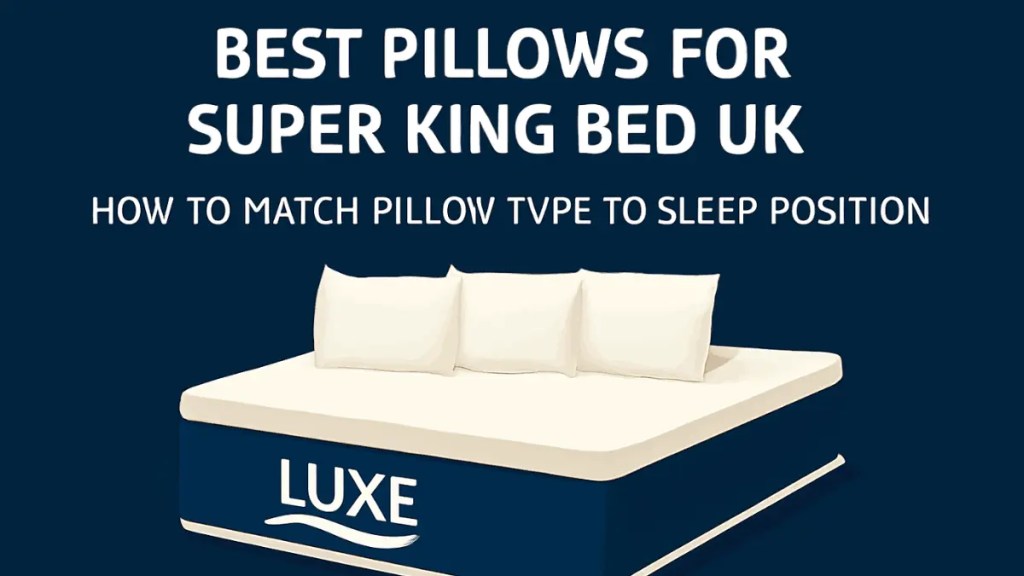
Best Pillows For Super King Bed UK How To Match Pillow Type To Sleep Position
Side sleepers need higher loft pillows that keep the head aligned with the spine. Back sleepers prefer medium loft pillows that cradle the head without hyperextension. Stomach sleepers require lower, softer pillows to avoid neck extension during sleep. Adjustable shredded or zippered-fill designs work well when partners use different positions.
Fill options and material trade-offs
Down and down-alternative fillings provide plush loft and a hotel-like feel. Memory foam contours to the neck and can relieve pressure for side sleepers. Latex gives springy resilience, natural breathability, and long-term shape retention. Shredded foam offers adjustability, enabling personalised loft per side of the bed.
Fabric, cover and construction tips
Choose tightly woven cotton or Tencel covers for breathability and easy care. Baffle-box construction prevents fill migration and keeps loft even across usage. Zipped outer covers make washing easier and help protect delicate inner fills. For allergy sufferers, select certified hypoallergenic options with protective covers.
Best pillows for super king bed UK , Size, styling and practical buying checklist
Confirm the brand’s super king dimensions to ensure pillowcase compatibility. Measure shoulder width on your mattress to match pillow height and avoid rolling. Order a single pillow first to test the loft, then buy the matching second piece. Look for UK trial periods, good return policies, and clear fill-power or density specs.
Maintenance and lifespan considerations
Plump pillows daily and air them occasionally to remove moisture and maintain loft. Machine-wash hollowfibre and down-alternative pillows per label instructions for hygiene. Memory foam and latex usually need spot-cleaning and use of removable covers. Replace pillows when they flatten or cause recurring neck pain despite care.
Styling and number recommendations
Two large sleeping pillows usually suffice for a super king bed’s ergonomic needs. Add decorative shams for a hotel-like layered appearance without compromising support. Use identical sleeping pillows for both sides to preserve symmetry and consistent comfort. Avoid excessive decorative cushions that push sleepers into awkward shoulder positions.
Practical Comparisons and Quick Picks
If you want hotel plushness, choose high-fill-power down or premium down alternatives. For orthopaedic support, pick contoured memory foam or adjustable shredded foam models. Latex and ventilated foam variants help hot sleepers by improving airflow and cooling. Budget hollowfibre pairs are washable and practical, but expect earlier replacement timelines.
Final Short Checklist Before Checkout
Confirm exact pillow dimensions and test one pillow before buying a pair. Check washability, recommended care, and warranty or trial details from the vendor. Verify fill specifications, down fill power or foam density, to predict longevity. Use a breathable protector to preserve hygiene without soaking inner fillings.
Conclusion
Choose pillows that match your sleep position and mattress dimensions. High-quality fill and proper loft preserve neck alignment and comfort. Test one pillow at home before purchasing a matching pair. Use protectors and follow care guidelines to extend usable life.
Balance aesthetics with ergonomics to maintain healthy sleep posture nightly. Replace pillows when loft flattens or neck discomfort returns despite adjustments. Document trial results and keep receipts for warranty claims if necessary. Follow these guidelines for consistent, luxurious comfort across your large bed.
FAQ’s
What pillow size fits a super king bed?
Super king pillows commonly measure around fifty by ninety centimetres. Always confirm exact retailer dimensions before buying to ensure proper fit.
How many pillows should I use on a super king bed?
Two sleeping pillows normally provide ergonomic support for two sleepers. Add decorative shams for layering while keeping functional pillows for sleeping.
Which fillings are best for neck support?
Memory foam and latex deliver consistent contouring and reliable cervical support. Adjustable shredded fills allow fine tuning for personalised nightly comfort.
Are large pillows machines washable?
Many hollowfibre and down-alternative pillows are machine washable on gentle cycles. Memory foam and latex generally require spot cleaning and removable covers instead.
How often should I replace my pillows?
Replace synthetic pillows every two to three years with regular use. Premium down, latex, and high-density foam often last three to five years.
How do I choose pillows for couples with different preferences?
Select adjustable or shredded-fill pillows to customise loft for each sleeper. Alternatively, use separate pillows per side to avoid compromising individual support.
When people ask how long a mattress will last, they usually mean: how many years will I wake up with the same level of spinal support and comfort? That question is especially important for firm orthopedic mattresses, which are purchased primarily for long-term postural support, pain reduction, and clinical outcomes. Unlike pillows or duvets, mattress failure is rarely cosmetic only, sagging, spring fatigue, and foam breakdown can alter spinal alignment and worsen symptoms.
This guide treats firm orthopedic mattress lifespan as a measurable, multi-factor outcome. We combine empirical evidence, warranty realities, materials science, and pragmatic maintenance steps so you can estimate realistic longevity and make smarter purchases.
Defining lifespan: support life vs. cosmetic life
Before estimating years, define two useful lifespan windows:
Support lifespan (clinically meaningful): time until the mattress no longer provides the intended orthopaedic support (spine alignment, pressure distribution). This is the critical measure for buyers seeking therapeutic benefit.
Cosmetic lifespan: time until the cover stains, quilting flattens, or minor upholstery issues appear, while core support might still be acceptable.
For an orthopedic or medical-use purchase you should prioritise support lifespan. Most published guidance and longevity studies focus on overall usable lifespan (often 7–10 years), but the clinically meaningful support may degrade earlier or later depending on construction and care.
The evidence landscape: what studies and industry sources say
Several industry guides, consumer reports, and early academic studies coalesce around a similar headline: most mattresses last between 7 and 10 years, with variance by type. Memory foam and hybrid options commonly cite 8–10 years; innerspring systems often show shorter useful life unless high-gauge coils and quality foams are used. Recent preliminary academic work assessing long-term use finds measurable changes in firmness and sleep quality over time, but the rate of change depends heavily on material choice and density.
Key takeaways from the literature:
Average guidance: 7–10 years for most modern mattresses.
Specialized constructions (high-density latex, premium pocket-sprung hybrids) can exceed 10 years before support decline becomes clinically relevant.
Warranty language and guarantees vary widely; a long warranty doesn’t always mean sustained support, it defines manufacturer liability. More on that later.
Materials science: what wears out and why
Understanding why a firm orthopedic mattress ages requires a short material primer.
Foam resilience and density
Density: Foam density (kg/m³) is the single best predictor of foam longevity. Higher-density polyurethane foams and high-grade memory foam resist permanent deformation and recover better after load cycles. Lower-density foams compress and œset more quickly. Put simply: density = durability.
Resilience (ILD/ILD-like metrics): How quickly foam returns to shape affects perceived firmness retention. Long-term cyclic compression testing shows lower-resilience foams soften and show increased indentation over thousands of cycles.
Springs and coil fatigue
Gauge and pocketing: Coil systems rely on metal fatigue properties. Thicker coils (lower gauge numbers) resist deformation longer. Individually pocketed coils localise wear and tend to retain support better than cheap Bonnell or continuous coils.
Spring fatigue: Repeated compressive cycles, heat, and moisture accelerate micro-fatigue in coils; you may notice “sagging†or edge collapse when this happens.
Hybrid interactions and structural integrity
Layer interactions: A hybrid mattress combines foam and coil layers. If the top foam layers are low-spec, they may compress sooner even if springs remain resilient producing a felt loss of support.
Zoning and reinforcement: Quality orthopedic designs use zoned support (differing firmness across lumbar areas) and reinforced edges. This structural integrity preserves support life.
Practical implication: for a firm orthopedic mattress you want high-density support foams (or latex) combined with robust coil architecture (if hybrid) to maximise support lifespan.
Measured metrics: how to judge lifespan in practice
You can’t rely purely on calendar years. Monitor these objective and semi-objective indicators:
Sag depth / indentation: National guidelines and many warranties consider sagging >2–3 cm as a defect; clinically, even 1–2 cm can alter pressure distribution.
Change in firmness (subjective but trackable): Use a simple 1–10 firmness log every 6 months; note if perceived firmness declines steadily.
Edge support loss: Weak edges indicate core fatigue and are early signals of coil or core failure.
Noise from coils: Creaking suggests coil loosening or micro-fatigue.
Sleep quality metrics: Increased night-time awakenings, renewed back pain, or soreness on waking usually precede outward sag.
Academic pilot studies measuring long-term use document progressive changes in measured hardness and sleep quality, reinforcing that objective testing plus user-reported outcomes are both valuable.
Typical lifespans by construction type (practical ranges)
These ranges are generalized; quality brands at the top end can push the high end.
High-density foam (orthopaedic-grade) / latex-like foam (premium):8–15 years (latex often longest).
Memory foam medium/high density (premium):8–10 years.
Hybrid (high-quality pocketed coils + high-density foam):8–12 years.
Innerspring / low-cost coil with thin foam comfort layers:4–7 years prone to early sagging and spring fatigue.
Low-density foam mattresses (budget):3–6 years quicker compression and loss of support.
These ranges align with consumer guidance and retailer warranty norms and reflect the role of materials and build.
How much does “firm†change lifespan?
Firmness is a design choice; the material that produces firmness is what actually governs longevity:
Firmness via dense foam or latex: The mattress may retain structural integrity longer because dense materials resist compression.
Firmness via thin comfort layers over weak cores: The initial feel may be firm but support declines quickly as top layers crush resulting in shorter firm orthopedic mattress lifespan in practice.
Therefore, always inspect how firmness is achieved (material specs) rather than trusting a marketing label.
Maintenance: the single most cost-effective way to extend life
Routine care meaningfully extends usable life. Key actions:
Rotate/flip according to manufacturer instructions: Rotating every 3–6 months distributes wear; older double-sided mattresses can be flipped. Most modern one-sided mattresses should be rotated (not flipped). Clinical guidance and industry experts recommend regular rotation to reduce permanent indentations and coil fatigue.
Use a high-quality mattress protector: Prevents moisture, allergens, and stains which can accelerate foam breakdown and void some warranties.
Avoid using the mattress as a seating platform (sitting on edges): Repeated edge loading accelerates edge collapse. Manage humidity and temperature: Excessive heat and moisture can speed foam softening and biological decay.
Follow cleaning instructions: Spot clean only when instructed; avoid soaking.
Effect size: Proper maintenance can add 1–3 extra usable years to a high-quality mattress and may delay clinically meaningful support loss.
Warranties, guarantees, and legal realities (UK-focused)
Warranties are commonly marketed as 10, 12, or even 20 years, but reading the fine print matters:
Guarantee vs warranty vs statutory rights: A manufacturer guarantee is marketing reassurance; a warranty sets terms for repairs/replacements. Separate consumer protection laws (UK) give rights that exist independently of commercial warranties. Which?
Practical limits: Many warranties are pro-rata (coverage declines over time) or require proof of defect (e.g., sagging beyond a specified depth). Some long warranties cover manufacturing defects but exclude normal wear (which is what truly determines real-world lifespan).
Document everything: If you need to claim, date-stamped photos, purchase receipts, and documented maintenance (rotation, protectors used) strengthen claims.
Takeaway: Do not interpret a long warranty as a guarantee of a long firm orthopedic mattress lifespan, it is protection against manufacturing defects, not guaranteed clinical support longevity. Which?
Case-study vignettes: real-world comparisons
Below are three condensed, representative case studies (anonymised) illustrating how construction and care affect results.
Use: 2 adults, average weight, used protector, rotated annually.
Outcome after 12 years: Minimal sag, retained lumbar support; still clinically usable though slightly softer. Warranty still pro-rated but manufacturer service praised.
Interpretation: High initial material investment delivered long firm orthopedic mattress lifespan (beyond 10 years).
Case B: Budget “orthopaedic†foam (single adult)
Specs: Low-density polyurethane foam top over cheap base.
Use: Single heavier adult; no protector; not rotated.
Outcome after 5 years: Significant indents, perceived loss of support; back pain returned.
Interpretation: Marketing “orthopaedic” label is meaningless without material density real-world lifespan short.
Case C: Quality memory foam hybrid (older adult with back pain)
Specs: High-density memory foam, mid-range pocket coil unit.
Use: Good maintenance (protector, rotation), moderate weight.
Outcome after 8 years: Still supportive; some softening in top comfort layers but core support intact.
Interpretation: Correctly engineered hybrids preserve support for ~8–10 years.
These examples emphasise that firm orthopedic mattress lifespan is not a single number,it is conditional on materials, use, and care.
Buying checklist to maximise support lifespan (practical shopping tool)
When choosing a firm orthopedic mattress, prioritise the following:
Material density specification: Ask for foam density numbers (e.g., 50+ kg/m³ for support layers is excellent; 30“40 kg/m³ is mid-range). Higher density = longer life.
Coil specs (if hybrid): Pocketed coils with higher coil counts and thicker gauge (lower gauge number) last longer.
Zoning and lumbar support: Look for explicit zoning claims and third-party test data.
Edge reinforcement: Prevents collapse and spreads load.
Warranty clarity: Read exclusions pro-rata vs full coverage, sagging thresholds, and return criteria. Which?
Trial period and returns: Try for at least 60–100 nights if possible; early replacements under trial are often the best safety net.
Maintenance instructions: Confirm rotation requirements and whether the mattress is one-sided.
Third-party reviews and durability tests: Search for lab testing results or independent reviews that measure long-term resilience.
Practical maintenance schedule (simple calendar)
Monthly: Air mattress (strip bedding for a day), visual check for staining or early wear.
Every 3“6 months: Rotate mattress 180°. If double-sided and recommended, flip every 6 months for first 2 years.
Yearly: Deep clean according to manufacturer instructions; document condition with photos.
Every 3–5 years: Re-evaluate sleep quality logs; if pain returns or firmness drops substantially, consider inspection/replacement.
How to evaluate replacement timing (decision rules)
Replace the mattress when one or more of the following are true:
Persistent new back pain or morning stiffness linked to bed (not other causes).
Visible sagging/indentation exceeding manufacturer’s sag threshold (or >2–3 cm if unspecified).
Noticeable decline in sleep quality despite other interventions.
Edge collapse or coil noise indicating structural failure.
Rule of thumb: If you’ve had a typical-quality firm orthopedic mattress more than 8 years and you notice any of these signs, start budgeting for replacement the clinical support will likely be diminishing.
Quick checklist before you buy (printable)
Ask for foam density numbers.
Inspect coil gauge or pocket count for hybrids.
Check trial nights and return policy.
Read warranty exclusions and sagging/defect language.
Confirm rotation policy and whether a protector is required to maintain warranty.
Prefer zoned support and reinforced edging for orthopedic use.
Conclusion
Maximising firm orthopedic mattress lifespan requires aligning expectations with materials science and usage reality. If you buy a firm orthopedic mattress built from high-density support foams, latex, or robust pocket-sprung cores, keep it on a good base, use a protector, rotate regularly, and obey care specs, you should reasonably expect 8–12 years of useful support in many cases. Budget options or constructions that create “firmness†with thin layers will often lose clinically meaningful support much sooner.
Bottom line: treat the mattress as a long-term health investment. Verify material specs, insist on real trial periods, and document care. When used as directed, high-quality options deliver the support lifetime orthopaedic buyers require; otherwise, advertised firmness is only temporary.
FAQs
How long will a firm orthopedic mattress last?
On average most well-constructed firm orthopedic mattresses remain supportive for 7“10 years, with premium constructions (high-density foams, latex, reinforced hybrids) often exceeding this; lower-quality or budget constructions may need replacement within 4“6 years.
Does firmness make a mattress last longer?
Not automatically. If firmness comes from high-density materials, yes. If it’s simply a thin firm comfort layer over a weak core, no the top will compress and support will fail sooner.
What maintenance increases a firm orthopedic mattress lifespan?
Regular rotation, a quality mattress protector, avoiding excess edge loading, and following manufacturer care instructions are the simplest, most effective steps. Rotating every 3–6 months is commonly recommended.
Is a 20-year warranty a guarantee of 20 years of support?
No. Warranties protect against defects per the fine print; many are pro-rata and exclude normal wear. Always read warranty exclusions and understand sagging thresholds.
When you wake up with stiffness or pain, your mattress might be the real reason behind it. A poor surface can disrupt spinal alignment, increase pressure on joints, and reduce your sleep quality. Choosing the best firm orthopedic mattress UK is not just a comfort upgrade,it’s a step toward long-term back health and restorative sleep.
In 2025, orthopedic mattress technology has evolved dramatically. From brand reputation and eco-certified foams to sleep trial data and warranty comparison, British consumers now have more reliable options than ever before. This expert guide breaks down the top models, explains what makes them orthopedic, and helps you make an informed decision with confidence.
Understanding the Purpose of a Firm Orthopedic Mattress
An orthopedic mattress is designed to support natural posture and spinal alignment. Its firmness prevents your body from sinking, which helps maintain the correct spinal curvature throughout the night.
In contrast to softer beds that may lead to poor lumbar support, a firm orthopedic surface encourages better sleep ergonomics and promotes even pressure zone distribution. This means your shoulders, hips, and lower back receive balanced support, reducing morning stiffness and chronic discomfort.
The best firm orthopedic mattress UK options use advanced materials like high-density foams, pocket springs, or hybrid cores to ensure stability, breathability, and durability, qualities vital for people with back pain or posture-related issues.
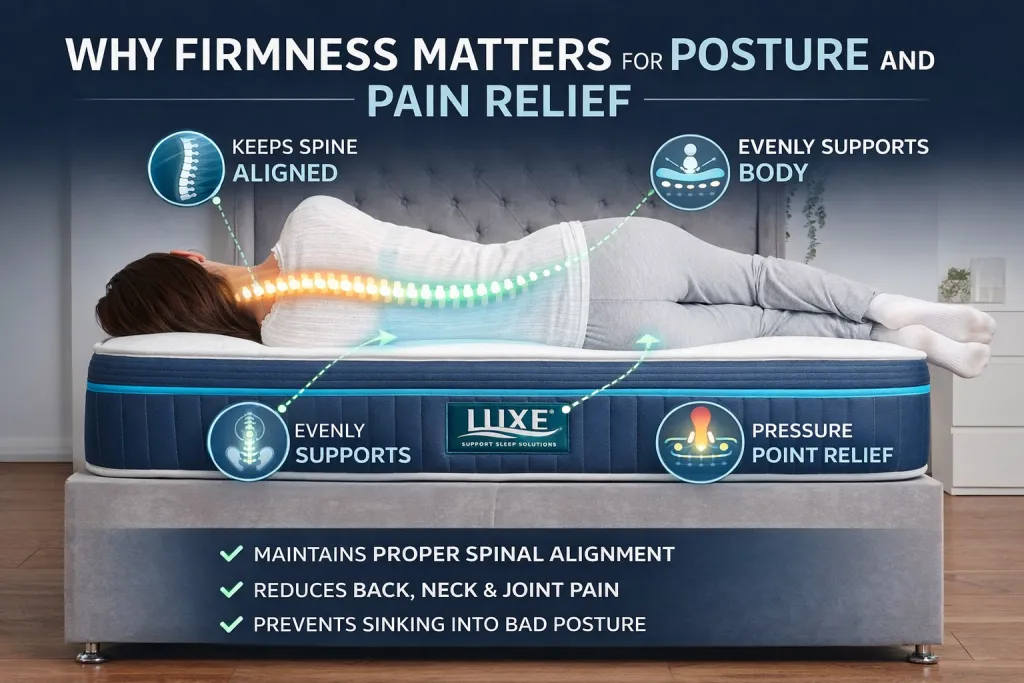
Why Firmness Matters for Posture and Pain Relief
firmness mattress for posture and pain relefr
Firmness directly affects how your body aligns during rest.
Too soft: The spine sinks, causing misalignment and lower back pain.
Too hard: Pressure builds up on joints and reduces blood flow.
The perfect orthopedic firmness ensures proper lumbar alignment, encourages muscle tension relief, and helps the body maintain a neutral sleeping position. For most adults in the UK, a firm or medium-firm level between 7–8 on the firmness scale offers optimal orthopedic support.
This is why sleep specialists often recommend the best firm orthopedic mattress UK for those who spend long hours sitting or suffer from lower back strain.
Key Features of a High-Quality Firm Orthopedic Mattress
When choosing an orthopedic mattress, it’s crucial to understand the features that differentiate premium models from standard ones. Expert testing and support level verification reveal that the following attributes define a quality orthopedic product:
Ergonomic Zoning: Multiple firmness zones to stabilize pressure-sensitive areas.
High-Density Core: Provides unyielding support while resisting sagging.
Certified Materials: Verified by UK and EU certification standards such as CertiPUR or OEKO-TEX.
Breathable Comfort Layers: Promote airflow for temperature regulation.
Durable Foundation: Reinforced edges and layered support for long-term comfort.
These elements combine to maintain orthopedic integrity and prevent uneven pressure build-up.
Top Rated Orthopedic Mattresses in the UK (2025 Picks)
The following expert recommendations are based on verified user reviews, durability testing, and orthopedic certifications. These models represent the best in firm mattress reviews UK, combining comfort, support, and long-term reliability.
1. LuxeErgo 3400 Mattress “ Best Firm Mattress with Orthopedic Technology
Best for: Balanced ergonomic support and cooling comfort for everyday luxury sleepers
The LuxeErgo 3400 by LuxeMattresses.co.uk is a standout hybrid mattress for 2025, blending orthopaedic-grade alignment with adaptive comfort layers for a perfectly balanced sleep experience. Designed and handcrafted in the UK, it combines 3,400 individually encased springs with Zero Gravity comfort foam, offering responsive support that relieves pressure without sacrificing plushness.
Firmness: Multiple Firmness Levels, Firm and Extra Firm (8/10) – supports spinal alignment while maintaining comfort
Technology: Dual-layer hybrid system with 3,400 micro and pocket coils for full-body contouring
Cooling: LTX Cooling gel-infused foam regulates temperature and disperses heat throughout the night
Trial & Warranty: 100-night comfort trial and 10-year warranty for total peace of mind
Cover: UltraDry™ breathable knit fabric – soft, hypoallergenic, and moisture-wicking
Key Feature: Orthopedic Zoned Support “ the LuxeErgo 3400 adapts to your body’s curves while maintaining firmer lumbar zones for superior back alignment.
Designed and made in the UK using CertiPUR® certified materials, LuxeErgo represents the next generation of smart hybrid mattresses for discerning sleepers who demand lasting comfort and genuine orthopaedic support.
Best for: Ultra-premium orthopedic firmness with exceptional spinal alignment and handcrafted British quality
The Majestic™ 11000 represents the peak of orthopaedic mattress design in the UK — engineered entirely from high-density performance foams (C40–C48) to deliver uncompromising back and joint support. This mattress is precision-crafted for those who demand a firm, stable, and clinically supportive sleep surface without any of the sinking or softness associated with traditional foams.
Designed and manufactured in the UK by master craftsmen, the Majesticâ„¢ 11000 combines medical-grade support with luxury comfort materials, including natural cashmere, wool, and silk layers for superior breathability and surface softness.
Highlights:
Firmness: Extra Firm (9/10) — ideal for deep lumbar support and maintaining correct spinal posture
Construction: Multi-layer orthopedic foam system made entirely from C40–C48 density foams for consistent full-body support
Comfort Layers: Natural cashmere, wool, and silk enhance temperature regulation and comfort
Warranty & Trial: Protected by a 10-year warranty and a 100-night comfort trial
Craftsmanship: Expertly handcrafted in the UK, with reinforced edging and precision layering for lasting durability
Key Feature:
3D Orthopedic Support System – advanced layering prevents sinking and ensures correct spinal alignment for every body type, making it ideal for those with back pain or requiring firmer sleep support.
Trust Factor:
The Majesticâ„¢ 11000 is the flagship orthopaedic foam mattress from LuxeMattresses.co.uk, embodying the finest in British engineering and sustainable craftsmanship. Its balance of clinical firmness and handcrafted comfort has earned it recognition as one of the most trusted chiropractor-recommended mattresses in the UK for 2025.
3. Silentnight Miracoil Orthopedic Firm
Best for: Affordable orthopedic comfort With a brand reputation built over decades, Silentnight’s orthopedic series remains a trusted household name.
Highlights:
Firmness: Level 7.5
Certification: British Chiropractic Association approved
Warranty: 5 years
Core: Miracoil zoned spring system
4. Tempur Sensation Elite Firm
Best for: Advanced memory foam and adaptive response Tempur’s firm orthopedic line continues to be the gold standard for support level testing and NASA-grade foam technology.
True orthopedic certification is earned through clinical testing and structural assessment. A genuine orthopedic mattress must:
Pass pressure mapping tests that validate support level testing.
Maintain less than 2% sag after extended compression.
Hold verified endorsements (such as NBF or chiropractic associations).
Offer sufficient comfort layers for pressure redistribution.
The best firm orthopedic mattress UK products undergo such certifications to guarantee both comfort and therapeutic efficiency. These parameters ensure that buyers receive clinically relevant support rather than marketing claims.
Expert Buying Tips for 2025
Check Certification Standards: Always verify UK or EU certifications for material safety.
Compare Sleep Trials: Go for at least 100 nights, it reflects manufacturer confidence.
Assess Brand Reputation: Look for consistent ratings and after-sale support.
Evaluate Warranty Comparison: Longer warranties indicate superior build quality.
Read Firm Mattress Reviews UK: Real feedback reveals long-term durability better than specs.
Choosing an orthopedic mattress is not just about firmness, it’s about verified trust and tangible performance.
The Role of Warranty and Brand Trust
Warranty terms reveal how much a brand stands behind its product. While 5 years is standard, premium models now offer 10-year or lifetime coverage. Brands like Emma and DreamCloud back their orthopedic ranges with extended protection, reflecting strong brand reputation and customer confidence.
Consumers should also consider service policies such as:
Free delivery and returns
Home setup options
Flexible payment plans
These trust signals contribute to long-term satisfaction and reinforce the value of investing in the best firm orthopedic mattress UK.
How to Maintain Firmness Over Time
Even the highest-rated orthopedic mattresses can soften with age. To preserve optimal performance:
Rotate every 3 months to prevent uneven compression.
Use a sturdy bed frame or solid base.
Avoid exposure to moisture or excess heat.
Clean with mild fabric-safe solutions to protect comfort layers.
Proper maintenance ensures your mattress retains its orthopedic structure for many years.
Who Should Choose a Firm Orthopedic Mattress?
A firm orthopedic mattress is ideal for:
Individuals with lower back pain or posture issues
Heavier sleepers needing firmer support zones
People who prefer minimal bounce and stable surfaces
Stomach and back sleepers
However, users with sensitive joints or side sleepers may prefer medium-firm alternatives. Understanding your body type and sleeping posture is the key to selecting the right product from the top rated orthopedic mattresses available in the UK.
The Future of Orthopedic Sleep Technology
2025 marks a new era for orthopedic sleep solutions. Emerging innovations include:
AI-based pressure sensors for real-time spinal support tracking
Eco-certified materials improving sustainability Smart warranty tracking integrated with mobile apps
These advancements ensure that the best firm orthopedic mattress UK remains both health-focused and environmentally responsible for future generations.
Conclusion
Finding the best firm orthopedic mattress UK in 2025 means balancing science, comfort, and trust. With today’s clinically tested models offering better pressure relief, verified certifications, and generous warranties, there’s a solution for every sleeper.
Whether you prefer the dense support of Emma, the hybrid flexibility of Simba, or the premium resilience of Tempur, these orthopedic options guarantee healthier posture and pain-free sleep for years to come.
Investing in a firm orthopaedic mattress isn’t just buying a bed, it’s investing in your spine, comfort, and well-being.
FAQ’s
Are firm orthopedic mattresses good for daily use?
Yes. They provide continuous spinal support and are ideal for long-term orthopedic benefits.
How long does a firm orthopedic mattress last?
Most high-quality models last 8–12 years, depending on usage and care.
Which is better hybrid or full foam orthopedic mattress?
Hybrids offer improved breathability and durability, while foam variants excel at contouring support.
Do orthopedic mattresses require special bases?
A solid, non-flexing base is recommended for optimal firmness and alignment.
Short answer: in an open coil mattress, the springs are joined together and move as one. In a pocket sprung mattress, each spring sits in its own fabric pocket and moves on its own. Pocket springs respond more closely to your body and pass on less movement to a partner. Open coil mattresses are lighter and usually cheaper.
A pocket sprung mattress has hundreds or thousands of individual springs, each sewn into its own fabric pocket. Because the springs aren’t connected, each one reacts only to the weight directly on top of it. Your shoulders and hips can press in further while the rest of the mattress keeps supporting you.
The pockets also limit how far movement travels. If your partner turns over, the springs under them move, but the springs under you mostly don’t.
An open coil mattress, sometimes called a continuous or Bonnell spring mattress, uses rows of springs joined by a spiral of wire. Because the springs are linked, pressure on one spot is shared across the whole unit.
That gives an even, springy feel and keeps the mattress light, which makes it easy to turn and to fit on bunk beds. The trade-off is that movement travels further across the bed. On a double, two people can find themselves rolling towards the middle.
The key differences
Support. Pocket springs adjust to each part of your body separately. Open coil springs share the load across the whole mattress, so the support is more uniform but less precise.
Motion transfer. This is the biggest practical difference for couples. With pocket springs you are less likely to be disturbed when a partner moves or gets up in the night.
Durability. How long either type lasts depends mainly on the quality of the springs, the fillings and the cover. Because pocket springs spread wear across many separate springs, a well-made pocket sprung mattress is generally less prone to one big dip.
Turning and care. Open coil mattresses are light and easy to turn. Pocket sprung mattresses are heavier and usually need turning head to toe every 3–6 months. Many are one-sided, so check before you flip one.
Price. Open coil mattresses cost less to make, so they are usually the cheaper option. Pocket sprung mattresses cost more because each spring is individually made and pocketed.
Which should you choose?
Choose pocket sprung if:
you share a bed and want to feel less of your partner’s movement
it is your main, everyday bed
you sleep on your side and want the mattress to respond to your shoulders and hips
you want a hybrid, with foam comfort layers over the springs
Choose open coil if:
it is for a guest room that is used now and then
you need a light mattress for a bunk bed or a child’s bed
A coil mattress uses metal springs, or coils, for support. The two main types are open coil, where the springs are joined together, and pocket sprung, where each spring sits in its own fabric pocket.
Is pocket sprung better than open coil?
For most everyday beds and for couples, yes. Pocket springs respond to your body more closely and pass on less movement. Open coil can be a good, lighter and cheaper choice for guest rooms and children’s beds.
Why are open coil mattresses cheaper?
They use fewer springs, joined by a single wire, and are quicker to make. Pocket springs are each made and sewn into a pocket individually.
Do open coil mattresses cause roll-together?
They can. Because the springs are linked, the middle of a double can dip under two people, so partners drift towards each other.
Can I put a pocket sprung mattress on a slatted base?
Yes, as long as the base is firm and the slats are close together, so the mattress is evenly supported. A divan base also works well.
How many springs should a pocket sprung mattress have?
Most UK brands quote spring counts for a king size mattress, and around 1,000 springs is often given as a sensible minimum. Spring quality and wire thickness matter as much as the number.
A good night’s rest is more than just eight hours of sleep it’s the foundation for daily energy, mood, and overall health. When you sleep on the wrong mattress, you may wake up with stiffness, joint pain, or fatigue that affects your productivity all day. Poor spinal support during sleep can gradually worsen posture and even cause chronic back discomfort.
That’s why investing in the right orthopedic mattress UK is so important. These mattresses are designed specifically to support your body’s natural alignment, reduce pressure on your spine, and improve comfort.
In this guide, we’ll explore what makes a mattress truly orthopedic, why it’s vital for your health, top-rated UK options, and practical buying tips to help you choose confidently.
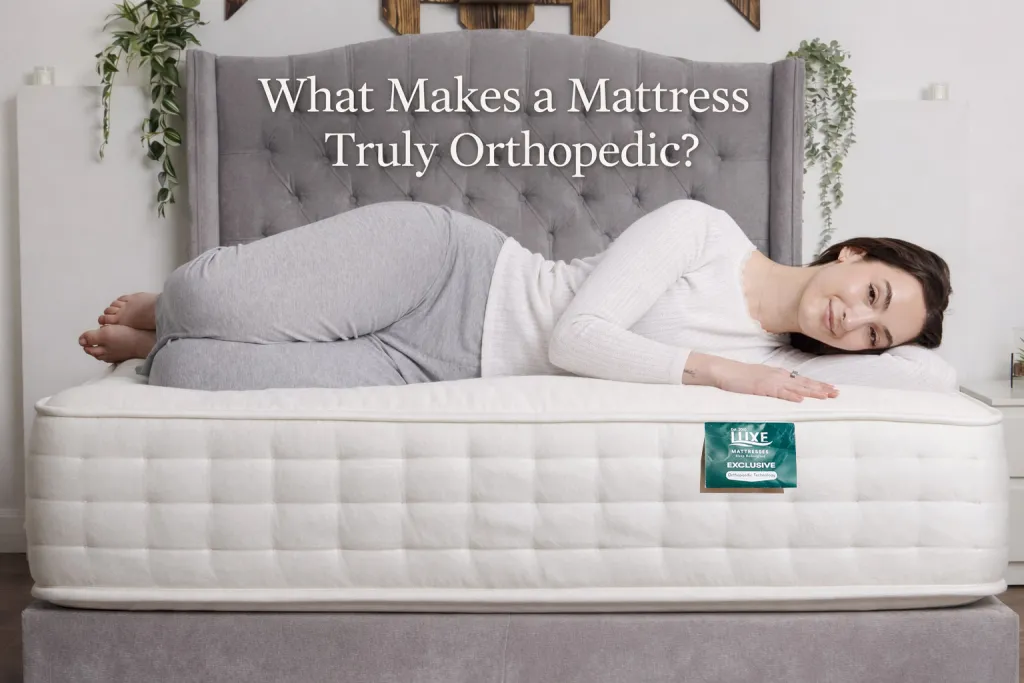
What Is an Orthopedic Mattress?
orthopedic mattress uk
An orthopedic mattress is built to provide targeted support for your spine, back, and joints unlike standard mattresses that simply focus on softness or bounce. In the UK market, orthopedic mattresses are known for their slightly firmer feel and superior ergonomic design, made to relieve back pain and promote healthy sleeping posture.
These mattresses are crafted using specialized memory foam or zoned spring systems that adapt to your body shape while keeping your spine properly aligned. The main goal is to provide a mattress for comfort that also delivers therapeutic mattress support, especially for those dealing with back or joint pain.
In short, an orthopedic mattress UK combines durability, firmness, and contouring comfort ideal for anyone seeking long-term back care and restorative rest.
Why Are Orthopedic Mattresses Important for Spine Health and Support?
Your spine naturally curves, and maintaining that alignment during sleep is crucial for preventing pain and stiffness. An orthopedic mattress UK ensures your body stays in a neutral position throughout the night, reducing stress on muscles and joints.
Key Benefits:
Improved Posture: Keeps the spine straight and reduces the risk of hunching.
Reduced Aches and Pains: Relieves pressure on sensitive areas like the neck, hips, and shoulders.
Proper mattress support also aids in muscle recovery and improves circulation, which is especially beneficial for people with back injuries or sedentary lifestyles.
Top Features to Look For in an Orthopedic Mattress
orthopedic mattress uk
When shopping for an orthopedic mattress UK, it’s essential to understand what makes one effective. The following features ensure you’re investing in genuine orthopedic comfort:
High-Quality Orthopedic Foam Layers
Premium memory foam contours to your body, distributing weight evenly and minimizing pressure points.
Zoned Spring or Coil Systems
A well-designed spring mattress includes zoned coils that provide different levels of firmness for different parts of your body so your lower back gets more support while your shoulders enjoy softer cushioning.
Ideal Firmness
Choose medium-firm to firm based on your body type and sleep position. The right firmness promotes spinal alignment without feeling too hard.
Breathable Materials
Look for breathable covers and gel-infused foam that regulate temperature, keeping you cool through the night.
Trials and Warranties
Many brands offer 100-night trials and extended warranties in the UK, allowing you to test the mattress at home.
Each of these features contributes to better back health, higher comfort, and longer mattress life.
Top Picks in the UK for Orthopedic Mattresses
Here are some of the best-rated orthopedic mattresses in the UK, offering comfort, support, and value for every sleeper:
Luxe Orthopedic Mattress Key Features: Provides firm orthopedic support with a 7-zone comfort system that promotes proper spinal alignment. Ideal For: People who experience back pain or need a mattress designed for posture correction.
Reverso Memory Mattress Key Features: Combines supportive foam with breathable materials for flexibility, comfort, and orthopedic balance. Ideal For: Side and back sleepers who want both softness and reliable back support.
Luxe Velour Hybrid Mattress Key Features: A hybrid build that blends foam and pocket springs for durability, motion isolation, and spinal care. Ideal For: Couples or those who prefer a supportive yet cushioned feel.
Premium Ortho Firm Mattress Key Features: Multi-layered foam with reinforced edges and temperature control to ensure long-lasting support. Ideal For: Heavy sleepers or anyone seeking a high-quality orthopedic option for restful sleep.
Each of these mattresses is designed to deliver firmness, comfort, and pressure relief ensuring a healthier and more refreshing night’s sleep.
Firmness, Sleep Position & Body Type: Getting the Match Right
Choosing the correct firmness is just as crucial as picking the right brand. Your sleep quality depends heavily on whether the mattress suits your preferred sleeping position and body type.
Sleep Position
Recommended Firmness
Reason
Side Sleepers
Medium
Cushions shoulders and hips while supporting spine alignment
Back Sleepers
Medium-Firm
Keeps spine neutral and prevents sinking
Stomach Sleepers
Firm
Prevents arching of the lower back and maintains stability
Combination Sleepers
Medium-Firm
Balances support for multiple positions
Remember, an orthopedic mattress UK is designed to support not just cushion your body. Too soft a surface can cause your spine to sag, while overly hard surfaces may cause pressure build-up. The goal is the perfect balance between structure and comfort.
Budget, Trials & Warranties: Buying with Confidence in the UK
Mattresses can be a big investment, but choosing the right one ensures value over many years. The average price for an orthopedic mattress UK range, depending on material quality, brand, and size.
What to Consider:
Sleep Trials: Most trusted UK brands offer trial periods from 60 to 100 nights, allowing you to return the mattress if it doesn’t suit your comfort level.
Warranty: Look for at least a 5–10-year warranty it’s a good sign of durability.
Durability: High-quality foam or hybrid spring systems maintain mattress support longer, reducing the need for early replacement.
Value Over Time: A well-built orthopedic mattress improves your sleep quality, meaning better focus, less fatigue, and fewer visits to the physiotherapist in the long run.
In short, look for the best balance of cost, comfort, and reliability instead of focusing only on the cheapest price tag.
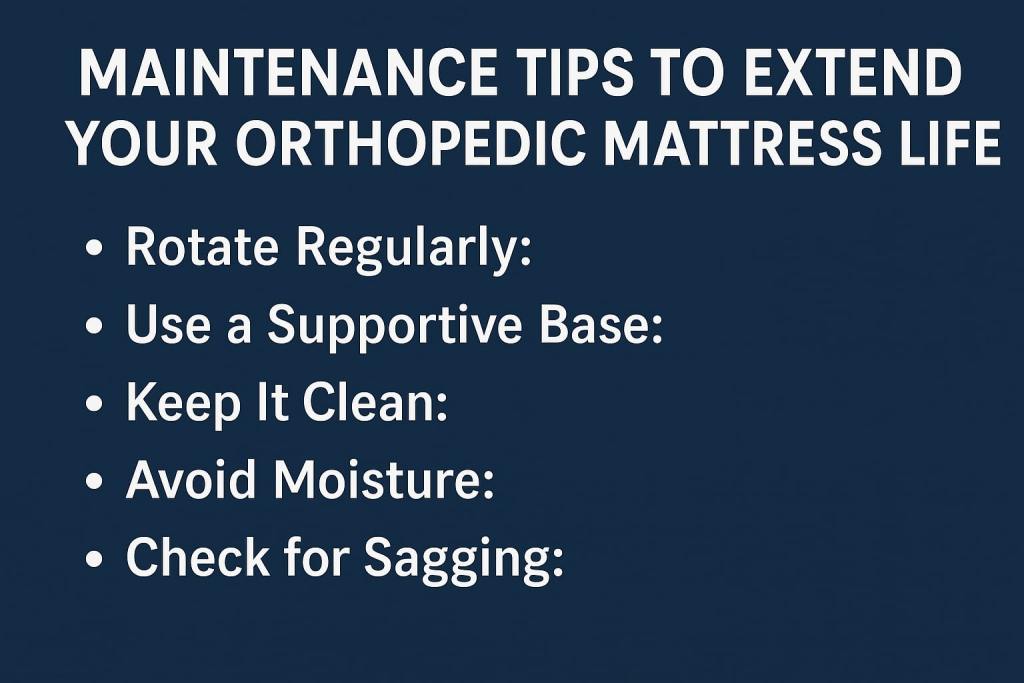
Maintenance Tips to Extend Your Orthopedic Mattress Life
orthopedic mattress uk
Taking care of your mattress is simple yet crucial for keeping it in top shape. Follow these tips to maintain consistent comfort and longevity:
Rotate Regularly: Turn your mattress every 2–3 months to avoid sagging or uneven wear.
Use a Supportive Base: A good bed frame or solid base ensures even support and extends the mattress’s lifespan.
Keep It Clean: Use a removable, washable cover or mattress protector.
Avoid Moisture: Keep it dry and well-ventilated to prevent mould or odours.
Check for Sagging: Replace if firmness decreases significantly after several years.
Proper maintenance not only extends the life of your orthopedic mattress UK but also preserves its therapeutic mattress support over time.
Conclusion
Choosing the right orthopedic mattress UK isn’t just about buying a bed it’ s about investing in your posture, comfort, and long-term health. From understanding the materials and firmness levels to comparing features and warranties, every factor plays a role in achieving better rest and improved sleep quality.
Whether you prefer memory foam comfort, a supportive spring mattress, or a hybrid design, make sure it aligns with your needs and body type. Always take advantage of sleep trials, read reviews, and perform a personal mattress comparison before committing.
An orthopedic mattress offers a lifetime of health benefits from reducing back pain to enhancing daily productivity. So, explore your best sleep options today, test a few models, and experience how the right mattress can transform your nights and mornings.
FAQs
What makes an orthopedic mattress different?
An orthopedic mattress is firmer and more supportive than a standard one, designed to keep your spine properly aligned and reduce pressure on joints.
How firm should an orthopedic mattress be?
Most people prefer medium firm for the perfect mix of comfort and support, though heavier sleepers might need a slightly firmer feel.
Are orthopedic mattresses good for side sleepers?
Yes, but choose a mattress with cushioning foam layers to relieve pressure on the shoulders and hips while maintaining alignment.
When should I replace my orthopedic mattress?
Replace it every 7–10 years or sooner if you notice sagging, reduced support, or discomfort.
Can an orthopedic mattress relieve chronic back pain?
Absolutely. With proper spinal alignment and pressure distribution, it can significantly reduce chronic back and joint pain over time.
Have you ever woken up feeling more tired than when you went to bed? Or maybe your back feels stiff and sore in the morning, even though you got enough sleep. You’re not alone many people face this issue daily, and the reason often lies right beneath them: the wrong mattress.
Sleeping on an unsuitable surface can strain your spine, disturb posture, and worsen joint pain. Over time, it leads to chronic back and neck problems that affect your daily energy and mood.
That’s where an orthopedic mattress comes in a specially designed sleep solution that provides the right support for your spine, joints, and overall posture. This article explains what is an orthopedic mattress, how it helps in back pain relief, and what to look for when choosing one.
What Is an Orthopedic Mattress?
So, what is an orthopedic mattress exactly?
An orthopedic mattress is designed to support your bones, muscles, and joints particularly your spine during sleep. Unlike a regular mattress that focuses mainly on softness or comfort, an orthopedic mattress ensures your body stays in a neutral and aligned position throughout the night.
This type of mattress distributes body weight evenly, reduces pressure on sensitive areas like the lower back and shoulders, and helps prevent stiffness or pain.
Most orthopedic mattresses are made using high-density foam, latex, or hybrid materials that give firm yet adaptive support. They are engineered to relieve tension from the spine and promote better posture.
In simple words, if you often wake up with pain or discomfort, an orthopedic mattress might be your body’s best friend for restoring comfort and balance.
The Science Behind Orthopedic Support
Understanding the science behind orthopedic support helps explain why these mattresses work so well. When you lie down, your spine should maintain its natural curve does not bend unnaturally. Regular mattresses often allow your hips or shoulders to sink too deep, leading to poor alignment. Over time, this causes back and neck pain relief issues to worsen.
An orthopedic mattress is built with layers that adapt to the body’s shape while maintaining firm support underneath. Materials like memory foam or latex follow your body curves but push back enough to keep the spine straight.
This even weight distribution prevents pressure build-up in certain areas, allowing muscles to relax and the spine to rest properly. The result? Fewer aches, better posture, and deeper, restorative sleep.
Key Features of a True Orthopedic Mattress
Not all mattresses labeled “orthopedic†truly are. Here are the key features that make a real difference:
Firm yet adaptive orthopedic foam – Keeps the spine aligned while still feeling comfortable.
Multi-zone support layers – Provide different firmness levels for shoulders, hips, and legs.
High-density base – Ensures durability and consistent mattress support.
Breathable materials – Promote airflow for cool and dry sleep.
Anti-sag structure – Prevents dips that can hurt posture.
Edge support system – Keeps the mattress stable and prevents roll-off.
Hypoallergenic covers – Maintain hygiene and are ideal for sensitive sleepers.
Each of these features contributes to long-term back pain solutions and ensures your investment lasts for years.
Types of Orthopedic Mattresses and Which One Suits You Best?
There isn’t just one kind of orthopedic mattress different materials serve different needs. Here are the main types:
Memory Foam Orthopedic Mattress
Best For: Those who need contouring support and pressure relief.
Pros: Adapts to body shape, excellent for spine alignment.
Pros: Combines coils for stability with foam for softness.
Cons: Slightly pricier but worth it for balance.
Spring Orthopedic Mattress
Best For: Traditional sleepers who like firm surfaces.
Pros: Excellent airflow, supportive feel.
Cons: May sag sooner than foam-based options.
Each type offers unique benefits, but all aim to provide orthopedic support and proper spinal alignment.
Benefits of Using an Orthopedic Mattress
Switching to an orthopedic mattress can completely change how you sleep and feel during the day. Here’s how it helps:
Corrects posture and spine alignment – Keeps your back naturally curved and supported. Reduces back and joint pain – Relieves pressure points and supports even weight distribution. Improves sleep quality – You’ll wake up more refreshed and energetic. Supports blood circulation – Proper alignment promotes smoother blood flow. Prevents sagging – Maintains shape for years, unlike soft mattresses that lose firmness. Boosts long-term comfort – Ideal for athletes, office workers, and elderly people alike.
By addressing posture and pressure-related problems, orthopedic mattresses serve as long-term back pain solutions for all ages.
Signs You Need an Orthopedic Mattress
what is an orthopedic mattress
Wondering if it’s time for an upgrade? Look for these clear signs:
You wake up with lower back or shoulder pain.
Your mattress feels lumpy or saggy in the middle.
You toss and turn often, struggling to find comfort.
You feel fatigued even after sleeping for 7–8 hours.
You experience numbness or stiffness in your neck or hips.
If these symptoms sound familiar, your current mattress is no longer giving you proper mattress support and switching to an orthopedic one can make a world of difference.
How to Choose the Right Orthopedic Mattress for You?
Buying the perfect orthopedic mattress requires more than just checking firmness. Consider these factors:
Firmness level:
Side sleepers – medium-soft for cushioning shoulders.
Back sleepers – medium-firm for balanced support.
Stomach sleepers – firm to prevent sinking.
Body type: Heavier individuals may prefer high-density foam or hybrid designs for extra support.
Material preference: Foam offers deep contouring, while hybrids provide bounce and airflow.
Budget & warranty: Focus on long-term comfort and durability rather than the lowest price.
Trial period: Always test your mattress for at least 30 nights before deciding a good mattress feels better after your body adjusts.
If you’re shopping in the UK, look for orthopedic mattress UK standards they ensure quality materials and tested durability.
Orthopedic Mattresses vs. Regular Mattresses
Feature
Orthopedic Mattress
Regular Mattress
Support
Focused on spine alignment
General comfort only
Firmness
Medium-firm to firm
Soft to medium
Purpose
Therapeutic / Posture support
Basic comfort
Back Pain Relief
Excellent
Moderate
In summary, what is an orthopedic mattress if not a smarter, healthier choice? It’s built with medical insight to ensure better sleep and long-term wellness, while regular mattresses simply focus on surface comfort.
How to Care for Your Orthopedic Mattress?
what is an orthopedic mattress
Taking good care of your orthopedic mattress ensures it stays comfortable and supportive for years:
Rotate your mattress every 3–6 months (if applicable).
Use a solid bed base or frame for even support.
Keep it clean and dry; avoid moisture buildup.
Don’t sit on the edges frequently to prevent sagging.
Use a mattress protector for hygiene and longevity.
These small steps go a long way in maintaining mattress materials and ensuring consistent orthopedic support every night.
Conclusion:
Now that you know what is an orthopedic mattress, it’s clear that this isn’t just another bedding trend it’s a health investment. The right mattress can relieve years of back strain, improve posture, and help you wake up feeling truly rested.
Prioritizing your spine’s health means improving your overall quality of life. Don’t wait until pain becomes your daily companion. Upgrade your sleep setup today and let your mattress work for your body, not against it.
FAQs
What is an orthopedic mattress for back pain?
It’s a mattress made to support the spine and joints, offering firm and balanced comfort that relieves pressure points.
What type of mattress is best for back pain?
A medium-firm orthopedic mattress is usually the best option for proper posture and spinal alignment.
Is an orthopedic mattress good for pregnancy?
Yes. It provides balanced support to the back and hips, reducing strain and promoting better sleep.
What is the difference between an orthopedic mattress and a normal mattress?
An orthopedic mattress focuses on medical-grade support for the spine, while a normal mattress focuses mainly on comfort.