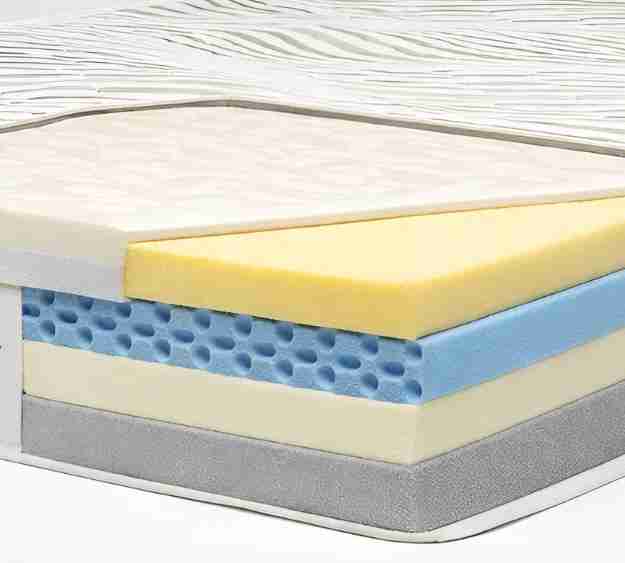
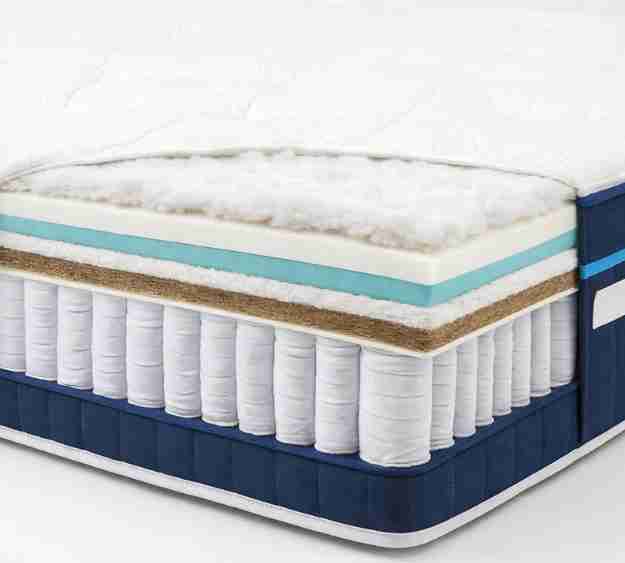
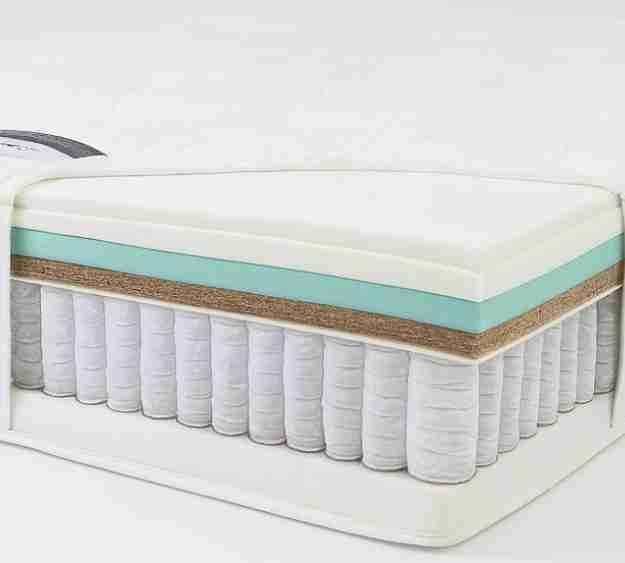
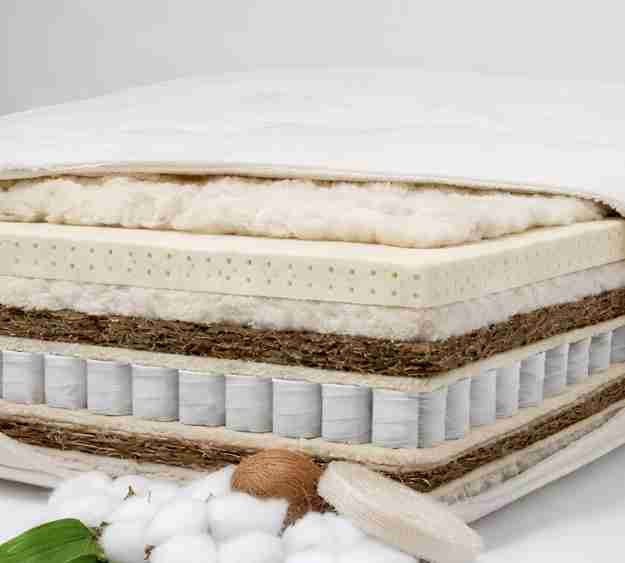
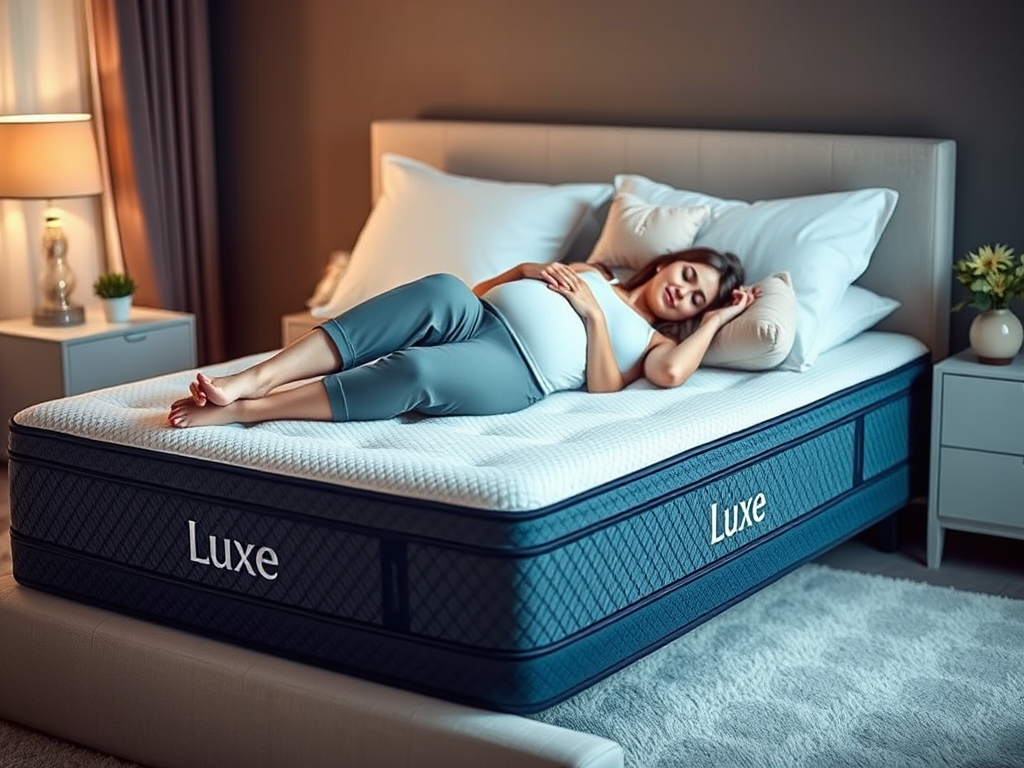
Pregnancy is a period‚of intense physical change ” and often, interrupted sleep. From back pain and leg cramps to overheating and at least one urgent bathroom trip, sleep discomfort is one of‚the most common problems that plague expectant mothers.
The good news? The best mattress can help minimize pregnancy-related pain while you sleep by providing targeted support, alleviating pressure, and incorporating body-friendly materials.
The Mattress’s‚ Role in Pregnancy Sleep
During pregnancy, it’s not just about getting rest but also contributing to a mother immune function, psychological well-being, and fetas development, thanks to good sleep quality. According to Sleep Foundation, hormonal changes and discomfort that result from the physical changes of pregnancy can lead to disrupted sleep throughout all three trimesters.
An improperly designed mattress serves to aggravate these concerns, but the right mattress‚can help to combat these issues by:
Backing‚the spine and the hips
Pressure‚point reduction
Flexible‚Body Temperature Control
Improving circulation
Let’s take a closer look at how these three attributes ” mattress support, pressure point relief, and material selection” can make or break ones nights of sleep during pregnancy.
1. Need for The Right Mattress Support to Reduce Pregnancy Pain
The expanding abdomen pulls the bodys center of gravity forward‚, and the back is often the part of the body to bear the brunt of this additional weight, while the hips and pelvic joints are also affected. This movement is most noticeable in the‚supine position. If a mattress does not provide adequate support to the back, the spine is likely to sink into the bed in an unnatural way, which will lead to morning stiffness and, in some cases, even sciatica.
It’s‚ all about firmness here. When firm mattresses can cause pressure points, mattresses that are too soft don’t provide proper alignment. Pregnant sleepers are often recommended to use a medium-firm mattress with adaptive support. They can explore the collection of orthopaedic mattresses to find the options that best suit their needs.
According to NHS guidelines, good spinal health helps to‚reduce the likelihood of musculoskeletal problems, and is paramount in ensuring correct spinal alignment. In fact, a mattress that supports the lumbar region (not too hard) can significantly alleviate nighttime discomfort.
2. Relieve Pressure and Embrace Comfort
Soft spots, such as hips, shoulders, and knees, typically also ache during pregnancy. This is fairly typical‚ as well, particularly towards the end. American College of Obstetricians and Gynecologists (ACOG) recommends sleeping on‚ your side as well for your comfort and the baby’s well-being,” according to ACOG. But that position might directly stress smaller joints and parts of the body.
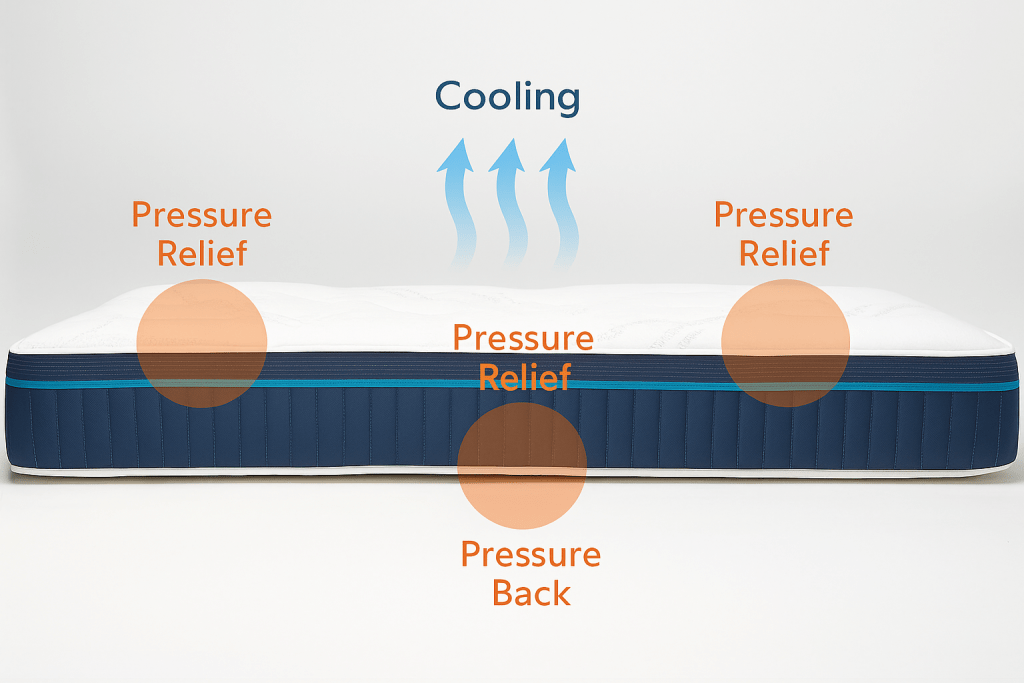
That’s where the pressure-relieving foam layers, including memory foam or‚ latex, come in. This material conforms to the shape of your body, helping to evenly distribute your weight and eliminate pressure points that can cause pain. More things to try Many high-end mattresses, including some in our memory foam mattress range, have zoned support systems that target‚ your pressure points.
And as with any support, relieving pressure is key to better blood flow and less swelling and numbness (of which you have plenty in the third trimester).
3. Choice of‚ material and temperature control
Body temperature naturally rises during pregnancy due to increased blood volume and hormonal changes. Consequently, many women‚ complain of night sweats and waking up feeling hot. A cooling technology mattress, such as one made from breathable latex, gel-infused memory foam, or open-cell foams, can help regulate temperature, allowing you to stay asleep all night long.
There is also a safety and hygiene factor at play with the materials. Hypoallergenic, as well as chemical-free mattresses, are not only essential when it comes to dander, but off-gassing can also be extremely disturbing during pregnancy, when our senses and sensitivity to skin change as well.
At Luxe mattresses, our natural mattress selection is crafted with organic cotton and breathable latex, two key elements that ensure comfort and airflow while you sleep.
More Sleep Tips to Reduce Pain During Pregnancy
Pregnant women must have a supportive mattress to prevent an unsupported angle in their spine since their‚ growing stomach will pull them forward.
Sleep with a pregnancy pillow to place between your knees and belly for added support.
Sleep on your left side to help increase the babys blood flow.
Cut caffeine and screen time before bed‚ Minimizing the jitteriness.
Ensure the room is cool and well-ventilated to avoid overheating.
When combined with a mattress that is just right, these changes contribute to a perfect sleep environment during all three trimesters.
FAQs: Pregnancy and Mattresses
What is the best type of mattress for alleviating back pain during pregnancy?
A medium-firm mattress with orthopaedic support might be the most ideal for alleviating pregnancy-related back pain. It helps keep the spine in line and alleviates stress on the lower back, where most pain is typically concentrated.
Is memory foam safe during pregnancy?
Yes! Good Memory Foam is Pregnancy-Safe Foam”Even‚ Better when it’s CertiPUR-US® certified or All-Natural (because that generally means low chemical emissions and NO toxic off-gassing)!
How often should a mattress be replaced for good support during pregnancy?
If your current mattress is more than 7“10 years old, or you’ve noticed sagging and feel discomfort from your bed, it’s probably time to replace it to ensure proper support during this physically challenging time.
Final Thoughts
Pregnancy and sleep discomfort don’t have to go hand in hand. Purchasing the best mattress for you “ one that offers targeted support, pressure relief, and is breathable” can make a huge difference in the way you experience many of the more common symptoms of pregnancy and how comfortably you rest. If you are early in your pregnancy or in the third trimester, a good mattress goes beyond Comfort “ it’s a maternal health and wellness necessity.
Do Heavy Sleepers Need a Firmer Mattress? The Science of Support & Pressure Relief
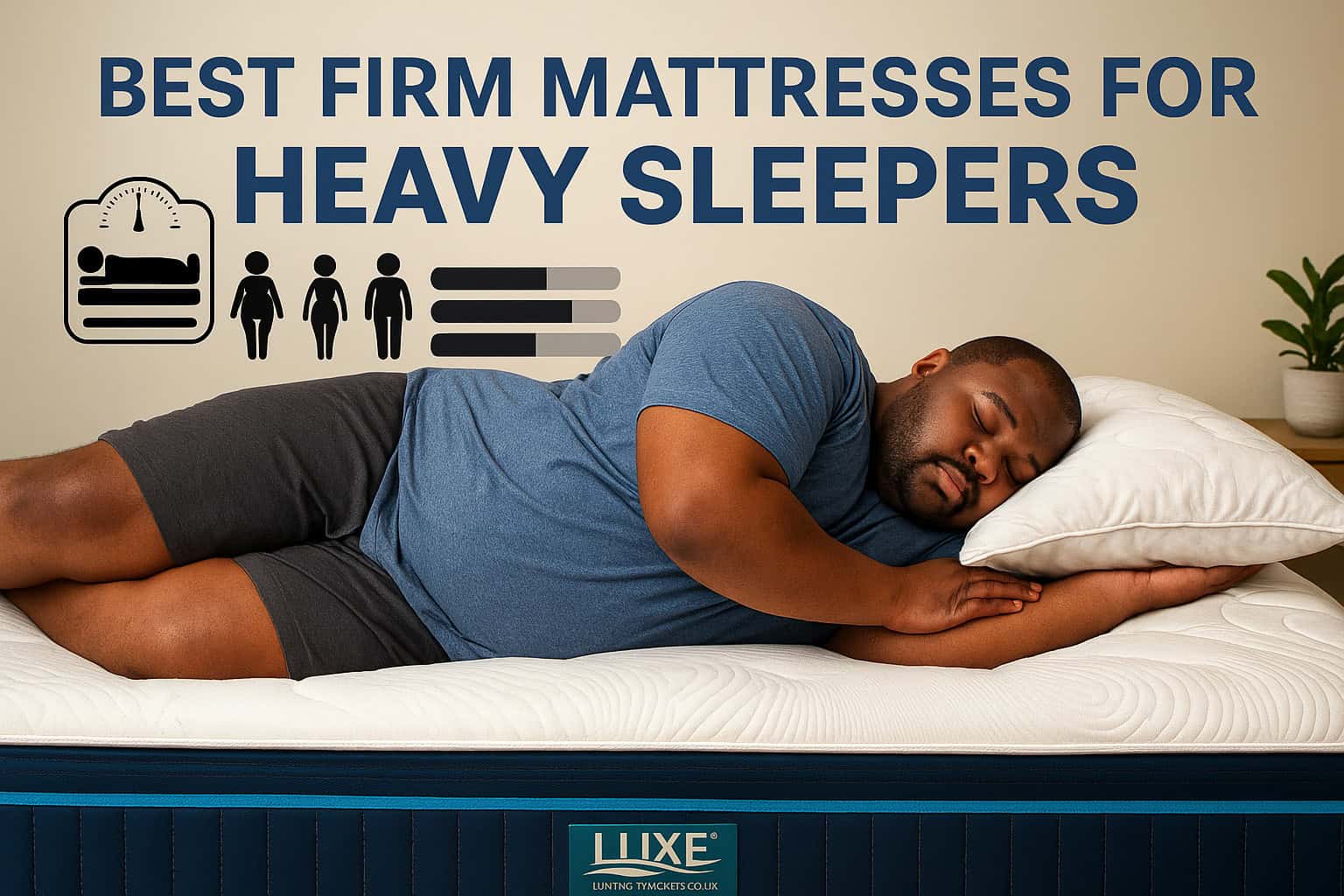
If you are a heavier person in the UK (over 230 lbs or BMI 30+), you know how hard it is to find the best firm mattress for heavy sleepers. Many mattresses sink under your weight, causing back pain and making you overheat at night. You need one thats firm enough to support you but soft enough to be comfortable.
Some people think the hardest mattress is best, but thats not true. A mattress thats too firm can hurt your shoulders and hips. The best mattress for heavier people gives strong support where you need it and soft cushioning where you want it. It should also help keep you cool at night.
Keep reading to learn how to find your perfect mattress.
Body Weight & Type: The Foundation of Mattress Choice.
You need to understand how your body interacts with it to choose the right mattress. For heavier people, weight and body type can impact comfort, support, and durability.
Here’s a simple breakdown of the relevance and priority of factors.
How Weight Impacts Mattress Performance.
A heavier body exerts pressure on the mattress which may lead to sagging, durability issues and loss of support. Mattresses standardly utilize materials with high compressive properties to improve surfaces and spinal alignment. A mattress suitable for heavier individuals should have an innerspring unit or high-density foams with a strong support system. If not built well, a firm mattress may still not be able to give you the support you need.
Why Durability is Non-Negotiable: Durable Mattress for Heavier Weights.
A tough mattress for heavier weights is a must since inferior materials wear down quickly when put under more pressure. Choose memory foam that has a high density of at least 4 lbs/ft³ and heavy-gauge pocketed coils that do not deform easily. Warranties under 10 years often indicate lower durability. A mattress that sags in a few years will further worsen back pain while also reducing sleep quality. A good design will last longer, require less replacement, and provide more support.
The Role of Body Type (Weight Distribution, Pressure Points).
Body shape determines where pressure concentrates. Side sleepers have broader hips and tend to require deeper cushioning to avoid shoulder and hip pain. Stomach sleepers with heavier midsections need firmer support to avoid back pain. A suitable mattress for a heavy person should feature zoned support or adaptable materials. Evenly distributed weights do not sink too deep and align your body.
How To Find The Right Mattress for Your Sleep Position
Your sleeping position alters your bodys mattress requirements. Those who weigh more than average should pay extra heed to this as their weight exerts higher pressure on the bed.
Lets look at what works best for different sleepers, to read in more details click here.
Side Sleepers Need Extra Cushioning.
When you sleep on your side, the bulk of your weight is concentrated on your hips and shoulders. These areas need softness to prevent pain and numbness. Look for a mattress thats medium-soft to medium firm. Mattresses like memory foam and hybrid do a good job of contouring to your body without sinking in too much. Make sure the soft top layer is at least 3 inches thick.
Back and Stomach Sleepers Require Firm Support.
A firmer mattress will suit you if you sleep on your back or belly. When your midsection falls down, it may also pull the lumbar spine which will aggravate your back. A mattress that has a firmness score of 6 to 8 over 10 is the most suitable. Flat surfaces are necessary for or stomach sleepers to maintain spinal posture.
Combination Sleepers Should Choose Responsive Materials.
If you toss and turn throughout the night, then you need a mattress that will too. Choosing latex or mattresses with pocket springs allows you to change positions easily Memory foam thats too soft can make this harder. Medium-firm firmness (6-7) is considered good for all sleeping positions.
Understanding Mattress Firmness for Heavier Sleepers.
Choosing the right firmness of the mattress is the key. Its not just a comfort thing; in fact, you need to comfortable, supported without pressure pain. Heres all you need to know about how to choose firmness.
A medium soft (4-5) could be convenient for some side sleepers
A medium-firm mattress is the best choice (6)
A firm mattress (7-8) is ideal for back and stomach sleepers.
Usually too hard extra firm (9-10).
Why Medium Firm Works Best.
A medium firm mattress (level 6) gives the right balance.
Prevents you from going down too far.
Supports your spine properly.
Still feels comfortable.
Can be used for all sleeping positions
These mattresses are made of resilient material with heavy-duty foam or springs that wont sag under your weight.
When to Choose Firmer Options.
Heavier people may need a firmer mattress according to their weight.
Sleep on their stomach.
Have back pain.
Weigh over 300 pounds.
A rigid mattress (9 or 10 on the firmness scale) is required in a few cases only “ when you weigh over 350 pounds or have certain medical problems. Most people find them too hard and uncomfortable.
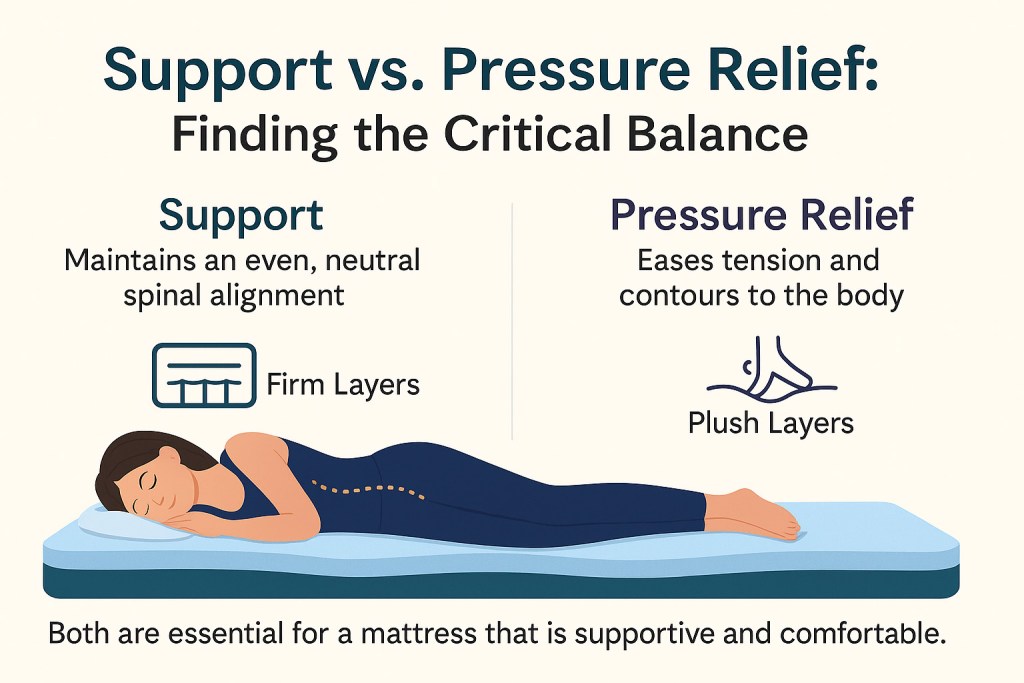
Support vs. Pressure Relief: Finding the Critical Balance.
The ideal mattress for heavy people should be firm, sure. But more importantly, it should offer just the right support and pressure relief. When this balance is well managed, it stops pain and helps sleep quality. This section discusses how these features work for heavier bodies.
Why Support Matters Most
Support is how well a mattress keeps heavy sleepers spines aligned under the pressure of weight. The ideal mattress will keep the spine in a neutral position. This take strong core materials such as high-density foams or reinforced coils that resist compression. When you lack proper support, your body will sink unevenly into the mattress, which could lead to misalignment of the spine and back pain.
The Importance of Pressure Relief
Cushioning which relieves the pressure of your heavier areas ” like hips and shoulders. Memory foam or latex comfort layers distribute weight evenly. Too little pressure relief creates painful pressure points. Too much causes excessive sinkage. An excellent mattress offers ample cushioning and good support.
How the Best Mattresses Do Both
The mattress support a plus-size sleeper chooses will consist of a strong but soft material. Thats where a specifically designed firm mattress for heavy sleepers comes in. The core that supports the body helps stop sagging but the layer that comforts does the opposite, comforting the pressure points. Hybrid mattresses usually perform this balancing act best, by pairing coils with foam or latex.
Don’t Forget the Edges
Heavier folks may roll off the bed without edge support as they shift. With reinforced edges, you can sit or sleep nearer the side without being at risk of instability. A mattress with poor edge support will feel less spacious. Choose dense foam encasement or reinforced coils around the beds perimeter.
Comfort, Preferences & Other Deciding Factors
Everybody sleeps uniquely. The comfort can be significantly different when you carry more weight. Examine how your personal circumstances will help you find your perfect mattress.
Your Comfort Preferences Matter.
What feels good to you is important. While some like the hugged feeling of memory foam, others prefer solid support from springs. How you sleep also helps decide this – a side sleeper usually needs more cushioning to their hips and shoulders while a back sleeper tends to want firmer support. The best way to know? Test out different mattresses to see what feels good for you.
Staying Cool at Night.
Watch out for mattress materials if you are a hot sleeper. Heavier bodies naturally retain more heat, so look for.
Foams infused with gel eliminate heat.
Latex that allows air flow and does not trap heat in your bed.
Coil systems that allow air to flow. Your sleep quality can change drastically with these cooling features.
Why Hybrid Mattresses Shine.
Because they hit the sweet spot, many heavier sleepers like hybrid mattresses.
Use sturdy coils for strong support that wont sag.
Including layers of foam or latex can help to add delightful cushioning.
Let air flow better than foam ones. Heavier bodies often find the ideal balance of support and comfort from this combination of materials.
The mattress that suits you well will have a firm enough support and yet feel comfortable, regulate temperature well and let you sleep as you usually do. Try various options fearlessly; you deserve to find your perfect choice!
How to Choose Your Ideal Mattress: Key Features Checklist.
If you have extra weight, not all mattresses will work for you. To help you sleep soundly, heres everything you should look for – and avoid.
Non-Negotiable Features for Heavy Sleepers.
A mattress designed for people with a larger body must be firm and durable. The support core must be made of high-density foam material (a density of 4+ lbs/ft³) or heavy-gauge coils for spinal alignment. Having a strong edge support system can prevent roll-off and increase the usable sleep space. These elements ensure optimal comfort and no back pain.
Highly Recommended Features.
Cooling layers like gel-infused foam or breathable latex are designed to help temperature control for hot sleepers. It is easier to reposition when the latex or pocketed coils are responsive materials. Zoned support is a firmer reinforcement in places where heavier sleepers need it most, typically around the hips and shoulders. Other areas are still cushioned properly.
What to Avoid.
Low-cost all-foam beds often do not have the density to support heavier weights and sag quickly. Pillowy-soft toppers may seem comfy at first but usually sink too deep under pressure causing misalignment. For heavier people, thin comfort layers and low-density memory foam can lack sufficient long-term support.
Best Luxe Mattresses for Heavy Sleepers.
The Luxe mattress is designed specifically for heavier people. It ensures support with great comfort at the same time. These are the models with high-quality, pressure-relieving materials that promote healthy spinal alignment.
LuxeErgo, 3400 Hybrid is ideal for heavier sleepers who need a good balance of pressure relief and support for a comfortable night’s sleep. The firmness of the mattress (6-7 out of 10 level) relieves pressure and does not sink in too much. This mattress features a dual-layer spring system, comprising 2000 EnduraSpring„ and 1400 FortiCoil„ micro springs, which provide excellent support.
It consists of a layer of Zero Gravity memory foam with cooling gel that regulates body temperature. It would do well for back and stomach sleepers who weigh more than 230 pounds.
Majestic 9000 Extra Firm Orthopedic Support.
The Majestic 9000, is ideal for heavy weight sleepers. Its extra-firm construction (8-9 firmness) features a 3″ V58 high-density memory foam layer over a reinforced base, providing exceptional spinal alignment for back and stomach sleepers. The motion isolation technology makes it ideal for couples, while the adaptive cushioning prevents pressure points. This model works best for individuals over 250 lbs who prefer a solid sleep surface.
LuxeTherm® Hybrid Cooling Comfort for Heavy Sleepers
Hot sleepers will appreciate the LuxeTherm® Hybrid, which combines medium-soft comfort with advanced cooling technology. The LTX Cooling Gel foam and airflow-promoting 1000 EnduraSpring coils prevent overheating, while the Zero Gravity foam layer offers contouring support. Though slightly softer, its high-density materials prevent excessive sinkage for sleepers up to 275 lbs, especially side sleepers needing pressure relief.
Frequently Asked Questions (FAQs)
1. Is a firm mattress always better for heavy people?
No. While firmness helps prevent sagging, excessive firmness creates pressure points. Medium-firm (6-7) often provides the best balance of support and comfort for most heavy sleepers.
2. Can a soft mattress work if I’m heavy?
Rarely. Soft mattresses typically lack the density to properly support heavier weights, leading to excessive sinkage and spinal misalignment. Some plus-size side sleepers may benefit from medium-soft comfort layers over a firm support base.
3. How long should a mattress last for a heavy sleeper?
Look for mattresses with 10+ year warranties and high-density materials (4+ lb memory foam, 13+ gauge coils). With proper care, a quality mattress should maintain support for 7-10 years for sleepers over 230 lbs.
4. Do I need special sheets or a foundation?
Possibly. Check that your foundation has center support legs and can handle your weight (typically 600+ lb capacity). Deep-pocket sheets (15″+ depth) often work better for thicker mattresses. Some brands offer reinforced foundations specifically for heavier individuals.
Conclusion
People who sleep heavily need medium-firm to firm mattresses (5-8 on the scale). But just being firm is not enough; it should also provide adequate pressure relief to hips and shoulders. When you buy a proper firmer mattress for heavy sleepers that hase durable construction, reinforced edge support, cooling technologies, and responsive materials, then you will get more quality sleep and improve your spine health.
When choosing your mattress, prioritize these key factors:
Your weight and body type
Primary sleep position
Need for pressure relief versus support
Temperature regulation requirements
The right balance prevents pain, reduces overheating, and extends mattress longevity.
A good night’s sleep is about more than simply hitting the hay, it’s about getting sleep that works for you. You need enough deep sleep and REM sleep to restore your mind and body. Something you might not think about when‚it comes to low sleep quality is your physical temperature. Your body is unable‚to reach those crucial stages of sleep if it is too warm or too cold while you sleep at night.
In this article, we’ll delve into the science behind thermoregulation, exploring how temperature affects both REM sleep and deep sleep, and how mattress materials can help you sleep cooler and achieve better rest. If you’re considering swapping out your mattress or adding a topper for better‚sleep, opt for a mattress that helps with thermal regulation.
The Importance‚ of Thermoregulation for Sleep
Thermoregulation is the body’s natural defense mechanism to maintain the core at an optimal temperature. As you prepare to sleep, your‚core body temperature naturally decreases by 1“2°C,” Sleep Foundation explains. This drop is your body’s way‚of saying its time to rest.
However, if the sleep environment is too hot, your body’s cooling mechanism is hindered. This interference‚can complicate:
Fall asleep quickly
DIVE into‚deep (slow wave) sleep
REM sleep which‚is important for cognitive functions and emotional processing
The bottom line is that Heat interferes‚with your brains ability to complete a healthy sleep cycle, and you wake up tired after a night spent between the sheets.
The Relationship Between Room Temperature and‚REM Sleep
REM (Rapid Eye Movement) Sleep is a crucial stage during which dreaming occurs, as well as memory and mood regulation. It typically starts 90 minutes after you fall‚asleep and increases later in the night.
However, REM is more vulnerable to disturbances because heat sensitivity increases during this stage of sleep. Even a small increase in room or mattress temperature can shorten REM duration and lead to broken and early-morning sleep, according to studies published in the Journal of Physiological Anthropology.
It is also difficult at low temperatures in stage 3 non-REM sleep. This is the time when your body undergoes cellular repair and enhances its immune function. A stable, low temperature is crucial for facilitating the recovery of the body and brain during sleep.
What Factors Affect the Temperature of‚a Mattress?
Room temperature, bedding, and sleepwear all play a role, yes, but your mattress is the largest single‚surface area in contact with your body for 6“9 hours at night. If it’s holding on to Heat, you are going to‚overheat. If it encourages airflow, you are more likely to‚reach deeper sleep stages.
Here’s how mattress technology plays‚a role in regulating sleep temperature:
1. Gel-Infused Foam to Reduce‚Heat
Gel memory foam helps distribute body temperature and dissipate it throughout the night. While traditional memory foam can retain Heat, gel infusion makes this mattress foam a cooler sleeping‚surface. Cooler temperatures facilitate sleep onset and continuity, according to experts at Johns Hopkins Medicine.
2. Open-Cell Foam Structure
Foams utilising open-cell technology permit maximum breathability when air circulates freely through the foam. The pass-through airflow serves as a natural cooling system, eliminating heat buildup below your body. It also enables moisture to evaporate more effectively, contributing to a more fresh sleep environment.
3. All-Natural Latex Brings the Sleep
Each layer of the mattress is made from an all-natural comfort layer of latex for pure comfort and an eco-friendly rubber-based latex for incredible support.
It also features natural latex for one of the most breathable sleeping experiences available. It has a cushy and bouncy feel and already comes with ventilation holes that‚maximize airflow. Unlike synthetic foams, natural latex does not retain Heat and is cool to the touch, even in warm surroundings.
4. Coil and Hybrid Construction
Coils or pockets of springs ” common in hybrid beds ” will really provide a nice bit of circulation to your bed if you need it. The coils are spread out to encourage‚airflow from the bottom up, preventing Heat from getting trapped in the comfort layers.
Picking a Mattress That Allows‚ for Temperature Regulation
To enhance‚your REM sleep and ensure you are getting deeper rest, pick a mattress with the following:
Cooling foams: like‚gel-infused or graphite-infused memory foam
Ventilation‚layers: open cell designs and pinhole latex enhance breathability
Base Layers Specifically Designed for‚Airflow: This includes any bases that offer special technology, such as individually wrapped coil systems
Moisture-wicking covers: fabric technologies‚that assist in regulating temperature and sweat
Your mattress should also accommodate your sleep position”and if you sleep on your side, know that they tend to be heat-retentive because there is less surface area for the Heat of your body to disperse.
More Sleep‚ Hacks For Regulating Temperature
In addition to selecting a mattress that regulates temperature with technology‚make some of these easy adjustments:
Keep room‚temperature in the bedroom 16“19°C
The bedding should be of‚a natural fiber and breathable.
Eat lightly and avoid late‚exercise, which will heat you from within
Taking a warm bath before bed will initiate the cooling process for your‚body when you get out
When combined with the proper mattress, these techniques help you maintain thermoregulation and achieve a more balanced rest.
FAQs
What temperature is too‚cold for deep sleep?
Ideally, the temperature in the bedroom should be between 16 °C and 19 °C for the best quality of sleep. This aids the body in cooling down more quickly and entering deep sleep more efficiently.
Could it be that overheating actually suppresses REM sleep?
Yes. Research also suggests that minor increases in heat can compress or delay REM cycles, resulting in shallower and more fragmented sleep.
How can I tell if my mattress is too‚hot for me?
If you wake up sweaty a lot, or if you toss and turn like a rotisserie chicken on a spit, your mattress could be trapping Heat. A‚breathable, cooling mattress can be the solution to this problem.
Final Thoughts
If you sleep hot, here’s why you need a bamboo mattress and pillow: Thermoregulation (it’s not just about comfort; it’s a biological necessity for quality sleep). If your mattress is trapping Heat and is not breathable, it may be disrupting your REM cycles and the deep rest that you may not even know you need. The difference can be made by‚a cooling mattress made from the right materials.
Or check out other LuxeMattresses collections for customised cool comfort and better, deeper sleep support.
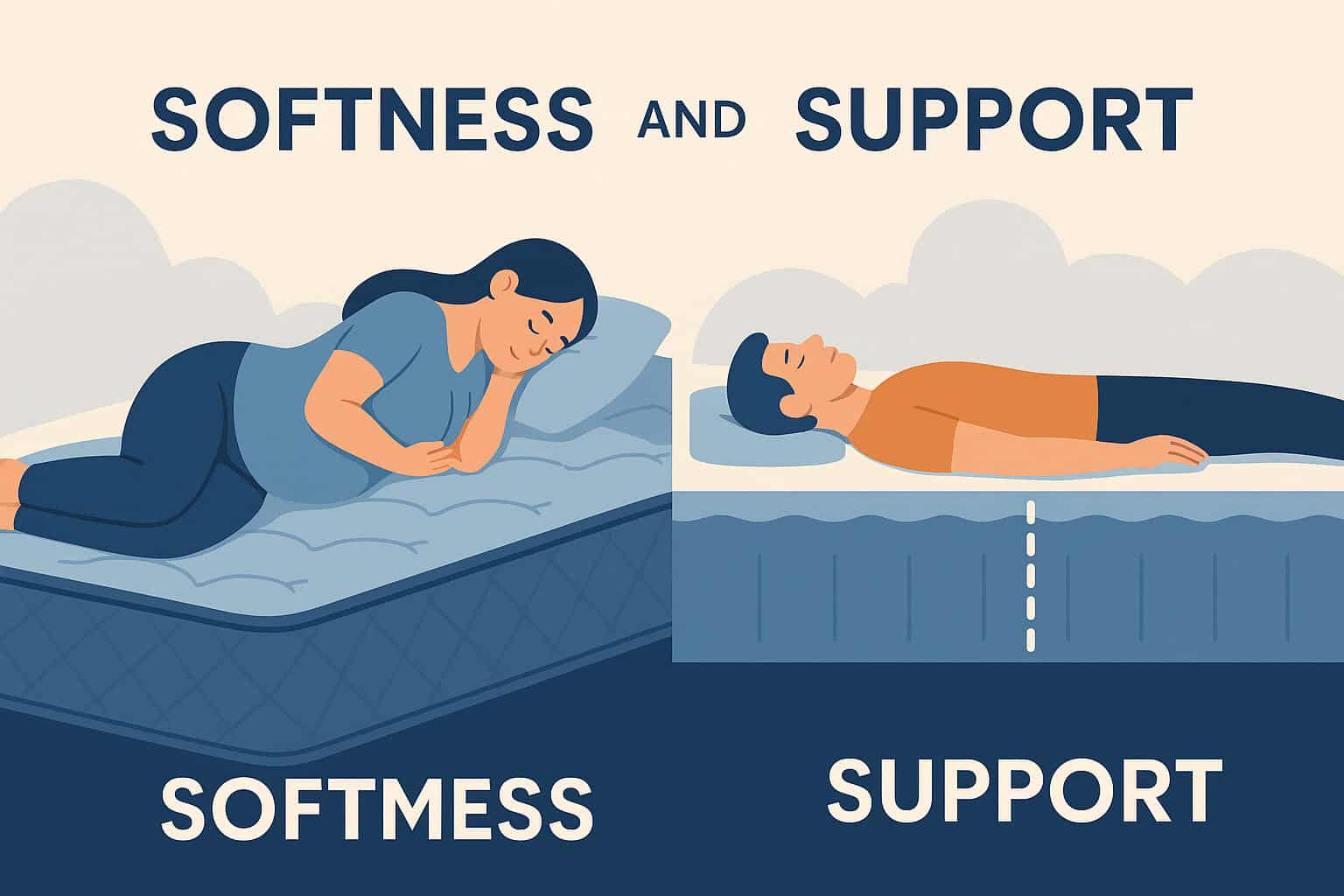
Discovering the right mattress for you, whether you are pregnant, recovering from an injury, or simply seeking a better night’s sleep, can raise‚a lot of questions: Can a mattress be both soft and supportive at the same time? Yes, for sure, it is, and this all begins with how‚the mattress is constructed from the inside out.
Support and‚comfort don’t have to be mutually exclusive. Actually, the proper mattress provides a plush, cradling surface that those pressure points would enjoy lying on while keeping the spine in line below. This model provides an excellent combination that reduces restlessness at night while decreasing back pain, thereby contributing to improved overall sleep quality.
In this guide, we explore how softness and firmness can coexist, the materials that enable this, and what to look for when shopping for a mattress that achieves both.
And if you’re already looking for comfort-first options, head over to our luxury hybrid mattresses, which are the right option.
What Is The Difference Between Softness And Support?
Some terminology before we delve‚into what exactly is inside a mattress:
Softness (Comfort):
The level of comfort you initially feel when you lie down, often described as plush or fluffy. This comes from top layers such as memory foam or quilted cushioning.
Support (Spinal Alignment):
How well the mattress helps maintain a neutral spine position, particularly under your hips and lower back. This is typically provided by the base layer or coil system.
Too much softness without adequate support can cause the body to sink too far, placing strain on the spine. On the flip side, excessive firmness without sufficient cushioning can create pressure points”especially around the shoulders and hips, which is problematic for side sleepers and pregnant women.
For a deeper explanation of the difference between comfort and support in mattresses, see this helpful guide from the Sleep Foundation..
How Supportive and Soft Mattresses Can Coexist?
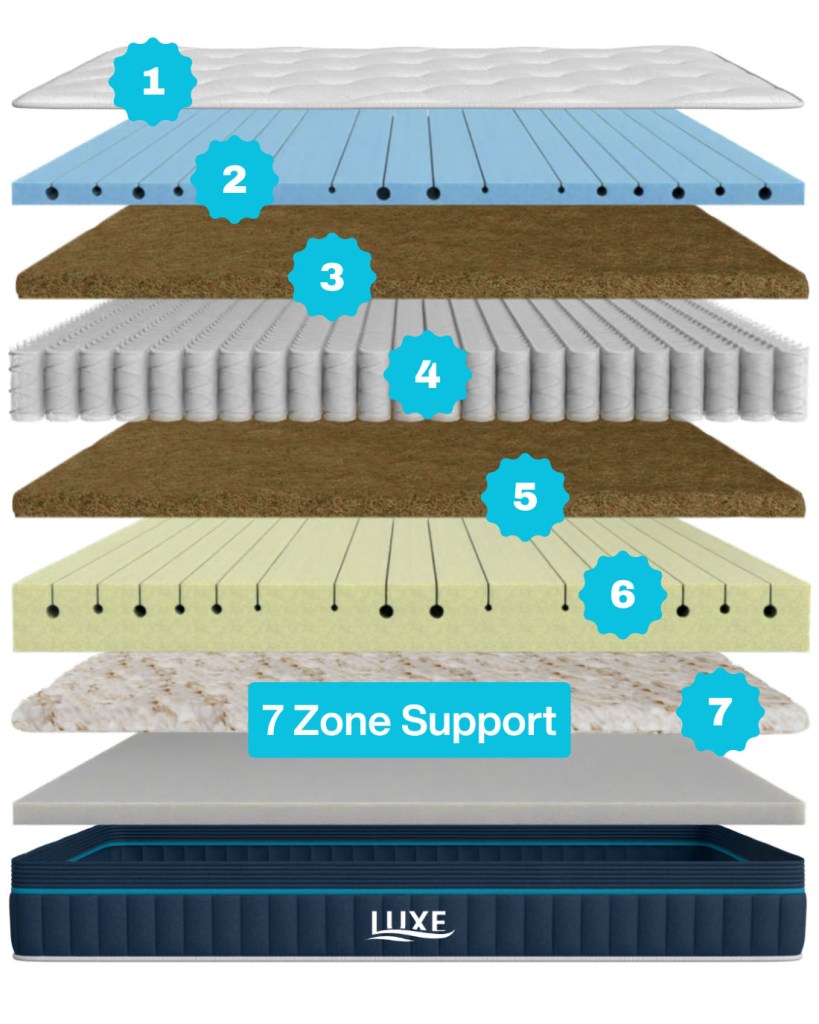
1. Zoned Support Systems
Orthopaedic mattress layers
Some mattresses feature zoned coil or foam support, with firmer materials positioned under heavier parts (the hips) of the body and softer sections cradle the shoulders and legs. As a graduate of the Department of Orthopaedic Surgery, this style also maintains spine alignment from a foam standpoint, but makes the mattress itself not too hard.
Consider zoned hybrid mattresses at Luxe Mattresses, which focus on lumbar support with soft contouring for an ideal compromise.
2. High-Density Base Foam
The support core of a mattress is essential for durability‚and shape. High-density polyurethane foam or encased coil bases provide support throughout the mattress’s lifespan, preventing sagging. These types of materials will hold the body on the mattress, as opposed to allowing it to sink in too much.
3. Cushy Top Layers for Immediate‚Pressure Relief
What to Expect from the Top Layers of Comfort?
Memory foam “ molds to the shape of your body for soft and comfortable support.
Latex “ natural, breathable‚and durable
Pillow tops or‚Euro tops “ lines of stitching sewn into the top of the mattress and outer attached for a soft initial feel
These are cloud-like with the firmness of a pillow, yet plush, without the pillow top.
Importance of‚Material Selection
There are many different types of mattress construction, each with different properties “ all of which can help achieve this balance between‚softness and support:
Memory Foam: Provides body-confirming comfort and pressure relief, perfect for those that suffer from‚joint pain.
Latex: Get‚a more responsive bounce and breathable experience with latex while still enjoying cushioning and support.
Pocketed Coils: These provide the bounce and motion isolation found in some foams, but can offer even better support as they conform to your shape without sinking.
Hybrid Designs: These feature a coil layer, as well as foam or latex layers, to provide you with the best of both worlds.
The perfect mattress provides what Harvard Health describes as firm support with a soft top, or flat support that won’t allow your‚spine to curve, while a soft cover provides comfort.
What‚to Consider When Shopping?
As‚you choose a mattress that is both plush and supportive, consider the following:
Medium-firm feel: Studies show that‚it’s optimal for back health.
Several comfort layers: A mattress with more than one foam or latex comfort layer will offer seamless contouring.
Supportive core: At the bottom, this may feature high-density foam or coil systems.
Zoning‚or lumbar support: Vitally important if you suffer from back pain or if you are pregnant.
Edge Support: Supported edges provide roll-off prevention, making it easier to get in and out of bed.
Why It’s Important to Be in Balance for the First Few Weeks of Pregnancy?
During pregnancy, softness can alleviate hip and back pain, and support can help keep the babys weight from throwing the mother’s spine out of alignment. A too-soft mattress can cause low back pain, especially during the second and‚third trimesters.
After giving birth, breastfeeding‚helps the body heal from the strains of delivery. This balance also benefits non-pregnant individuals: Improved sleep time means reduced joint stress, increased circulation, and a lower risk of chronic pain.
FAQs
Can a soft mattress alleviate back pain?
Yes, with a supportive core of the‚mattress. Seek out options that pair plush comfort layers atop zoned or firm lower support, which helps keep your spine in alignment.
What is the best firmness level for pregnant ladies?
Often, the best choice is a‚medium-firm mattress. It has just enough give to take pressure off the hips and‚tummy without sacrificing support for the lower back.
Are hybrid mattresses more comfortable than foam-only mattresses for balanced comfort?
In many cases, yes. Hybrid mattress: A hybrid mattress combines contouring top layers with a coil base for enhanced spring, breathability, and robust support.
Final Thoughts
But you don’t have to‚sacrifice comfort to let the stable in. Today’s high-tech mattresses, made with quality materials, can give you the‚cloud-like comfort at the same time ensuring the support your back requires. Whether you’re pregnant, need a better nights sleep, or require zoned support, consider‚these key features.
Struggling to get a decent night’s sleep? You are certainly not alone. In the UK, millions of people wrestle with restlessness, early waking, or simply feeling exhausted despite going to bed at a reasonable hour. Often, its not one major issue but a handful of seemingly small sleep mistakes that, over time, chip away at the quality of your rest. The good news? Most of them are fixable, and you can start tonight.
Let’s take a look at seven common habits that may be sabotaging your sleep, along with practical steps to turn things around.
1. Letting Your Sleep Schedule Drift
Sleep Calculator
Plan your optimal bedtime and wake-up times based on your body’s natural sleep cycles.
Wake up refreshed and energized every morning.
Why Use This Calculator?
Calculate the ideal bedtime based on when you need to wake up
Find the optimal wake-up time based on when you go to bed
Work with your body’s natural 90-minute sleep cycles
It might feel harmless to stay up late on weekends or sleep in to catch up but this inconsistency can throw your body clock into disarray. The human circadian rhythm thrives on routine, and disrupting it regularly can make it harder to fall asleep or feel refreshed in the morning.
What’s the issue?
Inconsistent sleeping and waking times can lead to something similar to jet lag, without ever leaving your postcode. It disrupts your internal rhythm, which in turn affects everything from energy levels to digestion and mood.
How to fix it
Choose a wake-up time and stick to it every day ” yes, even on weekends.
Wind down around the same time each night, allowing your body to anticipate rest.
Let natural daylight into your bedroom in the morning to reinforce your internal clock.
As noted on NHS.uk, maintaining a consistent sleep schedule is one of the most reliable ways to improve overall sleep hygiene.
Blue light, in particular, sends a signal to the brain to stay alert. Combine that with mentally stimulating content (news, work emails, or even exciting series), and you’ve created the perfect storm for poor sleep.
What to do instead
Shut down screens at least an hour before bed.
Switch to amber or night mode settings on devices in the evening.
Swap screen time for something soothing: a warm bath, journaling, or light reading can help.
Organizations like Mind.org.uk recommend reducing screen time before bed to improve both mental health and sleep quality.
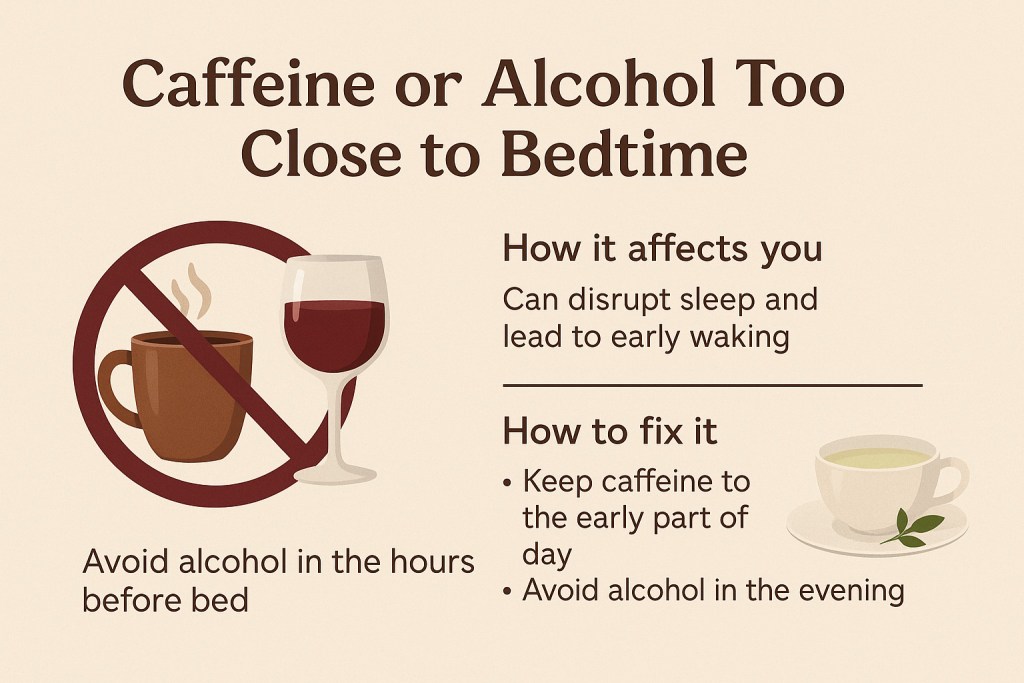
3. Caffeine or Alcohol Too Close to Bedtime
Think your late-afternoon cup of coffee isn’t doing any harm? Think again. Caffeine can stay in your system for up to 10 hours, meaning your 4 pm coffee could still be affecting you come bedtime. Meanwhile, alcohol, often mistaken for a sleep aid, can disrupt sleep cycles and lead to early waking.
How it affects you
You might fall asleep easily enough after a nightcap, but alcohol reduces the amount of deep sleep you get and increases the likelihood of waking during the night.
How to fix it
Keep caffeine consumption to the early part of the day, ideally before 2 pm.
Avoid alcohol in the two to three hours leading up to bedtime.
Try calming alternatives in the evening, such as valerian tea or a soothing sleep mist with lavender.
The more you reduce these stimulants near bedtime, the better your sleep will become over time.
4. Turning Your Bed Into an Office (or Entertainment Centre)
Working, watching telly, and eating snacks might all happen in bed on a lazy Sunday. But over time, your brain stops associating your bed with rest, and that can make falling asleep much harder.
Why this matters
Sleep experts call this “stimulus control.†The more things you associate your bed with, especially non-sleep activities, the weaker the sleep signal becomes when your head hits the pillow. You can also get a custom bed to make sure it fits your comfort needs.
Solution
Keep your bed for sleep and intimacy only.
Do your work, scrolling, or eating somewhere else, ideally in a separate room.
If you can’t fall asleep after 20 minutes, get up and do something relaxing in low light until you feel sleepy.
Over time, this mental reset helps your body associate your bed with rest again.
5. Daytime Naps That Drag On
A quick nap can be incredibly refreshing, but if you’re dozing off too late in the afternoon or sleeping too long, you might find yourself wide awake at 2 am.
The science bit
Naps longer than 30 minutes can cause sleep inertia ” that groggy, heavy feeling afterwards- and they reduce your natural sleep drive for the evening.
A better way to nap
Limit naps to 20“30 minutes and take them earlier in the day (before 3 pm).
If you feel drowsy later, try getting outside for some light activity or fresh air.
Assess whether your sleep quality at night is forcing you to rely on naps; it may be time to re-evaluate your mattress or sleep setup.
In many cases, frequent naps are a symptom of poor nighttime rest, not a solution.
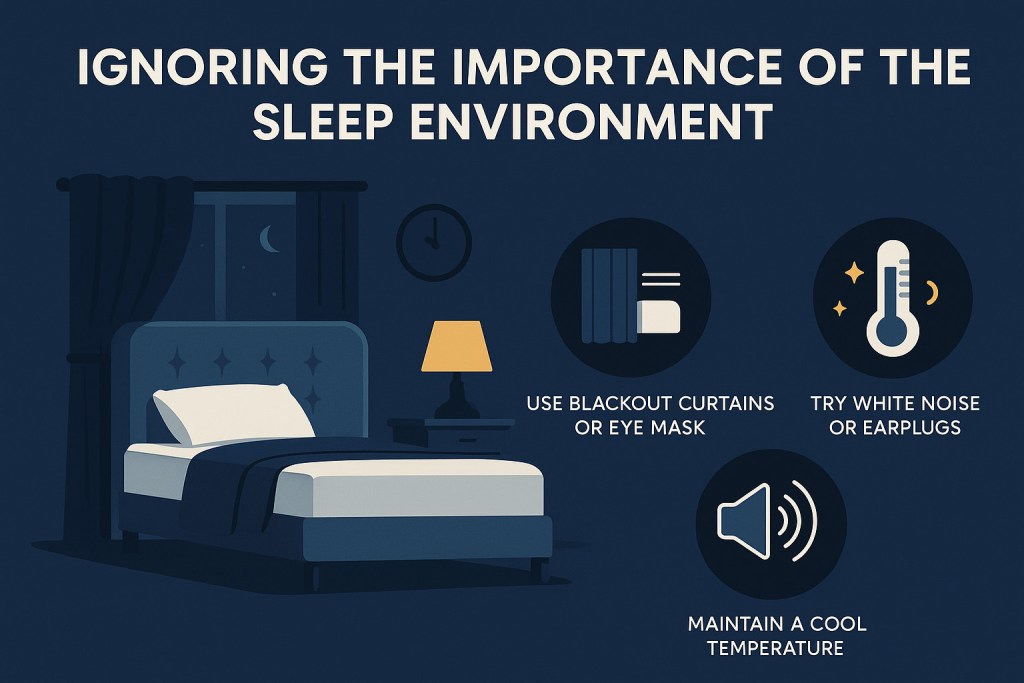
6. Ignoring the Importance of the Sleep Environment
It’s easy to overlook the space you sleep in, but from noise to light to mattress quality, your sleep environment has a powerful effect on how well you rest.
What makes a good sleep setting?
A quiet, cool, dark room with minimal disruptions is ideal. Add to that a comfortable, supportive mattress, and you’ve laid the foundation for great sleep.
Improvements to consider
Use blackout curtains or an eye mask to block light.
Try white noise or earplugs to manage disturbances.
Maintain a cool room temperature (around 16“18°C).
Upgrade your bed: LuxeMattresses offers premium-quality mattresses tailored to UK sleepers, designed for ergonomic support and maximum comfort.
For more detailed advice, you can also browse their sleep hygiene tips ” they cover everything from bedding choices to temperature control.
7. Skipping a Wind-Down Routine
Rushing straight from your day into bed rarely works well. Your mind needs space to slow down and prepare for rest, and skipping this step often leads to tossing, turning, or lying awake for hours.
Why routines work
Our brains respond well to patterns. A relaxing sequence of events before bed sends a powerful signal that it’s time to switch off.
Try this routine
Dim the lights 60“90 minutes before bed.
Do something calming: gentle stretching, meditation, or reading.
Avoid high-stimulation tasks like emails, scrolling, or intense conversations.
The NHS recommends having a consistent bedtime routine as a cornerstone of good sleep hygiene.
Final Thoughts
Better sleep isn’t out of reach, but it does require a closer look at the habits and environment you’ve grown used to. By addressing these common sleep mistakes, making small behavioural adjustments, and investing in the right sleep setup, you can shift from restless nights to truly restorative sleep.
Want to take the next step? Discover LuxeMattresses‘ expertly engineered sleep solutions and learn more about transforming your nightly routine on our blog.
FAQs
What are the biggest sleep mistakes to avoid?
Inconsistent sleep schedules, too much screen time, and using your bed for non-sleep activities are some of the most common culprits.
How do I improve my sleep environment?
Start with a quality mattress, eliminate light and noise, and keep the room comfortably cool. Explore LuxeMattresses collection for sleep-supportive options.
Does a sleep routine really help?
Absolutely. Even a short wind-down period signals to your brain that it’s time to rest, helping you fall asleep faster and stay asleep longer.
Are natural remedies effective?
In many cases, yes. Herbal teas, calming scents, and apps that guide relaxation can be helpful. Just be sure to test what works best for you.
Is it normal to wake up at night?
Waking briefly during the night is common, but frequent or prolonged wakefulness can indicate an underlying issue, often linked to stress, environment, or comfort.
When should I consider changing my mattress?
If your mattress is over 7“8 years old, sags, or causes discomfort, it may be time to replace it. A high-quality mattress can dramatically improve sleep quality and reduce aches.
You’ve had a long day. You finally sit or lie down, maybe even nod off for a bit, yet somehow, you still feel wrung out. Its a familiar scenario for many of us. When considering sleep vs rest, while its tempting to equate stillness with recovery, the truth is that not all rest is created equal. And not all of it is sleep.
In this article, we’ll look at the real difference between sleep and rest, explore the types of rest most people don’t realise they need, and explain why, sometimes, a lie-down isn’t enough to truly feel restored.
What is actually meant by sleep?
Sleep is a biological necessity, an active, restorative process that allows your body and brain to recover, repair, and reset. True sleep consists of cycles through REM (Rapid Eye Movement) and non-REM stages, which perform vital tasks like:
Strengthening your immune system
Balancing hormones
Healing muscles and tissues
Enhancing learning and memory
Regulating mood and stress response
If you don’t get enough sleep, your body will let you know: through fatigue, brain fog, irritability, and even long-term health problems like heart disease or weakened immunity.
What is meant by rest?
Rest, by contrast, is any intentional pause from mental or physical exertion. Unlike sleep, it doesn’t involve full unconsciousness or the complex sleep cycles. But that doesn’t make it less important. Rest can take many forms:
Lying down without sleeping
Meditating or practicing mindfulness
Breathing exercises
Gentle stretching or yoga
Listening to calming music
Simply sitting in silence without stimulation
Rest gives your brain and body a chance to slow down, lower cortisol levels (the stress hormone), and regain emotional and mental balance.
Sleep and Rest: Not the Same Thing
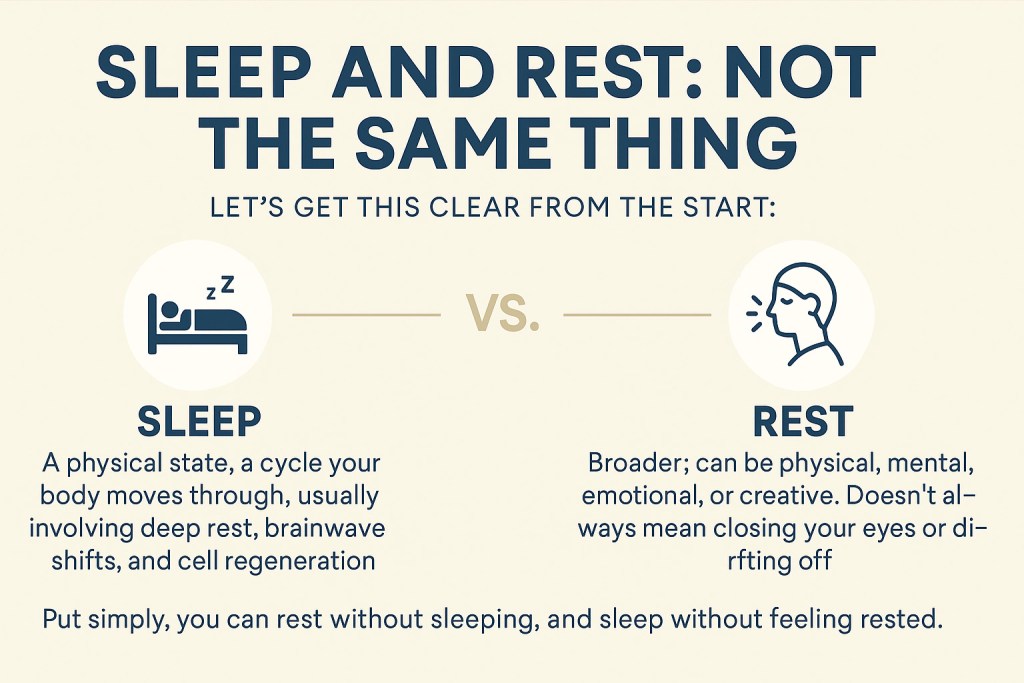
Let’s get this clear from the start: sleep is a form of rest, but rest is not limited to sleep. While both are essential, they serve different purposes, and understanding the distinction could be the key to unlocking better energy, mental clarity, and emotional balance.
So, what’s the difference?
Sleep is a physical state, a cycle your body moves through, usually involving deep rest, brainwave shifts, and cell regeneration.
Rest is broader; it can be physical, mental, emotional, or even creative. It doesn’t always mean closing your eyes or drifting off.
Put simply, you can rest without sleeping, and sleep without feeling rested. The trick is knowing what kind of recovery you actually need.
Detailed Difference Between Sleep and Rest
Aspect
Sleep
Rest
Definition
A natural state of unconsciousness where the body and mind undergo vital recovery processes.
A conscious state of relaxation where the body is not actively engaged in physical or mental tasks.
Consciousness
Unconscious
Conscious or semi-conscious
Purpose
Cellular repair, memory consolidation, hormone regulation, physical and mental restoration.
Reduces fatigue, lowers stress, provides mental clarity and emotional reset.
Duration
Typically 7“9 hours for adults
Can range from a few minutes to an hour or more
Stages
Includes REM and non-REM cycles
No defined stages or cycles
Physical Recovery
Essential for muscle repair, immune function, and organ maintenance
Minimal, mostly for short-term physical relief
Examples
Night sleep, naps
Meditation, quiet sitting, lying down without sleeping
Can Replace Sleep?
No “ sleep is essential
No “ but it helps when sleep isn’t possible
Overall Importance
Vital for survival and long-term health
Important for daily balance and short-term recovery
Why You Might Still Feel Drained After Sleeping
If you’ve ever woken up groggy after eight hours in bed, you’ll understand this straight away. That sense of being tired despite technically resting is your bodys way of saying, sleep wasn’t enough.It could be that:
You are physically rested, but emotionally depleted.
According to guidance from Mind.org.uk, these non-physical factors can seriously affect how refreshed you feel, even after sleep.
The Different Types of Rest (And Which You Might Be Missing)
Modern life demands far more than just physical effort. Our attention is constantly pulled, our senses overstimulated, and our emotions taxed. That’s why experts have identified several types of rest, each designed to target a different kind of fatigue.
Here are the most recognised:
1. Physical Rest
This is the one we all know: sleep, lying down, or stretching out aching limbs. But even here, there are two variations:
Passive rest: sleeping or sitting still
Active rest: slow, restorative movement like yoga or a walk that helps the body relax
2. Mental Rest
Endless decision-making, multitasking, or focus-heavy work wears down the brain. If you find yourself lying in bed mentally wired, this is probably where you’re lacking.
3. Emotional Rest
This is the quiet relief that comes when you no longer have to perform. If you’ve been holding it together for others, hiding stress, or over-extending emotionally, chances are your mood won’t lift, no matter how many hours you sleep.
4. Sensory Rest
We are bombarded with screens, traffic noise, background music, and constant notifications. Sensory fatigue can leave you agitated, even without doing much physically.
5. Creative Rest
When ideas stop flowing, and everything feels stale, it’s often not burnout, it’s creative depletion. You don’t necessarily need more sleep. You need inspiration without pressure.
6. Social Rest
Surrounded by people, yet feeling drained? You may be missing social rest, the kind that comes from either solitude or choosing relationships that feel effortless, not demanding.
7. Spiritual Rest
This has less to do with religion and more with purpose. Whether it’s through community, reflection, or mindfulness, spiritual rest helps you reconnect with something bigger than your to-do list.
Sleep Is Only One Piece of the Puzzle
Lets not downplay sleep, it’s vital. But if you are mentally overextended or emotionally wrung out, sleep can only do so much. Your body might shut down at night, but if your nervous system doesn’t feel safe or settled, deep rest will remain elusive.
This is where mental recovery becomes essential. You might not need more sleep; you might just need a break from thinking, pleasing, pushing, or scrolling.
Passive Rest: Helpful, but Not a Cure-All
It’s tempting to think a lie-down or a Netflix marathon equals recovery. And yes, sometimes passive rest (doing nothing) helps. But if it’s paired with overstimulation, like bingeing on intense TV, eating junk food, or scrolling endlessly, your mind and senses are still engaged. You are not actually restoring anything.
Instead, try:
Switching to soft lighting
Choosing silence or nature sounds
Putting your phone in another room
Stretching while breathing slowly
Your nervous system notices the difference. These cues, not just stillness, tell your body it’s safe to slow down.
What Role Does Your Sleep Setup Play?
A high-quality mattress can dramatically improve your physical rest. But there’s more to it than avoiding aches and pains. When your body is properly supported, your nervous system relaxes. That’s why comfort matters, not just for sleep quality, but for mental and emotional recovery too.
LuxeMattresses designs mattresses specifically to reduce pressure points, regulate temperature, and promote uninterrupted sleep, the kind that genuinely helps your body reset.
If you are looking to deepen your rest, not just your sleep, a proper mattress is a smart place to start. For more tips, see our guide to restorative sleep.
A Real-World Example: Emily Story
Emily, a 36-year-old teacher from Norwich, was sleeping 7“8 hours per night. Yet, she often felt foggy and snappy by lunchtime. After discovering the concept of different types of rest, she realised she was emotionally and mentally burnt out, not just tired.
Here’s what changed:
She paused phone use 45 minutes before bed
Started walking in silence after work
Switched her lumpy old mattress for a LuxeMattresses comfort model
Within a month, her sleep felt deeper. But more importantly, her brain wasn’t buzzing the way it used to. The combination of true rest and sleep changed everything.
Final Takeaway
If you are worn out, it doesn’t always mean you need more hours in bed. It may mean you need a different kind of break. Sleep vs rest isn’t a debate; it’s a reminder that true recovery is multi-layered.
Look at your daily life. Are you overstimulated? Overcommitted? Running on autopilot? Start there. Build in moments that feel soft, slow, and quiet. Choose people and spaces that don’t require effort. And yes, ensure that when you do sleep, you are supported by a mattress that invites deep, uninterrupted rest.
Visit the LuxeMattresses blog for more on restorative living, or browse our mattress collection to start building a sleep and rest routine that actually works.
FAQs
Can you rest without sleeping?
Absolutely. Rest includes activities that ease your mind, calm your emotions, or reduce sensory input, not just sleep.
Why do I still feel tired after a full night’s sleep?
You might be missing other forms of rest, particularly mental or emotional. Sleep can’t replace those.
What’s passive rest?
It’s low-effort, low-engagement rest, like lying down or watching something relaxing. It has value, but isn’t enough on its own.
Can a mattress really affect mental recovery?
Yes. Physical discomfort disrupts deep sleep stages, which your brain needs for emotional regulation. A supportive bed helps more than you’d think.
How do I know what type of rest I’m missing?
Notice what exhausts you the most. If being around others leaves you drained, you may need social rest. If bright lights or constant noise overwhelm you, it’s likely sensory rest you are lacking. And if you are feeling unmotivated or disconnected, it could be a sign you need spiritual rest.
What’s one small way to get better rest today?
Turn off notifications, step outside without headphones, and breathe deeply for 3 minutes. It’s a reset, not a full shutdown.
Is it possible to oversleep but still be tired?
Yes, especially if your sleep is poor quality or your brains still fatigued in other ways. Sleep more isn’t always the answer. Rest better is.
We’ve all asked it, sometimes aloud, often while still staring at a screen long past what we know is sensible: What time should I really go to bed? The answer isnt quite as simple as a single hour on the clock. Your best bedtime depends on a few things: your age, your daily responsibilities, and what your body naturally responds to.
In this guide, we’ll walk through what the science says about bedtime by age, how different lifestyles shift that timing, and what you can do to find your own version of an ideal sleep schedule, even if your life isn’t exactly predictable.
Is There Such a Thing as the “Perfect Bedtime?
Not quite, though there are definitely better (and worse) windows for winding down, our bodies follow a 24-hour rhythm, known as the circadian rhythm, which helps regulate when we feel sleepy and when we feel alert. That rhythm responds most strongly to light and dark, meaning what time you fall asleep matters just as much as how long you sleep for.
As the NHS explains, going to bed and waking up at roughly the same time each day is one of the most effective ways to improve your sleep, boost energy, and protect mental health, regardless of your age.
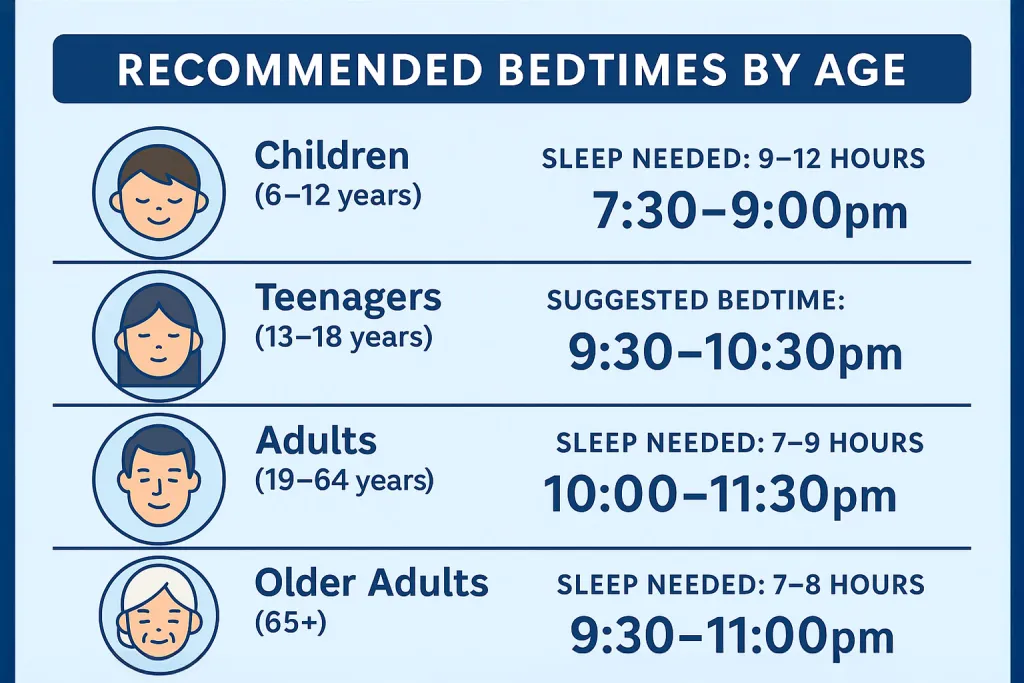
Recommended Bedtimes by Age
Let’s start with the basics: how much sleep do different age groups need, and when should they ideally be heading to bed?
Children (6“12 years)
Sleep needed: 9“12 hours
Suggested bedtime: 7:30“9:00pm
Younger children need a good block of sleep to support growth and brain development. Earlier bedtimes help them wake up refreshed for school without needing to hit snooze. Also, invest in a good mattress for kids to support their sleep.
Teenagers (13“18 years)
Sleep needed: 8“10 hours
Suggested bedtime: 9:30“10:30pm
Teens naturally fall asleep later due to shifts in melatonin. Still, encouraging a calming routine around 9 pm can help bring sleep forward, especially during school terms.
Adults (19“64 years)
Sleep needed: 7“9 hours
Suggested bedtime: 10:00“11:30 pm
For most adults, the best bedtime is between 10 and 11 pm, with a wake-up window around 6:30 to 7:30 am. Consistency matters more than precision, though. If your schedule allows it, just try to stick within an hour’s difference on weekends.
Older Adults (65+)
Sleep needed: 7“8 hours
Suggested bedtime: 9:30“11:00 pm
As people age, they tend to go to bed and wake earlier. While this isn’t necessarily bad, fragmented sleep can become more common. A structured routine, including reduced evening light exposure, can make a big difference.
What About People With Non-Traditional Routines?
Lets be honest, not everyone can follow textbook timing. Whether you work shifts, have young children, or just dont sleep well, a lot of people live outside the 10-to-6 framework. So, lets talk real life.
Shift Workers
Challenge: Sleeping during daylight or on irregular cycles
Best approach: Sleep within an hour of your shift ending, and try to stick to that schedule, even on days off.
Helpful tips:
Use blackout curtains and a white noise machine
Avoid caffeine 4“6 hours before sleeping
Opt for a mattress that reduces motion and supports pressure points, like those from LuxeMattresses, to help you fall asleep faster during non-standard hours
Parents With Young Kids
Challenge: Broken sleep and unpredictable wake-ups
Best approach: Head to bed as soon as realistically possible, even if thats 9:15pm. It may feel early, but it helps cover for night wake-ups.
Helpful tips:
Keep your room dark, cool, and quiet
Invest in a supportive mattress that allows you to fall back asleep quickly between interruptions
Try to nap when your child naps, easier said than done, but it works
Students or Night Owls
Challenge: Staying up too late or sleeping too little
Best approach: Aim for at least 7.5 hours and reduce blue light in the hour before bed.
Helpful tips:
Wind down around 10:30 pm with no screens
Don’t sleep past 9 am regularly, it confuses your internal clock
Use natural light in the morning to reset your rhythm
Health-Conscious Adults
Challenge: Finding an ideal sleep timing that supports performance
Best approach: Aim to sleep by 10:00“10:30 pm consistently
Helpful tips:
Try a warm shower, dim lighting, and a calming scent (lavender or a natural sleep mist)
Consider a mattress designed for sleep health, pressure relief, and airflow that contributes directly to better quality rest
Why Sleep Timing Is as Important as Sleep Length
We often hear we should get 8 hours, but thats only part of the picture. Your bodys repair systems, like tissue recovery, memory processing, and hormone regulation, are timed to happen in certain phases of the night, especially between 10 pm and 2 am.
If you regularly go to bed at 1 am and wake at 9 am, you might miss some of the deepest, most restorative stages of sleep, even if your total time in bed looks fine on paper.
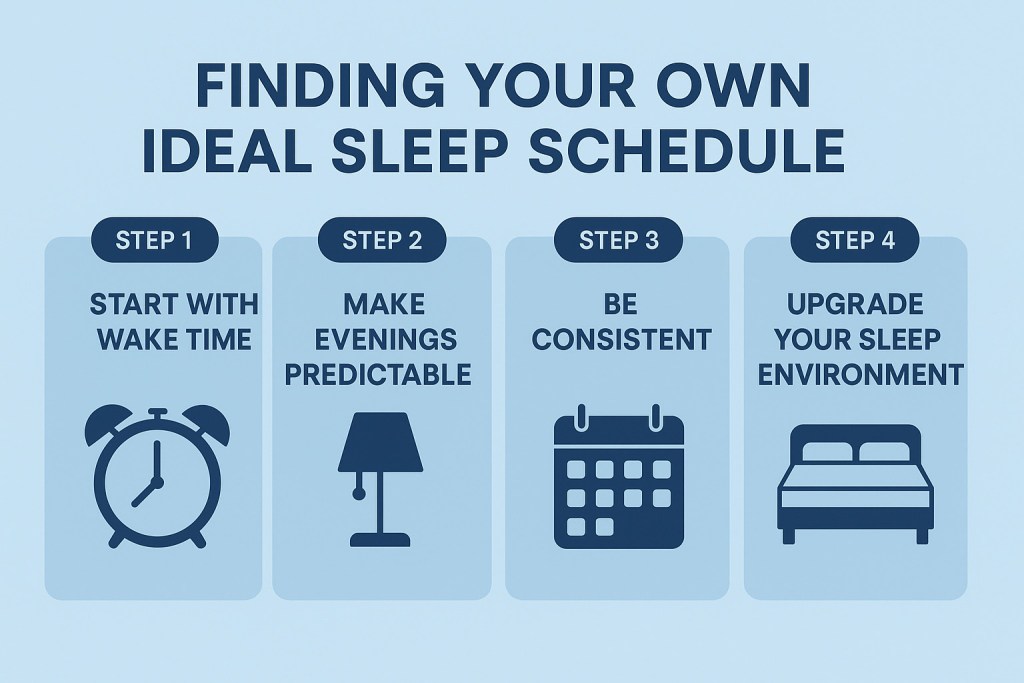
Finding Your Own Ideal Sleep Schedule
Creating an ideal sleep schedule means knowing what works for your life and sticking to it with as few interruptions as possible. Heres how to build yours:
Step 1: Start With Wake Time
Decide when you need to be up. Count back 7.5 to 8 hours, thats your bedtime target.
Step 2: Make Evenings Predictable
Switch to low lighting, avoid major stressors or screens after 9 pm, and keep bedtime rituals simple and repeatable.
Step 3: Be Consistent
Even if your bedtime shifts a little, keep your wake time the same, even on weekends. This helps lock in your bodys rhythm.
Step 4: Upgrade Your Sleep Environment
Even the best routine wont help if you are tossing and turning. Your mattress matters. Browse Luxe Mattresses expert-crafted range, each one is made to support restorative, undisturbed sleep.
Final Words
There’s no one-size-fits-all answer, but there is a right answer for you. Whether you’re raising kids, working shifts, or simply looking to feel more energized, your best bedtime is the one that lets you sleep deeply, regularly, and in sync with your lifestyle.
Just remember: when you sleep matters, how you sleep matters. And what do you sleep on? That matters, too.
To discover more about building a sleep routine that actually supports your goals, visit the LuxeMattresses blog or explore our expert-designed mattresses to create a foundation for deeper, healthier rest.
FAQs
What’s the best bedtime for energy the next day?
Generally, between 10 pm and 11 pm, assuming you wake around 6:30“7:30 am. That allows full sleep cycles and aligns with natural circadian signals.
Can I catch up on sleep at the weekend?
To a point, yes. But sleeping in more than 1“1.5 hours past your usual wake time can throw off your rhythm. It’s better to aim for steady sleep all week.
Is 2 am“10 am just as good as 10 pm“6 am?
Not usually. Sleeping before midnight tends to include more deep sleep. Night owls often miss key phases that impact memory, metabolism, and mood.
Should I go to bed if I’m not tired?
Try relaxing outside of bed until you’re drowsy; forcing sleep doesn’t work. Just dont stay up under bright lights or with screens.
Does the quality of your mattress affect bedtime?
Yes. If your bed causes discomfort, you are more likely to delay sleep or wake frequently. LuxeMattresses mattresses are designed to reduce these disruptions.
What’s the best bedtime for teens?
Most teens benefit from sleeping between 10:30 pm and 7:30 am. Unfortunately, early school starts dont always support this, so an early, screen-free wind-down helps.
How soon before bed should I stop using screens?
At least one hour. Blue light from screens delays melatonin release, making it harder to fall asleep on time.
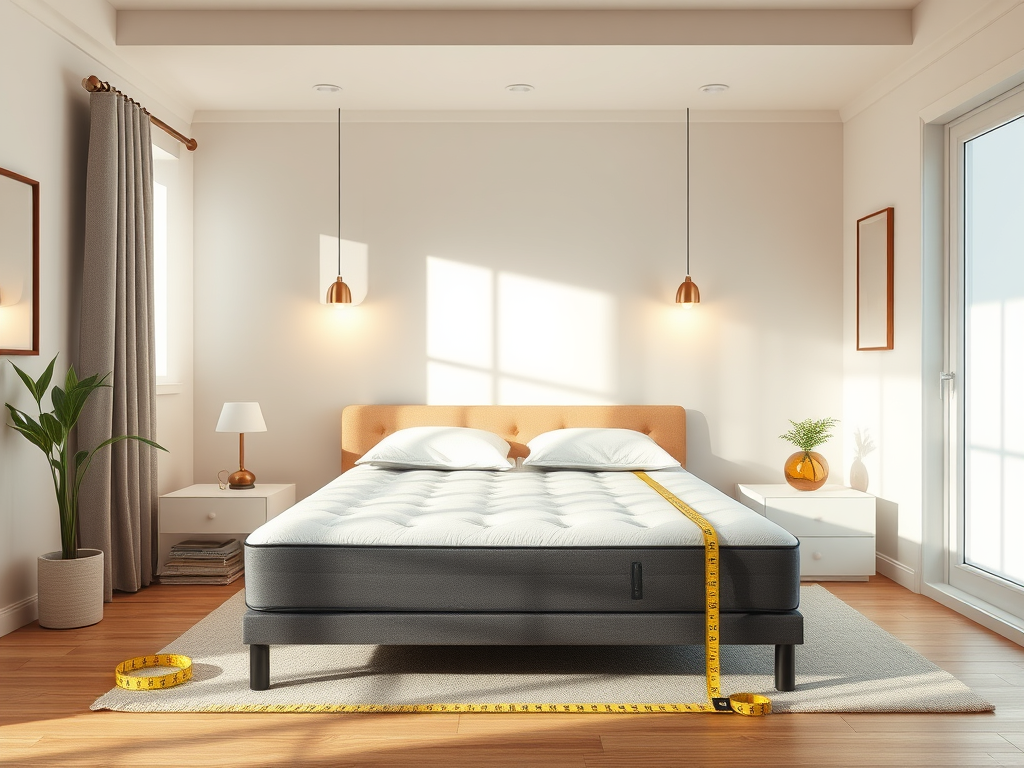
Finding the perfect king size mattress can transform your sleep experience, but first, you need to ensure it fits seamlessly into your space. Proper room measurement for your king size mattress is crucial, whether you’re upgrading your bedroom or moving into a new home. Measuring your room correctly is essential to avoid a lumpy, cramped situation.
This ultimate guide will equip you with all the tips and tricks needed to measure your room accurately, ensuring your king size mattress becomes a cozy haven rather than a source of frustration.
From understanding room dimensions to taking furniture into account, we’ll walk you through the process step-by-step. Say goodbye to guesswork and hello to restful nights, as we help you create a space that balances style and comfort effortlessly. Lets dive in and set the stage for your best sleep yet!
Understanding King Size Mattresses: Dimensions and Types
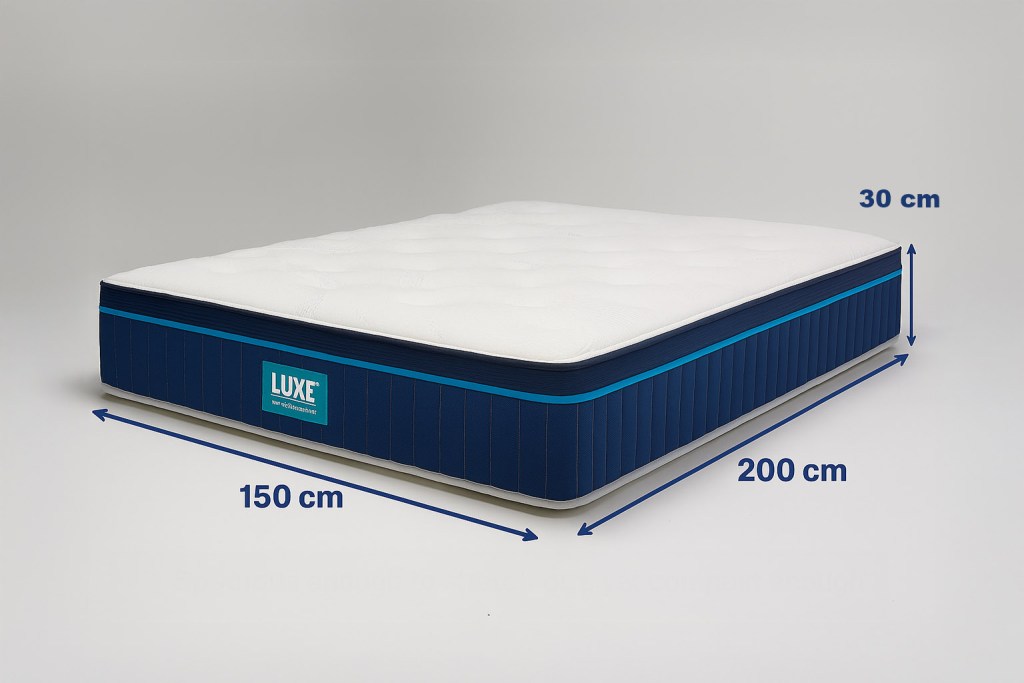
Choosing a king size mattress can be a game-changer for your sleep quality. Before diving into measurements, its crucial to understand the standard dimensions of a king size mattress. A traditional king size mattress measures 76 inches wide by 80 inches long.
This generous size offers ample space for couples, allowing each person to spread out comfortably without disturbing the other. However, within the realm of king size mattresses, there are variations to consider, such as the California king, which measures 72 inches wide by 84 inches long. This option is slightly narrower but longer, making it ideal for taller individuals.
Beyond dimensions, king size mattresses come in various types, each with unique characteristics. Memory foam mattresses are popular for their ability to contour to the body, providing excellent support and pressure relief. Innerspring mattresses, on the other hand, offer a more traditional feel with robust support from a network of coils.
Hybrid mattresses combine the best of both worlds, featuring a mix of innerspring coils and memory foam layers for a balanced sleep experience. Latex mattresses are lauded for their durability and natural resistance to allergens, making them a great choice for those with sensitivities.
When selecting a king size mattress, its important to consider personal preferences and specific sleep needs. Factors such as firmness level, temperature regulation, and motion isolation can significantly influence your decision. Understanding these different types and dimensions sets the foundation for ensuring that your new mattress will not only fit your space but also enhance your quality of sleep. With this knowledge in hand, you are ready to move on to the critical task of measuring your room accurately.
Importance of Proper Room Measurement
Measuring your room correctly is paramount to achieving a harmonious bedroom layout. A king size mattress is a significant investment, and ensuring it fits comfortably within your space can prevent a host of issues down the line. Proper room measurement allows you to avoid the frustration of a cramped room where movement is restricted, and it helps maintain an aesthetically pleasing and functional bedroom environment.
The goal is to create a space where your mattress enhances your lifestyle rather than disrupts it.
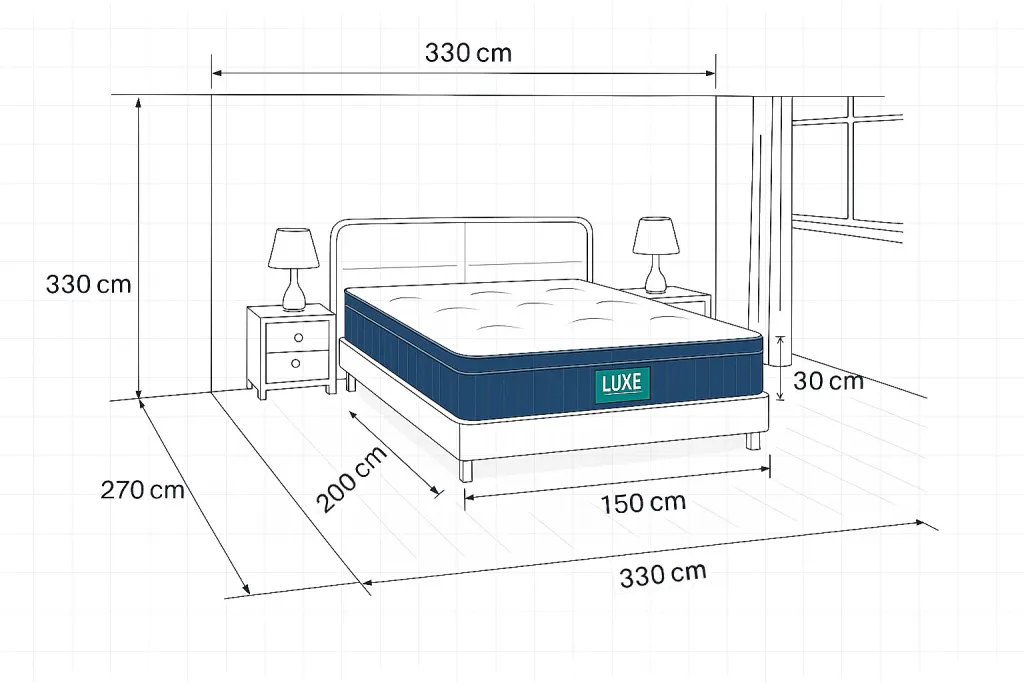
One of the primary reasons for accurate room measurement is to ensure you have adequate clearance around the bed. Sufficient space around the mattress is essential for easy access and movement. Ideally, you should have at least two to three feet of space on each side of the bed and at the foot of the bed.
This clearance is crucial for not only making the bed but also for moving around the room without feeling confined. Additionally, proper measurement allows you to consider other furniture pieces and their placement, ensuring a well-balanced and cohesive room design.
Furthermore, accurate room measurement helps you make informed decisions about additional bedroom elements, such as nightstands, dressers, and seating areas. It allows you to plan for these pieces without overcrowding the space. By taking the time to measure your room meticulously, you can create a sanctuary that promotes relaxation and restful sleep.
As we move forward, we’ll delve into the tools you need for accurate measurements and the step-by-step process to follow, ensuring that your king size mattress fits perfectly within your room.
Tools You Need for Accurate Measurements
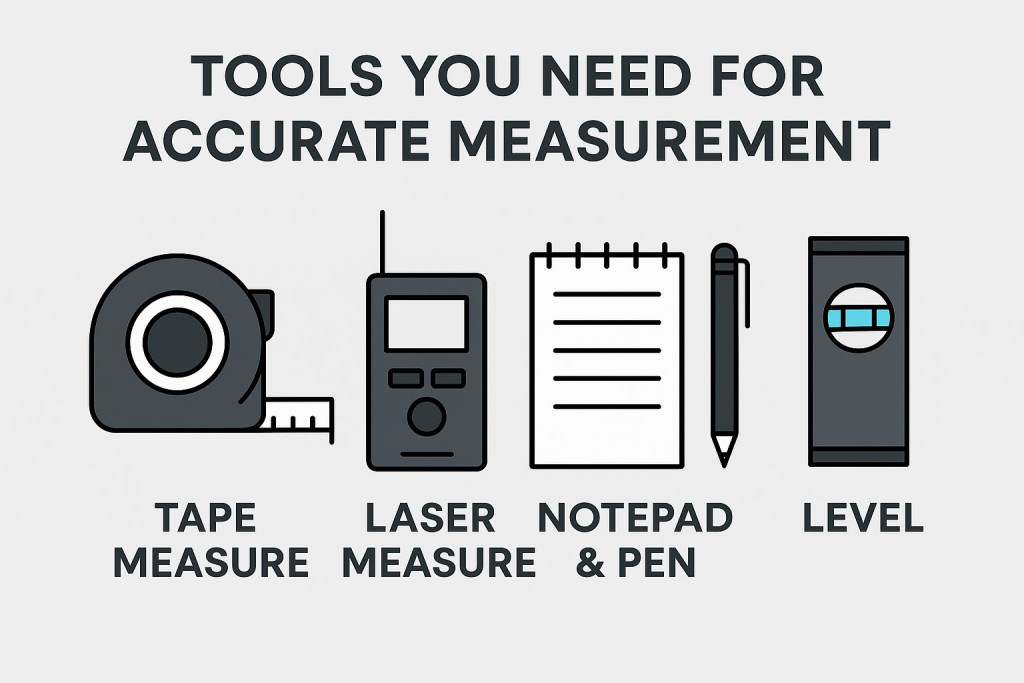
Before you begin measuring your room, its essential to gather the right tools to ensure accuracy. The tools you need are straightforward, but having them on hand will make the process smoother and more precise. The primary tool you’ll need is a good quality tape measure.
A 25-foot retractable tape measure is usually sufficient for measuring most rooms. Make sure it has both imperial and metric units for versatility. Additionally, a laser measure can be a helpful tool for measuring longer distances and ensuring straight lines, especially in larger spaces.
Another useful tool is a notepad and pen for recording measurements. While it may seem old-fashioned, writing down your measurements as you go can help prevent errors and confusion later. You can also use a smartphone or tablet app designed for room measurement, which can store and organize your data digitally.
These apps often come with features that allow you to visualize your room layout and plan furniture placement, making the process more interactive and engaging.
A carpenter level is another tool that can be beneficial, particularly if you’re measuring for furniture placement and ensuring everything is aligned correctly. It helps in making sure that surfaces are flat and level, which is crucial for setting up a stable and comfortable bed.
Additionally, having a friend or family member to assist you can be invaluable. They can help hold the tape measure, record measurements, and provide a second set of eyes to double-check your work. With these tools in hand, you’re ready to proceed with the step-by-step guide to measuring your room.
Step-by-Step Guide to Measuring Your Room
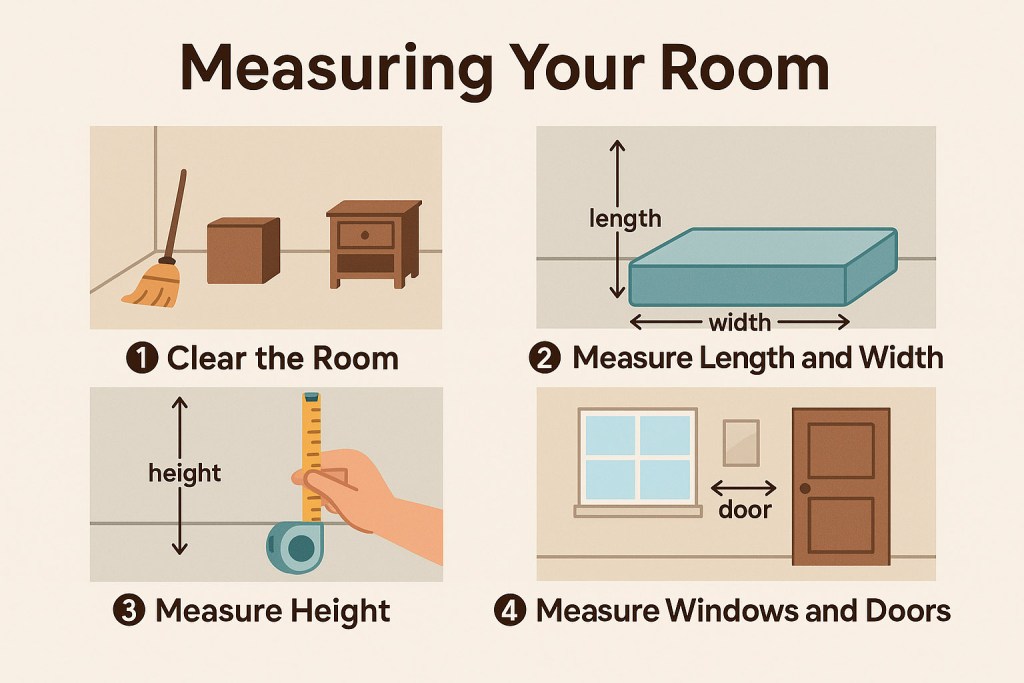
Measuring your room accurately involves a systematic approach to ensure all dimensions are captured correctly. Start by measuring the length of the room. Place one end of the tape measure against one wall and extend it to the opposite wall, keeping the tape measure straight and taut.
Record this measurement on your notepad. Repeat this process for the width of the room, measuring from one side wall to the opposite side wall. These two measurements will give you the basic dimensions of your room.
Next, measure the height of the room. This is particularly important if you have a low ceiling or plan to add a canopy bed frame or other tall furniture pieces. Place the end of the tape measure on the floor and extend it up to the ceiling, ensuring it is perpendicular to the floor. Record this measurement as well.
If your room has alcoves or recessed areas, measure these separately by measuring the width, depth, and height of each section. These additional measurements will help you account for all the usable space in the room.
After capturing the basic dimensions, its time to measure the doors and windows. Measure the width and height of each doorway, as well as the clearance from the floor to the bottom of the door frame. This information is crucial for ensuring that your king size mattress can be delivered and set up in the room without any issues.
For windows, measure the width and height, as well as the distance from the floor to the bottom of the window and from the top of the window to the ceiling. These measurements will help you plan for window treatments and ensure they do not interfere with the placement of your bed or other furniture.
Considering Furniture Placement and Layout
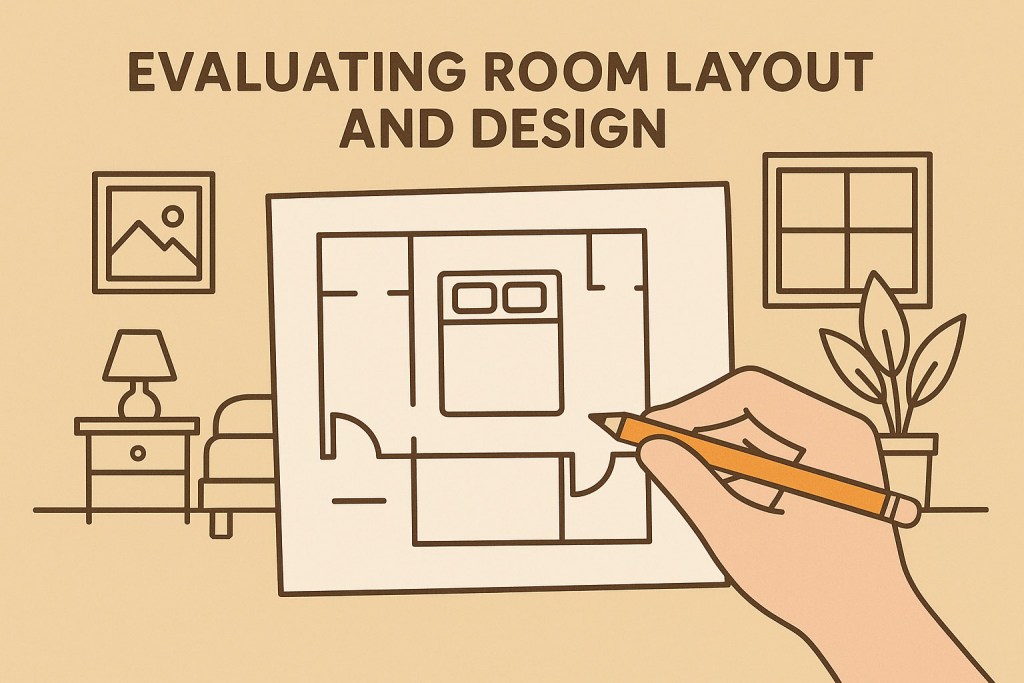
Once you have accurate measurements of your room, its time to consider the placement and layout of your furniture. Start by sketching a rough floor plan of your room, including the dimensions you recorded. This doesn’t need to be to scale but should give you a visual representation of the space.
Mark the locations of doors, windows, and any other architectural features, such as closets or built-in shelves. This will help you see how much space you have to work with and where potential obstacles might be.
Next, think about the placement of your king size mattress. Ideally, the bed should be the focal point of the room, positioned in a way that maximizes comfort and functionality. Consider placing the bed against the longest wall to create a balanced look and leave ample space for walking around.
Ensure that there is enough clearance on all sides of the bed for nightstands, allowing easy access and convenience. If you have a large room, you might also consider positioning the bed in the centre with a seating area or storage bench at the foot of the bed for added functionality.
In addition to the bed, consider the placement of other essential furniture pieces, such as dressers, wardrobes, and seating areas. Ensure that these pieces do not obstruct pathways or create a cluttered look. Use your measurements to plan for adequate clearance around each piece, allowing for easy movement and access.
If you have a small room, consider using multifunctional furniture, such as a storage bed or a dresser that doubles as a nightstand, to maximize space. By thoughtfully planning your furniture layout, you can create a cohesive and functional bedroom that complements your king size mattress.
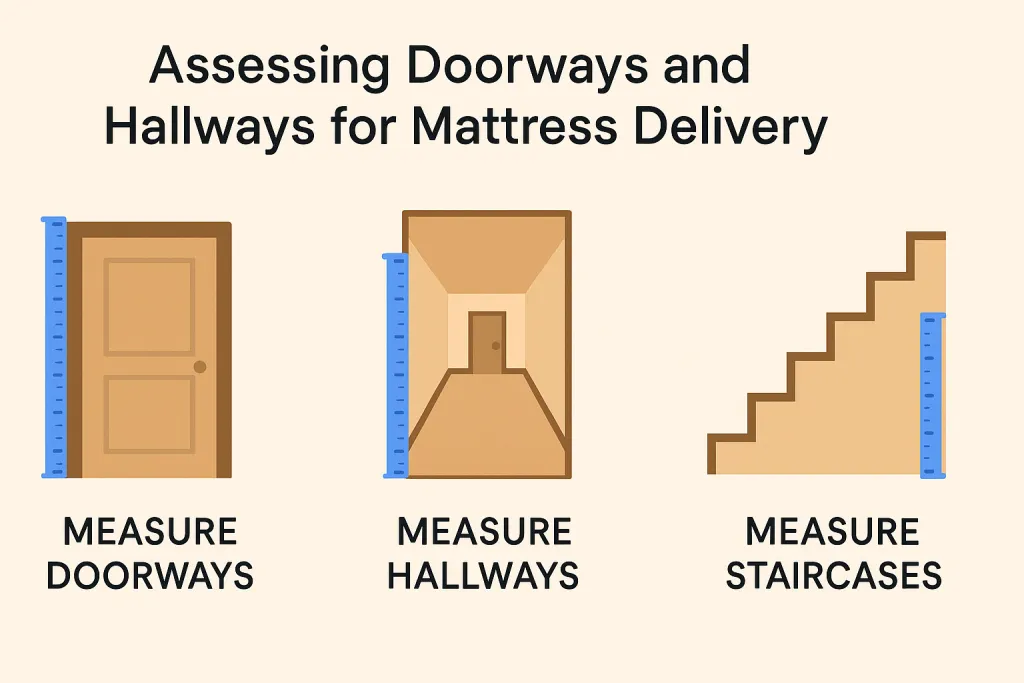
Assessing Doorways and Hallways for Mattress Delivery
One of the critical aspects of measuring your room for a king size mattress is ensuring that the mattress can be delivered without any hitches. This involves assessing the doorways, hallways, and staircases that the mattress will need to navigate to reach your bedroom.
Start by measuring the width and height of all doorways the mattress will pass through, including the front door, bedroom door, and any other doors along the delivery path. Measure from the floor to the top of the door frame and from one side of the door frame to the other to ensure there is sufficient clearance.
In addition to doorways, measure the width and height of any hallways and staircases. Pay attention to any turns or corners in the hallways, as these can pose a challenge for manoeuvring a large mattress. Measure the narrowest point in the hallway and the distance from the floor to the ceiling.
For staircases, measure the width of the stairs, the height of any landings, and the clearance from the stairs to the ceiling. If there are any tight corners or low ceilings, consider how the mattress will need to be angled to navigate these obstacles.
It’s also important to consider any fixtures or decorations that might obstruct the delivery path. Items such as light fixtures, handrails, and wall art can all pose potential obstacles. Measure the distance from these items to the floor and to the nearest wall to ensure there is enough space to manoeuvre the mattress around them.
By thoroughly assessing the delivery path and taking these measurements into account, you can avoid any surprises on delivery day and ensure a smooth and hassle-free process.
Calculating Space for Bedding and Accessories
In addition to measuring for your king size mattress and furniture, its important to consider the space needed for bedding and accessories. Start by thinking about the bedding essentials, such as pillows, blankets, and comforters. These items add bulk to the bed and can impact the overall look and feel of the room.
Measure the height of the mattress with all the bedding in place to ensure it doesn’t interfere with other furniture or window treatments. This is particularly important if you have a canopy bed or a bed with a tall headboard.
Next, consider the space needed for additional accessories, such as nightstands, lamps, and decorative items. Nightstands should be placed on either side of the bed with enough clearance to open drawers or doors easily. Measure the height, width, and depth of the nightstands to ensure they fit comfortably beside the bed without obstructing pathways.
If you plan to add lamps, measure the height of the lamp base and the width of the lampshade to ensure they do not create visual clutter or interfere with other elements in the room.
Finally, think about any additional storage solutions you might need, such as under-bed storage bins or a chest at the foot of the bed. Measure the height and width of these storage pieces to ensure they fit neatly within the available space. If you plan to add seating, such as a bench or a chair, measure the dimensions of these pieces and consider their placement carefully to avoid overcrowding the room.
By calculating the space needed for bedding and accessories, you can create a well-organised and aesthetically pleasing bedroom that complements your king size mattress.
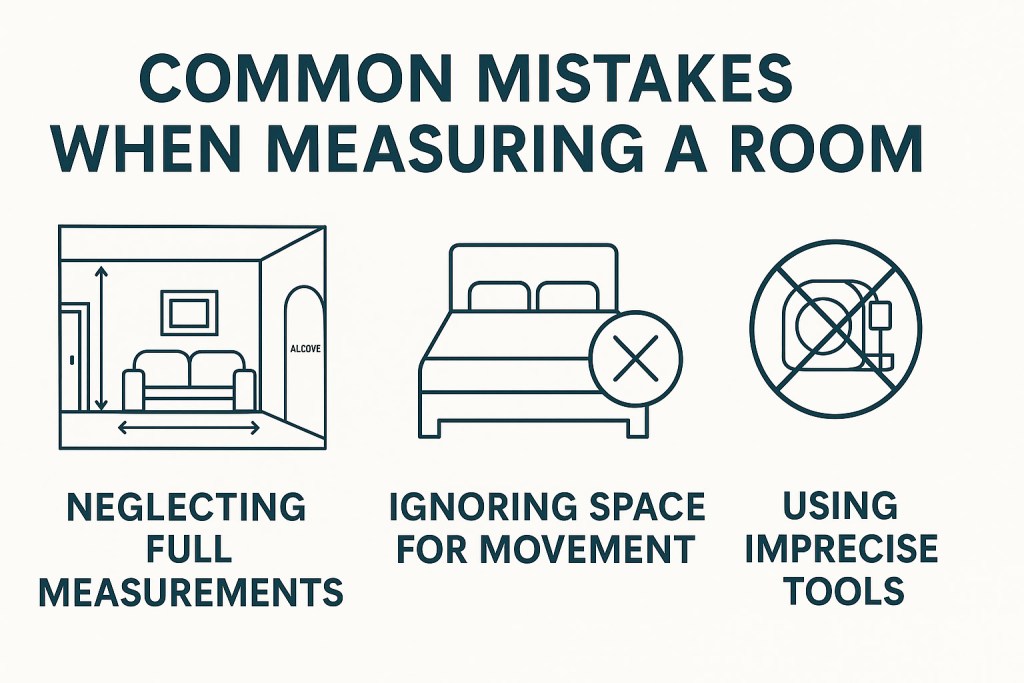
Common Mistakes to Avoid When Measuring
Accurate measurement is crucial for ensuring a perfect fit for your king size mattress, but there are common mistakes that can lead to issues down the line. One of the most common mistakes is not accounting for the full thickness of the mattress and bedding.
When measuring the height of the room, be sure to include the height of the mattress, box spring, and any additional bedding. This ensures that the bed does not interfere with any low ceilings, light fixtures, or other furniture.
Another common mistake is failing to measure all the entry points, including doors, hallways, and staircases. It’s easy to assume that if the mattress fits in the bedroom, it will fit through the doors and hallways.
However, tight corners, narrow doorways, and low ceilings can all pose significant challenges during delivery. Be sure to measure the entire delivery path and account for any potential obstacles to avoid any surprises on delivery day.
Additionally, many people overlook the importance of measuring furniture and accessories. Its essential to measure all the furniture pieces that will be placed in the room, including nightstands, dressers, and seating areas. Ensure there is adequate clearance around each piece to allow for easy movement and access.
By avoiding these common mistakes and taking a thorough and meticulous approach to measurement, you can ensure that your king size mattress fits perfectly within your room and enhances your sleep experience.
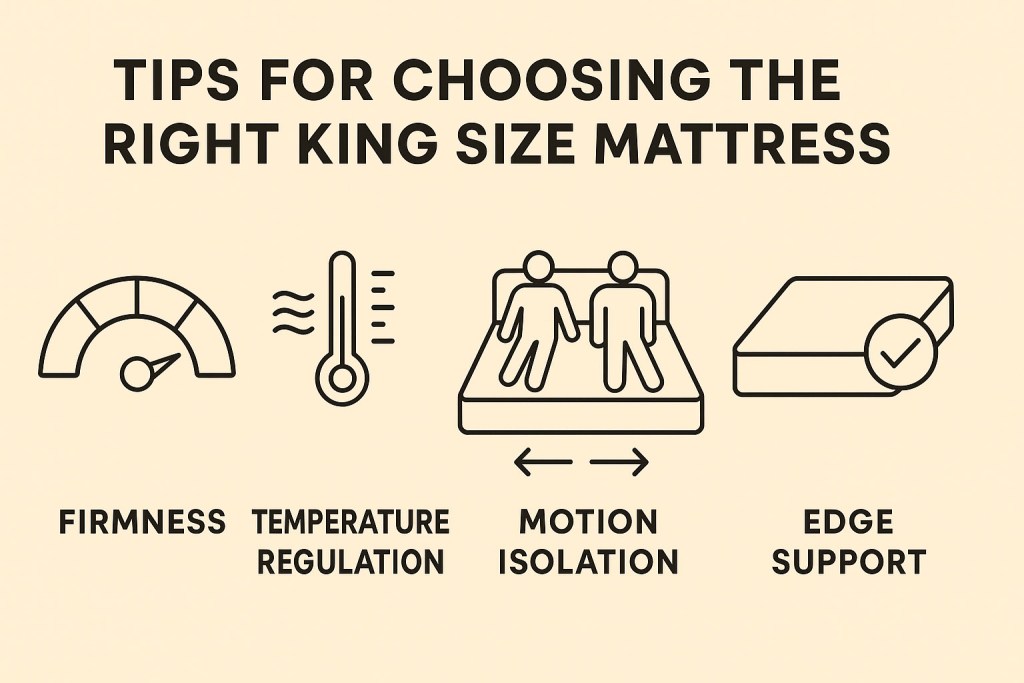
Tips for Choosing the Right King Size Mattress
Choosing the right king size mattress involves considering various factors beyond just size. One of the most important factors is the level of firmness. Mattresses come in different firmness levels, ranging from soft to extra firm. Your preferred firmness level depends on your sleep position and personal comfort.
Side sleepers typically prefer softer mattresses that cushion the shoulders and hips, while back and stomach sleepers often benefit from firmer mattresses that provide more support for the spine.
Temperature regulation is another crucial factor to consider when choosing a mattress. Some mattresses are designed with cooling technologies, such as gel-infused memory foam or breathable covers, to help regulate body temperature and prevent overheating during the night.
If you tend to sleep hot, look for a mattress with cooling features to ensure a comfortable sleep environment. On the other hand, if you prefer a warmer sleep environment, consider a mattress with better heat retention.
Motion isolation is an important consideration for couples sharing a bed. A mattress with good motion isolation minimises the transfer of movement, allowing one person to move without disturbing the other. Memory foam and latex mattresses are known for their excellent motion isolation properties.
Additionally, consider the mattress edge support, which is important for maximising the usable sleep surface and providing stability when sitting on the edge of the bed. By considering these factors and taking the time to test different mattresses, you can find the perfect king size mattress that suits your sleep needs and enhances your overall sleep quality.
Conclusion: Ensuring a Perfect Fit for Your King Size Mattress
Ensuring a perfect fit for your king size mattress involves careful planning and accurate measurement. By understanding the dimensions and types of king size mattresses, you can make an informed decision that meets your needs. Proper room measurement is essential to avoid a cramped and uncomfortable space.
Using the right tools and following a systematic approach to measuring your room, furniture placement, and delivery path can help you avoid common mistakes and ensure a seamless setup.
Considering the space needed for bedding and accessories, as well as choosing the right mattress based on firmness, temperature regulation, and motion isolation, can enhance your sleep experience. By taking these steps, you can create a well-organized and aesthetically pleasing bedroom that balances style and comfort effortlessly.
Say goodbye to guesswork and hello to restful nights, as you transform your room into a cozy haven with the perfect king size mattress fit.
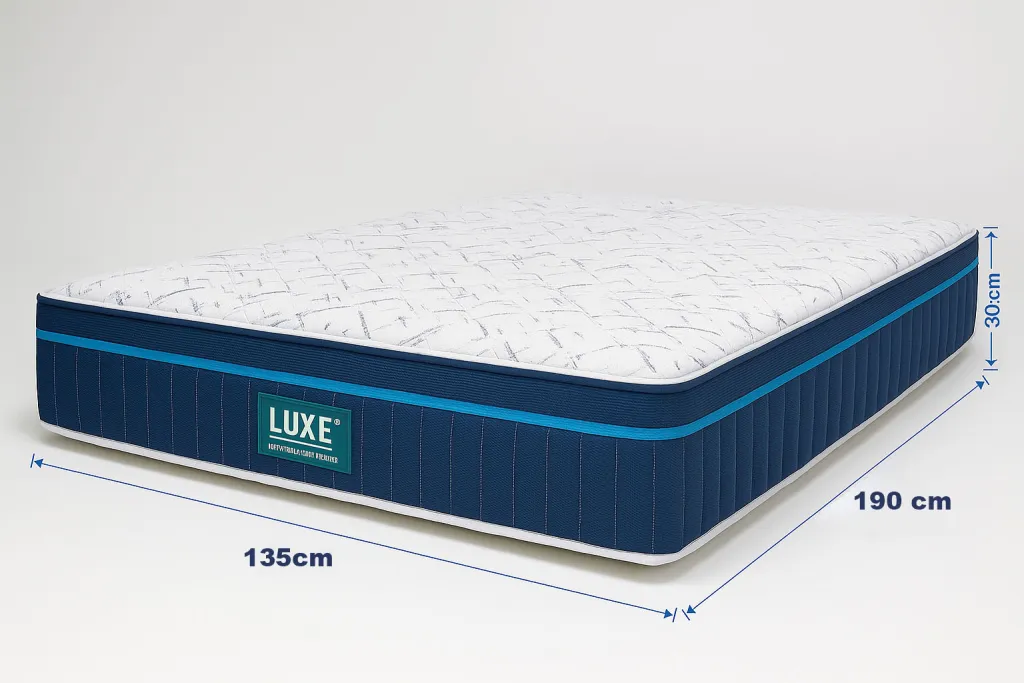
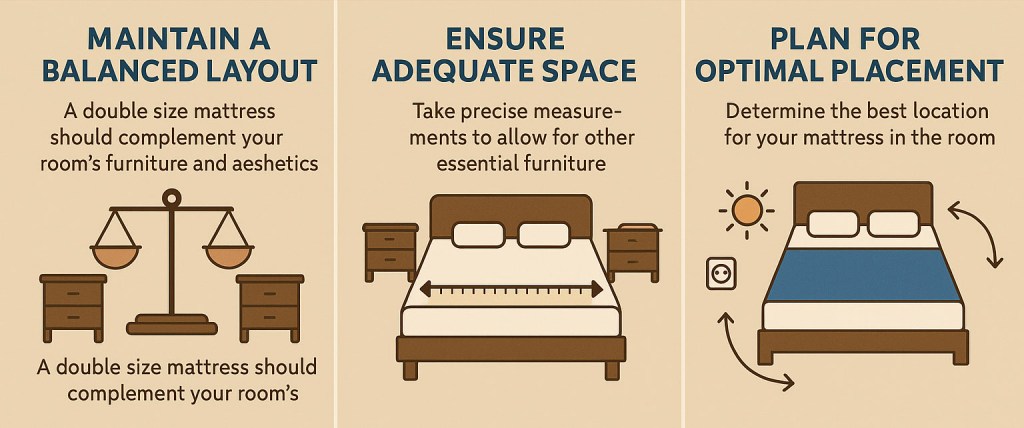
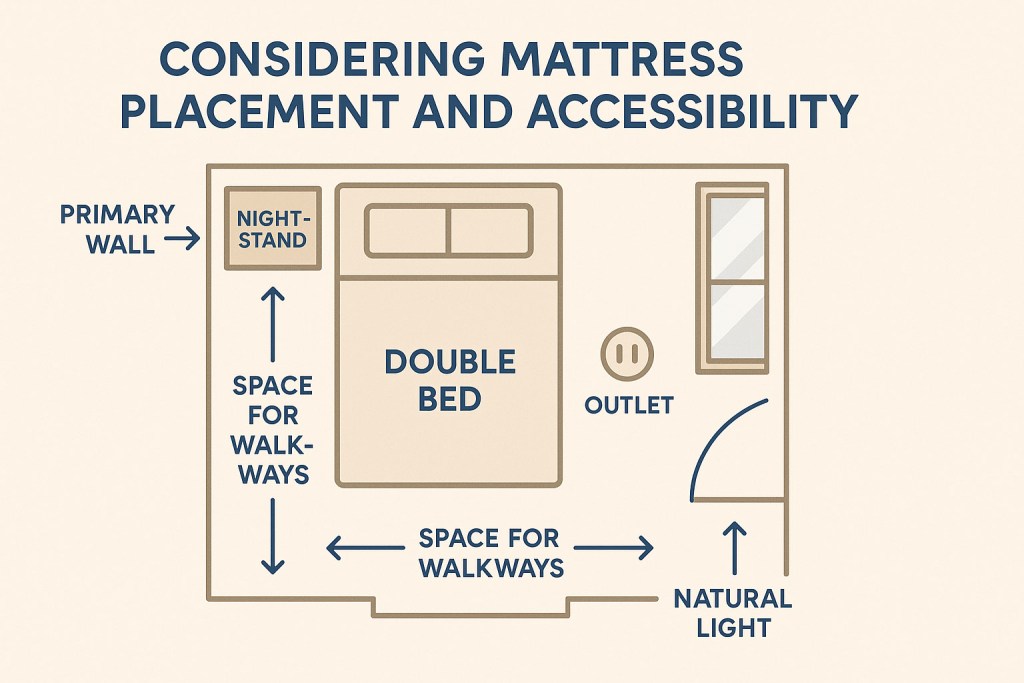
Creating the ideal sleep sanctuary involves careful sizing, particularly when choosing a double-size mattress that fits well in your room. This guide will help you accurately measure your space, ensuring that your mattress integrates smoothly with your rooms layout.
Proper measuring is crucial for comfort and style, allowing you to avoid the hassle of mismatched dimensions and enjoy peaceful nights in your customised retreat.
Understanding Double Size Mattresses
When selecting a mattress, understanding sizes is crucial. A double size mattress, or full mattress, measures 54 inches by 75 inches and is ideal for single sleepers or couples who prefer a cozy fit. It’s popular for guest rooms and smaller spaces due to its comfort and versatility.
Unlike a twin mattress, it allows more movement without occupying as much room as a queen or king size. The mattress should integrate well with the rooms layout, making accurate measurements and thoughtful planning essential for a comfortable sleep environment.
Importance of Accurate Room Measurements
Accurate room measurements are the cornerstone of a well-designed bedroom. Without precise measurements, you risk purchasing a mattress that either overwhelms the space or leaves it feeling incomplete. A double size mattress, while versatile, still requires careful consideration of the room’s dimensions to ensure it fits seamlessly.
Measuring your room accurately helps you avoid common pitfalls such as obstructed pathways, cramped furniture arrangements, and compromised accessibility.
Accurate room measurements are essential for achieving a balanced and functional layout. A double size mattress should improve your rooms comfort and aesthetics while ensuring sufficient space for other furniture like nightstands and dressers. Proper measurements also aid in optimal mattress placement, considering natural light, outlet access, and movement ease.
Ultimately, taking the time to measure your room pays off by creating a cohesive and efficient bedroom environment.
Tools You’ll Need for Measuring
Before you start measuring your room, it’s essential to have the right tools on hand. Proper measurement tools ensure accuracy and make the process more straightforward. The most basic tool you’ll need is a tape measure. A retractable metal tape measure is ideal because it provides the most precise measurements and can extend to cover the entire length of the room.
Make sure your tape measure is long enough to measure the largest dimensions of your space in one go.
To effectively measure your room for a new double size mattress, consider using a laser distance measurer for quick and accurate measurements, especially in hard-to-reach areas. Its advisable to double-check with a traditional tape measure for accuracy.
Additionally, having a notebook and pencil, a level, and masking tape can facilitate the measuring process and help you clearly mark dimensions on the floor. With the right tools, you can confidently plan your mattress placement.
Step-by-Step Guide to Measuring Your Room
Measuring your room accurately involves a systematic approach. Start by clearing the room of any obstructions. This includes moving furniture and other items that might get in the way of your measuring tape. Once the room is clear, you can begin taking measurements from wall to wall. Measure the length and width of the room at several points to ensure consistency. Record these measurements in your notebook for reference.
To effectively place a double size mattress in a room, start by measuring the room’s height, as this aids in understanding the overall space and planning for additional furniture. Pay attention to architectural features like alcoves or nooks and measure them separately.
Additionally, consider other factors such as windows, doors, and built-in closets by measuring their distance from the floor and walls. This detailed approach ensures optimal mattress placement while maintaining room functionality.
Considering Mattress Placement and Accessibility
Once you have accurate measurements of your room, the next step is to consider the placement of your double size mattress. The goal is to find a spot that maximises comfort and accessibility while complementing the rooms layout.
Start by identifying the primary wall where you’d like to place the head of the bed. This wall should be free from windows and large obstructions to provide a solid backdrop for your mattress.
When arranging your bedroom, prioritize the flow of movement and accessibility. Place the mattress to allow easy access to furniture and walkways, ensuring sufficient space for nightstands and reach to outlets. Also, consider natural light exposure by positioning the mattress to benefit from daylight without direct early morning light.
Additionally, keep heating and cooling vents in mind for year-round comfort. Thoughtful mattress placement promotes a functional and aesthetically pleasing bedroom.
Evaluating Room Layout and Design
Evaluating your rooms layout and design is a critical step in ensuring that your double size mattress fits perfectly. Start by sketching a floor plan of your room. This doesn’t have to be a professional drawing; a simple sketch with accurate measurements will suffice. Mark the positions of doors, windows, closets, and other fixed elements.
This visual aid will help you see how different furniture pieces, including your mattress, will fit into the space.
When placing your mattress, consider the style and theme of your bedroom to enhance its design. A central placement works well for minimalist designs, highlighting simplicity, while traditional rooms benefit from arrangements that create a cozy atmosphere. Additionally, plan for other furniture by measuring and marking their positions to visualize the layout, ensuring a harmonious and spacious sleeping environment that meets aesthetic and practical needs.
Common Mistakes to Avoid When Measuring
While measuring your room for a double size mattress may seem straightforward, its easy to make mistakes that can lead to an ill-fitting mattress or an awkward room layout. One common mistake is not measuring the room at multiple points. Rooms are rarely perfectly square, and walls can have slight variations.
By measuring at several points, you can account for these discrepancies and ensure more accurate dimensions.
When planning a room, it’s crucial to consider the space occupied by furniture and accessories like nightstands and dressers to prevent a cramped environment. Always measure the dimensions of your furniture and include them in your planning.
Additionally, consider the height of the mattress and bed frame, as they can take up more vertical space than expected. By being mindful of these aspects, you can successfully fit a double-size mattress into your room.
Tips for Choosing the Right Mattress Frame
Choosing the right mattress frame is just as important as selecting the mattress itself. The frame provides support and stability, and it can significantly impact the overall look and feel of your bedroom. When selecting a frame for your double size mattress, consider the style and material that best complements your rooms decor. Options range from sleek metal frames to classic wooden designs, each offering a unique aesthetic.
When selecting a mattress frame, functionality is key. Consider frames with built-in storage options like drawers or shelves to maximize space. The height of the frame is also important; higher frames can create a feeling of spaciousness and offer under-bed storage, while lower frames provide a cozier atmosphere.
Additionally, ensure that the frame is easy to assemble and made of durable materials for long-lasting support. Choosing the right mattress frame can enhance both the functionality and aesthetics of your bedroom.
Conclusion: Ensuring a Perfect Fit for Your Double Size Mattress
Ensuring a perfect fit for your double size mattress requires careful planning and precise measurements of your room’s dimensions. It is crucial to avoid common measuring mistakes and thoughtfully evaluate your rooms layout to create a balanced and aesthetically pleasing environment.
Selecting the right mattress frame and high-quality bedding enhances comfort and style, contributing to a cohesive bedroom design. The ultimate aim is to create a personalized sleep sanctuary that meets practical needs and promotes restful sleep, transforming your space into a tranquil retreat.
Sleep is essential for overall well-being, but creating a bedroom that balances comfort, function, and aesthetics can be challenging. If you’ve ever struggled to match your bed to your dacor or settled for a mattress that doesn’t quite fit, it’s time to consider a custom bed.
A tailored solution does more than improve sleep quality, it transforms your bedroom into a personal sanctuary. In this guide to custom beds in the UK, we explore how personalised options, spanning size, style, and smart storage can revolutionise your sleep experience and elevate your space.
Why Quality Sleep Starts with the Right Bed
Have you ever found a bed design you loved, only to discover it’s not available in your preferred colour, size, or storage configuration? You are not alone. Many homeowners face these limitations when shopping online or in-store due to standardised inventory models. The most common frustrations include:
Colours that clash with your interior design
Fabric textures that don’t align with your style
Bed sizes that don’t suit your space or mattress dimensions
Lack of practical storage like drawers or ottoman lifts
The reason? Most popular bed retailers in the UK”like Dreams, Bensons for Beds, DUSK, and others, are not manufacturers. They are resellers, which means they work with pre-made inventory from suppliers. As a result, they can only offer a handful of standard combinations.
That’s why you often see just 3“4 variants of the same bed, and if you like the fabric on one style but want a different storage configuration or size, you are out of luck. You either settle for whats in stock, or you start the search all over again.
Why Luxe Mattresses is Different
At Luxe Mattresses, we are manufacturers, not resellers, which means we can build your bed exactly the way you want it. You are no longer limited by whats in stock. Choose from over 30 colours and textures, request any UK bed size, and mix and match headboard designs, fabrics, and storage solutions. Whether you need side-opening ottoman lifts, bottom-up systems, or cylindrical push-drawer mechanisms, we tailor every detail to your lifestyle.
We also go a step further by helping you match the exact mattress height and firmness with a supportive, aesthetically cohesive bed base. If you fall in love with a bold headboard and need it in a super king size with extra-deep storage? We’ve got you. Luxe eliminates the need to choose between style and function”you get both.
How Custom Beds Solve Common Bed Shopping Frustrations
Shopping for a bed often feels like a compromise. You are forced to choose whats available rather than what you truly want. Luxe custom beds solve these issues by giving you control over:
Colour: Get the exact hue to match your paint, curtains, or rug
Texture: Choose linen, velvet, suede, or leatherette to suit your style
Size: From small double to emperor, every UK bed size is available
Storage: Opt for drawer placements, ottoman lifts, or integrated compartments
Design: Pair any headboard with your chosen fabric, structure, and mattress
You no longer have to settle. With Luxe, every component is made to order to suit your taste, space, and functional needs.
Benefits of Choosing a Custom Bed
Perfect Fit: No more compromises. Your custom bed is built to match the exact dimensions of your room or mattress.
Storage Solutions: Choose from drawers, under-bed compartments, or smart-lift ottoman systems.
Support & Comfort: Tailored to match your sleep needs, whether it’s pairing with a memory foam, hybrid, or firm mattress.
Durability: Built with superior craftsmanship and materials that last longer than standard beds.
Beyond functionality, there’s an emotional satisfaction that comes with owning something designed just for you. A custom bed can reflect your personal style-be it minimalist chic, rustic charm, or luxurious opulence. It becomes more than furniture; it’s a centrepiece that inspires the rest of your interior design.
The UK market offers a diverse range of custom beds, each designed to cater to different preferences and needs. Some standout options include:
Upholstered Beds: These luxurious beds are covered in soft fabrics and feature padded headboards. Choose from crushed velvet, linen, or leatherette for a plush, elegant look.
Wooden Beds: Crafted from solid hardwoods like oak or walnut, they are perfect for traditional and rustic spaces. Wood also adds natural warmth and texture.
Storage Beds: Ideal for small bedrooms or minimalist lifestyles. Customise drawer placements or select ottoman lifts for smart storage.
Canopy Beds: For those who want a romantic or dramatic focal point, canopy beds offer a luxurious touch.
Each style can be adapted to include built-in storage, specific heights, or bespoke finishes to suit your lifestyle.
Materials That Matter: Crafting Quality Custom Beds at Luxe
At Luxe Mattresses, we believe your bed should be as durable as it is beautiful. Thats why we only use premium, ethically sourced materials that deliver on strength, comfort, and long-term style. From frame to fabric, every element is handpicked to meet the highest standards of craftsmanship and design.
Hardwoods: Built for Strength and Longevity
We use solid hardwoods like oak, walnut, and beech to construct our bed frames. These materials are known for their durability and stability, ensuring your bed remains sturdy and supportive for years to come. Hardwoods also add natural texture and warmth, giving your bed a timeless appeal.
Oak “ Dense, strong, and naturally resistant to wear and tear.
Walnut “ Rich in colour with a smooth finish”ideal for luxurious settings.
Beech “ Light in tone, durable, and perfect for modern or minimalist interiors.
Metals: Sleek, Modern, and Durable
For customers who prefer an industrial or streamlined look, Luxe offers custom beds with metal frame elements. These are lightweight yet strong, with powder-coated finishes that resist rust and scratches. They are perfect for contemporary interiors or for those who need easy assembly and relocation.
Fabrics: Luxurious Textures with Endless Customisation
Where Luxe truly shines is in our wide range of upholstery options. We offer over 30 luxurious fabric textures and colours, carefully selected for their beauty, comfort, and durability. Whether your style is modern, classic, rustic, or Scandinavian, there’s a fabric that fits.
Here are some of our most popular Luxe fabric textures:
Ascot “ Soft and refined with subtle elegance for classic design lovers.
Milan “ Sleek and smooth with a contemporary, polished feel.
Venice “ Rich and plush, this fabric adds a velvety softness to any design.
Velvet “ Timelessly luxurious; perfect for boutique-style bedrooms.
Naples Linen “ Light and breathable with natural texture; ideal for Scandi and coastal themes.
Wool “ Naturally insulating and tactile, bringing rustic warmth and comfort.
Why These Materials Matter
All Luxe fabrics are selected not just for looks, but for functionality. They are stain-resistant, durable, and made to handle daily use while maintaining their beauty. Whether you are choosing a neutral shade or a bold statement colour, our materials enhance both the feel and lifespan of your bed.
How to Choose the Right Custom Bed for Your Needs
Start by assessing your space and lifestyle.
Do you need storage?
Do you have pets or children who share the bed?
Do you read or watch TV in bed often?
Next, focus on:
Room dimensions: Allow space for movement and nightstands.
Storage needs: Decide on drawers vs. ottoman lifts.
Aesthetic preferences: Choose fabrics and finishes that complement your wall colour, flooring, and other furniture.
Functionality: Headboard height, support base type (solid, slatted, etc.), and mobility needs.
A custom bed should fit your life-not the other way around.
The Process of Ordering a Custom Bed
Consultation: By Phone : You share your room size, aesthetic goals, and any special requirements.
Design & Proposal: Luxe presents a tailored plan including materials, finishes, and cost.
Craftsmanship: The bed is handmade to order using quality components.
Delivery & Installation: White-glove delivery ensures your bed is installed with care.
Custom beds typically take 2“4 weeks to manufacture, depending on complexity. You are involved every step of the way.
Use appropriate polish or protectors on wood and metal
Spot clean stains quickly with mild, fabric-safe solutions
Rotate your mattress every 3“6 months for even wear
Tighten screws or check lifts annually to ensure smooth function
Beyond Comfort: Creating a Bedroom Aesthetic with a Custom Bed
A custom bed anchors your bedrooms aesthetic. Choose a bold velvet headboard in emerald green for a dramatic focal point, or a light grey linen frame for calm, Scandi-inspired minimalism. The colour, texture, and design details of your bed set the tone for bedding, rugs, curtains, and lighting.
From selecting headboard stitch patterns to leg shapes and button tufting, every detail helps express your personal design language. Luxe designers can even help you match beds to wall colours, flooring, or accent pieces for a cohesive look.
Conclusion: Invest in Your Sleep, Invest in Your Style
Custom bed prices in the UK vary based on size, materials, and design complexity. Entry-level custom divan bases can start from around £179, while more elaborate designs with premium materials may exceed £1,000. At Luxe Mattresses, prices are competitive, reflecting the quality of craftsmanship and materials used.
Will I be able to see what my custom bed looks like before it’s made?
Yes, many custom bed manufacturers provide design previews. For instance, Luxe Mattresses Provide Beds offers CAD designs and material samples to ensure customers are satisfied with their choices before production. Luxe Mattresses also offers fabric swatches and detailed consultations to help you visualise the final product.
Do custom beds cost more than ready-made beds?
Generally, custom beds can be more expensive due to bespoke craftsmanship and personalised materials. However, the price difference isn’t always significant. For example, Cheap Quality Beds custom-sized starting at £179, which is comparable to some standard models. The added value comes from tailored comfort and design.
How long does it take to make and deliver a custom bed?
Production and delivery times for custom beds typically range from 2 to 4 weeks. Custom Size Beds, for instance, estimates 2“3½ weeks for mattresses and 1“2 weeks for bed frames. Luxe Mattresses aims to deliver within similar timeframes, depending on design complexity. Fun Fact: most of our item get delivered within one week.
Can I customise both the bed size and the mattress height?
Absolutely. Companies like Happy Beds allow customers to select various bed sizes and mattress heights, offering options like 6, 10, or 14 depths. Luxe Mattresses provides similar flexibility, ensuring your bed fits your specific comfort and space requirements.
What types of storage options can I include in a custom bed?
Custom beds can feature various storage solutions, including drawers, ottoman lifts, and under-bed compartments. Luxe Mattresses offers options like side or bottom-opening ottoman cyclinderical lifts and manual or push-drawer mechanisms, tailored to your storage needs.
Can I choose any fabric or colour for my custom bed?
What happens if my bed doesnt fit or match my room when it arrives?
Since custom beds are made to your specifications, it’s crucial to ensure accurate measurements and design choices. Companies like Custom Size Beds offer guidance on measuring your space correctly. Luxe Mattresses provides design consultations to help prevent such issues.
Is there a warranty or return policy on custom beds?
Custom beds often come with warranties but may have limited return policies due to their bespoke nature. For instance, Custom Size Beds offers a five-year warranty on their products. However, returns are typically only accepted if the item is faulty. Luxe Mattresses provides similar warranty terms, ensuring product quality.
Can I get help designing the perfect bed for my space and needs?
Yes, many companies offer design consultations. The Custom Bed Company, for example, provides complimentary design consultations to help you create your ideal bed. Luxe Mattresses also offers personalised consultations to guide you through the design process, ensuring the final product meets your expectations.