
100-Night Risk-Free Trial
Free Nationwide Delivery
10 Years Warranty
Call us at: 020 4572 5122
0% APR Finance Available
Buy Mattress Online - Shopping: What to Consider Before You Buy
April 23, 2026

Buy Mattress Online – Shopping: What to Consider Before You Buy

Online shopping has stormed the world. You can now buy almost anything online, including mattresses. However, it is tricky to choose in the case of mattresses. It is because you cannot give the mattress a try before purchasing. Hence, it is crucial to take a closer look at all the details before making the crucial decision. Better sleep brings better health. Let’s discuss some key points to ponder before selecting your next mattress online so that you won’t regret it in the future.

Understanding Your Sleep Needs

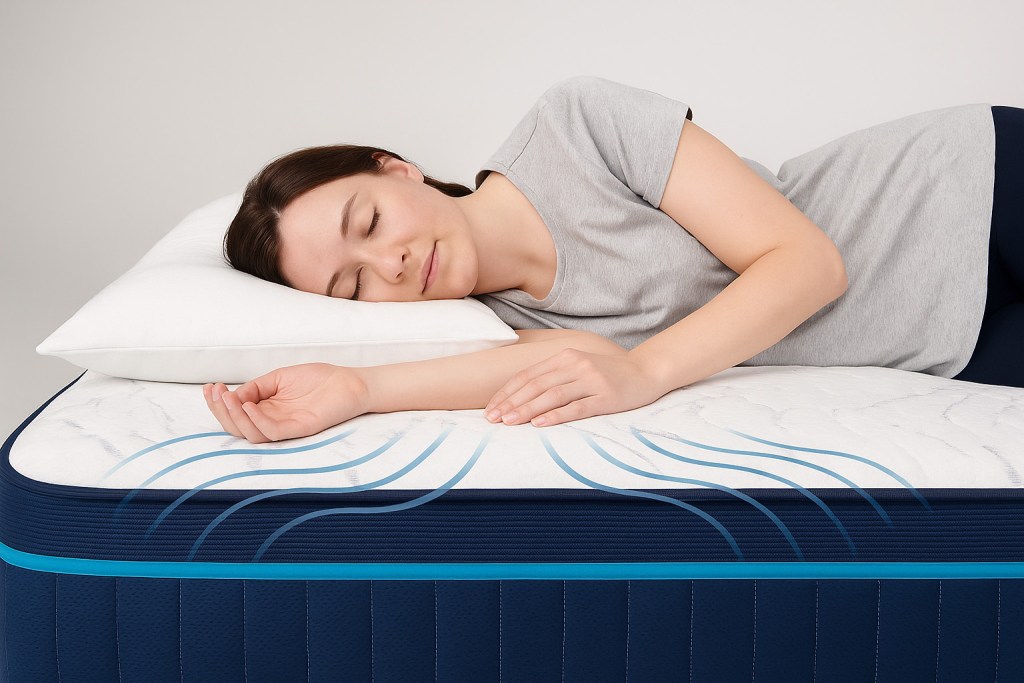
Your sleep needs are the deciding factor for a mattress. The body’s physical condition points towards a specific mattress type that suits you. Sleeping position is a significant factor. A softer mattress is required for side sleepers. On the other hand, back and stomach sleepers usually require a firm surface with good structural support. If you are dealing with pain, a properly aligned mattress will help you.

Allergy sufferers need hypoallergenic and antimicrobial features. Couples or bed-sharing people require a motion isolation feature so that one partner’s movement won’t affect the other’s sleep. The weight of the person sleeping on the mattress also affects the selection of the mattress. Heavy-weight persons need more supportive and stiffer mattresses to prevent sagging.

Mattress Types Available Online

Various mattress types are available for purchase online. These include:

Latex Mattresses

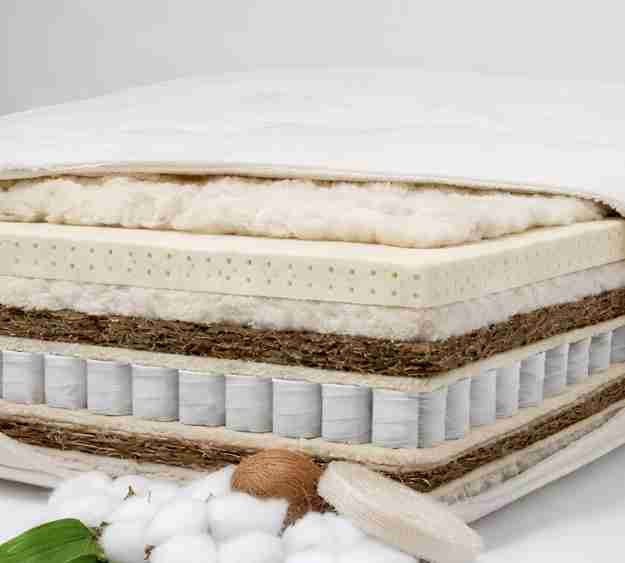
Latex mattresses are crafted from natural and organic materials, making them a top choice for individuals who prioritize sustainability and eco-friendliness. These mattresses are often made from the sap of rubber trees and processed using environmentally responsible methods. Because of their natural composition, latex mattresses are also hypoallergenic, which means they are less likely to trigger allergic reactions.

This makes them ideal for those with sensitivities to synthetic materials or dust mites. In addition to their green credentials, latex mattresses are known for being breathable, durable, and offering consistent support over time.

Memory Foam Mattresses

Memory foam mattresses are highly regarded for their excellent pressure-relieving properties. They contour to the shape of your body by responding to heat and weight, creating a cocoon-like feeling that can help alleviate pressure points on the hips, shoulders, and lower back. This personalized support is particularly beneficial for people who experience joint pain or discomfort during sleep.

However, one drawback of traditional memory foam is its tendency to retain heat. This can make the sleeping surface feel warmer throughout the night, which may be uncomfortable for those who are sensitive to temperature changes. Modern memory foam models often incorporate cooling gel layers or ventilation channels to counter this issue.

Hybrid Mattresses

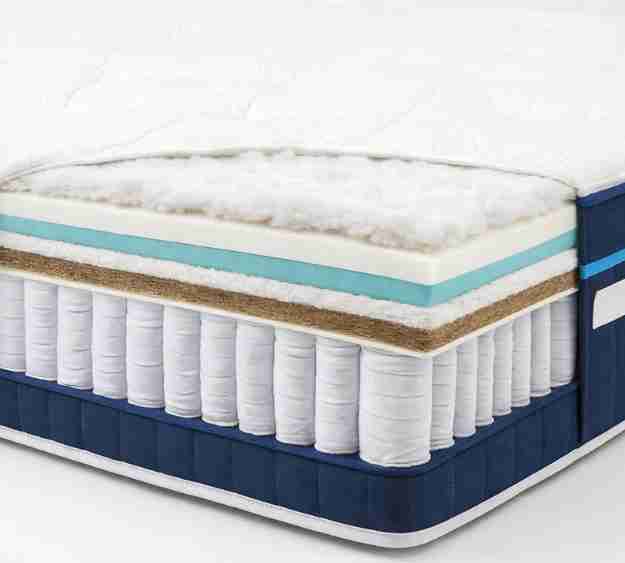
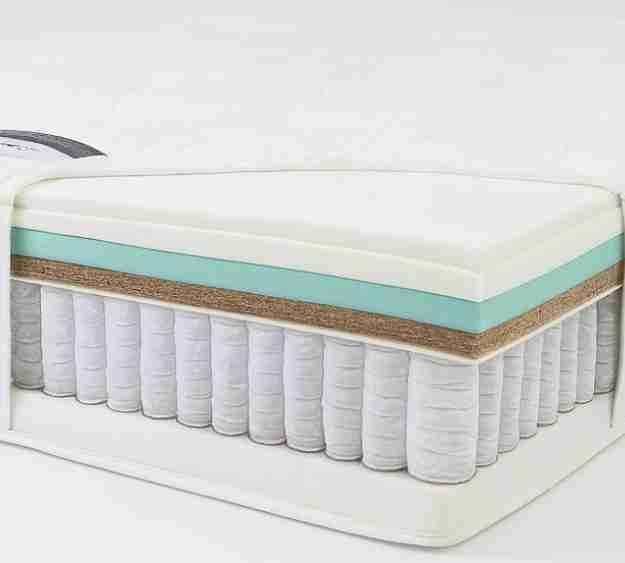
Hybrid mattresses combine the best elements of foam and innerspring systems. They are designed to offer a balanced sleep experience by integrating memory foam or latex comfort layers with a supportive coil base. This combination allows for both pressure relief and robust back support, catering to a wide range of sleep preferences and body types.

Many deep sleepers appreciate hybrid mattresses because they provide a responsive yet cushioned feel, adapting to movement without sacrificing comfort. The coil system in hybrids also promotes airflow, which helps regulate temperature and maintain a cooler sleep environment.

Innerspring Mattresses

Innerspring mattresses rely on a network of metal coils to deliver a bouncy and supportive sleeping surface. They are one of the oldest and most traditional types of mattresses available. The spring system creates a firmer feel with noticeable rebound, making it easier to move around or get in and out of bed. However, innerspring mattresses generally offer less motion isolation compared to other types.

This means that movement from one side of the bed can be felt on the other, which might disturb sleep for couples. Due to these limitations, innerspring mattresses are now less commonly chosen compared to foam or hybrid options, but they still appeal to those who prefer a firm, classic feel.

Reading and Comparing Product Descriptions

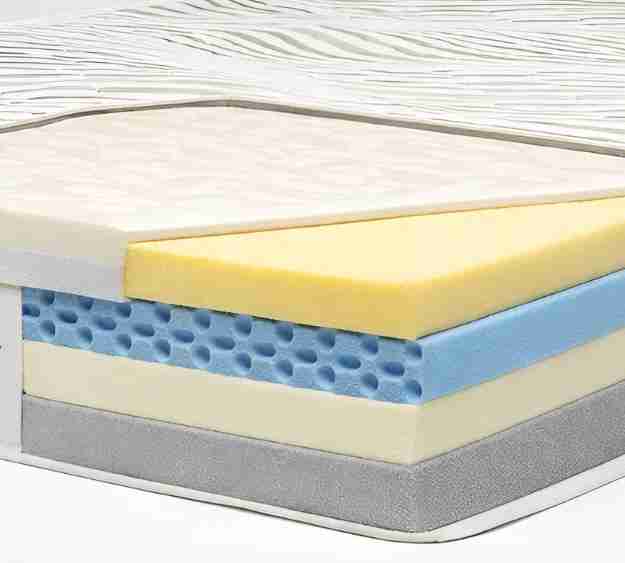
In online shopping, reading and understanding the product description is the closest you can come to testing the mattress. A catchy product description can easily fool anyone. Descriptions are written with impressive words, which are sometimes unregulated. First, focus on the details of layering. Understand how the top, middle, and base layers are made. Look for the quality of materials and thickness of each layer.

The firmness of a mattress is often described on a scale of 1 to 10. The firmness increases with the increasing number. Rated below five are soft mattresses, and above 5 are firm mattresses. For foamy mattresses, opt for high-quality foam for durability and pressure relief. Low-quality stuff gets worn out quickly. Watch for cooling and breathable techniques.

Sheets or coverings should be checked to find removable and washable materials. The method of writing a description will help you find a good brand. Premium brands list each thing related to the mattress clearly in the description. Foam densities and material breakdown are always written in the product description. If a brand does not provide these details, it is probably not trustworthy.

Evaluating Customer Reviews and Ratings

Avoid generic reviews and instead focus on providing detailed feedback. Fake reviews do exist, and they can easily mislead you. Read the reviews where users discuss the quality and durability of the mattresses to get better information. A rating of 4. 4.5 stars is good, but you should check whether the rating is based on 10 reviews or 1000 reviews. Value the verified user reviews, as they are from actual purchasers.

Do not ignore negative reviews, especially if you notice a pattern in the complaints. If customers report warranty claims or sleep-related issues, these should be taken seriously. Check the dates on the reviews. If reviews are published on the same day and at the same time, they are usually fake.

Shipping, Delivery, and Return Policies

Shipping, delivery, and return policies are often ignored but are highly important. Read the policy and check whether the shipping is timely. Shipping may be free locally, but you will need to pay customs fees for international shipments. Please review the delivery instructions, particularly the packaging details for the mattress. Often, the mattress is delivered in a compressed state and expands in 24 hours.

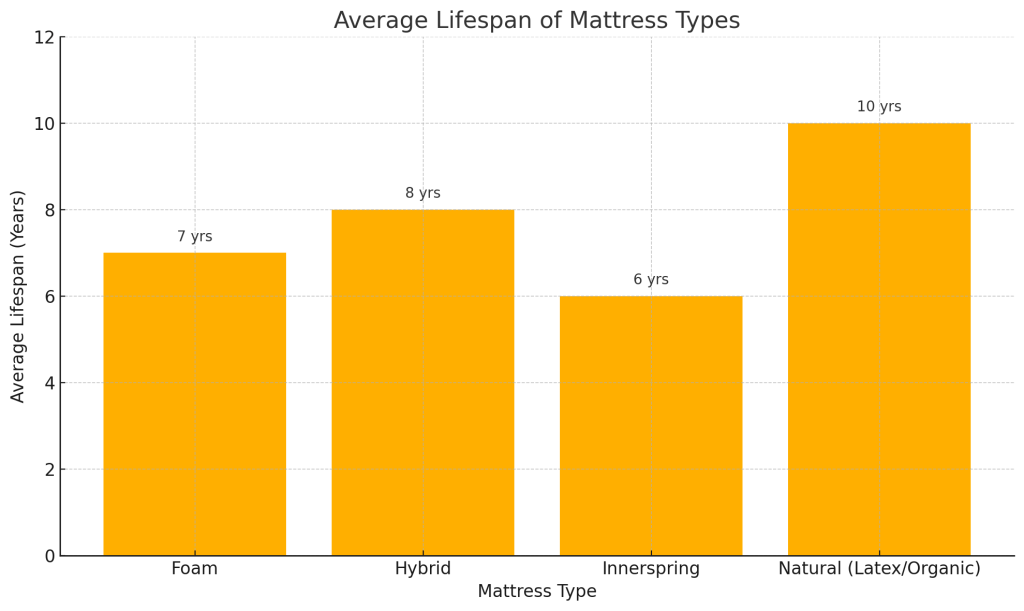
Thoroughly read the return policies and warranties. Some manufacturers provide trial periods of 2 to 3 months. An average warranty period is around 7-8 years. However, premium brands like Luxe Mattresses offer a 10-year warranty. If you are returning items, then you will need to decide whether to ship them back or have the company pick them up from your doorstep. All these policies are written in fine print, and you should carefully read everything before making a purchase.

Budgeting and Pricing

Mattresses are one of the best investments in health and well-being for the future. Hence, you should look for the best materials at a suitable price. Purchase value-for-money products—not the ones you regret later. Mattress prices can range from £150 to £2,500. Those under £800 are considered budget products. Mid-range mattresses typically fall between £800 and £1,600, while luxurious and premium-quality mattresses can cost £1,600 and above, sometimes exceeding £2,500.

Prices depend on features, modern technologies, and the quality of materials used in manufacturing. Longer warranties or trial periods can also influence the price. It’s important to review pricing carefully, as it may include shipping fees or added extras like pillows. Thorough research can lead to better deals—check online stores during holidays for special sales, and use available coupons for extra discounts.

Luxe Mattresses: A Premium Choice for Online Shoppers

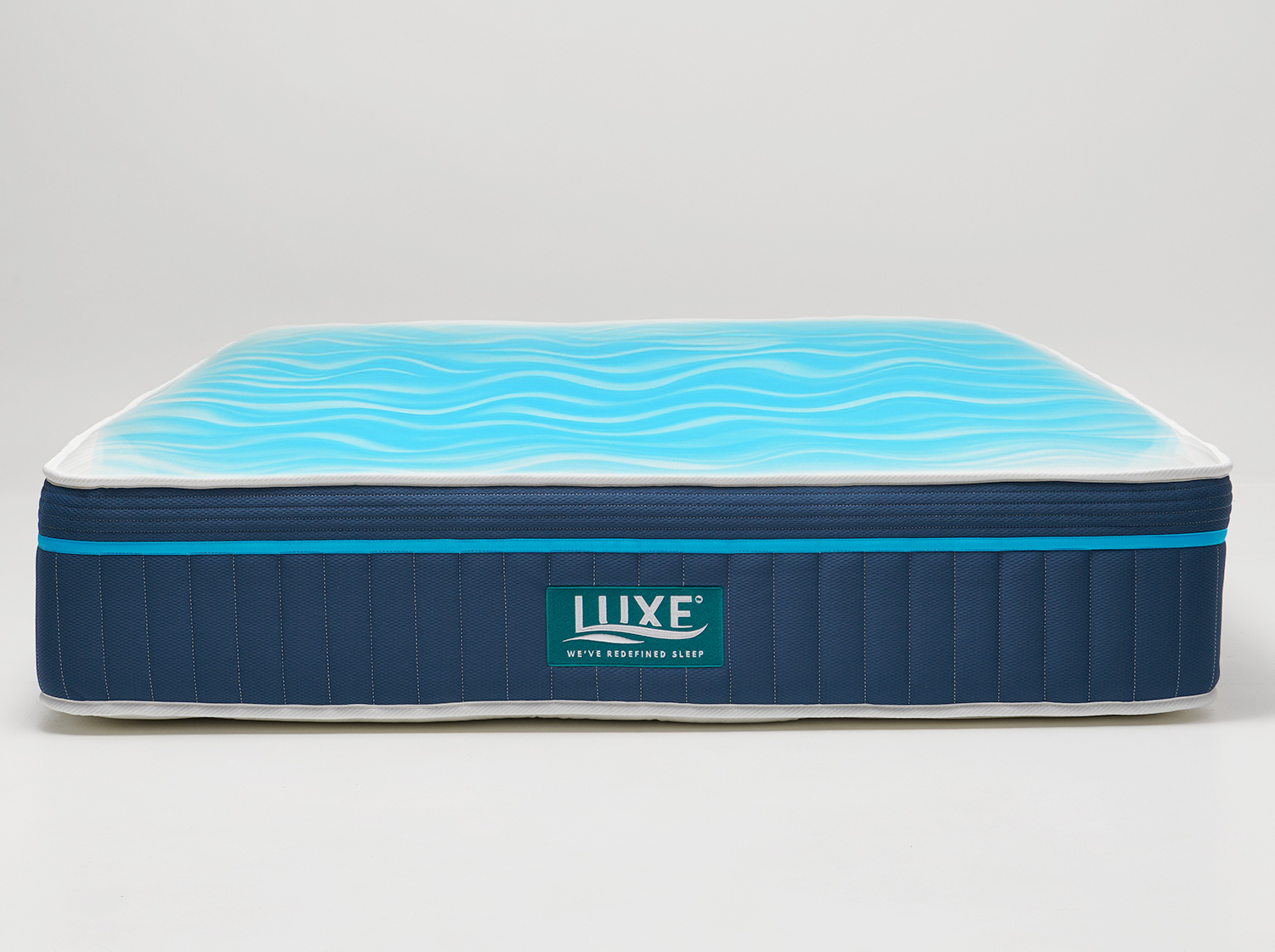
In a highly crowded online market, Luxe Mattresses stands out with its high-quality, premium mattresses. Luxe mattresses provide comfort and convenience. This brand offers mattresses with different firmness levels and modern technologies. The mattresses are manufactured using organic and natural materials, adhering to the highest possible hygienic standards. Luxe Mattresses does an excellent job of serving its customers.

There are clear product descriptions and all the details about pricing and return policies. A 10-year warranty with the best value-for-money mattresses makes Luxe Mattresses the very best. Product reviews are genuine, and the company makes quick improvements based on user reviews. Luxe Mattresses is heaven for online mattress shoppers.

FAQs

What types of Mattresses are available to buy online?

Online shopping gives you multiple options like:

  • Latex Mattresses
  • Innerspring Mattresses
  • Hybrid Mattresses
  • Memory Foam Mattresses

What’s the best time for online mattress shopping?

For great prices and exclusive offers, check out our holiday deals. Multiple brands offer seasonal promotions or New Year sales.

What makes Luxe Mattresses a reliable online brand?

Luxe Mattresses provides a 10-year warranty, free delivery, and a 100-night trial period. The mattresses are manufactured using organic materials and modern technologies. It provides budget-friendly, luxurious mattresses.LuxeMatrreses also offers a monthly payment plan to divide the cost.

Is it safe to buy a mattress online without trying it first?

Yes, it is safe and convenient. Well-reputed brands typically offer a 2-3 month risk-free trial period with a 100% refund policy. You can test and decide.

Conclusion

The right approach to online mattress shopping can lead to a convenient way to improve sleep. Give importance to everything written in the product description. Assess your sleep needs and select a mattress with the right firmness level. Customer reviews are of utmost significance before making a final decision. Take a closer look at warranties and return policies. Consider your budget and look for qualities that justify the investment.

how to know if your mattress causing any allergies
April 22, 2026

Is Your Mattress Triggering Allergies? How to Ensure a Cleaner Sleep Surface

Do you wake up with itchy skin and eyes? Mainly, people consider it an everyday allergy that comes on and goes off with seasons. However, the culprit behind this can be your mattress. Most people ignore this factor, but mattresses can be home to several allergens, and a bad mattress can impact on your health. It is an overlooked yet serious matter. These allergens can take away your rest time and lead to discomfort. Let’s explore how your mattresses could be secretly affecting your health.

Bed Dust Allergens, also called House Dust Mites, can reside inside or on top of the surface of your mattress. Prolonged close contact with these allergens can lead to nasal irritation, sneezing, respiratory tract irritation, coughing, and eye allergy. It is equally possible that you already have these health problems, and they are just getting worse because of the mattress allergens. 

Common Mattress Allergens

The most common mattress allergens are pollen, moulds, pet dander, dead skin cells and dust mites. These accumulate on the mattress if proper and regular cleaning is not assured. Pollens enter your bedroom if you have an open-air source, or they come in on your clothes. They get settled on the surface and contribute to allergies. 

common mattress allergens

Moulds

Moulds develop in a humid environment. They can occur on a sweaty mattress. Pet dander detaches from the skin of pets, and it makes its way deep inside the mattress. Dead skin cells are human body cells that accumulate on mattresses. They act as nourishment for dust mites that are a part of a poorly maintained bedroom environment. The dust mites, in turn, are highly allergenic. 

Breeding Place for Allergens

Mattresses provide an ideal breeding surface for allergens. The sweat and moisture are trapped inside because of limited air circulation. They culminate in a perfect breeding ground for allergens’ growth and multiplication. The longer a mattress is used, the more allergens it contains. 

Breathing Issues

Some common signs indicate whether the mattress causes an allergy. If breathing difficulties, coughing, sneezing and other symptoms worsen at night, it is most probably mattress-related. Irritated skin, rashes, and itching aggravated at night are the signs of mattress-related allergies. 

Identifying If Your Mattress is the Problem

You can easily get the cause behind your allergies and other problems by thoroughly assessing the mattress condition and the bedroom environment. The timing of symptoms is a significant indicator that the mattress is the problem. If the symptoms appear or get worse at night and disappear when you are out of the bedroom, it is a clear sign that the mattress is the culprit. The reason behind the worsening of symptoms will be the close, prolonged contact between you and the mattress at night. 

identifying if your mattress is causing issues in your sleep

If you sleep on another mattress, like in a guest house or hotel, and the symptoms get better, this also indicates that the problem is your mattress. Hotels usually have new mattresses in a well-maintained and clean environment, thus lowering your suffering. If your mattress is worn out and has clear wear and tear signs, it surely has a large number of allergens. 

The development of mattress allergies also depends on the type of mattress. Synthetic foams in particular mattresses, absorb more moisture and sweat and trap more dust particles. As a result, they provide a perfect nurturing environment for allergens. Hence, mattresses are a significant difference maker in your health and comfortable sleep. 

Solutions: Ensuring a Cleaner Sleep Surface

If you are entirely sure that your mattress is causing allergies, there is no need to worry because certain practices will help you get rid of these allergies. These solutions will keep your bedroom clean and healthier.

  1. First of all, use a mattress protector that is certified hypoallergenic and dust-proof. Also, make sure the protector does not allow water, sweat or moisture to absorb on its surface. This step will protect you from dust mites and mould growth. 
  2. Wash all the bedroom clothing once a week or at least twice a month and weekly change your sheet. Pillow covers and mattress sheets must be washed in hot water to kill all the existing allergens. Vacuum your room and the mattress too regularly. This will keep dust away, and allergens won’t find a space to grow. Modern vacuum cleaners use radiation to kill bacteria, dust mites and other allergens. Consider using one once a month to get rid of any harmful agents. 
  3. As mentioned before, pets can leave allergens on the mattress, like pet dander. The pets can shed their skin cells, which causes contamination. Try avoiding your pets from the bedroom, especially the mattress. Bedroom air quality plays a vital role. Bad air quality will bring airborne allergies, dust particles and pollen. Also, humid air provides a perfect environment for the growth and multiplication of such allergens. 
  4. It is an old tradition to let your mattress breathe out occasionally. Keep your mattress out in the wind for some time, often. This helps to remove several allergens. Also, it removes the moisture and the odour. Keep windows open and let the air exchange in the bedroom once a week for better ventilation. Using these strategies can keep your mattress clean and bring comfortable sleep. 
how to clean your mattress

Choosing the Right Mattress for Allergy Sufferers

If you have done all the solutions, taken all the measurements and still are not getting any relief from allergies, it is probably time to upgrade your mattress. The average lifespan for a mattress is 7-10 years. Even well-maintained, every mattress will expire one day. A right-selected mattress will reduce your complaints and provide healthier, deeper sleep. Luxe Mattress will be an ideal choice in this scenario.

Check out the certifications and select a hypoallergenic mattress. Check the foam quality and select firmness according to your requirements. Choose a mattress designed using modern technology with antimicrobial, allergen resistance, cooling and ventilation features. Keep in mind to get a mattress with a removable cover so that you can wash it. Make it clear that a well-chosen mattress will work greatly only if the cleaning measurements are taken. 

When to Replace Your Mattress

Check the condition of your mattress. Signs like wear and tear, stains, uneven firmness, and bad smells mean it needs to be replaced. Unhealthy symptoms such as coughing, itching, sneezing, or eye allergies also suggest it’s time for a new mattress. Here is a detailed guide on “when you should replace your mattress.”

Luxe Mattresses Allergy-Reducing Features

Luxe Mattresses focuses on both luxury and health. The mattresses are manufactured with natural materials, and the coverings are made with organic cotton to prevent allergies. Luxe Mattresses provides high-quality, breathable, and hypoallergenic mattresses to prioritize health and wellness. 

Luxe Mattresses ensures the use of antimicrobial and dust-resistant technologies to keep allergies away. The removable and washable coverings allow you to clean the surface when needed to maintain your bedroom. Luxe Mattresses provides clean and health-friendly mattresses coped with luxury to give you premium comfort. 

FAQs

Can your mattress cause allergies?

Yes, your mattress might be the hidden culprit of allergies. A sagged mattress can be the residence of several allergens. Not following cleaning measures can allow your mattress to cause allergies, too.

How often should I clean my mattress?

Clean up your mattress at least once a month. Wash the coverings and sheets every week. Do not forget to air out the mattress once in a while.

When should I replace my mattress if I have allergies?

It is wise to replace your mattress every 7-10 years. However, the period can vary in allergic persons. If the symptoms keep getting worse even after cleaning, an early upgrade is recommended.

What are the most common mattress allergens?

The most common mattress allergens include:
Mould
Dust mites
Pet dander
Pollens 

What mattress is suitable for allergies?

Latex mattresses are considered best for allergy sufferers. These are designed using organic materials to keep away allergens. 

Conclusion

Mattress quality and maintenance work simultaneously to provide a sleep-friendly, clean environment. Your mattress might be silently affecting you, but ensuring a cleaner surface can prevent it from doing so. The path to better sleep begins with a better mattress, and LuxeMattress follows all the protocols of health and comfort.

What Your Sleep Habits Reveal: The Science Behind Sleep Quiz Questions
April 21, 2026

What Your Sleep Habits Reveal: The Science Behind Sleep Quiz Questions

When it comes to improving sleep, there’s no such thing as a one-size-fits-all solution. Each person’s sleep is shaped by unique factors ranging from their daily habits and stress levels to their environment, routine, and physical needs. That’s why personalized sleep assessments or “sleep quizzes” include a wide array of questions designed to uncover the full story behind how you sleep.

The sleep quiz available on our platform is developed using trusted data and methodologies from several leading sleep research authorities. These include:

Each question in the quiz serves a purpose, whether it’s assessing sleep onset, duration, consistency, or how external and internal factors affect your rest. In this article, we’ll explore what these questions are, why they matter, and how your answers help form a tailored snapshot of your sleep health an important step toward better rest and well-being.

Bedtimes and Wake Times: Mapping Your Rhythm

Questions like:

  • What time do you typically go to bed on weekdays?
  • What time do you wake up on weekdays?

These determine your chronotype, whether you are naturally a morning person or a night owl. Sleep experts use this to understand whether your biological rhythm aligns with your daily routine. Mismatches between internal clocks and social obligations (like work schedules) can lead to “social jetlag,” which contributes to fatigue, poor focus, and sleep disorders.

The data also helps determine sleep consistency, a crucial factor in sleep quality. Irregular schedules often lead to disturbed REM cycles and trouble falling or staying asleep.

Sleep Duration and Catching Up

  • How many hours of sleep do you typically get each night?
  • Do you try to “catch up” on sleep during weekends or days off?

Sleep deprivation can’t be completely offset by weekend lie-ins, but patterns of catch-up sleep suggest chronic sleep debt. These answers help identify whether a person is unknowingly under-rested. Long-term sleep debt is associated with decreased cognitive function, metabolic disorders, and mood instability.

Sleep Latency: How Long It Takes You to Fall Asleep

  • How long does it usually take you to fall asleep?

This question offers insight into both sleep hygiene and possible underlying stress or discomfort. Sleep latency—the time between getting into bed and falling asleep is considered healthy if it’s under 30 minutes. Longer durations may be linked to screen use, caffeine, anxiety, or physical discomfort such as an unsupportive mattress or poor sleep posture.

Sleep Position: Pressure and Alignment

  • What is your primary sleeping position?

Whether someone sleeps on their back, side, or stomach dramatically affects pressure distribution and spinal alignment. This helps match individuals with appropriate sleep surfaces. For instance, side sleepers tend to need softer surfaces that relieve pressure on shoulders and hips, while stomach sleepers require firmer surfaces to prevent spinal sagging.

Understanding sleeping position is central to addressing body pain, especially lower back or neck strain.

Sleep Aids and Medication

  • How often do you use sleep aids or medication to help you sleep?

This helps assess whether sleep quality is natural or artificially supported. Frequent use of aids may suggest chronic insomnia, anxiety, or physical discomfort. It can also point to dependencies or ineffective underlying strategies, especially if sleep quality remains poor even with intervention.

Caffeine and Alcohol Intake

  • How much caffeine do you consume daily?
  • How does alcohol consumption affect your sleep?

Both substances are well-known to affect sleep. Caffeine is a stimulant that can reduce melatonin production and delay sleep onset, especially if consumed late in the day. Alcohol, while initially sedating, disrupts REM cycles and increases nighttime waking.

Responses here help distinguish lifestyle-driven sleep disruptions from environment- or equipment-related issues.

Screen Time Before Bed

  • How much time do you spend on screens within 1 hour of bedtime?

This question addresses exposure to blue light, which can delay melatonin secretion. Screen time also tends to stimulate the brain, especially when engaging with interactive content (like scrolling or gaming). Reduced screen exposure correlates with faster sleep onset and better sleep depth.

Environmental Factors

  • Select any issues with your sleep environment (light, temperature, noise, mattress comfort, etc.)

Environment plays a critical role in how the body settles into sleep. Too much light can suppress melatonin. Noise even subtle, can trigger micro-awakenings. Temperature extremes can cause discomfort that fragments sleep. Mattress discomfort is a frequent complaint that often links back to poor pressure relief or inadequate spinal support.

These insights allow sleep advisors to recommend simple, targeted improvements, like blackout curtains, sound dampening, or material changes in bedding.

Bedtime Routines and Sleep Regularity

  • Do you have a consistent bedtime routine?

Sleep is a learned behavior, and routine trains the brain to enter rest mode. A regular pattern of winding down (e.g., dimming lights, reducing stimulation, performing hygiene rituals) improves sleep onset and sleep quality. Inconsistent routines may cause delays in falling asleep or fragmented rest.

Dream Recall

  • How often do you remember your dreams?

While dreams themselves are subjective, dream recall is often a proxy for uninterrupted REM sleep. Those who remember dreams more frequently may be waking at the end of REM cycles. Alternatively, not remembering dreams may suggest sleep that’s too shallow or fragmented.

This helps determine whether sleep is reaching all the necessary stages particularly restorative REM and deep sleep.

Daytime Napping

  • How often do you take naps during the day?

Napping is often a compensatory behavior for poor sleep at night. Regular napping may indicate sleep fragmentation or disorders like sleep apnea. On the other hand, power naps under 30 minutes can be healthy and restorative, so the key is frequency and duration.

Stress Levels

  • How would you rate your current stress level?

Chronic stress is one of the top reasons for poor sleep. Elevated cortisol levels can keep the brain alert, reduce melatonin production, and disrupt the sleep-wake cycle. This information helps assess whether physical solutions (like a new mattress) need to be paired with stress-reduction strategies such as mindfulness or changes in bedtime behaviour.

How the Data Comes Together

Each of these questions forms a piece of the puzzle. When analyzed together, they create a holistic profile of the sleeper, incorporating:

  • Behavioral patterns (bedtime, screens, routine)
  • Lifestyle contributors (caffeine, alcohol, stress)
  • Physical factors (body position, sleep latency)
  • Environmental conditions (noise, light, mattress comfort)

This comprehensive analysis allows sleep experts or intelligent algorithms to identify areas for change, recommend tailored solutions, and improve overall sleep hygiene. Whether the intervention is behavioural, environmental, or physical (such as changing mattress type), the goal is always the same: restoring balance to the natural sleep cycle.

Final Thoughts

Understanding sleep means looking beyond surface-level symptoms. It requires examining habits, choices, body needs, and surroundings. The wide range of questions in a sleep quiz might seem excessive at first, but each is essential for drawing accurate insights.

Ultimately, the science of sleep starts with self-awareness, and every answer brings us closer to a better night’s rest. For those seeking even deeper insights, using a reliable sleep calculator can help determine optimal bedtime and wake-up schedules based on your sleep cycles and habits. These tools complement quizzes by turning your data into practical, personalised advice.

Comprehensive Sleep Quiz

Discover your personalized sleep score and get expert recommendations to improve your sleep quality. This quiz takes about 5-7 minutes to complete.

Why Take This Quiz?

  • Get a comprehensive analysis of your sleep habits
  • Receive personalized recommendations from sleep experts
  • Find the perfect mattress match for your sleep style
  • Learn science-backed tips to improve your sleep quality
  • Get personalized product recommendations
Take the Sleep Quiz

Whether someone struggles to fall asleep, wakes often, or feels unrefreshed in the morning, these data points can help identify patterns that lead to smarter, more personalized solutions.

Ultimately, the science of sleep starts with self-awareness and every answer brings us closer to a better night’s rest.

Why Modern Life Is Making Us Bad at Sleep
April 21, 2026

Why Modern Life Is Making Us Bad at Sleep: A Deep Dive into Sleep Culture

The sleep crisis no one is talking about

Modern life is taking a toll on our sleep. In the UK, many people report poor sleep quality.  For example, a Mental Health Foundation survey found “almost one in three adults” in the UK has worse sleep quality due to financial worries.

This reflects a broader crisis. Despite knowing more about sleep and having smart tech, we’re sleeping worse than ever.  One recent report notes that 30% of British adults have poorer sleep, and many more are anxious or sleep-deprived.

In this article, we’ll look at historical sleep patterns, the pressure to sacrifice rest for productivity, the effects of screens and tech, and how stress and our noisy, light-polluted environments disrupt slumber.  Finally, we’ll share expert-recommended remedies to reclaim healthy sleep despite our 24/7 world.

A Historical Look at How We Used to Sleep

Long before electric light and 24-hour cities, human sleep was far more natural and even biphasic.  Historian Roger Kirch found that until the 1800s, many people actually split the night into two sleeps: a “first sleep” and a “second sleep,” with a period of wakefulness in between.

People woke with the sun and slept when it set.  When indoor lighting was limited, the day was ruled by sunlight.  Anthropologists note that traditional societies today – without electric light – often sleep in a single consolidated block at earlier times, aligning closely with natural light. 

history of sleeping routines

For instance, Amish and hunter-gatherer groups, who rise with dawn, report far lower insomnia rates (around 1–2.5%) than people in modern societies (where as many as 10-30% suffer chronic insomnia).

The Industrial Revolution changed all that.  Gas lamps and then electric bulbs let people stay awake much later, even while still waking with the sun. As Ekirch explains, the spread of artificial light in the 18th–19th centuries “radically transformed” sleep patterns.

By the early 20th century, the segmented two-sleep pattern faded and most people tried to sleep in one long block.  Electric light (and later screens) pushed bedtimes later without pushing wake-up time’s later, eroding total sleep.  The fixed 9-to-5 (or 24-hour shift work) schedules common today also force many to sleep at unnatural times.  In short, compared to our ancestors who rose and slept with the sun, modern life lets us ignore natural rhythms.  We have more hours awake than ever, but often at the expense of quality rest.

The Culture of Sleep Sacrifice:  I’ll sleep when I’m dead

In today’s culture, sleeping enough is often seen as a weakness.  Hustle culture glorifies all-nighters and equates busyness with success.  Phrases like “sleep is for the weak” or boasting about “4AM wake-up routines” are common in entrepreneurial circles. 

Social media and business gurus celebrate the founder who sleeps only five hours a night.  But these norms take a toll.  Recent UK research highlights the scale: over a quarter (27%) of UK small business owners admit they survive on just five hours of sleep per night.  Even worse, nearly 80% of British SMEs said they frequently lose sleep due to work stress.

Long work hours and irregular schedules make sleep problems worse.  A new study by UCL found that people working 55+ hours per week – or who work nights or weekends have significantly shorter and poorer-quality sleep than those on normal schedules.  These busy workers suffer often have short bouts of sleep which last for less than seven hours.  But it gets even worse, it turns out that poor sleep in the UK leads to an estimated £40 billion in lost productivity every year. 

In short, the “work hard, sleep later” mentality is now recognized as self-defeating.  When people brag about cutting out sleep for extra work or study, it’s no badge of honor, it’s a path to burnout and health problems.

The result is that many feel trapped in a cycle of fatigue.  We undervalue sleep in society: staying up late for the office or an email is often praised, while sleeping 7–8 hours is seen as lazy.  This cultural mindset increases stress and makes insomnia more likely.  In other words, the modern work-and-success culture actively discourages one of our most vital biological needs, and in doing so degrades our sleep quality and mental health.

Tech, Screens, and Blue Light Epidemic

One of the most studied disruptors of sleep is modern screen use.  Smartphones, tablets, TVs and laptops emit blue light – a short-wavelength light that profoundly affects our brain’s sleep chemistry.  Blue light from screens suppresses melatonin, the hormone that signals to our body it’s time for sleep. 

In practical terms, scrolling through social media or watching videos late into the evening can trick your brain into thinking it is still daytime.  This delays the onset of sleepiness and shifts your circadian rhythm later.  Even the NHS agrees that we should avoid screens at least an hour before bed, since devices “all throw out blue light that stops sleep”.

how blue light of phones, tablets, laptop can effect the sleep

This screen effect also feeds “revenge bedtime procrastination”.  That’s the phenomenon where busy adults delay sleep to reclaim personal time.  After a long workday, it’s tempting to binge TV or social media even if you have to wake early. 

Studies show that people with stressful jobs often trade sleep for late-night leisure.  But this comes with its own adverse effects. Those extra hours spent awake can lead to chronic sleep deprivation, which in turn worsens mood and health.  A UK survey during COVID-19 lockdowns reported a surge in both screen time and insomnia, coining the term “coronasomnia.”  Experts note that the combination of more device use and blurred schedules causes “circadian rhythm disruption”. In sum, our obsession with screens in bed is a modern curse on sleep.  The blue light effect delays drowsiness, and the habit of late-night scrolling leads to self-imposed sleep loss (often with a cup of tea or coffee involved too!).  These behaviours undermine our natural sleep drive

Anxiety, Burnout, and Mental Load

Chronic stress and anxiety are sleep’s enemy. When we’re anxious or depressed, our brains stay in a state of “hyperarousal,” making it hard to relax at bedtime.  Physically, stress hormones like cortisol and adrenaline are elevated, which directly fights the rise of melatonin needed to fall asleep.

Psychologically, worries and to-do lists keep our minds racing when we should be winding down.  As SleepStation notes, “stress, anxiety and depression can all make it more difficult to sleep; on the flip side, poor sleep can also make these symptoms worse.”.  In other words, insomnia and anxiety often amplify each other in a vicious cycle.

how anxiety effects sleep and how to help it

Parents and caregivers are especially hard-hit.  New parents get far less sleep, of course, but even beyond infancy, the constant mental load weighs on sleep.  The Mental Health Foundation reports that parents, especially mothers of young children, experience major drops in both the quality and quantity of sleep, contributing to stress and fatigue. 

And it’s not just childcare: juggling any significant responsibility (caring for relatives, demanding jobs, etc.) leaves less bandwidth to unwind at night.  UK surveys confirm this: nearly one-third of Britons said financial worries alone gave them worse sleep, and about a quarter cited money stress as a sleep disruptor.

Psychologists advise that addressing the underlying stress is key.  Sleep experts often recommend relaxation techniques (warm baths, meditation, gentle stretching) and cognitive strategies (journaling worries, planning the next day well before bed). 

The NHS Sleep Guide agrees that we should “relax at least 1 hour before bed” and set a regular bedtime to signal the brain to wind down.  Importantly, if you’re lying awake with anxiety, it’s better to get up for a while than to toss and turn.  By breaking the cycle of rumination (e.g. writing a to-do list so it’s out of your head), we can gradually let the mind settle.

In summary, the modern mental load – from economic worries to work pressure to social media stress – actively sabotages sleep.  Experts emphasize treating anxiety and sleep together: improving one often helps the other. 

UK authorities recommend talking therapies like CBT for insomnia, which address anxious thoughts around sleep. The upshot: managing stress and mental load is as important as mattresses for good sleep.

Environmental Disruptions: Noise, light and temperature

Even if we turn off the phone and the thoughts calm down, our bedroom environment can still be at war with sleep.  Urban UK settings pose many challenges: noise, light pollution, and the wrong temperature can all prevent deep sleep. 

Londoners and city-dwellers are often battered by late-night traffic, sirens, or even neighbors.  According to the NHS, “silence is golden” for sleep – ear plugs or white noise machines can help mask disruptive sounds.

Light is another culprit.  Streetlights or early dawn can prematurely arouse us.  Good curtains or blinds are a must.  The NHS advises making sure “your bedroom is dark and quiet”, using heavy curtains or blackout blinds to cut unwanted light.  Small lights from electronic devices such as alarm clocks and chargers should also be eliminated.

how environment can effect sleep

Temperature matters too.  UK guidance notes that a cool, well-ventilated room is ideal: around 16–18°C is often recommended.  Bedrooms that are too warm make falling asleep difficult.  Use breathable bedding and open a window if needed.  Natural fibers like cotton sheets and wool duvet are more breathable compared to synthetic polyester.

These simple remedies will work immediately if your bedroom is overly lighted, noisy, or heated. Adding blackout curtains and earplugs can make a big difference in how well you sleep. Abed that is excessively rough or too soft can keep you from sleeping or wake you up often.

Think about getting a permeable mattress that lets air flow through it. This will help you adjust the temperature better. Many sleep experts now say that moving to a natural or hybrid mattress will help you sleep better and cooler. In short, carve out a true sleep haven: darkness, silence, and a cool, comfy bed.

Rise of Sleep Performance Culture

In recent years, we’ve had different advancements in sleep technology but perhaps one of the most impressive is the gentle art of quantifying sleep.  From fitness trackers to smartphone apps, we have endless data about our slumber, but this has sparked performance anxiety.  People now obsess over their nightly “scores”, time spent sleeping deeply, sleep efficiency, and REM percentage. 

Paradoxically, this monitoring can make insomnia worse.  The Guardian reports that the UK sleep-tracker market is booming at £270 million per year and many users develop “orthosomnia” an unhealthy fixation on getting perfect sleep readings.

Behavioral sleep therapists see this firsthand.  One UK therapist noted that good sleepers rarely think about sleep at all they just drift off.  In contrast, clients struggling with sleep often pressure themselves to hit a magic number on their tracker. 

Seeing fewer deep-sleep minutes or brief awakenings on a graph can provoke panic, even though such readings are normal for most people.  Researchers coined “orthosomnia” to describe how chasing perfect metrics can fuel anxiety and longer time in bed.

In short, the modern obsession with monitoring has backfired. Rather than trusting our bodies, we second-guess every blink of wakefulness or percent of REM. Experts warn that no device can capture the full reality of natural sleep.

Perfect sleep doesn’t really exist.  This culture of “sleep optimization” means even bedtime is treated like a performance metric to improve, which ironically increases stress around sleep itself.  True experts advise that you should let go of the numbers.  The healthiest approach is to focus on habits and how refreshed you feel after sleeping, not on the nightly report your watch gives.

What Experts Say

Sleep experts and doctors agree on one thing. Make sleep a top priority and follow hygienic methods that are backed by research. The NHS and sleep foundations agree on the basics.  Adults typically need about 7–9 hours per night.  If you’re constantly tired, you’re probably not getting enough of those.  Experts say to go to bed and rise at the same times every day, even on weekends, to stabilise your circadian clock.  They also recommend winding down 30–60 minutes before bed either through reading, gentle stretches, or a warm bath and reserving the bed strictly for sleep, not scrolling or work.

Reclaiming Healthy Sleep

The good news is: we can flip the script on our sleep struggle.  By taking deliberate steps to protect rest, the damage of modern life can be mitigated.  Here are actionable strategies:

i. Set a screen curfew.

Turn off all devices at least 30–60 minutes before bed. Replace them with calming activities (reading, light stretching, herbal tea). This counters the blue light suppression of melatonin.

ii. Create a peaceful sleep space.

Make your bedroom as dark and quiet as possible. Use blackout curtains to block streetlights, and ear plugs if needed. Keep the room cool (around 16–18°C) and well-ventilated.

iii. Stick to a routine.

Go to bed and wake up at the same times daily. Build a short pre-sleep ritual such as washing your face, changing into pajamas and dimming the lights so your body learns the signal for sleep.

how to start health sleeping routine

iv. Mind your bedroom comfort.

Invest in a good mattress that suits your sleep style. Luxe Mattresses recommends breathable designs: for example, latex or hybrid models that combine coils and foam can keep you cooler and more supported.  Our Natural Mattresses (latex/wool hybrids) are engineered for airflow and are naturally hypoallergenic. 

v. Manage stress mindfully.

Try some relaxation techniques before bed, such as deep breathing, meditation, or journaling. Schedule any worrying thoughts or tasks for earlier, so you don’t carry them to bed.

Reduce stimulants and overscheduling. Don’t drink caffeine or energy drinks late in the day. And learn to say no to non-essential late-night tasks. Remember: missing an hour of Netflix isn’t ruining your life, but missing sleep can.

By taking these steps, you align with what sleep science, actually recommends rather than the usual 24/7 grind culture. You’ll also earn back the right to sleep without guilt, which in turn boosts daytime productivity and health.

Every hour of quality sleep is an investment in your well-being.  Your body and mind will thank you for reclaiming it.

Conclusion

As we’ve seen, our ancestors slept naturally with the sun, whereas today we fight our biology with devices and deadlines. The pressures of productivity and technology can disrupt circadian rhythms and fuel insomnia, but they are by no means insurmountable. 

By recognizing these influences and adopting science-based strategies, we reclaim rest.  It’s not weak to prioritize sleep, it’s necessary. So turn off that phone, draw the curtains, and give yourself permission to rest.  Your body operates better when you listen to it.  In the words of sleep experts, sleep is not a luxury; it’s the foundation of everything you do.

FAQs

Why can’t I sleep at night even when I’m tired?

Stress or anxiety can keep your mind racing and raise stress hormones like cortisol, which block sleep signals. Evening screen use also delays melatonin release. Creating a calming pre-bed routine and limiting screens often restores natural sleepiness.

How does stress or anxiety affect sleep?

Stress keeps your brain in “alert” mode and raises adrenaline, making it hard to switch off. Worrying thoughts can also wake you during the night. Techniques like journaling or simple breathing exercises can help break this cycle.

What is “revenge bedtime procrastination”?

It’s staying up late to reclaim free time after a busy day, even if it means losing sleep. Although it feels empowering, it reduces overall rest and disrupts your body clock. Setting a firm “lights-out” time helps avoid this trap.

What is “orthosomnia” and why is it a problem?

Orthosomnia is an unhealthy obsession with perfect sleep metrics from trackers. Worrying over nightly scores often increases anxiety and makes sleep worse. Experts recommend focusing on how you feel in the morning rather than the numbers.

How can I improve my sleep hygiene in modern life?

Good sleep hygiene means habits that support sleep. Key steps include: going to bed and waking at the same time every day; having a calming pre-sleep routine; keeping the bedroom dark, quiet and cool; and avoiding caffeine, alcohol or heavy meals close to bedtime. Crucially, reduce screen use in the hour before bed, since devices emit blue light that tricks your brain into staying alert.

How many hours of sleep do adults really need?

Most adults need about 7–9 hours per night, but everyone’s ideal is slightly different. If you feel refreshed and alert during the day, you’re likely getting enough. Consistent bed and wake times help your body find its sweet spot.

Does blue light from devices really make it harder to sleep?

Yes. Blue light suppresses melatonin, the hormone that triggers sleepiness. When we use phones, tablets or laptops in the evening, that light fools our brain into thinking it’s still daytime.

How Bedroom Environment and Mattress Design Work Together for Better Sleep
April 18, 2026

How Bedroom Environment and Mattress Design Work Together for Better Sleep

The bedroom environment and Mattress Design work in cooperation to contribute to a better night’s sleep. High-quality sleep is essential for your physical and mental health. It affects memory, immunity and overall productivity. The modern lifestyle has made people deprived of sleep due to work stress or unsuitable sleeping setups.

Interaction between a well-designed mattress and bedroom helps in improving your sleep. A mattress alone cannot bring comfort if the room is not working in harmony and vice versa. Let’s thoroughly discuss how bedroom environments and mattress design work together for better sleep.

The Science of Sleep and Environmental Factors

The natural sleep cycle is highly influenced by room environment factors. These factors include light, temperature, air quality and noise. Studies have shown that a calm environment is perfect for good sleep. The ideal temperature generally lies between ranges of 16-20 Celsius. It is your body’s natural phenomenon to reduce temperature while initiating sleep. If the room temperature is warmer or cooler than normal, it will disrupt the sleep cycle. 

The Science of Sleep and Environmental Factors

A noisy room is a mood breaker for a healthier sleep. The human brain can process even small sounds, which can cause awakening. These little disturbances affect your brain and deprive you of your critical sleep. Next up is light, which plays a vital role in sleep. Our body’s Circadian Rhythm is affected by exposure to light. The melatonin hormone, which is secreted by the body to induce sleep, is produced more in a dark environment. 

Air circulation in the room should be regulated for better sleep. If the air inside the bedroom contains pollutants or dust particles, it is harmful to your health and can cause respiratory problems. So, improving ventilation in your home brings a better sleeping experience. Also, the humidity level impacts the breathing capacity.

At last, an organized bedroom brings sleep more quickly. If the room is untidy, it will stimulate your brain for some unfinished work, and the brain will stay active. In this way, the sleep might be delayed. Hence, a better bedroom environment complements a healthier sleep.

Key Elements of Mattress Design that Affect Sleep

The alignment and supporting system of a mattress affect sleep quality. Here are a few key points to consider.

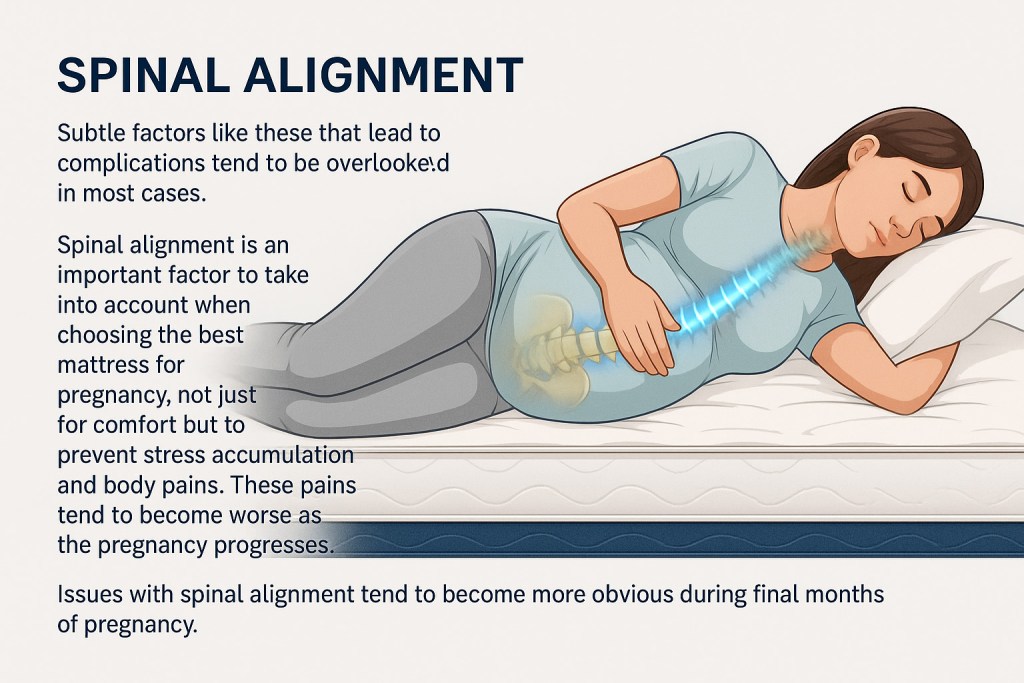
  1. A soft and well-designed mattress supports your spine and brings good sleep. It also relieves pressure and pain, especially related to the neck and back.
  2. The manufacturing of a mattress indicates its durability.
  3. A mattress designed using modern technologies helps in a comfortable sleep and remains intact for multiple years. 
  4. Firmness and support of a mattress directly influences your sleep quality.
  5. A well-manufactured mattress provides motion isolation to reduce the impact of a movement from one side to the other. It is beneficial if you are married or have a shared bedroom.

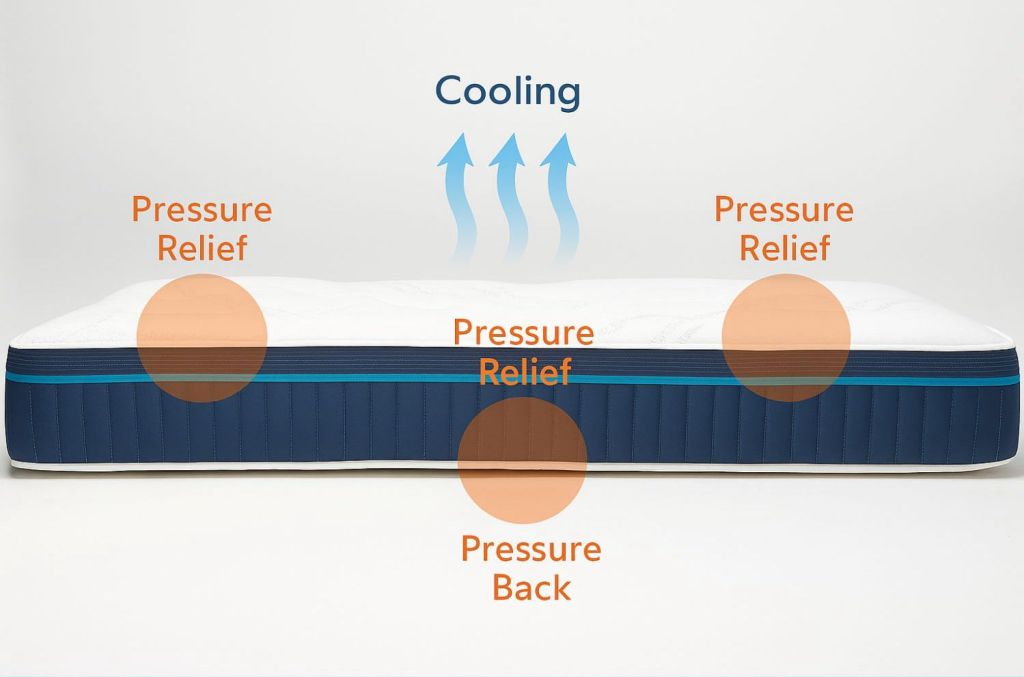
Other than this, modern technologies have introduced zoned support in mattresses. They relax different spots on the spine, especially the lumbar region, allowing a comfortable sleep. 

Tips for Creating the Ideal Sleep Setup

An ideal bedroom environment and ideal mattress design contribute to a sleep-friendly setup. It can be achieved by choosing the right mattress design that suits your body. Each person has different requirements for a mattress. Your mattress choice can depend on your sleeping style or position. 

Heavy-weight persons require firmer and more supportive mattresses. Motion isolation is a vital requirement for couples. Other than that, modern technologies have made it possible to design customisable mattresses according to individual needs. The bedroom environment must have an optimum temperature. The clothing over the mattress should be soft and breathable for better exchange of air. Dim light and noise isolation are also necessary for a deep sleep. 

Tips for Creating the Ideal Sleep Setup

Use minimal decor for a good, spacious room. A key point which is wrong in recent times is the addition of tech products in the room. Using devices such as mobiles in bed is considered bad. Hence, TVs, computers and other such devices should be kept out of the bedroom. 

How Environment and Mattress Work in Harmony?

A harmonious relationship between the mattress and the environment provides mental and physical relief. It reduces pressure on the mind and body, which in turn aids in healthy sleep. Air conditioners in your room work alongside your mattress fibres to balance room temperature. Low lights keep you psychologically sound. Clean air and hypoallergenic materials on mattresses reduce irritants and allergens. 

This harmony gives signals to your mind that it’s time to sleep. The association between the mattress and the environment affects how quickly and deeply you sleep. It makes sure that you stay asleep for a longer required period. The perfect alignment between the mattress and bedroom environmental factors like noise, ambience, and temperature leads you to a restorative rest. 

How Environment and Mattress Work in Harmony?

Common Mistakes to Avoid

  • Using a Worn-Out Mattress – A mattress has an average lifespan of 7-10 years. After that, they become sagged and start losing their structure and support. This brings less sleep and more discomfort. Back and neck pains come along, and the sleep cycle is disturbed. Hence, a mattress should be replaced when it shows signs of wear and tear.
  • Ignoring the Firmness of the Mattress – The comfort for every person depends on his body condition. A too-soft or too-stiff surface can cause problems. Choosing firmness also depends on your sleep position, as some people are back sleepers, some are side sleepers, and some are stomach sleepers. Avoid ignoring the firmness of the mattress because a wrongly selected firmness can bring spinal posture issues. 
  • Forgetting Air Quality – Air quality is a significant factor in the bedroom environment. Clean air provides healthy breathing and avoids several respiratory problems. Also, there might be allergens or irritants in the air if it is not clean. These can bring rashes and other skin conditions. Sleep can be improved to a great extent by just enhancing air quality. 

How Luxe Mattresses Complement the Ideal Bedroom Setup

Luxe Mattresses provides premium quality mattresses which enhance comfort and also bring aesthetics to your bedroom environment. A well-organised bedroom aligned with Luxe Mattresses creates a health-promoting sleep ecosystem. These mattresses are designed using modern cooling technologies, which give cooler temperatures in warm environments. Peaceful sleep is provided by Luxe Mattresses’ motion isolation feature. 

The zoned support feature provides extra relief on the shoulders and back at certain spots. The airflow regulation in Luxe Mattresses gives you a cool environment to sleep. Luxe Mattresses use organic and hypoallergenic materials in manufacturing to prioritise health. In short, Luxe Mattresses blend well with a clean bedroom environment to create an ideal sleep-friendly bedroom setup. 

FAQs

What makes the perfect bedroom?

A perfect blend of mattress design and bedroom environment makes a perfect bedroom which provides healthier sleep.

How long will a mattress last in a clean room?

The average lifespan of a mattress is 7-10 years. However, a high-quality mattress from LuxeMattresses aligned with the ideal bedroom environment ages well and can last up to 12 years.

Does the room light affect sleep?

Yes, the low or dim light tells your brain to go to sleep. Bright light suppresses melatonin, which is the body’s sleep-inducing hormone, while dim light enhances melatonin release. 

Are Luxe Mattresses visually suited for modern or luxury bedroom designs?

Yes, the premium finishes with minimalist yet modern tones used by Luxe Mattresses in manufacturing allow it to blend easily with luxury rooms. 

Conclusion

Sleep is your restoration period. It is a complete system, and restful sleep is obtained when the mattress design and bedroom environment work in synergy. A supportive and comfy mattress deals with the physical aspect of sleep, while a calm and quiet environment deals with the mental aspect and psychology of sleep.

Small adjustments like the firmness of the mattress, bedroom temperature, noise reduction and dim lighting can restore your energy through deeper, dreamy sleep. LuxeMattresses provides the ideal features you need in a mattress. 

when should i replace my mattress
April 17, 2026

Top Reasons to Replace Your Mattress Every 7-10 Years

Sleep allows your body to recharge for a new day and new challenges ahead. Many people overlook this factor. Your mattress is more important than you might think. You spend about a third of your life sleeping on it. Your overall health highly depends on good sleep, which in turn depends on the quality of your sleeping mattress.

A worn-out mattress can affect your physical well-being, leading to an impact on moods and energy levels. Let’s discuss Top Reasons to Replace Your Mattress Every 7-10 Years.

Natural Lifespan of a Mattress

It is necessary to replace the mattress every 7-10 years. The materials used in manufacturing start breaking down, and their limited lifespan is not more than 10 years. Foam layers and fabrics start to degrade, leading to reduced firmness and loss of sleep. The hygiene also impacts a mattress after 7-10 years. Dead cells, body oils, bacteria and sweat accumulation can lead to skin problems. 

Top Reasons to Replace Your Mattress

1.  Loss of Comfort

Worn-out materials impact your sleep quality and bring discomfort. This leads to sleepless nights and puts your physical health at risk. Several joints of the body are at risk, especially the regions of the neck and back. The materials used in manufacturing break down after a specific period, and this also shifts your comfort level. A sagged mattress provides an uneven surface where your body is distributed unevenly, leading to discomfort in the shoulder and hip region. 

2.  Hygienic Concerns

Accumulation of dust mites, dead cells and sweat buildup can lead to multiple medical complications. Your skin health is most prone to these conditions. Skin allergies and irritation are the most common conditions. Furthermore, the unhygienic agents can cause respiratory problems, especially Asthma. If you are already allergic or asthmatic, the symptoms may worsen at night if you sleep on a worn-out mattress. Additionally, sweat and moisture particles can produce an unpleasant smell. 

3.  Sleep Cycle Disturbances

A low-quality mattress can significantly disturb your sleep cycle. This can bring late night sleep and uncomfortable sleep. It causes tosses and turns more than the actual rest. Your sleep cycle has different stages involving light sleep, deep sleep and dreamy sleep. A worn-out mattress can disturb any of the stages and cause you to wake up time and time again at night. It also impacts how quickly you fall asleep. With full rest and sleep, your body feels rejuvenated for the upcoming day. 

4.  Spinal and Posture Problems

If you are already suffering from spinal problems, a mattress in a bad state will only worsen it. On the other hand, a structured and supportive mattress will help you get relaxed and will also temporarily heal your back issues. Overused or sagged mattresses impact the lumbar region and lead to frequent lumbar strains. It causes pressure imbalance on the back and can bring medical complexities like herniated discs and other disc issues. 

A painful neck while waking up is a common issue related to old mattresses. Other than the back pain issues, a sagged mattress can lead to posture issues as well. Spinal asymmetry caused by such a mattress can bring reduced mobility and an inappropriate posture. Hence, a 7-10 year period is ideal to replace your old mattress with a new one. 

5.  Body Changes

Age is a major factor in your sleep, and your body needs change every couple of years. The condition your body has in your 20s won’t be the same when you are in your 30s or 40s. So, the mattress should be changed according to body requirements. Weight gain or joint problems with progressing age should be considered before selecting your next mattress. Arthritic or chronic joint pain patients require a relatively softer mattress for their comfort. A new mattress can jam well with your current lifestyle and can give maximum support to the body. 

6.  Outdated Mattress Technology

Mattress technology is evolving with every passing second. The innovations in engineering and technologies have helped in manufacturing modern mattresses which can provide the level of comfort once only imagined. Old technology can’t compete with the new one in providing support. Cooling technologies, zoned support and hypoallergic materials are used in modern mattresses. These give you access to deeper and healthier sleep. 

7.  Noise or Creaking

Creaking refers to the noise or squeaks your mattress makes when you move. It is a sure sign that the mattress needs replacement. It signals the problem in mattresses’ foundation and disturbs sleep. The metal coils in old mattresses lose tension and rub against each other to create a cracking sound. This has been noticed especially in hybrid or innerspring mattresses. Also, the spots where you regularly sleep put pressure on the underlying coils, causing them to wear down. This can produce creaking noise. Any reason for creaking impacts your sleep and causes you to wake up several times at night. 

8.  Disrupted Mental Health

Mental health is essential for energy and emotional balance. It directly impacts physical health as well. Your mental health is highly dependent on sleep. Unhealthy sleep leads to disturbances in mental health. This leads to irritability and loss of focus while doing your routine work. It also impacts your memory and decision-making power. You can experience frequent mood swings and irritability in behaviour. Any existing condition regarding depression can worsen with unhealthy sleep, which is directly linked to the quality of the mattress. 

9.  Motion Transfer

Motion transfer is the movement you feel on one side of a mattress because of movement on the other side. It is a common problem in couples. An old mattress gives increased motion transfer. Hence, the movement of one partner can disturb the sleep of the other. 

1. Visual Signs

The visual wear and tear signs on a mattress are also a top reason to replace your mattress every 7-10 years. If there are stain spots or sagging regions, it means that it’s time for a change. Other than that, your body gives you signals as well. If the mattress isn’t comfortable, you’ll wake up fatigued and sore. Restlessness and discomfort are other indicators. 

Why Choose Luxe Mattresses for Replacement

Luxe Mattresses are perfect for you if you want to replace your mattress. It provides longevity, a 100-night trial and 10 years of warranty for mattress quality. Also, Luxe Mattresses use organic and natural materials in manufacturing. Hypoallergic materials are used, and a health-focused design is preferred while manufacturing. Luxe Mattresses provide different types with multiple sizes and a variety of firmness and softness.  

FAQs

Do you need to replace your mattress every 10 years?

It is not a strict rule, but changing your mattress every 7-10 years is a wise decision. The lifespan mostly depends upon the quality of materials used while manufacturing and the care you took while using. 

What happens to the mattress after 10 years?

The mattress shows visual signs of wear and tear. It appears out of shape, and various stains appear on the surface. The springs or coils become rusty, leading to creaking or noise. 

How do you know when to replace a mattress?

The mattress will represent signs of wear and tear. Also, your body feels tired after sleep. Joint pains and sleep cycle disturbances are the warning signs that you should replace your mattress. 

Is it OK to sleep on an old mattress?

An old mattress impacts your sleep and your body, too. It gives you aches and causes discomfort. Lower back pain is a major issue associated with this. Hence, an old mattress should be replaced with a new one on time. 

How long do mattresses last?

A 7-10 year period is a perfect time to replace a mattress. A bed’s longevity is influenced by its quality and usage. 

Conclusion

Timely mattress replacement is important for your comfort and better sleep. A mattress is more than just a foundation for sleep. A worn-out mattress puts your physical and mental health at risk. It is a must-do thing to replace your mattress every 7-10 years. Modernly manufactured mattresses are a good investment towards health. A better mattress brings better sleep.

Do You Need a Mattress Topper? Signs, Benefits, and How to Choose
April 16, 2026

Do You Need a Mattress Topper? Signs, Benefits, and How to Choose

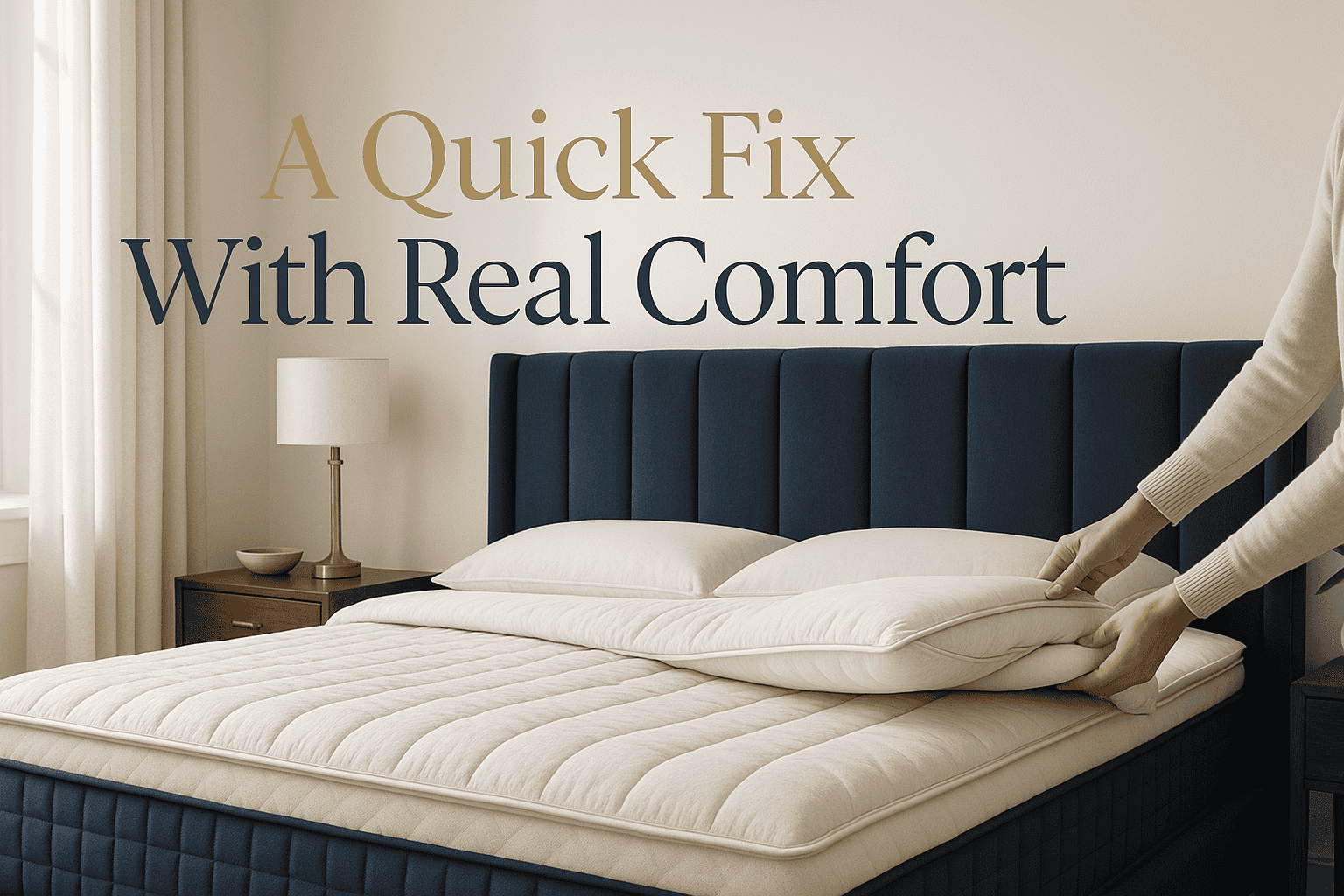
A mattress topper is an affordable way to improve your sleep by adding extra comfort and support. It helps make your mattress feel softer or firmer, depending on your needs and extends its lifespan. However, a topper will not solve all sleep problems. If your mattress is deeply damaged, a new one might be the best solution.

Luxe Mattress offers a variety of high-quality toppers designed to improve your sleep experience. This article will briefly discuss the following: Do You Need a Mattress Topper? Signs, Benefits, and How to Choose.

Is a Mattress Topper Your Solution for Better Sleep?

The mattress is an effective yet often overlooked tool for transforming the sleep experience. It is designed to add more comfort to the mattress by incorporating an extra layer of softness. It provides additional support where the body needs the most. For example, a Topper can help to soften a hard mattress or slightly sagging mattress to regain a touch of evenness. Furthermore, using Toppers can extend the lifespan of the mattress.

To determine whether a Mattress Topper is your sleep solution, users should first assess their current sleep position. Users have to understand that the mattress needs a topper, or their sleep issue will be resolved with a brand-new mattress. Aper is a  mattress cost-effective way to address minor comfort flaws. It cannot fix the genuine structural damage of a mattress. Luxe Mattress understands this issue, particularly for users in the UK. Therefore, it offers a diverse range of premium toppers that will enhance the user’s sleeping experience.

Understanding What a Mattress Topper Can, or Can Not Do

Topper’s Capabilities

A topper has many capabilities to enhance the sleeping experience. It can make the mattress softer or even add a bit of firmness to it.  It is beneficial in giving extra pressure relief and easing aches. Toppers also help with minor adjustments to support and help with body alignment. Some toppers can control the temperature. It is beneficial for UK residents who experience extreme cold weather. Another benefit of toppers is they can add an allergen barrier. It makes a nice, healthy sleeping environment and blocks dust mites.

Topper’s Limitations

While Toppers offers many benefits, it also has its limitations. Toppers cannot fix old or damaged mattresses. In that case, the user must change the mattress. If the mattress is deeply sagging and lumpy, it will not be as brand new. Topper cannot handle major back pain if it occurs due to a completely worn-out mattress. It can offer short-term benefits, but the user must find long-term solutions to address that pain. For severe back pain, it is best to consider purchasing a new mattress.

Key Benefits of Using a Mattress Topper

Mattresses add significant value to the mattress and sleeping experience after being installed on a bed or other sleeping surface. First of all, it provides comfort and enhances softness. If the mattress is too firm, a quality topper can add more softness and comfort, which makes the night feel more luxurious. Beyond comfort, Topper offers improved pressure relief. The gentle shapes ease the pressure on sensitive areas, such as joints and muscles. This ultimately reduces aches and pain, especially for side sleepers.

Temperature regulation is another excellent benefit of mattress toppers. Some toppers are designed to add a cozy layer of warmth for chilly nights. This is particularly important for UK residents. Therefore, Luxe Mattress is the best choice for UK residents to choose Topper to enhance their sleeping experience. Explore our top-rated topper collection, available on Luxe Mattress.

For sensitive individuals, Topper can act as a hypoallergenic barrier. It works as a shield against dust mites. This facility makes breathing easy and allows you to enjoy a healthy, sleepy environment. Toppers are a cost-effective option to get a better sleeping experience. By taking daily wear and tear into account, it protects the mattress from sagging excessively. Being cost-efficient, toppers are an excellent option to refresh an older mattress without buying a brand-new one.

Types of Mattresses Toppers and Their Properties

Memory Foam Topper

These mattresses are well-known for their unique conforming ability, molding closely to the body shape. They are excellent for pressure relief and significant to reduce motion transfer. The primary benefit of this mattress is that it effectively eases aches and pains.

Latex Topper

Latex Topper provides a new and enhanced feel due to its high responsiveness and bayonet-like texture. These Toppers are remarkably durable, naturally breathable, and often hypoallergenic. The major benefits of these toppers are good bounce, a longer lifespan, and less heat retention compared to memory foam toppers.

Wool Toppers

Wool Toppers are made up of natural fabric and are exceptionally breathable. These mattresses act as natural temperature regulators. Therefore, these Toppers provide a warm feel in winter and a cool feel in summer.  The major benefit of this mattress is that they are hypoallergenic and soft. This is a significant benefit for individuals with sensitive skin.

Synthetic Fill

Synthetic Fill, known as microfiber, is the cheaper option to enhance the softness of the mattress. They offer a soft feel and are often hypoallergenic. While budget-friendly and easy to clean, the major cons of these toppers are they are less durable than other types. They can flatten quickly and offer less support.

How to Choose the Right Mattress Topper

Choosing the right mattress depends upon the current situation of the mattress. 

  • If the mattress is too firm or slightly sagging, then it will be beneficial to use a Topper. Another crucial point is addressing sleeping positions. 
  • Side sleepers often need thicker, softer toppers. Back sleepers get benefits from medium-firm, and stomach sleepers get benefits from thinner-firmer options.
  • Material is very important; the fabric will determine how the Topper feels, how warm or cool it is going to be when sleeping, and whether it causes allergy issues. 
  • You should also consider thickness and density. Since thickness and density both affect how the Topper feels and its longevity.
  • For your health, assess your allergy and hygiene needs by selecting hypoallergenic or washable options. 
  • Last but certainly not least, it is essential to consider your budget, as budgets will affect options, as material and thickness have a significant variance in prices.

FAQs

Can a mattress topper make my bed feel softer?

Yes, most toppers do provide softness, especially those made from memory foam or plush materials.

How thick should a mattress topper be?

It depends on your need – 2-4 inches if you need a notable difference, 1-2 inches if your need is minor.

Can a topper prevent my mattress from sagging?

No. A topper will not prevent sagging; it just lies on top of the dip.

Are mattress toppers effective for alleviating back pain?

They can be helpful if you need more softness and you currently have a very firm mattress. If a worn-out mattress causes your back pain, a topper will not fix that.

How do I clean my mattress topper?

Check the label. Most toppers are spot-clean only, while others have removable, washable covers. For some materials, you may need a laundry service.

Conclusion

The Topper can be an excellent choice for improving the quality of sleep and overall well-being. It is a powerful addition but not a magical fix for broken or excessively sagging mattresses. Alternatively, you might even realize you should upgrade your mattress altogether! No matter which option you choose, check the Luxe Mattresses range to find the best option for your sleep.

best mattress for back pain issues-2
April 16, 2026

Best Mattress for Back Pain (Complete Buying Guide)

Choosing the best mattress for back pain is not as straightforward as picking the firmest or most expensive option. One of the biggest mistakes people make is assuming that a single type of mattress will work for everyone. In reality, mattress selection is highly personal and depends on multiple factors that most people don’t even consider before making a purchase.

There are several variables involved, including body weight, sleeping position, body temperature, geographical location, previous mattress experience, and whether you sleep alone or with a partner. Even factors like how much you sweat at night or how sensitive you are to motion can significantly affect your choice. All of these elements play a role in determining what truly becomes the best mattress for back pain for an individual.

Why Mattress Choice Is Not One-Size-Fits-All

You cannot generalise mattress suitability because every individual has different sleeping habits and physical requirements. Someone who sleeps on their back in a cold environment will need a completely different mattress compared to someone who sleeps on their side in a warm, humid climate.

For example, your decision should always consider:

  • Your body weight and how deeply you sink into the mattress
  • Whether you sleep on your side, back, stomach, or switch positions
  • Whether you sleep with a partner and how sensitive you are to movement
  • The type of mattress you have used previously (foam, hybrid, latex, etc.)

Previous experience matters more than most people realise. If someone has always slept on a firm foam mattress, switching directly to a soft hybrid can feel uncomfortable and even worsen back pain initially.

Understanding Back Pain and Mattress Support

When people search for the best mattress for back pain, they often don’t realise that back pain itself varies.

Lower back pain is the most common issue and is usually caused by improper spinal alignment during sleep. This happens when the shoulders remain on the surface of the mattress, but the hips dip too deeply due to uneven weight distribution. As a result, the spine curves unnaturally, creating pressure throughout the night. read more…

This issue can occur regardless of sleeping position, whether you sleep on your back, side, or stomach. The key problem is always the same: lack of proper support.

Upper back pain, on the other hand, is more common in side sleepers. It is typically caused by pressure building up around the shoulders and upper back when the mattress does not allow enough contouring.

How Sleeping Position Affects Mattress Choice

Sleeping position plays a crucial role in determining the best mattress for back pain.

If you are a side sleeper, an extra firm foam mattress may not be the best option. Firm foam mattresses are not flexible and do not allow your shoulders to sink into the mattress. This creates a gap between your shoulders and hips, leading to spinal misalignment and increased pressure.

In such cases, better options include:

  • Pocket spring mattresses (for flexibility and support)
  • Hybrid mattresses (for balanced cushioning and support)
  • Memory foam mattresses (for pressure relief)

Pocket springs are particularly effective because they respond individually to body weight, allowing proper alignment.

If you are a back or stomach sleeper, the situation is different. You generally need a more stable surface that prevents your hips from sinking too much. This is where firmer mattresses, especially high-density foam, can be more effective.

Types of Mattresses for Back Pain

Hybrid Mattress (Best Overall Option)

Hybrid mattresses are often considered the best mattress for back pain because they combine multiple materials to deliver both comfort and support.

Hybrid mattress

A true hybrid mattress includes:

  • Pocket springs for structural support
  • Micro pocket springs for pressure relief
  • Foam or latex layers for cushioning
  • Natural materials like wool, cotton, and coconut fibre

Premium hybrid mattresses use dual or even triple spring systems, which significantly improve support, reduce motion transfer, and help regulate temperature.

These mattresses provide a balanced feel, not too soft, not too hard and adapt to different sleeping positions. They also offer strong edge support, especially when built with reinforced or metal framing, making them more durable than standard “mattress-in-a-box” designs.

Memory Foam Mattress

Memory foam mattresses are a popular choice and can work well for combination sleepers, as well as back, stomach, and side sleepers.

extra firm mattress

They are particularly effective for:

  • Pressure relief
  • Body contouring
  • Reducing discomfort around joints

However, one common drawback is temperature regulation. Memory foam tends to retain heat, which can make it uncomfortable for hot sleepers.

Foam Mattress (Firmest Option)

Foam mattresses made from high-density materials are the firmest option available. These mattresses provide minimal to no sink and do not contour to the body.

The feel is often described as:

“Sleeping on a wooden surface with slight flexibility.”

extra firm foam mattress

These mattresses are commonly preferred in countries like India, Pakistan, and China, where people are more accustomed to harder sleeping surfaces.

However, they may not be suitable for everyone, especially for those who have never used a firm mattress before. It usually takes a few weeks for the body to adjust.

When You Should Switch to a Foam Mattress

If you have already tried multiple pocket spring or hybrid mattresses and still experience back pain, switching to a high-density foam mattress may be necessary.

Initially, it may feel uncomfortable for 3–5 weeks, but once your body adapts, it can significantly improve spinal alignment and reduce long-term back pain.

Best Mattress for Back Pain (Top Recommendations)

Based on experience and practical results, here are the three best options:

1. Luxe Ergo 3400 Hybrid Mattress (Best Overall)

This is a true hybrid mattress with a dual spring system.

It includes:

  • FortiCoil™ micro pocket springs in the top layer
  • Wool, cotton, polyester, and coconut fibre layers
  • Memory foam with LTX cooling gel
  • Endura pocket springs for core support
  • Reinforced frame for orthopaedic edge support
best hybrid mattress for back pain

It provides:

  • Balanced cushioning and support
  • Excellent pressure relief
  • Proper spinal alignment
  • Strong durability (supports up to 150kg+)

This mattress comes in both firm and extra firm options and is widely recommended for back pain.

2. Majestic 11000 Foam Mattress (Best for Maximum Support)

For those who need solid, no-sink support, this is one of the best options.

It is made using high-density foam (CP-C48 to CP-C52) and is available in:

extra firm foam mattress
  • Extra firm
  • Rock hard

The rock hard version provides an ultra-stable surface with no sinking at all. It is ideal for back and stomach sleepers and people who require strict orthopaedic support.

3. Luxe Natural Latex Pillow Top 5000 (Best Premium Option)

This mattress is made using natural materials such as:

  • Wool
  • Cotton
  • Coconut coir
  • Micro pocket springs
  • Endura pocket springs
natural mattress for back support

It offers a more luxurious feel while still maintaining strong support. It is suitable for those who prefer natural materials with a balance of comfort and stability.

Final Advice

If you are searching for the best mattress for back pain, the most important thing to understand is that the right choice depends on your body, your sleeping position, and your previous experience.

Hybrid mattresses like the Luxe Ergo 3400 are generally the safest and most effective option for most people. However, if you need maximum support and sleep on your back or stomach, a high-density foam mattress like the Majestic 11000 can be a better solution.

For those who prefer natural materials with a premium feel, latex-based hybrid mattresses provide an excellent balance.

At the end of the day, the best mattress is the one that keeps your spine aligned, reduces pressure, and allows your body to recover properly during sleep.


1. What is the best mattress for back pain?

The best mattress for back pain is one that keeps your spine in a neutral, straight position while you sleep. For most people, a hybrid mattress Luxe Ergo 3400 works best because it combines support from pocket springs with cushioning from foam or natural layers.

If you need stronger support, especially for back or stomach sleeping, a high-density foam mattress (extra firm or rock hard) can be more effective. For side sleepers, a mattress with more cushioning, such as a hybrid or memory foam, is usually better to reduce pressure on shoulders and hips.


2. Is a firm mattress better for back pain?

A firm mattress can help with back pain, but it is not always the best option for everyone.
If the mattress is too soft, your hips may sink, causing poor spinal alignment. However, if it is too firm, especially for side sleepers, it can create pressure points on the shoulders and upper back.

The key is balanced support:

Back and stomach sleepers ? benefit from firmer mattresses
Side sleepers ? need some cushioning along with support


3. Why does my back hurt after sleeping?

Back pain after sleeping is usually caused by poor spinal alignment during the night. This can happen when:

The mattress is too soft and your body sinks unevenly
The mattress is too firm and doesn’t allow natural contouring
Your sleeping position puts pressure on certain areas
The mattress has lost support over time

When your spine is not properly aligned, pressure builds up for several hours, leading to stiffness and pain in the morning.

How Sleep Position Affects Mattress Selection and Sleep Quality
April 15, 2026

How Sleep Position Affects Mattress Selection and Sleep Quality

Your sleep position affects the type of mattress you need. It helps determine the right firmness and support to maintain your spine in the correct position. A mattress that suits your sleep style can enhance your sleep, alleviate pain, and help you rest more comfortably. Luxe Mattress has a range of mattresses to help people in the UK sleep well.

By understanding how your spine moves while you sleep, you can pick the best mattress for your needs, whether you’re a side, back, stomach, or combination sleeper. This helps you avoid common discomforts and promotes better sleep. Catch complete details on How Sleep Position Affects Mattress Selection and Sleep Quality.

The Science of Sleep Posture

To find the ideal Mattress, it is essential to understand the natural mechanism of the spine. The human spine is not straight; it naturally possesses an S-shape. The fundamental goal of proper sleep is aligning these natural curves of the spine horizontally. It maintains the spine in a neutral and relaxed position.

Different sleep positions inevitably create pressure points. For example, side sleepers mostly concentrate weight on their shoulders and hips. Back sleepers mostly face weight on their lower back, heels, and the back of the head. Stomach sleepers mostly face weight on their lower back and neck.

When a mattress fails to support these pressure points, the spine is forced into unnatural positions. This leads to common pains, such as aches and discomfort in the back, neck, and joints. Over time, these misalignments can lead to significant long-term musculoskeletal issues. According to the NHS Alexander Technique, the UK regularly highlights the importance of good posture, especially during sleep.

Side Sleepers: Cushioning for Curves

Side Sleepers are unique in how they bear the weight, with pressure mostly concentrated on their hips and shoulders. To resolve this issue, the ideal firmness of a mattress should be softer to medium-softer. This Mattress allows these areas to sink in Mattress comfortably. This helps in making the spine straight and aligned from the neck to the tailbone. This prevents natural spinal curvature and prevents pressure build-up.

Hybrid mattress spine aligbment

For these types of sleepers, Memory Foam is the ideal choice. These types of mattresses excel in providing deep and conforming contouring, offering excellent pressure relief. Softer Latex provides a responsive cushioning feel. At the same time, the Hybrid features a plush comfort layer, providing a balanced blend of contouring and supportive bounce. Choosing these types of mattresses helps reduce shoulder pain and hip discomfort, while promoting improved circulation. Check out the luxe mattress to get perfect Plush Memory Foam Mattresses perfectly designed for side sleepers.

Back Sleepers: Balanced Support for Stability

Back sleepers mostly distribute their weight more evenly across the surface than side stomach sleepers. This position requires a mattress that provides consistent support while maintaining the natural curvature of the spine. The ideal Mattress for back sleepers is a medium to medium-firm Mattress. The level of firmness is crucial to support the natural lumber curve. A hybrid medium-firm mattress is another excellent choice for providing essential support for back sleepers.

which is best mattress for back sleepers

Zone Pocket Sprung Mattress is highly beneficial in this category as it provides essential support to the specific area of the lumbar region. Additionally, a medium-feel latex mattress is crucial for its supportive and balanced firmness.

Choosing the mattress best for this position helps reduce major issues. The prominent issues are lower back pain and general morning stiffness. Check out the best Mattress in the Medium-Firm Hybrid Mattresses category at Luxe Mattresses. Luxe Mattress is the best choice for UK residents due to its high-quality products.

Stomach Sleepers: Preventing the Arch

Stomach sleepers have unique issues when sleeping as they need to prevent their hips from sinking too much into the mattress. When the hips sink too deeply into the mattress, the lower back naturally arches. That ultimately leads to major strain and discomfort.  To counter these issues, the ideal mattress firmness should be medium-firm. This level is crucial as it prevents the entire body from being in a flatter plane.

which is best mattress for stomach sleepers

Ultimately, it prevents the lower back from arching excessively. A firm surface helps to maintain spinal alignment in a neutral position. For the recommended mattress type, a firmer innerspring mattress offers robust and solid support. Additionally, firm hybrids combine a strong support core with minimal comfort layers.

Choosing these types of mattresses helps to reduce common health issues. The prominent health concern is lower back pain and neck strain. Luxe Mattress provides excellent Mattresses for Stomach sleepers to maintain a healthy lifestyle getting quality sleep. Explore the comprehensive range of Luxe Mattress Firm Support Mattresses, specifically designed to provide a stable foundation for stomach sleepers.

Combination Sleepers: Adaptability is Key

A combination Sleeper is a person who changes their sleeping position throughout the night. For that type of person, a mattress is required to keep with their movements without hindering them. The ideal Mattress for this type of Mattress is medium firmness coupled with high responsiveness.

These mattresses are designed to quickly adapt to the sleeper’s new position and provide essential support. These mattresses maintain spinal alignment and provide pressure relief, regardless of the body’s position during sleep. For the recommended mattress type, a responsive hybrid mattress is often the top choice. A responsive latex mattress is beneficial as it provides natural buoyancy, facilitating effortless movement.

combination sleeper mattress

By choosing these types of mattresses, sleepers can address major health issues. The health issues include restlessness and disrupted sleep cycles. Luxe Mattress helps their customer to address this issue to enhance the quality of life for combination sleepers. Check out the Luxe Mattress Hybrid Mattress.

Beyond Position: Other Factors for Optimal Sleep Quality

First of all, body weight affects the feel of Mattress. The firmness and feel of the mattress vary between individuals of different weights. A heavier person might need a firmer mattress to avoid sinking into it. A lighter person might find the same mattress too hard.

factors to consider before buying mattress

The second thing is the motion transfer for the couple. Technologies like individually pocketed springs or dense memory foam prevent movement from one side of the bed from distributing the partner. The third thing that is very important for UK residents is temperature regulation.

In the intense cold weather in the UK, temperature regulation can help keep mattresses at a warmer, adjustable temperature. Another crucial thing is Allergies and Hygiene. Mattresses with naturally hypoallergenic materials (like Latex) or those treated to resist dust mites and mold

FAQs

Can the pillow affect my spinal alignment?

Most definitely! When considering the function of a pillow, its weight primarily supports the head and neck, thereby affecting the alignment of the upper spine.

Can a mattress be too firm for a particular sleeping position?

Yes, it can. Usually, a mattress that is too firm can cause pressure points that lead to pain, even when sleeping in a neutral position, and can misalign the spine.

How long does it usually take to adjust to the new mattress due to my sleeping position?

Usually, it takes 2-4 weeks for the body to adjust to the new Mattress, which has a different feel and support. So be patient!

Are adjustable bases the best solution for comfort in different positions?

Yes, indeed. The adjustable base allows you to raise your feet or head to find the best comfort and support for any position you prefer to sleep in.

What if my partner complains of having an ideal sleeping position different from mine?

One option could be to go for a mattress with great motion isolation or a split-firmness mattress. Hybrids are often a great solution to differing sleeping position needs.

Conclusion

To select the right Mattress, understanding the sleep position is very important. This choice impacts the quality of sleep and overall well-being. A well-chosen mattress can truly enhance daily comfort and contribute to better overall health. To find the best mattress that aligns with user needs, Luxe Matters offers a diverse range of mattresses. Visit the official Luxe Mattress website to find a mattress that aligns with your needs.

From Anxiety to Insomnia: How Emotional Health Impacts Sleep Quality
April 14, 2026

From Anxiety to Insomnia: How Emotional Health Impacts Sleep Quality

Sleep is not just physical, it is deeply linked to your emotional health. When stress, anxiety, or overthinking take over, your mind stays active, making it harder to fall and stay asleep. Many cases of poor sleep quality come from emotional imbalance rather than bad sleep habits.

From racing thoughts to disrupted sleep cycles, your mental well-being directly affects how well you rest. Understanding this connection is the first step to improving sleep quality and achieving deeper, more restorative sleep.

The Emotional Side of Sleepless nights

It’s hard to separate sleep and feelings. After a bad night’s sleep, most of us know that we can be cranky or nervous the next day. This is often caused by stress, sadness, or anxiety. We now know that not getting enough sleep can make you feel lousy and that being mentally sick can make it hard to sleep. A lot of mental health problems can make it hard to sleep.

This article talks about some of them. When people are terrified, angry, or unhappy, they typically can’t stop thinking. This is because not getting enough sleep might hurt your brain. We’ll also speak about typical triggers, some mental skills that can help you, and bedroom ideas that can help you break the cycle and get the sleep you need.

Understanding Anxiety’s Role in Sleep Disruption

Stress makes the body want to fight or run away all the time, even when it’s time to sleep. Your nerve system gets incredibly busy when you’re terrified or worried. This makes it hard to relax and go to sleep. Sleeping experts note that people with this disease think a lot, have tense muscles, and their hearts beat quickly. A lot of thoughts, tense muscles, and a racing heart are all signs of this illness.

what are sign of anxiety and its role in sleep disruption

When you’re anxious, your body releases stress hormones like adrenaline, which make your heart beat faster and your body heat rise. Stress, a racing heart, and tight muscles can all make it hard to fall asleep or stay asleep. People who are troubled tend to worry about their troubles all the time. Whether you’re thinking about a talk you had or making a list of things you need to do tomorrow, these kinds of thoughts can come in a lot before bed and stop your brain from “winding down.”

Many people experience anticipatory anxiety about sleep itself. For example, “What if I lie in bed all night and still feel tired tomorrow?” is a common fear that people have before going to sleep. In a strange way, this fear of not sleeping can keep them up even longer. As time goes on, the bedroom continues to make you think of tension instead of sleep, which makes insomnia even worse.

In short, anxiety keeps your body and mind over-alert at night. This over-alertness is considered a central contributor to insomnia. The more anxious you feel, the harder it becomes to fall or stay asleep. Without intervention, this pattern can quickly spiral into a chronic problem.

The Vicious Cycle: Poor Sleep Fuels Poor Emotional Health

Both sleep and mood can influence each other. Just as anxiety and stress makes it hard to sleep, poor sleep can also make your mental health worse. Sleep deprived brains handle stress poorly. People tend to get bothered easily by little things, feel more annoyed and sad, and find it hard to regulate their emotions. In fact, the NHS warns that “longer stretches of bad sleep can…have a negative impact on our mental health or wellbeing”.

Biologically, not getting enough sleep makes cortisol rise and makes it harder for the brain to process positive feelings. This makes you feel dull or concerned. Not getting enough sleep can reduce your mood, make anxiety or depression worse, and even raise your chance of having new mental health conditions over the course of weeks or months. Because of this, not getting enough sleep makes stress and anxiety worse, which makes it much harder to get to sleep.

how poor sleep effects emotional health

Research confirms this loop. One study found that chronic insomnia not only often follows anxiety and depression, it can actually predispose otherwise healthy people to develop anxiety disorders later. Likewise, sleeping better has been shown to improve mental health outcomes. For example, therapy that targets insomnia (CBT-I) not only improves sleep but also reduces symptoms of depression and anxiety. In other words, better emotional health and better sleep go hand-in-hand, ignoring one can undermine the other.

Common Emotional Triggers of Insomnia

Many everyday stressors and life events can trigger sleeplessness. Here are some of the most common emotional triggers, along with brief examples of how they manifest:

i. Work or Career Stress: Tight deadlines, long hours, or job insecurity can fill your mind with worry.

ii. Financial Anxiety: Worries about paying bills, debt, or job loss are potent sleep stealers. In a recent survey, 77% of U.S. adults admitted they lose sleep over money worries at least some of the time. But seriously though, I totally get them. Making budgets or worrying about debt can easily put sleep at the back corner of one’s mind.

common emotional triggers of insomnia

iii. Grief and Loss: Losing a loved one can be quite upsetting and it often disrupts sleep. Health sources note that “trouble sleeping is common with grief.” Anxiety or sadness over the loss of a loved one can cause frequent awakenings or early morning wake-ups.

iv. Breakups and Relationship Stress: Ending a significant relationship is a known precipitant of insomnia. Behavioral scientist Wendy Troxel notes that losing a partner either through a bad breakup or death makes people feel vulnerable and triggers sleeplessness.

Major Life Changes: Big transitions like moving to a new city, starting (or losing) a job, having a baby, or going through divorce can also be stressful enough to disturb sleep. The emotional upheaval and broken routines during these times often spill into the bedroom.

Recognizing these triggers is the first step. The body’s natural response to worry often is to make sleep difficult. Identifying your trigger can help you tackle the insomnia associated with it.

How Depression Differs from Anxiety in Sleep Impact

While anxiety typically causes difficulty falling or staying asleep, depression can affect sleep in a different way. About 75% of people with depression report insomnia symptoms, but surprisingly many depressed patients also experience hypersomnia (sleeping too much). Studies show that roughly 40% of young adults with depression have hypersomnia. In practice:

  • Depression and Sleep Patterns: People with depression often have poor sleep quality, even if they spend more time in bed. They may fall asleep but wake up too early, or sleep only lightly and feel unrefreshed. Some simply sleep all the time and still feel exhausted. Depression can cause both non-restorative sleep and excessive sleepiness.
  • Anxiety and Sleep Patterns: On the other hand, anxiety usually makes you sleep in a way that makes you restless and hyper-alert. Anxious people tend to lie in bed worrying, startle awake easily, and spend little time in deep sleep. Nights are often fragmented with frequent awakenings.

These differences also show up in sleep architecture. Anxiety keeps the mind wired and awake, while sadness can leave someone dragging all day or waking painfully early. Both disrupt the restorative functions of sleep, but through somewhat different mechanisms.

Coping Mechanisms That Make It Worse

When sleep is elusive, it’s tempting to reach for quick fixes. But many common coping strategies backfire, further disrupting sleep and fueling anxiety. These include:

i. Taking Alcohol or Sedatives before Bed: While a nightcap could make you feel drowsy initially, alcohol fragmented sleep later in the night and lowers REM sleep. This can make you feel fatigued and stressed the next day.

ii. Late-Night Screen Time: Scrolling on your phone or watching TV right before bed throws off your internal clock. Melatonin, the hormone that makes you sleepy, is shut off by blue light from screens, keeping your brain alert. NHS experts advise avoiding electronic devices at least an hour before bedtime. Instead, unwind by reading or listening to calm music.

which factors contribute to worsen emotional health

iii. Caffeine or Nicotine at Night: Stimulants like coffee, tea, energy drinks, or nicotine from cigarettes can linger in your system and make it hard to fall asleep. The NHS notes that things like nicotine, coffee, and other stimulants might make it hard to sleep. Even sweets or some medicines taken in the evening can also be harmful.

Iv. Working Late or Overexerting: Doing work in bed or thinking about things that need to be done can make you feel stressed. Similarly, if you perform a lot of strenuous activity close to bedtime. When it’s time for bed, it’s hard to fall asleep if your mind or body is still awake.

V. Irregular Sleep Schedule: Staying up late on the weekends or changing your bedtime a lot can mess up your body’s natural sleep-wake cycle. A chaotic plan makes it hard for the brain to figure out a time of rest.

These strategies can feel like instant relief or productivity boosts, but they ultimately worsen sleep and anxiety. For example, stimulants are a common cause of sleep problems and should be avoided before bed. Likewise, SleepFoundation experts recommend good sleep hygiene: steady bedtimes, pre-bedtime wind-down routines, and a phone-free bedroom.

Emotional Sleep Disorders You Might Not Know About

Beyond general insomnia, there are specific sleep disturbances linked to emotional health, which include:

i. Sleep Anxiety (Anticipatory Insomnia): This is when fear of not sleeping actually keeps you awake. A person might dread bedtime, worry about falling asleep, or even develop somniphobia (fear of sleep). Sleep experts call this “sleep performance anxiety.”

ii. PTSD-Related Nightmares and Hypervigilance: People with post-traumatic stress disorder often dream about awful events that happened to them and are particularly vigilant at night. A study found that more than 90% of combat soldiers with PTSD say they have trouble sleeping. People can have bad dreams and wake up many times. They can’t sleep because their bodies are always “on guard.”

what is emotional sleep disorder

iii. Nocturnal Panic Attacks: People with panic disorder don’t want to have panic attacks in the middle of the night, but some do. It’s the same at night: they wake up scared, their heart racing, and they can’t breathe. The Cleveland Clinic says that as many as seven out of ten people with panic disorder also have panic attacks at night. They might be scared, think they’re going to die, and worry that bad things are going to happen, but it wasn’t an emergency; it was just a panic attack.

iv. Night Terrors and Sleep Paralysis: In severe cases, one might experience night terrors, or sleep paralysis. Although more common in children, these disorders can occur in adults under extreme stress or trauma. They are more complex disorders, but are essentially manifestations of the same mind-body fear responses at night.

In all of these disorders, the sufferer wakes up feeling terrified or agitated. For example, having a panic attack at night means feeling very scared quickly, sweating, having a fast heartbeat, and being out of breath. The person is fully awake and afraid, which is not typical. It is vital to note that these indications are not “normal” but are instead induced by worry or stress. People who are hurting should get help because there are effective treatments available, like medication or therapy from a professional. 

Psychological Solutions for Restoring Sleep

The good news is if your emotions are keeping you up, you can sleep better with the right techniques. Several evidence-based psychological approaches target the anxious thoughts and behaviors keeping you awake, such as:

i. Cognitive Behavioral Therapy for Insomnia (CBT-I): This structured, short-term therapy has been shown to help people who can’t sleep by changing the way they think about and act when they sleep. As part of CBT-I, patients typically learn to examine negative beliefs and build a soothing practice before bed. Big studies have shown that CBT-I not only helps people sleep better, but it also makes them feel less anxious and sad.

ii. Mindfulness and Relaxation Practices: Mindfulness training, like meditation, teaches the brain to stay in the now instead of worrying about the future. Harvard researchers showed that older adults who had difficulties sleeping and exercised mindfulness were much less likely to be weary, depressed, or unable to sleep. You can elicit this “relaxation response” by focusing on your breath or doing some gentle yoga before bed. Progressive muscular relaxation and deep breathing are two easy ways to calm down your heart rate and clear your mind.

what are psychological solutions for restoring sleep

iii. Journaling or Worry Time: Giving anxious thoughts a specific outlet can prevent them from hijacking bedtime. The NHS suggests writing down tomorrow’s tasks before bed as a way to “put your mind at rest”. Writing in a worry book or a thankfulness notebook can also help you relax. The most important thing is to do something peaceful and alone, and then stop when you’re done with your book.

iv. Sleep Hygiene and Habits: Your brain knows it’s time to sleep when you have a regular bedtime routine, like drinking herbal tea and turning off the lights. Don’t eat a lot, drink a lot of coffee, or work out hard straight before bed. Getting outside in natural light and working out regularly can help you fall asleep sooner. These little modifications make it easier for the brain to link bedtime with relaxation instead of worry over time.

If your worry or trauma is really bad, you usually require support from a specialist. Psychologists and sleep experts can make therapies work for you. Getting more sleep can assist your mental health just as much as or more than dealing with stress. For a lot of people, breaking the practice of worrying at night might make them feel better throughout the day.

The Role of Environment in Supporting Emotional Rest

Your bedroom environment can either make your mental tension worse or better at night. The colors, warmth, and mood of the room can all affect your brain and instruct it to relax. Walls painted in gentle blues, greens, or even light gray tend to make individuals feel pleasant and relaxed. People who sleep in blue or green rooms are the most relaxed and get the greatest sleep, according to surveys. You might want to avoid bright reds or yellows, as they tend to make you feel more energized.

Silence is “golden” for sleep. To filter out unpleasant sounds, use earplugs or a white-noise machine. Blinds or eye masks that block off light can assist. Put your phones on silent or in another room. Most individuals sleep best in settings that are a little cold, between 65°F and 68°F (18°C and 22°C). The NHS suggests to keep the bedroom cool and “well ventilated” because being too hot or stuffy might make you feel restless.

how to optimise bedroom environment for better emotional sleep environment

Experts suggest that bedding should be the most comfortable and supportive. You need a mattress that fits your body and supports your spine, as well as a pillow that maintains your neck straight. For example, Luxe Mattresses’ contouring memory foam or hybrid mattresses are high-end and have characteristics that relieve pressure. These mattresses can aid with pain and help the body sleep. Sheets that let air flow and blankets that are soft and cozy might also help you feel safer.

Some smells might help you feel better. For instance, studies have shown that the scent of lavender might help you relax and feel less stressed. You can relax by putting a lavender bouquet next to your pillow or spraying your pillow with lavender. People have employed mellow scents like chamomile and jasmine for a long time to help them sleep. Make sure the smell isn’t too overpowering and doesn’t take over.

A clean bedroom with little mess is finally a place where you can relax and not worry about anything. Keep work things, bills, and notes out of sight. If you can, set up a little “sanctuary” area. A favorite image or plant can help you feel better, but don’t put too much in it, such games or junk.

When your bedroom is safe, tranquil, and comfortable, it helps you forget about the issues you had during the day. The Sleep Foundation suggested that making your bedroom more sleep-friendly and getting into “habits that help you sleep” can help you get more sleep. A good mattress, like the pressure-relieving ones from Luxe Mattresses, and a well-planned room layout will help you relax both physically and mentally.

Conclusion: Emotional Peace = Sleep Peace

In summary, sleep and emotional health are intimately linked. Anxiety, stress, depression and trauma all create physiological and mental arousal that can sabotage sleep. Left unchecked, this leads to a vicious loop: poor sleep raises stress hormones and impairs mood, which in turn makes sleep even harder. By contrast, interventions that target the emotional side of insomnia – therapy, relaxation practices, journaling, environment tweaks – can restore the cycle of sleep and healing.

The key message is hopeful: improving one side often helps the other. Tackling anxiety and stress (through CBT, mindfulness, or counseling) will improve sleep, and improving sleep hygiene will lift your mood and resilience. If sleep struggles persist, consider seeking professional advice – a sleep coach, therapist or doctor can guide you to the right resources. You might also explore LuxeMattresses’ sleep wellness guides and products designed to support both physical comfort and emotional rest.

Remember, the path to a peaceful night often begins with a calm mind. By addressing the emotional roots of sleeplessness, you can find your way back to deep, refreshing sleep – and wake up to brighter days ahead.

FAQs

Can anxiety alone cause insomnia?

Yes. Anxiety and chronic worry can directly interfere with sleep. When the mind is racing or tense, the body stays alert and can’t easily transition to sleep. This “hyperarousal” state is a known trigger for insomnia. Over time, anxiety about not sleeping can further entrench the problem. Fortunately, treating the anxiety often brings significant sleep improvement.

Will improving my sleep help my anxiety or depression?

Absolutely. Studies show that improving sleep through therapy, or good sleeping habits can reduce symptoms of anxiety and depression. For many people, simply getting more rest makes daily stressors feel more manageable, and it can even improve cognitive function and mood. Think of sleep as part of your mental health toolbox: better rest is both a result of feeling better and a cause of feeling better.

How do I create a better sleep environment?

Focus on comfort and calm. Keep the room dark, quiet, and slightly cool. Decorate in soothing colors like blue or green. Remove electronic distractions such as phones and computers from the bedroom. Invest in a supportive mattress and pillows that relieve pressure and keep your spine aligned. You can also introduce relaxing scents like lavender and chamomile while starting some bedtime routines such as reading, stretching, and having a warm bath to help you feel better. Each positive environmental cue sends a signal to your body that it’s time to sleep.

If you implement these strategies and still struggle, it may help to consult a sleep specialist or mental health professional. There are effective treatments available; you don’t have to battle chronic insomnia or anxiety alone. By addressing both your mind and your sleep setting, you can break free from the cycle of anxiety?induced sleeplessness.

Product has been added to your cart