
Black Friday 20% off every mattress (25% off natural latex) · Free pillow worth up to £99 on orders over £350 · you choose · + free room-of-choice delivery on every mattress · Lowest price guaranteed — as low as it will go Black Friday: 20% off + free pillow worth up to £99 on orders over £350 Lowest price guaranteed Shop the eventShop
Benefits of Mattress Recycling London
August 14, 2026

Discover the Benefits of Mattress Recycling London: A Sustainable Choice

Sustainable living is not a trend you must follow in 2026, but a responsibility you must fulfil, you can start small, such as proper mattress recycling. With more than 700,000 mattresses discarded in a beautiful city like London, mattress recycling London practices need more attention than ever. Engaging in mattress recycle efforts can significantly contribute to environmental sustainability.

Despite some significant efforts by the local authorities and private companies, countless mattresses end up in landfills. These discarded mattresses not only occupy valuable space but also contribute to the degradation of the environment. 
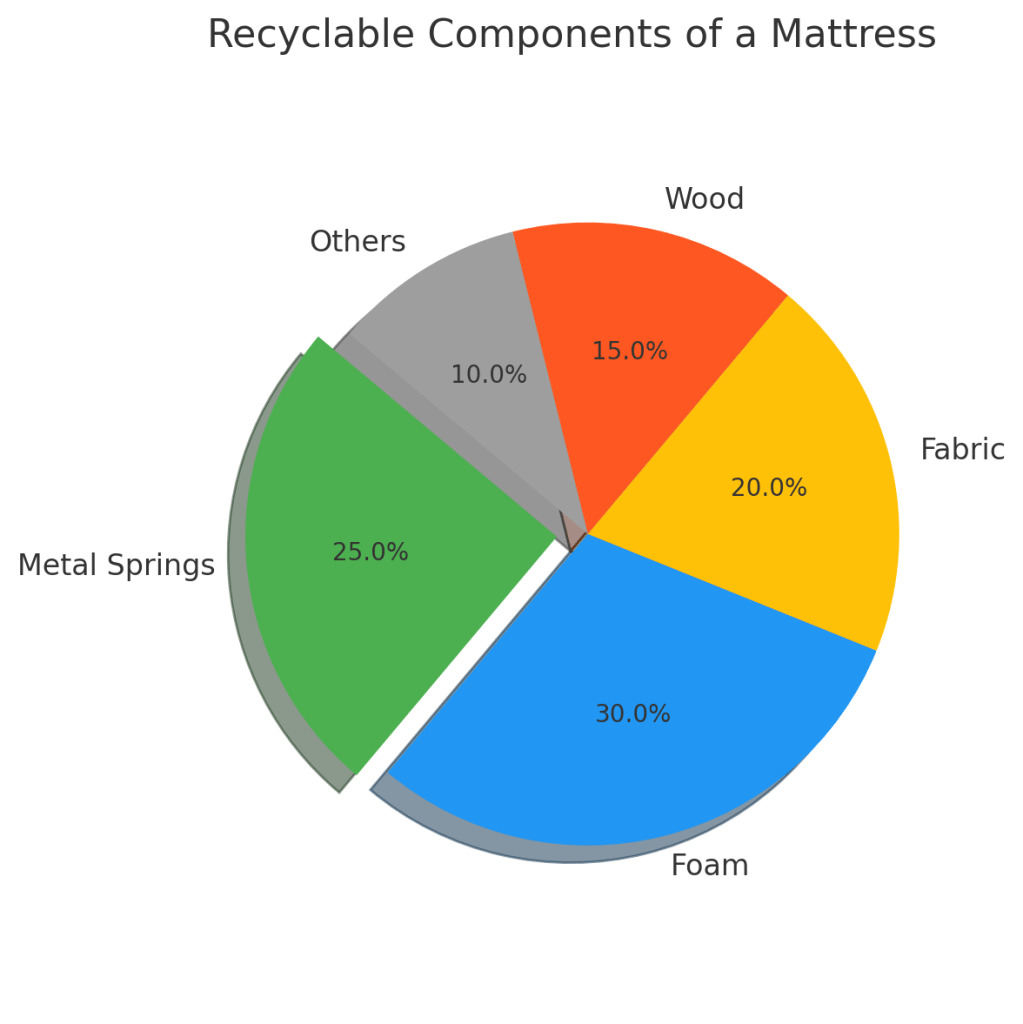
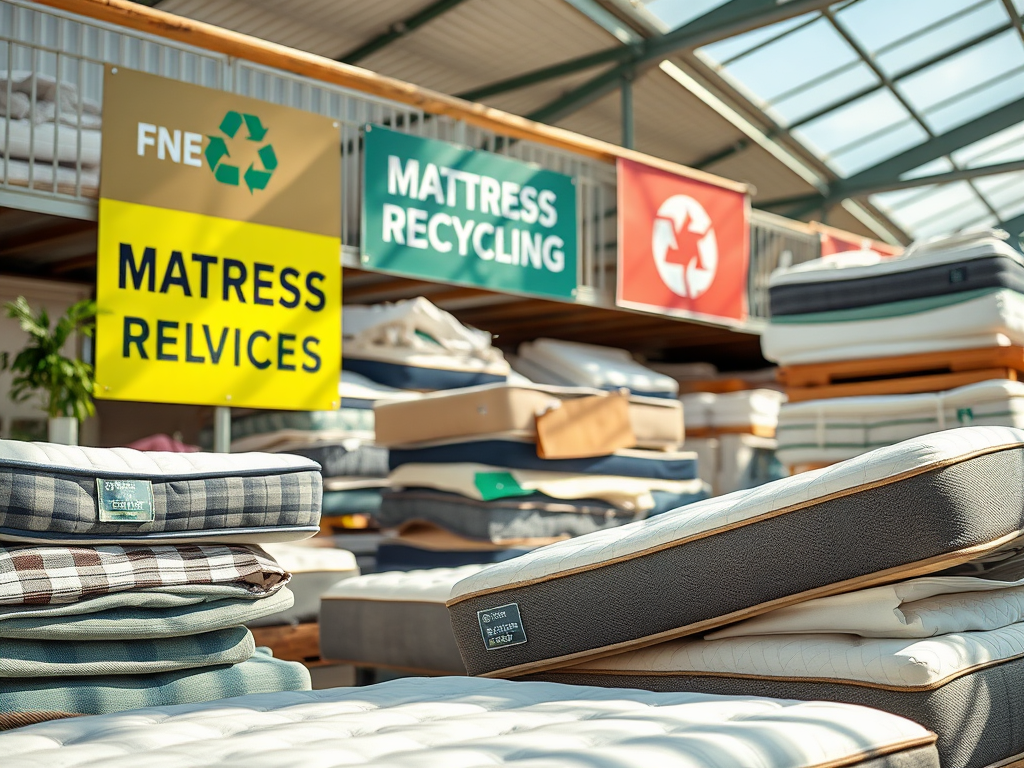
Recyclable components of a mattress

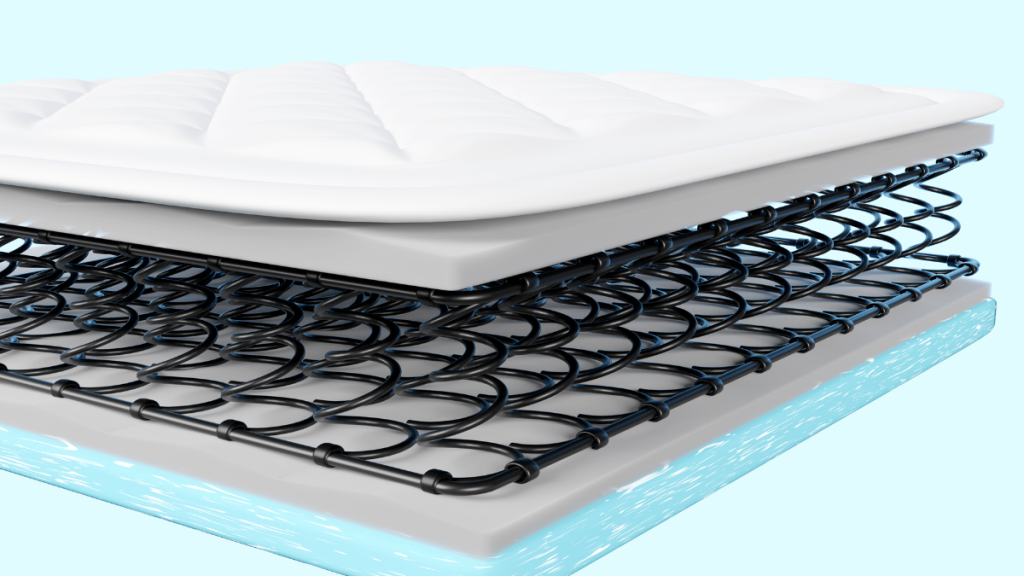
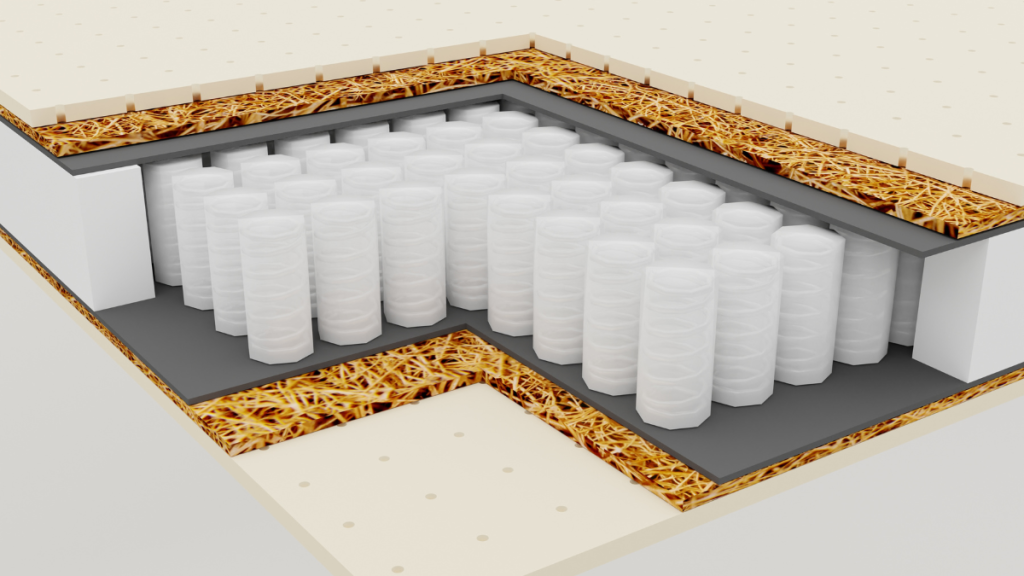
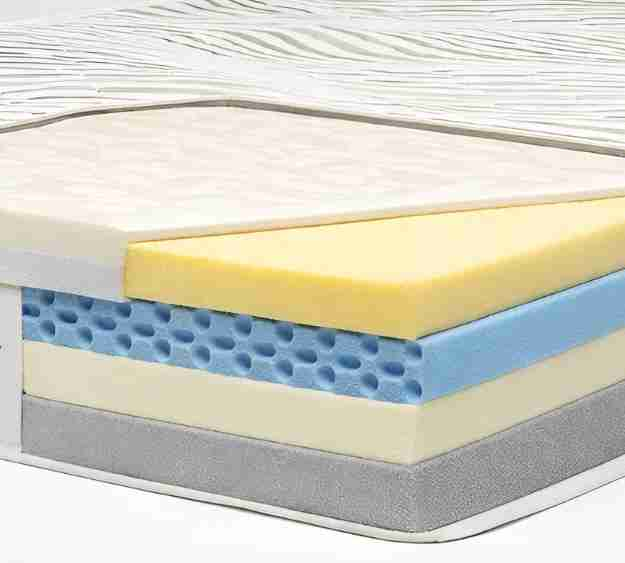
Mattress recycling is a green initiative with having multiple old mattress collection centers set up at different locations. How does mattress recycling London work and what are the benefits of this sustainable choice? We are going to share some valuable insights that will encourage you to consider your actions before discarding your next mattress, and if you want to recycle your mattress by yourself then you can read our mattress recycle guide.

What is Mattress Recycling? 

The process of dismantling old mattresses into various parts for repurposing in an environment-friendly way is called mattress recycling. Fabric, springs, fillings and foam is separated and then these components undergo different procedures to be reused in other items, reducing environmental footprint. 

Mattress recycling is a resource-efficient and sustainable alternative to conventional disposal arrangements. If your local authorities don’t offer free service to dispose bulky mattresses, consider hiring a reliable mattress recycling London company. This little investment can make a huge difference in building a greener and sustainable community. 

Benefits of Mattress Recycling in London 

Why do you need to make an effort to recycle a used mattress or bed safely? If you want a safer and breathable environment for you and your next generations, you already have the answer to this question. 

Disposing old mattresses in a landfill will eventually lead to environmental degradation. Here are some benefits that mattress recycling has to offer in London and everywhere else. 
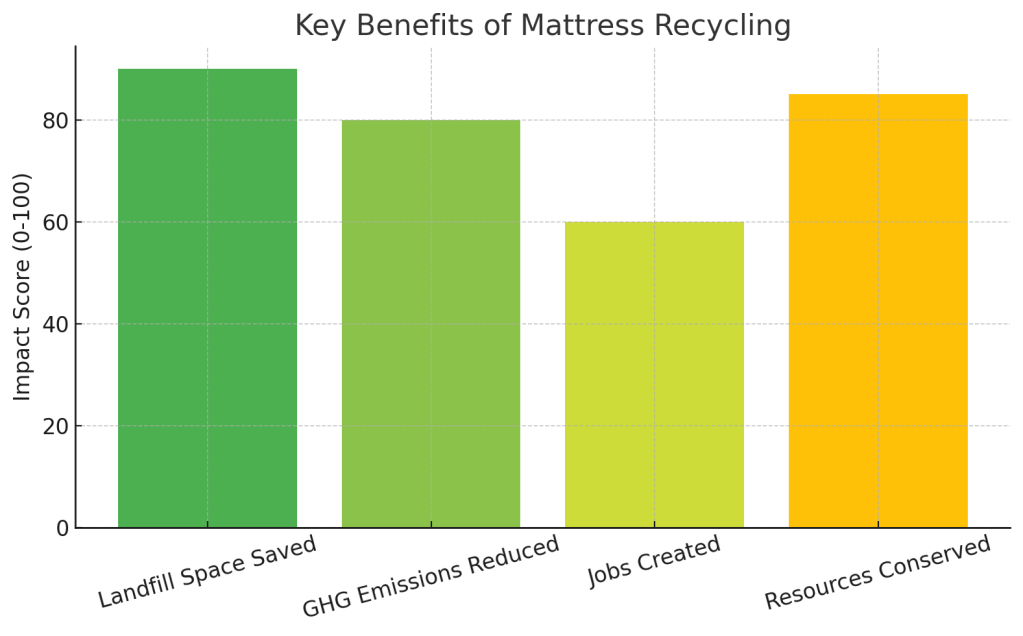
Key Benefits of Mattress Recycling

Environmental Impact of Mattress recycling

These are non-biodegradable products, and due to their bulky structure, mattresses take up significant space in landfills. Greenhouse gases are inevitable if they are left outside unattended for a long time. Here is how proper recycling helps to build a better environment for all of us:

  • More than 90% of the components in mattresses can be reused in other products
  • Metal springs are separated and melted for repurposing, reducing the need for metal mining
  • The carpet and insulation industry can use the shredded foam from the mattresses
  • Landfill methane emission is a serious issue that can be minimized by reducing landfill pressure 

Economic Advantage of Recycling

Smaller initiatives make big difference when it comes to the green economy of London. Use of recycled materials helps to bring down the cost of new manufacturing. 

Apart from that, old mattress collection centers, recycling plants and other industries related to these fields produce new job opportunities for the skilled individuals. Landfills can be used for several other profitable project by municipalities.

Community Health Impacts of Improper Mattress Recycling

Illegal dumping, fire hazards, pest infestation, and many other issues are triggered by improper disposal of mattresses and other bedding accessories, including sofas and beds. When recycled properly, it helps with:

  • Maintaining a cleaner and greener community and streets
  • Reduce the chemical exposure and emissions due to decaying foam and other components 
  • Promote a sense of responsibility and sustainability within the communities 

Options for Old Mattress Collection 

What to do with the old mattress so that it does not add to the pollution? Dumping the old accessory in the streets or waiting for the garbage truck to take it away may not be the smartest move. If you want to dispose an old mattress in London as a responsible citizen, here are your options. 

Local Services for Bed Disposal London

There are local bulky waste collection units in many boroughs. These services can take care of old mattresses, too. Due to limited resources, you might have to wait for your appointment after booking a slot with local services for bed disposal London. 

For a small price, you can have the specialized mattress recycling companies pick up the old mattress from your home. Instead of throwing mattresses in a landfill, these companies responsibly dismantle the mattresses into reusable components. 

1. Collect Your Old Bed

  • Service Area: London and UK-wide
  • Pricing: From £24
  • Recycling Rate: 100% of mattress components recycled
  • Features:
    • Easy online booking
    • Flexible collection dates
    • Partnership with leading home delivery services
  • Website:  https://collectyouroldbed.com/

2. The Mattress Recycling People

  • Service Area: Nationwide, including London
  • Background: Home collection service of The Furniture Recycling Group Ltd.
  • Experience: Over 1.4 million mattresses recycled to date
  • Features:
    • Trusted by major retailers
    • Focus on sustainable recycling practices
  • Website:  https://themattressrecyclingpeople.co.uk/

3. We Are Mattress Recycling

  • Service Area: London and Essex
  • Recycling Policy: Zero-to-landfill commitment
  • Features:
    • Environmentally friendly mattress collection
    • All mattresses fully recycled
  • Website:  https://wearemattressrecycling.co.uk/

DIY Recycling Tips

DIY handling of an old mattress is not as easy as dismantling these bulky items, which requires resources and tools. If you are confident about the proper handling of an old mattress on your own, here are a few possible tips to recycle an old mattress in London as a DIY project:

  • Remove the fabric and reuse it in pet bedding or insulation
  • Foam extracted from beds can be used for packaging materials, insulation, and other DIY projects
  • Metal parts in beds and springs in mattresses can be sold for some cash
  • Donate reusable parts to organizations around you, probably pet-related initiatives

How to Choose a Mattress Recycling Service?

You have made an environment-friendly decision, and now you need to choose the right mattress recycling service in London that can handle the job perfectly. Here are a few tips on choosing the best mattress recycling service near you:

License and Certification

Not every company is permitted to handle waste and disposed items. For better handling of old mattresses, make sure that company is regulated and licensed by the relevant authorities. Their website must display the required certifications and legal work clearly for the visitors, for more information click here.

Customer Reviews and Testimonials for Mattress recycling companies

If the company has good reputation and established name in London, check reviews and testimonials from the previous clients. positive reviews and feedback indicate proper handling of the waste materials. 

Conclusion 

With far-reaching environmental, economic and community benefits, sustainable mattress recycling in London is a serious responsibility. Many private companies have green old mattress collections where they pick bulky items from your home at affordable prices. London needs your immediate support into building greener and sustainable communities where old items are not just disposed but recycled. 

Frequently Asked Questions


How do I recycle my old mattress in London?

You can recycle your old mattress by:
1. Booking a collection with your local councils bulky waste service.
2. Hiring a licensed private mattress recycling company that picks up directly from your home.
3. Dropping it off at designated recycling centers (if you have transport and the center allows it).


Can all parts of a mattress be recycled?


Most of the mattress can be recycled:
1. Metal springs are melted down and reused.
2. Foam and padding can be repurposed for carpet underlays or insulation.
3. Fabrics and fibers are reused or composted.
About 90“95% of a mattress is typically recyclable.


Why should I recycle instead of throwing it away?

Recycling prevents mattresses from ending up in landfills, where they:
1. Take up large amounts of space
2. Release harmful gases and chemicals
3. Contribute to illegal dumping and community health issues
It’s a sustainable and responsible choice that protects the environment and supports the circular economy.


How much does mattress recycling cost?

Costs vary:
1. Council collection services may charge a small fee (typically £20“£40).
2. Private companies may charge £30“£60 for pickup and responsible disposal.
Some charities may collect reusable mattresses for free if they meet hygiene standards.


What if my mattress is still in good condition?

If your mattress is clean, undamaged, and less than 7 years old:
1. Donate it to a charity or reuse organization.
2. Offer it through local community platforms like Freecycle or Facebook Marketplace.
3. Some recycling firms also accept gently used items for refurbishment.
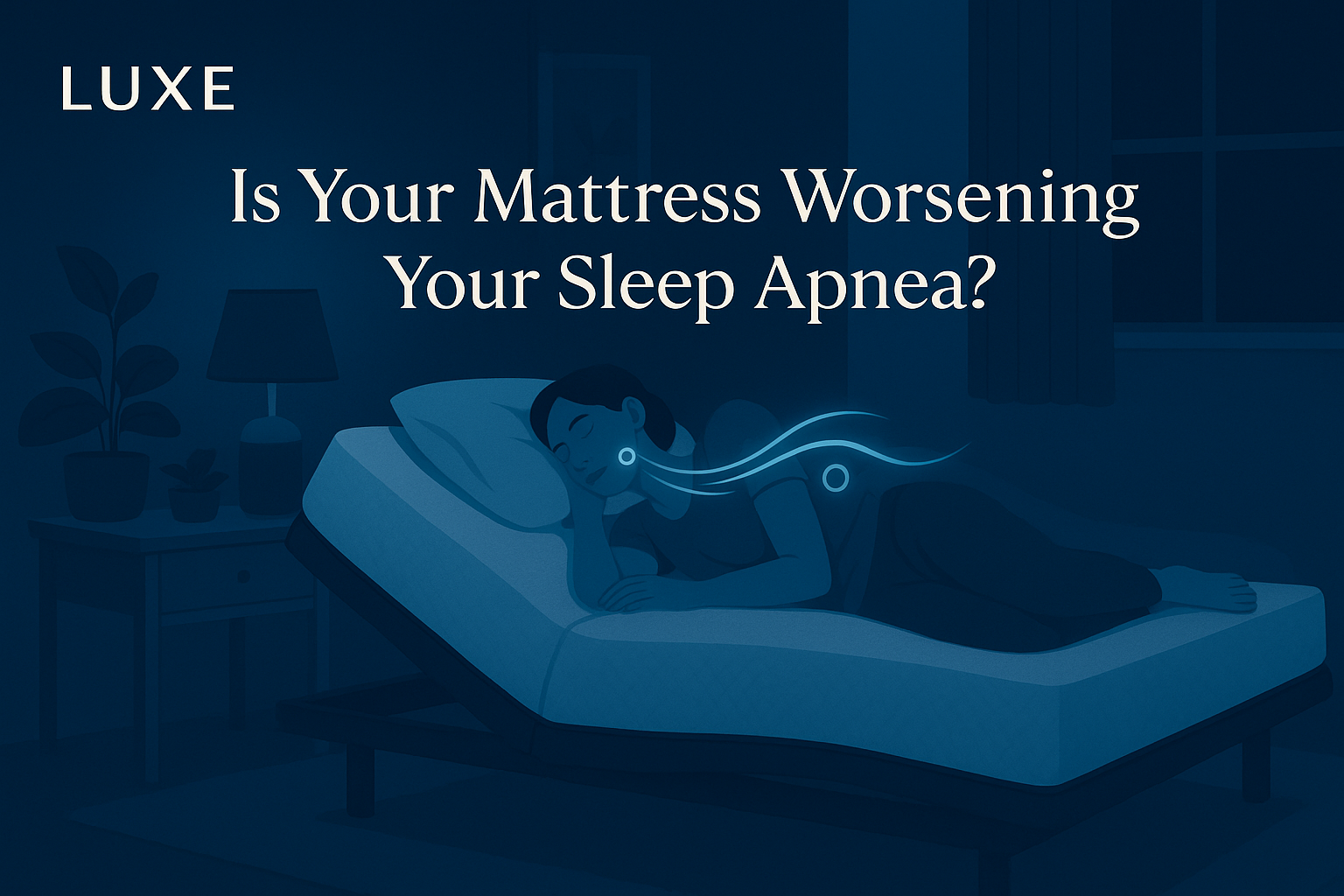
Is Your Mattress Worsening Your Sleep Apnea
August 13, 2026

Is Your Mattress Worsening Your Sleep Apnea?

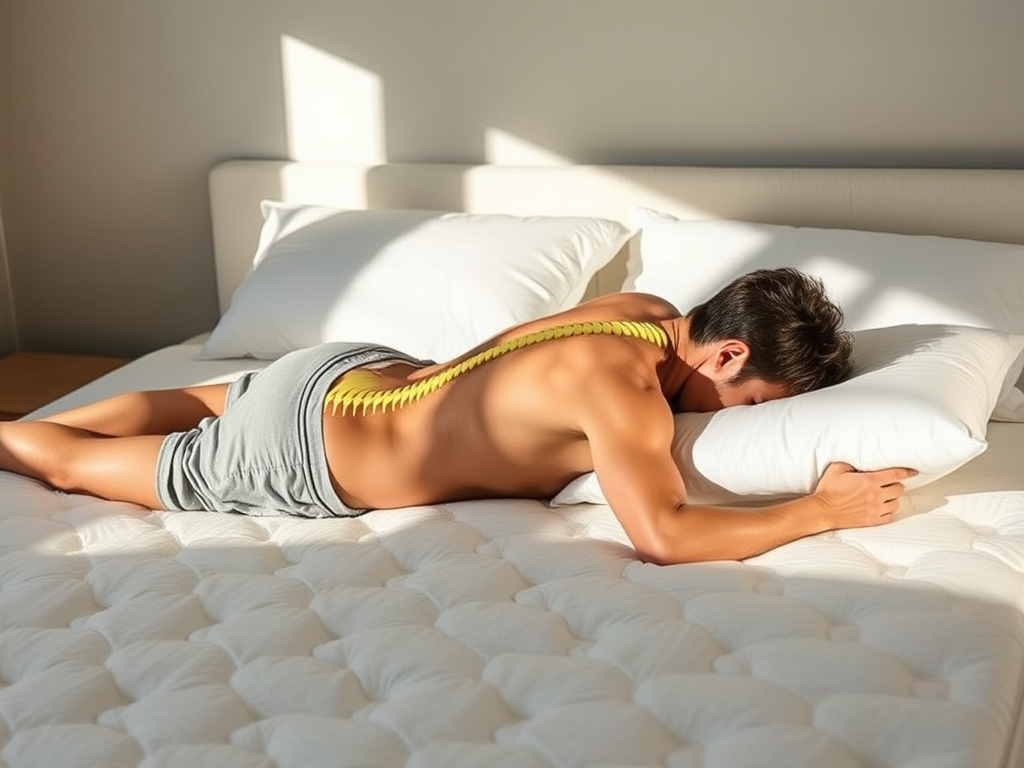
Your mattress choice can significantly worsen sleep apnea symptoms by disrupting spinal alignment and airway positioning, with soft sagging models causing throat collapse while overly firm ones strain neck posture reducing airflow up to 50% per studies.

Medium-firm memory foam or hybrid mattresses promote neutral spine support, optimal head elevation, and side/stomach sleeping (proven to cut apnea events), unlike 7-10-year-old beds that lose firmness and trap heat, exacerbating snoring and awakenings.

Understanding the Hidden Connection

Sleep apnea, especially the most widespread form of obstructive sleep apnea, extends far beyond the stereotype of loud snoring or feeling drowsy during the day. It is a serious chronic health condition where the airway collapses intermittently through the night, interrupting breathing and robbing the body of essential oxygen.

Although continuous positive airway pressure (CPAP) machines are widely recognised as the frontline defense, there’s an equally critical yet often overlooked player in the battle for better sleep: your sleep environment. Surprisingly one of the biggest influences may be lying right beneath your mattress.

How Mattresses Can Affect Sleep Apnea

1. The Critical Role of Sleeping Position

How you sleep, not just how long can be the difference between restful slumber and a night of restless shallow breathing.When you lie flat on your back, gravity does its worst: the tongue and soft tissues drift backwards, obstructing your airway and intensifying apneic episodes. Side sleeping, however, offers a natural advantage by keeping airways more open and stable.

Investing in a mattress designed to support lateral sleeping like a medium-firm memory foam can significantly ease the burden.

2. Why Elevation and Adjustable Bases Matter

Think about how propping yourself up with an extra pillow eases congestion during a cold. The same principle applies to sleep apnea.

Elevating the head while sleeping can dramatically reduce airway blockages. An adjustable bed base, when paired with a responsive mattress, offers personalised elevation that can enhance breathing quality, lower apneic incidents and provide all-around comfort .

3. Mattress Firmness: The Unsung Hero of Better Sleep

Soft plush mattresses may feel indulgent at first but they often fail to provide the structural support your body needs through the night.

When the spine falls out of alignment, which happens easily on a mattress that’s too soft, airway collapse becomes more likely, compounding sleep apnea symptoms.

Medium-firm mattresses tend to hit the sweet spot, balancing support with comfort to encourage better posture and easier breathing.

How to Choose the Right Mattress: Practical Tips

Finding the right mattress isn’t just about luxury; it could be a serious health decision if you’re managing sleep apnea. Keep these priorities in mind:

  • Opt for Medium-Firm Support: Critical for spinal alignment and airway stability.
  • Consider Adjustable Bases: Allow flexible elevation adjustments to find your ideal breathing position.
  • Ensure Compatibility with CPAP Equipment: Some mattress and bed setups integrate better with CPAP machines making nightly use more convenient and effective.

Curious about creating the ultimate sleep environment? Check out this full guide on improving your sleep hygiene on the Sleep Foundation website.

Consultation and Personalised Advice

Of course, even the perfect mattress can’t replace expert medical guidance. Consulting with a sleep specialist can help diagnose the severity of your condition, tailor treatments like CPAP therapy and finetune lifestyle changes that support better rest.

When combined, the right sleep surface and professional advice can transform not only how you sleep but how you live every day.

Conclusion

Your mattress plays a far bigger role in managing sleep apnea than most people realise. Poor support, sagging surfaces, and improper firmness can worsen airway collapse, disrupt spinal alignment, and intensify snoring and breathing interruptions throughout the night. Choosing a medium-firm mattress, ideally paired with elevation or an adjustable base, helps maintain a neutral spine, supports side sleeping, and promotes better airflow. While medical treatments remain essential, upgrading your sleep surface is a powerful, often overlooked step toward fewer apnea events, deeper rest, and healthier sleep overall.

FAQs

Can a mattress affect sleep apnea?

Yes, mattresses impact sleep apnea by influencing spinal alignment and airway position soft ones cause sinking that collapses airways, while medium-firm hybrids reduce obstruction by 50% in studies.

What causes sleep apnea to suddenly worsen?

Sudden worsening stems from weight gain, alcohol use, allergies, aging, or mattress degradation (sagging after 7 years), all narrowing airways and spiking AHI events overnight.​

Can your bed cause sleep apnea?

Your bed doesn’t cause apnea but worsens it via poor support too-soft surfaces misalign the neck, increasing collapse risk by 30-40%; firm hybrids promote open airways.

Is a firm mattress better for sleep apnea?

Medium-firm is optimal over extreme firmness, providing contouring without sinkage; memory foam or latex hybrids cut symptoms best by maintaining neutral spine and breathability.

What is the 3% rule for sleep apnea?

The 3% rule defines apnea severity: AHI under 5 (normal), 5-15 (mild), 15-30 (moderate), 30+ (severe), measuring hourly breathing pauses with 3-4% oxygen drops.

queen size beds dimensions
August 12, 2026

Understanding Queen Size Beds and Their Associations with UK Bed Sizes

In the UK, bed sizes are usually clearly defined ranging from small single to super king. However, the term Queen size frequently causes confusion due to its lack of standardization within the country. While widely recognized in markets like the United States and Europe,a Queen size bed dimensions vary considerably when associated with different UK sizes.

1. Queen Size and Its UK Equivalents

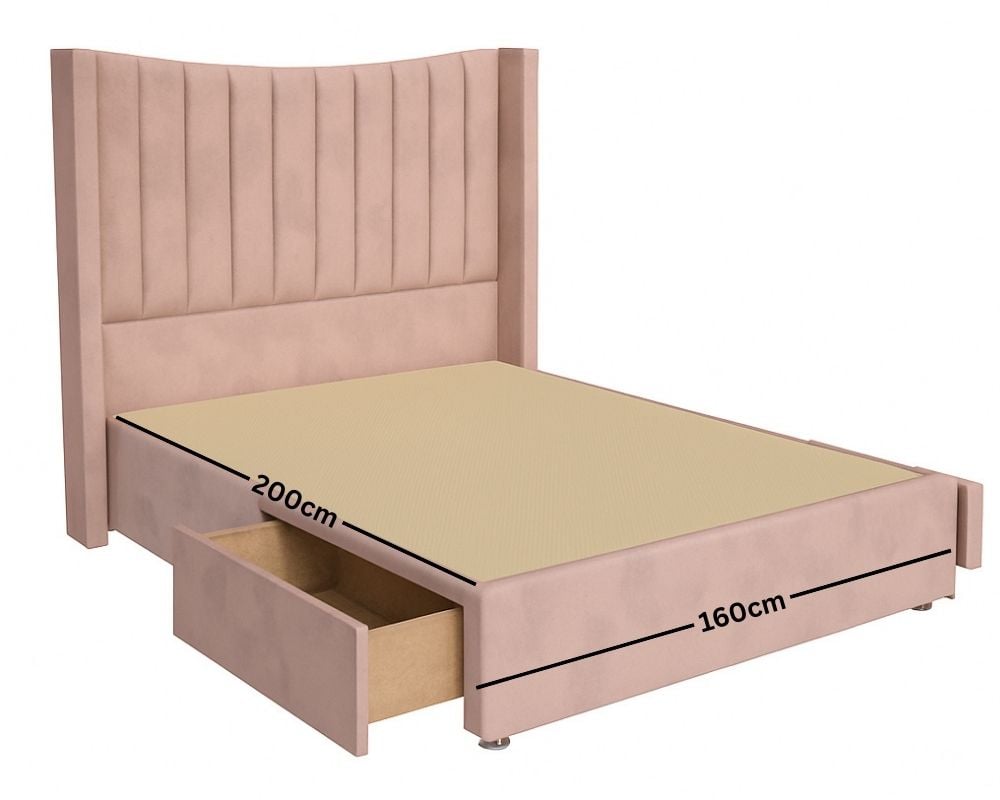
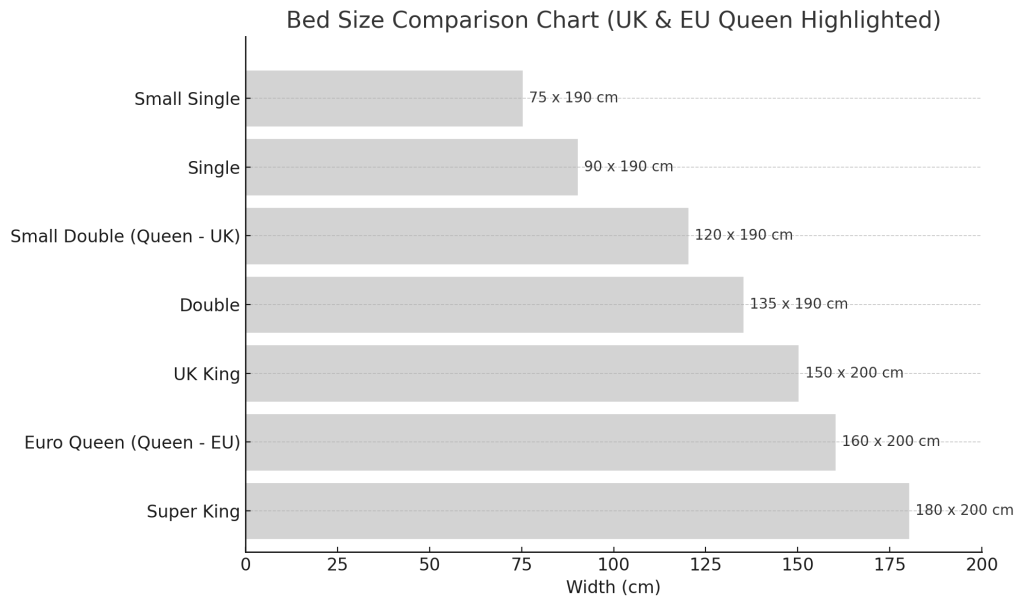
The term Queen size beds has no official standard in the UK, but it commonly corresponds to two sizes:

Small Double (120 x 190 cm):

Often referred to as a Queen size in the UK, especially by older terminology or certain retailers like Dreams and Happy Beds. It provides more space than a single bed, ideal for one person who enjoys extra space or two people sharing a tighter sleeping area.

Euro Queen (160 x 200 cm):

Sometimes called Queen size by UK retailers dealing in European imported beds, such as IKEA and Naturalmat. This size is spacious and comfortably accommodates two adults, offering additional width and length compared to a standard UK double (135 x 190 cm).

2. Comparing Queen Size to UK Standards

UK Small Double (120 x 190 cm):

  • Ideal for solo sleepers or compact spaces.
  • Commonly mislabeled as Queen due to historical or marketing reasons.

UK Double (135 x 190 cm):

  • The standard size for two adults in the UK, smaller than a typical European or American Queen.
  • Rarely confused directly with Queen, but important for comparison.

UK King (150 x 200 cm):

  • Closest to the American Queen (152 x 203 cm) in dimensions.
  • Often confused or interchanged with Queen size in international retail contexts.

Euro Queen (160 x 200 cm):

  • Larger and longer than the UK double and slightly wider than the UK King.
  • Popular in European furniture retail and known widely as Queen size across continental Europe.
Comparing Queen Size to UK Standards

3. Why This Ambiguity Exists

Several factors contribute to the confusion around Queen sizes in the UK:

  • International Imports: European and American bedding terms introduced through global retailers and online shopping.
  • Lack of Official Standards: No unified or legally defined bed-size terms within UK regulations.
  • Retailer Marketing: Varied retailer practices, often labeling beds as Queen for appeal or ease of understanding for international customers.

4. Practical Advice for Consumers

To prevent confusion when shopping:

  • Always rely on specific measurements rather than size labels.
  • Request size details if unclear and compare them directly to your existing bed frame or mattress.
  • Refer to clearly defined UK bed size charts available from reputable retailers.

5. Guidance for Retailers

Retailers can help reduce customer confusion by:

  • Explicitly stating dimensions in centimeters alongside bed size labels.
  • Providing clear comparative size charts to help customers identify the exact size they need.
  • Clarifying in descriptions when referring to European or small double Queenâ dimensions.

Queen size remains an ambiguous and potentially confusing term within the UK bedding market. Understanding its associations with the small double, Euro Queen, and related UK bed dimensions can significantly enhance clarity and satisfaction for both consumers and retailers.

How Social Media Use Before Bed Affects Sleep
August 11, 2026

How Social Media Use Before Bed Affects Sleep

Using social media before bed can disrupt your sleep quality by exposing you to blue light, which suppresses melatonin production and delays sleep onset. Scrolling through feeds also triggers mental stimulation, increasing stress and anxiety, which can lead to insomnia and restless nights.

This habit often causes sleep deprivation, reducing REM sleep and weakening your circadian rhythm over time. To improve sleep hygiene, experts recommend limiting screen time and creating a digital bedtime routine that supports better rest.

The Subtle Threat of Blue Light Exposure

At first glance, a few minutes of scrolling through Instagram reels or catching up on TikTok dance trends seems harmless, even comforting. Yet lurking beneath these casual routines is an invisible threat to your sleep. In today’s hyper-connected always-on world, understanding the hidden consequences of social media use before bed has never been more important.

Modern research paints a clear cautionary tale: the blue light radiating from smartphones tablets and other screens interferes with your body’s melatonin production, the hormone that whispers “It’s time to sleep”. 

When melatonin levels drop, falling asleep becomes a frustrating battle and the body’s natural sleep-wake cycle, the circadian rhythm, spirals out of balance. The result? Restless nights and groggy mornings that feel endless.

Why Anxiety Keeps You Awake at Night

But it’s not just biology at play. Social media can stir emotions like excitement, anger , envy, even joy emotions powerful enough to keep your mind buzzing when it should be drifting into slumber.

A lively debate on Twitter, a shocking headline on Facebook or even a heartwarming story on Instagram can all jolt your system, raising cortisol levels, the notorious stress hormone. Elevated cortisol makes your mind race, keeping sleep at bay.

And the trap deepens. According to the Sleep Research Society, those who engage with social media within 30 minutes before bed are far more likely to suffer sleep disruptions. It’s not hard to see why: the “just one more post” cycle becomes an irresistible lure stretching bedtimes later and later until sleep becomes a casualty of your feed.

Doom scrolling: The New Digital Danger

Enter doom scrolling, a term that sounds dramatic because it is. Doom scrolling refers to the compulsive act of consuming negative news online, often late into the night. It’s a modern phenomenon and it’s wreaking havoc on mental health worldwide.

A striking study from Norway revealed that just one hour of screen time before bed can spike the risk of insomnia and poor sleep by a whopping 59 per cent. Beyond ruining your night’s rest, doom scrolling fuels anxiety, drains your optimism and magnifies fears, a toxic combination for both the mind and body.

How To Get A Good Night’s Sleep

Breaking free doesn’t have to require dramatic life changes. Small deliberate shifts can lead to powerful improvements.

Set a social media curfew , a firm no-screens rule at least an hour before bed. Activate the night mode on your devices to reduce blue light exposure. Better yet, replace endless scrolling with a calming ritual: reading a physical book, stretching lightly or practising mindfulness. These soothing activities signal your brain that it’s time to slow down, not speed up.

Conclusion 

Reliable sources like the Sleep Foundation offer a treasure trove of tips on cultivating better sleep habits and managing screen time wisely. 

In an era where constant connectivity feels like survival, choosing to protect your sleep is a revolutionary act. By mindfully cutting down nighttime screen time you’re not just investing in better rest, you’re choosing clearer thoughts, sharper focus and a healthier life. And it all begins tonight.

FAQs

Does social media before bed really affect sleep?

Yes, using social media before bed can reduce sleep quality by delaying sleep onset and increasing mental stimulation.

How does blue light from phones impact sleep?

Blue light suppresses melatonin production, making it harder to fall asleep and disrupting the body’s natural sleep cycle.

Can social media cause insomnia?

Yes, constant scrolling and emotional content can increase stress and anxiety, leading to difficulty falling or staying asleep.

How long before bed should I stop using social media?

Experts recommend avoiding screens at least 30“60 minutes before bedtime for better sleep quality.

What are healthier alternatives to using social media at night?

Try reading a book, listening to calming music, practicing meditation, or journaling to relax before sleep.

FAQs About Memory Foam Mattresses
August 10, 2026

10 FAQs About Memory Foam Mattresses

1. What Is A Memory Foam Mattress?


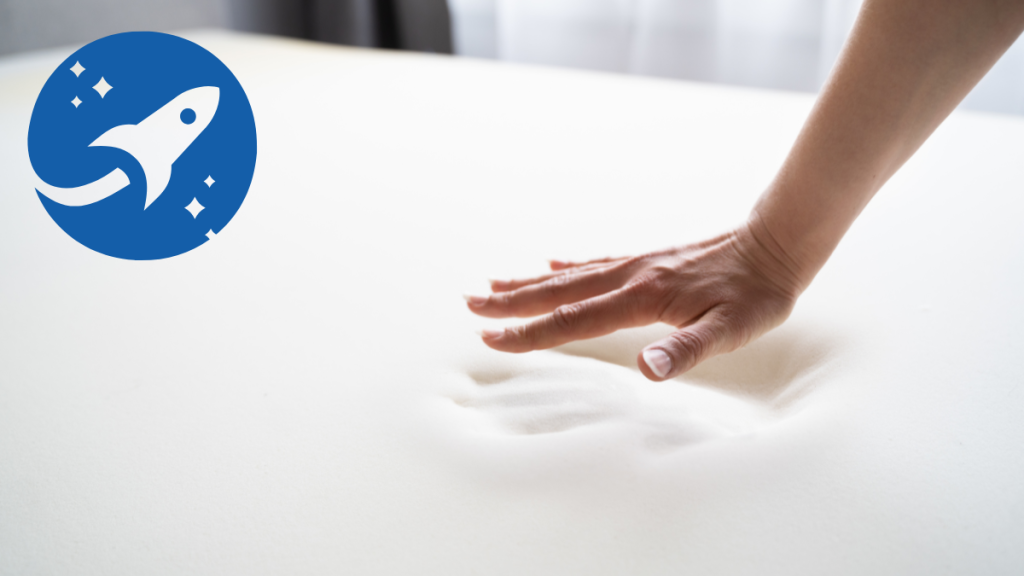
A memory foam mattress is made from viscoelastic polyurethane, offering personalized comfort. It responds to body heat and pressure, molding to your shape and relieving stress points. 

Originally developed by NASA, it’s now popular for its supportive, contouring design. It evenly distributes body weight, helping to reduce motion transfer and partner disturbance, ideal for side sleepers and those seeking pressure relief.

Learn more on Sleep Foundation.

2. Are Memory Foam Mattresses Good for Back Pain?


Yes, memory foam promotes spinal alignment by cushioning pressure zones like hips and shoulders. Medium-firm models are especially effective for back pain relief and sleep quality.

The adaptive support reduces tension, stiffness, and morning discomfort. It’s recommended by health professionals for chronic pain and orthopedic support. Consistent use may reduce nighttime pain over time.

Harvard Health backs this claim.

3. Do Memory Foam Mattresses Sleep Hot?


Traditional memory foam retains heat, but modern versions include cooling features.
Gel infusions, breathable foams, and phase-change covers reduce heat buildup. 

These improvements help regulate body temperature during the night. Some brands use graphite or copper infusions for added thermal control. Check for cooling certifications and breathable fabric covers.

4. How Long Do Memory Foam Mattresses Last?


Quality memory foam beds typically last between seven and ten years. Durability depends on density, usage, and overall material quality. 

Rotating the mattress regularly helps minimize wear and sagging. Proper support and care can extend the lifespan up to 15 years. Investing in a high-density model can increase longevity.

5. Are Memory Foam Mattresses Safe?


Most memory foam beds are safe, especially if CertiPUR-US certified. Some budget models may use fiberglass, so avoid removing covers. Look for certification and non-toxic materials for added reassurance. Certifications ensure low VOC emissions and flame retardant safety.

Always read product tags and descriptions for safety labels.

6. Do Memory Foam Mattresses Sag or Need Flipping?


Over time, some foam beds may show body impressions from use. Rotate the mattress periodically to distribute pressure evenly. 

Flipping isn’t recommended unless it’s a double-sided model. Use a firm, flat base to reduce premature sagging and wear. Check warranty details for coverage on sagging issues.

7. Are Memory Foam Mattresses Good for Allergies?


Yes, the dense foam resists dust mites and common allergens. Many are hypoallergenic and offer washable protective covers, making them deal for allergy or asthma sufferers seeking cleaner sleep. 

The foam’s closed-cell structure limits microbial growth and allergen buildup. Pairing with an allergen-proof cover enhances benefits.

8. How Much Do Memory Foam Mattresses Cost?


Prices range from budget ($300) to luxury ($2,000+) depending on features. Cooling tech, foam quality, and brand name affect the cost. Holiday deals and trials often help reduce the price point. 

Longer warranties and better materials increase long-term value. You often get what you pay for with foam quality.

9. Do Memory Foam Mattresses Smell?


New memory foam may emit a light odor called off-gassing. This is temporary and fades within a few days of ventilation. Choose CertiPUR-US models for low VOC emissions. Proper ventilation and time typically eliminate the smell completely. Let the mattress breathe in a well-ventilated room before use.

10. How Do I Choose the Right Memory Foam Mattress?


Match mattress firmness with your sleeping position and weight. Look for cooling features, warranty terms, and foam certifications. A trial period ensures comfort before full commitment.
Consider edge support, motion isolation, and pressure relief as well. Review return policies and trial periods for flexibility.

Conclusion

Memory foam mattresses offer personalized comfort by molding to your body, relieving pressure points, and promoting better spinal alignment, making them a popular choice for side sleepers and those with back pain. While traditional foam can sleep warm, modern cooling technologies like gel infusions and breathable covers help regulate temperature.

With proper care and quality materials, these mattresses typically last 7“10 years and can be hypoallergenic, resisting dust mites and allergens. Overall, choosing the right memory foam mattress depends on firmness, cooling features, certifications, and trial options, ensuring you get long-lasting support and improved sleep quality.

Why You Wake Up Sweaty (And the Best Cooling Mattresses That Fix It)
August 8, 2026

Why You Wake Up Sweaty (And the Best Cooling Mattresses That Fix It)

Estimated reading time: 6 minutes

We’ve all been there: you wake up in the middle of the night, covers kicked off, damp with sweat, wondering what on earth happened, well, cooling mattresses are the answer.

Maybe you blame it on the room temperature, or maybe you assume it’s just part of getting older. But in many cases, the real culprit is lying right underneath you—your mattress.

Before you resign yourself to another restless, overheated night, it’s worth understanding why certain mattresses trap heat—and how the right cooling technology can help you sleep cooler and wake up genuinely refreshed.

Why Some Mattresses Make You Overheat

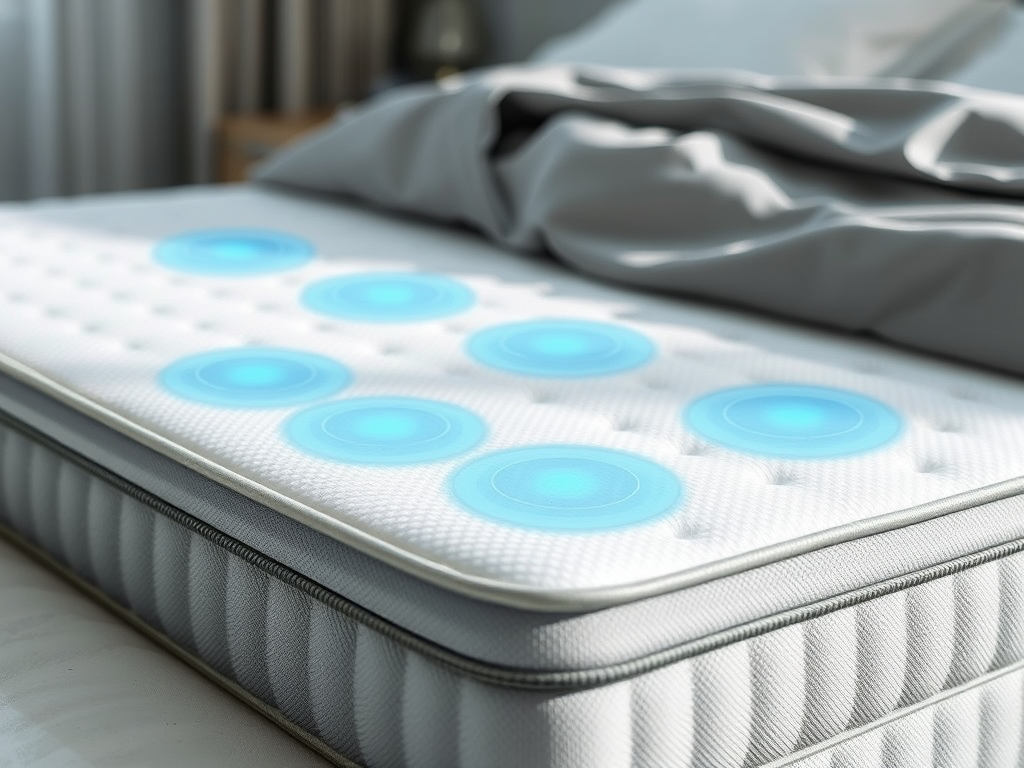
mattress surface trap heat

While it’s normal for your body to go through small temperature shifts during sleep, excessive overheating is often triggered by the very mattress that’s supposed to help you rest.

Traditional mattresses, particularly older memory foam models, are notorious for trapping body heat. Dense, closed-cell foam structures act like a barrier, preventing heat from escaping. Instead, it gets locked in around your body, creating that unpleasant sweaty feeling by two or three in the morning.

And here’s the kicker: to sleep well, your body actually needs to cool down slightly. Your core temperature naturally drops as you drift into deeper stages of sleep. If your mattress traps that heat, your body struggles to reach the cool, restful state it’s aiming for, leading to lighter sleep, frequent wake-ups, and groggy mornings.

What to Look for in a Cooling Mattress

Thankfully, mattress technology has come a long way. Modern designs are far more mindful of airflow, breathability, and temperature regulation.

Here’s what to prioritise when choosing a mattress to beat the night sweats:

  • Cooling Gel Mattress Technology: Look for mattresses that integrate cooling gel layers. A cooling gel mattress helps absorb and dissipate heat rather than allowing it to collect around you.
  • Temperature-Regulating Mattress Materials: High-quality mattresses use breathable fabrics and open-cell foam structures that allow air to circulate freely. Materials that wick away any moisture and provide ventilation are key.
  • A Truly Breathable Mattress: Beyond cooling gels and covers, the internal construction matters. A breathable mattress is designed from the inside out to keep airflow moving and temperatures stable.

Choosing a mattress built with genuine cooling features—not just marketing claims—can completely transform your sleep experience.

The Science Behind Cooling Mattress Innovations

Modern cooling mattresses don’t just rely on fancy terminology; they use proven technologies that tackle the heat problem head-on. Two standout features to look for are LTX Cooling Gel™ and anti-gravity foam.

LTX Cooling Gel™

LTX Cooling Gel™ is engineered to draw heat away from the body and redistribute it evenly across the surface. Unlike basic gel infusions that wear off quickly, this innovation works throughout the night, helping the surface of the mattress stay cooler for longer. It’s particularly helpful for those who tend to overheat or struggle with night sweats year-round.

Anti-Gravity Foam

While traditional memory foam can feel heavy and dense, anti-gravity foam creates a lighter, more buoyant feel. It relieves pressure without the “stuck” sensation that often traps body heat.

By combining pressure relief with enhanced airflow, anti-gravity foam supports a cooler, more comfortable sleep environment—without sacrificing the cosy, contouring feel many sleepers love.

Luxe Natural Pillow-Top Mattress: Cooling Comfort Done Right

One mattress that gets cooling right is the Luxe Natural Pillow-Top Mattress.

Designed specifically with UK sleepers in mind, it layers LTX Cooling Gel™ within a naturally breathable pillow-top structure. The result is a mattress that actively works with your body’s cooling processes rather than against them.

Luxe-Organic Natural Pillow Top
Mattress

The Luxe Natural Pillow-Top is more than just soft and luxurious—it’s a temperature-regulating mattress engineered to help you stay cool, dry, and deeply asleep all night long. With its combination of sustainable materials and advanced cooling technologies, it’s ideal for anyone tired of waking up drenched and exhausted.

Bonus Tips for Sleeping Cooler

While choosing the right mattress makes a big difference, a few other small adjustments can help you sleep cooler, too:

  • Opt for breathable bedding: Lightweight cotton or linen sheets encourage airflow.
  • Keep the room cool: Set your thermostat to around 18°C (65°F) for optimal sleep conditions.
  • Stay hydrated: Dehydration can actually make your body temperature fluctuate more at night.
  • Skip heavy meals before bed: Spicy or rich foods can elevate your core temperature and disrupt sleep.

These simple tweaks, combined with a truly breathable mattress, can help cultivate a sleep environment that finally feels refreshing.

You Deserve a Cooler, Deeper Sleep

Waking up sweaty doesn’t have to be your nightly routine. Often, it’s a sign that your mattress simply isn’t working with your body’s natural rhythms.

By investing in a mattress built with real cooling technologies—like LTX Cooling Gel™ and anti-gravity foam—you give yourself the chance to experience what deep, uninterrupted sleep should truly feel like.

Because better sleep doesn’t just make you feel good in the morning. It’s gives your body the rest, recovery, and restoration it needs to thrive.

FAQs


Why do I wake up sweaty even when the room isn’t hot?

Your mattress may be trapping body heat. Traditional materials like dense memory foam restrict airflow, preventing your body from cooling down properly during sleep.

What type of mattress is best for hot sleepers?

Look for mattresses with cooling gel layers, open-cell foam, and breathable fabrics. Technologies like LTX Cooling Gel™ and anti-gravity foam are especially effective for regulating temperature.

Do cooling mattresses really work?

Yes—modern cooling mattresses are engineered with science-backed materials designed to dissipate heat, enhance airflow, and support natural temperature drops during sleep.

How long do cooling mattress technologies last?

High-quality innovations like LTX Cooling Gel™ are built to perform throughout the night and over time, unlike lower-end gel infusions that may lose effectiveness quickly.

Can I stay cool without replacing my mattress?

While a cooling mattress is the best solution, small changes like using breathable bedding, lowering room temperature, and avoiding heavy meals before bed can also help reduce night sweats.

Best Mattresses for Back Pain: What Chiropractors Actually Recommend
August 7, 2026

Best Mattresses for Back Pain: What Chiropractors Actually Recommend

Estimated reading time: 7 minutes

There is nothing quite as defeating as waking up after a full night sleep, only to feel like your back spent the night wrestling bricks. It’s likely time to consider a back pain mattress to improve your sleep quality.

If you find yourself dealing with morning stiffness, persistent aches, or the occasional shooting pain, it might be time to stop blaming your desk chair or workout routine. The culprit could be closer than you think: your mattress.

It’s easy to overlook how much impact your sleep surface has on your spine. But according to chiropractors, for people who face back pain issues, choosing the right orthopaedic mattress is one of the most important, and most underestimated, decisions you can make for your long-term back health.

Why Your Mattress Matters More Than You Think

We often think of mattresses as a matter of comfort. Soft, firm, somewhere in between. But when it comes to spinal health, comfort is only part of the story.

Throughout the night, your body relies on your mattress to hold it in natural alignment. If a mattress allows your spine to dip too low or forces it into unnatural angles, small stresses build up hour after hour. Over time, these stresses can cause chronic pain, nerve irritation, and even more serious structural issues.

And here’s the thing: you don’t need to already have back problems for your mattress to make things worse. Sleeping on the wrong surface can cause pain, not just aggravate it.

What Chiropractors Look for in a Mattress

When recommending best mattress for back pain issues, chiropractors look beyond brand names and trendy materials. Instead, they focus on a few key essentials:

LuxeErgo„ 3400 Hybrid
mattress
  • Spine Alignment: A good mattress keeps the spine in a neutral position, preserving the natural curves of the neck, mid-back, and lower back. A true spine alignment mattress helps prevent strain and encourages better posture, even while you sleep.
  • Firmness Balance: While you might assume “firm” is always better for back pain, thats not exactly true. Too firm, and your body can’t sink enough to align naturally. Too soft, and you lose the support your back needs. Medium-firm tends to be the sweet spot.
  • Pressure Relief: Pressure points”like hips, shoulders, and the lower back, need proper cushioning. Without it, the body tenses up through the night. A pressure relief mattress helps distribute weight evenly and eases tension from critical joints.
  • Adaptive Support: Sleepers move around. A mattress must be able to respond to changes in position without losing support or creating new pressure points.

When all four elements work together, the body can fully relax, heal, and restore itself overnight.

Why Orthopaedic Mattresses Are Different

You’ve probably seen the term “orthopaedic mattress” thrown around in ads and store displays. But what does it actually mean?

At its core, an orthopaedic mattress is one thats designed to support the joints, back, and overall body structure. It’s not about gimmicks or extra-firm designs, it’s about science-backed support that promotes natural posture.

Unfortunately, some brands use “orthopaedic” as little more than a buzzword. Thats why it’s important to look for mattresses that demonstrate their claims: pressure mapping tests, specific spine support zones, high-resilience foams, and independent spring systems that genuinely adapt to your body.

Luxe Ergo 3400 Hybrid: Chiropractor-Approved Features for Better Sleep

If you are looking for a mattress that truly checks all the boxes, the Luxe Ergo 3400 is a standout choice. Designed with careful attention to both comfort and therapeutic support, the Luxe Nova Hybrid offers:

Luxe Ergo Hybrid mattress
  • Dynamic Spine Alignment: Its combination of responsive pocket springs and adaptive foam layers keeps the spine neutrally aligned across all sleep positions.
  • Targeted Pressure Relief: Strategic cushioning zones ease tension at critical pressure points, hips, shoulders, and lower back-making it a true pressure relief mattress.
  • Supportive Yet Plush Feel: Unlike mattresses that are overly stiff or too sinky, the Luxe Ergo 3400 Hybrid balances lift and softness. It cradles without collapsing.
  • Long-Term Durability: Built with high-quality materials, it resists sagging over time, maintaining reliable back support for years-not just months.

If you’ve struggled to find that balance between cosy comfort and chiropractor-approved structure, the Luxe Ergo Hybrid could be the best investment you make for your spine (and your mornings), if you want to see more options for the mattresses recommended for back pain, then please check our best mattress for back pain guide.

How to Choose the Right Mattress for Your Back

Still wondering where to start? Here are a few practical tips:

  • Test for Medium-Firmness: It should feel supportive without pressing uncomfortably against your body.
  • Prioritise Spine Alignment Over Trendy Features: Focus on how the mattress holds your body, not just its materials or appearance.
  • Ask About Pressure Relief Zones: Especially if you are a side sleeper or prone to joint stiffness.
  • Look for Transparent Brands: Choose companies that explain their design choices and offer trial periods. Luxe, for example, offers a generous trial to ensure your body truly adjusts.

Back pain is complex, but finding a supportive, healing mattress doesn’t have to be.

Give Your Back the Care It Deserves

Your mattress cannot just be a backdrop to your life, it’s the foundation for how your body feels every single day.

If back pain is becoming your new normal, it’s time to take a closer look at where you are spending a third of your life. Chiropractors agree: investing in a high-quality back support mattress can change not just how you sleep, but how you move, work, and live.

You deserve mornings that start with energy, not aches. And the right mattress is the first step toward getting there.

FAQs

What type of mattress do chiropractors recommend for back pain?

Chiropractors typically recommend a medium-firm, spine alignment mattress that offers adaptive support and targeted pressure relief. The goal is to keep your spine in a neutral position while cushioning pressure points like the hips and shoulders.

Is a firm mattress always better for back pain?

Not necessarily. While firmness helps with support, a mattress that’s too hard can cause pressure build-up, especially for side sleepers. Most chiropractors suggest a medium-firm feel that combines lift and comfort without sagging.

What is an orthopaedic mattress, and do I need one?

An orthopaedic mattress is designed to support joints and maintain natural body alignment. However, not all mattresses labeled œorthopaedic meet medical standards. Choose one with proven back support features, such as pressure mapping, zoned support, and durable materials.

How can I tell if my mattress is causing my back pain?

Signs your mattress may be the culprit include:
Waking up stiff or sore
Back pain that improves after getting out of bed
Visible sagging or lumps in the mattress
If your mattress is over 7“10 years old, it may no longer offer the support your back needs.

Is a hybrid mattress good for back pain?

Yes, hybrid mattresses often combine the best of both worlds: the contouring comfort of foam with the structured support of pocket springs. Look for one with zoned support and high-resilience foam layers to help with spinal alignment and pressure relief.

Are memory foam mattresses good for people with back pain?

High-quality memory foam mattresses can be very effective for back pain, especially if they offer pressure relief and supportive density. However, avoid ultra-soft versions that lack structural integrity and may let your spine sink too deeply.

What features should I prioritize when buying a mattress for back pain?

Spine alignment support
Medium-firm comfort
Zoned pressure relief
Motion isolation (if sleeping with a partner)
Durability to prevent sagging
Brands like Luxe Nova Hybrid offer all of these features in a chiropractor-informed design.

Going Green in Your Sleep: The Rise of Organic & Eco-Friendly Mattresses
August 6, 2026

Going Green in Your Sleep: The Rise of Organic & Eco-Friendly Mattresses

In a world where many of us are swapping plastic bags for reusable totes and seeking out organic foods, it’s easy to overlook one of the largest, most personal items we own: our mattress.

We spend nearly a third of our lives in bed, yet few of us stop to think about what’s inside the mattress beneath us—or how it affects both our health and the planet. As sustainability moves from trend to necessity, a quiet revolution is happening in the bedroom. Eco-conscious consumers are demanding better options, and the mattress world is finally catching up.

Why Your Mattress Choice Matters for the Environment

Not all mattresses are created with the same care—or consequences.

The Hidden Footprint of Traditional Mattresses

mattress pollution

Conventional mattresses are often made from synthetic materials like polyurethane foam, polyester blends, and chemical flame retardants. While these substances may feel luxurious at first, they come at a cost.

Most synthetic mattresses are neither biodegradable nor easily recyclable. When they reach the end of their lifespan (usually within 7–10 years), they often end up in landfills, where they can sit for decades—leaching chemicals into the soil and contributing to long-term waste problems.

Sleep and Sustainability Can Go Hand-in-Hand

Choosing a mattress built from natural mattress materials is a personal health decision—and an environmental one. Sustainable mattresses are designed to tread lightly on the planet, using renewable resources, safer production methods, and longer-lasting quality. It’s a shift that lets you rest easy, in every sense of the word.

What Makes a Mattress Truly Organic or Eco-Friendly?

latex mattress, natural latex
latex mattress, natural extraction of latex from Asclepiadaceae

Unfortunately, “greenwashing”—where brands use eco-friendly buzzwords without real substance—is all too common. To know you’re truly getting an eco-friendly mattress, look for a few key features:

  • Natural Mattress Materials: Genuine organic mattresses use certified organic cotton, natural latex from sustainable rubber tree farms, and ethically sourced wool. These materials breathe better, last longer, and biodegrade safely.
  • Low Chemical Footprint: The fewer toxic adhesives, flame retardants, and synthetic foams, the better. You want a mattress that’s as pure inside as it looks outside.
  • Sustainable Sourcing: Harvesting natural materials responsibly is just as important as using them. Ethical sourcing protects forests, water systems, and communities.
  • Meaningful Certifications: Labels like GOTS (Global Organic Textile Standard), GOLS (Global Organic Latex Standard), and OEKO-TEX® certification provide real assurance—not just clever marketing.

A mattress that ticks these boxes doesn’t just promise a cleaner night’s sleep; it genuinely supports a cleaner planet.

The Rise of the Organic Mattress Market in the UK

More UK consumers are recognising that going green extends beyond the grocery aisle or the clothing rack. The organic mattress UK market is booming as people demand healthier, more transparent sleep products.

rise of natural / latex mattresses in UK 2015-2025

This rise cannot be attributed to just environmental impact. Health concerns—like exposure to volatile organic compounds (VOCs), skin sensitivities, and allergies—are pushing many buyers toward eco-friendly mattresses that avoid harsh chemicals.

Meanwhile, the broader shift toward sustainable living has made consumers more aware of the hidden costs of “fast furniture.” A cheap mattress replaced every few years creates a lot more waste than a thoughtfully crafted, durable, sustainable mattress built to last.

In short: people want better choices—and brands that don’t adapt are quickly being left behind.

LuxeOrganic™: A Truly Sustainable Sleep Solution

Among the new wave of eco-conscious mattresses, the LuxeOrganic™ Hybrid Mattress stands out. LuxeOrganic™ doesn’t just tick boxes for the sake of marketing—it leads with genuine craftsmanship and made using Natural Latex. Their hybrid mattress combines:

natural mattress
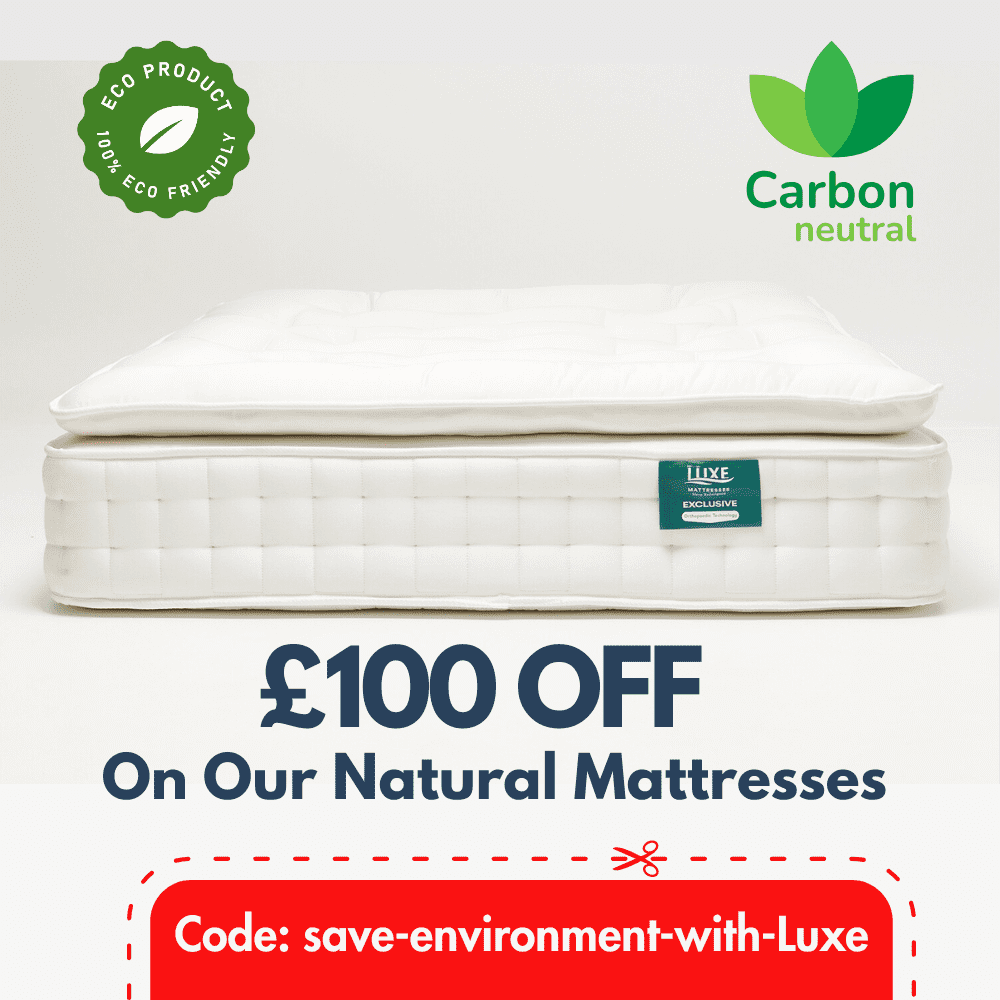
We want people to use natural mattress to help the environment ; thats why we offer £100 OFF on Natural Collection.
  • Certified Organic Materials: Including organic cotton covers and natural latex comfort layers.
  • Breathable, Non-Toxic Construction: Reducing heat buildup while avoiding harsh chemical treatments.
  • Sustainable Design: Built with durability in mind, meaning fewer replacements and less environmental impact over time.

By focusing on natural mattress materials and transparent sourcing practices, LuxeOrganic™ offers a refreshing alternative to mass-produced, chemical-heavy mattresses. It’s a smart option for anyone serious about sleeping sustainably without sacrificing comfort or support.

How to Choose Your Eco-Friendly Mattress

If you’re ready to green your sleep, here are a few simple but essential tips:

  • Check Certifications: Don’t just trust a label that says “organic”—look for real, verifiable standards like GOTS or GOLS.
  • Ask About All Layers: Some mattresses use organic covers but hide synthetic foams inside. Make sure the core materials match the eco-friendly claims.
  • Prioritise Durability: A mattress that lasts longer is better for your wallet and the planet.
  • Support Brands That Practice Transparency: Companies that are proud of their sourcing and manufacturing practices usually have nothing to hide.

Choosing an eco-friendly mattress is about more than marketing slogans. It’s about asking better questions—and getting better answers.

Sleep Deeper, Live Greener

Living more sustainably doesn’t stop when you switch off the lights. It continues through the hours you spend resting, dreaming, and recovering from your day.

By choosing a mattress made from natural mattress materials, designed with transparency and care, you’re not just investing in better sleep—you’re investing in a better future.

With brands like Luxe leading the way, it’s easier than ever to find a bed that supports your health, your comfort, and the world you call home.

Because every choice matters. And the best dreams are built on a foundation of values as much as comfort.

FAQs

What makes a mattress truly eco-friendly or organic?

A truly eco-friendly mattress uses natural materials like organic cotton, natural latex, and ethically sourced wool. It avoids harsh chemicals, uses sustainable production methods, and carries trusted certifications such as GOTS, GOLS, or OEKO-TEX®.

Why should I switch to an organic mattress?

Organic mattresses are healthier for your body and better for the planet. They reduce exposure to toxic chemicals, are gentler on sensitive skin and respiratory systems, and are often more durable and biodegradable than synthetic alternatives.

Are natural or organic mattresses more expensive?

Yes, they can have a higher upfront cost, but their durability and health benefits often make them more cost-effective over time. Plus, you’re paying for sustainable sourcing, better craftsmanship, and safer materials.

How do I know if a mattress is greenwashed or genuinely eco-friendly?

Look for third-party certifications like GOTS, GOLS, or OEKO-TEX®, and ask for a full material breakdown. Brands that are transparent about what’s inside their mattress and how it’s made are more likely to be authentic.

Do eco-friendly mattresses last as long as traditional ones?

Yes, and often longer. Natural latex and organic materials are typically more resilient and don’t break down as quickly as synthetic foams, meaning fewer replacements and less environmental waste.

Are organic mattresses good for people with allergies?

Absolutely. Organic and natural materials are often hypoallergenic, breathable, and free from irritants like VOCs and synthetic flame retardants, making them a safer choice for those with allergies or sensitivities.

What is the environmental impact of traditional mattresses?

Most conventional mattresses are made from synthetic, non-biodegradable materials. When disposed of, they linger in landfills for decades, releasing chemicals into the soil and water and contributing to long-term environmental waste.

Picture of Marie Soukup

Marie Soukup

Marie Soukup is a seasoned senior copywriter and editor who’s written for global brands like Virgin Australia, blending storytelling and strategy to create content that connects. She’s passionate about bringing ideas to life across the travel, lifestyle, and business worlds.

memory foam mattress vs hybrid mattress, vs inner spring mattress
August 5, 2026

Hybrid vs Foam vs Spring Mattress: Which Mattress Type Is Actually Best for You?

If you’ve ever found yourself standing in a mattress showroom, feeling overwhelmed by the endless choices, you are not alone.

Foam? Spring? Hybrid? Each mattress promises the perfect night sleep, yet somehow the more you read, the harder it seems to decide.

The truth is, there as no one-size-fits-all answer. Your best mattress depends on how you sleep, what your body needs, and what kind of comfort you truly prefer. Let’s break down the real differences”and find the mattress that’s actually best for you.

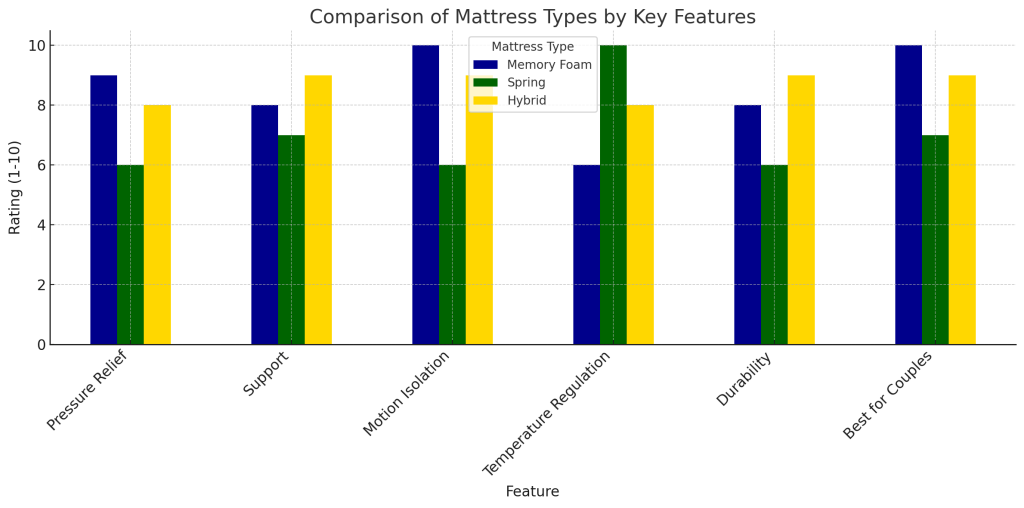
comparison of mattress types by key features

Detailed Comparison of Memory foam vs Hybrid vs Sprung

FeatureMemory FoamSpring (Innerspring/Pocket)Hybrid
FeelContouring, cradled, body-huggingBouncy, supportive, more surface-level comfortBalanced”contouring + bounce
Pressure ReliefExcellent (especially for side sleepers)Moderate (can cause pressure points without comfort layer)Very Good (thanks to foam layers + support from springs)
SupportGood (especially with high-density foam)Varies”can sag over time if low qualityExcellent (coils provide strong support with cushioning)
Motion IsolationExcellent (great for couples)Fair to Good (pocket springs better than open coils)Very Good (better than traditional spring)
Temperature RegulationTends to retain heat (unless cooling tech is added)Excellent airflow, sleeps coolerGood airflow, cooler than foam
Durability7“10 years (depends on foam quality)5“8 years (varies by spring type and build)8“12 years (coil support + comfort layer = longevity)
Ideal ForSide sleepers, pressure relief, light sleepersBack/stomach sleepers, hot sleepers, budget buyersCouples, combo sleepers, those wanting a best of both
Common DownsidesHeat retention, feeling of “sinking inLess contouring, potential noise, sagging over timeHeavier, can be pricier than others
Price Range (UK)£200–£1,500+£150–£1,200+£400“£2,000+ (depending on brand and features)
Best For CouplesYes“ great motion isolationOnly with pocket springsYes“ combines isolation with bounce

Memory Foam Mattresses: Deep Comfort with a Few Caveats

memory foam mattress

Memory foam mattresses have earned a loyal following for a reason. Originally developed by NASA, memory foam is designed to respond to your body heat and pressure, moulding itself to your unique shape.

The biggest appeal? Pressure relief. A good memory foam mattress can ease sore joints, reduce tossing and turning, and provide a weightless, cushioned feeling. It also excels at reducing motion transfer—ideal if you share a bed with a loved one who is a restless sleeper.

But it’s not perfect for everyone. Foam tends to trap heat, making it a less-than-ideal choice for hot sleepers unless it’s been enhanced with cooling technology. Some sleepers also report feeling “stuck” in the mattress, as if they are sinking too deeply.

When weighing up memory foam vs spring mattress options, think about your sleep temperature and whether you like a cradled feel”or prefer something with a bit more bounce.

Spring Mattresses: A Classic with Modern Improvements

Spring Mattresses: A Classic with Modern Improvements

Traditional innerspring mattresses have been around for over a century, and they remain popular for a reason.

Breathability is a major selling point. Spring mattresses typically allow better airflow, helping to keep you cool throughout the night. They also tend to offer a firmer, more buoyant feel that many sleepers appreciate.

However, older-style innerspring designs can have their drawbacks. Springs alone don’t always contour to the body well, which can lead to pressure points”especially for side sleepers. Lower-end spring mattresses can also sag over time, reducing support just when you need it most.

Enter the modern upgrade: pocket sprung mattresses.

Instead of all springs being connected, each coil is individually wrapped. This design dramatically improves support, contouring, and motion isolation, offering the pocket-sprung mattress benefits that today sleepers expect.

Hybrid Mattresses: The Best of Both Worlds?

Hybrid Mattresses: The Best of Both Worlds?

Hybrid mattresses aim to combine the strengths of both foam and springs”without the downsides.

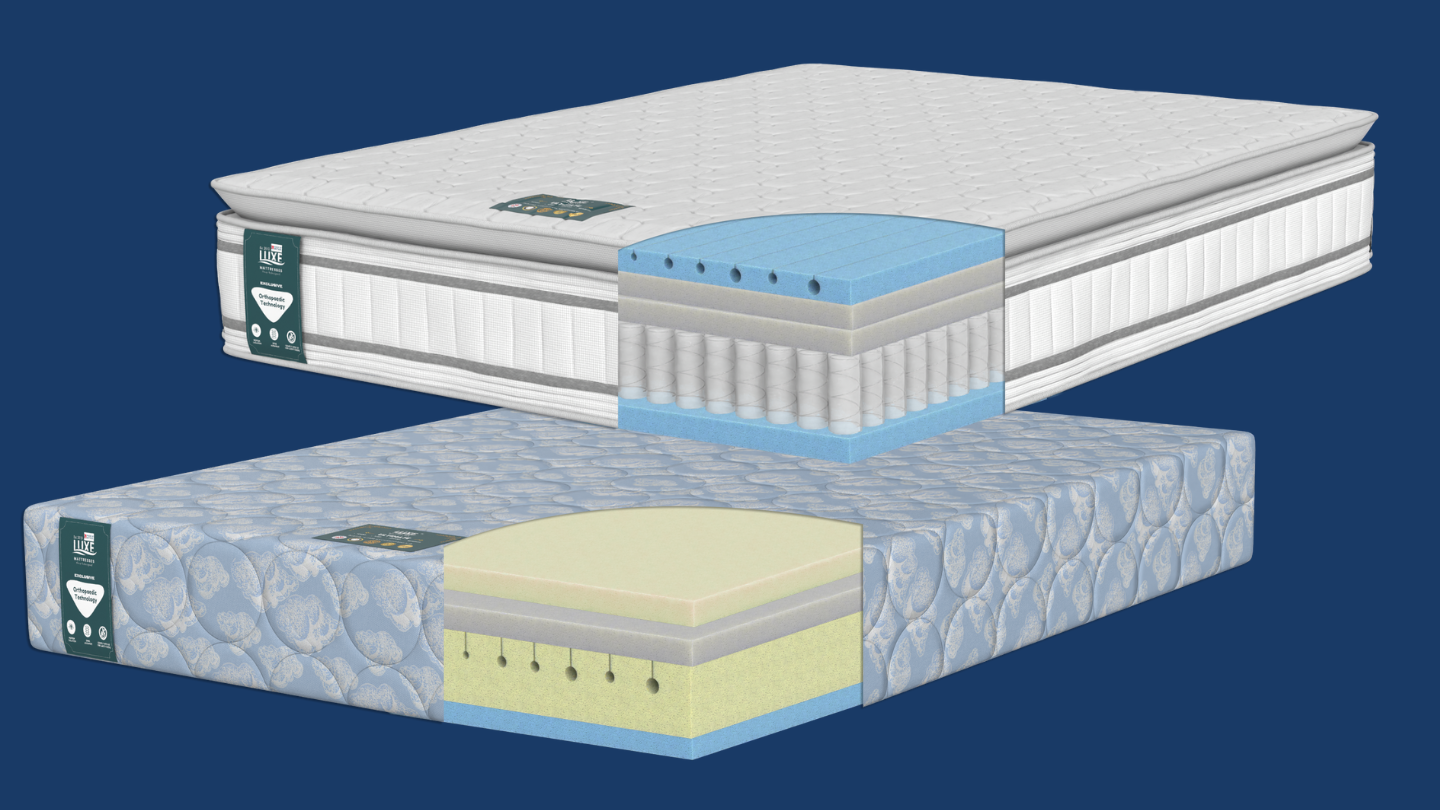
Typically, a hybrid mattress layers supportive springs (often pocket springs) with plush memory foam, latex, or other comfort materials on top. The result is a sleep experience that provides:

  • The pressure relief and contouring of memory foam
  • The breathability, bounce, and durability of pocket springs
  • Better motion isolation when compared to traditional innerspring mattresses

In a good hybrid mattress comparison, you’ll notice they often appeal to a wider range of sleepers”side, back, stomach”because they provide a balance of cushioning and responsiveness.

They also tend to last longer, as the coil system offers stronger structural support beneath the comfort layers. if you want to know the details about the hybrid mattress; see details here in hybrid mattress guide.

If you’re someone who feels stuck choosing between soft and firm, foam and spring, hybrids offer a satisfying middle ground.

How to Choose the Right Mattress Type for You

When comparing the best mattress types UK shoppers have access to today, it’s smart to think about your own specific needs:

Smart Mattress Quiz

Find your perfect mattress match with our personalized recommendation system. Based on your sleep style, health needs, and comfort preferences.

Why Take This Quiz?

  • Get tailored mattress recommendations for your specific needs
  • Save time researching – we’ve done the analysis for you
  • Compare mattresses that match your sleep style and budget
  • Understand which mattress features matter for your comfort
  • Exclusive discounts on recommended mattresses
Take the Mattress Quiz
  • Memory Foam Is Best If: You are a side sleeper, want maximum pressure relief, sleep alone (or with a very restless partner), and don’t mind a slightly warmer sleep environment.
  • Sprung Mattresses Are Best If: You prefer a firmer, bouncier feel, sleep hot, or are looking for an affordable option with plenty of airflow.
  • Hybrids Are Best If: You want a balanced feel”supportive yet cushioned”and share your bed with a partner who has different sleep needs.

Taking the time to understand these core differences can help you avoid buyers remorse”and wake up feeling genuinely refreshed.

The Luxe Mattress Range: Designed for Every Kind of Sleeper

The Luxe Mattress Range brings together some of the best modern sleep innovations.

Their hybrid designs feature responsive pocket springs layered beneath luxurious comfort foams, offering a high-quality sleep surface that adapts beautifully to different body types and sleep styles.

What sets Luxe apart is their attention to detail:

  • Strong motion isolation for couples
  • Targeted pressure relief zones for side sleepers
  • Breathable designs that combat overheating
  • Durable, thoughtfully sourced materials built to last

When browsing the Luxe range, you’ll find options tailored to different needs”whether you crave the contouring hug of memory foam, the lift and airiness of springs, or the balanced performance of a hybrid.

Find Your Perfect Fit

The world of mattresses has never offered more choices”but with better options comes the need for better decisions.

Understanding the real differences between memory foam, springs, and hybrids puts the power back in your hands. Whether you are looking for pressure relief, breathability, motion isolation, or simple everyday comfort, there is a mattress out there thatâ’s made for you.

And with brands like Luxe offering carefully crafted options across the spectrum, finding your perfect match has never been easier.

Because at the end of the day”or night”a good mattress doesn’t just help with sleep. It ensures you wake up ready to live better.

Frequently asked Questions about Memory foam vs hybrid vs Spring mattresses

Which mattress is best for back pain”memory foam, spring, or hybrid?

Memory foam and hybrid mattresses are generally better for back pain because they offer superior pressure relief and spinal alignment. A hybrid may offer extra support from coils, making it ideal if you prefer a slightly firmer feel.

Do memory foam mattresses make you hot at night?

Yes, traditional memory foam can retain body heat. However, many newer models include cooling gels, open-cell foams, or breathable covers to reduce heat buildup. If you are a hot sleeper, consider a hybrid or spring mattress for better airflow.

Are hybrids better than memory foam?

Not necessarily”hybrids combine the benefits of both foam and springs, offering balance. They are often better for couples and combo sleepers. But if you want deep contouring and motion isolation, memory foam might still be your best bet.

How long do these mattresses last?

Memory foam: 7“10 years (if high quality)
Spring: 5“8 years (can sag sooner)
Hybrid: 8“12 years (durable coil + comfort combo)
Proper care and rotating the mattress can extend its lifespan.

Which mattress type is best for side sleepers?

Memory foam and hybrid mattresses with plush tops are best for side sleepers. They cushion shoulders and hips, reducing pressure points. Avoid very firm spring mattresses unless they have a thick comfort layer on top.


How Your Mattress Affects Mental Health, Stress, and Sleep Quality
August 4, 2026

How Your Mattress Affects Mental Health, Stress, and Sleep Quality

Estimated reading time: 7 minutes

Sleep is important, and a good quality mattress is essential for it, yet many people overlook why it matters—not only for physical rest but also for our mental and emotional wellbeing.

Sleep has never been a passive pause. It’s the time your brain uses to process stress, stabilise your mood, and prepare you for the challenges of the next day. And while things like bedtime routines and blue light avoidance get plenty of attention, there’s something else at the centre of it all: your mattress.

Yes, that piece of furniture you lie on each night could be silently helping—or hurting—your mental health.

The Science: Why Sleep Quality Affects Mental Health

When we talk about mental wellness, we often focus on daytime habits. But good sleep is the foundation beneath it all.

During sleep—especially deep and REM stages—your brain is actively working to regulate mood, manage emotional stress, and consolidate memory. Without those phases, things start to fall apart. You’re more irritable, less focused, and more sensitive to stress.

Poor sleep over time has been linked to higher levels of anxiety, increased cortisol production (your body’s stress hormone), and even depression. And here’s the thing: you don’t need to be aware of sleeping poorly for your mental health to suffer. Even low-level discomfort from a worn-out mattress can prevent your brain from hitting those deep, restorative sleep phases.

This is where choosing a sleep quality mattress becomes essential—not just for your back, but for your brain.

How the Cheap Quality Mattress Adds to Your Stress

Sometimes, stress shows up before your alarm even goes off.

If you’ve ever woken up with tension in your neck, stiffness in your lower back, or the sense that you were more restless than restful, your mattress could be part of the problem.

Subtle physical discomfort—too much firmness, sagging in the middle, or poor pressure distribution—can lead to micro-awakenings during the night. You may not remember them, but your sleep cycle does. And over time, this pattern prevents your brain from completing the restorative processes that lower stress levels and improve emotional balance.

A good stress-relief mattress doesn’t just feel nice—it actually prevents these interruptions by supporting your body evenly, keeping your spine aligned, and limiting the physical strain that turns into emotional tension.

What to Look for in a Mattress That Supports Mind & Body

A good sleeping routine is crucial, and your mattress choice plays a vital role in your sleep health. Shopping for a mattress with your mental health in mind might not sound obvious—but it’s incredibly smart.

Here’s what to look for:

  • Balanced support: The mattress should hold your body without forcing it. Think firm enough to align your spine, but soft enough to relieve pressure.
  • Pressure relief zones: These areas (often around the shoulders and hips) help prevent tossing and turning.
  • Temperature regulation: Overheating can wake you up, even subtly. Breathable materials and gel-infused foam are game changers.
  • Motion isolation: Especially important if you share a bed with a partner. The fewer sleep disruptions, the better.
  • Soft, calming textures: You’d be surprised how much a breathable, smooth cover can influence your sense of calm at bedtime.

If you’re looking for a comfortable mattress that UK shoppers genuinely trust, focus less on labels like “plush” or “luxury” and more on how well the mattress supports healthy, uninterrupted sleep.

Where Luxe Comfort Features Make a Difference

high quality hybrid mattress, Luxe Ergo 3400

Luxe comfort products are designed with a refreshing level of intention. These aren’t just soft beds, but they’re sleep systems crafted to work with your body’s natural rhythms.

Whether you prefer hybrid support or memory foam contouring, Luxe focuses on:

  • Pressure-mapped layers that cradle and support where you need it
  • Breathable, heat-reducing materials that help maintain a consistent sleep temperature
  • Motion-isolating designs that create peaceful, partner-friendly nights

It’s this blend of comfort and technical thoughtfulness that elevates Luxe from “just another mattress” to a key part of your sleep wellness routine.

These Luxe comfort features help protect your peace of mind while you rest.

Other Ways to Support Sleep Wellness Holistically

Of course, your mattress is just one part of the bigger picture. If you’re already investing in better sleep, a few other habits can help you round it out:

  • Stick to a regular sleep schedule
  • Avoid screens (at a minimum) 30 minutes before sleep
  • Create a wind-down ritual—reading, stretching, herbal tea
  • Use your bed for rest only—not work, not worry
  • Declutter your space to create a calmer sleep environment

When your sleep space is peaceful and your mattress supports proper rest, you don’t just sleep better—you feel better.

It’s More Than Just a Bed

If you’re feeling overwhelmed, unfocused, or simply more drained than usual, don’t underestimate your mattress.

Sleep quality is not just about how many hours you log. It’s about what your body and mind are doing during those hours—and your mattress plays a bigger role than you might think.

Investing in a quality mattress that supports both your comfort and your mental clarity shouldn’t a luxury—it is a step toward real wellness.

Because your best days start the night before.

FAQ

Can a bad mattress cause anxiety or depression?


Answer:
Yes, a poor-quality mattress can indirectly contribute to anxiety and depression. When your body doesn’t get enough restorative sleep—especially deep and REM stages—your brain’s ability to regulate mood and stress is impaired. Over time, this sleep deprivation can lead to increased cortisol (stress hormone) levels, irritability, and feelings of low motivation or sadness.

Solution:
• Choose a mattress with proper spinal support and pressure relief zones to reduce physical discomfort.
• Make sure it helps minimize micro-awakenings, which disrupt deep sleep stages.
• Aim for a mattress that regulates temperature well—overheating can also cause frequent waking.

How do I know if my mattress is affecting my mental health?

Answer:
You might not realize it immediately, but signs include:
• Waking up more tired than when you went to bed
• Frequent headaches or body aches
• Mood swings or feeling emotionally drained without clear reasons
• Trouble concentrating or staying calm during the day

Solution:
• Assess how you feel after sleeping elsewhere (e.g., hotel or friend’s house).
• If symptoms improve, your mattress might be the culprit.
• Replace your mattress if it’s older than 7–8 years, especially if it sags or feels uneven.

What type of mattress is best for reducing stress and improving sleep quality?

Answer:
A mattress that offers a balance of support and comfort is ideal. Look for:
• Medium-firm feel for proper spine alignment
• Memory foam or hybrid mattresses with motion isolation to reduce partner disturbance
• Cooling features (like gel-infused layers or breathable covers) to maintain comfortable temperatures
• Pressure relief zones to reduce tossing and turning


Solution:
Try mattresses with sleep trials (like 100-night trials) so you can test how well it improves your rest and mood before committing.

How often should I replace my mattress for better mental and physical health?

Answer:
Most mattresses should be replaced every 7–10 years, depending on the quality and material. However, if you’re noticing dips, uneven support, or waking up with aches or poor mood—even before that time—it’s probably time to upgrade.

Solution:
• Rotate your mattress every 3–6 months to extend its lifespan.
• Use a mattress protector to prevent allergens and bacteria buildup, which can affect sleep and overall wellbeing.
• Upgrade sooner if your mattress is affecting your emotional balance or sleep consistency.

Does the texture or material of a mattress really impact mental relaxation?

Answer:
Absolutely. The tactile feel of your bed—the surface texture, breathability, and responsiveness—can influence how relaxed and secure your body feels at bedtime. Soft, smooth, breathable fabrics can help cue your brain that it’s safe to rest, promoting a calmer mental state.

Solution:
• Opt for a mattress with a breathable and soft-touch cover (e.g., bamboo or organic cotton).
• If you’re sensitive to texture, avoid coarse or overly synthetic fabrics.
• Layer your bed with calming textiles like smooth sheets and weighted blankets to enhance bedtime relaxation.

Picture of Marie Soukup

Marie Soukup

Marie Soukup is a seasoned senior copywriter and editor who’s written for global brands like Virgin Australia, blending storytelling and strategy to create content that connects. She’s passionate about bringing ideas to life across the travel, lifestyle, and business worlds.

Product has been added to your cart