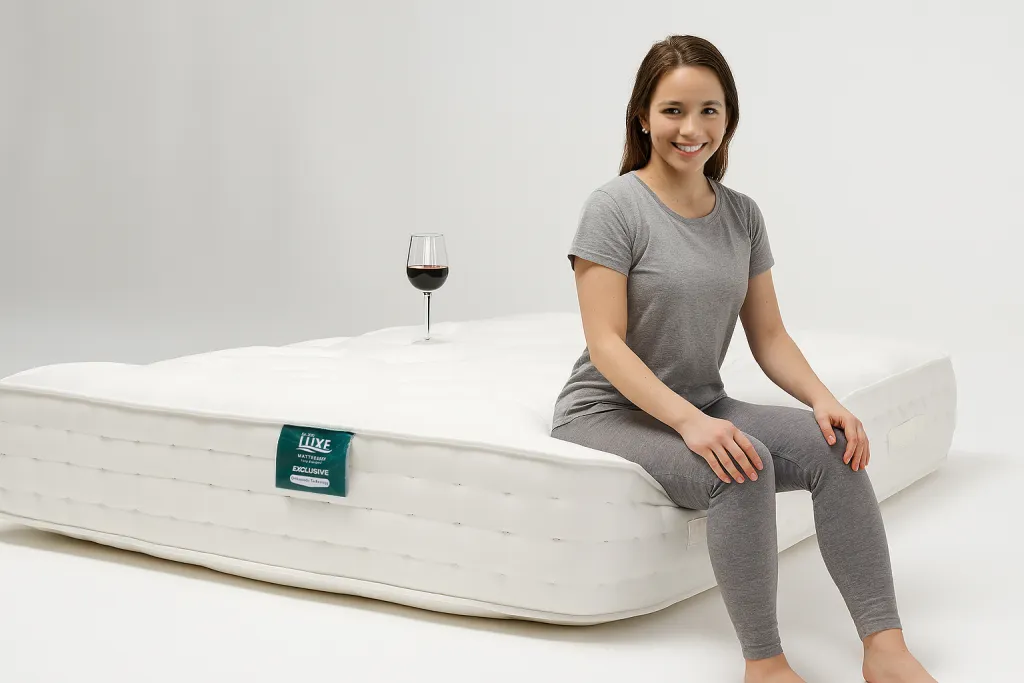
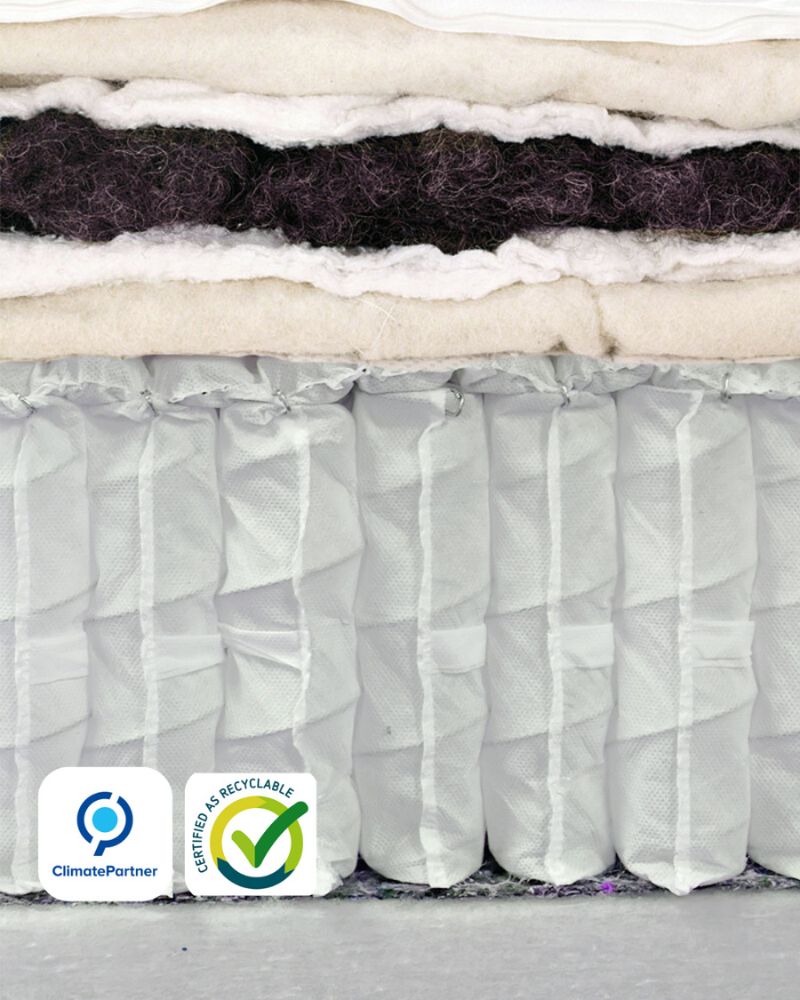
Choosing the best mattress for single bed can be challenging for small bedrooms, student rooms, or guest spaces. Comfort and affordability are top priorities when selecting a single bed mattress. Finding the right mattress also depends on personal sleep style, space constraints, and durability considerations. This guide covers mattress types, firmness, affordability strategies, and essential features to make your choice simple and confident.
What “Best†Really Means for a Single Bed
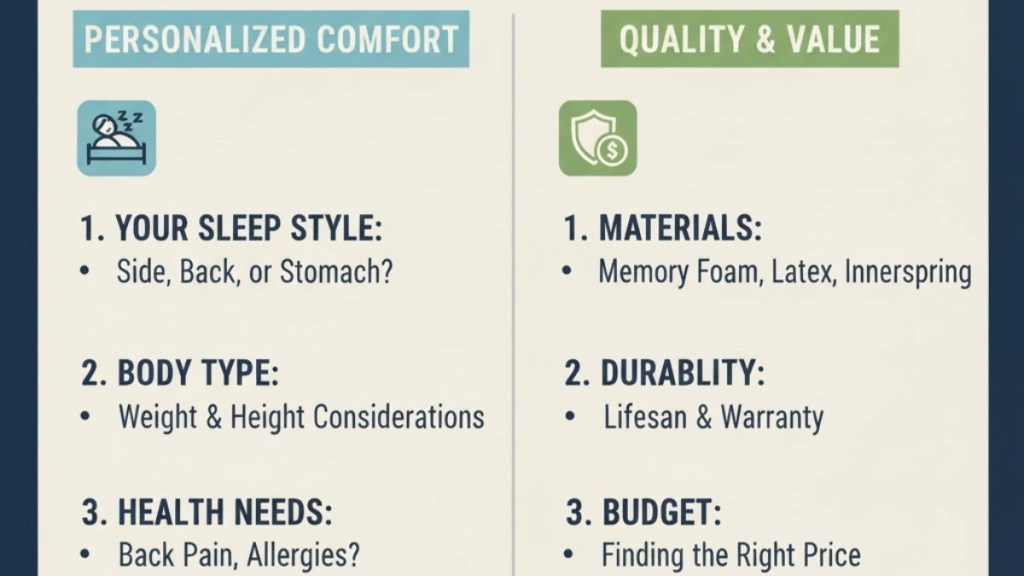
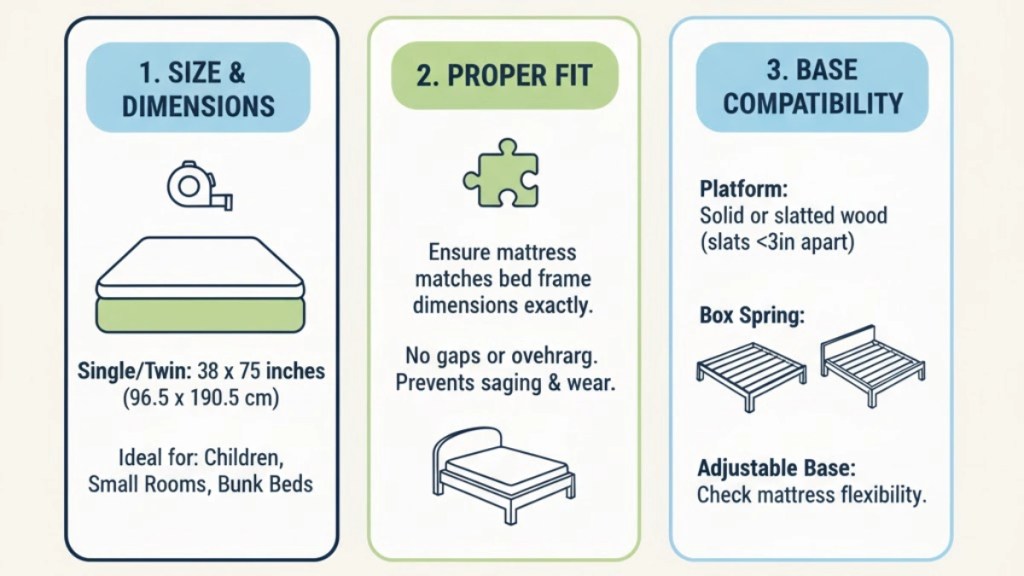
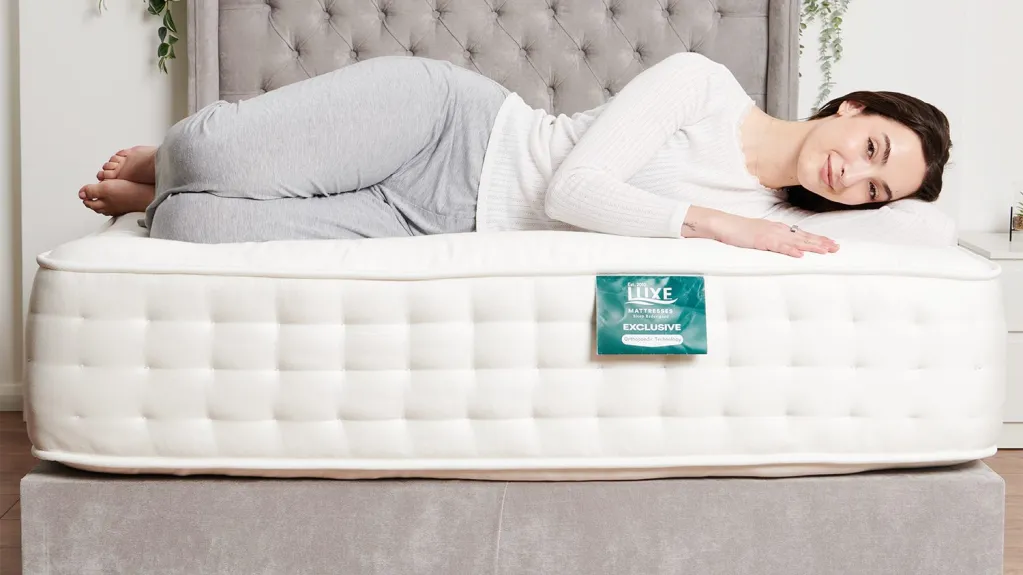
The best mattress for a single bed should fit standard single dimensions and provide proper support for one sleeper. Edge stability, comfort, and durability are essential factors. Personal preferences play a role some prefer soft, others medium or firm. Trial periods and warranties make it easier to select the right mattress.
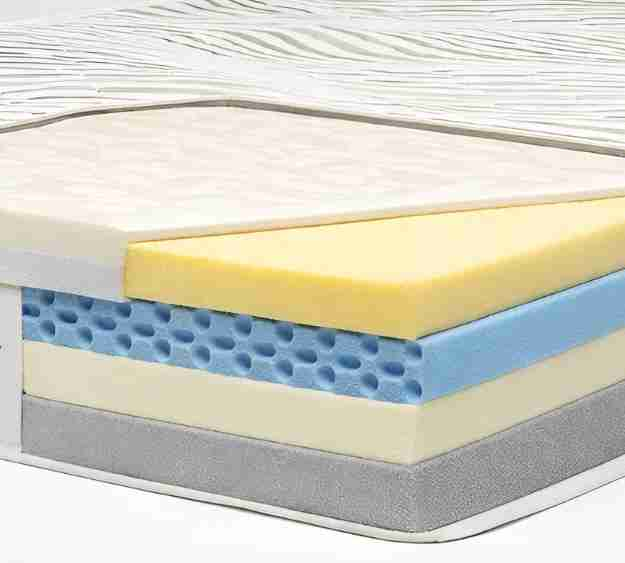
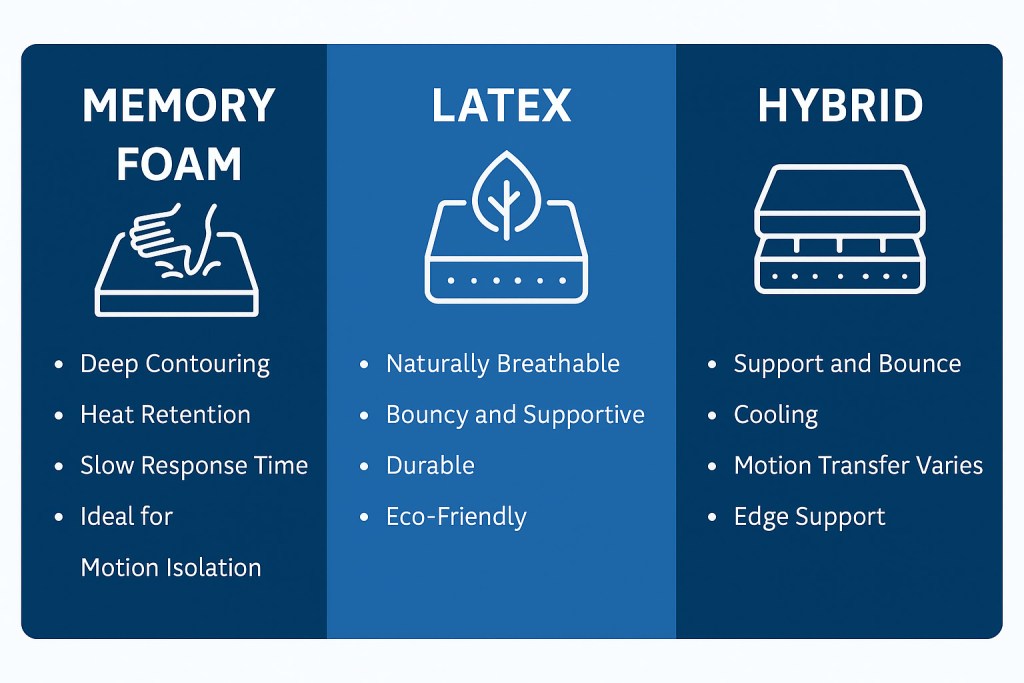
Memory foam molds to the body, relieving pressure points. Hybrid mattresses combine foam with pocket springs for balanced support, and latex provides natural resilience and breathability. 1.Memory Foam: Contours to the body for pressure relief and comfort. Ideal for side sleepers who need extra cushioning.
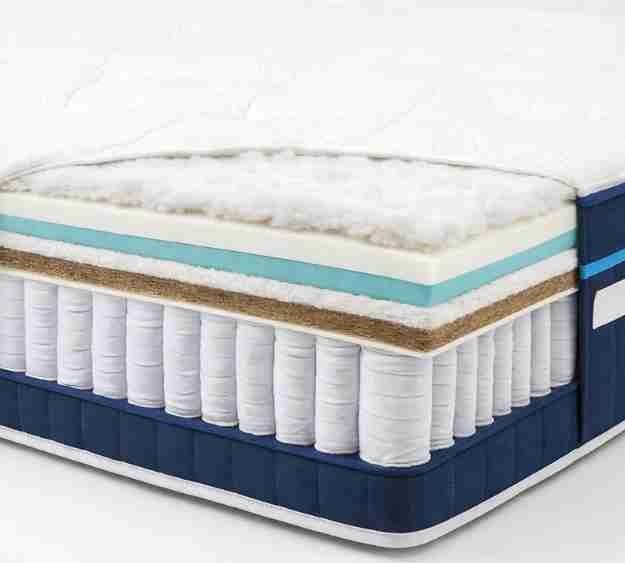
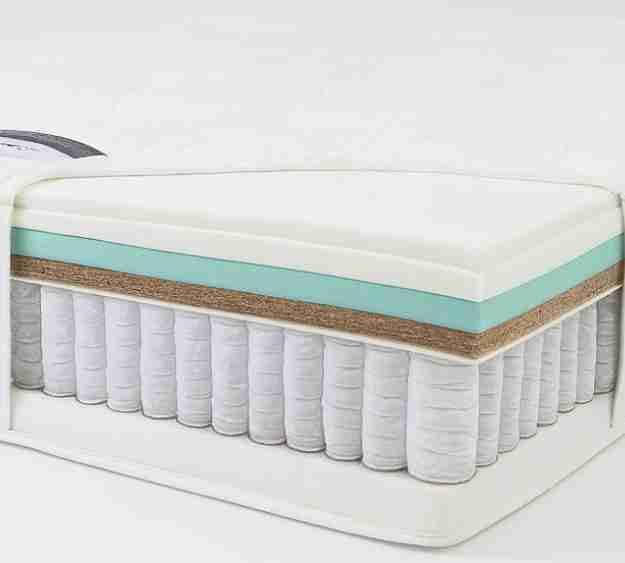
2.Hybrid: Combines foam with pocket springs for balanced support and motion isolation. Works well for back and combination sleepers.
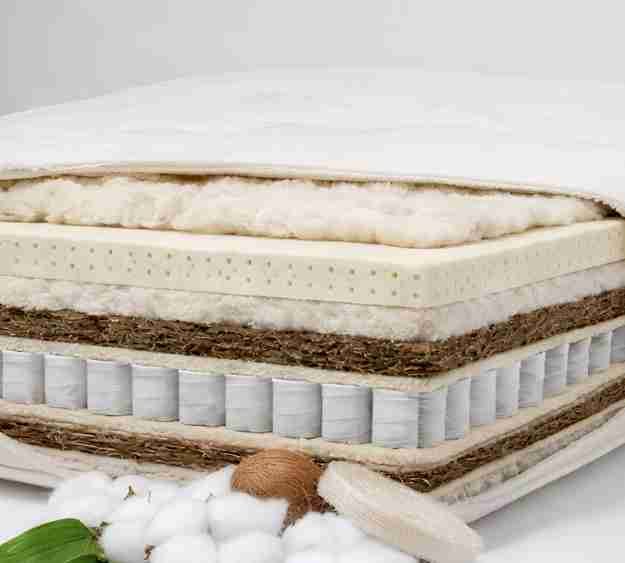
3.Latex: Natural resilience and breathability. Provides firm, supportive feel and is suitable for combination sleepers seeking durability.
Side sleepers often choose memory foam, back sleepers medium hybrid, and combination sleepers versatile latex. Luxe Mattresses offers products across these types (What Makes a Mattress Truly Luxury).
Firmness & Support: Match to Sleep Position
Firmness ensures proper spinal alignment and comfort. Soft is ideal for side sleepers, medium for combination, and firm for back sleepers.Support zones and pressure relief are especially important in single beds. Testing in-store or using trial policies helps confirm the right choice.
Affordability Strategies Without Sacrificing Quality
Finding the best mattress for single bed doesn’t have to break the bank. Smart strategies can help you secure comfort and quality within your budget.
Choose a mattress material that fits your budget.
Prioritize warranties and trial periods.
Take advantage of seasonal deals and avoid unnecessary extras.
Durability, Warranty & Trial: Long-Term Peace of Mind
Durability indicators include foam density, spring count, and edge reinforcement. Check warranty coverage, length, and return process. Rotating the mattress and using the correct base extends lifespan and improves value.
Special Considerations: Allergies, Temperature, and Motion Transfer
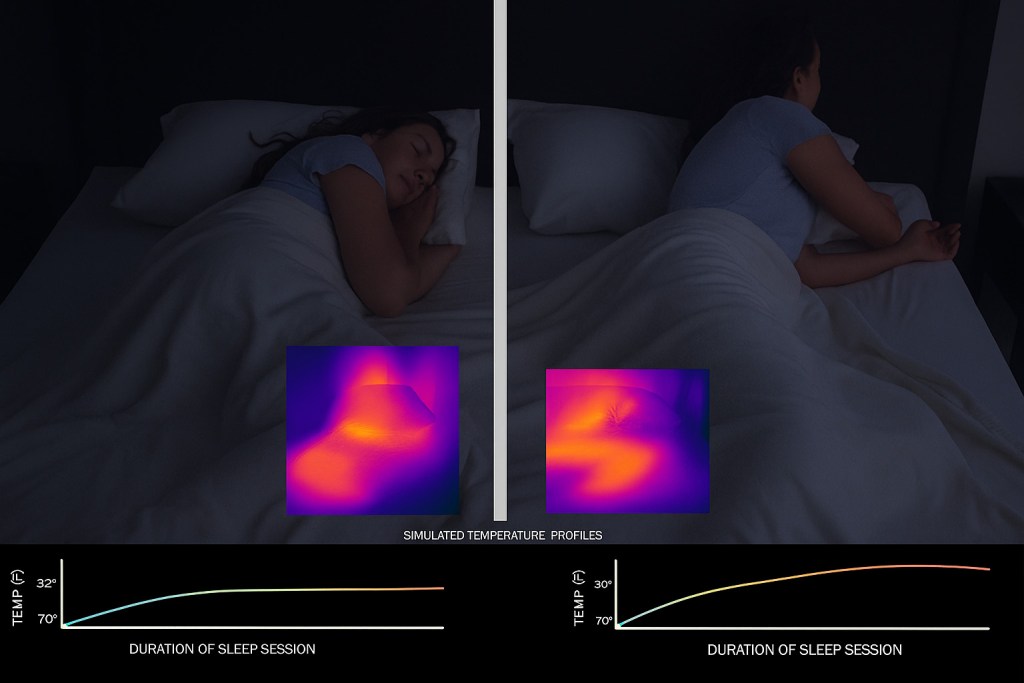
Hypoallergenic and breathable materials improve sleep quality. Cooling features help regulate temperature. Motion isolation can matter even for single sleepers with pets or occasional partners. Focus on features that fit your lifestyle and budget (Which Mattress Should You Choose? A Guide to Sizes & Materials).
Choosing the Best Mattress for Single Bed
Checklist for selecting the best mattress for single bed:
Measure space and frame.
Choose mattress type: memory foam, hybrid, or latex.
Decide firmness based on sleep position.
Confirm trial and warranty.
Check delivery, setup, and budget.
Scenario examples: a student may benefit from memory foam, a guest room from hybrid, and a compact apartment from medium latex. Luxe Mattresses supports all these with clear specifications and policies (How to Choose the Right Mattress for Plus Size Sleepers).
Conclusion
The best mattress for single bed balances type, firmness, durability, and price.It ensures proper support and comfort for a single sleeper.This combination guarantees restful sleep, even in small spaces. Measuring your bed, setting a budget, and using checklists simplify the decision. Explore Luxe Mattresses’ single options, and use trial and warranty to confirm your perfect fit.
FAQs
What type of mattress is best for a single bed?
A firm mattress single is often recommended for back and stomach sleepers, as it helps maintain proper spinal alignment and minimizes pressure points.
Which type of bed mattress is best?
Latex mattresses are naturally hypoallergenic and resistant to dust mites and mold. They offer a responsive and supportive surface, promoting proper alignment of the spine.
Is it better to buy a firm or soft mattress?
One of the largest factors in deciding if you need a firm vs. plush mattress is your preferred sleeping position. Stomach sleepers tend to feel best on a firmer bed, while side sleepers need plush pressure relief.
Is foam mattress good for health?
Foam mattresses are often beneficial for health due to their ability to conform to body shape, distribute weight evenly, and provide pressure relief.
Mattress Types can play a surprising role in how well you sleep, especially for those with seasonal allergies. Sneezing, congestion, itchy eyes, and irritated airways often worsen at night, leaving many allergy sufferers tossing and turning. What many don’t realise is that their mattress may be part of the problem.
Dust mites, pollen, mold spores, and other allergens can accumulate in bedding materials, amplifying nighttime discomfort. Choosing the right mattress crafted from hypoallergenic materials and designed to resist allergen buildup can dramatically improve both sleep quality and overall health.
By understanding how mattress materials affect allergen exposure, sleepers can create a sanctuary that promotes deeper, cleaner rest. In this guide, we’ll explore the importance of hypoallergenic mattress options, the benefits of versatile mattress types, and why luxury natural mattressesare becoming a top choice for allergy-conscious sleepers.
Hypoallergenic Materials: Your First Line of Defense
The right materials can make all the difference in minimizing allergens. Mattresses that resist dust mites, mold, and pollen provide a healthier sleep surface.
Natural latex: Resistant to dust mites and mold, offering a breathable surface that reduces allergen buildup.
Organic cotton and wool: Naturally hypoallergenic, moisture-wicking, and temperature regulating.
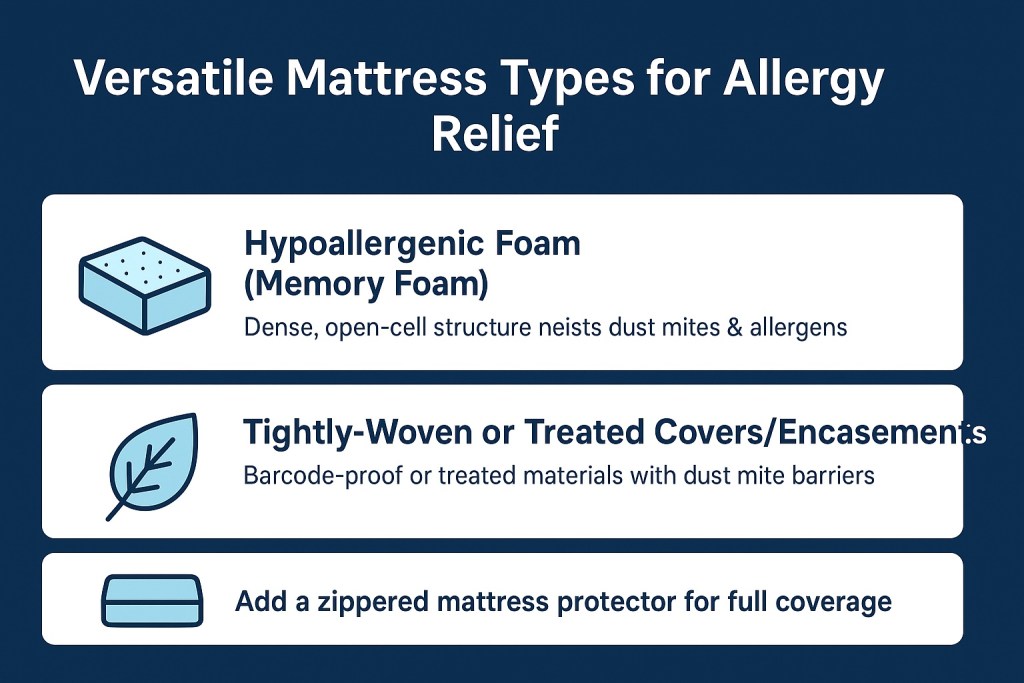
Versatile Mattress Types for Allergy Relief
Not every sleeper has the same needs, which is why versatile mattress types are important:
Latex mattresses: Highly durable, breathable, and naturally allergen-resistant.
Hybrid mattresses: Combine the supportive benefits of innerspring with the hypoallergenic nature of latex or organic foam.
For those seeking both wellness and comfort, luxury natural mattresses are an ideal solution. These premium beds combine eco-friendly craftsmanship with allergy-safe sleep environments.
Sustainably sourced natural latex, cotton, and wool.
Free from synthetic chemicals that can trigger allergic reactions.
Long-lasting durability with luxurious comfort.
Choosing a luxury natural mattress isn’t just about sleep it’s about investing in long-term health.
Why Mattress Choice Matters for Allergy Sufferers
For those who struggle with seasonal or year-round allergies, the mattress you sleep on plays a bigger role than you might think. According to insights from Sleepopolis and Sleep Advisor, warm, humid mattress interiors often become the perfect breeding ground for dust mites, mold spores, and pet dander.
These allergens thrive in the dark, insulated layers of traditional mattresses, triggering symptoms like sneezing, congestion, itchy eyes, and restless sleep. Over time, this hidden allergen buildup can make even the coziest bed feel like an allergy trap.
Hypoallergenic Materials That Help Protect Against Allergens:
Dense Memory Foam: Its tightly packed structure naturally resists dust mites and prevents allergen penetration.
Natural Latex: Breathable, antimicrobial, and mold-resistant, making it one of the best options for allergy sufferers.
Organic Cotton & Wool: Naturally moisture-wicking and chemical-free, helping reduce humidity levels inside the mattress.
Investing in a mattress designed for allergy prevention not only promotes better rest but also improves long-term health. Luxury natural mattresses, in particular, offer the perfect blend of comfort, durability, and allergen protection.
Best Mattress Types for Allergy Sufferers
Mattress Type matters greatly when it comes to allergy prevention. The material and construction play a major role in how well a bed resists dust mites, mold, pollen, and other common irritants. Drawing on insights from Sleep Advisor, Sleepopolis, Tom’s Guide, and theSleep Foundation, here’s how popular mattress types compare:
Memory Foam
Memory foam earns high marks for allergy resistance. Its dense, non-porous structure makes it difficult for dust mites and other allergens to penetrate, while also offering superior motion isolation for couples. For hot sleepers, cooling-infused foams can counteract heat retention without compromising allergen protection (Tom’s Guide, Sleep Foundation).
Natural Latex (Dunlop/Talalay)
Latex is widely regarded as one of thebest materials for allergy sufferers. It is naturally breathable, moisture-resistant, and antimicrobial, offering long-lasting defense against mold and dust mites. Dunlop latex tends to be denser, making it slightly better for allergen defense, while Talalay provides a softer, buoyant feel.
Hybrid (Innerspring + Foam/Latex)
Hybrids balance the airflow benefits of coils with the protective layers of foam or latex. While innerspring coils alone may trap allergens, the addition of a hypoallergenic top layer helps mitigate risks.
Innerspring
Traditional innerspring mattresses are the least ideal for allergy sufferers. Their open coil structure allows dust mites and allergens to accumulate more easily, leading to higher exposure (Sleep Advisor)here
Airbeds
Airbeds aren’t often discussed in allergy contexts, but their easy-to-clean surfaces can offer some benefits. However, they still require allergen-resistant covers or latex/foam toppers for reliable protection.
When it comes to mattresses, luxury often means more than comfort it can also mean better protection against allergens. Many high-end brands incorporate natural fibers like horsehair, wool, silk, and cashmere to deliver a healthier and more breathable sleep surface.
Horsehair: Naturally breathable and moisture-wicking, horsehair also resists dust mites and mold, making it a rare but effective material in niche luxury mattresses.
Cashmere, Wool, Silk, and Cotton: These fibers are commonly used by premium makers like Savoir Beds and Vispring, who craft mattresses with combinations of lamb’s wool, cotton, horsetail, silk, and cashmere for both luxury feel and allergen defense .
Architectural Digest highlights several standout luxury picks:
Birch Luxe: Made with all-natural latex, organic wool, and firm eco-friendly support, it’s particularly appealing for eco-conscious, allergy-sensitive shoppers.
Saatva Solaire & Tempur-Pedic ProAdapt: Feature luxury construction with cooling and supportive designs, though their allergen resistance varies.
Birch Luxe is praised again for its breathability and natural, allergy-friendly build.
Memory Foam vs. Latex in Luxury Models
Birch Luxe (Latex): Firmer, cooler, highly breathable, and naturally allergen-resistant.
Nectar Luxe (Memory Foam): Plush contouring comfort but may retain more heat.
Additional Tips for Reducing Allergens Around the Mattress
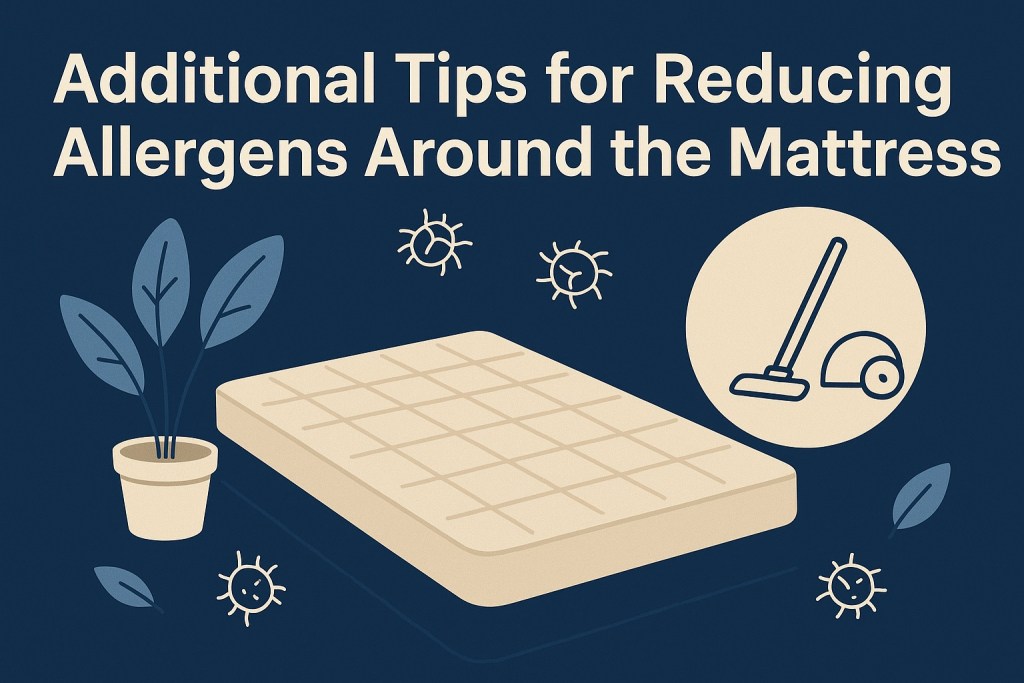
Even the most hypoallergenic mattress benefits from a clean, allergen-free environment. According to the Sleep Foundation and Sleep Advisor, simple lifestyle adjustments can make a big difference in keeping your sleep space healthy and comfortable.
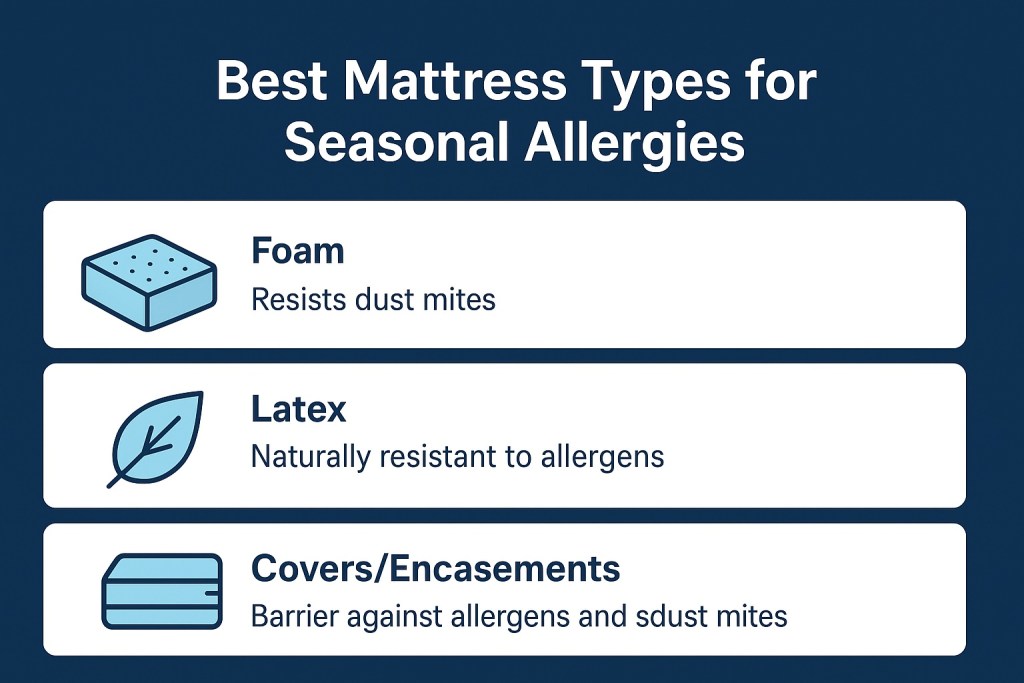
Use Hypoallergenic Encasements: A dust-mite-proof mattress encasement and pillow covers create a protective barrier that blocks allergens from settling into your bedding.
Wash Bedding Weekly: Launder sheets, pillowcases, and blankets in hot water at least once a week to remove dust mites, pollen, and other allergens.
Control Humidity Levels: Dust mites and mold thrive in damp environments. Using a dehumidifier (or humidifier in dry climates) keeps bedroom humidity in the optimal 30–50% range.
Invest in a HEPA Air Purifier: These devices capture fine airborne particles such as pollen, dust, and pet dander, helping maintain cleaner air quality.
Manage Pet Dander: Keeping pets out of the bedroom or at least off the bed significantly reduces allergen buildup from fur and skin particles.
By combining these steps with a hypoallergenic mattress, allergy sufferers can create a true sleep sanctuary that supports deeper, healthier rest. Best mattress type for seasonal allergens.
Conclusion
The right mattress can make a world of difference for allergy sufferers. By focusing on dense, hypoallergenic materials such as memory foam, latex, and natural luxury fibers like wool, silk, and cashmere, sleepers can create a healthier environment that resists dust mites, mold, and dander.
Choosing natural luxe options not only enhances allergen protection but also elevates comfort and durability. For the best results, pair your mattress with smart sleep hygiene: use dust-mite-proof covers, wash bedding weekly, and control bedroom air quality. Together, these steps support cleaner rest and better health during allergy season and beyond.
FAQs
1. What type of mattress is best for allergies?
Natural latex and high-density memory foam are considered the best options. Their dense structure makes it hard for dust mites, pollen, and other allergens to accumulate. Organic latex also resists mold and mildew naturally.
2. Are innerspring mattresses bad for allergies?
Traditional innerspring mattresses can trap dust and allergens inside the open coil system. Unless paired with protective covers or latex/foam layers, they’re usually not the best choice for allergy sufferers.
3. Are natural and organic mattresses better for allergies?
Yes. Organic latex, cotton, and wool are hypoallergenic, breathable, and moisture-resistant. They also avoid chemical flame retardants and synthetic adhesives that can irritate sensitive individuals.
4. What certifications should I look for in a hypoallergenic mattress?
Look for: CertiPUR-US® (safe foams, low VOC emissions)here GOTS (Global Organic Textile Standard for cotton, wool) GOLS (Global Organic Latex Standard) OEKO-TEX (tested for harmful substances)here
5. How often should I replace a mattress if I have allergies?
Most mattresses last 7–10 years, but if you suffer from allergies and notice worsening symptoms, consider replacing sooner. Over time, even hypoallergenic mattresses can accumulate allergens.
When looking for the most useful and good-for-you mattress to lie on when you sleep, it is so important to take care of it as our health depends on this as it impacts it greatly. Since there may be countless choices out there this could become so confusing to find the perfect one.
In this post we aim to highlight some ways you might go about choosing the perfect mattress type depending on some more crucial variables including size, material available in their making, how soft or hard they feel like.
Factors to Consider When Buying a Mattress
A restful night’s sleep is based on having the right mattress that can affect one’s health, mood and work performance greatly such that choosing the most appropriate one calls for much thought given the various kinds, sizes and raw materials available. Below is a discussion covering the main things one should focus on when buying a mattress hence getting what best suits his/her needs.
Sleeping Posture
The way you sleep contributes greatly to the kind of mattress that will offer maximum support and comfort.
1. Side Sleepers:
People who lie on their sides usually like softer mattresses which cushion their shoulders and hips. What are commonly suggested are memory foam mattresses and other types that are soft?
2. Back Sleepers:
Usually, they tend to prefer medium-firm mattresses which provide a balance of supportiveness and comfort. In some cases, a memory foam mattress or a hybrid mattress is recommended.
3. Stomach Sleepers:
In order to prevent sinking into the bed by the body or keep right alignment of spines, there would be a need for firmer mattresses. Sometimes firm innerspring / orthopaedic mattresses would be good.
Weight
The way a mattress feels depends on your body weight. Bodies that are heavier may prefer harder mattresses for avoiding sinking in too deeply, whereas less weighty ones could opt for softer ones because they’re less painful to lie on.
Mattress Firmness
Mattress firmness is all about personal preferences and individual body contours when in bed, everyone has their own tastes in this regard. One must always try out different mattresses before settling for one so as to be sure one will not regret later on buying it.
Budget
The budget will greatly influence your decision. As tempting as it may be, it is good to invest in a quality mattress because it will pay off eventually.
Check for:
Warranty: A good mattress should come with a warranty of at least 10 years.
Trial Period: Most companies have trial periods where they give their clients the opportunity to test the mattresses first before deciding on whether they want them or not.
Types of Mattresses; Utmost Essential
Innerspring Mattress
A good way for the stomach to be supported is when innerspring mattresses use metal coils. There are many types of mattresses and one of the oldest ones is still in production today. Comfort preferences may vary but there are people who need a harder surface to sleep on while others prefer a softer one.
It’s worth noting that these beds have very firm support thus providing users with firmness they desire in their sleeping areas more than anything else does. Compared with other kinds of mattresses, innerspring ones generally come cheaper as a result of which many customers prefer purchasing them as their initial choice especially due to financial constraints they may be facing.
Memory Foam Mattress
Made of viscoelastic foam, memory foam mattresses adapt to your body shape providing exceptional support and pain relief because they conform. Such a kind of foam follows every contour on one’s body as well as adjusting itself accordingly thus lessening pressure areas to those suffering from backaches which is why this type is considered perfect for them.
Likewise, these beds are perfect for anyone who shares their bed with someone since they suppress any movement that otherwise could have caused disturbances to others. The lifespan of an expensive type of memory mattress is longer.
Hybrid Mattress
Hybrid mattresses blend coils with a layer of foam or latex on top providing both supportive feel and comfortable feel when sleeping on them, so they are the perfect choice for different types of sleepers.
Their increased motion isolation results in sound sleep throughout the night unlike memory foam that gets hot during sleep because of increased temperature in the body caused by bed sharing.
Due to combined materials, they are more breathable than memory foam hence giving users lower temperatures to enjoy good nights’ rest. The hybrids wear out very slowly compared to mattresses that are made up of only springs.
Double Mattress
In most cases, individuals are likely to save a given amount of money since they spend less when sleeping alone. The double mattress is advantageous because they will still be able to have sufficient rest at bedtime because they are not disturbed by their partner in bed.
Soft Mattress
Soft mattresses are made to give added padding; thus they come as very favourable choices for people who prefer lying on their sides. The softness makes it feel great because of extra cushioning that side sleepers receive on their shoulders and hips.
The advantage of using a soft mattress is that it helps relieve pressure points in contrast to other mattresses which can cause discomfort or even pain in your body. This is because these types of beds conform to human shapes like hugging your body shape during sleep time.
Orthopaedic Mattress
Orthopaedic mattresses were made to become particularly cozy and advertise proper placement to get a sufferer with a backache or a joint ache. For individuals to purchase them, orthopaedic beds offer a great deal of support for the spinal column so as to promote correct position which assists in bringing relief from low back pains as well as relieving from joint problems.
Orthopaedic beds usually are manufactured using quality materials which would ensure extended comfort through continued application prompting clients with certain health challenges to buy them.
Sizes of Mattress; As Per Required
In the UK, mattress sizes vary, and it is essential to choose the right one based on your needs and space. Here are the standard sizes:
Single: It’s perfect for kids or individuals living in smaller spaces.
Double: Best choice for individuals who need more room due to their increased body size even for couples whose space is extremely limited.
King: This is spacious enough even for couples.
Super King: This is the biggest size you can get and is better than great for two adult persons comfort wise.
Conclusion
To summarize, choosing a good mattress assures rest and peaceful night’s sleep. Having a good quality mattress is essential at times when you get back home tired, needing restful sleep? However, with these considerations you can have a sound sleep with our mattresses.
Choosing the right mattress is a highly personal decision that can significantly impact your health and comfort. Each person, from children to seniors, has unique sleep needs that should be taken into account. A good mattress can help with various health issues and improve overall well-being. This article will guide you in selecting the best mattress for every family member, ensuring that everyone finds a comfortable and supportive sleep solution tailored to their age and needs. Check Mattress Recommendations for Every Age: Children, Teens, Adults, and Seniors.
Growing Up: Mattresses for Children (Ages 2-12)
Supporting Healthy Growth
For children, a mattress is essential for supporting their growing bodies. A firm mattress offers the best support for their spine, helping to keep it aligned as they grow. This can prevent posture problems early on. According to the NHS, good spinal support during sleep is important for children’s development.
Hygiene and Safety
It is important to make sure children’s mattresses are safe and clean. Mattresses that resist dust mites and allergens help keep your child safe from common irritants. Luxe Mattress offers memory foam mattresses that are dust and allergy resistant, creating a healthy sleeping environment and reducing the risk of respiratory issues or skin problems.
Durability for Play and Rest
Children are active, often playing and jumping on their mattresses. That’s why it is important to choose a mattress that is durable and can handle all the wear and tear. A mattress that keeps its shape and support for years is a smart investment, ensuring that your child enjoys comfort and proper support as they grow from a cot to a single bed.
Teenage Years: Supporting Rapid Growth and Activity (Ages 13-18)
Adapting to Growth Spurts
During the teenage years, the body undergoes rapid growth. Teenagers undergo growth spurts, experiencing increases in height and weight. Their mattress needs to adapt to this rapid growth by providing the right balance of firmness and comfort. A medium-firm mattress is ideal, offering support to maintain spinal alignment while also providing enough comfort for growing bones and muscles.
Active Lifestyles and Recovery
Many teenagers are involved in sports and other physical activities. A mattress that helps them recover from physical exertion is important. A supportive mattress can help alleviate muscle soreness and provide the comfort necessary for recovery after a long day of physical activity.
Study Stress and Sleep Quality
Teenagers often experience stress from schoolwork, which can impact their sleep. A comfortable mattress ensures that they get the rest they need, reducing stress and helping them concentrate better during the day. Poor sleep can lead to mental health issues and affect academic performance, as shown by studies from organizations like Mind.org.uk.
Adult Life: Diverse Needs and Evolving Preferences (Ages 18-65)
Tailoring to Individual Sleep Styles
As adults, the type of mattress needed changes depending on sleeping positions. Side sleepers benefit from a softer mattress that cushions the hips and shoulders, while back sleepers need a medium-firm mattress to support the natural curve of the spine. Stomach sleepers need a firmer mattress to keep their midsection from sinking too deep. Couples also need to consider motion transfer, which reduces the disruption from their partner’s movements at night.
Addressing Common Adult Ailments
Many adults experience back pain, joint pain, or general discomfort. Luxe Mattress offers orthopedic mattresses designed to provide support and help manage these issues. Proper spinal alignment during sleep is essential for reducing pain and improving overall health, according to the NHS.
Material Choices for Longevity and Comfort
Adults have many options when it comes to mattress materials. Memory foam, latex, hybrid, and pocket-sprung mattresses offer distinct benefits, including comfort, support, and durability. Features like temperature control, such as Luxe Mattress’s LTX Cooling Gel, can help maintain a comfortable sleep temperature, ensuring you stay cool throughout the night.
Golden Years: Comfort and Care for Seniors (Ages 65+)
Prioritising Pressure Relief and Support
For seniors, comfort and pressure relief become the top priority. As the skin becomes more sensitive with age, pressure points can cause discomfort. A mattress that evenly distributes weight can help reduce pain and stiffness. Luxe Mattress offers a range of mattresses specifically designed for older adults, providing gentle support that helps alleviate aches and pains.
Ease of Movement and Transfers
As people get older, they often lose flexibility and find it harder to move easily in bed. A mattress that makes it easier to get in and out of bed is crucial for seniors. These mattresses offer better mobility, which is important for safety and comfort.
Temperature Sensitivity and Breathability
Older adults often struggle to regulate their body temperature while sleeping. A mattress that promotes airflow and helps regulate temperature can make a significant difference. Luxe Mattress’s designs for seniors incorporate materials that promote breathability, ensuring a cool and comfortable sleep throughout the night.
Which Mattress is Best for All
Choosing the best mattress for everyone in the family can be challenging, but it is essential for both health and comfort. Each age group has distinct needs that should be taken into account. For children, a firm mattress is crucial for supporting their growing bodies and maintaining spine alignment. Teenagers require a medium-firm mattress that accommodates their rapid growth and active lifestyles. Adults need a mattress that matches their preferred sleep position, whether they sleep on their back, side, or stomach. Seniors benefit from mattresses that provide pressure relief and support, allowing them to sleep comfortably and safely.
When selecting a mattress for the whole family, it is best to find one that suits everyone’s needs. A medium-firm mattress is often a good option because it offers a balance of support and comfort. Features like temperature control and durability can make the sleep experience better for everyone. Brands like Luxe Mattress offer a variety of mattresses designed to meet the specific needs of different age groups. By investing in the right mattress for each family member, you can ensure better sleep and overall health for everyone.
Conclusion
In conclusion, selecting the right mattress is crucial for everyone, as each age group has distinct needs. Factors like sleeping position, health concerns, and age all play a role in finding the perfect mattress. By investing in a mattress that suits your age group, you can ensure better sleep and improved health. Luxe Mattress offers a wide range of options designed to meet the diverse needs of people of all ages, helping everyone achieve a more restful and healthier sleep experience.
Frequently Asked Questions (FAQs)
Which is the best mattress for a growing child?
A medium-firm to firm mattress, such as a pocket-sprung or supportive foam mattress, is recommended for children to provide the necessary support for their developing spine.
Should teenagers use the same type of mattress as adults?
Teenagers can benefit from mattresses similar to those used by adults, focusing on durable support to accommodate their growing bodies and active lifestyles. Medium-firm options are typically ideal.
How often should mattresses be replaced for different age groups?
Generally, mattresses should be replaced every 7-10 years. For children, it may be necessary to replace the mattress when they outgrow their bed, while seniors might need a new mattress sooner if comfort or support declines.
Do orthopaedic mattresses work for all age groups?
Orthopaedic mattresses, designed for targeted support and spinal alignment, are suitable for people of all ages, particularly those with specific pain or health issues.
Does Luxe Mattress offer options for all age groups and needs?
Yes! Luxe Mattress offers a diverse range of high-quality mattresses, including memory foam and orthopaedic options, all designed to meet the comfort and support needs of various age groups.
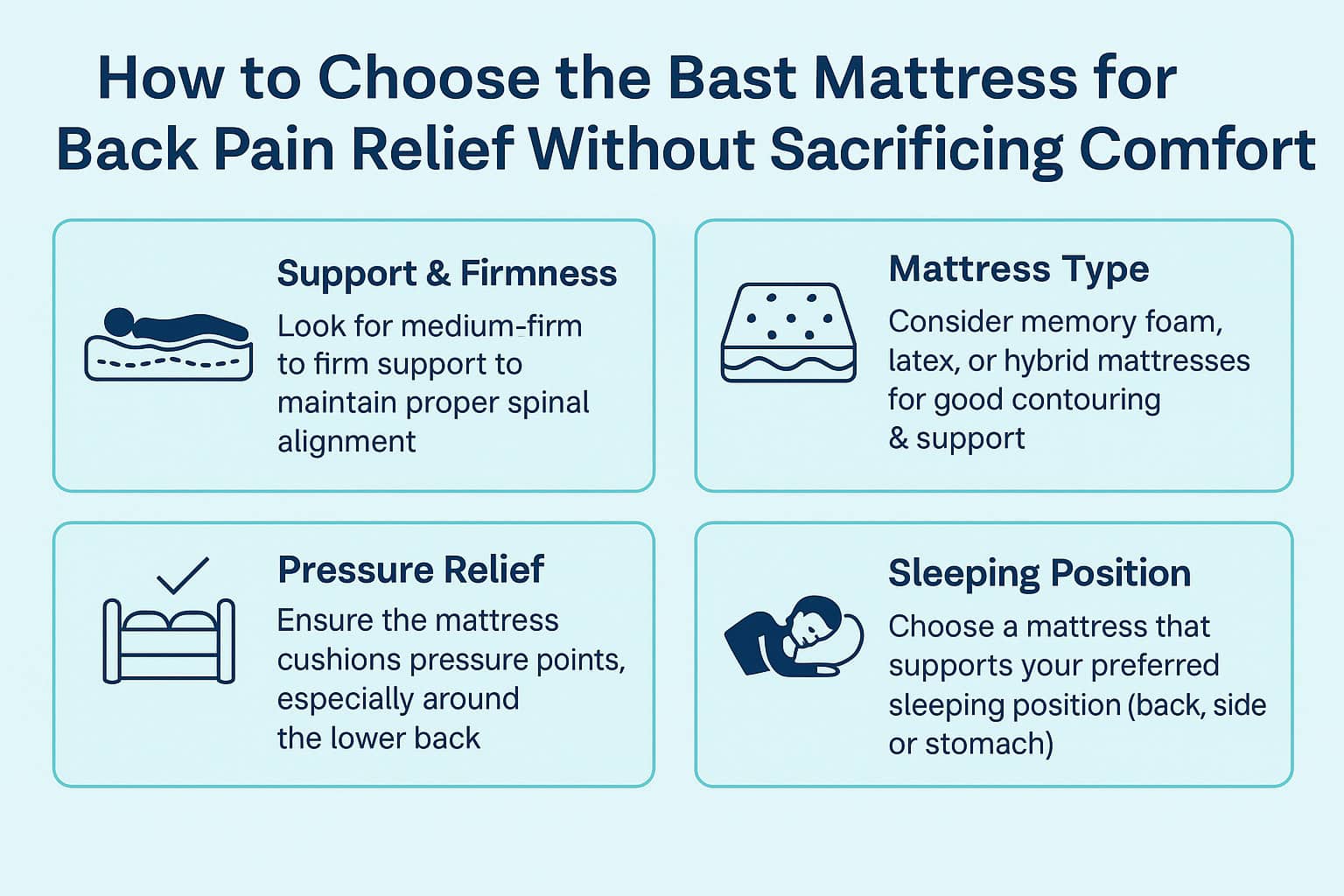
Finding the right mattress for back pain is essential for achieving restful sleep and improving overall well-being. A mattress that offers the perfect balance of support and comfort ensures proper spinal alignment, alleviates pressure points, and reduces pain. With so many options available, it’s essential to understand the different types of mattresses and how they can help relieve back pain. This guide will provide insights into the best mattresses for back pain, including memory foam, latex, hybrid, and pocket-sprung options. By considering factors like firmness, sleep position, and body weight, you can make an informed choice for better sleep and pain relief.
Understanding Back Pain and Its Impact on Sleep
Back pain is a major health concern for many people in the UK. It often leads to disrupted sleep cycles, including pain, poor sleep, and mental health issues. Not getting proper sleep can exacerbate pain, causing back pain to intensify. This creates a strong link between chronic pain and persistent insomnia.
Organisations like Mind.org.uk frequently highlight the impact of mental health issues, such as anxiety and depression, on well-being. A lack of restorative sleep can severely affect a person’s overall health. In addition to these problems, the current mattresses used to achieve restful sleep could actually be contributing to back pain.
Signs such as regular sagging and waking up with aches and pains are indicators that it’s time to change your mattress. Replacing your mattress is often the best solution to alleviate back pain and improve sleep quality.
The Science of Support: Beyond Just Firmness
You cannot simply opt for a firmer one as a mattress must support your back and make it feel comfortable. The core principle lies in maintaining optimal spinal alignment. A perfect mattress should support the natural “S” curve of the spine, keeping it aligned from the neck to the lower back. It also prevents awkward angles that could lead to nerve compression and muscle strain.
Another important factor is pressure relief. A good mattress provides extra cushioning for comfort during sleep. This highlights the importance of a mattress that contours to the body’s unique shape. These materials are essential for evenly distributing body weight across the sleeping surface. This equal distribution reduces concentrated pressure on sensitive areas like the hips, shoulders, and lower back.
The key is finding the right balance. It is a common misconception that a mattress for back pain must be tough. A mattress should offer both cushioning for comfort and sufficient support. The harmonious combination of firmness and softness ensures therapeutic support and restful sleep. The proper treatment of the back will make your life better.
Key Mattress Types for Back Pain Relief
There are different types of mattresses available in the market. You must choose the best one for your better sleep quality.
Memory Foam Mattresses: Contouring Comfort
Memory foam mattresses are ideal for contouring comfort. The material uses body heat to mold to your shape, cradling the body and relieving pressure on key joints. This is essential for spinal alignment. Memory foam also offers excellent motion isolation, meaning you won’t be disturbed by your partner’s movements. Many back pain sufferers find these mattresses perfect for relief. Luxe Mattress offers one of the best memory foam collections; check out their top-of-the-line options.
Latex Mattresses: Responsive Support
Latex mattresses provide responsive support. These mattresses are durable, natural, and breathable. Unlike other mattresses, latex has a buoyant feel. It provides essential support without the sinking sensation, making it an excellent choice for those who want a firmer feel. Latex mattresses still offer excellent pressure relief, which is beneficial for back pain sufferers.
Hybrid Mattresses: The Best of Both Worlds
Hybrid mattresses offer the best of both worlds. These mattresses combine a pocket-sprung base for robust support and bounce, with layers of memory foam and latex for contouring. This blend provides excellent versatility, offering a balance of support and soft cushioning. Hybrid mattresses are ideal for those seeking comfort and relief from back pain.
Pocket Sprung Mattresses: Zoned Support
Pocket-sprung mattresses provide zoned support. These mattresses feature individual springs, each encased in its fabric pocket, allowing for precise contouring of the body. Pocket springs also reduce motion transfer, making them great for couples. The zoned support targets specific areas of the body, offering tailored support where it’s needed most, such as under the hips and shoulders.
Finding Your Perfect Firmness: Tailoring to Your Needs
The right firmness is essential for back pain relief. It should be tailored to your specific needs. Understanding the different firmness levels, soft, medium, and firm, is important, as each offers varying levels of support and contouring. The choice depends on how the mattress interacts with your body and pain points.
Sleep Positions
Sleep positions are important in selecting the right firmness. It is a deciding factor in your mattress choice. Soft mattresses are ideal for side sleepers, allowing for more contouring around the hips and shoulders. Back sleepers need a mattress that provides supportive firmness to maintain the natural curve of the body. Stomach sleepers require a firmer surface to prevent the spine from arching too much.
Body Weight
Body weight plays a critical role in selecting the right orthopaedic mattress for back pain. Heavier individuals typically benefit from firmer surfaces, while lighter individuals may prefer softer, more contouring mattresses. Finding the right mattress to suit your body type can be complex, you can take our mattress matching quiz to find our best match for yourself.
Smart Mattress Quiz
Find your perfect mattress match with our personalized recommendation system.
Based on your sleep style, health needs, and comfort preferences.
Why Take This Quiz?
Get tailored mattress recommendations for your specific needs
Save time researching – we’ve done the analysis for you
Compare mattresses that match your sleep style and budget
Understand which mattress features matter for your comfort
Luxe Mattress offers a range of mattresses designed to provide reliable and supportive feedback, ensuring that you find the best mattress for your requirements.
Conclusion
Achieving pain-free sleep is entirely possible by opting a specific mattress. In today’s world, getting proper sleep and being free from back pain is essential for maintaining mental and physical well-being. By following key principles, such as ensuring proper spinal alignment, anyone can enjoy restful sleep and become pain-free. Investing in a good mattress is a valuable investment in both money and overall health. Consider Luxe Mattress to find the ideal mattress that helps you sleep without back pain. Luxe Mattress offers a 100-night free trial, a 10-year warranty, and free shipping in certain areas of the UK.
FAQs
What mattress firmness is ideal for lower back pain?
Medium-firm mattresses are generally recommended for people suffering from lower back pain. These mattresses strike a balance between support and cushioning, keeping the spine aligned without being too hard or too soft.
Can a very soft mattress cause back pain?
Yes, a mattress that is too soft can lead to back pain by allowing the spine to fall out of alignment, which strains the muscles, particularly in the lower back.
Do memory foam mattresses help with back pain?
Yes, memory foam mattresses are effective for back pain because they contour to the body, providing custom support, relieving pressure points, and improving spinal alignment.
How often should I replace my mattress if I have back pain?
If you experience chronic back pain, consider replacing your mattress every 7-10 years or sooner if you notice sagging or a lack of support.
What role does a pillow play when choosing a mattress for back pain?
While having an appropriate mattress is essential, a pillow is also crucial for supporting the neck and head, ensuring correct spinal alignment. This is vital for overall spinal health.
In today’s world, sustainability isn’t just a buzzword, it’s becoming a core part of how we shop, live, and even sleep. From reusable coffee cups to electric cars, the eco-conscious movement has touched nearly every corner of our lives. But one area many people overlook is what they’re sleeping on every night: their mattress.
If you’re in the UK and thinking of upgrading to a greener, more planet-friendly mattress, you’re in the right place. In this guide, we’ll explore what actually makes a mattress eco-friendly (beyond the marketing), which materials matter, how certifications like GOTS and CertiPUR help you shop smarter, and which types of mattresses are worth your attention all without repeating what’s already been said a thousand times.
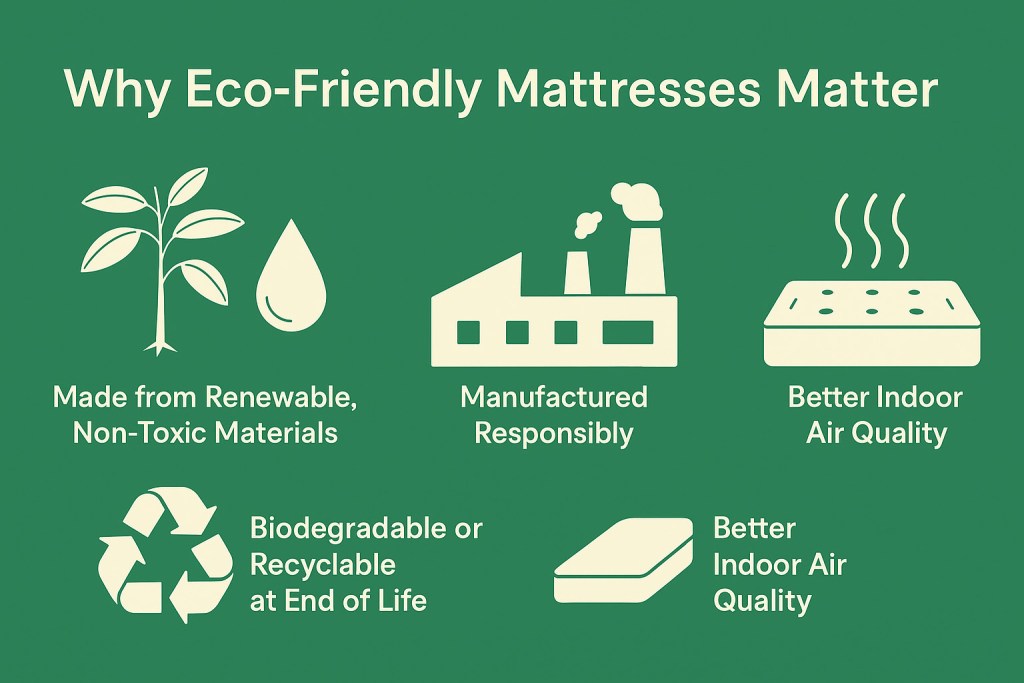
Why Eco-Friendly Mattresses Matter
Let’s face it, mattresses aren’t something most people think of as “wasteful†or “toxic.†They’re soft, cozy, and hidden under blankets, right? But what many of us don’t realise is that the average traditional mattress is made with a cocktail of chemicals and synthetic materials that can harm both our health and the environment.
Most conventional mattresses use polyurethane foam, chemical flame retardants, glues, and petroleum-based fabrics. These materials release volatile organic compounds (VOCs), gases emitted from certain solids or liquids — into the air in your bedroom. Over time, these can contribute to indoor air pollution and may cause headaches, allergic reactions, or respiratory irritation, especially in sensitive individuals. The EPA outlines VOC concerns here.
Beyond personal health, there’s the bigger issue: what happens when a mattress reaches the end of its life? The average UK household throws out a mattress every 7–10 years, and unfortunately, most of them end up in landfills. In fact, more than 7 million mattresses are discarded annually in the UK, and fewer than 20% are recycled according to WRAP UK.
Here’s why eco-conscious mattresses are starting to become the smarter choice and not just for “green†shoppers.
1. Made from Renewable, Non-Toxic Materials
Eco-friendly mattresses use materials that come from nature, not factories. Think natural latex from rubber tree sap, organic cotton, British wool, and hemp fibres. These materials not only feel better to sleep on, but they also don’t come loaded with harmful synthetics.
Many of these beds are also free from chemical flame retardants, formaldehyde, and phthalates — all of which have been flagged for potential health risks. The EWG (Environmental Working Group) outlines many of the harmful chemicals found in standard mattresses and why it’s worth avoiding them.
2. Manufactured Responsibly
It’s not just what goes into the mattress, it’s also how it’s made. Eco-friendly mattress brands often operate with reduced emissions, ethical sourcing, and lower water use. Some even manufacture locally (here in the UK) to reduce the carbon footprint from shipping.
Look for brands that transparently list their sourcing and sustainability practices and offer certifications like GOTS, GOLS, or OEKO-TEX (more on these in another section).
3. Biodegradable or Recyclable at End of Life
While most synthetic mattresses take decades (if not centuries) to break down, natural ones can be biodegraded or disassembled for recycling.
Latex, wool, and cotton can break down naturally
Spring units can be recycled as scrap metal
Some brands are even moving toward glue-free modular designs that make disassembly easier
This means less landfill waste and fewer bulky, unsalvageable materials clogging up waste centres.
4. Better Indoor Air Quality
An underrated benefit of eco-friendly mattresses is simply that you breathe easier. With fewer off-gassing chemicals and low VOC ratings, these mattresses are much less likely to irritate your lungs, eyes, or skin.
For children, older adults, and people with asthma or allergies, this matters a lot. Sleeping 7–9 hours a night on a mattress that emits fewer toxins can actually lead to better sleep, reduced congestion, and improved overall health.
As Harvard Health Publishing explains, indoor air quality plays a major role in health and what we sleep on is a huge part of that equation.
Natural Latex: The Core of Eco Comfort
One of the most sustainable and sought-after mattress materials is natural latex. Made from the sap of rubber trees, latex is a biodegradable, renewable, and incredibly durable material often lasting 15–20 years without sagging.
Unlike synthetic latex (which is made using petroleum byproducts), natural latex is processed using the Dunlop or Talalay methods and is free of harmful chemicals. It’s naturally resistant to dust mites, mould, and bacteria, and is ideal for those with allergies or asthma. You can browse some excellent examples of natural and organic latex mattresses available in the UK here.
Organic Cotton and Wool: Nature’s Finishing Touches
Eco-friendly mattresses often go beyond the core materials to include organic cotton and organic wool in the quilted layers or covers.
Organic cotton is grown without pesticides or synthetic fertilisers, reducing the environmental impact and water consumption. It’s breathable, soft, and hypoallergenic.
Organic wool is naturally fire-resistant (reducing the need for chemical flame retardants), temperature-regulating, and moisture-wicking. It’s also biodegradable and renewable.
These materials are especially popular in UK-made natural mattresses that prioritise comfort and clean sleep over synthetic blends or budget fillers.
Understanding Key Certifications: GOTS, GOLS, and CertiPUR
With so many mattress brands claiming to be “natural†or “green,†how can you actually verify what’s inside?
That’s where certifications come in third-party, independent standards that back up environmental, health, and ethical claims. These badges aren’t just for show; they ensure the materials in your mattress meet stringent safety and sustainability standards.
This is considered the gold standard for organic textiles like cotton and wool. If a mattress uses GOTS-certified materials, it means the fabric was grown and processed without harmful chemicals, under ethical labor practices, and in facilities that follow strict environmental criteria from farm to factory. It covers everything from pesticide use to water treatment and fair working conditions.
GOLS is to natural latex what GOTS is to textiles. If your mattress carries a GOLS certification, it means it contains at least 95% organic latex, sourced from rubber tree sap and produced in ways that support biodiversity, social welfare, and environmental preservation. It’s an essential badge for anyone shopping for a truly organic latex mattress.
This certification applies to polyurethane foam used in many mattresses, toppers, and upholstered furniture. A CertiPUR-certified foam is guaranteed to be made without ozone depleters, PBDE flame retardants, heavy metals like mercury and lead, or formaldehyde. It also confirms that VOC (volatile organic compound) emissions are kept to a minimum for safer indoor air quality. It’s not as “natural†as latex, but it’s a far safer alternative to uncertified synthetic foams.
When shopping, always check the tags or product pages for these badges they’re your best clue that the mattress lives up to its eco label.
Recyclability and End-of-Life Considerations
It’s not just about how your mattress is made it’s also about what happens when you’re done with it.
The average mattress in the UK ends up in landfill, where synthetic foam and plastics can take centuries to decompose. Eco-friendly mattresses, on the other hand, are often:
Fully recyclable (especially latex and spring models)
Biodegradable if made from natural materials like wool or cotton
Easier to disassemble for parts reuse
Some brands even offer mattress recycling or take-back schemes when you buy a new one, helping keep your old mattress out of the bin.
Tip: When choosing a mattress, look for those that are glue-free or modular in construction, they’re easier to recycle or repair in the future.
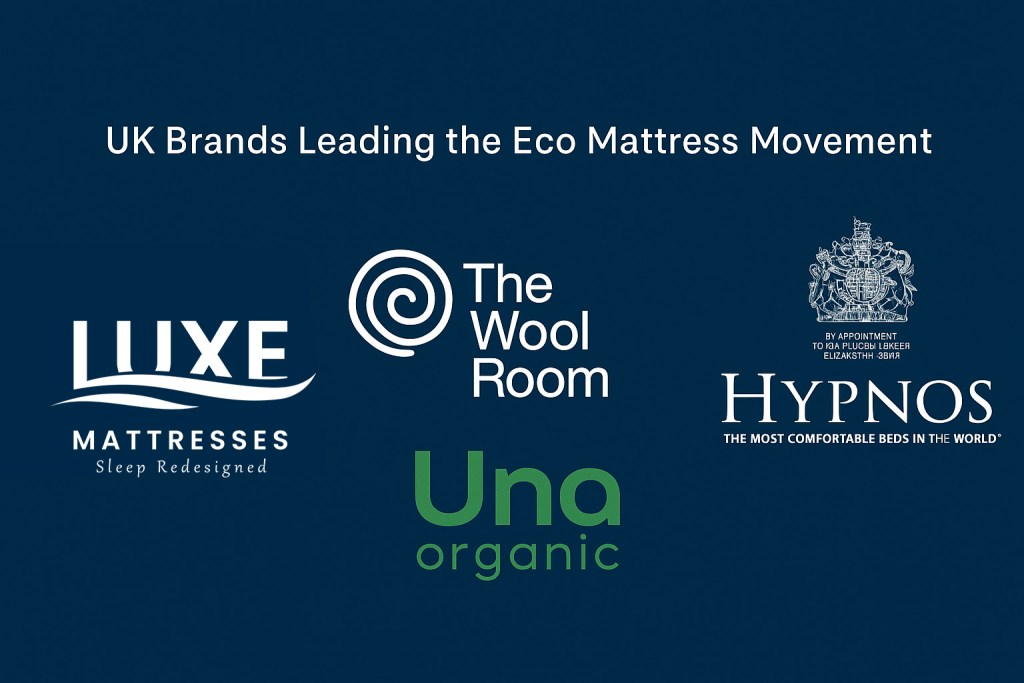
UK Brands Leading the Eco Mattress Movement
In recent years, there’s been a quiet but powerful rise in UK-based eco-conscious mattress brands not just from the household names, but from a wave of independent, quality-driven manufacturers dedicated to natural comfort and responsible production.
These companies focus on using sustainably sourced materials like natural latex, organic wool, and GOTS-certified cotton, and they often produce in low-emission facilities, package minimally, and operate with full transparency. Many of them also make their mattresses by hand right here in the UK, supporting local jobs and reducing transportation-related carbon emissions.
Luxe Mattresses is quickly gaining recognition for its dedication to natural, organic, and latex-based sleep solutions. Their focus on sustainably sourced materials, non-toxic construction, and transparent practices makes them a standout among newer UK brands. They offer a curated range of natural and organic mattresses that combine durability, breathable comfort, and a stylish aesthetic, all without compromising the environment.
2. The Wool Room
Though better known for their wool bedding, The Wool Room also produces mattresses made with traceable British wool, offering a great natural solution for those who want chemical-free, temperature-regulating comfort.
3. Una Organic
Una focuses on organic latex mattresses with modular layers you can adjust for firmness. Everything is certified by GOLS and GOTS, and their packaging is fully biodegradable, ticking all the sustainability boxes.
4. Hypnos
This Royal Warrant-holding brand offers a mix of traditional and eco-conscious collections. Their Origins range uses natural fibres, including wool from the Red Tractor Assurance scheme, and their sustainability credentials are industry leading.
Here are some of the leading UK brands making waves in the green mattress space:
Common Myths About Eco Mattresses, Busted
“Eco mattresses are too expensive.â€
Not necessarily. While natural materials can cost more upfront, they often last twice as long, saving money in the long run. And many UK retailers now offer interest-free payment plans.
“They’re not as comfortable as memory foam.â€
Today’s latex and hybrid designs rival (and often outperform) foam beds when it comes to comfort, support, and breathability, without the chemicals.
“Eco means flimsy.â€
Quite the opposite. Latex is one of the most durable mattress materials available, and wool naturally resists wear and tear.
Final Thoughts: Is an Eco-Friendly Mattress Worth It?
If you care about your health, your sleep, and your impact on the planet, the answer is a resounding yes. A well-made eco-friendly mattress can help you:
Sleep better (with fewer chemicals or allergens)
Breathe easier (thanks to natural ventilation and low-VOC design)
Live more sustainably (through responsible materials and end-of-life recyclability)
Whether you’re going full organic or just trying to make more conscious choices, upgrading to a mattress made from natural, certified materials is a great place to start.
Let’s be honest: few things say “comfort†quite like a king size mattress. Whether you’re stretching out solo or sharing with a partner (or a toddler who insists on sneaking in), that generous space can be a game changer for sleep quality. But choosing the right one? That’s a little more complicated, especially in the UK, where sizes, frames, and firmness preferences can vary widely.
This guide walks you through everything you need to know before buying a king size mattress in the UK, including how it differs from a European king, what firmness zones matter, and how to make sure it fits your bed frame and your life.
What Is a King Size Mattress in the UK?
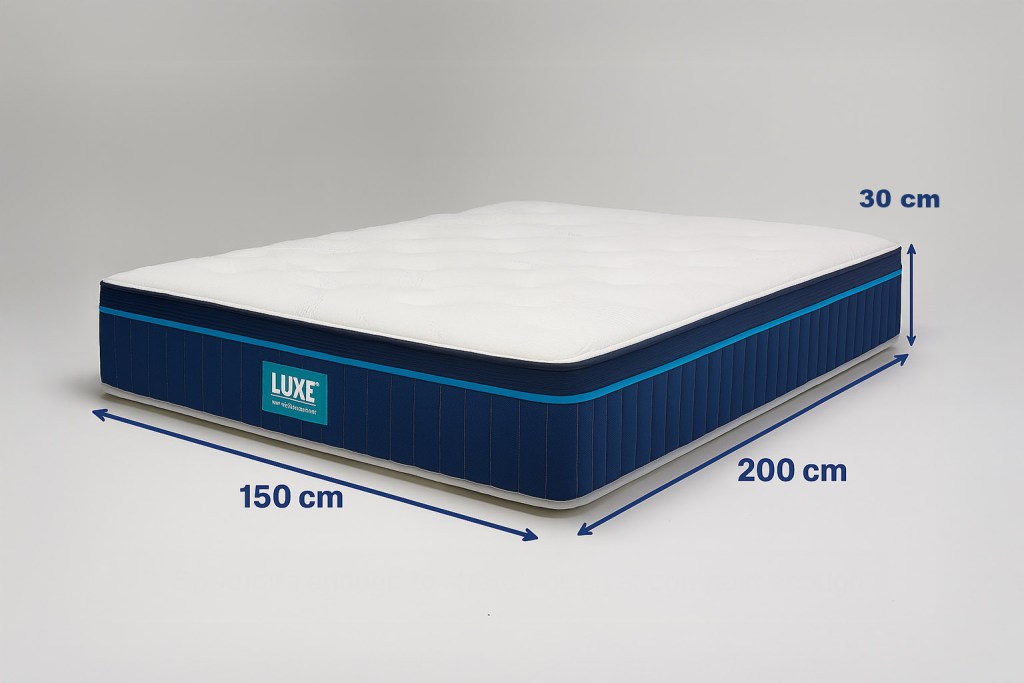
In the UK, a standard king size mattress measures 150cm wide by 200cm long, that’s about 5 feet wide and 6 feet 6 inches long. It offers 15cm more width than a double mattress, which doesn’t sound like a lot until you realise how much that extra space helps you sleep without accidentally elbowing your partner in the ribs.
It’s a fantastic choice for:
Couples who like a bit of personal space
Taller individuals who need extra legroom
People who toss and turn or sleep in odd positions
Parents whose kids sometimes join them in the middle of the night
But here’s where it gets interesting, not all kings are created equal to understand how to choose king size mattress read our guide.
UK King vs European King vs Super King: What’s the Difference?
Mattress shopping can quickly get confusing when you realise that a “king†in one country isn’t always the same in another. Even within the UK, retailers might offer different “king†sizes, so let’s break it down clearly:
Mattress Type
Dimensions (cm)
Best For
UK King
150 x 200
Most UK bed frames and bedrooms
EU (Euro) King
160 x 200
IKEA beds or European-manufactured frames
UK Super King
180 x 200
Maximum space, larger bedrooms
Key tip: If you’re buying a mattress for an IKEA bed, chances are you need a European king, not a UK one. That extra 10cm in width makes a big difference in fit and comfort.
What Does “Bigger King†Really Mean?
When people talk about upgrading to a “bigger king,†they’re usually referring to either a European king (for more width) or a super king (for maximum spread). But keep in mind:
Bigger mattress = heavier – Latex and memory foam models can be particularly dense.
Bigger mattress = bigger frame needed – Not all king-size mattresses are interchangeable with your existing base.
Bigger mattress = more bedding required – Your old sheets might not fit, especially if you’re moving up from a double or standard king.
So, bigger can be better, but only if your space, budget, and lifestyle can accommodate it.
Firmness: What Works Best in a King Size?
This is where things get personal, literally. When you’re buying a king size mattress in uk, especially for two people, firmness becomes a shared decision. And we all know how tricky that can be.
Here’s what to consider:
1. Zoned Support
Look for mattresses with zoned firmness, where different areas of the mattress are tailored to support your body more effectively, for example, firmer around the hips and lower back, softer under the shoulders. This is especially helpful for couples with different body types.
2. Split Firmness (for Couples)
Some high-end models offer dual firmness options, one side firmer, one side softer. This is great if you love support and your partner prefers something plush. While not as common in the UK as in the US, some brands like TEMPUR and Emma are starting to offer them.
3. General Guide
Soft to Medium:Â Best for side sleepers and lighter individuals
Medium Firm:Â Ideal for combination sleepers and most couples
Firm to Extra Firm:Â Great for back sleepers, heavier individuals, or those with back pain
If you’re not sure what level suits you best, take advantage of free trial periods, most good UK mattress brands now offer 100-night trials or longer.
Understanding King Size Mattress Firmness Levels
When choosing a king size mattress, getting the size right is only half the equation — the firmness level plays an equally important role in ensuring comfort and support. With a larger sleep surface, firmness becomes especially noticeable, particularly for couples who may have different preferences.
Firm King Size Mattress
A firm king size mattress provides solid, even support with very little sink. It’s ideal for back sleepers, heavier individuals, or those who suffer from lower back pain and need a stable surface to maintain spinal alignment. It prevents the hips from sinking too far, which is crucial for proper posture overnight.
Medium Firm King Size Mattress
If you’re after a balanced feel, a medium firm king size mattress is the most popular choice in the UK. It offers a great middle ground, supportive enough to keep your spine aligned, yet cushioned enough for side sleepers or combination sleepers. It’s also the go-to firmness for most couples since it tends to suit a wide range of body types.
Firmness Level
Feel
Recommended For
Firm King Size Mattress
Very supportive, minimal sink
Back sleepers, heavier individuals, people with lower back pain
Medium Firm King Size Mattress
Balanced support and comfort
Most couples, side or combination sleepers
Extra Medium (Medium Soft) King Size Mattress
Softer surface with slight sink
Lightweight sleepers, people with joint pain
Soft King Size Mattress
Deep contouring, plush feel
Strict side sleepers, those with hip or shoulder sensitivity
Extra Soft King Size Mattress
Maximum sink, very plush
Luxury comfort seekers, not ideal for back pain sufferers
Extra Medium King Size Mattress
Slightly softer, the extra medium or medium-soft king size mattress gives a more plush feel without going fully soft. This type often appeals to lightweight sleepers, those with joint pain, or anyone who enjoys a gently cradling sleep surface without losing support completely.
Soft King Size Mattress
Then we have the soft king size mattress, which contours deeply around your body. It’s best suited for strict side sleepers or individuals with shoulder or hip sensitivity, where pressure relief is key. That said, soft mattresses can sometimes lack support for heavier sleepers or back sleepers.
enhanced spine alignment
Extra Soft king Size Mattress
Lastly, an extra soft king size mattress offers the deepest sink and plushest feel, think luxury hotel bed. While it’s incredibly cozy, it may not be ideal for everyone. Those with back issues or who need firmer support should approach extra soft models with caution, as they can lead to poor spinal alignment over time.
In a king size, all these firmness levels are amplified due to the mattress’s surface area. This makes firmness zoning and motion isolation especially important for couples. Many modern king size models come with zoned support systems or dual firmness options, helping partners enjoy the feel they prefer without compromise.
Bed Frame Compatibility: Measure Before You Buy
It’s surprisingly easy to forget about your bed frame when you’re focused on finding the perfect mattress. But getting this wrong means dealing with awkward overhangs, gaps, or worse, a mattress that simply doesn’t fit.
If you have a UK bed frame, make sure the mattress is exactly 150 x 200cm.
For IKEA or European frames, check if they need a 160 x 200cm mattress instead.
Ottoman or storage beds? Check for hinge clearance, thicker mattresses (especially hybrid ones) can interfere with opening.
Pro tip: If you’re upgrading from a smaller size (like a double), double-check that your bedroom can comfortably accommodate a king. You’ll want at least 60cm clearance on either side of the bed to walk around it, please check here our room measurement guide for king size mattress.
Which Material Is Best for a King Size Mattress?
The bigger the mattress, the more you’ll feel the materials inside it, especially when two people are sleeping on it. Unlike smaller sizes where firmness and surface feel might be more uniform, king size mattresses often highlight the strengths and weaknesses of each material.
Material Type
Key Features
Best For
Memory Foam
– Deep contouring and pressure relief
– Excellent motion isolation
– Can retain heat (look for gel-infused or open-cell)
– Varies in edge support and bounce
– Couples sensitive to motion
– People with joint or pressure-point pain
– Those who enjoy a “sinking-in†feel
Latex
– Naturally breathable and cooling
– Springy and responsive surface
– Highly durable (10–20 years lifespan)
– Eco-friendly and biodegradable
– Eco-conscious buyers
– Hot sleepers
– People who shift positions frequently
Hybrid (Foam + Springs)
– Combines support of coils with comfort of foam or latex
– Zoned support often included
– Strong edge support and airflow
– Some motion transfer depending on coil quality
– Couples with different sleeping preferences
– People wanting a “best of both worlds†feel
– Users needing strong edge support
Let’s take a closer look at the three most popular options, memory foam, latex, and hybrid, and what each one brings to the table (or bed, rather).
Memory Foam
Memory foam has earned a strong following for its deep contouring and pressure relief. It adapts to your body’s shape, cradling you like a moulded hug, which is great for people with joint pain or sensitive pressure points.
However, there are a few things to be mindful of, especially with king sizes:
Heat retention:Â Traditional memory foam tends to trap body heat. If you or your partner sleep hot, this could be uncomfortable, especially in a larger bed where airflow may be more limited.
Slow response time: Memory foam can feel “sticky†or slow to bounce back when you move, which may be noticeable if you toss and turn at night.
Edge support varies:Â Lower-quality memory foam mattresses can sag at the edges, making king size beds feel smaller than they actually are.
Ideal for:
Couples who value motion isolation , if your partner gets up in the night, you’re far less likely to feel it. It’s also great for people who prefer a “sinking-in†feeling and don’t mind the added warmth.
Bonus tip: If you love the feel of memory foam but sleep hot, look for a gel-infused or open-cell foam design to help with breathability.
Latex
Latex is often seen as the premium choice for sleepers who want comfort, support, and sustainability in one package. Whether it’s natural latex (tapped from rubber trees) or a blend, latex has a unique springy, responsive feel that doesn’t trap heat or slow you down when you move.
Here’s why it works well in a king size format:
Naturally breathable:Â Airflow is key in a larger mattress, especially for couples, and latex excels here.
Bouncy and supportive: You won’t feel “stuck†like you might with memory foam. Latex gives gentle pressure relief without compromising spinal alignment.
Durability: High-quality latex mattresses can last 10 to 20 years, even with two people using them every night.
Eco-friendliness:Â Natural latex is biodegradable and often produced with sustainable farming practices.
Ideal for:
Eco-conscious shoppers, hot sleepers, or anyone looking for a long-term investment in comfort and resilience. It’s also a great choice if you tend to change positions throughout the night and need a mattress that keeps up.
You can explore high-quality options like these UK latex mattresses, many of which come in king size formats with varying firmness levels.
Hybrid (Foam + Springs)
A hybrid mattress combines the comfort layers of foam or latex with a support base of pocket springs, offering a well-rounded sleep experience. This balance makes hybrids a top pick for king size beds, especially among couples with different sleep preferences.
Here’s what stands out in a hybrid:
Support and bounce: The springs provide a strong base that holds its shape over time. Many hybrids offer zoned support, with firmer springs under your hips and lower back.
Cooling:Â With built-in airflow from the coils and breathable foam or latex layers, hybrids are generally much cooler than traditional memory foam.
Motion transfer varies:Â High-quality hybrids isolate motion well, but cheaper ones might feel a bit bouncier, depending on the coil system.
Edge support:Â Most hybrids are reinforced around the edges, crucial in a king size mattress where every inch of space counts.
Ideal for:
People who want the best of both worlds, the contour of foam or latex with the bounce and support of springs. Also perfect for couples with different body types or sleeping styles.
Final Thoughts on Mattress Materials
Choosing the right material is just as important as choosing the right size. In a king mattress, you’ll notice how the material performs across different zones of the bed, how it supports two bodies instead of one, and how it regulates temperature throughout the night.
To summarise:
Go for memory foam if you want body-hugging comfort and peace from partner movement.
Choose latex for a breathable, responsive, and eco-friendly upgrade.
Pick a hybrid if you want a balanced feel with robust support and airflow.
Still unsure? Many UK mattress brands offer trial periods (usually 100 nights or more), so you can try your mattress at home before fully committing. if you want to read the more detailed guide about mattress materials, you can read here.
Top Tips Before You Buy
Try before you buy (if possible):Â Visit a showroom or order from a brand with a solid return policy.
Look at edge support: With larger beds, poor edge support means you’ll lose usable space.
Check the return policy:Â At least 60 to 100 nights, ideally with free returns.
Think long-term: A king size mattress is an investment. Look for at least a 5 to 10 year warranty.
Final Thoughts: Go Big, But Go Smart
A king size mattress can transform your sleep, but only if you choose the right one. Understand the dimensions you need (especially UK vs EU king), the firmness that fits your sleep style, and the bed frame compatibility before you hit buy.
And remember, a bigger mattress doesn’t just mean more space, it means better sleep, fewer sleep disruptions, and happier mornings. Whether you’re shopping for comfort, posture, or peace of mind, the right king size mattress is worth every inch.
You wake up feeling either sore or sweaty, maybe even both. Sound familiar? You’re not alone. Whether it’s back pain that won’t quit or waking up feeling like you’ve just run a marathon in your sleep, your mattress might be the one to blame… or to thank.
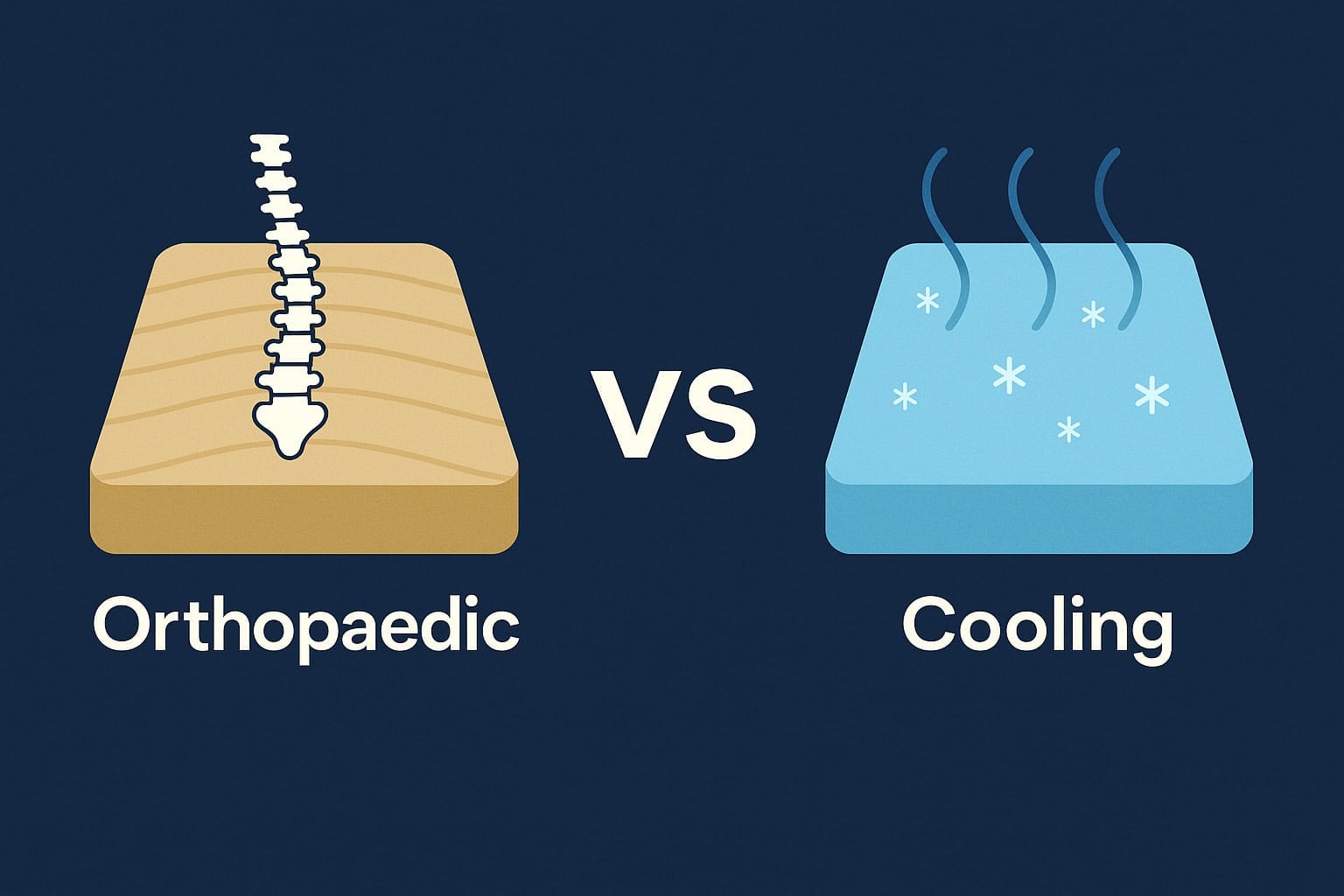
Two types of mattresses have been getting a lot of attention lately: orthopaedic mattresses and cooling mattresses. One is all about support and pain relief. The other is focused on regulating body temperature and keeping you from overheating at night.
But which one is right for you? Should you prioritise spinal alignment or cooling comfort? Let’s explore both options and figure out which is the better match, based on real needs, not just marketing claims.
What Is an Orthopaedic Mattress?
An orthopaedic mattress is designed to offer targeted support for your bones, joints, and muscles, especially your spine. They’re typically on the firmer side and built to promote proper alignment and reduce pressure on the body.
You’ll often hear the term associated with people who suffer from:
Lower back pain – One of the most common reasons people seek orthopaedic support; firm mattresses can help maintain spinal alignment and reduce pressure on the lumbar region.
Sciatica – Caused by irritation of the sciatic nerve, often worsened by poor sleeping posture or unsupportive mattresses.
Arthritis – Pressure-relieving surfaces can help reduce joint pain and inflammation, particularly in the hips and knees.
Slipped or herniated discs – Supportive mattresses prevent excessive spinal movement during sleep, which can aggravate disc issues.
Post-surgery recovery – A stable, firm mattress is often recommended to promote healing and reduce muscular strain after orthopaedic procedures.
These mattresses are not just for the elderly. Many young adults with active jobs or sedentary desk habits also find relief using an orthopaedic mattress, especially if they suffer from poor posture, stiffness, or discomfort in the morning.
A cooling mattress, on the other hand, is designed to regulate temperature and prevent heat buildup while you sleep. Unlike traditional memory foam (which is notorious for trapping heat), cooling mattresses are made from breathable, moisture-wicking materials like gel-infused foam, latex, or open-cell designs.
They’re especially helpful for:
People who naturally sleep hot
Those going through menopause or hormonal changes
Couples who share a bed (because two bodies = double the heat)
Individuals with night sweats or certain medical conditions
Warmer climates or homes without air conditioning
Many modern models combine comfort with cool tech, like graphite layers, bamboo covers, or phase-change cooling gels, and you’ll find a wide selection of these in most premium mattress lines.
For those after a breathable option with eco-benefits, we also suggest checking out Luxe Mattresses’ latex mattress section, where cooling and sustainability meet.
Real People, Real Choices
Let me tell you about two customers from very different walks of life.
Brian is a 42-year-old warehouse supervisor in Nottingham. Years of lifting, bending, and working long shifts on concrete floors caught up to his lower back. After trying several soft and medium beds, he made the switch to an extra-firm orthopaedic mattress. Within weeks, he said the morning stiffness was gone and he started waking up with more energy and less pain.
On the other hand, Jasmine, a marketing manager in London, had the opposite issue. She constantly woke up hot, sometimes sweating through her sheets. She tried fans, lighter duvets, even sleeping with the window open, no luck. Finally, she invested in a gel-infused cooling mattress and said it felt like “sleeping on a calm breeze.†Her rest improved almost immediately, and her tossing at night practically disappeared.
Both made the right choice because they understood their sleep problem and picked a mattress that solved it.
Pros of Orthopaedic Mattresses
Spinal alignment support that helps reduce or prevent chronic pain
Firm and stable surface, which is ideal for people with mobility issues or post-surgery needs
Often recommended by physiotherapists and doctors
Long-lasting durability thanks to high-density materials
Great for: People with back pain, joint stiffness, or structural support needs
Pros of Cooling Mattresses
Helps regulate body temperature for uninterrupted sleep
Breathable materials like latex or gel foam enhance airflow
Often paired with motion isolation, making it ideal for couples
Reduces night sweats and heat-induced tossing and turning
Great for: Hot sleepers, couples, or anyone dealing with nighttime temperature spikes
When They Overlap (Yes, You Can Have Both)
It’s worth noting that some mattresses do both, they offer orthopaedic-level support and cooling comfort. For example, some hybrid mattresses combine firm support with breathable coils and cool gel layers on top. Others use natural latex which is both supportive and temperature-regulating.
If you’re looking for a balance between both worlds, browsing a cooling orthopaedic hybrid can be a smart starting point. Retailers like Luxe Mattresses often carry collections designed to meet both medical and comfort demands in one.
How to Decide: Pain vs Heat
Still not sure what to pick? Here’s a quick guide based on what’s bothering you most at night:
Symptom/Concern
Go With…
Lower back or joint pain
Orthopaedic Mattress
Posture problems or stiffness
Orthopaedic Mattress
Night sweats or overheating
Cooling Mattress
Tossing and turning from heat
Cooling Mattress
Pain and heat combined
Hybrid or Latex Option
Final Thoughts: Choose What Your Body Needs Most
There’s no right or wrong answer when choosing between an orthopaedic and a cooling mattress, only what works best for your body, your climate, and your lifestyle.
If pain is your biggest enemy, focus on structured support. If heat is ruining your nights, find a breathable surface that keeps you cool. And if you’re somewhere in between, consider a firm latex or hybrid option that ticks both boxes.
Remember, sleep isn’t a luxury, it’s a foundation for health. Make your mattress work for you, not against you.
Walk into any mattress store or scroll through reviews online, and you’ll quickly notice one thing firmness is a big deal. Especially when it comes to extra firm mattresses, opinions are strong and often polarising. Some people absolutely swear by them. Others wouldn’t sleep on one even if you paid them.
So who actually benefits from an extra firm mattress? Is it just about preference, or is there a science even a lifestyle, behind why this kind of support works better for some and not at all for others?
Let’s dig into what “extra firm†really means, who it’s made for, and when it could be too much of a good thing.
What Does “Extra Firm†Even Mean?
First, let’s set the stage. When we talk about an extra firm mattress, we’re not talking about something that feels like a plank of wood. Well… not exactly. It’s a mattress with minimal sink, maximum support, and a surface that keeps your spine aligned without letting you “melt†into it like softer foam models.
For context, most mattress brands use a firmness scale from 1 to 10. An extra firm mattress typically falls around 8 to 10 on that scale. It feels very supportive, almost flat, and doesn’t give way under your body much at all.
It’s not for everyone, but for the right sleeper, it can be life-changing.
1. Heavier Sleepers (Over 15–18 Stone or 100+ kg)
If you carry more weight, chances are you’ve already experienced the “sinking swamp†effect on softer mattresses. They simply weren’t built to hold you up properly, which often means waking up with hip pain, back stiffness, or a feeling like you never quite rested, that why you need mattress which can support plus size people and provide extra back support.
An extra firm mattress distributes your weight more evenly and prevents sagging, especially around pressure zones like your hips and lower back. The added surface tension helps your spine stay aligned and your muscles stay relaxed.
One of our clients, Dave a delivery driver from Leeds told us that switching to an extra firm mattress “literally gave me back my mornings.†After years of tossing, sweating, and waking up with a sore lower back, he found that a firmer surface finally supported his frame without caving in.
2. Older Adults Needing Spinal Support
As we age, our backs can become more sensitive to misalignment. hard mattresses offer the kind of consistent spinal support that many older adults find beneficial.
If you’ve ever seen an elderly person shifting carefully to get out of a soft bed, you’ll understand this. A firmer surface gives you leverage. It keeps your body elevated, which makes getting up in the morning or repositioning during the night easier and more comfortable.
For seniors with conditions like degenerative disc disease or lumbar pain, a soft mattress can make things worse. Extra firmness reduces spinal compression and helps keep the vertebrae in a more neutral posture.
3. Manual Labourers and Physically Demanding Jobs
Whether you’re a warehouse worker, a construction contractor, a mover, or anyone else who spends their day lifting, bending, or hauling, your back needs support to recover at night.
One of our regular customers, Aamir, works in industrial maintenance. After 10 hours of hauling heavy parts and crouching under equipment, he said his memory foam mattress felt like “sleeping in a beanbag chair after a deadlift session.†Switching to a high-density, extra firm mattress gave his back the reset it needed. He started waking up without stiffness and said he even noticed his posture improving after a few weeks.
For these workers, sleep isn’t just rest, it’s recovery. And that recovery demands a mattress that holds you up, not one that hugs you into a slump.
4. Back Sleepers (Mostly!)
If you sleep on your back, you’re more likely to benefit from extra firm support. Why? Because lying flat distributes your weight in a way that aligns well with a firmer surface. A softer mattress can let your hips dip, throwing your spine out of alignment.
That said, side sleepers especially lightweight ones may find extra firm mattresses too rigid, leading to pressure on shoulders or hips.
The Pros: Why People Love Extra Firm Mattresses
1. Proper Spinal Alignment
Extra firm mattresses keep the spine straight, especially for heavier bodies or back sleepers, which reduces muscle tension and long-term joint strain.
2. Reduced Motion Transfer
Firm surfaces tend to have less bounce and better motion isolation. This is ideal for couples where one partner moves around a lot at night.
3. Longer Lifespan
These mattresses are often made from high-density materials that resist sagging, which means you won’t be shopping for a new bed every 3 years.
4. Better Airflow (Surprisingly!)
Because you don’t sink into them, there’s more space for airflow around your body. That means cooler sleep, especially compared to plush memory foam.
5. Orthopaedic Support for Back Pain Relief
Extra firm mattresses are often recommended by physiotherapists and chiropractors for people dealing with chronic back pain or recovering from injuries. The firmer surface provides consistent, orthopaedic-level support that helps maintain natural spinal curvature, reduces pressure on joints, and minimises lower back compression, especially during long nights. For people with herniated discs, sciatica, or poor posture, this kind of support can make a noticeable difference in both pain levels and sleep quality.
The Cons: When Extra Firm Is Too Much
Let’s not sugar-coat it, not everyone will love an extra firm mattress.
Too Hard for Side Sleepers: If you mostly sleep on your side, you might find that the mattress creates pressure points around your shoulder and hip, cutting off circulation or causing discomfort.
Not Great for Lighter Individuals: People who weigh less often don’t sink in enough to get the support they need. They end up sleeping on the mattress rather than in it, which can feel more like lying on the floor.
Adjustment Period: If you’re switching from a soft or medium mattress, the first week or two on an extra firm surface might feel jarring. But often, your body adapts and begins to thank you for it.
So, Is It Right for You?
If you…
Are a heavier individual
Sleep on your back
Work a job that’s tough on your body
Struggle with chronic back pain or poor posture
Want a mattress that holds up long-term
…then yes, an extra firm mattress might be exactly what your sleep routine is missing.
But if you’re a side sleeper, lightweight, or prefer a more cushiony feel, you might want to explore medium-firm or hybrid options instead. There’s no one-size-fits-all, just the right match for your body, your sleep habits, and your lifestyle.
Final Thoughts
Choosing a mattress isn’t about trends or brand hype, it’s about how you feel when you wake up. Extra firm mattresses can offer transformational support for the right people: the overworked, the under-supported, the physically taxed.
It’s not about chasing “hardness†for its own sake. It’s about sleeping on something that’s as strong as you are, something that holds your body with confidence and helps you move through the next day with less pain, more energy, and better sleep behind you.
So the next time someone tells you firmness doesn’t matter, you can smile and say, “Maybe not for you but it changed everything for me.â€
Choosing the right mattress feels a bit like picking a side in a long-standing debate. Some swear by the firm support of a hard mattress. Others can’t imagine sleeping on anything but a soft, cloud-like surface. So how do you know what’s right for you, your back, posture, and unique sleep style?
Let’s break down the myths, the facts, and the real-life experiences that reveal what kind of mattress truly helps you sleep better and wake up pain-free.
First, Let’s Get Clear on What “Hard†and “Soft†Really Mean
The terms hard and soft are often misunderstood. They aren’t fixed categories but part of a spectrum of firmness levels that vary across brands and materials. What one company calls “medium†might feel quite firm compared to another’s “plush†model.
Generally speaking:
A hard mattress provides a flatter, more rigid surface with very little sink-in.
A soft mattress allows more give and contouring around your body.
But it’s not just about how the bed feels when you lie down. It’s about how it supports your spine over hours of sleep.
The Relationship Between Mattress Firmness and Back Health
Here’s where it gets interesting and personal. Studies have shown that the wrong mattress firmness can lead to poor spinal alignment, muscle tension, and even chronic pain over time. For example, a 2015 study published in the Journal of Chiropractic Medicine found that medium-firm mattresses offered the best balance between comfort and support for people with lower back pain. Another study published in The Lancet showed similar results, where patients with chronic back pain slept better on medium-firm surfaces compared to very firm ones.
But not everyone experiences firmness the same way. Weight, sleep posture, and personal preference all play a role.
Story Time: When a Soft Mattress Went Too Far
Let me tell you about Tom. A friend of mine who was convinced he needed the softest mattress money could buy. He ordered an ultra-plush memory foam model online and raved about how comfortable it felt at first.
Two weeks in, things changed. He started waking up stiff, especially in his lower back. He thought it was stress or age catching up with him, but a physiotherapist pointed out that his spine wasn’t getting the support it needed during the night.
He swapped it out for a slightly firmer hybrid mattress and within days, the pain eased.
This is the kind of real-world shift that shows how important the right level of firmness is, and how it’s not just about softness equals comfort.
Find Your Perfect Mattress Firmness
Discover the ideal mattress firmness for your sleep position, body type, and support needs — backed by sleep science.
Hard mattresses are often recommended for certain types of sleepers and health profiles. For example:
Back sleepers tend to benefit from firmer surfaces because they help keep the spine in a neutral position.
Stomach sleepers (though not ideal in general for spinal health) need firmer support to avoid sinking in at the hips, which can lead to lumbar strain.
Heavier individuals may also find hard mattresses better at preventing sag and maintaining even support over time.
That said, overly hard mattresses can create pressure points around the shoulders and hips — especially if you move around a lot in your sleep.
When a Soft Mattress Is the Better Choice
Soft mattresses shine in a few specific scenarios:
Side sleepers often find relief on softer surfaces that allow their shoulders and hips to sink in slightly, reducing joint pressure.
Lighter individuals may not compress a firm mattress enough to benefit from its support, making a softer bed more comfortable.
People dealing with arthritis or joint pain may prefer the cushioning of a plush top layer.
But remember, too soft can be just as problematic as too firm. If your body sinks in too deeply without proper support, your spine ends up out of alignment, leading to stiffness or even long-term discomfort.
Matching Firmness to Sleep Style
Here’s a simple way to look at it, based on how you naturally sleep.
Back sleeper? Medium-firm is usually the sweet spot. It keeps your spine aligned without being too rigid.
Side sleeper? Go for something soft to medium, especially if you’re light to average in weight.
Stomach sleeper? Firmer is safer, though switching sleep positions might help your back more.
Toss and turn all night? A responsive hybrid mattress could offer the best blend of comfort and support for combination sleepers.
The most important thing is spinal alignment, keeping your head, shoulders, and hips level with your lower back, no matter your position.
Pros and Cons of Each Type
Let’s be honest: neither hard nor soft mattresses are inherently “better.†Each comes with its own set of tradeoffs.
Hard Mattresses:
Pros: Durable, great for spinal support, especially for heavier or stomach sleepers.
Cons: Can feel uncomfortable or rigid, may create pressure points for side sleepers.
Soft Mattresses:
Pros: Luxuriously comfy at first, excellent pressure relief, ideal for side sleepers.
Cons: Can sag over time, potentially leads to poor posture if too plush, not ideal for heavier sleepers.
A mattress is only as good as how you feel when you wake up, not just how it feels when you first lie down.
It’s Not Just About Firmness – It’s About Construction
Modern mattresses come in a variety of materials that influence how “hard†or “soft†they feel, including memory foam, latex, innerspring, and hybrid designs. For instance, a firm memory foam mattress still contours differently than a firm innerspring one.
Hybrid models are especially popular because they often deliver the best of both worlds, a supportive core with a plush top layer. These are great options for people who fall between preferences or share a bed with someone who sleeps differently.
Trying Before You Buy (or At Least Testing at Home)
If you can visit a showroom, take your time. Lie on the mattress in your natural sleep position for several minutes. Don’t just press it with your hand or sit on the edge. Your spine and muscles need to experience how the mattress supports you when you’re fully relaxed.
Buying online? Look for retailers that offer 100-night sleep trials or better. That way, you can truly test it in your own space, with your pillow, your partner, and your bedtime habits. A mattress should work for you, not just look great in a catalog.
So, What’s the Final Word?
Choosing between a hard and soft mattress is deeply personal, but it doesn’t have to be confusing. Listen to your body. Think about how you sleep, how you wake up, and what your day-to-day comfort feels like. Don’t fall for one-size-fits-all solutions.
Whether you’re shopping for a new mattress sale UK or browsing a trusted local brand near you, focus on alignment, pressure relief, and lasting support. That’s the real formula for better sleep, and better mornings.