When back pain starts affecting your daily life, finding the right mattress becomes more than a comfort choice it’s a health decision. A firm orthopedic mattress for back pain provides the perfect balance between comfort and spinal support. It’s designed to promote proper alignment, relieve pressure, and enhance sleep quality for those struggling with back discomfort.
Understanding the Purpose of a Firm Orthopedic Mattress
An orthopedic mattress is built with precision to support your body’s posture and relieve pressure on the spine. Unlike soft surfaces that allow the body to sink, a firm orthopedic mattress for back pain keeps your spinal curvature in a neutral position. This supports lumbar alignment, ensuring that each vertebra remains properly balanced through the night.
With even pressure distribution, every part of your body gets stable support reducing morning stiffness and preventing long-term back issues.
Why Firmness Matters for Spine Alignment
Firmness determines how your spine rests as you sleep. A mattress that’s too soft may cause your back to curve unnaturally, while an overly firm one can lead to discomfort. A firm mattress for posture encourages natural spinal curvature and helps relieve muscle tension, keeping your shoulders, hips, and lower back aligned.
This balance ensures smoother blood circulation and better posture correction—two key factors for reducing back pain.
Clinical and Ergonomic Benefits
Healthcare professionals often recommend a firm orthopedic mattress for back pain due to its proven support system. Orthopedic surfaces are specifically designed to contour to your body shape without compromising firmness.
Key clinical benefits include:
Enhanced spinal support: Maintains ideal lumbar alignment and posture.
This combination of firmness and adaptability makes orthopedic mattresses one of the most effective tools for managing chronic back conditions.
Comparing Orthopedic Mattresses with Regular Mattresses
While regular mattresses focus on comfort alone, an orthopedic back support bed prioritizes medical-grade support. A firm orthopedic mattress for back painuses high-density foam or springs engineered to stabilize the spine and prevent distortion.
Regular foam beds tend to sag with time, but orthopedic models retain their structure and continue to support spinal curvature, reducing pressure on joints and muscles.
Who Should Use a Firm Orthopedic Mattress?
A firm orthopedic mattress for back pain is suitable for:
People with lower back or lumbar alignment problems
Office workers with long sitting hours
Seniors or individuals recovering from injuries
Athletes needing faster muscle tension relief
Its supportive structure helps align the body and reduce the pain caused by poor sleeping posture.
The Role of Firmness in Posture and Sleep Quality
Firmness directly affects how your body relaxes. A firm mattress for posture supports natural spine alignment, helping you sleep comfortably without strain. Overly soft surfaces often cause spinal sagging, but a balanced firmness promotes comfort while maintaining posture.
This blend of stability and relaxation makes firm orthopedic beds ideal for deep, restorative sleep.
Choosing the Best Mattress for Spine Alignment (UK Guide)
If you live in the UK, finding the best mattress for spine alignment UK means checking firmness ratings, foam density, and orthopedic certification. Experts recommend medium-firm options that maintain spinal curvature while offering effective pressure distribution.
Always try the mattress before purchase to ensure it complements your sleep position and body weight.
Expert Tips for Maintaining Your Orthopedic Mattress
Rotate every few months to ensure consistent firmness.
Use a high-quality cover to protect against moisture and allergens.
Pair with a solid bed frame for optimal orthopedic back support bed performance.
Proper care extends the mattress’s life and preserves its orthopedic properties for years.
Conclusion
Back pain is one of the most common yet overlooked health problems today. Investing in a firm orthopedic mattress for back pain is a proactive step toward lasting relief and improved posture. By ensuring proper lumbar alignment, even pressure distribution, and natural spinal curvature, such a mattress helps your body heal each night.
Whether you’re seeking comfort, better posture, or long-term spine health, an orthopedic mattress offers the clinical and ergonomic support your body truly needs. For many users, this isn’t just a mattress—it’s a foundation for a pain-free, healthier life.
FAQs
Is a firm orthopedic mattress suitable for everyone?
Not always. While perfect for back and stomach sleepers, side sleepers may prefer medium-firm options for better shoulder comfort.
How long does an orthopedic mattress last?
A good orthopedic back support bed can last between 7–10 years with regular maintenance and rotation.
Can a mattress alone fix chronic back pain?
It may not cure pain entirely, but it greatly reduces symptoms and improves overall posture during rest.
Choosing the right mattress isn’t just about comfort, it’s about space, sleep quality, and lifestyle fit. In the UK, one of the most common questions shoppers face before upgrading their beds is: Should I go for a single or a double pocket spring mattress?
This guide helps you make that decision by comparing single vs double pocket spring mattress models in terms of space, comfort, price, and practicality. Whether you’re a solo sleeper, a couple, or furnishing a guest room, understanding the differences ensures your purchase supports both comfort and space efficiency.
Understanding Pocket Spring Mattresses
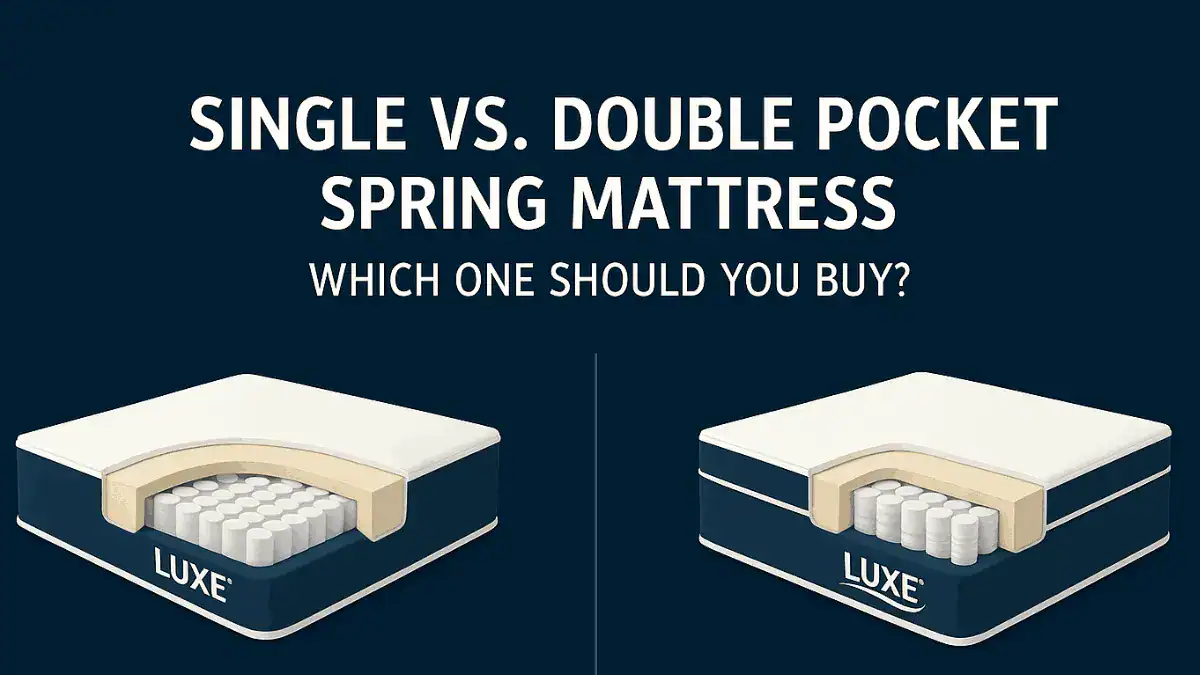
Pocket spring mattresses are built with hundreds of individually wrapped coils that move independently to support the body. Unlike open coil beds, they prevent motion transfer, promote sleeping space comfort, and adjust to your sleeping positions naturally.
Each spring in both single vs double pocket spring mattress options functions autonomously, giving your body the precise support it needs, from shoulders to hips. The result? A restful sleep without tossing and turning.
Mattress Size Comparison UK What’s the Difference?
Standard Bed Dimensions in the UK
Understanding bed dimensions UK standards is the first step in choosing between single and double beds:
Mattress Type
Dimensions (cm)
Ideal For
Single
90 x 190 cm
Children, teens, solo adults
Small Double
120 x 190 cm
Solo sleepers wanting more space
Double
135 x 190 cm
Couples or larger rooms
The size gap between single and double may seem small, but in practical use, it can change how comfortably you move during sleep.
Space Optimization and Room Layout
If your bedroom is compact, a single pocket spring mattress helps save floor space. For guest rooms or smaller apartments, this can make a big difference.
However, for couples or restless sleepers, the double pocket spring mattress offers added room to stretch without disturbing your partner. Considering space optimization and movement freedom, your decision often depends on room size and sleeping habits.
Comfort and Support Which One Feels Better?
Sleeping Space Comfort for Different Users
When comparing single vs double pocket spring mattress models, comfort depends largely on who’s sleeping on it. Singles offer adequate support for one person, especially for children, teenagers, or adults living alone.
But for couples, or anyone who values extra sleeping space comfort, the double version ensures both occupants get consistent spinal support. The additional width allows each person to maintain their comfort preferences and ideal sleeping positions.
Firmness and Motion Response
Pocket springs are known for responsive comfort. Regardless of size, both single and double models can be found across firmness levels on the firmness scale.
However, larger models tend to perform better in motion isolation. For example, if your partner moves frequently, a double pocket spring mattress will absorb that movement more efficiently, ensuring uninterrupted rest.
Budget and Affordability Balance
Price Difference and Long-Term Value
A single mattress typically costs less, which makes it attractive for guest rooms, hostels, or small homes. Yet, when you factor in comfort and usability, a double mattress often provides better long-term value.
The single vs double pocket spring mattress decision comes down to priorities: saving money or maximizing comfort. If you share your bed or want more space to move, the upgrade is usually worth the extra cost.
Durability and Maintenance
Both mattress types share similar lifespans, usually lasting 8–10 years with proper care. Turning and rotating your mattress every three months prevents wear and extends life.
Larger mattresses may weigh more, but their dual-sided designs help maintain shape and firmness evenly.
Which Mattress Is Best for Couples vs Solo Sleepers?
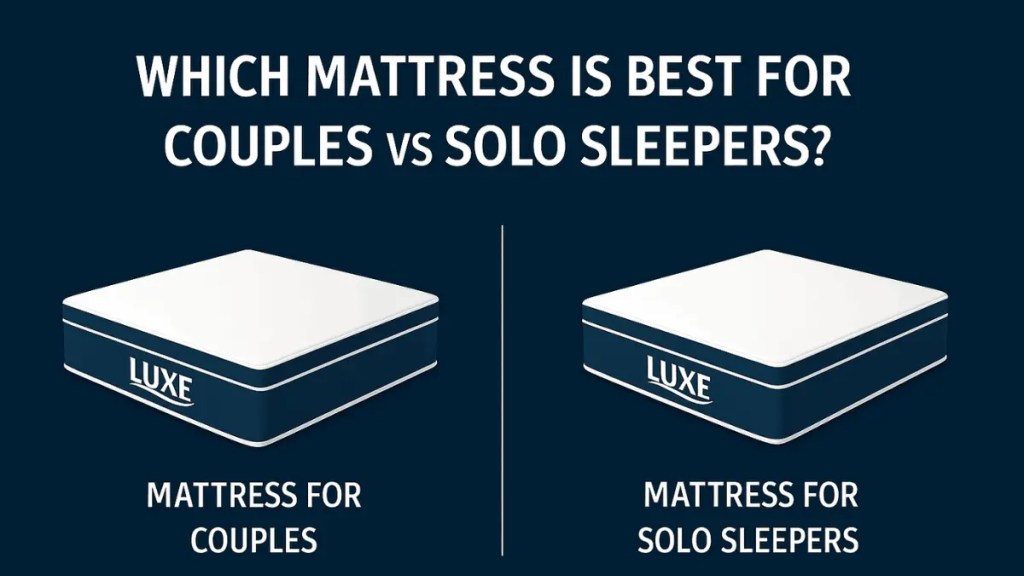
For Solo Sleepers
Single pocket spring models are ideal for those who prioritise space-saving and affordability. They’re also great for children or students living in shared accommodations.
For Couples
For shared beds, the double pocket spring mattress is the clear winner. It accommodates two people without compromising sleeping space comfort, allowing both sleepers to move naturally while staying supported.
In addition, larger mattresses are often available in upgraded comfort versions, with added foam layers or gel cooling, for couples who prefer luxury and motion control.
Expert Insight What Sleep Specialists Recommend
Comfort Preferences and Sleep Quality
UK sleep experts suggest that your comfort preferences and sleeping positions should drive your buying decision more than size alone. If you move a lot or share a bed, you’ll benefit from a wider surface area.
For those focused on ergonomics, a single vs double pocket spring mattress comparison shows that both provide similar back support; the difference lies in how much freedom you have to move.
Space Optimization and Lifestyle Fit
For city apartments or student rooms, space optimization is crucial. A single fits seamlessly in compact setups, while a double fits larger rooms or shared spaces.
If your goal is versatility, a bed that works for guests, couples, or individual use, the small double option (120 cm wide) can be the perfect middle ground.
If you live in a smaller room or sleep alone, a single provides all the comfort and support you need. But if you share your bed or simply enjoy stretching out, the double version enhances sleep comfort, partner independence, and overall rest quality.
Whichever you choose, investing in a quality pocket spring design ensures durability, pressure relief, and body-contouring support essential elements for sound sleep in any home.
FAQ’s
What’s the main difference between single and double pocket spring mattresses?
The main difference lies in size and sleeping comfort. Singles are designed for one person, while doubles provide more room and better motion isolation.
Is a double mattress worth it for one person?
Yes. If you have the space, it allows more movement freedom and superior sleeping space comfort.
Do both types offer the same back support?
Yes, pocket springs provide equal firmness and spinal support, regardless of mattress size.
What’s the best option for a small bedroom?
A single or small double mattress ensures efficient space optimization without sacrificing comfort.
How long do pocket spring mattresses last?
Typically 8–10 years with regular rotation and care.
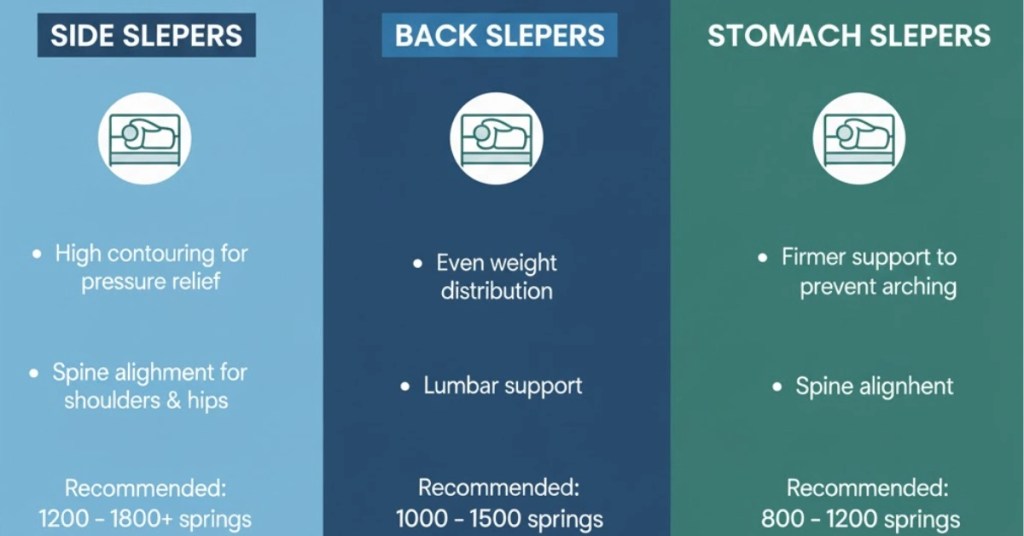
Short answer: for a king size pocket sprung mattress, around 1,000 springs is a sensible minimum, and 1,000–2,000 suits most people. Above about 2,000, the extra springs are usually smaller and layered on top as a comfort layer, so a higher number doesn’t automatically mean better support. The quality of the springs and how the mattress is built matter as much as the count.
The spring count is the number of individual pocket springs in a mattress. Most UK brands quote it for a king size mattress (150 × 200 cm). A single or double of the same model has proportionately fewer springs, even though it gives the same feel.
So when you compare two mattresses, check that both counts refer to the same size. A “1,000 spring” king and a “1,000 spring” double are not the same specification.
What’s a good spring count?
Spring count (king size)
What it usually means
Under 1,000
Entry level. Fine for occasional use, but less responsive.
1,000–1,500
A good everyday mattress for most people.
1,500–2,000
More springs sharing the load, so the support responds more closely to your body.
Over 2,000
Usually two layers: a main spring unit plus a layer of smaller “mini” or “micro” springs that replaces some of the comfort filling.
These ranges are a guide, not a rule. A well-made 1,500 spring mattress can feel better than a poorly made 3,000 spring one.
Why more springs isn’t always better
A king size mattress only has so much room. To fit in more springs, makers have to use smaller ones. Small springs work well as a comfort layer, but they don’t replace a proper support unit underneath.
That’s why high counts usually come from two layers of springs. Our LuxeErgo 3400, for example, uses a dual pocket spring system.
What matters besides the number
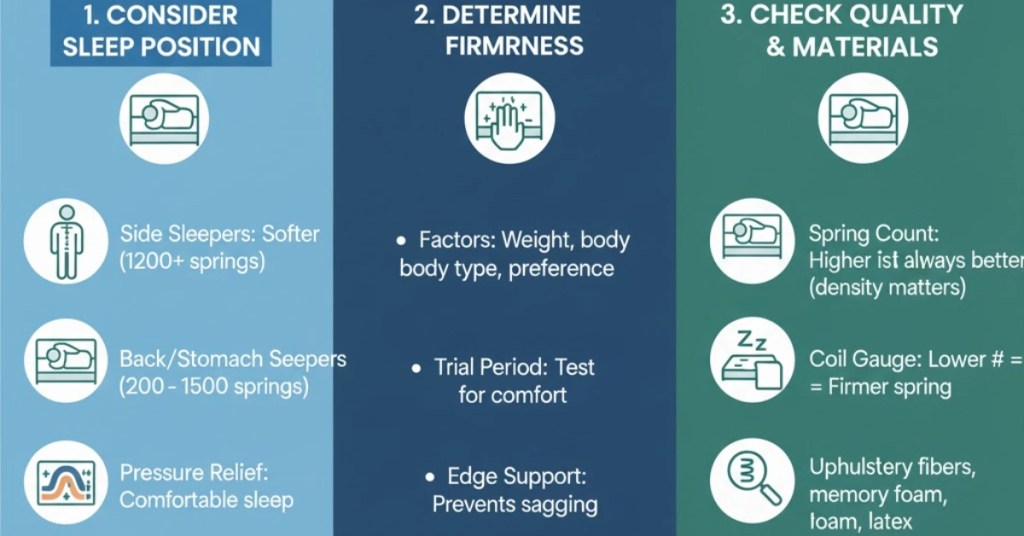
Wire thickness (gauge). Thicker wire gives a firmer spring and thinner wire a softer one. A unit with fewer, thicker springs can feel firmer than one with more, thinner springs.
Spring height and layers. Taller springs and a second layer of mini springs add depth and responsiveness.
Zoning. Some spring units use firmer springs in the middle third of the mattress, where most of your weight is.
Edge support. Firmer springs or a foam border around the edge stop the sides dipping when you sit on them.
Comfort layers. The foam, wool or fibre on top of the springs decides much of how the mattress feels. A hybrid uses foam or memory foam here.
Build quality. How the layers are fitted and finished affects how evenly the mattress wears.
Which spring count suits you?
Your body weight and the firmness you like matter more than your sleeping position:
Lighter sleepers often find a 1,000–1,500 spring mattress responsive enough, especially with a softer comfort layer.
Heavier sleepers may prefer a higher spring count or thicker springs, for more support where they press down most.
Couples benefit from a higher count, as more independent springs mean less movement passed across the bed.
How many pocket springs should a good mattress have?
Around 1,000 springs in a king size is a sensible minimum, and 1,000–2,000 suits most people. Check the size the count refers to.
Is a 1,000 pocket spring mattress good?
For most people, yes, if the springs and comfort layers are good quality. It is a common choice for everyday beds.
Is it better to have more pocket springs?
Up to a point. Beyond about 2,000 in a king size, extra springs are usually smaller and work as a comfort layer rather than adding support.
Is an 800 pocket spring mattress good?
It can be fine for a guest bed or occasional use. For an everyday bed, most people will find 1,000 or more springs more supportive and responsive.
Does spring count change with mattress size?
Yes. Counts are usually quoted for a king size, so a single or double of the same mattress has fewer springs.
What is the difference between pocket springs and mini pocket springs?
Mini or micro pocket springs are much smaller springs, usually layered above the main spring unit. They add a responsive comfort layer on top of the main support.
Millions of people struggle with back pain every night, and for many, the culprit lies beneath them, their mattress. An unsupportive bed can disrupt spinal alignment, strain the lower back, and cause stiffness that lingers all day. The good news is that modern sleep science has evolved. The orthopedic pocket spring mattress offers a medically informed balance between firmness, adaptability, and pressure relief, making it one of the most recommended solutions for chronic back discomfort.
By combining orthopedic engineering with responsive coil technology, this type of mattress is designed to improve posture, enhance circulation, and support the natural spinal curvature, ensuring restful sleep that heals rather than harms.
Understanding Orthopedic Pocket Spring Design
What Makes an Orthopedic Pocket Spring Mattress Unique?
“Orthopedic†isn’t just a marketing term; it refers to products that promote musculoskeletal health, specifically targeting bone, joint, and spinal support. When applied to mattresses, it signifies structured firmness and alignment designed to assist those with chronic or posture-related discomfort.
The orthopedic pocket spring mattress incorporates hundreds (often thousands) of individually encased coils. Each coil moves independently, adjusting to your body’s shape and weight. This independent motion supports specific pressure zones, shoulders, hips, and lower back, without transferring movement across the surface.
This construction helps maintain the natural lumbar alignment, ensuring the spine stays neutral while you sleep. Medical professionals often cite these beds among the most chiropractor-recommended beds due to their ability to minimize joint stress and promote circulation.
The Science Behind Orthopedic Support
A mattress that supports your back effectively does so by distributing body weight evenly. Uneven surfaces can cause your spine to curve unnaturally, leading to discomfort. Orthopedic designs prevent this by offering consistent tension across the firmness scale, typically ranging between 6.5 and 8 for medium-firm to firm models.
This balance is crucial, too soft, and the spine dips; too hard, and pressure points emerge. The medium-firm comfort of an orthopedic pocket spring mattress achieves the optimal equilibrium for spinal health.
In studies inspired by NHS-backed recommendations, medium-firm mattresses have consistently shown benefits for patients with lower back pain. They maintain proper spine alignment bed support while cushioning sensitive joints, improving sleep quality across all positions.
How It Supports Spinal Health and Comfort
Targeted Zones for Lumbar Alignment
The hallmark of orthopedic mattress design is its zoned structure. Each area of the bed supports a different body region, the head, shoulders, hips, and lumbar alignment zones. This zoning ensures the spine retains its natural S-curve, allowing muscles to relax while maintaining postural stability.
During sleep, these zones distribute your weight strategically. For example, softer coils under the shoulders reduce tension, while firmer coils under the lower back prevent sagging. This targeted structure preserves spinal curvature integrity and promotes deep, restorative sleep.
Firmness and Motion Control
Firmness plays a vital role in posture correction. A firm pocket spring mattress prevents your body from sinking too deeply, keeping the spine aligned horizontally. This stability reduces morning stiffness, a common issue linked to sagging surfaces.
For those sharing a bed, motion isolation is another benefit. Because each coil in an orthopedic pocket spring mattress works independently, one sleeper’s movement doesn’t disturb the other. It’s a thoughtful design element that enhances sleep continuity for couples.
Over time, this structure acts as an orthopedic sleep solution, consistently supporting the body and mitigating chronic pain from poor sleeping posture.
Comparing Orthopedic Pocket Spring Mattresses with Other Types
Orthopedic vs. Memory Foam Mattresses
Memory foam mattresses adapt well to pressure but tend to retain heat, which can disrupt deep sleep cycles. They also lack the buoyant responsiveness that spring mattresses provide.
In contrast, the orthopedic pocket spring mattress offers excellent airflow and temperature regulation. The coil system naturally promotes ventilation, preventing overheating and moisture buildup. It provides contouring comfort with reliable bounce, making it ideal for people who dislike the “sinking†feeling of pure foam beds.
Edge support is another differentiator, pocket springs maintain structure better over years of use, reducing sagging and extending mattress lifespan.
Orthopedic vs. Hybrid and Latex Options
Hybrid and latex models blend foam layers with coils for balanced comfort. However, orthopedic pocket spring designs remain superior in spinal response and durability. Their coil zones adapt more precisely to lumbar alignment, while latex variants can feel overly bouncy or firm.
Premium orthopedic mattresses often feature eco-friendly materials such as natural latex or organic cotton covers for added breathability. Still, the underlying strength of the spring system makes them unbeatable for long-term back support and postural correction.
Expert Insights and Real-World Reviews
Chiropractor Recommendations and Clinical Views
Chiropractors consistently emphasise that proper spinal support during sleep is essential for healing musculoskeletal strain. According to clinical observations, maintaining a neutral lumbar alignment helps reduce inflammation and promotes deep tissue recovery.
In multiple surveys, chiropractor-recommended beds often score highest on comfort retention and long-term back support. A medium-firm orthopedic pocket spring mattress meets this medical advice perfectly, firm enough to stabilise posture, soft enough to prevent pressure build-up.
Consumer Satisfaction and Comfort Longevity
User feedback from back support mattress UK reviews highlights durability as one of the most valued features. Consumers report that high-quality orthopedic models maintain their firmness and shape for 8–10 years, outperforming memory foam and hybrid counterparts.
Statistical data from consumer polls reveal:
85% of users experienced improved back comfort within 3 weeks.
72% noticed better sleep posture and fewer night awakenings.
These insights show why orthopedic pocket spring systems are becoming the preferred choice for long-term back health.
Buying Guide Choosing the Right Orthopedic Pocket Spring Mattress
Key Features to Evaluate Before Purchase
Before buying, look beyond brand names and focus on performance metrics that matter most:
Firmness Scale: Choose a medium-firm (6.5–8) rating for optimum posture support.
Spring Count: Models with 1000–2000 pocket springs offer precise contouring and durability.
Comfort Layers: Opt for memory foam or latex tops for additional cushioning.
Edge Reinforcement: Sturdy perimeters prevent sagging and roll-off.
Trial Period & Warranty: Trusted UK manufacturers provide 100-night trials and at least 10-year guarantees.
By evaluating these features, you ensure that your orthopedic pocket spring mattress investment aligns with both your comfort and long-term spinal health.
Matching the Mattress to Your Sleeping Style
Sleeping position influences how effectively your mattress supports your spine:
Back Sleepers: Medium-firm options preserve natural curves and relieve pressure.
Side Sleepers: Slightly softer tension helps cushion shoulders and hips.
Stomach Sleepers: Firmer surfaces prevent overextension of the lower spine.
Matching mattress firmness to body weight and position helps maintain spinal curvature and prevents muscular strain over time.
FAQ’s
What is an orthopedic pocket spring mattress?
It’s a type of bed designed to support musculoskeletal health through individually pocketed springs and orthopedic firmness for spinal alignment.
Is it suitable for lower back pain relief?
Yes, it’s specifically engineered to reduce tension in the lumbar region by maintaining even posture throughout the night.
How firm should an orthopedic mattress be?
A medium-firm level (6.5–8 on the firmness scale) is generally best for balancing comfort and structural support.
Do chiropractors recommend pocket spring beds?
Absolutely. They’re among the most chiropractor-recommended beds for patients with posture and joint discomfort.
How long does an orthopedic pocket spring mattress last?
On average, high-quality models last 8–10 years, maintaining consistent support and minimal sagging.
Conclusion
The orthopedic pocket spring mattress isn’t just another bedding trend, it’s a science-backed solution that addresses the root cause of back discomfort. By combining medical-grade support with the comfort of pocket spring technology, it helps maintain lumbar alignment, relieves pressure, and encourages deeper, restorative sleep.
Whether you suffer from chronic pain or simply value better posture, this design provides targeted relief where your body needs it most. With consistent firmness, zoned coils, and adaptive response, it’s more than a mattress, it’s a daily therapy for your spine.
A great night’s sleep starts with the right mattress , but when you hear about the 2000 Pocket Spring Mattress, you might wonder if it’s genuinely worth the investment. With so many types available, from memory foam to hybrids, understanding what makes a 2000-spring design special can help you choose smarter.
This guide from Luxe Mattresses breaks down everything, comfort, materials, expert comparisons, and real-world performance, so you can decide if the 2000 Pocket Spring Mattress truly delivers a superior sleep experience.
Understanding the Value Behind Spring Count
What Makes a 2000 Pocket Spring Mattress Different?
Each pocket spring in a mattress works independently, wrapped in its own fabric sleeve. A 2000 Pocket Spring Mattress means it contains two thousand of these coils, designed to respond individually to your body’s movements.
Unlike traditional open-coil beds, pocket springs minimize partner disturbance, improve motion isolation, and provide targeted pressure relief. Advanced coil technology and comfort zones enhance airflow, balance sleep posture, and keep the surface cool through the night.
This design is perfect for sleepers seeking adaptive support that contours to every curve, from shoulders to hips, while maintaining spine alignment.
How Spring Count Affects Comfort and Firmness
When comparing 1000 vs 2000 vs 3000 pocket spring mattress systems, the number of coils influences responsiveness, not just comfort.
1000 springs – Offers basic contouring, suited for guest beds or lighter sleepers.
2000 springs – Delivers precise body mapping, ideal for everyday use and couples.
3000 springs – Adds finer contouring, but only marginal gains for most sleepers.
Experts from brands like Silentnight and Hypnos note that beyond 2000 springs, comfort depends more on foam layers, fillings, and construction quality than spring quantity alone.
2000 vs 3000 Pocket Spring Mattress Which Offers Better Value?
Price-to-Performance Comparison
It’s tempting to assume that more springs mean better sleep, but the reality is nuanced. A 2000 Pocket Spring Mattress strikes a sweet spot between price and performance.
While 3000-spring models often cost considerably more, the extra comfort difference is minimal for most sleepers. You’re paying for micro-coils and craftsmanship rather than drastically higher comfort.
Thus, from a price-to-value ratio, 2000-spring designs offer long-term comfort and durability at a balanced cost, making them a preferred mid-luxury choice.
Comfort, Durability & Support Comparison
A 2000-spring model typically provides medium-firm comfort with deeper body contouring. It supports orthopaedic alignment, reduces pressure on joints, and limits motion transfer all crucial for shared beds.
In contrast, 3000-spring models may offer slightly better micro-adjustments, but they can feel softer and require sturdier edge support. Material density, reinforced perimeters, and fabric quality influence lifespan far more than spring count.
Durability averages around 8–10 years, depending on rotation and care, compared to 5–6 years for basic open-coil versions.
Ideal Sleepers for Each Mattress Type
2000 Pocket Spring Mattress: Excellent for back and side sleepers, couples, and those needing spinal alignment.
According to NHS Sleep Guidelines and chiropractic experts, proper posture alignment and pressure distribution are key for reducing back pain, both well addressed by a 2000 Pocket Spring Mattress.
Material Insights Memory Foam, Latex & Hybrid Designs
Memory Foam and Gel Layers
Many modern mattresses blend foam comfort layers with pocket springs to create a hybrid pocket spring mattress. In a 2000 Pocket Spring Mattress, these foam layers enhance cushioning and adapt to your body’s heat, ensuring uniform support.
Gel-infused technology and hypoallergenic fibres regulate temperature and airflow. Channels within the foam promote ventilation, preventing the “hot bed†feeling often associated with pure memory foam.
Latex and Hybrid Variants
Eco-friendly latex adds bounce, resilience, and breathability. Hybrid variants combine latex with 2000 pocket coils to balance firmness and cooling.
High-quality hybrids provide multi-zone support layers, improving spinal neutrality and reducing morning stiffness. Additionally, mattress sustainability is rising in importance, many UK brands now use recycled steel coils and organic cotton covers.
Expert Reviews and Real-World Insights
What Sleep Experts and Consumers Say
According to The Sleep Foundation and Consumer Reports, pocket-spring models consistently outperform traditional coil mattresses in durability and support.
Experts highlight that a 2000 Pocket Spring offers the best motion control for couples, prevents “roll-together†effects, and maintains consistent firmness over years of use.
Consumer surveys across major UK retailers confirm strong satisfaction scores, especially for comfort, spine health, and value retention over time.
The 2000-spring mattress retained 92 % of its original firmness.
The cheaper model sagged by 15 % in the same period.
Users reported fewer pressure-point issues and improved sleep quality.
This demonstrates how mid-range coil density combined with quality materials ensures consistent performance without unnecessary over-engineering.
Pros and Cons: Is a 2000 Pocket Spring Mattress Worth It?
Factor
2000 Pocket Spring Mattress
Standard Spring Mattress
Comfort
Adaptive contouring with zoned support
Basic uniform support
Motion Isolation
Excellent for couples
Moderate, may transfer movement
Durability
8–10 years
5–6 years
Price
Medium-high
Budget-friendly
Best for
Couples, Back Pain Relief
Guest rooms, Temporary use
While the 2000-spring option costs more upfront, its long-term performance and comfort make it a wise investment for those valuing restorative sleep and body support.
Buying Guide: Choosing the Right 2000 Pocket Spring Mattress
Key Features to Check
When purchasing a 2000 Pocket Spring Mattress, review the following specifications:
Comfort Layers: Look for high-density memory foam or natural latex for durability.
Edge Support: Reinforced perimeters prevent sagging and extend lifespan.
Warranty & Trial: At least 5–10 years warranty and 100-night trial are standard among UK mattress brands.
Cover Material: Breathable, hypoallergenic fabrics enhance hygiene and airflow.
Also read online reviews and delivery policies, reputable sellers provide free returns and fast nationwide delivery.
Common Myths About Spring Count
Many shoppers assume that more springs automatically mean a better mattress. However, design, material, and build quality matter far more.
A poorly designed 3000-spring bed may underperform compared to a well-built 2000 Pocket Spring Mattress with balanced tension zones. Focus on craftsmanship and overall construction rather than just numbers.
FAQ’s
How long does a 2000 Pocket Spring Mattress last?
Typically between 8 and 10 years, depending on rotation frequency, user weight, and material quality.
Is a 2000 spring mattress good for back pain?
Yes. It provides superior orthopaedic support and even weight distribution, which helps maintain spinal alignment and relieve lower-back tension.
Does higher spring count mean better comfort?
Not necessarily. More springs can mean finer contouring, but comfort depends on foam quality and zone design.
What’s the difference between 2000 and 3000 pocket springs?
The 3000 model offers slightly more micro-springs, but real-world comfort gains are minimal compared to cost differences.
Is a hybrid pocket spring mattress worth it?
Absolutely. Hybrids combine responsive coils with foam or latex for balanced support, cooling, and motion isolation.
Conclusion
In summary, the 2000 Pocket Spring Mattress offers one of the best blends of comfort, support, and durability in its price range. Its individually wrapped coils deliver excellent body contouring, reduce motion transfer, and maintain optimal spinal alignment, essential for healthy, uninterrupted rest.
If you’re a couple, a back-pain sufferer, or someone who values long-term mattress performance, the 2000 Pocket Spring Mattress is absolutely worth it. Remember, true sleep quality comes not from spring numbers alone but from the synergy of materials, design, and craftsmanship.
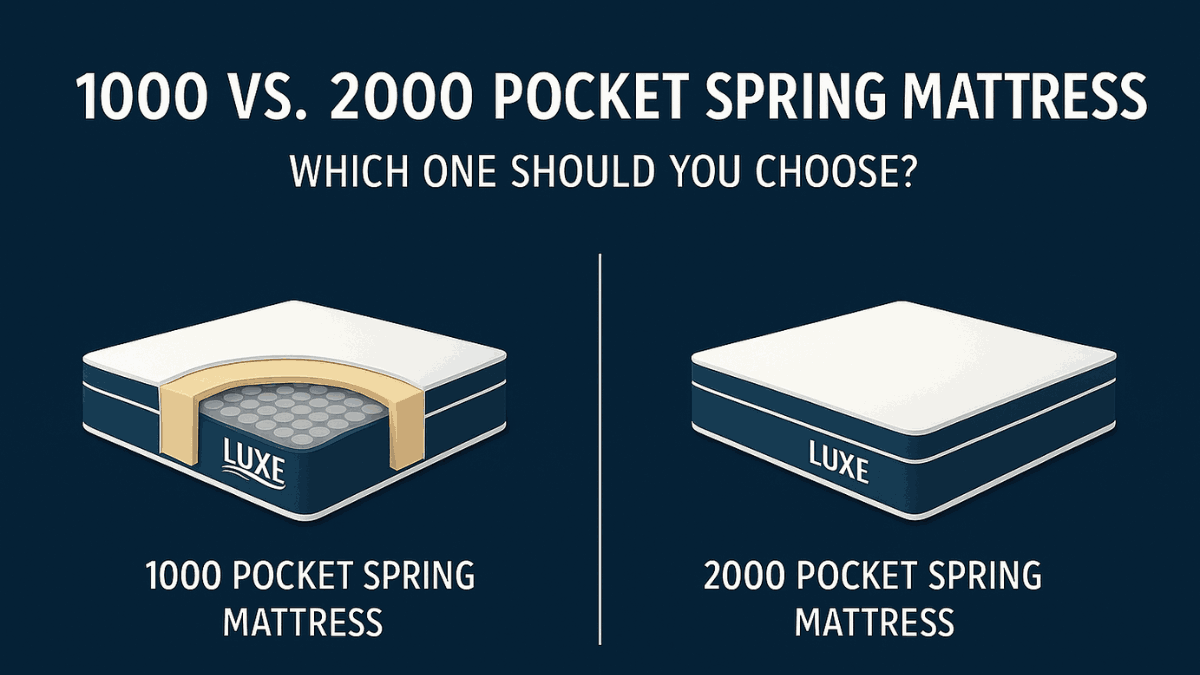
Choosing the right mattress is more than just picking one that feels soft. Comfort, support, and longevity depend on what’s inside the mattress, especially the number of springs. The debate between a 1000 vs 2000 pocket spring mattress often leaves buyers wondering: does a higher spring count always mean better sleep?
In this detailed pocket spring mattress comparison, we’ll explore how spring count affects comfort, firmness, durability, and support. By the end, you’ll clearly understand which type fits your sleep style, budget, and body needs.
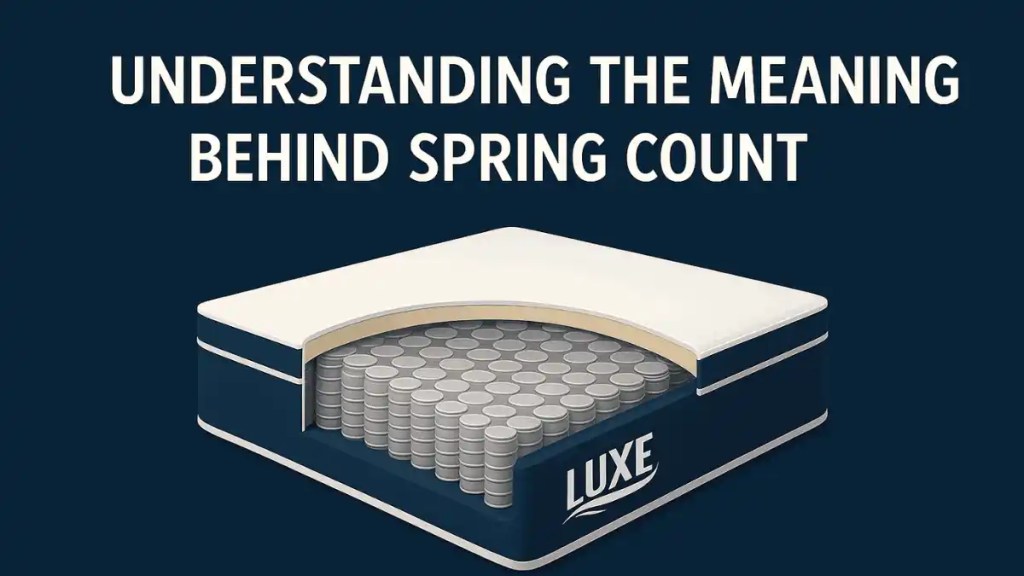
Understanding the Meaning Behind Spring Count
What Does “1000†or “2000†Pocket Springs Mean?
Pocket springs are individual coils, each encased in its own fabric pocket. Unlike traditional open-coil systems, these springs move independently, adjusting to your body’s shape and weight for optimal comfort.
When a mattress is labeled as 1000 or 2000 pocket springs, it refers to the number of coils in Mattress. A 1000 pocket spring mattress contains 1,000 individual springs, while a 2000 pocket spring mattressdoubles that count.
Each spring provides targeted support to specific body zones, shoulders, hips, and lower back, reducing pressure points. With modern coil technology and comfort layers, the result is improved body contouring and motion isolation, especially for couples who share a bed.
How Spring Count Impacts Mattress Performance
Spring count isn’t just a number, it directly influences comfort, durability, and responsiveness. More springs generally mean more precision in how the mattress supports your body weight.
A 1000 spring mattress model offers firm, stable support, ideal for those who prefer a solid sleeping surface. In contrast, a 2000 pocket spring mattress uses a higher coil density, allowing the mattress to respond more delicately to your body’s curves.
This design improves airflow, regulates temperature, and extends the mattress lifespan. Many brands now use hybrid designs, combining springs with memory foam or latex, for added comfort and orthopedic support.
Technical Differences Between 1000 and 2000 Pocket Spring Mattresses
Construction and Material Variations
The 1000 vs 2000 pocket spring mattress difference begins with structure. A 1000-spring model typically has thicker coils for firm support, while the 2000 version uses thinner, more flexible springs arranged in two layers, creating a more responsive sleeping surface.
The 2000 models often feature foam-encapsulated edges for stability, microcoils for enhanced comfort, and orthopedic zoning to relieve pressure. These design choices improve edge support and motion reduction, making them excellent for couples.
Firmness and Feel Comparison
If you prefer a medium-firm mattress, the 1000 spring version may suit you best, it provides consistent support without excessive softness.
However, if you need deeper body contouring and pressure relief, the 2000 spring design adapts better to your natural shape. This makes it ideal for side sleepers, lightweight individuals, and those with joint pain.
This difference illustrates the mattress firmness and support relationship: more springs equal more flexibility and balance. Using a comfort scale guide can also help you choose the perfect firmness for your needs.
Comfort, Durability & Support Comparison
Comfort and Motion Isolation
One key benefit of a 2000 pocket spring mattress is its superior motion isolation. Since each coil moves independently, your partner’s movements are less likely to disturb your sleep.
According to a Sleep Foundation study, higher spring counts improve personalized comfort by distributing body weight more evenly. This allows for smoother transitions and pressure relief, ideal for restless sleepers or couples.
In contrast, 1000-spring models provide firm comfort and minimal sinkage, which some sleepers find better for maintaining posture.
Durability and Lifespan
Durability depends on both spring quality and material composition. On average, a 1000 pocket spring mattress lasts 6–8 years, while a 2000 spring model can exceed 10 years with proper care.
Trusted brands like Silentnight, Emma, and Hypnos use premium steel coils, foam reinforcements, and breathable fabrics, making them contenders for the best pocket spring mattress UK listings.
This longevity difference reflects how additional coils distribute pressure more evenly, reducing wear on individual springs.
Back Support and Posture Benefits
From an orthopedic perspective, spring count can affect spinal alignment and back comfort. A 2000 pocket spring mattress offers superior lumbar support due to its denser coil network, which better adapts to spinal curves.
Chiropractors often recommend high-spring-count models for individuals with chronic spine health issues or back stiffness. Conversely, a 1000 spring mattress works well for people who need firmer, posture-correcting support.
Overall, both types can promote better sleep posture, but the 2000-spring version excels in personalized contouring.
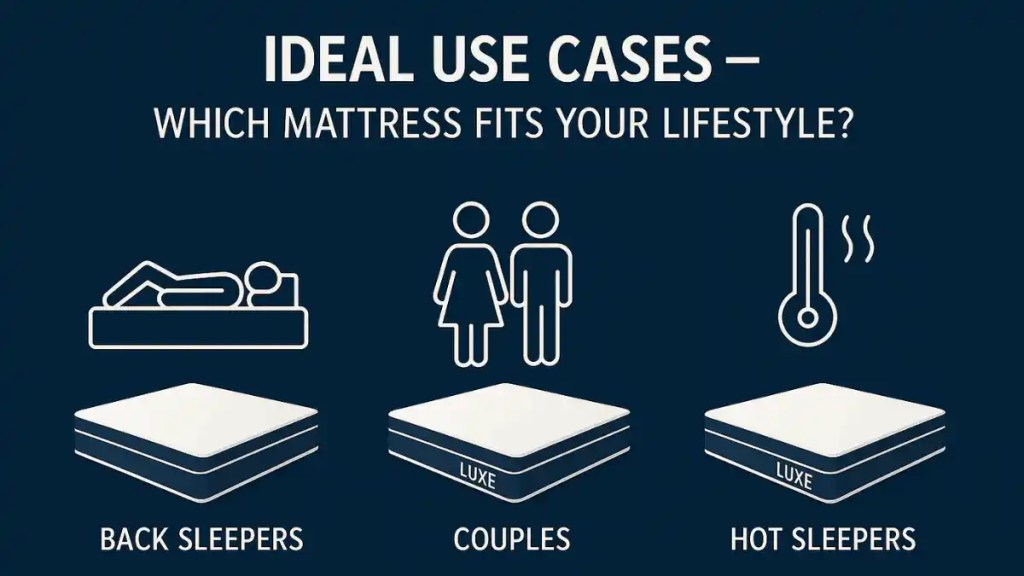
Ideal Use Cases: Which Mattress Fits Your Lifestyle?
For Solo Sleepers or Couples
Couples often benefit more from the Imperial 2000 pocket spring mattress, as the higher spring count helps reduce motion transfer and provides a more stable sleep surface. Each spring works independently, meaning movement on one side of the bed is less likely to disturb the other person.
For solo sleepers or those on a tighter budget, the Pocket Reflex 1000 pocket spring mattress offers excellent comfort and support. Its design provides a slightly softer, more relaxed feel, making it a great choice for everyday use.
For heavier individuals or couples sharing a bed, the Imperial 2000 is the better option, as the higher spring count improves durability, prevents sagging, and maintains long-term support.
Firmness & Feel: Which One Should You Choose?
The main difference between the two comes down to feel and support:
Imperial 2000 (2000 pocket springs)Provides a firmer, more supportive feel, with enhanced stability and durability. Designed for sleepers who need stronger support and less sink.
Pocket Reflex 1000 (1000 pocket springs)Offers a soft to medium-soft feel, with gentle contouring and comfort. Ideal for those who prefer a slightly cushioned surface.
For Back Pain or Posture Support
If you’re looking for better support and improved posture, the Imperial 2000 pocket spring mattress is typically the stronger choice. Its higher spring count allows for more precise body support, helping to keep the spine aligned and reducing pressure on key areas like the hips and shoulders.
The Pocket Reflex 1000 still offers good structure, but with less contouring and a softer feel. It’s better suited for those who prioritise comfort over firm support.
How to Choose Between 1000 and 2000 Pocket Spring Mattresses
Feature
1000 Pocket Spring Mattress
2000 Pocket Spring Mattress
Firmness
Medium-Firm
Firm to Extra Firm / Adaptive
Support Level
Stable, Balanced
Targeted, Contoured
Ideal Sleeper
Back/Stomach
Side/Combination
Durability
6–8 Years
8–10+ Years
Price Range
Budget-Friendly
Premium
Motion Transfer
Moderate
Minimal
If you’re unsure, always try the mattress in-store or opt for one with a 100-night trial period.
For Budget vs Long-Term Value
Choosing between the two depends on your priorities:
Pocket Reflex 1000 – Ideal for those looking for a more affordable option with a softer, comfortable feel for everyday sleep.
Imperial 2000 – Better suited for those who want long-term durability, firmer support, and a more premium sleep experience.
It’s not just about the number of springs — it’s about choosing the right balance between comfort, support, and value.
Material & Comfort Layers (Foam, Gel & Hybrid Options)
Hybrid Pocket Spring Mattresses
Hybrid mattresses combine pocket springs with comfort layers such as memory foam, latex, or cooling gel. Both the Pocket Reflex 1000 and Imperial 2000 can be enhanced with these materials to improve comfort and performance.
Foam layers add pressure relief
Gel helps regulate temperature
Latex provides bounce and breathability
The Imperial 2000 hybrid typically feels more supportive and durable, while the 1000 version offers a softer, more cushioned experience.
Cooling & Comfort Enhancements
Modern pocket spring mattresses often include breathable materials, gel-infused layers, or airflow fabrics to improve temperature regulation.
Memory foam contours closely for pressure relief
Latex offers firmer bounce and natural breathability
Cooling fabrics help prevent overheating
These features enhance both comfort and hygiene, regardless of spring count.
Expert Insights & Recommendations
Sleep experts generally suggest choosing a mattress based on your body type and comfort preference rather than focusing only on spring count.
Imperial 2000 is recommended for those needing firmer support, better durability, and improved posture alignment
Pocket Reflex 1000 is ideal for those who prefer a softer feel and a more budget-friendly option
Final Recommendation
Choose Pocket Reflex 1000 if you want a soft to medium-soft mattress with good comfort at a lower price
Choose Imperial 2000 if you need a firmer, more supportive mattress with better durability and long-term performance
Tips for Buying the Right Mattress Online
When purchasing online, always check:
Mattress specifications: spring count, materials, and firmness level.
Trial and return policy: at least 30–100 nights.
Warranty coverage: ideally 5–10 years.
Certifications: look for NHS recommendations, UK mattress ratings, and verified customer reviews.
FAQ’s
Q1: Which is better for back pain 1000 or 2000 pocket springs?
A 2000 pocket spring mattress offers finer contouring and better spine alignment, making it ideal for chronic back pain sufferers.
Q2: Does higher spring count mean better comfort?
Generally, yes, more springs improve responsiveness and reduce motion transfer, though firmness and material also matter.
Q3: Are 2000 pocket spring mattresses worth the extra cost?
Yes, especially if you want luxury comfort, durability, and superior body contouring.
Q4: What’s the lifespan of each type
1000-spring models last about 6–8 years; 2000-spring versions can exceed 10 with care.
Q5: Is a hybrid pocket spring mattress good for couples?
Absolutely, hybrids offer the best of both worlds: spring support and foam comfort for minimal motion transfer.
Conclusion
When choosing between a 1000 vs 2000 pocket spring mattress, it all comes down to comfort needs, body support, and budget. A 1000 pocket spring mattress offers reliable medium-firm comfort and excellent value, ideal for solo sleepers or guest rooms. Meanwhile, a 2000 pocket spring mattress delivers superior contouring, motion isolation, and long-term durability, making it a better fit for couples and those needing advanced back support.
In short, more springs mean more precision in comfort and support, but not everyone needs that extra count. Focus on your sleep style, body weight, and firmness preference before deciding. For deeper insights, explore related guides like “Pocket Spring vs Memory Foam Mattress†and “Best Pocket Spring Mattress UK 2025.â€
By understanding the meaning behind spring count and how it affects posture, airflow, and spinal alignment, you’re not just choosing a mattress, you’re investing in healthier, more restorative sleep.
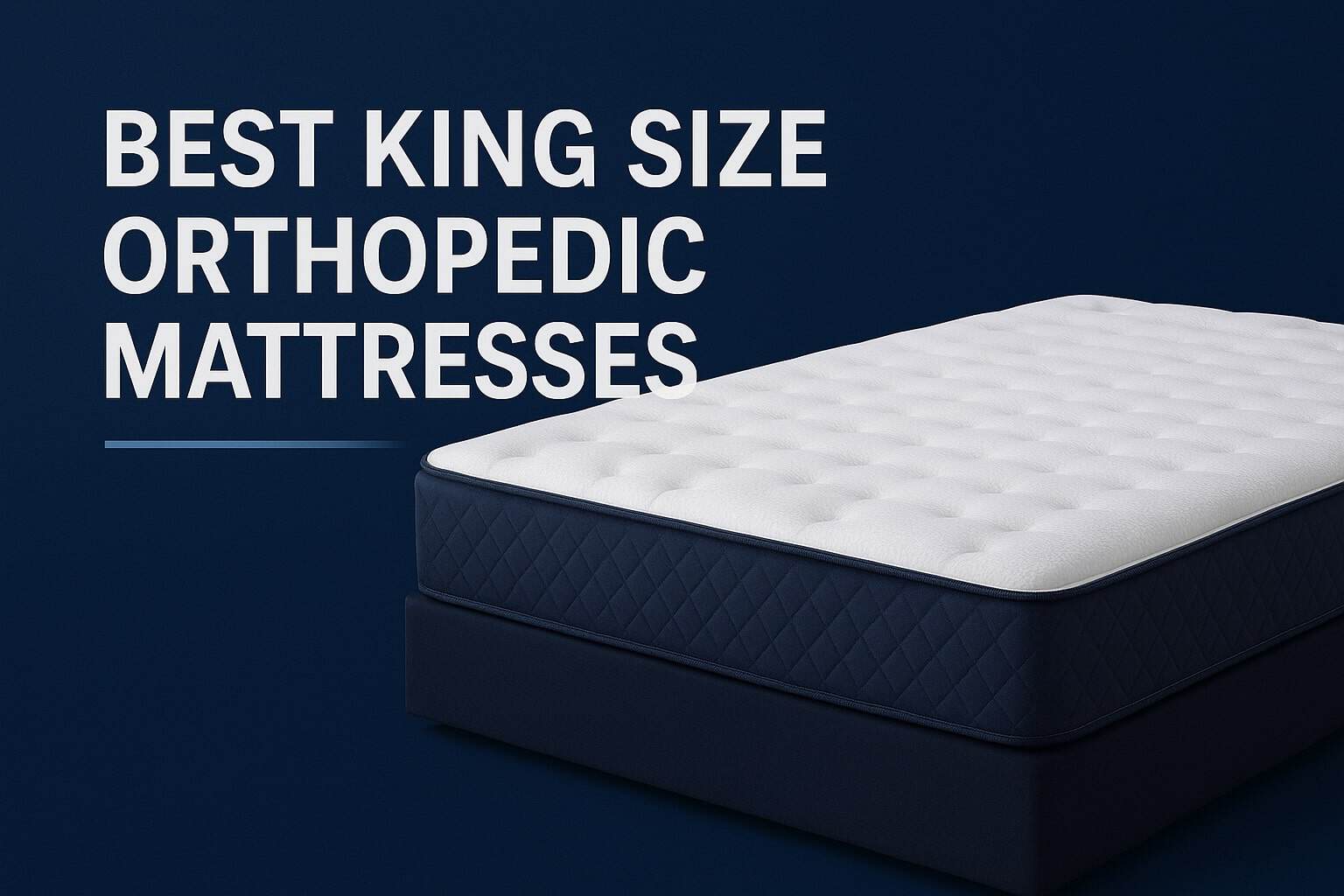
A good night’s sleep isn’t just about resting it’s about healing your body, aligning your spine, and supporting your posture. The surface you sleep on plays a big role in how your body recovers overnight. Poor-quality or sagging mattresses can lead to back pain, poor posture, and disturbed sleep. Over time, this can affect your spine health and even cause chronic discomfort.
That’s why choosing the right mattress matters so much. If you struggle with back pain or stiffness, a king size mattress orthopedic can make a huge difference. Designed specifically to support your spine, these mattresses use specialized materials and structures to distribute your weight evenly and maintain correct alignment throughout the night.
In this complete guide, we’ll explore everything you need to know about the best king size mattress orthopedic models available today from their design and health benefits to the best options for lasting mattress support and comfort.
What Is a King Size Orthopedic Mattress?
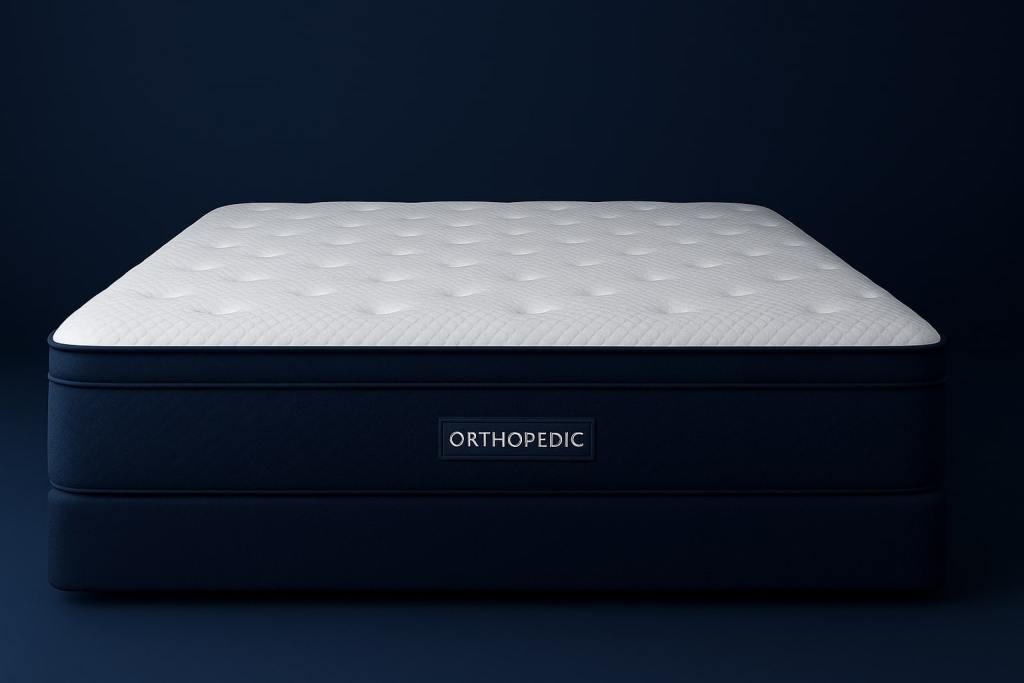
king size mattress orthopedic
A king size mattress orthopedic is designed with medical-grade precision to provide firm, structured support for your spine and body. Unlike a regular mattress that focuses only on softness or aesthetics, an orthopedic mattress focuses on spine health, ensuring your body stays properly aligned whether you sleep on your back, side, or stomach.
Orthopedic mattresses are firmer than traditional ones and are made with orthopedic foam a high-density material that provides deep pressure relief while maintaining shape and support. They often include zoned support areas to target different parts of the body, such as the lumbar region, shoulders, and hips.
For couples or individuals looking for a mattress for comfort that also helps with back pain relief, a king size option is ideal. It offers ample sleeping space without compromising on the firmness or structure that your body needs for healthy sleep posture.
Mattress Size
Dimensions
King Size Orthopedic Mattress
150 cm — 200 cm
How Orthopedic Mattresses Support Spine Health?
Your spine has a natural S-curve that must be maintained while you sleep. When you rest on a mattress that’s too soft or uneven, your spine bends unnaturally causing strain, muscle tightness, and long-term posture problems.
A king size mattress orthopedic prevents this by keeping your spine aligned in its natural shape. It evenly distributes body weight, reducing pressure points and improving blood circulation.
Most orthopedic mattresses use high-density orthopedic foam and zoned mattress support systems. These ensure that heavier parts of your body, like the hips and shoulders, receive enough firmness, while lighter areas, like the neck and legs, stay comfortably supported.
Health Benefits:
Reduces stiffness and back pain
Improves blood circulation
Promotes natural spinal alignment
Enhances deep rest and recovery
With consistent use, a king size mattress orthopedic helps maintain better posture and prevents morning soreness, making it one of the most effective choices for improving spine health.
Top Features to Look for in a King Size Orthopedic Mattress
king size mattress orthopedic
When shopping for a king size mattress orthopedic, it’s important to know what features to prioritize. Not all mattresses labeled as orthopedic are truly designed for medical-grade support. Here are the key elements to look for:
1. High-Resilience Orthopedic Foam Layers
The foundation of any orthopedic mattress is its orthopedic foam. Look for high-resilience foam that provides firm yet responsive support. It should cradle your body without sinking.
2. Zoned Mattress Support
A quality orthopedic mattress offers different firmness levels across zones softer at the shoulders and firmer at the lumbar region to enhance spine health and reduce pressure.
3. Pressure-Relief Technology
Pressure points, especially at the hips and shoulders, cause tossing and turning. Mattresses with advanced pressure-relief technology help ease discomfort and promote back pain relief.
4. Breathable Cover and Airflow System
Since orthopedic foam tends to retain heat, a breathable cover ensures cool and comfortable sleep throughout the night.
5. Durability and Warranty
A king size mattress orthopedic should last for years. Check for long-term durability, warranty coverage, and anti-sagging construction.
Each of these features contributes to both mattress support and overall mattress for comfort, making your investment worthwhile in the long run.
Best King Size Orthopedic Mattresses in the UK
Here are some of the top-rated king size mattress orthopedic options available in the UK, chosen for their performance, comfort, and support.
Model Name
Key Features
Ideal For
Orthopaedic Support King
Firm coil base, high-density orthopedic foam layers for lumbar support
Back and side sleepers with pain
Majestic 9000 Orthopedic King
Medical-grade firmness, 7-zone mattress support, extra pressure relief for spine
Chronic back pain sufferers
Majestic 11000 Orthopedic King
Advanced weight distribution tech, premium materials, edge-to-edge mattress support
Heavier individuals, couples
Each king size mattress orthopedic model combines firmness with superior mattress for comfort, ensuring proper spinal alignment without compromising softness.
Comparing Firmness Levels: Which Orthopedic Mattress Is Right for You?
Firmness plays a major role in how comfortable and supportive your mattress feels. A king size mattress orthopedic comes in soft, medium, and firm options. Choosing the right level depends on your sleeping style.
Side Sleepers: Medium firmness with layers of orthopedic foam for shoulder and hip support.
Back Sleepers: Medium-firm for proper lower back alignment and pressure relief.
Stomach Sleepers: Firm mattress to prevent arching of the spine and ensure even body weight distribution.
Choosing the correct firmness not only enhances spine health but also ensures a perfectly balanced mattress for comfort every night.
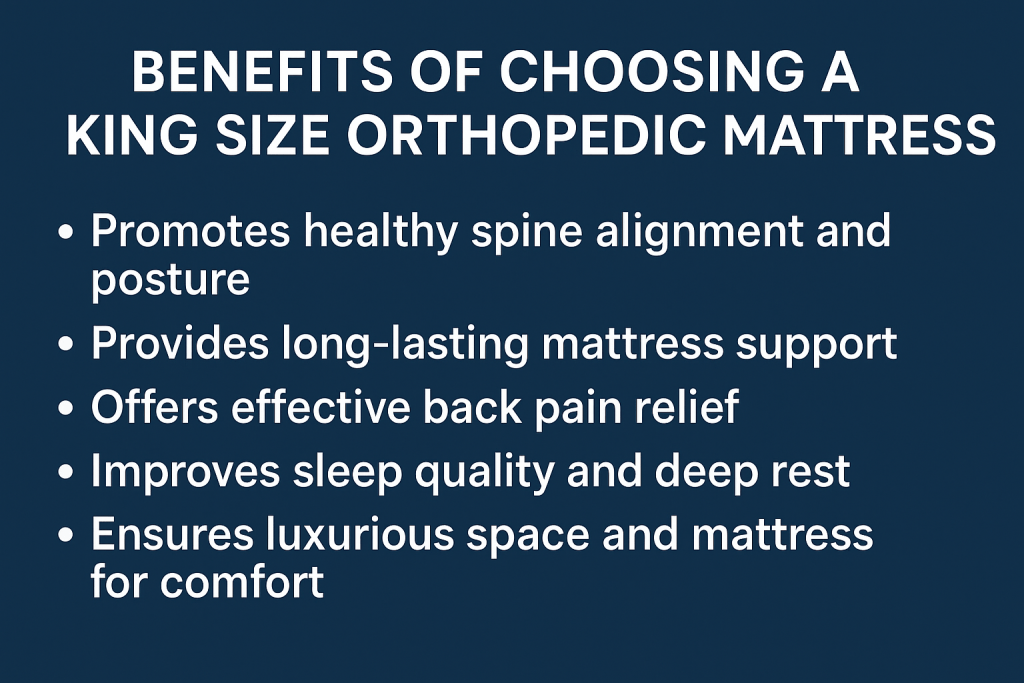
Benefits of Choosing a King Size Orthopedic Mattress
king size mattress orthopedic
Here are the top benefits you’ll experience when switching to a king size mattress orthopedic:
Promotes healthy spine alignment and posture
Provides long-lasting mattress support
Offers effective back pain relief
Improves sleep quality and deep rest
Ensures luxurious space and mattress for comfort
Enhances circulation and reduces body stiffness
Investing in a king size mattress orthopedic isn’t just about better sleep it’s about improving your quality of life. It’s a step toward long-term wellness, reduced back pain, and rejuvenating rest.
Care and Maintenance Tips for Longevity
To keep your king size mattress orthopedic in top condition, regular care is essential. Follow these simple tips:
Rotate every 3–6 months to prevent uneven wear and sagging.
Use a mattress protector to guard against spills, sweat, and dust.
Air the mattress regularly to reduce moisture buildup and odors.
Proper maintenance ensures that your mattress continues to provide reliable mattress support and durability for years.
Conclusion
A king size mattress orthopedic isn’t just a luxury it’s a smart health investment. With its firm structure, orthopedic foam base, and advanced mattress support zones, it helps relieve back pain, improve spine health, and offer lasting mattress for comfort.
Whether you’re recovering from chronic pain or simply want a more supportive sleeping surface, an orthopedic mattress can completely transform your rest experience.
The best orthopedic mattress is one that provides firm spinal support using high-density orthopedic foam and zoned pressure relief systems.
Which orthopedic mattress is best in the UK?
Top-rated options include the Orthopedic Support King, Majestic 9000, and Majestic 11000 each offering excellent mattress support and back pain relief.
What are the disadvantages of orthopedic mattresses?
They can feel too firm for those used to softer mattresses and may take time to adjust to. However, their health benefits outweigh the initial firmness.
Is an orthopedic mattress better?
Yes. A king size mattress orthopedic is better for anyone needing back pain relief, proper alignment, and long-term spine health while still enjoying mattress for comfort.
When it comes to choosing a mattress, comfort, durability, and health benefits are some of the most important factors to consider. One mattress type that ticks all these boxes is the natural latex mattress. Made from the sap of rubber trees, latex mattresses have gained popularity for their eco-friendly properties, long-lasting durability, and support that’s perfect for a variety of sleeping preferences. In this ultimate guide, we’ll explore everything you need to know about latex mattresses, their health benefits, and why they might be the perfect choice for your next mattress.
Understanding Natural Latex Mattresses
Natural latex mattresses are crafted from pure rubber sap, harvested sustainably from rubber trees. Unlike synthetic latex, which is made from petroleum-based products, natural latex mattress options are entirely eco-friendly. The process of creating these mattresses involves turning the rubber sap into a foam-like substance, which is then molded into the mattress layers. This results in a mattress that’s not only supportive and durable but also hypoallergenic and resistant to dust mites, bacteria, and mold.
What sets natural latex mattresses apart from other types of mattresses is their ability to provide consistent support without the sinking feeling commonly associated with memory foam. The resilient nature of latex provides optimal spinal alignment and pressure relief, making it suitable for a range of sleeping positions. Additionally, latex mattresses have a long lifespan, often lasting for up to 15 years, which makes them a great investment in the long run.
The Benefits of a Natural Latex Mattress
When you choose a latex mattress, you’re not just choosing comfort. There are a range of benefits that come with opting for this type of mattress. Below are some of the top reasons why a natural latex mattress is an excellent choice:
Eco-Friendly and Sustainable A natural latex mattress is made from renewable resources, making it a great option for those who prioritize sustainability. The manufacturing process for latex is more environmentally friendly than synthetic alternatives, and latex mattresses are biodegradable.
Hypoallergenic Latex naturally resists dust mites, mold, and bacteria, making it an ideal choice for people with allergies. A natural latex mattress offers a cleaner and healthier sleeping environment, which is particularly beneficial for those prone to allergies or asthma.
Durability A natural latex mattress is known for its long lifespan. Unlike memory foam or innerspring mattresses, latex doesn’t sag or lose its shape over time. A latex mattress can last anywhere from 10 to 15 years, providing excellent value for money.
Comfort and Support Latex mattresses provide a high level of comfort while supporting the body in all the right places. The natural elasticity of latex ensures that your body is properly aligned, which reduces the risk of back pain or discomfort during sleep. It’s a perfect choice for side sleepers, back sleepers, and stomach sleepers alike.
Breathability and Temperature Regulation Latex is a naturally breathable material, helping to regulate temperature during sleep. It’s resistant to body heat retention, which is a common complaint with other foam mattresses. The open-cell structure of latex allows for optimal airflow, keeping you cool during the night.
Reduced Motion Transfer For couples, motion isolation is essential for a good night’s sleep. A latex mattress UK can help reduce motion transfer, so if your partner moves during the night, you’re less likely to be disturbed.
How to Choose the Best Natural Latex Mattress
When shopping for a natural latex mattress, there are a few factors to keep in mind:
Firmness Level: Latex mattresses come in different firmness options, from soft to firm. Consider your sleeping position and body weight when selecting the appropriate firmness.
Latex Type: There are two main types of latex used in mattresses—Dunlop and Talalay. Dunlop latex is denser and firmer, while Talalay latex is softer and more airy. Both types offer great support, but Talalay is often preferred for its comfort and breathability.
Budget: Latex mattresses tend to be more expensive than traditional mattresses, but their durability and health benefits often justify the investment. Be sure to compare options within your budget to find the best one that meets your needs.
Certifications: Look for certifications such as the Global Organic Latex Standard (GOLS) to ensure that the latex used is natural and free from harmful chemicals.
Why Choose a Latex Mattress in the UK?
The UK market has seen a rise in the popularity of eco-friendly mattresses, and latex mattresses are leading the charge. As more consumers prioritize sustainability and health, latex mattresses offer the perfect solution. They’re naturally hypoallergenic, long-lasting, and made with eco-friendly materials, making them an ideal choice for anyone looking for a healthier sleep environment.
If you’re in the UK, there are numerous options available for you to explore. Websites like The Sleep Guy provide expert recommendations on the best latex mattresses in the UK, helping you make an informed decision. For a more comprehensive guide, check out Forbes for a list of top latex mattresses that meet various needs and budgets.
Common Misconceptions About Latex Mattresses
There are a few myths surrounding latex mattresses that might deter some buyers. Let’s clear up some of the confusion:
“Latex mattresses are too firm.” While some people associate latex with being overly firm, many latex mattresses come in various firmness levels to suit individual preferences. Whether you prefer a softer feel or more support, there’s a latex mattress for everyone.
“Latex mattresses are too expensive.” While natural latex mattresses can be pricier than traditional innerspring mattresses, their long lifespan, comfort, and health benefits often make them a worthy investment.
“Latex is not suitable for people with latex allergies.” While latex allergies are a concern for some, most latex mattresses are made with high-quality, processed latex that is less likely to cause allergic reactions. Additionally, organic latex mattresses with certifications like GOLS ensure a higher level of safety.
FAQs
Are latex mattresses good for back pain?
Yes, latex mattresses are known for providing excellent support and spinal alignment, making them a good choice for people with back pain.
How long does a latex mattress last?
A natural latex mattress can last anywhere from 10 to 15 years, depending on the quality and maintenance.
Is latex better than memory foam?
Latex is more durable, eco-friendly, and breathable than memory foam. However, it ultimately depends on your personal preference for feel and comfort.
Are latex mattresses eco-friendly?
Yes, latex mattresses are made from natural rubber latex, which is a renewable resource, making them an eco-friendly choice.
Conclusion
Choosing a natural latex mattress is a smart investment for your health, comfort, and the environment. With their durability, comfort, and hypoallergenic properties, latex mattresses provide the perfect balance of support and comfort for a restful night’s sleep. Whether you’re in the UK or elsewhere, exploring options from trusted brands will ensure that you find the best mattress to meet your needs. To learn more about the benefits and options, check out The Complete Guide to Latex Mattresses and 10 Benefits of Latex Mattresses.
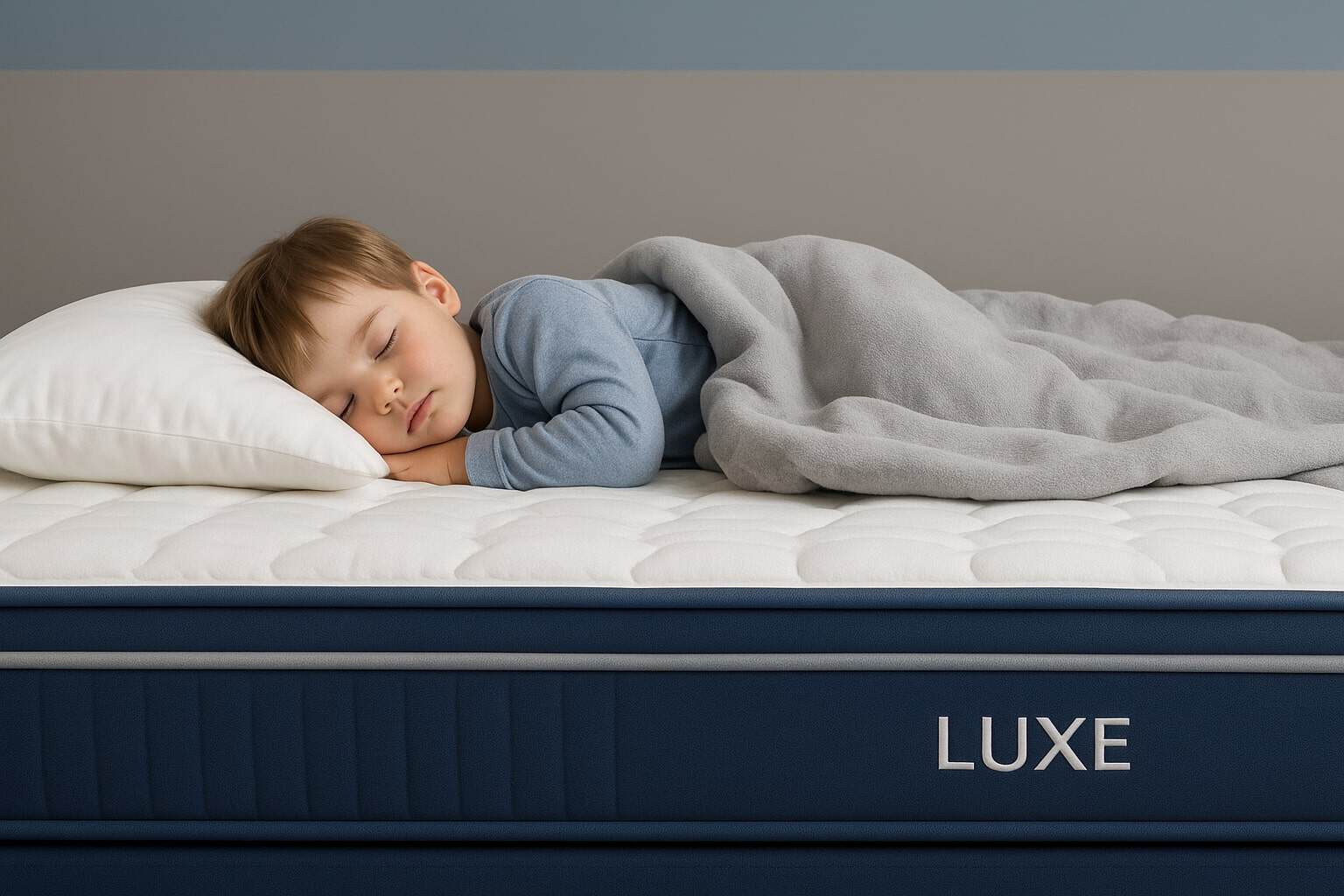
Choosing a bed for your child or teenager can feel overwhelming. You see terms like hybrid mattress for kids, safe mattress for teens, child-friendly mattresses everywhere but what really matters? Are hybrid mattresses safe for kids and teens? In this guide, we’ll break down what parents should look for, what to avoid, and how to pick a mattress that grows with your child.
What Is a Hybrid Mattress & Why It Appeals to Families?
Hybrid Mattresses for Kids
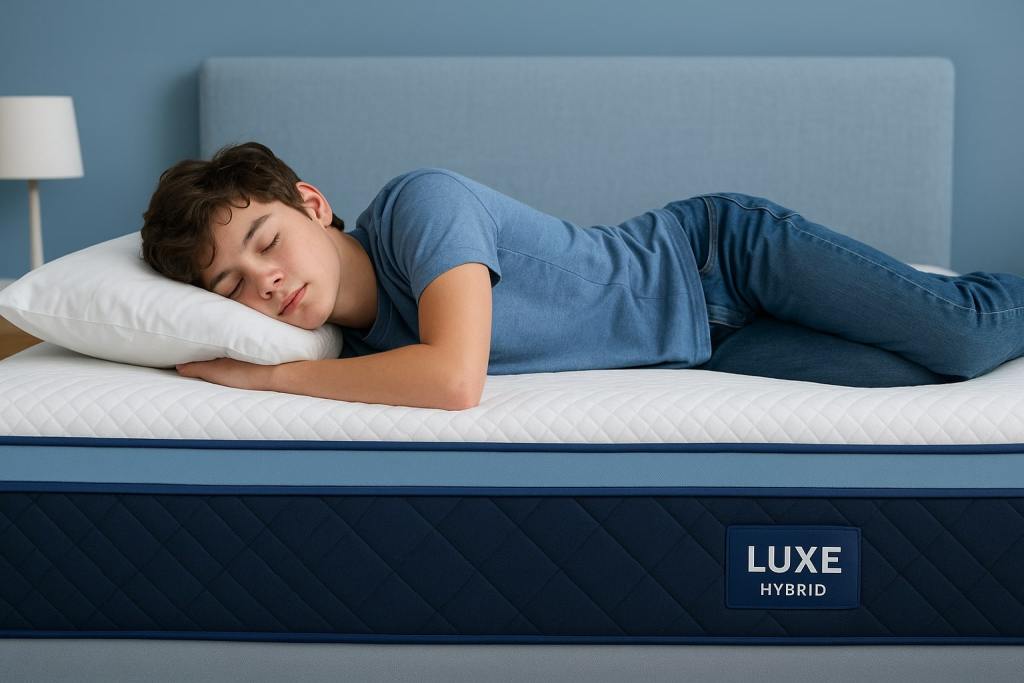
A hybrid mattress combines foam or latex layers with innerspring coils. It offers a balance between support and comfort foam (or latex) for contouring, coils for bounce and airflow. Because of that, many parents consider a hybrid mattress for kids or a safe mattress for teens. The idea is: you get better support than all-foam, and more cushioning than a traditional innerspring. But “hybrid†alone doesn’t guarantee safety or suitability.
Let’s walk through the key factors to consider when evaluating child-friendly mattresses.
What to Look For in a Mattress for Kids & Teens?
According to sleep foundation, the key factors to consider when choosing a mattress for your child, from size and materials to firmness levels, body weight, and sleep position.These are the features you should prioritize when looking at hybrid mattresses or any mattresses for younger users:
Feature
Why It Matters
What to Aim For
Support & spinal alignment
Kid’s bodies are growing; poor support can lead to posture issues
Medium-firm or firm feel that keeps the spine neutral
Non-toxic materials / low emissions
Reduces exposure to harmful chemicals
Safety from non-toxic materials
Durability & resilience
Kids jump, twist, grow mattress should hold up
Strong coils, dense foams, good edge support
Hypoallergenic, dust mite resistance
Reduces allergies or asthma risks
Use materials like organic cotton, wool, latex over chemical filters
Certifications / safety standards
Ensures fire, chemical, and health safety
Look for third-party certifications
Appropriate thickness / profile
Too thick may cause fall risks on bunk or loft beds
Low-profile hybrids (8–10 inches) work well for kids
Good warranty and trial period
Kids may outgrow preferences test first
10-year or more, money-back trials
Hybrid Mattress Safety for Children: Tips for Smarter Choices
When buying a hybrid mattress for kids, safety isn’t just about comfort, it’s about construction. A good hybrid uses non-toxic foams, sturdy coils, and protective covers that stay intact even after years of use. Avoid mattresses that feel overly soft, have no certification labels, or use mystery materials. The safest choice is one built with eco-friendly fabrics, verified child-safety certifications, and a balance of firmness and comfort designed for growing bodies.
Is a Hybrid Mattress for Kids a Good Choice?
Hybrid Mattress for Kids
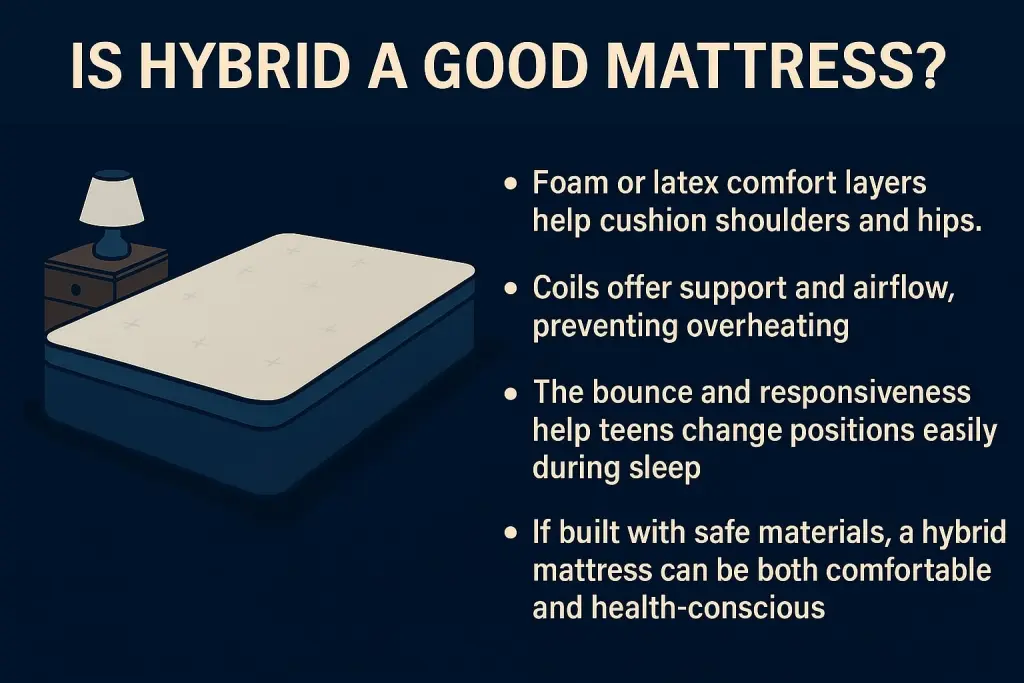
Yes. If chosen carefully. Here’s how hybrid mattress comfort for teenagers and younger children can benefit them:
Foam or latex comfort layers help cushion shoulders and hips.
Coils offer support and airflow, preventing overheating.
The bounce and responsiveness help teens change positions easily during sleep.
If built with safe materials, a hybrid mattress can be both comfortable and health-conscious.
In short, a hybrid mattress for kids can offer the best of both worlds support and comfort as long as you choose wisely.
How to Ensure the Mattress You Pick Is a Safe Mattress for Teens & Kids?
1. Check Fire Barrier Design
Make sure the mattress uses safe fire barrier materials not toxic sprays or loose fiberglass that can escape if the cover tears.
2. Test Firmness & Support
For kids and teens, mattress firmness should be medium-firm to firm. It should support the spine rather than letting them sink too deeply. This ensures hybrid mattress support for growing bodies.
3. Prefer Hypoallergenic Materials
Choose materials that resist dust mites, mold, and allergens. Looking for hypoallergenic mattresses for children helps reduce asthma or allergy triggers.
4. Look at Durability
Hybrid mattress durability for kids is crucial: strong coils, high-density foams, and reinforced edges help resist sagging over time.
5. Mind Mattress Height
In bunk beds or loft beds, a thick hybrid might present safety risks for falls. A low-profile hybrid mattress is a smart choice for younger users.
While hybrid mattresses offer balance, here are a few other types to consider:
Organic latex hybrids (latex + coils) that use natural materials and avoid synthetic foams.
Pure innerspring or pocket-coil mattresses for firm support and simplicity.
All-foam mattresses with strong support layers, especially for lighter children.
Non-toxic mattresses built with organic or natural components. Each has pros and cons, but the same safety principles apply.
According to sleep charity, Children’s mattresses can be either foam or spring. Mattresses containing memory foam are generally not recommended for young children.
Key Benefits: Hybrid Mattress Health Benefits for Kids & Teenagers
Using a safe hybrid mattress gives these advantages:
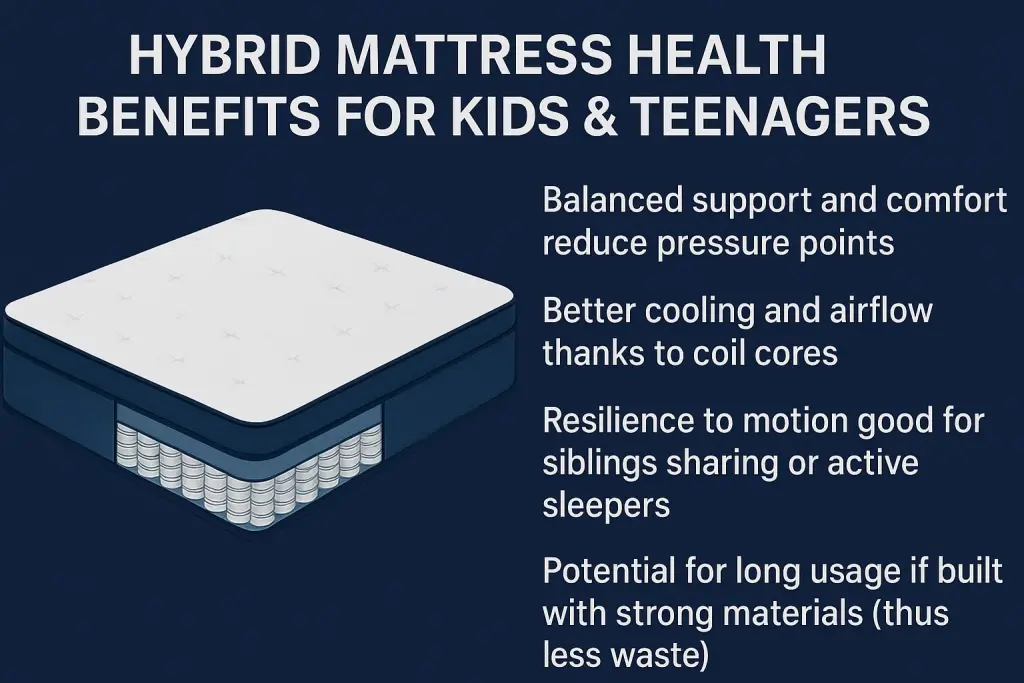
Hybrid Mattress Health Benefits for Kids
Balanced support and comfort reduce pressure points.
Better cooling and airflow thanks to coil cores.
Resilience to motion good for siblings sharing or active sleepers.
Potential for long usage if built with strong materials (thus less waste).
Safe Sleep Environment: Top Tips for Kids & Teens
Use a firm and well-fitting mattress in a sturdy frame.
Always use a mattress protector to avoid spills or allergens.
Ensure room ventilation to help off-gassing diminish (if any).
Rotate the mattress periodically (if allowed by the manufacturer).
Avoid folding or bending a hybrid, which may damage coils.
These steps help maintain a safe sleep environment for kids.
Buying Guide: How Parents Can Choose Smart
Rank priorities: Is non-toxicity more important, or is the budget tight?
Test in person if possible let your teen lie down in positions they’d sleep in.
Ask for certifications and see proof or lab reports.
Check the return policy and warranty kids grow, preferences change.
Size matters: Choosing a mattress that can last into teen years (twin XL or full) helps future-proof.
Check for known recalls or safety alerts (like that Elitespace warning) before purchase.
This kid’s mattress buying guide can help you filter out unsafe or lower-quality options.
FAQs
Is a hybrid mattress safe for a teenager with back pain?
Yes, if it’s appropriately firm and supportive, a hybrid can help maintain spinal alignment while offering enough comfort to reduce pressure points.
How long should a hybrid mattress last for a child?
Typically 8–10 years or more if well maintained. For kids, rotating usage and protecting it can extend lifespan.
Do hybrid mattresses off-gas harmful chemicals?
They can, if materials are synthetic and poorly made. That’s why non-toxic mattresses for kids and certifications are so important.
Can a hybrid mattress cause allergies?
Only if cheap materials trap dust or mold. A quality hypoallergenic mattress for children, with breathable, clean materials, helps prevent this.
Should the mattress be firmer for younger kids?
Yes, young bodies need more support. Avoid overly soft mattresses for younger children to ensure mattress firmness for kids and teens is adequate.
Final Thoughts
So, are hybrid mattresses safe for kids and teens? The answer is: yes, if you choose wisely. A hybrid mattress for kids doesn’t automatically guarantee safety or comfort, but with a focus on hybrid mattress safety for children, hybrid mattress durability for kids, and hybrid mattress support for growing bodies, you can find a mattress that’s both supportive and gentle.
Prioritize child-friendly mattresses that are certified, non-toxic, firm enough yet comfortable, and built to last. That way, your child or teen sleeps soundly and you rest easier knowing their sleep environment is safe.
Mattress Types can play a surprising role in how well you sleep, especially for those with seasonal allergies. Sneezing, congestion, itchy eyes, and irritated airways often worsen at night, leaving many allergy sufferers tossing and turning. What many don’t realise is that their mattress may be part of the problem.
Dust mites, pollen, mold spores, and other allergens can accumulate in bedding materials, amplifying nighttime discomfort. Choosing the right mattress crafted from hypoallergenic materials and designed to resist allergen buildup can dramatically improve both sleep quality and overall health.
By understanding how mattress materials affect allergen exposure, sleepers can create a sanctuary that promotes deeper, cleaner rest. In this guide, we’ll explore the importance of hypoallergenic mattress options, the benefits of versatile mattress types, and why luxury natural mattressesare becoming a top choice for allergy-conscious sleepers.
Hypoallergenic Materials: Your First Line of Defense
The right materials can make all the difference in minimizing allergens. Mattresses that resist dust mites, mold, and pollen provide a healthier sleep surface.
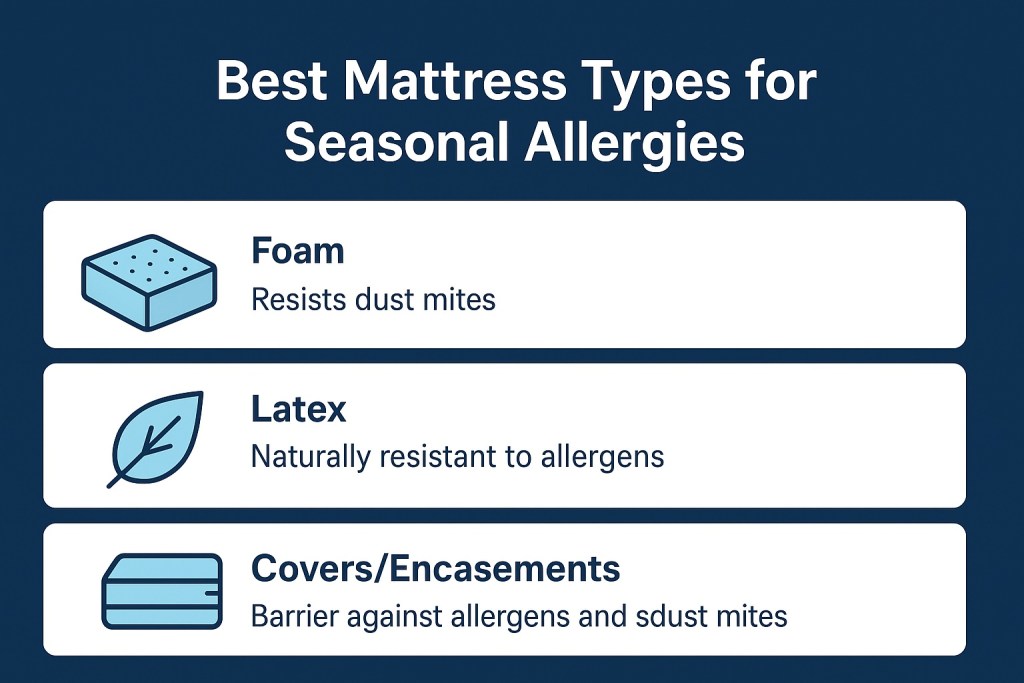
Natural latex: Resistant to dust mites and mold, offering a breathable surface that reduces allergen buildup.
Organic cotton and wool: Naturally hypoallergenic, moisture-wicking, and temperature regulating.
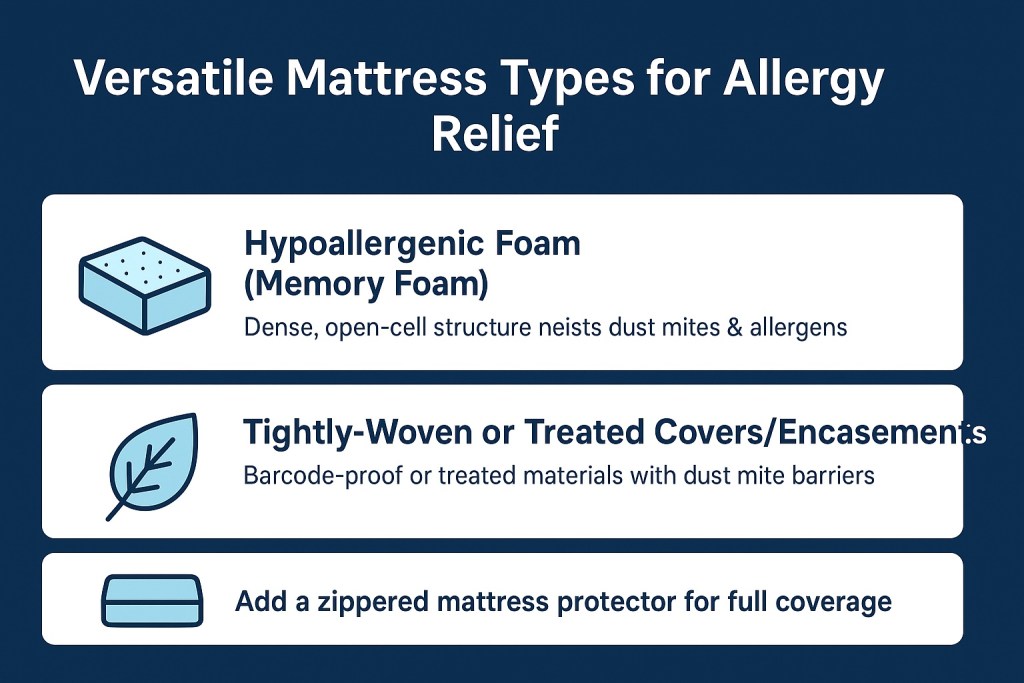
Versatile Mattress Types for Allergy Relief
Not every sleeper has the same needs, which is why versatile mattress types are important:
Latex mattresses: Highly durable, breathable, and naturally allergen-resistant.
Hybrid mattresses: Combine the supportive benefits of innerspring with the hypoallergenic nature of latex or organic foam.
For those seeking both wellness and comfort, luxury natural mattresses are an ideal solution. These premium beds combine eco-friendly craftsmanship with allergy-safe sleep environments.
Sustainably sourced natural latex, cotton, and wool.
Free from synthetic chemicals that can trigger allergic reactions.
Long-lasting durability with luxurious comfort.
Choosing a luxury natural mattress isn’t just about sleep it’s about investing in long-term health.
Why Mattress Choice Matters for Allergy Sufferers
For those who struggle with seasonal or year-round allergies, the mattress you sleep on plays a bigger role than you might think. According to insights from Sleepopolis and Sleep Advisor, warm, humid mattress interiors often become the perfect breeding ground for dust mites, mold spores, and pet dander.
These allergens thrive in the dark, insulated layers of traditional mattresses, triggering symptoms like sneezing, congestion, itchy eyes, and restless sleep. Over time, this hidden allergen buildup can make even the coziest bed feel like an allergy trap.
Hypoallergenic Materials That Help Protect Against Allergens:
Dense Memory Foam: Its tightly packed structure naturally resists dust mites and prevents allergen penetration.
Natural Latex: Breathable, antimicrobial, and mold-resistant, making it one of the best options for allergy sufferers.
Organic Cotton & Wool: Naturally moisture-wicking and chemical-free, helping reduce humidity levels inside the mattress.
Investing in a mattress designed for allergy prevention not only promotes better rest but also improves long-term health. Luxury natural mattresses, in particular, offer the perfect blend of comfort, durability, and allergen protection.
Best Mattress Types for Allergy Sufferers
Mattress Type matters greatly when it comes to allergy prevention. The material and construction play a major role in how well a bed resists dust mites, mold, pollen, and other common irritants. Drawing on insights from Sleep Advisor, Sleepopolis, Tom’s Guide, and theSleep Foundation, here’s how popular mattress types compare:
Memory Foam
Memory foam earns high marks for allergy resistance. Its dense, non-porous structure makes it difficult for dust mites and other allergens to penetrate, while also offering superior motion isolation for couples. For hot sleepers, cooling-infused foams can counteract heat retention without compromising allergen protection (Tom’s Guide, Sleep Foundation).
Natural Latex (Dunlop/Talalay)
Latex is widely regarded as one of thebest materials for allergy sufferers. It is naturally breathable, moisture-resistant, and antimicrobial, offering long-lasting defense against mold and dust mites. Dunlop latex tends to be denser, making it slightly better for allergen defense, while Talalay provides a softer, buoyant feel.
Hybrid (Innerspring + Foam/Latex)
Hybrids balance the airflow benefits of coils with the protective layers of foam or latex. While innerspring coils alone may trap allergens, the addition of a hypoallergenic top layer helps mitigate risks.
Innerspring
Traditional innerspring mattresses are the least ideal for allergy sufferers. Their open coil structure allows dust mites and allergens to accumulate more easily, leading to higher exposure (Sleep Advisor)here
Airbeds
Airbeds aren’t often discussed in allergy contexts, but their easy-to-clean surfaces can offer some benefits. However, they still require allergen-resistant covers or latex/foam toppers for reliable protection.
When it comes to mattresses, luxury often means more than comfort it can also mean better protection against allergens. Many high-end brands incorporate natural fibers like horsehair, wool, silk, and cashmere to deliver a healthier and more breathable sleep surface.
Horsehair: Naturally breathable and moisture-wicking, horsehair also resists dust mites and mold, making it a rare but effective material in niche luxury mattresses.
Cashmere, Wool, Silk, and Cotton: These fibers are commonly used by premium makers like Savoir Beds and Vispring, who craft mattresses with combinations of lamb’s wool, cotton, horsetail, silk, and cashmere for both luxury feel and allergen defense .
Architectural Digest highlights several standout luxury picks:
Birch Luxe: Made with all-natural latex, organic wool, and firm eco-friendly support, it’s particularly appealing for eco-conscious, allergy-sensitive shoppers.
Saatva Solaire & Tempur-Pedic ProAdapt: Feature luxury construction with cooling and supportive designs, though their allergen resistance varies.
Birch Luxe is praised again for its breathability and natural, allergy-friendly build.
Memory Foam vs. Latex in Luxury Models
Birch Luxe (Latex): Firmer, cooler, highly breathable, and naturally allergen-resistant.
Nectar Luxe (Memory Foam): Plush contouring comfort but may retain more heat.
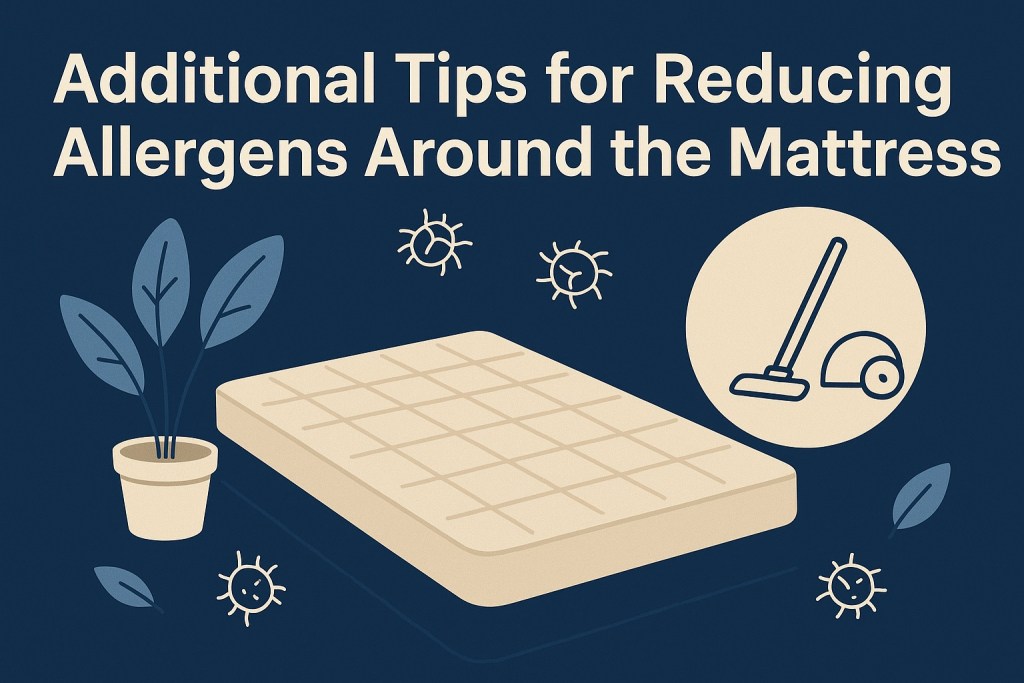
Additional Tips for Reducing Allergens Around the Mattress
Even the most hypoallergenic mattress benefits from a clean, allergen-free environment. According to the Sleep Foundation and Sleep Advisor, simple lifestyle adjustments can make a big difference in keeping your sleep space healthy and comfortable.
Use Hypoallergenic Encasements: A dust-mite-proof mattress encasement and pillow covers create a protective barrier that blocks allergens from settling into your bedding.
Wash Bedding Weekly: Launder sheets, pillowcases, and blankets in hot water at least once a week to remove dust mites, pollen, and other allergens.
Control Humidity Levels: Dust mites and mold thrive in damp environments. Using a dehumidifier (or humidifier in dry climates) keeps bedroom humidity in the optimal 30–50% range.
Invest in a HEPA Air Purifier: These devices capture fine airborne particles such as pollen, dust, and pet dander, helping maintain cleaner air quality.
Manage Pet Dander: Keeping pets out of the bedroom or at least off the bed significantly reduces allergen buildup from fur and skin particles.
By combining these steps with a hypoallergenic mattress, allergy sufferers can create a true sleep sanctuary that supports deeper, healthier rest. Best mattress type for seasonal allergens.
Conclusion
The right mattress can make a world of difference for allergy sufferers. By focusing on dense, hypoallergenic materials such as memory foam, latex, and natural luxury fibers like wool, silk, and cashmere, sleepers can create a healthier environment that resists dust mites, mold, and dander.
Choosing natural luxe options not only enhances allergen protection but also elevates comfort and durability. For the best results, pair your mattress with smart sleep hygiene: use dust-mite-proof covers, wash bedding weekly, and control bedroom air quality. Together, these steps support cleaner rest and better health during allergy season and beyond.
FAQs
1. What type of mattress is best for allergies?
Natural latex and high-density memory foam are considered the best options. Their dense structure makes it hard for dust mites, pollen, and other allergens to accumulate. Organic latex also resists mold and mildew naturally.
2. Are innerspring mattresses bad for allergies?
Traditional innerspring mattresses can trap dust and allergens inside the open coil system. Unless paired with protective covers or latex/foam layers, they’re usually not the best choice for allergy sufferers.
3. Are natural and organic mattresses better for allergies?
Yes. Organic latex, cotton, and wool are hypoallergenic, breathable, and moisture-resistant. They also avoid chemical flame retardants and synthetic adhesives that can irritate sensitive individuals.
4. What certifications should I look for in a hypoallergenic mattress?
Look for: CertiPUR-US® (safe foams, low VOC emissions)here GOTS (Global Organic Textile Standard for cotton, wool) GOLS (Global Organic Latex Standard) OEKO-TEX (tested for harmful substances)here
5. How often should I replace a mattress if I have allergies?
Most mattresses last 7–10 years, but if you suffer from allergies and notice worsening symptoms, consider replacing sooner. Over time, even hypoallergenic mattresses can accumulate allergens.